Home Blog Page 303

IMO celebrates ‘International Day for Women in Maritime 2026’ today

‘From policy to practice: Advancing gender equality for maritime excellence‘

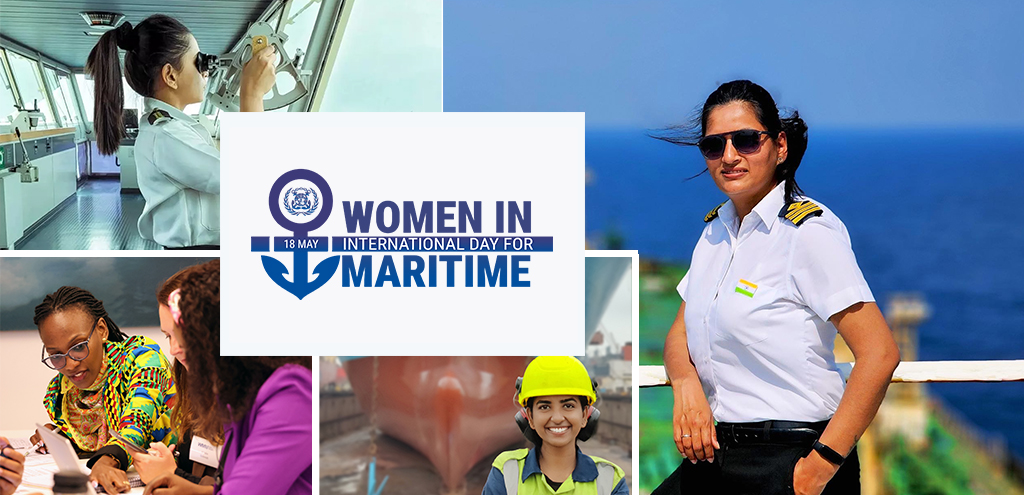
LONDON : 18 May marks the ‘IMO International Day for Women in Maritime‘. This year’s International Day for Women in Maritime (18 May) focuses on embedding gender equality at every level of the maritime industry, both on shore and at sea.

Under the theme “From Policy to Practice: Advancing Gender Equality for Maritime Excellence”, the day highlights actions to translate international ambitions and commitments into tangible actions that will make a difference in the lives of women in the sector, from seafarers to shore side professionals.

Ahead of the International Day for Women in Maritime, IMO Secretary-General Mr. Arsenio Dominguez said: “Despite our longstanding commitment to fostering gender diversity across the maritime sector, persistent challenges remain. It is time to reflect deeply and ask, where are we falling short, and what practical measures can we implement to move beyond rhetoric and achieve meaningful, lasting change?”

IMO event on advancing gender equality in shipping
On 18 May 2026, the International Maritime Organization hosts a special event at IMO Headquarters in London, exploring why gender mainstreaming matters and the challenges that remain across the maritime sector.

The in-person event, with full interpretation, will be livestreamed on IMO’s YouTube channel, to further amplify women’s voices. The event will be opened by Secretary-General Arsenio Dominguez and features a variety of maritime experts and advocates sharing their perspectives on best practices in turning commitment into action.

IMO Gender Equality Award and launch of the Handbook on Gender Mainstreaming. A highlight of the event will be the launch of the Handbook on Gender Mainstreaming, by Professor Momoko Kitada of the World Maritime University.

The Handbook will serve as practical resource designed to support maritime administrations, shipping companies, ports, and maritime training institutions in integrating gender perspectives into their policies, procedures, and operations.

Professor Kitada will also be presented with the 2026 IMO Gender Equality Award.

Join the conversation
The global maritime community is encouraged to be part of the conversation on social media by sharing stories about what women in maritime are achieving and using the hashtag #WomenInMaritimeDay, tagging @IMOHQ on X (Twitter), LinkedIn, Instagram,and Facebook.

Watch and share to celebrate : WomenInMaritimeDay

Full programme
ID4WIM – From policy to practice: Advancing gender equality for maritime excellence
Click here to register

16.00 – 16.30 Registration

16.30 – 16.35 Opening: Mr. Arsenio Dominguez, Secretary-General, IMO

16.35 – 16.50 Expert perspective: “Why Gender Mainstreaming Matters: Challenges and Gaps in the Maritime Sector”

Moderator: Atty. Sharon De Chavez-Aledo Maritime Attaché, Permanent Mission of the Philippines to the IMO, Chair of HTW Sub-Committee & Co-Chair IMOGENder
Speaker: Professor Anna Petrig, University of Basel
16.50 – 17.00 Launch of Handbook on Gender Mainstreaming – Professor Momoko Kitada, World Maritime University (WMU)

17:00 – 17.15 Expert perspective: “From Commitment to Action: Best Practices in Gender Mainstreaming”

Moderator: Atty. Sharon De Chavez-Aledo
Speaker: Mia Krogslund Jørgensen, Vice President and Head of People, Culture & Strategy, Hafnia
17.15 – 17.30 IMO Gender Equality Award Ceremony

The 2026 IMO Gender Equality Award will be presented to Professor Momoko Kitada
17.30 – 20.30 Reception

Background
The International Day for Women in Maritime is observed globally on 18 May every year, following resolution A.1170(32) adopted by the IMO Assembly. The day celebrates women in the industry and promotes their recruitment, retention, and sustained employment in the maritime sector, while supporting IMO’s commitment to United Nations Sustainable Development Goal 5 on gender equality.

IMO’s Women in Maritime programme has, since 1988, supported women into the sector through a three-pronged approach of training, visibility, and recognition. Despite progress, women remain underrepresented across the maritime sector: women make up less than 20% of the onshore maritime workforce and less than 2% of seafarers globally.

West Bengal clears transfer of seven key Highway Corridors to NHAI, NHIDCL to unlock delayed border and hill connectivity projects

KOLKATA : The West Bengal government has granted in-principle approval for the transfer of seven important national highway stretches to central agencies, clearing a prolonged administrative hurdle that had stalled several strategic projects across the state.

The decision allows the National Highways Authority of India (NHAI) and the National Highways and Infrastructure Development Corporation Ltd (NHIDCL) to proceed with pending expansion and modernisation works on routes considered critical for regional trade, tourism and border connectivity.

According to an official statement issued from the Chief Secretary’s office, the projects had remained stuck for months because the road stretches were still under the control of the national highway wing of the state Public Works Department.

The Centre had repeatedly sought formal transfer of these corridors to begin construction and upgradation works.

The state government noted, “Development works on these stretches stood stalled in the absence of a formal handover. With today’s clearance, the central agencies can move forward without further delay.”

Among the key stretches handed over to NHAI is the 329.6-km NH-312 corridor linking Jangipur, Omarpur, Krishnagar, Bongaon and Basirhat before reaching Ghojadanga near the India-Bangladesh border.

Other routes include sections of NH-31 connecting the Bihar-West Bengal border to Gazole and parts of NH-33 extending towards Farakka.

Meanwhile, NHIDCL will take over strategically important stretches in north Bengal, including the Sevoke-Kalimpong-Sikkim border route on NH-10, the Hasimara-Jaigaon corridor near Bhutan, the Changrabandha border route, and the Siliguri-Darjeeling hill road.

Maersk revises HLS for 20’ containers on Far East Asia–Europe trades

COPENHAGEN : Global shipping and logistics major A.P. Moller – Maersk has announced a revision to its Heavy Load Surcharge (HLS) applicable to all 20-foot container equipment types moving from Far East Asia to North Europe and Mediterranean trades (E1W/E2W).

The revised surcharge will take effect with a price calculation date (PCD) of 25 May 2026, impacting cargo shipments where the Verified Gross Mass (VGM) exceeds 25 metric tons.

Under the updated tariff structure, a surcharge of USD 400 per container will be applied to all qualifying 20-foot equipment categories transported from Far East Asia to North Europe and the Mediterranean.

The surcharge covers a broad range of 20-foot container types, including 20’ Dry, Bulk, Collapsible Flat Rack, Flat Rack, Hive, Pallet Wide, Open Top, Tank, Twin Deck, and Reefer containers.

According to Maersk, the Verified Gross Mass (VGM) represents the total weight of the cargo, including dunnage, bracing materials, and the tare weight of the container. Once the VGM exceeds the prescribed threshold of 25 metric tons, the Heavy Load Surcharge will be automatically triggered.

The revised surcharge will apply across Maersk’s full portfolio of ocean freight products, including contract cargo, SPOT bookings, Maersk Go, and other ocean transport services.

The company clarified that, for non-FMC regulated trades, the applicable Price Calculation Date is based on the scheduled departure date of the first ocean leg at booking confirmation for non-spot shipments. For FMC-regulated trades, the PCD will correspond to the last container gate-in date for non-spot bookings, while for SPOT bookings, pricing will be determined according to the booking confirmation date.

Maersk noted that the surcharge revision applies to trade lanes originating from Far East Asia, including Brunei, China, Hong Kong China, Indonesia, Japan, Cambodia, Mongolia, South Korea, Laos, Myanmar, Malaysia, Philippines, Singapore, Taiwan China, Thailand, and Vietnam.

The shipping line also emphasized that, for trades governed by the US Shipping Act or China Maritime Regulations, any quotations or surcharge variations differing from Maersk’s official tariff structure will only be binding if formally incorporated into a filed service contract or amendment with the relevant regulatory authority.

Maersk stated that surcharge levels are reviewed regularly as part of its ongoing tariff management and encouraged customers to consult its tariff lookup and local representatives for updated pricing information and logistics support.

Iran plans new managed Hormuz transit mechanism, ‘necessary fees’ for specialised services

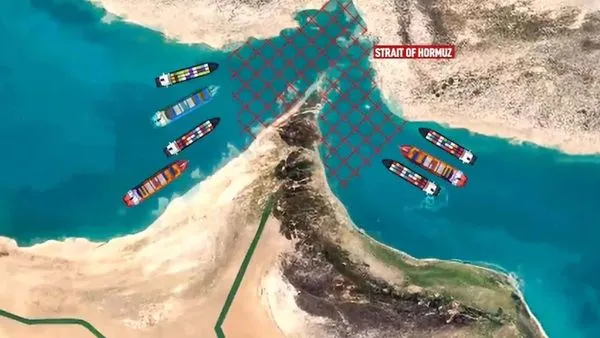
TEHRAN : Iran is preparing to roll out a new mechanism to regulate maritime traffic through the Strait of Hormuz, Reuters reported on Saturday, citing Ebrahim Azizi, head of the Iranian parliament’s national security committee.

Azizi said Tehran had finalised a designated route for managing ship movements through the strategically significant waterway, adding that further details would be announced soon. He also said Iran planned to charge “necessary fees” for specialised services provided under the proposed system.

According to Azizi, the route would not be accessible to operators linked to the US-led ‘Project Freedom’ maritime initiative, which was launched to escort commercial vessels through the Strait of Hormuz. Tehran has criticised the operation, viewing it as an attempt by Washington and its allies to undermine Iran’s influence over access to the key shipping corridor.

He further said only commercial vessels and parties cooperating with Iran would be allowed to benefit from the mechanism. Without directly naming the United States or Israel, Azizi reiterated that the waterway would remain closed to countries considered hostile to Iran.

“This route will remain closed to the operators of the so-called ‘Freedom Project’,” Azizi wrote on X.

The developments come as continued disruption in the Strait of Hormuz puts pressure on the global economy and forces several countries to adopt austerity measures amid concerns over limited oil supplies. At the same time, US-Iran talks remain uncertain despite a fragile ceasefire, with both sides continuing to exchange threats.

Meanwhile, Iranian Foreign Minister Abbas Araghchi said on Friday that Tehran had received messages from the US indicating that President Donald Trump’s administration remained open to continuing negotiations aimed at ending the conflict in West Asia.

Speaking to reporters in New Delhi after the BRICS foreign ministers’ meeting, Araghchi said earlier reports that Washington had rejected Iran’s proposal were based on comments made by Trump days earlier. However, he added that fresh messages from the US signalled willingness to continue talks and engagement.

Araghchi also clarified that the Strait of Hormuz remains open to all countries except those “at war” with Iran, adding that Tehran was ready to facilitate maritime transit through the waterway.

Source : First Post

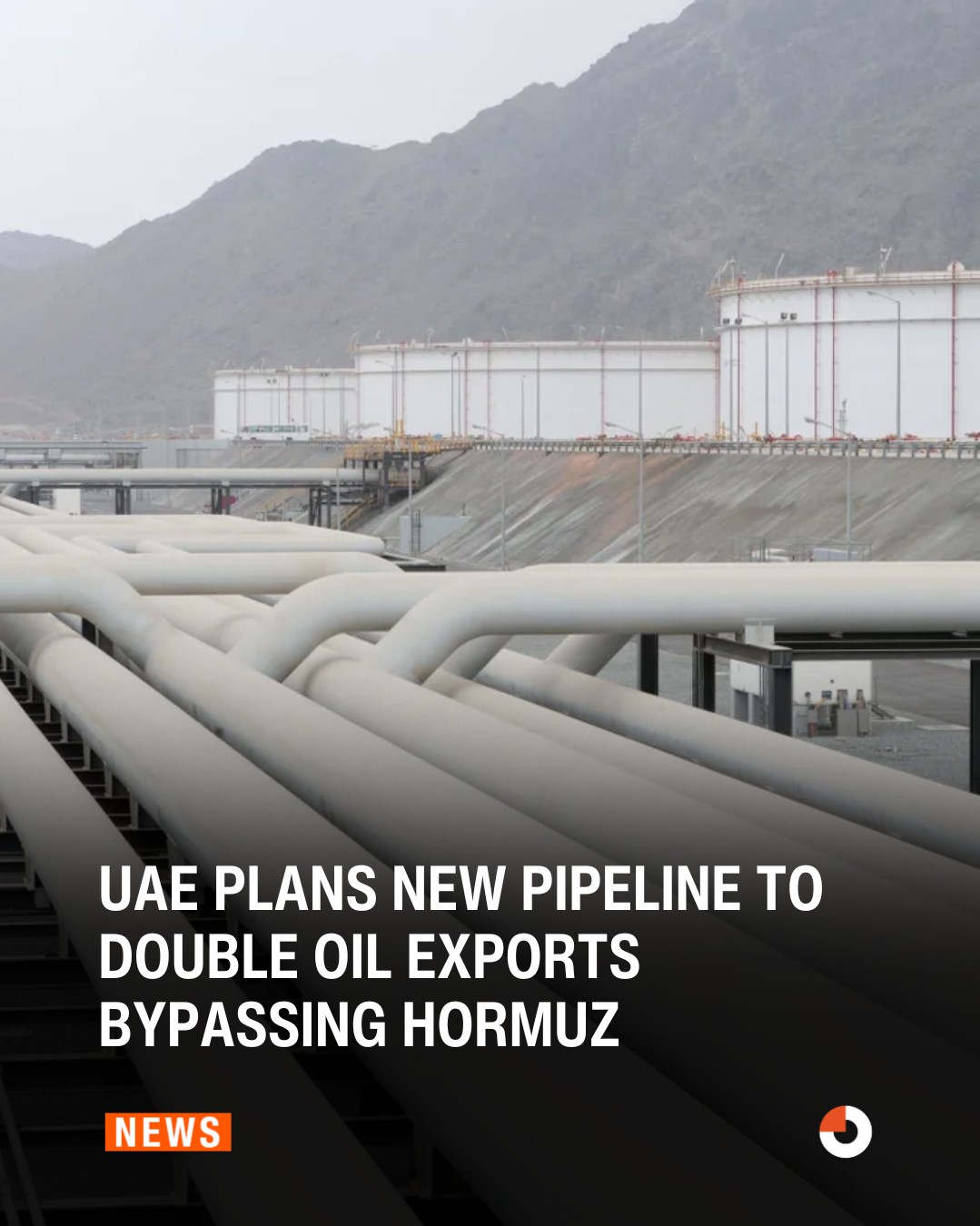
UAE plans new pipeline to bypass Hormuz and double oil exports by 2027

ABU DHABI : The United Arab Emirates will double its capacity to export crude oil bypassing the Strait of Hormuz by 2027, as it seeks to reduce reliance on the shipping chokepoint whose closure in the Iran war has upended global markets.

Abu Dhabi National Oil Co. is building a pipeline that runs to the port of Fujairah on the Gulf of Oman, according to a statement from the emirate’s media office posted on X.

The government-owned oil company already operates a 1.5 million barrel-a-day pipeline from its desert oil fields to the port on the eastern coast, which has proven to be a lifeline for the country during the war.

That existing pipeline, which has been in operation for over a decade, has become increasingly important as Iran continues to block most vessels from transiting the Strait of Hormuz, the narrow channel through which about a fifth of global oil and gas supplies flowed before the conflict. The link, however, can carry less half of Adnoc’s normal export volumes.

The UAE and Saudi Arabia are the only major Gulf producers able to get significant quantities of crude to market during the war. State oil companies of both countries have quietly managed to ship some cargoes out of the Gulf in recent weeks, avoiding the Iranian blockade.

India deepens defence, energy ties with UAE during PM Modi visit

NEW DELHI : India and the United Arab Emirates agreed the framework for ‌a strategic defence partnership on Friday, the Indian foreign ministry said, as they seek to deepen ties amid the Iran war. The two countries also signed pacts on strategic petroleum reserves and supply of liquefied petroleum gas during a visit by Prime Minister Shri Narendra Modi to the UAE, it added.

“The two ​sides have agreed on deepening defence industrial collaboration and cooperation on innovation and advanced technology, training, exercises, maritime ​security, cyber defence, secure communications and information exchange,” the ministry said in a statement.

Ahead of the visit, ⁠Indian sources told Reuters that Modi was likely to discuss long-term energy supply deals and also seek support to expand New ​Delhi’s strategic oil reserves. The UAE’s decision last month to leave OPEC is expected to boost its output and help importers such as ​India.


The Iran war has roiled global energy markets with the closure of the Strait of Hormuz, disrupting transportation and business across the region as Iranian strikes hit Gulf states, including the UAE, before a fragile ceasefire last month. The oil pact announced on Friday includes a potential increase of ADNOC’s ​crude oil storage in India for up to 30 million barrels, Abu Dhabi’s state oil firm said in a separate statement, ​adding the deal also explores potential crude storage in the UAE’s Fujairah as part of India’s strategic reserve.

ADNOC said that it would explore ‌expanded LPG ⁠supply and trading opportunities with Indian Oil Corp.

“India’s scale and growth trajectory make it one of the defining energy markets of our time. As demand accelerates alongside a rapidly expanding population, the strength of the UAE India energy partnership becomes ever more critical,” ADNOC managing director and CEO Sultan Ahmed Al Jaber said.

EYEING CLOSE SAUDI-PAKISTANI TIES

New Delhi and Abu Dhabi signed a $3 billion deal ​for India to buy LNG ​from the UAE, its third-largest ⁠trading partner, in January, as well as a letter of intent to work towards forming a strategic defence partnership.

That followed a mutual defence accord that Pakistan, India’s arch-rival neighbour,  with Saudi Arabia ​last year.

Pakistan has emerged as the key mediator between Washington and Tehran to end the ​war which began ⁠with U.S. and Israeli strikes on Iran on February 28. It has also moved to shore up Saudi Arabia’s defences after the kingdom came under hundreds of Iranian missile and drone attacks.

Riyadh said last month it would provide $3 billion in additional support to help Pakistan bridge ⁠a multi-billion-dollar ​financing gap linked to a debt repayment to the UAE. The Indian ministry ​also announced UAE investments worth $5 billion on Friday, pointing to past deals including Emirates NBD’s acquisition of a 60% stake in RBL Bank last year for $3 billion, ​and Abu Dhabi’s IHC $1 billion Sammaan investment.

Source : Reuters

Semi-high-speed train project to turn Gujarat into manufacturing and logistics hub: Amit Shah

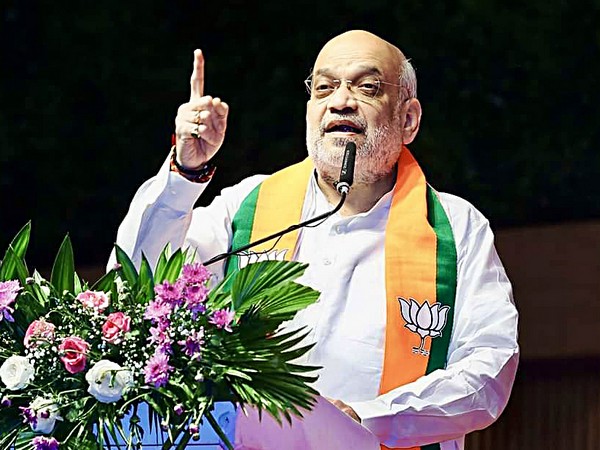
NEW DELHI : Union Home Minister Shri Amit Shah on Wednesday (May 14, 2026) said the Cabinet approval for the ₹20,667 crore Ahmedabad (Sarkhej)-Dholera semi-high-speed double rail line project is a powerful testament to Prime Minister Shri Narendra Modi’s visionary goal of transforming the country into a hub of connectivity, innovation and manufacturing.

In a post on X, Shah noted that the 134-km project will strengthen Gujarat’s role as a global manufacturing and logistics centre while generating significant employment. He also highlighted that the rail line, passing through his parliamentary constituency, will link Ahmedabad with the Dholera Special Investment Region and the upcoming greenfield industrial smart city, while enabling connectivity for Namo Bharat trains.

The project will also provide direct access to Dholera International Airport and the Lothal National Maritime Heritage Complex, further enhancing regional connectivity and economic potential.

Separately, Shah welcomed the Cabinet’s decision to upgrade Nagpur International Airport and approved a ₹37,500 crore scheme for surface coal and lignite gasification projects, saying it would boost economic growth and help optimise India’s energy capabilities while creating around 50,000 jobs.

UAE announces $5-Billion investment in India as PM Modi visits Abu Dhabi

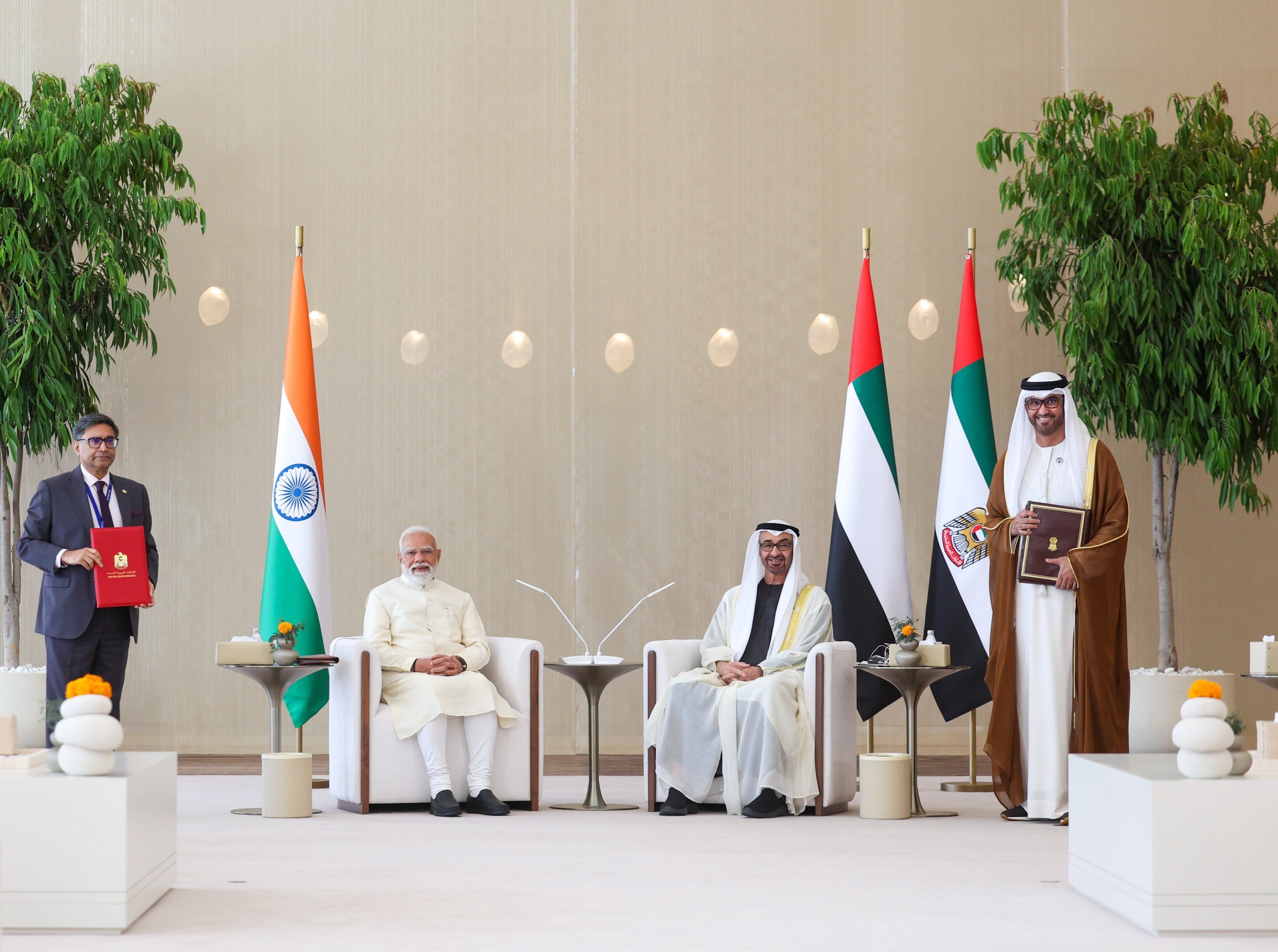
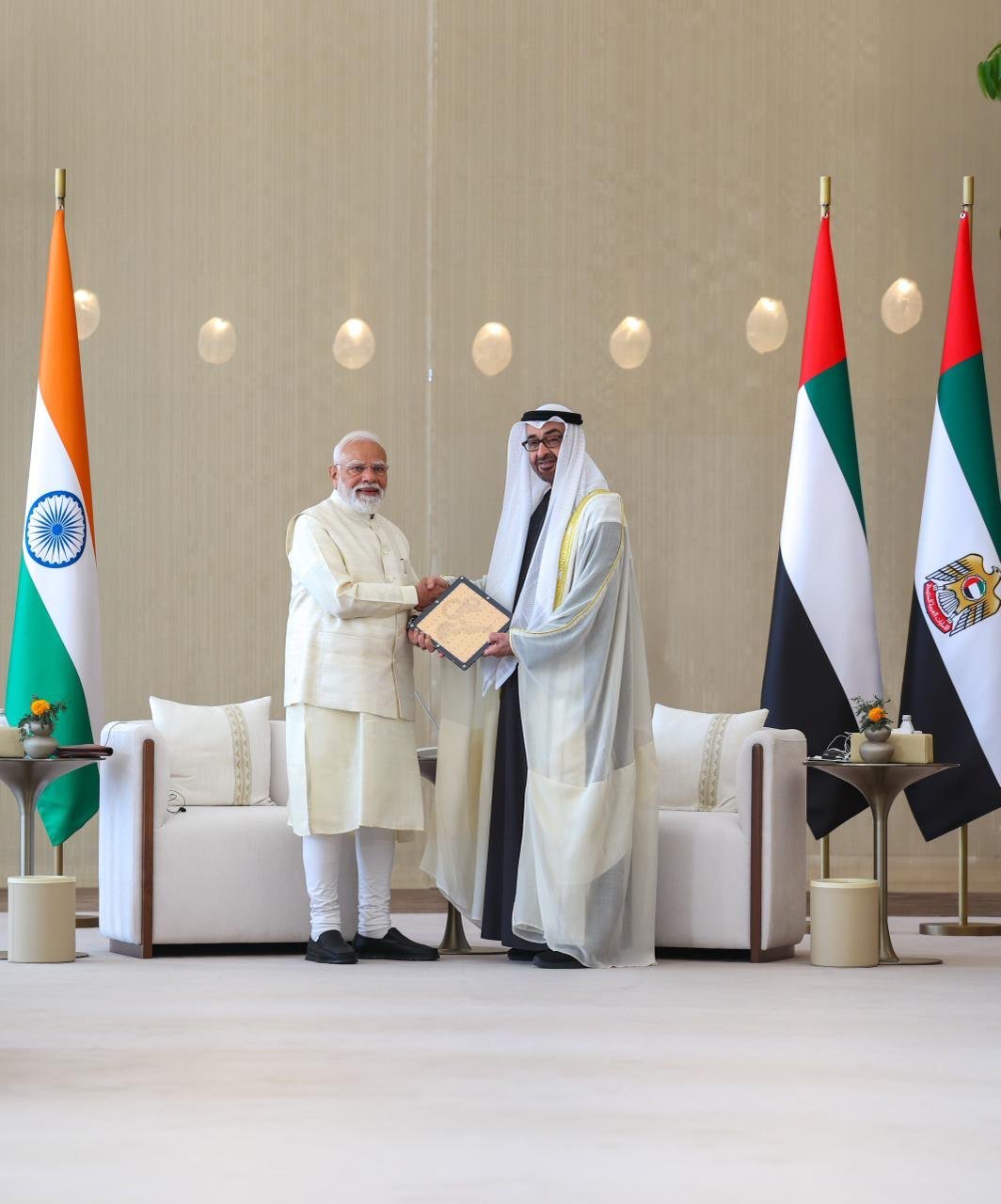
ABU DHABI : Prime Minister Shri Narendra Modi paid an official visit to the United Arab Emirates on Friday, holding wide-ranging talks with UAE President His Highness Sheikh Mohammed bin Zayed Al Nahyan in Abu Dhabi that yielded a landmark defence partnership framework, a $5 billion investment package, and a clutch of energy agreements – the most substantive outcomes of the first stop on a five-nation diplomatic tour.

PM Modi was received at the airport by President Sheikh Mohammed bin Zayed Al Nahyan and accorded a ceremonial welcome before the two leaders sat down for a series of detailed discussions covering the full breadth of the India-UAE Comprehensive Strategic Partnership.

The visit carried an unmistakably strategic tone from the outset. PM Modi reaffirmed India’s strong condemnation of recent attacks on the UAE and conveyed his country’s solidarity with the UAE’s leadership and people. He also stated India’s clear position in favour of safe transit passage and unimpeded navigation through the Strait of Hormuz, describing it as vital for regional peace and stability as well as global energy and food security.

Energy At The Core
Energy security dominated much of the substantive agenda. The two sides concluded a Strategic Collaboration Agreement between Indian Strategic Petroleum Reserves Limited and the Abu Dhabi National Oil Company (ADNOC), under which the UAE will enhance its participation in India’s Strategic Petroleum Reserves to 30 million barrels. The two nations also agreed to work together to establish strategic gas reserves in India. A separate arrangement between Indian Oil Corporation (IOCL) and ADNOC on long-term LPG supplies was also formalised. Both leaders acknowledged the UAE’s role as an important and enduring partner in India’s energy security, including crude oil, LNG, and LPG supplies, and agreed to promote new initiatives for a comprehensive energy partnership going forward.

$5 Billion Investment Commitment
In what is among the most tangible outcomes of the visit, UAE entities announced investments totalling $5 billion into India. Emirates NBD will invest $3 billion in India’s RBL Bank, the Abu Dhabi Investment Authority (ADIA) will deploy $1 billion alongside India’s National Infrastructure and Investment Fund (NIIF) into priority infrastructure projects, and the International Holding Company will invest $1 billion in Sammaan Capital of India. The Ministry of External Affairs described these commitments as underscoring the UAE’s “sustained and long-term commitment to India’s growth story.”

Defence Partnership Formalised
The visit saw the signing of a Framework for Strategic Defence Partnership between the two countries – a significant step in institutionalising what both sides described as a steady and strong defence relationship. Under the framework, India and the UAE agreed to deepen defence industrial collaboration, cooperate on innovation and advanced technology, expand training and joint exercises, and strengthen maritime security, cyber defence, and secure communications and information exchange.

Technology, Shipbuilding and Trade
Beyond energy and defence, the visit produced agreements across several other sectors. A term sheet was signed to establish an 8 Exaflop Super Compute Cluster in partnership between India’s CDAC and the UAE’s G-42, marking an ambitious leap in bilateral technology cooperation. Two MoUs involving Cochin Shipyard Limited and Dubai’s Drydocks World were concluded – one on setting up a Ship Repair Cluster at Vadinar including offshore fabrication, and another, a tripartite agreement with the Centre of Excellence in Maritime and Shipbuilding, focused on skill development in ship repair to position India as a hub for maritime professionals.

Both leaders also welcomed the operationalisation of the Virtual Trade Corridor using MAITRI – a digital framework linking customs and port authorities on both sides – designed to streamline cargo movement and reduce costs and transit times between the two countries. The India-UAE Comprehensive Economic Partnership Agreement (CEPA), already credited with pushing bilateral trade to new heights, provided the broader backdrop to these announcements.

PM Modi thanked President Sheikh Mohammed bin Zayed Al Nahyan for the warm hospitality and invited him to visit India at an early date. From Abu Dhabi, the Prime Minister departs for the European leg of his tour, with visits to the Netherlands, Sweden, Norway, and Italy to follow before he returns to New Delhi on May 20.

UAE to store up to 30 million barrels in India’s Petroleum Reserve after PM Modi’s visit: Vikram Misri

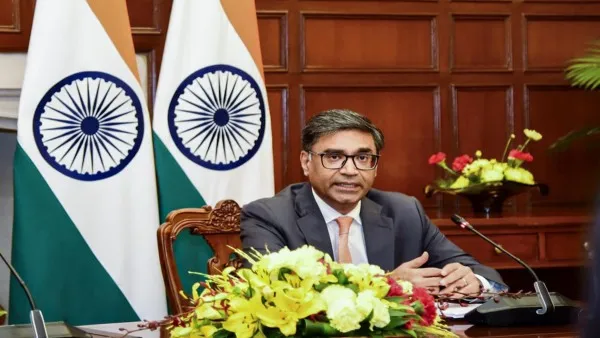
ABU DHABI: Foreign Secretary Vikram Misri on Friday shared key details on agreements between India and the UAE, stating that the UAE will store up to 30 million barrels of crude oil in India’s Strategic Petroleum Reserve following Prime Minister Narendra Modi‘s visit.

He said the move is aimed at strengthening energy cooperation and enhancing India’s energy security.

“We will be issuing a more detailed press release later today, but let me give you a snapshot of everything that happened during the course of this brief two-and-a-half-hour visit. On the bilateral front, the two sides have concluded several important initiatives to further deepen our comprehensive strategic partnership. Energy has always been a very important part of this relationship. In the energy cooperation field, we’ve seen several agreements being initialled between Indian energy sector companies and UAE entities, primarily the Abu Dhabi National Oil Company. These include agreements on enhancing UAE participation in Indian strategic petroleum reserves to a level of 30 million barrels, the establishment of strategic gas reserves in India, and long-term LPG offtake supply agreements,” he said.

Misri said that new investment commitments were signed, totalling USD 5 billion.

“In the field of investment, the UAE has traditionally been a significant investor in India, cumulatively the seventh largest investor over the course of the last 25 years. Today, new investment commitments were signed totalling USD 5 billion. These include investments by Emirates NBD Bank in RBL Bank in India, by the Abu Dhabi Investment Authority in the National Infrastructure Investment Fund, and by the International Holding Company in Saman Capital of India,” he said.

Misri further said that the two sides built on the initial steps that were taken during the visit of the UAE President to India.

“Defense cooperation has also been a major area of focus in recent years. Today, the two sides built on the initial steps that were taken during the visit of His Highness President Sheikh Mohamed bin Zayed to Delhi in January this year and concluded a framework on a strategic defense partnership. Under this, the two sides will strengthen their collaboration in defense manufacturing, technology, and equipment. Reflecting the Government of India’s initiatives in the shipbuilding industry, agreements were signed today between Cochin Shipyard Limited and Drydocks World of Dubai. These include agreements on setting up a ship repair cluster at Vadinar in India and a center of excellence for skill development in the maritime field,” he said.

Misri added that both countries took steps to cooperate in advanced technology.

“Cooperation in advanced technology took a giant step forward today with the signing of a term sheet for the establishment of an 8-exaflop supercomputing facility in India. This will add to India’s AI mission and the associated infrastructure. Furthermore, as both the UAE and India share an interest in building supply chain resilience, this visit saw the operationalisation of the virtual trade corridor called METRI between Indian and UAE ports. This will lead to much greater efficiencies in maritime commerce between the two nations,” he said.


Prime Minister Modi conveyed India’s strongest condemnation of the attacks that have taken place in the UAE.

“Finally, the situation in the region came in for detailed discussion. The Prime Minister once again conveyed India’s strongest condemnation of the attacks that have taken place in the UAE. He conveyed India’s solidarity with the leadership and the people of the United Arab Emirates and reiterated the need for unimpeded transit passage through the Strait of Hormuz and the cessation of attacks on shipping and on mariners,” he said.

PM Modi also invited President Mohamed bin Zayed of the UAE to India.

S.No.MoU/AgreementObjectives
1.MoU on Strategic Collaboration between Indian Strategic Petroleum Reserves Limited (ISPRL) and Abu Dhabi National Oil Company (ADNOC)(a) Potential ADNOC crude oil storage in India’s Strategic Petroleum Reserves upto 30 million barrels, including through its participation in facilities in Vishakhapatnam, Andhra Pradesh; and development of reserve facilities in Chandikol, Odisha.(b) Potential storage of crude oil in Fujairah, UAE, to form part of the Indian strategic petroleum reserve;(c) Potential collaboration in Liquid Natural Gas and Liquid Petroleum Gas storage facilities in India
2.Strategic Collaboration Agreement between Indian Oil Limited (IOCL) Company and Abu Dhabi National Oil Company (ADNOC) on supplies of Liquified Petroleum gas (LPG)Explore potential opportunities in the sale and purchase of LPG, including long term supply of LPG, and entry into a long-term LPG sale and purchase agreement between ADNOC Gas Limited and IOCL.
3.Framework for the Strategic Defence PartnershipA Strategic Framework for Defence Industrial collaboration, innovation and advanced technology, training, exercises, education and doctrine, special operations and interoperability, maritime security, cyber defence, secure communications and information exchange.
4.MoU between Cochin Shipyard Limited (CSL) and Drydocks World (DDW) on setting up Ship Repair Cluster at Vadinar Cooperation for setting up a Ship Repair Cluster at Vadinar, including offshore fabrication, under the Maritime Development Fund Scheme launched by the Government of India.
5.MoU between Cochin Shipyard Limited (CSL), Drydocks World (DDW) and Centre of Excellence in Maritime & Shipbuilding (CEMS) on Skill Development in Ship RepairThe tripartite agreement establishes a framework to mobilize, train and employ skilled maritime workforce. The MoU seeks to enhance capabilities of Indian maritime workforce and position India as a hub for skilled shipbuilding and ship repair professionals.
6.Term Sheet for setting up 8 Exaflop Super Computing Cluster in partnership between CDAC, India and G-42, UAE Pave the way for collaboration between CDAC and G-42 to set up super computing cluster as part of AI Mission India.
Announcement
7.Investment from UAE to India(i) Abu Dhabi Investment Authority (ADIA) and National Infrastructure & Investment Fund (NIIF) of India to explore investments upto US$ 1 bn in India’s infrastructure sector.

(ii) Emirates NBD to invest US$ 3 billion in RBL BANK of India

(iii) International Holding Company to invest US$ 1 billion in Sammaan Capital of India.

AITWA expresses concern over Diesel Price increase; Freight Rates likely to Rise by 3 to 3.5%

MUMBAI: The All India Transporters Welfare Association (AITWA), representing transporters and logistics operators across the country, has expressed concern over the recent increase in diesel prices by approximately 3–3.5% across various parts of India.

AITWA stated that the road transport industry, which serves as the backbone of the nation’s supply chain and economic movement, is heavily dependent on diesel and oil-derived products for its operations. The Association acknowledged the prevailing global crisis and the larger national interest involved in such decisions.

AITWA said that it fully understands and respects the call given by Hon’ble Prime Minister  during these challenging times. The Association also complimented the Government of India for having delayed the fuel price increase for several weeks, thereby providing significant cushioning and support to the nation, businesses, and consumers.

However, AITWA highlighted that the transport industry has already been under tremendous cost pressure over the last several weeks. Prices of DEF/Urea used in BS-VI vehicles have increased by more than 50%, while tyres, lubricants, toll charges, and several other operational inputs have also witnessed substantial hikes.

“In view of the cumulative increase in operational costs and now the diesel price hike, transporters are left with no option but to partially pass on the burden to customers. We expect freight rates across sectors to increase by approximately 2.5–3% in the coming period,” the Association stated.

AITWA further emphasized that uninterrupted fuel availability remains critical for maintaining smooth logistics operations across the country. The Association is in discussions with the Government and relevant authorities to ensure continuous fuel supply and avoid disruptions, as uncertainty and supply shortages only increase costs and operational inefficiencies in the logistics ecosystem.

The Association reiterated that it remains deeply conscious of fuel sustainability and environmental concerns. Through its dedicated platform, AITWA Green Grid, the Association has been actively enabling and encouraging the adoption of electric and alternate-fuel commercial vehicles for sustainable growth of the transport sector. Multiple pilot projects and real-world operational studies are currently being undertaken to evaluate infrastructure readiness, operational viability, and sectoral challenges associated with green mobility solutions.

AITWA reaffirmed its commitment towards the Nation, economic stability, and ensuring uninterrupted logistics support during challenging global conditions.