Home Blog Page 309

Severe weather and Middle East conflict: Hapag-Lloyd Q1 result unsatisfactory

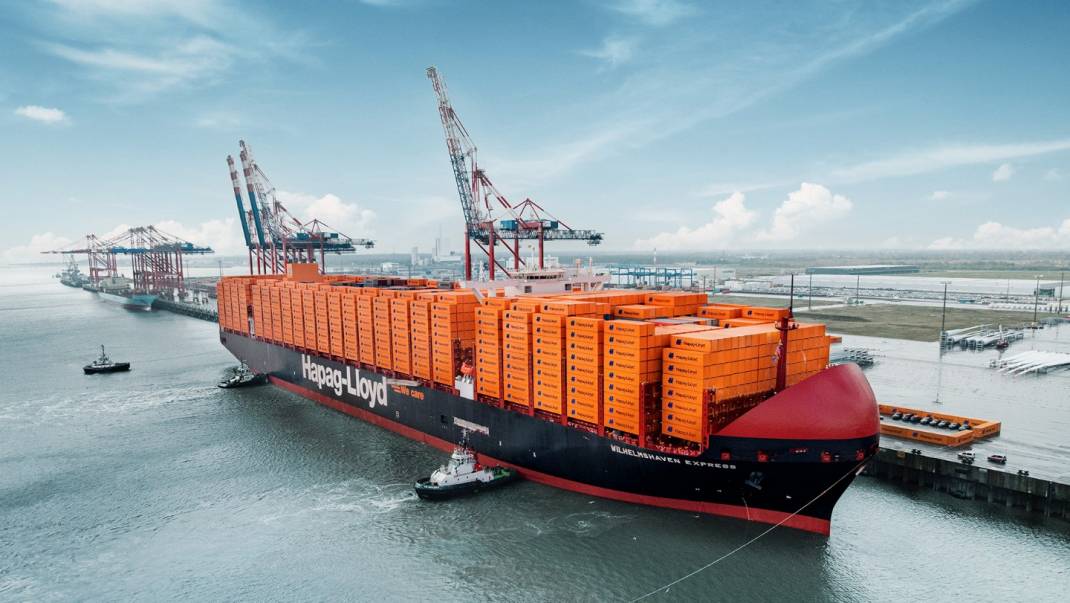
HAMBURG: Hapag-Lloyd has concluded the first quarter of 2026 with a Group EBITDA of USD 494 million (EUR 422 million). In the same period, the Group EBIT declined to USD -157 million (EUR -134 million) and the Group profit to USD -256 million (EUR -219 million). Compared with the same quarter of the previous year, earnings were impacted by lower freight rates and operational disruptions as a result of severe weather conditions and the blockage of the Strait of Hormuz.

In the Liner Shipping segment, revenues decreased to USD 4.8 billion (EUR 4.1 billion), primarily due to the lower average freight rate of USD 1,330/TEU (Q1 2025: USD 1,471/TEU). Transport volume was 3.2 million TEU and nearly on par with the prior-year quarter – despite bad weather conditions in Europe and North America, which resulted in ongoing disruptions of terminal operations and supply chains. Additionally, the blockage of the Strait of Hormuz led to disrupted volume flows. EBITDA decreased to USD 447 million (EUR 382 million), while EBIT amounted to USD -174 million (EUR -149 million).

In the Terminal & Infrastructure segment, revenues increased to USD 168 million (EUR 144 million) in the first quarter of 2026 due to the first-time full consolidation of J M Baxi’s container business as well as strong volume growth in Latin America and India. EBITDA rose to USD 47 million (EUR 40 million), while EBIT amounted to USD 18 million (EUR 15 million).

“The first quarter of 2026 was unsatisfactory for us, with weather-related supply chain disruptions and pressure on freight rates leading to significantly lower results. At the same time, our Gemini network has proven its resilience even under difficult conditions, helping us maintain a reliable service offering for our customers. We will stay firmly focused on our Strategy 2030 and the next milestones for the successful completion of our merger agreement with ZIM while we maintain our rigorous cost management as we navigate the volatile market environment,” said Rolf Habben Jansen, CEO of Hapag-Lloyd AG.

For the 2026 financial year, the Executive Board continues to expect the Group EBITDA to be in the range of USD 1.1 to 3.1 billion (EUR 0.9 to 2.6 billion) and the Group EBIT to be in the range of USD -1.5 to 0.5 billion (EUR -1.3 to 0.4 billion). This outlook remains subject to considerable uncertainty due to the highly volatile development of freight rates and the conflict in the Middle East. 

The financial report for the first quarter of 2026 is available here.

KEY FIGURES (USD)* 

GroupQ1 2026Q1 2025Q1 2026 versus Q1 2025
Revenues (USD million)4,9185,318-399 
EBITDA (USD million)4941,103-610 
EBIT (USD million)-157487-645 
EBITDA margin10%21%-11 pp 
EBIT margin-3%9%-12 pp 
Group profit (USD million)-256469-725 
Liner Shipping SegmentQ1 2026Q1 2025Q1 2026 versus Q1 2025
Transport volume (TTEU)3,2033,225-22 
Freight rate (USD/TEU)1,3301,471-141 
Revenues (USD million)4,7785,220-442 
EBITDA (USD million)4471,067-620 
EBIT (USD million)-174472-646 
Terminal & Infrastructure SegmentQ1 2026Q1 2025Q1 2026 versus Q1 2025
Revenues (USD million)16810959 
EBITDA (USD million)473612 
EBIT (USD million)18153 

KEY FIGURES (EURO)* 

GroupQ1 2026Q1 2025Q1 2026 versus Q1 2025
Revenues (EUR million)4,2015,052-851 
EBITDA (EUR million)4221,048-626 
EBIT (EUR million)-134463-597 
Group profit (EUR million)-219446-665 
Liner Shipping SegmentQ1 2026Q1 2025Q1 2026 vs Q1 2025
Revenues (EUR million)4,0814,959-878 
EBITDA (EUR million)3821,014-632 
EBIT (EUR million)-149448-597 
Terminal & Infrastructure SegmentQ1 2026Q1 2025Q1 2026 versus Q1 2025
Revenues (EUR million)14410440 
EBITDA (EUR million)40347 
EBIT (EUR million)15141 

* In individual cases, rounding differences may occur in the tables for computational reasons. 
 

About Hapag-Lloyd
With a fleet of 302 modern container ships and a total transport capacity of 2.5 million TEU, Hapag-Lloyd is one of the world’s leading liner shipping companies. In the Liner Shipping segment, the Company has 15,200 employees and 400 offices in 140 countries. Hapag-Lloyd has a container capacity of 3.6 million TEU – including one of the largest and most modern fleets of reefer containers. A total of 133 liner services worldwide ensure fast and reliable connections between 600 ports on all the continents. In the Terminal & Infrastructure segment, Hapag-Lloyd has equity stakes in 24 marine terminals in Europe, Latin America, the United States, India and North Africa. 4,400 employees are assigned to the Terminal & Infrastructure segment and provide complementary logistics services at selected locations in addition to the terminal activities. 
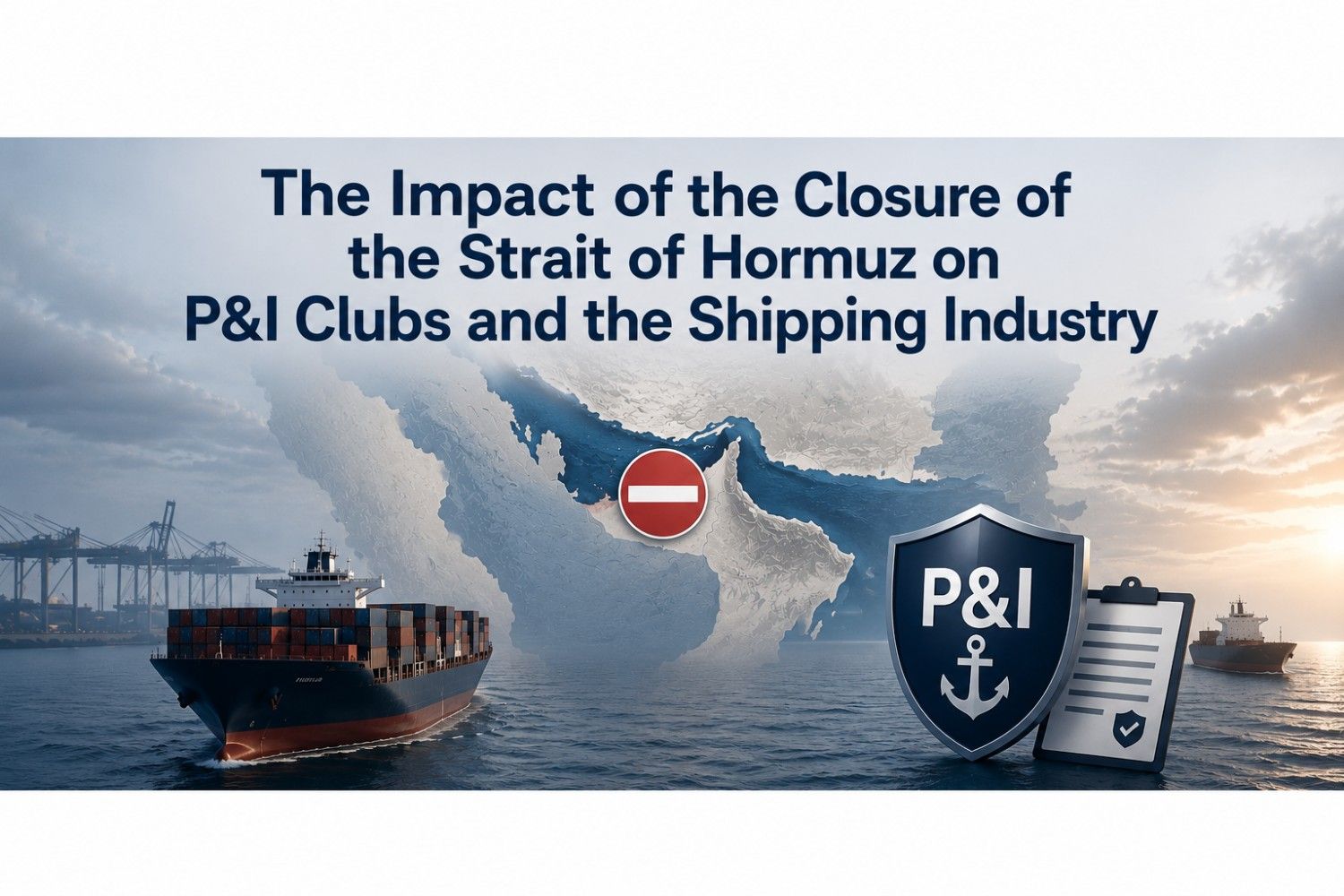
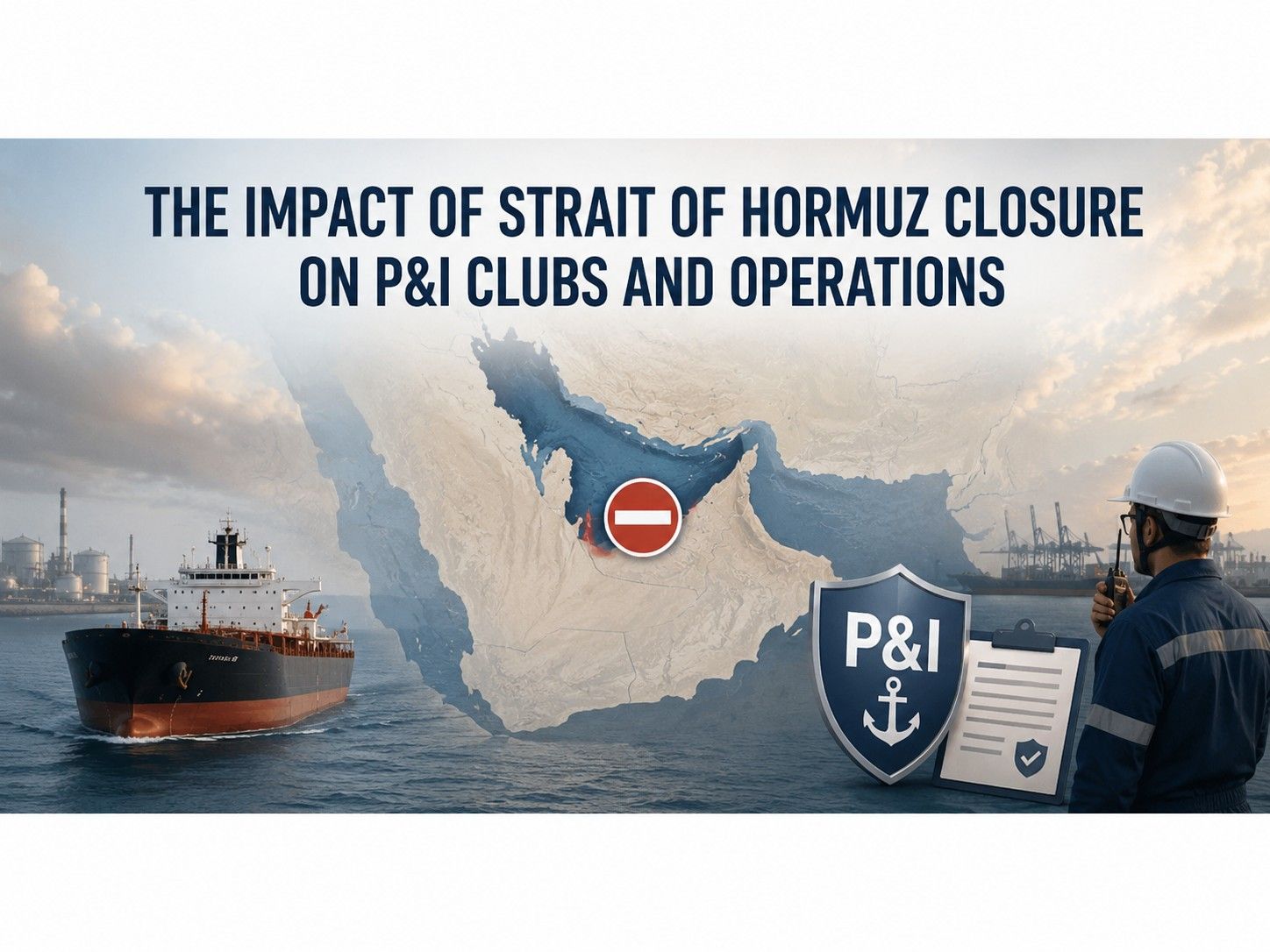
The Impact of the Closure of the Strait of Hormuz on P&I Clubs and the Shipping Industry

By Priyatham Sanjeeva Reddy, Ramidi, Maritime Professional and P&I Expert

The Strait of Hormuz is one of the most critical maritime chokepoints in the world, serving as the primary route for oil and gas shipments from the Middle East to global markets. The closure or even the disruption of this key waterway can have profound effects on international shipping, including potential ramifications for Protection and Indemnity (P&I) Clubs that provide essential insurance to shipowners.

While the geopolitical risks surrounding the Strait of Hormuz are often discussed in terms of regional conflict and military tensions, the effects on the maritime industry and P&I clubs are just as significant. The operational disruption caused by the closure of this vital passage poses challenges not only for ships but also for the underwriters responsible for insuring the vessels, cargo, and crew.

This article examines the implications of the closure of the Strait of Hormuz on P&I clubs, focusing on the financial, operational, and insurance-related challenges that arise when one of the world’s most important shipping lanes is obstructed.

The Strait of Hormuz: A Vital Artery for Global Shipping:
The Strait of Hormuz is strategically positioned between the Persian Gulf and the Gulf of Oman, connecting the oil-rich nations of the Arabian Peninsula to global markets. More than 20% of the world’s crude oil trade passes through this narrow channel, making it essential not only for the energy sector but also for global trade. The passage facilitates the movement of millions of barrels of oil daily, and any disruption to this flow can have farreaching consequences.

For shipping companies, the Strait of Hormuz serves as a critical passage for the transportation of oil tankers, bulk carriers, container ships, and other commercial vessels. A significant percentage of global trade flows through this route, with oil tankers, in particular, being reliant on this passage for access to international markets.

Impact on Ship Operations:

The closure of the Strait of Hormuz would force vessels to seek alternative routes, which in turn would lead to significant operational challenges. One of the primary consequences of a disruption in the Strait is the need for vessels to reroute, which may lead to significant delays and increased costs.

Rerouting vessels could involve longer, more circuitous routes, increasing fuel consumption and voyage duration. For example, a vessel traveling from the Arabian Gulf to the Arabian Sea might have to take a longer route around the Cape of Good Hope or
through the Red Sea, adding several days to the voyage. This additional time at sea can increase the risk exposure for the shipowners and further complicate the logistics of ship operations.

Furthermore, these longer routes may pass through more piracy-prone regions, increasing the risk of security incidents. Vessels may also encounter more challenging weather conditions or restricted sea lanes, both of which could lead to increased operational risks. These challenges would require more careful planning, a higher level of crew readiness, and constant monitoring of ship systems to avoid mechanical failure.

Financial Ramifications for P&I Clubs:

P&I clubs, which provide insurance coverage for shipowners, face substantial challenges when the Strait of Hormuz is closed. Shipowners depend on P&I coverage for protection against a range of risks, including damage to vessels, cargo claims, personal injury, environmental pollution, and war risks.

The closure of the Strait could lead to an increased number of claims in several areas, placing greater financial strain on P&I clubs. The re-routing of vessels not only incurs additional operating costs but also increases the potential for accidents, cargo damage, or
environmental incidents. The longer voyages through high-risk areas heighten the likelihood of such claims, especially in regions where piracy and natural hazards are prevalent. The financial burden of covering these additional risks would likely increase the
premiums for shipowners and lead to higher costs for insurance providers.

Another important consideration is the war risk insurance component of P&I coverage. In times of geopolitical instability, war risk insurance becomes particularly important. The closure of the Strait of Hormuz could increase the perceived risk of conflict in the region, which might lead to higher premiums for war risk coverage. Insurance underwriters may adjust their rates based on the heightened threat of violence or damage to vessels operating in the vicinity of conflict zones.

P&I clubs may also face a higher number of claims related to environmental damage, especially in the event of accidental oil spills or cargo-related incidents. With vessels potentially forced to take longer routes, navigating unfamiliar waters could increase the risk of accidents that lead to environmental disasters, resulting in a surge of claims for oil pollution, cargo contamination, and other related risks.

Increased Regulatory Scrutiny:

The closure of the Strait of Hormuz could also lead to greater regulatory scrutiny of vessels, particularly with respect to their compliance with international maritime standards. In the aftermath of such a disruption, port authorities and maritime organizations may implement stricter regulations for ships passing through alternative routes. This could involve more detailed inspections, mandatory reporting, and additional safety checks, further increasing the operational costs for shipowners.

P&I clubs play a crucial role in helping shipowners navigate these complex regulatory requirements. With the closure of the Strait of Hormuz, shipowners may need guidance on how to comply with the new regulations in these alternative routes. P&I clubs may be required to provide additional support to their members, ensuring that vessels continue to meet international safety standards while minimizing the potential for fines or sanctions.

Crew Welfare and Liability Risks:

Another key area of concern for P&I clubs is crew welfare. Extended voyages and rerouted journeys can lead to crew fatigue and increased risk of accidents onboard. Long hours, increased stress, and adverse working conditions can contribute to accidents and injuries.P&I clubs would likely see a rise in claims related to crew injuries, medical emergencies, and psychological stress among the crew members.

With increased risks and challenges, crew members must be adequately trained to manage the technical aspects of rerouting and operating in new regions. Ensuring the safety and well-being of the crew becomes a priority for shipowners, and P&I clubs may
need to increase their focus on supporting member companies in managing these human
resource risks.

Conclusion: Managing the Impact on P&I Clubs:

The closure of the Strait of Hormuz would present significant challenges for both themaritime industry and the P&I clubs that ensure vessels operating in the region. While the immediate focus may be on the geopolitical risks and disruptions to shipping routes, the financial and operational implications for P&I clubs cannot be understated. Shipowners would face higher operational costs, increased risks, and greater regulatory burdens as they navigate alternative routes. P&I clubs, in turn, would need to adjust their policies, provide additional support to their members, and brace for an increase in claims across multiple areas, including war risks, environmental damage, crew welfare, and operational safety.

Ultimately, the closure of such a vital maritime chokepoint would underscore the vital role that P&I clubs play in maintaining the stability of global shipping. As the maritime industry adapts to new geopolitical realities, collaboration between P&I clubs, shipowners, and regulatory bodies will be essential in managing the risks and challenges that arise. In such uncertain times, ensuring that ships are properly insured and prepared for these challenges will be crucial to maintaining the safety and eƯiciency of international shipping.

Author:

Priyatham Image 1 The Impact of the Closure of the Strait of Hormuz on P&I Clubs and the Shipping Industry

Priyatham Sanjeeva Reddy, Ramidi, Maritime Professional and P&I Expert

Priyatham Sanjeeva Reddy, Ramidi currently works in maritime technical and operational roles with a focus on the intersection of ship technical operations and risk management.

Disclaimer: The views expressed in this article are those of the author and do not necessarily represent the views of India Shipping News. The publication assumes no responsibility for the accuracy or completeness of the information presented.

TALKING POINTS: The Impact of Strait of Hormuz closure on P&I Clubs and Operations

By Priyatham Sanjeeva Reddy Ramidi,Maritime Professional and P&I Expert

As we explored in the previous article, the closure of the Strait of Hormuz would create immediate and significant challenges for the maritime industry, particularly for Protection and Indemnity (P&I) clubs. In this section, we’ll break down specific operational risks, financial implications, and crew challenges that come into play when this vital chokepoint is disrupted.

Port Turnarounds and Rerouting:
When the Strait of Hormuz is closed, vessels will be forced to reroute around the Arabian Peninsula, taking longer and more complex routes that increase operational costs and reduce overall efficiency. This will involve navigating through different channels, with some ships potentially needing to travel through the Cape of Good Hope or bypass certain regions to maintain the schedule. The added distance not only increases fuel consumption but also leads to additional challenges in port turnarounds, where ships are scheduled for disembarkation and embarkation. These changes will lead to operational delays and could result in additional financial claims, particularly for cargo damage and port congestion.

Increased Operational Costs Due to Longer Routes:
As ships are forced to take longer routes, the associated costs will inevitably rise. Fuel consumption is one of the most immediate concerns, as increased travel time means more fuel expenditure, especially for vessels traveling through areas with less direct access to major shipping lanes. Furthermore, longer voyages require more supplies to sustain the crew and equipment, driving up operating costs. These extended voyages place financial pressure on shipowners, and P&I clubs will face increased claims for higher operational costs, including damage to the vessel, extended crew service, and potential delays in delivery times.

Security Risks and Piracy:
The rerouting of vessels from Hormuz will likely pass through regions with higher risks of piracy and maritime crime. As ships venture farther into high-risk zones, they will become more vulnerable to piracy attacks and other security incidents. Piracy along the Horn of Africa and other piracy-prone areas increases the likelihood of ransom demands and the loss of cargo, both of which are covered under war risk insurance but could lead to significant claims for P&I clubs. The increase in piracy-related incidents will put more strainon insurance providers, raising war risk premiums and potentially creating a wave of claims tied to stolen or damaged cargo, as well as the cost of crew recovery.

Increased Regulatory Scrutiny:
The closure of the Strait of Hormuz could also result in greater regulatory scrutiny for ships that are forced to take alternative routes. This is especially relevant for international shipping standards and compliance regulations, which vary depending on the regions in which vessels operate. For instance, ships rerouting through regions with specific environmental or security regulations may be subject to additional inspections, stricter compliance requirements, and costly delays. P&I clubs may need to guide shipowners through the increasing complexity of these regulatory challenges, which could add to the overall operational cost and risk.

War Risk Insurance and Increased Premiums:
One of the most immediate consequences of a disruption in the Strait of Hormuz is the increase in war risk premiums for ships transiting through potentially conflict zones. Given the geopolitical instability of the region, war risk insurance becomes a more significant consideration for shipowners. Higher war risk premiums will result in increased costs for shipping companies, which will, in turn, lead to higher premiums for P&I coverage, especially for vessels navigating through more volatile regions. The threat of armed conflict will increase the financial exposure for shipowners, leading to a potential spike in P&I claims related to vessel damage, crew safety, and cargo risks.

Crew Fatigue and Increased Operational Risks:
As voyages are extended due to rerouting, crew fatigue becomes a serious concern. Long periods at sea, especially in high-risk zones, put additional strain on the crew, leading to mental and physical fatigue, which, in turn, increases the likelihood of accidents and safety incidents onboard. Crew welfare and the risk of workplace injuries are areas where P&I
clubs may see an uptick in claims. The challenge for P&I clubs will be in covering these human resource risks, which often lead to crew injury or illness claims. Additionally, fatigue-related incidents might lead to ship accidents, further escalating the operational risk.

Environmental and Pollution Risks:
One of the most concerning aspects of rerouted shipping routes is the increased exposure to environmental risks. Ships forced to navigate through unfamiliar or high-risk waters may encounter new challenges such as adverse weather conditions, shallow waters, or areas with poor navigational infrastructure. This increases the likelihood of accidental pollution, especially in regions not equipped to handle major environmental disasters. With the heightened risk of spills, marine pollution, and damage to local ecosystems, P&I clubs could face a surge in claims related to environmental damage and pollution control. Ships may also need to comply with stricter environmental standards, further increasing operational costs.

Increase in Claims Due to Longer Voyages:
The extended voyages and increased exposure to challenging conditions lead to a higher frequency of accidents and incidents. The likelihood of ship damage rises with increased travel times and unfamiliar routes, which may involve more complex navigation or even adverse weather conditions. These increased risks of collision, cargo damage, and mechanical failure will lead to a surge in claims for P&I clubs. As the frequency of claims increases, premiums may rise for shipowners, and P&I clubs may face additional financial liabilities.

Conclusion: Managing the Impact on P&I Clubs
The closure of the Strait of Hormuz has wide-reaching consequences for the maritime industry, particularly for P&I clubs and the insurance policies they oƯer. The operational challenges that arise from rerouting vessels, increased fuel consumption, security risks, and regulatory compliance all lead to greater financial exposure for both shipowners and their insurers. With higher premiums and an increase in the frequency of claims, P&I clubs will need to adjust their policies and provide additional support to their members to manage the new risks.

As the industry adapts to these challenges, P&I clubs will play an essential role in ensuring that shipowners are equipped to handle the risks posed by geopolitical instability, and in turn, continue to keep global trade moving despite the challenges in the Strait of Hormuz.

Author:

Priyatham Image TALKING POINTS: The Impact of Strait of Hormuz closure on P&I Clubs and Operations

Priyatham Sanjeeva Reddy Ramidi, Maritime Professional and P&I Expert.

Priyatham Sanjeeva Reddy, Ramidi currently works in maritime technical and operational roles with a focus on the intersection of ship technical operations and risk management.


Disclaimer: The views expressed in this article are those of the author and do not necessarily represent the views of India Shipping News. The publication assumes no responsibility for the accuracy or completeness of the information presented.

Iran chief negotiator says U.S. must accept proposal or face ‘failure’

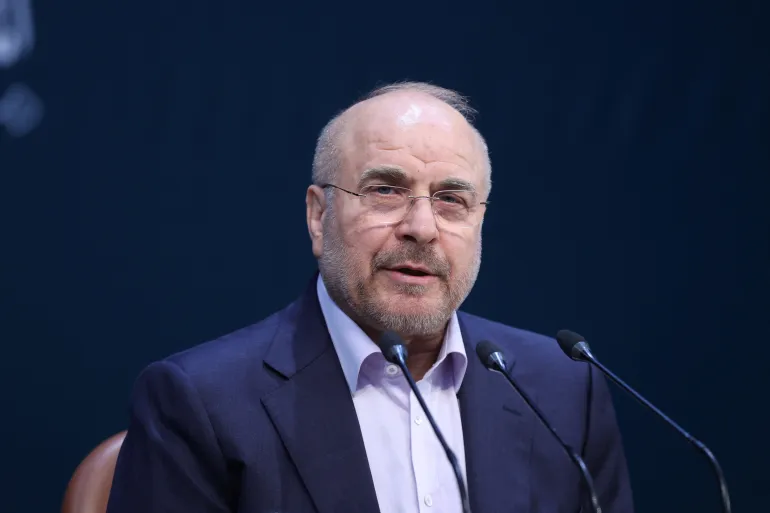
TEHRAN: Iran’s chief negotiator on Tuesday (May 12, 2026) issued an ultimatum to the United States to accept the conditions in Tehran’s 14-point proposal for peace in the West Asia war or face “failure”.

The defiant message came after U.S. President Donald Trump rejected the latest counteroffer from Iran and said that a fragile ceasefire in place since April 8, 2026 was on “life support”.

But Mohammad Bagher Ghalibaf said Washington had to accept Tehran’s “rights” if it wanted to end more than two months of conflict, as peace talks remain deadlocked after an initial round failed to produce a breakthrough last month.

“There is no alternative but to accept the rights of the Iranian people as laid out in the 14-point proposal. Any other approach will be completely inconclusive; nothing but one failure after another,” said Mr. Ghalibaf in a post on X.

“The longer they drag their feet, the more American taxpayers will pay for it.”

Iran has refused to back down in its war with Washington, with military officials warning they are prepared to respond to any renewed U.S. attack.

It has choked traffic through the key Strait of Hormuz trade route, rattling global markets and giving it vital leverage, while the U.S. has imposed its own naval blockade on Iranian ports.

Details of the latest U.S. proposal remain limited, though media reports say it involves a one-page memorandum of understanding aimed at ending the fighting and establishing a framework for negotiations on Iran’s nuclear programme.

Iran’s Foreign Ministry said its response called for ending the war on all fronts, including Lebanon, halting the U.S. naval blockade on Iranian ports and securing the release of Iranian assets frozen abroad under longstanding sanctions.

It did not elaborate on what Iran would offer in return.

On Tuesday (May 12, 2026), the spokesman for Iran’s Parliamentary National Security Commission said lawmakers would consider the possibility of enriching uranium to weapons-grade levels if conflict resumed.

“One of Iran’s options in the event of another attack could be 90% enrichment. We will examine it in parliament,” Ebrahim Rezaei wrote in a post on X.

Tehran possesses a significant stockpile of uranium enriched to 60% purity, with roughly 90% required for a nuclear weapon.

Iran’s stockpile of highly enriched uranium remains a key sticking point in negotiations with the United States, which insists the material must be transferred out of the country.

Iran has so far refused to move its enriched uranium stockpile abroad and insists on its right to the peaceful use of nuclear energy, though it has said the level of enrichment remains “negotiable”.

BIFA comments on King’s speech; welcomes news of strengthened ties with EU

LONDON: The British International Freight Association (BIFA) welcomes the news that EU alignment as part of the ongoing reset of relations with Brussels featured prominently in today’s King’s Speech, and legislation will be introduced to unlock the benefits of airport expansion. 
  
Speaking on behalf of the freight forwarding and logistics companies that it represents, BIFA director general, Steve Parker said: “Since it was elected, the government has been vocal about its efforts to reset post-Brexit relations and forge closer economic ties with the EU without committing to rejoin the single market or customs union.”
  
Since Brexit, BIFA has been very vocal in its opinions about the state of the trade border between the UK and the EU, and much remains to be done to improve its efficiency, whilst protecting the UK market.
  
On behalf of our members and the international traders they serve, BIFA has continued to push for smoother UK-EU trading arrangements, especially around customs paperwork, SPS checks and border friction.
  
“Broader government discussion of an EU ‘reset’ is being closely watched by the sector. Ahead of a summer summit between EU and UK, and the five-year review of the Trade and Cooperation Agreement, we now need to see greater details about the government’s likely approach to that review.”

Wilson Sons launches new tugboat to operate in the Port of Santos

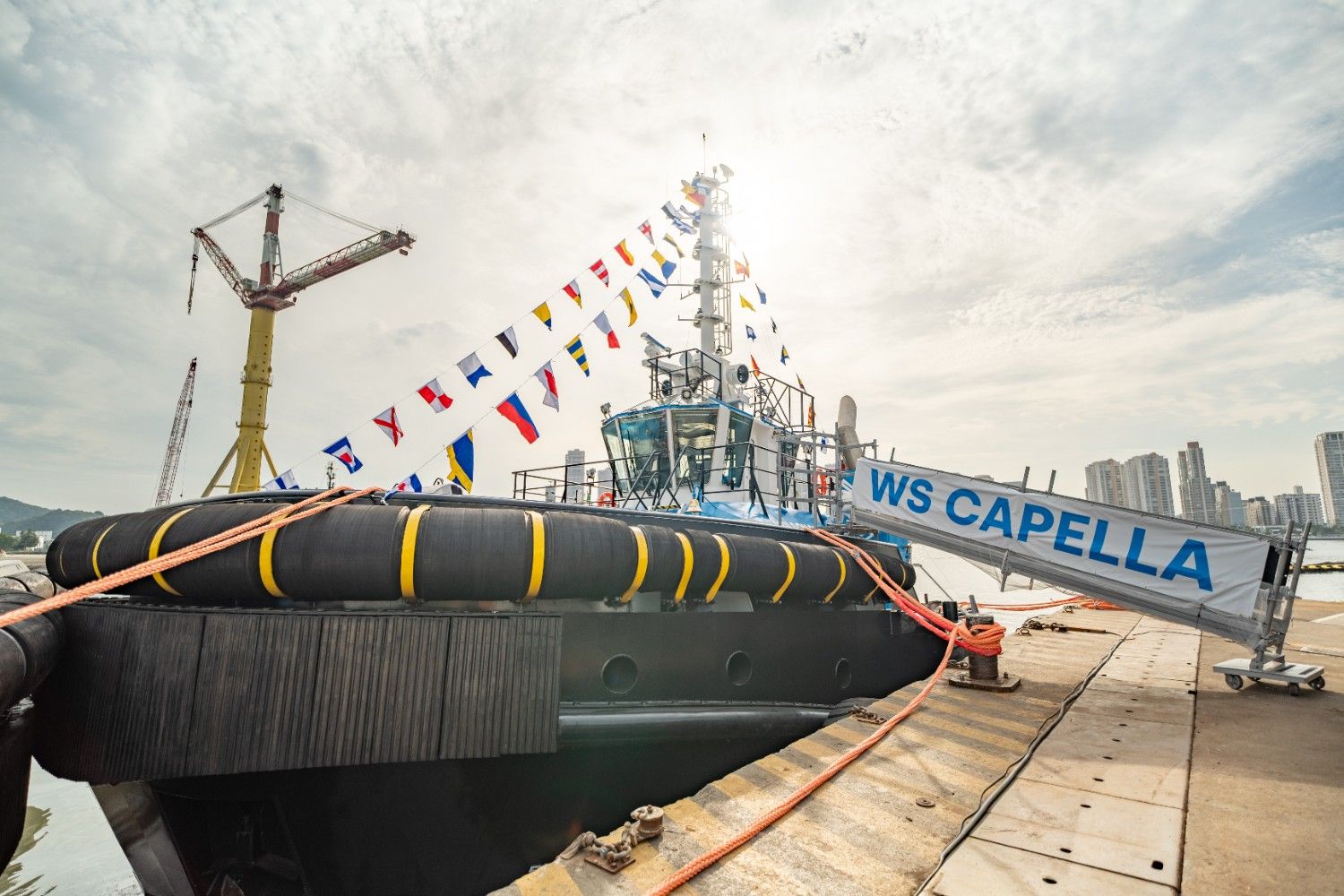
SANTOS: On Wednesday, May 13th, Wilson Sons, a port and shipping logistics operator with over 188 years of experience, held the launch ceremony of WS Capella, the second tug of a new range of three high-powered tugboats.

Just like WS Halcyon, baptised in January this year, WS Capella was built at the company’s shipyard and is also an ASD 2312 class tug (23 metres long, 12 metres wide). With azimuth thrusters, 70-ton bollard pull, and capacity to handle the largest ships operating in Brazil during docking and undocking manoeuvres, the new vessel will operate in the Port of Santos, the largest port complex in Latin America. Its modern design allows for reduced fuel consumption, which directly contributes to lower emissions. Versatile, WS Capella is also equipped with a fire-fighting system with a capacity of 2,400,000 litres/hour of water (FiFi 1).

The godmother of the vessel will be Flávia Carvalho, Executive Director of Wilson Sons Shipping Agency.

The new tugs are part of Wilson Sons’ fleet renewal and expansion strategy, with 83 vessels operating along the Brazilian coast. This reinforces the company’s commitment to the safety, efficiency, and sustainability of its operations.  Márcio Castro, Executive Director of the Towage division at Wilson Sons, emphasizes that the new vessels are a robust addition to Brazil’s logistics chain.

“With its power, WS Capella will fully meet the requirements necessary for the safe handling of increasingly larger ships, generating income and strengthening port infrastructure, which directly supports the Brazilian economy,” Castro says.

According to Adalberto Souza, Executive Director of Wilson Sons’ Shipyard, “the company invests in cutting-edge shipbuilding technology and, to achieve this, it relies on highly qualified specialists, always striving for operational excellence.”

Another ASD 2312 class tugboat is being built at the Guarujá shipyard, with delivery scheduled for the third quarter of this year. With this new range of tugboats, Wilson Sons will reach the milestone of 156 vessels built at its shipyard, which boasts over than 80 years of history.

About Wilson Sons

With more than 188 years of operations across the Brazilian territory, Wilson Sons is a port and shipping logistics operator. As a reference in this segment, it offers comprehensive solutions to over 5,000 clients, including shipowners, importers and exporters, the offshore energy industry, renewable energy projects, the agribusiness sector, as well as other players across various economic segments.

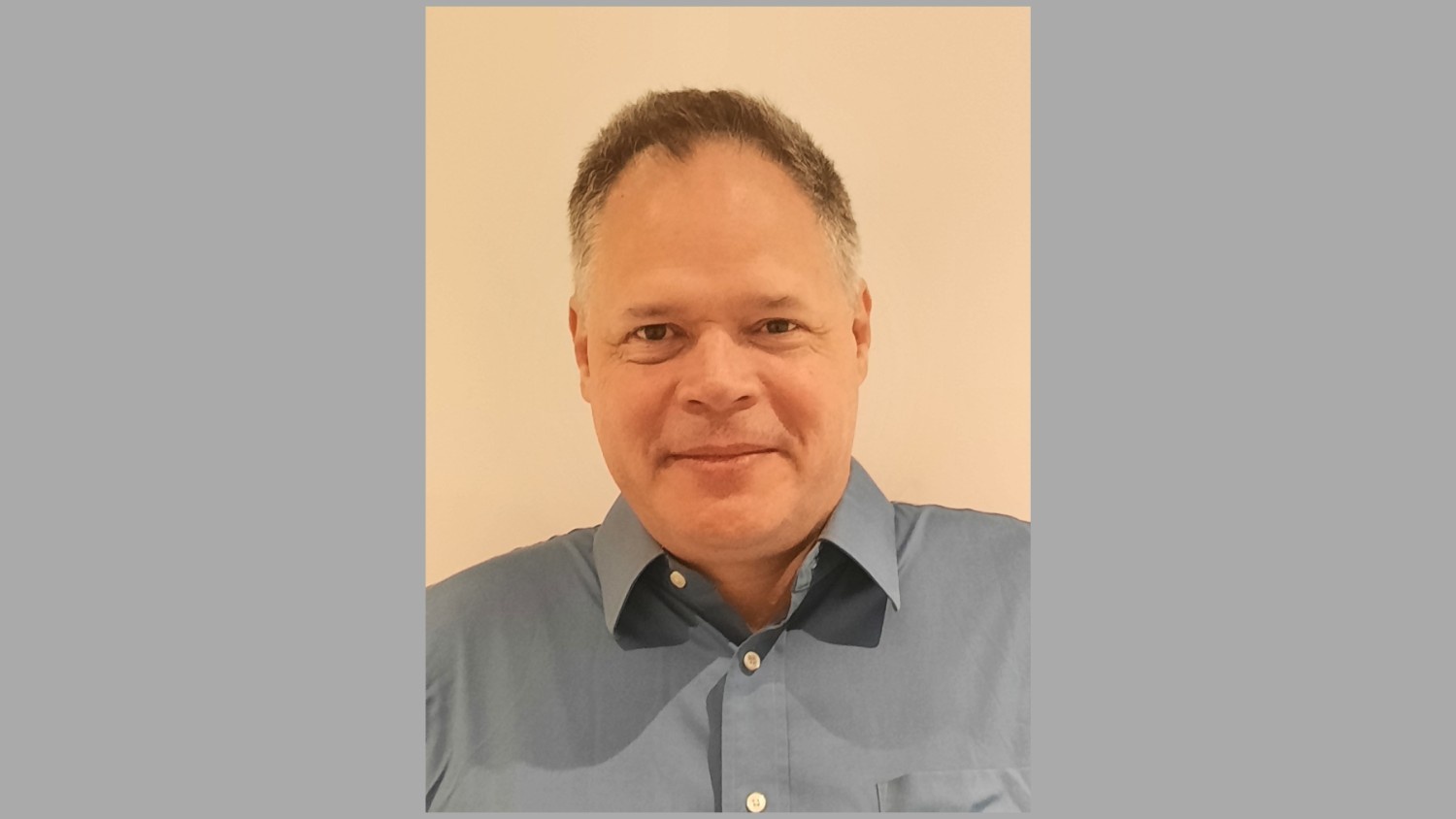
Middlebank Consulting Group Appoints Mark Hopkins as Associate

COIMBATORE: Supply chain and value chain management consultancy Middlebank Consulting Group,Wednesday announced the appointment of Mark Hopkins as an Associate. Mark brings more than 25 years of experience in supply chain roles across retail, distribution, and biotechnology environments. A large part of his work has focused on how planning decisions are made in practice and how those decisions translate into day-to-day execution. He has worked across areas such as inventory optimisation, supply chain planning, and multi-country visibility, with a consistent focus on improving how organisations use data to support operational decisions.

Most recently, Mark was Vice President for Global Accounts at Netstock, a provider of inventory management and demand planning software used by more than 2,400 organisations globally. In that role, he worked closely with companies on how forecasting and planning processes were being applied in practice, including parameter setting, system configuration, and alignment across planning functions. A significant part of his work involved ongoing engagement with clients on system usage and adoption, along with a webinar series focused on recurring supply chain challenges as they emerged across different operating cycles.

Mark’s experience includes improving forecasting in multi-location retail and distribution networks, including work on product level imbalances such as broken size ranges, expanding supply chain visibility for an international distributor from one country to nineteen countries, and supporting product planning in biotechnology environments where supply constraints are a constant factor. He has also led business integration initiatives, including process mapping, order flow design, and aligning planning approaches during system and ERP transitions, with a focus on making data more usable in day-to-day decision making.

“I am pleased to be joining Middlebank Consulting Group,” said Mark Hopkins. “Much of my career has focused on how planning actually works in practice, and I look forward to continuing that work with clients, strengthening the link between data, planning decisions, and execution.”

Alan Win Founder and CEO of Middlebank Consulting Group Middlebank Consulting Group Appoints Mark Hopkins as Associate

“Mark brings strong technical planning expertise alongside practical operational experience,” said Alan Win, Founder and CEO, Middlebank Consulting Group. “That balance is increasingly important as organisations look to get more value from the planning systems and data they already have in place.”

Mark will focus on supply chain planning, inventory optimisation, and visibility, working with organisations to improve performance through changes that can be sustained in day-to-day operations.

Over the past two and a half decades, MCG has successfully worked with over 150 client organisations across diverse sectors and countries, consistently reducing operational costs by an average of 15% and implementing technology solutions to improve supply chain efficiency and business performance.

About Middlebank Consulting Group (MCG)

Middlebank Consulting Group (MCG) is a leading provider of comprehensive supply chain management services.  Founded in 1998 in New Zealand, MCG has been operational in Australia since 2003, in Singapore and India since 2016, in the USA since 2022, and recently in the Middle East. For over 25 years, the company has grown to become a trusted partner for businesses looking to optimise their supply chain operations. With a team boasting over 225 years of collective experience, Middlebank Consulting Group delivers innovative solutions that drive efficiency, reduce costs, and improve overall performance.

Awake.AI and Tidalis partner on maritime emissions reporting

HELSINKI: As European and international shipping emissions rules continue to expand, maritime technology companies Awake.AI and Tidalis have announced a partnership focused on emissions monitoring and reporting for ports and shipping companies. The collaboration links operational port-call data with existing maritime operational systems to support automated emissions reporting.

Awake.AI’s emissions monitoring software will be made available in combination with Tidalis’ vessel traffic services and port management systems used by ports, coastguards and maritime authorities worldwide. Shipping companies and ports are facing increasing reporting obligations linked to FuelEU Maritime, EU ETS and the IMO’s decarbonisation targets.

Under the agreement, Awake.AI’s Emission Monitor will be combined with operational data from Tidalis systems to turn port-call, vessel, fueling, cargo handling, shore power and gate-event data into automated Scope 1–3 emissions reporting. The system enables ports, terminals and shipping companies to monitor and manage emissions data across port and vessel operations. The aim is to reduce manual reporting processes and improve emissions transparency for ports, terminals and vessel operators.

“Ports already manage large amounts of operational vessel data every day,” said Karno Tenovuo, CEO of Awake.AI. “You cannot decarbonise what you cannot measure. The challenge is turning that data into reliable and auditable emissions reporting that supports both compliance and operational decision-making. The deployments are starting in European ports already this year to meet the CSRD requirements.”

Tidalis CEO Geert-Jan den Besten said ports are increasingly looking for practical ways to improve emissions transparency while maintaining efficient vessel operations. “We are proud to partner with Awake.AI. Their expertise is a valuable addition to Tidalis’s global network and the trust our clients place in us every day,” he said.

The companies said the rollout will initially focus on ports and maritime authorities in Europe, followed by projects in Asia-Pacific, the Middle East and the Americas during 2026 and 2027.

Shipping accounts for around 3% of global greenhouse gas emissions, while more than 80% of world trade is transported by sea. Growing regulatory pressure, including the expansion of EU ETS coverage for shipping emissions and the IMO’s decarbonisation targets, is increasing the need for more transparent emissions reporting across the maritime sector.

Tidalis supports maritime traffic operations for ports and authorities globally, while Awake.AI develops voyage optimisation and emissions reporting technology for shipping and port operations.

About Awake.AI

Awake.AI is a Finnish maritime technology company developing AI-driven software solutions for ports and maritime logistics to support port-call efficiency and decarbonization. The company has just launched an emissions monitoring and reporting solution for ports and terminals. Its Emission Monitor converts operational port-call and vessel data into automated Scope 1–3 emissions reporting.

About Tidalis

Tidalis develops vessel traffic services, port management and waterway safety technology used by ports, coastguards and maritime authorities worldwide. The company supports more than 70,000 ship transits daily across its maritime traffic and port management systems.

Indian Economy has shown resilience in times of global crisis: Piyush Goyal at CII Annual Business Summit

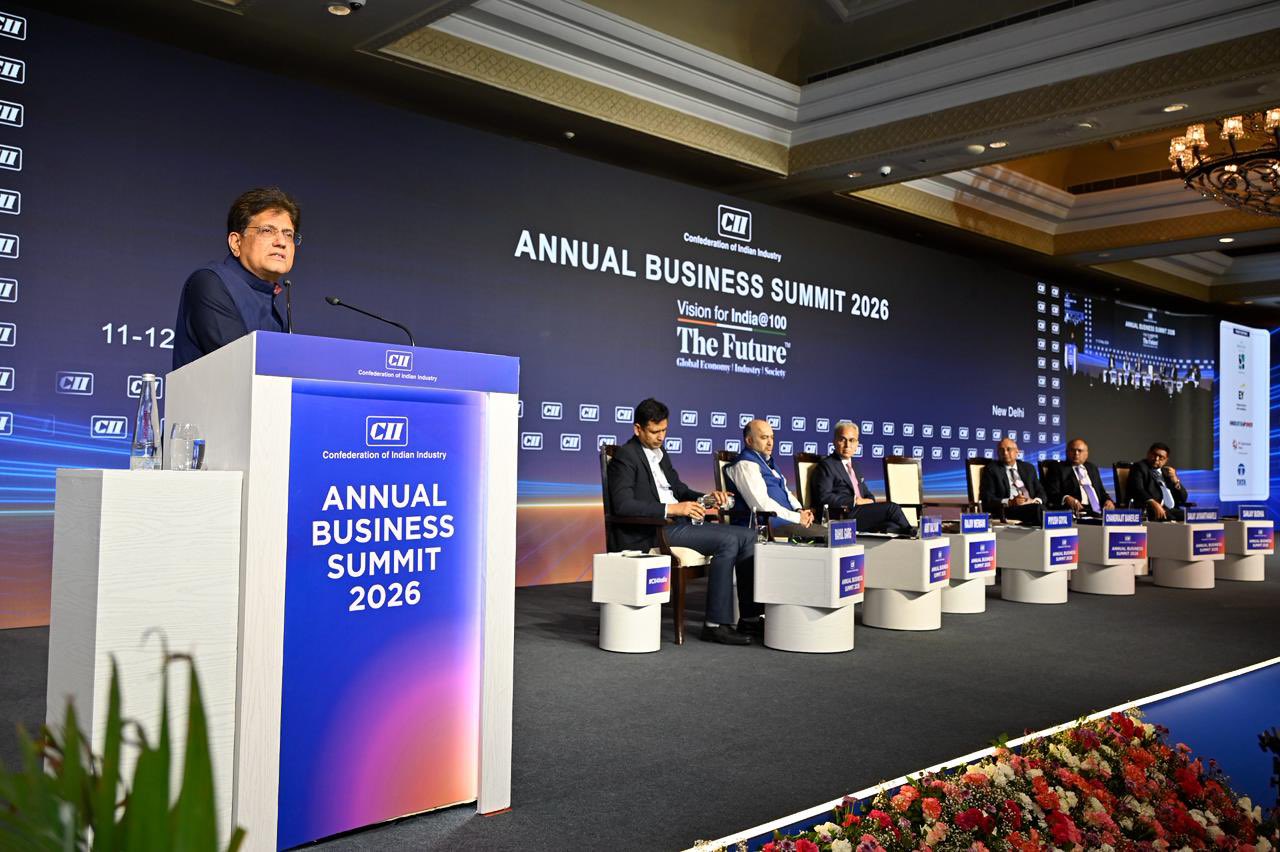
NEW DELHI : Union Minister of Commerce and Industry Shri Piyush Goyal addressed the Confederation of Indian Industry (CII) Annual Summit on Tuesday here and said that the Indian economy has continued to show resilience amid global geopolitical and economic challenges, with strong fundamentals and growing global confidence in India.

Shri Goyal said India remains the fastest-growing large economy and highlighted that the country has nearly 11 months of import cover in foreign exchange reserves. Referring to India’s export performance, he said the country is set to achieve an all-time high export figure of nearly USD 863 billion this year. He added that India’s trade deficit in goods and services together is much lower than the country’s annual remittances, reflecting strong economic performance.

The Minister said India has consistently turned crises into opportunities and noted that the country has always emerged stronger during periods of adversity. He said the current global situation should be viewed as a wake-up call for India to become more efficient, productive and self-reliant.

Referring to the vision of Atmanirbhar Bharat, Shri Goyal said the doctrine of self-reliance and confidence in Indian capabilities has remained consistent under the leadership of Prime Minister Shri Narendra Modi. He said the government and industry must work together to strengthen the India growth story.

The Minister stressed the need for Indian industry to support one another and said collective growth of Indian industry would strengthen the country’s future. He referred to earlier statements made over the years on self-reliance, quality, productivity, innovation and collective action, and said these principles continue to guide the government’s economic thinking.

Shri Goyal highlighted several initiatives aimed at improving efficiency and reducing wastage, including the LED lighting programme launched in 2015. He said energy efficiency measures have helped save nearly USD 10 billion annually in energy costs while also contributing to sustainability and environmental protection.

Calling for greater efficiency across sectors, Shri Goyal urged industry to focus on reducing waste, improving productivity and bringing down the import bill in every possible way. He said investments in public transport infrastructure, including metros and rapid rail systems, along with conscious efforts by industry and citizens, would collectively strengthen the economy.

On India’s Free Trade Agreements, Shri Goyal said the nine FTAs signed in the last three-and-a-half years with 38 countries are all with developed economies and will help India attract investments and expand exports. He said these countries complement rather than compete with India and provide access to large global markets with significant import demand.

Shri Goyal said countries such as Switzerland, the United States and nations in the European Union have much higher per capita incomes and cannot manufacture products at costs lower than India. He noted that while these economies possess strong technological and industrial capabilities, India has the advantage of competitive manufacturing and talent, which can help the country leverage these large markets more effectively.

The Minister said the FTAs are intended to strengthen India’s export capabilities, increase investments and create new opportunities for Indian businesses in global markets. He urged industry to leverage these agreements to expand their international presence and accelerate export growth.

Referring to the changing nature of global trade, Shri Goyal also said that modern trade agreements increasingly include strong mobility partnership components, reflecting the growing importance of movement of skilled professionals and services in global commerce. He highlighted that more than 10 million Indians are currently working in Gulf countries, while the number of Indians working in the UAE alone has increased from around 1.8 million to 4.5 million over the last 12-13 years, underlining India’s growing contribution to the global services economy.

The Minister urged industry to leverage artificial intelligence, robotics and quantum computing as force multipliers for growth and competitiveness. He said AI should not be viewed merely as a cost-cutting tool but as an instrument for business expansion, efficiency and market growth. Shri Goyal called upon industry bodies such as CII to deeply reflect on the transformative potential of artificial intelligence and examine areas where AI can make businesses smarter, more productive and globally competitive.

Shri Goyal advised industry to run dedicated programmes for employees to train them in smarter uses of AI and said companies should use AI to improve productivity, capture larger markets and grow businesses rather than simply reduce manpower. He added that while some sectors may face technological disruption, India has consistently adapted to changing technologies by moving from call centres to BPOs, software services and higher-end business solutions.

He further said that sectors such as hospitality, jewellery and several people-centric industries would continue to rely heavily on human creativity and skills, even in the age of artificial intelligence.

Highlighting the rapid growth of Global Capability Centres (GCCs), Shri Goyal said nearly 1,800 GCCs are already operating in India and another 500 are expected in the coming years. He said exports from GCCs are growing by nearly 40-50 per cent annually and currently stand at around USD 50 billion, employing nearly two million people directly.

Shri Goyal also pointed to emerging opportunities in sectors such as lab-grown diamonds, renewable energy-based manufacturing and artificial jewellery, saying these sectors can generate large-scale employment and create new export opportunities.

Calling upon industry to work towards achieving the target of USD 2 trillion exports over the next five to six years, Shri Goyal said the target was achievable with annual export growth of around 15 per cent. He expressed confidence in the capabilities of Indian industry and said sectors across the economy, including automobiles, steel and startups, have the potential to drive this growth through innovation, competitiveness and expansion into global markets.

The Minister concluded with a four-point call to action for industry and urged businesses to move from “assembled in India” to “designed, engineered and manufactured in India.” He called upon industry to move up the value chain, enter deeper value chains, focus on higher value addition and become self-reliant in critical components. Shri Goyal suggested that industry bodies and companies could create scorecards to measure progress in areas such as indigenisation, localisation, exports over imports and net foreign exchange earnings over the coming years.

Emphasising that quality should be non-negotiable, Shri Goyal called for a focus on “zero defect, zero effect” manufacturing and said sustainability and climate consciousness must become integral to India’s manufacturing growth story. He said Brand India should reflect high quality standards and become a global benchmark in the future.

The Minister also stressed the importance of increasing investments in research and development and innovation and called for attracting global investments in R&D to India. He urged Indian industry to bring domestic standards at par with global standards and adopt a more globally competitive outlook.

Shri Goyal further urged industry to take leadership in emerging technologies such as artificial intelligence, machine learning and quantum computing. He said that just as India led the world during the IT revolution, Indian talent has the capability to lead the world in the new-age technology era as well.

CEA Nageswaran highlights regulatory challenges hindering India’s FTA benefits at CII Summit 2026

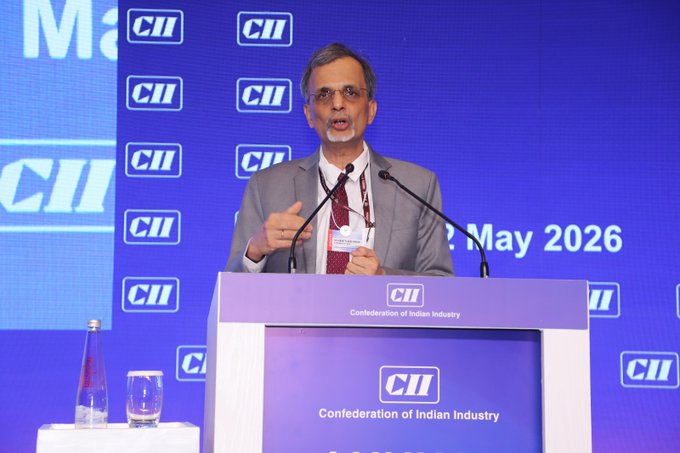
NEW DELHI : Chief Economic Advisor V. Anantha Nageswaran has highlighted the urgent need to bridge the gap between India’s Free Trade Agreements (FTAs) and their on-ground implementation, warning that regulatory and procedural barriers could dilute the intended gains from these trade pacts.

Speaking at the CII Annual Business Summit 2026, the CEA noted that India has signed nine major FTAs over the past five years as part of its intensified trade diplomacy strategy aimed at expanding global market access and diversifying economic partnerships. However, he cautioned that the real value of these agreements depends on effective implementation mechanisms and streamlined regulatory systems.

Nageswaran observed that customs procedures, conformity assessments, certification requirements, and compliance-related regulations continue to create significant operational challenges for exporters and businesses. He stated that these non-tariff barriers can undermine the benefits of preferential tariffs offered under FTAs if not addressed in a timely manner.

The summit discussions underscored the importance of regulatory harmonisation, improved inter-ministerial coordination, and faster trade facilitation measures to strengthen India’s global competitiveness. Industry stakeholders emphasised that aligning domestic regulations with international trade commitments will be critical for maximising the economic gains from India’s expanding network of trade agreements.

The remarks come at a time when India is actively pursuing deeper trade engagement with key global economies and positioning itself as a major player in international supply chains and global commerce.