Home Blog Page 310

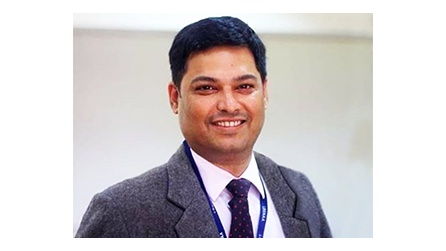
Sachin Sharatachandra Kurve,IAS appointed the Chairman of Chennai Port Authority

CHENNAI : The Appointments Committee of the Cabinet (ACC) has appointed Sachin Sharatachandra Kurve, an IAS officer from the Uttarakhand cadre, as the Chairperson of the Chennai Port Authority.

According to the official order, the appointment is for a period of five years from the date of assumption of charge or until further orders, whichever is earlier.

The order stated: “The Appointments Committee of the Cabinet has approved the appointment of Shri Kurve Sachin Shardchandra, IAS(UD:2003) as Chairperson (JS level), Chennai Port Authority, Chennai under the Ministry of Ports, Shipping and Waterways…of the Pay Matrix, for a period of five years from the date of assumption of charge of the post or until further orders, whichever is earlier vice Shri Sunil Paliwal, IAS(TN:1993).”

NITI calls for two-year construction ban as West Asia crisis drains economy

NEW DELHI : Faced with spiralling construction costs and rising imports due to the ongoing West Asia crisis, government think tank NITI Aayog is learnt to have advised the Centre to halt all major construction works across India for two years, including the demolition and reconstruction of the Nirman Bhavan, Udyog Bhavan and Shastri Bhavan ministerial complexes.

The recommendation, according to highly placed sources, was made by NITI Aayog to the Union ministries concerned, pointing out that owing to cost escalation, rising imports and supply chain disruptions affecting the availability of raw material, all large-scale construction activity should be paused for two years.

The suggested duration for suspension of construction and demolition work indicates the gravity of the situation arising from the Iran war.

Incidentally, the recommendation was made prior to the appointment of NITI Aayog’s new Vice-Chairman Ashok Lahiri and an entirely new team of full-time members.

The think tank’s recommendation came just days before Prime Minister Shri Narendra Modi, on May 10, appealed to citizens to curb fuel consumption, revive work-from-home practices, pause gold purchases and reduce overseas travel in view of surging global energy prices amid the continuing crisis in West Asia.

Meanwhile, sources said the demolition work at the Nirman Bhavan complex, which houses the Union Urban Affairs and Health Ministries, had been halted.

Apart from this, initial preparations for demolition of the neighbouring Udyog Bhavan, which houses the MSME, Steel and Commerce Ministries, that had begun last month after the entire compound was barricaded, may now also be halted following NITI Aayog’s recommendation.

Following these developments, the proposed demolition of Shastri Bhavan, which houses the largest number of Union ministries, including the Information and Broadcasting Ministry, and the adjoining Krishi Bhavan complex, home to the Agriculture, Rural Development, Panchayati Raj and Food Ministries, has also been put on hold, the sources told The Tribune.

They said heavy-duty construction and demolition projects of this scale required high-end machinery, gas cutters, crushers, cranes, large quantities of building material and, most importantly, high fuel consumption.

Considering that energy supplies have been impacted due to restricted movement of shipments through the strategic Strait of Hormuz, suspension of such heavy-duty construction and demolition activity is learnt to have been suggested as part of austerity measures.

Gold, Silver imports to turn costlier: Govt doubles Duty to 10% after PM Modi’s Forex Warning

NEW DELHI: The Centre has doubled the import duty levied on gold, silver and platinum to 10%, with effect from the midnight of May 13, according to an official notification issued by Ministry of Finance on Tuesday.

The move is set to make precious metals costlier, as they had currently been attracting an import duty of 5%. The development comes two days after Prime Minister Shri Narendra Modi appealed to the citizens to defer their gold purchases, as the country’s foreign exchange reserves have come under strain due to the West Asia conflict.

Apart from gold, silver and platinum, duties have also been raised on jewellery findings, and precious metal-related industrial imports, as per the notification issued by the Department of Revenue under the Customs Act.

Jewellery findings, or the small components such as hooks, clasps, clamps, pins and screw backs, will attract a customs duty of 5% in cases of gold and silver, whereas platinum findings will be charged with a 5.4% levy.

New regulations have adjusted the import duties for spent catalysts and ash containing precious metals. In a move likely aimed at encouraging recovery and recycling, these materials now qualify for a reduced customs rate of 4.35%, provided they meet specific compliance and regulatory requirements.

On Sunday, while addressing a public gathering in Hyderabad, Modi urged the country to pause gold purchases for a year, to help support the country’s forex. “I would appeal to people not to buy gold for weddings for one year,” he said, adding, “In the current situation, we must place great emphasis on saving foreign exchange.”

Notably, India is the world’s second-largest importer of gold, after China. In financial year 2025-26 (FY26), India’s gold imports rose over 24% to hit a record $71.98 billion. In comparison, the yellow metal imports stood at $58 billion in FY25, $45.5 billion in FY24, $35 billion in FY23, $46.1 billion in FY22, and $34.62 billion in FY21.

Gold, long seen as a safe-haven asset, also has a traditional appeal among Indian buyers. The purchases, at the retail level, peak during festivals and wedding season. 

As per the commerce ministry data, gold accounted for 9% of India’s total imports in FY26. The biggest supplier is Switzerland with a 40% share, followed by the UAE at about 16% and South Africa at nearly 10%.

Source: NDTV Profit

APSEZ to invest Rs 13,000 cr in marine business, enters Europe subsea market

AHMEDABAD : Adani Ports and Special Economic Zone Ltd is planning to invest Rs 13,000 crore by FY31 to build its marine business as the company expands into specialised subsea and ultra-deepwater operations in Europe through a partnership between its Astro Offshore platform and Oceaneering International Inc.

The company said its marine platform, Astro Offshore has entered into a contract with US-based engineering and applied technology company Oceaneering International Inc to pursue offshore and subsea opportunities in Europe, marking APSEZ’s entry into specialised deepwater engineering and underwater infrastructure services in the region.

As part of the expansion, Astro Offshore will add a 2021-built 97-metre DP2 multipurpose support vessel, Energy Savannah — to be renamed Astro Atlas — to strengthen its subsea construction and offshore execution capabilities.

The vessel, capable of operating in water depths of more than 3,000 metres, is equipped with a 150-tonne subsea crane, secondary crane, moonpool, and accommodation for up to 100 personnel, enabling offshore construction, cable laying and pipeline installation work.

APSEZ said the partnership combines Astro Offshore’s expanding fleet with Oceaneering’s remotely operated vehicle (ROV) and deepwater engineering expertise as the company seeks to build one of the world’s largest integrated marine platforms.

The company is targeting a 200-vessel fleet and marine revenue of Rs 6,000 crore by FY31 as it expands beyond ports into offshore logistics, subsea engineering and deepwater infrastructure services.

“As part of its long-term roadmap, the company is targeting a 200-vessel fleet, along with marine revenue of Rs 6,000 crore and planned capex of Rs 13,000 crore by FY31,” APSEZ said in a statement.

The development aligns with APSEZ’s strategy to build one of the world’s largest integrated marine platforms spanning logistics, offshore support, underwater engineering, and deepwater infrastructure services.

“This development supports APSEZ’s ambition to build a globally diversified marine platform,” Chief Executive Officer Ashwani Gupta said.

APSEZ said it has through its “marine platform Astro Offshore, has contracted with Oceaneering International Inc, a US-based engineering and applied technology company, to pursue specialised offshore and subsea opportunities in Europe”.

“The agreement marks a significant step in APSEZ’s expansion into ultra-deepwater operations and international markets, further supporting its strategy to build one of the world’s largest integrated marine platforms,” it said.

“For Astro Offshore, the introduction of Astro Atlas, the company’s first ultra-deepwater vessel, reflects its continued investment in strategically acquiring younger, high-spec vessels with advanced capabilities. This strengthens Astro’s ambition to operate one of the industry’s youngest and smartest fleets, while enabling entry into new offshore markets and supporting the broader growth ambitions of the APSEZ marine platform.” By combining Astro Offshore’s expanding high-specification fleet with Oceaneering’s deepwater engineering and ROV expertise, capabilities in complex offshore operations are being enhanced while expanding into Europe, said Gupta.

Mark Humphreys, CEO, Astro Offshore, said, “The introduction of Astro Atlas significantly enhances our operational capability and underscores our continued investment in a modern, high-spec fleet, particularly in ultra-deepwater environments. As our largest and most capable vessel to date, she enables us to support a broader range of complex offshore operations and respond more effectively to evolving client requirements.” Subsea activities involve specialised underwater engineering critical to offshore energy and marine infrastructure projects, including cable laying, pipeline installation, underwater construction, inspection, maintenance, and intervention in deepwater environments.

These projects require advanced vessels, remotely operated vehicle (ROV) systems, and high-end operational capabilities.

Astro Offshore has strengthened its deepwater fleet with the addition of Energy Savanah (to be renamed Astro Atlas), a modern 2021-built 97-metre DP2 multipurpose support vessel.

Equipped with a 150-tonne subsea AHC crane, a 25-tonne secondary crane, a moonpool, and accommodation for up to 100 personnel, the vessel is designed to support a wide range of offshore operations, including subsea construction, cable laying, and pipeline installation.

“With the capability to operate in water depths of over 3,000 metres, Astro Atlas will enable Astro Offshore to enter the ultra-deepwater segment, unlocking access to more complex, high-value offshore projects. Its advanced DP2 system and robust design support safe and efficient operations in challenging environments,” the statement added.

Source : PTI

Reliance rebrands Mappedu Logistics Park as Chennai Global Logistics Park; DP World enters JV

CHENNAI : Reliance Industries’ ambitious multi-modal logistics park project at Mappedu near Chennai has been renamed Chennai Global Logistics Park Ltd, with Dubai-based DP World onboarded as a joint venture partner, multiple sources said.

According to sources, the Dubai-based shipping major has taken around two lakh sq ft of warehousing space within the logistics park and has acquired a 49 per cent stake in the joint venture.

Both companies, however, declined to comment on the development. In another indication of DP World’s deeper involvement in the project, Ajay Moghe — who has been associated with the DP World group since May 2017 — was appointed Chief Executive Officer of Chennai Global Logistics Park Ltd in January this year, sources added.

The logistics park currently has five warehouses, of which three already have clients onboarded, according to people familiar with the development.

Background, cargo evacuation
The project, spread across 184.27 acres in Tiruvallur district, was originally conceptualised around 14 years ago but faced multiple delays, including issues related to access through local villages and infrastructure connectivity.

In 2022, Reliance Industries won the bid for the ₹1,424-crore project, beating the Adani Group. Prime Minister Narendra Modi laid the foundation stone for the project on May 26, 2022.

A pre-feasibility report for the project had highlighted its strategic importance as a logistics hub serving secondary industrial clusters such as Ranipet, Ambur, Tiruppur and Bengaluru. These regions house industries ranging from leather and heavy engineering to automobiles, cement, sugar and chemicals.

The park is also strategically located near the automobile and electronics manufacturing belt of Sriperumbudur-Oragadam and close to the Chennai Peripheral Ring Road. Industry sources said the long-term success of the project would depend significantly on dedicated rail connectivity between Mappedu and the ports around Chennai, which would help improve cargo evacuation and reduce logistics costs.

Source : BL

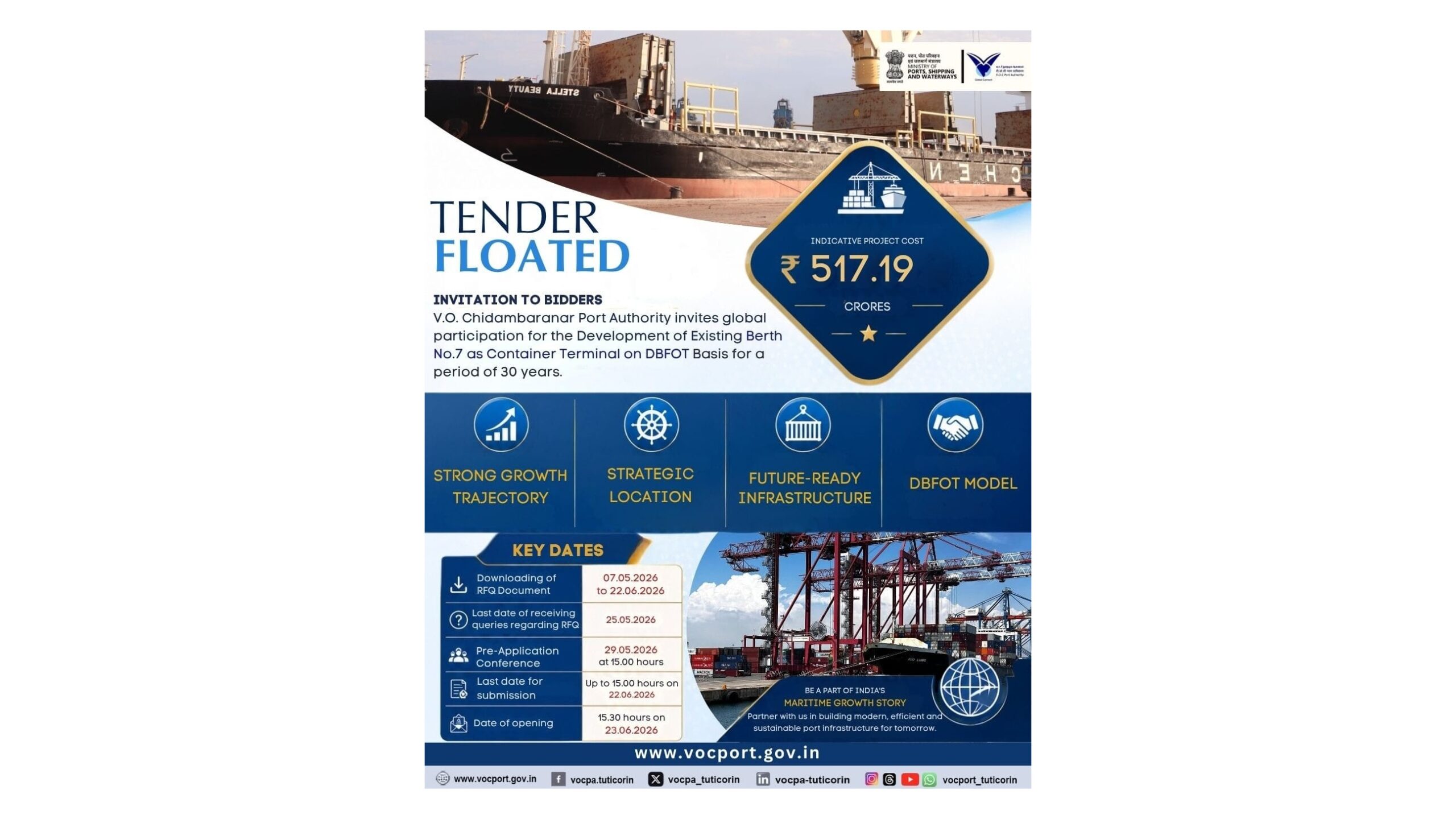
VOC Port Authority floats ₹517-crore global tender to upgrade berth No. 7 for handling mega container vessels

TUTICORIN: The V.O. Chidambaranar Port Authority has floated a global tender to upgrade Berth No. 7 at the VOC Port in Thoothukudi into a modern container terminal capable of handling large container vessels of up to 12,100 Twenty foot equivalent unit (TEU) capacity, with a draft of 14.20 m.

The ₹517-crore project, proposed on a Design, Build, Finance, Operate and Transfer (DBFOT) basis for a concession period of 30 years, is expected to create an annual handling capacity of 4.2 lakh TEUs. The port authority has invited global participation for the project, which is aimed at strengthening the port’s container handling capability and boosting India’s maritime infrastructure.

According to the tender document, the proposed upgradation includes strengthening the existing berth with new piles, dredging the berth pocket to a depth of minus 16.5 metres, and installing new fenders, bollards and utility infrastructure. The project also envisages deployment of modern container handling equipment such as quay cranes, rubber tyred gantry cranes (RTGCs), electric tractor trailers and reach stackers.

Berth No. 7, located within the inner harbour of the VOC Port on India’s southeastern coast, was originally constructed in 1998 with blockwork construction. The berth has a length of 370 metres, crane rail spacing of 23.47 metres and an existing dredged depth of 11.85 metres.

Container operations at the berth were handled by BOT operators between December 1999 and February 2025. In 2008, the PSA International had entered into a joint venture with Sical Logistics to operate the berth for 30 years. However, PSA later exited the project following a legal dispute with the port authority over royalty payments.

Following the exit of container operations, the berth is currently being used for handling other cargoes.

The VOC Port presently has 20 berths in its inner harbour, including dedicated container berths, coal and oil jetties and captive berths serving nearby industries. Existing container traffic is being handled at Berths 8 and 9, while coal and oil jetties primarily cater to thermal power and petroleum cargo.

The tender document said the proposed project would leverage the port’s strategic location along international shipping routes and support the growing container traffic demand in the region.

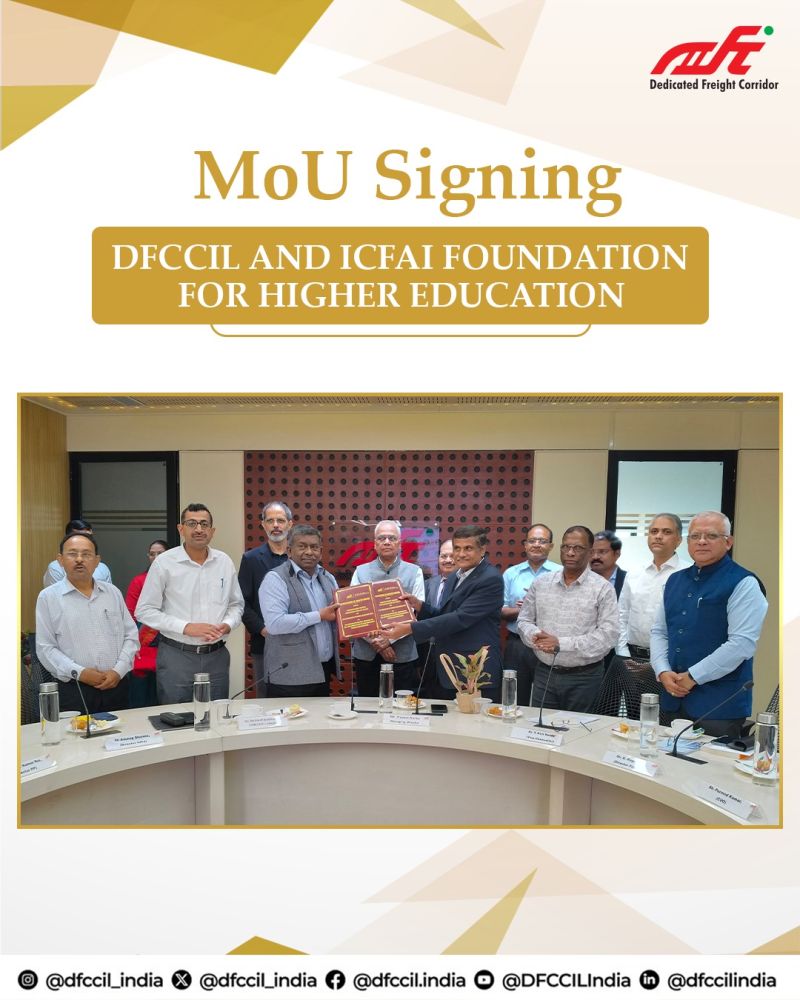
DFCCIL signs MoU with ICFAI

NEW DELHI : Dedicated Freight Corridor Corporation of India Limited (DFCCIL) signed a Memorandum of Understanding (MoU) with The ICFAI Foundation for Higher Education – IFHE to strengthen collaboration in the areas of research, innovation, and skill development related to Supply Chain Management, Logistics, and Warehousing.

The MoU was signed in the presence of Shri. Praveen Kumar, MD/DFCCIL, and Shri Shobhit Bhatnagar, Director/OP&BD, and Dr. Tamma Koti Reddy, Vice Chancellor/IFHE.

Convened by Sh. S. P. Verma, GGM/BD&BA, the MoU signing occasion was attended by Sh. Anurag Sharma, Director/Infrastructure; Sh. Pawan K. Rai, Director/Project Planning; Sh. B. Mugunthan, Director/Finance; Sh. Parmod Kumar, CVO; Sh. Roshan Singh, GM/OP&BD; and Sh. Nagendra S. Bisht, JGM/BD&PR. Representatives from ICFAI Foundation for Higher Education, including Sh. M. Sainath, Executive Director, and CA C. V. C. Vishwanadha, Sh. Radha Mohan, Dean and Sh. Ravi Kumar Gujjala were also present.

This collaboration aims to develop short-term training programmes and certification courses focused on emerging technologies for #DFCCIL personnel, industry professionals, and other stakeholders. The partnership will facilitate knowledge exchange between academia and industry, promote research-driven innovation, and strengthen professional competencies aligned with the evolving needs of the #freight and #logistics sector.

IOS SAGAR departs Chittagong after a successful port call from Bangladesh

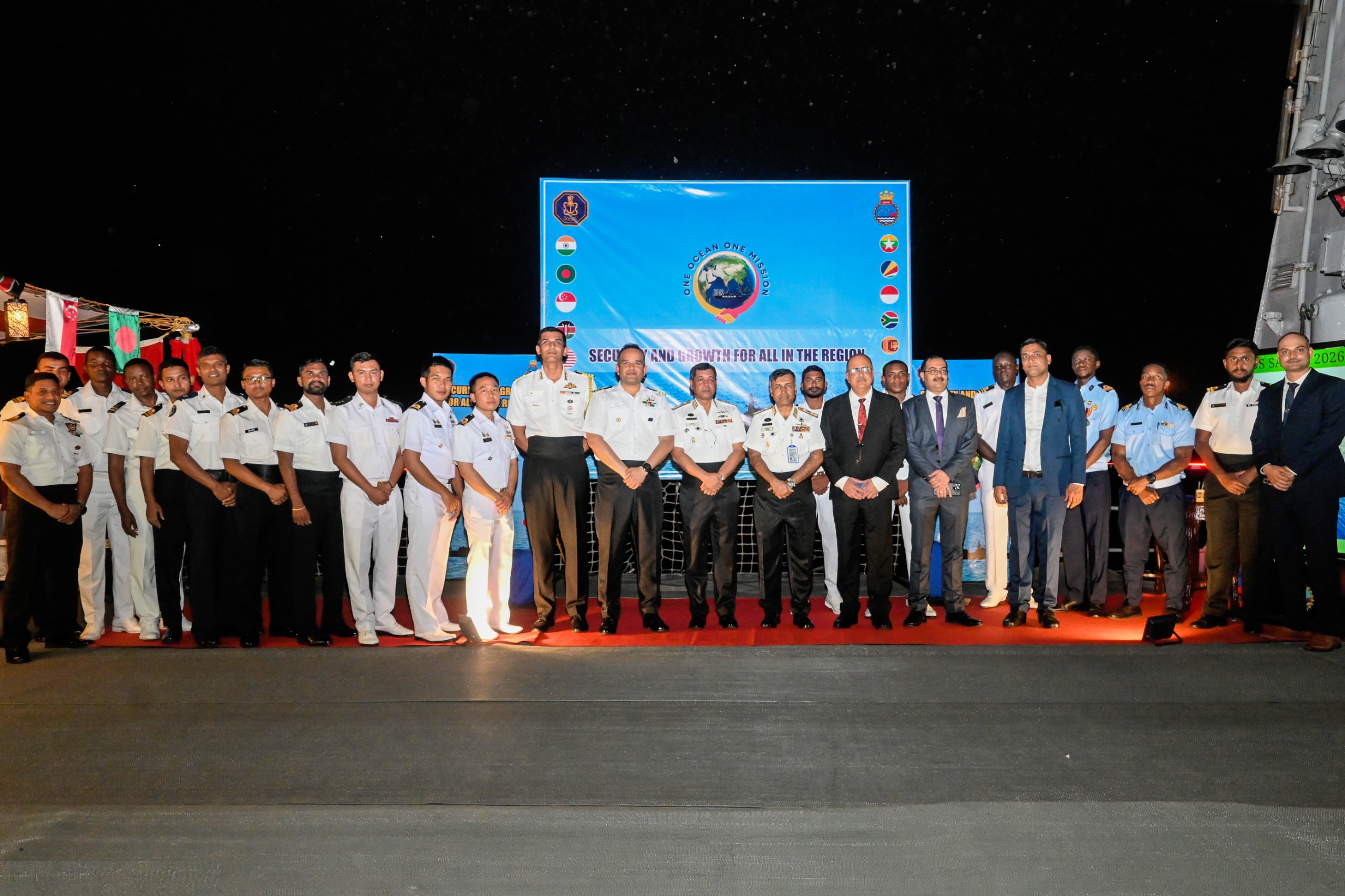
CHATTOGRAM : Indian Navy’s INS Sunayna, deployed under the Indian Ocean Ship (IOS) SAGAR initiative, departed Chattogram, Bangladesh, on 10 May 2026 after a successful port call marked by professional engagements, maritime cooperation, and cultural exchanges with the Bangladesh Navy (BN). The ship is presently enroute to Colombo, Sri Lanka. The departure was marked by a ceremonial send-off by the Bangladesh Navy.

During the visit, the Commanding Officer of IOS Sagar called on senior Bangladesh Navy officials, including Commander BN Fleet (COMBAN) and Commander Chattogram Naval Area (COMCHIT), to further strengthen bilateral maritime cooperation and regional maritime objectives. A deck reception hosted onboard the ship brought together senior leadership of the Bangladesh Navy, while the visiting crew also attended a reception hosted by the BN.

Professional interactions included cross-deck visits and exchanges of Best Practices between personnel of both Navies. The crew of IOS Sagar also visited the Bangladesh Naval Academy and interacted with officer cadets and faculty members. Friendly sporting activities and cultural engagements further enhanced mutual understanding and camaraderie between the two Navies.

On departure from Chattogram, IOS Sagar participated in a Passage Exercise (PASSEX) with BNS Protoy and Bangladesh Navy air assets. The exercise included coordinated maritime drills and advanced surface manoeuvres aimed at enhancing interoperability and operational cooperation between the two Navies.

The visit and subsequent PASSEX underscore the shared commitment of India and Bangladesh towards ensuring peace, stability, and security in the Indian Ocean Region. With personnel from 16 partner nations embarked onboard, IOS Sagar continues its operational deployment in the region with its next port of call at Colombo, Sri Lanka.

Iranian FM Araghchi to visit India for BRICS summit to bolster ties

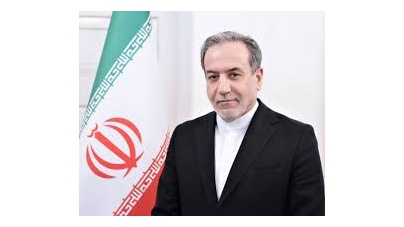
TEHRAN: In a significant boost to regional diplomacy, Tehran has confirmed that Iran’s Foreign Minister Seyed Abbas Araghchi will travel to India to participate in the upcoming BRICS summit, marking a key moment in the strengthening of ties between the two nations.

The confirmation came during an interview with India Today Global on Tuesday, where Iranian Foreign Ministry Spokesperson Esmaiel Baghaei detailed the high-level visit. He underscored the robust multilateral partnership shared by the two countries, noting that Iran and India are both members of BRICS and the Shanghai Cooperation Organisation (SCO) and have a “good level of cooperation and coordination” in both organisations.

The spokesperson further emphasised the strategic weight of the upcoming deliberations in the Indian capital. Baghaei added that the “simultaneous meeting is of importance to Iran” and stated that Tehran “looks forward to bilateral meetings with other ministers participating in this event,” specifically highlighting the interaction with the “foreign minister of India as a friendly country.”

New Delhi is poised to become a focal point of international relations as it hosts the BRICS Foreign Ministers’ Meeting on May 14 and 15. This significant gathering serves as a cornerstone of India’s 2026 chairship, highlighting its leadership within the newly enlarged multilateral alliance.

This diplomatic convergence comes at a critical juncture. In the wake of the US-Iran hostilities that broke out on 18 February, Seyed Abbas Araghchi has maintained frequent contact with External Affairs Minister S Jaishankar. The two leaders have engaged in at least four high-level discussions regarding the intensifying turmoil in West Asia and its wider geopolitical consequences.

In these exchanges, Araghchi provided Jaishankar with updates on the shifting landscape following events Tehran characterised as US and Israeli strikes. He cautioned that such actions pose a threat to both regional and global peace, using these dialogues to advocate for enhanced collaboration between BRICS members to safeguard international order.

During these conversations, Araghchi also reaffirmed Tehran’s resolve to exercise its “legitimate right of self-defence.” The upcoming summit in New Delhi offers a timely platform to build on this established rapport, following the Foreign Minister’s previous mission to India in May 2025.

That two-day visit served as his inaugural trip to the nation after taking office in August 2024. During that stay, he served as co-chair for the 20th India-Iran Joint Commission Meeting, which laid much of the groundwork for the current strategic cooperation.
The 7-8 May sessions were organised to honour the 75th anniversary of the India-Iran Friendship Treaty. The agenda focused on a comprehensive review of bilateral ties while seeking new avenues to strengthen political, strategic, and economic ties. Along with his discussions with Jaishankar, Araghchi also called on President Droupadi Murmu during that visit, cementing a foundation that the two nations now look to expand upon during the BRICS gathering.

Source: ANI

Iran redefines Strait of Hormuz as 500-km strategic operational area, says IRGC

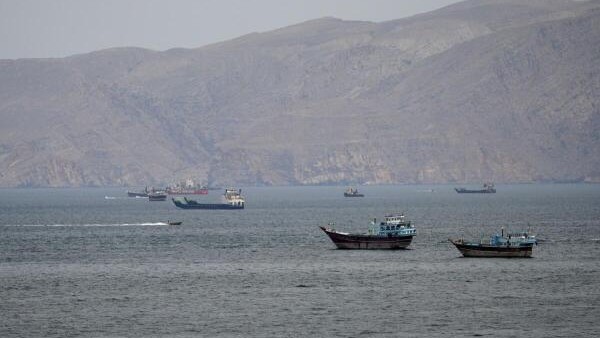
TEHRAN : IRGC Navy says the Strait of Hormuz is no longer a narrow passage but a vast 500-km operational zone stretching across key Gulf islands and coastal areas.

Iran’s Islamic Revolutionary Guard Corps (IRGC) Navy has announced that the Strait of Hormuz has been “significantly expanded” into what it now describes as a vast strategic and operational zone extending from the coasts of Jask and Sirik to areas beyond Qeshm Island and Greater Tunb Island.

Mohammad Akbarzadeh, political deputy of the IRGC Navy, told the semi-state Tasnim News Agency that Iran has fundamentally changed its definition of the strategic waterway.

“Earlier, the Strait of Hormuz was considered a limited area around islands like Hormuz and Hengam when defined, but today this perspective has changed,” Akbarzadeh said.

According to him, the strait “has become larger and turned into a vast operational area,” expanding from a previous range of 20 to 30 miles to more than 200 to 300 miles — nearly 500 kilometers — stretching from Jask and Sirik to beyond Qeshm Island and Greater Tunb, forming what he described as a “complete crescent.”

Mehr News Agency also reported Rear Admiral Mohammad Akbarzadeh as saying on Tuesday that Iran has fundamentally redefined the operational boundaries of the strategic waterway.