Home Blog Page 31

Gulftainer upgrades GT Lines’ KCX1 Service, enhancing China–Khorfakkan trade connectivity

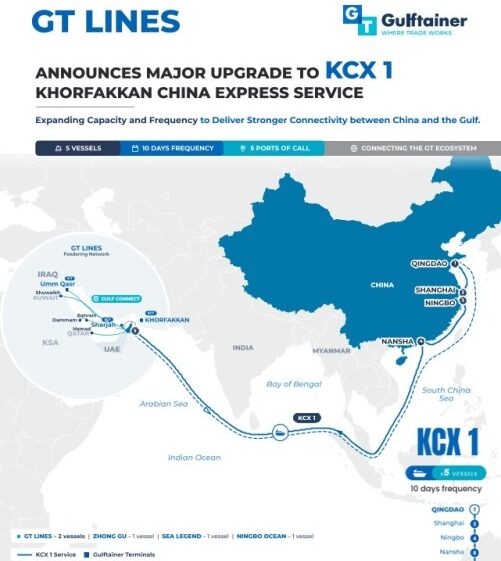
SHARJAH: Gulftainer, through its shipping arm GT Lines, has announced an upgrade to its KCX1 (Khorfakkan China Express) Service, effective 2 November 2026, aimed at strengthening trade connectivity between China and the UAE while expanding access to key regional markets.

The enhanced KCX1 service will operate with an upgraded five-vessel consortium and a reliable 10-day sailing frequency, offering increased cargo capacity, improved schedule reliability and competitive transit times between China and Khorfakkan Port in the UAE.

The upgraded service is operated in partnership with ZHONG GU, SEA LEGEND and NINGBO OCEAN, combining the capabilities of the participating shipping partners to provide more efficient and dependable maritime connectivity along this important trade route.

Beyond direct port-to-port transportation, the service offers integrated regional connectivity through Sharjah Dry Ports, Momentum Logistics and the GULF CONNECT feeder network. This multimodal logistics infrastructure provides seamless access to destinations across the UAE, the wider Gulf Cooperation Council (GCC) region and Iraq.

The enhanced service is expected to support the evolving requirements of exporters, importers and logistics operators by providing greater shipping capacity, dependable sailing schedules and wider cargo distribution opportunities across the region.

By strengthening its China–Khorfakkan connection and integrating maritime, inland and feeder services, GT Lines is further reinforcing its role in facilitating regional trade flows and providing integrated logistics solutions across key commercial markets.

The KCX1 upgrade reflects Gulftainer’s continued focus on expanding shipping connectivity, improving service efficiency and supporting the growing trade relationship between Asia and the Middle East.

WISTA International elects new President and champions cross-border collaboration at conference in Kuala Lumpur

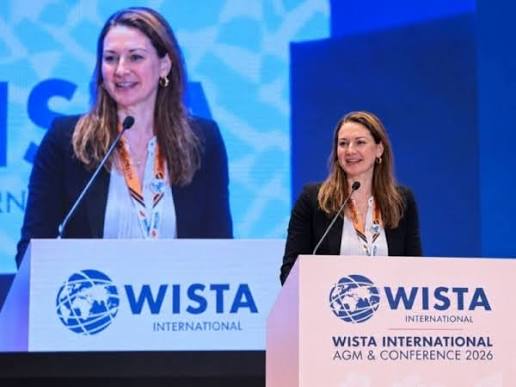
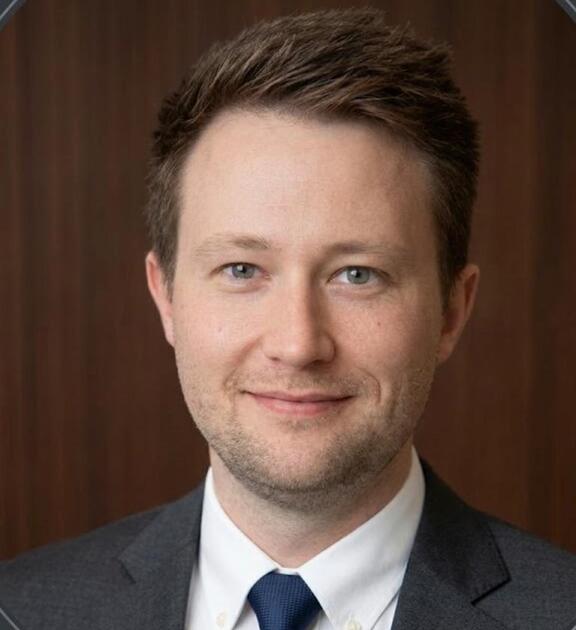
KUALA LUMPUR: WISTA International has elected Céline Mortier as its new President. The former WISTA Belgium President and CEO of maritime provider Bogerd Martin was formally appointed to the new role as part of this week’s WISTA International AGM and Conference 2026.

The appointment follows two terms as President for Elpi Petraki, who brought four years at the helm of the global association to a close at the event, staged in Kuala Lumpur, 28-30 October.

WISTA International has elected Celine Mortier as its new President WISTA International elects new President and champions cross-border collaboration at conference in Kuala Lumpur

“I am delighted to take on the role of President of WISTA International at a time of continued growth for our global network and undertake to work with purpose to advance WISTA’s mission and impact,” said Mortier.

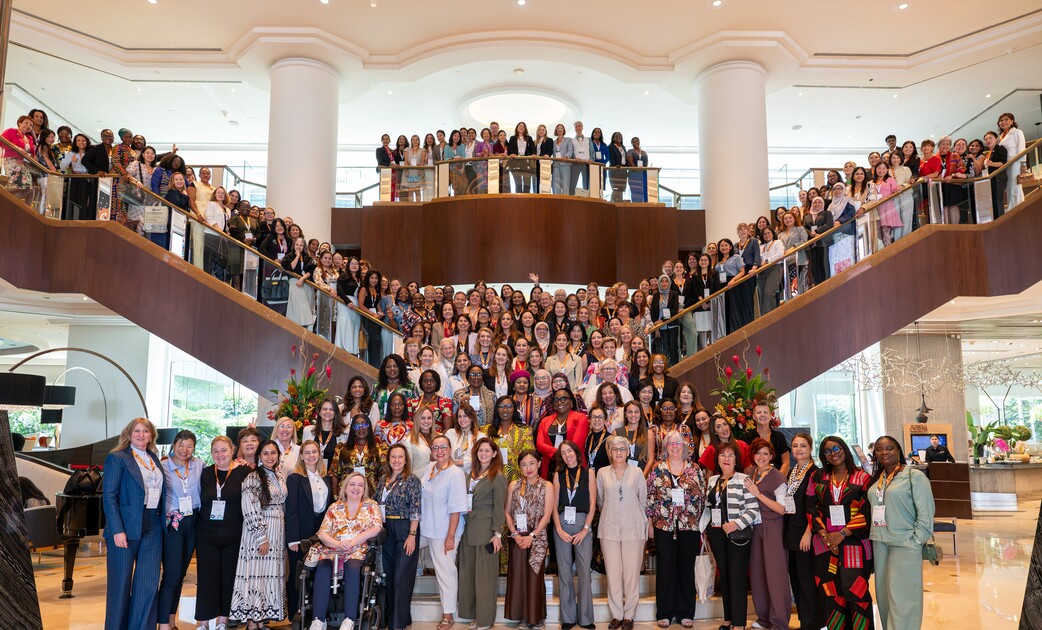
Co-hosted by WISTA Hong Kong SAR China, WISTA Malaysia and WISTA Singapore, this year’s AGM and Conference brought together over 250 professionals from across the global maritime, logistics and trading sectors.

“Our greatest strength lies in the knowledge, experience and connections within our global network. By bringing these together, strengthening collaboration across borders and supporting our National WISTA Associations, we can turn that collective expertise into meaningful action. We also have an important role to play in attracting the next generation of talent and showcasing the opportunities our industry has to offer,” added Mortier.

Four new NWAs were announced during the AGM – Bahamas, Egypt, Montenegro and the Philippines – bringing its total number of national associations to 64, while WISTA member numbers worldwide exceed 6,500.

Maryana Stober, Diruni Chanmugam and Amsha Gengan were also appointed to the WISTA International Executive Committee, after four years of dedicated service from Jemilat Mahamah, Dafne Anghelidis and Raimah Chowdhury. Proceedings also saw Mercantile Marine Management receive the prestigious WISTA International Corporate Diversity Award.

A video message from Arsenio Dominguez, Secretary General of the IMO, stressed the importance of advancing women’s participation and gender equality across the maritime sectors, highlighting the collaborative initiatives between the IMO and WISTA that have been designed specifically to promote inclusion, empower future talent and drive meaningful progress.

As Immediate Past President of WISTA International, Petraki reflected on Asia’s growing influence on global trade and the changes transforming the industry in her opening address. She emphasised the value of cross-border collaboration and developing future maritime leaders, reaffirming WISTA’s commitment to equitable opportunities for all.

“The challenges facing maritime do not stop at national borders, and neither should our thinking,” she said. “Our reach continues to grow, but our impact goes beyond membership numbers. It lies in the connections we build, the support we offer, and the opportunities we help create.”

Isabel Tse, President of WISTA Hong Kong SAR China, Reshma Yousuf, President of WISTA Malaysia and Yukie Teo, President of WISTA Singapore, reiterated the significance of regional partnerships. The importance of closer connections was also highlighted by the Honourable Yang Berhormat Anthony Loke Siew Fook, Minister of Transport for Malaysia, in his ministerial address to delegates.

“The future competitiveness of maritime nations will depend not only on the strength of our individual ports, but on how effectively we connect them,” the Minister said. “We must therefore continue to strengthen regional partnerships, facilitate trade, and develop a more integrated maritime and logistics ecosystem.”

The cross-border collaborative theme shone through in a series of insightful discussions on Asia’s position as a connector and innovation hub that is advancing conversations around sustainability, technology and inclusive leadership.

A deeply engaging fireside chat with Thomas Kazakos, Secretary General of the International Chamber of Shipping placed people at the centre of the conversation. From protecting seafarers amid growing security threats to addressing regulatory fragmentation and advancing decarbonisation, Kazakos also emphasised the value of early engagement by the maritime sector with young people through initiatives such as Adopt a Ship.

Other sessions included insights from IMO Programme Officer Mariana Noceti and Helio Vicente, Director (Employment Affairs) at the International Chamber of Shipping (ICS) on how to bridge the gap between ships and ports, and what it takes to strengthen maritime industry resilience.

The conference concluded with an inspiring Women at Sea session, where a panel of seafaring women shared their personal experiences on the impact workplace culture can have on career paths and progress.

The 2026 WISTA International AGM and Conference was supported by regional governmental organisations, industry associations and sponsors, including Platinum sponsor Port Klang Authority and gold sponsors Fleet Management Limited and MMC Ports.

The next WISTA International AGM and Conference will be held in Brazil, from 27-29 October 2027.

WSC joins broad industry coalition calling for permanent suspension of U.S. port fees

WASHINGTON D.C.: The World Shipping Council has joined a broad coalition of maritime, agriculture, manufacturing, retail and logistics organisations calling on the U.S. Trade Representative to permanently suspend Section 301 port fees.

In a joint letter, the organisations welcome the proposed two-month extension of the suspension until 9 January 2027, warning that reinstating the fees would increase costs for U.S. businesses and consumers, undermine the competitiveness of American exporters and create further uncertainty across supply chains. The coalition calls instead for sustained investment and long-term policies to strengthen U.S. shipbuilding and maritime competitiveness.

Read the full letter here

Read WSC’s own comments to the USTR here

The World Shipping Council fully supports the Administration’s goal of revitalizing the U.S. maritime and shipbuilding industry. A strong U.S. maritime sector will be best fostered through sustained legislative solutions (to include appropriations) that provide predictable investment opportunities for the private sector, increased government support where appropriate, and a commitment to improving mariner education and shipbuilding apprenticeships, not through sweeping penalties or fees. For these reasons, WSC urges USTR to adopt the further suspension and permanently suspend the fees.

Achilles completes acquisition of Cm3, strengthening its position in Asia-Pacific

ABINGDON: Achilles, a global leader in supplier and supply chain risk management and assurance, announced the completion of its acquisition of Cm3, a leading Australian provider of contractor management and compliance software, from the Blackwoods Group, part of Wesfarmers’ Bunnings division.

The acquisition follows regulatory approval from Australia’s Foreign Investment Review Board (FIRB) and marks an important milestone in Achilles’ international growth, strengthening its presence in Australia and the wider Asia-Pacific region.

For more than 18 years, Cm3 has supported organisations across Australia and New Zealand in managing contractor compliance, workplace health and safety, and operational risk. Its established platform and expert assessment services complement Achilles’ global capabilities in supplier intelligence, contractor assurance, compliance and risk management.

Together, Achilles and Cm3 now support more than 1,000 buying organisations and hundreds of thousands of suppliers and contractors worldwide. The combination creates opportunities to expand services, strengthen data and insights, and accelerate innovation, including through Smart Achilles AI capabilities that will help simplify processes, reduce administrative effort and improve risk management.

Sebastien Roussotte, CEO of Achilles, commented:

“We are delighted to officially welcome Cm3 to Achilles. Cm3 is a highly respected business with strong customer relationships and deep expertise in contractor management and workplace safety. Bringing our businesses together is an exciting step forward. We see significant opportunities to combine our expertise, technology and global reach to deliver even greater value to customers, while building on everything that has made Cm3 successful in the Australian market.”

Cm3 will continue to operate with its established teams, platform and services, ensuring continuity for customers and partners. As part of Achilles, the business will benefit from greater scale, expertise and investment, creating new opportunities to enhance its services and capabilities over time.

Achilles’ continued international growth is supported by Bridgepoint, its majority shareholder, which partnered with the business in 2021.

Matt Legg, Partner at Bridgepoint, said:

“We are delighted to support Achilles as it continues to execute its international growth strategy. This acquisition marks another important milestone in building the company’s global scale, and will strengthen its presence in Asia-Pacific and reinforce its position as a leading global provider of supply chain risk management solutions.”

About Achilles:

For more than 30 years, Achilles has protected organizations’ business interests and reputations by providing unrivalled levels of supply chain transparency, carbon reduction and management. Achilles is the supply chain risk, ESG and carbon management partner of choice for the world’s leading global brands.

Achilles specializes in supporting customers who require robust global supply chain resilience, risk management and reporting to comply with ESG regulations, meet investor requirements, and achieve ambitious sustainability goals.

It works with market-leading financial, industrial, commercial and governmental organizations that require serious, detailed analysis and expert insight to deliver exceptional supplier selection and reporting confidence. Operating from 22 locations worldwide, Achilles is at the forefront of the battle against climate change, a champion for social justice and human rights, and an expert in health, safety, and risk management.

Alternative-fuel ships outpace port readiness, new LR report finds

1,942 alternative-fuel-capable vessels are on order, but methanol bunkering is available at just 25 ports and commercial ammonia bunkering has taken place at only one.

LONDON: Alternative-fuel vessel orders are outpacing the development of the port infrastructure needed to support them, according to a new global study by Lloyd’s Register (LR), highlighting a growing gap between ship capability and fuel availability.

LR’s new Fuel for Thought: Ports report finds that 1,942 alternative-fuel-capable vessels were on order in January 2026, with alternative-fuel ships representing 47% of global orderbook tonnage, according to Clarksons Research. Yet readiness differs sharply by fuel: LNG bunkering was available at 222 ports, compared with just 25 actively offering methanol, while the first commercial ammonia bunkering operation, at Ulsan in South Korea, was completed only in April 2026.

The gap is particularly stark for emerging fuels. LR identified 385 methanol-capable and 45 ammonia-capable vessels on order, while the infrastructure and low-carbon fuel supply needed to serve them remains concentrated among a relatively small number of ports. Most ports pursuing ammonia remain at pilot, trial or safety-framework stage.

The report concludes that fuel choice and trade route are now inseparable, with newbuild and conversion decisions needing to reflect the availability of fuel at the ports vessels will actually use.

Kamran Ul Haq, Senior Vice President, LR Ports Advisory, said: “The fleet is moving faster than the infrastructure needed to support it. An owner can order an alternative-fuel vessel today, but that does not mean the fuel will be available where that ship needs it. Fuel strategy and trading strategy can no longer be considered separately.

“Ports do not need to back every fuel. They need to understand where credible demand will emerge and put the safety, regulation, skills and partnerships in place to respond. Ports that make those decisions early will be better positioned as alternative-fuel volumes grow.”

The report shows that the transition is developing at markedly different speeds by fuel. LNG already has a mature, near-global bunkering network, while biofuel blends are the most immediately deployable option because they can largely move through existing bunker infrastructure. Methanol is becoming commercially established at a small number of major ports, while ammonia has moved from demonstrations into commercial bunkering at Ulsan but remains at an earlier stage elsewhere. Hydrogen remains largely a short-sea and demonstration fuel.

The research also points to a geographically concentrated transition, with many of the commercial and near-commercial milestones identified clustered around Northern Europe, North Asia and Singapore. This reinforces the need for owners to assess fuel availability along individual trade routes rather than rely on global measures of alternative-fuel readiness.

For fuels that can use established infrastructure, the picture is more mature. LR’s Fuel Oil Bunker Analysis and  Advisory Service (FOBAS) data recorded drop-in biofuel deliveries at 90 ports worldwide over the previous 12 months. The 13 leading ports accounted for 77.5% of bunker quantities recorded, with Singapore alone representing more than a quarter.

Safety, regulation and workforce capability will also determine how quickly ports can move from trials to routine supply. The report identifies berth-specific risk assessment, appropriate licensing, emergency preparedness and trained personnel as recurring foundations behind successful alternative-fuel operations

Kamran Ul Haq adds: “For ports, investment should follow credible demand rather than trying to prepare for every fuel at once. Named vessel programmes and green shipping corridors are also ways to reduce infrastructure risk, alongside early investment in safety frameworks, licensing, emergency preparedness and workforce skills.”

LR Fuel for Thought: Ports forms part of LR’s wider award-winning Fuel for Thought series, which provides independent, technical insight into the alternative fuels shaping shipping’s transition to lower carbon operations. The report is intended to support informed decision-making across the ports sector as it navigates the complexities of maritime energy transition. 

Download LR Fuel for Thought: Ports at: Port Operations | Maritime Advisory | LR

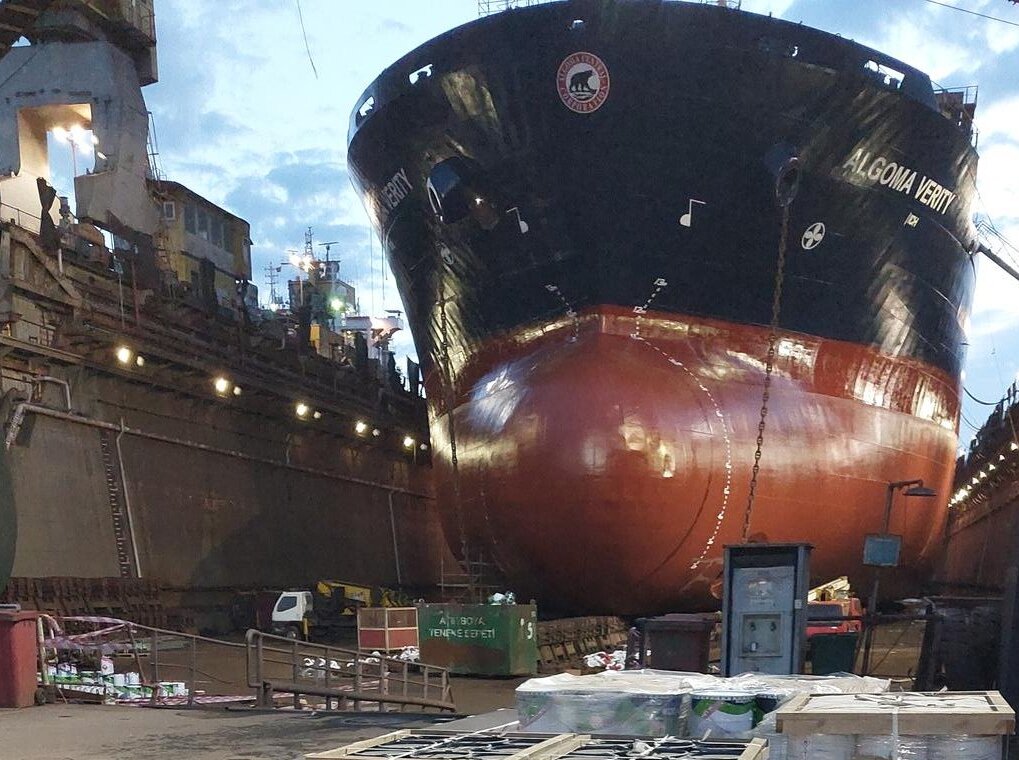
Türkiye strengthens demand for Steelpaint protection

HAMBURG: The rise in the number of Turkish shipyards from 37 in 2002 to about 85 today has substantially increased the country’s newbuild capacity but shiprepair and maintenance continues to account for much of the industry’s maritime activity, as more shipowners extend vessel service life.

For instance, Turkish yards, concentrated around the Tuzla, Yalova and Kocaeli regions, repaired or maintained 46.4 million dwt in 2024, compared with 13.1 million dwt in 2011. And although 2025 throughput eased to 42.4 million dwt, long-term projections reflect a strong position in the international repair market.

“Shipowners are looking much more closely at the cost of maintaining their vessels over their remaining service lives and coating quality is increasingly seen as a way of reducing the maintenance spend over the long term,” says Steelpaint Director Frank Müller.

We are frequently being asked how frequently cargo tanks need recoating with a Stelpant coat? How can the coating optimise surface preparation requirements and reduce the time a vessel spends in drydock. Effective corrosion protection has a much greater impact on maintenance expenditure than one might think,” he says.

According to the Turkish Chamber of Shipping, vessels above 1,000gt had an average age of 22.2 years in January 2025, providing a substantial domestic customer base for coatings repair and life-extension work.

“For ageing vessels, corrosion can result in costly steel renewal work, particularly where coating deterioration has required repeated maintenance with less than effective protective coatings,” says Dmitry Gromilin, Steelpaint’s technical service manager.

“Cargo holds are particularly challenging for manufacturers of conventional coatings, with repeated loading and discharge operations exposing steel surfaces to abrasion, mechanical damage and moisture. Repair specifications must consider not only corrosion resistance but also coating durability and compatibility with existing protective systems,” he explains.

Türkiye’s newbuilding industry is also providing new opportunities for Steelpaint’s range of single-component, moisture-cured polyurethane coatings, particularly Stelpant PU-Zinc and PU-Combination 300.

Although new deliveries remain modest compared with the country’s 2008 peak, yards have established specialist positions in tugboats, ferries, chemical tankers, fishing vessels and yachts.

Tugboats accounted for approximately 70% of Turkish shipyard orders, followed by passenger and car ferries at 8% and chemical and oil tankers at 7%.

“These vessels frequently operate under demanding conditions, with workboats exposed to mechanical damage and ferries subject to intensive operating schedules. Selecting protective coatings during construction can help owners establish longer-term maintenance strategies before vessels enter service,” Gromilin says.

Steelpaint’s presence in Türkiye extends beyond shipbuilding and repair, however. For example, in 2025, Steelpaint coatings were applied to the tubular steel sheet piles at the Tosçelik Spiral Boru factory. The structures were manufactured for the expansion of Germany’s Port of Cuxhaven, where three additional berths, LP5 to LP7, are being developed along 1250m of new quay infrastructure.

Müller says the project illustrates Türkiye’s role in supplying fabricated steel structures for international marine infrastructure developments, where long-term corrosion protection is essential.

“The Turkish market offers opportunities across several different applications. In addition to the shiprepair and newbuild sectors, we are increasingly working with fabricators supplying steel structures for major infrastructure projects. They also require coating systems that can be applied efficiently and provide reliable protection under demanding service conditions,” he says.

The country’s importance to the protective coatings segment is one of the reasons Steelpaint will be showcasing recent marine and infrastructure projects at Europort Istanbul, taking place from 4 to 6 November 2026 at the Yenikapi Expo Centre.

Steelpaint will attend the event with its Istanbul-based representative, Remeks, which provides a local point of contact for the German manufacturer’s revolutionary protective coating technologies.

Asia Break Bulk adds 4 Heavy Lift newbuilds to its fleet

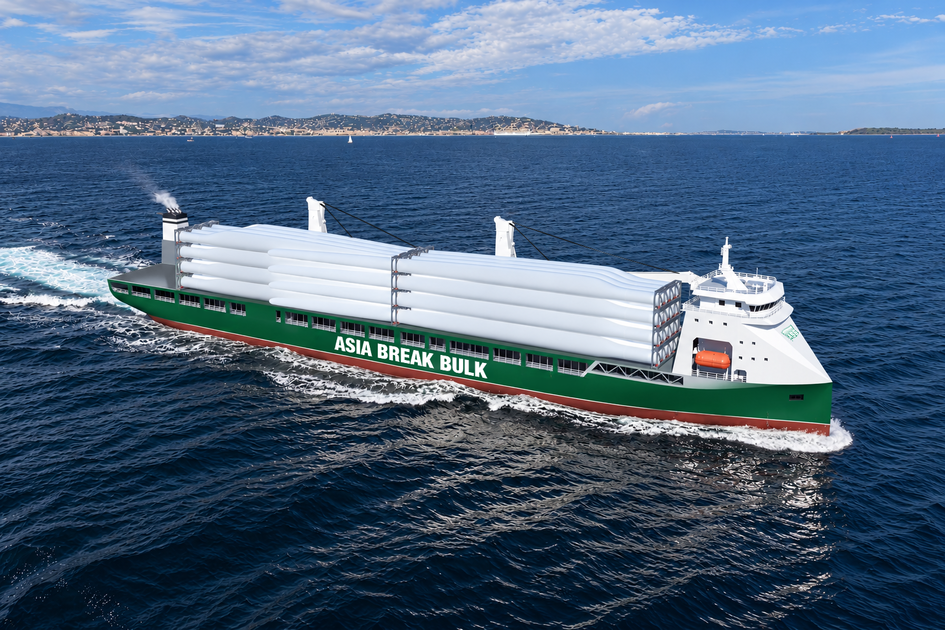
SINGAPORE: Singapore-based Asia Break Bulk (ABB), part of Hamburg-based COLI Group, has signed long-term agreements with Schoeller Holdings for four 12,600 DWT multipurpose project cargo newbuilds. The Octopus-type vessels, designed by CSSC-SDARI, combine two 250-tonne cranes with a single box-shaped hold of more than 89 metres and ice class 1A. The first vessel is scheduled for delivery in October 2028, after which her three sister vessels will follow.

Designed for project cargo
The two 250-tonne cranes can work in tandem for lifts of up to 500 tonnes. The single hold, at more than 89 metres length, makes it suitable for a wide range of project and heavy lift cargoes. A bridge-forward layout creates extra room for oversized cargo on deck. The design is optimised for fuel efficiency at a service speed of 15 knots. ICE-class 1A allows winter trading to ice-affected areas.

Maximum Flexibility
Asia Break Bulk has connected Asia and Europe with breakbulk, heavy-lift and project cargo services for two decades, expanding its regional scope over time. Indeed, 2026 marks its 20th anniversary. One reason to build these vessels now is that Asia Break Bulk aims to fulfil the strong demand for tailor-made shipping solutions.

Maximilian Fischer General Manager Asia Break Bulk 1 1 Asia Break Bulk adds 4 Heavy Lift newbuilds to its fleet

“We are seeing increasing demand from our customers for shorter transit times and direct access to ports and destinations with draft and infrastructure limitations.” says Maximilian Fischer, General Manager at Asia Break Bulk.

“While it’s not easy for smaller MPP vessels to compete with larger ships in terms of economies of scale, they offer distinct advantages in flexibility, accessibility and operational efficiency. Transshipments not only add time and cost but also introduce additional risk. These vessels are specifically designed to transport long, heavy and complex cargoes directly to destinations beyond the typical liner hubs, minimizing intermediate handling and ensuring efficient and reliable deliveries. For us, this investment is not simply about adding four vessels to our fleet. It is about strengthening our capabilities, responding to evolving customer requirements and ensuring that we can confidently say “yes” to the increasingly complex transport challenges our customers will bring us in the years ahead.”

Backed by COLI Group, Schoeller Holdings and Columbia Group
Asia Break Bulk’s position within COLI Group is one of the factors making this investment possible. COLI combines a global network of breakbulk and project cargo brokers, worldwide freight forwarding with a strong project profile, and carrier services. The newbuilds will strengthen both ABB’s and the group’s carrier activities and their ability to carry out complex logistics projects as one integrated operation.

Another important enabler is the fact that Schoeller Holdings is the company’s project partner, offering stability, deep knowledge of fleet building and financing, and facilitating the four newbuilds. In addition, Columbia Shipmanagement has also partnered with Asia Break Bulk. Columbia is supervising the newbuilding process and, when the vessels become operational, will take on both technical and crew management.

Felix Peinemann, Managing Director of COLI Group, comments: “Building long-term partnerships is a decision you take with a long horizon in mind. Our colleagues at Asia Break Bulk have spent twenty years earning the trust of customers between Asia and Europe, and as a group we want to back that team with modern, purpose-built tonnage. This investment in both our customers and our capabilities strengthens what COLI Group can offer in complex breakbulk transport and logistic solutions. We thank Schoeller Holdings and Columbia Shipmanagement for their trust. The partnerships with them made this project possible.”

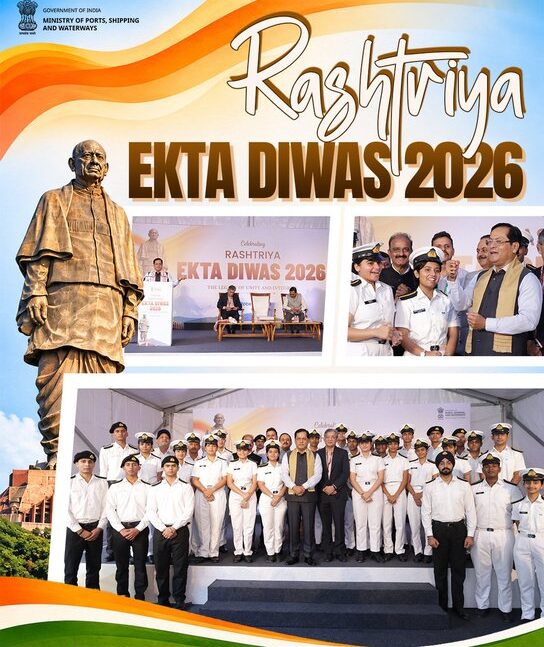
Sarbananda Sonowal administers National Unity Pledge to Ministry Officials, student cadets

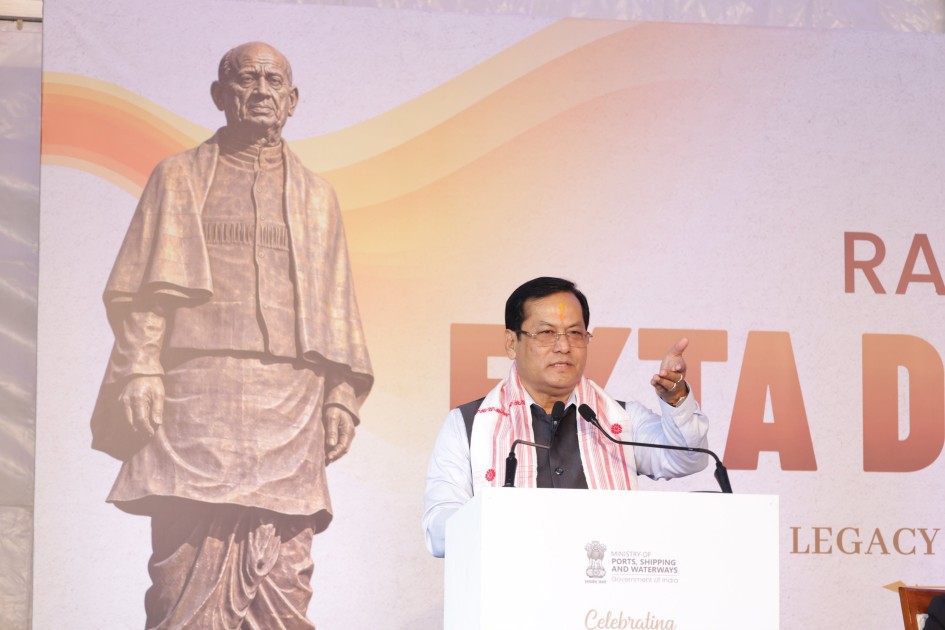
NEW DELHI: Union Minister of Ports, Shipping and Waterways (MoPSW), Shri Sarbananda Sonowal administered the National Unity Pledge to officers, employees and maritime cadets at his official residence, marking National Unity Day, or Rashtriya Ekta Diwas, observed each year on the birth anniversary of Sardar Vallabhbhai Patel.

Participants took the pledge, affirming, “I will dedicate myself to maintaining the unity, integrity and security of the nation and will also make every possible effort to spread this message among my fellow countrymen. I take this pledge in the spirit of the unity of my country, which became possible through the foresight and actions of Sardar Vallabhbhai Patel. I also solemnly resolve to contribute with sincerity to ensure the internal security of my country.”

Sonowal paid floral tribute to Patel, India’s first deputy prime minister and home minister, widely remembered as the “Iron Man of India” for uniting more than 560 princely states into a single nation after independence.

“Sardar Patel gave us one India. For far too long, the man who stitched this nation together did not receive the honour he deserved for decades,” Sonowal said. “Prime Minister Shri Narendra Modi changed that. By building the Statue of Unity, the tallest statue in the world, and by dedicating Oct. 31 to national unity, he has placed the Iron Man of India where he belongs: at the heart of every Indian’s sense of nationhood.”

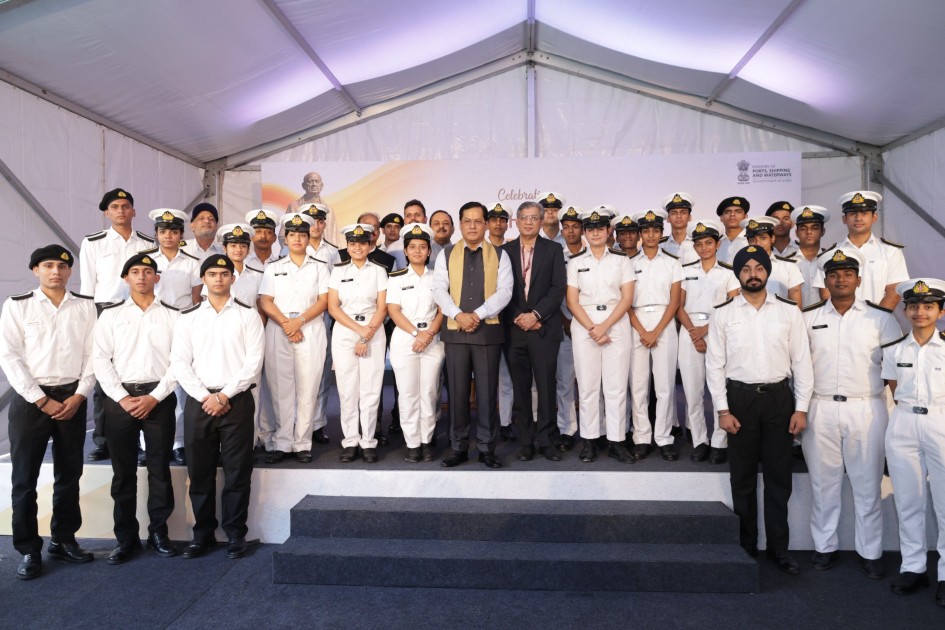
Sonowal also interacted with young maritime cadets, saying their passion for the nation reflects the true power of Yuva Shakti, or youth power.

“We remain committed to honoring Sardar Patel’s legacy of unity and integrity to build a stronger India with the mantra of ‘Ek Bharat, Shreshtha Bharat,'” Sonowal said.

The minister said India has emerged stronger under Modi’s leadership and is steadily advancing toward the goal of a developed nation, or Viksit Bharat, by 2047.

“Under Prime Minister Modi, ‘Ek Bharat, Shreshtha Bharat’ has moved from a vision to a national mission,” Sonowal said. “Our ports, shipping lanes and inland waterways now connect every corner of the country, from the Northeast to the western coast. As India sails toward Viksit Bharat by 2047, these young cadets will be the ones steering the ship.”

Shri Vijay Kumar, Secretary of the Ministry of Ports, Shipping and Waterways, and other senior officials attended the event.

The government has observed Oct. 31 as National Unity Day since 2014 to commemorate Patel’s role in the political integration of India and to reaffirm the country’s commitment to unity, integrity and security.

Paradip Port’s East Quay Coal Terminal sets new monthly cargo handling record at 2.23 MMT

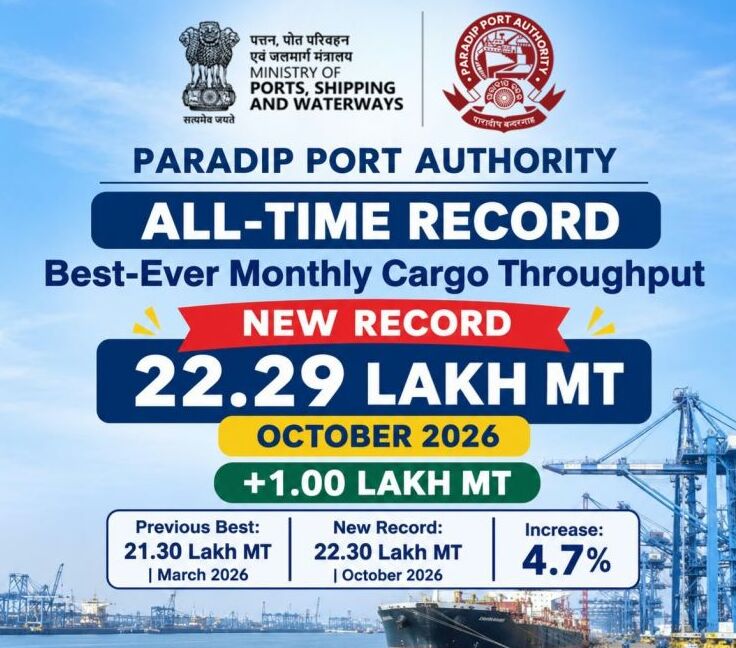
PARADIP: Paradip Port has achieved another significant operational milestone, with Paradip East Quay Coal Terminal Pvt. Ltd. (PEQCTPL) recording its highest-ever monthly cargo throughput in October 2026, reinforcing the port’s growing cargo handling capabilities.

The terminal handled an impressive 22,29,464 metric tonnes (2.23 million tonnes) of cargo during October, surpassing its previous monthly record of 2.13 million tonnes achieved in March 2026. The latest performance marks a new all-time high for the terminal and reflects its sustained operational efficiency and growing handling capacity.

This remarkable achievement underscores the collective commitment, operational excellence and coordinated efforts of the PEQCTPL team in ensuring efficient cargo operations. The record throughput also highlights the terminal’s contribution to strengthening Paradip Port’s overall cargo handling infrastructure and operational performance.

The milestone is a testament to the dedication of the workforce and the effective coordination among stakeholders involved in terminal operations. With this new benchmark, PEQCTPL has further demonstrated its operational capabilities and commitment to supporting the increasing cargo movement through Paradip Port.

Congratulating the entire PEQCTPL team on this achievement, Paradip Port Authority acknowledged their dedication and collective efforts in reaching this significant milestone.

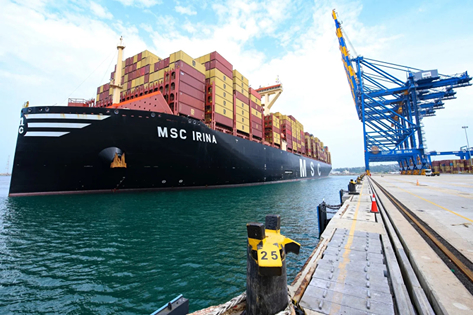
First Direct import operations begin at Vizhinjam as first container-MSC Sabrina III arrives from Ningbo

THIRUVANANTHAPURAM : The Vizhinjam International Seaport received its first import container on 31 October, establishing Kerala’s direct gateway for international trade.

The inaugural import container arrived aboard the vessel MSC Sabrina III from Ningbo in China, carrying engineered building boards sourced from Ningbo for the construction industry.

Vizhinjam International Seaport Limited Managing Director Jeromic George flagged off the truck carrying the import container from the port.

The consignment was booked by Thiruvananthapuram-based startup BSG Logistics and Ship Chandlers Private Limited on behalf of Altair Group.

This development comes months after export-import (EXIM) operations began at the port on 18 August.

The direct import facility enables goods to be unloaded, cleared through customs and transported directly to markets across Kerala.

This not only reduces importers’ dependence on other ports, but also cuts the time involved in cargo flow.

The port’s import milestone follows recent export activity, as the first eight export containers from the port set sail for Spain’s Valencia aboard the MSC Beryl.

The Kerala government began work on a dedicated container freight station (CFS) for the port under its 100-day action plan in September.