Home Blog Page 317

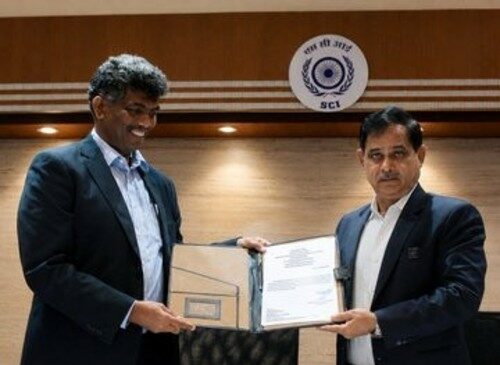
Capt. Chandran Durai Daniel assumes charge as the new Director (Bulk Carriers & Tankers) of SCI

MUMBAI : The Shipping Corporation of India Ltd. (SCI), India’s premier maritime transport company, has announced that Capt. Chandran Durai Daniel has assumed charge as Director (Bulk Carriers & Tankers), pursuant to his appointment by the Ministry of Ports, Shipping and Waterways, Government of India.

With extensive experience in the maritime and shipping sector, Capt. Daniel brings with him deep operational expertise and leadership across tanker operations, bulk cargo transportation, fleet management, marine safety, and commercial shipping activities. Over the years, he has contributed significantly to strengthening operational efficiency, safety standards, and strategic growth initiatives within the shipping industry.

As Director (Bulk Carriers & Tankers), he will play a key role in steering SCI’s bulk and tanker business verticals, enhancing fleet performance, supporting India’s energy transportation requirements, and driving operational excellence in line with the Government of India’s vision for a stronger and self-reliant maritime sector.

SCI’s bulk carrier and tanker segment continues to remain a vital pillar of the company’s operations, facilitating the movement of crude oil, petroleum products, dry bulk commodities, and essential cargoes across domestic and international trade routes. Capt. Daniel’s leadership is expected to further strengthen the corporation’s commitment towards safe, efficient, and sustainable shipping operations.

The Management and employees of SCI warmly welcomed and felicitated Capt. Chandran Durai Daniel on joining the SCI Board and conveyed their best wishes for a successful tenure ahead.

The appointment marks another important step in SCI’s continued efforts to reinforce its leadership position in the Indian maritime industry while contributing towards the growth of the nation’s shipping and logistics ecosystem.

Commerce Secretary visits Switzerland to advance India–EFTA TEPA implementation and boost Trade & Investment Cooperation

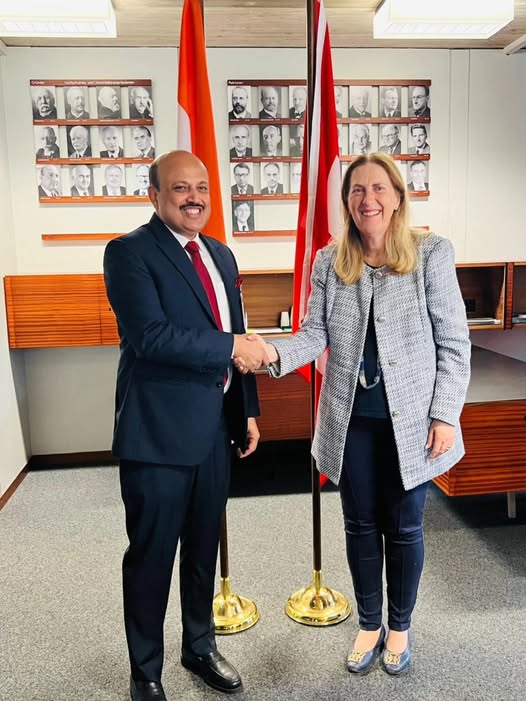
NEW DELHI : Commerce Secretary Shri Rajesh Agarwal undertook an official visit to Switzerland from 06–07 May 2026 to advance the implementation of the India–EFTA Trade and Economic Partnership Agreement (TEPA) and strengthen India–Switzerland trade and investment engagement.

The visit focused on translating TEPA’s market-access outcomes into concrete business partnerships, investment commitments and greater industry utilization. The visit built upon the high-level engagement held in February 2026, when Union Minister of Commerce and Industry Shri Piyush Goyal met H.E. Mr. Guy Parmelin, President of the Swiss Confederation, in New Delhi and reviewed the roadmap for taking the agreement from policy framework to commercial delivery.

During the visit, the Commerce Secretary held a bilateral meeting with Ms. Helene Budliger Artieda, State Secretary, Swiss State Secretariat for Economic Affairs (SECO). Both sides reviewed the progress achieved since TEPA became operational and discussed measures to expand trade and investment, strengthen regulatory cooperation, address non-tariff barriers and promote deeper business linkages. The Commerce Secretary emphasized the importance of resolving implementation-related issues at an early stage to enable enterprises on both sides to fully utilize the Agreement.

The Commerce Secretary also participated in the 55th St. Gallen Symposium on 06 May 2026. As part of the programme, he joined the session titled “Networking Dinner @ SQUARE: 200 Days of TEPA – Lessons from the Swiss–Indian Trade Agreement” along with State Secretary Ms. Helene Budliger Artieda.

Union Minister of Commerce and Industry Shri Piyush Goyal delivered the keynote address at the Symposium through a video message. The Minister stated that under the leadership of Prime Minister Shri Narendra Modi, India has concluded nine Free Trade Agreements with 38 developed countries, creating expanded opportunities for Indian manufacturers, services firms, farmers, fishermen, workers, women, youth, startups, MSMEs and professionals.

Shri Goyal underlined that India’s FTAs are aimed at enhancing quality, competitiveness, supply-chain integration, services mobility, investment flows and market access. He emphasized that these agreements are intended to help Indian enterprises confidently enter high-standard global markets and convert market access into sustained export growth.

Highlighting the progress achieved within 200 days of TEPA’s implementation, the Minister noted that new Indian product lines have entered the Swiss market, services trade has gained momentum and investment interest has strengthened. He further observed that India’s large consumer market, ongoing reforms, digital public infrastructure, skilled talent pool and expanding industrial capabilities provide a strong foundation for long-term partnerships with Switzerland and the wider EFTA region.

TEPA marks a significant milestone in India’s trade engagement strategy. It is India’s first trade agreement with the EFTA economies and the country’s first operational trade arrangement with a European economic bloc. The Agreement is expected to support deeper integration of Make in India products into European value chains, with Switzerland serving as an important gateway market. It also expands opportunities for farmers and fishermen, forest-based communities, workers, women and youth, as well as MSMEs and professionals.

Under TEPA, EFTA has offered improved market access on 92.2 per cent of its tariff lines, covering 99.6 per cent of India’s exports, along with tariff concessions on processed agricultural products. The Agreement is expected to create opportunities for Indian states across sectors, including Maharashtra in grapes, Karnataka in coffee, Kerala in spices, Andhra Pradesh in seafood and the North Eastern States in horticulture. India has also safeguarded sensitive sectors, including dairy and other sensitive products, to protect farmers’ interests.

India–Switzerland economic engagement continues to expand on a strong foundation. India’s exports to Switzerland exceeded USD 1.2 billion during FY 2025–26. India’s services exports to Switzerland stood at USD 6.884 billion in 2024, generating a services trade surplus of USD 4.255 billion.

During a fireside chat with State Secretary Ms. Helene Budliger Artieda, the Commerce Secretary highlighted India’s evolving economic landscape, driven by sustained reforms, expanding digital public infrastructure and a rapidly growing manufacturing base. He emphasized that India’s approach to trade agreements is aligned with strengthening competitiveness, integrating industry into global value chains and creating opportunities for enterprises across sectors, including MSMEs, startups and services providers.

The Commerce Secretary also addressed a high-level Business Roundtable on 07 May 2026, which brought together senior representatives from leading Swiss companies and institutions across advanced manufacturing, engineering, technology and financial services sectors. Discussions focused on opportunities to advance investment and economic cooperation under TEPA.

The visit placed particular emphasis on attracting Swiss investment into sectors such as pharmaceuticals, biotechnology, precision engineering, machinery, machine tools, clean energy, plastics, medtech and advanced manufacturing. The Commerce Secretary invited Swiss and EFTA companies to leverage TEPA as a platform for building manufacturing, innovation and technology partnerships in India.

The visit concluded with a call for sustained government-to-government, business-to-business and institutional engagement. The Commerce Secretary encouraged greater participation of Swiss and EFTA companies in major trade and investment events in India and emphasized that the success of TEPA would ultimately be measured through increased exports, investments, job creation, technology partnerships and resilient value chains.

India–Canada Joint Statement on the conclusion of the second round of CEPA negotiations

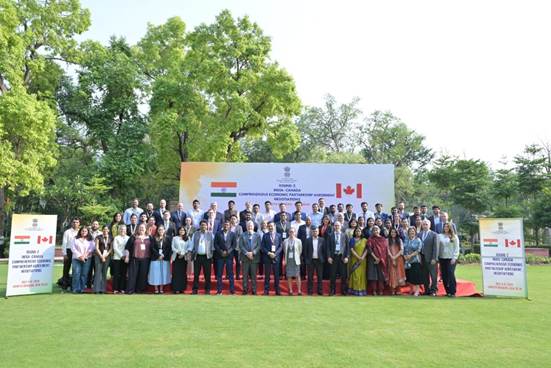
NEW DELHI : India and Canada successfully concluded the second round of negotiations for the proposed Comprehensive Economic Partnership Agreement (CEPA), held from 4–8 May 2026 at Vanijya Bhawan, New Delhi, and hosted by the Department of Commerce, Government of India.

The discussions were held in accordance with the Terms of Reference signed by the Trade Ministers of both countries on 2 March 2026. The negotiations witnessed constructive and productive engagement between the two sides. India and Canada reaffirmed their shared commitment to advancing a balanced, ambitious, and mutually beneficial agreement aimed at strengthening bilateral trade and economic ties.

Detailed discussions were held across a wide range of chapters, including Trade in Goods, Trade in Services, Intellectual Property, Rules of Origin, Sanitary and Phytosanitary Measures, and Technical Barriers to Trade, among others.

Both sides agreed to continue negotiations in a constructive and cooperative spirit and looked forward to the next round of discussions, scheduled to be held in July 2026 in Ottawa, Canada, with intersessional engagements to continue in the interim.

ICD Modinagar flags off two export block trains carrying starch and kraft paper

MODINAGAR : In a significant boost to India’s manufacturing and export logistics ecosystem, two export block trains carrying consignments of starch and kraft paper were successfully flagged off from ICD Modinagar, reinforcing the growing strength of India’s industrial output and export competitiveness in global markets.

The movement marks another important milestone in enhancing multimodal cargo connectivity and streamlining export supply chains from North India’s industrial belt to international destinations. The dedicated block train operation demonstrates the increasing preference for rail-led logistics solutions that offer greater reliability, efficiency and sustainability for export-oriented industries.

The export cargo, comprising starch and kraft paper products, reflects the rising global demand for Indian manufactured goods and highlights the expanding role of inland container depots in facilitating faster and more seamless cargo evacuation to ports. By enabling efficient aggregation and movement of export cargo, ICD Modinagar continues to strengthen its position as a key logistics gateway supporting regional industries and exporters.

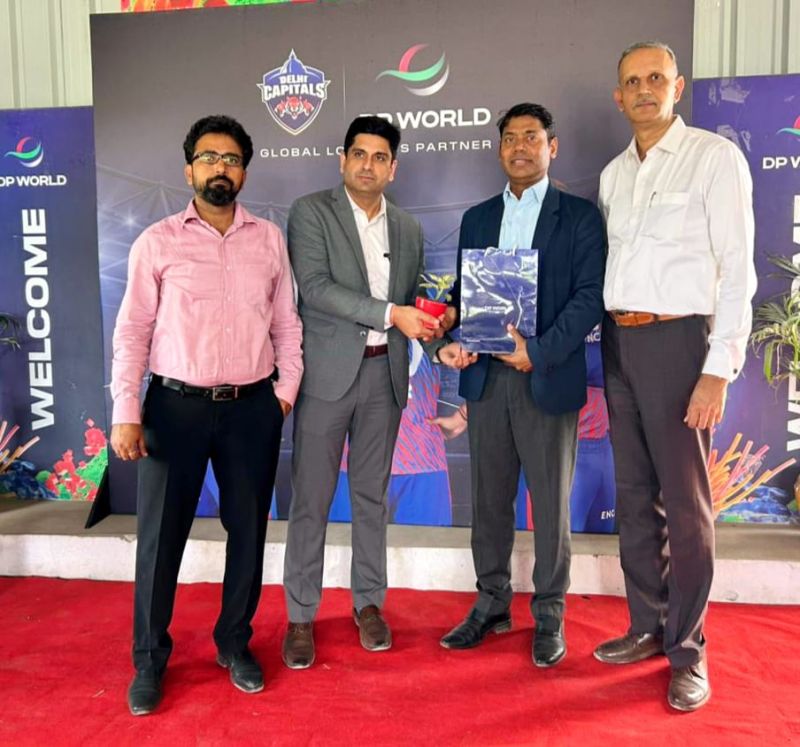
The successful operation was made possible through close coordination and collaboration among logistics stakeholders, with valuable support from Emirates Shipping Line and 3Line Shipping , whose partnership played an important role in ensuring smooth cargo movement and timely execution.

The initiative also underscores the growing importance of integrated logistics partnerships in today’s rapidly evolving trade environment, where dependable supply chains and efficient cargo movement are critical for maintaining export competitiveness. Dedicated rail-based export services not only reduce transit bottlenecks but also contribute towards lower logistics costs, improved cargo visibility and more environmentally sustainable freight transportation.

As India continues to expand its manufacturing capabilities under initiatives aimed at boosting exports and industrial growth, such developments are expected to further strengthen the country’s position in global supply chains while creating enhanced market access opportunities for Indian exporters.

The successful flagging off of these export block trains stands as another example of how collaborative logistics ecosystems, efficient infrastructure and customer-focused supply chain solutions are driving India’s trade growth and supporting the nation’s vision of becoming a global manufacturing and export powerhouse.

PSA strengthens presence in China with strategic investment in Xiamen Container Terminal Group

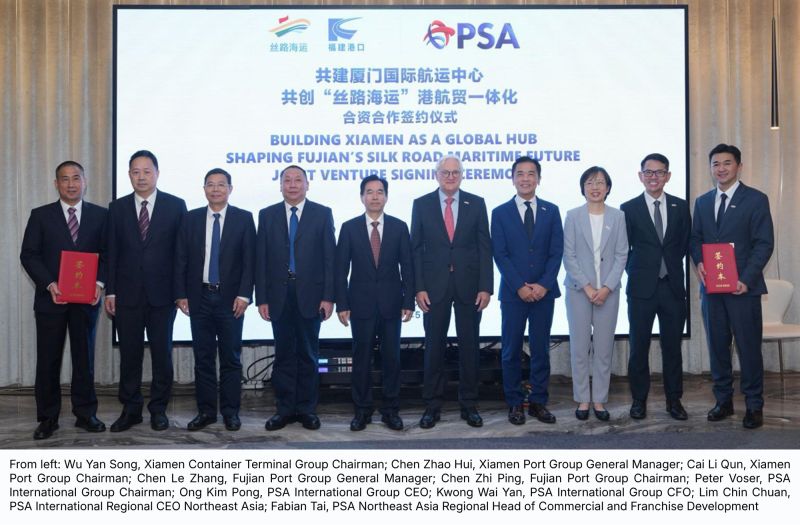
SINGAPORE : In a significant move to further strengthen its global port and logistics network, PSA International has successfully secured an investment in Xiamen Container Terminal Group , reinforcing its long-term commitment to China and supporting Fujian Province’s development as a key strategic gateway for international trade and logistics.

The investment marks another important milestone in PSA’s strategy to deepen regional connectivity and enhance integrated supply chain solutions across Asia. By partnering with one of China’s leading terminal operators, PSA aims to strengthen the integration of port operations, intermodal transportation, inland logistics and end-to-end supply chain capabilities within Fujian and the broader Southeast China region.

Located along one of China’s most important maritime corridors, Xiamen plays a vital role in facilitating international commerce and cross-border trade. The collaboration is expected to improve cargo connectivity, optimise logistics efficiency and create more seamless and resilient trade flows linking China with major global markets.

The partnership also aligns with China’s continued focus on enhancing multimodal transport infrastructure and advancing high-quality port development. Through the integration of advanced operational expertise, digital innovation and network synergies, PSA and Xiamen Container Terminal Group will work towards building smarter, more sustainable and customer-centric logistics ecosystems.

As global trade patterns continue to evolve amid increasing supply chain complexities, PSA remains focused on strengthening strategic gateways and enabling greater supply chain resilience for its customers and partners worldwide. The investment further expands PSA’s footprint in China while reinforcing Fujian’s role as an emerging international shipping and logistics hub.

PSA highlighted that the collaboration reflects its confidence in China’s long-term economic growth and its continued commitment to supporting global trade through innovation, operational excellence and sustainable development initiatives.

The milestone has also been welcomed as a major achievement for the PSA China team, underscoring the company’s continued efforts in advancing network excellence and fostering stronger international trade connectivity across the region and beyond.

Hapag-Lloyd launches podcast “Straight Talk with CEO Rolf Habben Jansen”

HAMBURG: Today, Hapag-Lloyd will launch a podcast with its CEO Rolf Habben Jansen. “Straight Talk” will provide insights into global trade developments, container shipping and key topics that shape the day-to-day decision-making at Hapag-Lloyd.

Moderated by Janet Porter, an award-winning British business journalist with extensive experience covering the global maritime and container shipping industry, the podcast is part of Hapag-Lloyd’s broader effort to strengthen transparency and dialogue with customers, partners, journalists and the wider public.

In the first episode, Rolf Habben Jansen discusses the current situation in and around the Persian Gulf, including the closure of the Strait of Hormuz, and outlines how Hapag-Lloyd is managing the impact on supply chains, customers and on the crews of Hapag-Lloyd´s four container vessels still stuck in the Gulf.

The podcast will be available on all podcast platforms from 8 am tomorrow. New episodes will be released on a regular basis.

Listen to the Podcast

BIMCO and ICS welcome Beijing Convention coming into force

LONDON: The Convention, officially the United Nations Convention on the International Effects of Judicial Sale of Ships, entered into force on 17 February.

The Convention is intended to address the transborder effects of judicial sales and aims to clarify the legal uncertainty regarding the clean title which the judicial sale is supposed to confer upon the purchaser of a ship in a judicial sale. Its entry into force marks a significant step forward for legal certainty in international maritime trade.

The International Chamber of Shipping (ICS) and BIMCO are supportive of the Convention and encourage states to sign and ratify it. The main reasons for this are as follows:

  • The Convention establishes a harmonised regime for giving international effect to judicial sales. Under the Convention, the effects of a judicial sale conducted in one State Party is recognised by all other Parties.
  • The purchaser is granted “clean title”, eliminating the likelihood that buyers could face arrests, liens or maritime claims in other jurisdictions and therefore ensuring that a ship is purchased clean and unencumbered.  This gives comfort to purchasers of ships and their financiers encouraging higher participation in judicial sales, increasing the sale proceeds which will then be distributed among creditors.
  • To ensure transparency, each State where a sale occurs must issue a notice of judicial sale and, as appropriate, a certificate of judicial sale. The certificate of judicial sale ensures that the purchaser will be able to deregister a ship in its old register and reregister it in the ship register of their choice.
  • The Beijing Convention imposes safeguards in respect of due process for the benefit of shipowners and holders of mortgages and other encumbrances on the ship.

The International Maritime Organization (IMO) acts as the repository for notices and certificates of judicial sale under the Convention, which are open to consultation by any interested party on IMO’s Global Integrated Shipping Information System (GISIS).

In summary, the ICS and BIMCO are confident that the Convention will aid judicial ship sales in becoming internationally reliable with more legal certainty and commercial appeal, benefitting buyers, creditors, lenders and the maritime trade as a whole.

The Convention has been ratified by Barbados, El Salvador and Spain – the third ratifying state having triggered the application of article 21 of the Convention and coming into force of the Convention on 17 February 2026. Panama has since ratified in March this year. However, since the Convention is based on the principle of reciprocity, ie between ratifying states only, ratification by as many states as possible is key to securing its success.

Multimodality & Innovation: FIATA at the International Supply Chain Logistics Expo 2026 in Shanghai

SHANGHAI : FIATA and China International Freight Forwarders Association (CIFA) participated in the International Supply Chain Logistics Exposition (ISL Expo) 2026 in Shanghai, reaffirming FIATA’s commitment to strengthening resilient, digital, and sustainable global supply chains.

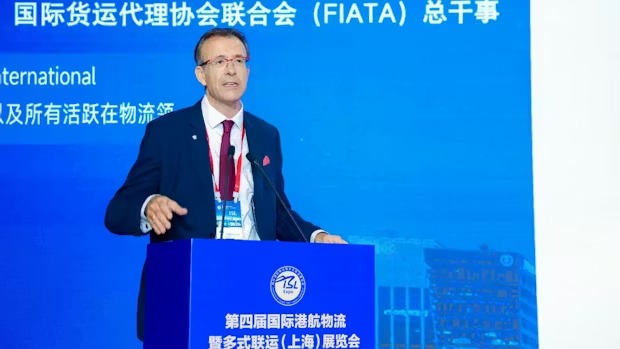
At the opening ceremony, FIATA Director General, Dr Stéphane Graber delivered a keynote alongside distinguished Chinese officials, including former Minister of Transport, Mr Huang Zhendong and former Vice-Minister Mr Xu Zuyuan. In his address, Dr Graber highlighted the growing importance of multimodality and digitalisation in addressing ongoing supply chain disruptions and enabling new trade routes.

Showcasing FIATA’s leadership in digital transformation, the Director General underlined key initiatives such as the digital, negotiable FIATA multimodal Transport Bill of Lading (eFBL) and the newly adopted UN Negotiable Cargo Documents Convention, both contributing to greater efficiency, interoperability, and legal certainty across global supply chains.

He also emphasised the strategic value of the ISL Expo as a gateway to Chinese cargo owners and logistics decision-makers, fostering dialogue and collaboration across the supply chain ecosystem. The address further highlighted FIATA’s wide range of professional guidance, training programmes, and webinars, and concluded with an invitation to participate in upcoming FIATA events, including the FIATA Region Asia-Pacific Field Meeting in Tianjin during 2–4 June 2026 and the 2026 FIATA World Congress in Milan during the 6-9 October 2026.

Following the opening ceremony, the Director General joined an official visit of the exhibition alongside Mr Huang Zhendong. He also visited the booth of the CIFA, where he met with its Secretary General, Mr Cui Jiaguo, who also attended the opening ceremony.

Lloyd’s Register grants AiP to Wison New Energies for harsh environment internal turret FPSO

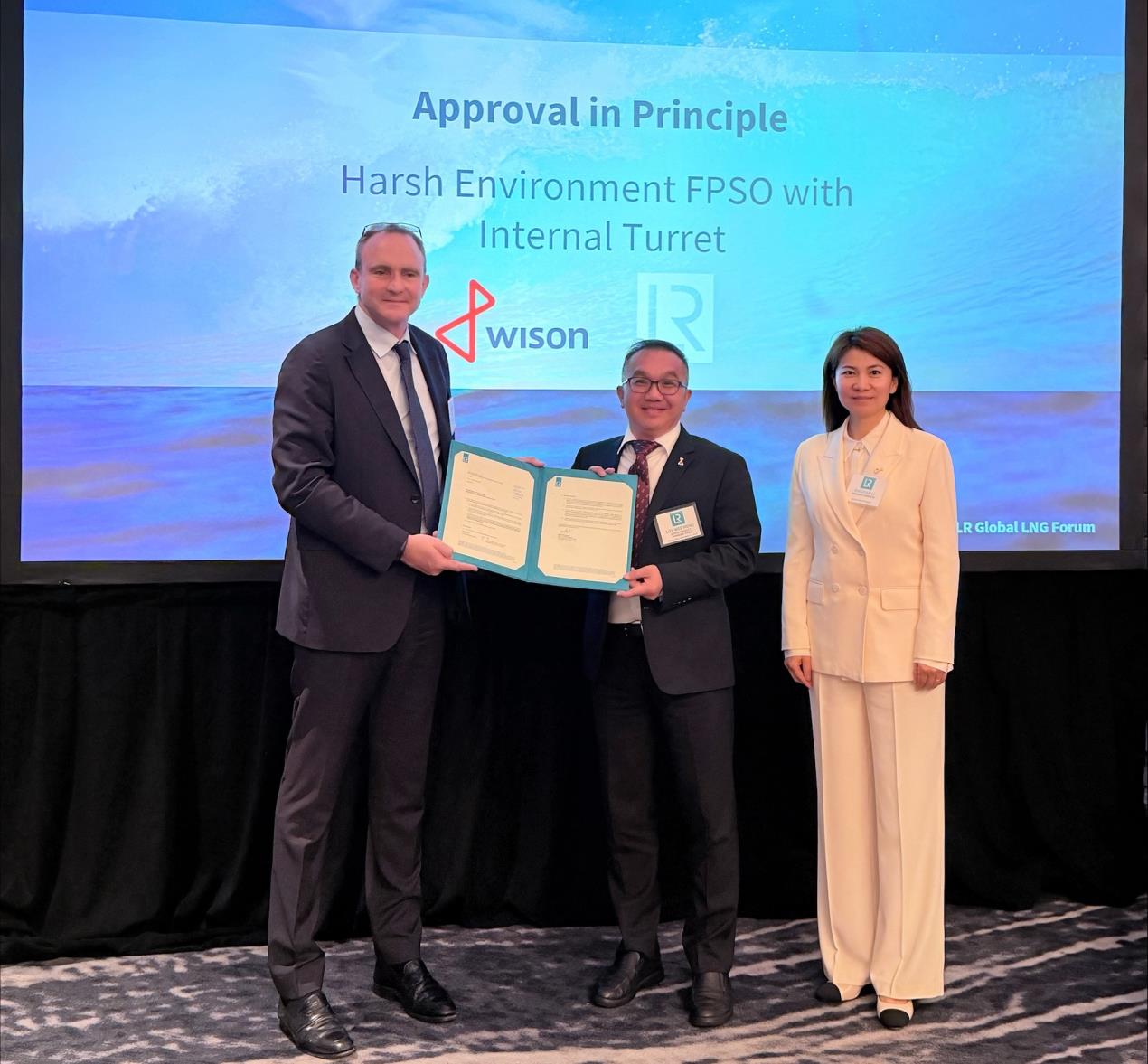
LONDON: Lloyd’s Register (LR) has granted Approval in Principle (AiP) to Wison New Energies for a new harsh environment FPSO design featuring an internal turret mooring system.

The AiP was presented during the Offshore Technology Conference (OTC) in Houston this week, following an independent concept stage review by LR.

Internal turret FPSOs are widely used in demanding metocean conditions but remain among the most technically complex floating production systems, with critical interfaces between hull, mooring, risers and topside layouts.

By completing an independent concept-stage review, the AiP helps demonstrate that the FPSO concept can progress with a clearer view of key technical and safety considerations, supporting earlier, more confident decision-making by project stakeholders.

Ian Crehan, Global Head of Energies Solutions, Lloyd’s Register, said: “Floating production systems are becoming more complex, and the cost of getting early decisions wrong is rising. Independent assurance at concept stage helps reduce uncertainty and allows projects to move forward with greater technical confidence.”

Wison New Energies said the approval supports its work to develop FPSO designs that can be deployed more rapidly and reliably in challenging offshore regions.

“With design for harsh environment FPSO now completed, Wison has in addition to standard FPSO as well as Gas type FPSO designs already developed, possessed the portfolio to undertake FPSO design for 90% of the current world FPSO demand,” added Loy Wee Meng, Senior Product Manager of Wison New Energies’ FPSO Product Center.

Women’s participation in India’s maritime sector surges 340% Since 2020: Sarbananda Sonowal

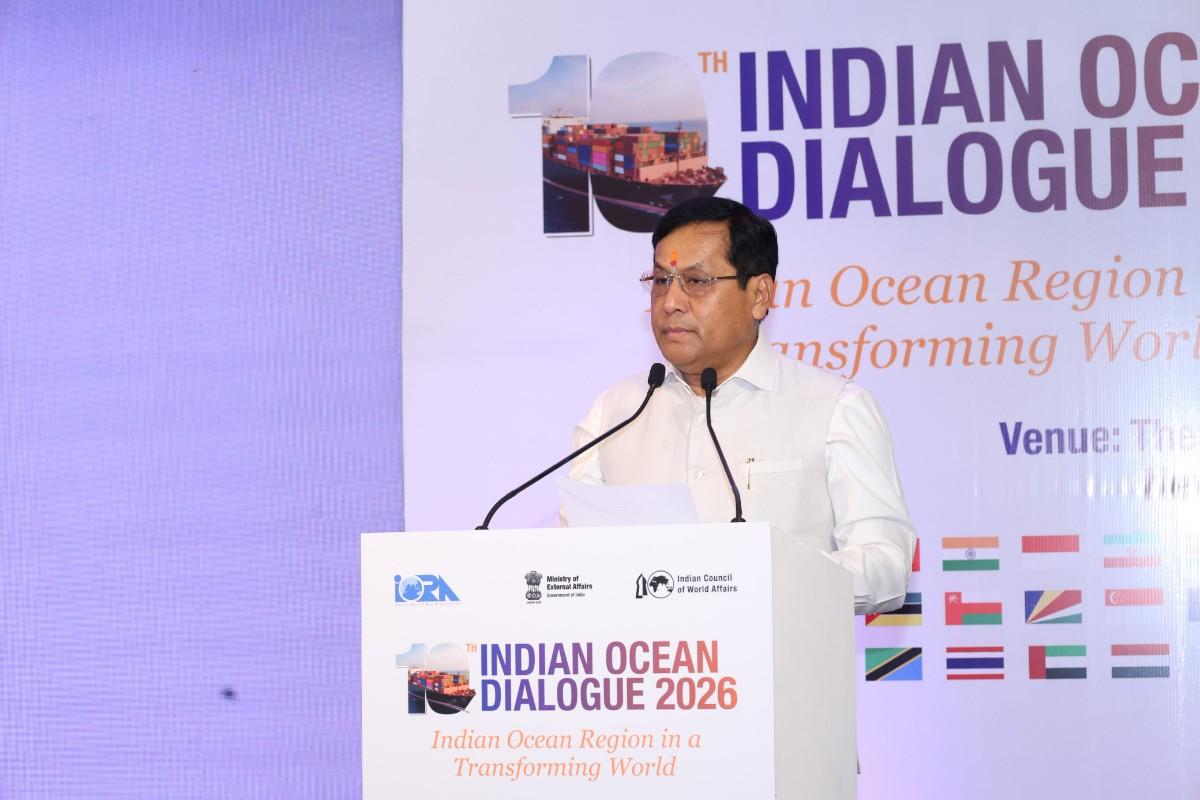
NEW DELHI : Women’s participation in India’s maritime sector has increased by 340% since 2020, Union Minister of Ports, Shipping and Waterways (MoPSW), Sarbananda Sonowal said here on Thursday, underscoring the government’s push to build a more inclusive, future-ready maritime workforce.

Delivering the keynote address at the 10th Indian Ocean Dialogue in New Delhi, Sonowal highlighted “Nari Shakti” as a central pillar of India’s maritime growth story. Union Minister Sarbananda Sonowal was joined by His Excellency, Dhananjay Ramful, Foreign Minister of Mauritius, and His Excellency, Waleed Mohammed Al-Qadimi, Minister of State of Yemen.

“Through initiatives like ‘Sagar Mein Samman’, we are advancing dignity, inclusion and leadership opportunities for women in the maritime sector, which has seen a remarkable rise of about 340% since 2020,” Sarbananda Sonowal said. “Under the dynamic leadership of Prime Minister Shri Narendra Modi ji, this transformation in the maritime sector is helping shape a more inclusive, resilient and future-ready workforce for the Indian Ocean Region.”

The Union Minister positioned the surge in women’s participation within India’s broader maritime vision, combining economic growth with social empowerment. He noted that the “human element” remains central to India’s maritime strategy, alongside efforts to enhance security, connectivity and sustainability.

“The Indian Ocean is not just a geographic space, but a global lifeline,” Sonowal said. “Its importance to global energy flows, trade and supply chains calls for stronger cooperation, resilience and inclusivity.”

Sonowal emphasized that India’s maritime initiatives are aligned with the vision of Prime Minister Narendra Modi, including frameworks such as SAGAR (Security and Growth for All in the Region) and MAHASAGAR, aimed at strengthening regional cooperation and ensuring equitable growth. The 10th Indian Ocean Dialogue, hosted by India as Chair of the Indian Ocean Rim Association (IORA) for 2025–27, is themed “Indian Ocean Region in a Transforming World.” The forum brings together ministers, policymakers, academics and industry leaders to deliberate on maritime security, blue economy, disaster risk management and women’s empowerment.

Under India’s Chair of IORA, the forum focuses on “Innovation, Openness, Resilience and Adaptability,” with women’s economic empowerment identified as a key cross-cutting priority area. Sonowal also highlighted India’s role as a “net security provider” in the region, pointing to initiatives in humanitarian assistance, maritime surveillance and disaster response. Sonowal stressed that no single country can address maritime challenges alone and called for collective action rooted in transparency and respect for international law.

“India remains committed to working with all partners to advance a safe, secure and stable Indian Ocean Region,” Sonowal said.
The Indian Ocean Dialogue (IOD), IORA’s flagship Track 1.5 platform launched in 2014 in Kochi, convenes ministers, policymakers, academics and industry leaders to deliberate on key regional issues. IORA comprises 23 member states and 12 dialogue partners, focusing on economic cooperation and sustainable development in the Indian Ocean Region, with women’s economic empowerment identified as a key cross-cutting priority alongside the blue economy. The 10th edition of the Dialogue, being held on May 7–8, 2026 in New Delhi, features dedicated sessions on maritime security, blue economy, disaster risk management, climate change and women’s empowerment.