Home Blog Page 318

Women’s participation in India’s maritime sector surges 340% Since 2020: Sarbananda Sonowal

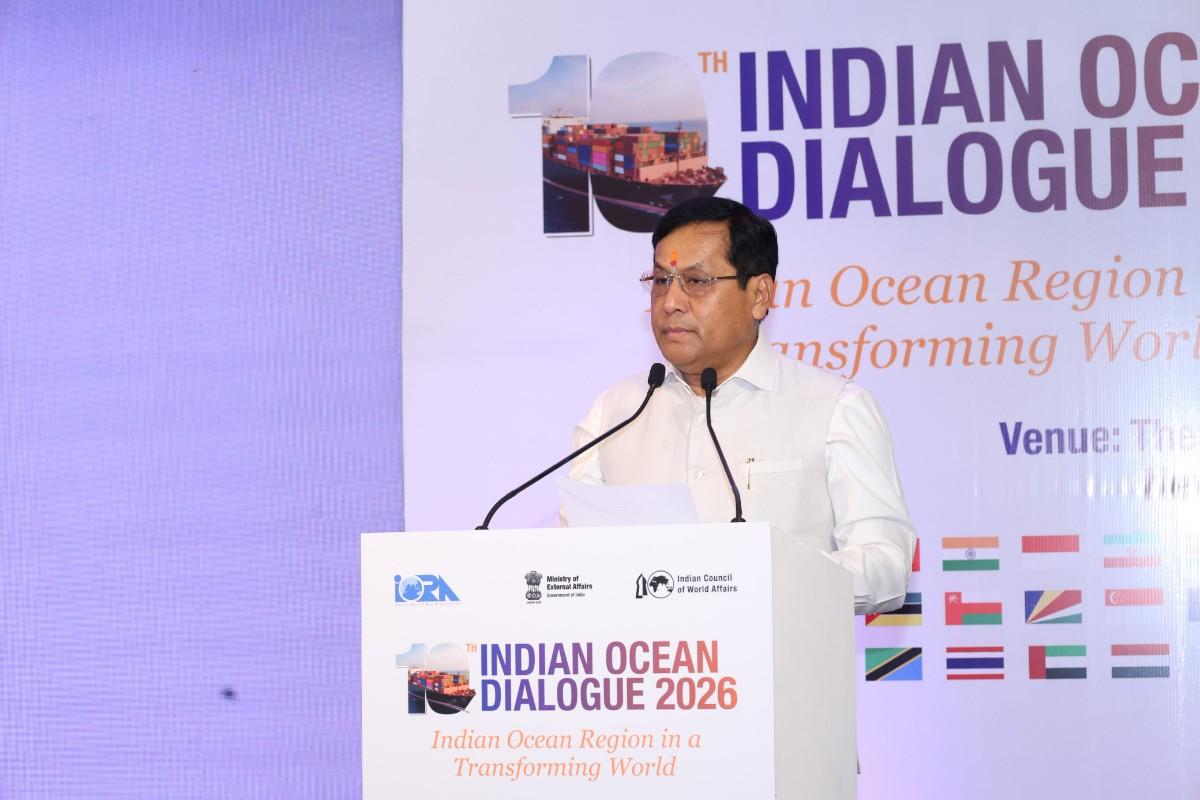
NEW DELHI : Women’s participation in India’s maritime sector has increased by 340% since 2020, Union Minister of Ports, Shipping and Waterways (MoPSW), Sarbananda Sonowal said here on Thursday, underscoring the government’s push to build a more inclusive, future-ready maritime workforce.

Delivering the keynote address at the 10th Indian Ocean Dialogue in New Delhi, Sonowal highlighted “Nari Shakti” as a central pillar of India’s maritime growth story. Union Minister Sarbananda Sonowal was joined by His Excellency, Dhananjay Ramful, Foreign Minister of Mauritius, and His Excellency, Waleed Mohammed Al-Qadimi, Minister of State of Yemen.

“Through initiatives like ‘Sagar Mein Samman’, we are advancing dignity, inclusion and leadership opportunities for women in the maritime sector, which has seen a remarkable rise of about 340% since 2020,” Sarbananda Sonowal said. “Under the dynamic leadership of Prime Minister Shri Narendra Modi ji, this transformation in the maritime sector is helping shape a more inclusive, resilient and future-ready workforce for the Indian Ocean Region.”

The Union Minister positioned the surge in women’s participation within India’s broader maritime vision, combining economic growth with social empowerment. He noted that the “human element” remains central to India’s maritime strategy, alongside efforts to enhance security, connectivity and sustainability.

“The Indian Ocean is not just a geographic space, but a global lifeline,” Sonowal said. “Its importance to global energy flows, trade and supply chains calls for stronger cooperation, resilience and inclusivity.”

Sonowal emphasized that India’s maritime initiatives are aligned with the vision of Prime Minister Narendra Modi, including frameworks such as SAGAR (Security and Growth for All in the Region) and MAHASAGAR, aimed at strengthening regional cooperation and ensuring equitable growth. The 10th Indian Ocean Dialogue, hosted by India as Chair of the Indian Ocean Rim Association (IORA) for 2025–27, is themed “Indian Ocean Region in a Transforming World.” The forum brings together ministers, policymakers, academics and industry leaders to deliberate on maritime security, blue economy, disaster risk management and women’s empowerment.

Under India’s Chair of IORA, the forum focuses on “Innovation, Openness, Resilience and Adaptability,” with women’s economic empowerment identified as a key cross-cutting priority area. Sonowal also highlighted India’s role as a “net security provider” in the region, pointing to initiatives in humanitarian assistance, maritime surveillance and disaster response. Sonowal stressed that no single country can address maritime challenges alone and called for collective action rooted in transparency and respect for international law.

“India remains committed to working with all partners to advance a safe, secure and stable Indian Ocean Region,” Sonowal said.
The Indian Ocean Dialogue (IOD), IORA’s flagship Track 1.5 platform launched in 2014 in Kochi, convenes ministers, policymakers, academics and industry leaders to deliberate on key regional issues. IORA comprises 23 member states and 12 dialogue partners, focusing on economic cooperation and sustainable development in the Indian Ocean Region, with women’s economic empowerment identified as a key cross-cutting priority alongside the blue economy. The 10th edition of the Dialogue, being held on May 7–8, 2026 in New Delhi, features dedicated sessions on maritime security, blue economy, disaster risk management, climate change and women’s empowerment.
Cochin Shipyard and DPA Kandla to Build ₹1,570 Crore Ship Repair Facility in Gujarat

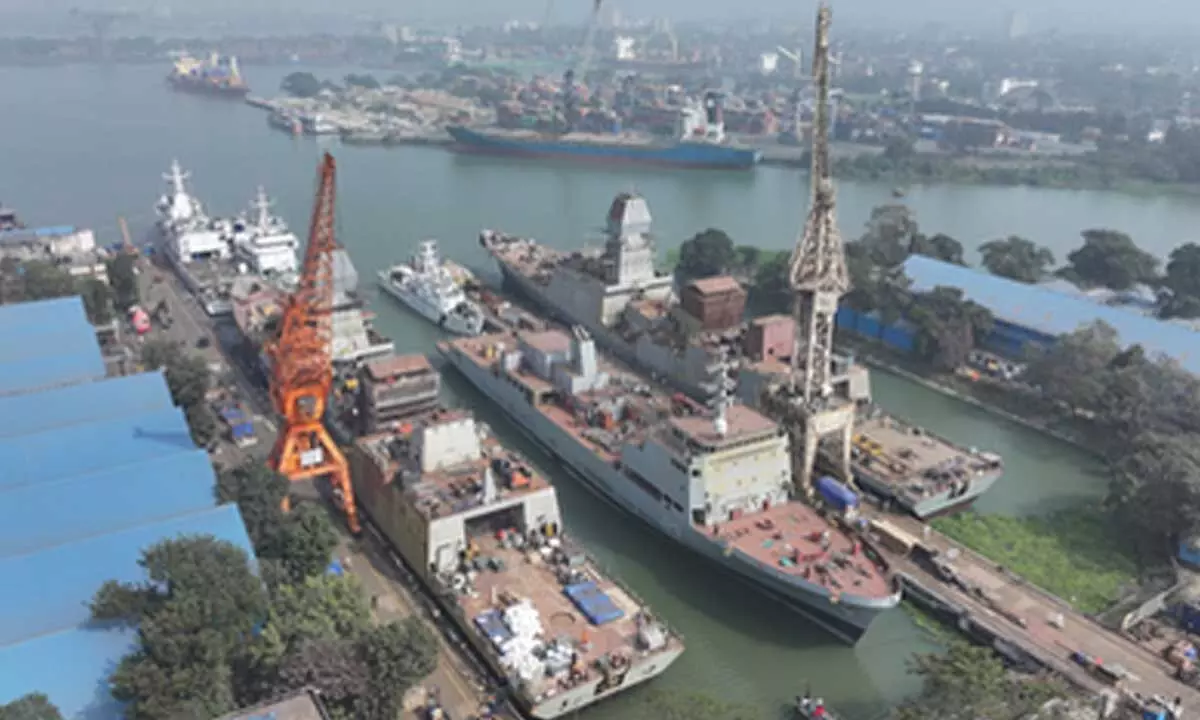
GANDHIDHAM : The Government of India has approved the development of a state-of-the-art ship repair facility at Vadinar in Gujarat. The project marks a significant expansion of India’s maritime infrastructure and aims to reduce dependence on foreign shipyards for large vessel repairs.

The approval was granted by the Cabinet Committee on Economic Affairs chaired by the Prime Minister. The project will be jointly implemented by Cochin Shipyard Limited (CSL) and Deendayal Port Authority (DPA) under the Ministry of Ports, Shipping and Waterways.

Project Investment and Structure
The total investment for the project is ₹1,570 crore. The cost allocation is divided as follows:

₹650 crore by Deendayal Port Authority for development of civil infrastructure, including jetties
₹920 crore by Cochin Shipyard Limited for ship repair infrastructure, including two large floating dry docks
The facility is expected to be completed within 36 months from the start of execution.

Location Advantage
The ship repair facility will be developed at Vadinar, Gujarat, a strategic coastal location with deep draft conditions and strong connectivity to major shipping routes. The site is also close to major ports including Mundra and Kandla, making it suitable for handling large commercial vessels and international shipping traffic.

Capacity Expansion
The new facility will significantly enhance India’s ship repair capability.

Existing capability of Cochin Shipyard Limited: up to 250 metres vessel length

New facility capability: up to 300 metres vessel length

Includes jetty infrastructure, workshops, and floating dry docks

This expansion will allow India to repair larger vessels domestically, which currently often rely on overseas shipyards.

Economic and Industrial Impact
The project is expected to deliver several economic benefits, including:

Reduction in foreign exchange outflow due to overseas repairs

Improved turnaround time for vessel maintenance

Strengthening of India’s maritime supply chain

Growth of ancillary industries and MSMEs

It is estimated to generate approximately 290 direct jobs and 1,100 indirect jobs in ship repair, logistics, and related sectors.

Strategic Importance
The facility aligns with India’s long-term maritime development plans, including Maritime India Vision 2030 and Maritime Amrit Kaal Vision 2047. It is expected to strengthen India’s position as a regional maritime services hub and improve competitiveness of Indian ports.

Conclusion
The Vadinar ship repair facility represents a major step forward in India’s maritime infrastructure development. With a strong focus on capacity expansion, industrial growth, and strategic self-reliance, the project is set to play a key role in shaping the country’s shipping ecosystem over the coming decades.

Trade Advisory on operational status at JNPA Container Terminals

MUMBAI : Jawaharlal Nehru Port Authority (JNPA), India’s Largest Container Port, wishes to clarify the operational status of its container terminals in light of recent advisories issued by CFSAI and BCBA. All five container terminals at JNPA are functioning smoothly, without congestion, and continue to operate at full efficiency. On average, JNPA receives 10–12 container vessels daily, handling approximately 22,000 TEUs of containerized cargo (imports and exports) every day.

Gate operations remain steady, with around 20,000 TEUs moving by road and 2,000 TEUs by rail. Contrary to claims of congestion, the port’s operations remain uninterrupted. The current challenge lies not within the port terminals but in the shortage of trailers and drivers provided by Container Freight Stations (CFSs) and Custom Brokers (CBs).

Key Clarifications

• Responsibility of CFSs and CBs: Import containers stacked at terminal yards are delivered only when trailers are placed by CFSs or CBs. It is their responsibility to ensure adequate trailer availability. If drivers are unavailable due to vacation or absenteeism, CFSs and CBs must arrange immediate alternatives.

• No Trailer Backlog at Terminals: Terminals have deployed additional manpower to expedite container delivery. There is no situation where trailers are waiting for loading; rather, the number of trailers arriving has reduced due to driver shortages.

• Proactive Measures by JNPA: o Facilitating evacuation of containers by rail to nearby CFSs with rail sidings. o Coordinating with Customs for expedited approvals. o Assisting trade by arranging dedicated trains from West Bengal and Uttar Pradesh to bring back drivers currently on vacation.

Storage and Occupancy

JNPA’s total container storage capacity is 1.76 lakh TEUs. Under normal conditions, occupancy ranges between 90,000–1,00,000 TEUs. Due to increased transshipment cargo following geopolitical disturbances in the Middle East, occupancy as on 7th May 2026 is 1.18 lakh TEUs, which is only 67% occupancy. Of this, only 26,000 TEUs are transshipment containers, which are not causing congestion. The higher occupancy is solely due to delays in trailer mobilization by CFSs and CBs.

Call to Action

JNPA reiterates that port operations are not congested. However, the pendency of import containers will only be resolved when CFSs and Custom Brokers urgently mobilize sufficient trailers and drivers. JNPA stands ready to extend all possible support, but the responsibility of container evacuation rests with the CFSs and CBs. “JNPA remains committed to providing the best services to its customers. We urge CFSs and Custom Brokers to immediately arrange adequate trailers and drivers to ensure smooth evacuation of import containers from the terminal yards.”

About Jawaharlal Nehru Port Authority (JNPA):

The Jawaharlal Nehru Port Authority (JNPA) is one of the premier containerhandling ports in India. Since its inception on May 26, 1989, JNPA has transformed from a bulk cargo terminal into the premier container port in the country. Currently, JNPA operates five container terminals – NSFT, NSICT, NSIGT, BMCT and APMT. The Port also has a shallow water berth for general cargo operated by Nhava Sheva Distribution Terminal Pvt. Ltd. (NSDT). A Liquid Cargo Terminal present at the JNPA Port is managed by the BPCL-IOCL consortium and the additional liquid cargo terminal developed by JNPA will be operated by M/s JSW – JNPT Liquid Terminal Pvt. Ltd. Additionally, the newly constructed coastal berth links other Indian ports and facilitates enhancing the traffic of coastal containers. Nestled across 277 hectares of land, JNPA also operates a meticulously designed multi-product SEZ, with state-of-the-art infrastructure, to boost export-oriented industries in India. JNPA is also developing an all-weather, deep-draft, greenfield port at Vadhvan, the 13th Major Port of India in Maharashtra. It is poised to be among the top 10 ports globally and will be a 100% green port since its inception.

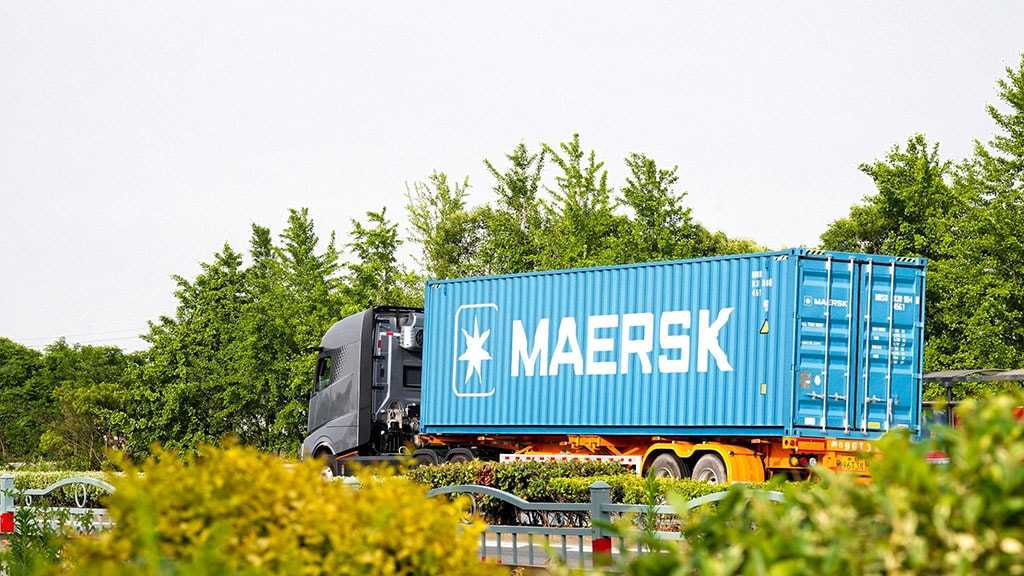
Maersk delivered volume growth across all businesses in Q1

COPENHAGEN : A.P. Moller – Maersk delivered solid first quarter results with EBIT of USD 340m, driven by strong volume growth across all businesses, continuous operational improvements, and cost containment measures.

Executive Summary

Ocean outperformed the market, growing volumes by 9.3%
Logistics & Services grew revenue by 8.7% while continuing to improve margins
Terminals lifted volumes by 4.3% and made significant expansion investments
Continued execution of the USD 1.0bn share buy-back programme
Global container market volume expected to grow by 2-4% in 2026
Maersk’s full-year guidance is maintained
CEO Statement

“We’ve seen strong demand across most regions this quarter, supporting robust volume growth in our three business segments. In Ocean in particular, market volatility remains high and industry oversupply continues to put pressure on rates. In this environment our disciplined focus on cost management contributes to resilient performance. At the same time, our flexible Ocean network continues to prove its value as a true gamechanger, lowering our Ocean unit cost by 7% even as the Middle East conflict disrupted supply chains. We also continue to see profitability momentum in Terminals and most parts of Logistics & Services. This performance strengthens our competitiveness and our ability to support customers reliably through continued uncertainty in the global environment”, says Vincent Clerc, Chief Executive Officer at Maersk.

Financial highlights

Against a volatile geopolitical environment, demand for container trade further increased in the first quarter of 2026, supported by robust export growth out of China, which accelerated relative to the previous quarter. The outbreak of the conflict in the Middle East had limited impact on demand and financial performance for the first quarter. Logistics & Services and Terminals have relatively low exposure to the Middle East. This together with the ability to leverage our modular Ocean network to limit disruptions to volume and service quality means Maersk is well-positioned to weather the challenges without material financial impact.

Maersk continued to harness the demand momentum, and results for the quarter were marked by increasing volumes while rates continued to be under pressure. Despite market share gains in Ocean, revenue was slightly below last year due to lower loaded freight rates. This was partially offset by increased revenue in Logistics & Services and Terminals. EBITDA stood at USD 1.8bn (USD 2.7bn) and EBIT at USD 340m (USD 1.3bn). The EBIT margin reached 2.6%, reflecting a 1.7 percentage point improvement from 0.9% in Q4 2025, but down by 6.8 percentage points year-on-year.

Business segment highlights

Ocean

Ocean demonstrated robust operational delivery with significant loaded volume growth of 9.3% and high asset utilisation of 96%. Stable operating costs, supported by efficiency efforts and reduced bunker costs, partly offset the continued loaded freight rates pressure exerted by industry oversupply.
EBIT: USD -192m, down from USD 743m in the previous quarter. Was USD -153 in Q4 2025.
Logistics & Services

Logistics & Services’ performance continued to improve with revenue up by 8.7% and year-on-year EBIT margin improvement for the 8th consecutive quarter. The increase was mainly driven by improved performance within products such as Air and Middle Mile, continued cost discipline and structural efficiencies across the portfolio.
EBIT: USD 173m, up from USD 142m in the previous quarter. Was USD 194m in Q4 2025.
Terminals

Terminals delivered another strong quarter with higher volume by 4.3% and resilient earnings. Revenue increased by 6.7%, and revenue per move rose by 3.4%, reflecting improved rates, favourable foreign exchange rate impacts and terminal mix, partly offset by lower storage revenue.
EBIT: USD 436m, up from USD 394m in the previous quarter. Was USD 321m in Q4 2025.
Investments

In Q1 2026, Maersk ordered eight large vessels for delivery in 2029–2030 in line with its fleet renewal strategy. These 18,600 TEU ships have dual-fuel engines for conventional or liquefied gas use, enabling flexible deployment across Maersk’s network. Logistics & Services advanced its modernisation and automation at global warehouses further improving efficiency and inaugurated World Gateway II, a 1.1 million sq ft facility in Singapore, boosting Maersk’s Asia-Pacific logistics capacity. Terminals advanced several strategic growth and expansion projects. APM Terminals Suape in Brazil neared completion of its USD 350m construction, while APM Terminals became a 49% minority shareholder and operator with Hateco Group in Hai Phong, Vietnam. Phase II at Lázaro Cárdenas in Mexico was inaugurated, and Phase III construction began, supported by another USD 350m investment. At Saudi Arabia’s Jeddah Islamic Port, APM Terminals will acquire a minority stake while DP World maintains operational control. In Germany, APM Terminals and Eurogate also agreed to invest EUR 1bn to modernise and expand North Sea Terminal Bremerhaven’s capacity from 3m to 4m TEU.

Financial guidance

Maersk maintains its full-year 2026 financial guidance as per the table below. The expected global container market volume growth is maintained at between 2% and 4%, and Maersk expects to grow in line with the market. The range below reflects industry overcapacity from new vessel deliveries and different scenarios on the timing of the reopening of the Red Sea and Strait of Hormuz in 2026.

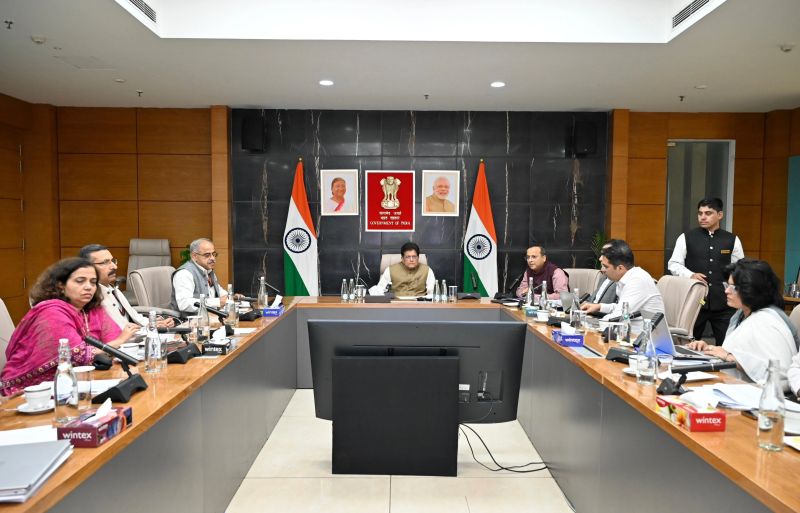
Piyush Goyal chairs high-level brainstorming session to strengthen India’s Export Competitiveness and Global Trade Outreach

NEW DELHI : Union Minister of Commerce and Industry Shri Piyush Goyal chaired a high-level brainstorming session with senior officials of the Department of Commerce and the Department for Promotion of Industry and Internal Trade (DPIIT), focusing on accelerating India’s export growth, attracting greater investments, and enhancing the country’s presence in global markets.

The meeting deliberated on a range of strategic initiatives aimed at empowering aspiring exporters, supporting MSMEs and emerging enterprises, and enabling industries across sectors to access new international trade opportunities. Discussions also emphasized the importance of improving ease of doing business, streamlining trade facilitation measures, and strengthening India’s position as a reliable global manufacturing and supply chain hub.

Key areas of focus included expanding market access for Indian products, identifying high-potential export destinations, and leveraging Free Trade Agreements (FTAs) to drive greater international trade engagement. The session also explored strategies to enhance export promotion activities through greater industry participation, international exhibitions, trade delegations, and targeted outreach programmes.

The Minister stressed the need for closer coordination between industry stakeholders and government departments to ensure policy support aligns with evolving global trade dynamics. Special emphasis was placed on promoting innovation-driven sectors, boosting value-added manufacturing, and encouraging startups and first-time exporters to participate in global commerce.

Officials further reviewed measures to improve global visibility for Indian businesses and strengthen institutional support systems that can help enterprises scale internationally. Discussions also covered initiatives to attract foreign investments, build resilient supply chains, and reinforce India’s ambition of becoming a leading global economic powerhouse.

The brainstorming session reflects the Government’s continued commitment to enhancing India’s export ecosystem, fostering industrial growth, and creating new opportunities for businesses across the country under the vision of Viksit Bharat and Atmanirbhar Bharat.

India, UAE identify new initiatives to deepen Comprehensive Strategic Partnership during FS Misri’s visit

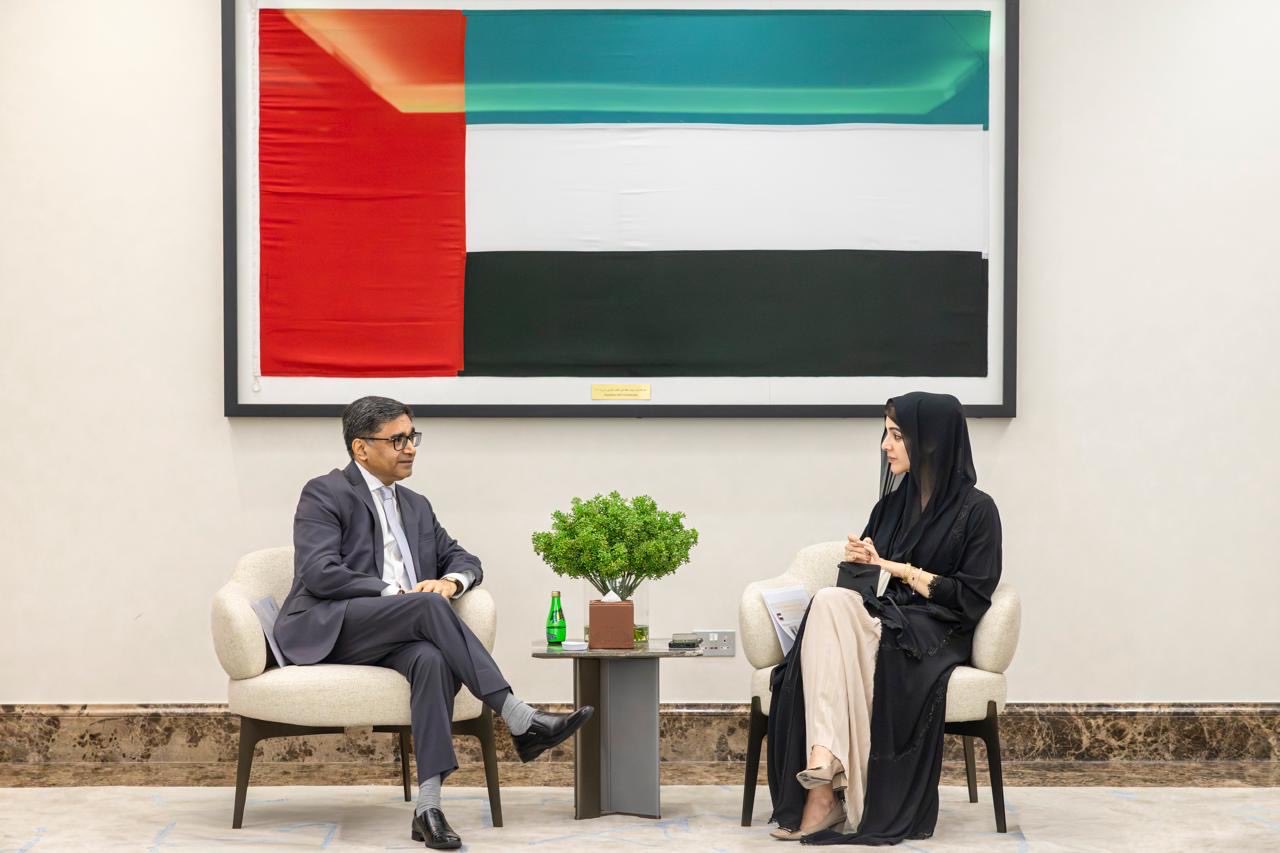
ABU DHABI: Foreign Secretary Shri Vikram Misri, along with UAE’S Minister of State and Special Envoy for India Reem Al Hashimy, identified new initiatives to further deepen the Comprehensive Strategic Partnership between the two countries as they conducted a detailed review of the full spectrum of bilateral cooperation during Misri’s official visit to the UAE.

According to an official release issued by the Ministry of External Affairs, the Foreign Secretary met Reem Al Hashimy and Khaldoon Al Mubarak, MD and CEO, Mubadala Investment Company, as part of his official visit to the country on Wednesday.

The two sides positively assessed progress made on decisions taken during the January 2026 visit of UAE President Mohamed bin Zayed Al Nahyan to India and the February 2026 visit of Abu Dhabi Crown Prince Khaled bin Mohamed bin Zayed Al Nahyan.

According to the MEA release, discussions covered ongoing bilateral cooperation in areas including trade, investment, economic cooperation, energy, connectivity, defence and security, fintech, health, education, culture and people-to-people ties.

The review was built upon outcomes from the 16th Joint Commission Meeting and the 5th Strategic Dialogue, which were co-chaired in December 2025 by External Affairs Minister S Jaishankar and UAE Deputy Prime Minister and Foreign Minister Abdullah bin Zayed Al Nahyan.

“Foreign Secretary held a detailed review of the full spectrum of the bilateral cooperation with H.E. Reem Al Hashimy, Minister of State and Special Envoy for India. They positively assessed the progress made on the decisions taken during the visit of the President of the UAE, His Highness Sheikh Mohamed bin Zayed Al Nahyan to India in January 2026 and the visit of Crown Prince of Abu Dhabi, His Highness Sheikh Khaled bin Mohamed bin Zayed Al Nahyan, in February 2026,” the release read.

“They reviewed ongoing bilateral cooperation in the areas of trade, investment, economic cooperation, energy, connectivity, defence and security, fintech, health, education, culture and people to people connect, building on the outcomes from the 16th Joint Commission Meeting and 5th Strategic Dialogue co-chaired by EAM and the Deputy Prime Minister and Minister of Foreign Affairs of UAE in December 2025. They also identified new initiatives to further deepen the bilateral Comprehensive Strategic Partnership,” it added.

The two sides also exchanged views on the prevailing situation in West Asia and other regional and global issues of mutual interest.

During the visit, Misri additionally participated in a trilateral meeting under the India-France-UAE framework alongside Reem Al Hashimy and Martin Briens, Secretary General of the Ministry for Europe and Foreign Affairs of France.

According to the MEA, the three sides reaffirmed their commitment to the trilateral partnership and agreed on a structured roadmap with defined timelines aimed at advancing cooperation under the framework.

Source: ANI

NICDC highlights India’s industrial corridor journey at ADB’s 59th Annual Meeting

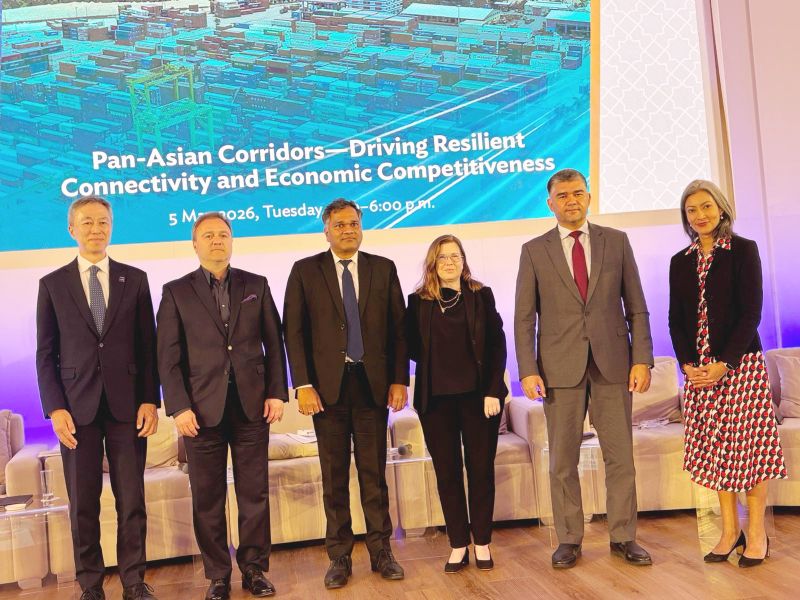
SAMARKAND : Shri Rajat Kumar Saini, CEO & MD, NICDC attended Asian Development Bank (ADB)’s 59th Annual Meeting of the Board of Governors in Samarkand, Uzbekistan, and participated as a panelist in the seminar “𝘗𝘢𝘯-𝘈𝘴𝘪𝘢 𝘊𝘰𝘳𝘳𝘪𝘥𝘰𝘳𝘴- 𝘋𝘳𝘪𝘷ing 𝘙𝘦𝘴𝘪𝘭𝘪𝘦𝘯𝘵 𝘊𝘰𝘯𝘯𝘦𝘤𝘵𝘪𝘷𝘪𝘵𝘺 𝘢𝘯𝘥 𝘌𝘤𝘰𝘯𝘰𝘮𝘪𝘤 𝘊𝘰𝘮𝘱𝘦𝘵𝘪𝘵𝘪𝘷𝘦𝘯𝘦𝘴𝘴.”

During the discussion, he highlighted India’s long-term approach to corridor-based development and NICDC’s role in transforming connectivity into economic competitiveness. #Corridors must go beyond transport infrastructure to become integrated economic ecosystems supporting manufacturing, investment, employment, resilient supply chains, and #regionalgrowth.

On the evolution of regional corridors into pan-Asian networks, he noted that physical connectivity must be complemented by industrial clustering, policy alignment, digital systems, trade facilitation, and private sector participation. India’s corridors, he added, can support regional initiatives such as #SASEC, #IMEC, #BCIM, and #AAGC, reinforcing India’s position as a reliable manufacturing and logistics hub.

Pan-Asian corridors present a strong opportunity to deepen regional integration, diversify supply chains, and enhance global market connectivity.

Overall, India’s corridor-led model demonstrates how integrated planning can translate connectivity into sustained economic competitiveness, positioning the country as a key anchor in emerging pan-Asian growth networks.

DFCCIL leadership presents strategic roadmap and achievements to Railway Board

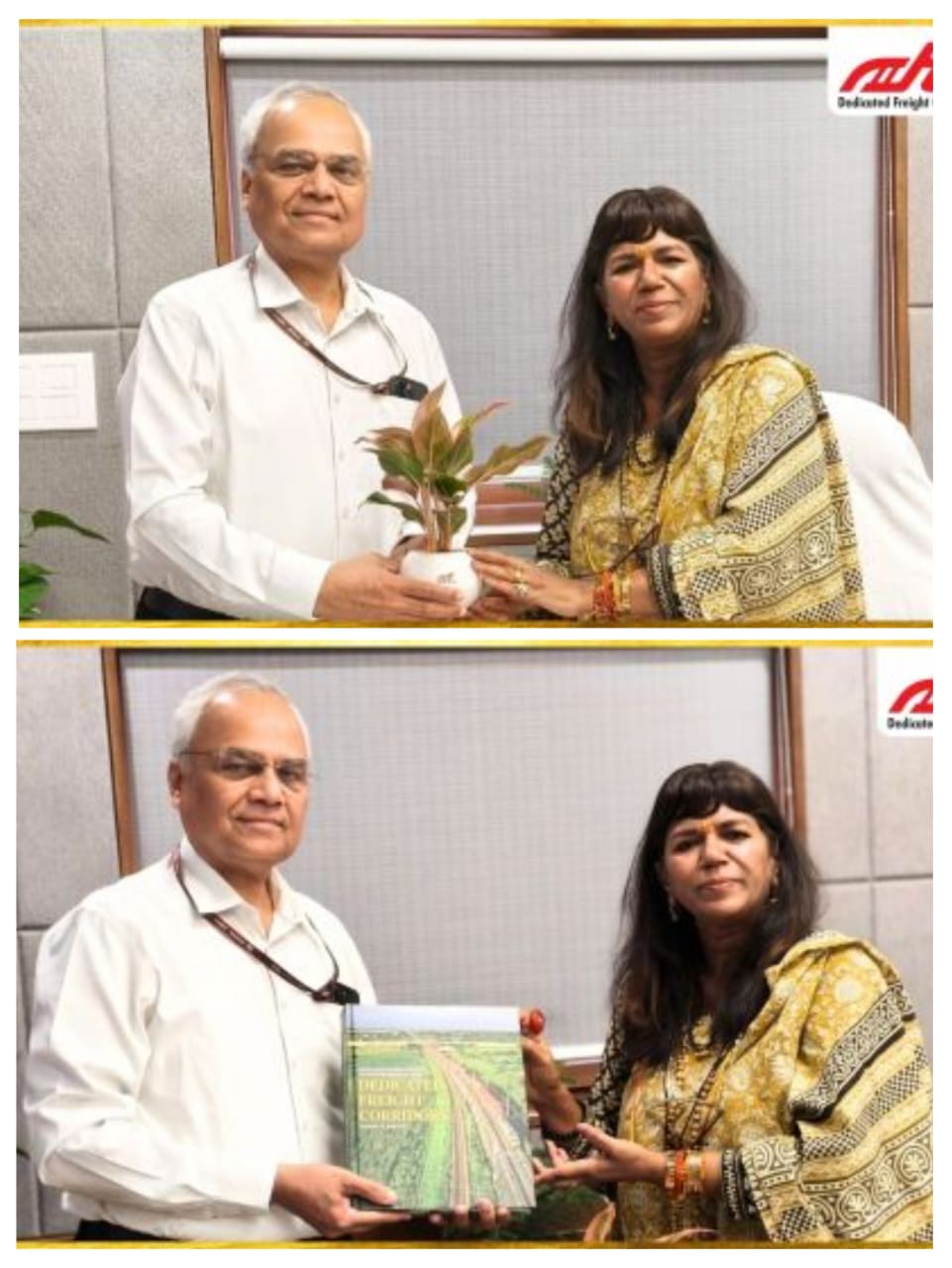
NEW DELHI : Shri. Praveen Kumar, Managing Director, Dedicated Freight Corridor Corporation of India Limited (DFCCIL), along with Sh. Shobhit Bhatnagar, Director (Operations, Business Development & PPP), and Sh. Anurag Sharma, Director Infrastructure, met Ms. Gitika Pandey, Additional Member (Planning), Railway Board, and presented an overview of DFCCIL’s ongoing initiatives, operational achievements, and future expansion plans.

During the meeting, the DFCCIL leadership highlighted the organisation’s progress in enhancing freight mobility, improving logistics efficiency, and strengthening multimodal connectivity through the development of dedicated freight corridors across the country. The presentation also covered key infrastructure developments, operational milestones, technological advancements, and DFCCIL’s long-term vision for supporting India’s growing freight transportation requirements.

Ms. Gitika Pandey appreciated the remarkable efforts and achievements of DFCCIL and lauded the organisation’s significant contribution towards strengthening the nation’s freight transportation infrastructure. She acknowledged DFCCIL’s pivotal role in enhancing logistics efficiency, increasing rail freight capacity, and supporting India’s economic growth through modern and sustainable rail infrastructure.

On the occasion, Sh. Praveen Kumar also presented a copy of DFCCIL’s History Book to Ms. Gitika Pandey. The publication chronicles DFCCIL’s journey, major milestones, achievements, and its transformational role in the development of dedicated freight corridors in India. The book reflects the organisation’s contribution towards reshaping the country’s freight logistics landscape and advancing the vision of modern railway infrastructure.

The interaction reaffirmed DFCCIL’s commitment to driving innovation, operational excellence, and infrastructure development in alignment with the Government of India’s vision for an efficient, future-ready logistics ecosystem.

CWC holds strategic discussions with Dhananjay Ramful on smart and sustainable logistics collaboration

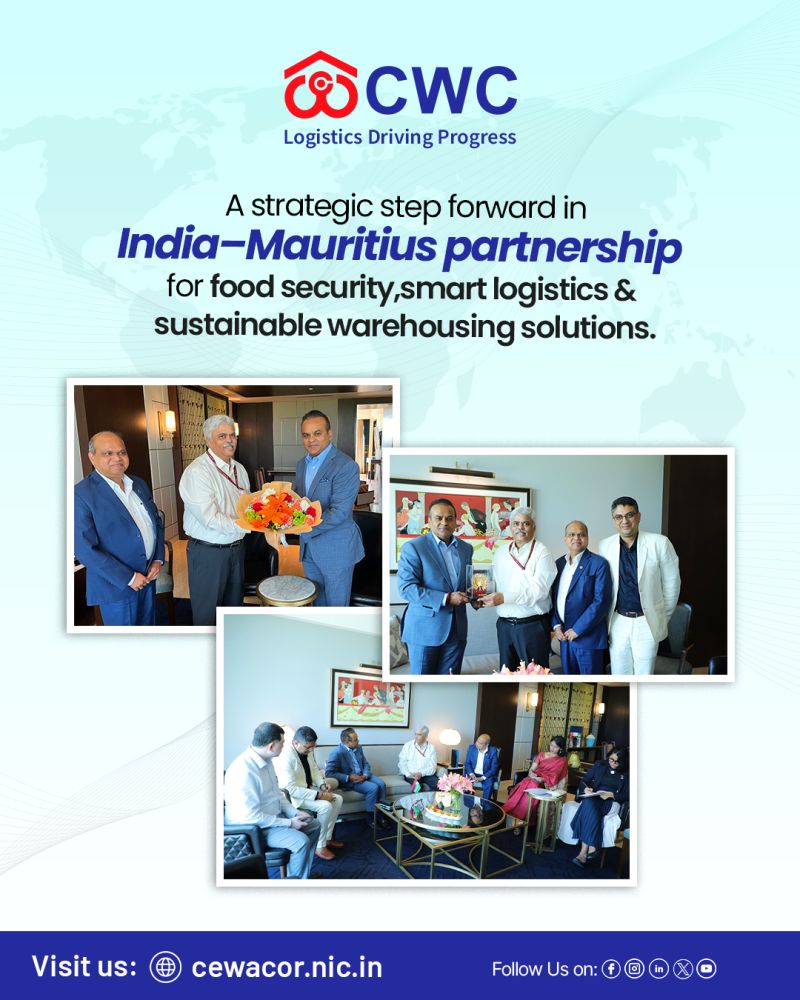
NEW DELHI : Central Warehousing Corporation (CWC), a Navratna CPSE under the Ministry of Consumer Affairs, Food & Public Distribution, Government of India, held a high-level strategic meeting with Hon’ble Mr. Dhananjay Ramful to explore avenues for bilateral cooperation in the development of advanced warehousing and logistics infrastructure in Mauritius and the wider African region.

The discussions were led by Shri Santosh Sinha, Managing Director, CWC, in the presence of Shri A. M. Rao, Head – IT & Consultancy Cell, CWC, and Shri Anuj Vohra, Chief Business Officer – SIL India, representing State Informatics Limited, a state-owned technology partner of the Republic of Mauritius.

The meeting focused on the proposed Government-to-Government (G2G) Memorandum of Understanding between CWC and State Informatics Limited to establish a strategic framework for the co-development of Smart, Green and Sustainable Agri-Warehousing infrastructure, integrated Logistics Parks, Smart Temperature-controlled Warehousing facilities, and Port-led EXIM logistics assets in Mauritius.

Both sides discussed the deployment of next-generation technologies to create future-ready logistics ecosystems, including AI and IoT-powered Pharma-grade Smart Warehousing, Digital Twin technologies, Integrated ERP–Warehouse Management Systems (WMS), and paperless Smart EXIM logistics platforms integrated with advanced Transport Management Systems.

Under the proposed collaboration, Central Warehousing Corporation will anchor implementation leveraging its extensive PAN India expertise in scientific warehousing, supply chain management, and smart logistics solutions, while State Informatics Limited will serve as the strategic public-sector IT and facilitation partner for Mauritius and the broader African region.

The proposed partnership is expected to play a significant role in strengthening food security, improving resilient and sustainable supply chains, and enhancing trade facilitation through technology-driven logistics infrastructure. The initiative also aligns with India’s growing focus on international cooperation in digital transformation, sustainable infrastructure development, and maritime-linked trade connectivity.

The discussions mark an important step towards deepening India–Mauritius strategic cooperation while promoting innovative, efficient, and environmentally sustainable warehousing and logistics solutions for regional and global trade.

Kuehne+Nagel expands healthcare logistics network with Hyderabad temperature-controlled facility

. Supporting India’s growing pharma and medical supply chains

▪ Strengthening Kuehne+Nagel’s HealthChain-certified footprint

▪ Reinforcing long-term investment in healthcare logistics

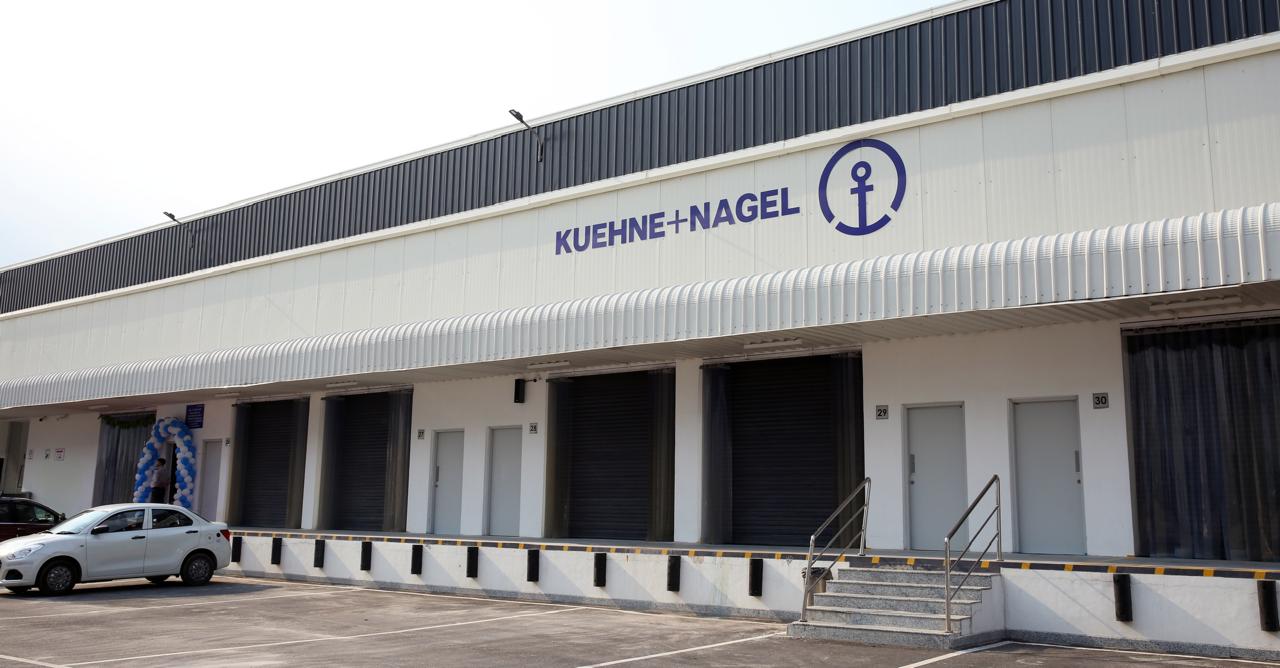
HYDERABAD : Kuehne+Nagel has expanded its healthcare logistics footprint in India with the opening of a new temperature-controlled airfreight cross dock facility in Hyderabad. The investment strengthens the company’s ability to support the safe, compliant and reliable movement of healthcare products, in response to growing demand for specialised logistics solutions for pharmaceutical and medical shipments.

Hyderabad is a major centre for pharmaceutical manufacturing, contributing over 40 per cent of India’s active pharma ingredients and vaccine production. Strategically located within this ecosystem, Kuehne+Nagel’s new facility supports efficient handling and distribution while improving proximity to key customers and manufacturing sites.

The 248 sqm facility operates across dedicated temperature zones, including +2°C to +8°C and +15°C to +25°C. These controlled environments are designed to safeguard product integrity across a wide range of healthcare shipments. The site complies with Kuehne+Nagel’s global HealthChain quality standard, ensuring consistent GxP compliance across healthcare supply chains. With the addition of Hyderabad, Kuehne+Nagel now operates two HealthChain-certified facilities in India, following the launch of its Bengaluru Cool Zone facility in December 2025.

Anish Kumar Jha, Managing Director for Kuehne+Nagel India, Sri Lanka and the Maldives, said: “This investment strengthens our healthcare logistics network in India and brings us closer to customers operating in one of the country’s most important pharmaceutical hubs. By investing in specialised, HealthChain-certified infrastructure, we are supporting Indian healthcare companies as they grow and connect to global markets through compliant, temperature-controlled supply chains.”

About Kuehne+Nagel

With more than 85,000 employees across over 1,300 sites in close to 100 countries, the Kuehne+Nagel Group is one of the world’s leading logistics providers. Headquartered in Switzerland and listed on the Swiss blue-chip stock market index, the SMI, it is the global number one in Air and Sea Logistics and holds strong market positions in Road and Contract Logistics. Supporting around 400,000 customers worldwide, the Group draws on its global network, logistics expertise, and datadriven insights to deliver end-to-end supply chain solutions for global companies and industries.