Home Blog Page 454

Economic Survey highlights twofold rise in new rail tracks since 2014

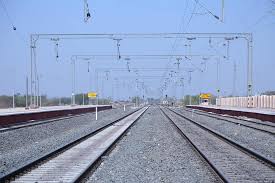
NEW DELHI : Sustained capital investment has accelerated the expansion of India’s rail network, with annual track commissioning rates more than doubling in the post-2014 period compared to the preceding decade, the Economic Survey for 2025–26, tabled in Parliament on Thursday.

The Survey noted that average annual commissioning of railway tracks rose from 1,499 km during 2004–2014 to 3,118 km between 2014 and 2024.

“Indian Railways continue to play a pivotal role in India’s infrastructure landscape by expanding network capacity, modernising assets and strengthening multimodal connectivity,” the Survey said.

As of March 2025, the rail network stood at 69,439 route kilometres (Rkm), with a further expansion of 3,500 km targeted in FY26. Electrification has covered 99.1 per cent of the network as of October 2025, it added.

A defining feature of recent years has been record capital expenditure on railway infrastructure, with investments focused on new lines, doubling and multi-tracking, rolling stock augmentation, signalling systems and safety-related works. Based on Budget Estimates for FY26, capital expenditure has been maintained at historically high levels to enable time-bound capacity creation.

The Survey also highlighted the growing role of Indian Railways as a backbone of the country’s freight and energy logistics, supporting coal movement, industrial supply chains and container traffic through dedicated corridors, modern terminals and first-mile connectivity projects.

Parallel investments in stations, signalling, telecom and digital systems are improving network reliability, safety and passenger experience, it said.

Flagging key initiatives such as Economic Railway Corridors under PM GatiShakti, the Mumbai–Ahmedabad High Speed Rail (MAHSR) project, Dedicated Freight Corridors (DFCs), station redevelopment, and technology-led track upgrades, the Survey underlined the transformative changes underway in the national transporter.

“Indian Railways is undergoing a transformation, driven by sustained capital investment, rapid network expansion, near-universal electrification and a corridor-based approach to capacity creation,” it said.

On the MAHSR project, the country’s first bullet train corridor, the Survey said over 55 per cent physical progress has been achieved as of October 2025, with land acquisition completed and most civil packages awarded.

It further noted that 2,741 km, or 96.4 per cent, of the 2,843-km Dedicated Freight Corridors network has been commissioned as of October 2025. While the Eastern DFC spanning 1,337 km has been fully completed, 1,404 km of the 1,506-km Western DFC is operational.

“These corridors are easing congestion on the passenger network, significantly reducing freight transit times and contributing to lower logistics costs,” the Survey said.

Commending the station redevelopment programme, the Survey said that under the Amrit Bharat Station Scheme, 1,337 stations have been identified for phased redevelopment, with works completed at select locations and progress underway nationwide to improve capacity, accessibility and multimodal integration.

It added that more than 78 per cent of railway tracks have been upgraded to support sectional speeds of 110 kmph and above.

In its outlook, the Survey said continued emphasis on dedicated freight corridors, economic rail corridors under PM GatiShakti, and modern signalling and station infrastructure will be critical to improving throughput, reliability and multimodal integration, while reducing logistics costs and strengthening connectivity.
NorthStandard wins Marine Insurer Award at inaugural Saudi Maritime Awards

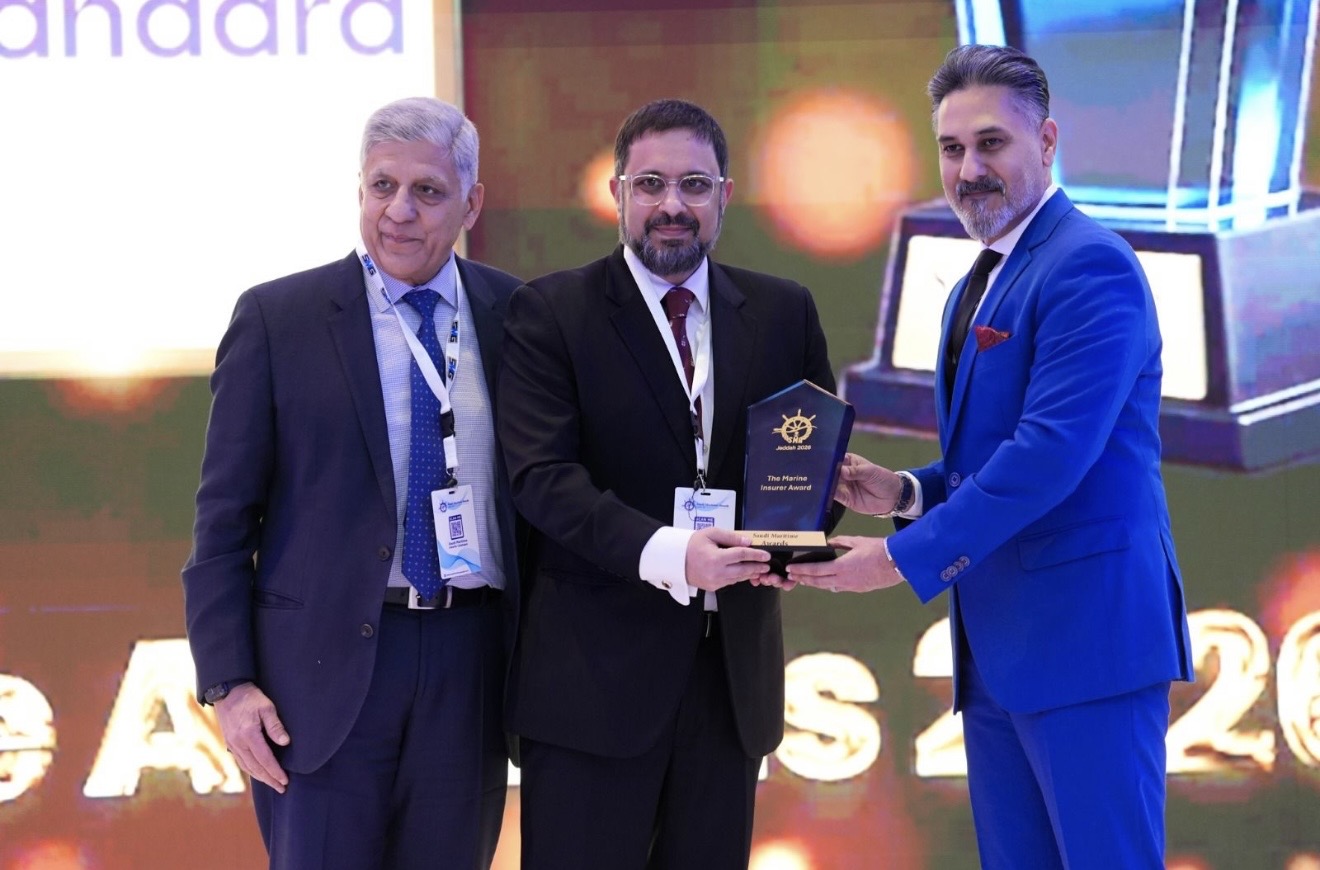
LONDON: NorthStandard has won the Marine Insurer Award at the first ever Saudi Maritime Awards Night, which was held at The Ritz-Carlton in Jeddah, Kingdom of Saudi Arabia, on Thursday, 29 January 2026.

The Marine Insurer Award, one of 24 awards presented during the 2026 Saudi Maritime Awards Night, acknowledges NorthStandard’s “distinguished skills in contributing to the development of maritime insurance within the region”. The Club was selected for the award by a six-person judging panel of distinguished maritime industry experts.

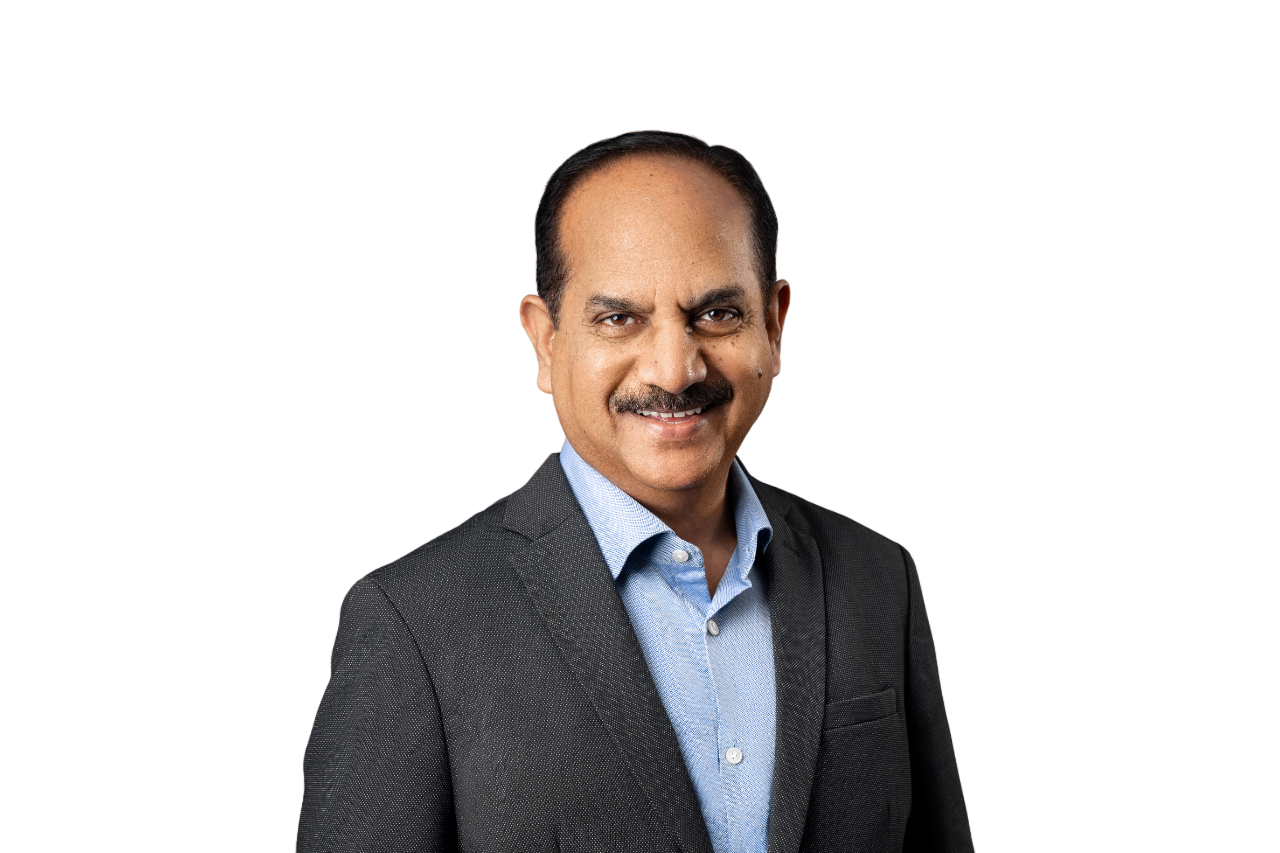
Receiving the accolade on behalf of NorthStandard’s Middle East India and Africa (MEIA) team, Sanchit Dutta,  Head of MEIA, commented: “We are honoured to receive the 2026 Marine Insurer Award at the first ever Saudi Maritime Awards. This recognition reflects NorthStandard’s extensive commitment to the region, where we have supported members and brokers with our trusted expertise and reliable solutions for more than 30 years. My sincere thanks go to the entire NorthStandard MEIA team—their skill, dedication and service excellence made this achievement possible.”

Representing approximately 10 per cent of the gross tonnage entered with NorthStandard, MEIA is an important market for the global marine insurer, whose regional membership includes several high-profile Saudi shipping companies. The Club’s dedicated MEIA team comprises over 30 highly experienced lawyers, claims handlers, loss prevention executives and underwriters. Led by Sanchit Dutta alongside Sam Nichols and Paul Watson – who oversee P&I claims and FD&D claims respectively – it supports local members and brokers by offering extensive industry knowledge, service excellence and sector leading loss prevention initiatives.

The Saudi Maritime Awards Night was held under the patronage of H.E Saleh bin Nasser Al-Jasser, Saudi Arabia’s Minister of Transport and Logistic Services & Chairman of the Transport General Authority (TGA), and organised by leading MENA maritime media platform Robban Assafina in strategic partnership with the TGA.

Blue Dart Express Ltd. announces Q3FY26 Financial Results with Sales Clocking at ₹ 1,616 Crore

MUMBAI: Blue Dart Express Ltd., South Asia’s premier express air and integrated transportation and distribution company, announced its financial results on Friday for the quarter ended December 31, 2025, at its Board Meeting held in Mumbai.

The company posted ₹ 70 crore profit after tax for the quarter ended December 2025. Revenue from operations for the period stood at ₹ 1,616 crore.  Performance during the quarter was supported by stable domestic demand and disciplined cost management.

Commenting on the company’s performance, Balfour Manuel, Managing Director, said: “Our Q3 performance reflects resilient domestic demand, with meaningful contributions from Tier 2 and Tier 3 markets and steady SME shipment activity, supported by strong execution discipline across the network. As we move into 2026, the outlook for the logistics sector remains positive, aided by supply-chain formalisation, sustained consumption momentum, and sector-wide infrastructure development. With continued investments in network capabilities, digital solutions, and operational optimisation, we remain focused on supporting the evolving logistics needs of our customers.”

During the quarter, Blue Dart continued to invest selectively in strengthening its operational and customer-facing capabilities as part of its long-term capacity-building strategy. The company operationalised its Flagship Green Integrated Ground Hub at Pataudi, Haryana, enhancing line-haul connectivity, network efficiency, and service reliability across North India. In parallel, the launch of the Digital Account Opening (DAO) platform further streamlined customer onboarding, particularly for SMEs by enabling faster, paperless access to Blue Dart’s express logistics services. Sustainability also remained a key focus, with continued emphasis on responsible operations and efficiency initiatives aligned with reducing environmental impact across the network.

Looking ahead, Blue Dart remains focused on disciplined growth, operational excellence, and customer-centric innovation. With ongoing investments in network resilience, digital capabilities, and service quality, the company is well positioned to navigate evolving market dynamics while delivering consistent value to customers, employees, and shareholders.

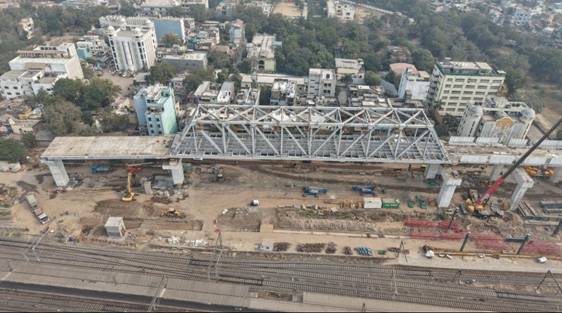
100 m long ‘Make in India’ steel bridge completed in Ahmedabad for Mumbai–Ahmedabad Bullet Train Project

AHMEDABAD : In a significant milestone reflecting Indian Railways’ commitment to safe, modern and passenger-centric infrastructure, a 100 m long ‘Make in India’ steel bridge has been successfully completed over the underground metro tunnel in Ahmedabad district for the Mumbai–Ahmedabad Bullet Train Project. This is the 13th steel bridge completed in Gujarat, out of a total of 17 steel bridges planned in the state, strengthening high-speed rail connectivity while ensuring the safety of existing urban transport systems.

In Ahmedabad district, the Bullet Train viaduct is being constructed using span-by-span structures with spans ranging from 30 to 50 metres. However, at this location, the alignment passes over the underground metro tunnel connecting Kalupur and Shahpur metro stations. To ensure that no load from the Bullet Train structure is transferred onto the metro tunnel, the foundations were kept well away from it. This necessitated increasing the span length to about 100 metres. Accordingly, the superstructure configuration at this stretch was redesigned from an SBS viaduct to a Steel Truss Bridge, ensuring structural safety for both the Bullet Train corridor and the metro infrastructure, thereby safeguarding public assets and passenger movement.

The bridge was assembled at a height of 16.5 metres from the ground on temporary trestles at the site. After completion of the assembly, the temporary supports were carefully dismantled, and the bridge was lowered and placed precisely on the permanent support system, ensuring safety and structural accuracy.

Weighing 1,098 metric tons, the steel bridge is located parallel to the Ahmedabad–Sabarmati main line of Western Railways. The structure measures 14 metres in height and 15.5 metres in width. It was fabricated in a workshop at Wardha, Maharashtra, and transported to the site on trailers, highlighting indigenous manufacturing capability under the ‘Make in India’ initiative.

To facilitate the assembly of the main structure, a temporary platform measuring 11.5 x 100 metres was constructed at the site. The bridge has been constructed using approximately 45,186 Tor-Shear Type High Strength (TTHS) bolts and is coated with C5 system protective painting along with elastomeric bearings, ensuring enhanced durability, long service life and passenger safety.

This achievement underscores Indian Railways’ focused efforts to deliver safe, reliable and future-ready infrastructure for passengers and the common public, while seamlessly integrating high-speed rail projects with existing urban transport networks.

Ocean Network Express releases financial results for FY2025 3rd Quarter

SINGAPORE : Ocean Network Express (ONE) has released its financial results for the third quarter of FY2025 (October to December 2025).

The revenue for 3Q FY2025 was US$4,074 million, with a net loss of US$88 million. Jeremy Nixon, CEO of Ocean Network Express, says, “Our 3Q FY2025 results reflect a challenging operating environment as we continue to navigate the complexities of the current global landscape. Although market dynamics have impacted our performance during the quarter, we remain focused on disciplined capacity management, cost control, and ongoing network optimization to enhance operational resilience. By leveraging strategic partnerships, we reinforce a reliable service network to better serve our customers.”

About Ocean Network Express (ONE)

Ocean Network Express (ONE), headquartered in Singapore, is one of the world’s leading liner shipping companies. It operates a fleet of over 260 vessels with a capacity exceeding 2 million TEUs. Through its extensive global network, ONE provides reliable container shipping services to over 120 countries.

Docker Vision Represents Indian Maritime AI at India–EU Business Forum

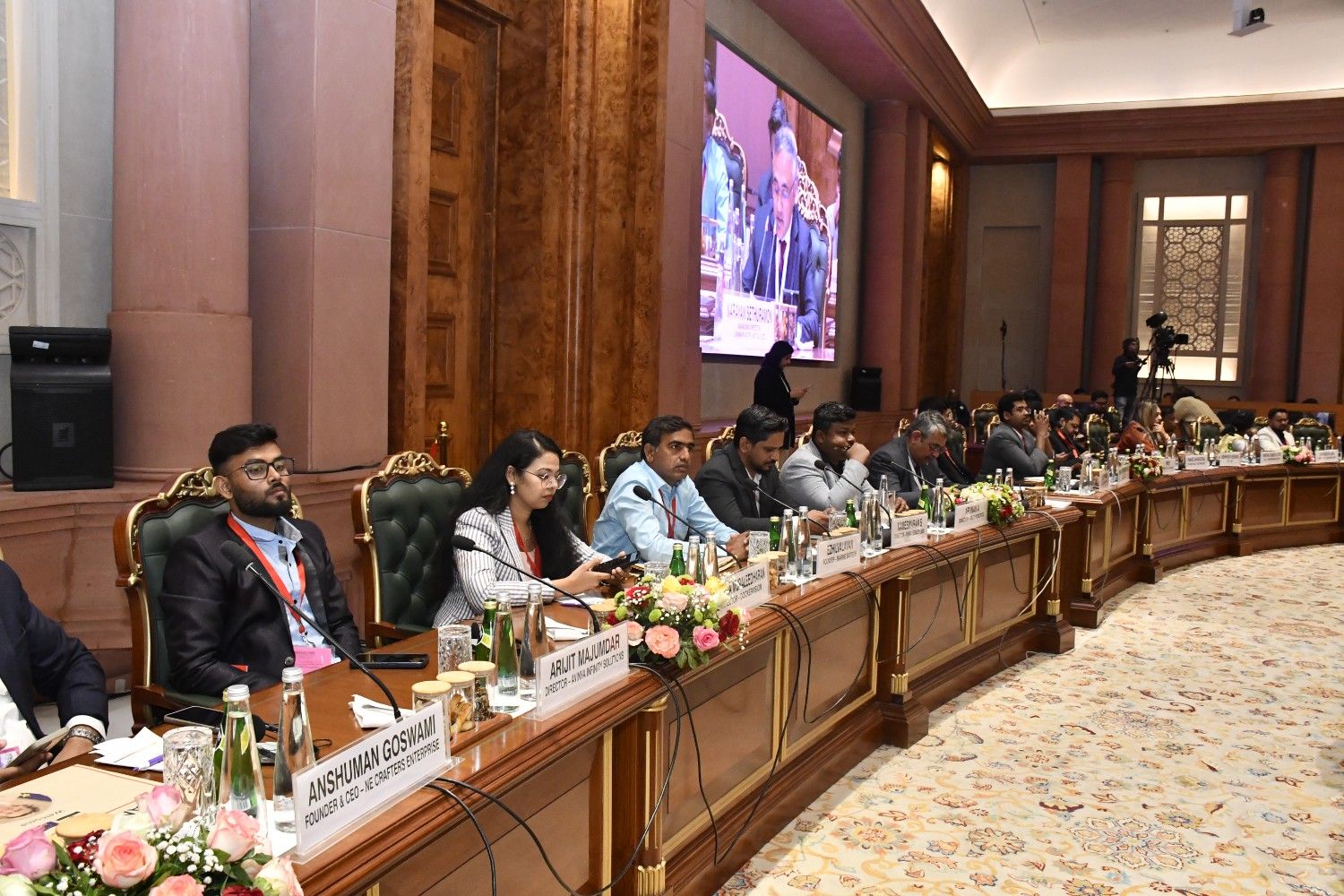
NEW DELHI: Docker Vision, a Kochi-based maritime AI and logistics technology company, participated in the India–EU Business Forum held alongside the 16th India–EU Summit in New Delhi.

The company was represented by its Chief Technology Officer, Ms. Athira M, following an official invitation from senior leadership at DPIIT and Startup India. The forum was addressed by Hon’ble Prime Minister Narendra Modi, Antonio Costa, President of the European Council, and Ursula von der Leyen, President of the European Commission, who called for deeper private-sector collaboration between India and the European Union.

Held during the 77th Republic Day celebrations, the forum marked a historic EU leadership visit to India. Docker Vision’s participation placed the company among a select group of Indian technology firms engaging in discussions on AI-led growth, logistics automation, and infrastructure modernisation.

The participation highlights the growing role of Indian deep-tech startups in shaping international technology partnerships and contributing to the next phase of global maritime and logistics innovation. The Summit also saw progress on the India–EU Free Trade Agreement and the signing of the India–EU Security and Defence Partnership, underscoring the strategic importance of technology and maritime cooperation in India–EU relations.

Maritime Technologies Forum highlights Key Activities in its 2025 Annual Report

TOKYO: The Maritime Technologies Forum (MTF) has Thursday released its annual report highlighting recent publications and events organised to promote the safe decarbonization of the maritime industry.

Celebrating its 5th anniversary, MTF is a unique collaboration between flag States and classification societies, created to narrow the gap between rapidly advancing technology and the regulations that govern it. Our purpose is to support the maritime industry’s safe and sustainable transition by sharing knowledge and aligning innovation with effective, forward-looking regulation. Download our Annual Report 2025 here.

“Our work is practical and collaborative. Through publications, IMO submissions, and events, we have provided clarity on operational safety management, addressed the risks and benefits of emerging decarbonization technologies, and explored how classification societies and flag States can work together with rigor and agility,” says Lars Lippuner, Director, UK Customer Maritime Services of the Maritime and Coastguard Agency, and MTF Executive Committee Chair.

He continues that “Looking ahead, our goal remains clear: to help shape a maritime sector that is not only compliant but competitive, not only sustainable but resilient. We welcome contributions from industry stakeholders: please reach out if your organisation would like to learn more or collaborate. Through shared expertise and cooperation, MTF will continue to support a future where safety and sustainability are the foundation of progress.”

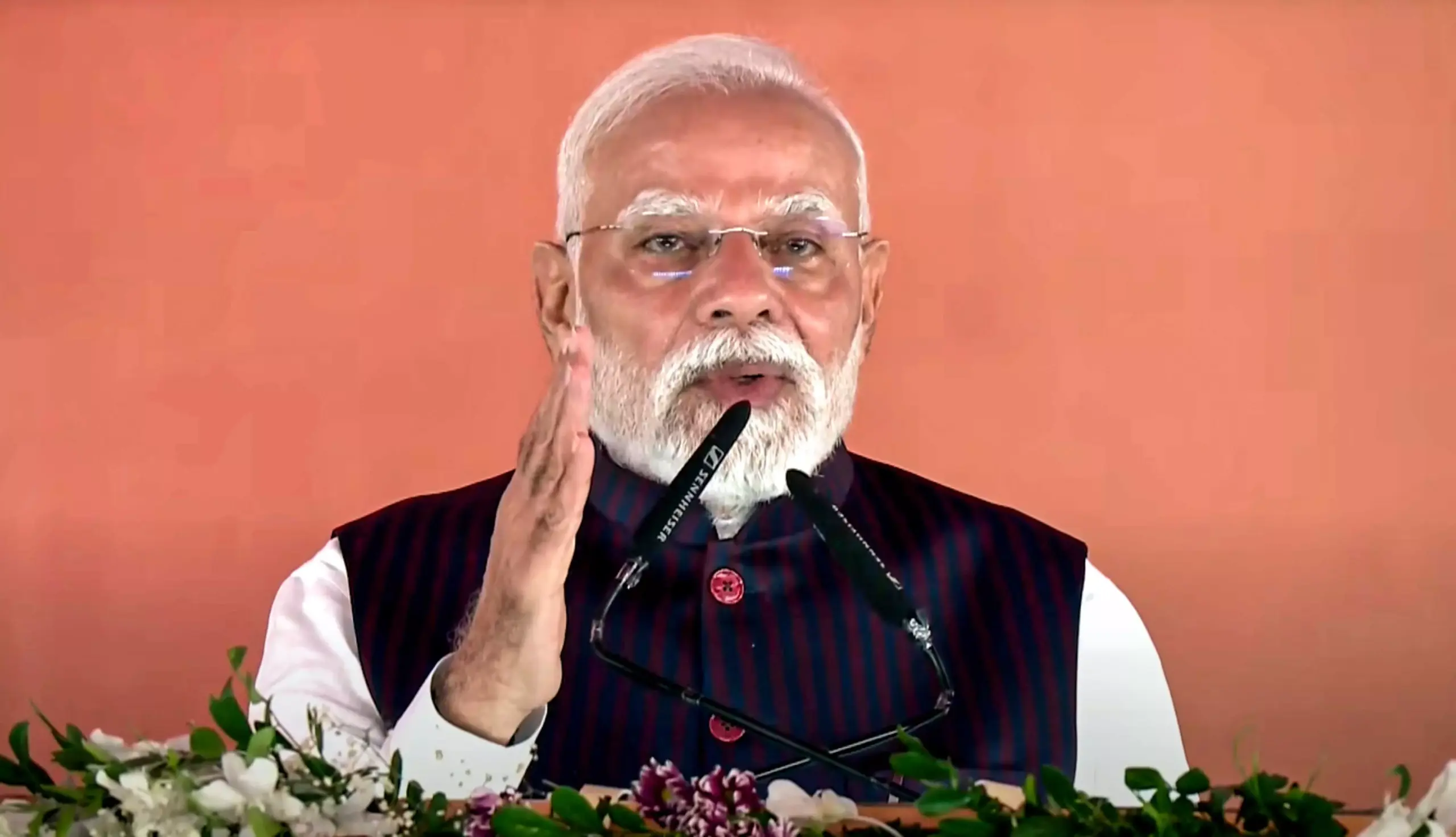
PM highlights the Economic Survey as a comprehensive picture of India’s Reform Express, reflecting steady progress in a challenging global environment

NEW DELHI: The Prime Minister, Shri Narendra Modi said that the Economic Survey tabled today presents a comprehensive picture of India’s Reform Express, reflecting steady progress in a challenging global environment. Shri Modi noted that the Economic Survey highlights strong macroeconomic fundamentals, sustained growth momentum and the expanding role of innovation, entrepreneurship and infrastructure in nation-building.

“The Survey underscores the importance of inclusive development, with focused attention on farmers, MSMEs, youth employment and social welfare. It also outlines the roadmap for strengthening manufacturing, enhancing productivity and accelerating our march towards becoming a Viksit Bharat”, Shri Modi stated.

Responding to a post by Union Minister, Smt. Nirmala Sitharaman on X, Shri Modi said:

“The Economic Survey tabled today presents a comprehensive picture of India’s Reform Express, reflecting steady progress in a challenging global environment.

It highlights strong macroeconomic fundamentals, sustained growth momentum and the expanding role of innovation, entrepreneurship and infrastructure in nation-building. The Survey underscores the importance of inclusive development, with focused attention on farmers, MSMEs, youth employment and social welfare. It also outlines the roadmap for strengthening manufacturing, enhancing productivity and accelerating our march towards becoming a Viksit Bharat.

The insights offered will guide informed policymaking and reinforce confidence in India’s economic future.”

HIGHLIGHTS: ECONOMIC SURVEY 2025-26

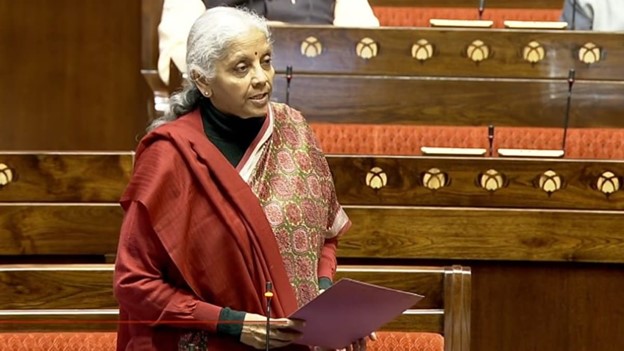
NEW DELHI: Union Minister for Finance and Corporate Affairs Smt. Nirmala Sitharaman tabled the Economic Survey 2025-26 in Parliament on Thursday. The highlights of the Economic Survey are as follows.

STATE OF THE ECONOMY

On the supply side, services remain the main driver of growth. In the first half of FY26, the Gross Value Added (GVA) for services increased by 9.3 per cent, with an estimated 9.1 per cent growth for the entire fiscal year. This trend indicates a broad-based expansion across the sector.

The global environment remains fragile, with growth holding up better than expected but risks elevated amid intensifying geopolitical tensions, trade fragmentation and financial vulnerabilities. The impact of these shocks may still surface with a lag.

Against this backdrop, India’s performance stands out. The First Advance Estimates place FY26 real GDP growth at 7.4 per cent and GVA growth at 7.3 per cent, reaffirming India’s status as the fastest-growing major economy for the fourth consecutive year.

Private Final Consumption Expenditure grew by 7.0 per cent in FY26, reaching 61.5 per cent of GDP, the highest since 2012 (FY23 also recorded 61.5 per cent share). This growth is supported by low inflation, stable employment, and increasing real purchasing power. Strong agricultural performance has bolstered rural consumption, while improvements in urban consumption, aided by tax rationalisation, indicate broad-based demand momentum.

Investment activity strengthened in FY26, with Gross Fixed Capital Formation growing by 7.8 per cent and its share remaining steady at 30 per cent of GDP. This momentum was buoyed by sustained public capital expenditure and a revival in private investment activity, as evident from corporate announcements.

EC STATE HIGHLIGHTS: ECONOMIC SURVEY 2025-26

FISCAL DEVELOPMENTS: ANCHORING STABILITY THROUGH CREDIBLE CONSOLIDATION

  1. The government’s prudent fiscal management has strengthened credibility and reinforced confidence in India’s macroeconomic and fiscal framework. This led to three sovereign credit rating upgrades in 2025 – by Morningstar DBRS, S&P Global Ratings, and Rating and Investment Information (R&I), Inc.
  2. Centre’s revenue receipts strengthened from an average of about 8.5 per cent of GDP in FY16–FY20 to 9.2% of GDP in FY25 (PA). This improvement was driven by buoyant non-corporate tax collections, which rose from about 2.4 per cent of GDP pre-pandemic to around 3.3 per cent post-pandemic.
  3. The direct tax base expanded steadily, with income tax returns filed increasing from 6.9 crore in FY22 to 9.2 crore in FY25. Higher return filings reflect improved compliance, greater use of technology in tax administration, and a growing number of individuals entering the tax net as their incomes rise.
  4. Gross GST collections during April–December 2025 stood at ₹17.4 lakh crore, registering a year-on-year growth of 6.7 per cent. GST revenue growth is broadly aligned with prevailing nominal GDP growth conditions. In parallel, high-frequency indicators suggest robust transaction volumes, with cumulative e-way bill volumes during April-December 2025 growing by 21 per cent YoY.
EC GST HIGHLIGHTS: ECONOMIC SURVEY 2025-26
  1. The effective capital expenditure of the Central government rose from an average of 2.7 per cent of GDP in the pre-pandemic period to about 3.9 per cent post-pandemic, and to a higher 4 per cent of GDP in FY25.
  2. Through Special Assistance to States for Capital Expenditure (SASCI), the Centre has incentivised States to maintain capital spending at around 2.4 per cent of GDP in FY25.
  3. The combined fiscal deficit of State Governments stayed broadly stable at around 2.8 per cent of GDP in the post-pandemic period, similar to pre-pandemic levels, but has edged up in recent years to 3.2 per cent in FY25, reflecting emerging pressures on State finances.
  4. India reduced its general government debt-to-GDP ratio by about 7.1 percentage points since 2020, even while maintaining high public investment.

MONETARY MANAGEMENT AND FINANCIAL INTERMEDIATION: REFINING THE REGULATORY TOUCH

Monetary aspects

  1. India’s monetary and financial sectors have exhibited robust performance in FY26 (April-December 2025), underpinned by strategic policy actions and structural resilience across financial intermediation channels.

Banking sector performance

  1. A significant improvement has been observed in the asset quality of scheduled commercial banks (SCBs), as evidenced by their GNPA ratio standing at 2.2% in September 2025 and net NPA ratio at 0.5% in September 2025, having reached a multi-decadal low level and record low level, respectively.
  2. As of 31 December 2025, the year-on-year growth in outstanding credit by SCBs increased to 14.5 per cent compared to 11.2 per cent in December 2024.

Financial inclusion

  1. The Pradhan Mantri Jan Dhan Yojana (PMJDY), launched in 2014, has opened 55.02 crore accounts as of March 2025, with 36.63 crore in rural and semi-urban areas, establishing foundational savings and transaction infrastructure for previously unbanked populations.
  2. The Stand-Up India Scheme offers bank loans ranging from ₹10 lakh to ₹1 crore to SC, ST, and women entrepreneurs for establishing greenfield enterprises.
  3. The PM Street Vendor’s Aatmanirbhar Nidhi (PM SVANidhi) scheme is providing collateral-free working capital loans to street vendors.
  4. The Pradhan Mantri Mudra Yojana (PMMY) is financing micro and small enterprises in manufacturing, trading, services, and allied agricultural activities. By October 2025, the scheme had disbursed over ₹36.18 lakh crore across 55.45 crore loan accounts.

Other aspects of the financial sector

  1. During FY26 (till December 2025), 235 lakh of demat accounts were added, pushing the total count beyond 21.6 crore. A key milestone was the crossing of the 12-crore mark for unique investors in September 2025, with nearly a fourth of them being women.
  2. The mutual fund industry also expanded, with 5.9 crore unique investors as of the end of December 2025, of which 3.5 crore (as of November 2025) were from non-tier-I and tier-II cities, underscoring the diffusion of financial participation beyond traditional urban centres.
  3. India’s first international financial services centre at GIFT City is creating an enabling ecosystem to attract and channel global capital.  

Outlook for the sector

  1. The systemic rise in regulatory quality has received international validation through the Financial Sector Assessment Program (FSAP) conducted jointly by the IMF and World Bank in 2025.  Both reports noted an increasingly resilient, diversified, and inclusive financial system, with total financial sector assets at nearly 187 per cent of GDP in CY 2024 and capital markets expanding from 144 per cent of GDP in CY 2017 to 175 per cent in CY 2024. The assessments found that banks and NBFCs possess adequate capital buffers even under severe stress scenarios.

EXTERNAL SECTOR: PLAYING THE LONG GAME

  1. Between CY 2005 & CY 2024, India’s share of global merchandise exports nearly doubled from 1 per cent to 1.8 per cent, while its share of global commercial services exports more than doubled from 2 per cent to 4.3 per cent.
  2. According to UNCTAD’s Trade and Development Report 2025, India ranked among the leading economies in trade partner diversification, ranking third in the Global South and recording a trade diversity score higher than all Global North economies.
  3. India’s total exports reached a record USD 825.3 billion in FY25, registering a 6.1 per cent year-on-year growth, driven primarily by robust growth in services exports.
  4. Non-petroleum exports reached a historic high of USD 374.3 billion in FY25, while non-petroleum, non-gems and jewellery exports constituted nearly four-fifths of aggregate merchandise exports.
  5. Services exports touched an all-time high of USD 387.6 billion in FY25, growing by 13.6 per cent, reinforcing India’s position as a global hub for technology and business services.
  6. India’s current account deficit remained moderate, supported by strong net inflows from services exports and remittances that offset the merchandise trade deficit. In Q2 FY26, India’s CAD, at around 1.3 per cent of GDP, compared favourably with several other major economies.
  7. India remained the world’s largest recipient of remittances, with inflows reaching USD 135.4 billion in FY25, supporting stability in the external account. The share of remittances from advanced economies increased, reflecting a growing contribution from skilled and professional workers.
  8. India’s foreign exchange reserves increased to USD 701.4 billion as of 16 January 2026, providing import cover of about 11 months and covering over 94 per cent of external debt, thereby strengthening resilience against external volatility.
EC HIGHLIGHTS: ECONOMIC SURVEY 2025-26
  1. Amid a subdued global investment environment, India continued to attract substantial foreign direct investment, with gross FDI inflows reaching USD 64.7 billion during April-November 2025.
  2. India ranked fourth globally in Greenfield investment announcements in 2024, with over 1,000 projects and emerged as the largest destination for Greenfield digital investments between 2020-24.

INFLATION: TAMED AND ANCHORED 

  1. India recorded the lowest inflation rate since the beginning of the CPI series, with April-Dec ‘25 average headline inflation coming in at 1.7%. The moderation in retail inflation can primarily be attributed to the general disinflationary trend in food and fuel prices, which together account for 52.7 per cent of India’s Consumer Price Index (CPI) basket.
  2. Notably, among major Emerging Markets & Developing Economies (EMDEs), India has recorded one of the sharpest declines in headline inflation in 2025 over 2024, amounting to about 1.8 percentage points.

AGRICULTURE AND FOOD MANAGEMENT

  1. Between FY15 and FY24, the livestock sector witnessed strong growth, with GVA rising by nearly 195 per cent. The fisheries sector has also performed well, with fish production increasing by more than 140 per cent during 2014-2024, compared to the increase from 2004-14.
  2. With a good monsoon season, India’s foodgrain production is estimated to have reached 3,577.3 lakh metric tonnes (LMT) in Agriculture Year (AY) 2024–25, an increase of 254.3 LMT over the previous year. This growth has been driven by higher output of rice, wheat, maize and coarse cereals (Shree Anna).
EC FoodGrain HIGHLIGHTS: ECONOMIC SURVEY 2025-26
  1. Despite rising foodgrain output, horticulture, accounting for about 33 per cent of agricultural GVA, has emerged as a key driver of agricultural growth. In 2024-25, horticulture production reached 362.08 million tonnes (MT), surpassing the estimated food grain production of 357.73 MT.
  2. To improve efficiency in agricultural marketing and infrastructure, the Government is implementing the Agriculture Marketing Infrastructure (AMI) sub-scheme under ISAM and the Agriculture Infrastructure Fund (AIF) to strengthen farm-gate facilities and encourage private sector participation. Price discovery has been enhanced through the e-NAM Scheme, which, as of 31 December 2025, has onboarded about 1.79 crore farmers, 2.72 crore traders and 4,698 FPOs, covering 1,522 mandis across 23 States and 4 UTs.
  3. Farmers’ incomes are supported through assured MSP for mandated crops and PM-KISAN income transfers. In addition, the PM Kisan Maandhan Yojana (PMKMY) provides pension support, strengthening farmers’ income security and social protection. Since its inception, under PM-KISAN, more than ₹4.09 lakh crore has been released to eligible farmers in 21 instalments. Under PMKMY, 24.92 lakh farmers are enrolled as of 31 December 2025.

SERVICES: FROM STABILITY TO NEW FRONTIERS

  1. Services’ share in GDP rose to 53.6 per cent in H1 FY26; Services’ share in GVA stood at the highest ever – 56.4 per cent – as per FAE of FY26 which shows the rising weight of modern, tradable and digitally delivered services.
  2. India is the world’s seventh-largest exporter of services, with its share in global services trade more than doubling from 2 per cent in 2005 to 4.3 per cent in 2024.
  1. The services sector continues to be the largest recipient of foreign direct investment inflows, accounting for an average of 80.2 per cent of total FDI during FY23-FY25, up from 77.7 per cent in the pre-pandemic period (FY16-FY20).

INDUSTRY’S NEXT LEAP: STRUCTURAL TRANSFORMATION AND GLOBAL INTEGRATION

  1. Industrial activity strengthened in FY26, with Industry GVA growing 7.0% (real terms) in H1, despite subdued and persistent global headwinds.
  2. Manufacturing growth accelerated, with GVA expanding 7.72% in Q1 and 9.13% in Q2 FY26, reflecting structural recovery.
  3. Production Linked Incentive (PLI) Schemes across 14 sectors have attracted over ₹2.0 lakh crore of actual investment, generating incremental production/sales exceeding ₹18.7 lakh crore and over 12.6 lakh jobs as of September 2025.
  4. India’s innovation performance has strengthened steadily, with its Global Innovation Index rank improving to 38th in 2025 from 66th in 2019.
  5. The India Semiconductor Mission has advanced domestic capabilities, with 10 semiconductor manufacturing and packaging projects approved across 6 States, involving about ₹1.60 lakh crore of investment.

INVESTMENT AND INFRASTRUCTURE: STRENGTHENING CONNECTIVITY, CAPACITY AND COMPETITIVENESS

  1. The Government of India’s capital expenditure has increased nearly 4.2 times, from ₹2.63 lakhcrore in FY18 to ₹11.21 lakh crore in FY26 (BE), while effective capital expenditure in FY26 (BE) is ₹15.48 lakh crore, positioning infrastructure as a key growth driver.
  2. National highway infrastructure expanded substantially, with the NH network growing by about 60 per cent from 91,287 km (FY14) to 1,46,572 km (FY26, up to December), and operational High-Speed Corridors increasing nearly ten-fold—from 550 km (FY14) to 5,364 km (FY26, up to December).
  3. Railway infrastructure continued to expand, with the rail network reaching 69,439 route km as of March 2025, a targeted addition of 3,500 km in FY26, and 99.1 per cent electrification achieved by October 2025.
  4. India has emerged as the world’s third-largest domestic aviation market, with the number of airports increasing from 74 in 2014 to 164 in 2025.
  5. The power sector recorded sustained capacity expansion, with installed capacity rising 11.6 per cent (y-o-y) to 509.74 GW as of November 2025, and the demand–supply gap declined from 4.2 per cent in FY14 to nil by November 2025
  6. Power sector reforms delivered a historic turnaround, with DISCOMs recording a positive Profit after Tax (PAT) of ₹2,701 crore in FY25 for the first time, alongside a reduction in AT&C losses from 22.62 per cent (FY14) to 15.04 per cent (FY25). Renewable energy constitutes around 49.83 per cent of total power generation capacity as of November 2025, with India ranking third globally in overall RE and installed solar capacity.
  7. Tele-density reached 86.76 per cent, and 5G services are now available in 99.9 per cent of districts in the country.
  8. Over 81 per cent of rural households have access to clean tap water under the Jal Jeevan Mission, as of October 2025.
  9. Space infrastructure strengthened, with India becoming the fourth nation to achieve autonomous satellite docking (SpaDeX), alongside expanded indigenous missions and increased private-sector participation.

ENVIRONMENT AND CLIMATE CHANGE: BUILDING A RESILIENT, COMPETITIVE AND DEVELOPMENT-DRIVEN INDIA

  1. During 2025-26 (up to 31st December 2025), a total of 38.61 GW of renewable energy capacity has been installed in the country, which includes 30.16 GW of solar power, 4.47 GW of wind power, 0.03 GW of Bio-Power and 3.24 GW of hydro power

EDUCATION AND HEALTH: WHAT WORKS AND WHAT’S NEXT

  1. India today operates one of the world’s largest school systems, serving 24.69 crore students across 14.71 lakh schools, supported by over 1.01 crore teachers (UDISE+ 2024-25). 
  2. India has made notable gains in school enrolment by strengthening infrastructure and teacher capacity, with schemes like Poshan Shakti Nirman and Samagra Shiksha Abhiyan promoting access and equity. Gross Enrolment Ratio (GER) are 90.9 at the primary stage (Grade I to V), 90.3 at the upper primary (Grade VI to VIII), 78.7 at the secondary stage (Grade IX and X) and 58.4 at the higher secondary stage (Grade XI and XII).

Higher education

  1. The number of higher education institutions (HEIs) has increased from 51,534 in 2014-15 to 70,018 as of June 2025, significantly improving access.  This increase is marked by substantial growth in universities and colleges. The number of premier higher education institutions (HEIs) has expanded significantly between 2014-15 and 2024-25. It now stands at 23 IITs, 21 IIMs, and 20 AIIMS, alongside the establishment of two international IIT campuses in Zanzibar and Abu Dhabi.
  2. Under the NEP, the higher education system has undergone several reforms.
    1.  The National Credit Framework (NCrF), which aims to blend academic and skills-based learning, has been adopted by 170 universities.
    2. The Academic Bank of Credit covers 2660 institutions, with over 4.6 crore IDs issued, including the generation of 2.2 crore APAAR (Automated Permanent Academic Account Registry)  IDs with credits.
    3. 153 universities have introduced flexible entry-exit pathways and biannual admissions to achieve the NEP target of 50 per cent GER by 2035.

Health

  1. Since 1990, India has reduced its maternal mortality rate (MMR) by 86 per cent, far exceeding the global average of 48 per cent. A 78 per cent decline in the under-five mortality rate (U5MR) was achieved, surpassing the global reduction of 61 per cent and a 70 per cent decline in the neonatal mortality rate (NMR) compared to 54 per cent globally during 1990-2023.
  2. The infant mortality rate (IMR) marked a drop of more than 37 per cent over the past decade, declining from 40 deaths per thousand live births in 2013 to 25 in 2023.

EMPLOYMENT AND SKILL DEVELOPMENT: GETTING SKILLING RIGHT

  1. A total of 56.2 crore people (aged 15 years and above) were employed in Q2 FY26, reflecting a creation of around 8.7 lakh new jobs in Q2 compared to Q1 of FY26. 
  2. The Annual Survey of Industries (ASI), which covers the organised manufacturing sector, results for FY24 highlight the manufacturing sector’s resilience, showing a 6 per cent YoY increase in employment over the previous year. This translates to an addition of over 10 lakh jobs in FY24 compared to FY23.
  3. The Labour Codes have formally recognised gig and platform workers, expanding social security, welfare funds, and benefit portability.
  4. As of January 2026, the e-Shram portal has successfully registered over 31 crore unorganised workers; women account for over 54 per cent of total registrants, substantially strengthening the reach of gender-focused welfare schemes.
  5. The National Career Service (NCS) is a one-stop solution connecting job seekers, employers, training providers with over 59 million registered job seekers and 5.3 million job providers across diverse sectors and mobilising approximately 80 million vacancies.

Skill ecosystem

  1. The National Scheme for Upgradation of ITIs proposes to upgrade 1,000 government ITIs, including 200 hub ITIs and 800 spoke ITIs, through smart classrooms, modern labs, digital content, and industry-aligned long- and short-term courses.

RURAL DEVELOPMENT AND SOCIAL PROGRESS: FROM PARTICIPATION TO PARTNERSHIPS

  1. The World Bank has raised the poverty line from USD 2.15 to USD 3.00 a day, adjusted for the purchasing power of money to 2021 prices. According to the revised IPL, India’s poverty rates in 2022-23 were 5.3 per cent for extreme poverty and 23.9 per cent for lower-middle-income poverty.
  2. The general government’s social services expenditure (SSE) has shown a rising trend since FY22.
  3. The SSE stands at 7.9% of GDP in FY 2025-26 (BE) against 7.7% in 2024-25 (RE) and 7% in 2023-24.

Health of the rural economy

  1. As of December 2025, the drone survey under SVAMITVA has been completed in 3.28 lakh villages, against a target of nearly 3.44 lakh villages notified for drone survey. 2.76 crore property cards have been prepared for nearly 1.82 lakh villages. Lead Fertiliser Companies distributed 1,094 drones to SHG Drone Didis in 2023-24 using their own resources, with 500 of these drones provided under the Namo Drone Didi Scheme.

EVOLUTION OF THE AI ECOSYSTEM IN INDIA: THE WAY FORWARD

Smaller, task-specific models deployed across sectors allow innovation to diffuse more evenly, reduce entry barriers for firms, and better fit the diversity of India’s economic landscape. India’s demand for AI is emerging from real-world problems rather than speculative frontier uses. Across healthcare, agriculture, urban management, education, disaster preparedness, and public administration, there is a growing appetite for AI systems that work on local hardware and operate in low-resource settings.

URBANISATION: MAKING INDIA’S CITIES WORK FOR ITS CITIZENS

The Namo Bharat Regional Rapid Transit System illustrates how high-speed regional connectivity can reshape urban and peri-urban labour markets. By sharply reducing travel times between cities and their surrounding regions, such systems expand access to jobs, support polycentric growth, and ease pressure on core metropolitan areas.

FROM IMPORT SUBSTITUTION TO STRATEGIC RESILIENCE AND STRATEGIC INDISPENSABILITY

  1. ‘Swadeshi’ must be a disciplined strategy, as not all import substitution is either feasible or desirable, a disciplined approach to indigenisation is presented through a three-tiered framework that distinguishes critical vulnerabilities with high strategic urgency, economically feasible capabilities with strategic payoffs, and low strategic urgency or high-cost substitution.
  2. A National Input Cost Reduction Strategy that treats competitiveness as infrastructure, recognising affordable and reliable inputs.
  3. A progression from ‘Swadeshi’ to Strategic Resilience to Strategic Indispensability, in which intelligent import substitution invests in national strength and ultimately embeds India in global systems, so that the world moves from “thinking about buying Indian” to “buying Indian without thinking.”

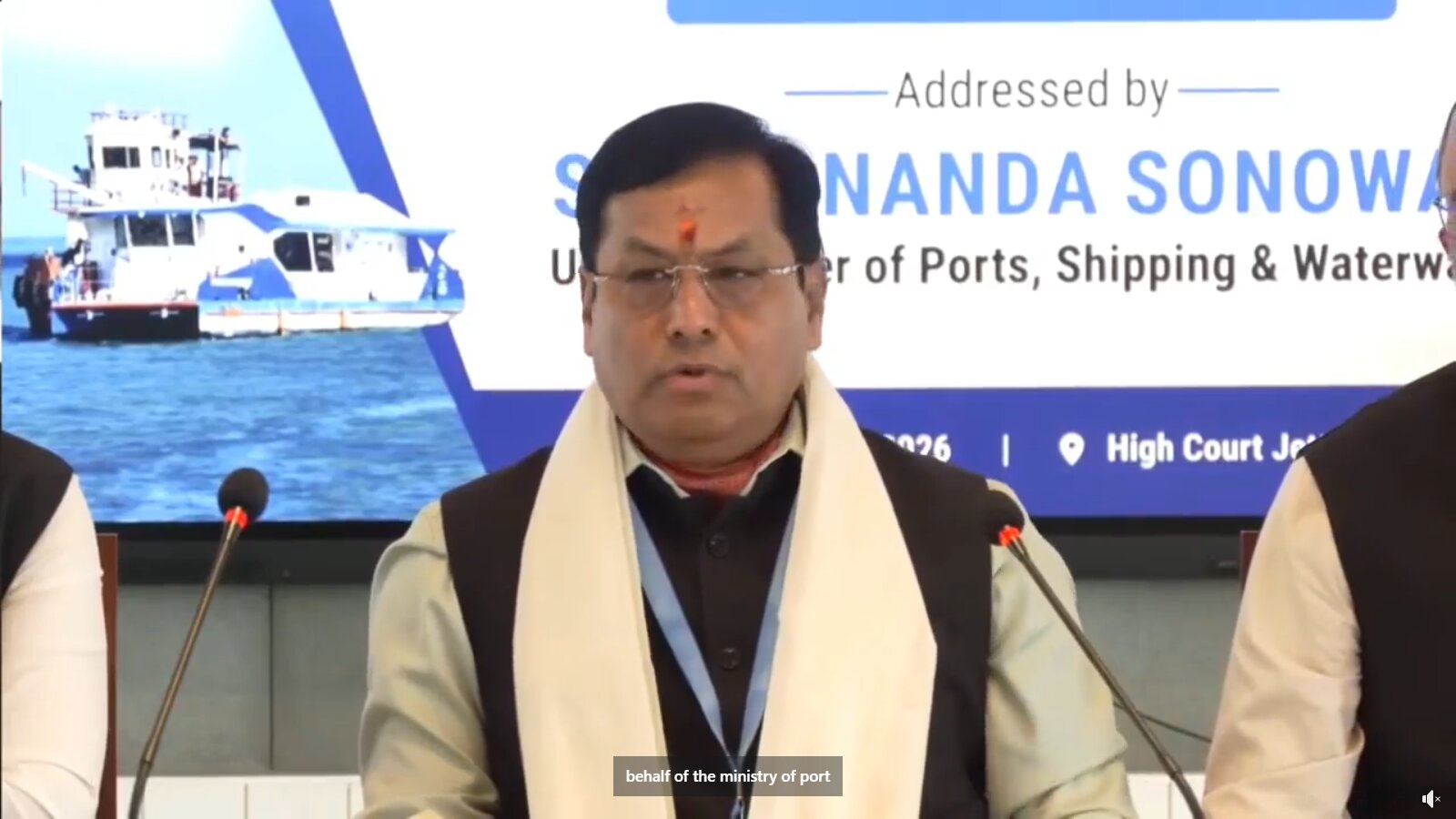
Govt aims to make India 5th largest shipping nation by 2047: Sarbananda Sonowal

NEW DELHI : The Centre is working towards making India the fifth-largest shipping nation in terms of shipbuilding and ship ownership by Amrit Kaal 2047, said Shri Sarbananda Sonowal, the Union Minister for Ports, Shipping and Waterways.

Shipbuilding, as a mother industry, has immense potential to generate large-scale employment while strengthening the national economy. At the same time, growth must be sustainable, with protection of the marine environment and safe living conditions for future generations, he said.

The Minister was virtually inaugurating the Cochin Marine Seminar (Comarsem 2026) organised by the Institute of Marine Engineers of India (IMEI) in collaboration with the Directorate General of Shipping.

creating ecosystem
Referring to recent government initiatives, Sonowal said policies such as the Shipbuilding Financial Assistance Policy 2.0, Ship Recycling Credit Policy, Maritime Development Fund, and incentives for brownfield and greenfield expansions are aimed at creating a robust ecosystem for the sector.

Shipping is a strategic sector in today’s highly unpredictable geopolitical environment. While these ambitions present challenges, they also open up significant opportunities for innovation, collaboration, and high-value business solutions. He highlighted the importance of platforms such as Comarsem in bringing together industry, policymakers, and investors to deliberate on critical issues, including the green transition in shipping.

Calling for collective action, the Minister urged stakeholders to work closely with the Government to realise India’s Amrit Kaal vision.

Themed “Maritime India — Innovations and Collaborations,” Comarsem 2026, which began here, brings together policymakers, industry leaders, technologists, academicians, and maritime professionals from India and abroad to deliberate on issues shaping the future of the maritime sector and India’s aspirations to emerge as a global maritime powerhouse.