Home Blog Page 595

Indian Maritime University at the Helm of India Maritime Week 2025: Empowering the Next Generation of Global Maritime Leaders

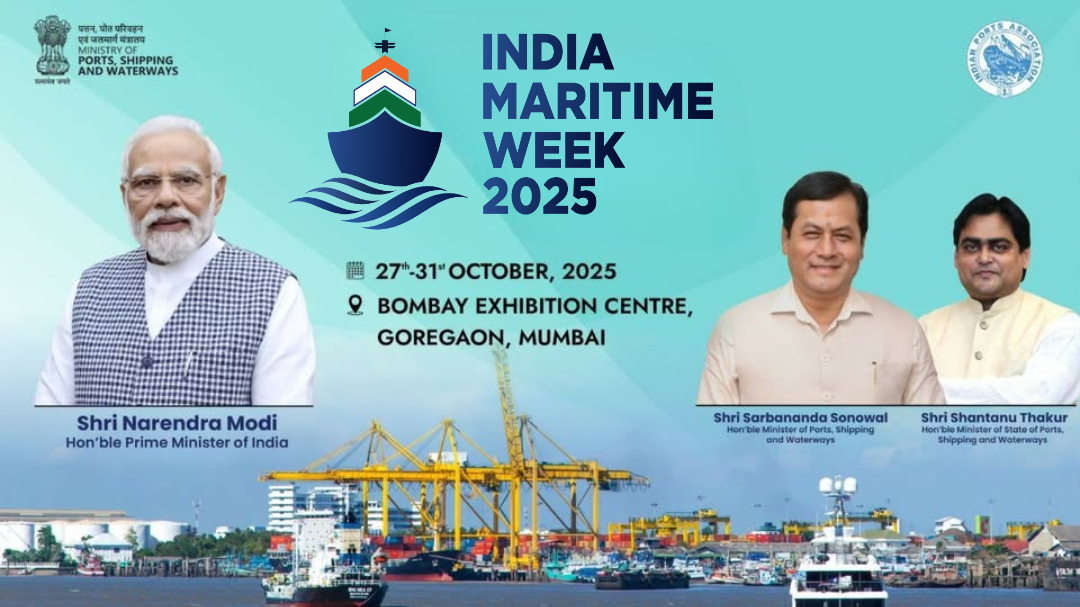
MUMBAI: The Indian Maritime University (IMU) takes centre stage at India Maritime Week (IMW) 2025, demonstrating its pivotal role in advancing maritime education, innovation, and employability. Organised by the Ministry of Ports, Shipping and Waterways (MoPSW) and the Indian Ports Association (IPA), IMW 2025 is being held from October 27 to 31, 2025, at the Bombay Exhibition Centre, Mumbai.

As India’s premier maritime education institution, IMU leads the nation’s efforts in bridging academia and industry. Through its strong industry collaborations, global partnerships, and student-driven initiatives, IMU continues to build a competent and future-ready maritime workforce. IMW 2025 brings together participants from over 100 countries, 500+ exhibitors, and 200+ global speakers — offering IMU students unparalleled exposure to the world’s most influential maritime minds.

“The summit marks India’s maritime moment — transforming the Gateway of India into the Gateway to the World. With our rich maritime legacy and bold reforms, India stands ready to lead the world towards a green, prosperous, and inclusive ocean future. From ancient ports like Lothal to the harbours of tomorrow, India is charting a new course in global maritime history — one that drives growth, sustainability, and shared prosperity for all. India’s maritime economy is rising as a global force. We are happy to invite investors and partners worldwide to join us in building a greener, stronger, and more connected ocean economy.” — Shri Amit Shah, Hon’ble Minister of Home Affairs, Government of India

Empowering Maritime Students and Future Professionals

At IMW 2025, IMU champions the theme of youth empowerment, skill development, and industry readiness. The university curates specialised programs that connect students directly with global industry leaders, policy experts, and employers shaping the maritime sector’s future.

IMU students actively participate in expert-led workshops, technology demonstrations, and career-oriented discussions, gaining practical insight into emerging trends in shipping, logistics, sustainability, and digital transformation. These engagements enhance employability and leadership capacity, preparing students to excel in India’s rapidly expanding blue economy.

Key student-focused initiatives at IMW 2025 include:

• Structured internship and placement drives with leading maritime companies.

• Global scholarship and fellowship programs for high-performing students.

• One-on-one mentorship sessions with maritime CEOs, policymakers, and researchers.

• Innovation showcases, enabling students to present sustainable and tech-driven maritime solutions.

Strengthening Global Academic Partnerships

During IMW 2025, IMU signs 14 landmark Memoranda of Understanding (MoUs) with renowned international universities, research organisations, and industry leaders from Germany, the Netherlands, Singapore, Russia, Korea, and Australia. These partnerships establish new frameworks for academic exchange, dual-degree programs, joint research, and cross-border skill enhancement, reinforcing IMU’s commitment to preparing Indian students for global maritime careers.

IMU: Driving India’s Maritime Vision

As the academic anchor of India’s maritime ecosystem, the Indian Maritime University continues to play a transformative role in shaping the nation’s human capital for the blue economy. Through its leadership at India Maritime Week 2025, IMU reaffirms its mission to advance maritime education, promote innovation, and create pathways to meaningful global careers for its students.

India Maritime Week 2025 stands not only as a celebration of India’s maritime capabilities but also as a tribute to the young minds who will navigate the oceans of tomorrow with knowledge, vision, and purpose.

Amit Shah inaugurates ‘Deep Sea Fishing Vessels’ under the Pradhan Mantri Matsya Sampada Yojana at Mazgaon Dock, Mumbai

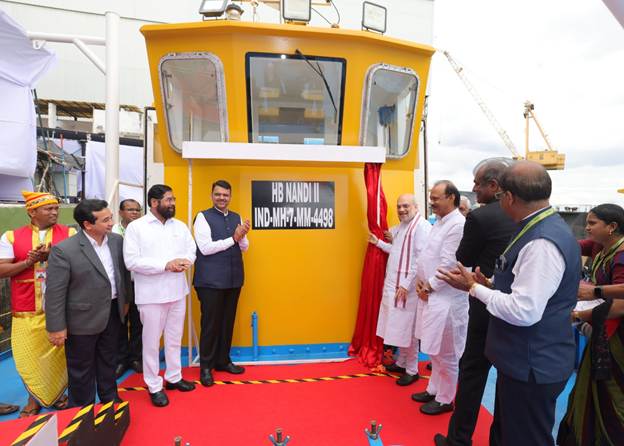
MUMBAI: Union Home Minister and Minister of Cooperation Shri Amit Shah Monday inaugurated ‘Deep Sea Fishing Vessels’ under the Pradhan Mantri Matsya Sampada Yojana at Mazgaon Dock, Mumbai. On this occasion, Maharashtra Chief Minister Shri Devendra Fadnavis, Deputy Chief Ministers Shri Eknath Shinde and Shri Ajit Pawar, and Union Minister of State for Cooperation Shri Murlidhar Mohol were also present.

In his address, Union Home Minister and Minister of Cooperation Shri Amit Shah stated that under the leadership of Prime Minister Shri Narendra Modi, this is a significant step towards modernizing India’s marine fisheries sector and promoting cooperative-based development in coastal areas. He said that the Modi government is committed to realizing the vision of ‘Aatmanirbhar Bharat’ and strengthening the blue economy by leveraging the potential of the cooperative sector.

Shri Amit Shah stated that the inauguration of the two trawlers today will not only enhance India’s capacity to harness the potential of its fisheries wealth in the coming days but also ensure that, through cooperatives, the profits of the fisheries industry reach the homes of our hardworking poor fishermen.

Union Minister of Cooperation stated that presently, individuals working on trawlers for fishing are employed on a salary basis, but now, with cooperative-based fishing, the entire profit from the trawlers will reach the homes of every fisherman involved. Shri Shah said that while 14 such trawlers will be provided initially, the Central Government, the Ministry of Cooperation, and the Fisheries Department plan to provide more such trawlers to fishermen on a cooperative basis in coming time. He mentioned that these trawlers can stay in deep seas for up to 25 days and carry up to 20 tons of fish. Additionally, there will be larger ships to coordinate operations and transport fish from the sea to the shore. He also noted that the trawlers are equipped with convenient facilities for living and dining.

Union Home Minister and Minister of Cooperation stated that a major scheme is being planned in the coming days for the poor brothers and sisters who earn their livelihood by fishing along the approximately 11,000-kilometer-long coastline. He said that the concept of cooperation is that, whether it is milk production, agricultural markets, or fisheries, the profit belongs to the hardworking individual. A country truly prospers only when a poor person in a rural area becomes economically empowered. Shri Shah remarked that those who view the country’s prosperity solely through the lens of GDP do not understand the social structures of such a vast nation. In a country with a population exceeding 130 crore, mere GDP growth does not make it fully developed; a human-centric perspective must also be incorporated. Without the goal of making every individual and every family prosperous, the nation cannot truly prosper.

Shri Amit Shah stated that in the field of fisheries, cooperation is becoming the foundation of the lives of all our brothers and sisters, and we are moving forward in this direction. He mentioned that plans are in place for processing, export, and the deployment of large collection ships in the future. He said that processing will be done by them, chilling centers will belong to them, and exports will also be facilitated through our multistate export cooperative.

Union Home Minister and Minister of Cooperation stated that Prime Minister Shri Narendra Modi has launched numerous programs for fisheries, which have yielded positive results. In 2014-15, India’s total fisheries production was 102 lakh tonnes, which has now increased to 195 lakh tonnes. Domestic production was 67 lakh tonnes, which has risen to 147 lakh tonnes. Maritime production has grown from 35 lakh tonnes to 48 lakh tonnes. Freshwater fisheries have seen a 119 percent increase, rising from 67 lakh tonnes to 147 lakh tonnes, while maritime production has increased from 35 lakh tonnes to 48 lakh tonnes. He said that our approximately 11,000-kilometer-long coastline holds immense potential for increasing maritime production. The Ministry of Cooperation has set a goal to harness this potential and ensure that profits reach our fishermen brothers and sisters through a cooperative-based approach.

Shri Amit Shah stated that a country truly prospers only when every family can provide good education to their children, offer a balanced diet, care for the health of the elderly and children, and become self-reliant—only then can the nation be considered prosperous. There is no greater tool than cooperatives to achieve the GDP with human-centric approach. He said that the sugar mills of Maharashtra have made the greatest contribution to enriching the villages of the state. The entire profit from sugar mills goes directly to the farmer’s bank account. Similarly, in Gujarat, millions of women today conduct business worth 80,000 crore through Amul. The entire profit of this 80,000 crore goes to the homes of uneducated women engaged in animal husbandry, and now even graduate and highly educated women are professionally entering the animal husbandry business. This was the vision of our ancestors, and this is the core philosophy of India.

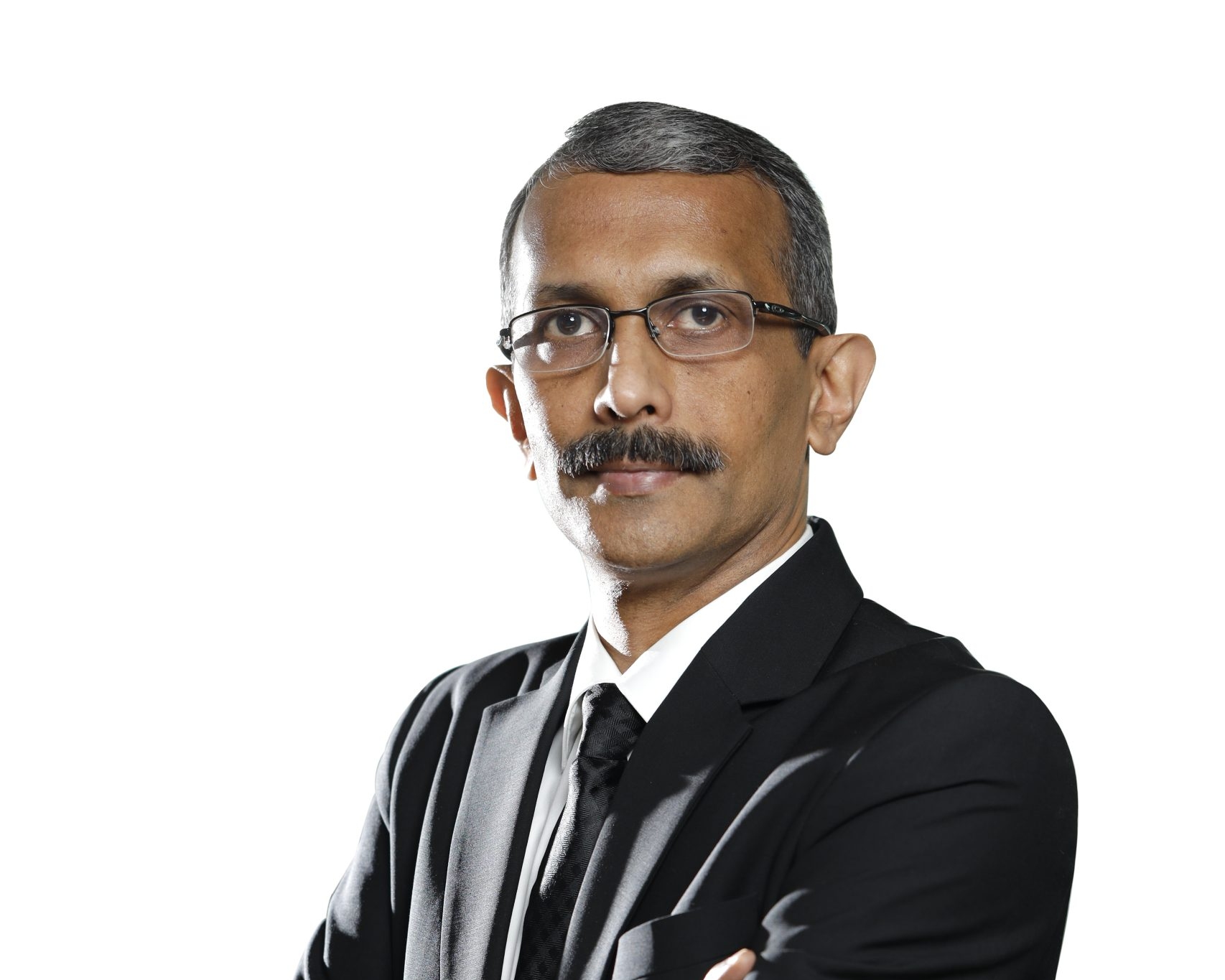
Quote on India Maritime Week 2025 by Suresh Kumar R, MD, Allcargo Terminals Limited

MUMBAI: India Maritime Week 2025 (IMW 2025) is a landmark event in the global maritime calendar, scheduled from 27th to 31st October 2025 at the NESCO Exhibition Centre, Mumbai. Below is a quote from Mr Suresh Kumar R, Managing Director, Allcargo Terminals Limited.

“India Maritime Week 2025 (IMW 2025) is a premier platform that showcases India’s evolving maritime and logistics landscape — aimed at attracting investments, fostering ideas, and building collaborations to shape a sustainable, technology-driven, resilient, and self-reliant maritime economy.

The Government of India has set an ambitious goal to increase the maritime sector’s contribution to the national GDP to 12% in the coming years.

Bringing together all stakeholders under one roof, IMW 2025 will catalyse growth in port infrastructure, modernisation, and sustainability in alignment with the Maritime Amrit Kaal Vision 2047.

At IMW 2025, we look forward to engaging with policymakers and industry leaders from India and across the world to further strengthen India’s logistics competitiveness and continue contributing to the growth of seamless and resilient supply chains.”

Clarification on the Department of Commerce’s support to the organization of the BIRC 2025

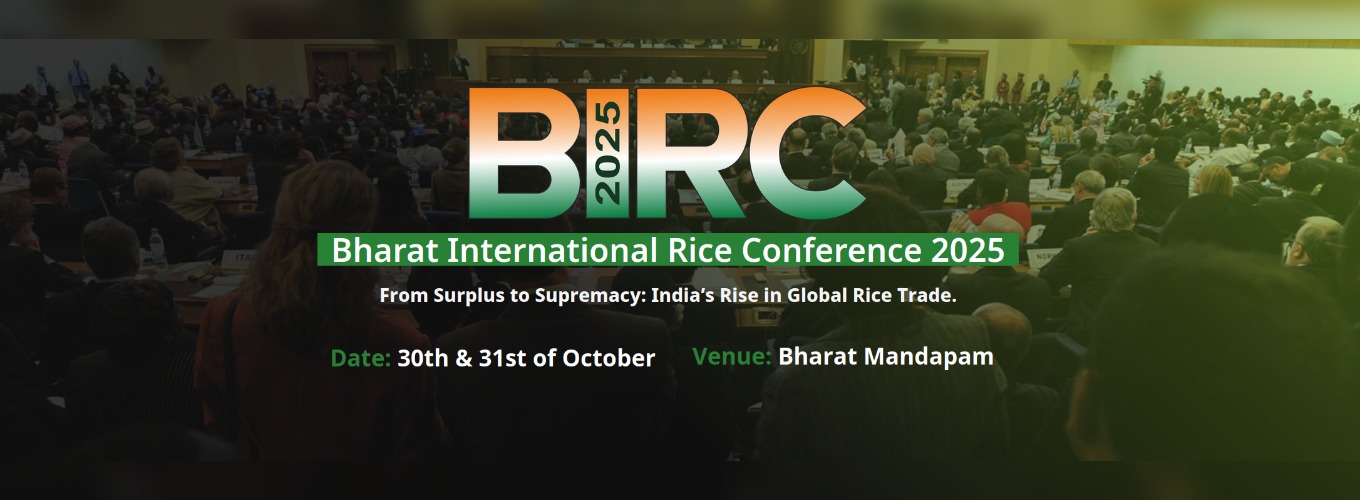
NEW DELHI : The Government of India regularly engages with all stakeholders in every economic sector to ensure participatory decision making and trade promotion. Rice is the foremost agri-export of India, with exports in 2024-25 at about US$ 12.95 Billion and India is also projected to be the largest producer of rice in the world. In view of the importance of the sector, the Department of Commerce along with other stakeholder line Ministries/departments are extending non-financial support to the Bharat International Rice Conference (BIRC), 2025

The BIRC 2025 is scheduled to be held at the Bharat Mandapam, Pragati Maidan, New Delhi, on 30–31 October 2025. It is being organised by the Indian Rice Exporters’ Federation (IREF), a private trade body in the rice sector, having amongst it’s membership, exporters of rice sector and other stakeholders engaged in the rice eco-system. The department of Commerce does not have any role in the appointment of the members and president of the IREF.

Apart from the IREF, other prominent rice exporter associations of India (for Non-Basmati rice), namely The Rice Exporters Association, Chhattisgarh (TREA-CG) and The Rice Exporters Association (TREA), Kakinada are also co-partnering in the event.

The Agricultural and Processed Food Products Export Development Authority (APEDA), which is tasked with the promotion of exports of Agricultural and processed food products, is giving support to event in the form of getting on board relevant line Ministries/ departments in the conference so as to ensure a holistic and coordinated action towards expansion and promotion of rice exports.

The entire expenditure of the event in terms of making all logistic arrangements, including booking of venue, hosting of buyers(travel fare, accommodation) etc is being borne by the IREF and its other co-partners through its own funds or from private sponsorships. Thus, expenses for organizing the exhibition, Buyer-seller meet, technical sessions, creative costs like videos, banners, posters, exhibits etc are being completely borne by the organizers.

With respect to specific allegations made against the national President of the IREF, or about the operations of the IREF, in a section of the press, the Department cannot comment on the matter as it is a private affair of the individual and a private trade body

Singapore and China sign agreement to establish Green and Digital Shipping Corridor

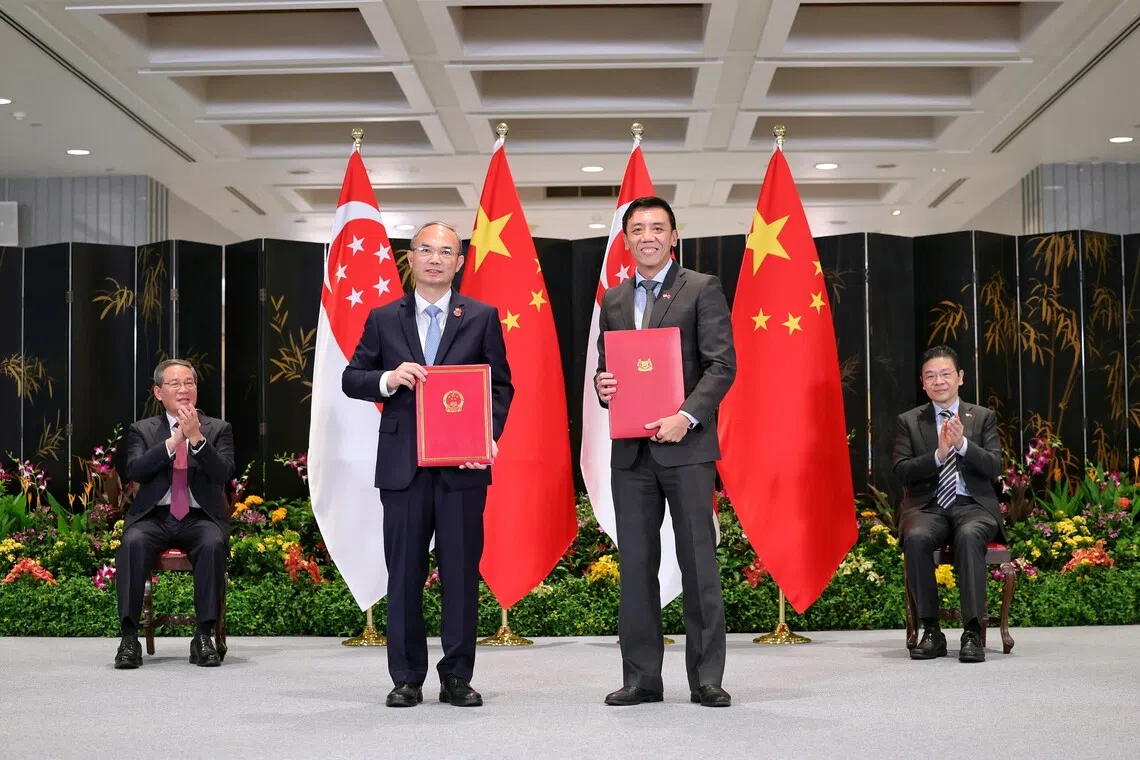
SINGAPORE: The Ministry of Transport of the Republic of Singapore and the Ministry of Transport of the People’s Republic of China have signed a Memorandum of Understanding (MoU) to establish the Singapore–China Green and Digital Shipping Corridor (GDSC). The MoU was signed on 19 October 2025 by Mr Jeffrey Siow, Singapore’s Acting Minister for Transport, and Mr Liu Wei, China’s Minister of Transport.

The MoU elevates Singapore and China’s GDSC cooperation to the national level, building on the earlier established municipality-level and provincial-level GDSCs with Tianjin and Shandong, established in 2023 and 2024 respectively.

Under the MoU, Singapore and China will work with industry stakeholders to advance maritime decarbonisation, enhance port and supply-chain efficiency, and develop supporting technologies, infrastructure, and standards to promote a more sustainable and connected maritime ecosystem. It also seeks to strengthen digitalisation in maritime transport operations, by promoting the use of data-driven systems to enhance efficiency, resilience, and transparency across the maritime value chain.

Building on their respective strengths in manufacturing, supply chain ecosystems, regulatory frameworks, and financial capabilities, both countries aim to drive innovation and the effective implementation of green and digital initiatives in the maritime sector.

The establishment of the Singapore – China GDSC underscores both countries’ shared commitment to foster innovation, enhance maritime connectivity, and support the global transition towards a more efficient, resilient, and sustainable maritime sector.
Source: Maritime and Port Authority of Singapore

NatPower Marine: “The IMO delay won’t slow the race to green shipping – it has already begun”

LONDON: Member States of the International Maritime Organization (IMO) have voted to delay for one year the adoption of draft amendments to MARPOL Annex VI, which would have created the world’s first truly global carbon-pricing mechanism for shipping. The decision, taken at the second extraordinary session of the Marine Environment Protection Committee (MEPC/ES.2) held in London from 14–17 October 2025, marks a setback for international decarbonisation efforts, in favour of a status quo that benefit oil and gas producers but not shipowners, investors and ports already under pressure to meet tightening emissions targets.

The postponement leaves the sector without a formal global market framework just as regional regulation is gathering pace, from Europe’s maritime carbon pricing to new clean-port standards in Asia and North America. NatPower Marine said the outcome underlines the growing gap between political negotiation and industry action, as ports and shipping lines continue to invest in clean-energy infrastructure despite the lack of a global mechanism.

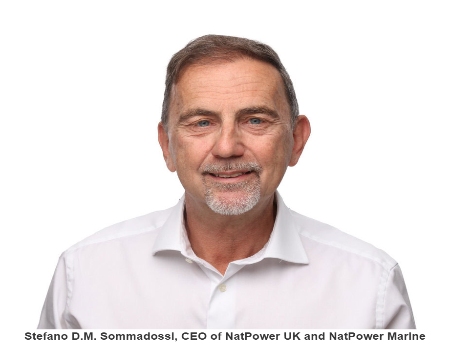
Stefano D.M. Sommadossi, CEO of NatPower Marine and NatPower UK, said: “While the IMO’s postponement is disappointing, it cannot be a pause button for the industry. Shore power and near-shore electrification are proven, scalable and capable of delivering deep emissions cuts today. Every corridor we electrify removes thousands of tonnes of CO2, NOx  and SOx   from the system while improving air quality for coastal communities. The opportunity to lead is now, not in a year’s time.”

He continued: “No sector has got regulation before innovation, it has always been the other way round. Airplanes, cars, radio, Internet, AI were invented and adopted before regulation, and regulation followed the path set by innovators.

It is clear that the larger players and most innovative shipping operators and owners have already decided to go green because it is a strategic advantage and a cost cutting option in the years to come. So innovators and initiators will progress during this regulatory postponement.  

We at NatPower are accelerating our plan to deliver near shore electric propulsion and cold ironing in 120 locations globally.”

The potential losers of this postponement are the emerging countries that were relying on IMO global carbon pricing to finance investments. The good news is that those investments can be made with private capital, provided that their locations are included in the green corridors and routes of the initiators. 

New electric fuel for ships is already benefitting from the sheer convenience and it is a low hanging fruit for decarbonisation, and it is happening right now. Without waiting to choose among different alternative cleaner molecules (e-methanol, ammonia and hydrogen), the immediate opportunity is near shore electric propulsions and cold ironing.

The existing regulations in EU and China, and their ambitions to become the powerhouses of Energy Transition, are more than sufficient to trigger adoption and change.    

Across Europe, Asia and the Americas, a wave of electrification projects, from single-port upgrades to full Green Corridors, is building a global network of clean maritime routes. It shows what genuine international cooperation can achieve when backed by real infrastructure and investment.

Green Shipping Corridors: the model for immediate progress

Through its investment in true Green Shipping Corridors, NatPower Marine is connecting high-traffic maritime routes with clean electricity for propulsion and cold ironing, replacing fossil-fuel use both in port and on near-shore legs. The company is planning to invest more than £3 billion to deliver 120 clean-port locations by 2030, creating an integrated global network of zero-emission maritime energy hubs.

For example, the corridor between Heysham Port and Northern Ireland, developed in partnership with Peel Ports Group, has started construction. It will eliminate more than 10,000 tonnes of CO2 annually from Irish Sea routes and forms part of a wider £250 million UK rollout of shore-power and e-ship-charging infrastructure.

Sommadossi said: “The IMO’s delay underlines the challenge of reaching consensus at a global level. But while negotiations stall, regional regulation is accelerating, and the landscape is becoming more fragmented. The EU Emissions Trading System now prices maritime emissions, and FuelEU Maritime sets carbon-intensity limits for vessels trading in Europe. The UK is preparing to bring shipping into its own ETS, Singapore is expanding its network of green corridors, and California is already enforcing at-berth emission rules. The message is clear: decarbonisation is no longer waiting for a single global mechanism, it is happening route by route, region by region.”

This patchwork of regional measures is driving urgency for practical, scalable solutions that can operate across multiple regulatory systems. As global policy tightens, the infrastructure to deliver compliance and emissions reduction is struggling to keep pace, creating both challenge and opportunity for the industry.

That urgency is echoed in new research showing the accelerating pace of green-shipping regulation and innovation worldwide.

According to the World Maritime University (WMU) and the Shanghai International Shipping Institute (SISI) in their Global Green Shipping Development Report (2024–2025), regulatory pressure on ports and shipping is now accelerating across all major economies.

The WMU/SISI report also confirms that ports are increasingly being recognised as the key enablers of maritime decarbonisation, with shore power expected to become a mandatory standard in many jurisdictions. The study highlights that “ships in ports will use more shore power or zero-carbon energy in the future” as emission requirements tighten, a view strongly echoed by NatPower Marine.

“This global trend validates our approach,” said Sommadossi. “Shore power and e-charging infrastructure are not optional extras; they are the foundation for clean shipping. Every port that plugs, in our standardised network, becomes part of the global energy transition.”

Energy integration: powering the maritime transition

To ensure clean electricity is available where and when vessels need it, NatPower Marine is supported by 20 GW of renewable generation and over 100 GWh of battery-storage capacity developed by its parent, NatPower Group. Located in strategic coastal regions, these assets deliver stable, low-cost renewable power through private-wire connections and smart Power Purchase Agreements, supporting vessel charging and port operations without burdening national grids.

This integrated approach forms what Sommadossi describes as “the backbone of a clean-shipping network,” linking renewable generation directly to maritime demand and enabling real decarbonisation today.

NatPower Marine believes the IMO’s delay could, paradoxically, open space for innovation and collaboration. While waiting for a global mechanism, countries, ports and fleets can lead the way and show what success looks like by developing their own clean-energy routes, projects that cut emissions while creating industrial and economic growth.

Redefining the Green Corridor

Sommadossi said the events of the past week should also trigger a broader rethink of what constitutes a truly green shipping corridor.

“So far, most green corridors have been defined around alternative fuels and fuel-supply routes,” he said. “But that only addresses part of the challenge. A true green corridor must include the full chain of clean-energy infrastructure, from shore power and propulsion charging to renewable generation and grid integration. That is the only way to deliver zero-emission voyages from berth to berth, at an affordable cost.”

He added that NatPower Marine’s approach, combining e-ship charging, port-grid integration and large-scale battery storage, offers a practical blueprint for this next generation of corridors.

“If the past week has shown anything,” he concluded, “it is that we cannot wait for definitions and policy to catch up with reality. The future of green shipping will be built, not negotiated.”

First successful autonomous ‘dock2dock’ voyage demonstrated on river cruiser MS Lumière

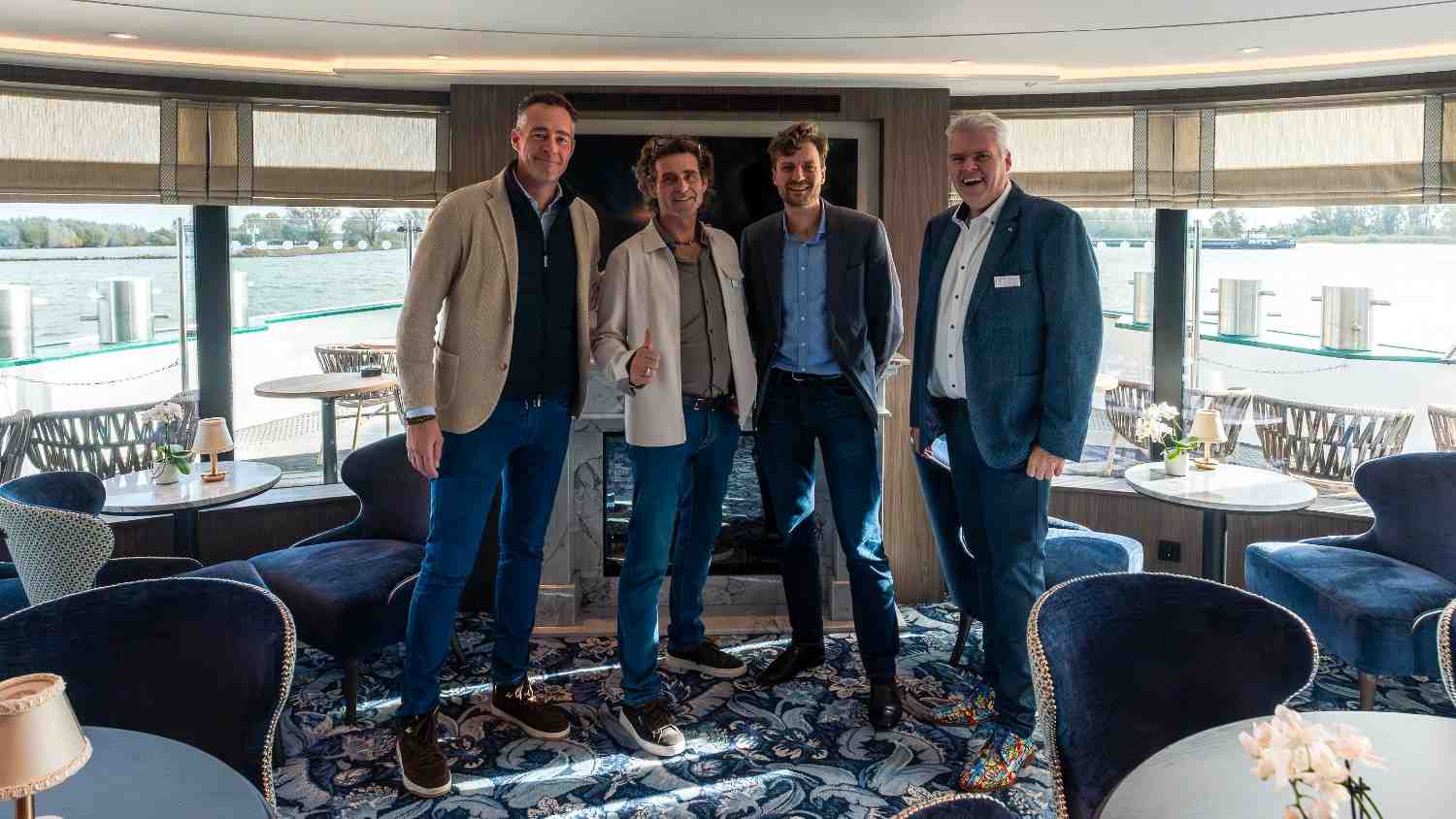
WERKENDAM: A major, and global, milestone for autonomous inland shipping was reached on Friday 24 October 2025. During a live showcase on board Scylla’s brand-new passenger vessel MS Lumière, Shipping Technology, Retina, and Scylla successfully completed the first-ever autonomous Dock2Dock voyage – from undocking in Hardinxveld-Giessendam to docking in Gorinchem.

The demonstration combined Retina’s M-Pilot manoeuvring system with the ST BRAIN and Autonomous Lane Assist (ST Sailing) from Shipping Technology, enabling the vessel to undock, sail and dock autonomously under real-world conditions (even a gale-force crosswind of Beaufort 8 did not affect the ship’s course!). Throughout the route, the captain remained in full control and supervision, always ensuring safety.

“With the Dock2Dock project, we’re proving that autonomous technology is no longer futuristic – it’s happening now. Safely, efficiently, and sustainably,” says David Woudenberg, Head of Product Development at Shipping Technology. “It’s not about removing the captain; it’s about giving crews smarter tools for safer and more efficient navigation. And about reducing fuel consumption.”

MSLumire autonomoussailing ShippingTechnology2 First successful autonomous ‘dock2dock’ voyage demonstrated on river cruiser MS Lumière

A first-of-its-kind demonstration

The live showcase demonstrated seamless cooperation between advanced maritime systems:

  • Autonomous undocking powered by Retina’s M-Pilot, in combination with Shipping Technology’s ST BRAIN
  • Autonomous Lane Assist (ST SAILING) for the main trip
  • Autonomous docking, with the captain overseeing each phase of the voyage

During the showcase, the Retina M-Pilot controlled both the thrusters and the engines of the river cruise vessel, working seamlessly with Shipping Technology’s ST BRAIN and Autonomous Lane Assist (ALA). Together, these systems guided the vessel along the optimal route from A to B, automatically managing rudder and pod movements with remarkable precision.

“This is particularly relevant for vessels with Z-drives. The system measures what happens 10 times per second, allowing controlled and safe operations. Experienced captains will have more time for other tasks; less experienced crew will feel better supported,” says Tom Panjer, Founder of Retina BV. “Also, and let me be very clear about this: reliable data is essential, but people must stay in control.”

Precision and control

The pilot system continuously factors in variables such as vessel load, engine RPM, and desired turning acceleration to determine the most efficient steering response. By integrating directly with the propulsion system – a major step forward – the technology now also opens the door to future ‘just-in-time sailing’, reducing fuel consumption and supporting more sustainable operations.

Tom: “The M-Pilot working together with the ST BRAIN performed exactly as intended, and that’s a true turning point for automation in inland shipping. The M-Pilot and ST BRAIN combination allows vessels to manoeuvre and sail autonomously while maintaining full control.”

The MS Lumière, operated by Scylla, entered service only two weeks before the event, making it the ideal platform to demonstrate how modern vessels can integrate advanced autonomy and data technology from day one. Following the voyage, guests, partners and media joined the crew on board for networking and discussions on the future of smart navigation.

From talk to action

Tom: “In the market, there’s a lot of talk about autonomous sailing, but very little real demonstration, and most of that is about remote-controlled navigation. That’s why this showcase matters. Normally, captains turn off their track pilot when approaching or leaving a berth – now, that process itself can be automated, with the captain staying fully in charge. It means more focus on navigation, less on manual controls, and a big step toward practical autonomy.”

One could say that Shipping Technology focuses on where you want to go and how you want to get there. Retina looks at how to control the vessel: making sure a ship arrives at its destination in a controlled and safe way. “That’s the essence of our collaboration, says David.”

He continues: “I’m proud of our team and of showing what’s possible when companies focus on collaboration and learning, rather than on perceived future challenges.”

About Shipping Technology

Shipping Technology develops smart data solutions for inland shipping — from real-time insights and emissions reporting to AI-based navigation. Founded in 2018, the company pioneers the future of shipping operations and management with cutting-edge, but highly practical digital solutions. Making navigating, sailing, planning, incident prevention and reconstruction easier, safer, more efficient and sustainable, is not only the company’s goal, it’s actual practice.

Almost 350 vessels have already been installed with their core product, the ST BRAIN. The ST BRAIN – a piece of hardware powering Shipping Technology’s software tools to monitor a vessel’s operations and sail autonomously – seamlessly integrates and optimizes your nautical data, enabling safer, more efficient operations both onshore and offshore. By developing innovative applications, the company aims to accelerate the digitization of maritime operations.

www.shippingtechnology.com

About Retina

Retina BV, based in Werkendam, develops innovative maritime technologies that make inland and coastal navigation smarter, safer, and more efficient. Its flagship solution, the M-Pilot, enables precise automated manoeuvring and docking, bringing practical automation within reach for a wide range of vessel types, from river cruise ships to tankers and dry bulk carriers.

With deep experience in the cruise and inland shipping markets, Retina approaches technology from a user perspective rather than a purely technical one. Its focus is on reliability, control, and optimal user experience. The company’s compact and driven team works closely with shipowners and partners to turn real operational needs into effective digital and automation solutions.

Driven by curiosity and collaboration, Retina aims to accelerate innovation in inland shipping – faster, better, and more affordable.

www.retina-bv.nl

VIKING to deliver new patrol vessels to Norwegian Customs Service

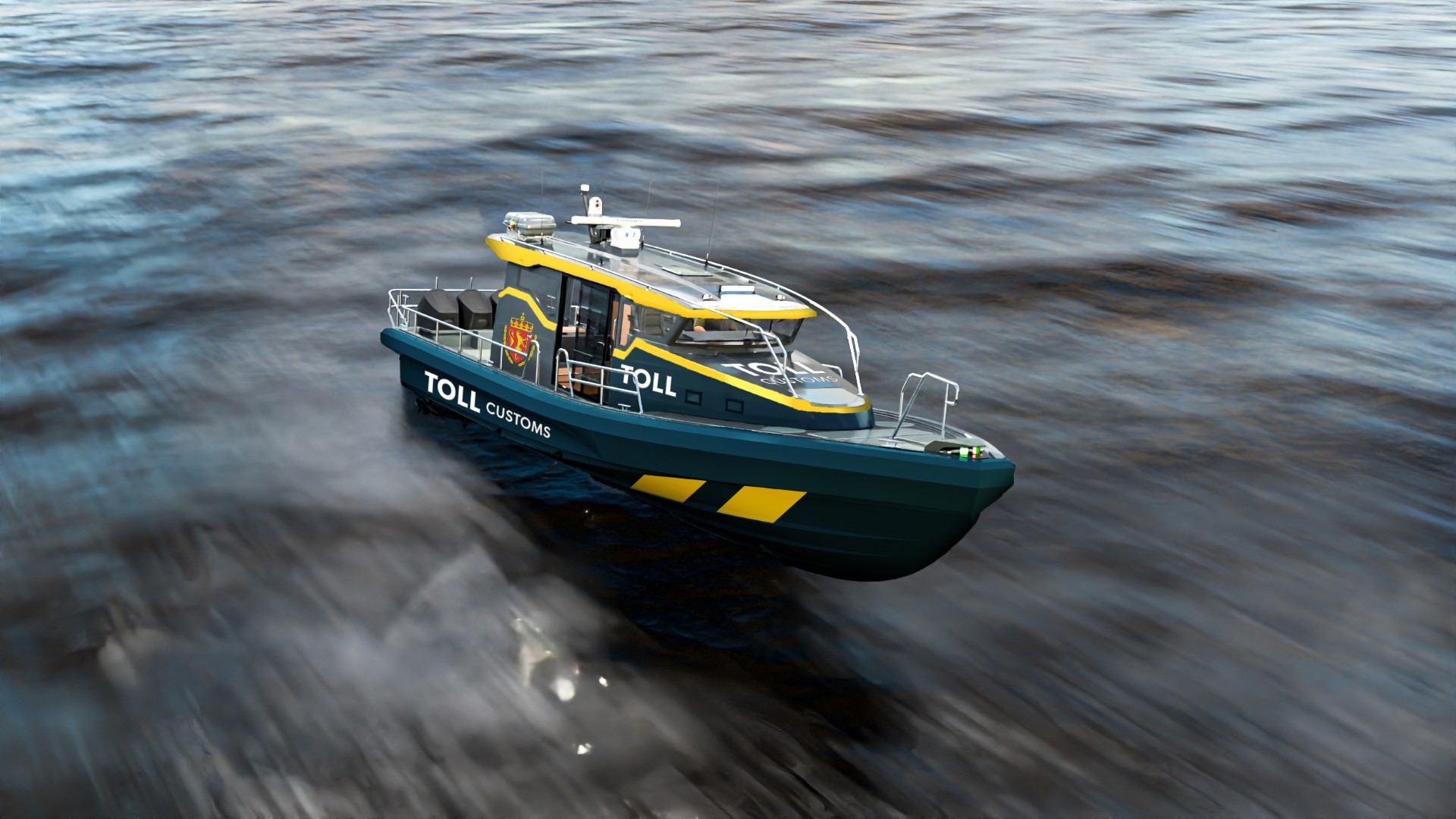
VIKING Life-Saving Equipment, a global leader in maritime safety solutions and supplier of high-performance boats for professional applications, has signed a contract with Tolletaten (the Norwegian Customs Service) to deliver a new fleet of cutting-edge patrol and fast response craft. The new boats will strengthen Tolletaten’s maritime capabilities and support its law enforcement and inspection duties in Norwegian waters. The contract further reinforces VIKING’s position as a trusted partner to Nordic authorities and maritime professionals worldwide. 

The agreement covers the delivery of four VIKING Norsafe boats including one Marathon S-900, powered by twin 350 HP Mercury engines, and three Munin S-1400 patrol boats, each equipped with triple 500 HP Mercury engines. Combining speed, control and endurance, the boats are purpose-built for demanding professional operations. Deliveries are scheduled for 2026 and 2027, with options for additional vessels. The total contract value is approximately NOK 43 million. 

“We would like to commend Tolletaten for a procurement process that has been both thorough and constructive, with valuable input from users and clear dialogue throughout,” says Eirik Møllergaard, Sales Manager at VIKING Life-Saving Equipment. “Succeeding on this tender is a recognition we value highly, and we look forward to delivering vessels that will support Tolletaten’s important work in Norwegian waters.” 

Designed for speed, control and reliability, the VIKING Norsafe Marathon and Munin series are purpose-built for professional maritime operations. Their advanced hull designs, combined with powerful Mercury propulsion systems, ensure rapid acceleration and precise manoeuvring in challenging sea conditions. Both models feature shock-mitigation technology and flexible deck layouts to support maritime law enforcement and patrol operations, where endurance and crew safety are paramount. 

The boats will be built at VIKING’s production facilities in Arendal, Norway, combining Norwegian design heritage with world-class safety and performance standards.

India Maritime Week 2025 set to launch in Mumbai: World’s Largest Maritime Gathering begins Today

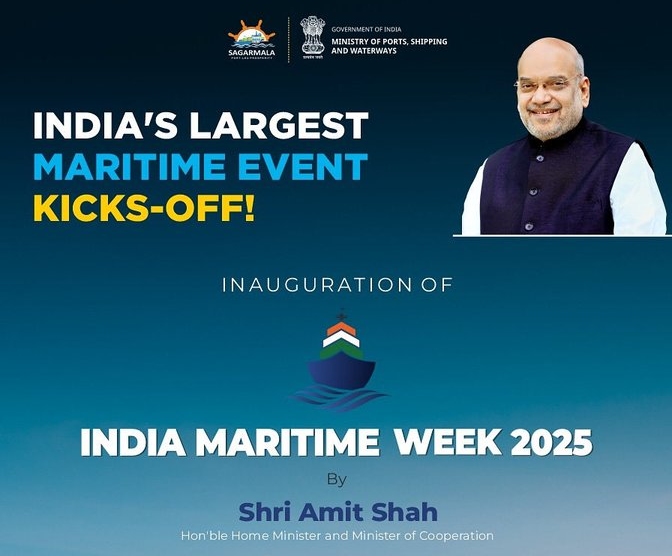
Shri Amit Shah, Hon’ble Union Minister of Home Affairs to inaugurate the event

Chief Ministers of Maharashtra, Gujarat, Goa and Odisha to attend the Inaugural Ceremony

Hon’ble Prime Minister Shri Narendra Modi to Address Maritime Leaders Conclave on 29th October and Chair the Global CEO forum

Foreign Ministers from 11 Countries to attend the event

NEW DELHI: The Ministry of Ports, Shipping and Waterways (MoPSW), Government of India, is set to host the India Maritime Week 2025 (IMW 2025) from 27th to 31st October 2025 at NESCO Grounds, Mumbai. The event is poised to be the largest maritime gathering globally, bringing together key stakeholders from across the maritime ecosystem. Under the theme “Uniting Oceans, One Maritime Vision”, IMW 2025 will showcase India’s strategic vision to emerge as a global maritime hub and a leader in the Blue Economy.

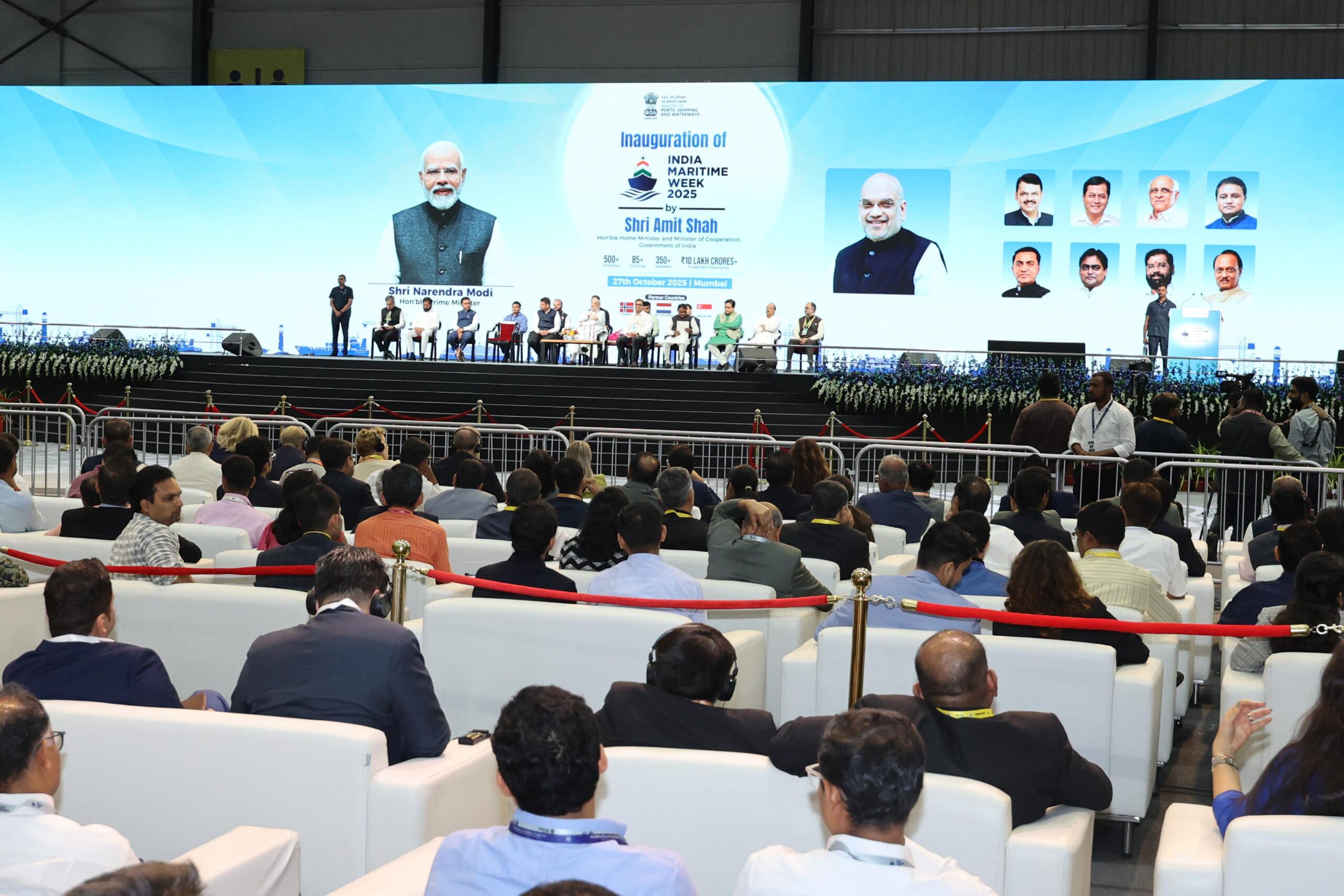
The session will be inaugurated by Shri Amit Shah, Hon’ble Minister of Home Affairs, who will be joined by Chief Minister of Maharashtra Shri Devendra Fadnavis, Chief Minister of Gujarat Shri Bhupendra Patel, Chief Minister of Goa Dr. Pramod Sawant and Chief Minister of Odisha Shri Mohan Charan Majhi.

Ministers from 11 countries along with their industry delegations will participate in various sessions throughout the five-day event, reflecting the growing global interest in India’s maritime sector.

“India Maritime Week is more than an event, it will position India as a global maritime hub, promote green and sustainable shipping, and enhance international maritime trade and connectivity”, said Shri Sarbananda Sonowal, Union Minister for Ports, Shipping & Waterways.

Wide International and National Representation

India Maritime Week 2025 will witness participation from over 100,000 delegates and confirmed representation from more than 85 countries. Global maritime industry giants, international organizations, and policy think tanks will be present. Several state ministers and Lieutenant Governors from across India will also attend, showcasing investment opportunities and regional maritime strengths.

Prime Minister’s Address and Strategic Engagement

A key highlight of India Maritime Week 2025 will be the participation of the Hon’ble Prime Minister of India, Shri Narendra Modi, who will address the nation, global maritime leaders and stakeholders on the evening of 29th October at a special plenary session.

In addition to the public address, the Prime Minister will chair a high-level global CEO forum with selected international CEOs from leading maritime companies across the globe.

Unprecedented Industry and Investment Avenues

With over 350 international speakers, IMW 2025 is poised to be a hub of industry expertise and strategic dialogue. The event will see the execution of over 600 Memorandums of Understanding (MoUs) amounting to more than ₹10 lakh crore in investment commitments.

Exhaustive Exhibition and Conference Line-up

A comprehensive exhibition featuring over 400 exhibitors will run alongside an expansive conference schedule. IMW 2025 will host more than 12 flagship events, including the 4th edition of Global Maritime India Summit (GMIS 2025), QUAD Ports of the Future Conference, Sagarmanthan – The Great Oceans Dialogue, SheEO Conference, the UNESCAP Asia-Pacific Dialogue and many more. The event will also feature 4 country sessions including Norway, Netherlands, Denmark, and Sweden, and 11 state/UT sessions including Gujarat, Maharashtra, Goa, Karnataka, Kerala, Tamil Nadu, Andhra Pradesh, Odisha, Uttar Pradesh, Assam, and Andaman & Nicobar.

Stay Connected and Register Now

🌐 Website: https://imw.org.in
📱 Twitter: @IndiaMaritime
📘 Facebook: India Maritime Week
📸 Instagram: @IndiaMaritimeWeek
▶️ YouTube: India Maritime Week Channel

India Maritime Week 2025: The Maritime Ambition in Motion

NEW DELHI: India Maritime Week 2025 (IMW 2025) is a landmark event in the global maritime calendar, taking place from 27th to 31st October 2025 at the NESCO Exhibition Centre, Mumbai.  Bringing together key stakeholders from the shipping, port, and logistics communities, IMW 2025 will serve as a strategic platform for dialogue, collaboration, and business development. The event is expecting participation from over 100 countries and drawing more than 100,000 delegates, port operators, investors, innovators, and policymakers alike.  The five-day programme will feature 500 exhibitors, thematic pavilions, technology demonstrations, and sessions spanning port-led development, shipbuilding clusters, and digital corridors. 

Charting a Decade of Maritime Transformation: 2014 to 2025

Charting a new course for economic growth, India’s maritime sector is cruising ahead with record performance across ports, coastal shipping, and inland waterways. The sector’s progress underscores its critical role in strengthening the nation.

India’s Ports Set New Benchmarks

  • India’s ports sector has witnessed a transformative leap, with total port capacity nearly doubling from 1,400 million metric tonnes per annum (MMTPA) to 2,762 MMTPA, reflecting major investments in modernisation and infrastructure.
  • Cargo handling volumes have grown impressively from 972 Million Metric Tonnes (MMT) to 1,594 MMT, signaling robust growth in maritime trade and port efficiency with major ports handling approximately 855 million tonnes of cargo in FY 2024-2025, an increase from 819 million tonnes in FY 2023-24.
  • Operational performance has improved significantly, as the average vessel turnaround time has been reduced from 93 hours to just 48 hours, enhancing overall productivity and global competitiveness.
  • The sector’s financial strength has surged, with the net annual surplus rising sharply from ₹1,026 crore to ₹9,352 crore, underscoring improved revenue generation and cost management.
  • Efficiency indicators have also strengthened, with the operating ratio improving from 73% to 43%, marking a major step toward sustainable and profitable port operations.

Indian Shipping Expands Fleet, Capacity, and Workforce

  • India’s shipping sector has charted steady growth, with the number of Indian-flagged vessels rising from 1,205 to 1,549, reflecting the nation’s expanding maritime presence.
  • The gross tonnage of the Indian fleet has increased from 10 million gross tonnes (MGT) to 13.52 MGT, underscoring a stronger and more capable shipping capacity.
  • Coastal shipping has gained significant momentum, with cargo movement nearly doubling from 87 million metric tonnes (MMT) to 165 MMT, reinforcing the shift toward efficient, low-cost, and eco-friendly transport modes. 

India’s Inland Waterways Surge Ahead

  • In a landmark development for  inland water transport sector, the Inland Waterways Authority of India (IWAI) reported a record cargo movement of 146 MMT in 2025, up from 18 MMT in 2014, an increase of around 710 percent.
  • The number of operational waterways has increased remarkably from 3 to 29, reflecting a major boost to India’s inland transport network.
  • IWAI handed over the Haldia Multi-Modal Terminal (MMT) to IRC Natural Resources, marking a major step in advancing inland waterway infrastructure and promoting multimodal logistics under the Public Private Partnership (PPP) model. Built with World Bank’s assistance, the West Bengal terminal has a capacity of 3.08 million metric tonnes per annum (MMTPA).
  • Ferry and Ro-Pax (a ship that carries both vehicles and passengers) have also gained strong traction, carrying over 7.5 crore passengers in 2024–25, reflecting growing public adoption of water-based transport for safe and efficient travel.
In just a decade, India’s seafarer workforce has surged from 1.25 lakh to over 3 lakh, now accounting for 12% of the global seafaring workforce, making the country one of the world’s top three suppliers of trained seafarers and opening up vast opportunities in navigation, ship operations, logistics, and allied maritime industries at home and overseas.
Inland Waterways PIB India Maritime Week 2025: The Maritime Ambition in Motion

Financing the Waves: Support & Innovation

The MIV 2030 projects a total investment of INR 3–3.5 lakh crore across ports, shipping, and inland waterways. Backed by a recent landmark package of ₹69,725 crore to boost shipbuilding and revitalise the maritime ecosystem, India is charting a strategic course to leverage its vast coastline to anchor itself firmly on the global maritime map. The targeted allocations and strategic initiatives align seamlessly with the overall vision, translating its projected investments into actionable measures.

With a ₹25,000 crore corpus, the Maritime Development Fund (MDF) is set to provide long-term financing to expand India’s shipping tonnage and shipbuilding capacity. Complementing this, the revamped Shipbuilding Financial Assistance Scheme (SBFAS) with an outlay of ₹24,736 crore, tackles domestic cost disadvantages and incentivises ship-breaking, while the Shipbuilding Development Scheme (SbDS) drives greenfield clusters, yard expansions, and risk coverage with ₹19,989 crores outlay. Adding to this, the ₹305 crore Indian Ship Technology Centre (ISTC) in Visakhapatnam will emerge as a national hub for ship design, R&D, engineering, and skill development.
Over ₹1,000 crore has been invested in the development of Inland Waterway Infrastructure across  Northeast India, marking a significant push to enhance transportation and trade through the country’s river networks. Of this investment, projects valued at around ₹300 crore have already been completed, and the remainder approaching completion, providing a boost to connectivity and regional commerce. The region is also set for a major tourism upgrade, with two luxury cruise ships currently being built at the Hooghly Cochin Shipyard in Howrah, Kolkata, at a combined investment of ₹250 crore. Slated for launch in 2027, the vessels will ply the Brahmaputra River, promising to transform Assam’s river tourism landscape under the government’s Cruise Bharat Mission.
Sagarmala Programme, a flagship initiative to transform India into a global maritime hub is a        core pillar of the Maritime India Vision 2030 and Maritime Amrit Kaal Vision 2047. The programme focuses on cutting logistics costs, enhancing trade efficiency, and creating employment through smarter, greener transport networks. Under its sphere, 840 projects worth ₹5.8 lakh crore are being implemented by 2035, with 272 projects worth ₹1.41 lakh crore completed and 217 projects worth ₹1.65 lakh crore in progress.

 Sailing into the Future

MAV 2047 India Maritime Week 2025: The Maritime Ambition in Motion

India’s maritime sector is entering a decisive decade, with new laws, mega projects, and global investment ambitions shaping the Maritime India Vision 2030. With a strong focus on green technologies and digital innovation, India is preparing to not only meet its trade demands but also emerge as a maritime leader. Building onto this foundation is the Maritime Amrit Kaal Vision 2047, a long-term roadmap for India’s maritime resurgence, with investments of nearly ₹80 lakh crore earmarked for ports, coastal shipping, inland waterways, shipbuilding, and green shipping initiatives. The government is driving sustainable maritime operations by setting up green corridors, introducing green hydrogen bunkering at major ports, and promoting the use of methanol-fueled vessels. Outlining more than 300 actionable initiatives it projects India’s rise as one of the world’s top maritime and shipbuilding powers by the centenary of independence.

The momentum of this vision has been carried forward through landmark initiatives that are reshaping India’s maritime landscape. A historic milestone in this journey was achieved in September 2025 during the “Samudra Se Samriddhi – Transforming India’s Maritime Sector” event where 27 Memoranda of Understanding (MoUs) were exchanged, unlocking investment potential of over ₹66,000 crore and paving the way for more than 1.5 lakh jobs. The agreements spanned port infrastructure, shipping, shipbuilding, sustainable mobility, finance, and heritage, reflecting India’s integrated vision for becoming a global maritime and shipbuilding hub.

Notable projects included Greenfield Port at Bahuda in Odisha with 150 million tonnes per annum (MTPA) capacity at an expected investment of around ₹21,500 crore, Water Metro Project in Patna using electric ferries valued at around ₹908 crore, and a strategic Vessel Owning Joint Venture Company between Shipping Corporation of India (SCI) and Oil Public Sector Undertakings (PSUs) to reduce foreign fleet dependence and boost Indian-built ships. Alongside this, shipbuilding MoUs across five states, major shipyard investments, financing tie-ups, and a ₹266 crore lighthouse museum at the National Maritime Heritage Complex in Lothal, Gujarat further reinforce India’s vision to rank among the world’s top shipbuilding nations by 2047.

Under the New Mangalore Port Authority (NMPA), eight significant maritime development projects have been launched recently, including construction of a dedicated cruise gate for international tourists, establishment of a 150-bed multi-speciality hospital under PPP mode with an investment of ₹107 crore, among others to enhance user experience and operational capacity. These developments exemplify the commitment to creating a future-ready maritime ecosystem that fosters trade, tourism, and economic resilience.

From Vision to Voyage

India is turning its vast coastline into a canvas of possibilities. With Maritime India Vision 2030, the nation is not just building ports, it’s building futures, empowering millions with jobs, skills, and sustainable growth. This is India’s moment to rise as a global maritime leader, proving that vision, strategy, and determination can turn waves into pathways of prosperity. In shipping lanes that carry the world’s oil and cargo, India is determined to secure its place not as a passenger, but as a navigator of the future. The Maritime Amrit Kaal Vision 2047 extends this journey further. From green ports and sustainable shipping to smart logistics and cultural heritage projects, India is aligning economic growth with environmental responsibility and global leadership. As the world looks to resilient supply chains and clean energy transitions, India’s maritime sector is poised not just to serve national interests, but to shape the very currents of global trade in the decades to come.