Home Blog Page 610

Prozo scales operations to meet festive season demand surge across India

GURUGRAM: India’s fastest-growing full-stack supply chain company, has expanded its operations to support brands during the country’s peak festive season. With consumer demand expected to rise sharply across categories such as lifestyle, fashion, and consumer electronics, Prozo has ramped up its workforce by 20% and optimized its network capacity to handle festive volumes.

During the festive period, brands typically witness up to 2X surge in orders, with a large share of demand coming from Tier-II and Tier-III cities. To meet this surge, Prozo is leveraging its 42+ omni-channel warehouses across 2.5 million sq. ft. and expanding last-mile reach to more than 24,000 pin codes. The company has also rebalanced capacity towards high-demand regions, ensuring faster and more predictable deliveries.

A defining trend this season is the rise of SDD (Same-Day Delivery) and NDD (Next-Day Delivery) requirements. Nearly 90% of brands on Prozo’s platform are opting for faster delivery models, reflecting consumer expectations for “Prime-like” speed across India. Prozo’s pay-per-use model further enables brands to scale up during peak festive demand without long-term infrastructure or fixed-cost commitments, a flexibility especially critical for digital-first brands navigating demand volatility.

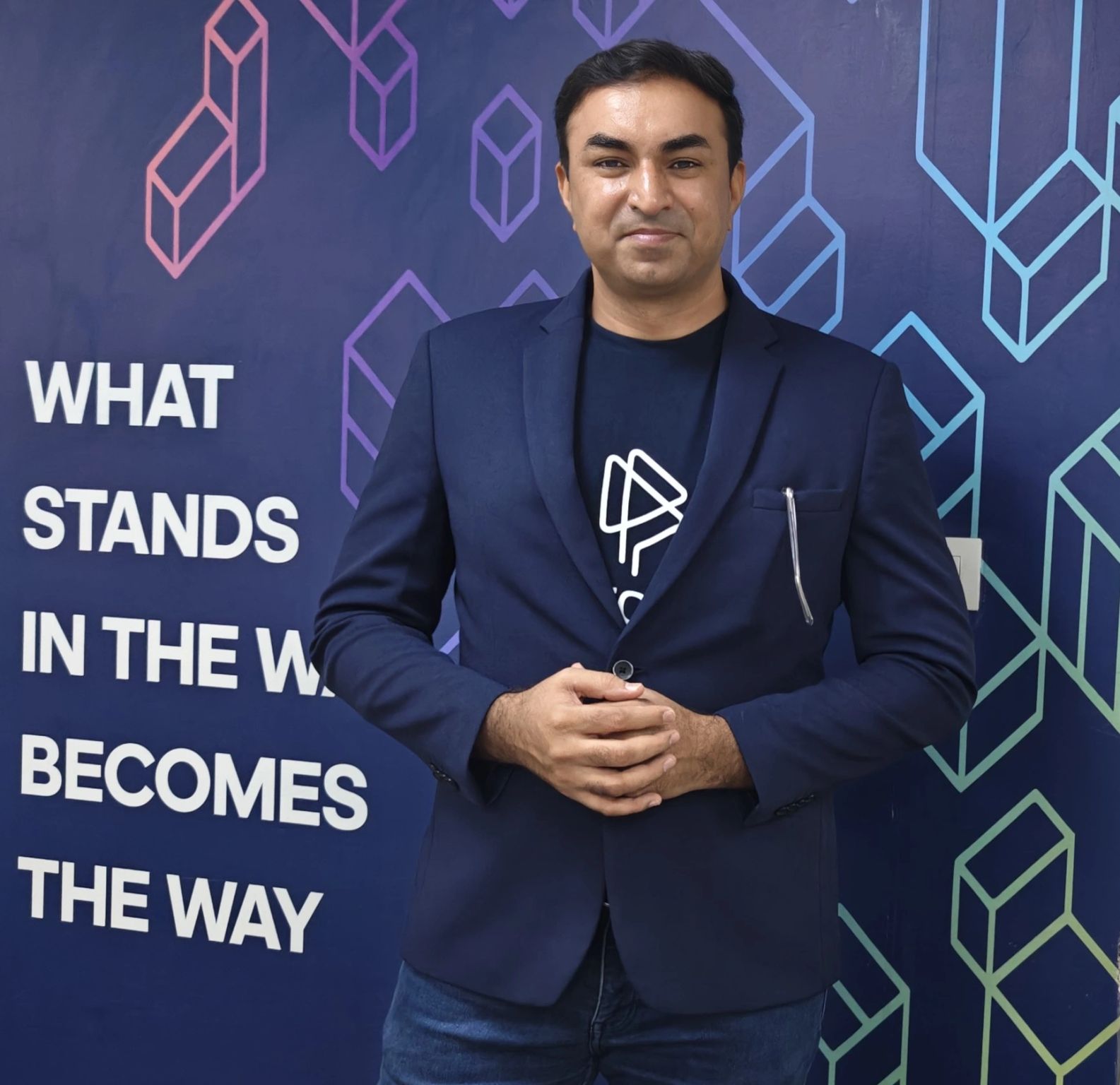
Dr Ashvini Jakhar, Founder & CEO, Prozo, said, “The festive season is when Indian retail truly stress-tests its supply chains. Order volumes can double within weeks, and customer expectations are higher than ever. By expanding Same-Day and Next-Day delivery capabilities and giving brands the flexibility of a pay-per-use model, we are helping them stay agile and predictable during this crucial period. Our focus is on enabling brands to deliver not just products but a consistently reliable experience to customers across India.”

Prozo has rapidly established itself as a trusted partner for enterprises and digital-first brands alike, with clients including Reliance, Aditya Birla, Bata, Daikin, McGraw Hill, Pearson, Neemans, Snitch, Traya, Caprese, The Minimalist, and PhonePe. Its flexible model and tech-enabled operations continue to make it the preferred choice for companies managing demand surges, especially during high-traffic seasons.

This festive season highlights a broader shift in Indian commerce: brands are relying on agile, tech-led supply chains with faster delivery and flexible cost models to not only meet volume spikes but also build long-term trust with consumers through availability, speed, and predictability.
Hyundai Motor India announces Rs 45,000 crore investment by FY2030; outlines growth roadmap

MUMBAI : Hyundai Motor India Limited (HMIL) announced a major investment plan of Rs 45,000 crore by FY2030 to accelerate its next phase of growth, strengthen localisation, and enhance manufacturing capabilities in India. The company, which recently celebrated 29 years in the country, shared its comprehensive strategic roadmap during its first-ever Investor Day on Wednesday.

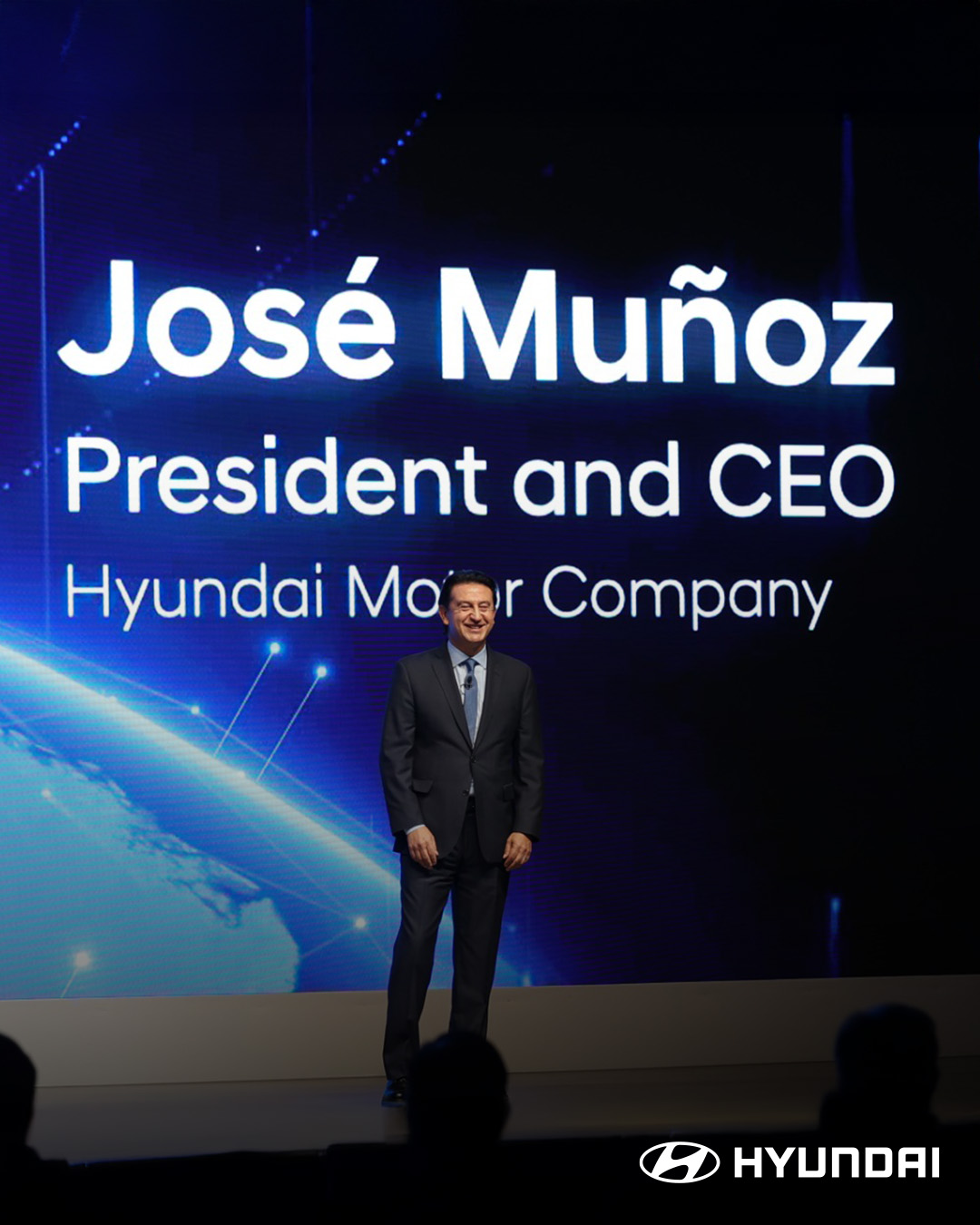
The announcement was made by Jose Munoz, President & CEO of Hyundai Motor Company (HMC), who said India will emerge as the company’s second-largest region globally by 2030, in line with Prime Minister Shri Narendra Modi’s ‘Make in India’ initiative. “Following our landmark IPO last year and 29 years of success in India, Hyundai Motor India is set to drive its next growth phase with an investment of Rs 45,000 crore. By 2030, we envision HMIL to be our second-largest global region and a major export hub, contributing up to 30% of total exports,” Munoz said.

Under the 2030 roadmap, Hyundai aims to launch 26 new models, including seven new nameplates, marking its entry into the multi-purpose vehicle (MPV) and off-road SUV segments. The company also confirmed that it will produce India’s first locally manufactured dedicated electric SUV by 2027 and plans to introduce its luxury brand Genesis in the Indian market the same year.

Hyundai targets over 15 per cent domestic market share by FY2030, with utility vehicles (UVs) expected to account for over 80 per cent of its sales. Eco-friendly powertrains comprising CNG, hybrid, and electric models are projected to contribute more than 50 per cent to its portfolio by the end of the decade.
Speaking on the occasion, Unsoo Kim, Managing Director of HMIL, said the company’s investment plan reflects its long-term commitment to India’s growing mobility ecosystem. “We are targeting a revenue milestone of Rs 1 lakh crore by FY2030 while sustaining strong double-digit EBITDA margins. Our focus remains on creating long-term shareholder value with a healthy dividend payout guidance of 20%-40%,” he said.

Tarun Garg, Whole-time Director and COO of HMIL, emphasized that the company’s growth will be driven by India-centric products and customer-focused strategies. “Our 2030 roadmap aims to redefine HMIL’s growth trajectory and strengthen our leadership in the high-growth SUV segment. We are also expanding our sales and service network to cover 85% of India’s districts, with rural markets expected to contribute nearly 30% of total sales,” he added.

Hyundai is also investing heavily in manufacturing innovation, advancing toward a Software Defined Factory model to boost operational efficiency and localisation. The company said it will continue to play a central role as Hyundai’s global export hub, underscoring India’s strategic importance in its international operations. With this roadmap, Hyundai Motor India aims to achieve 1.5 times revenue growth by FY2030 and reinforce its position as one of the leading automotive manufacturers in the country.

Source : ANI

Flexport launches Customs Technology Suite to help businesses Manage Tariffs and Reduce Costs

SAN FRANSISCO: Flexport, the global leader in logistics and supply chain technology,unveiled its most powerful suite of customs and tariff management tools. The suite of AI and other technology products helps importers cut costs, stay compliant, and move faster amid economic uncertainty and escalating trade tensions. Announced as part of Flexport’s Fall 2025 Technology Release, the launch comes as businesses confront rising tariffs, emerging trade policies, and mounting pressure to protect margins while maintaining global reach.

The new Flexport Customs Technology Suite is designed to give businesses critical visibility into tariffs, duty rates, and regulatory changes, while helping them minimize costs, manage risk, and stay compliant. These tools include:

  • Tariff Simulator Pro: A premium edition of the Tariff Simulator (tariffs.flexport.com), originally launched in June 2025, that enables powerful features like smart notifications for monitoring tariff rate changes and landed costs across a merchant’s entire product catalog.
  • Customs Analysis: An AI-powered platform that delivers thorough, reliable, and fast analysis of a business’s prior U.S. customs entries, offered as a free service for new customers. The analysis digests U.S. Customs and Border Protection data to evaluate an importer’s import and export activity for compliance, risk exposure (e.g., duties paid, entry accuracy, tariff usage, and potential audit flags) and customs duty minimization opportunities.
  • Compliance Audit: An AI-powered tool to aid in product classification and customs filing accuracy by identifying and managing duty obligations, adherence to a customer’s standard operating procedures and supporting compliance processes. Flexport’s customs audit technology reviews nearly 100% of entries in real-time as our licensed brokers are processing the entries—compared to the industry norm of reviewing just 5-10% after the fact.
  • Flexport Intelligence & Insights Builder: A powerful AI chatbot that lets businesses query their customs and supply chain data in plain language to generate charts, tables, and graphs, making it easier to uncover actionable insights and make smarter, faster decisions.
  • Enhanced Duty Drawback: Upgraded its industry leading algorithms to deliver up to 2x the refunds of other customs brokerages, driving more than $700 million in refunds and savings to date for more than 300 Flexport drawback customers.  

Beyond customs, Flexport is also announcing a new set of cost-savings products to help businesses preserve margins amid persistent freight and trade headwinds. Highlights include:

  • Demurrage & Detention Defender: Demurrage and detention fees cost businesses millions of dollars every year; charging importers for slower deliveries, which is the equivalent of being charged for a package that arrives late. Flexport’s new proactive workflow system flags containers at risk of incurring fees, enabling businesses to intervene early and avoid charges altogether.
  • Flexport Rate Explorer: A new publicly available tool (Flexport.com/rates) that lets anyone compare freight rates in minutes, as easily as booking an airline ticket. It delivers a complete view of landed costs, eliminating surprises and providing full rate transparency. 

“Global trade is so important and yet it’s constantly slowed down by complexity, opacity, and inefficiencies,” said Ryan Petersen, Founder and CEO of Flexport. “Our goal is to make logistics as simple and reliable as flipping a light switch. With these new technologies, businesses can focus less on navigating tariffs, penalties, and hidden fees, and more on creating amazing products and driving growth.”

Flexport’s investments in customs and cost-reduction technologies advance its vision of a fully autonomous supply chain, where trade moves seamlessly across borders with minimal friction. The company’s integrated platform already powers supply chains for thousands of businesses worldwide, from high-growth startups to Fortune 500 enterprises.

About Flexport
Flexport’s mission is to make global trade so easy that there will be more of it. The company makes the world’s best technology for businesses to manage their supply chains. Unlike pure technology companies, however, Flexport also has the world’s best logistics execution and customs compliance capabilities, allowing them to ship anything anywhere, by air, ocean, truck or rail. Trusted by more than 13,000 companies, Flexport connects every step of the supply chain—from factory floor to retail stores and consumers doors—in a seamless technology platform that saves companies money while delivering superior experiences for their customers.

Klaipėda Port reaches one million TEU milestone earlier than ever

KLAIPEDA:

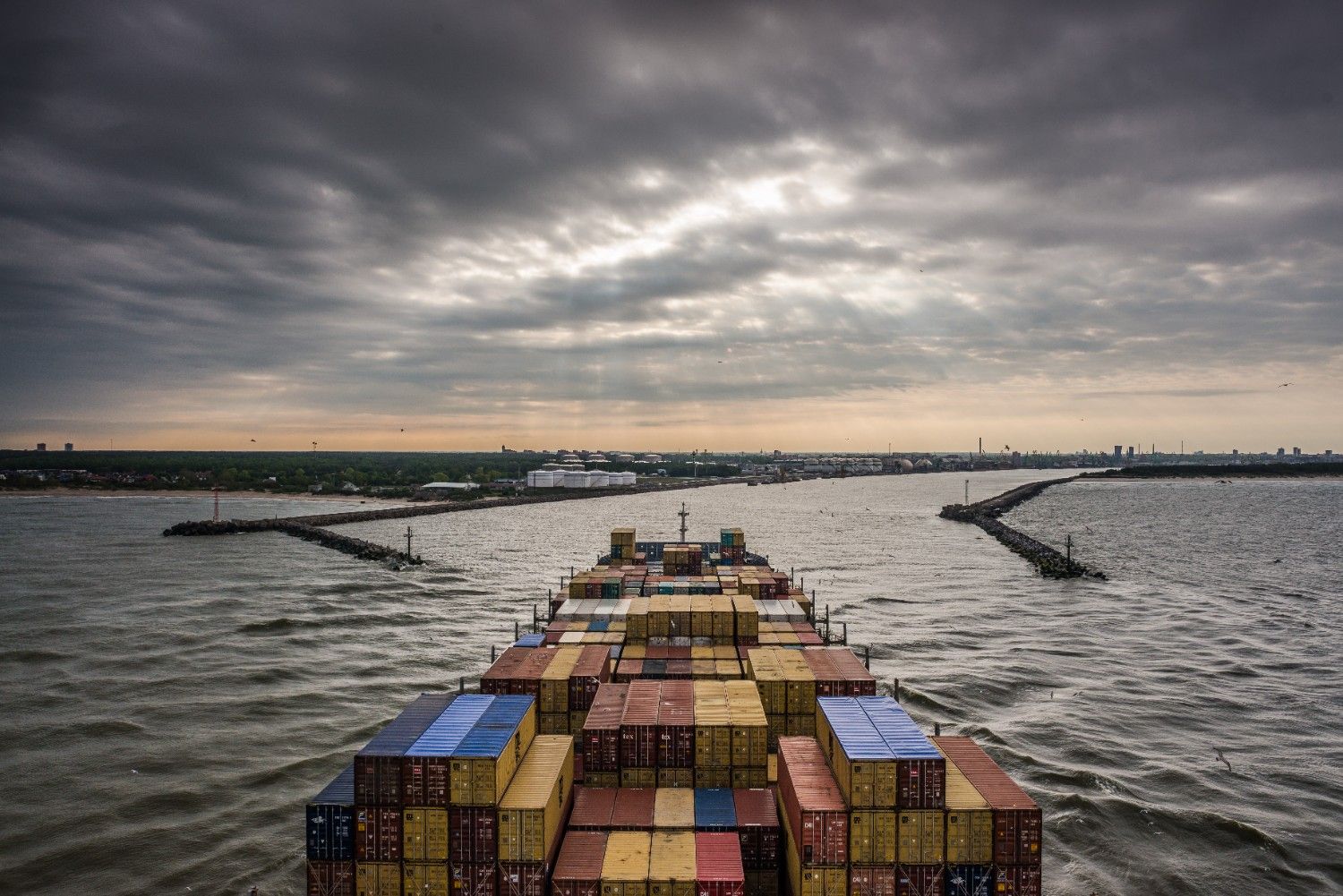
Klaipėda Port has achieved a record previously reached only at the end of the year – one million TEU containers handled. This result not only demonstrates the port’s capacity but also underscores Klaipėda’s role as one of the most important container handling centers in the Baltic Sea.

“Reaching the one-million-container mark for the fourth year in a row shows that Klaipėda Port is a strong and reliable player in the container market. One million isn’t the limit — the numbers keep growing every year. Such results come from teamwork and smart decisions, when good infrastructure meets professional operations. When the Port Authority creates the right conditions for business and stevedoring companies do their work with quality and precision, the outcome speaks for itself,” says Klaipėda Port Authority’s CEO, Algis Latakas.

This year, the one-million TEU handling mark was reached earlier than ever before – at the beginning of October. Last year, the milestone was reached in mid-December, and in 2023 and 2022 – just a few days before the end of the year.

The completion of the navigation channel deepening project two years ago opened up opportunities to receive larger, more fully loaded vessels – or to load them more efficiently. Other recently implemented projects have also contributed to positive handling numbers by ensuring smoother navigation and planning processes, even under unfavorable weather conditions. Prompt and efficient services provided by the Port Authority and stevedoring companies are a key advantage encouraging carriers to route their cargo through Klaipėda.

It is projected that by the end of this year, approximately 1.3 million TEU containers will be handled at the port. Last year, Klaipėda Port handled 1,068,771 TEU containers, and in 2023 – 1,050,804.

Davies Turner renews alliance with project44 to improve shipment visibility and drive innovation

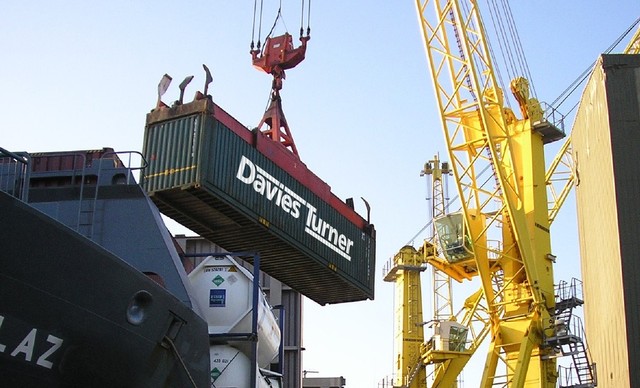
COLESHILL: Davies Turner, one of the UK’s longest-established independent freight and logistics companies, has renewed its partnership with project44, a global leader in supply chain visibility, for an additional three years. 

This continued collaboration reinforces Davies Turner’s commitment to delivering best-in-class cargo tracking solutions across the company’s logistics operations.

Tony Cole, ocean director at Davies Turner said: ”Since the partnership began in 2022, project44 has played a pivotal role in enhancing Davies Turner’s ocean freight tracking capabilities, providing real-time updates from origin port to destination port. 

“Over the past three years, this technology has enabled tracking for many thousands of containers handled by Davies Turner, significantly improving shipment visibility and operational efficiency throughout the supply chains we manage.”

The integration of project44’s platform has become a cornerstone of Davies Turner’s logistics infrastructure. It supports internal systems and external platforms such as FMS (Freight Management System) and P2D (Purchase to Delivery), ensuring seamless data flow and improved decision making for the company’s teams and customers alike.

Cole continued: “Looking ahead, we are excited to continue building on this relationship, exploring new enhancements and capabilities that will further elevate our service offering. 

“As technology evolves, so too will our commitment to providing the most accurate, timely, and actionable tracking data available.”

OrbitMI, Gale Force, and Theyr release “The Connected Maritime Era: A Conversation on Trust, AI and Partnership”

NEW YORK: OrbitMI, together with Gale Force and Theyr, announced the publication of “The Connected Maritime Era: A Conversation on Trust, AI and Partnership”, a paper that explores how human judgment, artificial intelligence, and partnership intersect to define the next phase of maritime innovation. The document captures a conversation among leaders from all three companies, highlighting how collaboration and connected insight are transforming the way maritime organizations deliver value to their customers. 

“In The Connected Maritime Era, connection is about more than systems integration—it is the shared flow of insight among people, partners, and technology working toward a common purpose,” said Alexander Lapointe, Chief Product and Technology Officer at OrbitMI. “Artificial intelligence strengthens that flow by amplifying human expertise and enabling faster, more confident decisions.” 

Tom Sandberg, CEO of Gale Force, recently acquired by OrbitMI, added, “Partnership, too, takes on new meaning in this era: rather than a document that companies sign, it is a process of collaboration and co-creation, grounded in listening to the same customers we collectively serve. The more we connect our experience, our tools, and our data, the more value we create for those customers.” 

Peter Mantel, Chief Commercial Officer of Theyr, emphasized that connection is both a technical and human achievement. “Explainable AI for Maritime (XAIM) shows how understanding can move through an entire ecosystem—from algorithms to captains, from partners to customers. That transparency builds confidence and makes every decision part of a continuous learning process.” 

Together, the three executives illustrate how companies across the maritime sector are linking people, AI, and partners into a unified network of insight—one that extends beyond integration to deliver ongoing improvement in fuel efficiency, compliance, and operational performance.  You can access the paper here http://bit.ly/3IOufJR

ClassNK grants Innovation Endorsement for Products & Solutions to ‘Dynamic UKC System (DUKC®)’ developed by OMC International

TOKYO: ClassNK has granted its Innovation Endorsement for Products & Solutions to a Keel Clearance (UKC) predictive port management system ‘Dynamic UKC System (DUKC®)’ developed by OMC International.

In order to promote the spread and development of innovative technologies, ClassNK has offered Innovation Endorsement for Products & Solutions. ClassNK supports the deployment of products and services through third-party certification for equipment and software technology with innovative functions. The detailed information is available on the following page of ClassNK website: 
https://www.classnk.or.jp/hp/en/activities/techservices/dgd2030/iea/index.html 
 

  • Product name: 
    Dynamic UKC System (DUKC®) 
  • Scope of Certification:  
    1. Calculates the maximum safe sailing draft for a vessel based on its dynamic under keel clearance requirements specific to its transit  
    2. Calculates the earliest and latest times for which a vessel’s transit can safely commence (sailing window) based on its dynamic under keel clearance requirements 
    3. Increases cargo volume at ports  
    4. Calculates the depth required at every location along a channel to ensure safe navigation 
    5. Calculates the required under keel clearance that a vessel requires for a specific transit based on the prevailing environmental conditions 

Detailed information on each product and solution is available on the following page. 
https://omcinternational.com/products/dukc/ 

OMC International Website URL
https://omcinternational.com/

“India Maritime Week 2025 to unveil Roadmap for Nation’s Global Maritime Leadership Ambitions”: Sarbananda Sonowal

MUMBAI : The Union Minister of Ports, Shipping & Waterways (MoPSW), Sarbananda Sonowal was joined by the Chief Minister of Maharashtra, Devendra Fadnavis; the Deputy Chief Minister of Maharashtra, Ajit Pawar along with the Minister of Ports Development of Maharashtra, Nitesh Narayan Rane to review preparation of the upcoming India Maritime Week, 2025 to be held in at Bombay Exhibition Centre in the city.

At the high-level review meeting was held at Mantralaya in Mumbai to assess the preparations for the upcoming India Maritime Week (IMW) 2025, Chief Minister Devendra Fadnavis and Union Minister Sarbananda Sonowal, in the presence of Deputy Chief Minister Ajit Pawar and Minister of Ports Development, Maharashtra, Nitesh Narayan Rane, reviewed venue readiness, security, logistics, and stakeholder coordination to ensure seamless execution of the mega maritime event, which is set to position Mumbai as a global hub for maritime innovation, investment, and collaboration. Guidance and inputs were provided to ensure smooth execution of the mega maritime event The Prime Minister Narendra Modi will attend the upcoming ‘India Maritime Week’ where he will deliver the keynote address at the Global Maritime CEO Forum. Senior officials from the Ministry of Ports, Shipping and Waterways and the Government of Maharashtra attended the meeting.

IMW 2025 “India Maritime Week 2025 to unveil Roadmap for Nation’s Global Maritime Leadership Ambitions": Sarbananda Sonowal

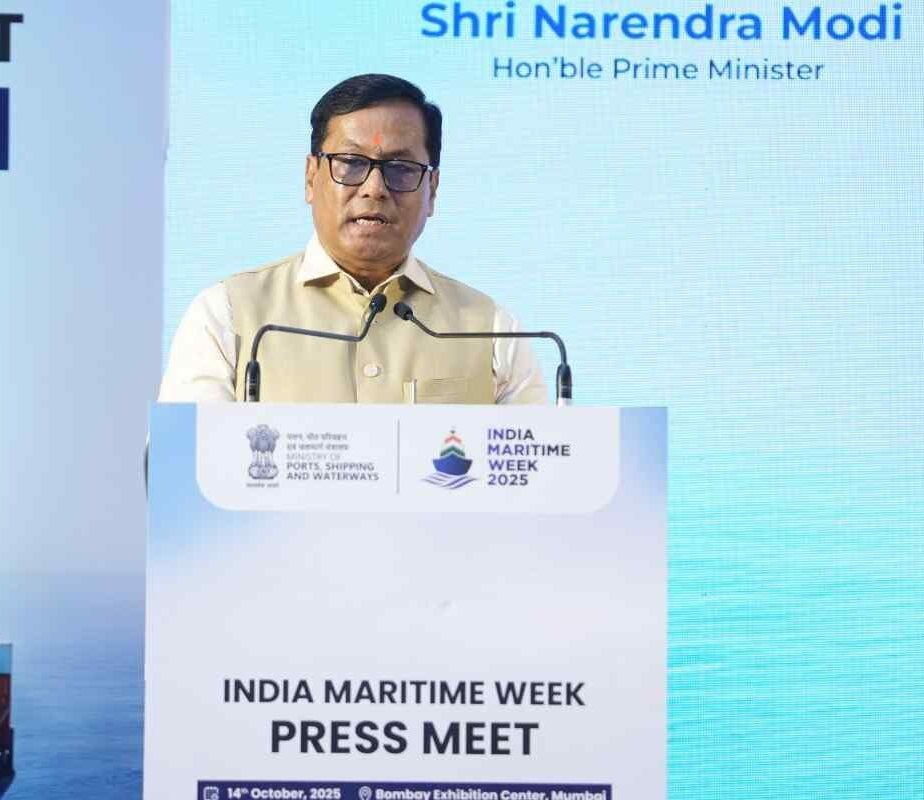
Speaking at a presser at the NESCO Exhibition Centre here today after the review meeting, the Union Minister Sarbananda Sonowal expressed satisfaction and said, “Under the dynamic leadership of PM Shri Narendra Modi ji, we are working to transform our ports, shipping, and logistics ecosystem into one that is resilient, sustainable, and future-ready. This opens vast avenues for international collaboration, including a 1 trillion US dollars maritime investment roadmap. IMW 2025 will be a platform where ideas can translate into projects and commitments into partnerships. India stands ready to collaborate and lead towards a maritime future that is prosperous, sustainable, and inclusive.”

At the presser, the Union Minister outlined the government’s vision for the maritime sector and detailed the strategic objectives of IMW 2025. Sonowal emphasised India’s commitment to strengthening global maritime partnerships, attracting investments, and promoting innovation across the sector.

“India is charting a course toward global leadership in the maritime sector by 2047 with planned investments of ₹8 trillion and the creation of 1.5 crore jobs,” Sarbananda Sonowal said. “Our Maritime Amrit Kaal Vision is anchored in prosperity, sustainability, and pride in our maritime heritage, fully aligned with Prime Minister Narendra Modi’s vision of Viksit Bharat 2047.”

This vision is already translating into results. Cargo movement on inland waterways has grown eightfold since 2014, turnaround time at major ports has reduced by 60%, and more than ₹5.5 lakh crore worth of Sagarmala projects are reshaping coastal logistics. India now supplies 12% of the world’s seafarers, reflecting both its scale and maritime skill leadership. With all 12 major ports set to achieve full carbon neutrality by 2047 and green energy transition targets for 2035 already underway, the focus is shifting toward a sustainable and technology-driven maritime future.

Sarbananda Sonowal highlighted that India Maritime Week (IMW), 2025 is set to draw participation from over 100,000 delegates and 500 exhibitors representing more than 100 countries. “Ministerial delegations from Singapore, the UAE, South Korea, Japan, and Denmark will attend the event, alongside key international organisations such as the International Maritime Organization (IMO) and UNESCAP,” said Sarbananda Sonowal. Leading Indian states — Maharashtra, Gujarat, Kerala, and Tamil Nadu — along with major industry players including Adani Ports and Logistics, Cochin Shipyard, and Paradip Port Authority are also set to take part.

India Maritime Week 2025, the flagship event of the Ministry of Ports, Shipping and Waterways, serves as a dynamic platform to showcase the latest advancements in maritime technology, port development, logistics, and sustainability. The summit aims to foster collaboration, drive innovation, and strengthen international partnerships to shape the future of India’s maritime sector and its role in global trade and blue economy growth. IMW 2025 is expected to reinforce India’s position as a key player in the global maritime ecosystem while supporting national priorities under the Maritime India Vision 2030 and the Amrit Kaal Maritime Vision 2047.

India targeting Rs 80-lakh crore investment and 1.5 crore maritime jobs by 2047: Sarbananda Sonowal

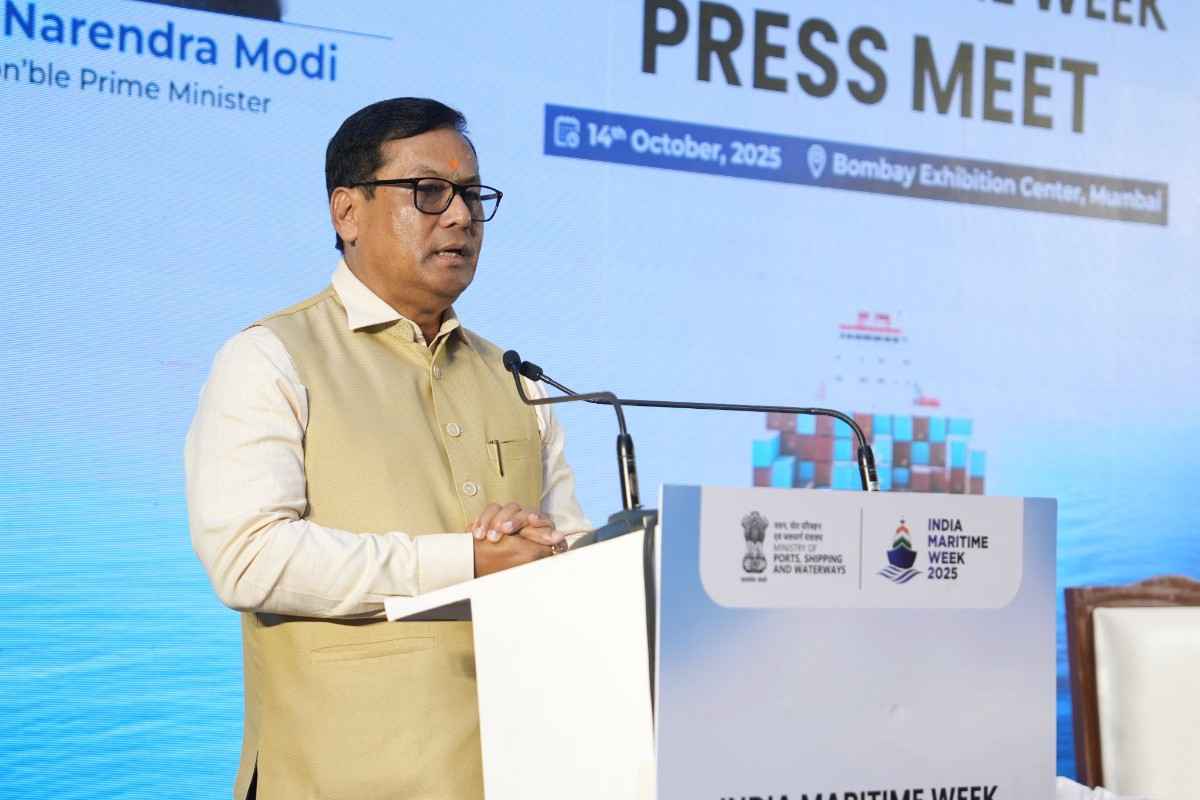
MUMBAI : “India is targeting global leadership in the maritime sector by 2047, with planned investments worth Rs 80-lakh crore, creation of 1.5 crore jobs,” said Shri Sarbananda Sonowal, Union Minister for Ports, Shipping and Waterways, on Tuesday.

“The government has given a strong push for green shipping as part of the Maritime Amrit Kaal Vision. India’s maritime growth is anchored on prosperity, sustainability, and pride in heritage, aligned with Prime Minister Shri Narendra Modi’s vision of Viksit Bharat 2047,” Sonowal told reporters here in the run-up to the India Maritime Week, scheduled from October 27 to 31, at the Nesco Exhibition Centre at Goregaon in Mumbai.

The Ministry of Ports, Shipping and Waterways, in collaboration with the Indian Ports Association and other stakeholders, are hosting the mega event. Sonowal spoke of India’s commitment to strengthening global maritime partnerships, attracting investments, and promoting innovation across the sector.

“This vision is already translating into results. Cargo movement on inland waterways has grown eightfold since 2014, turnaround time at major ports has reduced by 60%, and more than Rs 5.5 lakh crore worth of Sagarmala projects are reshaping coastal logistics. India now supplies 12% of the world’s seafarers, reflecting both its scale and maritime skill leadership,” he said.

“With all 12 major ports set to achieve full carbon neutrality by 2047 and green energy transition targets for 2035 already underway, the focus is shifting toward a sustainable and technology-driven maritime future,” the Minister noted.

Sonowal noted that IMW 2025 would witness participation of over 1 lakh delegates and 500 exhibitors from more than 100 countries, including ministerial delegations from Singapore, the UAE, South Korea, Japan, and Denmark.

Key international organisations such as the International Maritime Organization (IMO) and UNESCAP, leading Indian States like Maharashtra, Gujarat, Kerala, and Tamil Nadu, and major industry players, including Adani Ports and Logistics, Cochin Shipyard, and Paradip Port Authority, are also expected to participate.

PM Modi welcomes the launch of the Google AI Hub in Visakhapatnam

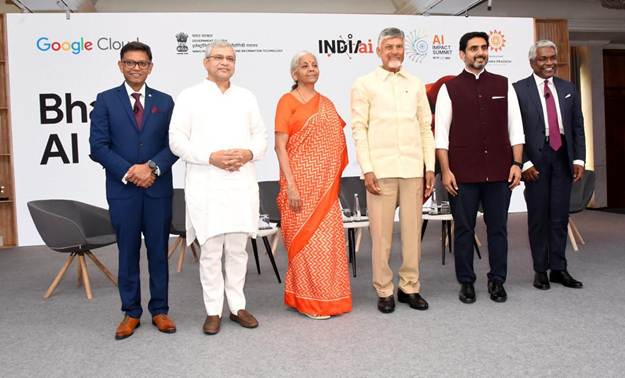
VISAKHAPATNAM : Prime Minister Shri Narendra Modi has expressed his delight on the launch of Google AI Hub in the dynamic city of Visakhapatnam, Andhra Pradesh. Shri Modi stated that this multi-faceted investment that includes gigawatt-scale data center infrastructure, aligns with our vision to build a Viksit Bharat. “It will be a powerful force in democratizing technology. It will also ensure AI for All, delivering cutting-edge tools to our citizens, boosting our digital economy and securing India’s place as a global technology leader!”, Shri Modi added.

The Prime Minister posted on X: “Delighted by the launch of the Google AI Hub in the dynamic city of Visakhapatnam, Andhra Pradesh.

This multi-faceted investment that includes gigawatt-scale data center infrastructure, aligns with our vision to build a Viksit Bharat. It will be a powerful force in democratizing technology. It will also ensure AI for All, delivering cutting-edge tools to our citizens, boosting our digital economy and securing India’s place as a global technology leader!”

“Great to speak with India PM Narendra Modi, @OfficialINDIAai to share our plans for the first-ever Google AI hub in Visakhapatnam, a landmark development. This hub combines gigawatt-scale compute capacity, a new international subsea gateway, and large-scale energy infrastructure. Through it we will bring our industry-leading technology to enterprises and users in India, accelerating AI innovation and driving growth across the country“, said Sundar Pichai, CEO of Google and Alphabet.