Home Blog Page 622

Trade Tech named official service provider for UAE’s Maritime Pre-Load Cargo Information (MPCI) Program

SEATTLE/DUBAI: Trade Tech, Inc., a global logistics platform, has been named an official service provider for the United Arab Emirates’ Maritime Pre-Load Cargo Information (MPCI) Program, which went into effect in August 2025. The program, managed by the UAE’s National Advance Information Center (NAIC) under the Federal Authority of Identity, Citizenship, Customs, and Ports Security (ICP), mandates the electronic submission of containerized cargo information at least 24 hours prior to cargo loading from the port of loading outside the UAE.

Trade Tech is recognized globally as a leader in electronic cargo security filings, supporting pre-departure cargo security filing compliance across more than 37 countries. This includes the United States (AMS), the European Union (ICS2 ENS), Canada, Mexico, Japan, and others. This experience positions the company to bring critical knowledge, infrastructure, and operational readiness to MPCI compliance.

“We are pleased to be named an official service provider for the UAE’s MPCI program,” said Bryn Heimbeck, President and Co-Founder of Trade Tech. “We are applying the same compliance standards and platform capabilities that have enabled our customers to meet evolving regulatory demands in the EU, the United States, Asia, and beyond.”

Trade Tech has begun onboarding customers for MPCI compliance and is working closely with shipping lines, freight forwarders, and other filing parties to ensure smooth implementation. The company’s cloud-based platform is designed to integrate filing processes into existing workflows, reducing manual steps and helping stakeholders meet regulatory timelines.

Key Requirements of the UAE’s MPCI Program:

  • Advanced cargo data must be submitted at least 24 hours before loading from the port of loading outside the UAE
  • Forwarders must clearly identify the actual shipper and consignee in their filings
  • Vessel Operators must verify that forwarders’ filings are approved before loading cargo
  • Filings are required for import, transshipment, transit, and Freight Remaining on Board (FROB) cargo
  • NAIC will issue response statuses: ACT (Accepted), DNL (Do Not Load), RFI (Request for Information)

“Our priority is ensuring that our customers are fully prepared and compliant with the requirements,” Heimbeck added. “With our proven track record in global cargo security filings, Trade Tech will enable accurate, timely, and compliant submissions for all parties involved. This is just the latest 24-Hour Rule in the global shipping market, there will be more. It is time for the industry to ask themselves: if the customers are demanding visibility and data is difficult to get from origin, why aren’t they using these security compliance requirements to solve the data visibility issue?”

Trade Tech’s Syrinx Trade Security platform is used by leading global logistics providers, NVOCCs, carriers, and shippers to meet government filing requirements across multiple jurisdictions. As the MPCI program introduces new pre-departure filing requirements in the region, the company is offering training, technical support, and automation tools to help customers adapt quickly and confidently.

Trade Tech customers can choose from a range of filing options designed to suit both high-volume users and those with more limited requirements. Services include full EDI integration, as well as the option for Trade Tech to manage the entire filing process on the customer’s behalf.

About Trade Tech

Since 1997, Trade Tech, Inc. has provided global logistics solutions that connect shippers, importers, Customs House Brokers, NVOCCs, carriers, global logistics providers, truckers, and warehouses. The company enables full visibility across the supply chain. With its multi-tenant, cloud-based platform, Trade Tech enhances connectivity, reduces operational costs, and minimizes errors for clients worldwide, without the need for software downloads.
Anglo-Eastern launches SAPS: Next-generation digital service to tackle decarbonisation, optimise fleet performance, and cut fuel costs

HONG KONG: Anglo-Eastern Univan Group (“Anglo-Eastern”), a global leader in independent ship management, has officially launched its innovative Sustainability and Performance Services (SAPS), a digital solution built to help charterers and commercial operators navigate the complexities of maritime decarbonisation, and transform vessel performance through intelligent data-driven insights. This new service marks a significant step forward in Anglo-Eastern’s dedication to leveraging technology for operational excellence, fuel efficiency, and maritime sustainability, while easing regulatory pressure and saving fuel costs.

SAPS integrates artificial intelligence with real-time vessel and voyage data to provide data-driven intelligence to optimise fuel consumption, improve route planning, and ensure compliance with evolving environmental regulations. The comprehensive platform is a direct response to the industry’s most pressing challenges, offering a powerful tool to manage the requirements of the EU Emissions Trading System (EU ETS), FuelEU, Carbon Intensity Indicator (CII) and other global and local regulations. It comprises seven key service categories encompassing crew training and empowerment, vessel performance monitoring, vessel inspection and optimisation, AI-enabled vessel performance forecasting, charter-specific performance contracts, paint performance and advisory, and environmental and compliance audit services.

Niraj Nanda, Chief Commercial Officer at Anglo-Eastern, remarked on the new offering, “SAPS exemplifies Anglo-Eastern’s dedication to innovation and sustainable shipping. By harnessing cutting-edge technology, we help our clients significantly reduce fuel consumption – one of the largest operational expenses – while navigating the growing complexity and cost of compliance. With regulatory requirements evolving rapidly, the cost of staying compliant now often exceeds fuel costs themselves. SAPS provides the intelligence and tools needed to manage both efficiently.”

Swapnodeep Mondal, Group Managing Director of Operations and Shared Services at Anglo-Eastern, highlighted, “This marks a significant step forward. SAPS is more than a service offering; it’s a holistic platform that brings together the deep expertise of our sustainability and performance teams with intelligent technology. This enables us to support our full base of clients and their charter parties with tailored insights and hands-on guidance that drive meaningful operational outcomes.

SAPS has already been rigorously tested across the Anglo-Eastern’s managed fleet. From 2023 to 2025, the underlying systems monitored over 800 vessels across nearly 46,000 voyages, with over 4,300 crew members trained for vessels optimisation, and over 739,000 performance reports analysed, achieving a reduction of over 700,000 MT in CO₂ emissions and over 225,000 MT in fuel usage. This has translated into cost savings of approx. USD 135 million. 

The SAPS platform’s intelligent analytics empower fleet managers and crews to make informed decisions that reduce costs, enhance safety, and minimise the carbon footprint of maritime operations. Key benefits of the platform include:

  • Real-time voyage optimisation based on weather, vessel performance, and operational constraints.
  • Predictive fuel consumption modelling with scenario-based recommendations.
  • Seamless regulatory compliance management for international maritime standards.
  • User-friendly dashboards enhancing communication between onboard and shoreside teams

Vipin Achan, Head of Performance at Anglo-Eastern, affirmed the significance of SAPS, “From first mile to last tonne – we make performance more than a metric, but a habit that cultivates operational excellence.”

As a subscription-based service, Anglo-Eastern’s SAPS further strengthens its position at the forefront of digital transformation in ship management, supporting owners, charterers, and operators in meeting both commercial goals and environmental responsibilities.

To learn more about SAPS, visit Sustainability and Performance Services (SAPS) | Anglo-Eastern

ABB’s automation and electrification technology to support floating green ammonia production vessel

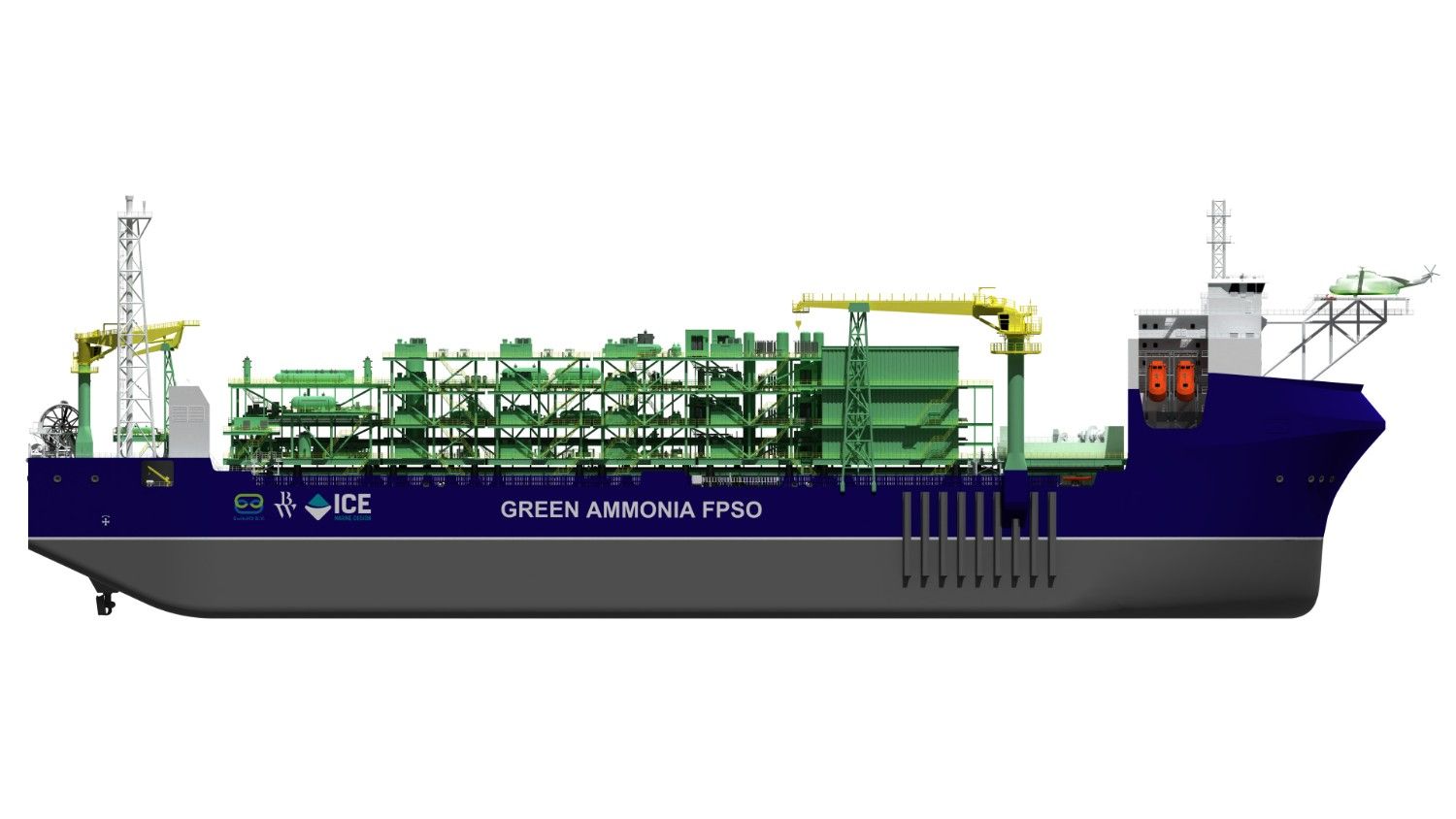
COPENHAGEN : ABB has signed a term sheet agreement with SwitcH2 to engineer and supply automation and electrification solutions for SwitcH2’s floating production, storage and offloading (FPSO) unit dedicated to producing green ammonia from green hydrogen, to support future demand for low-carbon marine fuels.

The FPSO facility will be stationed off the coast of Portugal and powered by certified renewable electricity from the national grid under a Power Purchase Agreements. It will feature a 300 MW electrolyzer with the potential to produce up to 243,000 tonnes of green ammonia annually. 

As part of the term sheet agreement, ABB intends to deliver a prefabricated eHouse, electrical distribution systems and ABB Ability™ System 800xA® Integrated Control and Safety System (ICSS) with full cyber security integration. These modular, ready-to-deploy systems will help ensure safe, efficient and reliable operations offshore. ABB’s solutions will fully integrate with third-party equipment, including electrolyzers and ammonia synthesis units.

“This collaboration represents a key step in advancing offshore production capabilities for next-generation marine fuels,” said Saskia Kunst, CEO of SwitcH2. “By integrating ABB’s advanced electrification and automation systems, we are demonstrating how technology-driven partnerships can accelerate innovation, shaping the future of energy at sea.”

The FPSO will utilize treated seawater and use electrolysis to produce green hydrogen. This hydrogen will be combined with nitrogen extracted from the air to create green ammonia. Once synthesized, the ammonia will be condensed and stored onboard. It will then be transferred to carrier ships via a floating hose system for transport to ports where it can be used as a marine fuel or cracked back to hydrogen for industrial use. 

Green ammonia is emerging as a scalable solution for decarbonizing hard-to-abate sectors such as shipping, which contributes approximately two percent of global greenhouse gas emissions1.

“As with other hard-to-abate industries, we are committed to helping the marine sector operate leaner and cleaner. Our leading technologies in automation and electrification will enable this project to run with greater efficiently,”
said Per Erik Holsten, President of ABB’s Energy Industries division. “Green ammonia offers a technically viable method for decarbonizing marine transport, and this FPSO concept showcases how renewable energy can be leveraged to unlock low carbon energy value chains.” 

Front-end engineering and design (FEED) work is expected to run until summer 2026, with a Final Investment Decision (FID) due by the third quarter of 2026. Detailed engineering and construction will then follow in 2027. 

1https://www.iea.org/energy-system/transport/international-shipping

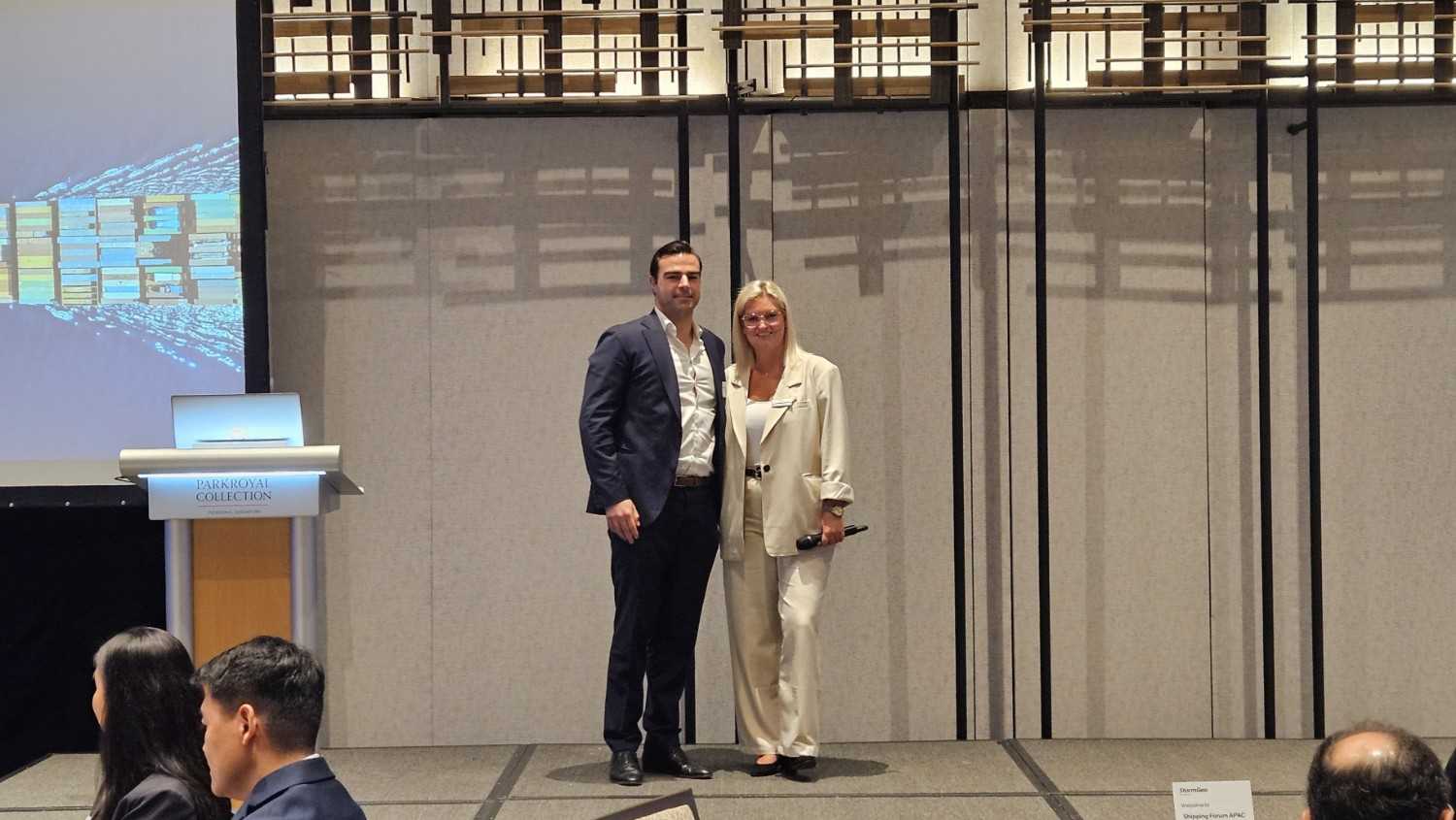
StormGeo enhances Bunker Management Platform with Imarex Traffic Light Integration

OSLO: StormGeo, a global leader in weather intelligence and decision support solutions, announced today that it has strengthened its s-Insight Bunker Management platform through the integration of Imarex Technology’s Traffic Light System, offering shipping companies a fully integrated solution for optimizing bunker procurement decisions.

StormGeo’s Bunker Management solution already supports the full bunker lifecycle – from planning and optimization to RFQ handling, documentation, and claims. By embedding Imarex’s predictive Traffic Light signals, users will now gain an added layer of market timing intelligence directly within the same workflow.

“This integration makes StormGeo’s Bunker Management the most comprehensive bunker decision-support tool on the market,” said Julie Nielsen, Global Head of Bunker Sales at StormGeo. “Our platform already tells operators where and what to bunker; with Imarex’s proven forecasting, we can now also tell them when. This creates a unique end-to-end capability that improves efficiency, transparency, and cost savings.”

The Imarex Traffic Light System has been in development since 2018, focusing on helping shipowners make more accurate procurement decisions. The tool has lifted decision accuracy above 60% compared to market averages, and in 2025 has delivered average client savings of more than USD 7 per metric ton. Its KPI application also records the outcome of every procurement decision, supporting sharper processes and accountability.

For StormGeo, integrating these signals directly into Bunker Management strengthens its value as the central platform for bunker procurement, route planning, and compliance.

“We are delighted to partner with StormGeo and integrate the Traffic Light System into their platform,” said Lars Christian Jacobsen, COO of Imarex Technology. “This collaboration brings our proven market-timing capabilities into a broader operational context, ensuring that procurement teams can act with both confidence and transparency. Together, we give shipowners a powerful tool to reduce costs, streamline procurement, and improve earnings.”

This move comes at a time when rising fuel costs and new environmental regulations are forcing owners to rethink bunker strategies. With demand for greater transparency and efficiency across the value chain, the StormGeo-Imarex collaboration is likely to draw attention from procurement teams and fleet managers seeking an edge in volatile markets.

About StormGeo

StormGeo is a leading technology provider enabling weather-sensitive companies to navigate operational challenges in dynamic environments and volatile markets. With nature and weather intelligence at its core, StormGeo’s technological innovations and human expertise transform data into actions that safeguard people, industries, and nature for a sustainable future. With a global presence and 24/7/365 operations, StormGeo’s industry experts, analysts, and technologists offer timely and actionable insight that empowers our clients’ decision-making. StormGeo is part of Alfa Laval.

About Imarex Technology

Imarex develops predictive systems designed to improve and measure decision-making. Since 2018, the company has delivered solutions that help clients make more accurate, repeatable decisions by reducing exposure to market volatility and supporting processes with advanced forecasting tools. Today, Imarex systems generate more than 5,000 forecasts daily across shipping, aviation, aquaculture, environmental, and forex markets. Its growing client base includes more than 50% publicly listed companies on several international exchanges. With deep industry experience and modern technology, Imarex focuses on delivering consistent improvements in user-friendliness, efficiency, and measurable value creation for customers.

Oil PSU JVs to build 112 vessels, save $350 billion forex by 2047 : Sarbananda Sonowal

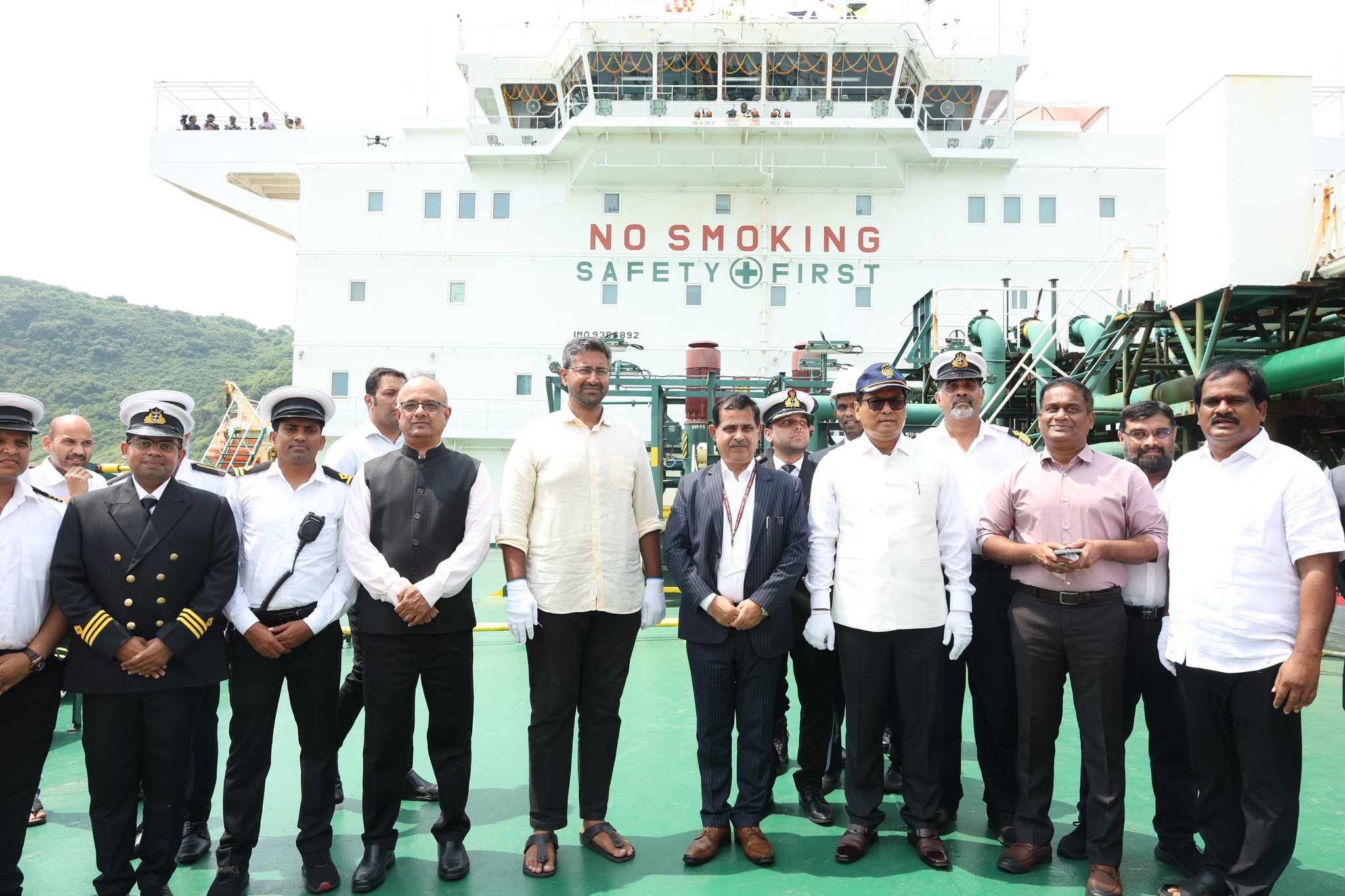
VISAKHAPATNAM : The Union Minister of Ports, Shipping and Waterways, Shri Sarbananda Sonowal outlined how the milestone aligns with the government’s larger strategy for maritime expansion and energy resilience. SCI’s ongoing collaborations with Oil and Steel PSUs, under the guidance of the Ministries of Ports, Shipping & Waterways (MoPSW) and Petroleum & Natural Gas (MoPNG), are paving the way for a new era of Indian-owned and Indian-flagged vessels.

“SCI is currently working with Oil PSUs to aggregate demand for 112 vessels and form a joint venture (JV) for long-term fleet augmentation. The initiative is expected to contribute to the nation’s efforts to save $75 billion (₹6 trillion) in foreign exchange paid annually towards freight charges to foreign shipping lines:” confirmed Shri Sarbananda Sonowal. Similarly, SCI’s partnership with Steel PSUs aims to strengthen the dry bulk segment, while its plan to establish the Bharat Container Shipping Line (BCSL) will boost India’s footprint in container shipping — enhancing EXIM efficiency and competitiveness.

“These initiatives not only reinforce India’s energy security and maritime capacity but also boost domestic shipbuilding, repair, and ancillary industries,” He added. “They will create high-quality employment and position India as a maritime power with resilience, innovation, and pride.

In addition, a Maritime Development Fund (MDF) worth ₹25,000 crore — comprising a ₹20,000 crore investment fund and a ₹5,000 crore interest incentivisation fund — has been established to enable long-term financing and strengthen the industry’s global competitiveness. The Shipbuilding Development Scheme (SbDS), with an outlay of ₹19,989 crore, aims to expand India’s domestic shipbuilding capacity to 4.5 million gross tonnage annually, boosting employment and skill development.

Shri Sonowal said these measures, coupled with infrastructure status for large vessels, customs duty exemptions for shipbuilding components, and reforms such as the extension of the tonnage tax regime to inland vessels, are “laying the foundation of a globally competitive maritime ecosystem.

India’s exports have risen by 4 to 5 per cent in first half of this year: Commerce Minister

DOHA (QATAR): Union Commerce and Industry Minister Shri Piyush Goyal on Tuesday said that India’s exports have grown by 4 to 5 per cent in the first six months of the year, despite global economic challenges.

In an interview with ANI during his Qatar visit, Goyal said, “India is an emerging economic power in the world. Despite global turmoil, Indian exports have risen by 4-5 per cent in the first six months of this year. This indicates that India is emerging as a leader.”

He also congratulated Prime Minister Shri Narendra Modi on completing 25 years in public service, stating, “I congratulate PM Modi on entering his 25th year of public service. Under his leadership, the country is witnessing inclusive development.”

On India-Qatar relations, the minister highlighted deepening economic ties and growing trade cooperation.

“Qatar-India relations have improved a lot. This year will prove to be a milestone in India-Qatar relations and increasing trade. We are thinking of working towards an FTA. We have signed the biggest LNG contract with Qatar,” he said.

Earlier on August 29, Goyal had stated that despite tariffs, India’s exports this year will be more than last year.

The Minister had said, “If any country wants to enter into a free trade agreement with us, we are always ready. But I believe that any form of discrimination affects the self-confidence and self-respect of India’s 1.4 billion citizens. Keeping that in mind, we will neither bow down nor ever appear weak. Together, we will continue moving forward and capture new markets. I can confidently say that this year our exports will surpass last year’s.”

According to the data of Ministry of Commerce & Industry, in the last fiscal India’s total exports have touched an all-time high of USD 824.9 billion.

This was a growth of 6.01 per cent over USD 778.1 billion of exports in 2023-24, which was a new milestone for India’s exports. The FY 2024-25 exports had exceeded the government’s initial anticipation of USD 800 billion to USD 824.9 billion.

The government has set a target of USD 1 trillion of exports in the current financial year 2025-26.
The data shows that the overall exports stood at USD 68.25 billion in July 2025, marking a growth from the same month of the previous year at USD 65.31 billion.

The cumulative exports (merchandise & services) during April-July 2025 are estimated at USD 277.63 billion, as compared to US$263.83 billion in April-July 2024, an estimated growth of 5.23 per cent.

The cumulative value of merchandise exports during April-July 2025 was USD 149.20 billion, as compared to USD 144.76 billion during April-July 2024, registering a positive growth of 3.07 per cent.

Source: ANI

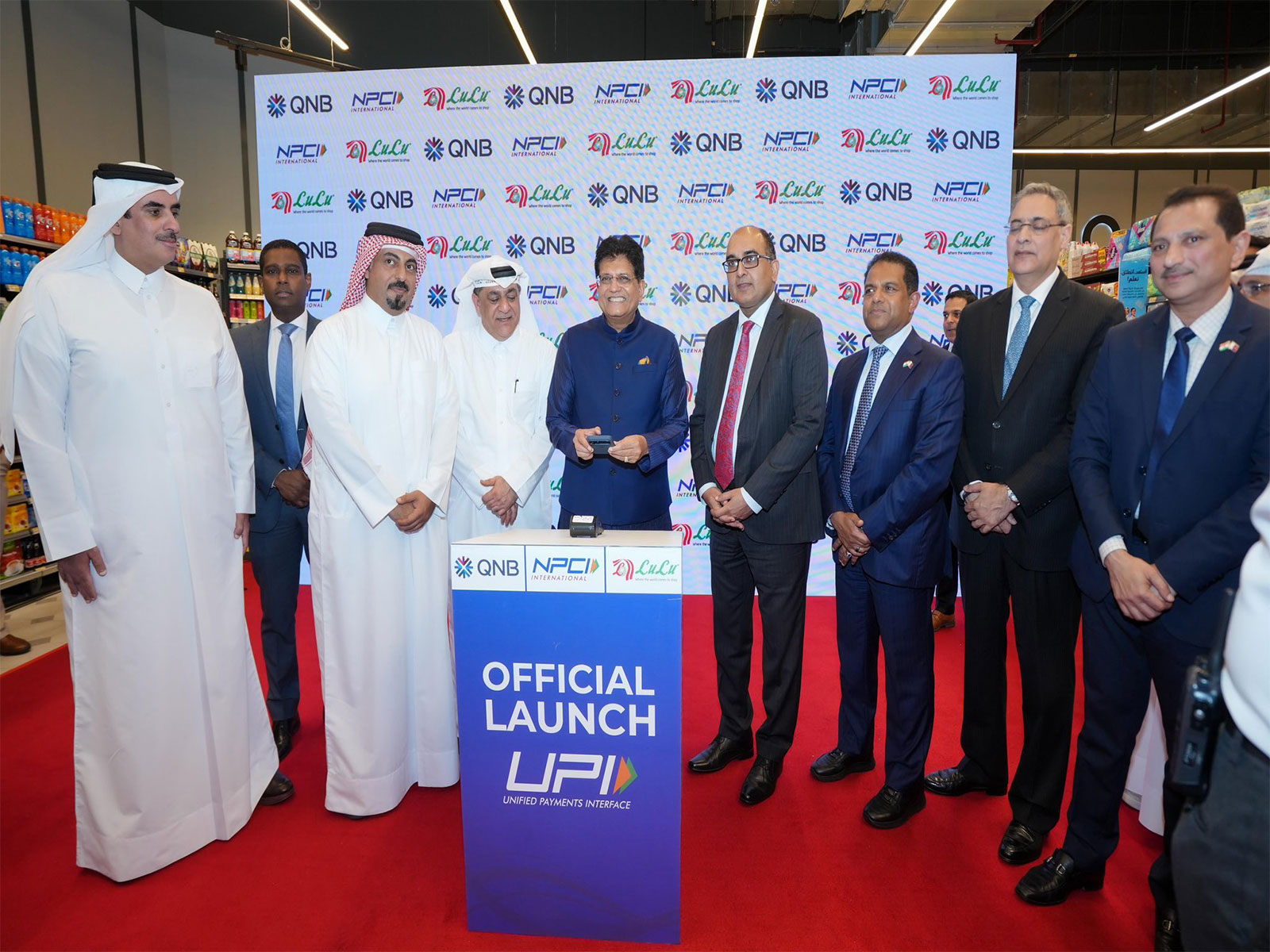
Piyush Goyal launches India’s UPI at Lulu Hypermarket in Qatar

DOHA (QATAR): India’s Unified Payments Interface (UPI) has made its way to Qatar, with Union Minister of Commerce and Industry Shri Piyush Goyal launching Bharat’s own UPI at Lulu Hypermarket in Doha, allowing for seamless and cost-effective transactions between the two countries.

This move is part of India’s effort to expand its digital payment services globally and strengthen financial ties with other nations.

Announcing the launch on X, Piyush Goyal said, “Proud to launch Bharat’s own #UPI at Lulu Hypermarket in Doha, Qatar. This launch is a game-changer for digital connectivity and ease of payments, reflecting India’s commitment to facilitating cross-border commerce and leveraging ‘Digital India’ initiatives.” He added that the system is operational at Qatar National Bank’s point-of-sale (POS) terminals, covering large parts of the Qatari market. According to him, this step will help Indian travellers and strengthen trade and tourism between India and Qatar.

At the event held in Doha, Goyal addressed the gathering at Lulu Mall, calling the launch more than a technological milestone. “I’m very delighted at the opportunity to launch UPI and UPI transactions. It is not just a technology solution or a digital payment solution, but it has the potential to revolutionise trade between Qatar and India. It’s the celebration of India’s technology,” he said.

The minister highlighted that integrating UPI with Qatar’s payment systems will deepen trust between the two countries.

“It’s an opportunity to expand our trust between Qatar and India because as we seamlessly integrate the payment systems of both countries, our people will be able to trade more, trade smarter at lower cost,” Goyal remarked.

NPCI International Payments Ltd (NIPL) collaborated with Qatar National Bank (QNB) and Japanese payments gateway NETSTARS to roll out UPI services in Qatar.

He further explained that the new system would enable the movement of money to be faster, almost in real-time. “The movement of money and capital will be faster, almost real-time, with a very low cost associated with it. It will become the symbol of trust across borders,” he said.

Goyal also reflected on India’s journey with digital payments, noting that UPI has been a success story since its introduction nine years ago.

“UPI was launched nine years ago and is a big success story in India. Eighty-five per cent of India’s digital payments go through UPI, and nearly 50 per cent of global digital payments are now made by UPI, recording about 640 billion transactions on average every day,” he said.

Qatar becomes the eighth country to accept UPI, further expanding India’s international financial footprint.

Source: ANI

JNPA to hold roadshow in Jammu and Kashmir to boost exports : Chairman

MUMBAI : The Jawaharlal Nehru Port Authority (JNPA) will soon conduct a roadshow in Jammu and Kashmir to engage with traders and boost export opportunities from the region, its Chairman Unmesh Sharad Wagh said.

Wagh said that exports and imports from Jammu and Kashmir are facilitated through JNPA, which serves as a gateway for the landlocked region to global trade routes. “We are conducting a roadshow in Jammu and Kashmir in the next two months. We will invite traders involved in imports and exports to explore how JNPA can further support their logistics needs,” he said here.

Highlighting the strong market reputation of Kashmiri products, Wagh said, “Products from Jammu and Kashmir, such as apples, handicrafts, and walnuts, are known for their quality and brand value, and do not require marketing. What we need to address are issues such as logistics costs, cold-chain infrastructure, and transportation connectivity, whether by rail or road. Whatever support is needed, the government and JNPA will provide it.”

Describing JNPA as the maritime gateway for Jammu and Kashmir, he assured full cooperation to businesses from the Union Territory. “I appeal to the people of Jammu and Kashmir, whether involved in fruits, handicrafts, or industrial products, that whatever concessions are legally possible, we will extend them,” he added.

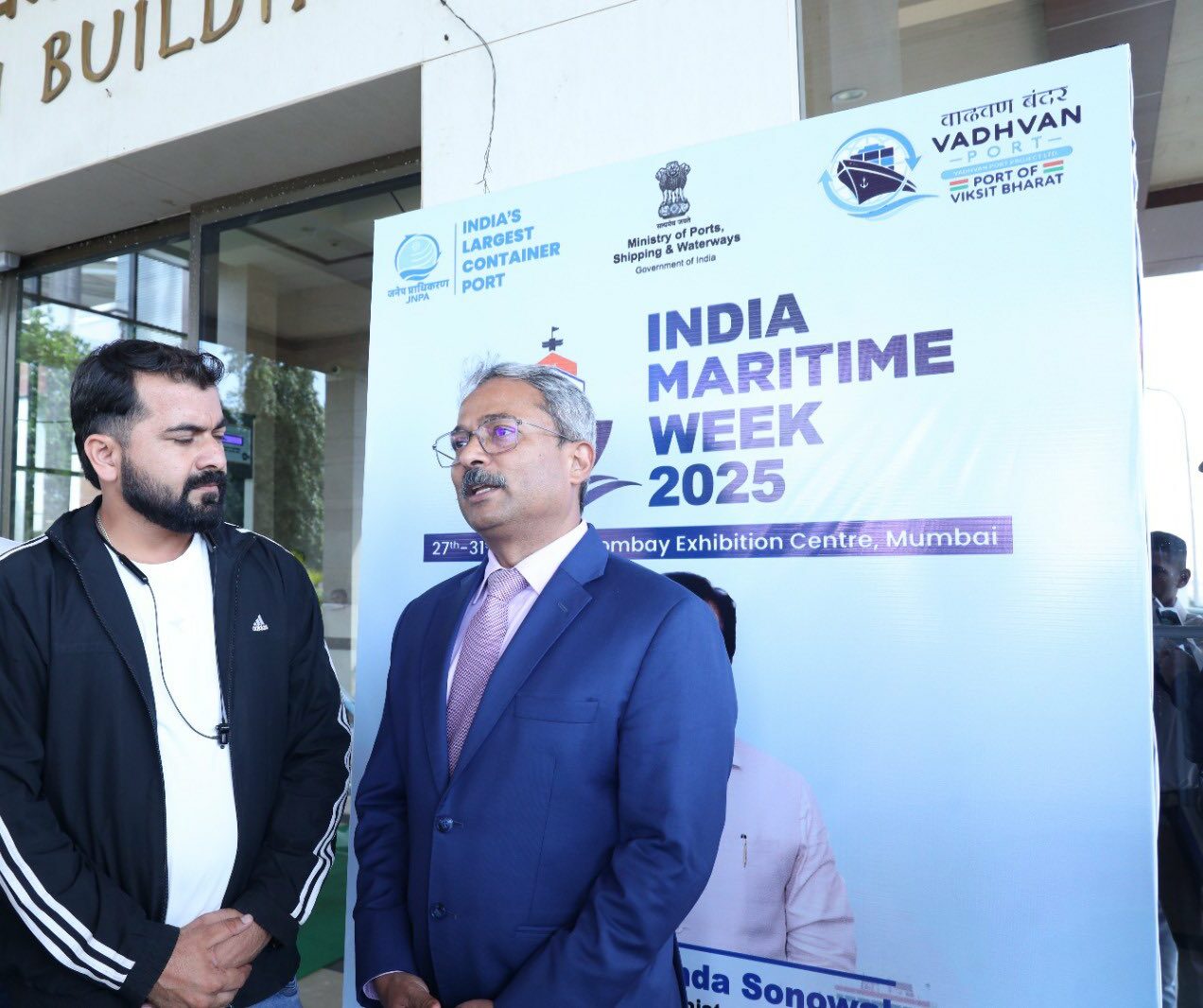
Seeking their participation in the upcoming India Maritime Week in Mumbai from October 27 to 31, Wagh said, “We invite all traders associated with imports and exports to participate in the India Maritime Week.”

The India Maritime Week (IMW) 2025, scheduled to be held in Mumbai from October 27 to 31, will bring together over 100 countries and several ministerial delegations, with a focus on partnerships and generating investment opportunities worth Rs 10 lakh crore in the maritime and allied sectors, he said.
India Maritime Week is a flagship international platform aimed at showcasing India’s maritime growth, strengthening global cooperation, and driving investments in ports, shipping, inland waterways, shipbuilding, and logistics, he added.

The event reflects India’s strategic maritime vision under the Maritime India Vision 2030 and Maritime Amrit Kaal Vision 2047, focusing on sustainability, innovation, and inclusivity. A group of journalists from Jammu and Kashmir also undertook a whirlwind visit to various facilities of the Jawaharlal Nehru Port Authority to understand its operations, infrastructure, digitalisation, and efficient management systems.

Source : PTI

Cabinet approves 4 multitracking projects covering 18 Districts in Maharashtra, Madhya Pradesh, Gujarat, and Chhattisgarh

NEW DELHI : The Cabinet Committee on Economic Affairs, chaired by the Prime Minister Shri Narendra Modi, on Tuesday has approved Four projects of Ministry of Railways with total cost of Rs. 24,634 crore (approx.). These projects include:

Wardha – Bhusawal – 3rd & 4th line – 314 kms (Maharashtra)
Gondia – Dongargarh – 4th line – 84 kms (Maharashtra & Chhattisgarh)
Vadodara – Ratlam – 3rd & 4th line – 259 kms (Gujarat & Madhya Pradesh)
Itarsi – Bhopal – Bina 4th line – 237 kms. (Madhya Pradesh)
The four projects covering 18 Districts across the states of Maharashtra, Madhya Pradesh, Gujarat, and Chhattisgarh will increase the existing network of Indian Railways by about 894 Kms.

The approved multi-tracking project will enhance connectivity to approx. 3,633 villages, which are having a population of about 85.84 lakh and two Aspirational Districts (Vidisha and Rajnandgaon).

The increased line capacity will significantly enhance mobility, resulting in improved operational efficiency and service reliability for Indian Railways. These multi-tracking proposals are poised to streamline operations and alleviate congestion. The projects are in line with the Prime Minister Shri Narendra Modiji’s Vision of a New India which will make people of the region “Atmanirbhar” by way of comprehensive development in the area which will enhance their employment/ self-employment opportunities.

The projects are planned on PM-Gati Shakti National Master Plan with focus on enhancing multi-modal connectivity & logistic efficiency through integrated planning and stakeholder consultations. These projects will provide seamless connectivity for movement of people, goods, and services.

Project section also provides rail connectivity to prominent destinations such as Sanchi, Satpura Tiger Reserve, Rock shelter of Bhimbetka, Hazara falls, Nawegaon National Park etc. attracting tourists from across the country.

This is an essential route for transportation of commodities such as coal, container, cement, fly ash, food grain, steel, etc. The capacity augmentation works will result in additional freight traffic of magnitude 78 MTPA (Million Tonnes Per Annum). The Railways being environment friendly and energy efficient mode of transportation, will help both in achieving climate goals and minimizing logistics cost of the country, reduce oil import (28 Crore Litres) and lower CO2 emissions (139 Crore Kg) which is equivalent to plantation of Six Crore trees.

FM Sitharaman launches foreign currency settlement system at GIFT City, calls for responsible AI-driven fintech growth at GFF 2025

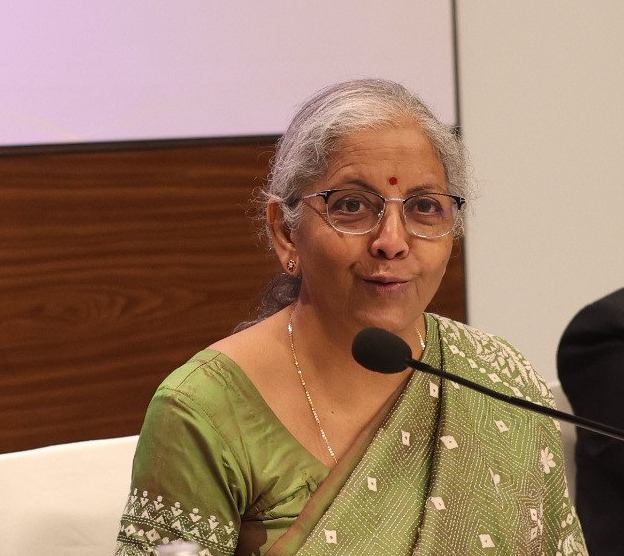
MUMBAI: Union Finance Minister Smt. Nirmala Sitharaman announced the launch of the Foreign Currency Settlement System (FCSS) at Gujarat International Finance Tec-City (GIFT City) on Tuesday.

Speaking at the inaugural speech at Global Fintech Fest (GFF) 2025 in Mumbai, Sitharaman said it is a significant step in India’s journey toward becoming a global financial and fintech hub.

The system will allow real-time settlement of foreign currency transactions within the International Financial Services Centre (IFSC), reducing the existing lag of up to 48 hours, she added.

Sitharaman described the initiative as “a forward-looking step” that places GIFT-IFSC among select financial centres such as Hong Kong, Tokyo, and Manila with localised foreign currency settlement systems.

She said that the new system will enhance liquidity management, improve operational resilience, and ensure compliance under the Payment and Settlement Systems Act.

Sitharaman noted that the launch of the FCSS complements India’s broader mission to strengthen its fintech ecosystem through innovation, regulation, and infrastructure.

“Together, these initiatives illustrate how the Government of India has laid the groundwork for a vibrant, inclusive, and forward-looking fintech ecosystem,” she said.

The FM highlighted the government’s efforts to boost India’s AI talent pool through the “India AI Mission,” positioning the country as a global hub for artificial intelligence-driven innovation.

She stated that India contributes 16 per cent of the global AI talent and ranks among the top three AI talent markets globally. By 2028, AI-enabled Global Capability Centres (GCCs) are expected to contribute 30-35 per cent of India’s AI services revenue, she added.

Delivering four key messages, Sitharaman urged fintech firms to prioritise fundamentals such as profitability, compliance, and innovation. Prioritise safety and trust as fintech revenues globally approach USD1.5 trillion by 2030. Embrace responsible regulation, address financial inclusion gaps for MSMEs, women, and gig workers, and promote green finance for sustainable growth.

Concluding her address, Sitharaman reflected on India’s technological journey, from the first mobile call in 1995 to the present day’s digital revolution, and urged collective action against emerging threats, such as deepfakes and AI-based fraud.

“Our national mission must be to create a system that is not only the most innovative and inclusive but also the most trusted and resilient,” she said.

Source: ANI