Home Blog Page 626

New direct call at Vung Tau, Vietnam on MEX1 Service : CMA CGM

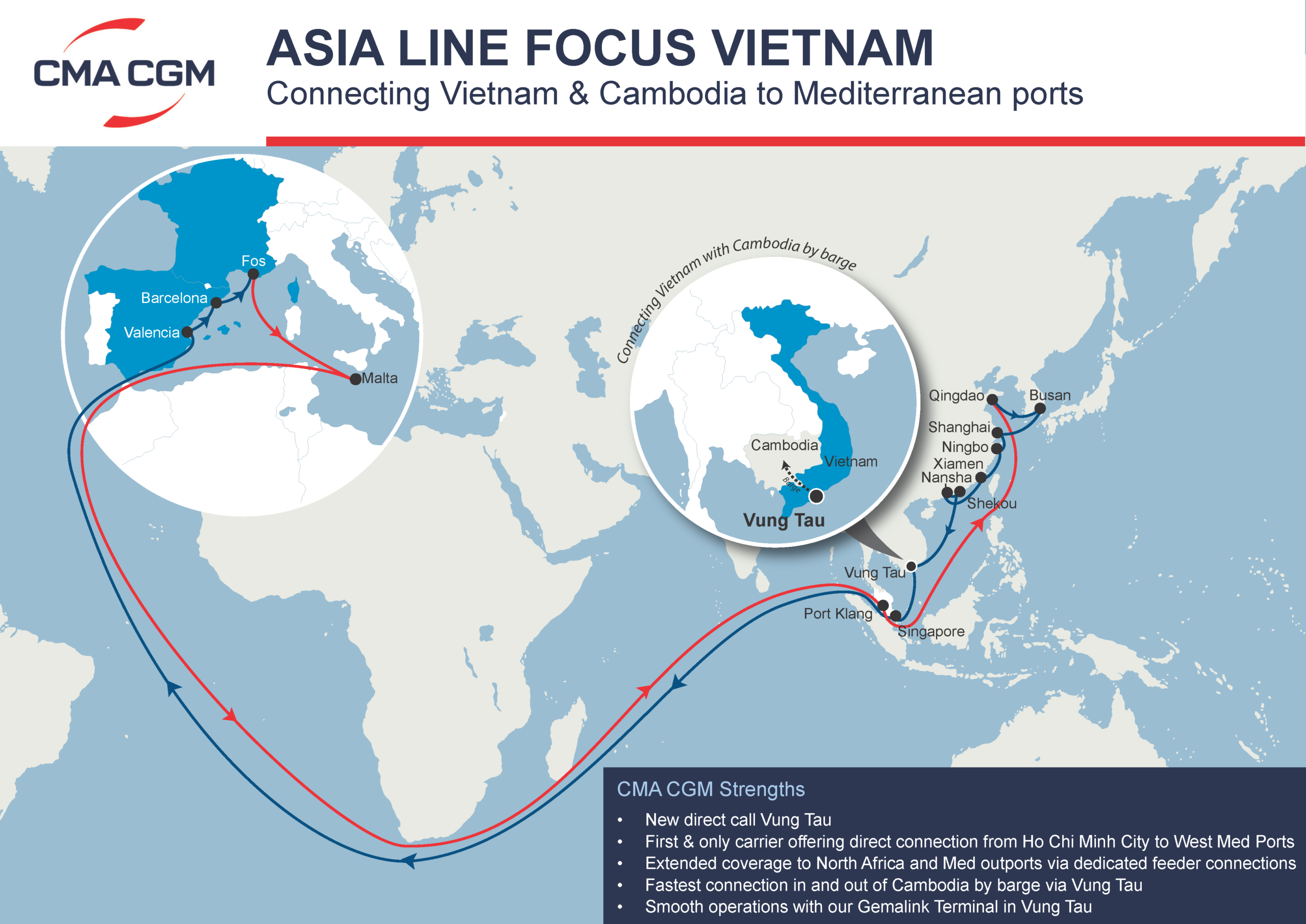
MARSEILLE : CMA CGM are pleased to announce the launch of a new direct call at Vung Tau, Vietnam in their own Gemalink Terminal on the MEX1 Service, providing you with an exclusive and unique solution on the market.

The first Vung Tau call on MEX1 will be operated by m/v “CMA CGM JULES VERNE” voy. 0MEM3W1MA with following schedule:

Vung Tau (ETA 27/10) – Valencia (ETA 25/11) – Barcelona (ETA 28/11) – Fos (ETA 30/11) – Malta (ETA 05/12)

In addition, CMA CGM are enhancing their coverage in Cambodia with a fast barge service from Phnom Penh, offering a competitive transit time to Vung Tau and a seamless integration into the network.

With this new direct call at Vung Tau (VUT), they are the only provider offering this service to the Mediterranean, reinforcing their leadership in the region.

Supported by the barge connection between Phnom Penh and Vung Tau terminal, combined with MEX core loop vessels and strategic terminals in the Mediterranean (Valencia, Fos-sur-Mer, Malta), CMA CGM delivers best-in-class service to their esteemed customers.

IMO supports Pacific One-Maritime Framework to strengthen regional maritime cooperation

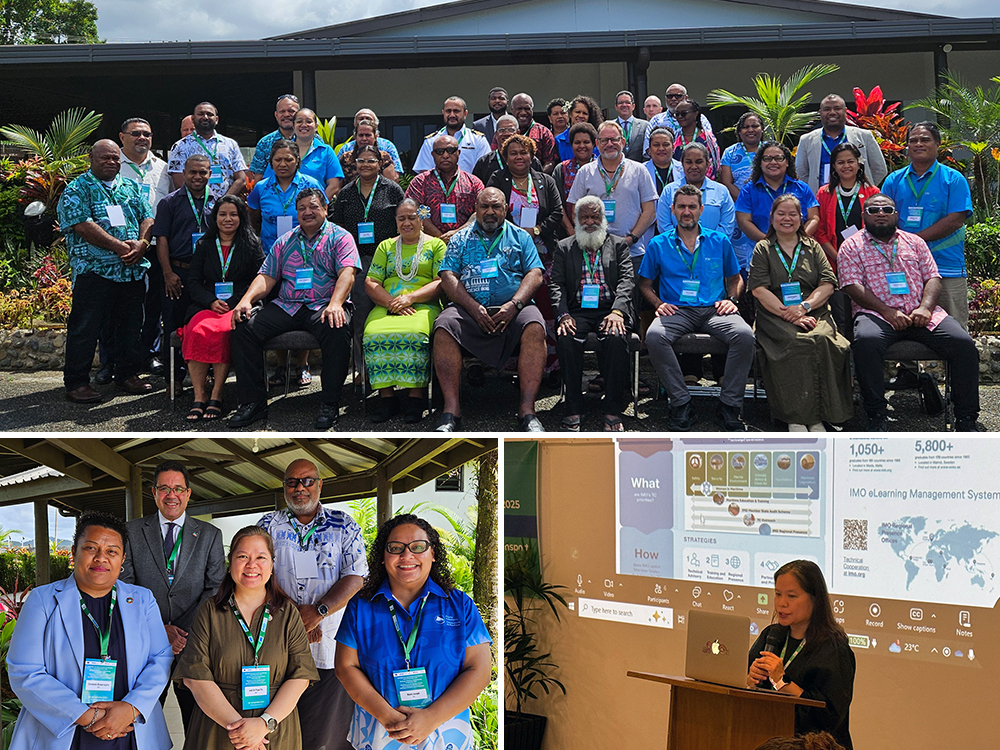
LONDON : IMO is supporting Pacific Island countries and territories (PICTs) in advancing the Pacific One-Maritime Framework (POMF), a regional initiative designed to align maritime safety, security, capacity-building and equitable access to shipping across the Pacific region.

The Framework and its draft Implementation Plan was the focus of the 4th POMF Steering Committee Meeting (20-22 September) and the 4th Heads of Maritime Meeting (23 September), organized by the Pacific Community (SPC) in Fiji.

Representatives from 13 Pacific Island countries, alongside regional partners*, participated in the events, which were supported through IMO’s Integrated Technical Cooperation Programme (ITCP).

During the meetings, IMO presented the IMO Member State Audit Scheme (IMSAS), including regional findings and preparations for the second audit cycle with the introduction of the IMSAS Continuous Monitoring Mechanism (ICMM). The meetings were updated on the recently established Regional Presence Office (RPO) for the Pacific in Suva, Fiji, and the new ITCP Programme Structure for the 2026-2027 biennium which will strengthen IMO’s capacity-development delivery and regional engagement.

The POMF initiative seeks to support Pacific Island countries and their partners in aligning technical assistance needs with IMO’s cooperation programme.

By supporting the POMF, IMO is helping ensure that maritime assistance in the Pacific is better coordinated, targeted to national needs, and contributes to safer, cleaner and more resilient shipping across the region.

*Cook Islands, Fiji, Kiribati, Nauru, Niue, Palau, Papua New Guinea (Chair of HOM), Republic of Marshall Islands, Samoa, Solomon Islands (Chair of POMF Steering Committee), Tonga, Tuvalu and Vanuatu.

** Australia, Asian Development Bank (ADB), European Union in the Pacific, Pacific Regional Infrastructure Facilities (PRIF), Pacific Community (SPC), South Pacific Regional Environment Programme (SPREP), South West Pacific Hydrographic Commission (SWPHC), United Kingdom in the Pacific, British High Commission Suva-(BHCS), Maritime New Zealand and World Bank.

GTT training courses to be offered at ClassNK Academy

TOKYO: ClassNK has agreed to collaborate with GTT Training Ltd. (GTT Training), a GTT subsidiary dedicated to the training of professionals in the LNG and future fuels industry. Under the framework of the ClassNK Academy*1, ClassNK invites lecturers from GTT Training to provide specialized training courses on alternative fuels, focusing on LNG.

GTT is a technology and engineering group with expertise in the design and development of cryogenic membrane containment systems for use in the transport for low and zero-carbon fuels, including LNG (liquefied natural gas). Its technology is adopted by many LNG ships and floating facilities. GTT Training specializes in providing training based on GTT’s technology and know-how. This collaboration will help maritime professionals acquire cutting-edge knowledge and practical skills for the safe and efficient handling of alternative fuels.

As the first step, ClassNK will offer the course ‘LNG, AMMONIA, METHANOL AND HYDROGEN: AN INTRODUCTION’ from GTT Training’s numerous training programs. This course aims to introduce various new types of marine fuels being considered in the shipping industry, focusing on their characteristics, hazards, and practical safety considerations. For more details and to apply for the course, please visit the ClassNK Academy website.
Website URL: https://academy.classnk.or.jp

ClassNK will continue to strive to provide high-quality educational and training opportunities to support the decarbonization and safety improvement of the maritime industry.

*1 ClassNK Academy was established to provide the maritime industry with a working knowledge of shipping and shipbuilding, specifically focusing on surveys, inspections and ship management, based on the knowledge and experience cultivated by the association as a classification society. Various courses are offered through group training and e-learning.

GTT Training Website URL
https://www.gtt-training.co.uk/

Union Minister Sonowal to flag off gas carrier Shivalik at Vizag Port today

NEW DELHI : Union Minister for Ports, Shipping and Waterways Shri Sarbananda Sonowal will flag off the Very Large Gas Carrier (VLGC) vessel Shivalik during its maiden call to India at Visakhapatnam Port today, on October 6.

The Shivalik was recently acquired and inducted under the Indian flag by the Shipping Corporation of India on September 10, 2025, marking a significant milestone in India’s maritime growth story. The vessel, operating under Indian ownership and flag, is scheduled to call at Visakhapatnam Port on Monday to unload her maiden consignment of LPG cargo. This momentous occasion signifies the strengthening of India’s gas logistics capabilities and supports the vision of Atmanirbhar Bharat in the energy and shipping sectors.

This is Shivalik’s first arrival in India under the Indian flag, and the minister will be present to welcome the vessel.
During his visit to Visakhapatnam, the minister will also participate in a public meeting at Sagaramala Conventions, Saligrampuram, where he will inaugurate several developmental projects undertaken by the Visakhapatnam Port Authority. These projects form part of VPA’s ongoing initiatives to enhance port infrastructure, improve operational efficiency, and promote green and sustainable port practices in alignment with the Maritime India Vision 2030.

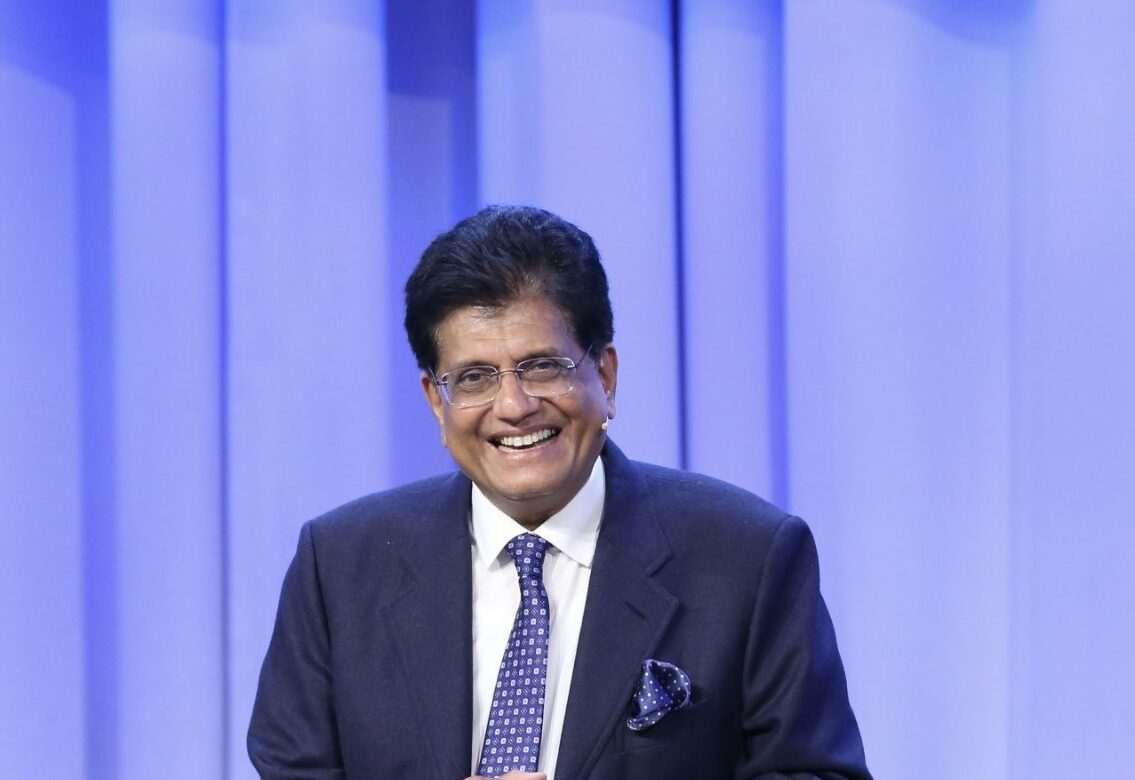
Piyush Goyal concludes Productive Singapore Visit; Strengthens Trade, Investment and Maritime Ties

SINGAPORE: Union Minister of Commerce & Industry, Shri Piyush Goyal, concluded a highly productive visit to Singapore, reinforcing India’s commitment to deepening trade, investment, and economic cooperation with the island nation. The visit featured a series of high-level engagements with government leaders, global investors, and industry executives, aimed at expanding bilateral ties and unlocking new avenues of growth.

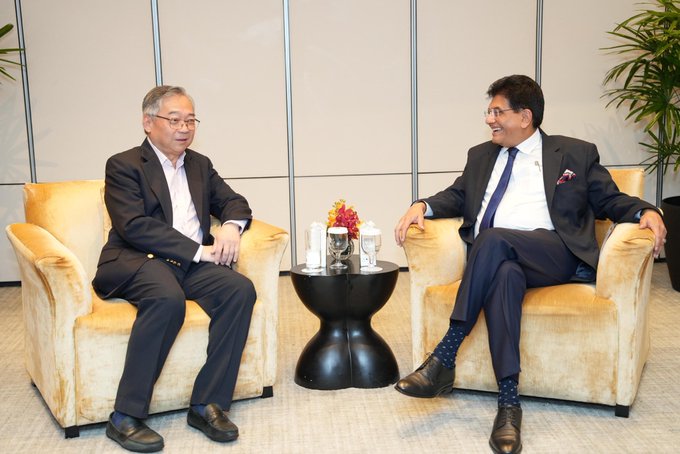
During his visit, Shri Goyal met with H.E. Mr. Gan Kim Yong, Deputy Prime Minister and Minister for Trade & Industry of Singapore, for comprehensive discussions on enhancing cooperation across advanced manufacturing, infrastructure, skilling, and digital connectivity. The two sides reiterated their shared vision to build resilient supply chains and foster innovation-driven growth through robust public-private partnerships.

Piyush Goyal with MD A.P. Moller Maersk Piyush Goyal concludes Productive Singapore Visit; Strengthens Trade, Investment and Maritime Ties

The Minister also held strategic meetings with key industry leaders, including Mr. René Piil Pedersen, Managing Director of A.P. Moller–Maersk, to explore collaboration in maritime manufacturing and strengthening India’s local shipping ecosystem. Discussions focused on advancing India’s position as a hub for shipbuilding and maritime services.

Piyush Goyal in a meeting with Gautam Banerjee Chairman Blackstone Group Piyush Goyal concludes Productive Singapore Visit; Strengthens Trade, Investment and Maritime Ties

In another significant engagement, Shri Goyal met Mr. Gautam Banerjee, Chairman of Blackstone Singapore, to discuss avenues for long-term capital infusion in manufacturing-linked infrastructure projects that support India’s industrial expansion and global supply chain integration.

Piyush Goyal meets CEO ED of CapitaLand Investment Singapore Piyush Goyal concludes Productive Singapore Visit; Strengthens Trade, Investment and Maritime Ties

Further, the Minister interacted with Mr. Lee Chee Koon, Group CEO, and Mr. Manohar Khiatani, Senior Executive Director of CapitaLand Investment, focusing on sustainable urban development and infrastructure growth in India. Key areas of interest included logistics, warehousing, and data centers—sectors vital to India’s vision for a modern, connected economy.

Reflecting on the visit, Shri Goyal emphasised India’s strong fundamentals, proactive policy reforms, and the government’s relentless efforts toward ease of doing business. He noted that India offers immense opportunities for shared progress and global partnerships, underpinned by its robust growth trajectory.

With renewed momentum in India-Singapore relations, the visit is expected to catalyse greater investments, foster innovation, and create new pathways for mutual prosperity in the Indo-Pacific region.

India-Singapore @60: Partnership for Growth & Engagement held in Singapore

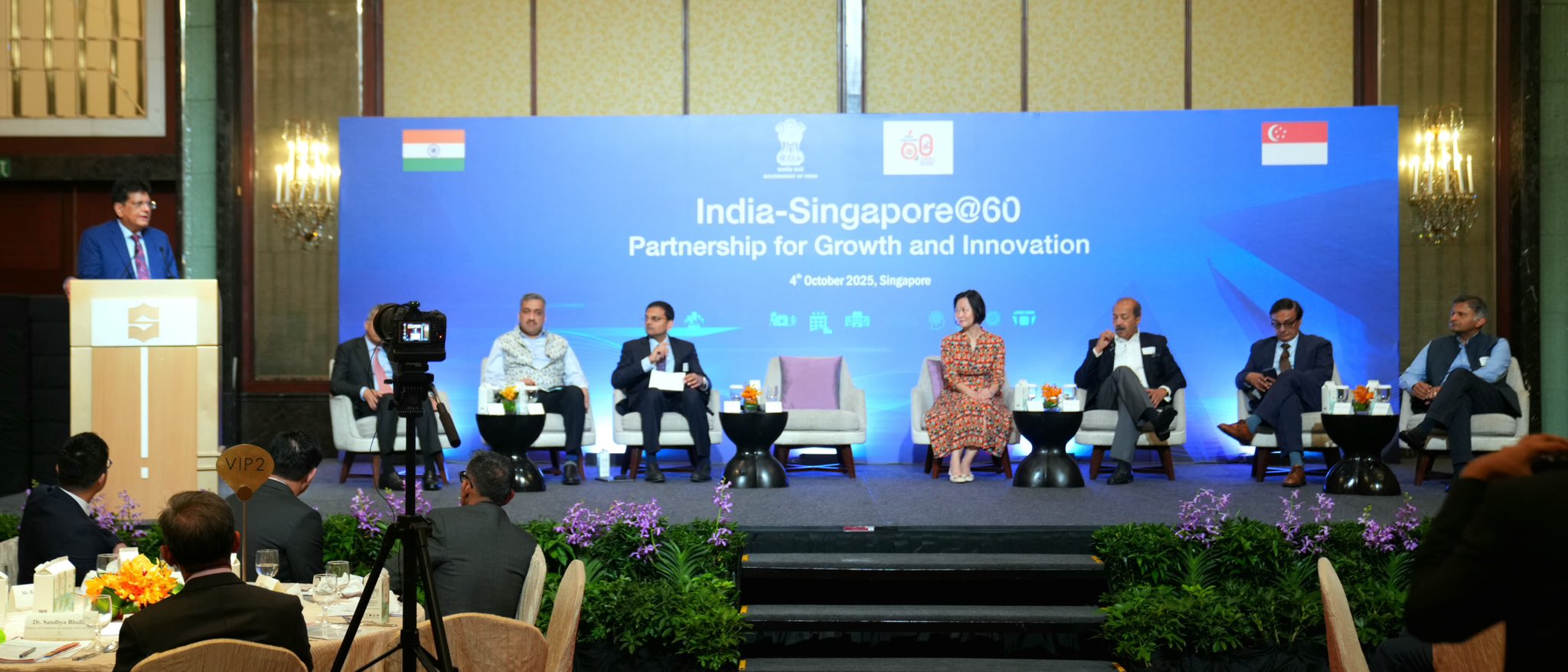
SINGAPORE: The “India-Singapore @60: Partnership for Growth & Engagement” business session was successfully held on 4 October 2025 in Singapore, marking the 60th anniversary of diplomatic relations between India and Singapore. The event was co-organized by FICCI, CII, and ASSOCHAM.

Shri Piyush Goyal, Union Minister of Commerce & Industry, delivered the keynote address, commending the transformative progress achieved over the last six decades of diplomatic relations and the promising prospects for deeper bilateral engagement based on trust and mutual respect, and extensive cooperation across a wide range of areas particularly in sustainability, digitalisation, skills development, healthcare, advanced manufacturing, and connectivity.

Ms Gan Siow Huang addressing India Singapore@60 India-Singapore @60: Partnership for Growth & Engagement held in Singapore
Ms Gan Siow Huang, Minister of State, Ministry of Trade & Industry, Republic of Singapore, addresses the gathering.

Ms Gan Siow Huang, Minister of State, Ministry of Trade & Industry, Republic of Singapore, reaffirmed the close and longstanding relationship between the two nations underpinned by strong economic and people-to-people ties. She provided actionable insights into Singapore’s vision for strengthening trade, investment, and innovation-driven collaboration with India.

The session witnessed the participation of senior government functionaries, industry leaders, and representatives from both India and Singapore. The event underscored robust economic ties and highlighted new avenues for collaborative opportunities between the two nations leveraging new-age opportunities across technology, digital transformation, green energy, and skills development, industrial parks, infrastructure financing, besides others.

The business session concluded with a networking lunch, facilitating deeper engagement among participants and paving the way for tangible business outcomes.

On the sidelines of the Roundtable, bilateral meetings were held with leading global investors and CEOs to explore avenues of cooperation:

  • Mr Wong Kim Yin, Group President & CEO, Sembcorp engaged in dialogue on renewable energy transitions, potential for green hydrogen and skill development.
  • Mr Loh Chin Hua, CEO, Keppel Corporation discussed collaborative projects in real estate, waste to energy and digital connectivity.
  • Mr Gautam Banerjee, Chairman, Blackstone Singapore, along with Mr Amit Dixit, Head of Private Equity Asia, and Mr Arvind Krishna, Head of Private Equity Southeast Asia, held a follow-up discussion focusing on Blackstone’s growing India portfolio.
  • Mr Jim Coulter, Chairman, Texas Pacific Group (TPG) reflected on opportunities in India’s high-growth investment sectors.
  • Mr Marcus Wallenberg, Chairman of Skandinaviska Enskilda Banken and Saab AB, together with Mr Jean Salata, Chairperson, EQT Asia, and Mr Jimmy Mahtani, Partner & Chairman of South & Southeast Asia, EQT Private Capital Asia, emphasised potential cooperation in finance, technology, and advanced industries.
  • Mr. Manish Pant, Executive Vice President International Operations, Schneider Electric and Mr. Devinder Kishore, Senior Vice President, Marketing, International Operations, Schneider Electric highlighted their strong commitment to India and discussed further avenues for collaboration in key sectors like energy efficiency, automation and digital.

Diplomatic Engagement at the Highest Level

A significant highlight during the three-day visit is meeting with H.E. Tharman Shanmugaratnam, President of the Republic of Singapore, held at the Istana. Discussions reaffirmed the long-standing strategic partnership between India and Singapore, underpinned by shared values, resilient economic ties, and a joint emphasis on innovation and sustainability.

Engagement with Indian Business Delegation

The engagements concluded with an interaction with the Indian business delegation, which provided a broader platform to align investor expectations with policy priorities, paving the way for expanded cooperation in regional and global markets.

Speaking on the occasion, officials noted that the deliberations highlighted Singapore’s position as a trusted partner in India’s growth journey, and reaffirmed India’s commitment to building stronger linkages in finance, energy transition, technology, and sustainable infrastructure.

Piyush Goyal to visit Qatar from October 6-7; to co-chair Qatar-India joint commission meeting

NEW DELHI : Union Minister of Commerce and Industry, Piyush Goyal is visiting Doha, Qatar for the meeting of the Qatar-India Joint Commission on Trade and Commerce from 6-7 October 2025, the Ministry said in a release on Sunday.The meeting will be co-chaired by H.E. Sheikh Faisal bin Thani bin Faisal Al Thani, Minister of Commerce and Industry of Qatar.The release added that Goyal’s visit underscores the importance that India attaches to its trade and investment ties with Qatar, one of our important trading partners in the Gulf Cooperation Council (GCC) with bilateral trade estimated at over USD 14 billion in 2024-25.On his first visit to Qatar, Goyal is also accompanied by senior officials from different Ministries. The two sides are expected to hold wide-ranging discussions reviewing bilateral trade performance, addressing existing trade barriers and non-tariff issues, and exploring avenues to enhance trade and investment flows.The talks are likely to include deliberations on the proposed India-Qatar FTA, with the way forward on finalization of the Terms of Reference (ToR) for the Comprehensive Economic Partnership Agreement (CEPA) which will further strengthen economic cooperation between both countries.

Cooperation in other key sectors such as finance, agriculture, environment, tourism, culture, and healthcare will also form an integral part of the discussions aimed at deepening the multifaceted partnership between India and Qatar.A business delegation consisting of senior representatives of industries is also accompanying the Union Minister for the first meeting of the India Qatar Joint Business Council. The business delegation will also be actively engaging with Qatari businesses and entities, including Qatar Chamber, Qatar Financial Centre, Invest Qatar and Qatar Free Zones Authority.On the sidelines of the visit, Goyal will also be meeting other Qatari dignitaries and top businessmen from Qatar Chamber and Qatari Businessmen Association.In addition, he will engage with representatives of the Doha Chapter of the Institute of Chartered Accountants of India (ICAI), the Indian Business and Professionals Council (IBPC), Qatar, as well as senior members of Qatari industries and the Indian community in Qatar.The 1st meeting of the India-Qatar JWG on Trade and Commerce at the Joint Secretary level was held in July 2024. During the visit of Amir of Qatar to India in February 2025, both sides recognized trade as a key pillar of bilateral cooperation and agreed to upgrade the Joint Working Group to the Joint Commission on Trade and Commerce, to be led by their respective Commerce Ministers.

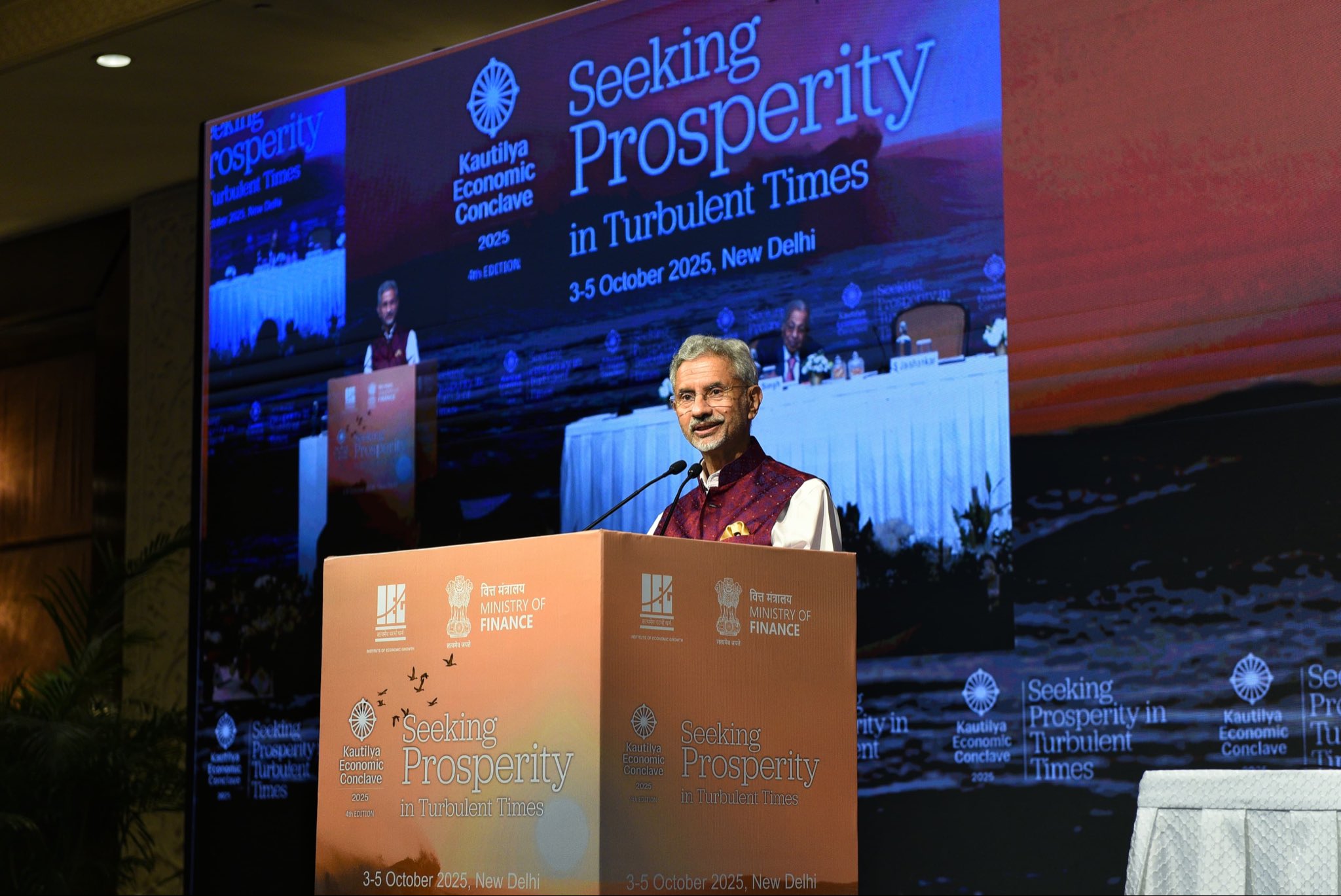
“There has to be trade understanding with United States,” EAM Jaishankar on “unfair” tariffs

NEW DELHI: External Affairs Minister Shri S Jaishankar on Sunday expressed the need to have a trade understanding with the United States (US), adding that not only because it’s the world’s largest market, but also because much of the world already has such arrangements.

In a panel discussion at the Kautliya Economic Forum in New Delhi, Jaishankar stated that India and the United States had yet to “reach a landing ground” in ongoing trade negotiations. He also addressed the volatile global environment, describing the coming years as a test of resilience for all nations.

“Today, we have issues with the United States … that we haven’t yet arrived at a landing ground in our trade discussions. In addition there is a certain tariffs being levied on us, which we have publicly said are unfair,” said Jaishankar.

“In addition there is a a second tariff …. which has picked on us. for sourcing energy from Russia. And of course there are other countries who have done so including countries who right now have a far more antagonistic relationship with Russia then we do. I’m not minimizing the issues. But I don’t think we should take it to a point as though this is going to percolate to every dimension of the relationship.

“There are problems, there are issues, nobody is in denial of it. Those issues need to be negotiated and discussed and resolved, which is exactly what we are trying to do. But I would really sort of hesitate to read very much more into it,” Jaishankar said in his remarks while responding to questions from the moderator, N K Singh.

“I deal in a world of realities, and my reality right now is at 25 per cent and 25 per cent of a 50 per cent tariff, and that is what right now we are negotiating. So, whatever happens at the end of the day there has got to be a trade understanding with the United States. There has to be one because it is the world’s largest market but also because much of the world has reached those understandings. But it has to be an understanding where our bottom lines, our red lines are respected.”

Terming the trade relations “one-sided”, President Donald Trump slapped 50 per cent tariffs on India, citing the country’s crude oil import from Russia, which is fueling the war in Ukraine.

The new reciprocal tariff rates by the US Customs and Border Protection (CBP) are in effect from August 27.

Emphasising the need to have a common consensus, Jaishankar stated, “In any agreement, you know, there are things you can negotiate and there are things you can’t. And I think we are pretty clear about that and we have to find that landing ground. And that’s been the conversation really which has been going on since March.”

In addition, last month, Commerce and Industry Minister Shri Piyush Goyal concluded his high-level trade visit, which the ministry described as ‘positive.’

The Ministry stated that both sides have agreed to accelerate efforts toward an “early and mutually beneficial conclusion” of the proposed trade pact.

Jaishankar Going further, External Affairs Minister S Jaishankar said the conversation around diversifying trade has been ongoing, with a clear focus on shifting more towards Asia.

“On diversifying trade moving towards Asia. Most of our initial free trade agreements were actually almost all with Asia. They were with ASEAN, they were with Japan, and Korea. They were individually with some ASEAN members,” he added.

However, he acknowledged a significant challenge: many of these Asian economies are India’s direct competitors and, through integrated supply chains, have inadvertently facilitated greater market access for China.

“The challenge today which we face is that in many ways these are economies which are competitive.And in many cases because of the supply chain nature, they’ve also provided a pathway for China,” he noted.

To counter this, Jaishankar emphasized the importance of targeting free trade agreements with economies that are not directly competitive, but instead offer deep, stable, and predictable markets.

“I would very honestly say our focus should be on FTAs with economies that are not competitive, where there is uh really a deep, sustainable, predictable and real market economy at work, which is why we are very pleased with the UK FTA, which is why we are very serious about an EU FTA, and which is why we are striving for an understanding with the United States,” he said, underlining a strategic pivot in India’s global trade priorities.

India’s services and manufacturing exports offer untapped potential for foreign investors: World Bank Chief Economist

NEW DELHI : India’s export sectors, particularly services and manufacturing, offer significant untapped potential for foreign investors, according to Franziska Ohnsorge, Chief Economist, South Asia Region, World Bank.

“I draw attention to two opportunities for investment. One is in services exports and the other is in goods exports because it’s the export industry rather than tradable industries that foreign investors tend to be interested in,” she said, adding that India’s strong government readiness for AI further strengthens this potential.

Speaking to ANI on the sidelines of Kautilya Economic Forum in the national capital, she noted a significant rise in computer services exports, which have grown by 30 per cent since the introduction of ChatGPT in November 2022, compared to a 10 per cent increase in overall services exports.

“Computer services exports have been soaring relative to average services exports since the introduction of ChatGPT in November 2022. So computer services exports have grown by 30 per cent, but overall services exports only by 10 per cent. There seem to be real opportunities in that sector,” she added.

On the trade front, Ohnsorge stated that India’s limited number of trade agreements and high tariffs on intermediate goods are holding back its manufacturing sector. She stated that if current trade negotiations succeed, they could significantly boost market access for Indian manufacturers.

“India currently has much fewer trade agreements than other emerging markets and developing economies and has higher tariffs on intermediate goods and this is something that holds back its manufacturing sector. So I’ll show that if these trade agreements that are currently under negotiation materialise, it would increase the market access of India’s manufacturing industry by multiples,” she added.

India is engaged in active Free Trade Agreement (FTA) negotiations with numerous countries and blocs, including the UK, EU, Oman, Canada, and various Indo-Pacific Economic Framework (IPEF) partners. In addition, India-US bilateral trade negotiations are also underway.

Going further, she emphasised that India’s private investment growth, though slower than its pre-pandemic pace, remains stronger than the average across other emerging markets and developing economies.

Ohnsorge highlighted that while India has seen a slowdown in private investment growth post-pandemic, it still outperforms many global peers.

“Private investment growth has slowed in India from pre-pandemic rates to post-pandemic rates. And that is the opposite of what has happened in other emerging markets and developing economies. It’s the opposite of what has happened to public investment growth. But even with this slowdown, private investment growth in India is still higher than in the average for other emerging markets and developing economies. So by international standards, private investment growth is not weak. By India’s standards, it’s weak,” she noted.

However, she pointed out that foreign direct investment (FDI) is a concern, with India’s net FDI-to-GDP ratio in the bottom quartile among emerging markets.

“What is weak by international standards is FDI. The FDI to GDP ratio in India is in the bottom quartile. Net FDI. GDP ratio is in the bottom quartile of emerging markets and developing economies,” she added.

Source: ANI

EU eyes bigger role in ‘Make in India’ as FTA talks set to begin today

NEW DELHI: As India and the European Union gear up for the 14th round of Free Trade Agreement (FTA) negotiations starting October 6 in Brussels, European businesses are expressing stronger interest in India’s expanding economy and the government’s “Make in India” initiative. 

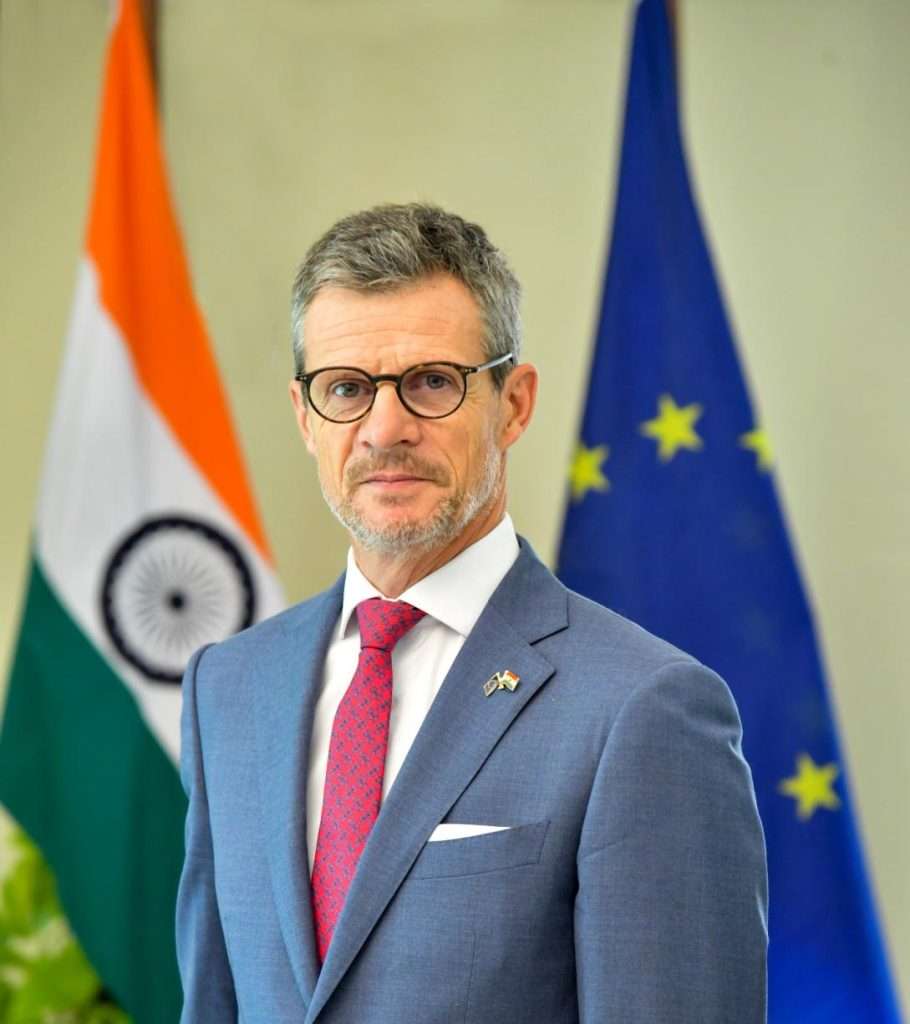
At the second Annual General Meeting of the Federation of European Business in India (FEBI), Herve Delphin, Ambassador of the Delegation of the European Union to India, said India already hosts a large European business footprint. He added that an FTA could unlock even greater opportunities for trade, jobs, and investment. 

According to a new FEBI survey, more than 6,000 European companies currently operate in India, employing over three million people. These firms not only invest but also manufacture, innovate, and export from India, directly contributing to Prime Minister Narendra Modi’s ‘Make in India’ mission.

“EU businesses perceive India as an attractive market, a market with challenges but also one that offers huge opportunities. While benefiting from these opportunities, EU companies also make substantial contributions to the Indian economy. They create jobs, invest, manufacture, and innovate in India. In short, they’re ‘Make in India’,” Delphin said.

EU remains India’s largest trading partner

The European Union continues to be India’s largest trading partner, with trade in goods reaching €120 billion, surpassing both the United States and China. When services are included, bilateral trade has touched €180 billion, according to the FEBI survey.

Despite these strong figures, Delphin noted that “huge untapped potential” remains, given that the EU and India are the world’s second- and fourth-largest economies. “To unlock this untapped potential, the EU and India are negotiating the FTA,” he said. 

FTA expected to boost investments and supply chains

 With the next round of talks scheduled this week, both sides expect significant progress on the agreement. Delphin said, “With an FTA, it could be much bigger. Eighty per cent of EU firms said they would scale up investment and jobs in India.” 

European Commission President Ursula von der Leyen and Prime Minister Narendra Modi have set a goal to conclude the deal by the end of 2025. “The EU was and is still ready to conclude on a meaningful package. We look forward to the next round and further negotiations towards a mutually beneficial deal,” the ambassador added.

Investment protection pact, strategic agenda

 Alongside the FTA, both sides are also negotiating an Investment Protection Agreement aimed at creating a predictable and secure environment for investors. The pact is expected to balance the right of states to regulate with greater clarity and security for businesses. 

The EU has also unveiled a new EU-India Strategic Agenda that links prosperity, sustainability, technology, defence and mobility. The proposals include innovation hubs, Blue Valleys for value chains, a TTC 2.0 for critical supply chains, and a gateway office to ease ICT worker mobility. 

‘Auspicious sign’ for stronger partnership

 The EU Ambassador said that India’s growth story lies at the centre of Europe’s economic vision. “FEBI and the whole community of European business in India are part of India’s growth story as well as of the EU-India partnership,” Delphin said.