Home Blog Page 641

Latest round of India-EU FTA talks see limited progress, ‘better clarity’ on industrial, farm goods

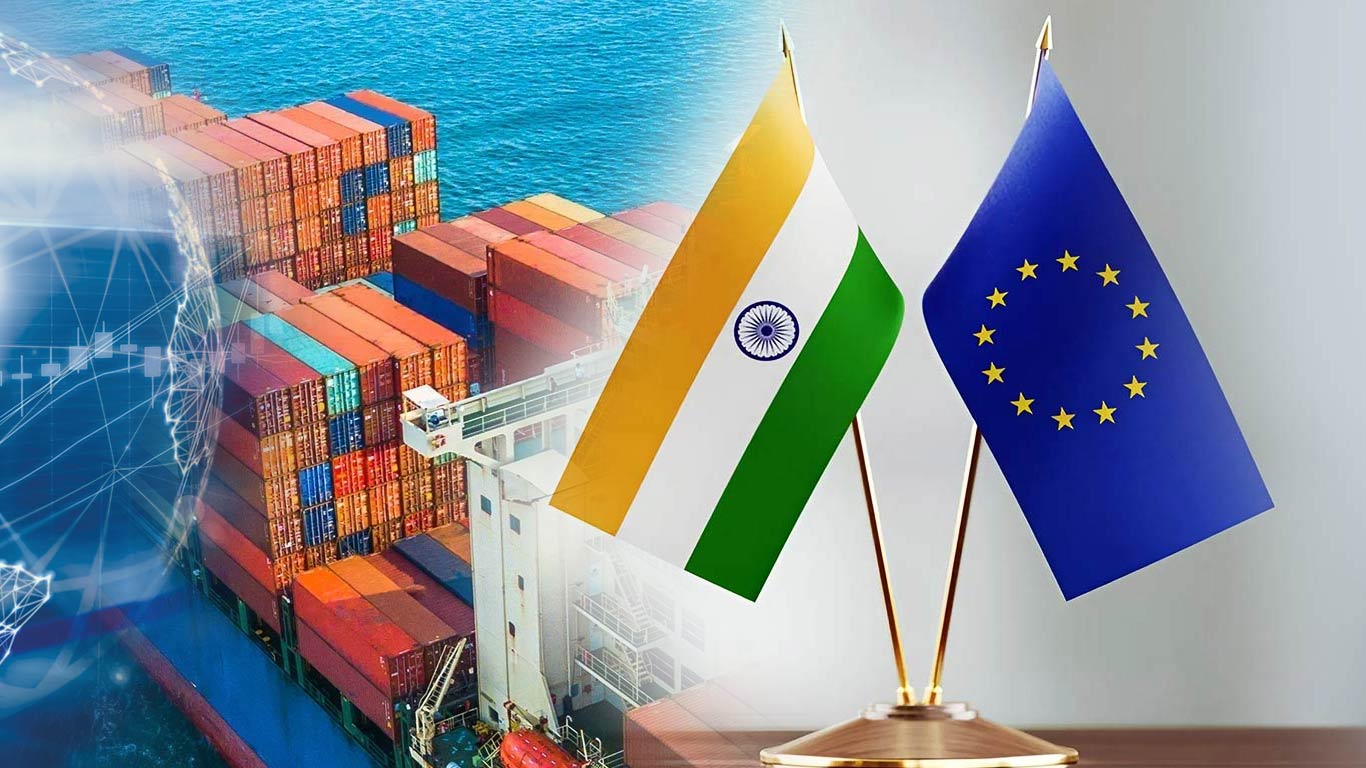
NEW DELHI : The 13th round of talks between India and the European Union for the proposed trade deal has seen little progress in sensitive sectors such as automotives and agricultural products, though both sides have cited better clarity on their market access demands for industrial and farm goods.

“…the high-level interventions with Indian authorities were useful to better understand each side’s position but did not allow to make sufficient progress in sensitive areas such as automotives and agricultural products,” a European Commission report said on September 23.

In certain outstanding areas, specifically on rules of origin, SPS (Sanitary and Phytosanitary Measures) and investment, “some progress” was reached, but no additional chapters were closed during the thirteenth round of talks.

“While some progress was made in certain outstanding areas, in particular on rules of origin, SPS and investment, no additional chapter could be closed this time. Still, negotiators managed to reach better clarity on their respective offensive and defensive interests in market access for goods, both on industrial and agriculture sectors, and in-depth discussions were held based on the market access offers for services and investment that had been exchanged in July.,” the report added.

The thirteenth round of EU-India free trade agreement (FTA) negotiations took place in New Delhi during September 8-12, with two additional days of technical sessions on Rules of Origin held on September 13-14.

The EU’s Commissioner for Trade and Economic Security Maroš Šefčovič had joined the thirteenth round of negotiations along with Christophe Hansen, Commissioner for Agriculture and Food from September 12.

The fourteenth round of talks will now be held in Brussels, from October 6, 2025.

In February 2025, India and the EU decided to ramp up talks for the proposed free trade agreement, targeting to close it by the end of 2025 to tide over ongoing disruptions from volatile trade policies.

Moneycontrol had reported earlier that India will stick to the stance of keeping dairy and key agricultural products out of trade deals in talks with the EU. Recent agreements with Switzerland, Norway, Australia and the United Kingdom have also excluded the dairy sector and crucial farm products.

And, on automobiles, India is said to have offered some import duty concessions on high-end cars from the EU as part of the FTA.

Progress on key India-EU FTA chapters

Outstanding issues around eliminating or reducing tariffs on certain goods as a part of the free trade agreement will require high-level interventions, while good progress was made on rules of origin with both sides agreeing to four articles under the origin determination section, the report said.

On the Product Specific Rules (PSRs) under the Rules of Origin, India and tthe EU are yet to agree on important sectors including agriculture, chemicals, machineries, steel and cars.

The report further said that only a limited number of issues remain to be agreed upon by the two sides in the chapter on Technical Barriers to Trade, including trade-facilitating measures addressing Quality Control Orders (QCOs).

Negotiators also discussed the automotive and pharma Annexes, on which both sides are still far apart. Although some progress was achieved on a possible mechanism to avoid the duplication of tests for some automotive standards, negotiators have yet to converge on a concrete solution, the report added.

Substantial differences remain in the chapter pertaining to Trade and Sustainable Development, while several provisions have been finalised in the Trade in Services text with only a few remaining issues to be resolved that are critical for the EU.
India fuel exports surge to multi-year highs on higher refinery runs, ethanol blending

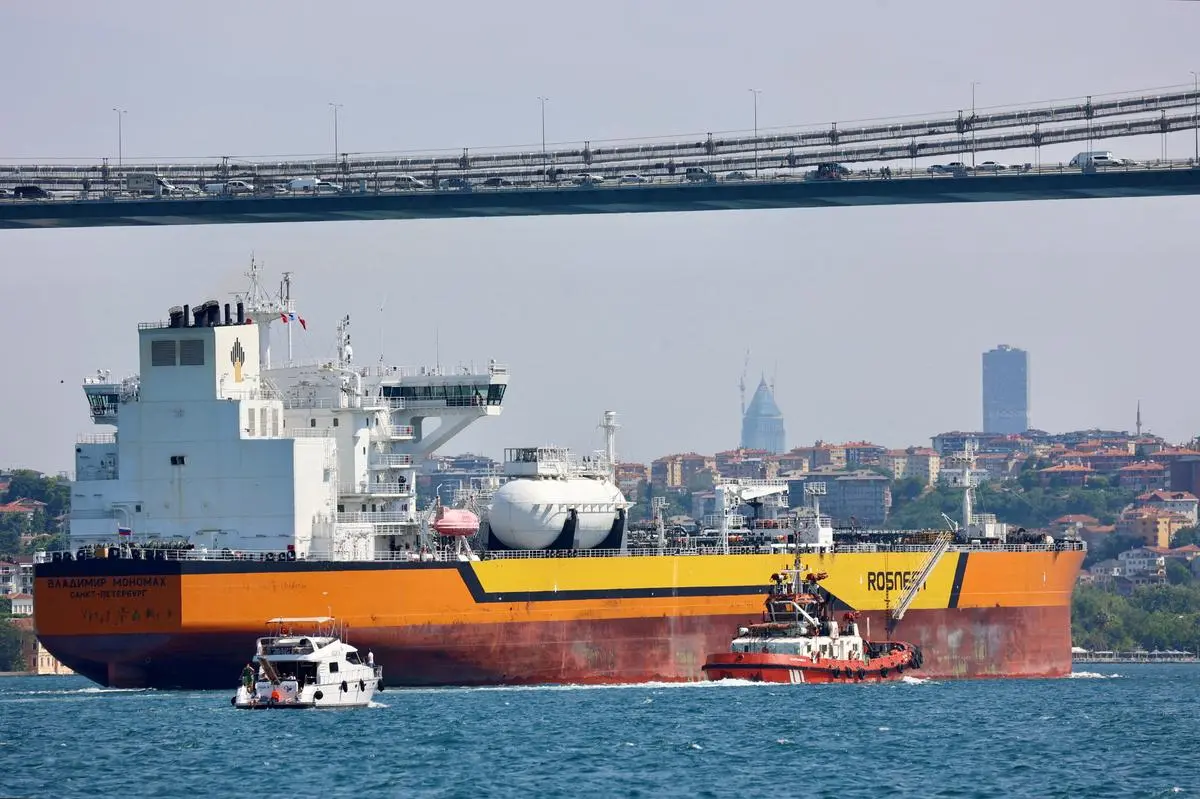
NEW DELHI : Indian oil refiners are increasing gasoline and diesel exports to their highest levels in several years, driven by expanded crude processing capacity and increased domestic ethanol blending that has freed up fuel supplies for overseas markets, traders and analysts said. Refiners in India, which sources about a third of its crude from Russia, are boosting runs and redirecting surplus barrels abroad.

The rise in exports is expected to help meet Europe’s winter heating oil demand and support Indian refining margins, after refiners turned to discounted Russian crude when Europe and the U.S. imposed sanctions on Moscow for its invasion of Ukraine in February 2022.

Washington D.C. has accused India of profiteering by importing Russian oil at lower prices and reselling refined fuel at higher rates; India has said its purchases have stabilised markets. This year, India’s crude processing is expected to increase by 130,000 to 160,000 barrels per day to about 5.51 million bpd, with gasoline exports hitting a record high of around 400,000 bpd, according to consultancy Wood Mackenzie.

An Indian refining source, who declined to be named due to company policy, said exports are rising because of weaker domestic demand during the monsoon season and fewer scheduled maintenance outages. Data provider Kpler pegs India’s 2025 gasoline exports at 387,000 bpd, mainly to Asia.
“The growth in gasoline exports is supported by a rising share of ethanol blending in domestic gasoline consumption,” Woodmac analyst Priti Mehta said. The world’s second-biggest crude importer and consumer increased ethanol blending in gasoline to 20% this year, up from 12% in 2023.

Refiners, led by Reliance Industries (RELI.NS), opens new tab and Mangalore Refinery and Petrochemicals Ltd (MRPL.NS), opens new tab, are boosting exports to capitalise on strong Asian gasoline margins , which have risen 51% since the start of the year to about $11 to $12 a barrel.

EUROPE’S DIESEL BUYING SPREE
India’s gasoil exports are also expected to hit a four-year high this year, with most volumes heading to Europe to meet winter heating demand, analysts said, as global supply may tighten during the fourth quarter because of heavy refinery maintenance in Europe and the Middle East.
Wood Mackenzie expects India’s 2025 gasoil exports to reach 610,000-630,000 bpd while Kpler’s forecast is at 560,000 bpd.

The rise in India’s exports comes as shipments from Saudi Arabia are set to fall by 300,000 bpd to around 400,000 bpd in October–November with several Aramco (2222.SE), opens new tab refineries scheduled for maintenance, according to consultancy Energy Aspects.

In a sign of the shift, Reliance Industries in late August shipped about 2 million barrels of diesel to Europe on the Very Large Crude Carrier Atokos, an uncommon move aimed at accommodating bigger volumes, ship‑tracking data showed and two Singapore‑based fuel traders said. Diesel cargoes are typically moved on smaller product tankers.

The European Union said in its 18th package of sanctions against Russia in July that it will stop importing petroleum products made from Russian crude after a transitional period of six months. The exemption will continue to apply to imports from Norway, Britain, the U.S., Canada and Switzerland.

Source : Reuters

Ministry of Commerce and Industry host seminar on demystifying IPR Chapter in India–UK CETA

NEW DELHI : The Department for Promotion of Industry and Internal Trade (DPIIT) and the Department of Commerce, Ministry of Commerce and Industry, in collaboration with the Centre for Trade and Investment Law (CTIL), organized a seminar on “Demystifying the IPR Chapter in the India–UK CETA” at Vanijya Bhawan, New Delhi. The seminar brought together policymakers, domain experts, academia and industry representatives to deliberate on the opportunities and concerns related to the Intellectual Property Rights (IPR) provisions of the India–UK Comprehensive Economic and Trade Agreement (CETA).

Experts at the seminar underlined that the IPR chapter strikes a careful balance between fostering innovation and ensuring access. It was emphasised that the provisions reinforce safeguards for public health while modernising India’s IP framework. Participants reiterated that voluntary licensing continues to be the preferred industry practice, while the flexibilities relating to compulsory licensing and public health, as enshrined in the Doha Declaration, remain fully preserved.

Concerns over harmonisation of patent processes were addressed, with experts clarifying that these are procedural improvements that in no way affect India’s regulatory autonomy.Geographical Indications (GIs) emerged as a significant area of opportunity, with provisions in the agreement enabling stronger protection of Indian GIs in the UK market—an important step to boost exports and enhance India’s cultural branding globally. Industry representatives highlighted that this would benefit startups, MSMEs and traditional producers alike.

The panels dispelled several myths surrounding the agreement and clarified that the IPR chapter does not curtail India’s policy space. Instead, it reinforces India’s ability to frame rules in line with its developmental priorities. It was also underlined that the chapter reflects India’s existing legal framework while sending a positive signal to global partners and investors about the country’s commitment to a robust and forward-looking IP regime.

The seminar concluded with the message that the IPR chapter of the India–UK CETA provides a template for future trade negotiations—combining regulatory rigour with flexibility, supporting innovation while safeguarding access, and strengthening India’s position in the evolving global trade landscape.

Govt imposes import curbs on plain silver jewellery till March next year

NEW DELHI : The government on Wednesday imposed import restrictions on plain silver jewellery till March 31 next year, according to a notification. The move is aimed at curbing misuse of free trade agreements (FTAs) and address large-scale imports of silver in the guise of finished jewellery.

“Import policy has been amended from free to restricted with immediate effect till March 31, 2026,” the Directorate General of Foreign Trade (DGFT) said in a notification. Goods under the restriction category need a licence from the government. The restrictions have been introduced in the wake of an import of plain silver jewellery from under preferential duty exemptions rising steeply during April-June 2024-25 to April-June 2025-26.

The imports circumventing the provisions of FTA were adversely affecting domestic manufacturers and posing a challenge to employment in the jewellery sector, an official said.

The government believes that the decision will provide a level-playing field to India’s jewellery manufacturers, safeguard the interests of small and medium businesses, and secure livelihood opportunities for workers in the sector, the official said.

Source : PTI

Crown Worldwide Group Inaugurates State-of-the-Art Facility in Bengaluru

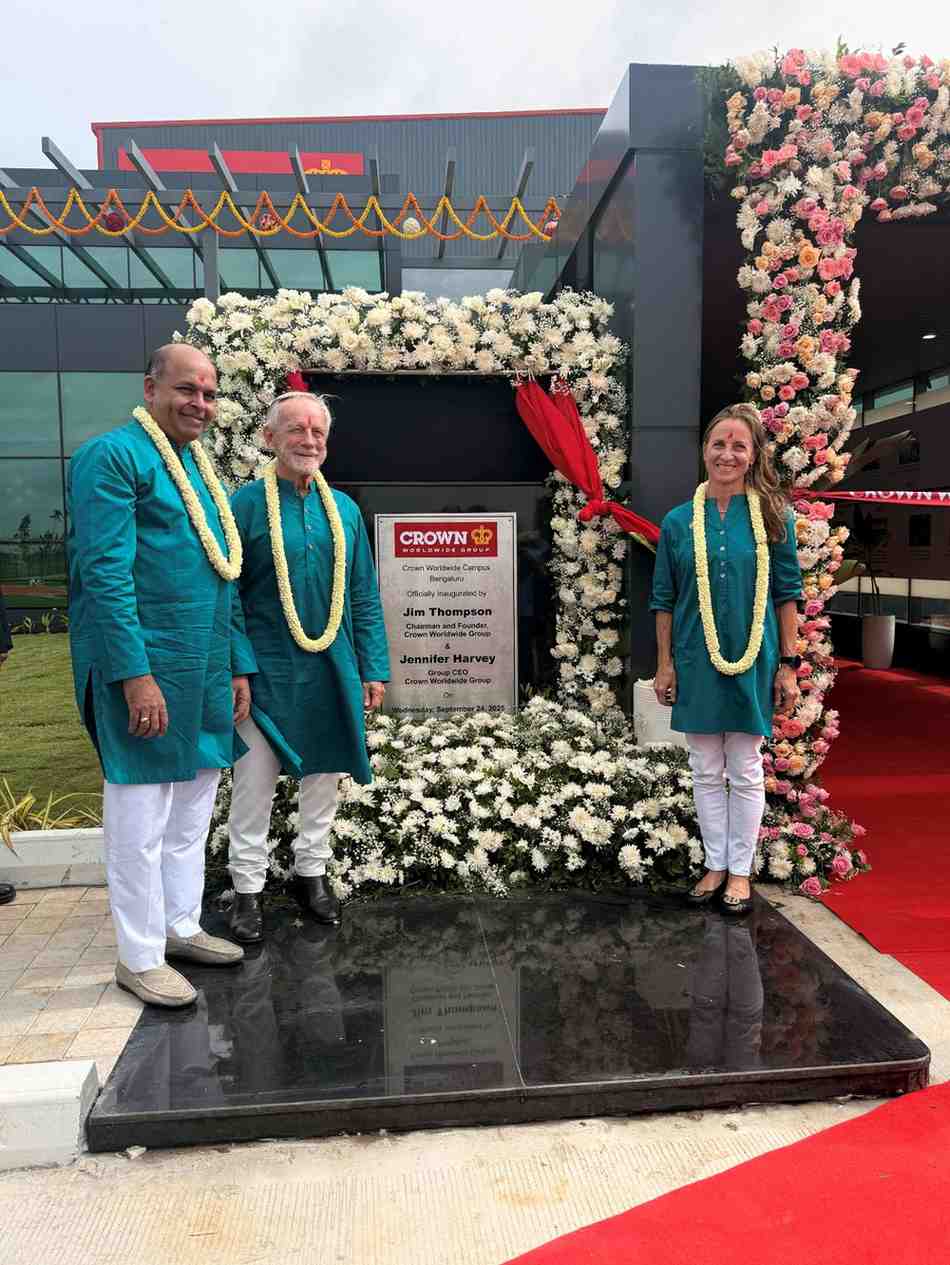
BENGALURU: Crown Worldwide Group, a global leader in logistics, storage management, and records management, has inaugurated its 3rd owned facility in India in Ramasandra, Bengaluru. Designed with green-certified construction, smart systems, and scalable infrastructure, the 76,000 sq. ft. facility marks a significant milestone in the company’s global expansion strategy. India has emerged as a crucial market for the Group, contributing 10% of its worldwide revenue and ranking among its top 5 markets.

The inauguration ceremony was led by global leadership, including Jim Thompson, Founder and Chairman; Jennifer Harvey, Group CEO; Tze Shen Kong, Asia CEO; and Srinivas Krishnan, Managing Director – South Asia, reflecting the importance of India in Crown’s future growth plans.

JimThompsonFounderandChairmanCrownWorldwideGroupattheinaugurationofnewfacilityatBangalore Crown Worldwide Group Inaugurates State-of-the-Art Facility in Bengaluru

“Marking this milestone in the same year as Crown’s 60th anniversary makes it even more special,” Jim Thompson, Founder and Chairman, Crown Worldwide Group, said. “It reflects both our history and our confidence in the future.”

Built on a seven-acre site, the new facility blends modern design with environmental responsibility and is EDGE-certified (Excellence in Design for Greater Efficiencies) as a Green Building, validating Crown’s commitment to sustainable infrastructure. It features a landscaped frontage and a glass dome façade that allows natural daylight to flood the interiors, which have been constructed using certified green materials. The facility occupies just 25% of the site, leaving ample space for circulation and future expansion. Every detail, from geotechnical investigations to slope-aware design, has been planned for long-term resilience.

JenniferHarveyGroupCEOCrownWorldwideGroupattheinaugurationofnewfacilityinBangalor Crown Worldwide Group Inaugurates State-of-the-Art Facility in Bengaluru

“India is one of the fastest-growing markets for our clients, and for Crown. The opening of this facility is an important milestone in our global expansion,” says Jennifer Harvey, Group CEO, Crown Worldwide Group. “It positions us to provide next-generation physical storage and digital information management solutions to customers as they continue to grow in this thriving region.”

Designed with Information Management as its primary focus, the facility dedicates over 57,000+ sq. ft. with multi-tier racks capable of storing over 900,000 cartons. This operation is supported by barcode traceability, secure destruction zones, and evacuation-ready layouts. Alongside this, Crown Workspace and Crown Relocations benefit from dedicated zones tailored for furniture, fittings, personal effects, and specialised equipment– all with secure circulation areas and inventory systems.

Backed by the latest digital infrastructure, the facility ensures seamless, secure, and efficient operations. Advanced connectivity and real-time monitoring strengthen workflows, while smart systems for energy and water management reinforce Crown’s focus on sustainability and long-term cost efficiency.

The new facility also sets the stage for future-ready services such as custom bonded warehousing, temperature-controlled wine and spirit storage, cold storage chambers for healthcare and other temperature-sensitive products, and Crown Fine Art’s climate-controlled, secure storage for artworks and cultural treasures.

“ Bengaluru strengthens our regional footprint,” said Tze Shen Kong, CEO Asia, Crown Worldwide Group. “ It allows us to serve South Asia with greater scale and efficiency.”

Safety remains uncompromised with a fully automated Building Management System that integrates fire, security, flood detection, and energy monitoring. In addition, 43% of the site is dedicated to greenery, and the EDGE Green Building certification further highlighting Crown’s commitment to resilient and environmentally responsible infrastructure.

“This new facility marks a strategic step forward in Crown’s India network,” said Srinivas Krishnan, Managing Director, South Asia, Crown Worldwide Group. “It strengthens our presence in the country and lays a strong foundation for future growth, reflecting the long-term importance of India in Crown’s global growth story.”

ColdStar expands India network; sets up 3 new F&V, cold storage – distribution facilities in Mumbai, Sonipat

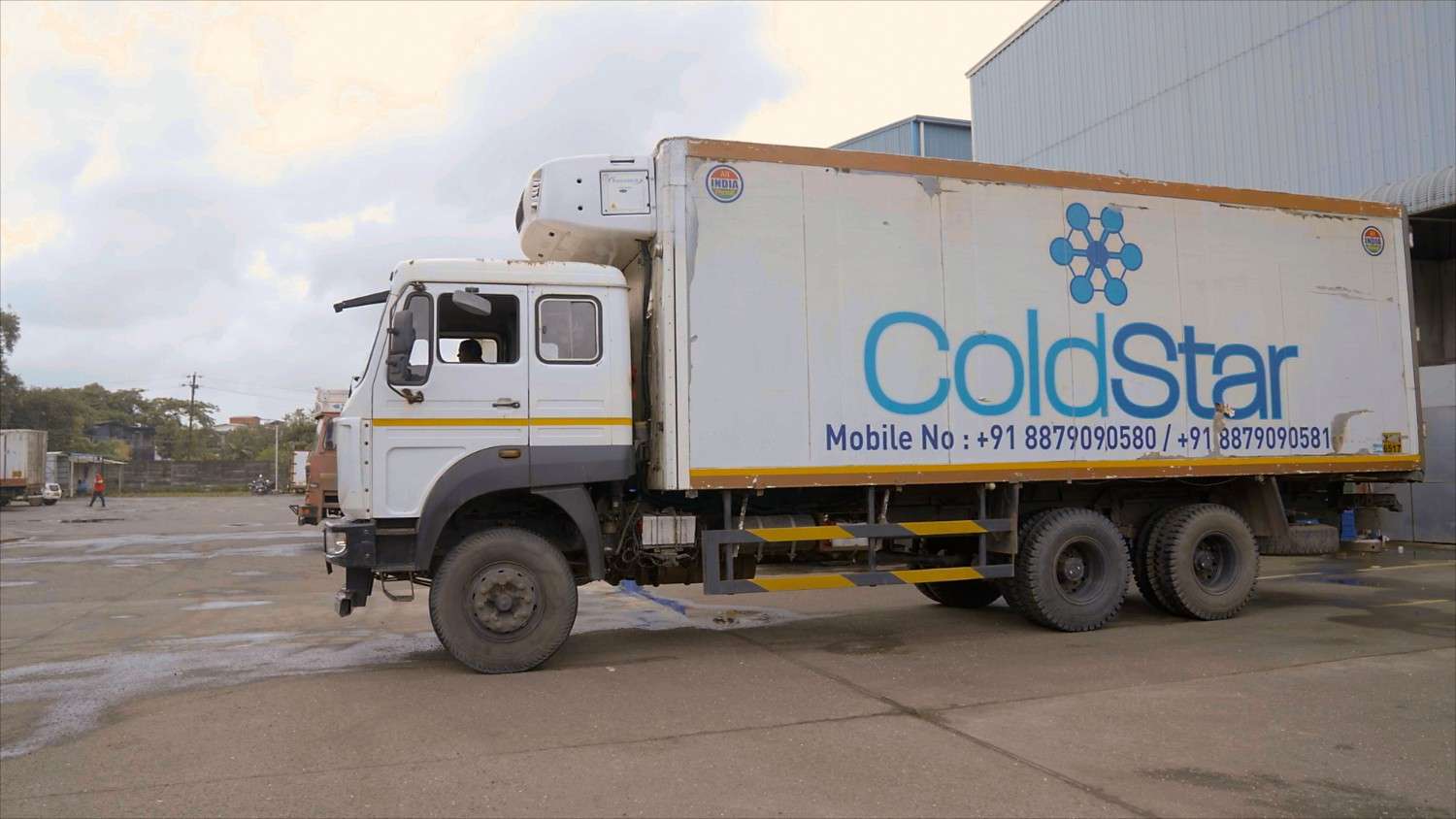
MUMBAI: ColdStar Logistics, the only independent and self-funded national cold chain player in India and one of India’s fastest-growing temperature-controlled supply chain companies, has expanded its network with three new facilities – Two in Mumbai and one in Sonipat, to cater to the growing demand for fresh and perishable products.

The three new hubs will handle, process and distribute Fruits & Vegetables (F&V) and other perishables for leading e-commerce platforms. The Sonipat unit, standing at an area of 80,000 sq.ft  has a capacity of 1,70,000 units (65 tonnes) a day, while the Mumbai sites together add 2,20,000 units daily – 1,40,000 from the F&V hub and 80,000 from the cold storage unit. Collectively, the facilities bring in a handling capacity of 3,200+ tonnes and employ 1,100+ people daily.

“Sonipat is a natural choice with its proximity to New Delhi NCR area, while Mumbai remains one of the country’s biggest consumption hubs,” said Sameer Varma, Executive Director, ColdStar Logistics. “Our facilities are built to support the scale and speed modern e-commerce and quick-commerce companies need. We’re proud to partner with one of India’s largest platforms and are already looking at new opportunities in East and Deccan India.”

The expansion underlines ColdStar’s ambition to set new benchmarks in India’s cold chain sector, using technology-driven solutions to move products reliably, fresher and faster.

CMA CGM announces the acquisition of Freightliner UK Intermodal Logistics

LONDON : Strengthening intermodal services in Europe: CMA CGM acquires Freightliner UK Intermodal Logistics, becoming a key player in rail logistics in the United Kingdom.

  • Freightliner will remain a multi-user, multi-customer standalone operator whilst benefitting from CMA CGM’s support and coverage in logistics and shipping globally.
  • Accelerating decarbonization: this acquisition supports the modal shift from road to rail, a key lever in reducing CO₂ emissions in supply chains.
  • Creating value-added services: better interfacing rail and maritime expertise to deliver complementary and sustainable logistics solutions to customers.

The CMA CGM Group, a global player in sea, land, air, and logistics solutions, today announced the acquisition of Freightliner in the United Kingdom. The transaction encompasses rail and road operations, inland terminals, as well as the Freightliner brand.

This acquisition underlines CMA CGM’s ambition to build a sustainable and competitive transport offering in Europe. By adding a long-standing name in UK rail freight, the Group reaffirms its commitment to supporting the modal shift from road to rail – a cornerstone of decarbonizing global supply chains.

The transaction is expected to close in early 2026, subject to the required regulatory approvals. Other Freightliner businesses – Heavy Haul, Rotterdam Rail Feeding, and Freightliner Poland/Germany – will remain under existing ownership.

Freightliner operations will remain focused on its multi-user and multi-customer approach, and will be run independently with existing teams who have proven their expertise and dedication.

Rail freight is a major lever for reducing CO₂ emissions. With Freightliner UK’s expertise and know-how, CMA CGM will further strengthen its ability to offer European customers, seamless and integrated intermodal solutions including transport and terminal operations.

Strong synergies between two major brands
The addition of Freightliner opens the way to significant enhanced-value offerings: developing comprehensive intermodal offerings combining maritime, rail, and road; enhancing connectivity between Europe’s major ports and the UK hinterland through strategically located inland terminals; and driving shared innovation in decarbonized logistics solutions.

Rodolphe Saadé, Chairman and Chief Executive Officer of the CMA CGM Group, said: “The acquisition of Freightliner, a leading rail freight operator, strengthens our intermodal presence in the United Kingdom, a strategic market for CMA CGM. It enables us to connect sea, rail and road more efficiently, delivering better solutions for our customers. It is also a concrete step in expanding lower-carbon transport options, supporting both their needs and the decarbonization of global trade.”

Commenting on the divestment, Tim Shoveller, Chief Executive Officer of Freightliner Group, said: “This transaction marks an exciting new chapter for Intermodal and Heavy Haul, allowing each to focus on their distinct markets under separate ownership. The Intermodal business will become a stand-alone business within CMA CGM’s portfolio, with opportunities to collaborate with other arm’s length CMA CGM companies. Heavy Haul will continue its growth journey in the bulk materials sector under a new brand with a clear focus on strengthening its position as a key freight operator. Our customers will continue to receive the same high-quality leadership and operational teams, and we have robust plans in place to ensure a smooth transition of ownership.”

The CMA CGM Group, a key logistics player in the United Kingdom
CMA CGM has a strong presence in the United Kingdom with nearly 7,200 employees across its maritime, logistics, and inland services.

The Group’s shipping agency employs 286 staff and operates 28 services connecting the UK with the rest of the world. In 2024, CMA CGM carried 802,000 TEUs to and from the UK.

In intermodal transport, CMA CGM Group, through its subsidiary CCIS, transported 200,000 TEUs by rail and road between January and July 2025, confirming its role as a pioneer in decarbonized logistics.

CEVA Logistics, a subsidiary of the Group, employs 6,768 people across 103 sites. With 718,000 sqm of warehousing and consolidation capacity, as well as annual volumes of 33,800 tonnes in air freight and 69,400 TEUs in ocean freight, CEVA delivers integrated, end-to-end solutions, reinforcing the Group’s position as a major logistics player in the UK and across Europe.

APM Terminals signs MoU with Nigerian Ports Authority on roadmap for electrification

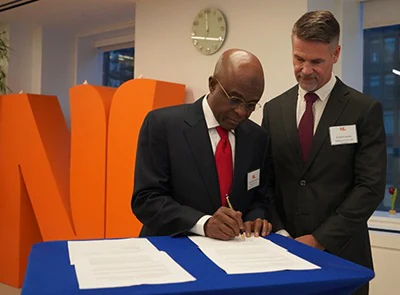
NEW YORK : APM Terminals’ West African Container Terminal (WACT) in Onne and the Nigerian Ports Authority has entered into a strategic partnership to accelerate decarbonisation across Nigeria’s port and transport ecosystem. The agreement was formalised on Monday September 22 at the Dutch Consulate in New York, during the week of the Global African Business Initiative, where both parties signed a memorandum of understanding (MoU). The MoU establishes a roadmap for electrifying containerised freight, in line with the policies of the Federal Ministry of Marine and Blue Economy in the country.

“We believe that Nigeria is ideally situated to lead West Africa’s transition to low-carbon logistics by electrifying its container transport sector,” said Frederik Klinke, CEO of APM Terminals Nigeria. “Nigeria is Africa’s largest economy and trade hub, and our research shows us that the country can leapfrog fossil-fuel infrastructure and adopt proven electric technologies. We are therefore very optimistic about our joint plans to develop a phased roadmap towards an electrified future for container logistics”.

Reacting to the MOU-signing, the Managing Director of the Nigerian Ports Authority Dr. Abubakar Dantsoho said: “By this development, the Onne Port will be the first green port in Nigeria and will thereby be promoting the decarbonisation efforts within the transportation ecosystem. This will also make Nigerian ports the leaders on the continent in terms of sustainable port operations.”

While congratulating APM Terminals on the collaboration, which will be wholly funded by APM Terminals to the tune of 60 million USD, Dr Dantsoho expressed his hope that this agreement would become a model that other African countries can replicate.

The agreement builds on a study APM Terminals presented to the Vice President of Nigeria at the Decarbonising Infrastructure in Nigeria Summit in Abuja in July. The study concluded that moving from fossil fuels to electrified container freight could lead to private investment, create skilled jobs, and deliver a more reliable energy supply. Achieving this transition, however, will require strong coordination across sectors and close collaboration between public and private partners.

“For APM Terminals, partnerships are key to generating long-term growth and value in the countries where we operate,” said Jeethu Jose, Managing Director of WACT. “Our investments are for our shared future and for the people of the region. We look forward to driving this project alongside our stakeholders in the port industry.”

51st AGM : RITES approves final dividend of ₹2.65/share

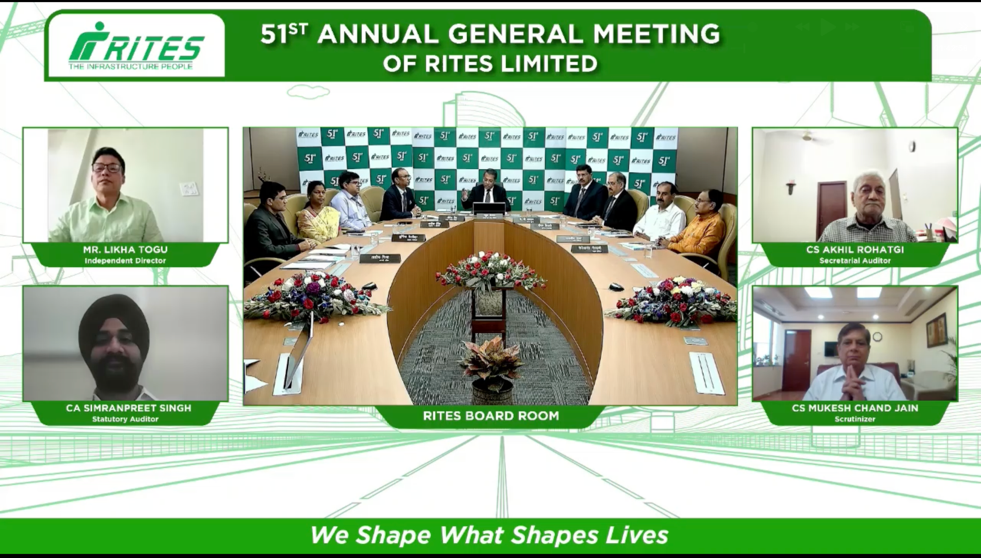
GURUGRAM : RITES Limited, the leading Transport Infrastructure Consultancy and Engineering firm, conducted its 51st Annual General Meeting (AGM) through video-conferencing and Other Audio Video Means (OAVM).

During the AGM, the shareholders approved all resolutions, including the adoption of Audited Financial Statements of the company, and the declaration of ₹2.65/share as a final dividend for FY2024-25. This is in addition to the three interim dividends totalling ₹4.90 per share that have already been paid during the year. The total dividend of ₹363 crore (₹7.55 per share) attributable to the financial year takes RITES’ dividend payout ratio to 95.4% of the earnings. The record date for the final dividend payout is September 17, 2025.

In FY25, RITES achieved consolidated revenue of ₹2,324 crore, compared to ₹2,539 crore in FY24. Operating revenue, excluding other income, stood at ₹2,218 crore, down from ₹2,453 crore in FY24. Despite headwinds, RITES remained resilient, reporting Profit After Tax of ₹424 crore in FY25, compared to ₹495 crore in FY24. While the consultancy business continued to be the largest contributor with revenue of ₹1,133 crore, the turnkey and leasing segments recorded revenue of ₹797 crore and ₹150 crore, respectively.

While addressing the shareholders, Mr. Rahul Mithal, Chairman & Managing Director (CMD), RITES Ltd., said, “FY2025 was not just a year of challenges—it was the year we reset, rebuilt, and reaffirmed our place in a rapidly evolving infrastructure world. Our journey ahead is about more than providing solutions—it’s about asking the questions that lead to lasting impact. Because we don’t just shape infrastructure— We Shape What Shapes Lives.”

About RITES Limited:

RITES Limited, a Navratna Public Sector Enterprise, is a leading player in the transport consultancy and engineering sector in India, having diversified services and geographical reach. The company has an experience spanning more than 5 decades and undertaken projects in over 55 countries in Asia, Africa, South America, and Middle East region.

IAPH expresses support for IMO Net-Zero Framework

LONDON: The International Association of Ports and Harbors (IAPH) Managing Director Patrick Verhoeven has expressed support for IMO’s Net-Zero Framework (NZF), to accelerate shipping’s energy transition.

Speaking at London International Shipping Week, Patrick Verhoeven warned that failure to adopt the IMO Net-Zero Framework (NZF) could result in a fragmented mix of national and regional measures, creating a “disaster for the maritime energy transition.”

IAPH has consistently advocated for an economic mechanism to bridge the pricing gap between hydrocarbon fuels and low- and zero-carbon alternatives, while funding research, development, and necessary port infrastructure, especially in developing countries.

The association also supports a global fuel standard and a credit trading scheme to drive emission reductions and incentivize the adoption of clean fuels.

A study commissioned by IAPH from Maritime & Transport Business Solutions (MTBS) highlighted that developing nations’ ports will require between 55 and 83 billion USD for adaptation and decarbonisation investments. Verhoeven emphasized that the IMO Net Zero Fund could play a key role in financing these investments, ensuring a just transition for ports in developing countries and preventing them from being left behind.

Failure to adopt the NZF, he warned, would create investment uncertainty, delay sector-wide decarbonisation, and likely lead to a complex patchwork of regional measures, such as the EU Emission Trading Scheme, complicating compliance for shipowners and operators. Adopting the Framework would provide clarity, incentivize uptake of low- and zero-carbon fuels, and support global port infrastructure development.

Source: Safety 4 Sea