Home Blog Page 640

Industry and Policy Leaders Chart India’s Path to Net Zero at FICCI’s 15th India Climate Policy and Business Conclave

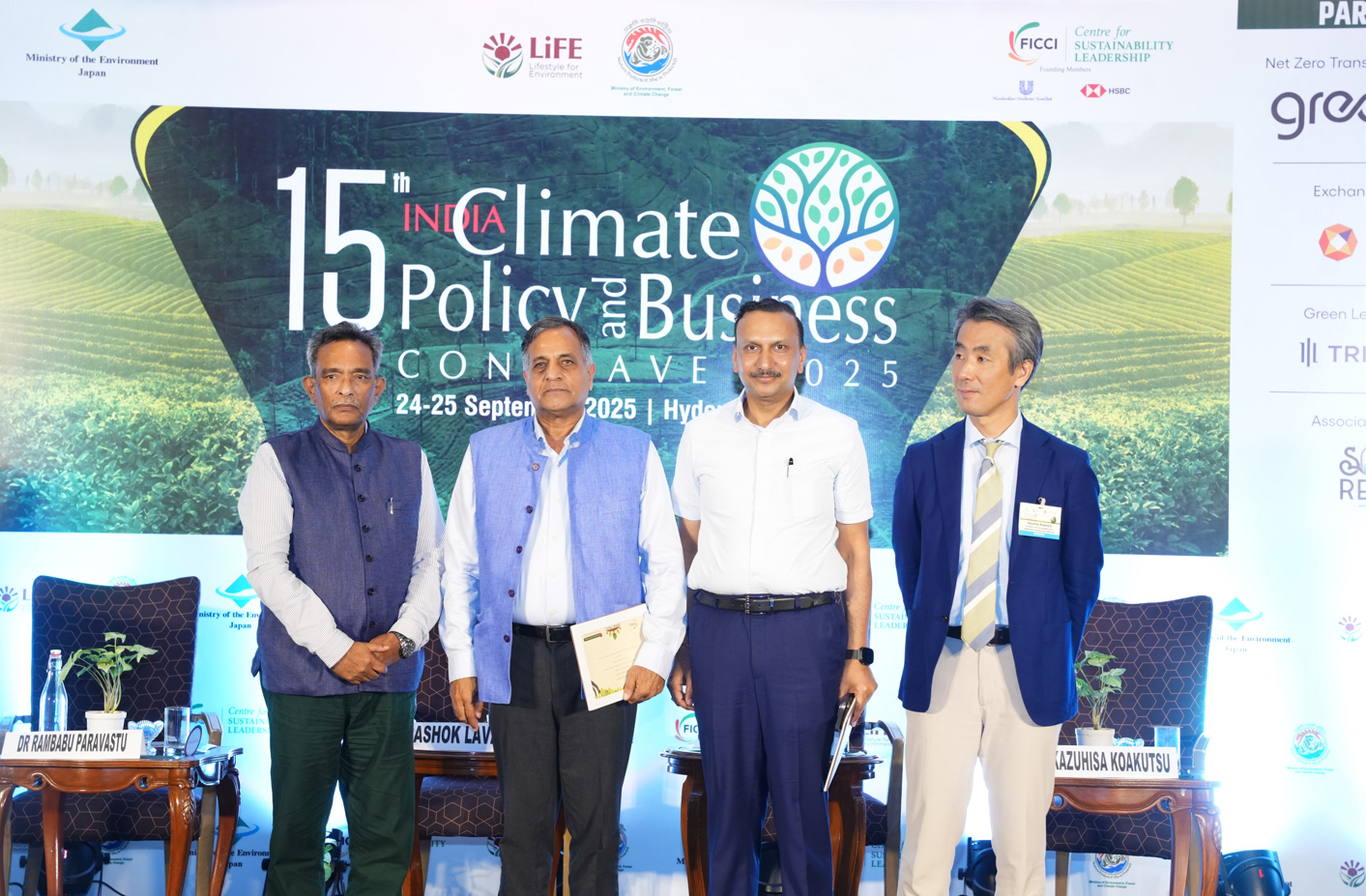
HYDERABAD: The day 2 of the 15th India Climate Policy and Business Conclave, organized by the Federation of Indian Chambers of Commerce and Industry (FICCI), in partnership with the Ministry of Environment, Forest and Climate Change (MoEFCC), Government of India, and the Ministry of Environment, Japan, provided a high-level platform to discuss key industry actions like climate adaptation, resilience, carbon mitigation, advanced clean technologies, digital transformations, nature-based solutions and climate resilient agriculture.

Shri Navin Mittal, IAS, Principal Secretary – Energy Department, Government of Telangana, delivered the Valedictory Address, stating that India has crossed the solar tipping point, with non-fossil fuel capacity now exceeding 50% of total installed capacity. Shri Mittal projected that the next major milestone is the storage tipping point, which is expected to occur in the next five years, making solar plus storage significantly cheaper than thermal energy, leading most states to reduce their dependencies on thermal energy. He highlighted massive state-level commitments to 1,500 GWh of battery storage (Telangana) and stressed the huge opportunity in the EV sector for reducing the nation’s $130 billion annual fuel import bill.

Delivering the keynote address, Mr. Ashok Lavasa, Former Secretary, MoEFCC, asserted that the Article 6.2 bilateral mechanism is the most immediate and flexible pathway for securing the technologies and investments needed for low carbon development. He emphasized that the future of climate action depends on the private sector and the common citizen, and that all efforts must be supported by integrity and high-quality credit standards in reporting.

Mr. Kazuhisa Koakutsu, Director of the Paris Agreement Article 6 Implementation Partnership (A6IP) Centre, in his Special Address, affirmed that the JCM’s methodology, which uses a conservative baseline set below existing emissions, was specifically designed to overcome the integrity issues of the CDM era, compelling both India and partner nations to achieve truly additional emission reductions. He added that all JCM and Article 6 projects must adhere to three fundamental goals – Enhancing climate action and adaptation; Promoting sustainable development; and, Ensuring environmental integrity.

Dr. Rambabu Paravastu, Co-Chair of the FICCI Climate Change Committee, closed the Conclave, synthesizing the discussions by affirming that energy sector decarbonization will happen much earlier than expected. He stated that India is poised to become a global leader and exporter of green solutions, leveraging its sun, wind, and water as its new competitive resources. He extended a final appeal for global collaboration, viewing the JCM as the international template, stressing that the true objective is to drive climate action “deeper and wider”.

The conclave featured high-level addresses, deliberations and climate dialogues that celebrated India’s performance and looked toward the next critical milestones.
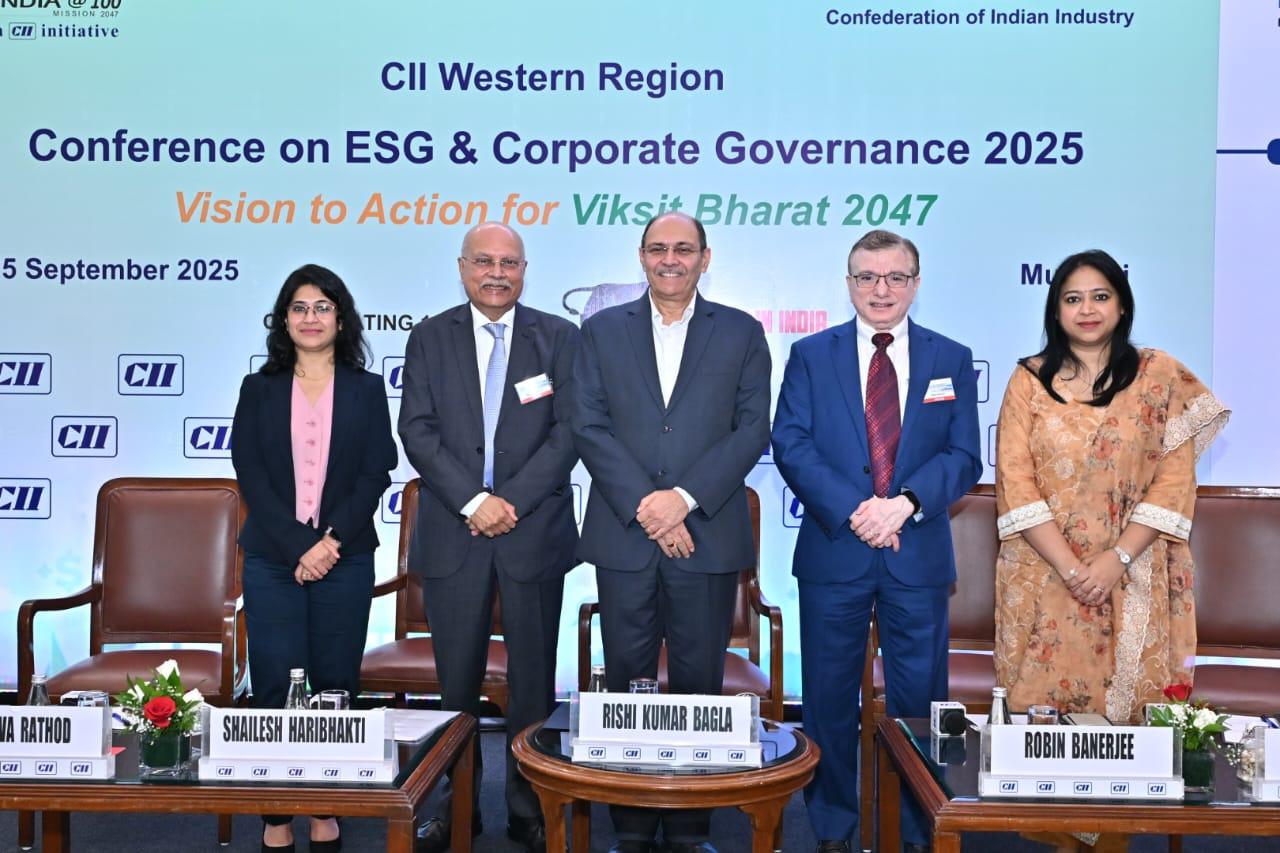
ESG at the core of India’s Journey to Viksit Bharat 2047: Rishi Kumar Bagla, CII Regional Chairman

MUMBAI : Mr Rishi Kumar Bagla, Chairman of CII Western Region and CMD BG Electricals and Electroncs India Ltd, Aurangabad said that ESG is central to building a sustainable and resilient India, highlighting that strong governance and purpose-driven action can transform commitments into real impact.

Speaking at the CII Regional Conference on ESG & Corporate Governance 2025 – “Vision to Action for Viksit Bharat” – he emphasized that the initiative is inspired by Hon’ble Prime Minister Shri Narendra Modi Ji’s vision of a resilient and advanced India by 2047. He added, “PM Modi has a vision to make India a Viksit Bharat and has set a target to achieve this by 2047. For that, it is important to work with a 360-degree approach and with the right intent… We want to engage with all stakeholders to discuss how the future of India should shape up in terms of ESG and corporate governance…”

The first onshore power supply station is being installed at the Port of Klaipėda

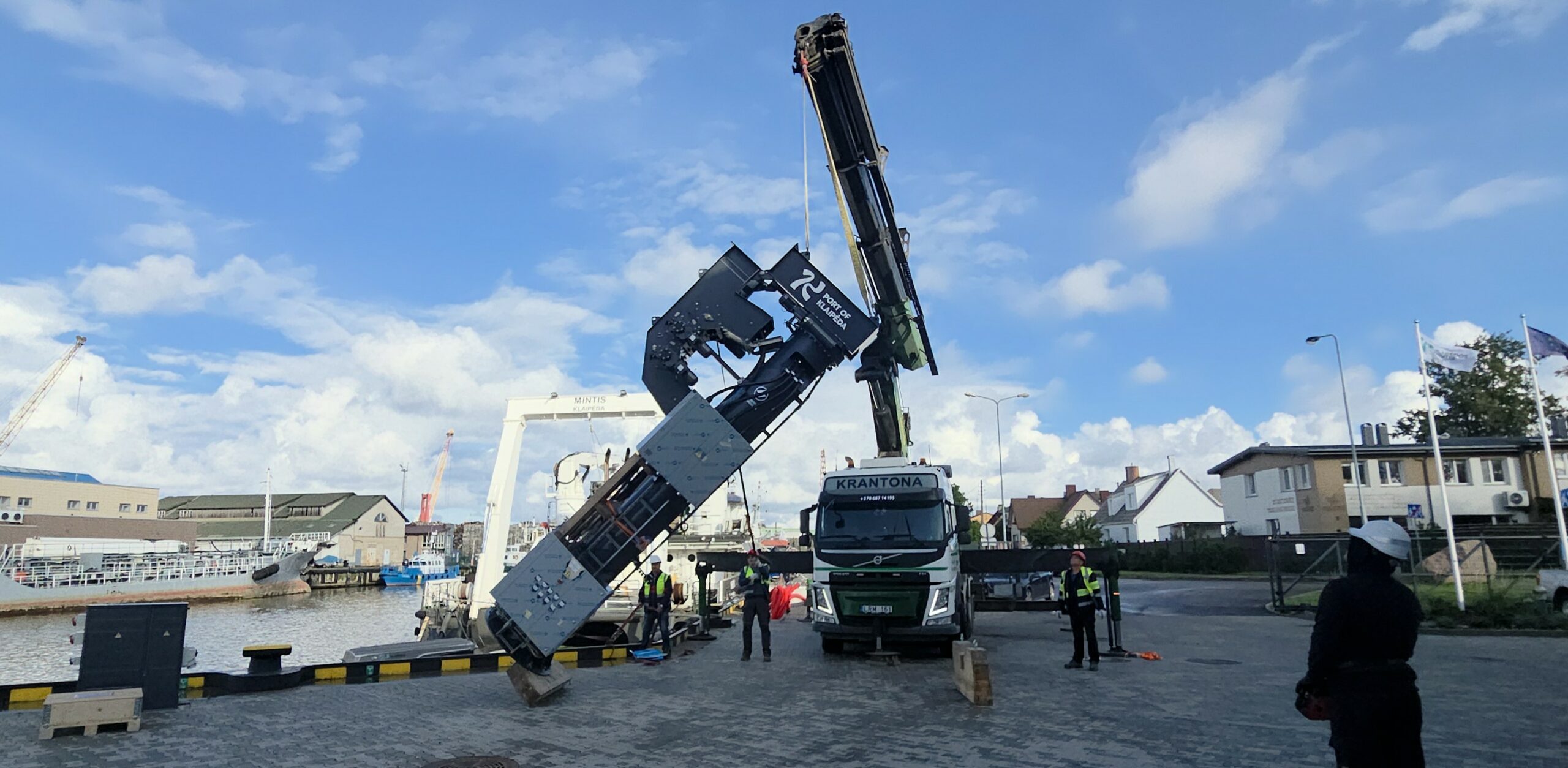
KLAIPEDA: The Port of Klaipėda is completing its first quay electrification project. An onshore power supply station has already been installed at the Port Authority’s Fleet Base and will be tested by the end of the year. It will provide electricity to the new hydrogen and electric-powered waste collection vessel arriving in Klaipėda later this year.

“Klaipėda Port is firmly set on a green course. We invest in sustainable, modern solutions to stay competitive. By the end of this year, the first clean-fuel vessel will arrive, and our new charging equipment at the Fleet Base will be ready to serve it. This is only the beginning – by 2030 ships at berth will have to switch off engines and use shore power, and we’re preparing to meet that demand,” says Algis Latakas, General Director of Klaipėda State Seaport Authority.

The new station at the Fleet Base quay will soon be connected to the power grid for testing. It will supply electricity to the Port Authority’s fleet, especially the nearly completed hydrogen- and electric-powered waste collection vessel.

The Port Authority is funding this project itself, with a total cost of nearly EUR 601,000 including VAT.

The onshore power supply station at the Fleet Base quay was installed by Elektrifikacijos paslaugos under a contract signed at the end of last year.

More onshore power supply stations are planned for the Port of Klaipėda. First, ro-ro vessels will be able to switch off their engines at berth to cut CO₂ emissions. By 2026, four stations will be installed for ro-ro vessels. Similar stations are planned for cruise and container ships in the coming years.

The Port of Klaipėda is preparing ahead for future onshore power supply requirements to help cut greenhouse gas emissions and noise.

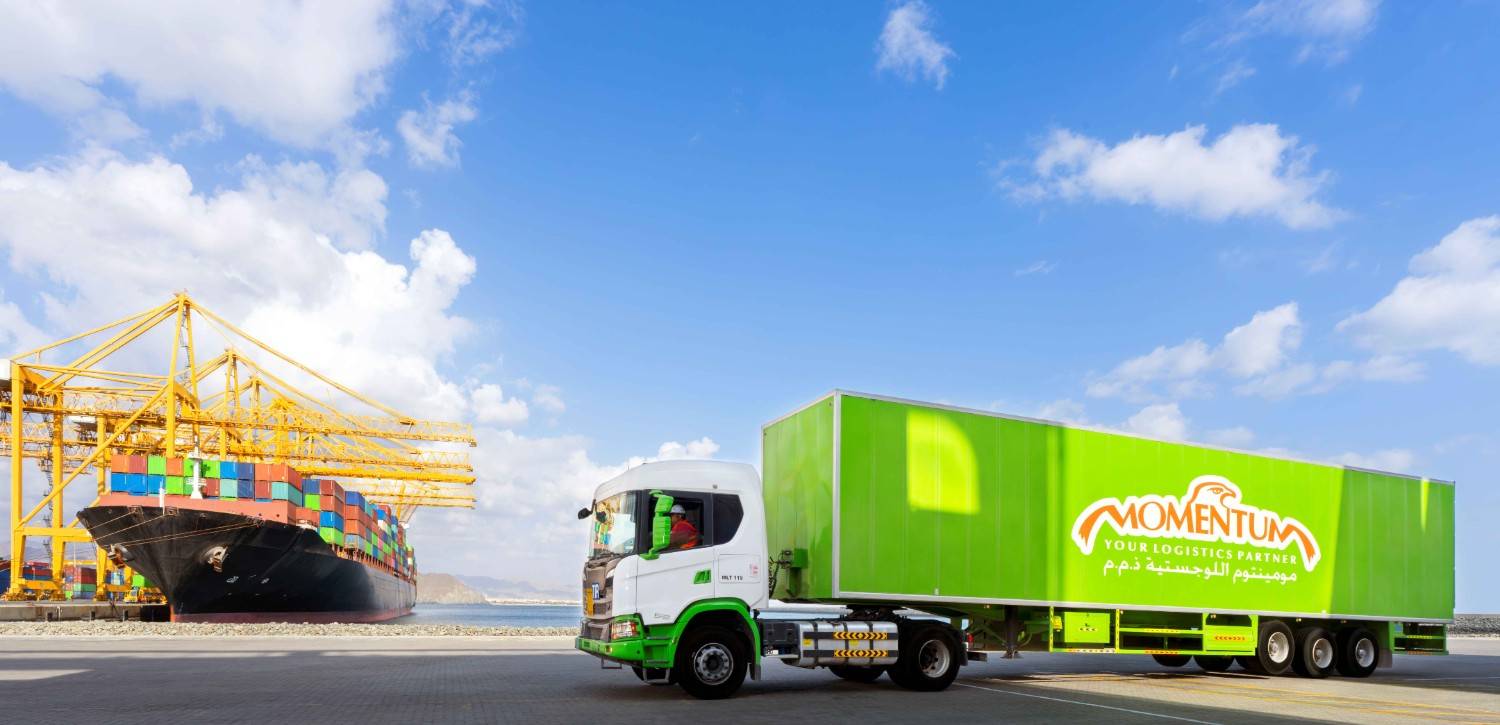
Gulftainer enhances multimodal solutions with new logistics hubs from Sharjah to the World

SHARJAH : Gulftainer, a UAE-based global provider of end-to-end supply chain, logistics, and multi-purpose port solutions, is playing a pivotal role in Sharjah’s transformation into a leading multimodal logistics hub, delivering scalable, seamless logistics solutions that enable uninterrupted trade across the UAE, the inner Gulf, and international markets via Khorfakkan Commercial Terminal.

With a strong regional footprint and five decades of operational expertise, Gulftainer manages key logistics assets including multi-purpose ports and terminals, inland transport networks, and integrated logistics hubs. As the UAE continues to enhance connectivity through major infrastructure projects like Etihad Rail, Gulftainer is strategically positioned as a critical partner to accelerate development of integrated logistics capabilities to drive greater supply chain efficiency.

Sharjah is uniquely positioned as the emirate with infrastructure and population on both the eastern and western seaboards of the UAE, giving it a strategic geographic advantage. By enhancing multimodal connectivity, across sea, land, and soon rail, Sharjah is emerging as a key logistics and transportation hub for regional and global trade.

The newly launched Sharjah ICD – the UAE’s first bonded inland container depot, and K-Flow – newly developed integrated logistics facility within the bonded zone of Khorfakkan Commercial Terminal, further enhance Sharjah’s position as the first gateway into the UAE and the wider region, making it a major milestone in Gulftainer’s transformation journey.

Farid Belbouab, Group CEO of Gulftainer, said: “As global supply chains demand greater connectivity, we continue to invest in a multimodal logistics covering sea, land, and rail. We are developing integrated hubs that facilitate seamless cargo movement from ports to inland destinations, improve cargo velocity, and offer customers greater reach and flexibility in their logistics operations.

“Our multimodal expansion will serve as a powerful driver of Gulftainer’s continued growth. The future of logistics is integrated, intelligent, and interconnected across land, sea, and rail and Gulftainer is ready to lead the way.”

The new facilities provide vital multimodal connectivity between seaports and inland markets. Together, these smart, scalable hubs form the foundation of a next-generation logistics ecosystem—fully aligned with Gulftainer’s vision for a future-ready, resilient supply chain network.

To learn more about Gulftainer’s capabilities and explore partnership opportunities, visit us at Stand A070 at ADNEC during the Global Rail Exhibition and Conference – 30 September to 2 October 2025.

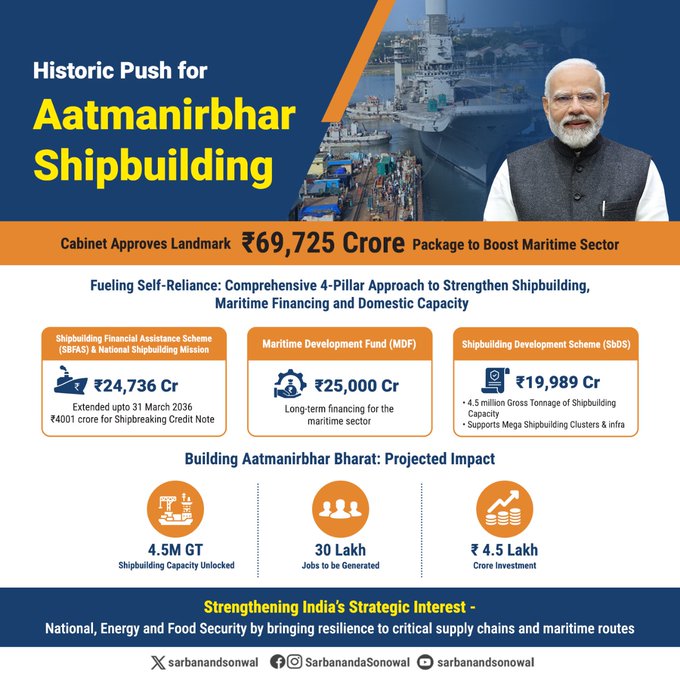
Cabinet approves Rs.69,725 crore package to revitalize India’s Shipbuilding and Maritime Sector

NEW DELHI : Recognizing the strategic and economic importance of the maritime sector, the Union Cabinet, chaired by Prime Minister Shri Narendra Modi, on Wednesday approved a comprehensive package of Rs.69,725 crore to revitalize India’s shipbuilding and maritime ecosystem. The package introduces a four-pillar approach designed to strengthen domestic capacity, improve long-term financing, promote greenfield and brownfield shipyard development, enhance technical capabilities and skilling, and implement legal, taxation, and policy reforms to create a robust maritime infrastructure.

Under this package, the Shipbuilding Financial Assistance Scheme (SBFAS) will be extended until 31 March 2036 with a total corpus of Rs.24,736 crore. The scheme aims to incentivize ship building in India and includes a Shipbreaking Credit Note with an allocation of Rs.4,001 crore. A National Shipbuilding Mission will also be established to oversee the implementation of all initiatives.

In addition, the Maritime Development Fund (MDF) has been approved with a corpus of Rs.25,000 crore to provide long-term financing for the sector. This includes a Maritime Investment Fund of Rs.20,000 crore with 49% participation from the Government of India and an Interest Incentivization Fund of Rs.5,000 crore to reduce the effective cost of debt and improve project bank ability. Furthermore, the Shipbuilding Development Scheme (SbDS), with a budgetary outlay of Rs.19,989 crore, aims to expand domestic shipbuilding capacity to 4.5 million Gross Tonnage annually, support mega shipbuilding clusters, infrastructure expansion, establish the India Ship Technology Centre under the Indian Maritime University, and provide risk coverage, including insurance support for shipbuilding projects.

The overall package is expected to unlock 4.5 million Gross Tonnage of shipbuilding capacity, generate nearly 30 lakh jobs, and attract investments of approximately Rs.4.5 lakh crore into India’s maritime sector. Beyond its economic impact, the initiative will strengthen national, energy, and food security by bringing resilience to critical supply chains and maritime routes. It will also reinforce India’s geopolitical resilience and strategic self-reliance, advancing the vision of Aatmanirbhar Bharat and positioning India as a competitive force in global shipping and shipbuilding.

India has a long and illustrious maritime history, with centuries of trade and seafaring that connected the subcontinent to the world. Today, the maritime sector remains a backbone of the Indian economy, supporting nearly 95% of the nation’s trade by volume and 70% by value. At its core lies shipbuilding, often described as the “mother of heavy engineering,” which not only contributes significantly to employment and investment but also enhances national security, strategic independence, and the resilience of trade and energy supply chains.

IMO celebrates World Maritime Day 2025 today

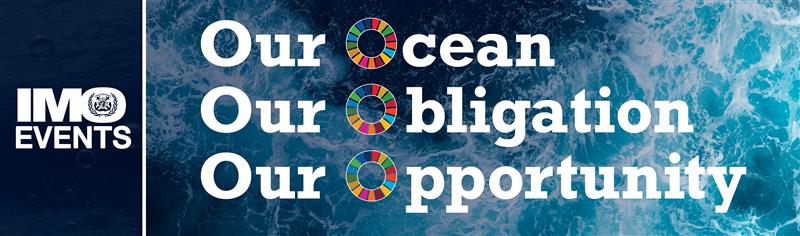
LONDON: The World Maritime Day 2025 will take place today on 25 September 2025. This year’s World Maritime Day theme is “Our Ocean, Our Obligation, Our Opportunity”. Several initiatives will take place to commemorate the Day, including: 

  • Lighting up landmarks: IMO Headquarters will be bathed in blue light in the evening of the day to promote this year’s theme. IMO invites Member States, intergovernmental organizations in cooperation with IMO, and non-governmental organizations in consultative status with IMO to light up landmarks.
  • Social media participation:  Spread the word! IMO invites Members States and everyone in the maritime industry to celebrate the day by using the hashtag #WorldMaritimeDay and tagging IMO on social media (X, formerly Twitter, Instagram, Facebook and LinkedIn).

IMO Secretary-General Message

Watch IMO Secretary-General Arsenio Dominguez video message on the World Maritime Day theme 2025:

IMO Secretary-General goes back to school for World Maritime Day 2025

IMO Secretary-General Arsenio Dominguez went back to school to speak with children about the importance of protecting the ocean and to launch the World Maritime Day theme for 2025: “Our Ocean, Our Obligation, Our Opportunity”.

Our Ocean, Our Obligation, Our Opportunity

The World Maritime Day theme for 2025 “Our Ocean, Our Obligation, Our Opportunity” reflects the ocean’s vital role in the world economy, with more than 80% of global trade transported by sea. The ocean is a source of jobs and food for millions of people, a home for countless marine species, and a regulator of the planet’s climate, mitigating the impacts of climate change. 

As the largest sector operating in the ocean space, shipping has a central role to play in the protection of the marine environment and management of ocean resources.

IMO’s long-standing commitment on this issue is evident in the robust global regulatory framework supporting cleaner, safer seas, and a growing portfolio of technical assistance initiatives to support ocean protection in 176 Member States.

The theme emphasizes the link to wider global efforts to protect the ocean including the conclusion of UN Agreement on the Conservation and Sustainable Use of Marine Biological Diversity of Areas beyond National Jurisdiction (BBNJ Agreement), the negotiation of a new instrument to address plastic pollution and the third UN Ocean Conference in June 2025. 

The theme will allow all stakeholders to showcase the deep interconnection of shipping and IMO in the ocean space, highlighting the importance of collaboration and coordination to ensure the sustainable and safe use of ocean resources.

World Maritime Day Parallel Event

The World Maritime Day Parallel Event will be celebrated in the United Arab Emirates on 29 September to 1 October 2025. Please find all the information here. 

IMO’s work to protect the ocean

Over many decades, IMO has developed and adopted mandatory rules, recommendations and guidelines to protect the marine environment from any potential negative impact of shipping. These include binding treaties applied on ships globally. The International Convention for the Prevention of Pollution from Ships (MARPOL), first adopted in 1973, covers pollution from oil, dangerous chemicals, packaged goods, sewage and garbage, and harmful emissions from ships. 

Other marine environment related treaties cover: the dumping of wastes at sea (London Convention and Protocol); managing ships’ ballast water to prevent the spread of potentially invasive aquatic species (Ballast Water Management Convention); control of anti-fouling systems; and preparedness and response for spills of oil or chemicals.      

These international regulations are supported by technical assistance programmes and projects that support Member States to tackle specific challenges such as marine plastic litter, greenhouse gas emissions from ships, and the spread of invasive aquatic species through ballast water and biofouling. 

IMO’s work in these areas directly support the UN 2030 Agenda for Sustainable Development and the Sustainable Development Goals (SDGs), particularly:

  • SDG 14 on life below water;
  • SDG 13 on climate action;
  • SDG 9 on industry, innovation and infrastructure; and 
  • SDG 17 on partnerships. 

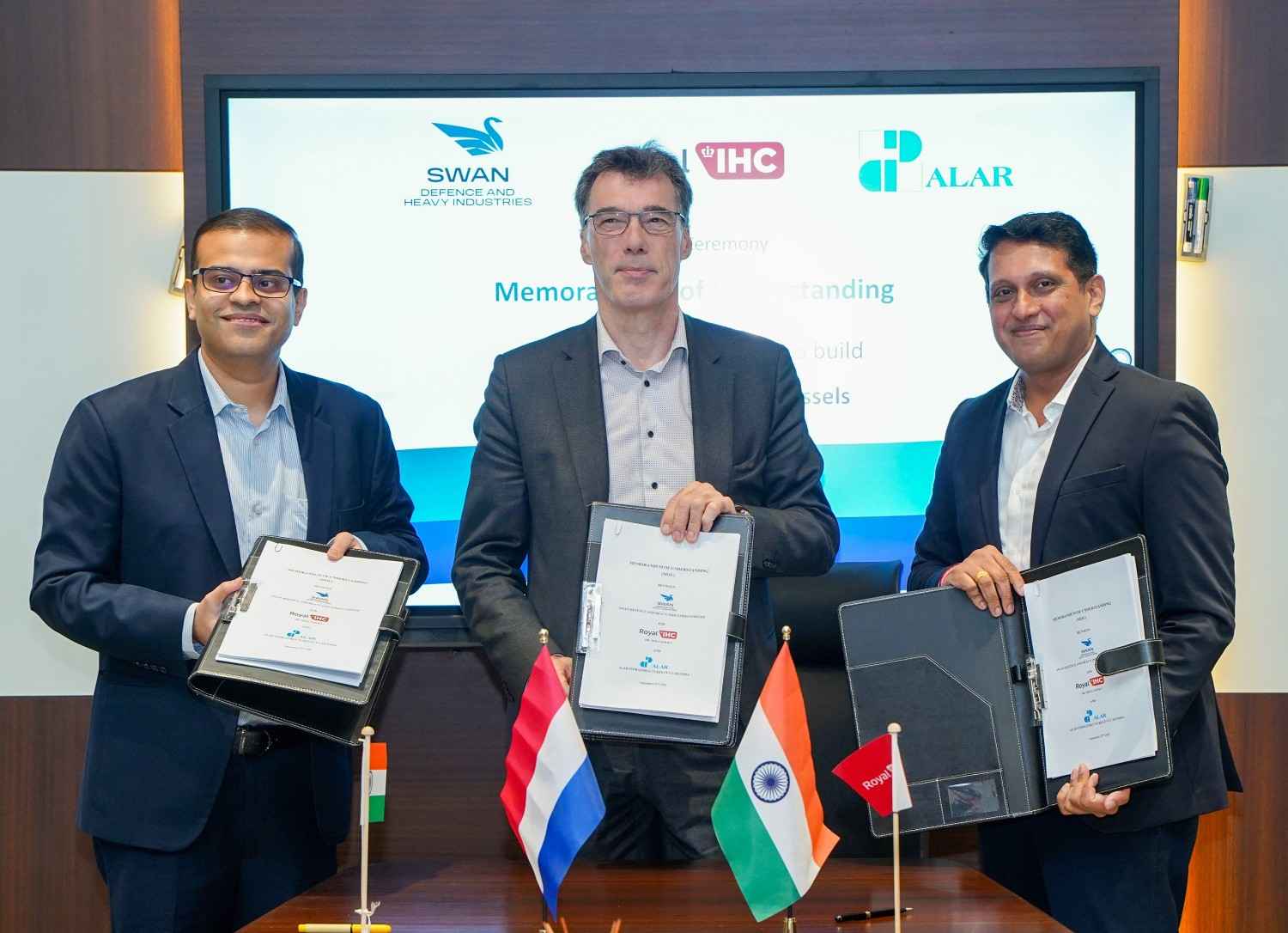
SDHI inks exclusive deal with Europe’s offshore oil and gas vessel leader Royal IHC

NEW DELHI: Swan Defence and Heavy Industries Limited (SDHI), India’s largest shipbuilding and heavy fabrication company, has signed an exclusive Memorandum of Understanding (MoU) with European offshore oil & gas vessel leader Royal IHC. The partners will combine their expertise, infrastructure, and geographical advantages to design, build, and retrofit offshore oil and gas and other types of vessels. The MoU was signed along with Alar Infrastructure, the Indian representative of Royal IHC.  

The collaboration will explore opportunities to build Offshore Construction Vessels, Pipe Laying Vessels, and Multi-Purpose Offshore Support Vessels at SDHI’s shipyard in Pipavav Port, Gujarat. The partnership will reinforce the Government of India’s Make in India and Atmanirbhar Bharat initiatives by advancing indigenous shipbuilding and enhancing cost competitiveness.

The collaboration brings together the world’s leading offshore oil and gas vessel company and India’s largest shipyard to provide integrated, cost-competitive solutions for offshore and other specialized vessels. Leveraging IHC’s expertise in design, engineering, equipment, and project management, alongside SDHI’s advanced shipbuilding infrastructure, skilled workforce, and resources. The partnership will strengthen indigenous capabilities and position India as a competitive player in the global shipbuilding industry.

Commenting on the MoU signing, Mr. Vivek Merchant, Director, Swan Defence and Heavy Industries, said “We are delighted to partner with Royal IHC at a time when the industry is witnessing a growing demand for offshore vessels capable of serving both oil & gas and renewable energy markets. This collaboration positions us to address these emerging opportunities with world-class capabilities and competitive solutions.”

Commenting on the collaboration, Derk te Bokkel, CEO, Royal IHC said, “This agreement marks a significant step in strengthening our presence in Asia by partnering with India’s largest shipyard. Together with SDHI’s infrastructure and capabilities, we can deliver reliable and advanced offshore solutions to meet the evolving needs of the global energy market.”

Strategically located on the west coast of India, SDHI’s shipyard operates the country’s largest dry dock (662m x 65m) and has an impressive fabrication capacity of 144,000 tons per annum – providing an unmatched advantage in fulfilling India’s maritime and industrial ambitions.

About Royal IHC

Royal IHC is a leading supplier of maritime technology and determined to play a leading role in making the maritime industry more efficient and sustainable. Anchored in the rich Dutch maritime history, Royal IHC continues to build on its position as a leading provider of maritime technology and craftsmanship. With the right expertise on board and driven by innovation, Royal IHC offers a clear competitive advantage to its global clients in the dredging, offshore, mining and defence industries. Through its equipment, ships, and services, Royal IHC delivers reliable, integrated solutions to increase customers’ operational efficiency and enable more sustainable solutions.

About Swan Defence and Heavy Industries

Swan Defence and Heavy Industries Limited (SDHI), formerly known as Reliance Naval and Engineering Limited, is a leading shipbuilding and heavy fabrication company in India. Strategically located on the west coast of India, the shipyard operates the country’s largest dry dock (662m x 65m) and has an impressive fabrication capacity of 144,000 tons per annum – providing an unmatched advantage in fulfilling India’s maritime and industrial ambitions. SDHI is committed to innovation, excellence, safety, and sustainability

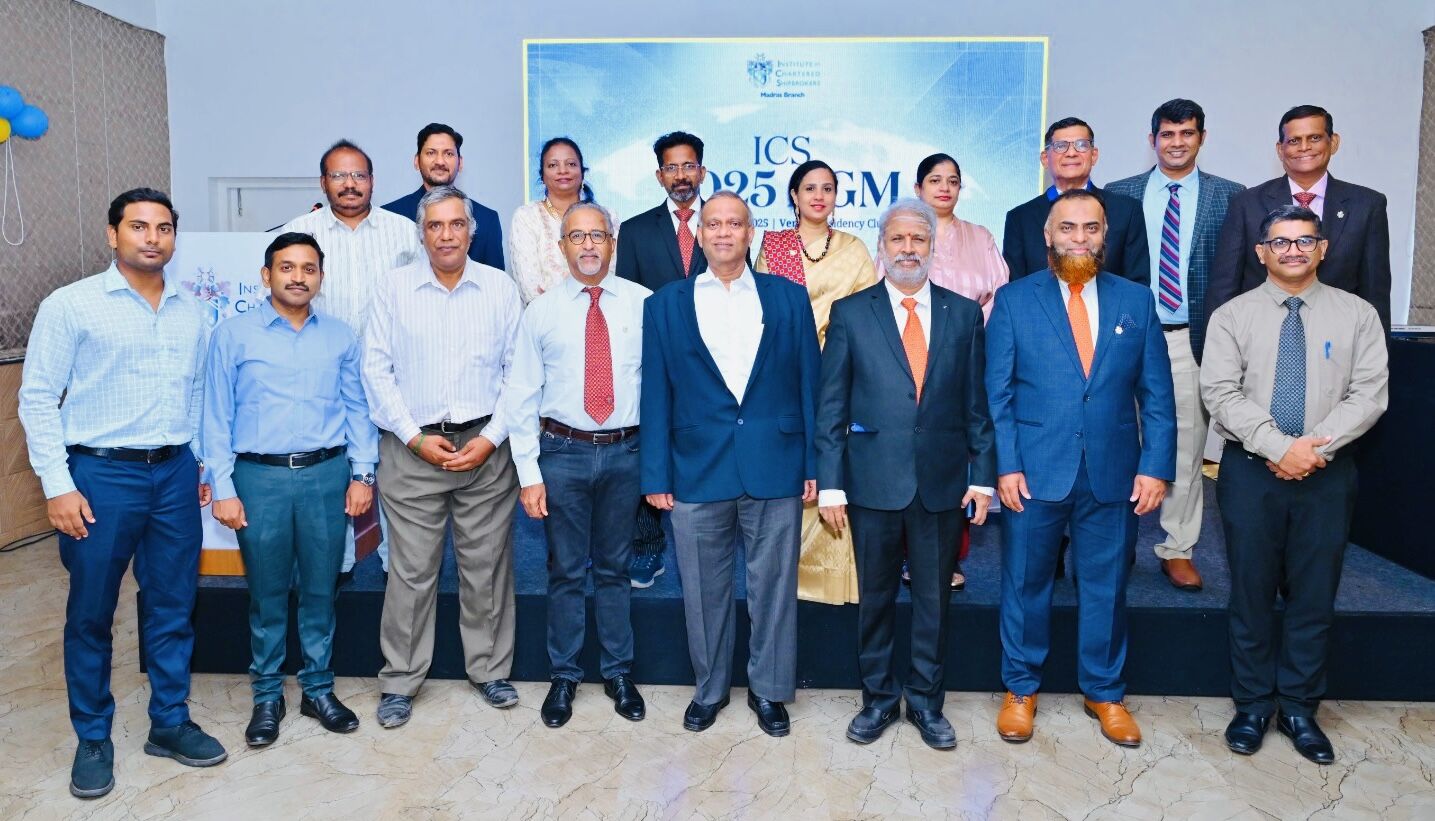
ICS Madras Branch AGM 2025: Passing the Helm, Embracing New Leadership

CHENNAI : The Institute of Chartered Shipbrokers (ICS), Madras Branch successfully held its Annual General Meeting 2025 on 19th September 2025 at Presidency Club, Chennai, according to a release.

The evening was marked by tradition, fellowship, and knowledge exchange, highlighted by the ceremonial passing of the helm with the transfer of the collar and gavel, symbolizing the continuity of leadership.

We were honoured by the presence of our Chief Guest – Dr. D. Rajashekhar, Chairman, Marine Engineering Board, Institution of Engineers (India) and Former Chief Scientist & Group Director, NIOT, whose insights and encouragement enriched the occasion, the release added.

Introducing the New Executive Committee (2025–2027):
• Arathi Narayanan – Chairperson
• Capt. L.K. Lalit Kumar – Vice Chairman
• Nilesh Kumar Sinha – Honorary Secretary
• Venkateshwar Ramakrishnan – Honorary Treasurer
• Capt. John Prasad Menezes – Immediate Past Chairman

The leadership team will be ably supported by committee members Priya Anil Thomas, G. Saikumar, Capt. Sami. A. Modak, P. Portia, and Ravee. S. Tittei, whose expertise and active involvement will further strengthen the work of the branch.

We extend our heartfelt thanks to the outgoing Executive Committee (2023–2025) for their dedicated service and invaluable contributions. Under the leadership of Capt. John Prasad Menezes as Chairman, supported by Arathi Narayanan (Vice Chairman), Capt. L.K. Lalit Kumar (Hon. Secretary), Noorul Ameen (Hon. Treasurer), and M. Sayeeraman (Immediate Past Chairman), the branch was steered with commitment and vision. Their efforts were further strengthened by committee members Ravee. S. Tittei, K. G. Ramakrishnan, C. G. Prashanth, and G. Saikumar. Together, they upheld the values of ICS and worked tirelessly to promote professionalism, knowledge-sharing, and leadership in maritime trade and shipping—principles once again reaffirmed during this AGM, said the release.

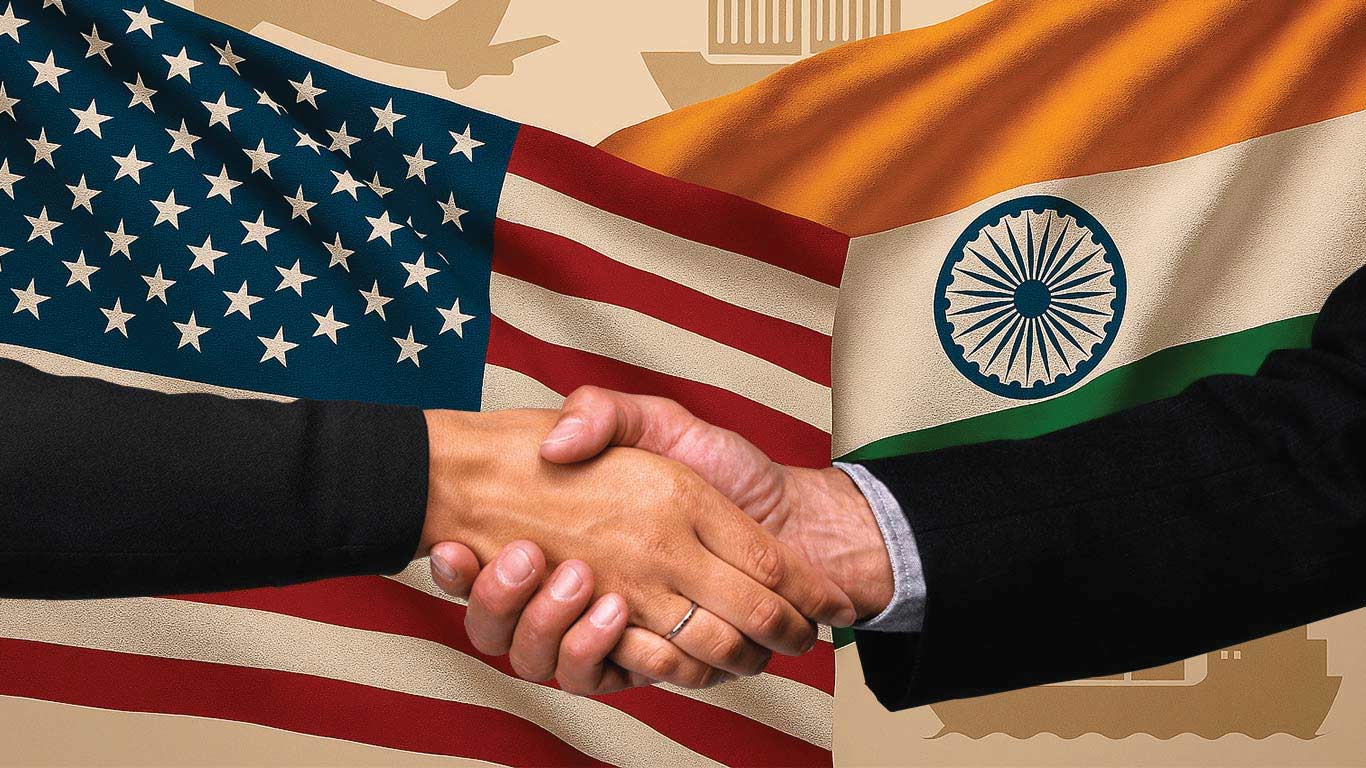
Quad summit on horizon after ‘encouraging’ India-US trade talks in New York

The 2025 Quad Summit, scheduled to be hosted by India this year, is likely to stay on track, with sources in Washington telling India Today TV that the initial meeting between trade delegations of India and the US is “going well”. If the trade talks keep moving in the right direction, the Quad Summit can be expected to be held before the end of this year, with US President Donald Trump travelling to India for the four-nation gathering.

The development comes after recent diplomatic tensions between India and the US over trade and Russian oil purchases raised uncertainties about the prospect of Trump travelling to India for the 2025 Quad Summit. The Quad is a diplomatic grouping of India, Japan, Australia and the United States.

Sources in the US administration say the initial meeting between India’s trade delegation and US officials in New York is “going well”, offering the first signs of progress after months of stalled trade negotiations.

Commerce Minister Shri Piyush Goyal, joined by lead negotiator Rajesh Agarwal, met with US Trade Representative Jamieson Greer to restart discussions on a long-pending agreement. “The early signs are encouraging,” a source familiar with the talks said, adding that both sides are “committed to moving past irritants.”

India and Australia sign Mutual Recognition Arrangement(MRA) for Organic Products

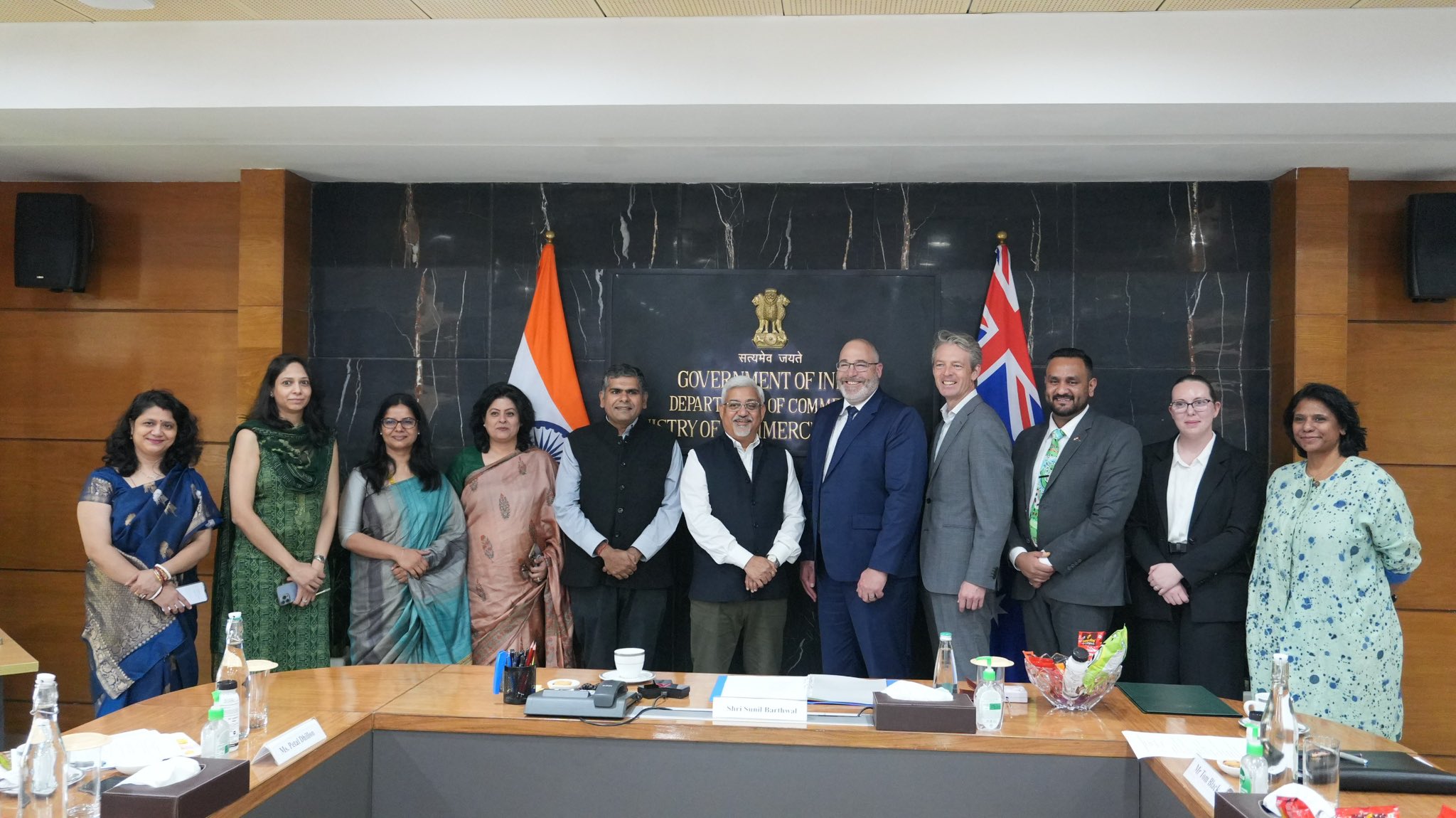
NEW DELHI : The Mutual Recognition Arrangement (MRA) for organic products between India and Australia has been signed on 24th September 2025 at Vanijya Bhavan, New Delhi. This Arrangement demonstrates the shared commitment of the India–Australia Economic Cooperation and Trade Arrangement (ECTA) and strengthens the strategic partnership between India and Australia.

The Arrangement was signed in the august presence of Secretary Commerce, Sh. Sunil Barthwal, Chairman, Agricultural and Processed Food Products Export Development Authority (APEDA) Sh. Abhishek Dev, and First Assistant Secretary, Department of Agriculture, Fisheries and Forestry (DAFF), Australian Government, Mr. Tom Black. Joint Secretary Department of Commerce, Ms. Petal Dhillon, Advisor Standards FSSAI, Dr. Alka Rao and Australia’s Deputy High Commissioner to India, Mr. Nick McCaffrey witnessed the signing of the MRA along with other senior officers of the Department of Commerce and prominent organic exporters of India.

The implementing Agencies for the MRA are the Agricultural and Processed Food Products Export Development Authority (APEDA), Ministry of Commerce & Industry, India and the Department of Agriculture, Fisheries and Forestry (DAFF), Government of Australia.

The Mutual Recognition Arrangement covers organic products that are grown and processed in the jurisdictions of the Participants, including:

a. Unprocessed plant products, excluding seaweed, aquatic plants, and greenhouse crops;

b. Processed foods composed of one or more ingredients of plant origin. This includes certified organic ingredients sourced from third countries meeting domestic regulatory requirements, provided they are processed in either Australia or India and then exported to the other country; and

c. Wine.

This MRA is a significant milestone in the bilateral relationship between India and Australia. The Arrangement reflects the trust and confidence our two countries place in each other’s organic standards and certification systems. The MRA will simplify the compliance requirements and create new opportunities for the farmers and exporters.

In his address, Secretary Commerce, Shri Sunil Barthwal, emphasized the role of the National Programme for Organic Production (NPOP) in setting rigorous standards for India’s organic ecosystem and keeping India’s organic sector transparent and credible. He also highlighted that organic products should not be viewed as a mere certification but as a reflection of a comprehensive system that preserves integrity, maintains strict standards and ensures farmers’ incomes. With organic produce commanding 30 – 40% higher prices, farmers benefit from improved livelihoods.

He further stressed the need for labelling, penalties and regulatory measures to ensure strict separation of organic from non-organic produce, while also calling for greater capacity building, training and advisory support for farmers. “Organic products must not be so-called organic but certified organic, with every stakeholder in the chain taking pride in maintaining that integrity,” he said.

First Assistant Secretary, Department of Agriculture, Fisheries and Forestry, Government of Australia, Mr. Tom Black appreciated India’s fast-growing organic sector and the role of the Indian diaspora in increasing the organic trade between India & Australia. He noted that Australia leads with 53 million hectares of organic farmland and highlighted trade opportunities in cereals, tea, spices, beverages and wines.

India’s organic exports to Australia reached USD 8.96 million in FY 2024-25 with a total export volume of 2,781.58 metric tonnes, led by psyllium husk, coconut milk and rice. Government of India is committed to make India as the Organic Food Basket of the World and the MRA is a major step in that direction, as it is expected to boost India’s Organic exports further by reducing barriers, ensuring certification equivalence, and supporting more organic products and producers.