Home Blog Page 651

First round of India-EAEU FTA to begin in November

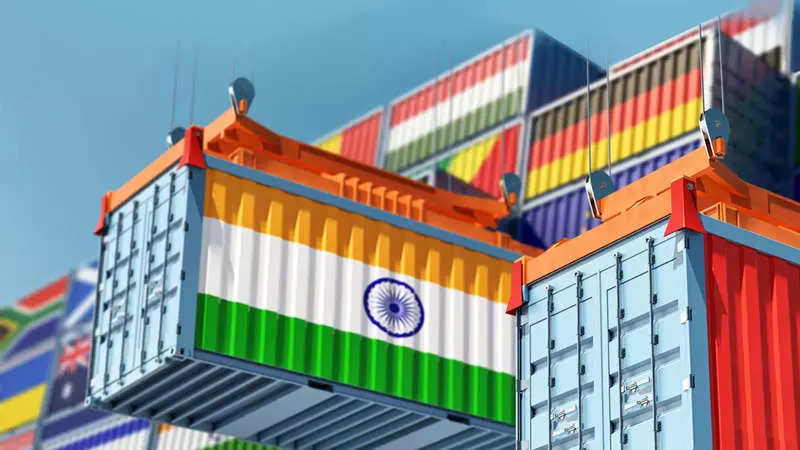
NEW DELHI : The first round of negotiations for a free trade agreement (FTA) between India and the Eurasian Economic Union (EAEU), which includes Russia, will most likely begin in early November, according to the Russian Embassy.

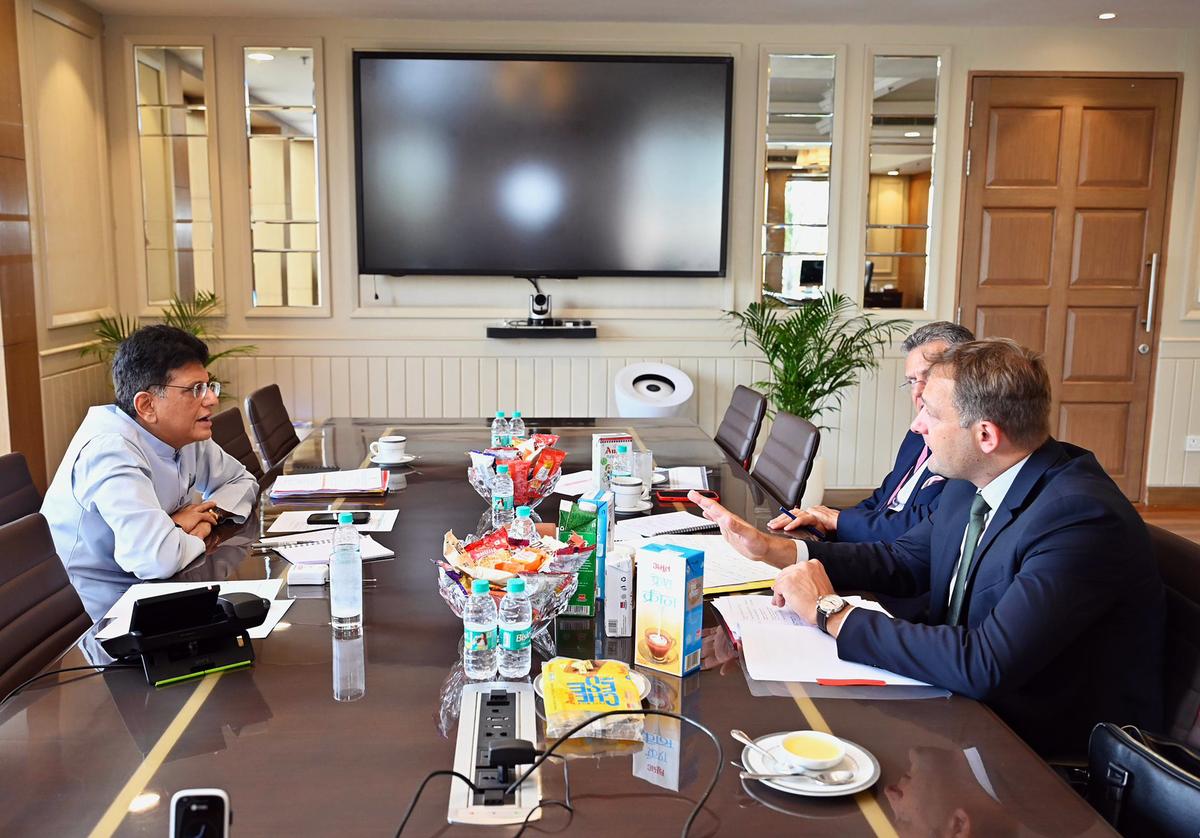
In a statement, the Embassy of Russia in India said that the Minister of charge of Trade of the Eurasian Economic Commission, Andrey Slepnev, met with India’s Minister of Commerce and Industry, Shri Piyush Goyal, on September 15.

“The ministers agreed on an approach under which the first round of negotiations is set to take place in early November this year in India and focus on discussing the core aspects of the future deal,” said the statement, adding that the discussion will be preceded by “intensive consultations between the Commission, Indian partners, and the EAEU Member states”.

The Indian government has so far not confirmed the date of the first round of negotiations, nor confirmed the Embassy’s statement.

Meanwhile, India continues to be in talks for FTAs with numerous nations, including Chile, Peru and the European Union (EU), with which it will hold the next round of negotiations on October 6-10.

A source privy to the negotiations has confirmed “almost all” issues pertaining to the FTA between India and the EU bloc have been resolved, and that the two sides were looking at an early harvest.

Ursula von der Leyen, President of the European Commission, had posted on X on Wednesday that “we are committed to finalising our trade agreement [with India] by the end of the year”, a deadline that was also mentioned by EU trade commissioner, Maros Sefcovic last week.

India will also review the FTA with the Association of Southeast Asian Nations (ASEAN), the next meeting for which is scheduled for October 6-7, with an official in the ministry of commerce and industry saying the review is “expected to be concluded by the year-end”.

The next round of talks between India and Chile is slated for October 27-31, and for India-Peru, on November 3-5.

India-EU FTA: Sensitivities in agri-dairy accepted; Auto, liquor, visas yet to be settled

NEW DELHI : The EU has “more or less” accepted India’s sensitivities in agriculture and dairy in the ongoing negotiations for a Free Trade Agreement (FTA). However, the two sides are yet to finalise commitments in crucial goods, including automobiles and liquor, and settle issues related to non-tariff measures and some final aspects of services.

The two have agreed to seal the FTA as soon as possible, targeting the year-end, even if negotiations on the pacts on investments (BIT) and Geographic Indications (GIs), simultaneously taking place, lag behind.

Tariff talks
“The EU is looking for a steeper reduction in import duties on automobiles, including EVs, as well as alcoholic beverages, than what India is willing to offer. While India made ambitious commitments under the UK FTA for automobiles, agreeing to a quota-based phased reduction of duties from 110 per cent to 10 per cent, and also for whisky, the market size is much larger in the EU and the same template may not apply,” a source tracking the matter told businessline.

The next negotiating round for the India-EU FTA is scheduled in Brussels from October 6-10.

On sensitive agricultural and dairy items, India is maintaining a consistent stand. “We cannot cross our red lines. That message is clear from our side. The EU understands as they also have their redlines,” he said.

India is also continuing to push for better commitments related to the movement of workers and visa issuance. “We are looking at the best offers that the EU has made to other countries,” the source said.

Negotiations are also on for tempering down of the EU’s non-tariff measures, such as harsh sanitary & phytosanitary requirements affecting India’s farm sector exports and a long-drawn registration process for pharmaceuticals.

IT concern
Unfortunately for the Indian IT sector, unlike the India-UK FTA, the pact with the EU is not likely to include a social security agreement. Instead, the country will continue to work individually with EU members for bilateral pacts in the area, the source added.

India draws up plan to push exports, cushion tariff blow

NEW DELHI : The Union Cabinet may soon consider a five-year export-promotion mission which will also have the immediate aim of cushioning key sectors hit by the US’s 50% tariffs, for which inter-ministerial consultations were concluded recently, three government officials said.

The multi-dimensional programme to boost exports is likely to have both fiscal and non-fiscal measures, including sector-specific strategies, ease of compliance and trade-facilitation measures, the officials added, requesting anonymity.

According to draft proposals reviewed by HT, relief measures to boost outbound shipments, especially of farm and marine products, will include injecting liquidity into small and medium businesses through cheaper credit and subsidized interest rates. Small and medium enterprises account for nearly 46% of exports.

To fund the support measures, the government is likely to utilise ₹25,000 crore set aside in this year’s Union budget for a plan to boost exports.

The government may “frontload” the mission with measures worth ₹10,000 crore to provide immediate support to exporters hit by tariffs, one of the officials said. Frontloading refers to a strategy of allocating a higher share of funds upfront at the beginning of a programme’s implementation.

The US and India have re-engaged to revive negotiations for a trade pact, with a round of meetings slated for this week in New Delhi.

A visiting US negotiating team led by Brendan Lynch, assistant trade representative for South and Central Asia, arrived in the national capital on Monday. If the two countries manage to converge, then it could pave the way for a sixth round of formal negotiations for a bilateral trade agreement.

The mission will also seek to bridge the export-financing gap, created by the lack of adequate amounts of credit. In the last financial year, export financing stood at about $124.7 billion against a total requirement of $283 billion for exports valued at $437 billion in 2023-24, according to the Center for the Study for Finance and Economics, a wing of the Impact and Policy Research Institute, New Delhi.

The mission will also have fiscal components spread over a five-year period for export promotion, easy credit and incentives, particularly for micro, small and medium enterprises (MSMEs).

According to the officials cited above, the mission is likely to have two sub-schemes. The first, Niryat Protsahan, will likely be an immediate relief package while there will be a longer-term plan called Niryat Disha.

“The Export Promotion Mission was proposed by finance minister Nirmala Sitharaman in the Budget on February 1, hence it is not in response to the US imposing hefty tariffs on Indian goods. But certainly, the mission will also provide immense relief to tariff-hit exporters and help them in expanding and diversifying their exports,” the first official said.

While presenting the Union Budget on February 1, Sitharaman termed exports as one of the growth engines of the Indian economy. “We will set up an Export Promotion Mission, with sectoral and ministerial targets, driven jointly by the ministries of commerce, MSME, and finance. It will facilitate easy access to export credit, cross-border factoring support, and support to MSMEs to tackle non-tariff measures in overseas markets,” she said in her budget speech.

The proposed mission is timely as the US government on July 31, imposed a 25% reciprocal tariff on Indian shipments to America, effective from August 7. Later, on August 6, President Donald Trump signed another executive order imposing a 25% punitive tariff on India effective from August 27 for purchasing Russian crude, taking up total effective US taxes on Indian shipments to 50%, the highest among all countries.

The second official said the export mission will be more “flexible and nimble” in approach and its fiscal impact could be more than the estimated ₹25,000 crore, as it would cover a five-year period.

“The mission will be driven by the ministries of commerce, micro, small and medium enterprises, and the finance ministry to mainly augment export competitiveness,” the first official said.

Source : HT

Yang Ming and Hanwha Ocean signed contract for seven new 16,000 TEU class LNG Dual-Fuel container vessels

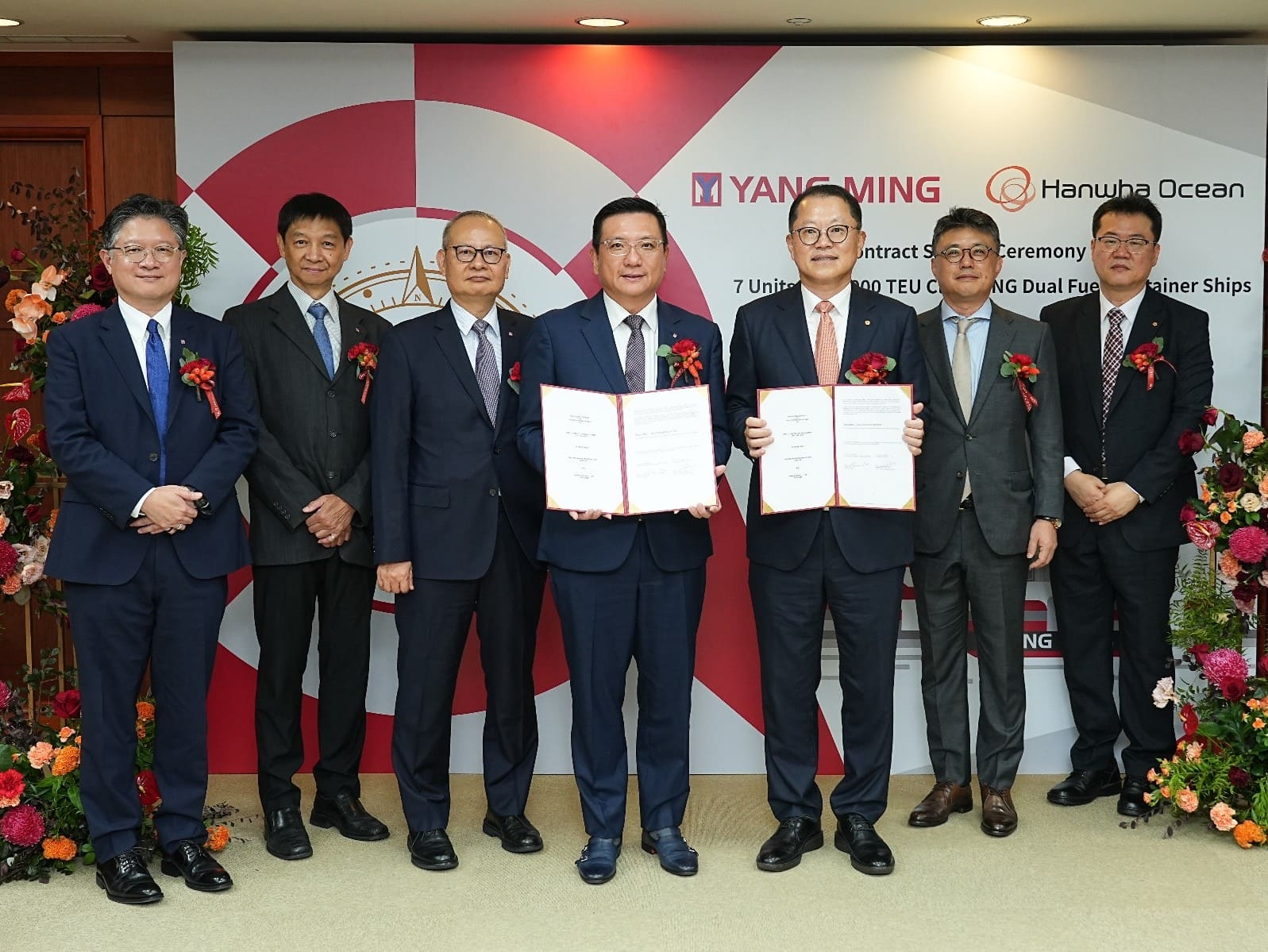
SINGAPORE : Yang Ming Marine Transport Corporation (“Yang Ming”) signed a shipbuilding contract with Hanwha Ocean Co., Ltd. (“Hanwha Ocean”) for seven 16,000 TEU class LNG dual-fuel container vessels. The contract was signed by Mr. Chuck Tsai, Chairman of Yang Ming, and Mr. Charles Kim, CEO of Hanwha Ocean. These vessels are scheduled for delivery between 2028 and 2029, marking a significant milestone in Yang Ming’s fleet optimization and low-carbon transportation service.

Each with a capacity of 15,880 TEU, the newbuildings will be the first LNG dual-fuel container vessels in Taiwan to feature Ammonia Fuel Ready (AFR) specifications. In addition to complying with the stringent environmental requirements of the IMO, the design incorporates future conversion to ammonia dual-fuel propulsion. This ensures both high operational efficiency and flexibility in alternative fuel adoption during the decarbonization transition. The design has been granted the “Ammonia Fuel Ready Level 1C” notation by the American Bureau of Shipping (ABS).

This vessel series will also be equipped with the world’s first Type-B LNG fuel tank with a 1.0 bar design pressure, developed under a Joint Development Project between Hanwha Ocean and ABS. This innovation enhances the safety and efficiency of LNG operations compared to the conventional 0.7 bar design, while supporting compliance with future shore-power regulations and providing a cleaner, more reliable energy transition solution.

LNG is regarded as one of the most mature and practical alternative fuels in the transition toward net-zero emissions. By adopting dual-fuel technology, GHG emissions can be reduced by approximately 20%. In addition to these seven LNG dual-fuel vessels, Yang Ming has five 15,500 TEU LNG dual-fuel container vessels scheduled for delivery beginning in 2026. Together, this fleet of twelve LNG dual-fuel vessels will significantly increase the proportion of green-energy ships in Yang Ming’s fleet and enhance service flexibility and competitiveness across the global service network.

Ammonia is emerging as one of the promising next-generation marine fuel options due to its zero CO₂ emissions during combustion. Its adoption in converted LNG tanks further lowers conversion costs, while its supply chain and infrastructure are relatively well-established. By enabling ammonia adoption, Yang Ming will be better positioned to comply with future international GHG regulations and reinforce its green competitiveness.

Yang Ming will continue to keep pace with global industrial transformation by phasing out older vessels, capturing niche market opportunities, and advancing diversified clean energy solutions to enhance capacity and operational efficiency. Through these initiatives, Yang Ming is set to strengthen its sustainability strategies and uphold its commitment to service excellence.

Tailwind’s Dolphin Express Service to call at additional ports

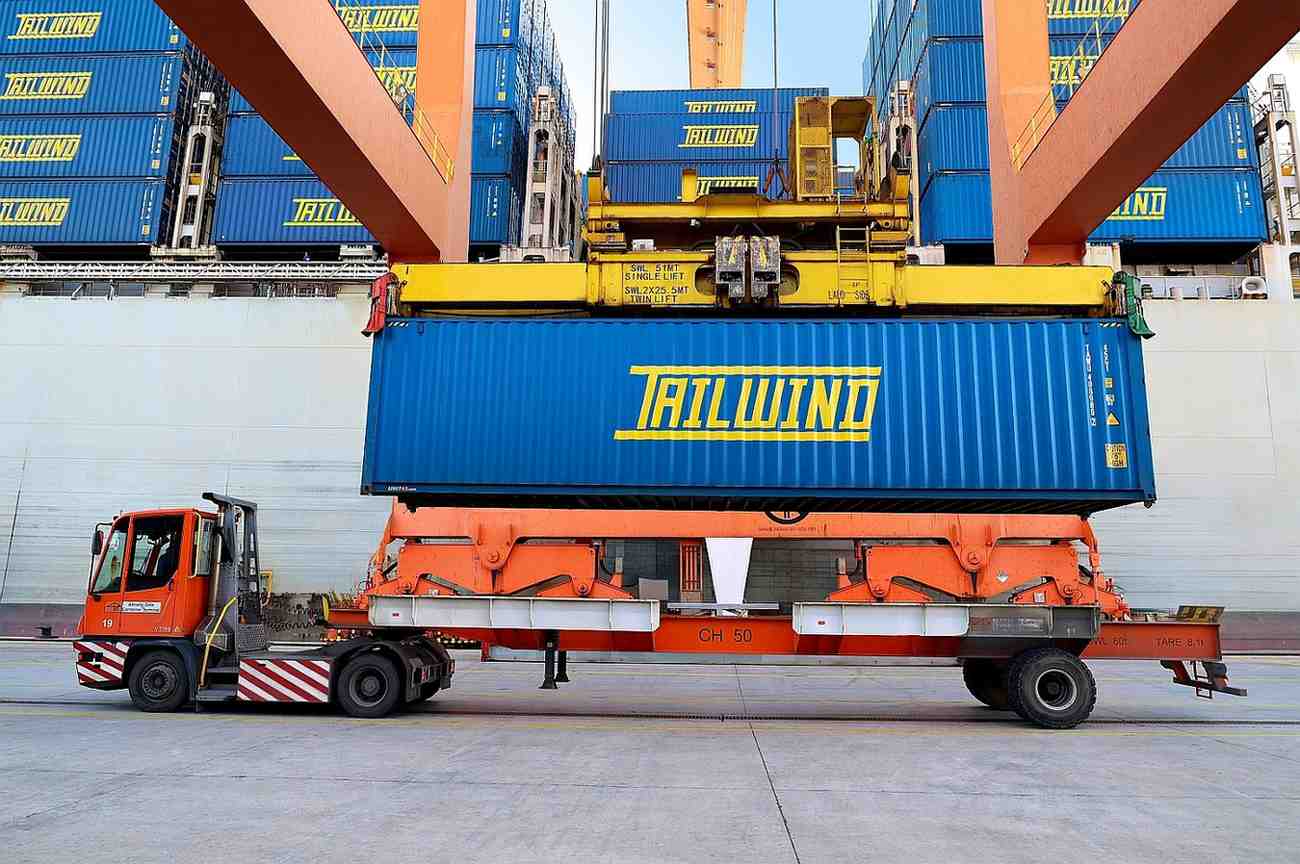
HAMBURG: Beginning in mid-October, Tailwind Shipping Lines’ existing Dolphin Express Service (DEX) will operate as an intra-European short-sea service with additional port calls. Lidl’s container shipping company is expanding its Moerdijk–Barcelona route to include calls at Antwerp in Belgium, Setúbal in Portugal, Cádiz in Spain, and Casablanca in Morocco. The 21-day rotation will operate weekly from the north, with Tailwind heading directly to Moerdijk on the return voyage from Barcelona, as before.

TailwindPanda004 Tailwind’s Dolphin Express Service to call at additional ports

Ships already part of the Tailwind fleet

Three 1,380 TEU container ships, which are already part of the Tailwind fleet, will be deployed on the DEX. The “Panda 004” and “Panda 005” are already being used on the current DEX route. The “Panda 003”, which has recently been under subcharter, will be returning to Tailwind with the launch of the expanded liner service.

More efficient and sustainable flow of goods

Tailwind is adopting the new route in order to manage the flow of goods within Europe even more efficiently and sustainably in the future. Nico Peters, VP Commercial Management at Tailwind Shipping Lines, explains: “Thanks to the higher cargo capacity of modern ships, sea transport has the advantage of lower CO2 emissions per container transported compared to transport by conventional diesel trucks.” With the expanded Dolphin Express, Tailwind is also bringing its reliable service to additional ports in Western Europe and North Africa, both for Lidl and third-party customers.

Moerdijk: connections to the hinterland

In addition, Moerdijk provides connections to the hinterland. From there – in partnership with WEC Lines, A2B and the Danser Group – a barge connection to Duisburg exists as an alternative to road haulage.

In addition, the port call in Casablanca will enable a fast connection from Morocco to China. In Barcelona, the shipping company can arrange transshipment to the Panda Express Service bound for the East Asia.

Both the Panda Express Service (between China and the Mediterranean) and the recently expanded Tiger Express Service (between Bangladesh, Malaysia, Vietnam and Sri Lanka) will continue to operate according to their usual schedules.

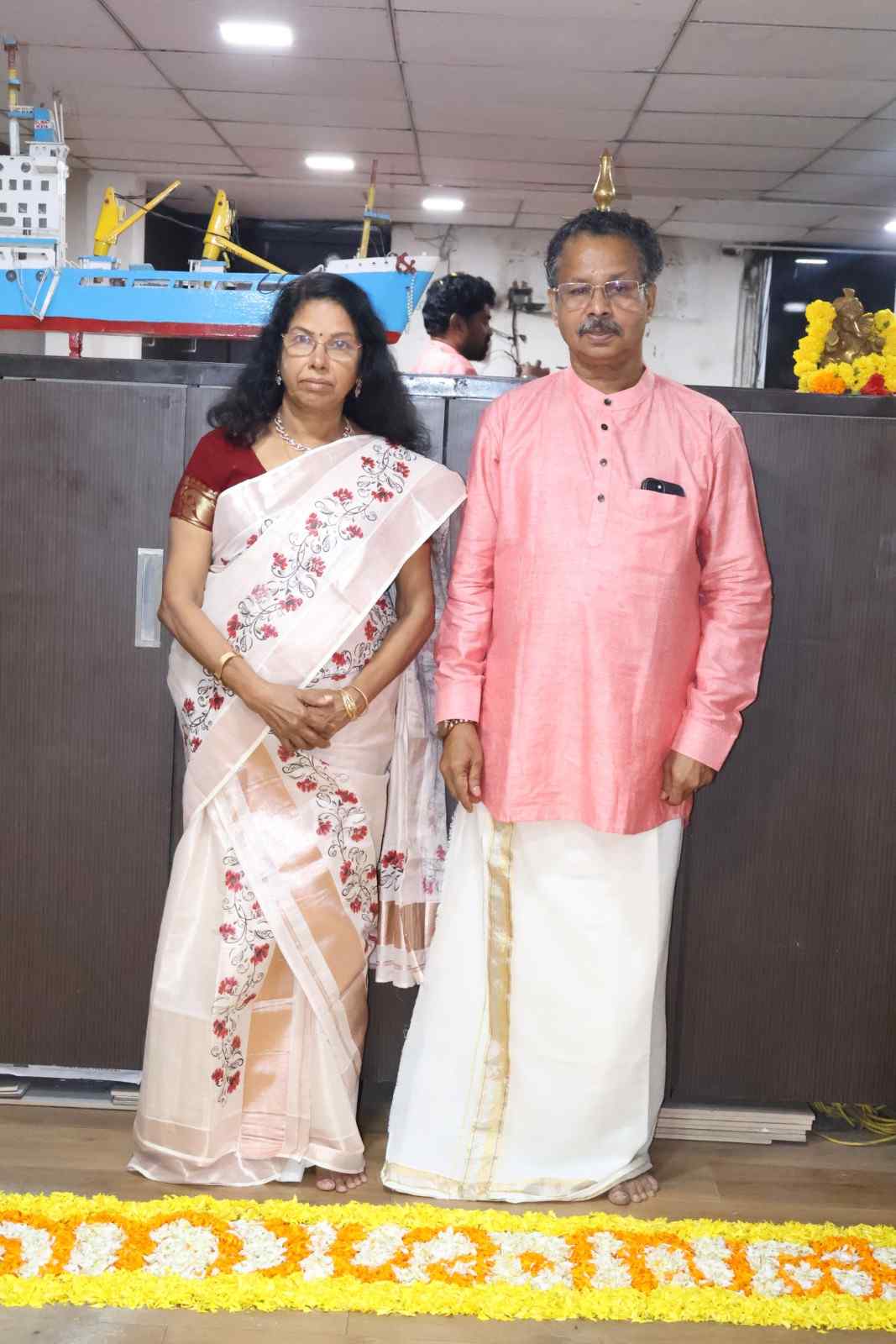
Unity in Tradition: Suraj Group Celebrates Onam Sadhya with Employees & Guests

AHMEDABAD: Suraj Group of Companies came together in the spirit of unity and celebration by hosting the traditional Onam Sadhya on 13th September 2025 for its employees across the entire Group and a few of its esteemed guests, who honored the occasion with their presence.

The celebration was not just about savoring a festive meal, but about cherishing the bonds that tie the Suraj Group family together. Employees from diverse backgrounds and locations gathered under one roof, reflecting the Group’s belief in inclusivity and shared values. For many, it was an emotional moment—celebrating Onam away from home, yet surrounded by colleagues who felt like family.

The event featured colorful Rangoli competitions that brought out the creativity and festive spirit of employees, adding vibrant hues to the celebration. The Onam Sadhya feast was served in the traditional way on banana leaves, making the experience even more authentic. As Malayalam songs filled the air, they created a soulful connection to the roots of Kerala, giving the atmosphere a truly supersonic energy of joy, warmth, and togetherness.

Leadership at Suraj Group expressed, “Our employees are the backbone of our growth journey. Festivals like Onam give us the opportunity to celebrate their contributions, strengthen our bonds, and create memories beyond the workplace.”

The presence of distinguished guests added further prestige to the occasion, strengthening ties between the Group and its extended family of well-wishers.

The celebration concluded with heartfelt exchanges, laughter, and memorable photographs capturing the vibrant spirit of the day. It was a festival where employers and employees celebrated as one family, showcasing Suraj Group’s unwavering commitment to nurturing harmony, respect, and shared joy.

At Suraj Group, celebrations go beyond rituals—they symbolize the organization’s belief in unity, respect, and growing together as one family.

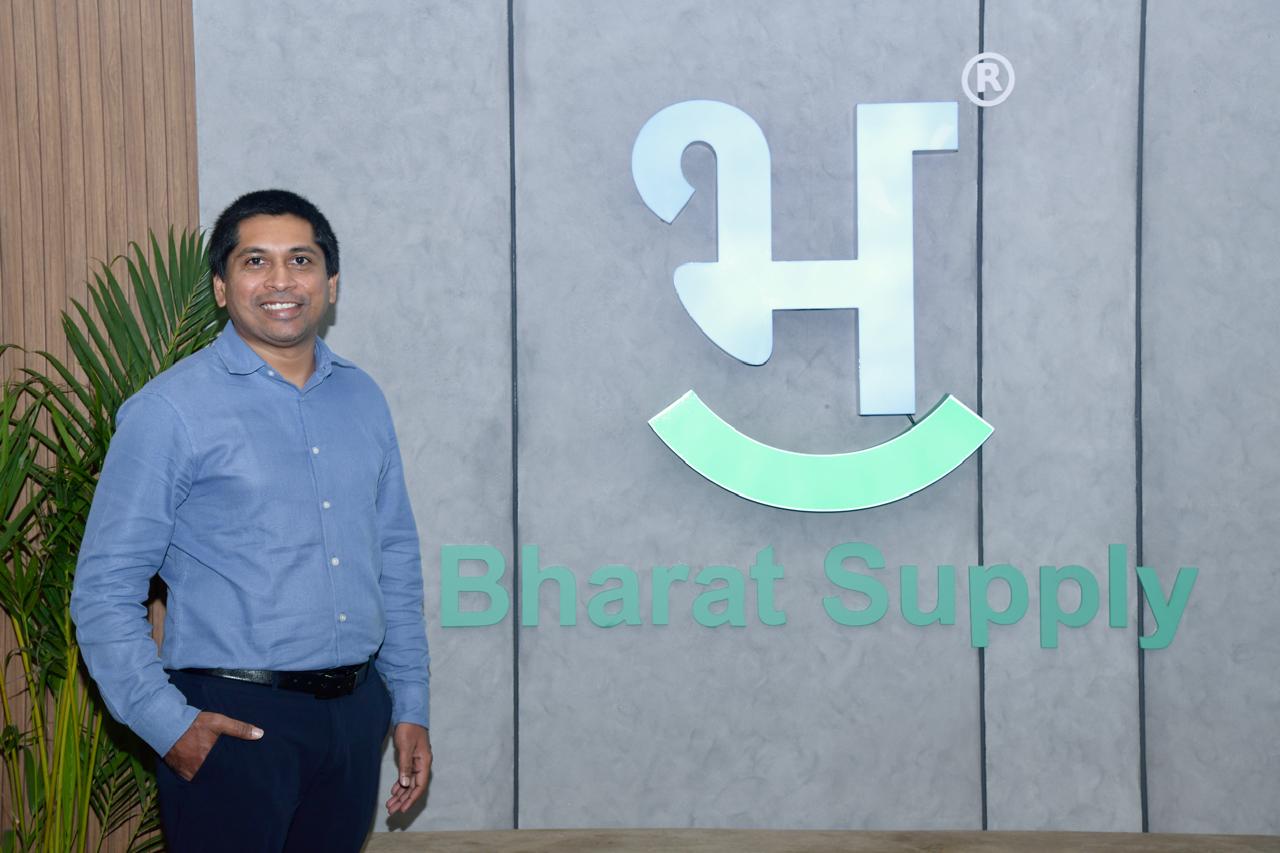
Bharat Supply appoints N. Balakrishna as CFO to steer strategy, fundraise

BENGALURU: Bharat Supply, the beyond-metros logistics company formed through the merger of Connect India and the logistics arm of Faarms, has appointed N. Balakrishna as Chief Financial Officer. Prior to this move, he served as Chief Financial Officer for Snowman Logistics.

Balakrishna, a chartered accountant with 14 years of experience in national and international roles, will lead the company’s financial strategy, risk management, and investor relations. He has previously worked across various sectors, including iron and steel manufacturing, telecommunications, IT, and warehousing.

The appointment comes at a time when India’s logistics sector is undergoing rapid changes, led by substantial tax rate cuts across various transport sectors, transformational changes in the digitisation of compliance, and a renewed thrust on government programmes, along with GST rationalisation. With the expansion of e-commerce into smaller towns and rural areas, demand for last-mile services is rising sharply. Bharat Supply collaborates with leading industry brands in e-commerce, agriculture, and consumer durables to deliver goods across India’s interior regions, connecting consumers and small businesses to wider markets.

The company said Balakrishna’s expertise in financial planning and treasury management will help strengthen its aggressive expansion strategy and upcoming fundraising programmes.  Bharat Supply, backed by leading investors including Aavishkaar Capital, Cornelius (Conny) Boersch, founder of Conny & Co., and Singaporean angel investor Koh Boon Hwee, has already established its presence across more than 200,000 villages. With an ambitious growth strategy, it now plans to extend its footprint to over 300 districts by the end of 2025, out of India’s 800-plus districts.

“We are delighted to welcome Bala at a time when Bharat Supply is expanding rapidly across Bharat markets. With GST rationalisation giving a fresh push to the economy and the rural logistics sector opening unprecedented opportunities, his deep financial expertise will help us scale faster, strengthen our governance framework and support our role as logistics partner for leading industry players,” said Taranbir Singh, Chief Executive Officer, Bharat Supply.

“I am excited to join Bharat Supply at this pivotal stage of growth. The logistics sector in India is undergoing a transformation, driven by the adoption of technology, regulatory clarity, and supply-chain integration, which are enhancing efficiencies. My focus will be on building a strong financial foundation, supporting sustainable expansion across Bharat regions, and creating long-term value for our partners and investors,” Balakrishna said.

About Bharat Supply: 

Bharat Supply is a beyond-metros logistics company formed through the merger of Connect India and the logistics arm of Bangalore-based Faarms. Backed by marquee investors including Aavishkaar Capital, Conny & Co., and Singaporean angel investor Koh Boon Hwee, the company serves over 200,000 villages and is expanding rapidly to cover more than 300 districts by 2025. By partnering with leading players in e-commerce, agriculture, and consumer durables, Bharat Supply enables efficient last-mile delivery and strengthens market access for consumers and small businesses across India’s heartland.

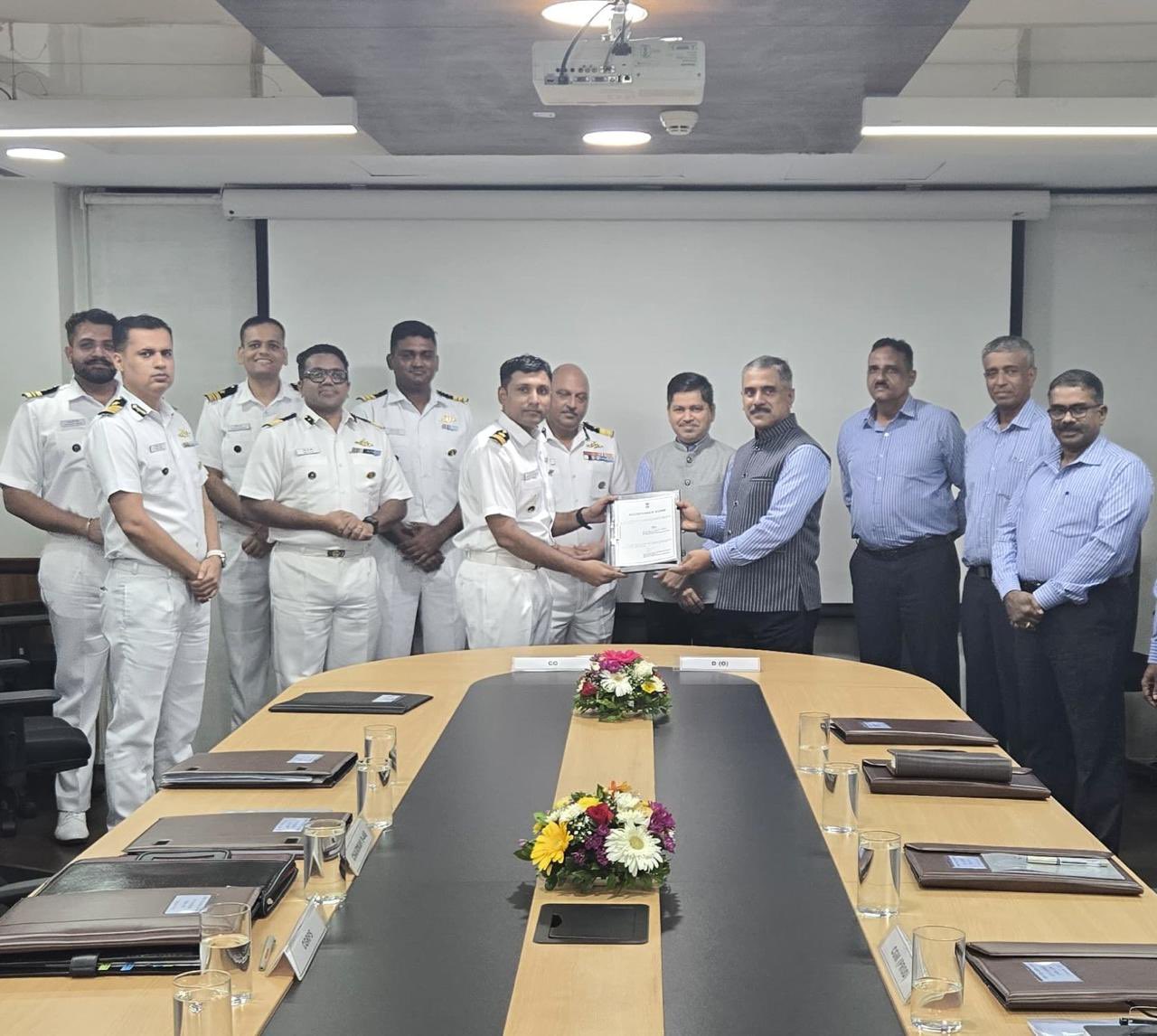
Goa Shipyard Limited hands over state-of-the-art Fast Patrol Vessel ICGS Akshar to Coast Guard

PANAJI: Goa Shipyard Limited (GSL), a premier Defence Public Sector Undertakings, Thursday achieved yet another significant milestone with the First Reading Ceremony and formal Handing Over of ICGS Akshar (Yard 1276) — the second vessel in the prestigious series of eight state-of-the-art Fast Patrol Vessels (FPVs) being built for the Indian Coast Guard under the Government’s Atmanirbhar Bharat Abhiyan.

The ceremony was graced by Shri Brajesh Kumar Upadhyay, Chairman & Managing Director, GSL; RAdm Nelson D’Souza, NM, IN (Retd), Director (Operations); DIG V.K. Parmar, PD (MAT); Commandant (JG) Subhendu Chakraborty, Commanding Officer, ICGS Akshar; and other senior officials of the Indian Coast Guard.

ICGS Akshar embodies the spirit of self-reliance and technological innovation. Measuring 51.43 m in length and 8 m in breadth, with a displacement of 330 tons at a draught of 2.5 m, the vessel is powered by twin marine diesel engines driving controllable pitch propellers (CPP) — a first in this class of FPVs, ensuring superior propulsion efficiency and maneuverability. With a top speed exceeding 27 knots and an impressive endurance of 1,500 nautical miles, the ship is equipped with an advanced integrated machinery control system for enhanced operational readiness and sustainability.

The vessel will be operated by a complement of six officers and 35 sailors. Purpose-built for fisheries protection, Exclusive Economic Zone surveillance, coastal patrol, anti-smuggling, anti-piracy, and search & rescue missions, ICGS Akshar is a force multiplier that will significantly strengthen India’s coastal and offshore security architecture.

AD Ports Group orders two new shallow-draft containerships from Azerbaijan yard

ABU DHABI : AD Ports Group has awarded a contract to Baku Shipyard in Azerbaijan for the construction of two 780 TEU shallow-draft container vessels.

According to the company, the new ships will be specifically designed for use in the Caspian Sea and that the newbuilds have been designed to support the growing demand for containerised cargo capacity in the region.

Captain Mohamed Juma Al Shamisi, CEO of AD Ports Group, remarked that the move reaffirms the group’s commitment to supporting the growing trade needs of the Caspian region.

According to the company, the vessels are expected to be delivered in the fourth quarter of 2027 and will be deployed on key routes connecting trading hubs within the Caspian Sea.

The new order follows AD Ports Group’s recent ventures in the Central Asian region, including the inauguration of the first phase of the Tbilisi Intermodal Hub, a rail-linked container terminal in Georgia connecting the Caspian Sea and Black Sea.

Gulftainer launches Integrated Logistics Facility “K-Flow”

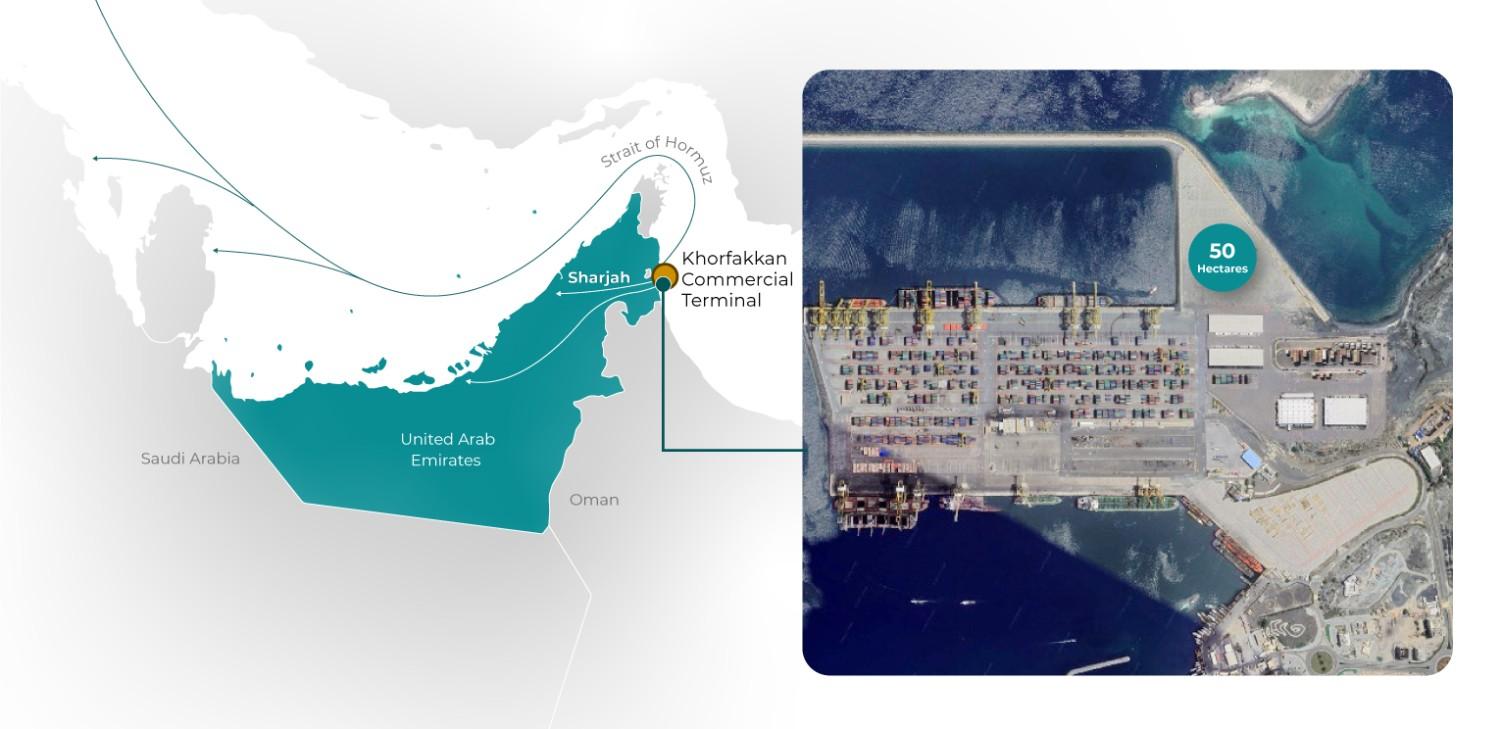
SHARJAH: Gulftainer, a UAE-based end-to-end global supply chain, multi-purpose ports and logistics solutions provider, has launched “K-Flow”, a new scalable integrated logistics facility within Khorfakkan Commercial Terminal’s bonded zone.

Operating in partnership with Khorfakkan Customs, “K-Flow” provides customised supply chain solutions, warehousing and cold storage, distribution services, and container freight station. It also offers a comprehensive suite of services, including container transloading, labelling and repackaging, consolidation, and inventory management.

Spanning 50 hectares, “K-Flow” is ideally placed to enhance efficiency across the supply chain, better support regional and global customers, strategically being the first gateway to the UAE market and offering fastest connectivity to inner Gulf.

The new facility is designed to streamline dwell time, reduce handoffs, and lower total landed cost for shippers and logistics providers.

FaridBelbouabGroupChiefExecutiveOfficerGulftainer 1 Gulftainer launches Integrated Logistics Facility “K-Flow”
Farid Belbouab, Group CEO, Gulftainer

Commenting on the launch of “K-Flow”, Farid Belbouab, Group CEO of Gulftainer, said: “Our new integrated logistics facility within Khorfakkan Commercial Terminal “K-Flow” marks a major milestone in Gulftainer’s mission to redefine regional logistics. This scalable facility is a promise to our customers and partners that we will prove them future-ready supply chain solutions. By integrating our ports and logistics facilities under a unified, intelligent ecosystem, we are enabling faster, more reliable solutions that meet the evolving demands of global trade.”

“K-Flow” further strengthens Khorfakkan Commercial Terminal’s position as a leading gateway for trade and logistics across the Upper Gulf, South Asia, East Africa, and beyond, offering a unique geographical advantage for uninterrupted regional and global trade.

Gulftainer remains committed to investing in modern, sustainable logistics infrastructure that supports regional economic growth, and strengthens global trade flows by connecting international markets to regional supply chains with efficiency.