Home Blog Page 656

PIL marks Historic Naming Ceremony of First LNG Dual-Fuel Container Vessel in Ghana

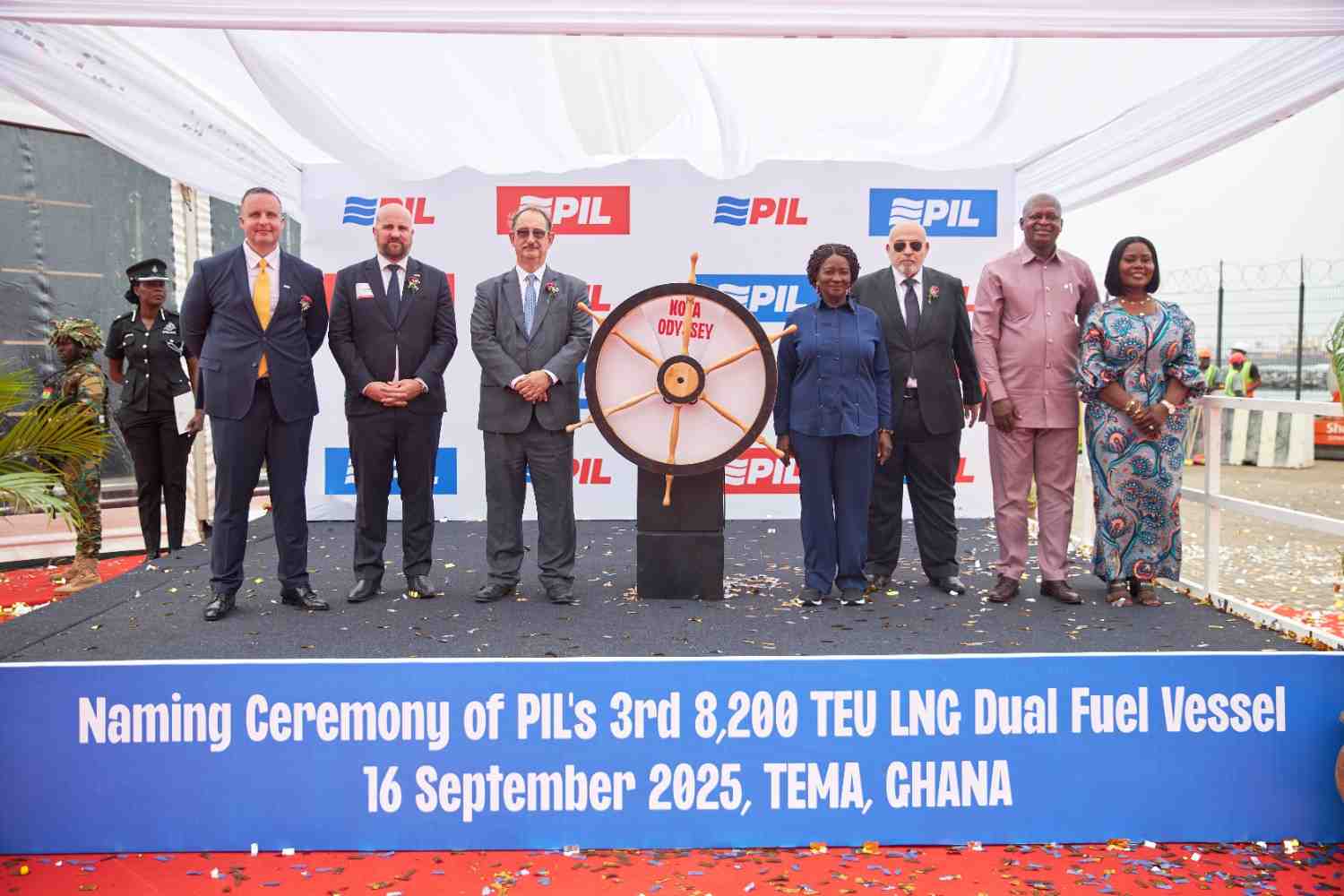
TEMA, GHANA : Pacific International Lines (PIL) held the naming ceremony of its latest 8,200 TEU LNG dual-fuel container vessel at the Port of Tema, marking a historic first for PIL in Ghana. The vessel, part of PIL’s new “O” Class series, was officially named Kota Odyssey by Her Excellency Ms Naana Jane Opoku-Agyemang, Vice President of Republic of Ghana, who served as the Lady Sponsor.

The event was also graced by Hon. Joseph Bukari Nikpe, Minister of Transport, and Hon. Richard Gyan-Mensah, Deputy Minister for Energy and Green Transition, reflecting the strong support from Ghana’s leadership for sustainable maritime development.

At the event, Her Excellency Ms Naana Jane Opoku-Agyemang, Vice President of Republic of Ghana said, “This ceremony is a celebration of maritime innovation and a testament to Ghana’s growing stature in regional trade and logistics. For their part, PIL’s local and regional offices have long contributed to port and intermodal connectivity. Today, with the deployment of this state-of-the-art vessel to service Ghana, PIL is playing a further role in building our trade links with Asia and our neighbours across West Africa.

“This occasion is a sign of the long standing and ever-growing relationship between Ghana and Singapore. Our two nations share a common commitment to innovation and sustainability and people development. We have strengthened our ties through trade agreements and collaborations, particularly in economic and environmental areas.  Singapore’s expertise as a leading maritime hub is something that informs our own progress. We therefore appreciate that PIL highlights our bilateral relationship by creating jobs and supporting the development of local talent. We look forward to even greater collaborations between Ghana and Singapore.”

KotaOdyssey PIL marks Historic Naming Ceremony of First LNG Dual-Fuel Container Vessel in Ghana

The vessel will operate on PIL’s South West Africa Service (SWS), connecting China, Singapore, Ghana, Togo, Nigeria, and Côte d’Ivoire through a direct weekly service. This strengthens trade flows between Asia and West Africa and reinforces Ghana’s role as a strategic logistics hub.

“Naming this vessel in Ghana reflects our deep-rooted presence and growing investment in the country,” said Mr Lars Kastrup, CEO of PIL. “Ghana plays a vital role in our network, not only as a key gateway into West Africa but also as a strategic hub for regional connectivity and inland transport.

“This ceremony underscores our commitment to supporting Ghana’s maritime ambitions and contributing to its economic development. As we continue to develop our operations here, we remain focused on delivering sustainable, integrated shipping and logistics solutions that meet the evolving needs of Ghana and the wider African trade landscape.”

PIL has operated in Africa since the 1970s and now serves over 30 African countries, with seven weekly services and a feeder network connecting more than 40 ports. Ghana is home to PIL’s West Africa regional head office, and a key gateway for inland transport into Burkina Faso.

PIL also invests in local talent development, with around 100 Ghanaian seafarers currently serving across its fleet. In Ghana, PIL’s operations are powered entirely by renewable energy, supported through locally sourced renewable energy certificates (RECs).

This naming ceremony reaffirms PIL’s commitment to deliver resilient, sustainable, and inclusive shipping and logistics solutions across Africa and beyond.
World Shipping Council deploys AI in fight against misdeclared cargoes

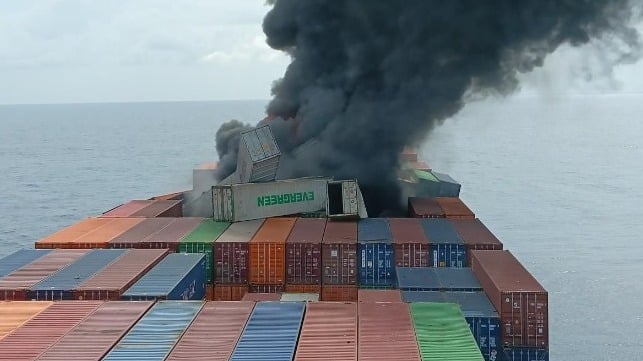
LONDON : The World Shipping Council (WSC) has unveiled its new Cargo Safety Program, aimed at tackling the critical issue of misdeclared and undeclared dangerous goods. Utilizing advanced artificial intelligence, this initiative seeks to prevent ship fires, safeguard crew members, protect cargo, and preserve the marine environment. With ship fires reaching a decade-high, this program addresses a pressing concern within the shipping industry.

Revolutionizing Cargo Screening
At the core of the Cargo Safety Program is a state-of-the-art digital cargo screening tool developed in collaboration with the U.S. National Cargo Bureau (NCB). This technology scans millions of shipping bookings in real time, employing keyword searches, trade pattern recognition, and AI algorithms to pinpoint potential risks associated with cargo. By identifying misdeclared or undeclared dangerous goods prior to loading, the program aims to significantly reduce the risk of incidents that can lead to catastrophic fires.

Joe Kramek,

President and CEO of the WSC, emphasized the urgency of this initiative, stating, “We have seen too many tragic incidents where misdeclared cargo has led to catastrophic fires, including the loss of life.” He noted that misdeclared dangerous goods are responsible for over 25% of all cargo-related incidents, underscoring the need for a robust safety framework. The program will also implement standardized inspection protocols to ensure that shipments are verified effectively, creating an incident feedback loop that will enhance prevention strategies based on real-world experiences.

As of the program’s launch, carriers accounting for over 70% of global twenty-foot equivalent unit (TEU) capacity have joined this initiative. Kramek reiterated the importance of collaboration, stating, “By working together and using the best available tools, we can identify risks early, act quickly, and prevent accidents before they happen.” However, he also reminded shippers of their legal responsibility to accurately declare dangerous goods, which remains the foundation for ensuring safety in shipping operations.

Addressing Industry Challenges
Despite ongoing efforts to improve safety standards, recent data indicates that over 10% of shipments exhibit deficiencies, highlighting a persistent challenge in the industry. The WSC’s Cargo Safety Program aims to address these issues head-on, reinforcing the industry’s commitment to safety and environmental protection. By combining shared screening technology with established inspection standards, the initiative seeks to create a comprehensive safety net that mitigates risks associated with cargo transport.

The launch of the Cargo Safety Program marks a significant step forward in enhancing maritime safety, especially in light of rising incidents related to misdeclared cargo. The WSC’s proactive approach, leveraging innovative technology and collaborative efforts, signifies a dedicated move toward preventing future tragedies and ensuring the well-being of all involved in maritime logistics.

2030 shipping goal at risk despite historic progress made by IMO: New report

  • The shipping industry welcomed a major breakthrough this year with global agreement on the International Maritime Organization’s Net Zero Framework, but progress on zero-emissions fuels is uneven, especially in demand and finance.
  • The coming months of negotiations will clarify how the framework will be implemented, a key factor in preserving a plausible path towards the 2030 IMO target.
  • The report urges industry to take early action and governments to create regulatory certainty, align strategies and accelerate the uptake of scalable zero-emission fuels by next year.

COPENHAGEN: The shipping sector is still off track to meet its climate target of having at least 5-10% of the fuel used in international shipping come from scalable zero-emission sources by 2030, according to a new progress report.

The fourth annual report of its kind,Progress towards shipping’s 2030 breakthrough – 2025 edition, follows the International Maritime Organization’s (IMO) agreement on the Net Zero Framework earlier this year. Developed by the UCL Energy Institute, the Global Maritime Forum’s Getting to Zero Coalition, and the Climate High-Level Champions, it finds that although technology is advancing, weak demand signals and stalled finance are risking delaying the transition and negatively impacting future supply.

Critical details of the framework, including the incentives the IMO intends to use to spark early adopters of scalable zero-emission fuels, are subject to further negotiation before the framework enters into force in 2027. These negotiations, as well as the time needed for the industry to understand and react to their implications, will determine whether there remains a plausible path towards zero- or near-zero emission fuel types making up 5% to 10% of shipping fuel by 2030.

The report makes clear that to stay on track, the shipping industry must act on three fronts:

Support a robust IMO reward mechanism that clearly prioritises scalable zero-emission fuels (SZEF), ensuring alignment on definitions, early adoption of guidelines, and a design that gives investors and operators confidence.

Increase awareness of the growing risks facing non-SZEF-aligned vessels, both for individual owners and the wider system, to prompt timely retrofits and investment in future-ready fleets.

Help national actors and sub-global policy to gap-fill where the IMO Net Zero Framework might not provide sufficient support.

The agreement of the IMO’s Net Zero Framework was a significant feat of multi-lateral diplomacy, but we are not yet seeing the level of momentum the industry needs. If the IMO produces guidelines that steer rewards towards the first-movers on scalable, zero-emission fuels, it will go a long way towards aligning supply, demand, and finance, and meeting the 2030 goals.

Jesse Fahnestock, Director of Decarbonisation at the Global Maritime Forum

The progress report finds that the technology needed to support SZEF uptake has progressed well, as have developments related to the supply or availability of these fuels. Methanol engines have progressed to a commercial phase, ammonia engines are entering the final stages of testing, and methanol propulsion is making steady progress – signalling a viable multi-fuel future.

However, demand trends within the industry paint a less optimistic picture. A significant proportion of the vessels being ordered and due for delivery are not SZEF-capable, adding pressure on retrofitting and yard capacity, which increases the risk of stranded assets. Current projections indicate that only around one-third of the demand needed to meet the 5% target would materialise by 2030, unless the industry steps up its orders of SZEF-capable vessels. That shortfall amounts to approximately 9 million tonnes of fuel oil equivalent, or 400 large container ships capable of running on scalable zero-emission fuels.

One of the most notable trends we have seen in this year’s progress report is the continued expansion of fuel supply initiatives and pilot projects across multiple regions. This tells us that technology readiness is no longer a limiting factor. However, demand and finance have not kept pace. Unless all these levers move together, the 2030 tipping point will remain out of reach and supply developments could also stall. This underscores the importance of treating this transition as a systems challenge, not just a fuel challenge.

Dr. Domagoj Baresic, Senior Research Fellow at the UCL Energy Institute.

Each year since 2021, the progress report has observed five key ‘system change levers’ for the industry and tracked their progress towards enabling the 5% SZEF target by 2030. These include:

  • Supply (partially on track): Current SZEF production in the pipeline could cover somewhere between just over a third (32%) and all (134%) of the SZEF supply required by 2030 — the uncertainty here lies in how the current pipeline continues to develop. However, technology to support SZEF has progressed well, and the overall pipeline is continuing to expand.
  • Demand (off track): Current estimates predict a significant shortfall in SZEF-capable vessels. Unless demand significantly ramps up, the current order book for these ships will only deliver around 37% of the SZEF demand needed to achieve the 2030 target.
  • Finance (off track): Despite early progress in SZEF investment, momentum has stalled. Funding continues to flow disproportionately toward conventional fossil-fuelled vessels, and stronger policy signals will be essential to unlocking more private capital.
  • Policy (partially on track): The IMO’s Net Zero Framework marked a significant moment for shipping decarbonisation policy. However, critical details are still to be confirmed and progress at the national level remains uneven.Civil society (partially on track): Awareness of equity issues is growing within the maritime sector, with greater visibility around seafarer training, workforce diversity and gender imbalance. Translating this awareness into tangible action remains the next step.

It is estimated that about 5-10% of all the fuels used by the shipping industry in 2030 need to be SZEF for the industry to be on track to meet the ambitions laid out in the IMO’s 2023 Greenhouse Gas (GHG) Strategy. The 5% target is considered the critical mass at which the infrastructure, supply chains, and technology that support zero-emission fuels mature and enable exponential growth.

If the 5% target is not achieved, it could jeopardise the industry’s entire 2050 net-zero goal. Global shipping is responsible for around 3% of the world’s GHG emissions – more than Germany – so it is a crucial sector to decarbonise. With global trade predicted to quadruple by 2050, emissions will skyrocket without urgent action.

Without greater alignment across supply and demand, finance, and regulation, the tipping point envisioned for 2030 will remain out of reach. The direction of travel is understood – the challenge now is to move with greater clarity, coordination, and pace, backed by finance, shaped by fair policy, and grounded in a just transition that benefits people and communities across the maritime sector and beyond.

Dan Ioschpe, the Climate High-Level Champion for COP30

Lloyd’s Register launches Biofuel Advisory service to help accelerate shipping’s decarbonisation

LONDON: Lloyd’s Register (LR) has launched its new Biofuel Advisory service at London International Shipping Week to help shipowners, fuel suppliers and producers adopt biofuels safely and at scale.  

Biofuels are emerging as one of the most proven and reliable alternative fuel options for reducing greenhouse gas emissions from shipping. LR’s new service is designed to remove uncertainty for the industry by providing end-to-end support across the biofuel supply chain, from production and certification through to delivery and onboard use. 

The initiative builds on two years of groundwork and combines LR’s energy transition advisory with the technical expertise of its Fuel Oil Bunker Analysis and Advisory Service (FOBAS). FOBAS’ experience with biofuels spans over 20 years, during which it has collaborated with shipowners, suppliers and producers to advance safe and scalable adoption of alternative fuels. This expertise has been applied to several industry firsts, including supporting United European Car Carriers (UECC) in spearheading the use of cashew nutshell liquid (CNSL) as a sustainable marine fuel1, and guiding Whitaker Tankers’ Whitchampion to achieve the first FAME B100 certification2. This integrated approach gives clients clarity on regulatory compliance, fuel performance and operational risk, helping them make faster, more informed decisions. 

LR has already worked with leading biofuel producers to assess the impact of regulation on market demand, supported major bunker suppliers in producing transparent documentation for buyers, and guided shipowners through the testing and operational steps needed to start using biofuels across their fleets. 

James Frew, Director of Lloyd’s Register Advisory, said: “Biofuels represent an immediate and practical solution, but owners need confidence on performance, safety and compliance. Our new Biofuel Advisory service brings together technical expertise and regulatory insight to provide the industry with confidence and clarity at every stage of the biofuel supply and adoption process.” 

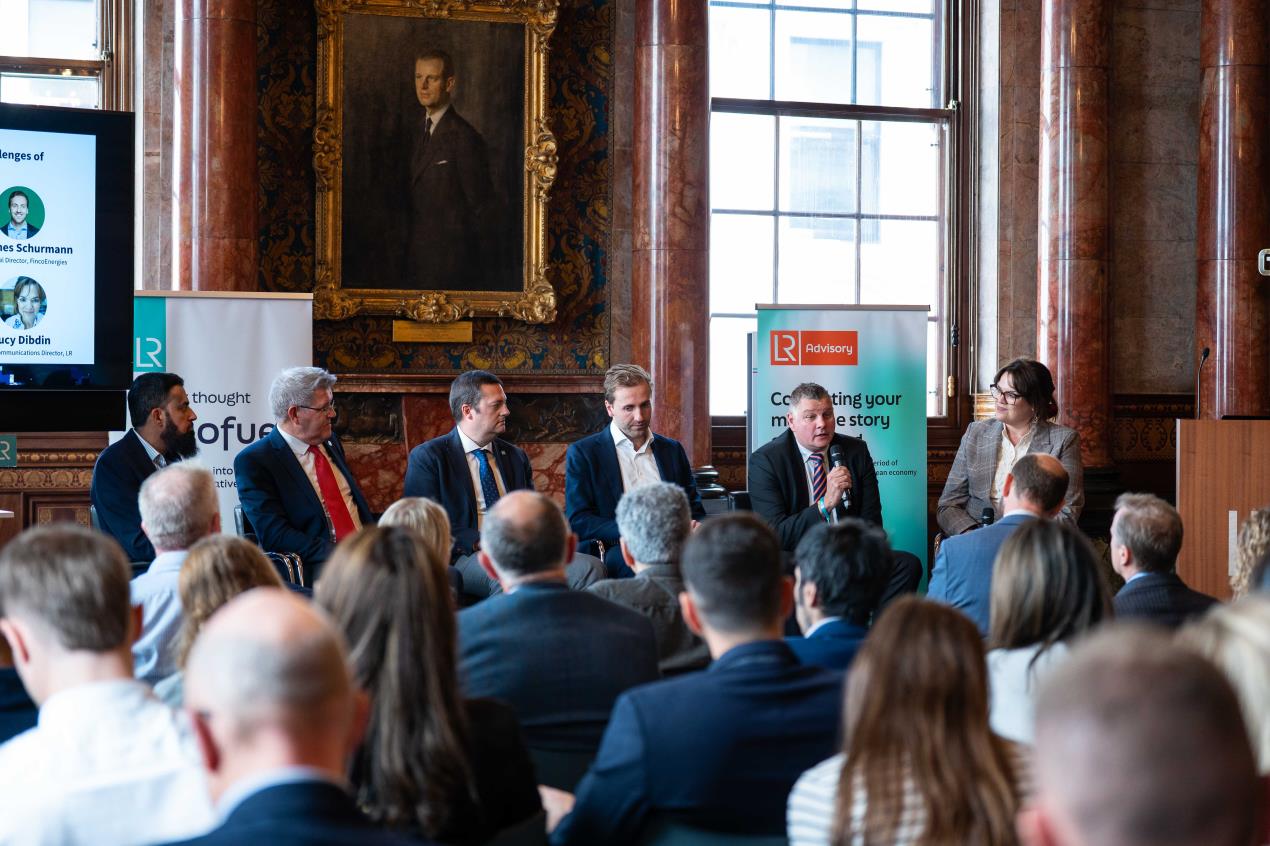
The new service was launched at an exclusive event, hosted by Lloyd’s Register during London International Shipping Week. In the 90-minute session – LR Fuel For Thought: The Biofuel Briefing – Strategy, Supply & Safety – LR’s specialist Advisory team and industry leading experts discussed future outlooks, cost benefits and regulatory compliance and what to consider once the decision for biofuels has been taken. 

Fuel for Thought: Biofuel gathers into one place the most relevant information on the use of biofuels in shipping, serving as a convenient reference for shipowners considering alternative fuel options for their fleets, and for maritime professionals seeking a deeper understanding of the zero-carbon transition. The report combines expertise from LR and other shipping knowledge leaders on topics including the characteristics and operational considerations for biofuels, regulatory drivers for biofuel adoption, techno-economic considerations, fuel quality and availability, and biofuel trials in shipping.  

Fuel for Thought is LR’s industry-leading series of reports and webinars on alternative fuel sources for ships. Through expert analysis and critical insights, each edition provides a comprehensive and informative overview of the latest technology advances, policy developments and emerging trends and opportunities in this rapidly evolving field.  

For more information about LR Biofuel Advisory, visit: Alternative Marine Fuels | LR 

JSI Alliance expands presence with new office in Bilbao, serving the Iberian Project and heavy lift market

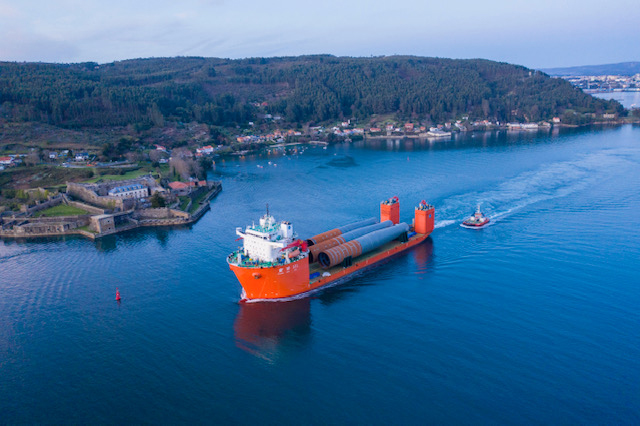
BILBAO : The new office in the northern Spanish shipping and logistics hub will handle commercial representation and provide port agency services across Spain, Portugal, and North Africa. This branch, established in cooperation between Noatum Maritime Services and SAL Heavy Lift, will serve the entire MPP and heavy lift fleet of the JSI Alliance.

“We are delighted to have found the ideal partners in SAL Heavy Lift and the JSI Alliance to further advance our growth strategy in port agency services,” said Terry Gidlow, CEO of Noatum Maritime Services. “Both sides bring decades of experience in the international project and heavy lift sector and complement each other perfectly – a truly ideal match.”

Noatum Maritime Services is a division of Noatum Maritime, a leading provider of port and agency services across the Eastern and Western Mediterranean, with a growing presence in the Middle East, Asia, Africa, and the Americas. Noatum Maritime itself leads the Maritime & Shipping activities of AD Ports Group.

Dr Martin Harren, CEO of SAL Heavy Lift, Intermarine, and the Harren Group, underlined the importance of the new partnership: “Having an outstanding team led by Josu Iturri in Bilbao, and working closely with Noatum Maritime Services, will play a key role in our future development. Our strong presence in North and South America will become even more closely connected with European ports, as many transatlantic routes pass through Iberia. In light of our planned fleet expansion, strengthening our activities in Spain is a logical step – and with Noatum Maritime Services, we have exactly the right partner at our side.”

The combined JSI Alliance fleet – comprising Jumbo Shipping, SAL Heavy Lift and Intermarine – is recognised as a global leader in project and heavy lift logistics. With lifting capacities of up to 3,000 tonnes, it offers customers virtually unlimited possibilities. In just a few weeks, the first of five Orca Class vessels will be commissioned. The Orcas will be the most efficient and modern heavy lift ships in the world.

The new JSI Alliance representative office on the Iberian Peninsula will initially serve the Spanish, Portuguese, and North African markets, with plans to expand activities into Turkey and later the Middle East.

About Noatum Maritime Services:

Noatum Maritime Services is part of Noatum Maritime, an industry leader with an integrated portfolio spanning shipping, offshore and subsea operations, marine services, drydocking and shipbuilding, as well as agency and logistics solutions. Noatum Maritime Services provides end-to-end support across the full maritime value chain.

With a physical presence in 77 ports across 17 countries, and service coverage extending to 814 ports in 118 countries, the company combines a strong global footprint with deep local expertise. Its services include port operations, commercial liner and ship representation, and specialised solutions tailored to the diverse requirements of international clients.

Serving a broad range of stakeholders – from cargo owners, traders and miners to oil majors, ship owners, operators and managers – Noatum Maritime Services handles all major cargo types, including containers, dry bulk, breakbulk, project cargo, crude oil, refined products, natural gas and passenger traffic.

The company sets itself apart through deep domain expertise, long-standing local relationships and a nuanced understanding of regional dynamics and risks. Leveraging the strength and reach of its wider ecosystem, Noatum Maritime Services delivers value-added, integrated solutions designed to support complex maritime operations worldwide.

About SAL Heavy Lift:

SAL Heavy Lift is one of the world’s leading carriers, specialising in the maritime transport of heavy lift and project cargo. Operating a modern fleet of specialised vessels, SAL Heavy Lift provides highly flexible solutions for both project shipping and offshore operations.

The fleet features service speeds of up to 20 knots, dynamic positioning systems, Fly-Jib capability, 1A ice class rating, up to 3,500 square metres of unobstructed main deck space, and combined crane capacities ranging from 550 to 2,000 tonnes, making it one of the most advanced in the heavy lift sector.

Together with Intermarine, SAL Heavy Lift operates approximately 75 MPP and super heavy lift vessels (as of mid-2026), employing more than 1,200 people worldwide and maintaining a strong international presence with 27 offices across 23 countries. These capabilities enable SAL Heavy Lift to deliver comprehensive global heavy lift and project cargo services.

As a member of the Harren Group, SAL Heavy Lift upholds the highest standards of quality, technical innovation, health, safety, and environmental performance. Its latest investment in the Orca Class newbuilding programme sets new standards in the adoption of green technologies within the maritime industry.

In partnership with Jumbo Shipping, SAL Heavy Lift and Intermarine jointly operate the marketing platform JSI Alliance, further strengthening their position in the market. The JSI Alliance fleet comprises around 85 MPP, heavy lift and offshore vessels.

ABB to power Singapore’s first floating LNG terminal

SINGAPORE : Hanwha Ocean, one of the leading shipbuilders in South Korea, has awarded ABB the contract to supply a complete electric power and propulsion system for Singapore’s first floating liquefied natural gas (LNG) terminal. The contract is the latest milestone in the long-standing collaboration between ABB and Hanwha Ocean.

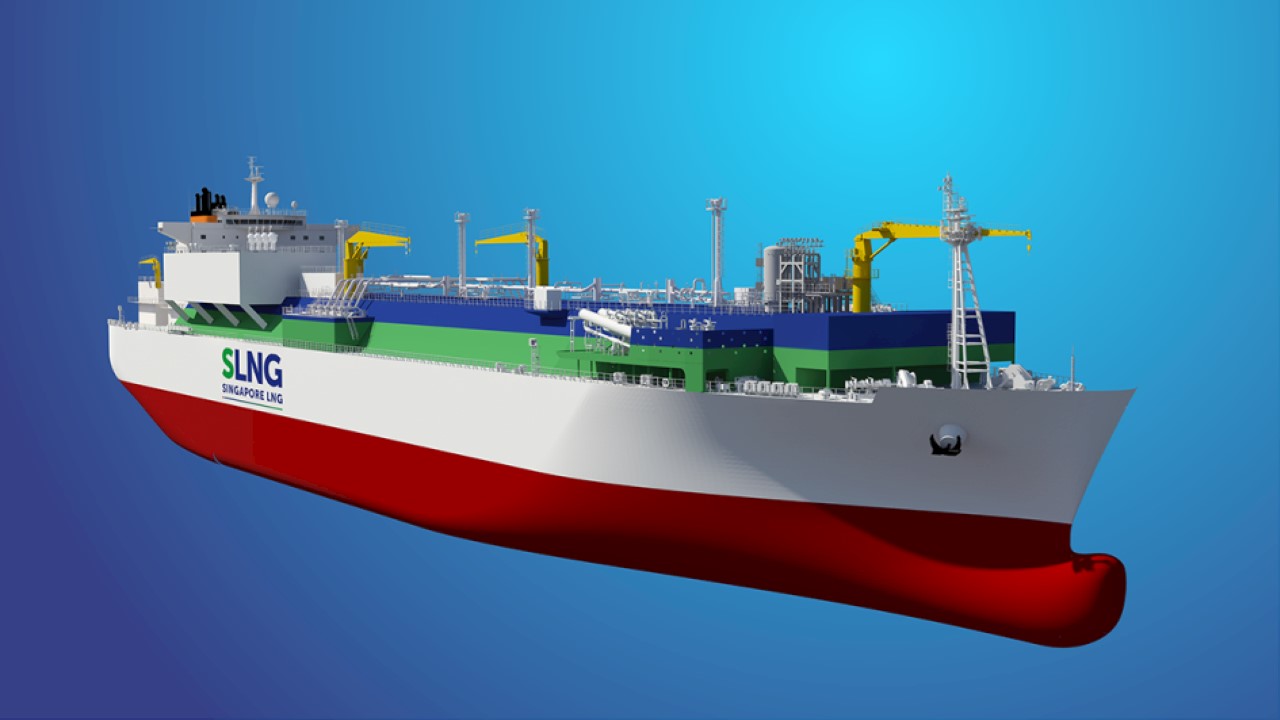
ABB ’s integrated electrical system on board the Floating Storage and Regasification Unit (FSRU) will comprise a medium voltage generator, 6.6kV switchboards for cargo and regasification, and the motor, transformer and drive for propulsion. The floating terminal will also feature ABB’s remote control and remote diagnostics system, its proven condition monitoring solution and an enhanced power protection system (EPPS).

The FSRU will be delivered to owner Mitsui O.S.K. Lines (MOL) in 2027 and contracted for long-term charter by Singapore LNG Corporation Pte Ltd (Singapore LNG). With capacity for 200,000 cubic meters of LNG, the FSRU will be moored at Jurong Port and connected to the gas network in 2030, under the management of MOL.

The new FSRU is a strategic investment in Singapore’s energy infrastructure and a key part of the city state’s energy transition toward net-zero emissions. Singapore LNG has signed contracts to process five million tons of LNG per annum at a floating facility, adding flexibility and increasing Singapore’s LNG importing capacity by 50 percent compared to the current single landside terminal in Jurong.

“We are proud to continue our long-lasting collaboration with Hanwha Ocean by supplying an integrated electrical system for Singapore’s first FSRU,” said Rune Braastad, Global Business Line Manager, Marine Systems, ABB’s Marine & Ports division. “This collaboration underscores our shared commitment to innovation, reliability, and sustainability, and is ABB’s latest contribution to the critical infrastructure supporting Singapore’s position as an important LNG hub in Asia.”

Wood Mackenzie notes that Asia Pacific accounted for two-thirds of global LNG demand in 2024, and anticipates the high level of activity to continue as stakeholders balance energy security with economic realities1. The strong outlook highlights the significance of the enduring and growing relationship between Hanwha Ocean and ABB – as well as ABB’s continued contribution to infrastructure development in Singapore, where it began operating in 1971.

Hanwha Ocean has delivered 23.4 percent of the global gas fleet and recently became the first shipbuilder to complete its 200th LNG carrier2. It is also one of the leading builders of FSRUs in the world.

1Asia Pacific gas & LNG: 5 things to look for in 2025 | Wood Mackenzie
2Hanwha Ocean delivers 200th LNG carrier

Japanese shipowner Nissen Kaiun takes stake in Dutch Wind-Assist pioneer Econowind

ZEEWOLDE/IMABARI: Japanese shipowner Nissen Kaiun has become a shareholder in Dutch Wind-Assisted Shipping Propulsion pioneer Econowind. This move highlights growing industry interest in fuel-neutral technologies. The Imabari-based shipping company, which operates a diversified fleet through several subsidiaries, said it had chosen Econowind for its technology.

“We recognized that Econowind has a mature Wind-Assisted Ship Propulsion solution in the market,” a spokesperson for Nissen Kaiun said. “As one of the market leaders Econowind delivers proven technology. Making shipping more sustainable is a top priority at Nissen Kaiun. We are currently looking into installing the large version of their innovative VentoFoils on our vessels. It is well suited to maritime conditions while being easy for the crew to use. This technology allows us to take steps in reducing fuel consumption and emissions.”

Over 130 units sold worldwide
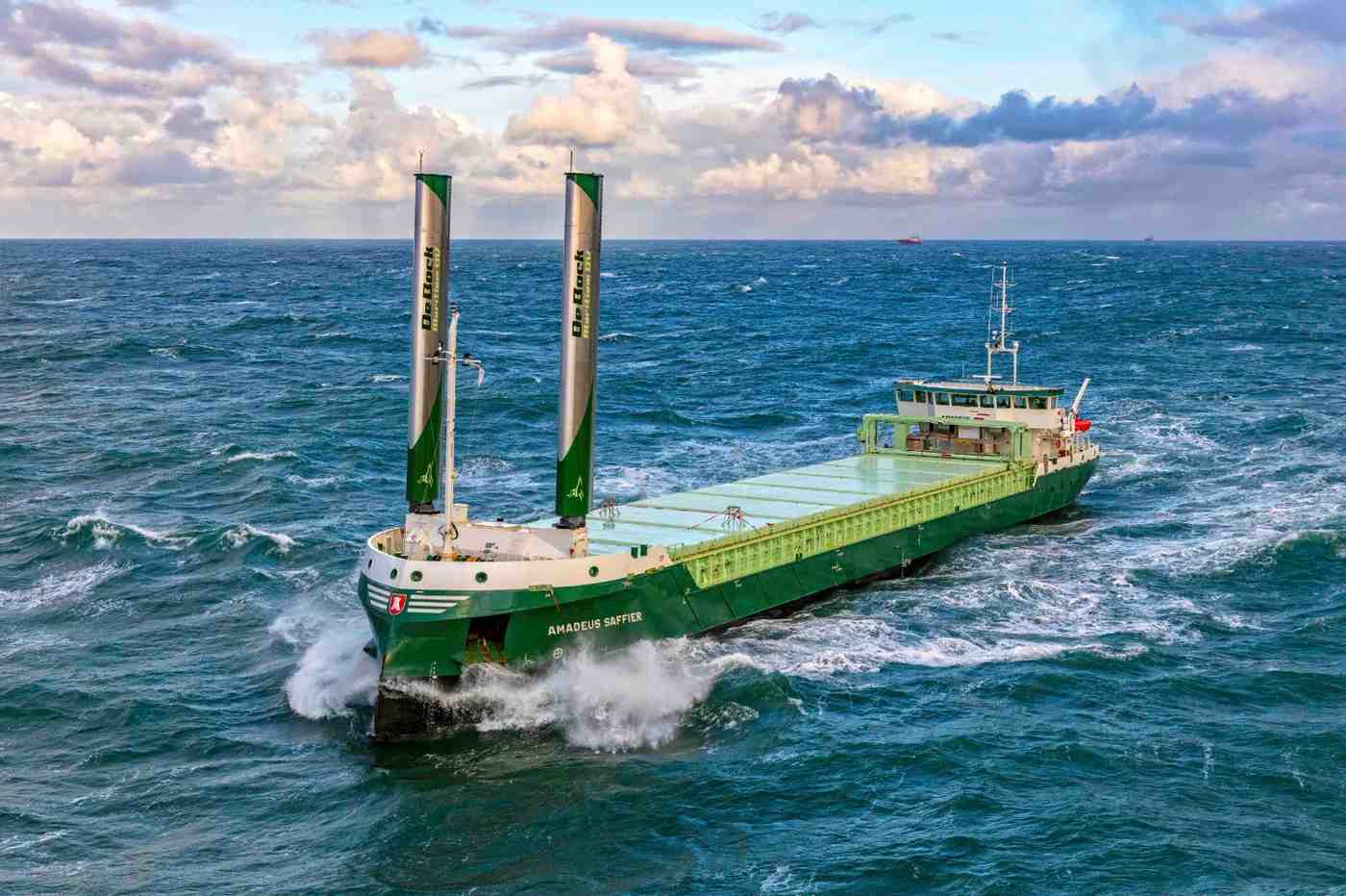
Econowind has developed the VentoFoil, a wing-shaped wind-assist device that drives decarbonization within the shipping markets. More than 130 units have been sold globally, with customers ranging from shortsea and deepsea operators across all market segments.

Daan Koornneef, Chief Executive Officer of Econowind, said: “The partnership with Nissen Kaiun will support the expansion of our VentoFoil product line, including larger units for deepsea shipping, and could also open the door to future production in Asia. Nissen Kaiun is the perfect partner with a large network in Japan and wider Asian markets. With them becoming a shareholder, we can expand our footprint and accelerate the development of larger units for the deepsea markets.”

The agreement comes as shipowners worldwide look for immediate steps to cut emissions ahead of tightening regulatory targets. Wind-Assisted Ship Propulsion is gaining traction as a fuel-neutral solution that can be combined with any engine type or fuel strategy.

About Econowind

Econowind develops Wind-Assisted Ship Propulsion systems that help the shipping industry reduce fuel use and emissions. Its patented VentoFoil technology uses suction-based airflow control to deliver scalable, cost-effective energy savings. With more than 130 units sold, the company is contributing to a practical and profitable path toward maritime decarbonization.

About Nissen Kaiun

Nissen Kaiun Co., Ltd., headquartered in Imabari, Japan, is a diversified shipowning company with a large fleet and numerous subsidiaries. The company is committed to sustainable shipping and actively invests in future-oriented technologies.


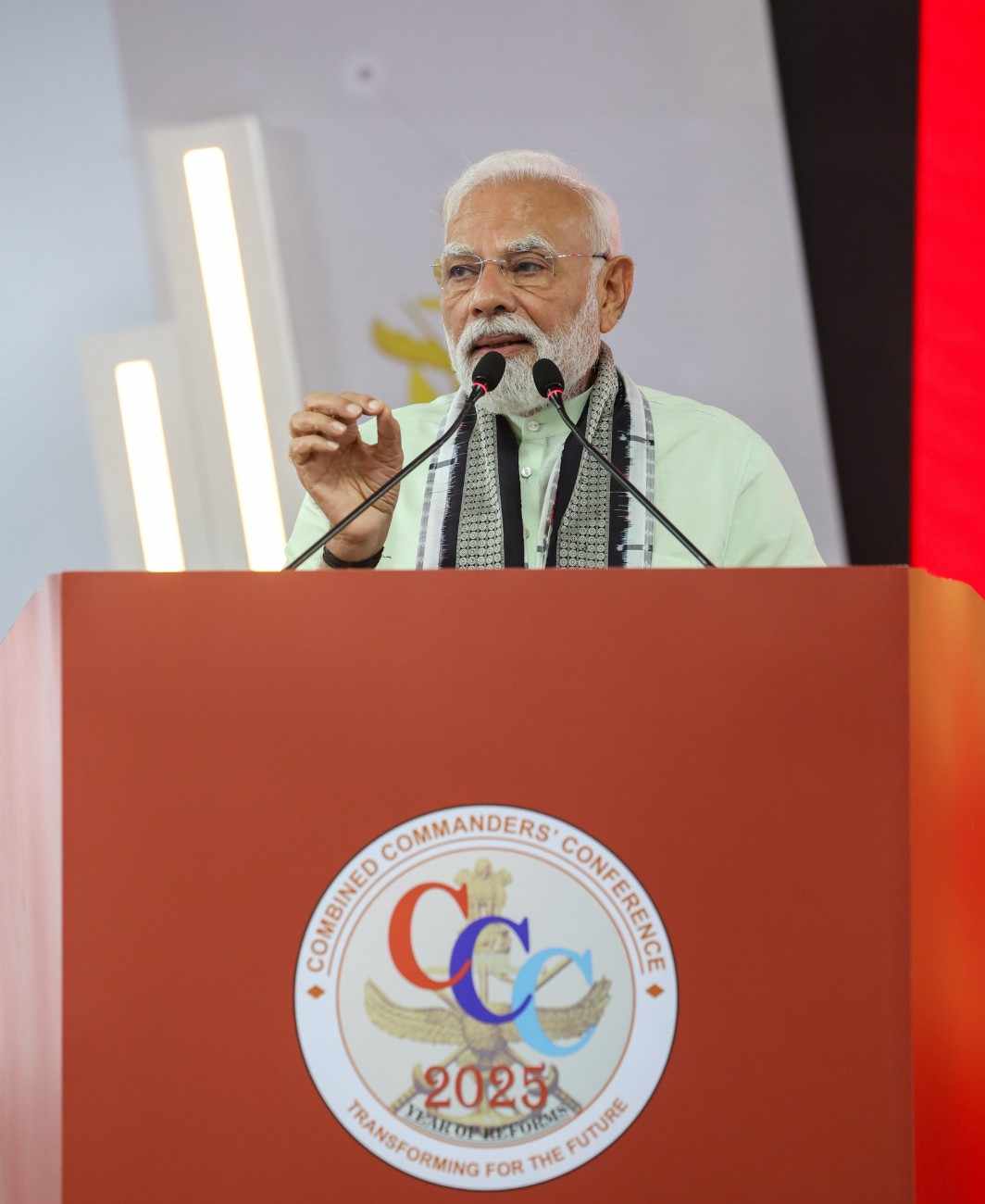
PM Modi calls for jointness, self-reliance and innovation at Combined Commanders’ Conference in Kolkata

KOLKATA : Prime Minister Shri Narendra Modi inaugurated the 16th Combined Commanders’ Conference in Kolkata on Monday. Held once in two years, this conference is the apex-level brainstorming forum of the Armed Forces, that brings together the nation’s top civilian and military leadership to exchange views and lay the groundwork for the future development of India’s military preparedness. The theme of the Conference is ‘Year of Reforms – Transformation for the Future’, in line with the ongoing modernisation and transformation of the Armed Forces.

Prime Minister complemented the Armed Forces for the success of Operation Sindoor as well as the integral role played by the Armed Forces in nation building, anti-piracy, safe return of Indian citizens from conflict zones as well as providing Humanitarian Assistance and Disaster Relief (HADR) assistance to friendly countries. In line with 2025 being the ‘year of reforms’ in defence, Prime Minister instructed the Ministry of Defence to swiftly implement concrete steps to achieve greater Jointness, Atmanirbharta and Innovation to meet future challenges and to prevail against any eventuality.

Prime Minister was briefed on the operational readiness of the forces in the context of the new normal created by Operation Sindoor, future of warfare in the context of emerging technology and tactics. Prime Minister also reviewed the reforms implemented in the last two years, and the plan for the next two years.

Over the next two days, the Conference would conduct a holistic review of various structural, administrative and operational matters based on feedback from across the forces, preparedness of the armed forces in the face of increasing global uncertainties, as well as discussions to develop the roadmap for implementation of the vision of the Prime Minister.

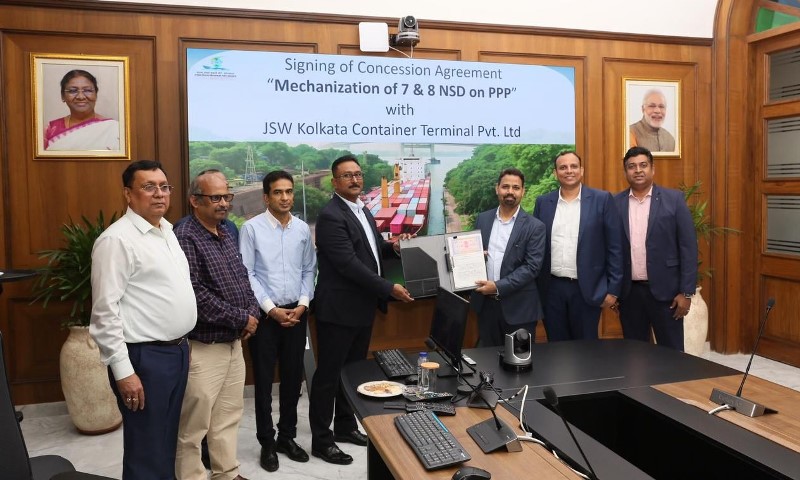
JSW Infra signs 30-year pact with SMP Kolkata to reconstruct, mechanise berths

KOLKATA : JSW Infrastructure Ltd, India’s second-largest private port operator, has signed a 30-year concession agreement with Syama Prasad Mookerjee Port Authority, Kolkata, for a major berth modernisation project at the city’s Netaji Subhash Dock.

The project, awarded under the PPP mode, involves the reconstruction and mechanisation of berths 7 and 8 to boost cargo-handling efficiency.

The concession has been executed through JSW Kolkata Container Terminal Pvt Ltd, a wholly-owned subsidiary incorporated earlier this year for the purpose. The initiative is expected to significantly strengthen Kolkata Dock System’s container and cargo operations, supporting growing trade on India’s eastern coast.

In a parallel development, JSW Infra’s arm, JSW Port Logistics, acquired an 86-acre brownfield rail siding in Kudathini, Karnataka, for ₹57 crore to develop a multi-modal logistics park. The facility, requiring a total investment of about ₹380 crore, will feature a rail freight terminal, container systems, and an inland container depot, with operations slated to begin within six months.

JSW Infra, part of the JSW Group, currently operates 12 port concessions across India and a liquid storage terminal in Fujairah, UAE.

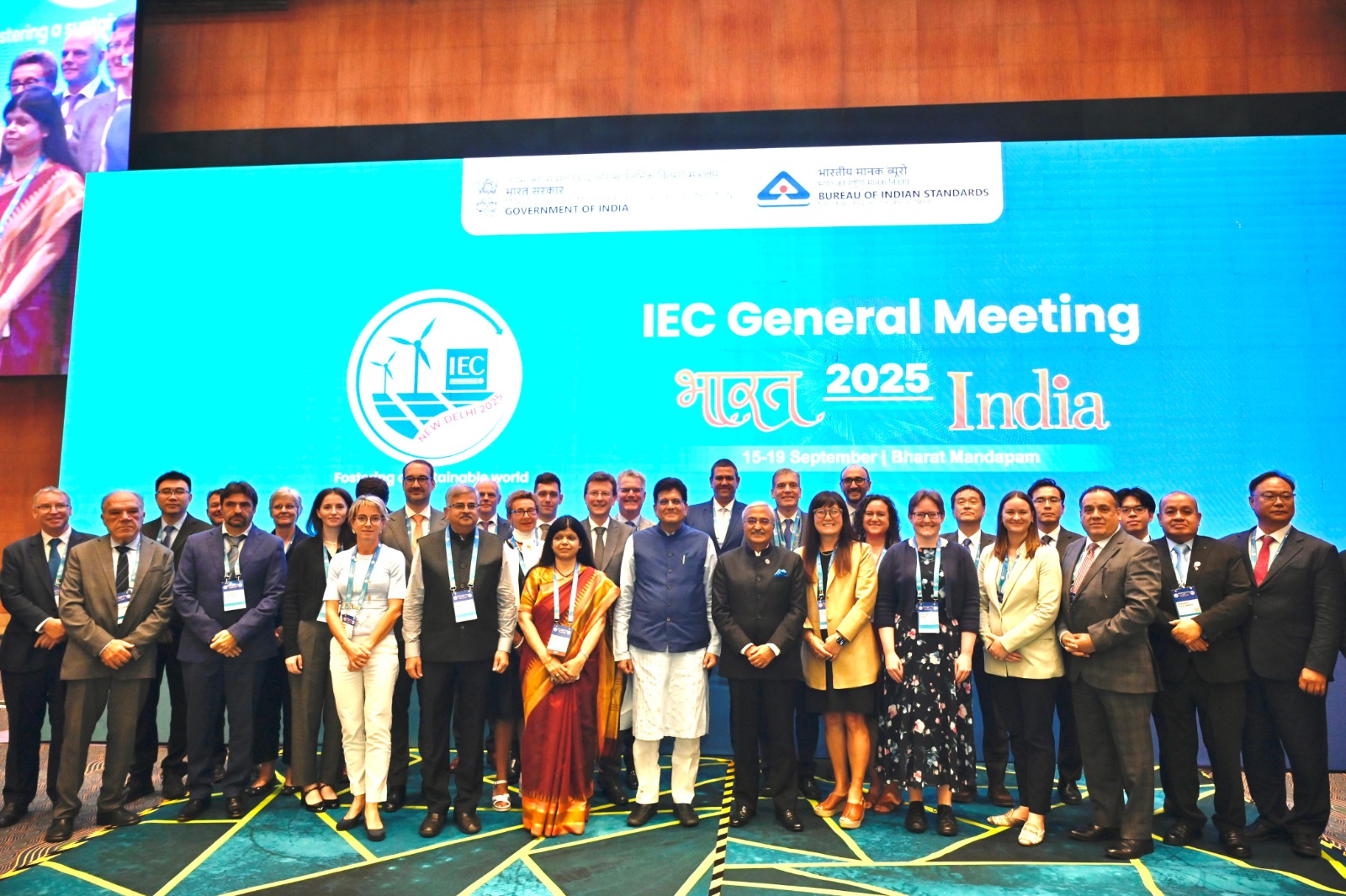
Sustainability is non-negotiable in India’s growth journey : Piyush Goyal

NEW DELHI : Sustainability is non-negotiable in India’s growth journey, Union Minister of Commerce and Industry Shri Piyush Goyal said while addressing the inauguration of the IEC (International Electrotechnical Commission) General Meeting Exhibition organized by the Bureau of Indian Standards (BIS) on Monday. Shri Goyal said that India is very focused on sustainability as the pillar of growth because every Indian intrinsically believes in respecting nature, being born into a culture and tradition where harmony with the environment is a way of life.

He said that India believes in learning from the developed world, particularly from the high-quality standards that have helped economies across the globe to grow and prosper. He emphasized that such high standards are central to India’s own growth as the world’s fastest-growing large economy.

The Minister highlighted that initiatives such as the International Electrotechnical Commission General Meeting provide a valuable platform for the exchange of ideas, systems, and methods to decide on standards. When countries come together to develop such standards, they not only help harmonize practices and bring them to a high minimum level, but also create opportunities for stronger economic cooperation. The Minister underlined that good standards are the need of the hour for a developing country like India, as they provide the foundation for growth both at the national level and for contributing to international progress.

Shri Goyal noted that harmonizing global standards not only enhances product quality but also facilitates free trade, opens markets, and promotes wider international collaboration. He said that such initiatives will help expand open markets, encourage free and fair trade, and provide a level playing field for businesses. Referring to the participation of international experts at the IEC General Meeting, he expressed confidence that they would delve into new ideas and explore ways forward to promote the adoption of standards. He added that with many experts coming from engineering backgrounds, the deliberations at the exhibition would enrich the global conversation on standards. He reiterated that the promotion of high-quality standards is essential for ensuring consumer welfare, driving demand, and sustaining long-term growth.

The Minister highlighted India’s strong commitment to meeting its nationally determined contributions under the Paris Agreement, and further improvements made through different COP announcements. He stressed that India does this not because of external force or pressure, but as a responsible global citizen, out of belief in sustainability itself. He added that India is deeply committed to the principles of a circular economy, reducing waste, and conserving resources, and sees these principles as central to its long-term development journey.

Shri Goyal stated that standards play a critical role in building India’s future. He pointed out that India has thousands of technical bodies and committees that work on setting standards across different sectors. In the early years, the focus was more on creating standards and allowing their voluntary implementation. Over time, however, experience taught that stricter adherence to standards was necessary, leading to the introduction of Quality Control Orders in critical areas. He cited the example of QCOs for toys, which have had a transformative effect by putting an end to substandard products in the market, encouraging the manufacturing of high-quality toys in India, and ensuring the safety of children.

The Minister stressed that quality does not increase costs. On the contrary, he said, quality reduces costs by cutting wastage, improving efficiency in operations, and delivering safer and better products to consumers. He explained that quality standards ensure that people get reliable goods and services of high value for their everyday lives. He emphasized that standards must be seen as a strategic lever for consumer satisfaction, consumer safety, enhancing competitiveness, and ultimately also for meeting climate challenges.

The Minister recalled that the principle of consumer protection and quality assurance is deeply rooted in India’s heritage. He referred to Chanakya’s Arthashastra (4th century BC), which spoke of fair weights and measures, liability for traders, and penalties for adulteration, underlining that consumer rights and quality consciousness have been part of India’s civilizational values.

Referring to Prime Minister Shri Narendra Modi’s vision of “Zero Defect, Zero Effect,” Shri Goyal said that the government is working in mission mode to foster a nationwide culture of quality and sustainability. He explained that this vision reflects a dual commitment—on the one hand, ensuring the highest quality with zero defects in products and services, and on the other, pursuing sustainability with zero effect on the environment and the planet. He noted that the Prime Minister has consistently stressed the importance of combining quality with responsibility, so that India’s growth leaves behind lower pollution and contributes to a sustainable future. Shri Goyal said that this approach is empowering India to build a modern quality ecosystem across sectors. He reiterated the Prime Minister’s belief that the day is not far when the world will proudly say—“Design in India, Made in India,” and such products will be trusted across the globe as symbols of reliability, sustainability, and excellence.

The Minister also underlined the growing role of the electrical and electronic industry in energy efficiency and sustainability. He noted that as India transitions from electrical to electronic solutions, the sector can significantly reduce energy consumption, minimize pollution, and contribute to climate action while ensuring high-quality products for consumers.

Concluding his address, Shri Goyal called upon the global community to work together towards a standardized, safe, and sustainable future, where harmonized standards drive growth, protect consumers, and safeguard the planet for generations to come.