Home Blog Page 674

India will return ‘saying sorry’ in 2 months,to trade talks with Trump : US Commerce Secy

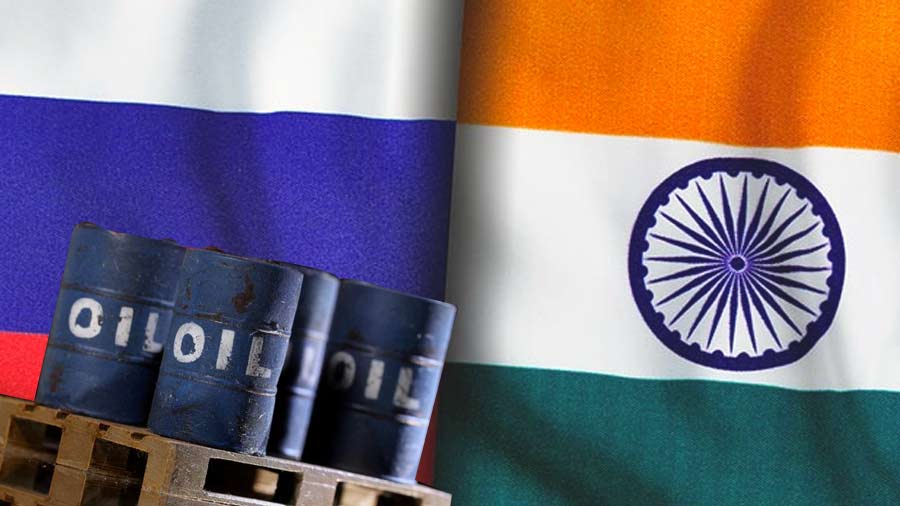
WASHINGTON D.C. : US Secretary of Commerce Howard Lutnick on September 5 issued a blunt warning to India — urging it to “support its biggest client.” His remarks came after a social media post by President Donald Trump alleged that India and Russia had been “lost” to China after the SCO Summit. New Delhi pushed back, insisting it “remained engaged” in trade talks.

Howard Lutnick said he expects India will be back at the negotiating table within the next two months “saying sorry” in a bid to sign a trade deal, arguing that the US is the world’s largest consumer and “the consumer is always right.”

“I think, yes, in a month or two months… India is going to be at the table, and they’re going to say they’re sorry, and they’re going to try to make a deal with Donald Trump. And it will be on Donald Trump’s desk how he wants to deal with Prime Minister Shri Narendra Modi. And we leave that to him,” Lutnick told Bloomberg TV.

He added: “India doesn’t want to open their market. Stop buying Russian oil. And stop being a part of BRICS. If you want to be the bridge between Russia and China… go be it! But either support the dollar, support the United States of America… support your biggest client… or pay 50% tariffs. And let’s see how long this lasts.”

Earlier this month, Commerce Minister Piyush Goyal expressed hope of concluding a bilateral trade agreement with the US by November. But no new round of talks has been announced after American negotiators deferred their planned August 25 visit to New Delhi. Indian officials have said removal of the 25% additional tariffs is critical for any progress on a deal.

Relations between the two countries soured earlier this year after Donald Trump slapped a 50% tariff over India’s continued purchase of Russian oil. Multiple US Cabinet members have since taken aim at New Delhi’s policy. India, however, has called the tariffs “unfair, unjustified and unreasonable,” and questioned why China — the largest buyer of Russian oil — has not faced similar measures. New Delhi maintains its energy decisions are guided by national interest and market realities.

US disappointed by India’s Russian oil imports, hopes to improve ties : Trump adviser

WASHINGTON : White House Economic Advisor Kevin Hassett has said that US President Donald Trump and the trade team are “disappointed” with India’s continued imports of Russian crude oil, but hoped for positive developments.

“I think that the trade team and the President are disappointed that India continues to fund Russia’s Ukraine war…Hopefully, it’s a democratic issue, and we’ll have positive developments,” Hassett said answering a question from ANI during a media interaction.

Answering a query on Donald Trump’s post today concerning India, Russia and China Kevin said: “Well, we’re certainly hoping that it improves”. “Looks like we’ve lost India and Russia to deepest, darkest China. May they have a long and prosperous future together!” Trump wrote in a post on X.

The US has accused India of profiteering from Russian oil, while Indian officials have said that the country is being singled out when EU buys Russian gas. China is the biggest importer of Russian oil. The 50 per cent tariffs imposed by the US on Indian goods came into effect on September 27. The US President imposed 25 per cent tariffs on India last month amid trade talks between two countries and then imposed an additional 25 per cent on India as penalty for buying oil from Russia.

Following the US decision, Ministry of External Affairs had said that “targeting of India is unjustified and unreasonable” and like any major economy, India will take all necessary measures to safeguard its national interests and economic security.

The MEA statement issued last month noted that the European Union in 2024 had a bilateral trade of Euro 67.5 billion in goods with Russia. In addition, it had trade in services estimated at Euro 17.2 billion in 2023. This is significantly more than India’s total trade with Russia that year or subsequently. European imports of LNG in 2024, in fact, reached a record 16.5mn tonnes, surpassing the last record of 15.21mn tonnes in 2022.

It said Europe-Russia trade includes not just energy, but also fertilizers, mining products, chemicals, iron and steel and machinery and transport equipment. Where the United States is concerned, it continues to import from Russia uranium hexafluoride for its nuclear industry, palladium for its EV industry, fertilizers as well as chemicals, the MEA statement said.

During his media interaction, Hassett also highlighted that semiconductor tariff proposals will be presented to Trump within weeks, with potential exemptions for companies that invest in the US.
Hassett called Friday’s new jobs report number “disappointing,” but expressed optimism about the US economy’s future, citing strong capital spending and construction growth.

“I expect it’s going to revise up. President Trump knows that we’re super optimistic about the future of the jobs numbers because we’re seeing a massive blowout in capital spending and new factory and construction, something that can happen because of the tax reforms that we had. Capital spending is growing at a rate of just about 8% per cent over the first half of year. It’s accelerating to the third quarter, which is why GDP now has a third quarter at about three per cent. And so, like all the indicators that we’re seeing are that inflation is low and economic growth is solid,” he said.

“Income growth is solid as well. So that the only part of the data that’s disappointing is that the job numbers have been a little bit lower over the last three or four months,” he added.

Source : ANI

Lloyd’s Register introduces new wind propulsion and ergonomics rules to support decarbonisation and crew safety

LONDON: Lloyd’s Register (LR) has announced an update to its Rules and Regulations for the Classification of Ships, introducing new technical notations that formalise standards for wind propulsion systems and ergonomic design.  

The changes, which will be consolidated into the Rules from 1 January 2026, establish classification requirements for wind-assisted propulsion systems and ergonomic designs. This update, published as Notice No. 5 to LR’s July 2025 rule sets, introduces two new notations for wind-assisted propulsion systems (WAPS) and WAPS* and the EASE notation for ergonomic access and human-centric design. The existing RIGGING notation definition is also modified.  

The new WAPS and WAPS* notations (upon owners’ request) have been established for systems such as wingsails, Flettner rotors, suction wings and kites. They enable shipowners to classify retrofitted or hybrid installations, including those not originally classed by LR. By providing a structured framework for assessing the safety and integrity of these systems, WAPS and WAPS* support investment decisions and operational assurance across a wide range of vessel types. 

In parallel, LR has also introduced the EASE notation, which introduces formalised standards for ergonomic access and human-centric design. This move allows shipowners to demonstrate their commitment to crew welfare through certified layouts that improve safety and usability in critical areas, such as bridges and machinery spaces. 

The update to the existing RIGGING and RIGGING* notations apply to vessels using wind propulsion as the sole means of propulsion. It establishes classification requirements for systems such as aft rigged vessels, DynaRig, AeroRig and traditional square-rigged vessels, ensuring these technologies meet rigorous safety and performance standards. This notation is particularly relevant for newbuilds designed around wind as the primary energy source, offering a formal pathway for classification and regulatory compliance. 

Dr Yikun Wang, Senior Structures Specialist, Rule Development, Lloyd’s Register, said: “These updates are a direct response to the industry’s need for clarity and confidence when investing in emerging technologies. By codifying standards for wind propulsion and ergonomics, we’re helping shipowners future-proof their fleets while supporting decarbonisation and safety goals.” 

Tom Wolodarsky, Senior Surveyor and Lead Specialist WASP, Marine & Offshore, North Europe, LR, added: “The new rules and notices set out technical requirements to support shipowners, designers and regulators in implementing wind propulsion and human-centric solutions. By introducing these standards and guidance notes, LR aims to continue facilitate the maritime industry in adopting new sustainable technologies safely and effectively.” 

The rule updates also include a forward-looking “Statement of Future Requirements”, outlining anticipated changes from the International Association of Classification Societies (IACS) and the International Maritime Organization (IMO). This provides designers and operators with the regulatory certainty needed to plan for future compliance and innovation. LR will publish details on future requirements, such as those related to IACS UR M85 and M86, when available.  

The new notations are now available via the latest edition of LR’s Rules and Regulations.  

Lloyd’s Register launches risk-based fire safety notation for container ships

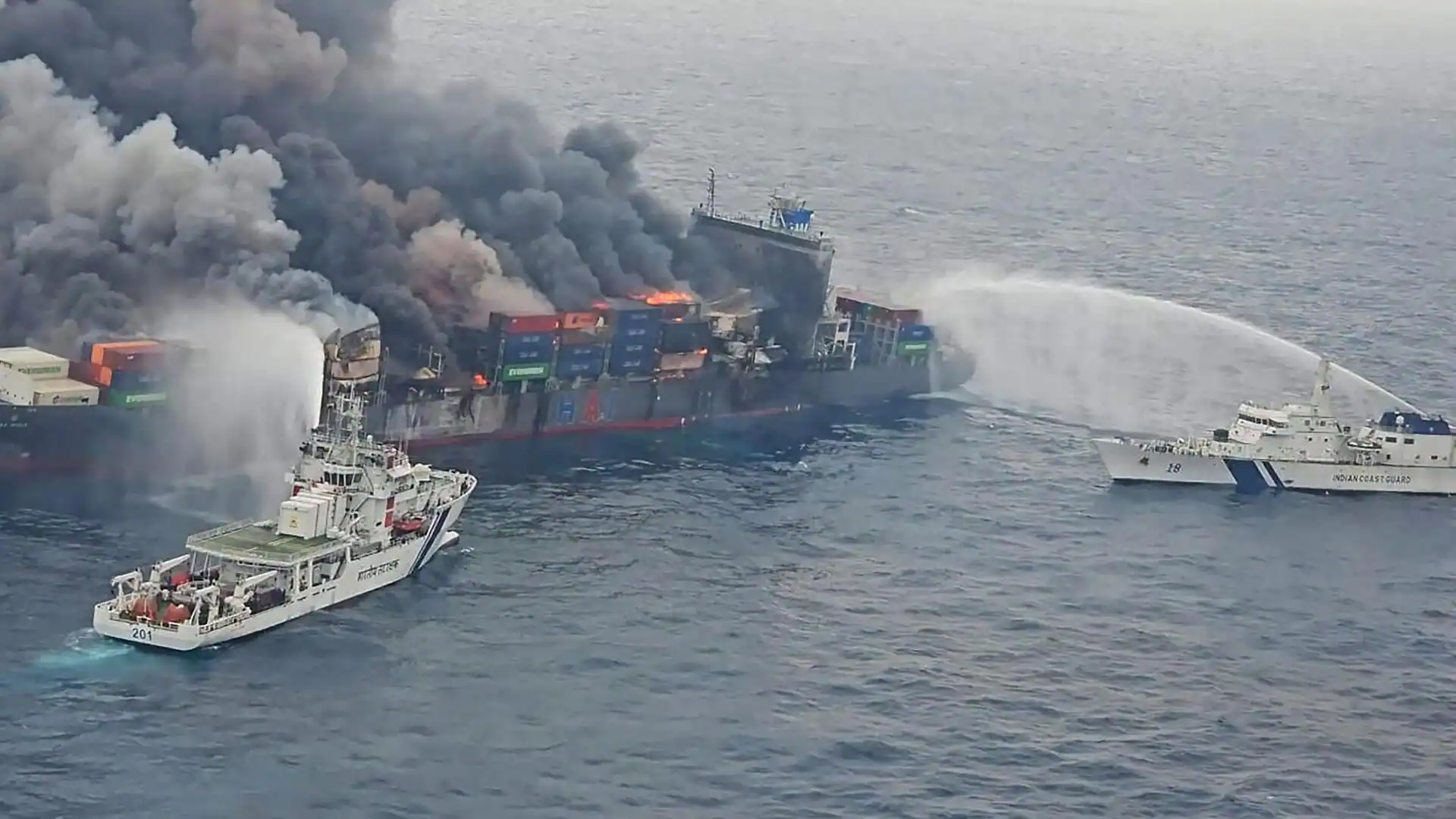
LONDON: Lloyd’s Register (LR) has launched Fire (C, Risk), a new risk-based notation developed to enhance the assessment of fire safety arrangements on board container ships.  

The notation is accompanied by guidance to support shipowners, designers, and operators in selecting appropriate, best-practice mitigations based on the specific fire risk profile of a vessel.  

The new notation, introduced in the July 2025 update to LR’s Rules and Regulations for the Classification of Ships, is the first of its kind to apply the LR ShipRight Risk Based Certification (RBC) methodology to container ship fire safety. This provides a flexible yet robust framework for identifying and validating tailored safety enhancements, from the design phase through to operational deployment.  

By aligning with the RBC framework, Fire (C, Risk) also supports LR’s broader goals around innovation and assimilation of new technology, digitalisation and data-driven design verification. 

Gabriele Sancin, LR’s Risk Notation Technical Lead, said: “LR understands that there are many options to enhance container ship fire safety, from advanced detection systems to alternative hold arrangements and smart suppression technologies. Our new notation Fire (C, Risk) ensures that tailored, effective fire safety solutions are selected from demonstrated best practice to reduce risk to crew, cargo and operations.” 

The notation and accompanying guidance are now available via the latest edition of LR’s Rules and Regulations. 

UK’s NatPower Marine and Wah Kwong launch Asia’s First Zero-Emission Port Power Venture

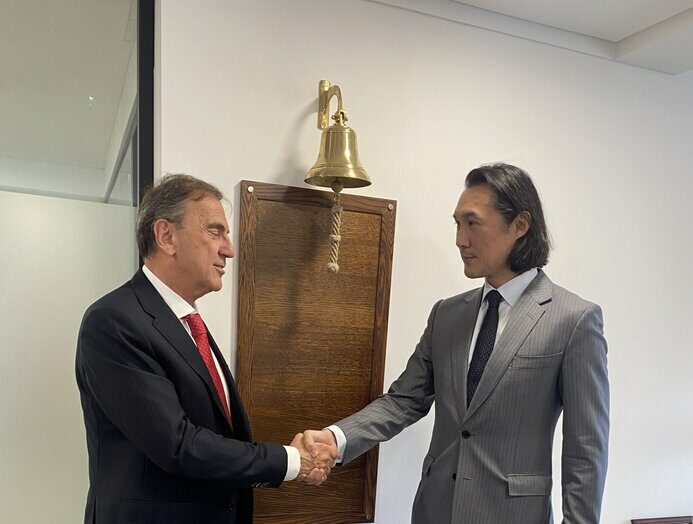
LONDON/HONG KONG: In a major international push to cut shipping emissions, global clean infrastructure developer NatPower Marine and leading Asian shipowner Wah Kwong Maritime Transport have launched a joint venture to build and operate a dedicated network of electric shore power stations across Asia.

The new company, Wah Kwong NatPower Holdings, will develop grid-connected infrastructure at major ports in Hong Kong, with plans to develop partnerships in Greater China and infrastructure across North Asian markets, by enabling vessels to switch off fossil-fuel auxiliary engines while using shore-based power at berth and plug into zero-emission electricity for providing clean electricity for cold ironing and propulsion.

“As part of the wider Wah Kwong Group strategy, we continue to form new ventures delivering diversified decarbonisation solutions to address industry needs. This venture brings the industrial logic, financial backing and technical certainty the region has been anticipating in marine electrification,” said Hing Chao, Executive Chairman of Wah Kwong. “Asia’s ports are the backbone of global trade and now they must become the frontlines of climate action,” said Stefano D.M. Sommadossi, CEO of NatPower Marine UK and Joint Director of the new company. “This partnership gives us the reach, capability and credibility to deliver the infrastructure needed to support net zero shipping at scale.”

“We are applying our deep energy infrastructure experience to accelerate the maritime transition. This joint venture is about building the systems, powered by renewables, that will help the global shipping sector decarbonise faster,” adds Fabrizio Zago, Founder & Group CEO, NatPower and CEO, NatPower Marine Global.

“After the official setup of Venture Energy in June this year, the launch of this joint venture is a milestone in our partnership strategy,” added Greg McMillan, Director of Wah Kwong NatPower Holdings. “By leveraging our shipping expertise and NatPower Marine’s strength as a shore electrification partner, we are another step closer to creating a greener future in the region.”

Wah Kwong, founded in 1952, is one of Hong Kong’s most established shipowners, with global operations across ship owning, ship management, dry bulk operating and energy. Wah Kwong plays an active role in forging decarbonisation partnerships and demonstrating technical feasibility in sophisticated maritime operations, such as the technical management of China’s first LNG bunkering vessel and green methanol bunkering vessels.

NatPower Marine is part of the NatPower Group, a Luxembourg-headquartered renewable energy developer with over 30 GW of solar, wind, battery storage, and hydrogen projects globally. The Group operates across Europe, North America, and Asia.

Delivering Scalable Clean Infrastructure for Ports

The new joint venture aims to launch its first projects in 2026, targeting high-traffic ferry and container terminals across Asia. It plans to deploy shore power infrastructure for cold ironing and propulsion at more than 30 ports by 2030, creating the backbone of Asia’s first clean charging corridor for ships.

Operating under a Charge Point Operator (CPO) model, Wah Kwong NatPower Holdings will fully fund, build and manage the infrastructure, removing the need for upfront investment from port authorities. Each site will be equipped with an integrated shore power system, including shore-side substations, battery energy storage and smart grid interfaces to support both cold ironing and vessel propulsion charging. The JV mirrors the privately funded model that NatPower Marine is already deploying in Europe. In the UK and Ireland, the company is investing £100 million to electrify key terminals, including the partnership with Peel Ports Group, delivering shore power and vessel charging infrastructure along the Irish Sea and supporting more than 3,000 vessel movements annually.

“The mission of WK NatPower is to deliver green electricity to ships both at berth for cold ironing and for propulsion through the investment, development, and operation of a comprehensive maritime electrification infrastructure network across Asia,” said Vincent Ni, General Manager of WK NatPower said. “Based in Hong Kong, one of our first objectives is to make a lasting impact locally, providing long-term environmental benefits to residents and enhancing ports competitiveness.”

A Global Clean Port Programme, Backed by Clean Energy

In addition to its £250 million shore power investment in the UK, NatPower Marine is unlocking £10 billion in global investment. Targeting 120 electrified port locations by 2030 with shore power and high-capacity electric charging infrastructure. The network is designed to help the maritime sector meet tightening regulatory targets under the IMO’s Carbon Intensity Indicator (CII) and regional Emissions Control Areas (ECAs).

NatPower Marine’s parent company, NatPower Group, is also the driving force behind NatPower H, the world’s first international hydrogen refuelling network for recreational boats and marina infrastructure. Already operational in Monaco, Venice, and La Spezia, both NatPower H and NatPower Marine advance the Group’s broader mission to deliver a comprehensive clean energy infrastructure network for the maritime and transport sectors.

“We are creating the infrastructure to future-proof the maritime sector, from ferries to containerships, to cruising ships,” said Sommadossi. “From Liverpool to Hong Kong and beyond, this network will allow global shipping to plug in, convert to sustainable electric fuel, an immediate opportunity for saving and decarbonising without compromise for a greener future.”

Wah Kwong is investing in shipping decarbonisation with several initiatives under Venture Energy, including the first e-methanol bunkering ship in Shanghai.

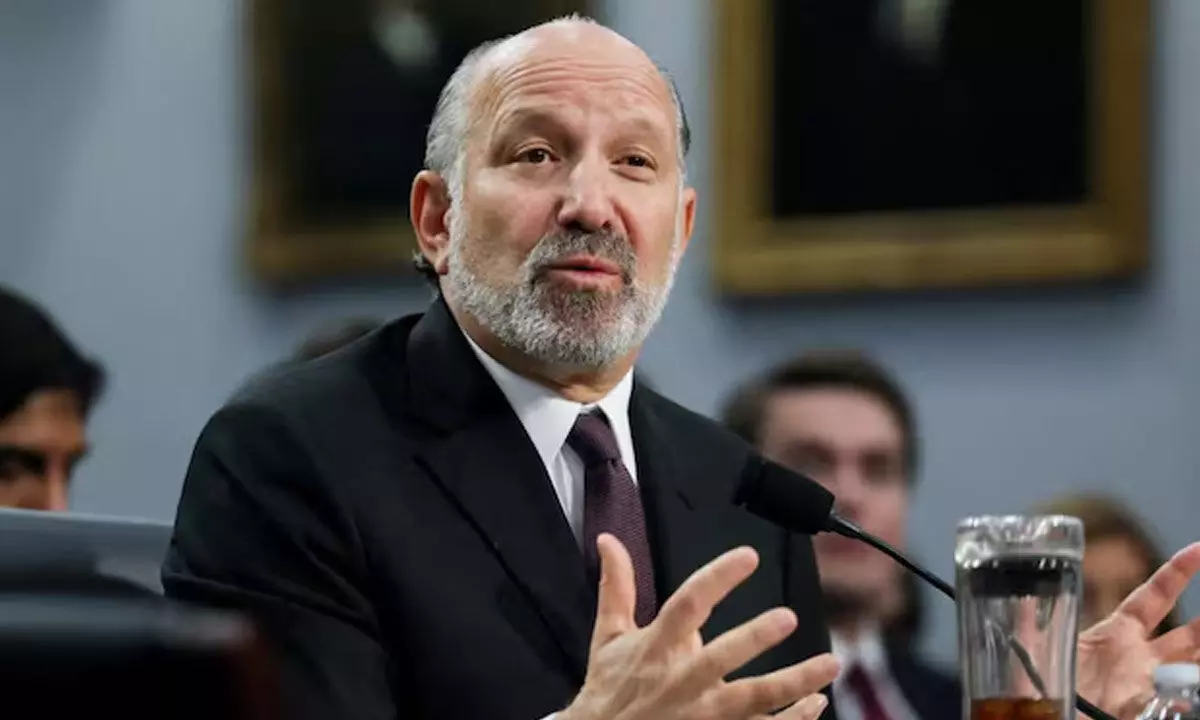
ABB and eMarine partner to drive energy efficiency in the maritime industry with innovative temperature sensor

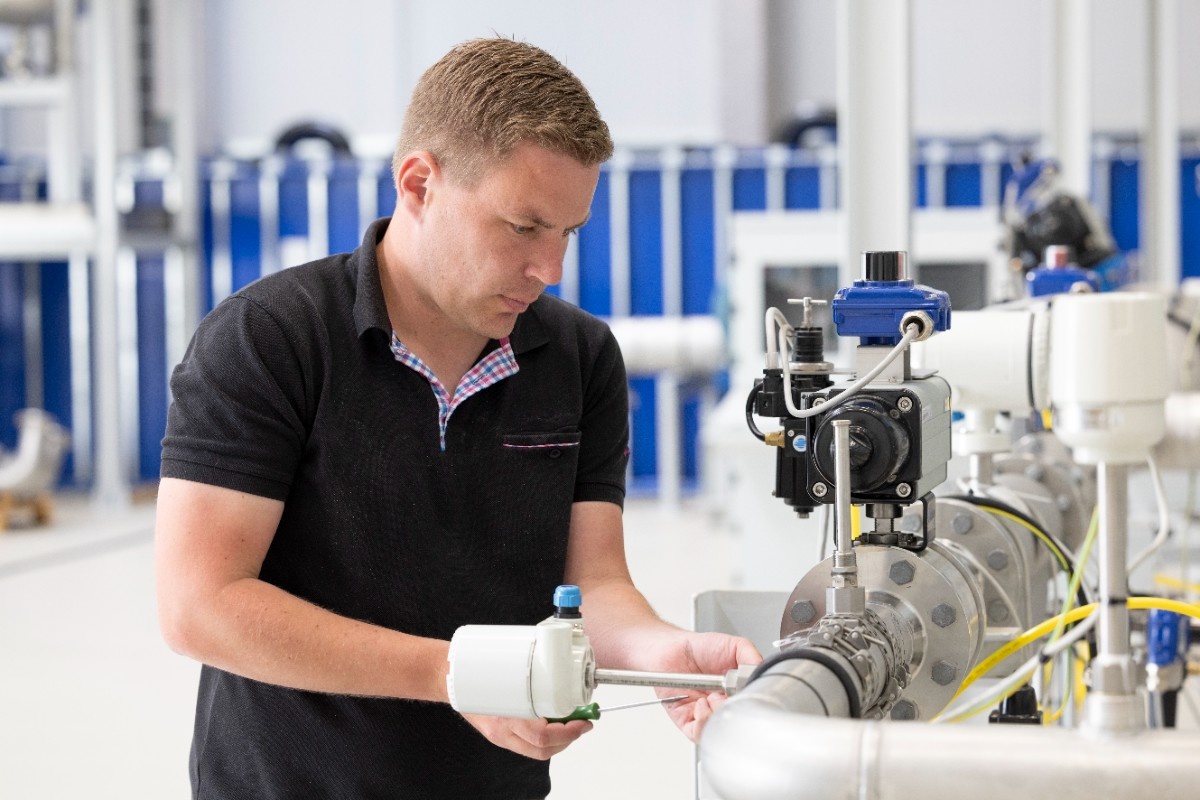
SWEDEN: ABB will deliver 1,500 NINVA™ non-invasive temperature sensors approved for marine use to eMarine, a Swedish company dedicated to enabling efficiency and sustainability in the maritime industry. This marks the introduction of ABB’s NINVA technology to the global marine sector. NINVA will complement eMarine’s advanced energy management solutions already deployed on major cruise and cargo vessels worldwide.

The data collected by the innovative NINVA temperature sensors will play a key role in optimizing heat recovery as well as the management of cooling water and ventilation systems onboard. The insights will enable lower fuel consumption, measurable energy savings, and reduced CO₂ emissions. With enhanced vibration resistance up to 4g, the sensors meet the demanding conditions of marine operations while maintaining the same accuracy as invasive thermowells – without the need to perforate pipe walls.

“At eMarine, we are committed to delivering high-quality, innovative solutions that help our customers achieve real and lasting energy savings,” said Ola Persson, CEO of eMarine. “By partnering with ABB and integrating NINVA, we can provide the maritime industry with smarter tools to accelerate decarbonization.”

“For some time, we have delivered safer and simpler temperature measurement for applications in the chemical, oil and gas and other industries,” said Dr Guruprasad Sosale from ABB’s Measurement & Analytics division. “This is the first time we are bringing the benefits of NINVA to the global marine industry, helping to drive decarbonization in the sector.”

ABB’s non-invasive approach to temperature sensing dramatically simplifies temperature measurement by providing an alternative to the traditional thermowell. The clamp-on solution removes the need to perforate pipe walls, eliminating the risk of potential leakages. Using the surface temperature of piping to infer the process temperature, NINVA provides the same level of accuracy and performance as an invasive measurement device.

ABB is a global technology leader in electrification and automation, enabling a more sustainable and resource-efficient future. By connecting its engineering and digitalization expertise, ABB helps industries run at high performance, while becoming more efficient, productive and sustainable so they outperform. At ABB, we call this ‘Engineered to Outrun’. The company has over 140 years of history and around 110,000 employees worldwide. ABB’s shares are listed on the SIX Swiss Exchange (ABBN) and Nasdaq Stockholm (ABB).

ABB’s Process Automation business automates, electrifies and digitalizes industrial operations that address a wide range of essential needs – from supplying energy, water and materials, to producing goods and transporting them to market. With its ~20,000 employees, leading technology and service expertise, ABB Process Automation helps process, hybrid and maritime industries outrun – leaner and cleaner. go.abb/processautomation

PM Modi, Singapore PM virtually inaugurate JN Port – PSA Mumbai Terminal (BMCT) Phase-II

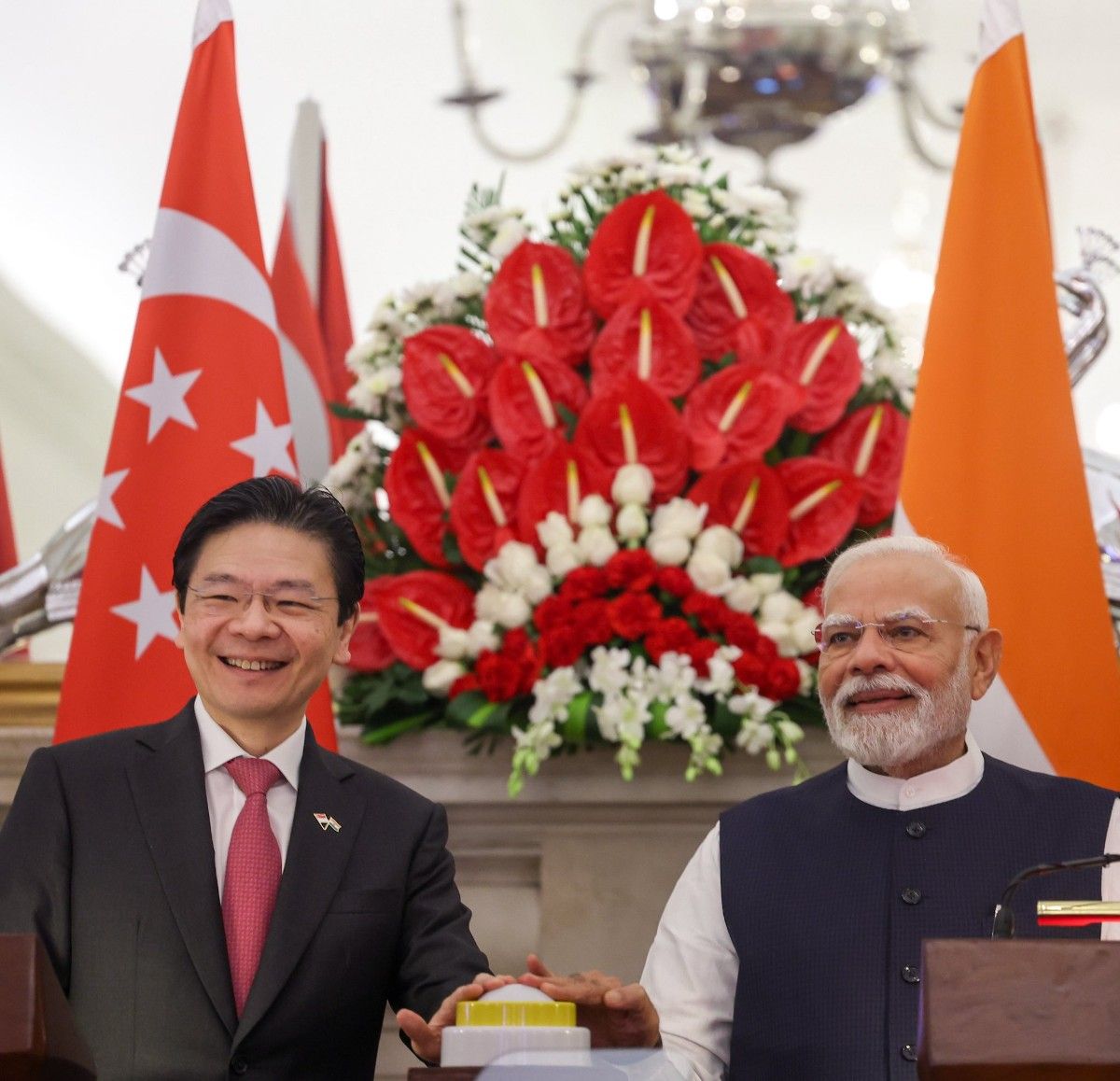
NAVI MUMBAI: Prime Minister Shri Narendra Modi, along with Singapore Prime Minister Lawrence Wong in the presence of Union Minister of Ports, Shipping & Waterways Shri Sarbananda Sonowal on Thursday virtually inaugurated the second phase of the PSA-operated Bharat Mumbai Container Terminal (BMCT) at the Jawaharlal Nehru Port here.

image 4 PM Modi, Singapore PM virtually inaugurate JN Port - PSA Mumbai Terminal (BMCT) Phase-II

On the sideline, Shri Sarbananda Sonowal signs a MoU with Jeffrey Siow, Acting Minister for Transport of Singapore, on Green & Digital Shipping Corridor in the presence of Hon’ble PM Shri narendra Modi ji and Singapore PM Lawrence Wong. A landmark step that will strengthen green fuel supply chains, digital port clearances and sustainable shipping for a cleaner future.

At the port, the event was attended by Minister of State for Ports, Shipping and Waterways Shri Shantanu Thakur, Maharashtra Chief Minister Shri Devendra Fadnavis, JNPA Chairman Shri Unmesh Sharad Wagh and Managing Director PSA India Mr. Gobu Selliaya among others.

Following this, the terminal’s total container handling capacity would stand at 4.8 million TEUs from 2.4 million TEUs earlier.

UnmeshWaghatPSAMumbaisBMCTPhase IIinauguration PM Modi, Singapore PM virtually inaugurate JN Port - PSA Mumbai Terminal (BMCT) Phase-II

At the inauguration, JNPA Chairman Shri Unmesh Sharad Wagh said that the country’s premier container port , Jawaharlal Nehru Port, is looking at allowing Ro-Ro (Roll on/Roll off) service from its facility for efficient vehicle transportation.

The country’s premier container port handles five major dedicated container terminals operated by global market leaders with a deep draft of 15+ metres, with the capability of handling 18,000 TEU vessels.

“We are also thinking of starting a Ro-Ro service. The exporters (car makers) have sought permission, which are pending due to certain issues. We are discussing those issues with them,” Wagh said on the sidelines of the event.

He said that the Port is “very keen” to give them permission for these services, as there is a lot of demand, adding that currently these export vehicles come to Mumbai from Pune, and have to travel an additional distance besides congesting the city’s roads.

On the expansion, he said, “We require capacity as our trade and economy are growing, which requires a lot of ports. The expansion of this terminal is an important milestone for us in achieving the Prime Minister’s vision of port-led development.

The 100 per cent renewable energy terminal, PSA Mumbai Terminal is the first container terminal port with DFC (dedicated freight corridor)- compliant with six rails and 8 RMGs (rail mounted gantry) and efficiency in handling 18000 TEUs, according to JNPA.

The terminal has also received USD 1.3 billion FDI, the largest, under a PP model, providing connectivity to over 63 ICDs – via road and rail, as per the port operator.

Over almost three decades, PSA has invested a total of USD 2.3 billion in India, of which more than half is in BMCT, Singapore Deputy Prime Minister had said during a visit to the JNPA last month.

JNPA handles 54 per cent of the containerised cargo across all major ports of India.

Wagh also said that JNPA has already crossed 10.1-million TEUs capacity, and expressed hope that the facility will be handling this much capacity in the next two years.

“We think that our capacity should be ahead of our requirement. Last year we handled 7.3 million TEUs, while this financial year it will be 8 million TEUs. Even after having this much capacity, we are sure that we will handle over 10 million TEUs in the next two years in JNPA itself. That is the growth India is witnessing,” he said.

Wagh also sounded confident that the JNPA will just be a 100 per cent green and shore-power-compliant facility in the next two years but also be able to reduce its turnaround time by at least 20 per cent during this period.

PM highlights GST Reforms as Catalyst for MSME Growth and Manufacturing Expansion

NEW DELHI: Prime Minister Shri Narendra Modi Thursday reiterated the Government’s steadfast commitment to empowering India’s Micro, Small and Medium Enterprises (MSMEs), which continue to play a pivotal role in job creation, innovation, and economic expansion. He said over the years, the Government has introduced a series of reforms to ease credit access, expand market linkages, and reduce operational burdens for MSMEs. The latest GST reforms under the #NextGenGST initiative mark a significant step forward in this journey.

Responding to a post by Shri Shyam Sekhar on X, Shri Modi wrote on X:

“MSMEs are the backbone of our economy, creating jobs and driving growth.

From easier credit to wider market access, every reform has been aimed at strengthening small and medium businesses. 

The latest GST changes build on this momentum by rationalising rates, simplifying compliance and boosting enterprises across India.”

India and Singapore to fast-track review of trade pacts amid global tariff turbulence

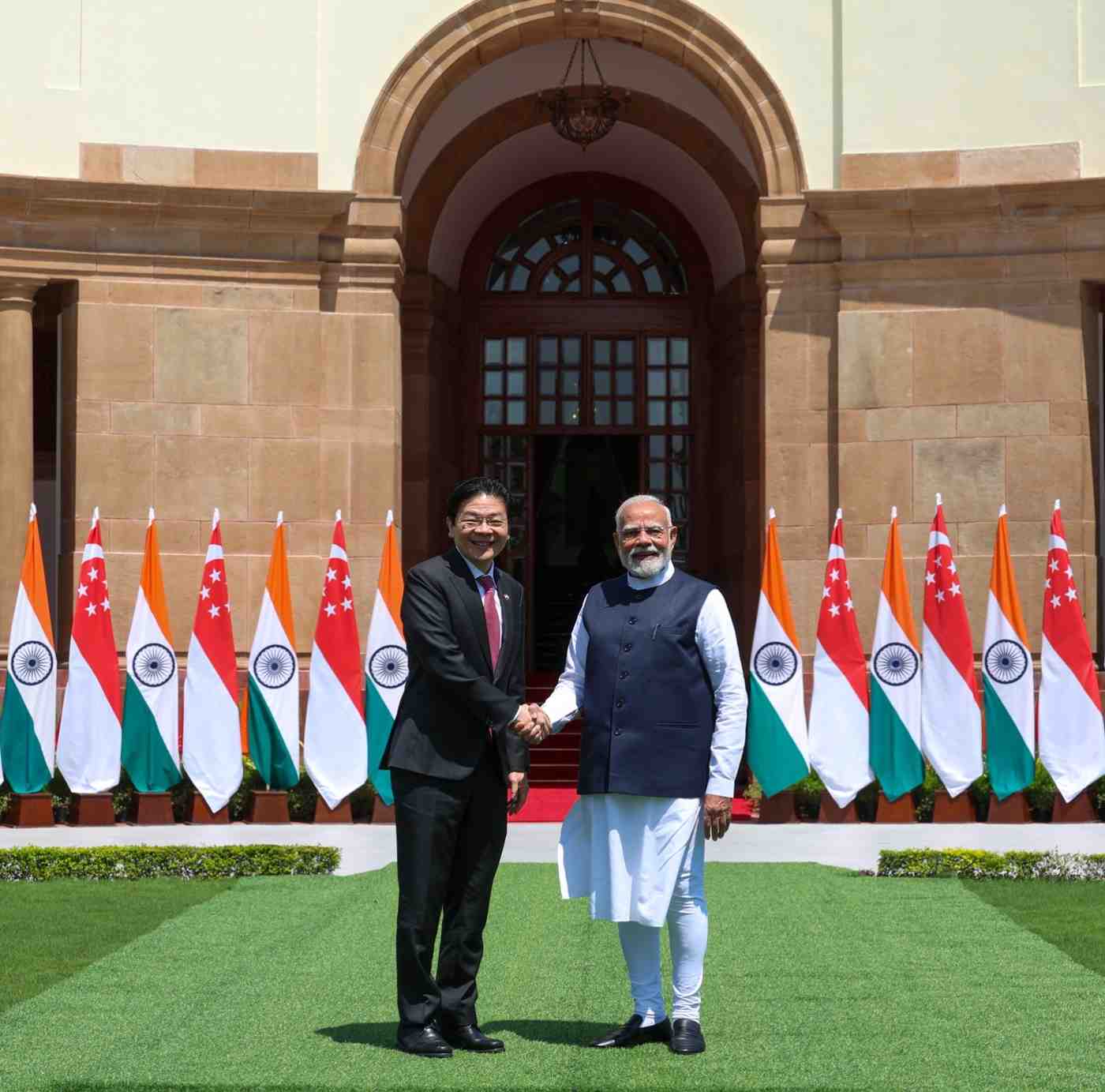
NEW DELHI : India and Singapore have decided to fast-track the review of their Comprehensive Economic Cooperation Agreement (CECA) and Asean Trade in Goods Agreement (ATIGA) in a time-bound manner to accelerate bilateral trade, Prime Minister Shri Narendra Modi said on Thursday while addressing a joint press conference with his Singapore counterpart Lawrence Wong.

This is Wong’s maiden visit to India after he assumed office last year, and it coincides with the 60th anniversary of diplomatic ties between the two countries.

The decision to give bilateral commerce a fillip comes at a time when global trade flows are being reshaped by the new tariff regime under US President Donald Trump. India, which has been slapped with one of the world’s highest tariffs of 50% by Washington, is seeking to diversify its markets and strengthen regional economic partnerships to offset the impact. The country has identified 50 markets for the diversification.

Singapore, a major financial hub and gateway to South-East Asia, has emerged as India’s largest trading partner in the region and a key investor, making the CECA review crucial for sustaining momentum.

Wong said that the partnership between India and Singapore had become even more important in a world marked by uncertainty and turbulence.

On the scope of the bilateral ties, Modi said: “The partnership with Singapore has expanded beyond traditional sectors to cover advanced manufacturing, green shipping, skilling, civil nuclear cooperation, and urban water management.”

Modi said several Indian states are becoming active stakeholders in bilateral ties, citing the recent visits by the chief ministers of Odisha, Telangana, Assam, and Andhra Pradesh to Singapore, while Gujarat’s GIFT City has become a new bridge connecting the stock markets of both nations. Modi noted that the partnership on semiconductors signed last year has given a fresh push to research and development, with Singaporean firms taking part in India’s Semicon conference.

As per a government release, Singapore will also support setting up of a National Centre of Excellence for Skilling in Chennai to train manpower in advanced manufacturing. The two sides will deepen cooperation in artificial intelligence, quantum, and other digital technologies, Modi said, adding that the next round of the India-Singapore Hackathon will be held later this year.

Underscoring the multi-sectoral connections, Modi highlighted the success of the unified payments interface (UPI)–PayNow link, which now includes 13 more Indian banks, and said the new agreement on Green and Digital Shipping Corridors would boost green fuel supply chains and port clearances. He also inaugurated phase-2 of the Bharat Mumbai Container Terminal, built by Singapore’s PSA International, which will expand India’s container-handling capacity.

Singapore, Modi said, remains a vital pillar of India’s Act East Policy and a partner in boosting Asean (the Association of Southeast Asian Nations) and stability in the Indo-Pacific. He also thanked Wong for expressing solidarity with India after the recent terror attack in Pahalgam and for Singapore’s support in the fight against terrorism.

The renewed push to bolster trade ties with Singapore is seen as part of India’s wider strategy to mitigate risks from Washington’s tariff escalation. Trade experts said closer economic integration with South-East Asia could provide Indian exporters with alternative markets at a time when the US and China are hardening their trade positions.

“With Trump’s tariff moves disrupting global supply chains, India is looking to regional partnerships as a shield against uncertainty and a way to draw in capital and technology,” said Abhash Kumar, trade economist at Delhi University.

As per commerce ministry data, exports of goods from India to Singapore in fiscal year 2025 (FY25) were at $12.98 billion, while imports were at $21.29 billion, leaving India with a trade deficit of $8.31 billion. India’s exports in FY24 were higher at $14.41 billion, while imports were $21.20 billion, resulting in a deficit of $6.79 billion.

Key items in India’s export basket for Singapore include petroleum products, chemicals, ships and floating structures, along with electrical machinery, precious metals and electronic instruments. India imports a range of products from Singapore, including electronic components, computer hardware, coal and briquettes, plastic, organic chemicals, among other items.

“This trade pattern shows Singapore’s role as a hub for technology, energy, and shipping, and as a re-export centre linking India to global supply chains,” said Kumar.

Trump’s 50% tariff threatens Gujarat’s ₹29,000 cr Chaniya Choli export market

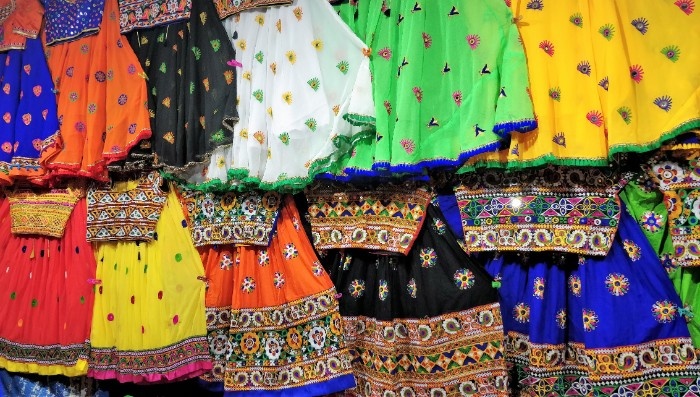
AHMEDABAD : The Trump administration’s decision to impose a 50% tariff on Indian exports has cast a shadow over Gujarat’s ₹29,000 crore chaniya choli and handicraft export market, with Surat, Kutch, Ahmedabad, and Rajkot traders fearing heavy losses ahead of Navratri.

Chaniya cholis, beadwork, applique (ornamental needlework), hand embroidery, and machine embroidery products fall under the textiles and apparels category, directly exposing them to the new tariff. Traders warn that exports could shrink by 50-70%, hitting thousands of artisan families across Kutch and Saurashtra who depend on Navratri sales.

India’s handloom exports to the US, including carpets, shawls, and bed covers, are valued at ₹4,200 crore annually, while handicrafts exports stood at ₹9,576 crore –13,860 crore in 2022-23. The US accounts for 38% of India’s handicraft exports, making the sector especially vulnerable.

From Gujarat alone, textiles and handicrafts worth ₹29,400 crore are shipped to the US annually. With the new tariff taking effect from August 27, exporters fear a sharp decline in orders.

Artisans and traders are urging the government to announce at least a 10% subsidy to cushion the blow. “We prepare for months to meet Navratri demand in the US market. If tariffs stay, we may incur losses as high as 70%,” said a leading handloom trader.

While India’s strong domestic market may absorb some of the impact in the long term, exporters warn that the immediate effect of the tariff is creating fear and uncertainty in Gujarat’s textile hubs.