Home Blog Page 681

MatchLog and PIL strengthen partnership to scale container equipment optimisation in Singapore

MUMBAI: MatchLog, the world’s largest container-reuse platform, has collaborated with Pacific International Lines (PIL), one of Asia’s leading shipping companies, to scale container equipment optimisation in Singapore. Building on their successful association in India, the two organisations will further embed digital innovation in container logistics at one of the world’s busiest maritime hubs.

The collaboration aims to address long-standing inefficiencies in container movements, including empty repositioning and under-utilised reuse cycles. By integrating MatchLog’s proprietary platform into PIL’s Singapore operations, containers will be turned around faster, asset utilisation will be maximised, and carbon emissions from redundant movements will be reduced.

At the core of the collaboration lies MatchLog’s STinder – a container matchmaking engine, which connects import and export legs to enable reliable container reuse across ports, Street Turn Yards (MiSTY), and inland nodes. The platform incorporates rule-based container allocation, API-enabled workflows, and real-time visibility through its Transport Management System supporting line operators, depot partners, and transporters. This capability converts underutilized moves into productive cycles, significantly improves container turnaround (from 34 days to 4 days), enhances schedule reliability, and lowers the total cost to serve, while also reducing empty runs, freight costs, and carbon emissions.

Manish Singh, Co-Founder & Region Head, South East Asia, MatchLog, said: “Singapore is the operating heartbeat of global shipping. Integrating MatchLog with PIL’s network here makes container reuse a repeatable, at-scale practice that cuts empty repositioning, improves schedule reliability and lowers the overall logistics cost, while advancing decarbonisation targets.”

He added: “Our goal is to help the industry get more from the boxes it already owns. By aligning data, rules and partners on a single platform with PIL in Singapore, we can raise equipment availability for customers, improve fleet productivity for transport partners and deliver measurable sustainability outcomes that compound over time.”

This partnership marks a decisive step in modernising container logistics in a region that shapes the flow of goods worldwide. By embedding digital optimisation in Singapore, MatchLog and PIL are paving the way for smarter, greener and more cost-efficient supply chains that will influence trade across Asia and set a benchmark for global adoption.

About MatchLog

Founded in July 2019, MatchLog is transforming logistics by optimising cargo, container and trailer movements to significantly reduce operational wastage. Using advanced container-matching algorithms and a robust technology platform, MatchLog enables seamless integration across the logistics ecosystem, enhancing equipment utilisation and optimising transport routes. With a commitment to sustainability and innovation, MatchLog aims to eliminate 10 billion kilometres of unnecessary travel in the global EXIM (export–import) container supply chain, setting new benchmarks for efficiency and environmental responsibility.
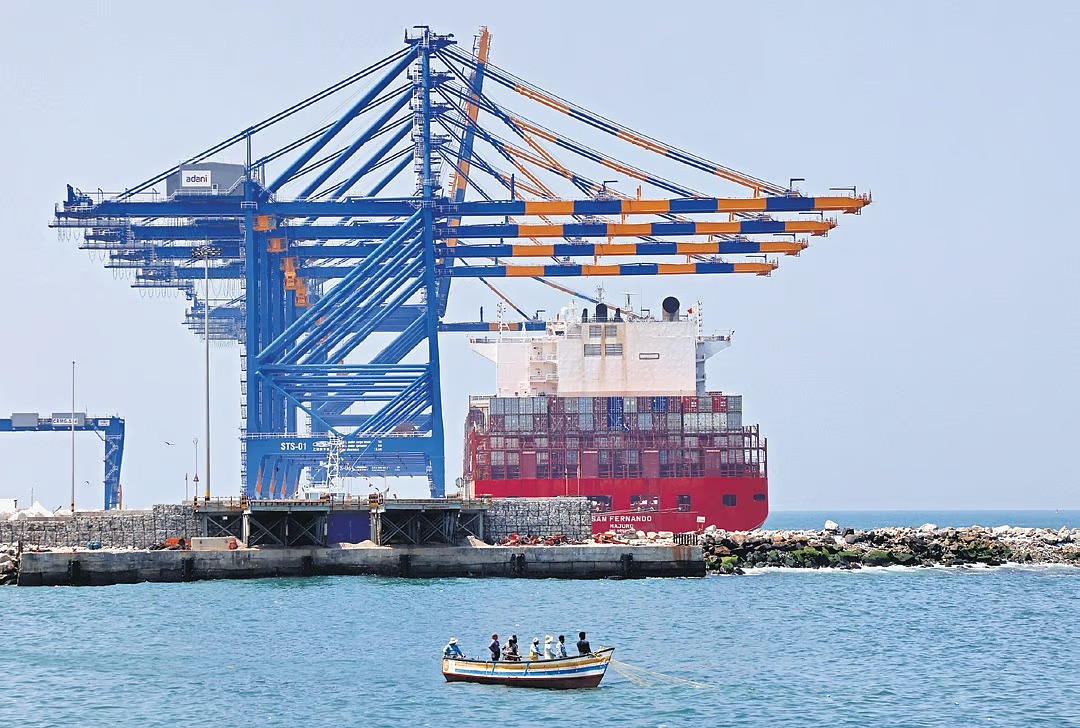
Kerala moves to acquire 300 acres for industrial development near Vizhinjam Port

THIRUVANANTHAPURAM : The state government has identified 300 acres of privately owned land for industrial development in connection with the Vizhinjam International Port. Spread across five locations within a 20-kilometre radius of the port, the land has been earmarked through KINFRA. Discussions with landowners are expected to begin soon, with the government planning to acquire the property by offering compensation.

As this acquisition move comes more than a decade after construction of the port began, the government will now have to pay a steep price for the land. Acting on KINFRA’s recommendation to purchase 50 acres in the first phase, the Revenue Department has already started site inspections and initiated the process of assessing land value.

The government has also announced plans to develop the stretch from Vizhinjam to Kazhakkoottam as a logistics corridor. However, several companies that had shown interest in setting up industrial units in the region pulled back due to the lack of available land. Although a draft logistics policy for the state was prepared a year ago, it is still awaiting final approval.

During the Global Investors Meet organised by the Department of Industries in Kochi this January, Sharaf Group, a shipping and logistics company, proposed an investment of ₹5,000 crore in Vizhinjam. The group also expressed willingness to purchase the 50 acres required for the first phase of its project. But the Industries Department could not identify suitable land for acquisition. Similarly, proposals from a few other companies to establish logistics parks also stalled due to land shortage.

Given the current circumstances, the state can reap the full benefits of the International Port project only by simultaneously launching allied industrial units. Of the project’s first phase worth ₹8,867 crore, the state government has invested ₹4,777.14 crore. While the Adani Group, which operates the port, has earned ₹384 crore as user fees from October 2024 till now, the government has received less than ₹40 crore in GST share so far. The state will begin receiving its share of revenue from container movement only from 2034.

Additional incentives for logistics parks
To encourage logistics infrastructure, the government has proposed additional capital assistance of up to ₹7 crore for logistics parks. The draft logistics policy recommends that this amount be granted over and above the ₹2 crore capital incentive already available to Micro, Small and Medium Enterprises (MSMEs) under the industrial policy.

Under the proposed framework, a project with a total area of 10 acres or more will be classified as a logistics park, while those with five acres will be considered mini-logistics parks. For the latter, the draft suggests a maximum capital incentive of up to ₹3 crore. Parks can be developed either on private land or on land acquired by the government under a Public-Private Partnership (PPP) model. The draft logistics policy is expected to be announced next month.

Bullet Train in South India to link Hyderabad, Chennai, and more: AP CM Naidu

VISAKHAPATNAM : A Bullet Train network is set to transform travel in South India, linking four major cities – Hyderabad, Chennai, Amaravati, and Bengaluru. Andhra Pradesh Chief Minister Shri N. Chandrababu Naidu announced that a survey for the project is already in progress. The news was announced at the India Food Manufacturing Summit 2025 in Visakhapatnam. As per news agency ANI, Naidu said, “Very soon, the bullet train is going to come to South India. A survey is being done. It will connect Hyderabad, Chennai, Amravati, and Bengaluru, all four cities. More than five crore people live here, making it the biggest cluster and the biggest market in the world. It is going to happen, and when it does, you are going to see the largest stakes.”

The Chief Minister highlighted that these four cities together represent a massive consumer base and one of the most vibrant markets globally. He underlined that the bullet train project will be a game-changer for connectivity and growth in the southern region.

Naidu also used the platform to talk about Andhra Pradesh’s role in India’s growth story. He noted that the state has attracted over ₹9,000 crore in new investments in the food processing sector and contributes 9 per cent of the national output. Andhra Pradesh, he said, is committed to building itself as India’s hub for food processing with robust infrastructure and pro-industry policies.

The announcement comes even as work accelerates on the country’s first high-speed rail corridor between Mumbai and Ahmedabad. According to the Ministry of Railways, stations on the Gujarat stretch of the project are nearing completion. These are being designed with modern amenities, cultural features, and eco-friendly elements to set new benchmarks in passenger comfort.

The ministry also confirmed progress on key infrastructure works, with 17 out of 21 river bridges in Gujarat – including the one on the Vishwamitri River in Vadodara – already completed.

Why This Project Matters

The proposed South India bullet train line is expected to cut travel times drastically between Hyderabad, Chennai, Amaravati, and Bengaluru. By easing travel across Andhra Pradesh, Tamil Nadu, Telangana, and Karnataka, the project aims to boost industries, create stronger business corridors, and open new opportunities for tourism and trade.

Mehsana exports ₹3,995 crore worth of cumin & other spices during FY25

AHMEDABAD : Cumin, Isabgol and fennel seeds were among the ₹3995 crore worth of spice seeds that were exported from Mehsana in Gujarat during financial year 2024-25.

Of the total exports, 25 per cent of the spices was shipped to China and an additional 16 per cent made its way to Bangladesh, figures shared by the Gujarat government stated.

The same year 10 per cent of the total exports were to the United Arab Emirates (UAE), five percent to the United States and an additional four percent to Morocco.

Spice seeds are aromatic, dried seeds of plants that sown in abundance in the North Gujarat region and are used to add aroma and flavour to food. Between February 15 and April 10, 2025, the Unjha APMC (Agricultural Produce Market Committee) in Mehsana district recorded 54,410 tonnes of cumin arrivals.

These arrivals were 17.5 per cent more than the 46,313 toones of arrivals during the same period last year.

The Unjha APMC is one of the biggest regulated market and it a well known commercial centre throughout India for its trade of spice seeds like Cumin (Jeera), Fennel Seeds (Variali), psyllium husk (Isabgol), and Mustard seeds (Raido).

There are over 800 firms that are involved in the exports and trade of cumin and other spice seeds at Unjha. The exports of cumin and other spice seeds from Mehsana grew by over 42 per cent from ₹2904 crore (about $361.67 million) in 2022-23 to ₹4127 crore ($498.95 million) during 2023-24.

However, the exports declined slightly by three per cent to ₹3395 crore in 2024-25. Adverse weather conditions last year had impacted the cumin production and exports during FY 25, said officials.

Typically these spice seeds are sown in small and big farms during autumn and are harvested during the months of February and March. During last Rabi season, cumin was sown on 4.76 lakh hectares which was 25 per cent more than the three-year sowing average of the state.

Similarly, fennel was sown in 57000 hectares, while isabgol was sown in 27000 hectares. According to the officials from the agriculture department of the state government, a good monsoon this year will provide a fillip to the sowing area under spices.

India’s exports to China shift towards food and farm products

NEW DELHI : India’s export basket to China is steadily tilting toward food and farm products, even as imports from Beijing remain dominated by industrial and consumer goods. Crabs, prawns, capsicum and jojoba oil are among the fastest-growing non-petroleum shipments, a Moneycontrol analysis shows.

Animal, vegetable and food product exports together made up 22.1 percent of India’s shipments to China in FY25, up sharply from 8.9 percent in FY19. Vegetable exports have tripled in share, rising from 4.3 percent to 13.1 percent, while animal products stood at 7.7 percent.

Traditional Exports Lose Ground

The growing farm tilt has come at the expense of some traditional categories. Textile and clothing exports shrank from 13 percent of exports in FY19 to just 3.9 percent in FY25. Chemicals, once India’s single largest export to China with a 23 percent share, dropped below 14 percent. Metal and fuel shipments, which surged in earlier years, have also moderated.

While India is finding new markets for farm goods in China, its industrial exports are losing ground, deepening reliance on agricultural categories in a partnership otherwise dominated by Chinese industrial inputs.

DNV renews MoU with Singapore Institute of Technology to accelerate maritime innovation and talent development

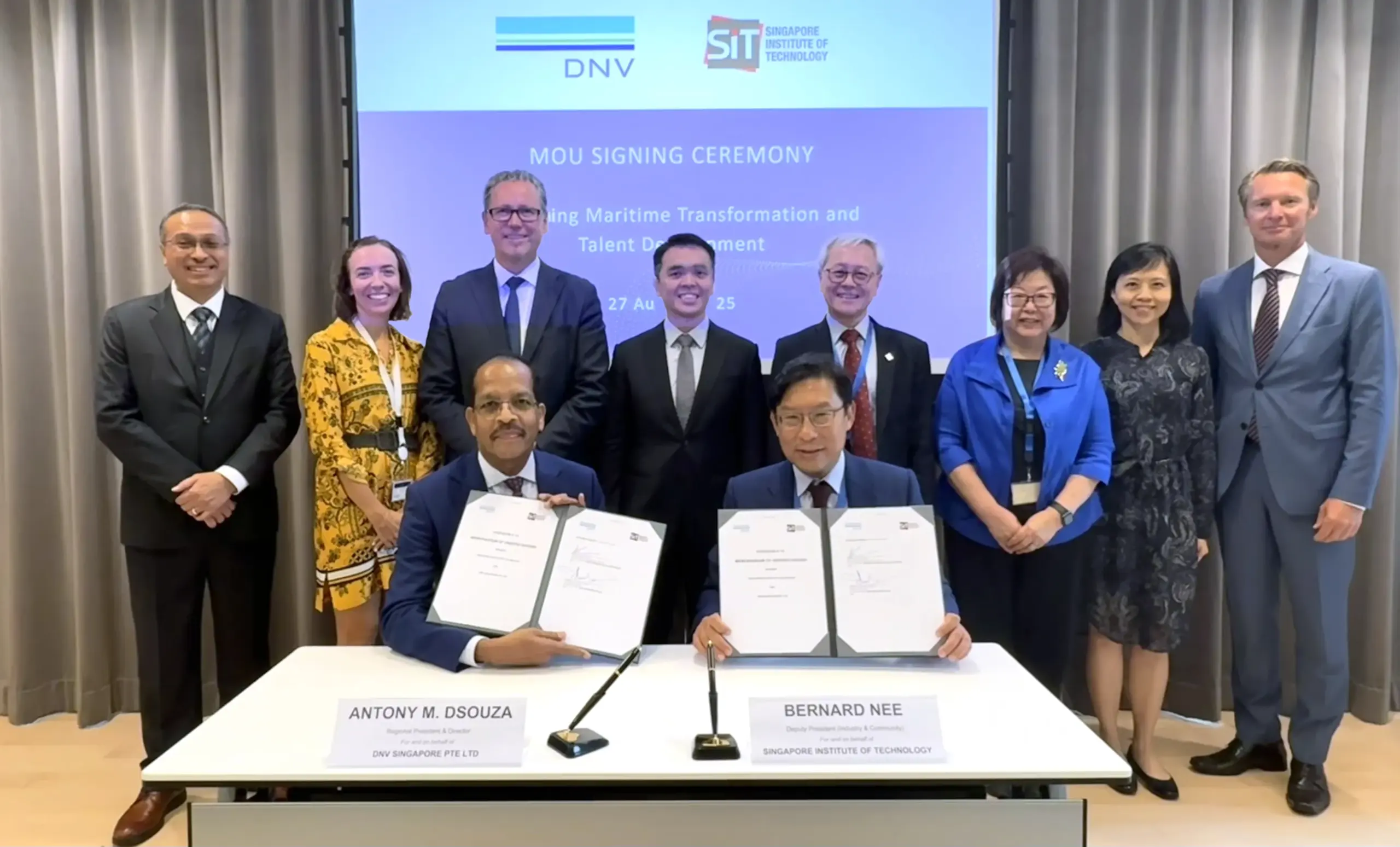
SINGAPORE: DNV has renewed its Memorandum of Understanding (MoU) with the Singapore Institute of Technology (SIT) continuing their collaboration in maritime education, applied research, and innovation. The updated agreement builds on a 2022 framework, with an expanded focus on decarbonization, digitalization, and talent development to support Singapore’s maritime ambitions, said a release.

dnv sit mou 1 DNV renews MoU with Singapore Institute of Technology to accelerate maritime innovation and talent development
Remi Eriksen, Group President and CEO of DNV, witnessed the signing of the MoU between Bernard Nee, Deputy President (Industry and Community) at SIT, and Antony M. Dsouza, Regional President & Director (Southeast Asia, Pacific & India), Maritime at DNV, in the presence of Professor Chua Kee Chaing, President of SIT, and Ang Wee Keong, Chief Executive of MPA

Under the MoU, DNV will contribute domain expertise in maritime decarbonization and digitalization to support SIT’s Naval Architecture and Marine Engineering Joint Degree Programme, and work with SIT to co-develop postgraduate programmes that align with industry needs. 

SIT will leverage DNV’s open simulation platform, the Simulation Trust Centre (STC), to support applied research and education in optimizing ship and system design for energy management, operational efficiency, and autonomous operations.

In addition, the collaboration will extend to integrated work-study attachments, capstone projects, and the promotion of industrial doctorate and master pathways to upskill maritime professionals. DNV experts may also be appointed as adjunct or joint professors at SIT.

Bernard Nee, Deputy President (Industry & Community) at the Singapore Institute of Technology, said: “Our renewed partnership with DNV underscores our mutual dedication to driving maritime innovation and sustainability through robust industry-academia collaboration. By harnessing DNV’s extensive expertise and global insights, we aim to develop impactful solutions in maritime decarbonization, digitalization, and autonomous systems. This collaboration also allows SIT to enhance our applied learning approach, nurture talent through practical exposure, and fortify the ecosystem for lifelong learning, thereby contributing to Singapore’s ambition of becoming a leading global maritime hub.”

Antony M Dsouza, Regional President & Director, Southeast Asia, Pacific & India, Maritime at DNV, commented: “As Singapore accelerates its drive to become a global maritime hub, building competence across the industry will be essential. This renewed collaboration with SIT brings together DNV’s technical leadership and SIT’s academic strengths to support the development of professionals equipped to contribute to a more efficient and resilient maritime sector.”

Both parties will also work alongside industry partners on applied research and development initiatives, under the Sustainable Maritime Engineering Strategic Translational Research Programme. Key focus areas include zero-emission and autonomous ships, shore-based remote control and simulation systems, and upstream maritime infrastructure, including shore charging and future fuels.

In collaboration with the Singapore Maritime Foundation, DNV and SIT will further advance Competency-Based Education, ensuring graduates are equipped with the practical, real-world skills needed to meet the evolving demands of the maritime sector.

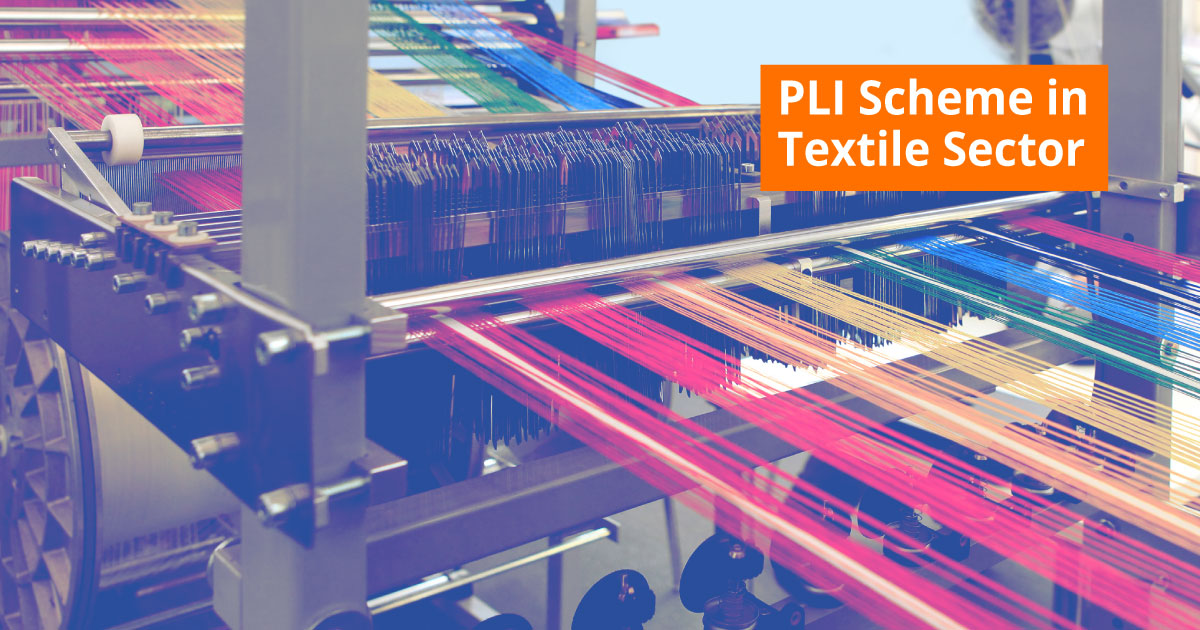
Govt extends the Application Window for PLI Scheme of Textiles following overwhelming Industry response

NEW DELHI: In view of the strong and enthusiastic response received from industry stakeholders, the Government has decided to extend the application window for the Production Linked Incentive (PLI) Scheme for Textiles.

During the recent invitation of application in August 2025, 22 new applications have been received from MMF Apparel, MMF Fabrics, and Technical Textiles sector.

Government gives one more chance to prospective investors to benefit from the Scheme

The application window for the PLI Scheme for Textiles is being reopened based on the appetite of the Industry to invest more under the Scheme, which is an outcome of the growing market and confidence generated due to manufacturing of textiles products in India under the PLI Textiles Scheme. The application window is being opened on the same terms & conditions stipulated in PLI Textiles Scheme notified on 24.09.2021 and PLI Textiles Scheme Guidelines issued on 28.12.2021, as amended from time to time.

The application window for the Scheme shall remain open for the period till 30th September, 2025 on the same on-line portal having URL as https://pli.texmin.gov.in/ No application shall be accepted after the closure of the application window.

So far, 74 participant companies with committed investment of Rs.28,711 crore were selected as beneficiaries under the PLI scheme. These investments will lead to manufacturing of Textiles products across the complete MMF value chain.

Secretary, DPIIT chairs review meeting on mega infrastructure projects across southern States

NEW DELHI: Secretary, Department for Promotion of Industry and Internal Trade (DPIIT), Shri Amardeep Singh Bhatia chaired a high-level meeting to review key issues affecting mega infrastructure projects in the States of Karnataka, Kerala and Telangana. The meeting was attended by senior officials from Central Ministries, State Governments and project proponents, and focused on expediting issue resolution through enhanced inter-ministerial and State coordination facilitated by the Project Monitoring Group (PMG).

In Karnataka, 05 issues across 05 significant projects with a total project cost of INR 3,658 crore were reviewed. In Kerala, 02 issues across 02 projects amounting to INR 5,002 crore were examined, while in Telangana, 06 issues across 03 projects with a cumulative cost of INR 1,934 crore were discussed.

The Trivandrum–Kanyakumari railway line doubling project, spanning Kerala and Tamil Nadu, was among the key projects reviewed. With an estimated cost of INR 3,785 crore, the project aims to double the existing single-line track to reduce travel time, enhance train frequency, and improve passenger and freight movement across the region. Once completed, the project is expected to significantly strengthen regional connectivity, ease road congestion, and promote tourism and local economic activity. Challenges related to land acquisition, environmental clearances and localized resistance were highlighted, and concerned authorities were advised to expedite their resolution to ensure timely execution and maximize socio-economic benefits.

The 5G/4G network expansion initiative of Reliance Jio was also reviewed. Discussions with the Government of Telangana focused on early resolution of pending forest and wildlife clearance matters. The project aims to extend 5G mobile connectivity to uncovered and remote regions across the country, while simultaneously strengthening the existing 4G infrastructure. Once implemented, the initiative is expected to substantially improve digital connectivity nationwide, including in strategically sensitive and geographically remote areas, thereby advancing the Government’s vision of a digitally empowered India.

The Secretary, DPIIT reaffirmed the Government’s commitment to strengthening the institutional framework for project monitoring and directed the concerned authorities to adopt a proactive approach in addressing pending issues. He also emphasized the importance of private proponents leveraging the specialized mechanism of the Project Monitoring Group (PMG) (https://pmg.dpiit.gov.in/) to expedite project implementation and ensure timely resolution of concerns through collaboration among the Central Government, State Governments and private stakeholders.

“India needs us, not Russia,” Peter Navarro’s fresh attack on New Delhi after SCO Summit

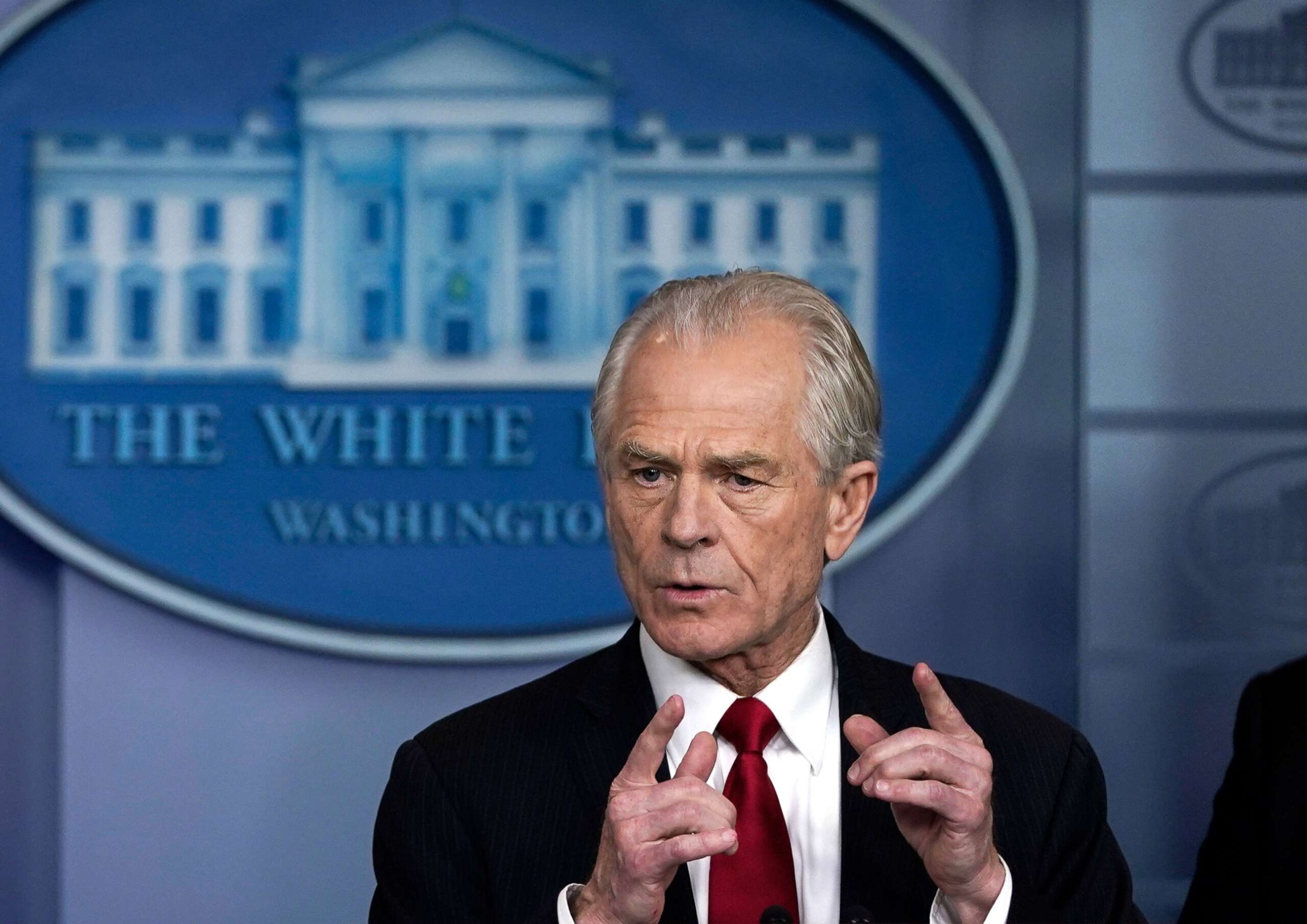
WASHINGTON D.C. : The White House trade adviser Peter Navarro has again attacked India, targeting Prime Minister Narendra Modi for meeting with Russian President Vladimir Putin and Chinese President Xi Jinping at the Shanghai Cooperation Organisation (SCO) summit in China on Monday.

Speaking with reporters, Navarro lambasted PM Modi for what he termed was “getting in bed with the authoritarian,” describing the meeting as shameful.

He also pressed that India needs US, Europe and Ukraine and not Russia, urging New Delhi to stop purchasing discounted crude oil from Moscow.

“It was a shame to see Modi getting in bed as a leader of the biggest democracy in the world with the two biggest authoritarian dictators in the world-Putin and Xi Jinping. That doesn’t make any sense. I am not sure what he’s thinking. We hope he comes around to seeing that he needs to be with us, Europe and Ukraine not Russia,” Peter Navarro said.

This follows the White House Trade advisor’s earlier rant against India just shortly after PM Modi held a bilateral with Xi Jinping in Tianjin on the sidelines of the SCO.

“So, you know, look, Modi’s a great leader… But I don’t understand why he’s getting into bed with Putin and Xi Jinping…when he’s the leader of the biggest democracy in the world. I would just simply say to the Indian people. Please, understand what’s going on here. You’ve got Brahmins profiteering at the expense of the Indian people. We need that to stop,” Navarro had said.

Navarro’s remarks come amid the rising friction between Washington and New Delhi due to the 50 per cent tariffs imposed on Indian goods, which includes a 25 per cent penalty for buying Russian oil.
PM Modi, in his address at SCO, stressed the need to boost connectivity between the members to boost trade.

“India has always believed that strong connectivity not only boosts trade but also opens doors to growth and trust,” PM Modi said.

Russian President Putin said that dialogue within the SCO helps lay the foundation for a new Eurasian security system, replacing outdated Eurocentric and Euro-Atlantic models.

“The SCO is steadily increasing its influence in addressing international issues. National currencies are being used more widely in mutual settlements for trade among SCO countries. The pace of development of cooperation within the SCO is impressive,” said Putin.

Additionally, Chinese President Xi Jinping called on the Shanghai Cooperation Organisation to uphold fairness and justice while addressing the 25th Meeting of the Council of Heads of State of the SCO

UK forwarders welcome launch of British Ethiopian Chamber of Commerce

LONDON: UK forwarders Association BIFA welcome launch of British Ethiopian Chamber of Commerce.

Speaking at the official launch of the British Ethiopian Chamber of Commerce (BECC), Steve Parker, Director General of the British International Freight Association (BIFA) said: “Together, BECC, BIFA, and the Ethiopian Freight Forwarders and Shipping Agents Association (EFFSAA) — with the support of the Ethiopian Embassy — form a powerful alliance to drive trade facilitation, build capacity in critical infrastructure sectors, and support Ethiopia’s broader logistics transformation goals.” 

The launch of the BECC at the Ethiopian Embassy in London reflected the growing momentum behind UK–Ethiopia trade collaboration. 

This spirit of collaboration was further cemented by the recent signing of a landmark Memorandum of Understanding (MoU) between BIFA and the EFFSAA in Addis Ababa. 

The agreement aims to strengthen Ethiopia’s logistics and freight forwarding industry through international cooperation, including joint specialised training, a Multimodal Transport Operator (MTO) course, a UK knowledge exchange mission, and support for EFFSAA’s institutional development. 

Both associations will also collaborate on the organisation of the FIATA 2027 World Congress, which is set to take place in Ethiopia.

The launch of the BECC was attended by key government and business leaders from both nations, and celebrated the Chamber’s potential to act as a dynamic platform for deepening bilateral partnerships in sectors ranging from logistics and technology to agriculture and energy.

Parker (seen above during his presentation) added: “By aligning diplomatic engagement, business connectivity, and industry expertise, the launch of the BECC and the partnership between BIFA and the EFFSAA sets the foundation for a more integrated, efficient, and prosperous trade relationship between the UK and Ethiopia. This should be good news for BIFA members whose freight and logistics services underpin such trade.”