Home Blog Page 682

Gibdock becomes major focus for offshore support vessel work

GIBRALTAR: Gibdock has completed a series of high-profile offshore support vessel (OSV) projects in recent months to consolidate its reputation for delivering exceptional and timely service to the offshore industry.

In a significant and growing market for Gibdock, the Gibraltar-based ship repair yard has established itself as a trusted strategic partner to several major offshore players by consistently executing projects on time, within budget, and to the highest safety and quality standards.

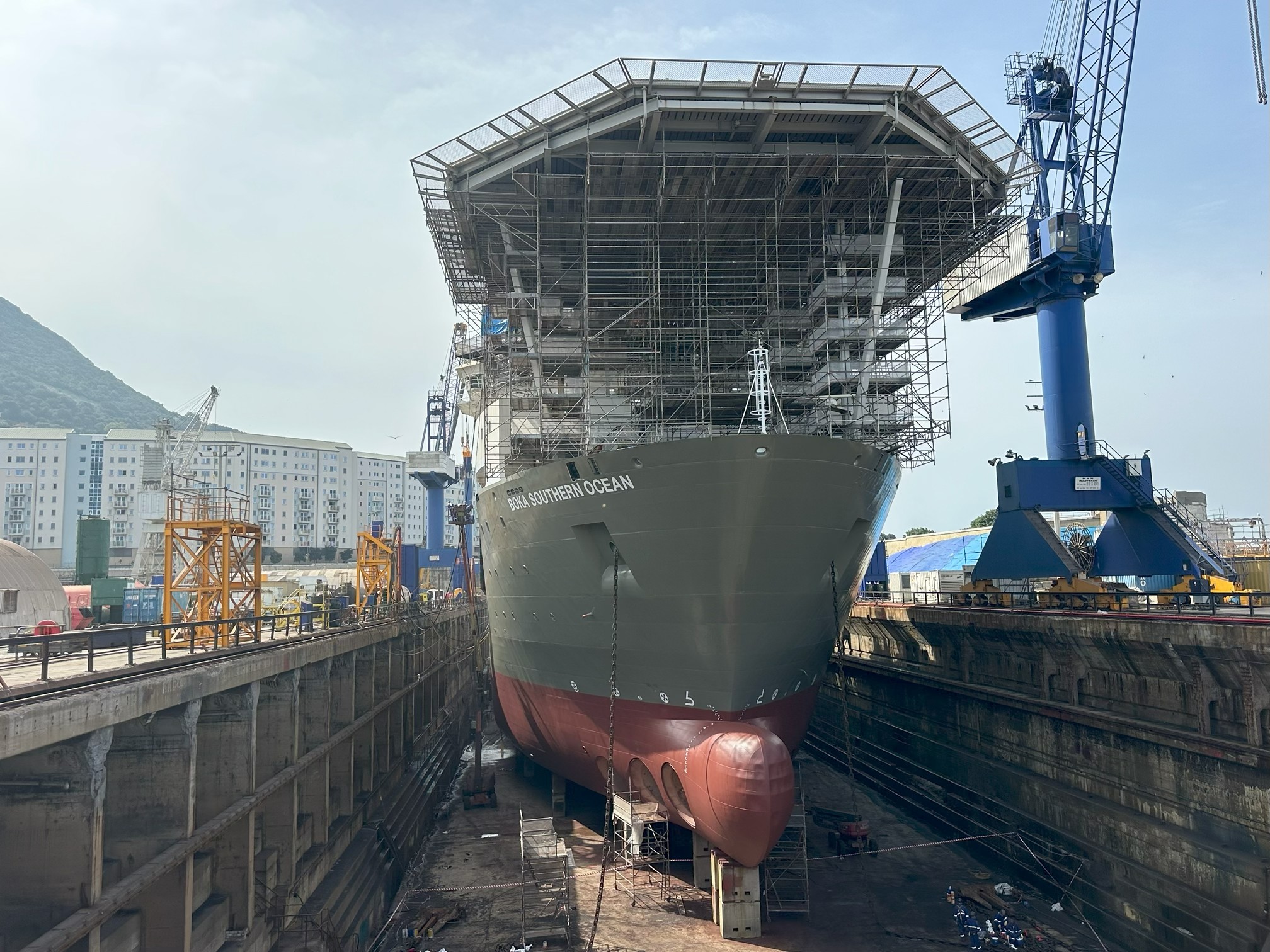
As part of an ongoing relationship with Boskalis, Gibdock has completed works on the trailing hopper suction dredger Gateway, the construction support vessel BOKA Southern Ocean, and the multipurpose construction vessel BOKA Fulmar in recent months. Other significant OSV projects this year include the repair of Subsea 7’s construction/flex-lay vessel Seven Pacific and the repair and renewal of Technip’s specialised rigid pipelay vessel Deep Blue.

With Solstad’s anchor-handling tug supply vessel Normand Pacific currently in the yard for renewal, and many more projects in the pipeline for the year ahead, Gibdock’s outlook in the offshore support segment is strong.

“Offshore majors trust Gibdock because of our track record in delivering safe, high-quality, and on-time services at good value,” commented John Barnard, Commercial Director, Gibdock. “We work closely with these companies to provide bespoke projects and conversions within a timeline that suits them. Due to the strong and growing demand for our OSV services, we encourage proactive engagement: interested parties should approach us early, even when projects are planned for two or three years out, so we can ensure availability and provide tailored input.

John Barnard will be attending the SPE Offshore Europe conference and exhibition at P&J Live in Aberdeen, Scotland, from 2 to 5 September 2025. To discuss projects or arrange a meeting, please contact John on LinkedIn or via email at john.barnard@gibdock.com
PM Modi attends SCO summit reception in Chinese port city Tianjin

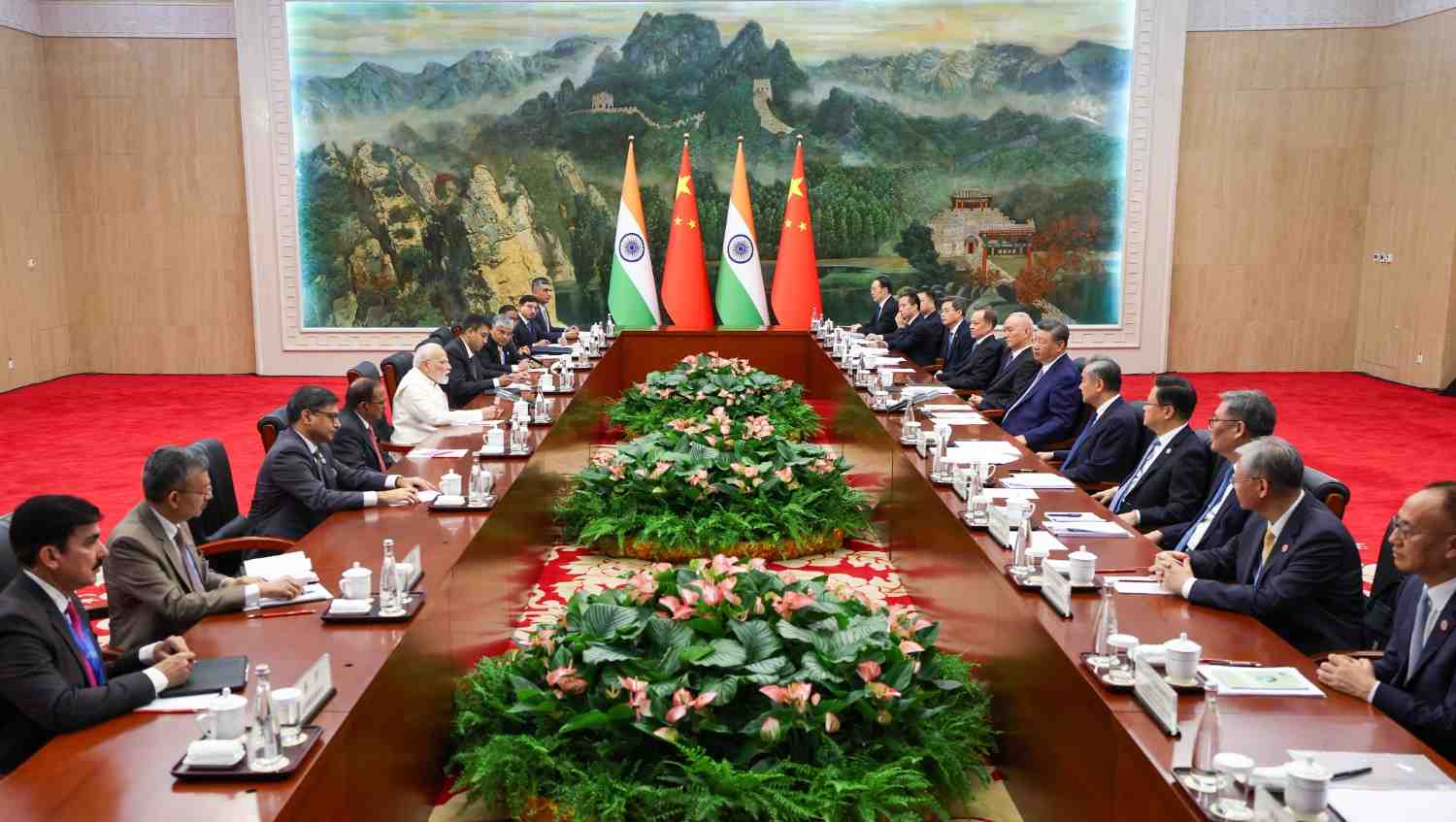
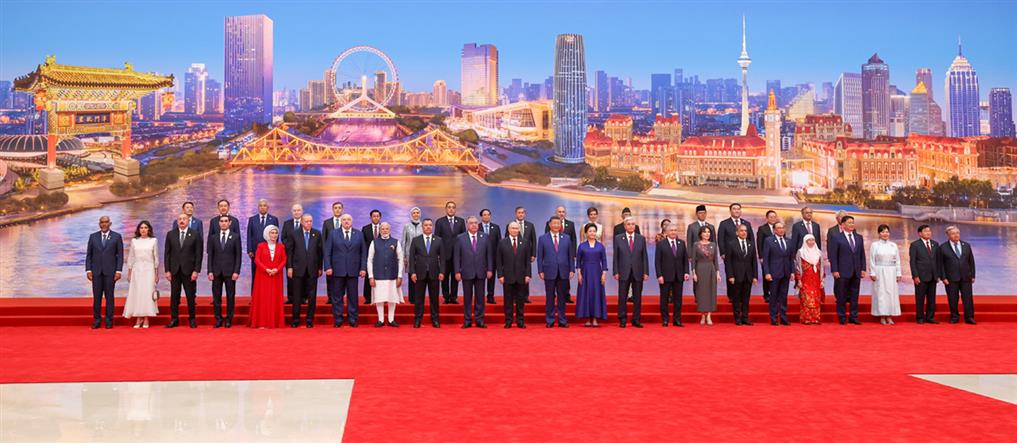
TIANJIN: Prime Minister Shri Narendra Modi on Sunday evening attended the Shanghai Cooperation Organisation (SCO) Summit Official reception in Tianjin, China, where he was warmly welcomed by Chinese President Xi Jinping.

He joined other world leaders including Russian President Vladimir Putin for a family photo, capturing a moment of unity and cooperation among nations.

The official program of the SCO summit will start on the morning of September 1.

Earlier in the day, PM Modi held several bilateral meetings, including one with Xi Jinping, where both leaders recognised the role of India and China’s economies in stabilising global trade, the Ministry of External Affairs (MEA) said in a statement on Sunday.

According to the MEA, both leaders also focused on strengthening “people-to-people” ties through direct flights, visa facilitation, and the resumption of the Kailash Manasarovar Yatra.

“The two leaders noted the need to strengthen people-to-people ties through direct flights and visa facilitation, building on the resumption of the Kailash Manasarovar Yatra and tourist visa. On economic and trade relations, they recognised the role of their two economies in stabilising world trade. They underlined the need to proceed from a political and strategic direction to expand bilateral trade and investment ties and reduce trade deficit,” MEA said in the statement.

Both leaders welcomed the positive momentum and steady progress in bilateral relations since their last meeting in Kazan in October 2024. They reaffirmed that the two countries were development partners, not rivals, and that their differences should not escalate into disputes.

Further, PM Modi invited Xi Jinping to the BRICS Summit that India will host in 2026, the external affairs ministry said.

President Xi thanked PM Modi for the invitation and offered China’s support to India’s BRICS Presidency. India is preparing to take over the leadership of BRICS from Brazil, the current president.

PM Modi also held a bilateral meeting with the acting President and military chief of Myanmar, Senior General Min Aung Hlaing, on the sidelines of the Shanghai Cooperation Organisation Summit in Tianjin.

PM Modi noted that India attaches importance to its ties with Myanmar as part of its ‘Neighbourhood First’, ‘Act East’, and Indo-Pacific policies. The two leaders reviewed bilateral ties and discussed the way forward on several aspects of bilateral cooperation, including development partnerships, defence and security, border management, and border trade issues, the MEA stated.

PM Modi also expressed the hope that the forthcoming elections in Myanmar will be held in a fair and inclusive manner involving all stakeholders. He underlined that India supports a Myanmar-led and Myanmar-owned peace process, for which peaceful dialogue and consultation are the only ways forward, as per MEA.

Upon his arrival in Tianjin on Saturday, PM Modi was greeted with a red carpet reception at the Binhai International Airport, where he was received by senior officials from both India and China. The Indian diaspora in China warmly welcomed PM Modi, chanting “Bharat Mata Ki Jai” and “Vande Mataram” as he arrived at his hotel.

The SCO summit is crucial for India, as it comes after the US’s 50 per cent tariffs took effect. Of these, a 25 per cent tariff was imposed on New Delhi for buying Russian crude oil.

Prime Minister’s bilateral meeting with Chinese President Xi Jinping

TIANJIN: Prime Minister Shri Narendra Modi met with Mr. Xi Jinping, President of the People’s Republic of China, on the sidelines of the Summit of the leaders of the Shanghai Cooperation Organization (SCO) in Tianjin on 31 August 2025.

Both leaders welcomed the positive momentum and steady progress in bilateral relations since their last meeting in Kazan in October 2024. They reaffirmed that the two countries were development partners and not rivals, and that their differences should not turn into disputes. A stable relationship and cooperation between India and China and their 2.8 billion peoples on the basis of mutual respect, mutual interest and mutual sensitivity are necessary for the growth and development of the two countries, as well as for a multipolar world and a multi-polar Asia befitting the trends of the 21st century.

Prime Minister underlined the importance of peace and tranquility on the border areas for continued development of bilateral relations. The two leaders noted with satisfaction the successful disengagement last year and the maintenance of peace and tranquility along the border areas since then. They expressed commitment to a fair, reasonable, and mutually acceptable resolution of the boundary question proceeding from the political perspective of their overall bilateral relations and the long-term interests of the two peoples. They recognized the important decisions taken by the two Special Representatives in their Talks earlier this month, and agreed to further support their efforts.

The two leaders noted the need to strengthen people-to-people ties through direct flights and visa facilitation, building on the resumption of Kailash Manasarovar Yatra and tourist visa. On economic and trade relations, they recognized the role of their two economies to stabilize world trade. They underlined the need to proceed from a political and strategic direction to expand bilateral trade and investment ties and reduce trade deficit.

Prime Minister noted that India and China both pursue strategic autonomy, and their relations should not be seen through a third country lens. The two leaders deemed it necessary to expand common ground on bilateral, regional, and global issues and challenges, like terrorism and fair trade in multilateral platforms.

Prime Minister expressed support for China’s Presidency of the SCO and the Summit in Tianjin. He also invited President Xi to the BRICS Summit that India will be hosting in 2026. President Xi thanked Prime Minister for the invitation and offered China’s support to India’s BRICS Presidency.

Prime Minister also had a meeting with Mr. Cai Qi, Member of the Standing Committee of the Politburo of the Communist Party of China. Prime Minister shared with Mr. Cai his vision for bilateral relations and sought his support to realize the vision of the two leaders. Mr. Cai reiterated the Chinese side’s desire to expand bilateral exchanges and further improve relations in line with the consensus reached between the two leaders.

India boosts Port modernisation with Bengaluru Roadshow ahead of India Maritime Week 2025

BENGALURU: The Ministry of Ports, Shipping & Waterways (MoPSW) and the New Mangalore Port Authority (NMPA) last Friday hosted a roadshow in Bengaluru as part of the run-up to India Maritime Week (IMW) 2025, scheduled in Mumbai this October. The roadshow highlighted the critical role of technology and automation in shaping the future of India’s maritime sector.

IMW 2025 Bengaluru Roadshow 3 India boosts Port modernisation with Bengaluru Roadshow ahead of India Maritime Week 2025

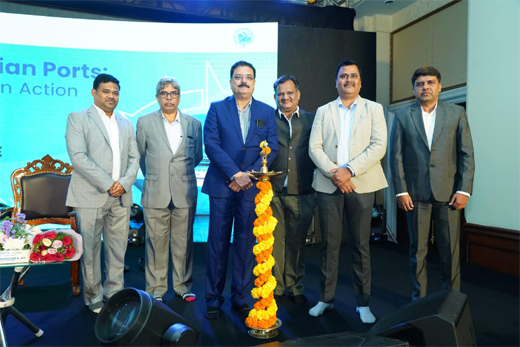
The inaugural session was addressed by Dr A.V. Ramana, Chairman, NMPA. Other key dignitaries included Shri H.C. Balachandra, Chief Executive Officer, Karnataka Maritime Board, Shri H.N. Ashwanth, Development Advisor (Ports), MoPSW, Sri. Rajendra Kumar, Traffic Manager, NMPA, Shri Padmanabh Achar K, IOFS, Chief Vigilance Officer, NMPA. The presence of industry representatives, technology experts, and maritime stakeholders gave the event a collaborative character, reflecting the theme of innovation-driven growth. This event was supported by ASSOCHAM as an Industry Partner, and Grant Thornton Bharat LLP as a Knowledge Partner.

Speaking at the event, Dr A.V. Ramana, Chairman, NMPA, said the maritime future of India depends on “efficiency, integration, and innovation,” and emphasised that automation and digitalisation are “no longer options, but imperatives” to meet the country’s ambitious goals under the Maritime Amrit Kaal Vision 2047, which aims to expand the cargo handling capacity of Indian ports to over 10,000 MMTPA by 2047.

A key highlight was the presentation on the NAVIC Cell at New Mangalore Port, which is pioneering the use of IoT-enabled monitoring, blockchain-based trade documentation, AI-driven traffic management, and predictive analytics. These initiatives are enabling faster turnaround, reduced logistics costs, and greater reliability for shippers and exporters, while aligning with the National Logistics Portal (Marine).

The event also featured a panel discussion on “Driving the Future of Indian Ports: Technology & Automation in Action,” where experts underlined how automation in cargo handling, port management, and logistics can help India close the gap with global benchmarks. The consensus across the panel was that technology adoption will be the decisive factor in reducing logistics costs, improving turnaround times, and building globally competitive ports.

For Karnataka, the discussions carried special relevance. With a 343-km coastline and ports such as New Mangalore, which serve as gateways for the state’s vibrant industrial hinterland, Karnataka is positioned to play a central role in advancing India’s maritime transformation. The state’s Maritime Development Policy 2024 and plans for PPP-driven projects, inland waterways, and technology-led modernization were also highlighted as enablers of this vision.

Summing up the deliberations, Shri Ramana said the roadshow reinforced three critical messages:

  • India’s maritime future will be driven by technology and automation.
  • Karnataka is poised to play a central role in this transformation.
  • Collaboration between government, industry, and innovators is essential.

Looking ahead, he noted that India Maritime Week 2025 in Mumbai will showcase the country’s maritime vision to the world, bringing together global leaders, policymakers, and industry to deliberate on investments, innovation, and partnerships.

“Today’s roadshow has been a stepping stone in that journey,” Dr Ramana said, adding that India is committed to building ports that are efficient, competitive, sustainable, and future-ready.

Kamarajar Port becomes India’s first Port to execute Automobile Transshipment

CHENNAI: In a landmark development for India’s maritime industry, Kamarajar Port Limited (KPL) has become the first Major Port in the country to undertake the transshipment of automobiles—shaping new pathways for vehicle logistics.

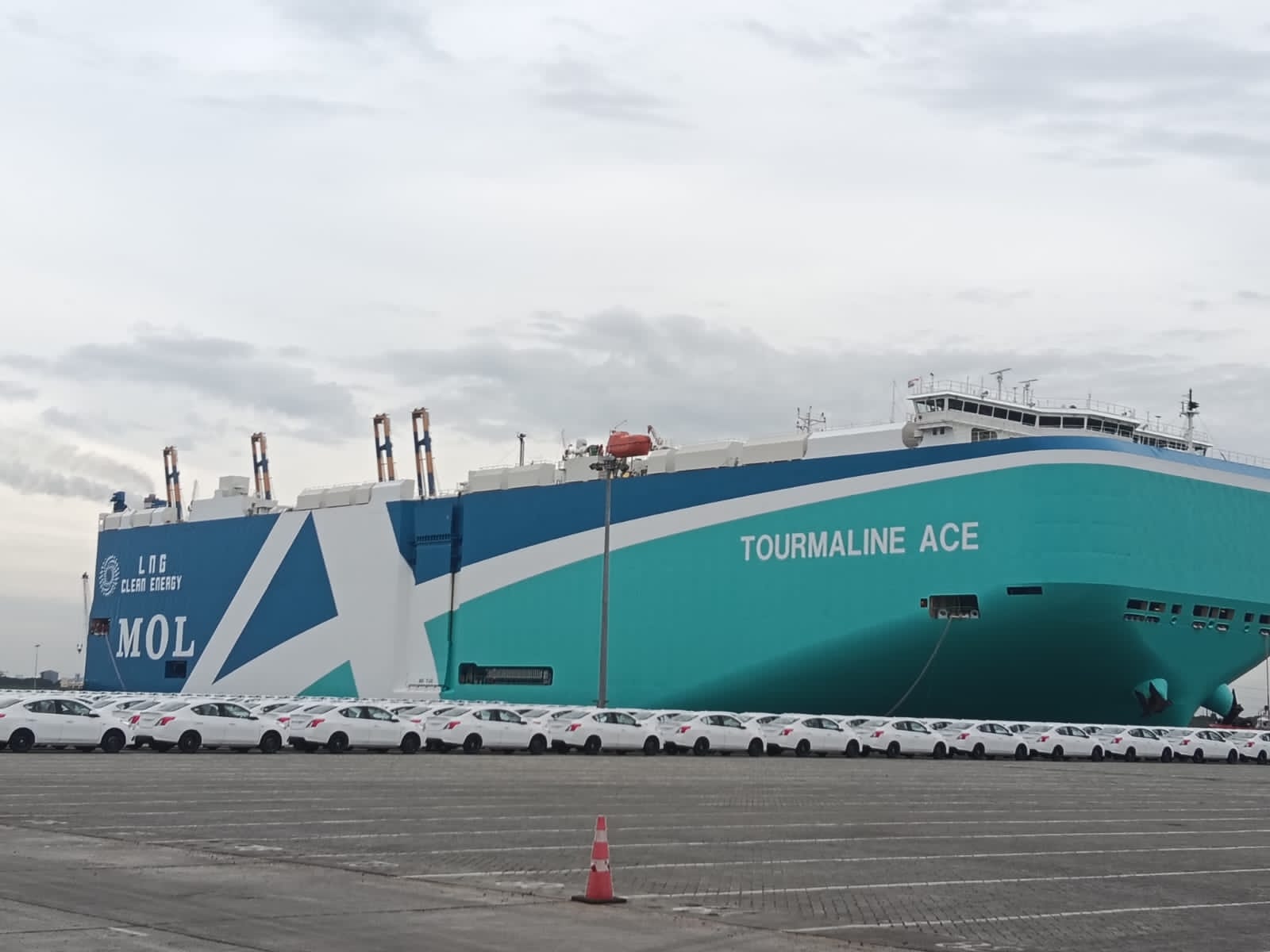
On 28 August 2025, KPL successfully handled its inaugural automobile transshipment operation. A fleet of 550 vehicles from Mitsui O.S.K. Lines, Ltd. Group, originating from Singapore, was unloaded at the port’s General Cargo Berth aboard the car carrier m.v. Tourmaline Ace, before being transferred to the GCB Transit Yard. The next phase of the operation involves forwarding these units—loaded onto the car carrier m.v. Marguerite Ace—for delivery to South Africa, Mauritius, and Tanzania, scheduled for 29 August 2025, said a release.

This historic event positions KPL at the forefront of India’s automotive transshipment operations and underscores its strategic role in establishing the port as a key Automobile Transshipment Hub for the nation. Authorities have indicated that further transshipment consignments are planned for the months ahead.

As global trade flows evolve and the Indian economy continues to expand, KPL’s accomplishment highlights the growing dynamism of the country’s maritime infrastructure. The port’s successful execution of this complex operation marks a significant milestone in India’s logistics and export capabilities.

Syama Prasad Mookerjee Port hosts 212th Governing Body Meeting of Indian Ports Association

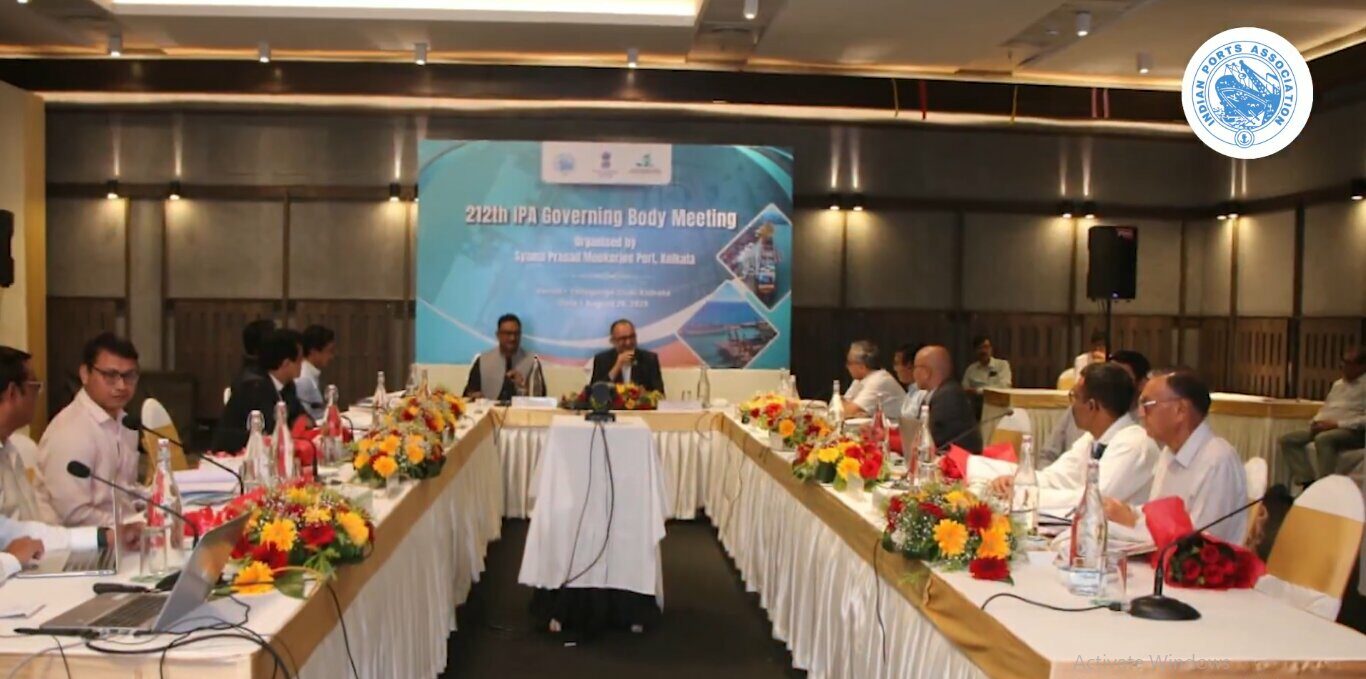
KOLKATA: Syama Prasad Mookerjee Port (SMPK), Kolkata, hosted the 212th Governing Body Meeting of the Indian Ports Association (IPA), bringing together the top leadership from all major ports across the country to deliberate on strategies for transforming India’s maritime sector, informs a communique.

The meeting was chaired by Shri Sunil Paliwal, Chairman of the Chennai Port Authority and IPA, alongside Mr. Rathendra Raman, Chairman of SMPK. Senior officials and representatives from various major ports participated in the high-level discussions.

The agenda centered on modernizing port infrastructure, leveraging next-generation technologies, and adopting collaborative leadership approaches to drive growth. Members exchanged insights on integrating automation, digitization, and sustainable practices to enhance operational efficiency and strengthen India’s global competitiveness in maritime trade.

Speaking at the meeting, the leadership emphasized the importance of collective efforts in shaping India’s future as a maritime powerhouse, aligning with the government’s vision to boost port-led development under the Sagarmala and Maritime India Vision 2030 initiatives.

The session underscored the IPA’s pivotal role in facilitating cooperation among major ports and promoting innovations that will pave the way for a more efficient, resilient, and globally competitive maritime ecosystem.

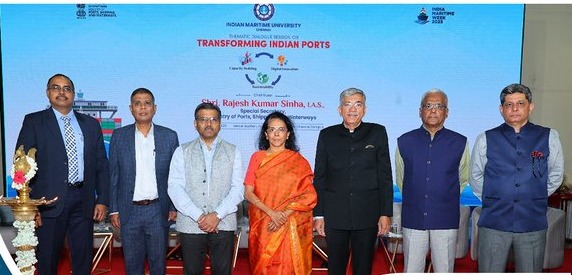
IMU Chennai hosts ‘Thematic Dialogue on Transforming Indian Ports’; Focus on Capacity Building, Sustainability, and Digital Innovation

CHENNAI: The Indian Maritime University (IMU), Chennai Headquarters hosted a high-level Thematic Dialogue Session on “Transforming Indian Ports: Capacity Building, Sustainability, and Digital Innovation”, on last Friday,(August 29, 2025) bringing together key stakeholders from the maritime sector, industry leaders, academia, and senior officials.

The session was graced by Shri Rajesh Kumar Sinha, Special Secretary, Ministry of Ports, Shipping and Waterways (MoPSW), who emphasized the government’s commitment to driving port-led development and strengthening India’s position as a global maritime hub.

The discussions focused on several critical themes shaping the future of Indian ports, including:

  • Port-led regional development and strategies for enhancing infrastructure capacity
  • Sustainability and green initiatives aimed at reducing the maritime sector’s carbon footprint
  • Digital innovation and automation to streamline port operations and improve efficiency
  • Capacity building and skilling through maritime education and training

The event also witnessed the signing of key Memorandums of Understanding (MoUs) aimed at fostering collaboration between industry and academia to address emerging challenges and opportunities in the maritime ecosystem.

Following the dialogue, a roadshow for the upcoming Indian Maritime Week (IMW) 2025 was organized, highlighting India’s growing maritime potential and upcoming initiatives. IMW 2025, scheduled from October 27 to 31 in Mumbai, is expected to serve as a global platform for stakeholders to explore opportunities, innovations, and investments in the Indian maritime sector.

Speaking at the event, Shri Sinha lauded IMU’s efforts in promoting capacity development, skill enhancement, and research-driven innovation, underscoring the need for integrated efforts between government, industry, and academia to achieve the vision of a future-ready maritime economy.

IPRCL & KRCL sign MoU to enhance Port Connectivity & Multimodal Logistics

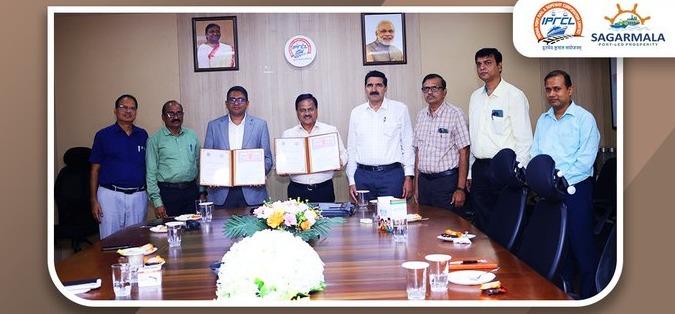
MUMBAI: In a key development for India’s transportation infrastructure, the Indian Port Rail & Ropeway Corporation Limited (IPRCL) and Konkan Railway Corporation Limited (KRCL) have signed a Memorandum of Understanding (MoU) aimed at strengthening port connectivity, multimodal logistics, and infrastructure development.

The agreement was formally endorsed by Shri Pawan Kumar Garg, representing IPRCL, and Shri Dinesh Krishnaji Gajbhiye, representing KRCL, in the presence of Shri Anang Pal Malik from IPRCL.

According to official social media announcements, the MoU targets the advancement of:

  • Enhanced port connectivity to facilitate seamless cargo movement.
  • Multimodal logistics integration for improved efficiency.
  • Development of world-class infrastructure supporting these goals.

KRCL, a public sector undertaking under the Ministry of Railways, manages the Konkan Railway, spanning the coastal regions of Maharashtra, Goa, and Karnataka. Known for pioneering roll-on/roll-off (RORO) services and navigating rugged terrain with rail precision, KRCL brings a wealth of logistical and engineering expertise. Meanwhile, IPRCL—created through a joint venture of 11 major ports (Ministry of Ports, Shipping and Waterways holds 90% equity) and Rail Vikas Nigam Limited (10%)—focuses on developing port-based rail and ropeway infrastructure to boost last-mile connectivity.

This collaboration holds strategic promise for:

  • Streamlining freight movement between ports and hinterland.
  • Reducing congestion with integrated rail-based transit systems.
  • Creating scalable and resilient infrastructure tailored for high-volume trade.

By aligning their capabilities, IPRCL and KRCL aim to elevate India’s multimodal transport frameworks—bolstering not only efficiency but also supporting broader economic and industrial performance.

These agreements reflect a concerted push across Indian infrastructure sectors to coordinate rail and port assets, improving connectivity and responsiveness to growing trade and resource demands.

“Building pathways for a stronger tomorrow!” – a slogan shared via IPRCL’s social post, captures the spirit of the organization’s vision in partnering with KRCL

DPA Kandla celebrates National Sports Day 2025 with enthusiasm and Sporting Spirit

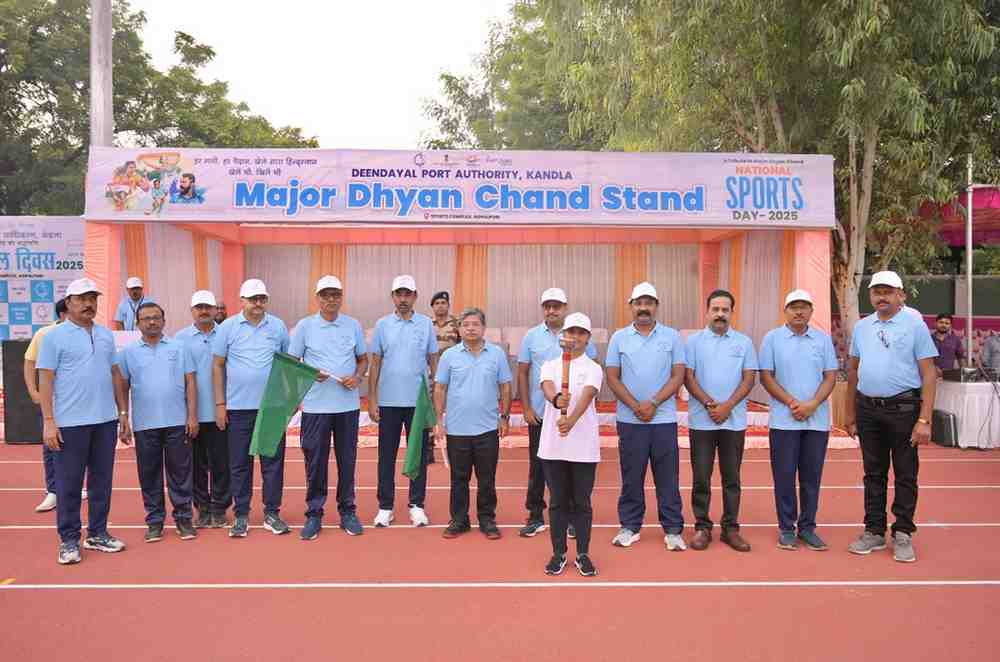
GANDHIDHAM : As a heartfelt tribute to the legendary hockey wizard Major Dhyan Chand, Deendayal Port Authority, Kandla celebrated National Sports Day 2025 with great zeal, fostering the spirit of sportsmanship, fitness and unity among officials, employees, students and general public at large.

The celebrations commenced at the Sports Complex, Port Township, Gopalpuri, with an impressive march past by school students, thematically grouped under the names of iconic Indian sports personalities. This vibrant parade showcased India’s rich sporting legacy while inspiring young minds to emulate the dedication and discipline of these national heroes.

WhatsAppImage2025 08 30at9.47.23AM DPA Kandla celebrates National Sports Day 2025 with enthusiasm and Sporting Spirit

The festivities were formally inaugurated by Shri Sushil Kumar Singh, IRSME, Chairman, DPA, who flagged off the games in the presence of Shri J.K. Rathod, CPES, CVO and senior officials of Port and addressed the gathering. In his remarks, he emphasized the importance of sports in fostering discipline, teamwork and a healthy lifestyle, while also lauding the legacy of Major Dhyan Chand as an inspiration for generations.

Following the ceremonial march past, a variety of exciting sports events and games were organised, ranging from athletics to team sports, encouraging all participants. The atmosphere was charged with enthusiasm as participants displayed remarkable energy, competitive spirit and camaraderie.

Chairman DPA, Shri Sushil Kumar Singh, IRSME, along with Shri J.K. Rathod, CPES, CVO & senior officials, also joined the fun, enthusiastically participating in the classic lemon & spoon race, adding a cheerful and light-hearted moment to the day’s sporting fervour.

The National Sports Day at DPA served as a reminder of the integral role sports play in building not only physical fitness but also unity and resilience among all. The event concluded with the distribution of medals and prizes to winners, acknowledging their talent and encouraging them to continue pursuing excellence in sports.

Ashwini Vaishnaw inaugurates India’s first Tempered Glass Manufacturing Facility for Mobile Devices at Noida

NOIDA : Union Minister of Electronics and Information Technology Shri Ashwini Vaishnaw on last Saturday inaugurated India’s first Tempered Glass Manufacturing Facility for Mobile Devices at Noida. The facility has been set up by Optiemus Electronics in collaboration with Corning Incorporated, USA, and will produce high-quality tempered glass under the globally recognised brand “Engineered by Corning”. The products will be supplied to both domestic and international markets.

Speaking on the occasion, the Minister said that tempered glass is an important accessory for mobile phones and its indigenous manufacturing is a major step forward in the success of Make in India and the vision of Prime Minister Shri Narendra Modi. He added that step by step, India will manufacture each and every component used in mobile phones, including chips, cover glasses, laptop and server components, thereby positioning the country as a global player in electronics manufacturing. The Minister also informed that a Made in India chip is expected to roll out soon, marking another milestone in the country’s journey towards self-reliance.

Shri Vaishnaw underlined that in the past 11 years, electronics manufacturing in India has grown six times to reach a production value of ₹11.5 lakh crore, with exports of over ₹3 lakh crore and direct and indirect employment for 2.5 million people. He said that the overall electronics ecosystem in the country is developing rapidly and value addition is being enhanced step by step.

The Minister also highlighted that India’s design strength is its biggest strength, and the government will continue to boost research and development capabilities. Citing examples, he said that an IIT Madras-incubated startup has designed India’s first microcontroller, which will soon be deployed in Indian products. In the Railways sector, Indian manufacturers are already exporting equipment of the highest global quality standards to European countries.

Shri Vaishnaw further said that India’s GDP growth of 7.8% in the first quarter of financial year 2025-26 demonstrates that the country is a stable, vibrant and innovation-driven economy. He called upon the youth to work hard and contribute to the vision of Atmanirbhar Bharat and Viksit Bharat 2047, stating that the world is looking towards India with great expectations.

On the occasion, Ashok Kumar Gupta, Chairman, Optiemus Infracom Limited said, “This is a landmark moment for the Indian electronics manufacturing industry and the Make in India vision. Despite being one of the world’s largest mobile phone markets, India has relied on imports for tempered glass. With this initiative, we are looking at building global-scale capabilities to support the Indian and international markets with the best quality products. Our aspiration is that every Indian mobile phone user must use a Make in India tempered glass with BIS certification and fog marking to protect their screen.”

Pankaj Mahindroo, Chairman, India Cellular & Electronics Association (ICEA) said, “This product segment has a very high labour-intensive manufacturing process and presents a tremendous opportunity for India – not just to meet its own high domestic demand, but also to become a leading exporter. By promoting high-quality manufacturing, we see immense potential to support MSMEs, generate large-scale employment, and contribute significantly to India’s export footprint – making India a global centre for electronics accessories manufacturing.”

For Tempered Glass, it is estimated that the domestic market is more than 500 million pieces with a retail value of approximately INR 20,000 crore – showcasing a large-scale opportunity in the country. The global market is worth over USD 60 billion.

About Tempered Glass Manufacturing Facility by Optiemus

With an initial investment of INR 70 crore, the facility in Noida will feature a state-of-the-art infrastructure that will enable a complete transformation of raw material into excellent quality tempered glass. Phase 1 will have an installed capacity of 25 million units per annum, generating direct employment for over 600 people. In phase 2, it will scale up capacity to 200 million units per annum for local and global markets, with an additional investment of INR 800 crore – creating over 4,500 direct job opportunities.

The facility boasts comprehensive manufacturing capabilities, including scribing, shaping/chamfering, polishing, dual-stage rinsing, chemical tempering, coating, printing, and lamination. Each stage is conducted under stringent quality inspections, bringing standardized, high-quality tempered glass to Indian consumers for the first time in India.