Home Blog Page 724

DG Shipping tightens oversight on Foreign Certificates of Competency held by Indian Seafarers

MUMBAI : In a decisive move to safeguard the integrity and credibility of maritime training and certification in India, the Directorate General of Shipping (DG Shipping), under the Ministry of Ports, Shipping and Waterways, has issued DGS Order No. 08 of 2025, prohibiting the conduct of maritime training in India by foreign maritime administrations or their representatives without prior written approval.

Simultaneously, DG Shipping has also rolled out a stringent Implementation Framework governing the recognition and usage of foreign Certificates of Competency (CoC) by Indian seafarers, in response to mounting concerns over fraudulent certifications, safety risks, and violations of international standards.

Foreign Training Without Approval Banned

The order unequivocally states that no foreign government, maritime administration, or agency may conduct, promote, authorize, or deliver maritime training—including online or distance learning—within India without express written permission from the Director General of Shipping. This prohibition applies especially to training programs leading to the issuance of STCW CoCs and CoPs.

The directive was prompted by reports that foreign administrations such as Panama, Honduras, Ukraine, and others have been authorizing private Indian entities to conduct training—often without official sanction from Indian maritime authorities.

Such activities, DG Shipping warns, violate Indian law and the Merchant Shipping Act, 1958. Any entity found in violation will face legal and regulatory action, including:

  • Blacklisting of training institutions, agents, and seafarers
  • Referral to enforcement under the MS Act and IT Act
  • Rejection of training certifications arising from unauthorized courses

New Guidelines for Indian Seafarers Holding Foreign CoCs

To address misuse of foreign-issued CoCs by Indian seafarers, DG Shipping has implemented a declaration and verification framework:

Key Highlights:

  1. Mandatory Declaration:
    Indian nationals holding a foreign CoC must declare it via an online form to DG Shipping, along with details such as validity, issuing country, and employment particulars.
  2. Verification Protocol:
    DG Shipping will verify the authenticity of these CoCs directly with the issuing foreign authorities. Suspicious or invalid certificates will trigger audits or inquiries.
  3. Eligibility for Employment:
    Indian seafarers can only work aboard foreign-flagged vessels using such certificates if the issuing country has a valid Memorandum of Understanding (MoU) or recognition agreement with India.
  4. No Legal Protection for Undeclared Holders:
    Seafarers using undeclared CoCs will not be entitled to protection under Indian maritime law. DG Shipping will not intervene in overseas disputes involving such cases.
  5. Restrictions on CoC Upgrades:
    Sea-time earned using an undeclared foreign CoC cannot be used for applying for upgrades to Indian CoCs or refresher courses unless pre-approved.

Non-Compliance Could Be Costly

Failure to comply may lead to blacklisting of the seafarer and punitive action against companies employing them. DG Shipping also urges Indian ship owners, RPSL companies, and Maritime Training Institutes to report any unauthorized training schemes or foreign affiliations.

A Move to Protect India’s Maritime Reputation

This dual initiative marks a significant step toward preserving the sanctity of India’s maritime workforce and aligning the country with International Maritime Organization (IMO) protocols. By curbing backdoor certification and unauthorized training, DG Shipping aims to uphold quality, transparency, and global confidence in Indian seafarers.

With this directive, DG Shipping reaffirms its commitment to enhancing maritime safety, eliminating malpractice, and strengthening India’s position as a trusted supplier of skilled maritime professionals to the global shipping industry.

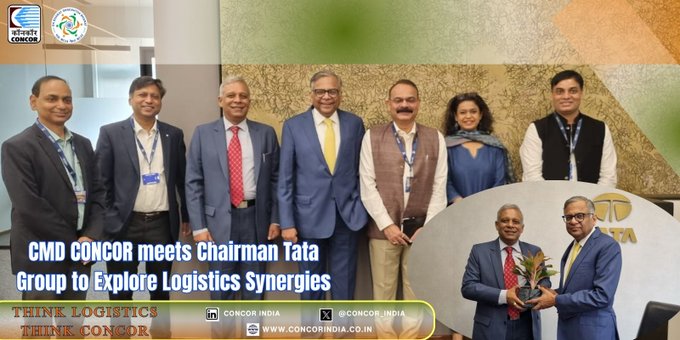
CONCOR CMD meets Tata Group Chairman to explore Strategic Collaboration in Logistics

NEW DELHI : In a significant move towards transforming India’s multimodal logistics landscape, Shri Sanjay Swarup, Chairman and Managing Director of Container Corporation of India Ltd. (CONCOR), met with Shri N. Chandrasekaran, Chairman of the Tata Group, to explore collaborative opportunities in integrated logistics and supply chain solutions.

The high-level meeting marks a potential convergence of two major industry players — CONCOR, India’s leading multimodal logistics operator, and Tata Group, one of the country’s largest conglomerates with deep interests in infrastructure, mobility, and technology.

The discussion focused on identifying synergies to build future-ready, efficient, and technology-driven logistics and supply chain systems that can support India’s growing industrial and manufacturing sectors.

Sharing his thoughts on the meeting, Shri Sanjay Swarup posted on X, “Honoured to meet Shri N. Chandrasekaran, Chairman – Tata Group, for a meaningful exchange on strengthening logistics capabilities. Exploring synergies to build integrated, efficient, and future-ready supply chain solutions for India’s industrial growth.”

CONCOR, through its official channels, highlighted the significance of this interaction as “a convergence of two industry leaders committed to driving India’s multimodal logistics transformation.”

This strategic engagement comes at a time when India is rapidly scaling up its logistics infrastructure under the National Logistics Policy, aiming to reduce logistics costs and boost global competitiveness.

The collaboration, could pave the way for innovative partnerships that blend CONCOR’s pan-India multimodal network with the Tata Group’s diversified capabilities across digital infrastructure, manufacturing, and engineering.

India’s services exports rise 12% in June 2025 : RBI reports

NEW DELHI : The Reserve Bank of India (RBI) has reported a significant annual growth in the country’s services trade for June 2025. According to the latest data, India’s services exports rose by 12 per cent year-on-year to reach USD 32.10 billion.

On the other hand, services imports increased by 5 per cent to US$ 15.89 billion during the same period. Despite the yearly growth, both exports and imports witnessed a slight dip on a month-on-month basis. Services exports fell by 1 per cent, while imports declined more sharply by 4.77 per cent compared to May 2025.

Notably, the country’s net earnings from services — calculated as exports minus imports — stood at USD 16.20 billion in June. This marks a 4 per cent rise from the previous month, indicating a stronger trade surplus in the services sector.

The data reflects the resilience of India’s services industry amid global uncertainties and highlights its role as a key driver of foreign exchange inflows.

India looking at expanding textiles exports to other markets, as it awaits clarity on US tariffs : Govt official

NEW DELHI : India is looking at expanding textiles exports in other markets, such as EU, and UK, even as it awaits clarity on US tariffs. A senior government official told that for Indian textiles all markets are important for India’s textiles and added that “US cannot be ignored”.

“We hope to expand our exports to UK and Europe. Hopefully, the FTAs will help the textile sector…We’ll have to see,” said the official. On the impact of 25% US tariffs on India’s textile exports, the official said that the government is still waiting for the details.

“We don’t know details of tariffs yet. Once we know, then we can do an analysis,” the person said. On Wednesday, US President Donald Trump announced a 25 percent tariff on India plus a ‘penalty’ amount, which has not been specified, effective August 1.

The US is India’s largest market for textile and apparel exports. During January-May 2025, US imports of textile and apparel from India were valued at $4.59 billion, up 13 percent compared to the same period last year. Earlier today, industry stakeholders told , that India’s textile and apparel industry will have to take a hit to margins to beat competition from rivals such as China, Bangladesh and Vietnam after US slapped a higher-than-expected 25 percent tariff on Indian goods.

India’s 25 percent tariff is lower than China’s 30 percent and Bangladesh’s 35 percent, but these countries can resort to deep price cuts, making it tougher for New Delhi to scale its exports to the US, the stakeholders said. At 20 percent, Vietnam has an edge over India and the other two countries. The US is India’s largest textile and apparel export market. In FY24, the US imported textiles worth $10.05 billion from India, accounting for 28 percent of its total textile exports. UK, meanwhile, imported textiles worth $1.6 billion from India during that year, and EU around $8 billion.

Apparel makes up the largest share of the export pie, followed by home textiles and made-ups such as bed linen, carpets, towels, table mats, aprons, napkins, curtains and upholstery. In a statement, the Confederation of Indian Textile Industry (CITI) said: “Without a doubt, the new tariff rate is going to seriously test the resolve and resilience of India’s textile and apparel exporters, as we will not enjoy a significant duty differential advantage vis-à-vis many other countries, except Bangladesh, with whom we compete for a larger share of the US market.”

However, CITI remains hopeful that the tariff issue will get resolved once the proposed Bilateral Trade Agreement (BTA) between India and the United States is in place.

“CITI anticipates the tariff issue to get resolved following the BTA between India and the US. In the interim, we will have to deal with this tough situation in the best manner possible by doing all we can to raise the competitiveness of the Indian textile and apparel domain,” Rakesh Mehra, Chairman of CITI, said.

India must diversify export markets, strengthen service economy to counter trade challenges: Sumita Dawra

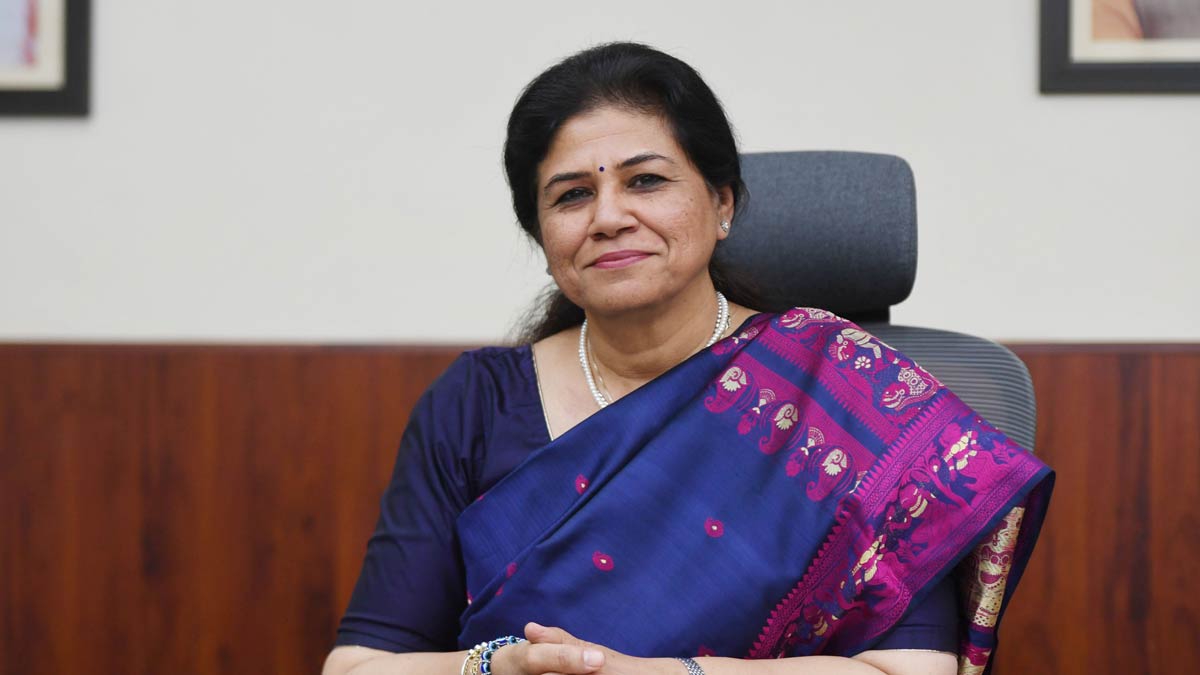
NEW DELHI : As India faces potential trade headwinds that could impact its USD 87 billion exports to the United States, the country must accelerate market diversification and leverage its strengths in services to maintain economic momentum, according to former Labour Secretary Sumita Dawra.

On Wednesday, President Donald Trump announced the imposition of 25 per cent tariffs on Indian goods and an unspecified ‘penalty’, even as there were hopes of an interim India-US trade deal before August 1 deadline — which would have otherwise helped avoid elevated tariffs. Commerce and Industry Minister Shri Piyush Goyal made a statement in both houses of the Parliament, stating that the government is examining the impact of tariffs and will take all necessary steps to safeguard the national interest.

Speaking about the challenges facing India’s export-dependent sectors, Dawra highlighted concerns for labour-intensive industries, including electronics, jewellery, pharmaceuticals, textiles, and leather goods, that could be significantly impacted by changing trade dynamics.

However, Dawra emphasised substantial opportunities for diversification across multiple geographies.

“We see strong growth coming from other countries, for example, Africa, the Middle East or Central Asian countries, and Europe. We are doing FTAs, we have just concluded with the UK,” she noted.

The former bureaucrat identified Africa as showing fast-growing demand for Indian pharmaceuticals, textiles, and digital services, while energy-rich countries in the Middle East and Central Asia present additional expansion opportunities. Recent trade agreement progress, including the concluded UK FTA and ongoing EU negotiations, further opens European markets.

Dawra stressed the importance of strengthening ties within India’s immediate neighbourhood, particularly through initiatives like BIMSTEC (Bay of Bengal Initiative for Multi-Sectoral Technical and Economic Cooperation), which includes Nepal, Bhutan, Myanmar, Bangladesh, Sri Lanka, and Thailand.

“These are countries with whom we can have stronger regional trade ties at this point in time, also low-hanging fruit, and we can also develop regulatory standards and build a stronger regional trade partnership using this challenge as an opportunity,” she explained.

She also suggested expanding UPI usage for regional trade, which would demonstrate India’s digital public goods globally while generating licensing fees and technology integration opportunities for Indian IT companies.

Highlighting India’s position as the world’s seventh-largest services exporter, Dawra emphasised this sector’s resilience against tariff barriers.

“Services are less vulnerable to tariffs. We are very strong in it, and business processing services are very strong in edtech. Edtech is a great sector to develop a low-hanging fruit, and also telemedicine, attracting more medical tourism.”

She advocated for developing digital economy partnerships similar to Singapore’s agreements with Australia and the UK, creating digital corridors that reduce regulatory hurdles and promote business growth.

The former secretary called for greater focus on high-value exports, particularly in electronics with backwards integration, biotechnology, pharmaceuticals moving beyond generic products, and green technology sectors. She also emphasised strengthening India’s position as a global capability centre hub, leveraging competitive labour costs and available skills.

Drawing parallels to India’s COVID-19 response, Dawra suggested replicating the empowered group structure that enabled rapid decision-making during the pandemic. “During COVID, we had the Empowered group of secretaries… taking fast decisions, meeting the challenges head-on. So if we have empowered groups, maybe in the area of investments, or taking decisions where PLDP is concerned, in the area of trade deals, so maybe things could move much faster.”

Dawra reminded that India’s domestically-led economy provides inherent stability. “India is a domestically led economy, so we should continue to be attractive for foreign investments,” she said, emphasising the country’s large, competitive labour pool as a continued advantage.

The former secretary concluded that current challenges could serve as an inflection point for exponential growth, provided India demonstrates the same capabilities and determination shown during the pandemic response.

With negotiations ongoing and outcomes expected by the end of August, Dawra’s comprehensive strategy emphasises India’s multiple strengths and diverse opportunities for maintaining economic growth despite potential trade disruptions.

India holds over 60% share in key US imports like cumin, lab-grown diamonds, carpets and table linen

NEW DELHI : The 25 percent tariff plus penalty imposed by US President Donald Trump on Indian goods is set to impact a wide array of US businesses from restaurant chains to jewellery brands and home furnishing retailers.

In 2024, India accounted for 92 percent of US cumin imports, a spice used extensively in Indian restaurants and fast-casual food chains like Chipotle. The same level of dependency exists in lab-grown diamonds, a fast-growing segment in the US jewellery market. Companies like Brilliant Earth, which emphasise sustainable sourcing, are particularly exposed.

“What does it mean to be ‘planet first’ at Brilliant Earth? By completing every step of our proprietary lab-grown diamond process in Gujarat, India, we’re able to minimise emissions and leverage advanced traceability technology,” the company states on its website.

The reliance extends beyond food and jewellery. India supplied 83 percent of rugs and carpets and 73 percent of table linen imported by the US in 2024, according to an analysis. In total, the US depended on India for over 60 percent of its imports in more than $3 billion worth of goods.

While India’s dominance in certain categories is clear, even in segments where its market share is smaller, replacing Indian suppliers would entail higher costs and logistical challenges. The analysis shows that in US had over 40 percent dependence on India in nearly a fifth of India’s exports to the country.President Trump’s July 30 announcement termed the hike as a response to India’s high tariffs, non-monetary trade barriers, and continued energy ties with Russia.

While India’s dominance in certain categories is clear, even in segments where its market share is smaller, replacing Indian suppliers would entail higher costs and logistical challenges. The analysis shows that in US had over 40 percent dependence on India in nearly a fifth of India’s exports to the country.

Source : Moneycontrol

Trump’s revised tariffs: India remains at 25%, Pak’s rate slashed

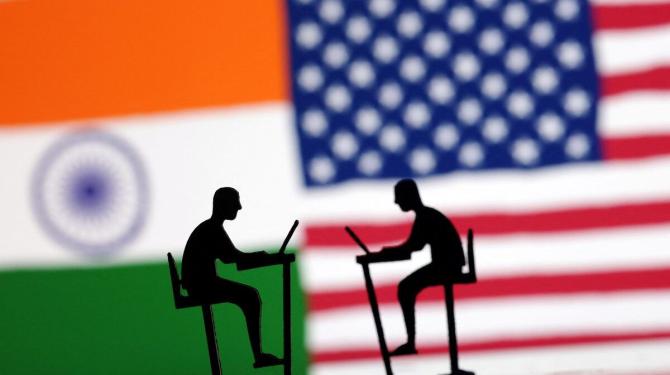
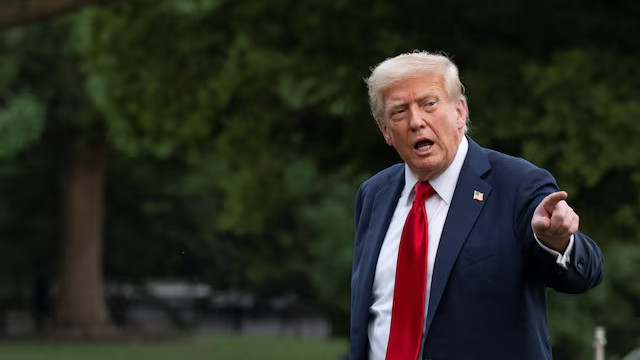
WASHINGTON : US President Donald Trump has signed a new executive order slapping higher tariffs on dozens of trading partners ahead of a Friday trade deal deadline — his latest bid to reshape global trade in favour of US businesses. The higher import duty rates from 10 per cent to 41 per cent are set to start in seven days for 69 trading partners, according to the order.

The duties ranged as high as 41 per cent on Syria, 35 per cent on many goods from Canada, 50 per cent for Brazil, 25 per cent for India, 20 per cent for Taiwan and 39 per cent for Switzerland. Meanwhile, duties on Pakistan imports have been slashed from 29 per cent to 19 per cent.

This was alongside various levels of duties reflecting trade deals struck between Washington and major partners like the European Union and Japan. The order said that goods from all other countries not listed in an annex would be subject to a 10 per cent US tariff rate.

More deals on the way
Trump’s order said that some trading partners, “despite having engaged in negotiations, have offered terms that, in my judgment, do not sufficiently address imbalances in our trading relationship or have failed to align sufficiently with the United States on economic and national-security matters.”

Officials from the Trump administration told reporters that more trade deals were yet to be announced as Trump’s higher “reciprocal” tariff rates were set to take effect.

“We have some deals,” the official said. “And I don’t want to get ahead of the President of the United States in announcing those deals.”

Canada And Mexico
An exemption for Canadian and Mexican goods entering the country under a North American trade pact remained in place, according to the White House.

The Trump administration issued a separate order for Canada that raises the rate on Canadian goods subject to fentanyl-related tariffs to 35 per cent from 25 per cent previously, saying Canada, the second-largest US trading partner after Mexico, had “failed to cooperate” in curbing fentanyl flows into the US.

The higher tariffs on Canadian goods contrasted sharply with Trump’s decision to grant Mexico a 90-day reprieve from higher tariffs of 30 per cent on many goods to provide more time to negotiate a broader trade pact.

Meanwhile, the extension for Mexico avoids a 30 per cent tariff on most Mexican non-automotive and non-metal goods compliant with the US-Mexico-Canada Agreement on trade and came after a Thursday morning call between Trump and Mexican President Claudia Sheinbaum.

Trump said the US would continue to levy a 50 per cent tariff on Mexican steel, aluminium and copper and a 25 per cent tariff on Mexican autos and on non-USMCA-compliant goods subject to tariffs related to the US fentanyl crisis.

“Additionally, Mexico has agreed to immediately terminate its Non-Tariff Trade Barriers, of which there were many,” Trump said in a Truth Social post without providing details.

Brazil
Trump hit Brazil on Wednesday with a steep 50 per cent tariff as he escalated his fight with Latin America’s largest economy over its prosecution of his friend and former President Jair Bolsonaro, but softened the blow by excluding sectors such as aircraft, energy and orange juice from heavier levies.

South Korea And India
South Korea agreed on Wednesday to accept a 15 per cent tariff on its exports to the U.S., including autos, down from a threatened 25 per cent, as part of a deal that includes a pledge to invest $350 billion in US projects to be chosen by Trump.

But goods from India appeared to be headed for a 25 per cent tariff after talks bogged down over access to India’s agriculture sector, drawing a higher-rate threat from Trump that also included an unspecified penalty for India’s purchases of Russian oil.

Although negotiations with India were continuing, New Delhi vowed to protect the country’s labour-intensive farm sector, triggering outrage from the opposition party and a slump in the rupee.

China
Looming over the global economy is also an unresolved trade tussle between the United States and China. Beijing is facing an August 12 deadline to reach a durable tariff agreement with Trump’s administration, after the two largest economies reached preliminary deals in May and June to end escalating tit-for-tat tariffs and a cut-off of rare earth minerals.

Muhammad Yunus praises Bangladesh’s trade deal with US, compares it to India

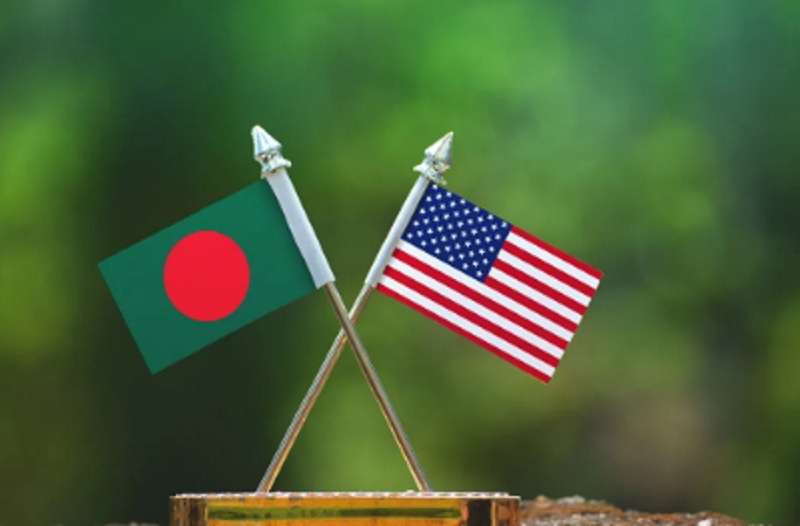
DHAKA : The Chief Adviser of the Interim Government of Bangladesh, Muhammad Yunus has congratulated Bangladesh’s tariff negotiators following a trade deal with the United States. Yunus also referred to the stalemate over trade.

“We proudly congratulate the Bangladesh tariff negotiators on securing a landmark trade deal with the United States, a decisive diplomatic victory,” he said in a message, issued by his press wing, after describing the agreement as successful tariff negotiations with the US.

“Bangladesh secured a 20% tariff rate-comparable to its key apparel-sector competitors such as Sri Lanka, Vietnam, Pakistan, and Indonesia, which received rates between 19% and 20%. As a result, Bangladesh’s relative competitiveness in apparel exports remains unaffected,” Yunus said in a statement posted on social media platform X.

“By contrast, India received a 25% tariff after failing to reach a comprehensive agreement with the US,” Yunus added.

“This achievement not only underscores Bangladesh’s rising strength on the global stage but also opens the door to greater opportunities, accelerated growth, and lasting prosperity. The future of Bangladesh is undeniably bright. Today’s success stands as a powerful testament to the nation’s resilience and its bold vision for a stronger economy tomorrow,” Yunus said in a congratulatory post for Bangladesh’s negotiation team.

Trump’s tariff order said that some trading partners, “despite having engaged in negotiations, have offered terms that, in my judgment, do not sufficiently address imbalances in our trading relationship or have failed to align sufficiently with the United States on economic and national-security matters.”

“Look, global trade – India is an ally. It’s a strategic partner. Like anything in foreign policy, you’re not going to align 100 per cent of the time on everything,” Mr Rubio said when asked if President Trump is “upset” with India getting a “great portion” of the discounted oil from Russia,” US Secretary of State Marco Rubio said.

The relations between the two nations have soured since August last year and trade has also suffered as India took steps against the anti-India commentary emerging from Bangladesh under the Yunus regime.

Bangladesh, which is heavily dependent on the United States, believes with a 20% tariff rate, it has done better than its neighbour. “We negotiated carefully to ensure that our commitments aligned with our national interests and capacity,” said Dr. Khalilur Rahman, Bangladesh’s National Security Advisor and lead negotiator.

“Protecting our apparel industry was a top priority, but we also focused our purchase commitments on US agricultural products. This supports our food security goals and fosters goodwill with US farming states,” Rahman added.

“Today, we successfully avoided a potential 35% reciprocal tariff. That’s good news for our apparel sector and the millions who depend on it. We’ve also preserved our global competitiveness and opened up new opportunities to access the world’s largest consumer market” Dr. Rahman added.

US President Donald Trump has announced new tariff rates-up to 41%-on imports from 70 countries, just ahead of the August 1 deadline for finalizing bilateral trade agreements.

These agreements extend beyond tariff adjustments to include domestic policy reforms that the Trump administration views as contributing to trade imbalances.

High Court halts DG Shipping Circular: Major win for GSUI and Indian Seafarers

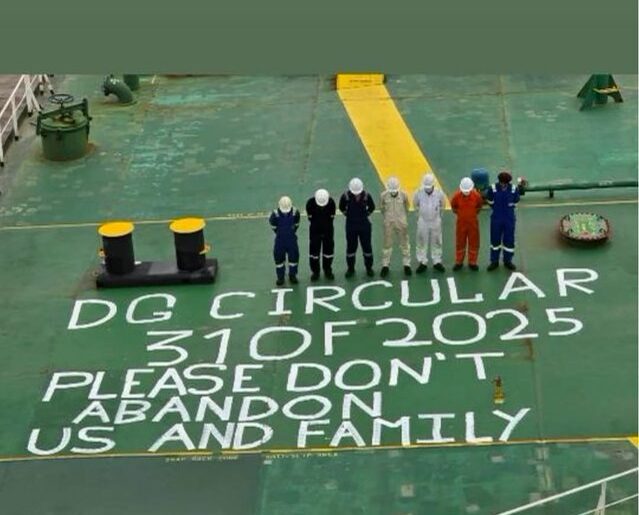
MUMBAI : In a decisive legal development, the Bombay High Court has granted interim relief to Indian Seafarers by staying the implementation of Directorate General of Shipping’s Circular No. 31 of 2025. The ruling marks a significant victory for the Global Seafarers Union of India (GSUI), which spearheaded the legal challenge on behalf of thousands of affected maritime professionals.

Court Sides with Seafarers

The court’s directive, issued in response to a Public Interest Litigation (PIL) filed by GSUI member Mr. Gaurav Porwal, effectively pauses the enforcement of the circular—widely criticized for its perceived bias against Indian officers holding foreign Certificates of Competency (CoCs) issued by Flags of Convenience (FOC) nations such as Panama, Liberia, Belize, and Honduras.

Backed by GSUI Founder and President, Former MLC Mr. Balaram Patil, the PIL argued that Circular 31 infringed upon constitutional rights and jeopardized the livelihoods of over 25,000 Indian seafarers.

“This judgment goes beyond legal relief—it restores dignity to our profession,” said Porwal, reacting shortly after the verdict.

Union’s Unrelenting Campaign Pays Off

GSUI was the first to raise the red flag against the policy—organizing peaceful protests, rallying Parliamentarians, and mobilizing legal and public support. The union criticized the circular as an “unilateral bureaucratic move” that could destabilize India’s maritime ecosystem.

“Today’s verdict proves that policy cannot override people,” said Mr. Balaram Patil. “We fought not just for certificates, but for the very future of Indian seafarers.”

Key Concerns Raised by GSUI

The union had strongly contested that Circular 31:

  • Violated Articles 14, 19, and 21 of the Constitution.
  • Threatened large-scale unemployment among Indian seafarers sailing under white-listed CoCs.
  • Risked the survival of RPSL companies, maritime training institutes, and allied services.
  • Opened the door for foreign crew replacements from lower-wage countries.
  • Undermined India’s foreign exchange earnings from maritime remittances.

Next Steps: Demands for Policy Reform

While welcoming the stay order, GSUI has submitted a detailed representation to the Ministry of Ports, Shipping and Waterways (MoPSW), calling for:

  • Full withdrawal of Circular 31.
  • A Joint Review Committee with union participation.
  • Recognition of CoCs issued by IMO-compliant member states with structured oversight.
  • Mandatory stakeholder consultations for future circulars.
  • Disciplinary inquiry into the administrative process behind the circular’s issuance.

GSUI to Honour Legal Champion

Recognizing the pivotal role played by Mr. Gaurav Porwal in the legal battle, GSUI will formally felicitate him at its upcoming national convention. The event will be attended by maritime workers, union leaders, and industry representatives from across India.

Conclusion

While the court’s stay provides critical relief, GSUI has made it clear that the fight is far from over. The union has vowed to continue pressing for systemic reforms to safeguard the rights and futures of Indian maritime professionals.

CJ Logistics’ Global CEO visits India to strengthen Strategic Growth Alignment

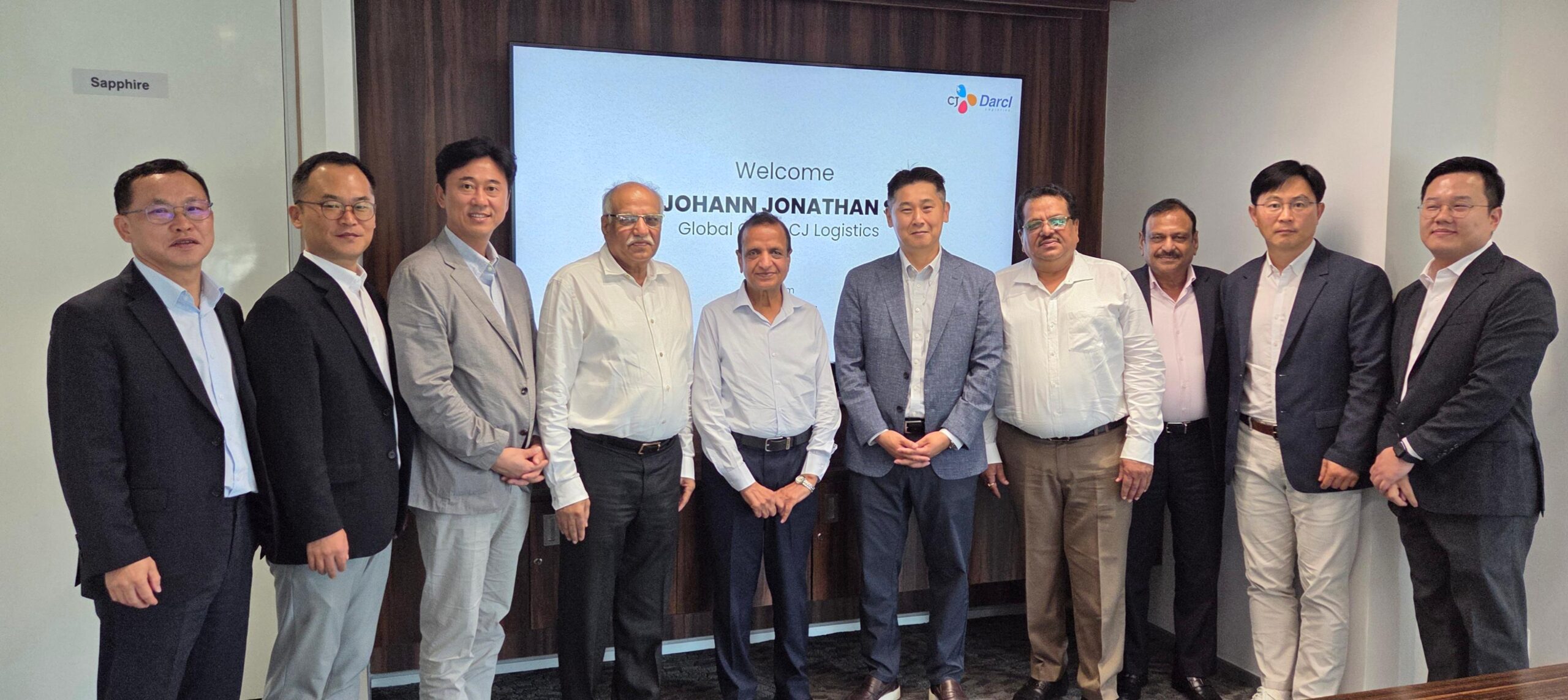
GURUGRAM : South Korea headquartered CJ Logistics’ newly appointed CEO of Global Business Division, Mr. Jonathan Song, completed a high-level visit to India from July 29 to July 31, marking a significant milestone in the Group’s international engagement strategy. The visit underscored the importance of the Indian market in CJ Logistics’ global network and reaffirmed its commitment to long-term collaboration through its subsidiary, CJ Darcl Logistics Ltd. (CJ Darcl).

L R Mr. K.K. Agarwal CMD CJ Darcl Logistcs Mr. Jonathan SongCEO of Global Business Division CJ Logistics CJ Logistics’ Global CEO visits India to strengthen Strategic Growth Alignment
(L-R) Mr. K.K. Agarwal, CMD, CJ Darcl Logistcs Mr. Jonathan Song,CEO of Global Business Division, CJ Logistics

During his three-day visit, Mr. Song held strategic meetings with the CJ Darcl management team and engaged with key customers to understand evolving logistics needs, explore areas of synergy, and strengthen business alignment across the market.

India’s rapidly growing logistics sector, supported by infrastructure modernization and a strong multimodal ecosystem, continues to be a key focus area in CJ Logistics’ global business approach. Mr. Song’s engagements reflected the Group’s emphasis on enabling technology-led service delivery, strengthening 4PL capabilities, and enhancing omnichannel customer experience in line with its international standards.

As part of CJ Logistics’ TES (Technology, Engineering, Systems & Solutions) framework, the company continues to support operational excellence and systems integration across core markets. In India, this translates into deepening collaborative initiatives through digitalization, customer-centric execution, and process innovation.

A seasoned logistics leader with over three decades of global experience across 60+ countries, Mr. Song brings a hands-on, field-driven approach to strategic growth. His visit emphasized ongoing efforts to foster knowledge transfer, enable scalable solutions, and promote cross-border synergies between India and the broader CJ Logistics global network.

Reflecting on the visit, Mr. Song noted, “India represents immense opportunity through its expanding infrastructure and digitally agile customer base. We are committed to empowering our teams, building meaningful partnerships, and driving solutions that reflect global best practices and local relevance.”

The visit aligns with CJ Logistics’ broader international vision—leveraging its expansive network and logistics expertise to create integrated value across geographies.