Home Blog Page 770

Indian toy industry has the advantage of having a huge market, can use this to scale up : Piyush Goyal

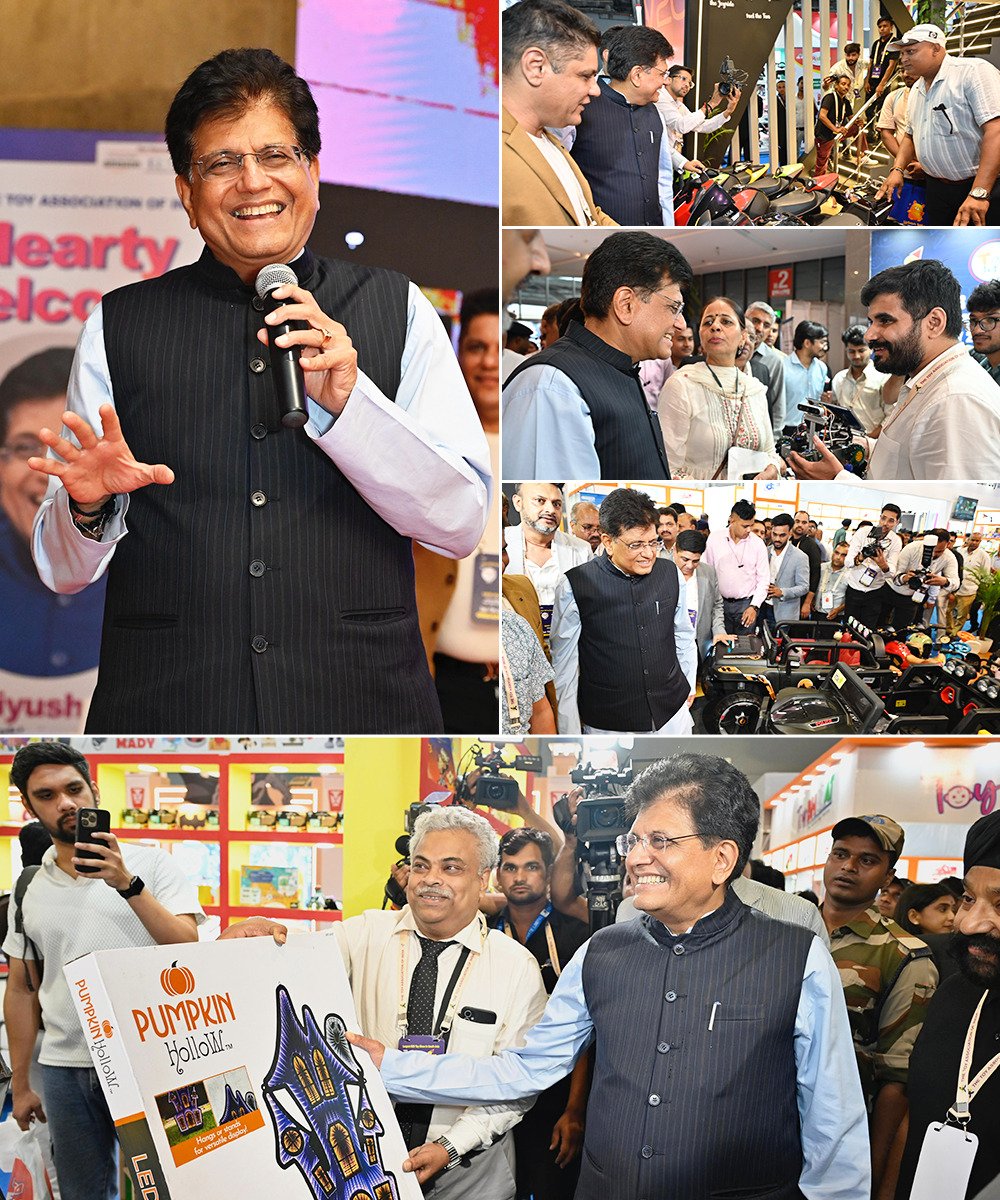
NEW DELHI : India’s toy industry, once heavily dependent on imports, is now manufacturing domestically and exporting to 153 countries. Union Minister of Commerce and Industry, Shri Piyush Goyal, who addressed the 16th Toy Biz International B2B Expo 2025 on Friday here, highlighted this remarkable transformation. He said that this shift has been made possible through consistent policy support, the enforcement of quality standards, and the strengthening of local manufacturing clusters. The implementation of the Quality Control Order (QCO), he added, has helped make India a quality-conscious country and enabled domestic toy manufacturers to meet global benchmarks.

The Minister stated that India’s population of 1.4 billion offers a vast captive market, which creates a natural advantage for scaling up manufacturing. With this scale, the industry can achieve cost efficiency and become globally competitive. The large domestic market, he said, not only supports expansion but also acts as a foundation for international growth.

To capture the global market, Shri Goyal stressed the need for the industry to focus on good branding, attractive packaging, and strong product design. He said that if these three aspects are prioritized, Indian toys can gain stronger appeal across international markets.

The growth of the toy industry, Shri Goyal noted, reflects the broader journey of development in the country. He recalled that when Prime Minister Shri Narendra Modi launched the Vocal for Local initiative, it was met with skepticism by many, as foreign products dominated consumer preference. However, under the vision of Atmanirbhar Bharat and the belief that Local can go Global, awareness and support for home-grown industries have steadily increased.

Shri Goyal stated that startups developing innovative toy concepts have received significant support through the Pradhan Mantri Mudra Yojana, which has now been extended to 20 years. This, he said, has provided access to collateral-free loans for small businesses. He further informed that to promote domestic production, 18 toy clusters across the country have been supported by the Ministry of MSME.

To build on this progress, the Minister said that the government is planning to introduce a new promotional scheme for the toy sector. The scheme, he explained, will aim to help Indian toy manufacturers become world-class by enhancing design capabilities, ensuring quality manufacturing, strengthening packaging, and supporting brand building.

With sustained focus on innovation, quality, and market development, Shri Goyal expressed confidence that India’s toy industry is poised to become a key player in the global market.
India expands Quality Control Orders from 14 to 156 in a decade : Piyush Goyal

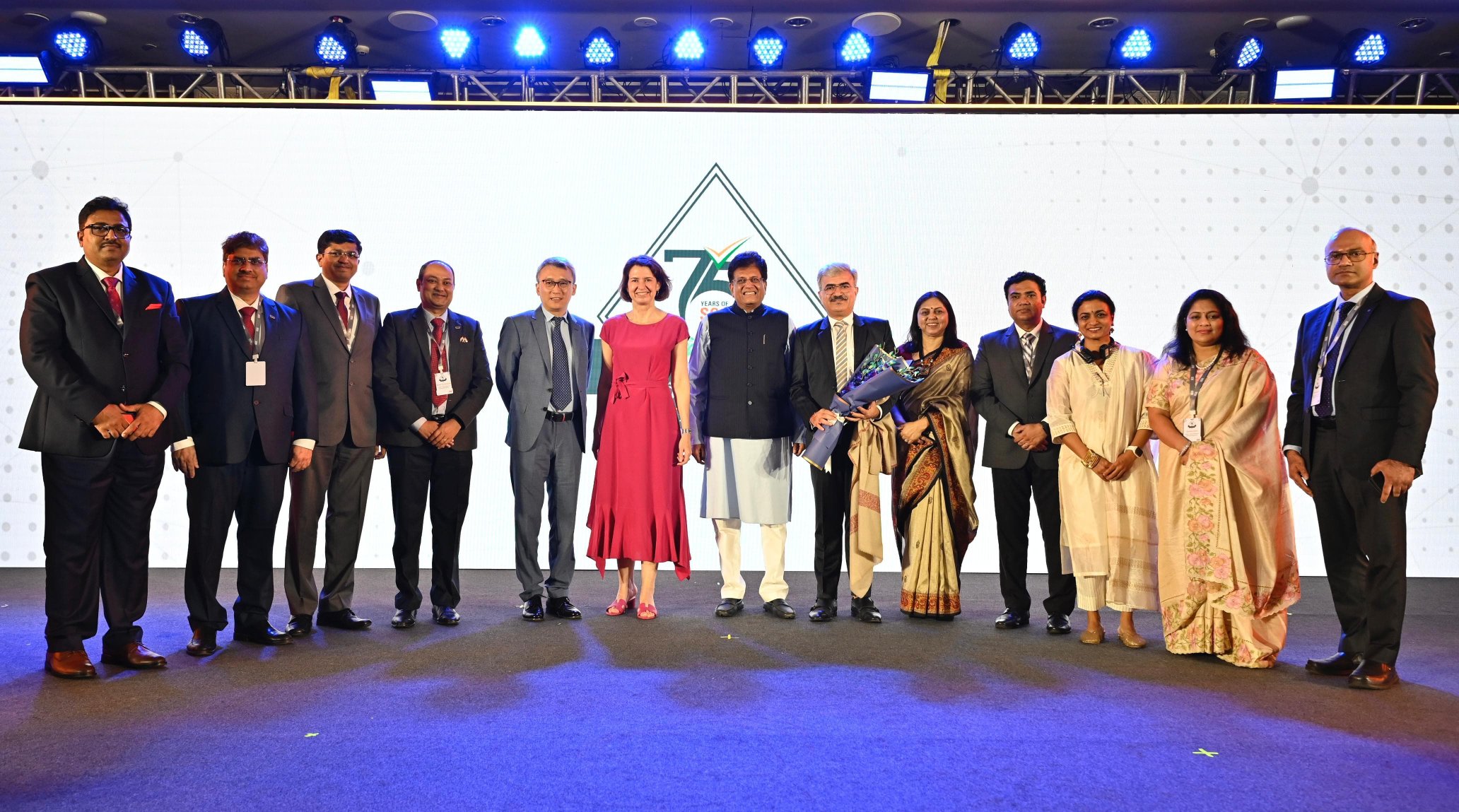
NEW DELHI : Union Minister of Commerce and Industry, Shri Piyush Goyal said that the number of Quality Control Orders (QCOs) in the country has grown from just 14 covering 106 products in 2014 to 156 QCOs covering 672 products over the last decade. He said this while addressing the 75th anniversary celebration of SGS in India here on Friday, adding that the government is working to introduce more horizontal and product-specific standards to ensure that all goods and services made in India meet global benchmarks.

Piyush Goyal 75th anniversary celebration of SGS in India India expands Quality Control Orders from 14 to 156 in a decade : Piyush Goyal

Shri Goyal reaffirmed the Prime Minister’s vision of “Zero Defect, Zero Effect” announced in 201, saying thatwith zero defect, the Prime Minister is reflecting on higher quality standards, high quality products, goods and services from India and with zero effect he is focusing on sustainability.

The Minister outlined three key focus areas for industry and stakeholders in India’s quality journey: “Industry needs to identify areas where testing is required—BIS has ample funds.” “Larger industry body should support small MSMEs—upgrading their quality to global standards.”

“Increase stakeholder consultations and participation of industry, including our innovators, academia, startups, so that India can be a pioneer in setting global standards.”

Shri Goyal emphasised the government’s commitment to strengthening India’s quality infrastructure and fostering global trust in Indian products and services.He stated that India is steadily moving towards a unified quality regime for both domestic and international markets. “We gradually get into the mindset of having two quality standards—one a locally accepted standard and another an export quality standard. India today is focused and rapidly moving towards a nation which will have only one standard and that will be a high quality standard. A standard that will work in India and the same standard will be exported to the rest of the world,” he said.

Referring to India’s long dependence on foreign standards, Shri Goyal noted that over decades India has been dependent on foreign standards for quality but now India’s space and progress will be decided by our own Indian standards. He further added that Indian agencies like BIS, FSSAI, and various line ministries are working in coordination to harmonise Indian standards with global ones.

On the testing and certification front, the Minister said, “I would like to invite any and every industry in the country which requires more modern testing facilities, which requires testing facilities comparable to the best in the world, and I would like the industries to demand that India should have those facilities and BIS is willing to fund 100% of the amount required to bring those testing facilities in our country.”

He emphasised the importance of building trust through testing, stating, “Every test result should carry with it the weight of trust of 140 crore Indians. They trust a certificate of quality.”

The Minister stressed that testing labs across the country must modernise and eliminate manual interventions, enabling automatic and transparent dissemination of results. “We would like all our laboratories to get accredited not for one or two products or one or two processes but the entire laboratory should get accredited by different arms of Quality Council of India so that any finished result comes with trust,” he said.

He also called for a transition to third-party certification. “Gradually we are more and more promoting third-party certification but we do appeal that the third party should not let down the trust. Every testing agency has to assure highest standards of testing because the nation trusts you,” he stated.

To make certification more accessible, he added, “We are trying to break down all the testing fees charged by everyone—BIS and NTH labs—down to 50 percent of what was prevailing, and I hope the private sector labs will also follow.” He noted that economies of scale due to increased testing volumes would help make costs more competitive.

Appreciating SGS’s contribution since 1950, the Minister said, “Truly a good work that SGS has done in India since 1950. SGS has been a part of India’s journey in the manufacturing sector.” He acknowledged SGS’s global legacy and said the company would continue to play a key role as India enters Mutual Recognition Agreements (MRAs) with Switzerland and other EFTA countries.

Highlighting the government’s partnership with EFTA countries including Switzerland, Liechtenstein, Norway and Iceland, Shri Goyal said the recently finalised Free Trade Agreement will soon come into effect. “We have come together to expand trade, investments, work together for the shared prosperity of the people… These MRAs will stand on the strength of high quality testing, high quality inspection, high quality compliance and I am sure SGS will continue to serve this partnership,” he noted.

MSME sector accounts for 30.1% of India’s GDP, 35.4% of manufacturing and 45.73% of exports in the country : Union Minister for MSME

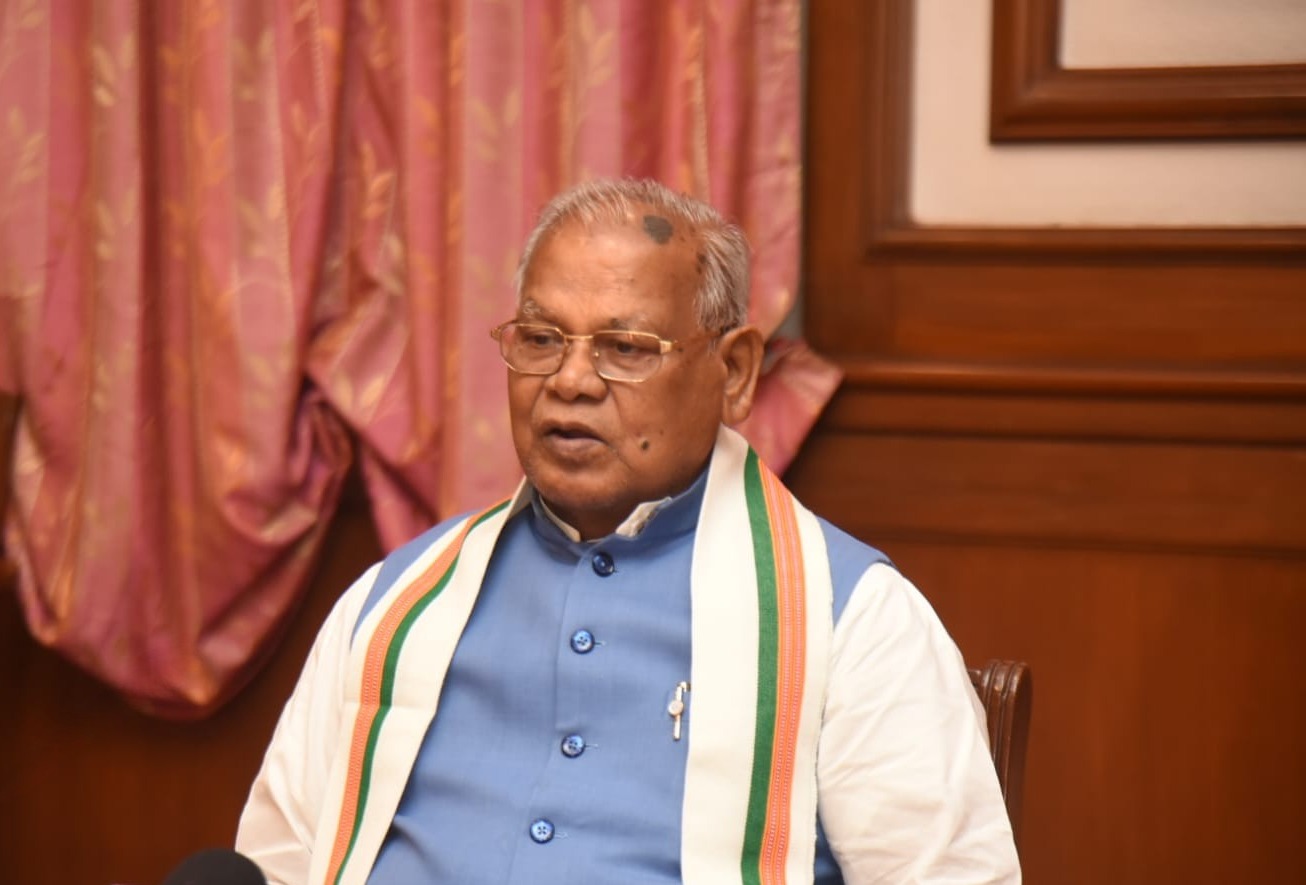
MUMBAI : The Union MSME Minister Shri Manjhi addressed a press conference in Mumbai on Friday, following his visit and review meetings at Institute for Design of Electrical Measuring Instruments (IDEMI) and Khadi & Village Industries Commission (KVIC) offices in Mumbai on 3rd July, 2025.

Speaking about the progress made in MSME sector which is the second highest contributor to the country’s economy, Union Minister Shri Manjhi stated that MSME accounts for 30.1% of India’s GDP. Further MSME accounts for 35.4% of manufacturing and 45.73% of exports in the country. Shri Manjhi informed that Udyam Portal, which was launched on July 1, 2020, and offers a free, paperless, and self-declared registration process for MSMEs, has more than 3.80 crore units in its database till date. On the other hand, Udyam Assist Portal, which was launched on January 11, 2023, to support informal micro-enterprises and provide them access to formal benefits like Priority Sector Lending, has above 2.72 crore units in its database. These 6.5 crore MSME units have together provided employment opportunities to 28 crore people till date. The number of MSME units have increased fifteen times in the last five years, stated the Union MSME Minister. Speaking about the PM Vishwakarma scheme, Shri Manjhi stated that this scheme provides end-to-end support to artisans and craftspeople of 18 trades who work with their hands and tools.

The Prime Minister Employment Generation Programme (PMEGP), which is a major credit-linked subsidy programme aimed at generating self-employment opportunities through establishment of micro-enterprises in the non-farm sector, assisted 80.33 lakh people to gain employment, eighty percent of which was in rural areas. Over 1.18 crore credit guarantees worth Rs. 9.80 lakh crore were approved under Credit Guarantee Scheme (CGS) since inception by Credit Guarantee Fund Trust for Micro and Small Enterprises, with a record Rs 3 lakh crore worth of credit guarantees extended in the last financial year 2024-25 alone. The number of beneficiaries of Credit Guaranatee Scheme will increase three times by 2029, stated the Union Minister. Special benefits are given to women entrepreneurs and SC/ST entrepreneurs under CGS, added Shri Manjhi. The number of cases in MSME Samadhaan portal, which is an online platform to help MSMEs address delayed payment issues, has come down to 44,000 at present, from 93,000 cases as on October 2017, he further stated.

Shri Manjhi stated that organizations under MSME Ministry like KVIC, Coir Board, National Small Industries Corporation Ltd. are performing well to take the schemes related to small industries and village products to the people and add to India’s GDP and exports. He informed that Mumbai-based IDEMI is involved in manufacturing component for Chandrayaan. In course of this visit, Shri Manjhi visited the MSME Technology Centre, IDEMI Mumbai. During his visit, he has taken a review meeting and toured the centre. Union MSME Minister was given an overview of Chandrayaan component manufacturing and the AR/VR lab, along with presentations on the CGTMSE and PM Vishwakarma schemes.

UP CM launches 27 logistics clusters in 26 UP districts to boost growth

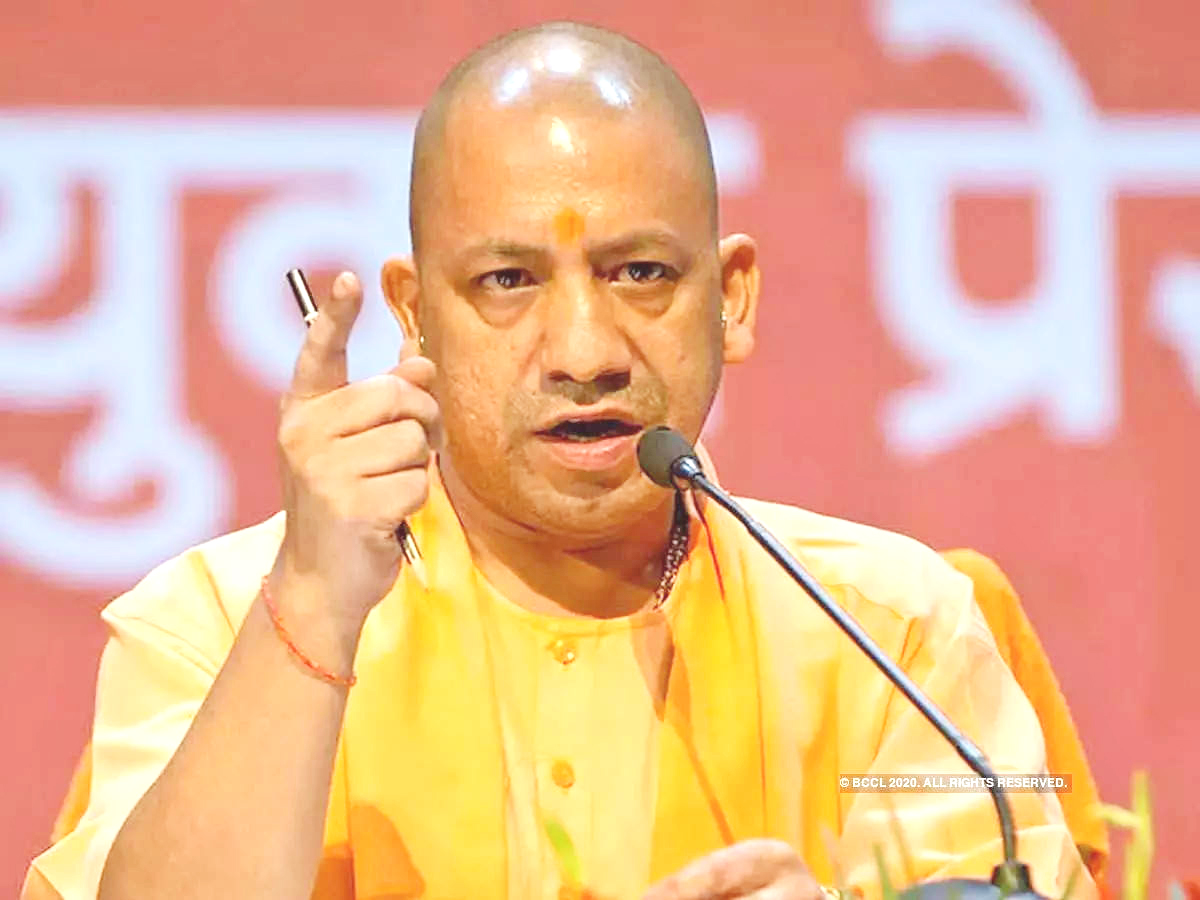
LUCKNOW : Uttar Pradesh Chief Minister Shri Yogi Adityanath on Thursday asserted that expressways are the backbone of the state’s economy growth while launching 27 integrated manufacturing and logistics clusters (IMLCs) across 26 districts in the state.

These clusters, expected to boost economic development and attract global investment, will be established along five expressways, spanning over 13,240 acres of land. The launch of IMLCs marks a significant step in UP’s industrial development, aligning with Prime Minister Shri Narendra Modi’s vision of making the state a hub for industrial growth. These clusters, expected to boost economic development and attract global investment, will be established along five expressways, spanning over 13,240 acres of land.

The IMLCs will be a role model for the rest of the country. These will utilise the state’s extensive expressway network, enhancing logistics and reducing travel time, said the CM.

These clusters will generate employment opportunities and change the perception of Uttar Pradesh, said the CM, emphasising balancing expressway development with environmental protection, ensuring minimal damage to forest areas.

Also present on the occasion, Chief Secretary Manoj Kumar Singh said that 13,240 acres of land has been allocated for industrial nodes, with 9,864 acres already acquired.

Investors will be offered plots at competitive prices while specialised logistics facilities will be provided and there will be easy access to road, rail and air connectivity.

On the occasion, the CM also reviewed the progress of the defence corridor project, which has six nodes across Lucknow, Jhansi, Kanpur, Agra, Aligarh, and Chitrakoot, covering 5,184 acres.

KEY FACTS ABOUT IMLCs

The UP government plans to establish industrial nodes across 13,240 acres of land, divided into 27 clusters along five expressways. Out of this, 9,864 acres have already been acquired, while the acquisition process for the remaining 3,376 acres is underway.

The Bundelkhand Expressway node is the largest in terms of area.

The Ganga Expressway node covers the most districts, spanning 11 districts across 3,707 acres, with 2,673 acres already acquired.

The Gorakhpur Link Expressway node is the smallest, covering 514 acres across two districts – Gorakhpur (361 acres) and Ambedkarnagar (153 acres).

IMLCs will offer: Attractive land rates, specialized logistics facilities, seamless connectivity, dedicated basic infrastructure, transparent land allocation process, favorable industrial environment and skilled labour availability.

India proposes retaliatory duties at WTO against US tariffs on autos

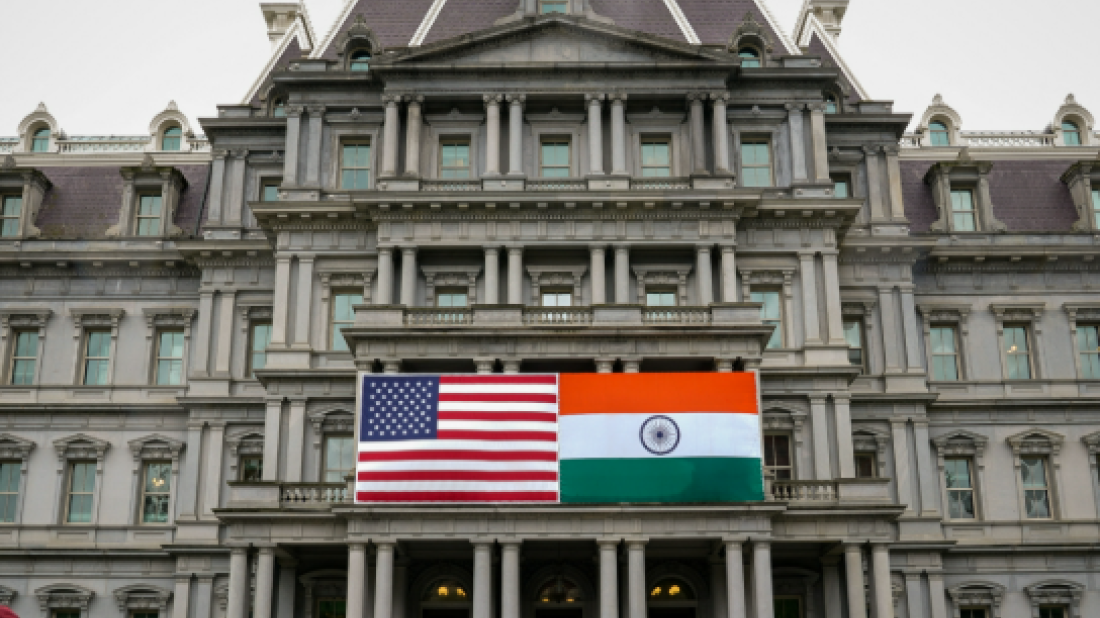
NEW DELHI : New Delhi has proposed retaliatory duties against the U.S. at the World Trade Organization, saying Washington’s 25% tariff on automobiles and some auto parts would affect $2.89 billion of India’s exports, according to an official notification.

“The proposed suspension of concessions or other obligations would take the form of an increase in tariffs on selected products originating in the United States,” according to a notification of the WTO being circulated at the request of India.”

India has notified the WTO’s Council for Trade in Goods of its proposed suspension of concessions and other obligations under certain WTO provisions.

“This notification is made in connection with safeguard measures extended by the United States of America on imports of automobile parts from India,” it said.

On March 26 this year, the U.S. adopted a safeguard measure in the form of a tariff increase of 25% ad valorem on imports of passenger vehicles and light trucks, and on certain automobile parts from India.

These measures apply from May 3, 2025 as regards automobile parts, and for an unlimited duration.

The measures have not been notified by the United States to the WTO, but are, in essence, safeguard measures. India has maintained that the measures taken by the United States are not consistent with the GATT (General Agreement on Trade and Tariff) 1994 and the agreement on Safeguards.

As consultations sought by India on these tariffs have not taken place, “India reserves the right to suspend concessions or other obligations”, it added.

The safeguard measures would affect $2,895 million imports annually into the United States of the relevant products originating in India, on which the duty collection would be $723.75 million. “Accordingly, India’s proposed suspension of concessions would result in an equivalent amount of duty collected from products originating in the United States,” it said.

The development is important as India and the U.S. are actively negotiating an interim trade agreement to boost trade ties. India has last month taken similar measures against the U.S. tariffs on steel and aluminium.

India well-placed to benefit from tariff-led trade shifts : Moody’s

NEW DELHI : India is well-positioned to benefit from a global realignment in trade and investment flows driven by shifting tariff regimes, and could outpace several Asia-Pacific (Apac) peers, Moody’s Ratings said on Thursday.

As multinationals reassess supply chains amid rising protectionism and evolving trade policies, India’s relative tariff advantage may strengthen its appeal as an emerging global manufacturing hub, Moody’s noted in its latest Sovereigns – Asia-Pacific Outlook.

“India may be subject to lower tariffs than many in Apac, which could help the economy attract further investment flows and support its development as a global manufacturing base. The signing of a free trade agreement with the UK in May and ongoing efforts to establish the same with the EU will further support such development,” the report said.

Moody’s pointed out that compared to countries like Cambodia and Vietnam, India is better placed to gain meaningfully from trade diversion and shifting capital flows—thanks to its scale, policy orientation, and improved market access through bilateral agreements.

The recently concluded free trade agreement with the UK was highlighted as a key enabler of India’s broader trade ambitions. Parallel efforts to negotiate a pact with the European Union are also expected to boost market access and strengthen investor confidence.

However, Moody’s cautioned that broader trends in global industrial policy could still temper the scale of these gains.

“The US’s goal to reshore select manufacturing segments could challenge the extent to which India benefits,” the report said.

The commentary comes as India accelerates its push to emerge as an alternative manufacturing base to China, supported by targeted policy incentives, supply chain development, and efforts to deepen trade integration with developed economies.

To be sure, US President Donald Trump’s “reciprocal tariffs” policy—announced in April—aims to impose higher duties on countries that levy steeper tariffs on American goods, triggering a wave of global trade renegotiations.

Under the plan, a broad 10% baseline tariff was introduced in April, with steeper rates imposed on countries such as China and Vietnam. A temporary 90-day pause was granted to allow for negotiations.

Since then, the US has revised trade deals with the UK, China, and, most recently, Vietnam, trimming their tariff exposure as it races to finalise more agreements before the 9 July deadline.

Meanwhile, Washington and New Delhi are negotiating a trade agreement to avoid the steep duties outlined in Trump’s plan.

To boost chemical exports, NITI Aayog proposes incentives and upgrades to port infra, clusters

NEW DELHI : NITI Aayog, the government’s apex public policy think tank, has proposed a series of measures to nearly double India’s $44 billion in annual chemical exports by 2030, noting that limited domestic demand remains a key barrier to faster growth in the sector.

The measures outlined in a report released on Thursday include developing new and existing production clusters to enable scale, improving port infrastructure for better logistics and storage, and introducing a sales-linked incentive scheme to localise production and boost exports of critical chemicals.

In 2023, India ran a trade deficit of $31 billion in chemicals, and accounted for a share of 3.5 per cent in global value chains (GVCs) – against China’s 23 per cent – according to the report. The domestic market was valued at $220 billion in 2023, and the government and industry hope to increase that to $1 trillion by 2040.

At the report launch, Ms. Nivedita Shukla Verma, Secretary, Department of Chemicals and Petrochemicals, said the industry is resilient and has maintained an annual growth rate of 6 per cent over the last 30 years, with the agrochemicals and dyes sectors performing well in exports.

“But despite doing well, there are challenges. If we were to reach $1 trillion by 2040, it wouldn’t be easy. We have to focus on exports because the domestic industry and domestic usage has its limitations, and that kind of goal cannot be reached without focusing on exports. That will also help bridge the sector’s trade deficit,” Verma said.

During the launch, NITI Aayog Vice Chairperson Suman Bery said: “It is not that the sector has been doing badly, but compared to pharma, with which it is quite closely associated, it doesn’t seem to have been as much of a success story. In the case of pharma, one reason was that India had a strength in chemistry. I would have thought the same kind of intellectual strength in chemistry ought to have applied to the chemical sector, but apparently that’s not so. It’s a bit of a puzzle.”

The report said India could double its share in GVCs to 5-6 per cent by 2030, largely by shifting from bulk chemicals to high-demand specialty chemicals. Adequate policy interventions can also raise exports by 35-40 billion in 2030 from $44 billion in 2023, it said.

Towards that end, the report has proposed a sales-linked incentive scheme packaged as an operational expenditure (opex) subsidy to expand capacities. The subsidy will be aimed at reducing heavy reliance on specific countries for critical chemical imports and at boosting exports.

The products eligible for the proposed scheme will fall under broad groupings of agrochemical intermediates, pharmaceutical intermediates, battery and electronic chemicals, dyes and pigments, petrochemicals, and multiple uses.

NITI Aayog Member Arvind Virmani said India can identify potential choke points in the chemicals supply chain like China did in 2018. “They identified choke points from their perspective, we have to look at it from our perspective. We already know that certain chokes have been done on critical minerals, etc. So, identifying these choke points in chemicals is very important to decide where some of the subsidies will have to be directed.”

The report also called for revamping existing cluster-based Petroleum, Chemicals and Petrochemicals Investment Regions (PCPIRs) – namely Dahej, Paradeep, and Vizag. The Paradeep and Vizag PCPIRs are currently far from completion.

“The first pathway focuses on revitalising India’s existing chemical hubs, such as those in Gujarat, Odisha, and Andhra Pradesh. These regions have already made significant progress in establishing infrastructure, attracting anchor tenants, and laying the groundwork for chemical industry development. However, they face challenges related to infrastructure quality, financial incentives, and regulatory complexities,” the report said.

It also recommended setting up a Chemical Committee to identify and address infrastructure gaps in port-based chemical trade, alongside developing eight high-potential clusters spanning 14 major and 12 minor ports across India.

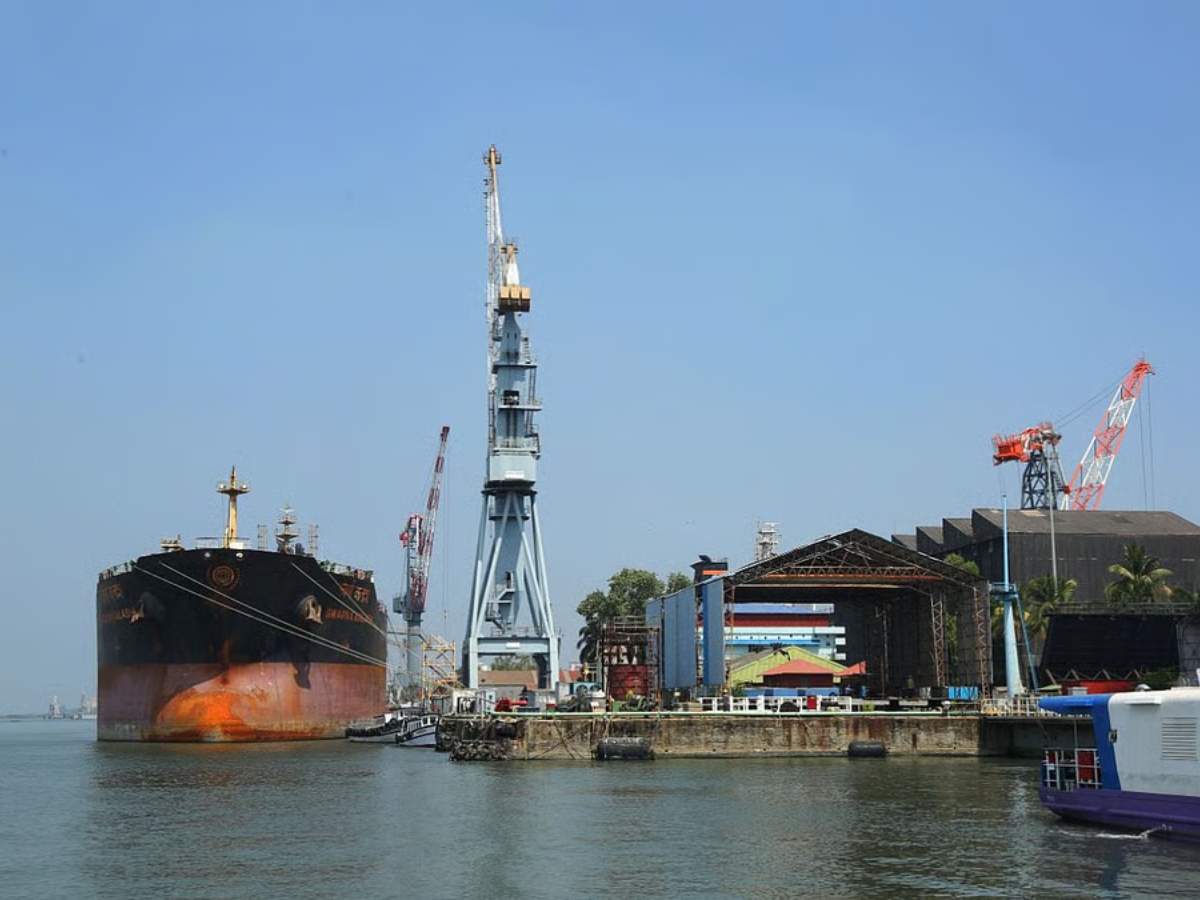
Cochin Shipyard signs MoU with HD Korea Shipbuilding to boost Global Maritime Collaboration

KOCHI : Cochin Shipyard Limited has signed a strategic Memorandum of Understanding (MoU) with South Korea-based HD Korea Shipbuilding & Offshore Engineering Co. Ltd. (HD KSOE) to drive long-term cooperation in shipbuilding, workforce development, and global maritime innovation.

The partnership supports India’s broader maritime ambitions outlined in the Maritime India Vision (MIV) 2030 and the Maritime Amrit Kaal Vision (MAKV) 2047. This positions Cochin Shipyard as a key player in advancing global maritime collaboration while strengthening India’s shipbuilding capabilities.

MoU Highlights: Strategic Areas of Collaboration
Under the MoU signed on July 4, 2025, CSL and HD KSOE will jointly explore multiple areas of cooperation to enhance India’s maritime capabilities.

i) Joint exploration of newbuilding opportunities in India and abroad; (ii) Sharing of technical expertise to scale up the global standards in shipbuilding; (iii) Identification of initiatives to enhance productivity and capacity utilization; (iv) Joint efforts to upskill and strengthen workforce; and (v) Exploration of potential collaboration in other shipbuilding-related projects.

KSOE is a global leader in shipbuilding and marine engineering, with proven expertise in designing and constructing commercial vessels, naval platforms, and offshore infrastructure. KSOE oversees the operations of some of the world’s largest shipyards, including Hyundai Heavy Industries, Hyundai Mipo Dockyard, and Hyundai Samho Heavy Industries.

These strategic frameworks are backed by initiatives such as the recently announced INR 250 billion Maritime Development Fund, aimed at accelerating investment in shipbuilding, port modernization, and infrastructure upgrades

Maharashtra truckers suspend strike until July 30 following Govt assurance on E-Challans

MUMBAI : Maharashtra truck drivers have called of their three-day strike until the end of the month. This decision followed a meeting with State Transport Minister Shri Pratap Sarnaik and Shri IS Chahal, Additional Principal Secretary to the Chief Minister, at Mantralaya. The strike, which began on Wednesday, was in protest against the e-challan system for traffic violations.

The Vahatukdar Bachao Kruti Sanghatana, an action committee leading the strike, decided to give the government time until July 30. Pune-based transport leader Baba Shinde stated that the government assured them that police would not issue e-challans for minor violations like parking or stopping at fuel pumps until the end of this month.

Government Assurances on E-Challan System
The state government has promised to address several concerns raised by truckers. One major demand was the cancellation of wrongly issued e-challans. The government agreed to issue a notification regarding this matter. Additionally, they assured consideration of cancelling challans older than 90 days, according to Shinde.

Another issue discussed was the compulsory requirement for heavy vehicles to have a cleaner or assistant. Despite a shortage of manpower, truckers are fined for not having cleaners. The state government has pledged to raise this issue with the Union government.

Mixed Response to Strike
Transport association leaders noted that the strike received varied responses over its duration. Many trucks and goods vehicles in areas such as Navi Mumbai, Mumbai, Thane, and Pune were off the roads during this period. Although bus operators supported the strike, they refrained from participating after an appeal from CM Shri Devendra Fadnavis.

The Maharashtra government also agreed to expand a committee led by the Maharashtra Transport Commissioner. This expansion will include more members from truckers’ groups, addressing another demand from transport associations.

Shinde highlighted that despite these assurances, issues remain unresolved. However, truckers have decided to suspend their strike temporarily while awaiting further action from the government.

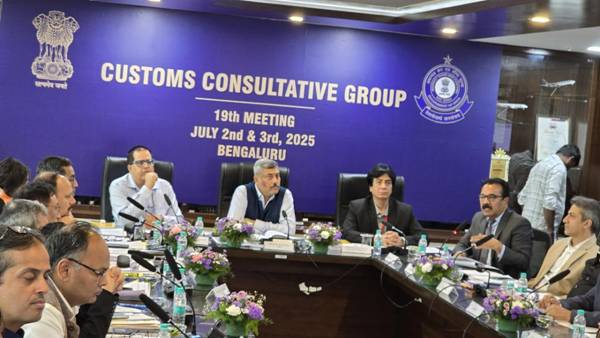
Surjit Bhujabal, Member Customs and CBIC chairs 19th CCG meeting in Bengaluru

BENGALURU : The 19th meeting of the Customs Consultative Group (CCG) was held on July 2-3, 2025, in Bengaluru under the Chairmanship of Shri Surjit Bhujabal, Member (Customs), Central Board of Indirect Taxes and Customs (CBIC), Ministry of Finance.

Since 2011, the CCG is the apex national platform for deliberation on all matters concerning customs clearance of merchandise in international trade. The Group comprises prominent representatives from industry chambers such as CII, FICCI, ASSOCHAM, FIEO, MAIT, NASSCOM, PHDCCI, STPI, as well as associations of logistics partners including customs brokers, freight forwarders, liquid bulk cargo handlers, port operators, and banks. This year 35 Export Promotion Councils and two associations representing the air freight sector were also inducted into the CCG.

The meeting witnessed active participation from senior officials of CBIC and its field formations, along with representatives from RBI, DGFT, Bureau of Indian Standards (BIS), Department for Promotion of Industry and Internal Trade (DPIIT), Department of Posts, Ministry of Shipping, Airport Authority of India, Central Pollution Control Board, Animal Quarantine Department, Central Drugs Standard Control Organization (CDSCO), and the Food Safety and Standards Authority of India (FSSAI).

A total of 181 agenda points were sponsored by stakeholders and deliberated upon during the two-day event.

During interaction, Shri Surjit Bhujabal emphasised the critical role played by CCG in enhancing trade facilitation and fostering an enabling environment for ease of doing business. He noted that the CCG has proven to be a model of responsive governance, bringing about both policy-level and operational changes. He cited the previous CCG meeting held in November 2024, during which 116 out of 136 agenda points were successfully addressed through policy circulars, operational instructions, and the development of new subsystems under ICEGATE, the Customs clearance gateway.

Shri Bhujabal further highlighted the alignment of CCG’s work with the National Trade Facilitation Action Plan (NTFAP), which synergizes multi-ministerial efforts on trade infrastructure, policies, and regulatory frameworks.

Key decisions taken during the meeting included:

• Introduction of a new policy on the discharge of bulk liquid cargo, enabling optimal utilization of limited port storage infrastructure.

• Development of a Standard Operating Procedure (SOP) for duty drawback claims on jewellery sold at international exhibitions.

• Review of the Authorized Economic Operator (AEO) framework for enhanced trade facilitation.

• Strengthening collaboration between CBIC and the Department of Posts to support small exporters.

• Complete shift to the e-Bank Guarantee module to simplify regulatory compliance procedures.

• Agreement to conduct field-level studies to assess specific trade concerns and identify avenues for further facilitation.

Several sector-specific presentations were also made during the meeting. The Gems & Jewellery Export Promotion Council presented insights into the lab-grown diamond sector. The Bureau of Indian Standards (BIS) detailed the Quality Control Orders (QCO) framework and offered guidance to trade stakeholders on compliance. The Department of Posts showcased the work done by the Dak Ghar Niryat Kendra, a national initiative supporting small exporters, jointly implemented by DoP and CBIC. Additionally, the Chairman of JNPT provided an update on the proposed mega-port project at Vadhvan, Maharashtra.

The 19th CCG meeting reaffirmed CBIC’s commitment to continuous stakeholder engagement, policy responsiveness, and further streamlining of India’s international trade ecosystem.