Home Blog Page 772

Softlink Global CEO Amit Maheshwari honoured with ‘Best Entrepreneur Award’ at Maharashtra Corporate & Education Excellence Awards 2025

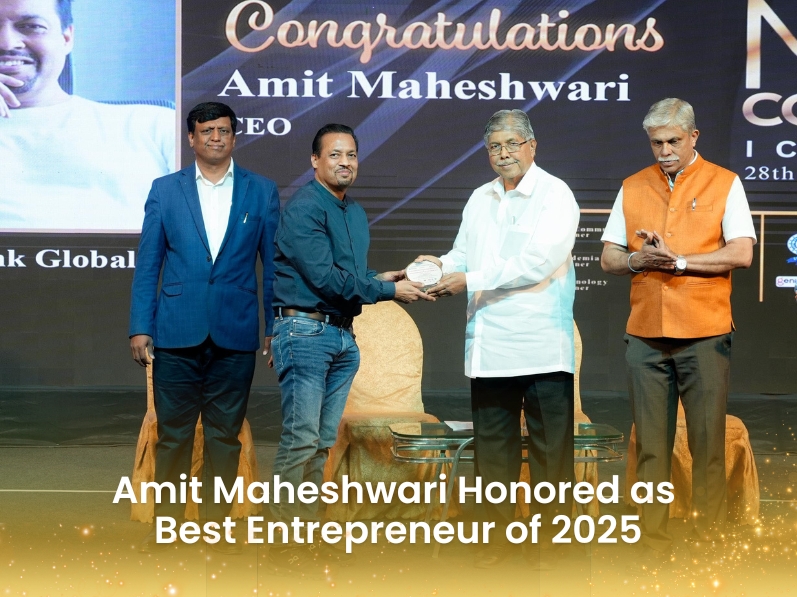
MUMBAI : Softlink Global is proud to announce that its Founder and CEO, Mr. Amit Maheshwari, conferred with the ‘Best Entrepreneur Award’ at the prestigious Maharashtra Corporate & Education Excellence Awards 2025, held in Mumbai.

The award was presented by Hon’ble Minister for Higher and Technical Education, Dr. Chandrakant Dada Patil, in recognition of Mr. Maheshwari’s outstanding contribution to technology innovation in the logistics and freight industry, as well as his initiatives to strengthen academia-industry collaboration.

With over three decades of experience, Mr. Maheshwari has led Softlink Global to become one of the world’s most trusted logistics technology providers, serving clients in over 50 countries. Under his leadership, Softlink developed the acclaimed Logi-Sys ERP platform and launched Softlink Academy, a dedicated division focused on practical, job-oriented training for the logistics and supply chain workforce.

Speaking on the occasion, Mr. Maheshwari said:“This recognition is deeply humbling. It belongs not just to me, but to every team member, customer, and partner who believed in our vision. More than anything, it reaffirms our belief that technology should not just digitize, it should enable.”

Softlink Academy’s hands-on programs like LogiLEARN and challenge-based initiatives like LogiTHON, developed in collaboration with institutions like IIT Bombay and Datta Meghe College, have successfully bridged the gap between academic learning and industry expectations, producing students who are productive from Day One.

The Maharashtra Corporate & Education Excellence Awards aim to honour individuals and organizations that have demonstrated excellence and innovation in business and education, driving real-world impact.

India-UK FTA not only boost exports but also boost economy through higher remittances and domestic spending: Report

NEW DELHI : The recently finalised free-trade agreement (FTA) between India and the United Kingdom (UK) will not only boost Indian exports and increase the mobility of Indian workers in the UK but also support India’s economy through higher remittances and domestic spending noted a report by S&P Global Market Intelligence.

In 2024, Indian workers abroad sent home around USD 130 billion, making up 3.3 per cent of the country’s GDP.

UK remains the third-largest source of these remittances, after the US and UAE. Under the new deal, Indian ICT workers posted in UK will benefit from a waiver on national insurance contributions for up to three years, allowing them to save more and potentially send more money back home.

The FTA also promises to double trade in goods and services between India and the UK by 2030, up from USD 56.7 billion in 2024.

Indian exports, especially textiles and apparel–which face challenges in the US market–are expected to benefit from improved access to the UK market.

For the UK, the deal opens up greater access to India’s fast-growing middle class, although immediate trade benefits will be seen in the beverage sector, with tariffs halved on 97 per cent of whisky and gin exports.

However, the deal excludes pharmaceutical exports, limiting some of the economic benefits for Britain.

There is also a lack of clarity on how UK car exports to India will operate under the new quota system.

The agreement is part of India’s larger push to secure trade pacts with key global partners. In 2025 and 2026, India aims to finalize similar deals with countries in the Gulf, Australia, Japan, Southeast Asia, and Latin America.

These efforts are aimed at strengthening India’s global trade network amid shifting international trade policies.

The swift signing of the India-UK deal is a significant step for the UK as well, helping the country reshape its trade relationships after Brexit and reduce supply chain disruptions.

Overall, the trade agreement is expected to strengthen economic ties between India and the UK, while also enhancing India’s position in global trade.

India draws red lines on Corn, Ethanol, Soyabean, and Dairy in US Trade Talks

NEW DELHI : US President Donald Trump has said his administration is going to sign “a very big” trade deal “to open up India”, “where we are able to go in and compete (with) much less tariffs”.

India has maintained that agriculture and dairy are its “red lines” in its ongoing negotiations with the US. “There’s no way we could do anything that would weaken our agriculture, our farmers’ positions,” Finance Minister Smt. Nirmala Sitharaman said in an interview with the Financial Express.

What are these “red lines” that the US is testing and driving a hard bargain to circumvent, if not remove? It basically reduces to four farm products: corn (maize), ethanol, soyabean and dairy.

On these, India imposes both tariff and non-tariff restrictions, and the US is pushing for greater market access.

The first is corn

The US is the world’s biggest maize producer and exporter, with an estimated 377.6 million tonnes (mt) output, as against India’s 42.3 mt, in 2024-25.

As much as 94% of the total area planted to corn in the US last year was under genetically modified (GM) varieties. These incorporate alien genes from bacteria that code for proteins enabling the crop to “tolerate” application of herbicides such as glyphosate and glufosinate or resist attacks by specific insect pests.

India charges 15% duty on maize imports of up to 0.5 mt annually, with quantities beyond that attracting a higher 50% rate. Moreover, it neither grows nor allows import of GM maize.

One proposal mooted is to permit import of GM maize exclusively for use as a feedstock to manufacture fuel ethanol. Over 46% of the ethanol being made available by Indian distilleries for blending with petrol is, in fact, currently coming from maize.

That’s more than the share of other feedstocks: Sugarcane juice/molasses (32%) and surplus/broken rice (22%).

Maize is largely a feed grain supplying carbohydrates, the principal source of energy for poultry and livestock. Restricting the use of imported GM maize only to milling and the fermentation of its starchy carbohydrates into fuel ethanol is meant to prevent this material from entering the food chain. The milk, egg or chicken consumed in India will, then, not come from cattle and birds fed on GM maize, whether imported from the US or Brazil.

But the proposal faces resistance from sugar mills. The share of ethanol supplied from grain-based feedstock has risen from zero to 57% between 2017-18 and 2023-24. The mills fear that imported GM maize will lead to the further marginalisation of sugarcane in the ethanol-blended petrol (EBP) programme.

Opening the doors for GM maize imports may also encounter political roadblocks, ahead of the Bihar Assembly elections: The state is India’s third largest maize producer after Karnataka and Madhya Pradesh.

The challenge
Opening up imports of the four farm products is politically fraught: it involves farmers across several states, and calls for a relook at key policies regarding regulation around genetically modified crops.

The second is ethanol

The US is the world’s biggest producer and exporter of ethanol too. In 2024, it exported $4.3 billion worth of ethanol, with India being the third largest market (at $441.3 million) after Canada ($1.5 billion) and United Kingdom ($535.1 million).

India now allows ethanol imports only against “actual user” licence for non-fuel industrial purposes. Imports can be for manufacturing alcohol-based chemicals, medicines or beverages, but not for blending in petrol and diesel.

Given India’s total projected ethanol consumption of 11,350 million litres in 2025, with fuel’s share at 9,650 million and industrial use at just 1,700 million litres, the US would want an opening up of the market.

But import of ethanol for fuel use is likely to be a “red line” for India. It may be seen as undermining the EBP programme’s primary objective — to reduce dependence on imported fuels and create a market for surplus domestic agricultural produce, particularly sugarcane and cereal grains.

The third is soyabean

US is the second biggest producer and exporter of soyabean after Brazil. With 96% of acreage in the US and 99% in Brazil under herbicide-tolerant GM varieties, the average per-hectare yields of 3.4-3.5 tonnes in these two countries are way above India’s 0.9 tonnes.

India allows import of GM soyabean oil. However, imports of both whole GM soyabean and the residual de-oiled cake (DOC) after extraction of oil are prohibited. The reason: The GM protein matter is present only in the raw bean and DOC, not the oil.

A recent NITI Aayog working paper (subsequently withdrawn) had called for exploring the option of importing GM soyabean, so that the oil extracted can be sold in the domestic market and the DOC exported to other countries. This would ensure that only the oil gets consumed locally and the imported soyabean is neither planted by Indian farmers nor used as an animal feed ingredient.

But soyabean is grown in some 13 million hectares of the country — mainly the BJP-ruled Madhya Pradesh, Maharashtra and Rajasthan. That, plus the crop selling at well below the government’s minimum support price, may not make it politically easy to permit imports of GM soyabean.

The last is dairy

The US isn’t as big a player as New Zealand and the European Union in dairy, when it comes to the global milk powder and butter trade.

The duties that India currently levies — 30% on cheese, 40% on butter and 60% on milk powder — render imports from even low-cost producers such as New Zealand and Australia unviable. On top of that is the requirement — which, the US claims, is purely “premised on religious and cultural grounds” — for all imported dairy products to be derived from animals not fed on any formulation produced from the internal organs, blood meal or tissues of bovines.

While dairy is clearly a “red line” on which India is unlikely to yield much ground, it may also turn out to be a leveraging point that the US would use to extract concessions in the other agricultural commodities.

Source : Indian Express

Mini trade deal between India and US likely over the next few days : Rajiv Memani,CII President

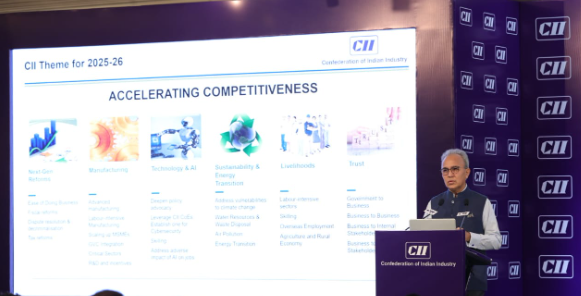
NEW DELHI : CII President Rajiv Memani said that, India and the US are moving closer to finalising an initial phase of the bilateral trade agreement (BTA), but sensitive sectors and issues with deeper political implications may not be part of the immediate deal,

Memani added that both sides are aiming to secure early gains while deferring more complex matters. The level of preparation and engagement between the government and India Inc has been extensive, he said. “Level of preparation, engagement with India Inc has been detailed. Confident that India Inc challenges will be adequately addressed. We will not have 100 percent winners, FTA will be done in phases, so tricky areas with greater political ramifications will be dealt with later. Hoping to get a satisfactory deal,” Memani said, reflecting the cautious optimism within the business community.

He was speaking ahead of the potential announcement of a mini trade pact between the two countries. The immediate BTA is expected to address low-hanging trade barriers and pave the way for broader cooperation, while contentious areas and politically sensitive tariff lines may be taken up in subsequent phases. Terms for agriculture and dairy have been politically sensitive sectors for India during the trade talks.

According to a Moneycontrol report, the mini-deal could be announced as early as this weekend, marking a significant step in trade ties between the two nations.

This phased structure allows negotiators to deliver immediate commercial benefits while leaving room for deeper consensus-building on complex sectors. The Confederation of Indian Industry (CII) has welcomed this approach as pragmatic, given the diverse interests involved and the political sensitivities surrounding specific trade items.

While the mini-deal would ease certain tariffs and open up select market access opportunities, the real test will lie in how both sides navigate difficult sectors in future rounds.

The BTA, once finalised, is expected to provide a framework for long-term cooperation on trade facilitation, technology transfer, and standards alignment, even as negotiations on trickier subjects may continue.

India Inc remains hopeful that the emerging agreement will serve as a constructive platform for deepening India–US economic ties without compromising key national interests.

Third Edition of BMGE to be held from 4th – 9th February 2027 in Delhi-NCR

NEW DELHI : The third edition of the Bharat Mobility Global Expo (BMGE) is scheduled to be held from 4th to 9th February 2027 in the National Capital Region of Delhi. The event aims to bring together various stakeholders from across the mobility spectrum, including industry representatives, policymakers, and technology experts.

Organised with the support of the Ministry of Commerce & Industry and the Ministry of Heavy Industries, BMGE has evolved as a comprehensive platform for showcasing developments across the automotive and mobility value chain. The first two editions, held in 2024 and 2025, drew participation from a wide cross-section of the industry and focused on themes such as clean mobility, innovation, and integration with global supply chains.

The 2025 edition covered 2 lakh square metres across three venues—Bharat Mandapam, Yashobhoomi, and India Expo Centre & Mart, Greater Noida—and recorded participation from over 1500 exhibitors. More than 9.8 lakh visitors attended the event, which included product launches, technology showcases, conferences, buyer-seller meets, and international delegations.

In keeping with the format of earlier editions, BMGE 2027 will include exhibitions, technical sessions, and stakeholder consultations. In addition, new segments are being considered to broaden the scope of the Expo. These include a dedicated section on “Multi-Modal Mobility and Logistics” encompassing rail, road, air, water, urban and rural mobility, and a showcase focused on tractors and agricultural mobility solutions.

BMGE is an industry-led initiative coordinated by EEPC- Engineering Export Promotion Council of India India with support from organisations such as SIAM, ACMA, ICEMA, ATMA, IESA, ISA, NASSCOM, CII, MRAI, TMA, Invest India, IBEF, ITPO, Yashobhoomi, and IEML.

The Expo continues to provide a forum for exchange of ideas, partnerships, and sectoral engagement in line with broader national objectives related to sustainable and inclusive mobility.

Global eCommerce businesses operating in Saudi Arabia set to benefit as Maersk and Saudi Post enter a strategic partnership

SAUDI ARABIA : The new alliance combines global logistics expertise with local market leadership to transform eCommerce supply chains in Saudi Arabia and the GCC Region

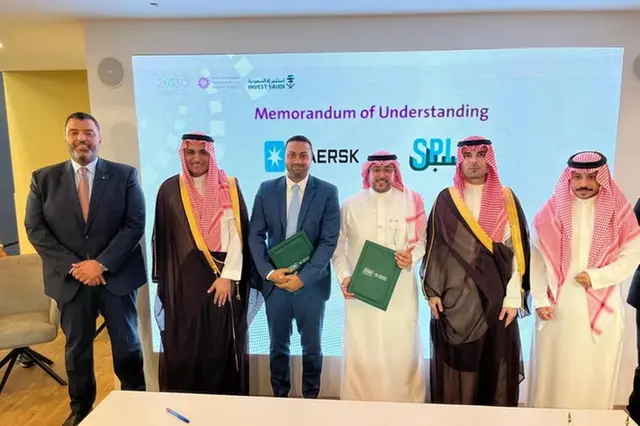
Maersk Saudi Arabia (Maersk) and Saudi Post Company (SPL) announced the signing of a strategic Memorandum of Understanding (MoU) to establish a partnership aimed at strengthening logistics and supply chain services for eCommerce companies entering and operating in Saudi Arabia, as well as potentially in the broader GCC markets.

Leveraging Combined Networks for Enhanced Customer Value

The partnership combines Saudi Post’s extensive domestic expertise with Maersk’s global logistics capabilities, providing a comprehensive end-to-end solution for global eCommerce businesses. Saudi Post’s robust national network, built to support the Kingdom’s Vision 2030 objectives, will seamlessly integrate with Maersk’s worldwide shipping and logistics infrastructure to deliver unparalleled service quality to customers.

“We are excited to partner with Saudi Post, who operate an unparalleled distribution network in Saudi Arabia, to create an integrated logistics solution that addresses the growing demand for efficient eCommerce fulfilment in the country,” said Ahmed Al Olaby, Director, Maersk Saudi Arabia, after signing the MoU. “Our extensive, global ocean network, along with the newly opened Integrated Logistics Park, would combine with Saudi Post’s extensive domestic network, positioning us to deliver world-class logistics services that support businesses looking to enter or expand in the Saudi market.”

“The strategic collaboration between SPL and Maersk is pivotal in streamlining cross-border e-commerce flows to and from The Kingdom of Saudi Arabia and the wider GCC, enhancing connectivity, reliability, and growth opportunities across the region”, said Rouni Saad, International Business Sales Director, SPL Group.

Integrated Logistics Solution

Under the partnership framework, Saudi Post will manage all in-Kingdom operations, including express customs clearance and final mile delivery services, while Maersk will oversee origin activities, international transportation, and bonded fulfilment solutions. Maersk will utilise its newly inaugurated state-of-the-art Integrated Logistics Park in Jeddah, Saudi Arabia, as a key operational hub for this partnership, further strengthening the Kingdom’s position as a regional logistics gateway.

Comprehensive Cooperation Framework

The MoU establishes cooperation across four critical areas:

Technology and System Integration: Seamless digital connectivity between both organisations’ platforms
Marketing and Commercial Activities: Joint go-to-market strategies to serve international businesses
Customer Service Excellence: Coordinated processes and handovers to ensure a superior customer experience
Operational Optimisation: Enhanced capacity and streamlined processes to efficiently serve joint customers
Supporting Vision 2030

This partnership directly contributes to Saudi Arabia’s Vision 2030 objectives by enhancing the Kingdom’s logistics infrastructure, supporting the growth of the eCommerce sector, and facilitating international trade. The collaboration is expected to attract more global businesses to establish operations in Saudi Arabia, while providing them with reliable and efficient logistics solutions.

The partnership represents both companies’ commitment to innovation and excellence in logistics services, positioning Saudi Arabia as a preferred destination for international eCommerce businesses seeking to access the Middle Eastern market.

About A.P. Moller – Maersk

A.P. Moller – Maersk is an integrated logistics company working to connect and simplify its customers’ supply chains. As a global leader in shipping services, the company operates in more than 130 countries and employs over 100,000 people worldwide. Maersk is aiming to reach net zero emissions by 2040 across the entire business with new technologies, new vessels, and green fuels. 

Minister Al-Jasser lays Foundation Stone for the Logistics Corridor connecting Jeddah Islamic Port and Al-Khumrah Logistics Park

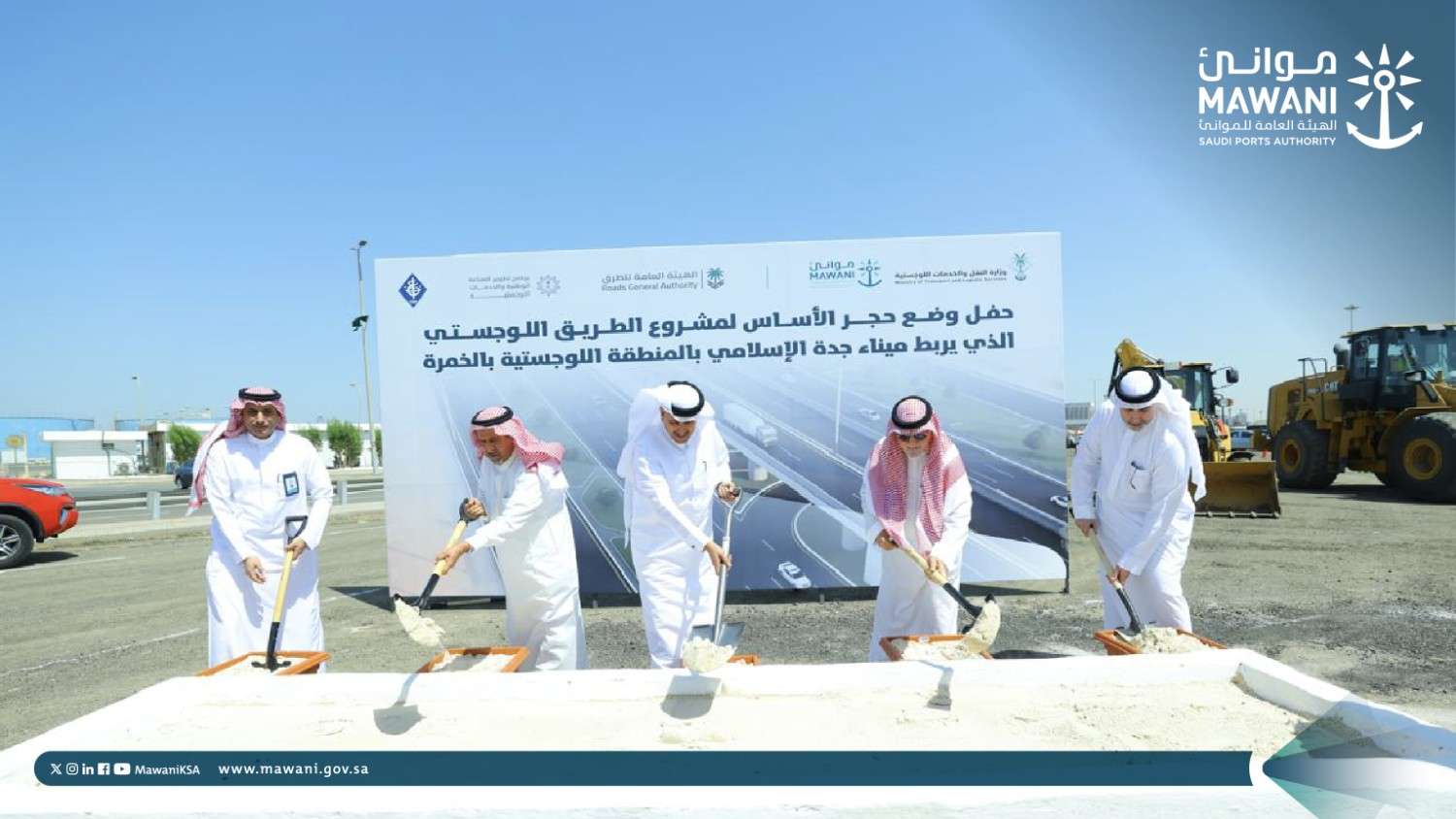
RIYADH : HE Eng. Saleh bin Nasser Al-Jasser, Minister of Transport and Logistic Services and Chairman of the Saudi Ports Authority, laid the foundation stone for the logistics corridor connecting Jeddah Islamic Port to the Al-Khumrah Logistics Park. The ceremony was attended by the President of Mawani, Eng. Suliman Almazroua, along with senior officials and leaders from the transport and logistics ecosystem.

The project, executed by Mawani with a value exceeding SAR 689 million, aims to establish a dedicated and direct logistics corridor linking Jeddah Islamic Port with the Al-Khumrah Logistics Park. The corridor stretches 17 kilometers and includes two lanes in each direction. A total of 12 bridges will be constructed along the route to facilitate the movement of trucks between the port and the logistics park, eliminating the need to use the city’s internal road network.

His Excellency Minister Al-Jasser stated that this direct logistics corridor will significantly enhance truck movement efficiency and increase the handling capacity of Jeddah Islamic Port by 10%. The project will also support the integration of transport modes, strengthen supply chains, and improve infrastructure development.

He added that the dedicated corridor will ease truck flow, enhance traffic efficiency, and improve road safety in Jeddah by reducing congestion through the separation of heavy truck traffic from general traffic routes. It will also eliminate visual and noise pollution around the port area.

This step is part of Mawani’s ongoing efforts to boost the operational efficiency of Jeddah Islamic Port by leveraging the strategic value of the Al-Khumrah Logistics Park. It aligns with the objectives of the National Transport and Logistics Strategy (NTLS), to solidify the Kingdom’s standing as a global logistics hub bridging the three continents.

The project will also include emergency access points, maintenance facilities, and a complete rainwater drainage system. It contributes to improving quality of life by lowering carbon emissions and preventing truck congestion.

This corridor will deliver a range of benefits to transporters, importers, exporters, logistics park users, and shipping lines by streamlining cargo and container movement and enhancing supply chain efficiency. It also presents new investment opportunities in the region.

It is worth noting that Jeddah Islamic Port is a major logistics and trade hub on the Red Sea coast. It spans 12.5 square kilometers and includes 62 multi-purpose berths, as well as a number of specialized terminals and state-of-the-art facilities.

GEODIS completes the Transport and Float-Off of Three Floating Wind Foundations

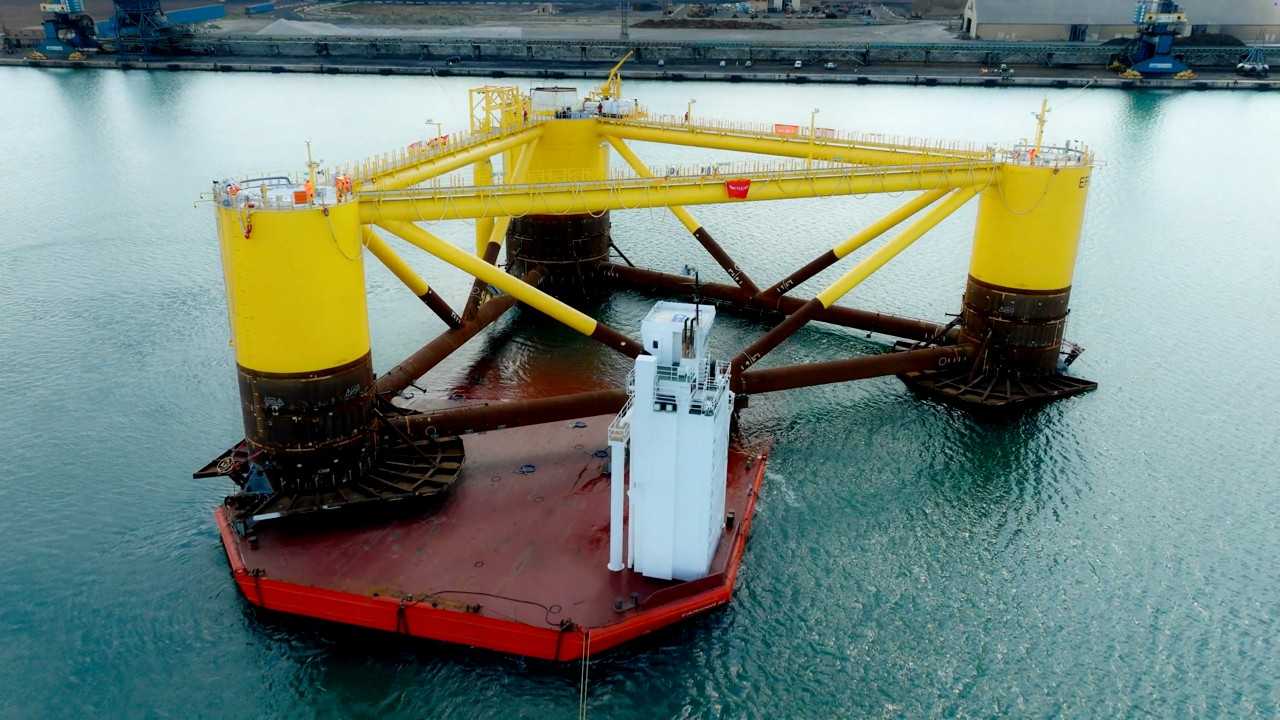
LEVALLOIS-PERRET : GEODIS, a world leader in transport and logistics, has successfully completed a major operation in partnership with Eiffage Metal for the transport and float-off of three floating substructures of 2,500 tons. Designed by Principle Power, the turbine foundations are part of the “Les Éoliennes Flottantes du Golfe du Lion” (EFGL) pilot project, one of the largest floating offshore wind farms in the world.

This large-scale operation was managed by a dedicated GEODIS team, onsite between the end of April and early June 2025. The complex move took place within the Grand Port Maritime de Marseille (GPMM), from the Eiffage Darsette site to the Carfos terminal in Fos-sur-Mer (France).

The project required an extensive engineering phase, including the design of grillage and sea fastening systems, precise ballasting calculations, and close coordination with local port authorities. High environmental and safety standards were also applied throughout the process.

To execute the float-offs, GEODIS mobilized a semi-submersible barge, specifically selected for its suitability. The process involved a carefully sequenced ballasting operation to ground the barge and allow the floaters to be safely launched into the water. Despite strict weather requirements, the float-offs were conducted efficiently and without incident.

Nicolas Bonnier, Global Manager Offshore Wind Solution, Project Logistics at GEODIS, commented:

“The EFGL project, with 30 MW of capacity, represents nearly 10% of the operational floating wind turbines currently installed worldwide, so we are very proud to have contributed to its success. Also, GEODIS’ seamless execution of two consecutive float-offs within six days highlights the potential scalability and industrial feasibility of commercial size floating wind energy projects.”

The success of the project, GEODIS’ first in floating offshore wind, marks a key milestone and reinforces the Group’s strategic commitment to strengthening its position in this emerging sector. Building on this experience, GEODIS will continue to develop innovative, tailor-made solutions specifically designed to meet the unique requirements of future commercial-scale projects.

Europort 2025 sets the Stage for Maritime Innovation and Global Collaboration

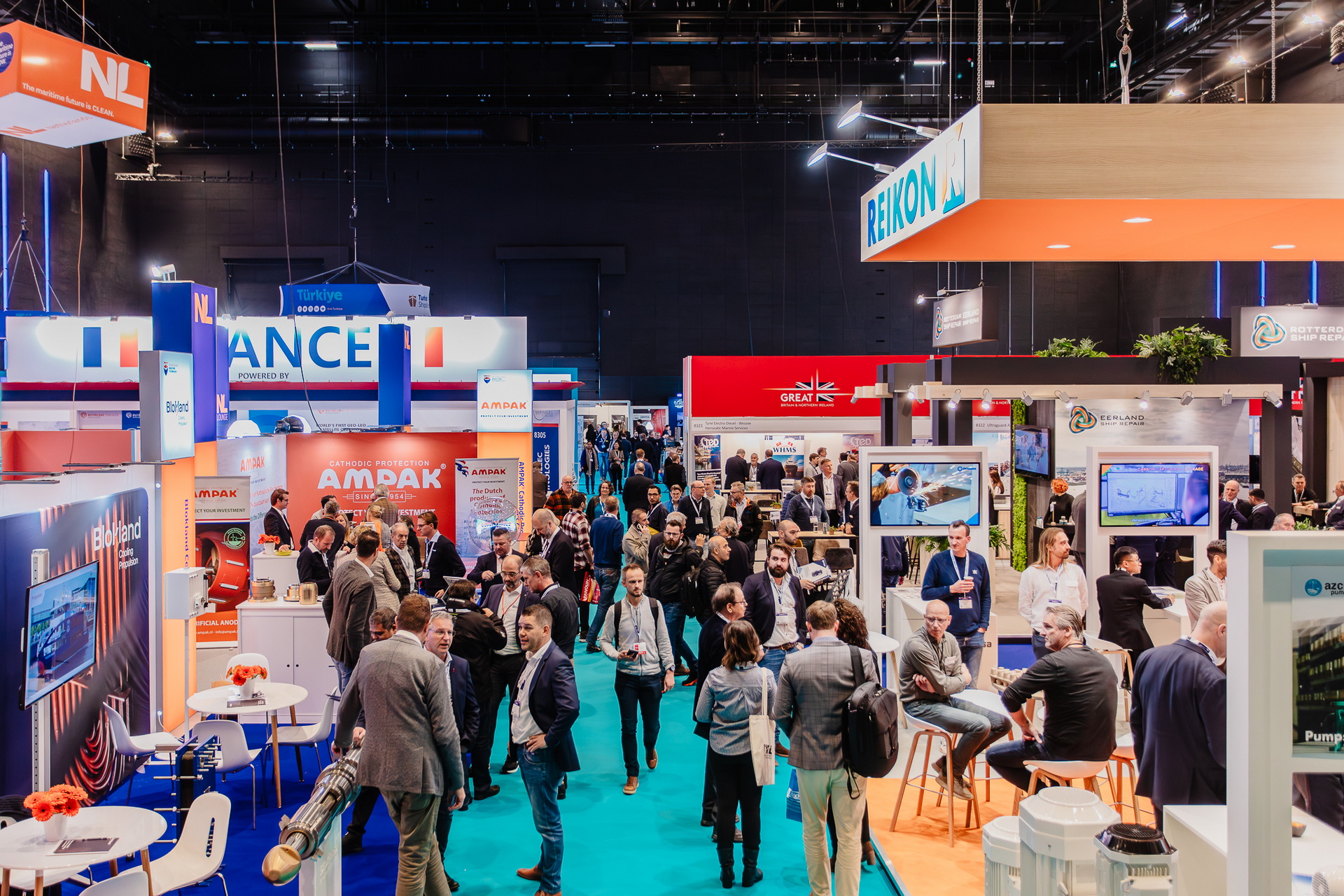
ROTTERDAM : Taking place at Rotterdam Ahoy, the 42nd edition of Europort will spotlight four core themes driving the future of shipping: Energy Transition, Digitalisation, Ship Finance, and Human Capital. The event will feature an inspiring and diverse programme designed to accelerate innovation, facilitate collaboration and promote sustainability across the maritime industry.

“With its in-depth programme that invites open dialogue between industry experts, this year’s event is set to be the biggest yet in terms of international participation,” says Raymond Siliakus, Europort Director at Rotterdam Ahoy. “Europort is committed to promoting the innovations that have the potential to effect positive change across the sector. Showcasing promising new developments is critical to this objective – as is inspiring and shaping the next generation of maritime professionals to ensure shipping’s long-term success and sustainability.”

“Events like Europort provide a valuable opportunity for shipowners, technology providers and equipment manufacturers to come together and find solutions to their common challenges,” says Christophe Tytgat, Secretary General of SEA Europe. “As decarbonisation and digitalisation continue to reshape the maritime sector, Europort provides a vital platform for collaboration, helping to drive the maritime industry toward tangible progress and sustainable innovation.”

Energy Transition: Making Sustainable Waves

With momentum building around decarbonisation, Europort will shine the spotlight on green technologies and regulatory progress. Highlights will include the Maritime Technologies Forum (MTF) Seminar on safe maritime decarbonisation, offering early insights from MTF’s forthcoming report, while daily presentations and panel discussions exploring emerging solutions for low- and zero-emission shipping will take place on the Green Stage.

Digitalisation: Steering the Smart Course

In partnership with SeasHorizons, Europort’s Smart Stage within the Digitalisation Zone will host daily panels on data-driven operations, automation, AI and cybersecurity. Featuring leading voices from shipping companies, tech startups, port authorities and regulators, the sessions will explore how digital innovation is remodelling the maritime landscape.

Ship Finance: Funding the Future

Against a backdrop of geopolitical instability, economic uncertainty and regulatory pressure, on Wednesday 5 November the Mare Forum Ship Finance Conference runs alongside Europort once more, gathering premier owners, financiers, regulators and investors together for its 24th edition. Additionally, the Ship Finance Pavilion will offer daily expert-led sessions and access to specialists who can provide insights on funding, ship finance and subsidy opportunities.

Human Capital: Fostering New Experts

Europort 2025 continues to champion the human side of shipping. The Young KVNR event will connect young professionals with top executives from Dutch shipping firms, while the #YoungEuroport programme invites students and apprentices to engage directly with exhibitors and industry experts. These initiatives aim to inspire and support the next generation of maritime professionals.

Furthermore, Europort’s established tradition of recognising progress continues through various awards ceremonies, including the SAFETY4SEA Awards. These awards include the GREEN4SEA, SMART4SEA and CAREER4SEA award ceremonies, which celebrate organisations that are making the industry greener, smarter and more inclusive.

Beyond the exhibition halls, Europort 2025 offers a vibrant social programme, with the prestigious Maritime Awards Gala kicking off the event diary to celebrate innovation and the outstanding efforts from Dutch shipping companies and captains. Throughout the week there will many social events including the Fisheries Innovation Network Meeting, the Inland Shipping Reception, and the renowned Europort Cruise Party aboard the historic SS Rotterdam – providing unmatched networking opportunities in a relaxed setting.

With increased international participation already confirmed, Europort 2025 is a must-attend event for stakeholders across the shipping and offshore sectors. This year, Europort will also host 14 country pavilions — most of which have significantly increased in size – resulting in a nearly sold out exhibition space.

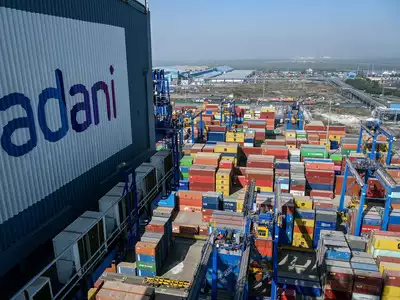
Adani Ports handles 41.3 MMT cargo in June, volumes rise 11% in first quarter

AHMEDABAD : Adani Ports and Special Economic Zone Ltd. reported its operational performance for June 2025 and the first quarter of the financial year 2026 on Wednesday, July 2.

In June 2025, Adani Ports handled cargo volumes of 41.3 million metric tonne (MMT), registering a 12% growth from the previous year. The increase was primarily led by a 15% surge in container cargo from last year, the Adani Group company said in a stock exchange filing.

For the quarter ended June 30, 2025, the company’s total cargo volumes stood at 120.6 MMT, up 11% from the year-ago period. Container volumes continued to be a key growth driver, with a 19% increase during the quarter from the previous year.

In the logistics segment, Adani Ports reported rail volumes of 62,146 twenty-foot equivalent units (TEUs) in June 2025, marking a 14% growth from the previous year. The General Purpose Wagon Investment Scheme (GPWIS) volumes for the month reached 2.21 MMT, up 18% from last year.

During the April–June 2025 quarter, logistics rail volumes were at 179,479 TEUs, 15% more than the previous fiscal. GPWIS volumes for the same period stood at 6.05 MMT, up 9% from the year-ago period.