Home Blog Page 814

APEDA and DAHD organise roundtable on exports of Livestock and Value-Added Products

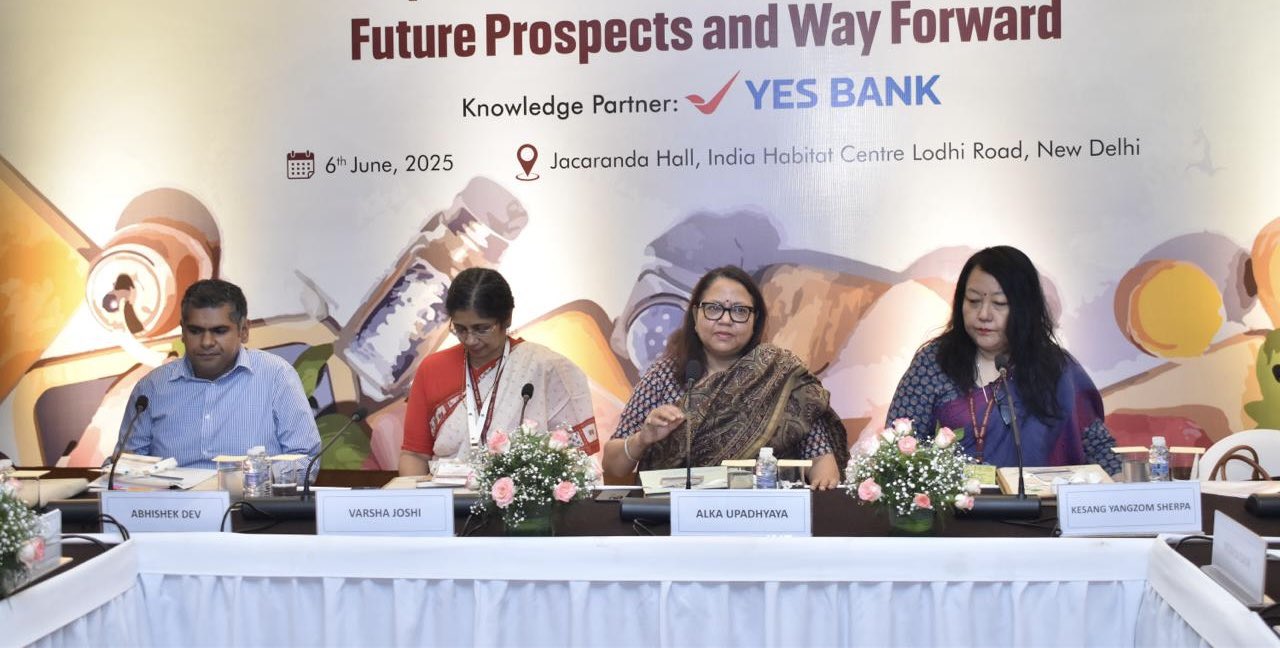
NEW DELHI : The Agricultural and Processed Food Products Export Development Authority (APEDA) under the Ministry of Commerce & Industry and Department of Animal Husbandry and Dairying (DAHD), Ministry of Animal Husbandry, Dairying and Fisheries, Government of India jointly organized a Roundtable Workshop on “Exports of Livestock and their Value Added Products – Future Prospects and Way Forward” in New Delhi on 6th June Thursday.

The Workshop convened Senior officials from the Central and State Government, industry stakeholders, policy experts and scientists to deliberate on strengthening India’s livestock export ecosystem through quality enhancement, disease prevention, market access initiatives, Foot and Mouth Disease (FMD) free infrastructure, technological advancements, market intelligence and global market alignment.

The Roundtable Workshop was chaired by Secretary, DAHD, Smt. Alka Upadhyaya. Other dignitaries included Additional Secretary, DAHD, Smt. Varsha Joshi, Joint Secretary, Department of Commerce, Ministry of Commerce and Industry, Smt. Kesang Yangzom Sherpa and Chairman of APEDA, Shri Abhishek Dev.

APEDA APEDA and DAHD organise roundtable on exports of Livestock and Value-Added Products

In her keynote address, Secretary, DAHD, Smt. Alka Upadhyaya noted, “With sustained investment in disease control infrastructure, quality systems, exploring diplomatic channels for enhanced market access and exports and bio security measures, India can position itself as a global leader in livestock exports, especially in value-added segments and the industry must be more aspirational and aim for a 20% increase in exports this fiscal.” She added, “Industry must focus on processing of livestock and further improve the quality of livestock products by having a star rating for plants and establishments to ensure globally competitive exports.”

Delivering a special address, Additional Secretary, DAHD, Smt. Varsha Joshi shared updates on disease control efforts and highlighted the “urgent need for constant resource supply, clean and hygienic conditions to ensure quality, saving male calf project, market intelligence and establishing Foot and Mouth Disease (FMD) free zones in the country.” She mentioned that, “Based on the progress and achievement of FMD programme the Department is working towards designating 9 states namely Karnataka, Tamil Nadu, Andhra Pradesh, Telangana, Uttarakhand, Punjab, Haryana, Maharashtra and Gujarat as FMD free zones.” She also highlighted, “the need for strengthening the supply chain of livestock exports by introducing traceability across the value chain and extending support to the industry under the Department’s Animal Husbandry Infrastructure Development Fund(AHIDF).”

Joint Secretary, Department of Commerce, Ministry of Commerce and Industry, Smt. Kesang Yangzom Sherpa underlined the strategic importance of the sector in diversifying India’s agri-export basket and emphasised that animal product exports maintain a significant share in India’s agricultural exports. She underscored the role of inter-ministerial coordination in unlocking new markets for exports of India’s livestock products and the need to leverage India’s free trade agreements to expand India’s livestock exports.

Chairman of APEDA, Shri Abhishek Dev emphasized “India’s growing role as a reliable exporter of hygienic, traceable and quality-assured livestock products.” He highlighted, “In the last fiscal, the overall exports of animal products stood at USD 5114.19 million registering a growth of 12.56%.” He stated, “there is a significant opportunity to increase the exports of animal products by gaining market access in new markets, developing new and innovative value added and processed products for exports and extolling the industry to maintain highest quality and standards.”

The workshop saw active participation of policymakers from the Central and State Government of India including Ministry of Commerce & Industry, Ministry of Animal Husbandry, Dairying and Fisheries especially their Department of Animal Husbandry & Dairying (DAHD) and State Animal Husbandry Departments, Food Safety and Standards Authority of India (FSSAI) as well as industry associations such as All India Meat & Livestock Exporters Association (AIMLEA), scientists, state veterinary doctors from ICAR-Indian Veterinary Research Institute (IVRI) and industry experts, amongst others.

50 leading Livestock establishments and key livestock exporters like Allanasons, Fair Exports India Pvt. Ltd., HMA Groups, Al Dua, Pure Foods Exports Pvt Ltd, Marhaba Frozen Food, Indagro Foods Pvt. Ltd., AOV Exports Pvt. Ltd. and others also attended the Roundtable Workshop.Technical Sessions and Expert Insights outlined India’s performance in livestock exports, regulatory reforms and export market dynamics.This was followed by open house discussion amongst several stakeholders in attendance wherein their feedback, concerns and actionable strategies were discussed.

The workshop laid the groundwork for a coordinated, future-ready approach to making India a leading player in global markets for exports of livestock and its Value Added Products (VAP). The Roundtable Workshop on “Exports of Livestock and their Value Added Products – Future Prospects and Way Forward” reinforces Government of India’s commitment to facilitating a robust, compliant and globally competitive livestock export sector.

Indian Railways reaffirms its commitment to sustainable development on World Environment Day

NEW DELHI : Every time you choose to travel by train, you are not just choosing comfort or convenience — you are choosing a cleaner, greener Bharat. More than 700 crore people chose to travel in Indian Railways last year. It’s our lifeline, and a green promise for tomorrow.

Indian Railways is helping the country move closer to the Panchamrit goals set by Prime Minister Shri Narendra Modi — net zero by 2070. It is enabling this through a multi-pronged approach: By shifting traffic from road to rail and powering operations with cleaner, greener energy sources. Together, these moves are helping India decarbonise its economy at scale.

In 2013-14, Indian Railways carried about 1,055 million tonnes of cargo. This has increased to 1,617 million tonnes in 2024-25, making our railway the second-largest cargo-carrying railway in the world. Using the computations done by experts, this shift of cargo from road to rail has helped our country save over 143 million tonnes of CO2 emissions. That’s like planting 121 crore trees.

Transporting goods by rail costs nearly half of what it does by road. This means big savings, not just for businesses, but for the entire economy. This shift has helped save Rs 3.2 lakh crore in logistics costs over

the past decade. Railways are also much cleaner, releasing 90 per cent less carbon dioxide than trucks. That’s less smoke in our skies and cleaner air for us. This road-to-rail transition has saved us 2,857 crore litres of diesel, roughly translating to savings of Rs 2 lakh crore in fuel costs.

Trade war is tougher threat than COVID for emerging market cenbanks : IMF 

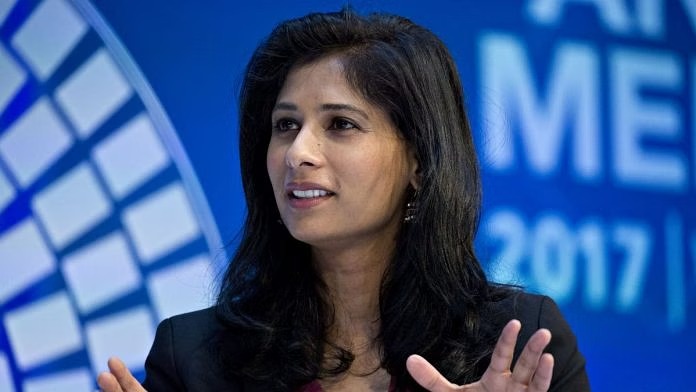
WASHINGTON : The shock from trade war brings differential effects for central banks in emerging markets, in contrast with the COVID pandemic, when they could quickly ease monetary policy, the International Monetary Fund’s (IMF) Gita Gopinath said. In an interview with the Financial Times newspaper, the fund’s first Deputy Managing Director said the unpredictable impact of tariffs on developing economies and global markets would make the task of their central bankers harder.

“This time the challenge is going to be greater for them, compared to the pandemic,” she said.

Federal Reserve (Fed) policymakers have been signalling they are not ready to lower interest rates until they are sure tariffs will not further stoke inflation. Some estimates predict the inflation in the U.S. could go up in the short term due to the impact of Trump’s tariffs, which are expected to make goods, from shoes to phones, more expensive for ordinary Americans.

Elsewhere, the Bank of England (BoE) and the European Central Bank (ECB) have pivoted to easing monetary policy as inflation slowed down from the peaks observed in 2022 and due to widely stagnating or low growth.

However, in emerging markets, which are also facing higher U.S. trade barriers, the situation looks “more like a demand shock,” said Gopinath, which means slower inflation and growth.

The situation contrasts with the onset of the pandemic, when most central banks around the world slashed interest rates.

“When we have this kind of a divergence, you could end up with tightening global financial conditions, and emerging markets are particularly sensitive to such changes in global markets,” Gopinath told the FT.

Emerging market currencies and stocks have largely rebounded in the two months since Trump announced his sweeping “reciprocal” tariffs, as investors bet that central banks will be largely free to stimulate their economies despite the risk that higher rates in developed countries will draw capital away.

However, a report from the Organisation for Economic Co-operation and Development (OECD) warned that “the risk of disruptive capital flows has risen in emerging market economies.”

Still, Gopinath noted that “emerging market central banks have built up credibility over time, and several have moved to inflation-targeting frameworks,” which she said was very positive.

She added: “Global factors are still bigger drivers for them compared to advanced economies, and so when we’re entering this environment where we are seeing major shifts in global economic policy, along with the uncertainty, this will present a challenge to them.”

DFCCIL aims to boost goods train speeds to increase freight traffic

NEW DELHI : The Dedicated Freight Corridor Corporation of India Limited (DFCCIL) is focusing on increasing the average speed of goods trains to maximise the utilisation of its corridors and enhance freight traffic volumes.

Currently, the average speed of freight trains stands at 35 to 40 kmph, limited by speed restrictions and detentions. Railway authorities are targeting an increase to 40-45 kmph to allow more trains to operate efficiently.

A single-line track under the Ambala unit, covering nearly 400 km, has a capacity to run 60 trains daily. However, it has been handling around 50 trains, with a significant portion of traffic diverted elsewhere by the Railways.

An official stated, “If the average speed increases and detentions reduce, more trains can be operated easily on the corridor. A tender for a feasibility study on doubling the track under the Ambala unit has also been awarded.”

Pankaj Gupta, Chief General Manager of DFCCIL Ambala, said, “The tracks are designed for a maximum speed of 100 kmph. Loaded goods trains run at about 75 kmph, but due to speed restrictions, detentions, and crossings, the average speed remains between 35 and 40 kmph. We are focusing on increasing this average.”

He added, “Increasing speed will facilitate faster transportation of goods, attract more traffic, and allow more trains to run. On the Sahnewal-Pilkhani section, the average speed is already over 40 kmph, whereas it is around 35 kmph on the Khurja-Pilkhani section due to restrictions.”

Efforts are also underway to boost freight volumes by encouraging government and private companies to utilise the freight corridor. New terminals are being developed to improve the handling and movement of containers and cargo. This will reduce logistics costs and enable faster delivery of goods.

The Ambala unit manages a 175.1-km section from Sahnewal in Punjab to Pilkhani in Uttar Pradesh on the Eastern Dedicated Freight Corridor. In April, the 220-km Khurja to Pilkhani section (under the Meerut unit) was also transferred to the Ambala unit for operations and maintenance.

Indian Navy set to commission ‘Arnala’, first in ASW-SWC series

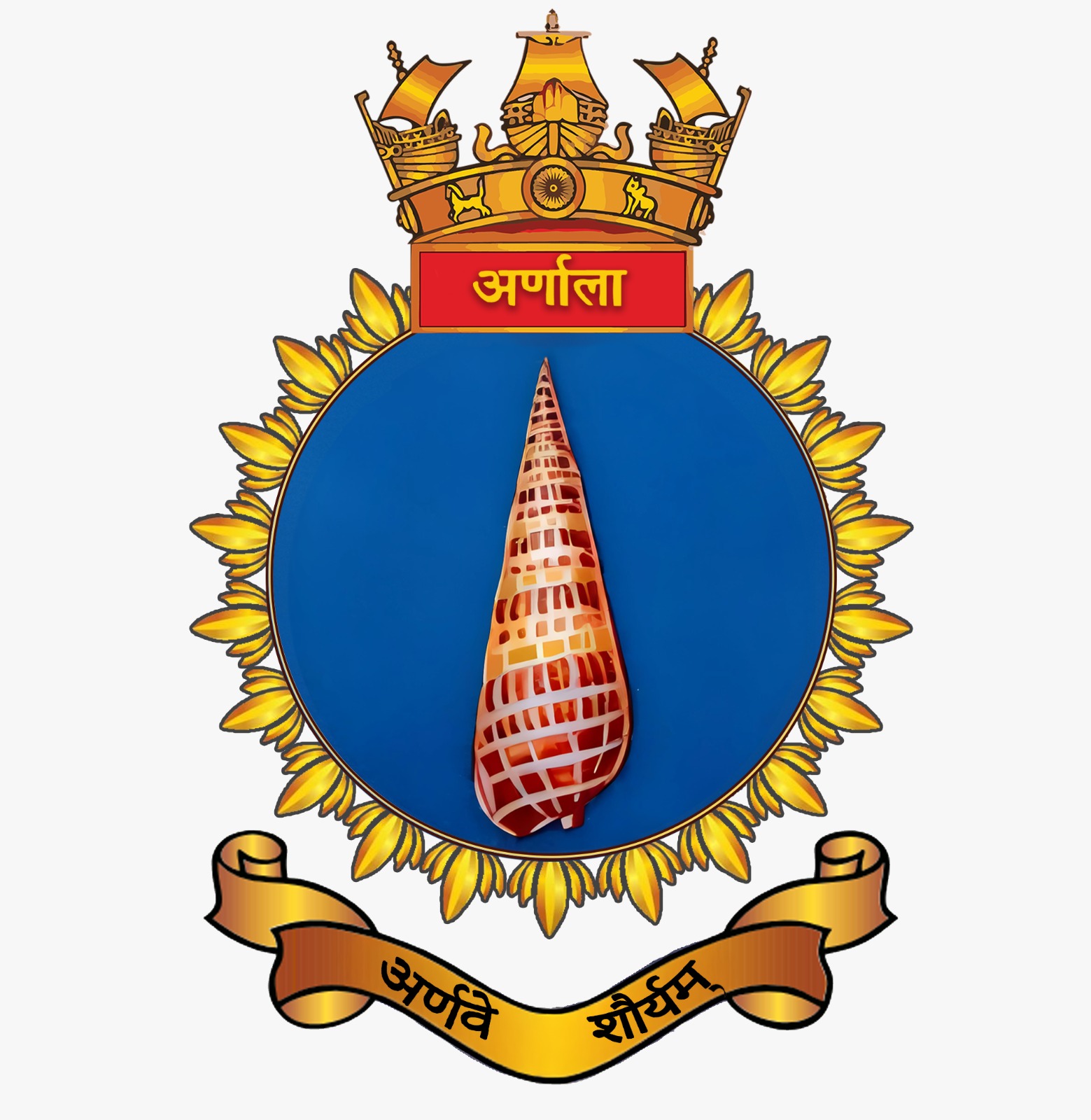
NEW DELHI : Indian Navy is all set to commission the first Anti-Submarine Warfare Shallow Water Craft (ASW-SWC), Arnala, at Naval Dockyard, Visakhapatnam, on 18 Jun 2025. The ceremony will be presided over by Chief of Defence Staff, Gen Anil Chauhan. The ceremony will be hosted by Vice Adm Rajesh Pendharkar, Flag Officer Commanding-in-Chief, Eastern Naval Command, and attended by senior naval officials, distinguished guests, and representatives from the shipbuilders and various other agencies associated with its construction.

The event marks the formal induction of the first of the sixteen ASW-SWC class ships into the Indian Navy. Designed and constructed by M/s Garden Reach Shipbuilders & Engineers (GRSE), Kolkata, under a Public-Private Partnership (PPP) with M/s L&T Shipbuilders, Arnala is a testament to the success of the Aatmanirbhar Bharat initiative in defence manufacturing.

Constructed under the guidance of the Directorate of Ship Production and the oversight of the Warship Overseeing Teams in Kolkata and Kattupalli, Arnala was delivered to the Indian Navy on 08 May 2025 (https://www.pib.gov.in/PressReleseDetail.aspx?PRID=2127729). Named after the historic Arnala Fort off Vasai, Maharashtra, the warship reflects India’s rich maritime heritage. Much like the fort, which stood resiliently against various threats, the ship is designed to have a formidable presence at sea. Its robust construction and advanced capabilities ensure that it can withstand the challenges of the maritime domain, safeguarding India’s waters from emerging threats.

⁠The warship incorporates more than 80% indigenous content and integrates advanced systems from leading Indian defence firms, including Bharat Electronics Limited (BEL), L&T, Mahindra Defence, and MEIL. The project has engaged over 55 Micro, Small, and Medium Enterprises (MSMEs), promoting domestic industry and generating related economic activity.

Designed for a range of ASW operations, Arnala is equipped to conduct Subsurface Surveillance, Search and Rescue missions, and Low-Intensity Maritime Operations. This 77.6 m long warship, with a gross tonnage of over 1490 tonnes, is the largest Indian Naval warship to be propelled by a Diesel Engine-Waterjet combination.

The commissioning of Arnala will mark a transformative moment in India’s naval capabilities, strengthening coastal defence and reaffiliate India’s position as a self-reliant maritime power in the strategically vital Indian Ocean Region.

Keralite at the helm of the world’s biggest container ship MSC Irina

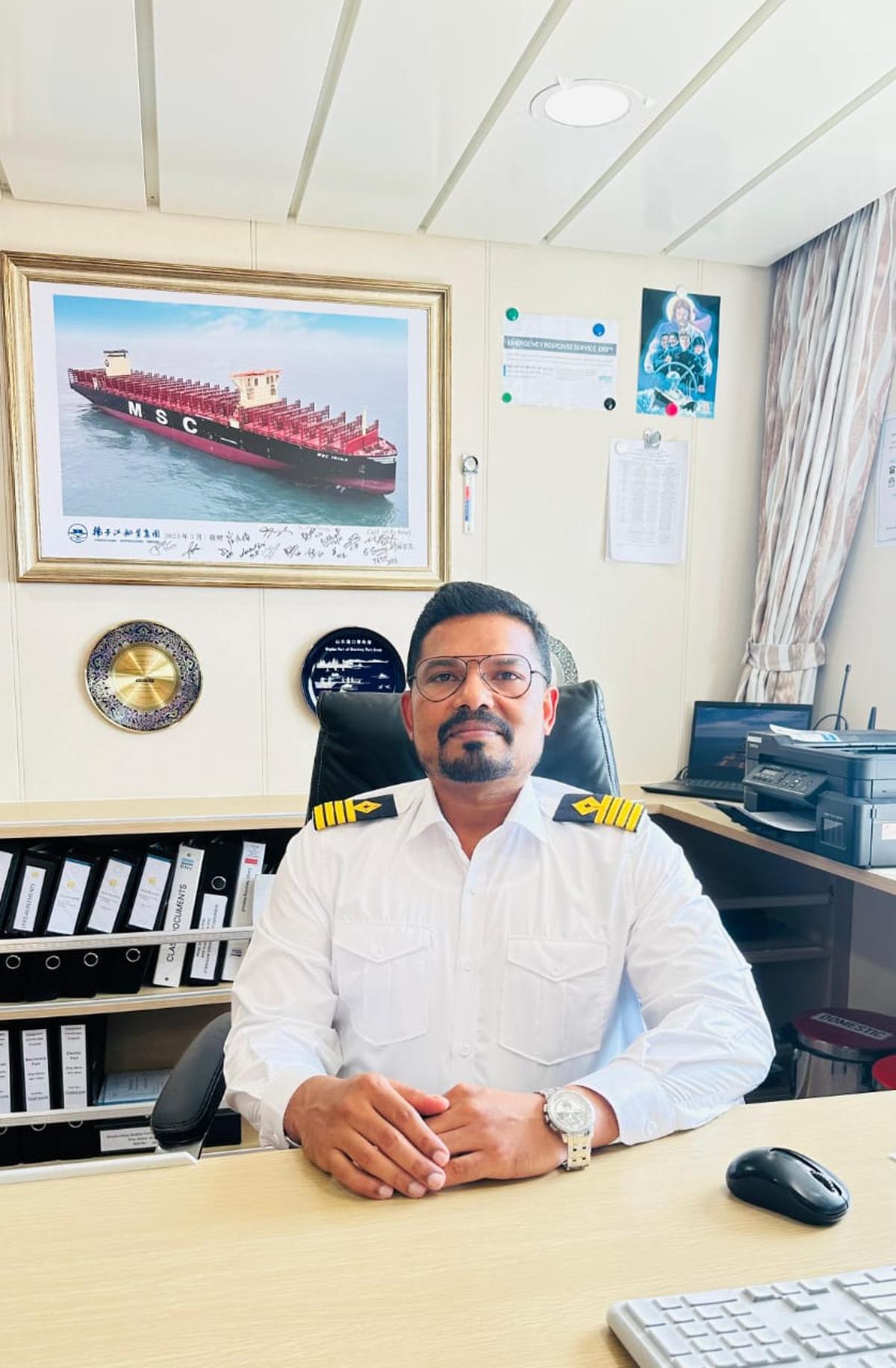
THIRUVANANTHAPURAM : As the world’s largest container vessel, MSC Irina, operated by the Swiss-based container shipping giant Mediterranean Shipping Company (MSC), called at the Vizhinjam International Seaport, it was a proud moment for Keralite Willy Antony, its captain.

The Thrissur native has been into seafaring since childhood. His father, the late Palokkaran Antony, was a marine surveyor based in Wellington Island, Kochi. From cadet to captain of the biggest vessel in the world, Mr. Antony has had a 29-year-long career, with 19 years exclusively in the MSC. Currently, he is helming the lead ship of the MSC Irina class, a series of six identical ultra-large container vessels (ULCVs).

On the eve of berthing the vessel at Vizhinjam, he told The Hindu it that it was sheer passion and dedication that helped him rise through the ranks. He left home to become a seafarer after his higher secondary education and did a diploma in nautical science before becoming a cadet in 1996.

Vessels to get bigger
Down the years, he has manoeuvred all types of vessels. He has been manning the ULCVs right from the time they were introduced in the MSC fleet. Mr. Antony said the size and capacity of container ships would further increase as huge vessels can transport more cargo in a single voyage. Bigger vessels increase operational efficiency and cost-effectiveness too as carbon emissions of such vessels are relatively low when compared to the size of the cargo they transport.

He said he had sailed through territories lorded over by pirates many times. “Luckily, I have not encountered any untoward incidents.”

Mr. Antony said that Vizhinjam port offered huge possibilities for an economic leap for the country. “As a seafarer, I would say the project should have materialised much earlier. Young people who wish to take up sailing should first learn thoroughly about life at sea and the hardships involved in the life of a sailor. They should work hard to achieve their goals and should be passionate about this job. Only then will life at sea be beautiful,” he said.

His wife Hilda and son Benhail, a Class IX student, were accompanying him on his voyage to Vizhinjam. They disembarked in Singapore a few days earlier, as his son had to resume his classes from June 2.

Odisha’s women farmers export mangoes to Italy, reaping global rewards

BHUBANESWAR : Jyotirmayee Pradhan, a woman farmer from Odisha’s Dhenkanal district, has scarcely travelled beyond her home State, let alone boarded a flight to Italy. Yet, this summer, her mangoes have journeyed farther than she ever has.

Demand for the fruit has been so consistent that new orders arrive even before the previous consignments are unpacked. Together with a cohort of women farmers, Ms. Pradhan has mastered the practice of harvesting mangoes without a blemish, sorting them by size, and packaging them to meet the standards of international markets.

From the orchards of central Odisha to cities across Europe, the mango export initiative led by women farmers has emerged as a story of quiet resilience and enterprise.

Ms. Pradhan is a board member of the Baladevju Women Farmers Producer Company Limited, a women-led Farmer Producer Organisation (FPO) with over 1,000 shareholders. The FPO has achieved a turnover of ₹1 crore by exporting mangoes to Dubai.

Promoted by consulting firm Grant Thornton Bharat and supported by HDFC Bank’s Parivartan under the STREE (Social and Transformative Rural Economic Empowerment) programme, the FPO has begun exporting Amrapali mangoes to European countries.

As of Wednesday, the FPO has shipped five consignments amounting to 10 tonnes of mangoes to Italy. By the end of the mango season in June, it plans to export over 50 tonnes. The initiative is benefiting more than 100 women mango orchard owners.

Grant Thornton Bharat, in association with the Agricultural and Processed Food Products Export Development Authority (APEDA), has engaged with over 33 FPOs across eight districts in Odisha. These collaborations have focused on addressing challenges in post-harvest management through capacity-building exercises.

A turning point for the initiative was a training session on post-harvest handling of fruits, specifically tailored for women farmers. Support from government agencies followed, including assistance for constructing cold storage facilities, procurement of plastic crates, transportation from field to aggregation points, and storage rent subsidies. Aid was also extended towards value addition and processing.

“The collaboration has helped us set free from the compulsion of leasing out our orchards to local dealers, which had been limiting our income. By adopting proper methods of mango plucking and packaging in line with international and European standards, we have connected with global buyers and secured higher returns for our local produce,” Padmini Sahoo, another member of the Baladevju Women Farmers Producer Company Limited, said.

Dhenkanal district, with 9.34 hectares under mango cultivation, primarily of varieties such as Amrapali, Lengada, and Keshari, holds significant export potential.

India committed USD 20 Bn for infrastructure development focused on enhancing multimodal logistics, port connectivity & trade facilitation : Sarbananda Sonowal

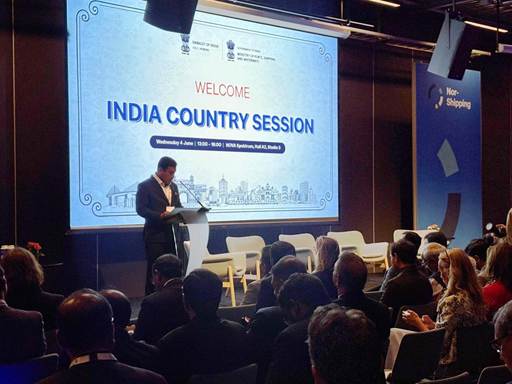
OSLO : Union Minister Shri Sarbananda Sonowal delivered keynote speech at the India Country Session, India Nor-Shipping in Oslo. At the session, the Union Minister highlighted India’s growing maritime capabilities including favourable policy induced investment environment, proven shipbuilding strength, circular economy efforts, and innovative financing plans to accelerate sectoral growth.

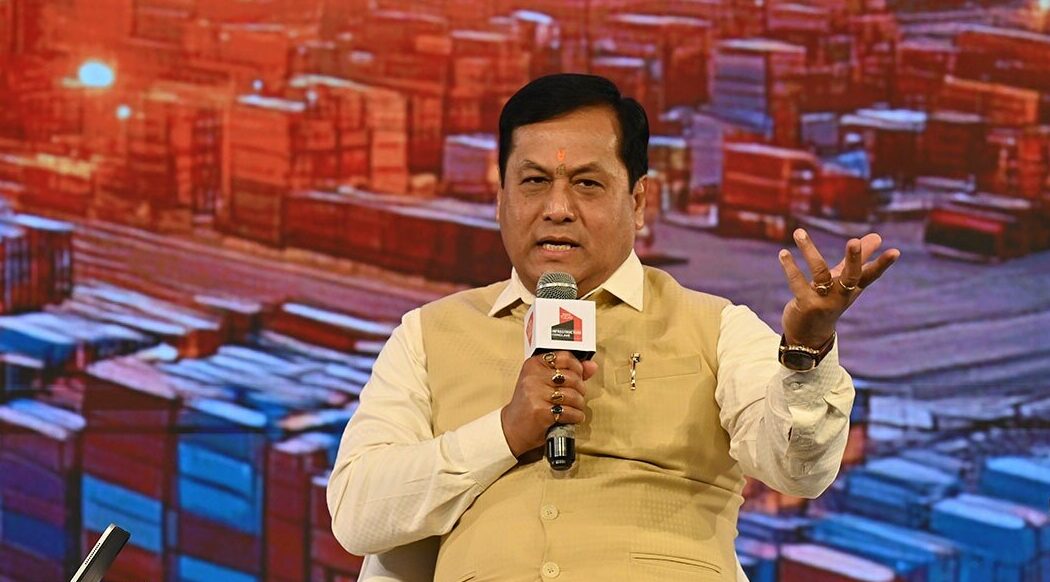
Speaking on the occasion, the Union Minister Sonowal said, “Under the able and visionary leadership of Hon’ble Prime Minister Shri Narendra Modi ji, India is moving decisively toward the goals of Viksit Bharat and Atmanirbhar Bharat. These goals envisage India as a modern, self-reliant, inclusive, and globally engaged economy. In this journey, the maritime sector is central—not just as a driver of growth, but as an enabler of resilience, sustainability, and strategic connectivity. India has launched wide-ranging efforts to expand port infrastructure, integrate logistics systems, and improve ease of doing business for the private sector. These reforms are already bearing fruit in the form of increased port efficiency, stronger cargo flows, and rising investor confidence.”

India’s Shipping Minister also highlighted strengthening of maritime connectivity and supply chains with strategic corridors like India – Middle East – Europe Economic Corridor (IMEEC), the Eastern Maritime Corridor (EMC), and the International North – South Transport Corridor (INSTC).

Adding further, Shri Sarbananda Sonowal said, “To support these efforts, India has committed USD 20 billion for infrastructure development focused on enhancing multimodal logistics, port connectivity, and trade facilitation. India is working to become a credible and competitive alternative. Through policy incentives, ease of doing business, and infrastructure enhancement, we are laying the foundation for India to emerge as one of the top five shipbuilding nations by 2047.”

Emphasising the need for a Green and Sustainable Maritime Future, the Union Minister Shri Sarbananda Sonowal added, “India is establishing three Green Hydrogen Hub Ports— Kandla, Tuticorin, and Paradip— to support the manufacturing of green hydrogen and its derivatives and to pioneer the use of alternative fuels in the maritime domain. We are also proud to lead under the IMO’s Green Voyage 2050 initiative, assisting developing countries in their energy transitions.”

At a special session titled “India: The Resurgent Shipbuilding Destination” introduced delegates to India’s expanding shipbuilding ecosystem. The session spotlighted India’s transition into a global hub for new-age, sustainable vessels, backed by modern infrastructure, scalable capacity, and international collaborations. Emphasis was laid on how India is leveraging its scale advantage and policy reforms to position itself as a shipbuilding powerhouse.

Shri Sarbananda Sonowal said, “India’s maritime digital ecosystem is undergoing a transformation. Initiatives such as ONOP (One Nation – One Port Process), National Logistics Portal (Marine) and MAITRI – Virtual Trade Corridor are creating a unified national platform for port services and EXIM trade. These efforts are improving operational transparency, reducing transaction time and building real-time data systems. We are also engaging with global partners to establish Virtual Trade Corridors that will digitally connect ports, enabling seamless cargo movement and reducing bottlenecks.”

In another session, “Ship Recycling – Enabler to Circular Economy and Sustainable Maritime,” India presented its mature, Hong Kong Convention (HKC) compliant ship recycling framework. The country’s environmentally regulated and high-capacity ship recycling ecosystem was showcased as a key contributor to global circular economy efforts. The event also featured a strategic presentation on India’s port-led decarbonisation strategy. This included the development of green hydrogen and ammonia production hubs at Indian ports to support green fuel bunkering, shipping corridors, and overall maritime decarbonisation goals.

On India’s proven Maritime manpower, Shri Sarbananda Sonowal said, “India is currently the second largest seafarer manpower provider to Norwegian owned ships. Through this platform, I would like to encourage larger partnerships for seafarer recruitment between Norwegian and Indian agencies. India stands ready—as a reliable, responsible, and forward-looking maritime partner. We are committed to shaping a maritime future that is green, secure, efficient, and inclusive.”

On the investment front, discussions focused on “Innovative Financing for Maritime Growth”, with insights into the proposed Maritime Development Fund. The blended finance model aims to use concessional capital from the government to unlock private investment. India also highlighted institutional mechanisms for risk sharing and partnership models to mobilise investments into its growing maritime sector.

The sessions were attended by global maritime leaders, policy makers, technocrats, and industry representatives, reinforcing India’s vision of a sustainable, modern, and inclusive maritime future. The event was attended by several eminent dignitaries including, Helene Tofte of the Norwegian Shipowners’ Association (NSA); Tone Knudsen Fiskeseth; Sveinung Oftedal, Special Director at Norway’s Ministry of Climate and Environment; Padmanabhan Rukumini Hari, Chairman & Managing Director of Garden Reach Shipbuilders and Engineers (GRSE); Rear Admiral G.K. Harish (Retd), Vice President and Head at L&T; Vivek Merchant, Director at Swan Defence and Heavy Industries; Annette Holte, President and Country manager of Kongsberg Maritime India; Venkatesapathy S., Joint Secretary at India’s Ministry of Ports, Shipping and Waterways; Ingvar M. Mathisen, Port Director of the Port of Oslo and Norwegian Ports Association; Uday Chaitanya, Country Manager at DNV; Tarun Gulati, CEO of eShipfinance.com; Pradip P., CEO of Maharashtra Maritime Board; and Rajeev Nayyer, Advisor to Swan Defence and Heavy Industries.

India now ranks 3rd in building general dry cargo vessels for European short sea trade : Sonowal

NEW DELHI : India now ranks 3rd in building general dry cargo vessels for the European short sea trade, Union Minister for Ports and Shipping, Shri Sarbananda Sonowal announced on Thursday, quoting private data. The minister attributed this feat to Prime Minister Shri Narendra Modi’s “bold Maritime Amrit Kaal Vision 2047“.

“India’s shipbuilding ambitions are no longer just on paper, they are taking shape in shipyards and recognised globally,” the minister wrote on X, attaching an infographic of rankings. From strategic reforms to skilling our workforce, every step taken by the Modi Govt is making Make in India, Make for the World a reality. Our rise proves, India means business and the world knows it,” the minister supplemented in his X post.

The Maritime India Vision (MIV) 2030 provides a comprehensive framework for the holistic development of India’s maritime sector, encompassing ports, shipping, and waterways. MIV 2030 outlines 150 initiatives aimed at propelling India to global maritime leadership.

Its 10 interconnected themes such as port infrastructure development, enhancing logistics efficiency, improving Indian shipbuilding tonnage, increasing coastal and waterway traffic, fostering technology innovation and policy support, promoting sustainability and global collaboration, address every facet of the maritime ecosystem, ensuring a well-rounded approach to transforming India into a leading maritime nation.
The status of MIV 2030 gets reflected through the progress made by the Indian Maritime sector over the past 3 years as outlined below:
Major Port Capacity increased from 1598 MMTPA in Financial Year 2022 to 1630 MMTPA in Financial Year 2024.
Overall, Vessel Turn Around Time (TAT) reduced from 53 hours in Financial Year 2022 to 48 hours in Financial Year 2024.
Ship Berth Day Output increased from 16,000 MT in Financial Year 2022 to 18,900 MT in Financial Year 2024.
Over the past three years, there has been a 37% increase in the Capital Expenditure to Rs 7,571 crore in Financial Year 2024 (from Rs. 5527 crore in Financial Year 2022) by Ministry of Ports, Shipping and Waterways including a 54 per cent increase in Gross Budget Support (GBS) to Rs 1,687 crore in Financial Year 2024 (from Rs 1,099 crore in Financial Year 2022) which is primarily towards the achievements of goals and targets outlined under MIV 2030.
In the past 3 years, around 75 port development projects have been awarded in Major Ports which includes projects for enhancement of cargo handling capacity and operational efficiency.

Source : ANI

DPA Kandla reaffirms its commitment to sustainability and the global mission to Beat Plastic Pollution on World Environment Day

GANDHIDHAM : On World Environment Day, DPA Kandla reaffirmed its commitment to sustainability and the global mission to Beat Plastic Pollution.

From conserving green cover and adopting renewable energy to championing green port initiatives—every step reflects our pledge to a cleaner, greener tomorrow.

WhatsApp Image 2025 06 05 at 4.38.47 PM DPA Kandla reaffirms its commitment to sustainability and the global mission to Beat Plastic Pollution on World Environment Day

Shri Sushil Kumar Singh, IRSME, Chairman DPA, senior officials and stakeholders participated in the tree plantation drive, strengthening our role in shaping a sustainable maritime future.