



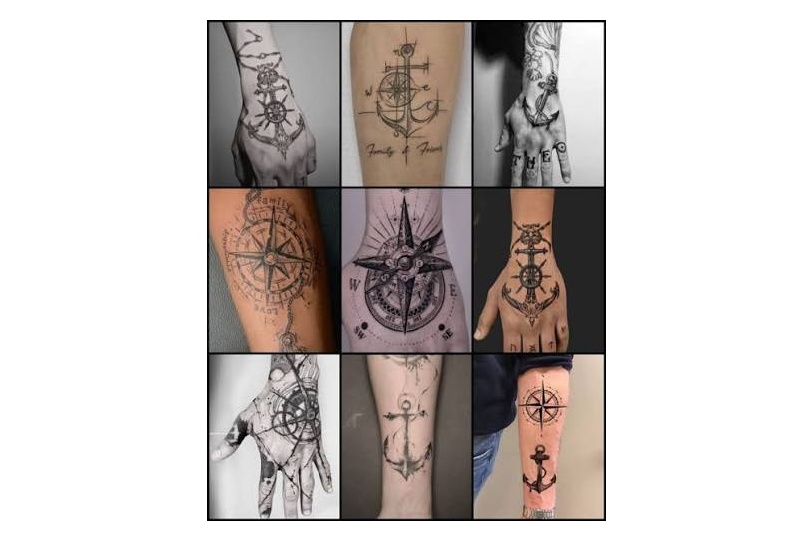
A tattoo is permanent enough that it deserves more thought than picking a design off Pinterest at midnight. Roughly 30% of Americans have at least one tattoo, and a growing number of them also report regret about at least one piece, according to surveys from Pew Research and other polling groups. That regret usually traces back to a decision that got skipped early on, not bad luck. Here are seven things worth working through before you sit in the chair.
Know Why You Want It
Motivation matters more than most people admit. A tattoo chosen to commemorate a specific person, place, or milestone tends to age better emotionally than one picked because a friend got something similar or because you were bored on a Saturday. Sit with the idea for at least a few weeks before booking an appointment.
If the desire is still there after a month, that’s a good sign. If it fades once the initial excitement wears off, that’s useful information too.
Research the Artist, Not Just the Shop
A clean, popular studio doesn’t guarantee the right artist for your specific style. Tattoo artists specialize the way doctors do — some excel at fine-line botanical work, others at bold traditional pieces or photorealistic portraits. Look at an artist’s portfolio for consistency, not just one or two standout photos.
Ask about healed work specifically, since fresh tattoo photos always look sharper than they will in six months. Reputable artists are usually happy to show both.
Understand the Pain and Placement Trade-Off
Pain varies wildly by location. Areas with thin skin and more nerve endings, like ribs, the inner arm, feet, and behind the ear, tend to hurt more than fleshier spots like the outer thigh or upper arm. If it’s a first tattoo, choosing a less sensitive area can make the experience far more manageable.
Placement also affects longevity and visibility over time. Hands, fingers, and feet fade faster due to friction and frequent washing, while areas covered by clothing tend to hold ink longer.
Think About Long-Term Visibility
A tattoo that looks great at 25 might create complications at 45, depending on career path or lifestyle changes. Some industries still have dress codes or client-facing expectations that limit visible ink, even as attitudes have loosened overall. It’s worth considering not just current circumstances but where life might be in ten or twenty years.
This doesn’t mean avoiding visible placements altogether. It just means factoring in flexibility, since a forearm piece is far easier to cover with a long sleeve than a neck or hand tattoo.
Budget for Quality, Not Just the Cheapest Option
Tattoo pricing varies by region, artist experience, and piece complexity, but a common mistake is chasing the lowest quote. Skilled artists charge more because their linework holds up better over decades and their studios follow stricter sanitation practices. A botched cheap tattoo often costs more in the end, once a cover-up or correction becomes necessary.
Expect to pay anywhere from $100 for small, simple designs to several hundred or more for larger, detailed work. Ask for a clear price estimate before starting, and treat unusually low prices as a red flag rather than a bargain.
Check the Studio’s Health and Safety Standards
A legitimate studio should use single-use needles, display current licensing, and be transparent about sterilization procedures without hesitation when asked. Autoclaves, disposable ink caps, and proper glove protocol aren’t optional extras — they’re baseline requirements. If a shop seems evasive about any of this, that’s reason enough to walk out.
Aftercare instructions should also be clear and specific, not just a generic handout. A good artist will explain how to care for the exact placement and skin type involved, since aftercare directly affects how the tattoo heals and looks a year later.
Have a Plan If You Change Your Mind
Even with careful planning, tastes and circumstances shift. Laser removal technology has improved significantly over the past decade, making it a realistic option rather than a last resort. Many people considering a cover-up or fade first consult with Matthews tattoo removal specialists, who can explain realistic timelines and results based on ink color, depth, and skin tone before any decision is made.
Knowing removal is a viable option, even if it’s never needed, can take some pressure off the decision-making process. It’s not an excuse to be careless, but it’s a reasonable safety net for an otherwise permanent choice.
Making the Final Call
None of these seven considerations are meant to talk anyone out of getting a tattoo. They’re meant to slow the process down just enough to catch the mistakes that show up later: wrong artist, wrong placement, wrong price, wrong reason. A tattoo done thoughtfully, by a skilled artist, in a clean studio, for a reason that still feels true weeks later, is one that’s far more likely to be worn with satisfaction instead of regret. Take the extra week to think it over. The tattoo will still be there when you’re ready.
Disclaimer: This is a Paid Promotional Article. The views and information expressed are solely those of the advertiser/author and do not necessarily reflect the views of India Shipping News. Readers are advised to exercise their own discretion regarding the information provided.