Home Blog Page 124

EU ships are mostly scrapped in South Asia despite spare European capacity

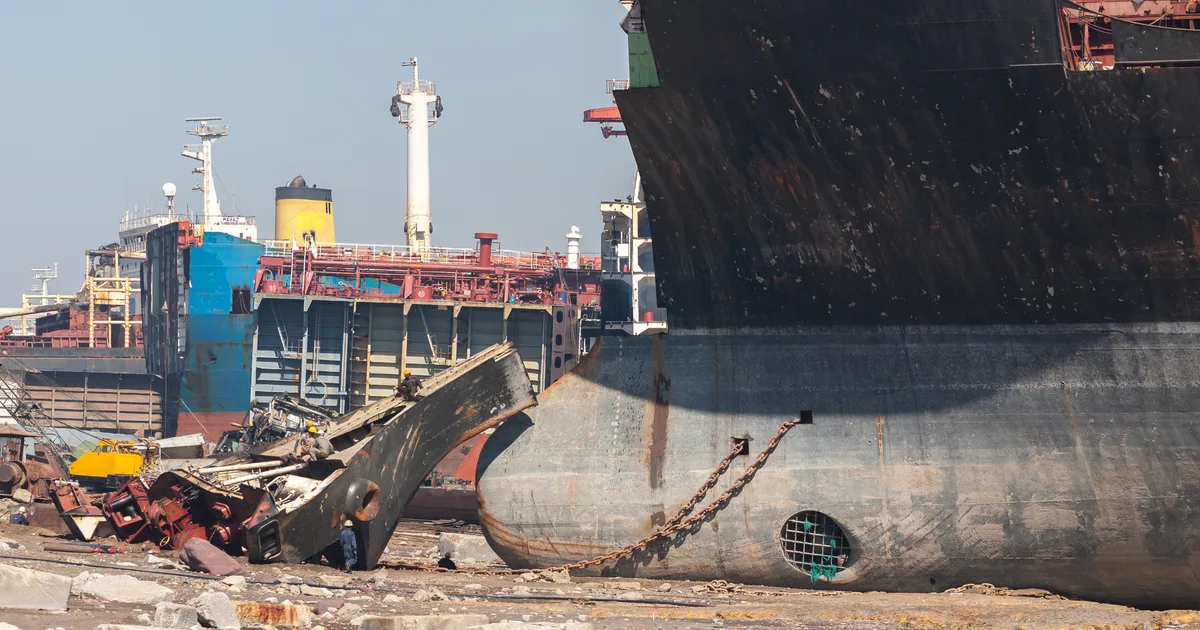
LONDON: Only 5% of EU ships’ tonnage was dismantled in Europe despite the capacity to recycle much more, according to NGO Shipbreaking Platform and T&E report.

Between 2019 and 2025, 706 EU-flagged and/or EU-owned ships were dismantled worldwide. Only 22% were recycled in EU-located facilities, representing just 5% of the total tonnage.

Nearly half were beached in India, Bangladesh and Pakistan, representing 66% of total tonnage. The remaining ships were dismantled mostly in Turkish shipbreaking yards.

102 ships swapped their EU flag to another flag shortly before dismantling to avoid stricter EU rules.

In 2020, EU recycling capacity stood at 2.1 million light displacement tonnes (LDT). Yet of the 1.4 million LDT of EU-owned tonnage dismantled that year, over two-thirds ended up on South Asian beaches.

According to NGO Shipbreaking Platform, EU facilities can accommodate large vessels, with at least 6 to 8 yards capable of recycling ships up to 330 meters long.

NGO issued a report concluding that the EU has enough domestic capacity to recycle all EU-flagged and EU-owned vessels.

“This is not just an environmental issue. It is a profound failure of EU industrial strategy, prioritising strategic resilience and material autonomy on paper, while in reality letting valuable steel be lost to third markets,” said Philippine Bernard, policy officer of NGO Shipbreaking Platform. “The EU speaks of reducing dependence on imported critical materials, yet, it lets its shipowners evade regulations and export millions of tonnes of recoverable steel that could be processed domestically. This is not strategic autonomy.”

In July, the European Commission announced plans to add the first beaching ship recycling facilities to the EU’s approved list.

“This will make it easier to dump ships overseas,” say the Shipbreaking Platform and T&E.

Up to 95% of the weight of a ship can be recycled, according to NGO Shipbreaking Platform, as high-quality scrap steel.

In a previous report, the Shipbreaking Platform concluded that almost 12,000 EU-owned ships would reach end of life in the next decade, which could yield up to 12 million tonnes of steel yearly.

Lloyd’s Register appoints Jens Grunenberg as Senior Representative for Germany

HAMBURG: Lloyd’s Register (LR) has appointed Jens Grunenberg as its Senior Representative for Germany, effective 1 September.

Based in Hamburg, Grunenberg will represent LR across Germany, joining the Hamburg management team while acting as a senior representative for the wider German maritime community.

As Senior Representative, Grunenberg will focus on expanding engagement across Germany’s maritime sector, strengthening LR’s visibility in the market and ensuring shipowners, operators and industry partners can access support across the organisation’s full portfolio of services.

He will also work closely with customers to understand the challenges and opportunities emerging from maritime’s energy transition, digital transformation and an increasingly demanding regulatory landscape.

Grunenberg joins the role with more than 15 years of maritime experience spanning ship operations, fleet management, technical leadership and seagoing service.

A qualified marine engineer trained at the Maritime School in Cuxhaven, Germany, he began his career in the container shipping sector before progressing through engineering and technical management positions across a range of vessel types.

He later held roles with AIDA Cruises, Deutsche Fischfang Union and TUI Cruises, advancing from marine engineer and chief engineer positions to superintendent and ship management roles.

Most recently, he served as Fleet Technical Director at Royal Caribbean Group, where he was responsible for the marine technical fleet operations of the TUI Cruises fleet. Grunenberg joined LR in July 2026 where he has served and will continue as Germany Commercial Manager.

Grunenberg said: “Having spent my whole career in the maritime industry, from Marine Engineer to shoreside fleet leadership roles, I understand the operational and commercial challenges our customers face every day.

“My priority is to ensure the German maritime community has direct access to LR’s expertise and the independent technical insight needed to make those decisions with confidence.

“Hamburg sits at the heart of one of the world’s most dynamic maritime clusters. Together with our local team, I want to strengthen LR’s presence across Germany, deepen engagement with our customers and demonstrate how our classification, advisory and digital services can help businesses navigate change and seize new opportunities.”

Grunenberg’s appointment coincides with SMM in Hamburg, where he and LR colleagues will engage with shipowners, operators, technology providers and industry leaders from around the world to discuss the trends reshaping global shipping and the practical solutions required to support the sector’s future development.

NorthStandard appoints Helen Barden to head External Affairs engagement with policymakers

LONDON: NorthStandard has appointed Helen Barden Head of External Affairs, underlining its continuing commitment to ensuring policymakers understand the critical role P&I plays in global shipping on behalf of its Members.

Previously NorthStandard Director – External Affairs, Barden formally took up the new post on 1st August 2026. She succeeds Mike Salthouse, on his retirement from the Club after 34 years of service.

Barden joined the External Affairs team in 2024 soon after its creation, bringing to the post over 11 years of FD&D experience with the Club, where assignments had included a pivotal role in setting up its Navigating Decarbonisation group. She has since worked tirelessly to increase understanding of the contribution P&I makes to keeping global trade moving, to foster collaborative relationships and to drive policy work – including on sanctions.

A member of several key industry working groups, Barden contributed to crucial BIMCO efforts to develop viable EEXI Transition, CII Operations and Emission Trading Scheme Allowances clauses. She is also a member of the WISTA UK Board.

“Our focus will continue to be shaped by the three major trends affecting shipowners and charterers — sanctions and geopolitics, the maritime energy transition, and the impact of new technology,” said Barden.

“The shipping industry operates in an increasingly complex and geopolitical environment, where trusted and credible partnership with policymakers is essential to the development of well-informed regulation. Therefore, in the immediate term, our engagement with key policymakers is a priority to ensure Members’ commercial and operational perspectives are heard before and as policy is developed, particularly in areas such as sanctions and decarbonisation”.

“While to date our work in relation to new technologies has been understanding the evolving landscape, looking ahead, I expect our work to become more focused on the policy gaps emerging from new technologies such as autonomous vessels.” 

NorthStandard’s participation in the UK Maritime Nuclear Consortium (MarNuc) and the Club’s collaboration with Chatham House on the key themes impacting global shipping and their interaction will culminate during Autumn 2026.

“Next year we have LISW2027 and I am delighted to be on the LISW Steering Group and Chair of the Conference Working Group, to support delivery of a world-leading international maritime event bringing together key industry decision-makers and policy makers,” she added.

Paul Jennings, Managing Director, NorthStandard, commented: “Succession planning is a key operational area for NorthStandard, and Helen’s appointment offers tangible proof of our preparedness and planning for the future in this vital area of expertise.

“Over the last three years, Helen and Mike have carved out a unique position for the Club as a resource of knowledge and experience, and as a positive influence working on behalf of Members with policymakers. We would like to extend our sincere thanks to Mike for his lasting contribution to the Club and wish him a fulfilling retirement. We also congratulate Helen and look forward to continuing our commitment as she brings her own impressive talents to this crucial role.”

Marcura launches Procure-to-Pay: A new end-to-end solution connecting procurement, invoice processing, financial controls and payment in one governed workflow

DUBAI/LONDON: In a volatile world, maritime trade is exposed to ever greater risks and complexity. Conditions change by the hour, transactions require extra validation, and the journey from procurement to payment is riddled with gaps that can prove costly.

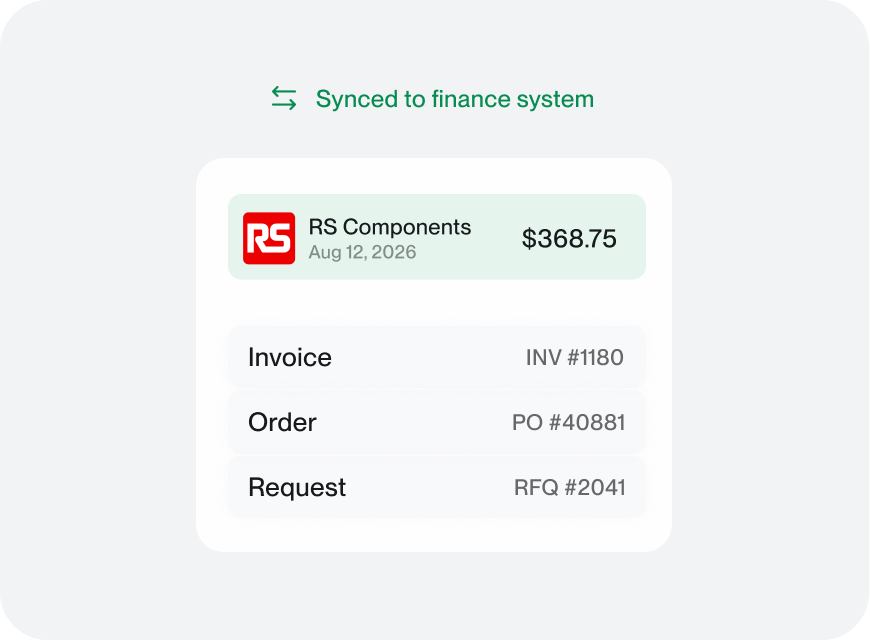
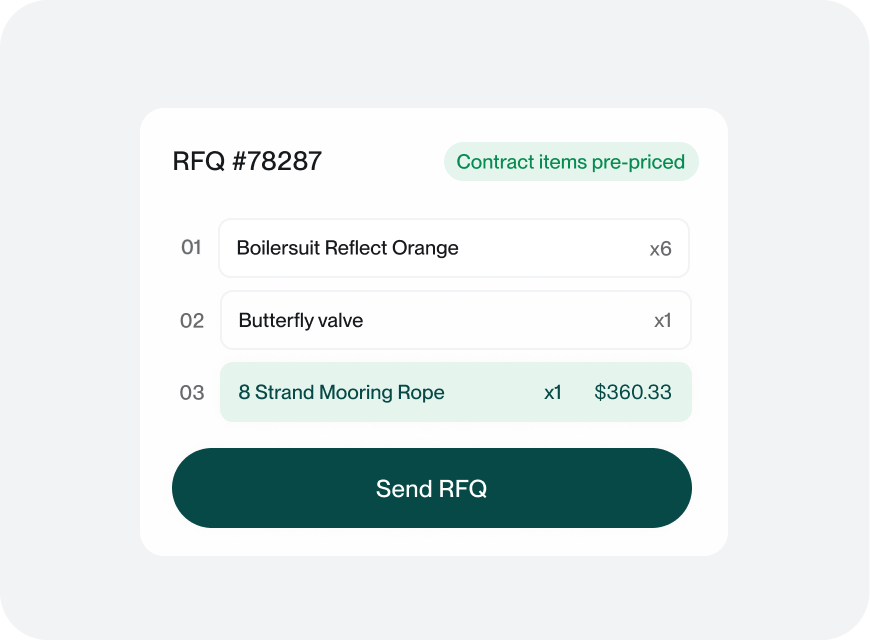
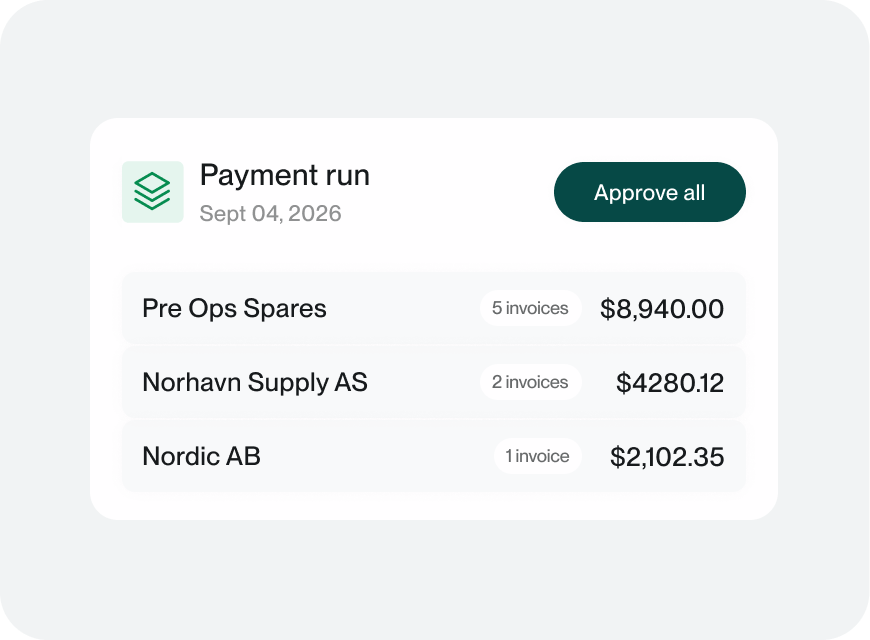
Marcura’s answer is Procure-to-Pay: a single place for maritime professionals to onboard suppliers, validate invoices and pay them — safely and fast, built by the network that already knows the supplier base best.

When Marcura acquired ShipServ in 2023, it set out to bring procurement with payments, compliance and settlement together under one roof. Today’s launch is the culmination of that strategy. Procure-to-Pay combines Marcura’s managed accounts-payable capabilities, AI platform and regulated fintech, MarTrust, into a single workflow spanning purchase to payment.

Henrik Hyldahn, Group CEO, Marcura

“Marcura sits across every stage of the workflow from procurement and supplier collaboration through to compliance, fraud checks and payment execution. That vantage point is what let us see how much this gap was costing our customers and build something that closes it end to end rather than patching one part of the process,” said Henrik Hyldahn, Group CEO, Marcura.

As the maritime industry’s largest e-commerce platform with over 11,000 vessels connected, ShipServ is uniquely positioned to introduce Procure-to-Pay. The new solution closes a gap that has cost time and money for years: fragmented systems leaving procurement, compliance and finance teams working from disconnected data, with no shared audit trail.

The stakes are real: Three in four companies are exposed to fraud

According to the Association for Financial Professionals’ 2026 Payments Fraud and Control Survey, 76% of organisations experienced attempted or actual payments fraud in 2025.

On the operational side, Ardent Partners’ 2025 Accounts Payable Metrics That Matter research puts the average cost of processing a single invoice manually at $9.40, against $2.78 for best-in-class automated teams. Accounts Payable leaders reported key challenges being lengthy workflows and increasing fraud risk.

Top four features of Procure-to-Pay

  • Unified supplier onboarding. One verified supplier profile shared across Marcura with automated bank verification and sanctions screening done once rather than per platform. Compliance doesn’t stop at onboarding — every supplier is rechecked daily, for as long as they’re active.
  • AI-powered invoice validation. Automatic data extraction, four-way matching against purchase order, delivery note and goods receipt, and anomaly detection that catches exceptions early.
  • Compliant, embedded payments. One approval chain across operations, procurement and finance, with automatic rail selection and real-time payment status.
  • Full audit trail, end to end. Every step from purchase order to settled invoice is logged, timestamped and available for compliance review.

Secure payments, effective fraud prevention

Payments are provided by MarTrust Corporation Limited, an Authorised Electronic Money Institution regulated by the UK Financial Conduct Authority, giving the payment layer the same regulatory footing finance teams expect from a bank. Once a supplier is cleared, payments settle in over 130 currencies with 99% succeeding first time.

Marcura’s compliance credentials include $14m worth of fraud prevented since 2014, with every counterparty screened against sanctions and ownership sources, verified against the legal entity, and re-checked daily with the result logged for audit.

Get introduced at SMM 2026 in Hamburg

Marcura Procure-to-Pay is already live 120-vessel fleet running compliant, accurate and secure payments.

Marcura is showcasing it first to its core customers at an invite-only event during SMM Hamburg 2026, before it becomes more widely available — and sees this as the beginning of a solution Marcura is best positioned to keep growing together with its clients.

Innovative solutions can make the biggest difference in elevating cargo handling safety – ICHCA and TT Club open 2026 Innovation in Safety Awards

LONDON: ICHCA International and long-standing sponsor TT Club are inviting the global cargo handling and logistics community to enter the 2026 TT Club Innovation in Safety Awards, with entries now officially open.

Though much safety innovation involves significant technological breakthroughs, many of the most effective improvements begin with a simple observation, a problem identified on the frontline, or a better way of doing something that has been part of everyday operations for years.

Now entering their second decade, the awards seek to identify and celebrate practical innovations that have made a demonstrable difference to safety across the cargo handling and logistics sector. Entries can range from new technologies and engineering solutions to changes in processes, training, procedures or operational practices.

The awards are open to anyone involved in cargo logistics – including individuals, teams, companies, members and non-members – provided they can demonstrate how their product, idea, solution, process, scheme or other initiative has resulted in an improvement in safety.

Richard Steele, CEO of ICHCA International, said: “Safety innovation develops in all areas of our industry. It can come from a large organisation investing in new technology, but it can just as easily come from a supervisor or worker identifying a better way to manage a familiar day-to-day risk. Such solutions deserve to be celebrated and their success disseminated across the globe.

“These awards do just that. Sharing what works and encouraging others to consider how similar approaches might be applied in their own operations. We want to hear from the people who have challenged the way things have always been done and found a safer way forward.”

Mike Yarwood, Managing Director of Loss Prevention at TT Club, said: “The most valuable safety innovations are those that work in the real world. They identify a genuine risk and find a practical way to reduce it, whether that involves new technology, a change in behaviour, a different process or a relatively simple engineering solution.

“The Innovation in Safety Awards give us a chance to learn from those ideas and share them across the cargo handling community. We are looking forward to seeing the breadth of entries this year and discovering the innovations that could help make operations safer for everyone.”

Entries are free to submit and must be no longer than 1,250 words. Entrants are encouraged to explain the safety challenge they addressed, the innovation they introduced and the demonstrable improvement that resulted. Entries close on 13 November 2026, with winners to be selected by an independent judging panel of experts from the cargo logistics industry. Winners and highly commended entries will be recognised at an awards ceremony in London in February 2027.

To find out more about the TT Club Innovation in Safety Awards, including the full judging criteria, how to enter and the translated promotional materials available in multiple languages, visit the ICHCA website

New ESG guidance to help maritime industry turn sustainability into commercial advantage

New framework helps shipowners and ports align ESG strategy with access to capital, charterer expectations and long-term asset value

HAMBURG: Maritime organisations that embed environmental, social and governance (ESG) into business strategy, fleet investment decisions and operational performance will be better placed to attract investment, strengthen customer relationships and remain competitive through the energy transition, according to new guidance from Lloyd’s Register (LR).

Published today (1 September) at SMM 2026 in Hamburg, A Forward-Looking Framework for ESG Disclosure provides shipowners and port operators with a practical roadmap for identifying the ESG issues most likely to influence future commercial success.

Rather than viewing ESG as a compliance obligation, the report argues that organisations should treat it as a framework for enhancing resilience, improving transparency and supporting sustainable long-term growth. Companies that align ESG performance with business strategy will be best placed to unlock new opportunities as the industry continues its transition towards a lower-carbon future.

The guidance comes as investors, lenders, charterers and regulators increasingly look beyond sustainability commitments and seek evidence of credible transition planning, resilient operations and responsible business practices.

Building on insights from LR’s Maritime ESG Maturity Index (MEMI) benchmarking programme, the report highlights the significant progress the industry has already made in establishing ESG governance structures and sustainability frameworks. The next opportunity, it says, is to turn those foundations into measurable business value through stronger disclosure, better data and more informed decision-making.

The report identifies decarbonisation, alternative fuel readiness, energy efficiency, workforce development and supply chain transparency as some of the ESG areas creating the greatest opportunities for organisations prepared to act early. Companies that can demonstrate reliable performance data and clear transition pathways are expected to be better positioned to secure financing, meet growing charterer requirements and maintain the value and competitiveness of their assets.

A key finding is that ESG is increasingly becoming a strategic business issue rather than a reporting exercise. With vessels ordered today likely to remain in service for 20 to 25 years and port infrastructure operating for several decades, decisions made now on fuel pathways, asset investments and operational capabilities will have lasting implications for commercial performance.

As measures such as FuelEU Maritime, EU ETS and IMO carbon intensity regulations reshape the operating environment, businesses that proactively prepare for future requirements will be better equipped to capture emerging opportunities and manage transition risks.

Beyond decarbonisation, the report points to growing opportunities to create value through improved crew welfare, workforce development, digital assurance, cybersecurity and supply chain oversight. As ESG expectations continue to evolve, these factors are becoming increasingly important in customer selection, investment decisions and stakeholder confidence.

The report also highlights several emerging areas that are expected to gain importance over the coming decade, including biodiversity impacts, climate resilience, AI governance and value chain emissions. It says that organisations that begin incorporating these issues into business planning today will be better prepared for evolving stakeholder expectations and future disclosure requirements.

Ambrish Bansal, (Pic above) Senior VP – Business Advisory & Consultancy, LR Advisory, said: “The maritime industry has made substantial progress in building ESG frameworks and governance structures. The opportunity now is to translate that progress into tangible business outcomes.

“ESG is increasingly influencing investment decisions, customer expectations and long-term competitiveness. This guidance is designed to help shipowners and port operators focus on the issues that matter most to their business.

“Organisations that can demonstrate strong governance, credible transition planning and reliable performance data will be better positioned to secure financing, strengthen commercial relationships and build resilience.”

This document is the first in a series of LR Advisory guidance notes on maritime ESG. Future publications will address sector-specific topics in greater depth, including ESG governance planning, emissions performance and verification, social and labour standards and transition planning.

LR Advisory can support that process through sector-specific benchmarking with the Maritime ESG Maturity Index and practical advisory expertise that helps clients move from assessment to action.

Download the report at: LR ESG guidance series: A forward-looking framework for ESG disclosure | LR

SCX Corporation accelerates SC Group’s Recurring-Income Businesses

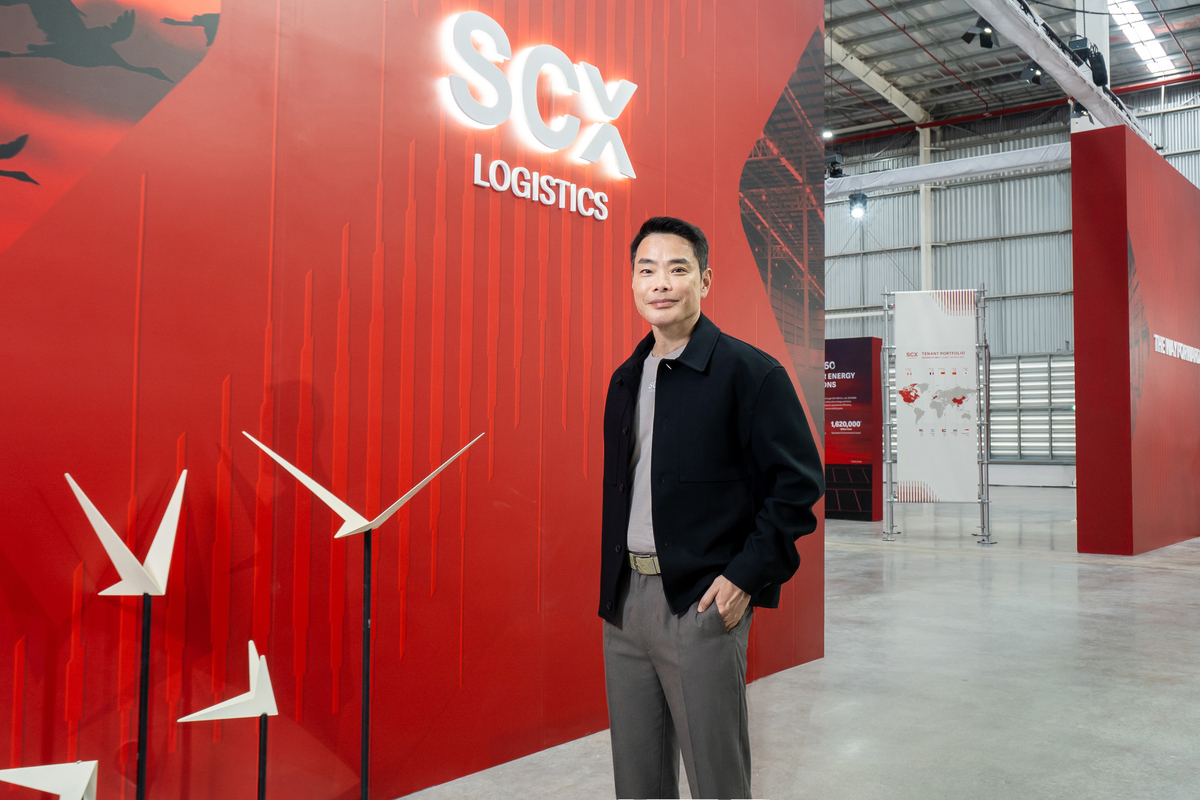
BANGKOK: SCX Corporation, SC Group’s recurring-income business platform, is advancing sustainable growth through the strategic expansion of SCX Logistics. The company has set a roadmap to expand its logistics portfolio to more than 1,000,000 sq.m. by 2029, following strong demand from customers across diverse industries. SCX Logistics reported revenue growth of more than 240% in the first half of 2026, compared with the same period last year.

The company also highlights the completion of SCX Logistics Bangna Km.20, an 80,000 sq.m. logistics development that embodies SC’s three promises: Quality, Care, and Responsibility. Combining a strategic location, total cost efficiency, flexibility, and future readiness, SCX Logistics is designed to meet the increasingly complex needs of the industrial sector. The company plans to expand across the strategic Bangna and EEC corridors by a further 200,000 sq.m. by 2027.

Mr. Rachod Nantakwang, Chief Executive Officer of SCX Corporation Co., Ltd., said that SCX continues to advance SC Group’s recurring-income businesses to build a stronger and more sustainable foundation for long-term growth. SCX Logistics is a key part of this strategy, and the company remains committed to its 2029 roadmap to expand its logistics portfolio from 200,000 sq.m. at the end of 2025 to more than 1,000,000 sq.m. in strategic logistics locations nationwide. The objective is to create greater value for customers while developing infrastructure that genuinely meets business needs.

“The warehouse market continues to experience strong demand. However, customer requirements today are markedly different from the past. Customers no longer assess warehouses solely on rental rates per square metre. They consider the entire production and logistics ecosystem: locations that reduce transportation time, flexible functionality that can adapt to future change, clean-energy solutions that support business sustainability, and, critically, a warehouse partner that can work alongside them to solve their business challenges.

We understand these evolving needs. This understanding has earned us the trust of customers across a wide range of industries and contributed to SCX Logistics achieving revenue growth of more than 240% in the first half of 2026, compared with the same period last year,” Mr. Rachod said.

IMG 207 1 SCX Corporation accelerates SC Group’s Recurring-Income Businesses

SCX has consistently upheld SC’s three promises: Quality, Care, and Responsibility. The company also applies SC’s strengths in Design, Function, and Trust to its logistics developments, placing a strong emphasis on understanding each customer’s operations from the outset. This enables SCX Logistics to design spaces around actual business requirements, from building layouts and transportation flows to loading and unloading areas, as well as future energy and technology needs.

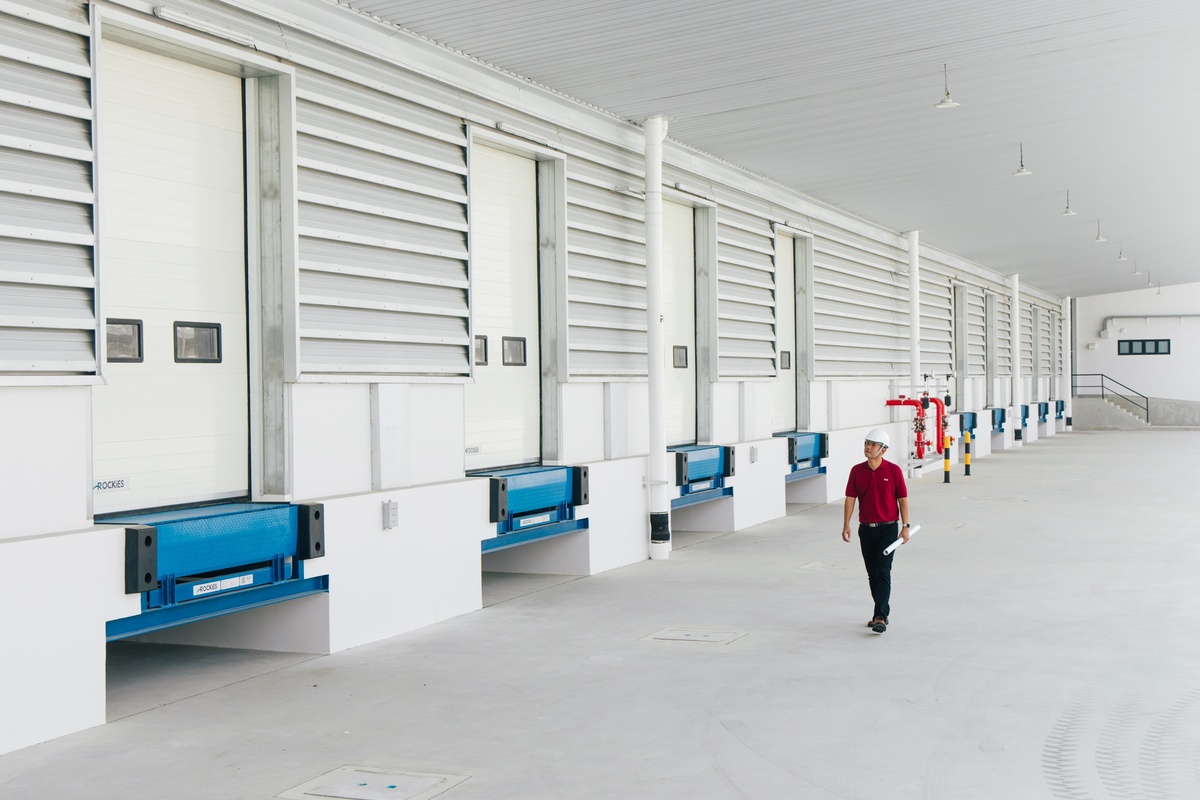
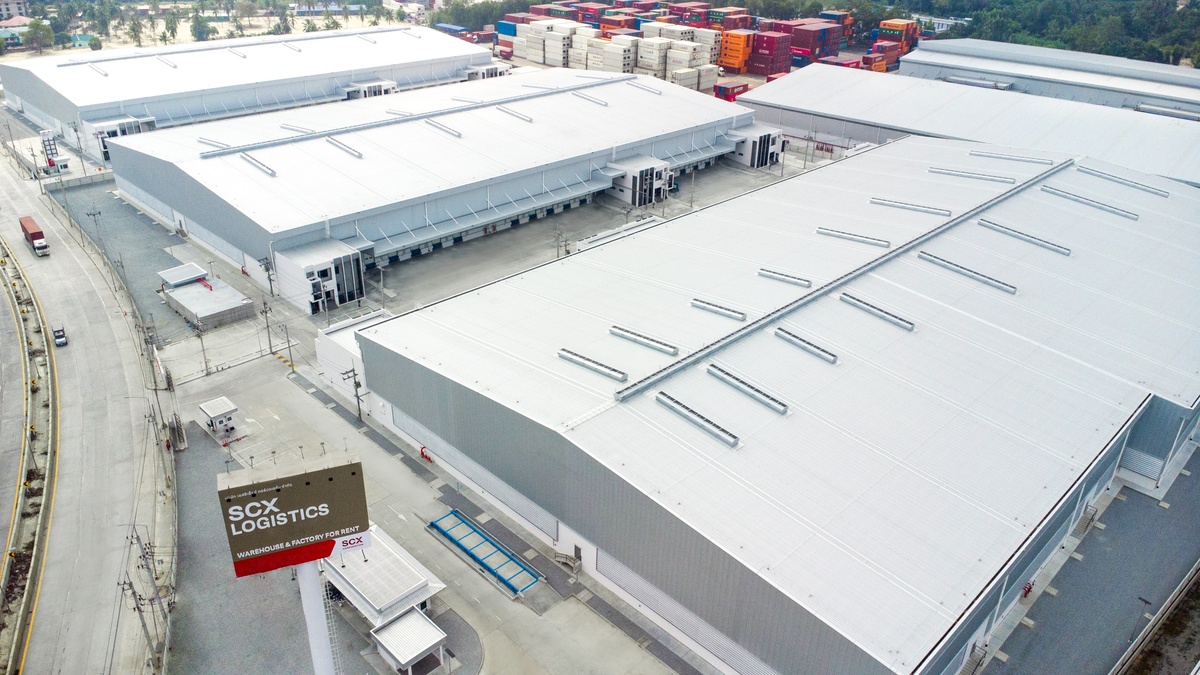
This approach is reflected in SCX Logistics Bangna Km.20, which has recently been completed across the full 80,000 sq.m. development. The project demonstrates SCX’s customer-centric approach to warehouse development, beginning with an understanding of customer requirements rather than a building concept. The project is currently fully occupied, with an occupancy rate of 100%.

Laemchabang21 1 1 SCX Corporation accelerates SC Group’s Recurring-Income Businesses

SCX Logistics Bangna Km.20 is located on Bangna-Trad Road at Km.20 in Samut Prakan, on a site of more than 90 rai. It is a strategic location for logistics and transportation, serving warehouses, distribution centres, and industrial facilities across a range of sectors. The development offers both ready-built buildings and built-to-suit solutions tailored to specific customer requirements.

The project serves international customers from Asia and Europe across industries including logistics, manufacturing, data centres, and digital infrastructure.

Mr. Rachod added that SCX Logistics’ expansion plans for 2026 and 2027 will focus on strategic locations that play an important role in Thailand’s logistics network. Under the concept “Corridor, Not Just Land,” SCX selects investment locations based on the role each area plays in the supply chain and its ability to connect businesses with regional markets, rather than simply on the size of the land plot.

The company plans to add approximately 200,000 sq.m. of logistics space across key locations, including Bangna, Laem Chabang, Amata Chonburi, and the Eastern Economic Corridor (EEC). This expansion is expected to bring SCX Logistics’ total warehouse portfolio to approximately 400,000 sq.m. by the end of 2027.

“Each location plays a distinct role in supporting our customers’ businesses. Bangna is a key connection between Bangkok, Suvarnabhumi Airport, and the EEC. Laem Chabang is an important gateway for international trade, while Amata and the EEC are among the country’s major manufacturing bases.

We therefore do not see ourselves simply as a warehouse developer and operator. We aim to be an infrastructure partner that can deliver solutions tailored to the needs of customers across industries, while contributing to the development of Thailand’s infrastructure and supporting investment that drives national economic growth,” Mr. Rachod said.

SCX Logistics will continue to be a new and recurring source of income for SC Group over the long term. The company expects SCX Logistics’ full-year revenue to grow by approximately 280% from the previous year.

SCX Corporation operates under the vision “The Prospering Expedition” and the mission “The Way Forward,” with a focus on exploring new business opportunities that generate consistent recurring income over the long term.

Its portfolio includes SCX Logistics, which operates the warehouse business and has developed five projects totalling more than 200,000 sq.m. in strategic locations; SCX Hospitality, which operates hotels in Bangkok and other key destinations, including KROMO Bangkok, Curio Collection by Hilton, The Standard Pattaya Na Jomtien, and YANH Ratchawat; and SCX Working Solutions, which operates more than 120,000 sq.m. of office space, including Shinawatra Tower 3.

SCX’s growth is supported by a diverse and capable team, strong strategic partnerships, and a corporate culture that places customers and the environment at the heart of business development.

New Inmarsat Maritime Safety Data Hub insights combine GMDSS distress and weather data to provide unique insight into maritime risk

LONDON: Inmarsat Maritime, a Viasat company, has launched a new Maritime Safety Data Hub, providing the maritime industry with unique insights as well as direct access to the comprehensive analysis of risks shaping global shipping.

Drawing on a unique dataset combining three years of Global Maritime Distress and Safety System (GMDSS) data with an industry-first analysis of 106,975 maritime safety broadcasts transmitted in 2025, the new platform offers unprecedented visibility into the conditions influencing maritime risk. It moves beyond reporting individual incidents to identify patterns, trends, and the evolving impact of environmental hazards, operational pressures, and geopolitical instability on safety at sea.

Analysis of the 106,975 maritime safety broadcasts found that weather accounted for 84.6% of all urgent messages, with storms representing 75% of identified weather hazards. By linking safety broadcasts to GMDSS distress calls, the study identified several instances where distress calls came from areas where a weather warning had been delivered. This highlights the importance of safety broadcasts in helping vessels anticipate weather hazards and thereby avoid needing to make distress calls.

Inmarsat’s findings, carried out in partnership with the data analysts at supply chain consultancy SeaFocus, are particularly significant as shipping faces increasing exposure to extreme weather, longer voyages, evolving trade routes, and growing operational complexity. While weather warnings cannot be interpreted as the cause of maritime incidents, the analysis demonstrates a clear temporal relationship between meteorological hazards and periods of elevated operational risk.

John Dodd, Director of Maritime Safety, Inmarsat Maritime, commented: “By bringing weather information together with distress data, the Inmarsat Maritime Safety Data Hub introduces a powerful new layer of maritime intelligence. The unique insights made available through this research will help the industry better understand the factors shaping maritime safety – and move from simply reacting to incidents to exploring the conditions, patterns, and emerging risks that surround them.

“The value of maritime safety information lies in giving ships and shipping operators the time to make informed decisions. Whether the threat is extreme weather or geopolitical instability, early awareness enables crews to take action that protects lives, vessels, and cargo.”

Inmarsat received a similar number of GMDSS calls in 2025 (741) as in 2023 (788) and 2024 (801), with the three-year trend remaining broadly consistent with historical averages. Each of these GMDSS calls has a direct link to maritime safety and lives at sea, hence reiterating the importance of safety services.

In 2025, continued disruption in the Red Sea, sanctions affecting global tanker operations, and heightened tensions around the Persian Gulf and Black Sea altered traditional shipping routes and increased operational complexity. Electronic interference also emerged as a significant threat to commercial shipping, as GPS spoofing, signal jamming, and other navigational disruptions increased in strategically important trade corridors – particularly in the Middle East.

As in the previous two years, tankers made the highest number of GMDSS calls (203) – almost twice as many as bulk carriers in second place (105). Alongside traditional concerns such as weather, machinery failure, and navigational incidents, the tanker segment faced an evolving threat landscape characterised by sanctions regimes, electronic interference, and the rise of shadow fleets operating outside of established regulatory frameworks.

Container ships, responsible for the fifth-highest number of distress calls among vessel types (54), were also subject to GPS spoofing. In addition, to avoid the risk of physical attacks in the Red Sea, major operators diverted their vessels around the Cape of Good Hope, adding up to two weeks to voyages and thereby increasing fuel consumption, crew workload, and vessel exposure.

The interactive Maritime Safety Hub puts all this intelligence directly into the hands of industry stakeholders. Users can explore trends; investigate the factors shaping maritime safety; filter data by vessel type, region, and incident category; and download the insights most relevant to them.

Access the Inmarsat Maritime Safety Data Hub here.

MacGregor establishes a new service hub in Trieste, Italy

TRIESTE: MacGregor is opening a new service engineer hub in Trieste, Italy on 1 September 2026. The new site further enhances MacGregor’s global service network by adding another central location to serve our customers’ fleet while significantly increasing our engineer capacity in the European region.

The location of the new hub was selected after a thorough assessment, which proved that in addition to being a central location from the perspective of customer service, Trieste also offers access to a skilled talent pool and is close to our key service locations.

We have started recruitment for service engineers in Trieste and the new hub will be fully functional by the end of 2026.

“The Trieste hub is designed to function as a regional resource pool, providing crucial capacity and flexibility across MacGregor’s service locations. Its primary support focus will be the European region, including the specialised mega yacht business. MacGregor is also committed to the continued development of its existing service locations, which will remain an integral part of our overall service network,” says Tomas Hakala, Executive Vice President, Global Services at MacGregor. 

Onboard carbon capture offers a practical CO2 emissions reduction pathway for shipping’s global fleet

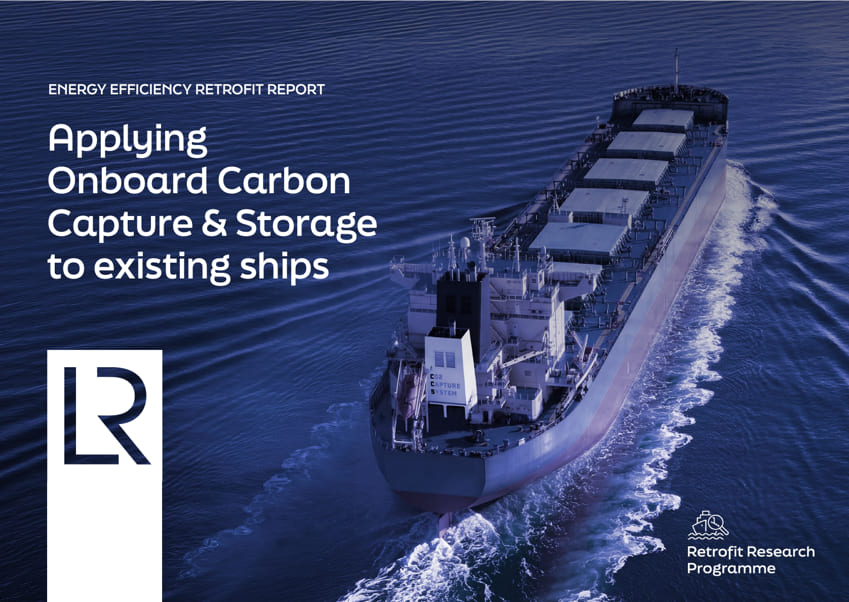
LONDON: Onboard carbon capture and storage systems (oCCS) could play a significant role in helping shipping reduce CO2 emissions, while alternative fuel supply chains continue to develop, according to a new Lloyd’s Register (LR) report.

The report, Applying Onboard Carbon Capture & Storage to Existing Ships, comes as shipowners face increasing pressure to decarbonise and reduce CO₂ emissions. Only around 4% of the near-zero GHG emission fuel production capacity needed by 2030 has reached final investment decision. Alternative fuel-capable vessel orders have also fallen from 45% of contracted tonnage in 2024 to 37% in 2025.

Against this backdrop, the report argues that much of the fleet on order or in service today will continue to rely on conventional petroleum fuels well into the 2030s. For these vessels, oCCS offers an additional route to reducing CO₂ emissions alongside alternative fuels and energy efficiency technologies.

The research finds that specific oCCS technologies have moved beyond the concept stage and are entering commercial deployment. Current full-scale installations are capturing 30-40% of CO₂ emissions, while larger pilots are targeting capture rates of around 70%.

LR’s analysis identifies oCCS as a viable retrofit for a specific fleet segment: vessels with more than ten years of trading life remaining, significant exposure to carbon pricing, access to a credible CO₂ offloading chain and sufficient onboard space for capture equipment without unacceptable commercial penalties. For these ships, the technology could help extend commercial competitiveness as environmental regulations tighten and carbon costs increase.

The report identifies three market segments as the strongest near-term candidates for oCCS deployment: MR and chemical tankers trading on EEA routes, LNG-fuelled vessels able to harness the cryogenic cold energy released during the vaporisation of LNG to cool and liquefy CO₂ captured from exhaust gases, and short-sea or feeder vessels with frequent access to EEA ports and carbon pricing exposure.

Panos Mitrou, Senior Vice President of Shipping Strategy, Lloyd’s Register said: “The reality is that much of the fleet on order or in service  today will still be operating well into the 2030s and beyond. While alternative fuels remain central to shipping’s long-term decarbonisation strategy, shipowners also need practical options for reducing CO₂ emissions from existing vessels.

“Onboard carbon capture has the potential to become an important part of shipping’s decarbonisation toolkit. For the right vessel types and trades, it offers a realistic pathway to reducing CO₂ emissions and managing carbon costs while fuel supply chains, infrastructure and regulations continue to evolve.”

While the report highlights significant opportunities, it also cautions that the technology is not a universal solution. Current oCCS systems can impose fuel consumption penalties of between 15% and 30% in many current applications and can require significant onboard space for capture equipment and CO₂ storage. Retrofit decisions must be assessed on a vessel-by-vessel basis, taking account of trading patterns, remaining asset life, carbon pricing exposure and access to CO₂ offloading infrastructure.

The main barrier to wider deployment remains the limited availability of ports and infrastructure capable of receiving captured CO₂. While major carbon storage projects are progressing in north-west Europe, including North Sea storage networks, the report identifies port reception facilities as the weakest link in the emerging carbon value chain.

The report also highlights the need for greater regulatory clarity. While EU ETS allows captured and permanently stored CO₂ to reduce compliance obligations, other frameworks, including FuelEU Maritime and future IMO regulations, are still evolving.

Looking ahead, broader deployment will depend on three key developments progressing in parallel: the outcome of FuelEU Maritime’s Article 30 review, IMO recognition of captured CO₂ within a global pricing framework, and expansion of CO₂ offloading infrastructure.

The report, which forms part of LR’s Retrofit Research Programme, was launched today at SMM in Hamburg. It is available from Lloyd’s Register at: Applying Onboard Carbon Capture and Storage to Ships