Home Blog Page 137

Saudi-flagged tanker hit by missile in Red Sea

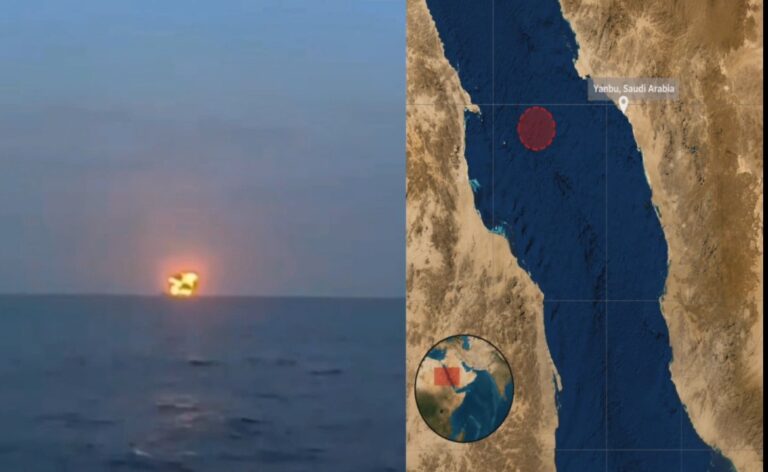
YANBU : A tanker has been struck by an unknown projectile around 63 nm west of Yanbu, Saudi Arabia, causing a fire on the main deck, according to a UKMTO warning.

Maritime security company Vanguard Tech said the vessel was Saudi-flagged and was hit by a missile, putting the incident at 90-100 nm west of Yanbu.

Security firm Ambrey said the ship issued a distress alert after the attack, and “following the distress alert, the Egyptian Navy was reported to have responded and was transiting to the area of interest to conduct a rescue operation.”

“All crew are safe and accounted for and no environmental impact has been reported,” said UKMTO.

No group has yet taken responsibility for the attack but the location and target align with recent Houthi activity, and Ambrey said it was aware of reports that the Houthi had launched an attack towards Saudi Arabia.

The Yemeni group announced a blockade of Saudi Arabian shipping on 20 July, and followed with multiple attacks on ships in the region, including the deadly attack on Tihamah earlier this month. The Houthi claimed responsibility for attacks on two tankers on 5 and 6 August, both had recently called at Saudi ports.

The Houthi blockade appears to have had some success in pressuring Saudi oil exports out of its Yanbu terminal. Volumes exported at the Red Sea terminal increased rapidly as the Iran conflict effectively closed the Strait of Hormuz in March, restricting Saudi Arabia’s main export terminals in the Gulf.

DHT said earlier this month that most Red Sea oil exports were now transiting the Suez Canal, a route that adds significant distance and expense for deliveries to Asia.

JMIC‘s threat level for Bab el-Mandeb/Southern Red Sea remained at Substantial as of 23 August. “Based on the recent attacks, sustained intent, and maintained capability, additional attacks are a strong possibility, “ said JMIC.

Singapore will not allow itself to be used as a conduit for illegal trade practices : PM Wong

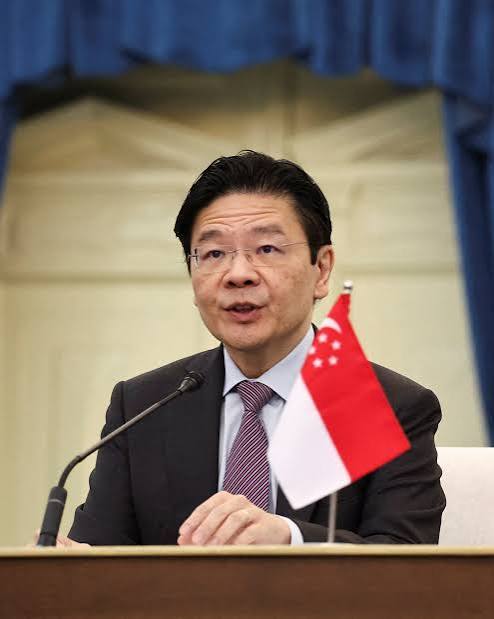
SINGAPORE: Singapore will not allow itself to be used as a conduit for illegal trade practices, but neither can it possibly trace and verify the entire supply chain behind every product that passes through its shores, said Prime Minister Lawrence Wong.

He was referring to the higher 12.5 per cent tariffs imposed by America on Singapore’s exports, due to the alleged use of forced labour, as well as to recent concerns raised by the US over goods being routed through other countries to circumvent tariffs.

However, tariffs are but one symptom of deeper global tensions and a more unstable world that Singapore has to survive and endure for years to come, he added.

PM Wong said during his National Day Rally speech on Aug 23: “Across the globe, the rules and norms that underpinned stability and prosperity for decades are being overturned.”

One reason for this change is that China has risen rapidly and is a peer competitor of the US with deep capabilities in many areas. Both countries have to live with a new reality where they compete fiercely but avoid outright conflict, PM Wong said.

The world is also shaped by other forces like Europe and India, and middle powers are also asserting their interests more actively, he added.

“Power is becoming dispersed,” he said. “Different centres are jostling for influence, competing for markets, technology, resources, and increasingly, over who sets the rules of the game.”

This is reflected in the changing global trading system, which used to be about countries lowering their barriers and tariffs, and having open economies.

“Companies assumed that if one supplier failed, another would easily step in,” PM Wong said.

“That was the world we knew. Now all that is changing.”

He noted that the Covid-19 pandemic was a wake-up call when suppliers that could usually be counted on stopped delivering goods.

This was followed by Russia’s invasion of Ukraine and the current Middle East crisis which expose vulnerabilities in energy, food and other critical supplies, PM Wong said.

Europe was affected when Russia cut off gas supplies during the invasion.

Meanwhile, the Middle East crisis impacted many countries due to the disruption of the Strait of Hormuz, a vital global shipping channel for oil and gas supplies.

Oil prices have skyrocketed to above US$100 a barrel in the past few months, creating inflationary pressures and adding fuel to the global energy crisis.

“Countries have learnt from these crises,” PM Wong said. “Security now weighs much more heavily in their economic decisions.”

Hence, governments are increasingly using trade, technology and investment to advance their strategic and security objectives, he added.

An example was the US imposing “liberation day” tariffs in April 2025 on countries globally.

At that point, the baseline tariff of 10 per cent was imposed on Singapore.

The US courts later ruled the tariffs unlawful, but the US administration found another way to reimpose tariffs, which increased to 12.5 per cent on Singapore due to the alleged use of forced labour.

PM Wong said: “We all agree there should be no place for forced labour. This is a global problem.”

But he said the better way to tackle this issue is through international cooperation and common standards, not tariffs.

The US now expects countries to have domestic measures to stop imported goods made with forced labour, he noted.

Another concern the US has raised is regarding Chinese goods being routed through other countries, especially in South-east Asia, to circumvent its tariff.

PM Wong said Singapore takes both issues seriously.

“We have clear rules and laws in place. We enforce them and we expect companies operating here to comply,” he said, noting that Singapore will investigate and take action if there is credible evidence of wrongdoing.

However, as a major centre for re-exports and transshipment, Singapore also cannot possibly verify the entire supply chain behind every product, he said. Goods pass through Singapore from all over the world.

“We must also be realistic about what Singapore can do on our own,” PM Wong said.

“So we will continue engaging the US and explaining our position.”

But this issue is just part of a larger reality, where trade is no longer just about economics, but increasingly shaped by security considerations, he said.

The tariffs are just one symptom.

“They reflect deeper tensions around the world,” PM Wong said.

He noted that there are major conflicts in Europe and the Middle East that seem far away from Singapore.

“But the conflicts do not always stay neatly contained. Other powers can get drawn in – because of their alliances, their interests, or simply because events force their hand,” he said, adding that new technologies like cheap drones that can inflict serious damage add to the risks.

Hence, the risks of miscalculation and escalation are much higher and a regional conflict can quickly become something bigger.

“Each thinks it is acting defensively. But step by step, the conflict can widen far beyond what anyone originally intended,” PM Wong said.

He added that no one wants another world war, but cautioned that major wars historically have begun because events spiralled out of control, not because they were planned.

“We all hope never to see a global conflict in our lifetimes. But we cannot ignore the growing risks,” he said.

PM Wong noted that there has been more pressure “below the threshold of open war”, with tactics such as economic coercion, foreign interference, disinformation campaigns, and cyberattacks on critical infrastructure.

These grey-zone tactics can cause real damage, even if troops do not physically cross over borders, he said.

“So this is our world today – more contested, more unstable and more dangerous than before,” PM Wong said.

“These are not temporary disruptions. This is the new normal that Singapore will have to endure and survive for many years to come.”

Source : The Strait Times

MacGregor extends Horizon gangway to floating-to-floating personnel transfer

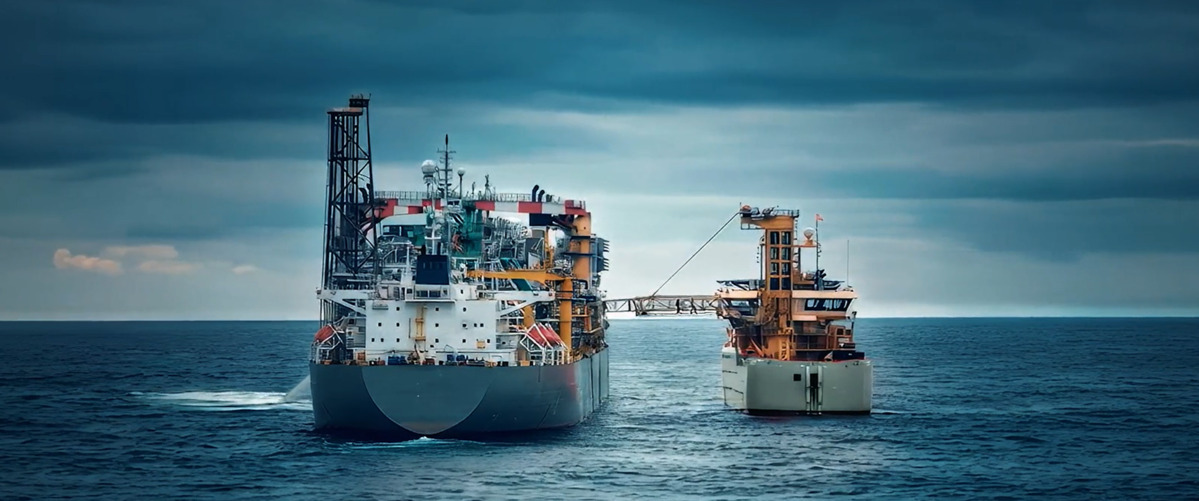
HELSINKI: MacGregor has announced that its Horizon gangway has received DNV certification for floating-to-floating (F2F) personnel transfer, enabling motion-compensated walkway connections between two vessels moving independently. 

The certification, achieved under DNV-ST-0358 following a successful sea acceptance test, extends the proven Horizon platform to operating scenarios where no fixed landing point exists. The capability gives operators of FPSOs, floating rigs, floating wind arrays and offshore service fleets a new degree of scheduling freedom. Crew changes can be carried out at sea, service campaigns no longer need to be routed around port calls, and walk-to-work access between vessels can follow the field’s schedule rather than the port’s.

At the heart of the solution is a purpose-designed flap at the gangway tip, which replaces the conventional docking head used for landings on fixed structures. LiDAR-based relative motion tracking feeds the gangway’s motion compensation system in real time, maintaining a controlled connection as both vessels move.

“This new capability opens up flexible crewing models for FPSOs and floating facilities, so that crew changes can be carried out at sea, service campaigns don’t need to be routed around port calls, and walk-to-work access between vessels can be based on the field’s schedule,” said Prateek Sadhana, MacGregor Product Owner, Walk-to-Work Gangways. “In the renewables sector, this supports the service logistics that floating wind operations demand – where there is no fixed structure to land on whatsoever.”

F2F is delivered as an extended function of the existing Horizon gangway family rather than a standalone product and can be retrofitted/ upgraded to existing units in operation. Operators already running Horizon gangways gain the new capability on a platform they know, with the same control philosophy and no separate qualification process.

“Certification matters commercially as well as technically,” Sadhana added. “It gives owners, charterers and insurers an independently verified basis for planning vessel-to-vessel operations, and it gives crews the confidence that the equipment they cross has been designed, tested and certified for exactly this use.”

MacGregor will present the F2F capability at ONS 2026 in Stavanger, 24–27 August, Hall 5, Stand 5540. 

Inmarsat Maritime and SK telink deepen strategic partnership to accelerate NexusWave adoption in South Korea

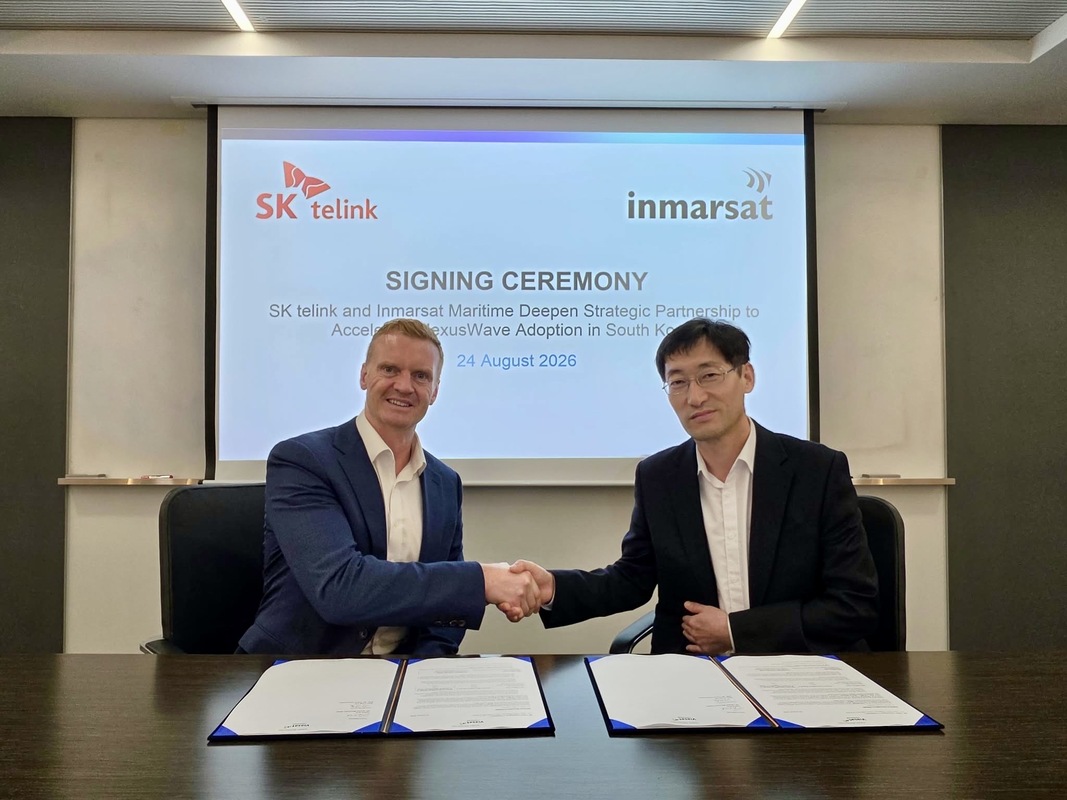
LONDON: Inmarsat Maritime, a Viasat company, and South Korean telecommunications services provider SK telink have signed an agreement to advance maritime digitalisation across the country’s shipping industry.

The agreement will strengthen collaboration between the two companies to bring NexusWave services, the next-generation connectivity capabilities, to shipowners seeking to enhance operational efficiency, resilience and crew welfare. It covers NexusWave implementation across car carriers, container ships, VLCCs, and other vessel types operated by the South Korean shipping companies, including HMM, SINOKOR and others.

Building on a strategic relationship dating back to 2007, Inmarsat Maritime and SK telink share a commitment to supporting South Korea’s evolving maritime connectivity requirements. By combining Inmarsat Maritime’s global network, maritime expertise and fully managed service model with SK telink’s strong market presence and customer relationships, the partners aim to help operators accelerate digital transformation while navigating an increasingly complex operating environment.

As vessel operations become increasingly data-driven, reliable and resilient connectivity is becoming a critical enabler of business performance. Inmarsat Maritime’s NexusWave is designed to provide the digital foundation required to support cloud-based applications, remote technical support, cybersecurity strategies, vessel performance optimisation and increasingly connected crews.  

For South Korean operators trading extensively across Asia, NexusWave provides an important approach to navigating the region’s complex regulatory environment, leveraging on Inmarsat Mariitme’s deep regulatory expertise and longstanding relationships across markets. Its capabilities allow the service to manage the availability of individual network underlays, according to local requirements while maintaining connectivity with the bonded service.

In addition, the ViaSat-3 service is expected to substantially enhance capacity to the region. Its planned integration into NexusWave is designed to deliver enhanced performance, capacity and flexibility for customers operating across some of the world’s busiest maritime routes.

Mr Shin-Yong Lee, Head of Satellite Business Division, SK telink, commented: “Connectivity has become fundamental to the safe, efficient and competitive operation of a modern fleet. Shipping companies need a resilient digital platform that can support operational applications, cybersecurity requirements and the expectations of today’s seafarers. NexusWave is designed to support these needs, and we are excited to bring its advanced capabilities to more South Korean operators helping them unlock greater value from connected, data-driven operations.”

Justin Yi, Regional Director APAC, Inmarsat Maritime, said: “South Korea continues to set the pace for innovation in global shipping, with operators embracing technologies that enhance performance, resilience and competitiveness. This agreement reflects both the strength of our long-standing relationship with SK telink and growing momentum behind the digitalisation of maritime operations.  Together, we are helping create the connectivity foundations that will enable South Korean shipowners to realise the full benefits of a connected and increasingly data-driven future.”

Strategic Marine delivers First of Three New Catamaran Ferries for Bintan Resort Ferries

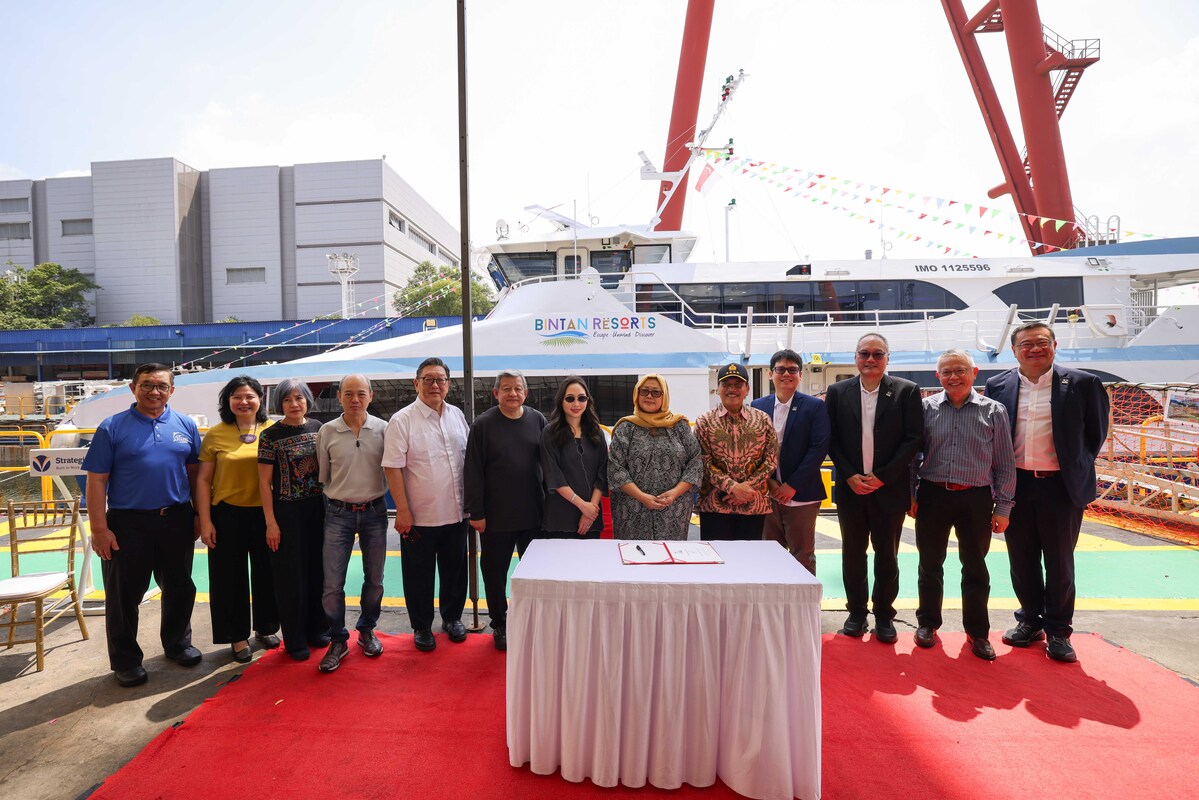
SINGAPORE: Strategic Marine, a leading specialist aluminium shipbuilder, marked the naming and delivery of Putri Mayang Sari recently, the first of three next-generation 43-metre passenger catamarans under construction for Bintan Resort Ferries (BRF) at the company’s Singapore shipyard.

The delivery represents a key milestone in the vessel construction programme and reflects Strategic Marine’s capability in delivering advanced aluminium ferries that support the evolving transportation needs of regional operators.

Designed and built by Strategic Marine, Putri Mayang Sari is intended to support BRF’s fleet renewal and expansion plans, enhancing passenger transport services between Singapore and Bintan. The vessel can accommodate up to 293 passengers across two decks, including 57 Emerald Class seats, and features a modern passenger-centric design that enhances onboard comfort while supporting efficient and reliable operations.

The delivery follows the vessel’s keel-laying in September 2025 and marks the successful progression of the first vessel in BRF’s three-ferry newbuild programme.

“The delivery of Putri Mayang Sari reflects the strong partnership, trust and shared vision between Strategic Marine and Bintan Resort Ferries to enhance regional connectivity and support the continued growth of tourism in Bintan and the wider region,” said Chan Eng Yew, Chief Executive Officer of Strategic Marine. “We are proud to have been entrusted with this vessel and honoured to continue our partnership with BRF through the construction of the next ferries in the series. This project showcases the dedication and craftsmanship of our team in delivering safe, reliable and comfortable vessels for our customers.”

Bintan Resort Ferries currently operates a fleet of three vessels, with two additional newbuild vessels scheduled to enter service during 2026. Upon delivery of all three vessels, BRF will benefit from increased fleet capacity, greater operational flexibility and enhanced service resilience on the Singapore-Bintan corridor.

“Putri Mayang Sari represents an important step forward in strengthening connectivity between Singapore and Bintan,” said Sebastian Koh, General Manager of Bintan Resort Ferries. “Our ferry services are a vital link between the two destinations, and these 43-metre catamaran ferries reflect our commitment to making that connection more reliable, comfortable and convenient for our passengers. As Bintan continues to grow as a regional leisure destination, we are proud to play a central role in bringing more travellers closer to the island.”

Serving as a key maritime link between Singapore and Bintan, Bintan Resort Ferries plays an important role in supporting passenger mobility and facilitating access to one of the region’s established leisure destinations. The addition of new vessels will further strengthen the transport infrastructure supporting this route.

Construction of the remaining two catamarans is progressing at Strategic Marine’s Singapore shipyard, with deliveries scheduled during 2026 as part of BRF’s ongoing fleet modernisation programme.

The successful delivery of Putri Mayang Sari reinforces Strategic Marine’s track record in delivering high-quality aluminium vessels for commercial operators worldwide and highlights the company’s continued contribution to regional maritime connectivity.

Putri Mayang Sari will enter service as the first vessel in BRF’s new three-ferry fleet, supporting the operator’s long-term growth and commitment to reliable passenger transportation.

MacGregor advances direct ship-to-well LCO₂ transfer, built on 50 years of proven bow-loading technology

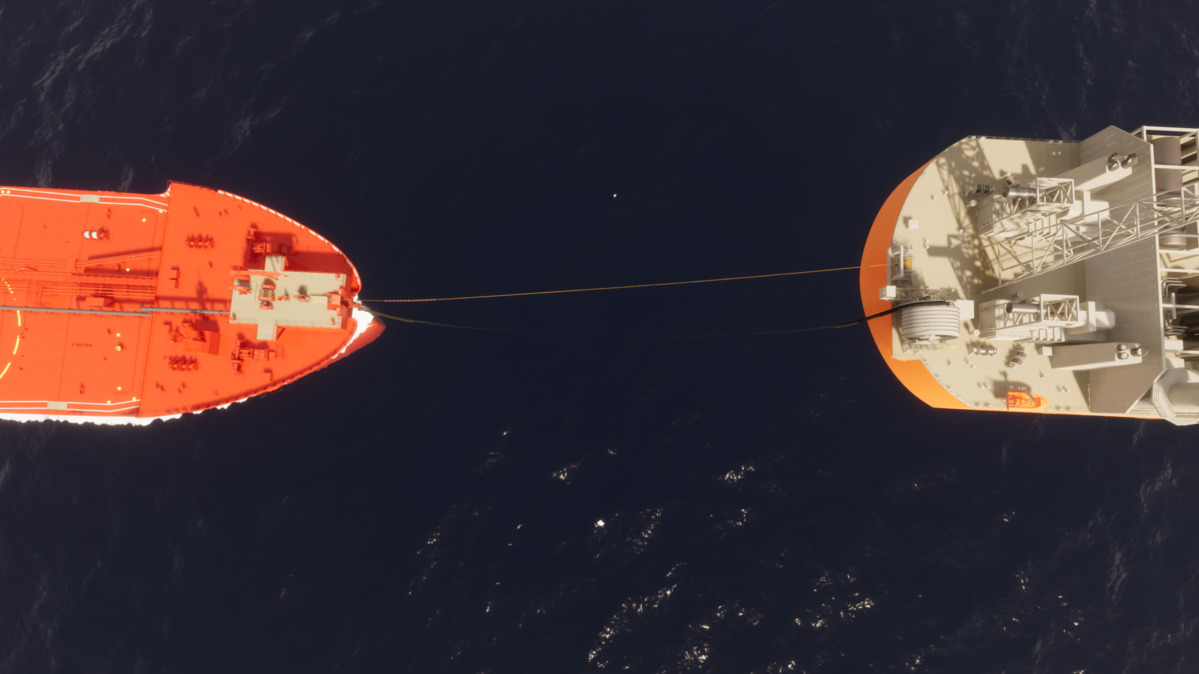
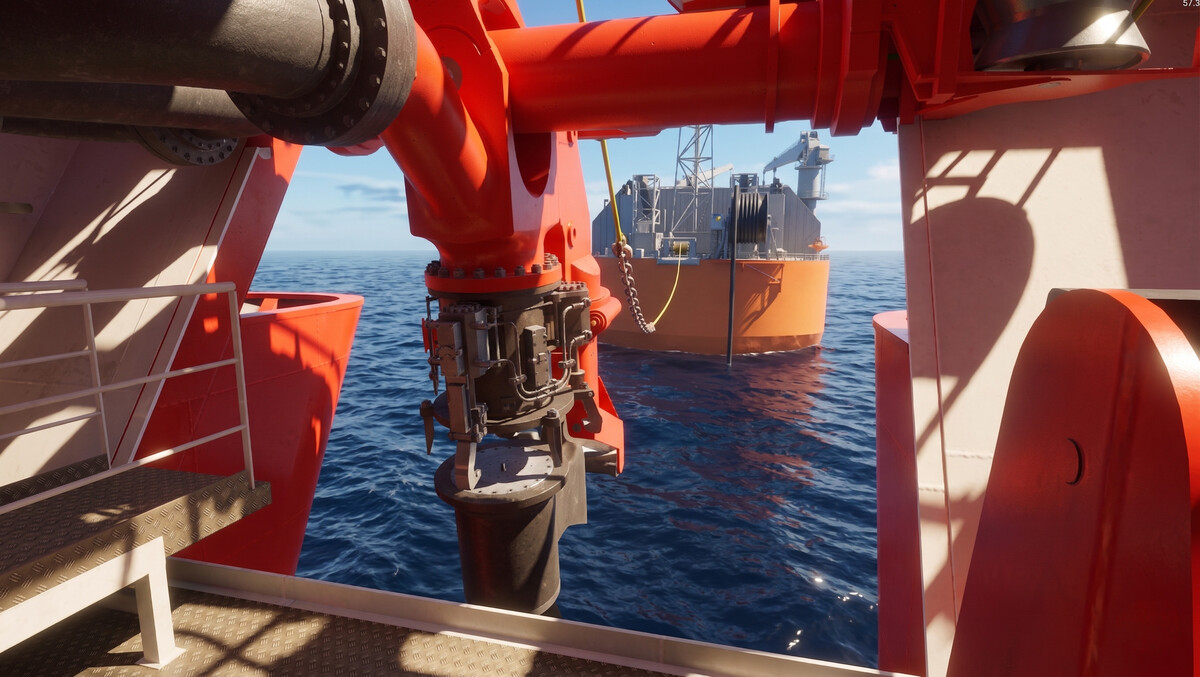
HELSINKI: MacGregor has developed a new Liquid Carbon Dioxide (LCO₂) Bow Transfer System (BTS) to enable safe, reliable ship-to-well and ship-to-rig transfer of LCO₂ across a wide range of operating conditions. The system connects capture plants directly to offshore injection units, removing the need for the costly intermediate onshore storage and conditioning facilities that current standards often require.

The BTS builds on MacGregor’s Bow Loading System (BLS), which has served the oil and gas sector reliably since the 1970s. Around 79% of the new system draws on field-proven technology, with the remainder comprising targeted modifications and newly engineered components designed specifically to handle the highly volatile properties of LCO₂.

Seal materials for the system have been tested with research organisation SINTEF under rapid gas decompression and LCO₂ conditions, maintaining integrity through repeated pressure cycles and temperatures as low as -57°C, the threshold below which CO₂ can no longer exist in a liquid state. The system is designed to support safe, uninterrupted handling in heavy sea states with wave heights of five to six metres, and to seal against water ingress at depths of up to 150 metres.

MacGregor advances direct ship to well LCO₂ transfer built on 50 years of proven bow loading technology MacGregor advances direct ship-to-well LCO₂ transfer, built on 50 years of proven bow-loading technology

“Our robust new design solves the challenges of securing reliable and safe connection, transfer, and disconnection in all seasons, even in severe weather, without delays or interruptions,” said Øyvind Solli, Development Programs Manager, MacGregor. “This ensures zero disruption across the value chain, directly supporting the business case for CCS projects.”

MacGregor’s hardware is designed as the foundation for four distinct system architectures, spanning low- and medium-pressure (30–60 bar) and high-pressure (300 bar) direct reservoir injection via seabed swivels or disconnectable turrets — giving operators flexibility to match the system to their specific field requirements.

MacGregor joined the EU-funded COREu research and innovation consortium in early 2025 and is engaged in an ongoing technology qualification process with DNV. The company has completed the planning phase of this process — comprising a qualification basis, technology assessment, threat assessment and qualification plan — with prototype testing and demonstration expected in mid-2027.

“At this stage, we have successfully identified all risks associated with our equipment and its application for LCO₂ transfer,” said Solli. “DNV has formally acknowledged these findings, and together, we have established a framework for managing and mitigating the identified risks, including the specific methods required to provide the evidence for final verification.”

MacGregor will present the LCO₂ Bow Transfer System at ONS 2026 in Stavanger, 24–27 August, Hall 5, Stand 5540.

DPA Kandla crosses historic 70 MMT cargo milestone in record time

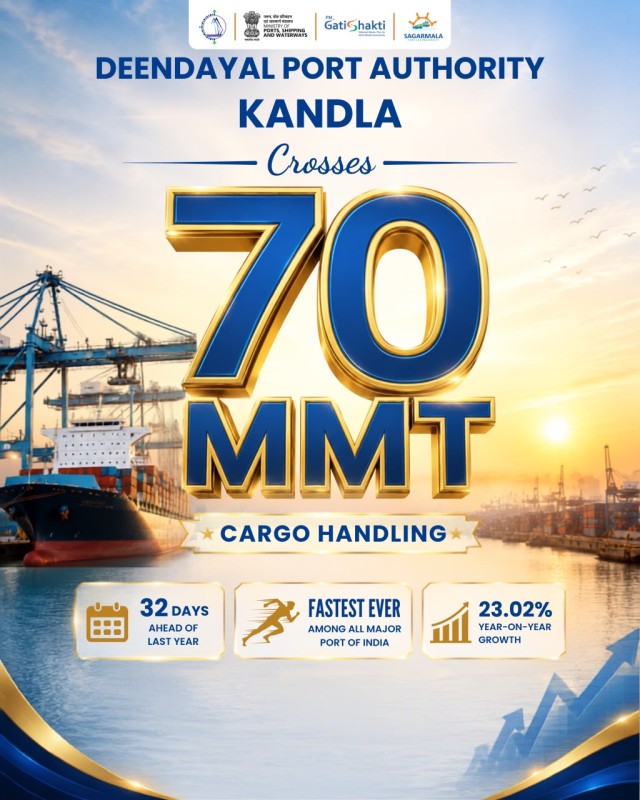
GANDHIDHAM: Deendayal Port Authority (DPA), Kandla, has achieved another significant milestone in cargo handling, crossing the 70 million metric tonnes (MMT) mark in the financial year 2026-27. The port handled 70.03 MMT of cargo as of August 22, 2026, registering an impressive 23.02% year-on-year growth.

The achievement is particularly noteworthy as Deendayal Port reached the 70 MMT milestone 32 days earlier than in the previous financial year, making it the fastest among India’s Major Ports to achieve the 70 MMT mark in the current fiscal.

The latest performance underlines DPA’s sustained growth momentum and its ability to efficiently handle rising cargo volumes while maintaining seamless port operations. Earlier this month, the port had already recorded strong growth, handling 62.86 MMT of cargo up to August 9, 2026, compared with 51.94 MMT during the corresponding period of the previous year.

The continued increase in cargo throughput reflects the confidence of port users and the coordinated efforts of shipping lines, exporters, importers, cargo owners, terminal operators, stevedores, transporters, customs authorities, employees, workers and other stakeholders associated with the port.

Deendayal Port has consistently strengthened its operational capabilities and logistics ecosystem to support growing EXIM trade. Its strategic location on the Gulf of Kutch enables it to serve major industrial and consumption centres across western, northern and central India, making it an important gateway for the country’s maritime trade.

The port’s strong performance also builds on its record-setting achievements in the previous financial year. DPA had crossed the 150 MMT cargo milestone in March 2026, reaching the mark 18 days earlier than in FY 2024-25, demonstrating its sustained operational resilience and capacity to manage high cargo volumes.

The latest 70 MMT milestone further reinforces Deendayal Port’s position as one of India’s leading cargo-handling Major Ports and highlights its focus on operational efficiency, capacity utilisation, customer service and maritime excellence.

With cargo volumes continuing to grow strongly, DPA remains focused on enhancing infrastructure, improving logistics efficiency and supporting the evolving requirements of India’s EXIM trade.

The achievement of 70.03 MMT in just the early months of FY 2026-27 marks another major milestone in Deendayal Port’s growth journey, reflecting its continued march towards higher efficiency, stronger trade facilitation and maritime excellence.

GRSE & YIL embark on major expansion of Shipbuilding and Defence Manufacturing Capabilities in West Bengal

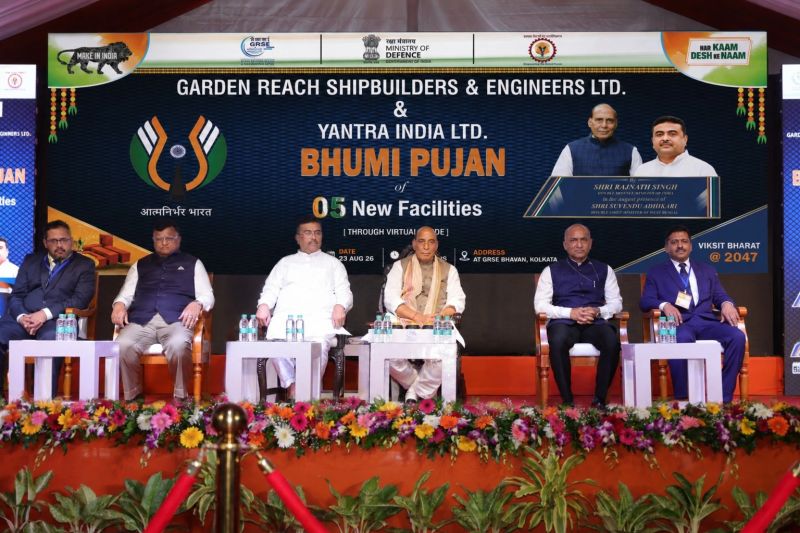
KOLKATA: In a significant milestone for India’s shipbuilding & defence manufacturing sector, Shri Rajnath Singh, Hon’ble Defence Minister of India, in the august presence of Shri Suvendu Adhikari, Hon’ble Chief Minister of West Bengal, laid the foundation for five brownfield expansion projects of Garden Reach Shipbuilders & Engineers Ltd. (GRSE), a Navratna Defence PSU and Yantra India Limited (YIL), at GRSE Bhavan, Kolkata on 23 Aug 26.

The ceremony was also graced by Shri Manoj Agarwal, Chief Secretary, Government of West Bengal, Shri Sanjeev Kumar, IAS, Secretary, Department of Defence Production, Ministry of Defence, Government of India, Dr JP Dash, DG Ordnance (C&S), Cmde PR Hari, Chairman & Managing Director, GRSE, Shri Vijaykumar Iyer, Chairman & Managing Director, YIL, along with senior officials of GRSE and YIL.

The three projects of GRSE mark a significant step towards enhancing the shipyard’s manufacturing capacity and infrastructure, enabling the company to meet the growing requirements of the Maritime Forces and other defence and maritime stakeholders, while advancing the Government of India’s Aatmanirbhar Bharat and Make in India vision. The Bhumi Pujan ceremonies were conducted simultaneously at Kidderpore, Shalimar, Raichak and Ishapore across West Bengal.

As part of its capacity expansion, GRSE has signed lease agreements with Syama Prasad Mookerjee Port, Kolkata (SMPK) for two small shipyards on either bank of the Hooghly, along with a 32-acre riverside property at Raichak, to enhance its capabilities in warship construction and refit, as well as the construction and repair of small and medium-sized commercial vessels. The Raichak facility, with a 356-metre waterfront, 96-metre jetty and 8–10 metre draught, will be developed as a shipbuilding hub with an investment of over ₹2,500 crore, featuring a 200-metre dry dock, slipway, launching pad, jetties and block fabrication facilities, enabling construction of warships up to 200 metres and commercial vessels up to 60,000 DWT.

The 4-acre Timber Pond facility at Shalimar will be rejuvenated with nearly ₹100 crore for medium-sized shipbuilding and repairs, including restoration of the 130-metre dry dock and construction of a 120-metre slipway, while the Damodar facility at Kidderpore Docks, comprising an old workshop and 25-metre waterfront, will receive around ₹70 crore for medium-sized vessel repairs and construction of electric ferries and other small crafts.

JNPA commences first long-haul double-stack DFC rake operations

MUMBAI: The Jawaharlal Nehru Port Authority (JNPA), India’s largest container port, has achieved a significant milestone in Dedicated Freight Corridor (DFC) operations with the departure of its first long-haul double-stack (D/S) rake.

The rake departed from JNPA at 1900 hrs on August 21, 2026, bound for CGMV, carrying 360 TEUs of Import cargo that arrived through BMCTPL operated by PSA. The movement marks a significant advancement in JNPA’s long-haul rail connectivity and strengthens its capability to facilitate faster and more efficient evacuation of EXIM cargo.

The commencement of long-haul double-stack operations will enable the movement of higher volumes of cargo in a single rake, enhancing the efficiency and capacity of rail-based freight transportation. Importantly, this improved connectivity is expected to facilitate faster evacuation of import containers from the port, reduce import dwell time and enable cargo to reach its destination in shorter transit times.

The successful movement underscores JNPA’s growing rail infrastructure capabilities and its readiness to support high-capacity, double-stack and long-haul freight operations. By providing an efficient rail alternative for the movement of EXIM cargo over long distances, the initiative is expected to streamline cargo evacuation, reduce logistics bottlenecks and improve supply-chain efficiency.

Enhanced integration with the Dedicated Freight Corridor network will further strengthen JNPA’s connectivity with key inland destinations. Faster rail movement from the gateway port to inland locations will help improve cargo flow, reduce transit times and provide greater predictability to importers, exporters and other stakeholders across the logistics chain.
The initiative also aligns with JNPA’s continued efforts to improve the overall efficiency of cargo handling and evacuation at the port.

Reduced import dwell time and faster cargo movement will contribute to quicker cargo availability at inland destinations, enabling more efficient inventory management and supporting the competitiveness of India’s EXIM trade. With continuous investment in infrastructure and connectivity, JNPA is strengthening its position as a key gateway for India’s international trade. The commencement of the first long-haul double-stack DFC rake represents another important step towards building a faster, more efficient, reliable and competitive multimodal logistics network for the country.

About Jawaharlal Nehru Port Authority (JNPA):

The Jawaharlal Nehru Port Authority (JNPA) is one of India’s premier container-handling ports and a key gateway for the country’s EXIM trade. JNPA currently operates five container terminals — NSFT, NSICT, NSIGT, BMCT and APMT. The port also has a shallow water berth for general cargo, operated by NSDT. Its liquid cargo facilities include a terminal managed by the BPCL-IOCL consortium and an additional liquid cargo terminal developed by JNPA and operated by M/s JSW-JNPT Liquid Terminal Pvt. Ltd. The port’s coastal berth further strengthens maritime connectivity with other Indian ports and supports the growth of coastal cargo and container movement.

Spread across 277 hectares, JNPA also operates a strategically located multi-product Special Economic Zone (SEZ) equipped with modern infrastructure and facilities to support export-oriented industries and promote trade and investment.

Looking ahead, JNPA is developing the Vadhvan Port, an all-weather, deep-draft, greenfield port in Maharashtra and the 13th Major Port of India.

Indian Railways’ double-stack long-haul train carries 360 TEUs from JNPT to Vadodara

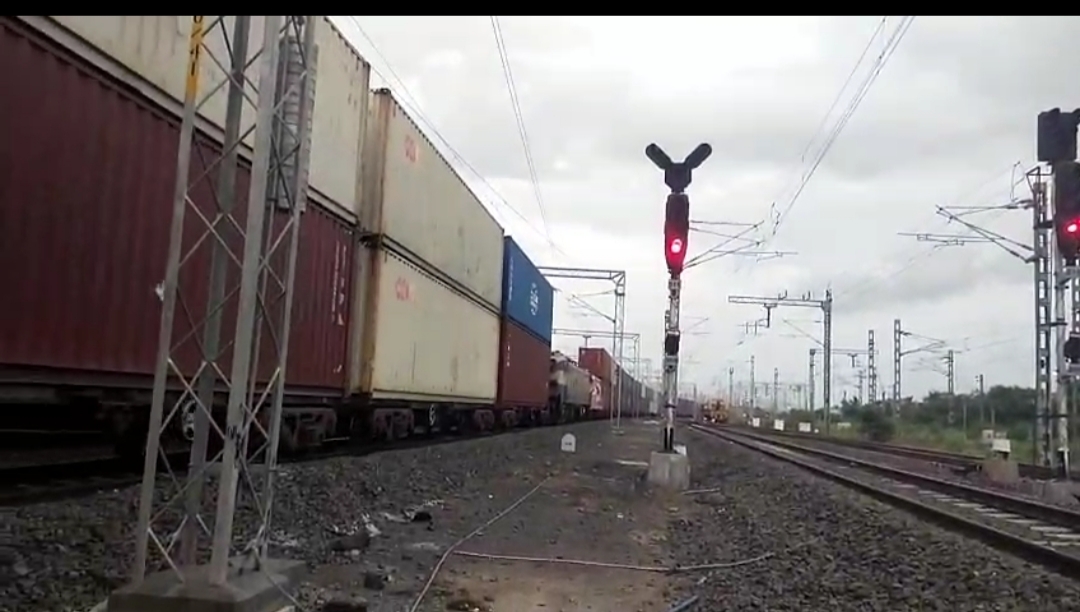
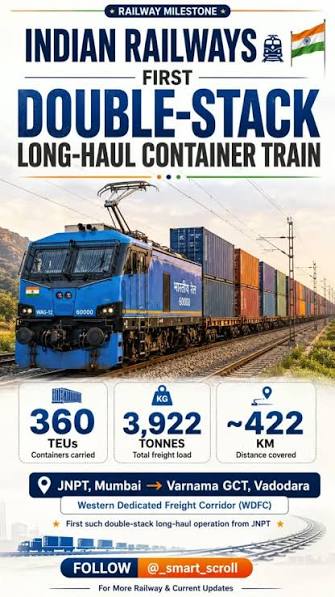
MUMBAI : Indian Railways has achieved a major freight milestone with the successful operation of its first double-stack long-haul container train on the Western Dedicated Freight Corridor (WDFC). The 1.3-km-long train carried 360 TEUs from Jawaharlal Nehru Port (JNPT) in Mumbai to CONCOR’s GCT Terminal at Varnama in Vadodara, covering around 422 km. The train departed from JNPT at 7 pm on August 21, 2026. The operation demonstrated the capability of the Western DFC to move a large volume of containerised freight in a single long-haul movement.

First double-stack long-haul train runs on Western DFC
The long-haul formation comprised two double-stack container rakes combined into a single train movement. Each rake carried 45+1 containers. The leading rake carried 1,817 tonnes, while the trailing rake carried 2,105 tonnes. Together, the two rakes transported 360 TEUs, with a combined tonnage of 3,922 tonnes. The formation covered approximately 422 km between JNPT and the Varnama terminal in Vadodara division.

360 TEUs moved from JNPT to Vadodara
The operation allowed a significantly larger volume of containerised freight to be transported in a single long-haul movement. By combining two double-stack rakes, Indian Railways demonstrated the potential to move more containers in one train rather than using multiple separate movements for an equivalent freight volume. The operation also highlights the role of dedicated freight infrastructure in supporting the movement of containerised cargo between ports and inland terminals.

Why this freight train operation matters
The long-haul double-stack formation can help improve the efficiency of container transportation in several ways. Moving more containers in a single train can reduce the number of train movements needed to transport the same volume of freight. This can help make better use of available capacity on dedicated freight routes. It can also support faster evacuation of containers from ports and terminals, potentially helping reduce container dwelling time and terminal congestion.More containers, fewer train movements.

Indian Railways said long-haul double-stack operations can reduce the requirement for locomotives and container flat wagons needed to transport an equivalent volume of freight. Higher carrying capacity per movement can also improve the utilisation of available route capacity. Fewer train movements may be needed to move the same amount of cargo, allowing the freight corridor to handle larger volumes more efficiently. The operation can also support faster freight movement and help reduce overall transit time for containerised cargo.

How it can reduce freight congestion
The higher carrying capacity of a single long-haul train can help speed up the evacuation of containers from JNPT and other freight terminals. By moving more cargo in fewer train movements, such operations can help reduce pressure on terminals and improve the flow of freight towards inland destinations. The Western DFC is designed to facilitate the movement of freight, and the latest operation demonstrates how long-haul and double-stack capabilities can be combined to transport larger container volumes.


What it means for India’s freight network
The first double-stack long-haul container train on the Western DFC marks an important operational development for India’s freight transportation network. The 360-TEU movement from JNPT to Vadodara shows the potential of combining long-haul formations with double-stack container operations to move more freight in a single train. The operation also supports rail-based freight transportation. The train was electrically hauled, reducing dependence on diesel-powered road transportation. Moving larger cargo volumes by rail can help reduce the number of trucks required for equivalent freight movement, potentially lowering diesel consumption, road congestion and vehicular emissions.