Home Blog Page 136

India-Japan Partnership expands into key strategic areas : Piyush Goyal

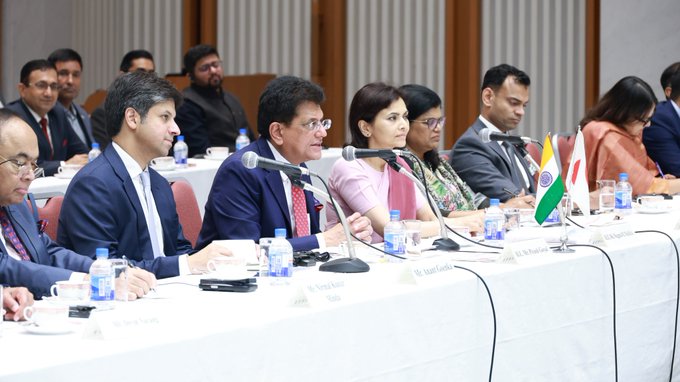
TOKYO: India-Japan partnership has expanded well beyond traditional trade to encompass strategic areas such as economic security, defence, supply-chain resilience, technology, innovation, clean energy and people-to-people exchanges stated Union Minister for Commerce and Industry, Shri Piyush Goyal, while addressing a round-table with Keidanren (Japan Business Federation), the apex economic organisation representing more than 1,500 leading Japanese companies.

Shri Goyal called for a deeper business-to-business partnership between the two countries and highlighted the improving ease of doing business in India and the opportunities emerging from the country’s rapidly expanding economy. The Minister invited Japanese investors to scale up their commitment to India and double the number of Japanese companies operating in the country, stating that the number of Japanese companies operating in India “should double this decade from current levels.” He also noted that India and Japan have designated 2026 as the “India-Japan Year of Shared Horizons,” marking 75 years of diplomatic relations between the two nations.

Shri Goyal held business meetings with the leadership of Sumitomo Corporation, Meiji Seika Pharma, Mitsubishi Corporation, Tokyo Electron and MinebeaMitsumi. Discussions focused on opportunities for further expansion of their operations and enhancement of investments in India.

During the meetings, Shri Goyal met Mr. Shingo Ueno, Representative Director, President & CEO, Sumitomo Corporation; Mr. Toshiaki Nagasato, President & Representative Director, Meiji Seika Pharma Co. Ltd.; and Mr. Juro Baba, Representative Director, Executive Vice President, Corporate Functional Officer for Global Planning & Coordination, Mitsubishi Corporation.

The Minister also met with two companies at the forefront of semiconductor manufacturing. At Tokyo Electron, he met Mr. Takeshi Okubo, Chair of Tokyo Electron India; Mr. Vaidya Bharadwaj, India Project Leader; Mr. Takuo Kawauchi, General Manager; Ms. Saori Tsuchiya, Director; and Ms. Yukiko Otaka. At MinebeaMitsumi Inc., he met Mr. Katsuhiko Yoshida, Director, President, COO & CFO, who is overseeing the company’s semiconductor plant project in India. These meetings reflect the growing focus on semiconductor investment as a pillar of the bilateral relationship.

In the afternoon, Shri Goyal held a meeting with Mr. Ichikawa Keiichi, Secretary General of Japan’s National Security Secretariat, Cabinet Office, at the Kantei (Deputy Prime Minister’s Office), underlining the strategic dimension of the bilateral relationship alongside its economic dimension.

Shri Goyal thereafter participated in a Round-table on the Capital Goods, Machinery and Automotive Industry, which provided a platform to discuss ways to strengthen linkages between Japanese enterprises and India’s Tier-II and Tier-III supplier ecosystem and identify new avenues for industrial collaboration and technology partnerships, including for Micro, Small and Medium Enterprises (MSMEs). The round-table saw participation of around 70 businesses from India and Japan.

The Minister highlighted the immense scope of collaboration between the two countries in capital goods, machinery, automotive and advanced manufacturing, and invited Japanese companies to deepen their presence in India in these sectors.

The discussions also explored opportunities for Japanese companies to deepen their engagement with India’s manufacturing ecosystem and contribute to stronger and more resilient supply chains.

In the evening, Shri Goyal participated in a fireside chat moderated by Nikkei Asia, attended by members of the business community and media from India and Japan. He highlighted the expanding contours of the India-Japan economic relationship and the opportunities emerging from India’s growth trajectory, technological transformation and increasing integration with global value chains.

The day’s engagements reaffirmed the strong momentum in the India-Japan economic partnership and India’s commitment to deepening trade, investment, technology and business-to-business linkages, while creating new opportunities for mutually beneficial growth.

Shri Piyush Goyal, arrived in Tokyo to lead India’s largest-ever business delegation to Japan, comprising over 200 representatives from industry, drawn from sectors including manufacturing, semiconductors, clean energy, steel, automotive, financial services, healthcare, and start-ups. The four-day visit, running from 24 to 27 August, will take the delegation across Tokyo, Nagoya, and Osaka, and is aimed at deepening trade and investment ties under the India-Japan Special Strategic and Global Partnership.

The delegation has been constituted jointly by India’s leading industry associations, in coordination with the Ministry of Commerce and Industry, and includes representatives nominated by the Federation of Indian Chambers of Commerce and Industry (FICCI), the Confederation of Indian Industry (CII), and the Associated Chambers of Commerce and Industry of India (ASSOCHAM).
“Targeting USD 100 bn trade by 2030”: EAM S Jaishankar urges action on non-tariff barriers, trade imbalance with Russia

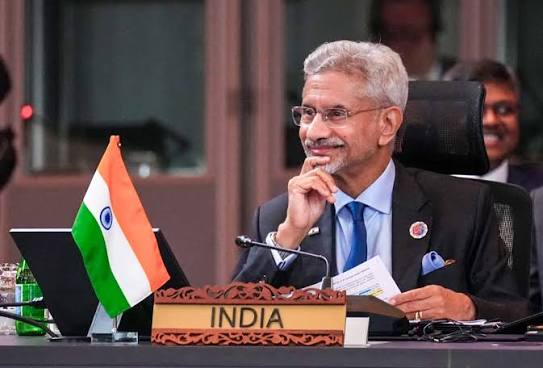
MOSCOW: External Affairs Minister Shri S Jaishankar on Monday called for decisive measures, including the removal of non-tariff barriers, the strengthening of national payment systems, and the swift conclusion of a Free Trade Agreement, to push bilateral trade between India and Russia to USD 100 billion by 2030.

Addressing the 27th India-Russia Inter-Governmental Commission (IRIGC-TEC) in Moscow alongside Russian First Deputy Prime Minister Denis Manturov, Jaishankar emphasised that resolving the mounting trade imbalance between the two nations is now “one of our foremost priorities”.

Jaishankar noted that while bilateral trade in goods has expanded more than fourfold, from approximately USD 13 billion in 2021-22 to nearly USD 60 billion in 2023-24, the surge has triggered a massive widening in the trade gap from USD 6.6 billion to over USD 50 billion.

“Over the last five years, bilateral trade in goods has increased more than fourfold from about US dollars 13 billion in 2021-22 to nearly US dollars 60 billion in 2023-24. This demonstrates the immense potential of our partnership. And the rapid expansion of trade has, however, been accompanied by a significant widening of the trade imbalance, which has also increased from 6.6 billion to over US dollars 50 billion,” he said.

“Addressing this imbalance is today one of our foremost priorities. Excellency, colleagues, progress on market access, removal of tariff and non-tariff barriers, strengthening payment mechanisms and stronger business-to-business engagement will be critical for addressing this imbalance and achieving our shared objective of US dollars 100 billion in bilateral trade by 2030,” he added.

Jaishankar pointed to ongoing discussions regarding the India-Eurasian Economic Union Free Trade Agreement and referenced wide-ranging cooperation across energy, nuclear power, metallurgy, space, railways, fertilisers, skill mobility, and connectivity. To institutionalise the next phase of economic partnership, the EAM outlined three specific proposals for the commission’s working groups.

Jaishankar outlined three key directions for working groups: prioritising tangible outcomes before the next session, strengthening alignment with private sector needs, and continuously identifying new avenues to de-risk and diversify economic ties.

He said, “Going forward, the effectiveness of our efforts should increasingly be measured by the outcomes we deliver. Each working group must prioritise deliverables to be achieved before the next session and actively engage in problem-solving.”

Second, he called for deeper engagement with the private sector, noting, “Governments can create enabling frameworks, but it is our businesses that trade, invest, innovate and create jobs. Our institutional mechanisms should therefore remain closely aligned with the priorities of industry. Regular interaction with businesses and industry associations will help us to identify practical bottlenecks, improve policy responsiveness and ensure that discussions remain relevant, action-oriented and commercially meaningful. The holding of Innoprom in India in the coming weeks is a very good signal in that regard.”

Third, he highlighted the need to constantly update views and explore fresh possibilities, stating, “The complicated international scenario will constantly throw up fresh ideas because we are all focused on de-risking and diversifying. Economic demands and technology requirements will add to this mix.”

Reaffirming the “resilience and adaptability” of the special and privileged strategic partnership amidst a complex global landscape, Dr. Jaishankar concluded by reiterating India’s commitment to fully utilising the IRIGC platform to realise its stated economic goals.

Further underlining the durability of bilateral ties, Jaishankar emphasised that “the India-Russia partnership has consistently demonstrated resilience and adaptability. Even amidst a complex international landscape, our engagement has continued to deepen, reflecting the mutual interest and confidence that define our bilateral partnership.”

Earlier in the day, EAM Jaishankar met with Russian President Vladimir Putin at the Kremlin in Moscow as part of his two-day official visit to the country at the invitation of First Deputy Prime Minister of the Russian Federation Denis Manturov.

Referring to the discussions between Jaishankar and Russian First Deputy Prime Minister Denis Manturov under the India-Russia Intergovernmental Commission, Russian President Vladimir Putin said that the two sides had already worked on several important issues.

“We are very glad to see you, esteemed Minister. I know that you and your Russian counterpart, Manturov, who heads the Russian part of the intergovernmental commission, have already worked hard and have undoubtedly discussed the most important issues,” he said.

The India-Russia Intergovernmental Commission (IRIGC) has two divisions: the Trade, Economic, Scientific, Technological and Cultural Cooperation (IRIGC-TEC), co-chaired by External Affairs Minister Dr S Jaishankar from India and First Deputy Prime Minister Denis Manturov from Russia; and the Military and Military-Technical Cooperation (IRIGC-M&MTC), headed by the Defence Ministers of the two countries.

The bilateral relationship between the two countries has remained strong and stable over the years.MEA underlined how the India-Russia partnership has been among the steadiest in the contemporary era, with a shared commitment to a multipolar world as well as to expanding engagement beyond the traditional military, nuclear and space cooperation.

Source: ANI

DP World seeks extension to operate JNPA terminal

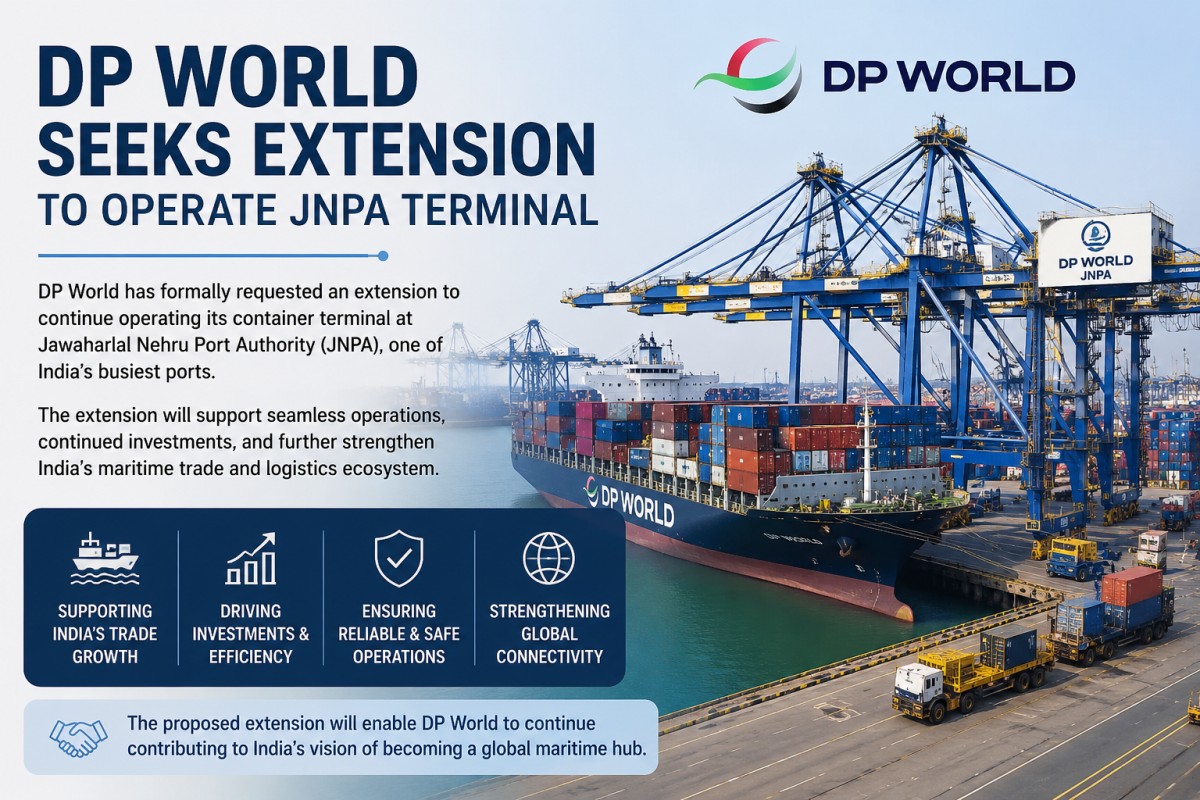
DUBAI/MUMBAI: DP World is seeking an extension of its concession to operate a container terminal at Jawaharlal Nehru Port Authority (JNPA), as its current agreement approaches expiry in June, 2027, a senior company official said on Monday.

“We have asked for an extension,” Hemant Kumar Ruia, Country Manager, DP World India Subcontinent, said in a media interaction, adding that discussions are underway. He did not disclose the terms or duration of the extension being sought.

The terminal, Nhava Sheva International Container Terminal (NSICT), is one of two container terminals operated by DP World at JNPA. The company also operates the adjoining Nhava Sheva (India) Gateway Terminal (NSIGT).

The extension comes as DP World expands its presence in India’s ports and logistics sector. Its new container terminal at Tuna-Tekra near Deendayal Port in Gujarat is expected to start operations by the end of 2027, Ruia said.

The company is investing about $510 million in the Tuna-Tekra terminal, which will be able to handle about 2.19 million containers a year. DP World currently operates five container terminals in India. Companies rethink supply chains Ruia said repeated disruptions to global trade are prompting companies to move away from the traditional “just-in-time” model, where goods arrive when they are needed, towards a “just-in-case” approach that gives companies a backup in case supplies are disrupted.

“Just in time is maybe not a good idea. So let’s have a strategy for just in case,” Ruia told Moneycontrol.

The shift has followed disruptions caused by the Covid-19 pandemic, the Russia-Ukraine war and the continuing West Asia crisis, he said. Companies are increasingly looking at ways to ensure that raw materials reach factories and finished goods reach customers even when normal trade routes are disrupted.

Asked whether this meant companies were keeping larger inventories, Ruia said he did not have data to quantify any increase, but said it was a logical outcome of the shift towards a “just-in-case” model.

On the impact of the West Asia crisis on DP World’s India business, Ruia said it was not significant as the company had been able to find alternative routes and markets for Indian trade.

“For India, it’s nothing substantial,” he said. He said freight rates remained high and that a resolution to the West Asia crisis would help bring them down and allow trade to return to more normal conditions.

DP World has also reaffirmed its plan to invest an additional $5 billion in India over the next five years. Ruia said the investment would come through a series of projects and opportunities rather than one large investment.

Source : Moneycontrol

India-Cambodia bilateral trade grows over 36% to USD 406.78 million in 2025-26

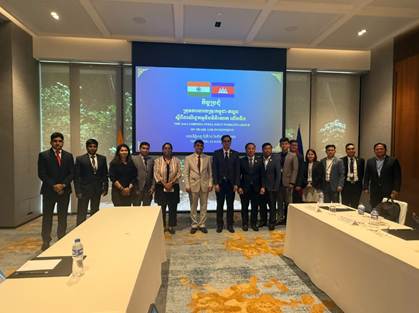
PHNOM PENH : The Third Meeting of the India-Cambodia Joint Working Group on Trade and Investment (JWGTI) was held on 24 August 2026 in Phnom Penh, Cambodia. The meeting was co-chaired by Shri Amit Verma, Joint Secretary, Department of Commerce, Ministry of Commerce and Industry, India, and Mr. Long Kemvichet, Director General of International Trade, Ministry of Commerce, Cambodia.

Both sides noted the encouraging momentum in bilateral trade, which grew by over 36% to reach USD 406.78 million in 2025-26, up from USD 299 million in the previous financial year, with the April-June 2026 quarter recording a further 63.25% year-on-year growth. Cambodia is currently India’s 8th largest trading partner in ASEAN, accounting for 0.31% of India’s total trade with the bloc, reflecting significant headroom for growth.

The meeting deliberated upon ways to diversify and deepen trade, including through cooperation and collaboration in traditional medicine, e-governance modules, recognition of Indian pharmacopeia, trade statistics reconciliation and the sharing of information on flagship trade fairs and business delegations.

The meeting also welcomed the successful launch of UPI acceptance at KHQR-enabled merchants in Phnom Penh on 2 June 2026, and discussed the next phase of enabling Cambodian payment applications to scan UPI QR codes in India, which would allow Cambodian travellers to use UPI-enabled terminals in India seamlessly.

The meeting further welcomed the agreement between both sides on the MoU on Custom Cooperation and discussed early signing, which would bring uniformity in custom procedure.

The two sides further discussed cooperation in agriculture and market access issues, expanding trade in dyes and pigments, banking and insurance sector cooperation. The two sides also welcomed the discussion for completion of the Bilateral Investment Treaty between India and Cambodia and agreed for early signature on it.

This was the third meeting of the JWGTI since its institutionalisation and the meeting reaffirmed the depth and growing potential of the India-Cambodia trade and economic partnership. The next meeting of the JWGTI will be held in India in 2027.

On the sidelines of the 3rd India–Cambodia JWGTI meeting, Shri Amit Verma had a productive call with H.E. Tith Rithipol, Under Secretary of State, Cambodia. Discussions covered strengthening bilateral trade and investment, cooperation in pharmaceuticals, and the successful UPI–KHQR digital payments linkage. Both sides reiterated their shared commitment for deepening the partnership between the countries.

Shri Amit Verma also met with members of the Indian Business Chamber in Cambodia (IBCC). Discussions focused on accelerating bilateral trade agreement discussions, facilitating Indian investment in Cambodia, and identifying 5–7 priority sectors including education, healthcare, IT, agriculture and tourism.

The meeting also discussed an “Invest in Cambodia” roadshow in India, positioning Cambodia as a production base for Indian companies seeking access to ASEAN markets, and establishing a mechanism for IBCC/FICCI/JBC to provide private-sector feedback to the JWGTI.

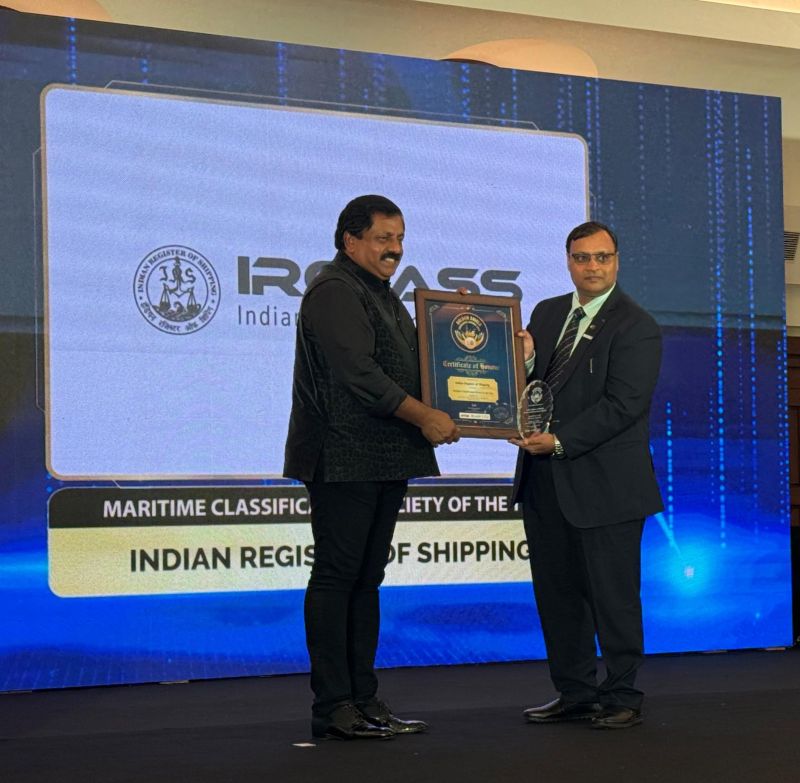
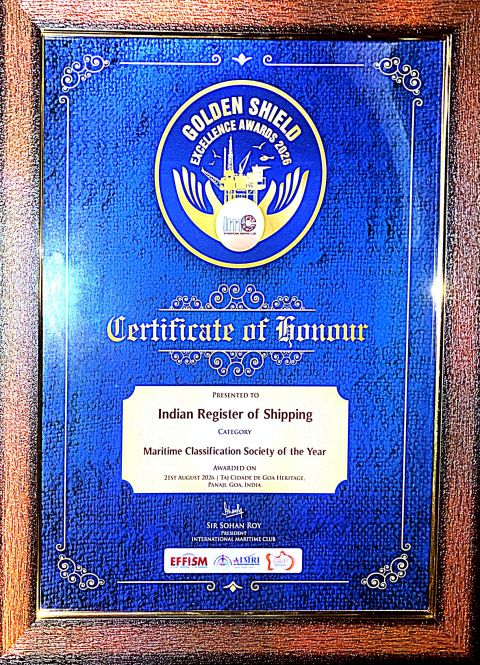
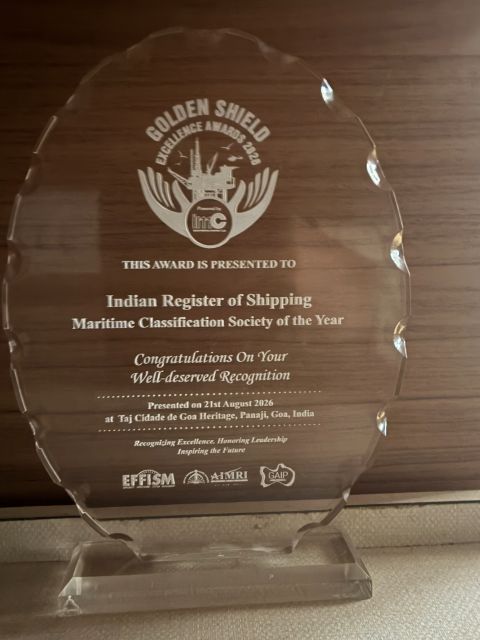
IRS honoured as “Maritime Classification Society of the Year” at IMC Golden Shield Excellence Awards 2026

MUMBAI: Indian Register of Shipping (IRS) has been honoured with the prestigious “Maritime Classification Society of the Year” award at the International Maritime Club (IMC) Golden Shield Excellence Awards 2026.

The recognition highlights IRS’s continued commitment to technical excellence, maritime safety, innovation and quality, as well as its growing contribution to the advancement of the global maritime industry.

The award reflects the organisation’s sustained efforts in providing high standards of ship classification, statutory services, technical expertise and maritime solutions, supporting shipowners, shipbuilders and other stakeholders across the maritime sector.

IRS has consistently focused on strengthening safety standards and promoting technological advancement across the shipping and shipbuilding ecosystem. Its work contributes to safer, more reliable and sustainable maritime operations while supporting the evolving needs of the global shipping industry.

Receiving the recognition, IRS expressed its gratitude to the International Maritime Club and the distinguished jury for acknowledging its efforts and contributions to the maritime sector.

The honour further reinforces IRS’s commitment to advancing maritime safety, operational excellence and innovation, while continuing to support the industry through robust technical standards and professional expertise.

The IMC Golden Shield Excellence Awards 2026 recognise outstanding achievements and contributions across the maritime industry, celebrating organisations and professionals that demonstrate excellence, innovation and meaningful impact on the sector.

The latest recognition marks another significant milestone for Indian Register of Shipping, reaffirming its role in contributing to the development of a safer, technologically advanced and globally competitive maritime industry.

Docker Vision honoured with IMC Golden Shield Excellence Award 2026 for Port Automation and Innovation

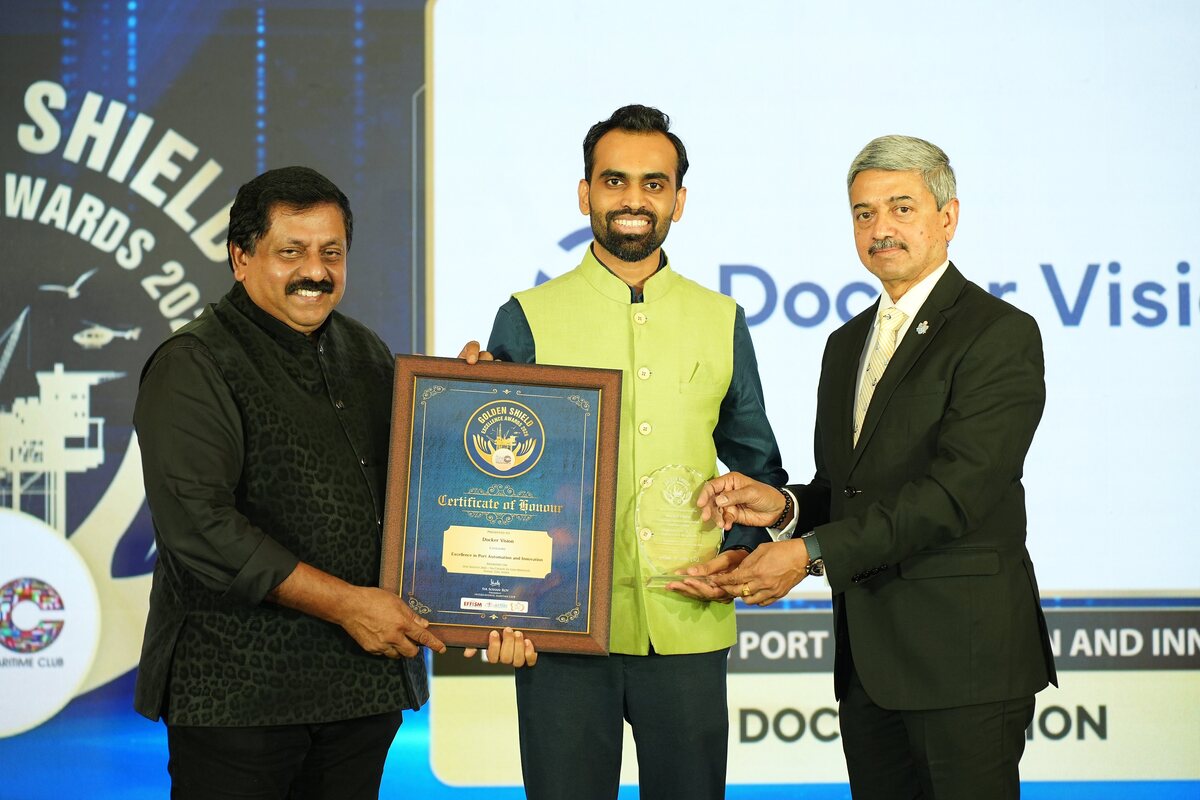
GOA: Docker Vision, an Indian technology company specialising in AI-powered computer vision and port automation, has been honoured with the “Award for Excellence in Port Automation and Innovation” at the IMC Golden Shield Excellence Awards 2026, held at the Taj Cidade de Goa Heritage on August 21.

The award recognises Docker Vision’s contribution to advancing automation and intelligent operations across ports and maritime logistics through the application of Artificial Intelligence, computer vision and real-time video analytics. Mr. Prajith Nair, CEO, Docker Vision, received the Winner title from Sir Sohan Roy, President, International Maritime Club and Mr. Krishnan Subramaniam, Chief Learning Officer, Transworld Academy.

Docker Vision was among 23 organisations and individuals recognised at the 2026 edition, alongside prominent maritime organisations including JM Baxi Ports and Logistics, DNV Maritime, Shipping Corporation of India, Transworld Shipping Lines, Great Eastern Shipping Company, Cochin Shipyard, Indian Register of Shipping and Indian Maritime University.

Docker Vision’s technology portfolio focuses on transforming traditionally manual and infrastructure-intensive processes in ports and logistics into AI-enabled, automated workflows. Its solutions use computer vision and AI to automate applications such as container recognition, OCR, gate automation, crane automation, rail wagon inspection, video analytics and video-based operational intelligence. The recognition comes at a time when ports and terminals are increasingly looking towards automation, digitalisation and AI to improve operational efficiency, safety, transparency and turnaround time.

Mr. Prajith Nair, CEO, Docker Vision, said: “This recognition is a strong validation of the work our team is doing to bring practical AI and computer vision solutions into real-world port operations. Our focus has always been on solving operational challenges at the ground level and making automation accessible, scalable and commercially viable for ports and terminals.”

He added: “We see AI becoming an integral part of the next generation of port infrastructure. From automated gates and container identification to crane, rail and yard intelligence, our objective is to build technology that works alongside existing port systems and delivers measurable operational value.”

Docker Vision is building its technology around this opportunity, with solutions designed for integration with existing Terminal Operating Systems (TOS), cameras and port infrastructure. The company has deployed and tested its AI-based solutions across port, terminal and logistics environments in India and the Middle East, with applications spanning automation of gate operation, crane operations and rail logistics.

The IMC Golden Shield recognition further reinforces the growing role of AI, automation and digital technologies in India’s maritime ecosystem, while highlighting the emergence of Indian technology companies contributing to the Maritime sector’s digital transformation.

About Docker Vision Pvt Ltd.

Docker Vision Pvt Ltd is a pioneering computer vision startup based in Kochi, Kerala, specialising in advanced AI solutions for port and terminal automation. Since its inception in 2021, the company has delivered cutting-edge technologies to streamline operations and enhance efficiency across various industries

GRSE bags ₹45-crore electric ferry contract from West Bengal Tourism Development Corporation

KOLKATA : Garden Reach Shipbuilders & Engineers Ltd (GRSE) on Monday said it has received an order from the West Bengal Tourism Development Corporation Ltd to procure two 100-passenger capacity electric ferries valued at ₹45.02 crore.

In a regulatory filing, GRSE said the order is to be completed within 18 months from the contract signing date.

The order underscores the company’s commitment to the ‘Make in India‘ initiative, and its expanding role in the commercial and green technology shipbuilding sector, GRSE said.

The ferries will be constructed to meet the growing demand for sustainable tourism and public transport in the state, it said.

The announcement comes a day after Defence Minister Shri Rajnath Singh laid the foundation stone for five major expansion projects of GRSE, involving a total investment of nearly ₹3,500 crore to boost shipbuilding and defence manufacturing capabilities in West Bengal.

DP World and DP World PGTI jointly launch ‘Race to DP World India Championship’ to redefine the road to season glory

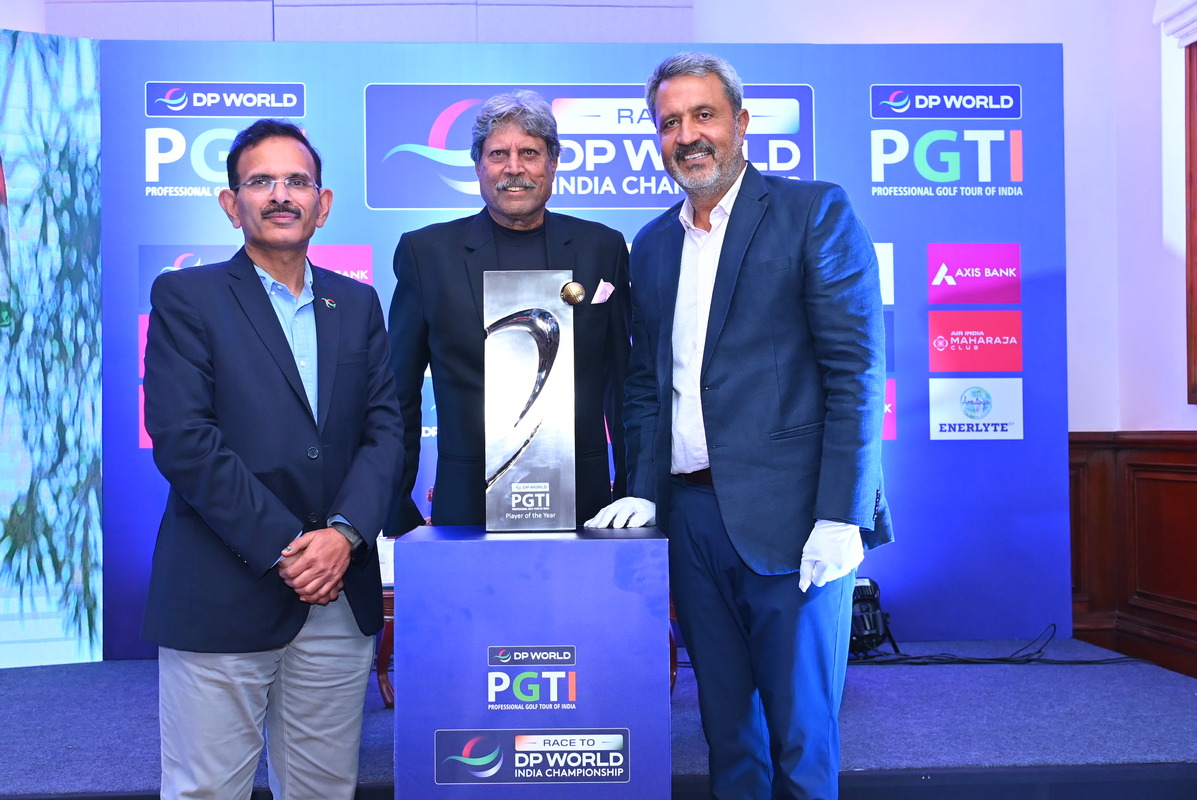
NEW DELHI: Global logistics leader DP World and India’s premier men’s professional tour DP World PGTI on Monday jointly announced the launch of the Race to DP World India Championship, a season-long competition that will serve as the defining storyline of the 2026 DP World PGTI season.

The ‘Race to DP World India Championship’ will determine the season’s top performers and their pathway to the prestigious DP World India Championship 2026, creating a compelling finish to the season and restructuring the DP World PGTI calendar in order to align it with the DP World Tour calendar thus creating more playing opportunities for DP World PGTI members.

Under the new format, unlike previous seasons, the 2026 DP World PGTI Order of Merit Champion will be decided after the completion of the DP World India Championship scheduled to be held at the venerated Delhi Golf Club from October 15 – 18, ensuring that the US$4 million season-finale plays a decisive role in determining the year’s ultimate champion.

The Race to DP World India Championship will feature non-stop golfing action on the DP World PGTI calendar in the run-up to the DP World India Championship 2026. The nine tournaments featuring in the Race are set to offer a combined prize purse of INR 10 crore thus taking the season’s total prize purse to INR 41 crore.

The first three events of the Race – J&K Open, Coal India Open and Kolar Open – have already concluded as they were held in the first three weeks of August.

The Race will conclude with the inaugural Kapil Dev Invitational Tour Championship which will be held at Jaypee Greens, Greater Noida, from September 30 – October 3.

At the end of the Kapil Dev Invitational Tour Championship, the last DP World PGTI event scheduled to be staged prior to the DP World India Championship 2026, the following season milestones will be confirmed:

  • The Top 24 players on the Race to DP World India Championship standings who will earn their spots for the DP World India Championship 2026
  • The Top 60 players on the DP World PGTI Order of Merit who will retain their playing rights for the 2027 DP World PGTI season

The DP World PGTI Order of Merit Champion will be honoured during the prize presentation ceremony of the DP World India Championship 2026.

The introduction of the Race to DP World India Championship also brings a significant change to the DP World PGTI calendar. Beginning in 2026, the DP World PGTI season will conclude with the DP World India Championship in October, instead of extending till December as in previous years.

This revised schedule aligns the DP World PGTI calendar much more closely with that of the DP World Tour. The synchronisation of the two seasons will enable the DP World PGTI Order of Merit Champion to transition more seamlessly onto the DP World Tour and maximise playing opportunities immediately after securing exempt status.

Hemant Kumar Ruia, Country Manager Subcontinent (India), DP World, said: “At DP World, we are committed to strengthening India’s sporting ecosystem and creating meaningful pathways for homegrown talent to compete on the global stage. The Race to the DP World India Championship, in partnership with DP World PGTI, reflects that ambition by giving India’s leading golfers the opportunity to earn their place alongside some of the world’s best. India is one of DP World’s most important markets, and we are proud to play a role in growing the game and supporting the next generation of sporting talent. We look forward to welcoming India’s finest golfers to Delhi Golf Club this October for the DP World India Championship, where they will have the opportunity to test themselves against a world-class field.”

Mr. Kapil Dev, President, DP World Professional Golf Tour of India (DP World PGTI), said, “The Race to DP World India Championship is a great initiative and reflects our shared vision with DP World of strengthening the pathway from Indian golf to the global stage. The Race introduces a fascinating season-long contest which will reward consistency, raise the competitive standard throughout the season and further enhance the significance of the DP World India Championship. Aligning our season with the DP World Tour creates greater opportunities for our leading players to make an immediate impact internationally. I wish the players all the best for the Race to DP World India Championship.”

The nine DP World PGTI events featuring in the Race to DP World India Championship 2026 are: J&K Open at Royal Springs Golf Course in Srinagar (Aug 4 – 7), Coal India Open in Kolkata (Aug 11 – 14), Kolar Open at ZION Hills Golf County, Kolar, Karnataka (Aug 18 – 21), Telangana Open at Vooty Golf County, Vikarabad, Telangana (Aug 25 – 28), Golconda Masters at Hyderabad Golf Association (Sept 1 – 4), Chennai Open at TNGF Cosmo Golf Course (Sept 8 – 11), Nava Raipur Open at Fairway Golf & Lake Resort, Nava Raipur, Chhattisgarh (Sept 15 – 18), Bengaluru Open at Karnataka Golf Association (Sept 22 – 25) and Kapil Dev Invitational Tour Championship at Jaypee Greens, Greater Noida (Sept 30 – Oct 3).

The Golconda Masters returns for its 12th edition while both the Chennai Open and Bengaluru Open return for their fifth editions. The Nava Raipur Open and Kapil Dev Invitational Tour Championship make their debut on the DP World PGTI schedule.

Following the conclusion of the DP World India Championship 2026, the new DP World PGTI season will commence, marking the beginning of the next Race to DP World India Championship 2027.Top of Form

As part of the season-ending celebrations, DP World and DP World PGTI will also host a Pro-Am event at Delhi Golf Club on the day following the DP World India Championship. The Pro-Am will be followed by the prize presentation function in the evening, where the DP World PGTI Order of Merit Champion and the DP World PGTI Emerging Player of the Year will be felicitated.

Iran approves service fees for ‘Authorised’ ships transiting Strait of Hormuz

TEHRAN: Iran has approved a plan to charge ships from countries it allows to pass through the Strait of Hormuz for services provided by Tehran, as tensions with the United States continue over the strategic waterway.

The fees will cover services such as navigation, environmental support, fuel supply in certain conditions, insurance and safety, Iranian officials said. Payments can be made in Iranian rials or another currency chosen by Iran.

Iran’s parliament National Security and Foreign Policy Commission approved Article 3 of the “Strategic Action Plan for Security and Development of the Strait of Hormuz” on Sunday.

Hassan Ghashghavi, spokesperson for the commission, said the article had been left pending from an earlier meeting and was approved during Sunday’s session.

“Under Article 3, fees will be charged for services including maritime, environmental, fuel supply in special conditions, insurance, safety, and other services provided in the Strait of Hormuz,” Ghashghavi told reporters.

Iran’s National Security Commission spokesperson Ebrahim Rezaei also said ships from countries authorised to use the waterway would have to pay for services provided by Iran.

Ghashghavi said the plan supports freedom of navigation under international law while also protecting the security, sovereignty and rights of countries along the Strait of Hormuz.

He said the Persian Gulf and Strait of Hormuz have their own rules and conditions.

Ghashghavi referred to Oman, saying that after accepting the 1982 United Nations Convention on the Law of the Sea, the country issued a political statement saying the convention should not affect its national sovereignty and security.

Iran Says Strait of Hormuz Remains Closed

Mohsen Rezaei, secretary of Iran’s Supreme National Security Council, said on Saturday that the waterway would not reopen until the United States fulfils its commitments and changes its behaviour.

“The Strait of Hormuz is closed, despite American claims, and will not open until America corrects its behaviour,” Rezaei told state broadcaster IRIB.

“This time, America must first fulfil its obligations,” he added.

Rezaei also accused Washington of moving away from military options and relying on economic pressure against Iran. He said the United States was using economic pressure after becoming disappointed with military attacks.

He also claimed that Israeli Prime Minister Benjamin Netanyahu had told U.S. President Donald Trump that an economic blockade would force Iran to surrender.

The dispute has affected international energy movement, with the Strait of Hormuz remaining at the centre of the confrontation between Iran and the United States.

Iran has warned of countermeasures against tanker traffic that it does not authorise.

Trump Repeats Claim Over Strait of Hormuz

Trump has continued to make claims about U.S. control of the Strait of Hormuz.

The U.S. president recently shared an image on Truth Social showing the waterway as “NEW US Territory”. He had shared the same graphic on August 18 after previously raising the possibility of claiming jurisdiction over the Strait.

At a police academy gathering on Long Island on August 14, Trump said, “Pretty soon I’ll be declaring the Strait of Hormuz a territory of the United States.”

Trump has also warned foreign governments against giving Iran “any type of lifeline” and said Tehran must accept what Washington considers the right deal.

Iranian officials have maintained their position on the Strait while also expressing support for negotiations.

Iranian President Masoud Pezeshkian has called for diplomatic efforts to resolve the dispute. He said Iran should work to end the conflict while protecting its national strength and dignity.

Fewer than 20 ships transit key Strait of Hormuz over weekend

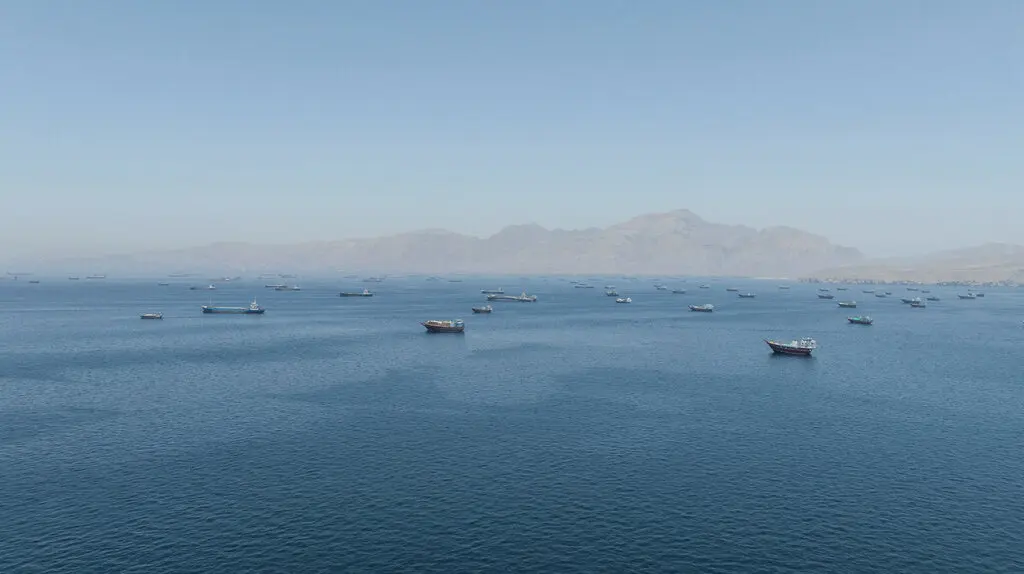
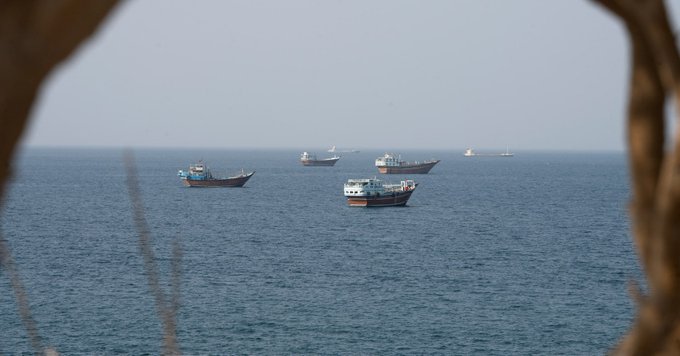
LONDON: Fewer than 20 commodity vessels transited the Strait of Hormuz at ​the weekend, shipping data showed on Monday on August 24 2026, as Iranian and U.S. ‌blockades restrict traffic through the chokepoint for energy shipments.

Four vessels ​crossed the strait on Sunday (August 23, 2026), initial data ⁠from shiptracker Kpler showed by 0228 GMT, with 13 on Saturday (August 22, 2026). The figures could change as some ships had switched off transponders on their ‌way through.

That compared with Friday’s (August 21, 2026) figure of 16 transits, with two empty very large crude carriers (VLCCs) entering ‌the Gulf with the tracking devices switched off, one heading ‌to ⁠Iraq and the other to Bahrain, the data ⁠showed.

A VLCC carrying 2 million barrels of Emirati crude exited the strait on Thursday (August 20, 2026).

Eight very large gas carriers transited the strait over the past three days, ​the data showed, six ‌of them entering empty while the others carried liquefied petroleum gas (LPG) loaded from Iran and exited the Gulf.

Overall traffic volumes remained suppressed in the week to August 21, as vessels ‌aborted transit plans or switched routes through the strait’s ​north after attacks, the United Kingdom Maritime Trade Operations (UKMTO) agency said in a report.

A total of 89 ⁠vessels exited the strait while 103 entered over the seven-day period, the report, based on Automatic Identification System (AIS) data, showed.

“Traffic remains ‌well below normal levels, with AIS-detected transits approximately 90% below pre-conflict baselines and declining since the June 24 to June 26 peak,” it added.

Tanker traffic, at 45% of the total, continued to dominate movement through the strait, the agency said. Of these, 56% were tankers that carry crude oil, oil products ‌or chemicals while LPG carriers accounted for a further 24%.

Since July 6, ​the UKMTO has reported 23 incidents of projectile strikes, leading to bridge, engine-room, and structural damage across vessels ⁠in the strait and its vicinity.

A total of 24 commodity ⁠vessels sailed through the Bab el-Mandeb strait on Sunday (August 23, 2026), down from Saturday’s (August 22, 2026) figure of 32, which was an increase ‌from 22 on Friday (August 21, 2026), Kpler data showed.

Two VLCCs entered the Red Sea on Saturday (August 22, 2026) with one carrying Iraqi ​Basrah crude and the other empty, it showed.