Home Blog Page 168

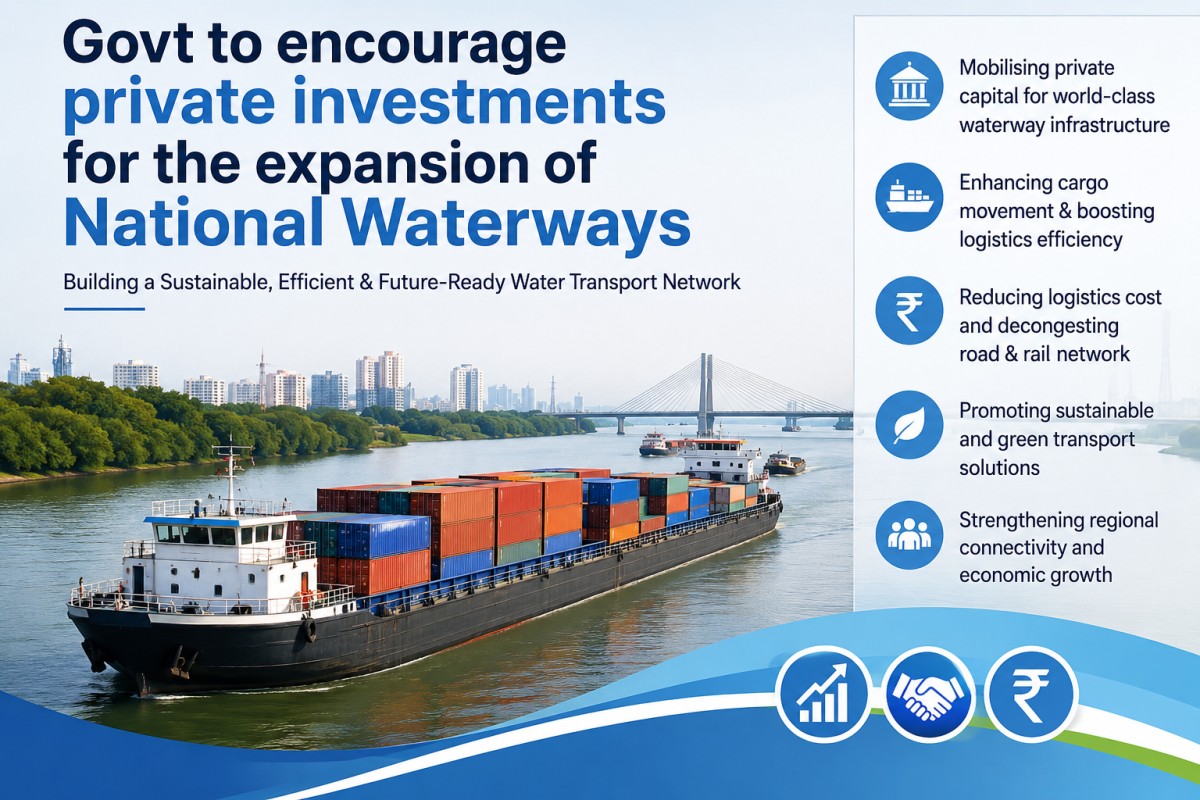
Govt to encourage private investments for the expansion of National Waterways

NEW DELHI : Union Minister of Ports, Shipping and Waterways, Sarbananda Sonowal, informed that,to encourage private investment and expand the operational network of National Waterways (NWs) for cargo and passenger traffic, the Government has notified the National Waterways (Construction of Jetties/Terminals) Regulations, 2025 to facilitate the construction and operation of terminals by private entities. Further, the Jalvahak Scheme has been launched for providing incentives up to 35% to promote cargo movement on inland waterways. The Government is also encouraging private sector participation through Public-Private Partnership (PPP) models duly assigning the O&M of terminals on long concession period.

The Jalyan & Navic portal, a One Nation One Registration single window system developed to serve as a centralized national registry for inland vessels and crew, is fully operational. Eighteen States/UTs have been onboarded on the portal and 9,953 inland vessels and 1,215 crew are registered on this portal as on 30th July, 2026.

The major challenges in increasing cargo and passenger movement on NWs include limited industrial zone along the NWs; limited availability of suitable inland vessels; inadequate first and last-mile connectivity; limited multimodal logistics infrastructure; low awareness among cargo owners and operators regarding the benefits of Inland Water Transport (IWT). To address these challenges, the Government has undertaken a number of measures which are given at Annexure.

Annexure

Measures taken to address the challenges in increasing cargo and passenger movement on National Waterways:

Development of Multi-Modal Terminals, Inter-Modal Terminals, community jetties, floating terminals and cargo aggregation hubs to strengthen multimodal connectivity and facilitate seamless cargo movement.

Implementation of the Jalvahak Scheme to incentivise movement of cargo through inland waterways and promote modal shift from road and rail.

Notification of the National Waterways (Construction of Jetties/Terminals) Regulations, 2025 to facilitate private sector investment in terminal and jetty infrastructure.

Development of an enabling ecosystem for deployment of inland vessels by improving fairway conditions and encouraging private participation in vessel operations.

Operationalization of additional routes under the Indo-Bangladesh Protocol (IBP) to improve regional connectivity and expand cargo movement.

Development of passenger and cruise infrastructure on suitable National Waterways to promote tourism and regional passenger transport.

Engagement with Central Ministries, State Governments, Public Sector Undertakings and private stakeholders to promote modal shift of suitable cargo to inland waterways and enhance utilization of the NWs.

Development of Multi Modal Logistic Parks (MMLPs) along the NWs.

Fairway maintenance through river training works, fairway maintenance, channel marking and hydrographic surveys.

GE Shipping Q1 profit jumps over 2-fold to ₹1,309 crore

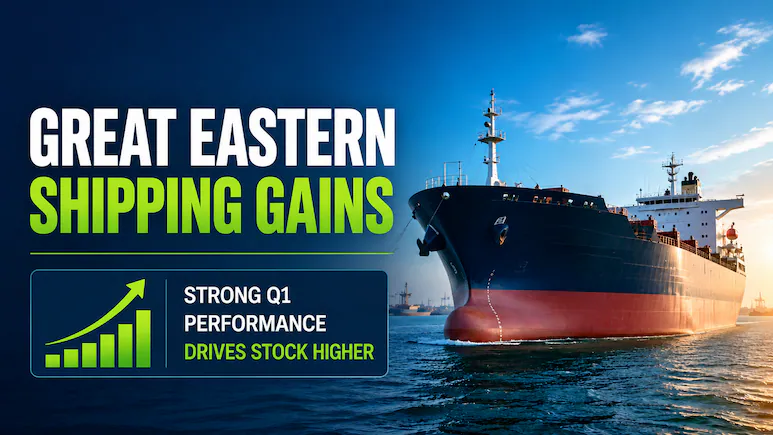
MUMBAI ; The Great Eastern Shipping Company (GE Shipping) reported a more than two-fold jump in net profit for the June quarter, helped by strong growth in its shipping business and improved operating margins. The company’s consolidated net profit rose to ₹1,309 crore in the first quarter of FY27 from ₹505 crore in the same period last year.

Revenue from operations increased 66.9% year-on-year to ₹2,005.4 crore, compared with ₹1,201.5 crore a year earlier. Operating performance also improved, with EBITDA nearly doubling to ₹1,337.7 crore from ₹642.8 crore. The EBITDA margin expanded to 66.7% from 53.5% in the year-ago quarter.

Shipping business drives growth

The company’s shipping segment remained the main contributor to revenue. Revenue from shipping operations rose to ₹1,890.97 crore in the June quarter from ₹994.21 crore a year ago.

The offshore services business also reported growth, with revenue increasing to ₹406.02 crore from ₹350.41 crore during the same period.

Company announces ₹14.40 dividend

The board of GE Shipping declared an interim dividend of ₹14.40 per equity share for FY27.

The company has fixed August 7, 2026, as the record date to determine shareholders eligible for the dividend. The payout will be made on or after August 27, 2026.

Shares of The Great Eastern Shipping Company closed 3.97% higher at ₹1,404 on the NSE on Monday ahead of the earnings announcement.

IMO : Strengthening global Port State Control data exchange with two new agreements

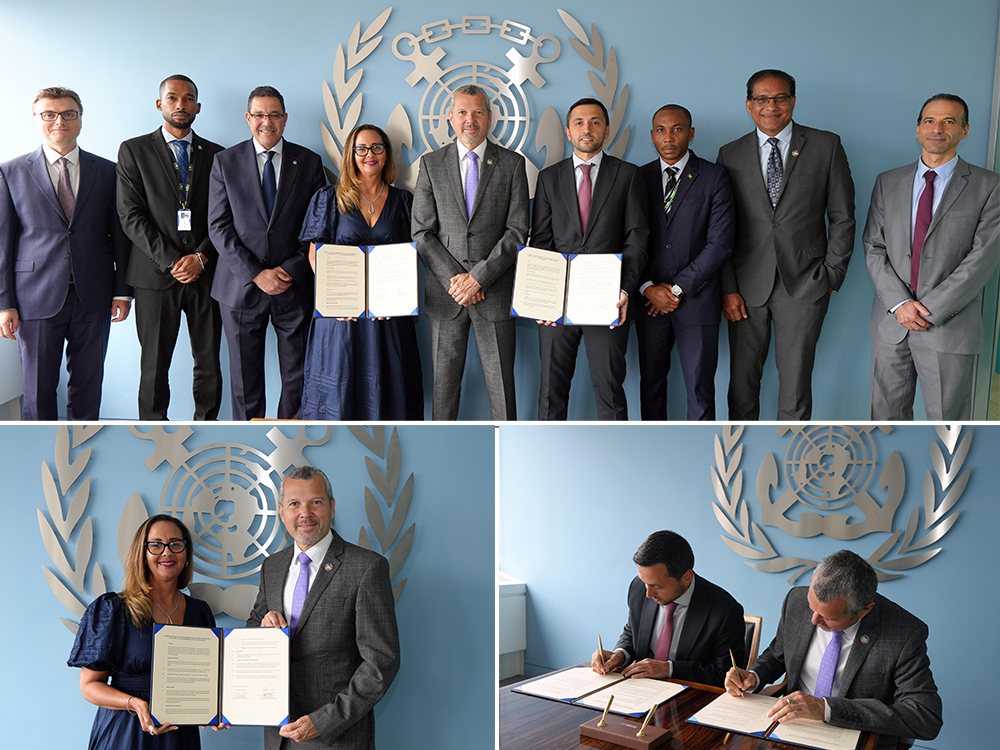
LONDON : IMO has concluded the latest updated data-exchange agreements with the Black Sea and Caribbean Memoranda of Understanding (MoUs) on Port State Control (PSC) in order to strengthen the global exchange of PSC inspection information. The agreements were signed at IMO Headquarters in London (21 July) by IMO Secretary-General Arsenio Dominguez, Mr. Onur Turhan, Secretary of the Black Sea MoU Secretariat, and Mrs. Jodi Munn Barrow, Secretary General of the Caribbean MoU Secretariat.

The signings strengthen cooperation by expanding the exchange of PSC inspection information and supporting the continued development of the PSC module within IMO’s Global Integrated Shipping Information System (GISIS).

With these agreements, IMO has now concluded updated data-exchange agreements with eight regional PSC regimes. Similar agreements have previously been signed with the Abuja, Indian Ocean, Tokyo, Mediterranean, Paris and Riyadh MoUs, while discussions continue with the Viña del Mar Agreement and the United States Coast Guard.

Supporting the PSC Overarching Database

The updated agreements represent another important milestone towards the development of a PSC Overarching Database (ODB), which will enable more comprehensive, harmonized and efficient sharing of PSC inspection data worldwide. The expanded exchange of validated inspection data will improve transparency, consistency and data integrity, while reducing duplication in reporting by Member States.

The IMO-led ODB project aims to facilitate near real-time information sharing among PSC regimes, strengthen risk-based inspection planning and support the effective implementation of IMO instruments.

Strengthening global PSC cooperation

Port State control regimes inspect foreign-flagged ships visiting ports to verify compliance with internationally agreed safety, security and environmental standards.

The updated agreements enhance cooperation between IMO and regional PSC regimes. They will increase transparency, support the harmonization of PSC activities, improve monitoring of implementation by Member States and contribute to safer, more secure and environmentally sound shipping worldwide.

Government approves 20 industrial nodes under NICDP; ₹16,172.95 crore sanctioned for industrial corridor development

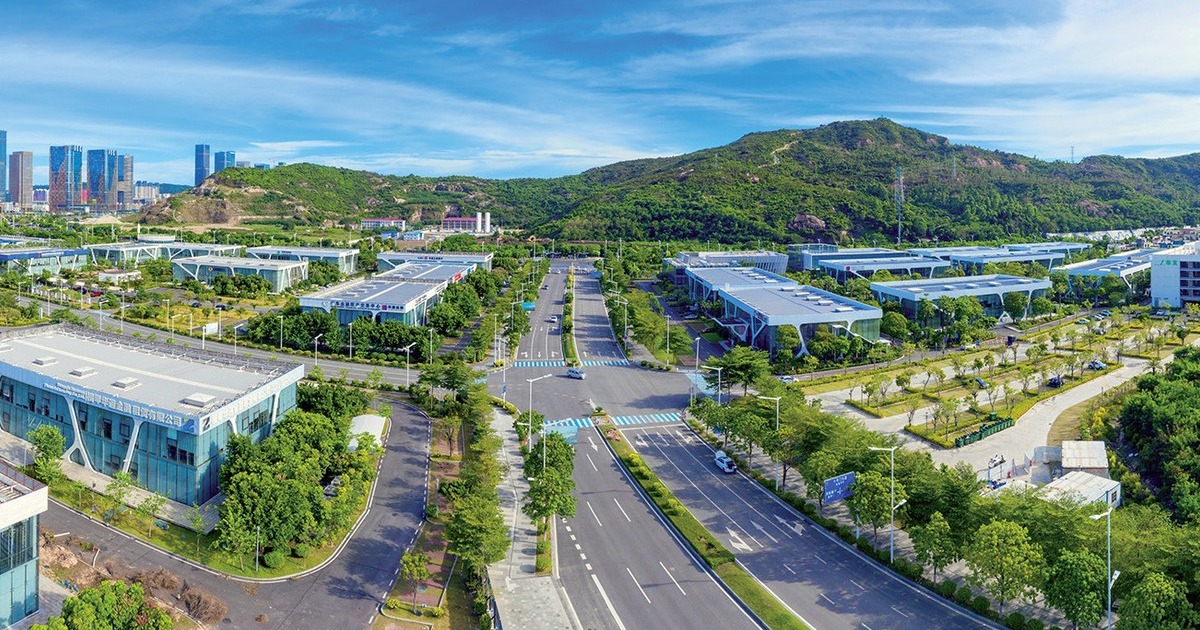
NEW DELHI : Government of India has undertaken development of industrial townships under the National Industrial Corridor Development Programme (NICDP), through Special Purpose Vehicles formed jointly with the State Government. The project development activities include identification of industrial nodes as per the prioritisation of the State government, followed by preparation and approval of concept master plan and development plan, environmental clearance and detailed design plan by the State government, prior to consideration of the project for approval. The State Government contribution is in the form of land and Govt of India’s contribution is in the form of equity and/or debt.

Government of India has approved a total of 20 industrial nodes under NICDP. Out of these, 12 projects were approved during the last 5 years. The State wise details of these projects is at Annexure I.

Department for Promotion of Industry and Internal Trade (DPIIT) has sanctioned and released funds amounting to Rs.16,172.95 Crore to National Industrial Corridor Development and Implementation Trust (NICDIT) for development of Industrial Corridor Projects. NICDIT has further released funds to the extent of Rs.14,569.97 Crore to the project SPVs to carry out project development for various industrial nodes/projects under NICDP.

Details regarding the funds released to the project SPVs by NICDIT for the approved projects, State and project-wise is at Annexure II.

Out of the 20 projects approved under NICDP, four projects have been completed. The current status of ongoing projects (16 no.) under NICDP is at Annexure III. The total construction timeline for project completion is 36-48 months from the actual date of appointment of EPC contractor.

The internal trunk infrastructure, including roads, water supply, sewerage and power distribution within the industrial city/node, are executed through EPC contractors engaged by the respective project SPVs. External connectivity infrastructure such as bulk water supply, power, telecom and roads—have been comprehensively mapped and examined on the PM Gati Shakti National Master Plan (NMP) portal and undertaken by concerned state SPVs as per SHA/SSA conditions in consultation with State department/Central agencies.

Air India, SkyDrive and Suzuki sign MoU for Feasibility Study of Medical Air Logistics in India

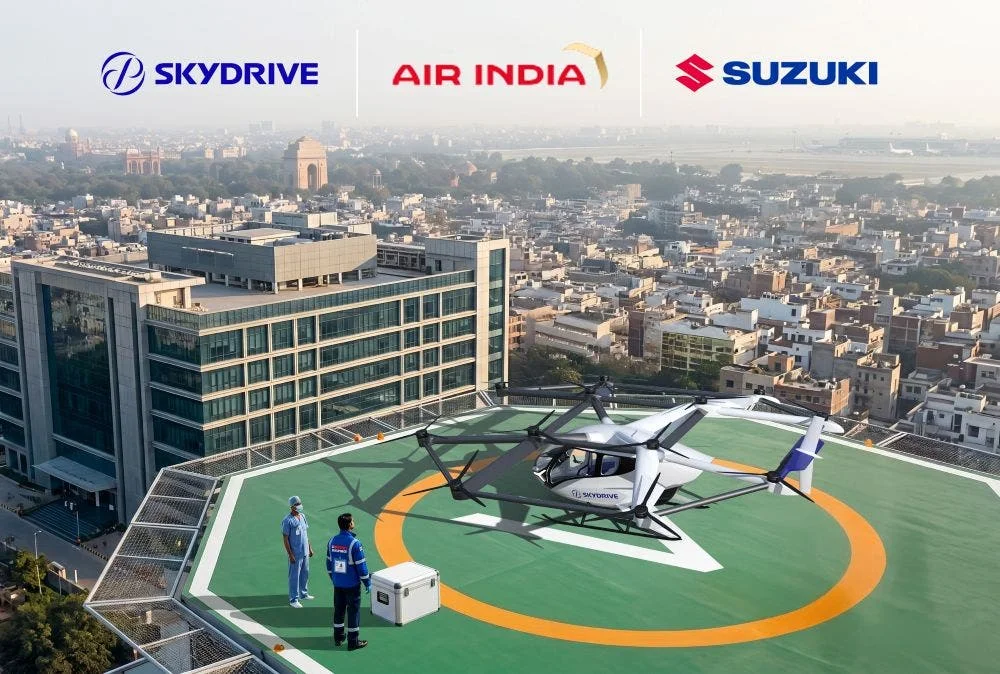
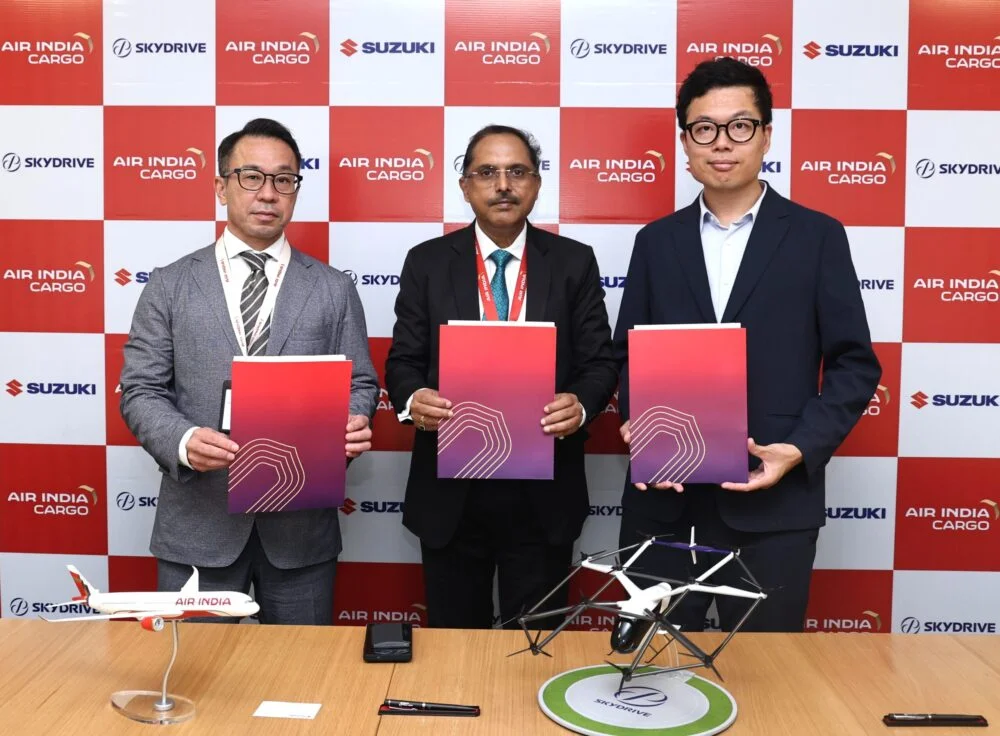
NEW DELHI: Air India Limited (hereinafter, “Air India”), India’s leading global airline, SkyDrive Inc. (hereinafter, “SkyDrive”), a company engaged in the development, manufacture, and sales of eVTOL aircraft, and Suzuki Motor Corporation (hereinafter, “Suzuki”) have signed a memorandum of understanding (MoU) to conduct a joint feasibility study on the use of eVTOL aircraft for medical air logistics in India.

India’s major cities face severe traffic congestion, creating significant challenges for time-critical medical logistics. By combining SkyDrive’s eVTOL technology, Air India’s operational expertise and Suzuki’s India market insight, the three companies will take on the challenge of realizing last-mile emergency medical logistics, contributing to the advancement of India’s medical infrastructure.

Air India SkyDrive and Suzuki sign MoU for Feasibility Study of Medical Air Logistics in India Signing Ceremony Air India, SkyDrive and Suzuki sign MoU for Feasibility Study of Medical Air Logistics in India

Comment by Ramesh Mamidala, Head of Cargo of Air India Limited “India is today one of the world’s largest and fastest-growing aviation markets, and we see advanced air mobility as a natural extension of the country’s transport ecosystem. This collaboration with SkyDrive and Suzuki reflects our shared ambition to explore 21st century solutions to address real-world challenges while shaping the future of mobility. The potential application of eVTOL aircraft for medical air logistics is particularly compelling because it combines technology and purpose, helping to reduce critical transit times when every minute can make a difference. We are pleased to contribute to this feasibility study with our operational expertise, airport infrastructure knowledge, and stakeholder relationships to help evaluate and develop a framework for safe, reliable, and scalable eVTOL operations.”

Comment by Tomohiro Fukuzawa, Founder and CEO of SkyDrive Inc. “Since our founding, SkyDrive has been dedicated to transforming the future of transportation through the aerial mobility revolution. We are incredibly proud to partner with Air India and Suzuki to take a step toward medical logistics—a sector where every second counts and lives can be saved. In India, where chronic congestion is a pressing issue, utilizing eVTOLs for advanced medical logistics—including the transport of high-value, time-critical medical supplies—will reshape medical infrastructure. We will work dedicatedly to contribute to saving as many lives as possible.”

Comment by Masao Fujitani, Executive General Manager, Next Generation Business Development of Suzuki Motor Corporation “The eVTOL aircraft being developed by SkyDrive, with which Suzuki is engaged in business and technology collaboration, represents a new form of mobility that embodies Suzuki’s philosophy of ‘Sho-Sho-Kei-Tan-Bi (Smaller, Fewer, Lighter, Shorter, and Neater)’. We believe it has the potential to play a role in supporting medical infrastructure in urban areas. Under our corporate slogan, ‘By Your Side,’ Suzuki will continue to provide diverse mobility options tailored to customers’ needs and contribute to regional development. By collaborating with a wide range of mobility companies, including SkyDrive and Air India, Suzuki aims to realize ‘infrastructure mobility closely connected with people’s lives.’” 

ONE announces financial results for Q1 FY2026

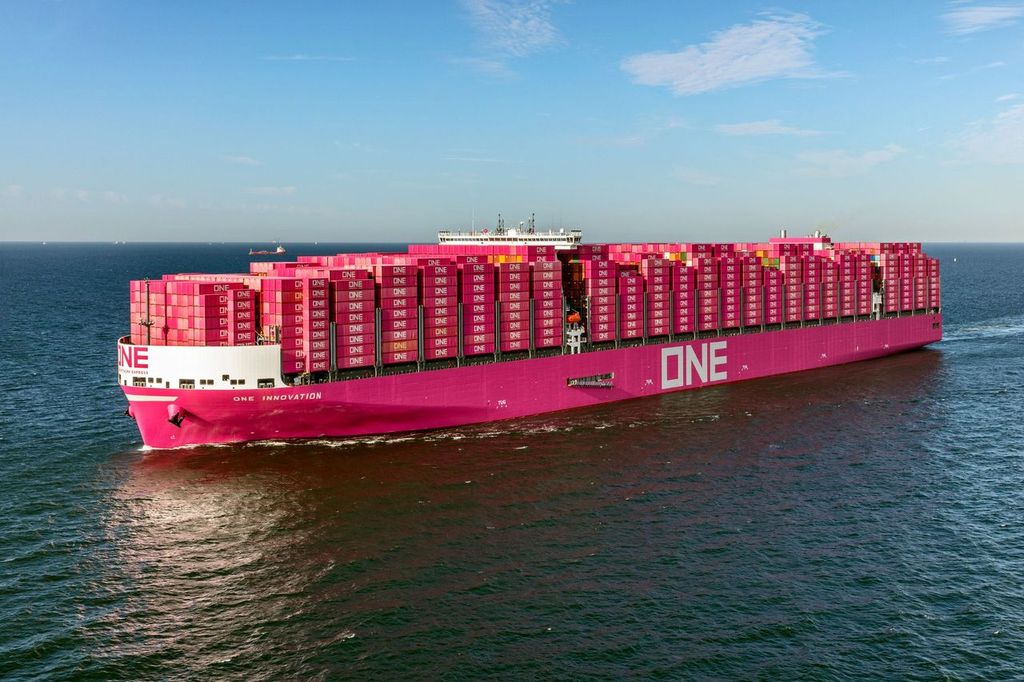
SINGAPORE : Ocean Network Express (ONE) announced its financial results for the first quarter of FY2026, covering the period from 1 April to 30 June 2026.

For the first quarter, ONE generated revenue of US$4,539 million and recorded a net profit of US$31 million.

Till Ole Barrelet, CEO of Ocean Network Express, says, “The first quarter reflected a demanding market, with Middle East disruption raising fuel and operating costs across the industry. As demand recovered through the quarter, we improved yields and maintained high utilization. We have raised our full-year forecast and remain focused on operational agility as conditions evolve. This reflects the dedication of our global team and the steady progress of our ONE2030 strategy. As market uncertainties persist, our priorities are protecting our people and assets, ensuring service reliability for our customers, and delivering sustainable long-term value for our stakeholders.”

About Ocean Network Express (ONE)

Ocean Network Express (ONE), headquartered in Singapore, is one of the world’s leading liner shipping companies. It operates a fleet of over 280 vessels with a capacity exceeding 2.2 million TEUs. Through its extensive global network, ONE provides reliable container shipping services to over 120 countries.

K” Line announces Financial Highlights for 1st Quarter Financial Year 2026

TOKYO: The “K” LINE Group Tuesday announces its first quarter financial year 2026 results.

Dry Bulk Business
In the Cape-size sector, market rates stayed firm, thanks to the active cargo movement of iron ore, bauxite, and others.

In the medium-small vessel sector, market rates were on an upward trend due to the growth in demand for coal transportation caused by the situation in the Middle East and the robust demand for grain transportation.

Under these circumstances, the Group focused on managing market exposure appropriately, reducing operating costs, and improving vessel operation efficiency.

The overall Dry Bulk segment recorded a year-on-year increase in revenue and returned to profitability.

(ii) Energy Resource Transport Segment
LNG Carrier Business, Crude Oil and LPG Carrier Business, Electricity Business, CCS Business and Offshore Wind Business

Concerning LNG carriers, LPG carriers, thermal coal carriers, large crude oil tankers (VLCCs), drillship, FPSO (Floating Production, Storage and Offloading system) and others, the business operated steadily under mid- and long-term charter contracts and contributed to securing stable profit.

The overall Energy Resource Transport segment recorded a year-on-year increase in both revenue and profit due to the impacts of market rates, exchange rates, and other related factors.

(iii)Product Logistics Segment

Car Carrier Business
In the car carrier business, due to port congestion in some areas and the tense situation in the Middle East, the Group was affected by the longer voyage distance and the decline in the fleet capacity utilization rate resulting from transportation through alternate routes, and the increase in fuel costs and other operating costs.

Logistics Business
In the domestic logistics and port business, the container terminal handling volume, the work volume in the towage business, and the handling volume in the warehousing business all stayed firm. As for the international logistics sector, while cargo movement in air transportation in the forwarding business was sluggish for some shipments, such as those related to automobiles, the transportation volume of semiconductors increased year-on-year. As a result, the overall business in this sector generally stayed firm. In the finished car transportation business, new car sales, a key factor influencing cargo volume at Australian ports, stayed at the same level as the previous year, and both transportation and storage volumes remained stable.

Short Sea and Coastal Business
In the short sea business, the overall transportation volume slightly decreased year-on-year, due to the decrease in the transportation of steel products and other cargoes canceling out the increase in the transportation of biomass fuel. In the coastal business, the volume of ferry transportation increased year-on-year for cars and passengers, resulting from the growth in travel demand. As for liner transportation, despite the decline in the number of voyages due to the docking of the vessels for the Shimizu route, the overall transportation volume increased year-on-year, thanks to the acquisition of new cargo on the Hokkaido route. The volume of tramp services remained almost unchanged from the same period of the previous fiscal year.

Containership Business
In the containership business, short-term freight rates increased as supply and demand tightened due to port congestion, in addition to front-loaded shipments and inventory buildup in consumer countries against the backdrop of the situations in the Middle East and rising fuel prices.

On the other hand, as operating costs increased due to factors such as rising fuel prices, the performance of ONE, an equity-method affiliate of the Company, recorded a year-on-year increase in revenue but a decrease in profit.

The overall Product Logistics segment recorded a year-on-year increase in revenue but a decrease in profit.

(iv)Other
The Other includes, but is not limited to, the ship management service, the travel agency business, the real estate rental and management business. The segment recorded a year-on-year decrease in revenue but returned to profitability.

(2)Description of Financial Position
Total assets at the end of the consolidated first quarter of this fiscal year were ¥2,289.9 billion, a decrease of ¥54.0 billion from the end of the previous fiscal year as a result of a decrease in cash and deposits and other factors.

Total liabilities increased by ¥10.8 billion to ¥512.8 billion as a result of an increase in other current liabilities and other factors compared to the end of the previous fiscal year.

Total net assets were ¥1,777.1 billion, a decrease of ¥64.8 billion compared to the end of the previous fiscal year as a result of an increase in treasury stock and other factors.

(3)Description of Information on Future Outlook, Including Forecast of Consolidated Financial Results
In the Dry Bulk segment, despite geopolitical risks, such as the situation in the Middle East, and uncertainty in the Chinese economy and other factors, the Group expects transportation demand to remain firm. Although the volume of new ship deliveries is limited for Cape-size vessels and slightly large for medium-small vessels, the Group expects that the overall vessel supply will be constrained, the supply-demand environment will remain favorable, and market rates will stay firm overall.

The Group will work on improving vessel operation efficiency and reducing costs, and amid the growing need to deal with environmental issues, taking advantage of its high-quality transportation, the Group will strive to enhance stable sources of revenue by increasing mid- and long-term contracts, and maximize profit, while maintaining appropriate and swift risk control.

In the Energy Resource Transport segment, despite uncertainties in the business environment, such as the situation in the Middle East, the Group expects steady profit growth with respect to LNG carriers, large crude oil tankers, LPG carriers, thermal coal carriers, drillship, FPSO, and others, supported by mid- and long-term contracts. The Group will continue efforts to secure stable profit.

As for the Product Logistics segment, in the car carrier business, the Group expects a continued increase in finished car movement, driven by the steady growth in global car sales. However, with the forecast that the tense situation in the Middle East will continue for some time, the Group will closely monitor the latest developments concerning the future changes in transportation demand and their impact on fleet deployment and continue efforts to optimize its fleet and further improve the efficiency of vessel operation and allocation.

In the logistics business, regarding the domestic logistics and port business, the container terminal handling volume, the work volume in the towage business and the handling volume in the warehousing business are expected to stay at the same level as the previous fiscal year. As for the international logistics sector, in the forwarding business, despite the continuing uncertainty in the demand for ocean and air transportation due to geopolitical risks, such as the situation in the Middle East, the handling volume is projected to stay flat year-on-year. In the finished car transportation business, both transportation and storage volumes are expected to remain stable.

In the short sea business, the Group expects a year-on-year increase in the overall transportation volume, driven by the increase in the transportation volume of biomass fuel. In the coastal business, the volume of ferry transportation is expected to stay flat year-on-year for trucks, cars, and passengers. As for liner transportation, despite the continuing decline in paper-related cargo on the Hokkaido route, the transportation volume is expected to be generally on par with the previous fiscal year, thanks to the steady growth in transportation of steel frames and construction materials. The transportation volume on the Shimizu-Oita route is also expected to be on par with the previous fiscal year. The volume of tramp services is expected to remain generally in line with the previous fiscal year, except for coal carriers.

In the containership business, the business environment remains uncertain due to factors such as the situation in the Middle East and U.S. trade policies. ONE will closely monitor changes in the situation, continue to provide flexible vessel allocation and efficient operations in line with demand, and strive to maintain stable business operations.

Our basic policy, positioning the maximization of shareholder value as a key management priority, is to improve corporate value and shareholder interests over the medium and long term by proactively promoting shareholder returns, including share buybacks. This is achieved by taking cash flow into consideration and actively promoting investments essential for enhancing corporate value while maintaining strict investment discipline, ensuring both capital efficiency and financial stability necessary to improve our corporate value while being conscious of optimal capital structure.

Based on this basic policy, regarding dividend for the fiscal year ending March 31, 2027, the Company plans for basic dividend of 40.00 yen and additional dividend of 80.00 yen per share, in total of annual dividend 120.00 yen per share (an interim dividend of 60.00 yen per share and a year-end dividend of 60.00 yen per share), as announced on Feb 3, 2026.

At the financial results announcement for the fiscal year ended March 31, 2026 held on May 8, 2026, we stated that, in preparation for the next Medium-Term Management Plan commencing in the fiscal year ending March 31, 2028, we will pursue both profit growth and capital efficiency improvement as twin pillars from the fiscal year ending March 31, 2027. As part of our capital policy, we have set a policy to optimize our capital structure in the short term with a target equity ratio, including off-balance-sheet items, of around 50%. Based on these policies, the Company resolved to repurchase its stock, with an upper limit of 130 billion yen, in accordance with paragraph 1 of Article 459 of the Companies Act of Japan and Article 38 of our Articles of Incorporation at the meeting of the Board of Directors held on May 29, 2026. For the status, please refer to “Notice Regarding the Status of Own Share Repurchase” as announced on Aug 3, 2026.

DP World signs agreement with GulfCap Africa

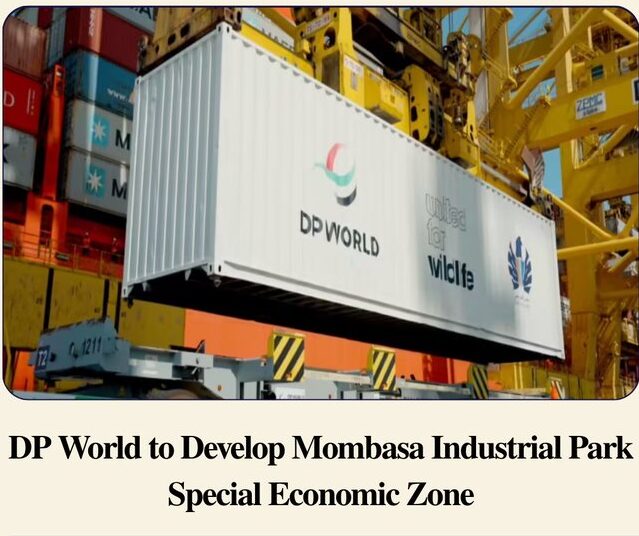
MOMBASA : DP World has signed an agreement with GulfCap Africa, founded by Suleiman Shahbal, to develop the 222-hectare Mombasa Industrial Park, a Special Economic Zone located less than 20km from the Port of Mombasa.

The first phase will span 40 hectares. Group CEO Yuvraj Narayan said the project strengthens integrated trade infrastructure, while Africa CEO Mohammed Akoojee said it will create employment and attract investment, pending completion of formal signing conditions.

MPA hosts 45th ASEAN Ports Association Working Committee Meeting

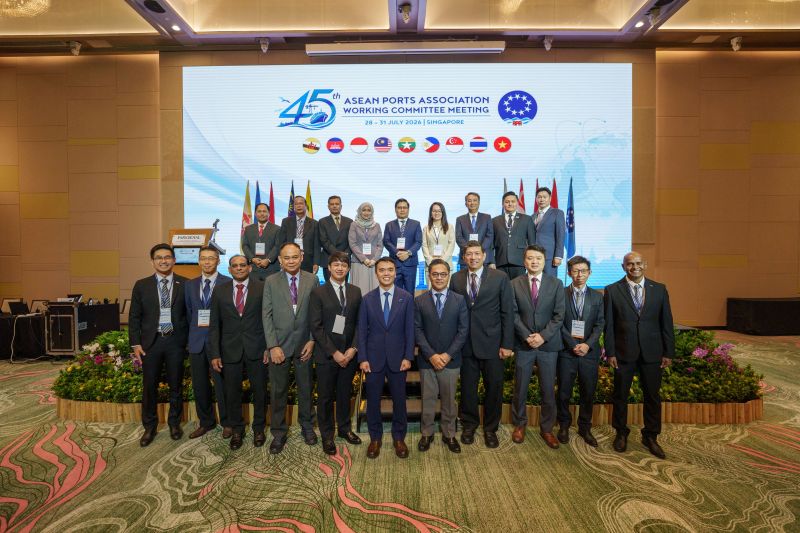
SINGAPORE : The Maritime and Port Authority of Singapore (MPA) successfully hosted and chaired the 45th ASEAN Ports Association (APA) Working Committee Meeting from 28 to 31 July 2026, bringing together senior port executives, policymakers, and industry leaders from across Southeast Asia to strengthen regional maritime collaboration and advance the future of ASEAN’s port sector.

Established in 1974, the ASEAN Ports Association (APA) serves as a key regional platform for cooperation among ASEAN port authorities and port operators. The association promotes collaboration in areas such as port development, operational efficiency, digital transformation, environmental sustainability, safety, and innovation, with the shared objective of enhancing the competitiveness and resilience of ASEAN ports.

The meeting was officially opened by Mr. Wee Keong Ang, Chief Executive of the Maritime and Port Authority of Singapore (MPA). The Singapore delegation was led by Capt. Charles Alexandar De Souza and Mr. Lawrence Koo, alongside representatives from Jurong Port and PSA International.

In his opening address, Mr. Ang emphasized that Singapore’s maritime success has been built on the principles of openness, connectivity, and international collaboration.

“No port succeeds in isolation,” he remarked, underscoring the importance of governments, port authorities, terminal operators, and industry stakeholders working together to ensure resilient and efficient regional supply chains.

He further highlighted the strategic importance of the maritime sector to ASEAN’s economic growth, noting that as one of the world’s most trade-dependent regions, ASEAN relies heavily on maritime transport to facilitate international trade while safeguarding food security, energy security, and economic resilience. Mr. Ang also welcomed the growing interest from international port associations seeking partnerships with the APA, reflecting the association’s expanding influence as a catalyst for regional maritime cooperation.

During the four-day meeting, APA members reviewed the association’s strategic priorities and explored new avenues for collaboration to enhance port performance across the region. Key discussions focused on strengthening data exchange and digital connectivity among ASEAN ports, improving operational efficiency, and sharing best practices on the adoption of future marine fuels to support the maritime industry’s decarbonization journey.

The meeting also reinforced the importance of innovation, knowledge sharing, and coordinated policy development in preparing ASEAN ports to address evolving trade patterns, supply chain disruptions, and emerging environmental challenges.

As the Maritime and Port Authority of Singapore marks its 30th anniversary this year, the authority reaffirmed its commitment to working closely with ASEAN partners to build a maritime sector that is resilient, sustainable, digitally connected, and future-ready. Through continued regional cooperation, technology adoption, and capacity building, ASEAN ports aim to strengthen their collective competitiveness and reinforce the region’s position as a vital hub in global maritime trade.

Klaipėda Port reports growth and expanding Baltic market share

KLAIPEDA: The Port of Klaipėda delivered a strong performance in the first half of the year, demonstrating resilience in a changing market environment and further strengthening its position as the leading port in the Baltic States. Cargo handling volumes increased across most key segments, driven by growth in container traffic, maritime transit and the ship repair industry.

“The Port of Klaipėda is highly diversified, and that is one of the key elements of its success,” Latakas said in a statement. “Despite everything that is happening – not only the war but also its consequences, including sanctions and tariffs – the first half of the year was very good in terms of cargo handling.”

Containerised cargo, the port’s largest cargo segment, remained the key growth driver. During the first six months of the year, Klaipėda handled 7.2 million tonnes of containerised cargo, 12% more than in the same period of 2025. In terms of container throughput, the port entered the second half of the year having processed nearly 700,000 TEU. The increase was fuelled by rapidly growing sea transit volumes, the launch of a new deep-sea shipping service linking Klaipėda directly with Asia, the continued expansion of short-sea shipping services, and long-term investments in port infrastructure.

The Ro-Ro segment also continued to grow. Cargo carried by ferries reached almost 3.4 million tonnes, representing a 4% increase. The number of freight vehicles transported through Klaipėda Port also rose, reaching 173,505 units, compared with 169,280 during the same period last year. Growth was particularly noticeable on ferry services connecting Klaipėda with Germany and Sweden.

Oil products also delivered solid results. The port handled 2.3 million tonnes, an increase of 12% or 242,000 tonnes compared with the first half of last year, driven mainly by stronger export volumes.

One of the strongest growth rates was recorded in the liquefied natural gas (LNG) segment. Throughput reached nearly 1.6 million tonnes, 37% higher than a year earlier. The increase was supported by stable regional demand and growing cargo flows destined for Ukraine.

Fertiliser handling also continued to recover, reaching 894,000 tonnes, up 14% or 112,000 tonnes year-on-year.

Vegetable oils and fats posted one of the fastest growth rates among all cargo groups, increasing 58% to 294,000 tonnes.

Meanwhile, scrap metal volumes remained stable at 565,000 tonnes, matching last year’s performance.

The ship repair and shipbuilding industry remains an important contributor to the port’s resilience and competitiveness. During the first half of the year, 46 vessels were repaired or modernised at Klaipėda Port, representing a 31% increase compared with the same period last year.

Grain exports reached almost 1.3 million tonnes during the first six months of the year, slightly below last year’s level of 1.4 million tonnes. Timber cargo also declined by 153,000 tonnes compared with the same period of 2025. The construction materials and minerals segment also recorded lower volumes, with 943,000 tonnes handled, compared with more than 1 million tonnes in the first half of last year. These figures largely reflect the normalisation of market conditions following an exceptionally strong first half of 2025, when infrastructure development projects in Lithuania generated unusually high demand.

Klaipėda was the only Baltic seaport to increase cargo volumes during the first half of the year. As a result, the port expanded its market share among Baltic ports to 44%. When measured at country level rather than by individual ports, Lithuania – combining the results of Klaipėda Port and the Būtingė Oil Terminal – now accounts for more than 54% of the entire Baltic States cargo handling market.