Home Blog Page 167

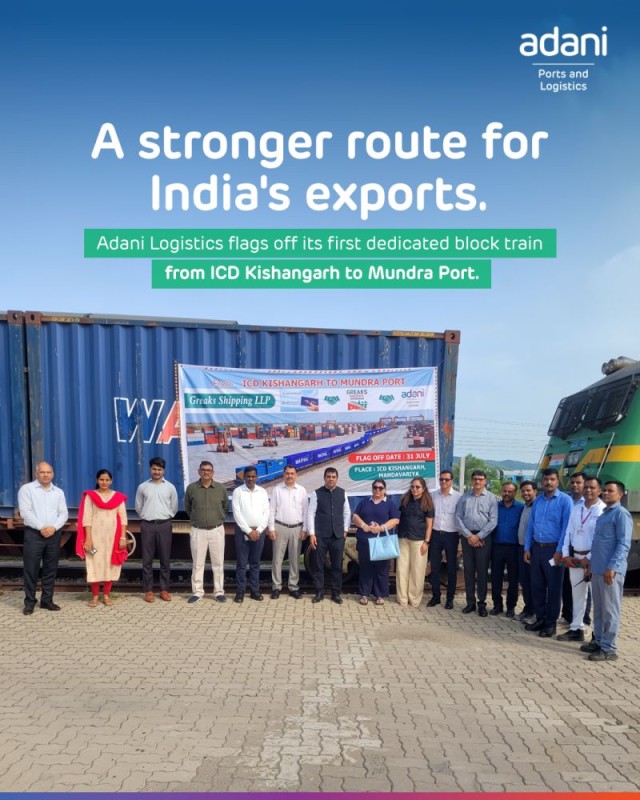
Adani Logistics flags off first Dedicated Block Train from ICD Kishangarh to Mundra Port

KISHANGARH : In a significant step towards strengthening India’s multimodal logistics network, Adani Logistics has successfully flagged off its first dedicated block train service from ICD Kishangarh to Mundra Port, in collaboration with Wan Hai Lines and Greaks Shipping LLP.

The new dedicated rail service establishes a seamless and reliable freight corridor between one of Rajasthan’s leading export hubs and India’s largest commercial port, providing exporters with faster, more predictable, and cost-effective logistics solutions.

ICD Kishangarh serves as a major gateway for the region’s thriving marble, granite, engineered stone, ceramics, and rapidly expanding solar equipment industries. The dedicated block train is expected to significantly reduce transit times, improve schedule reliability, minimize cargo handling, and facilitate smoother movement of export containers to global markets through Mundra Port.

The initiative also reinforces the growing adoption of rail-based multimodal transportation, enabling exporters to benefit from improved supply chain resilience while reducing road congestion, fuel consumption, and carbon emissions. By shifting a larger share of containerized cargo from road to rail, the service supports India’s broader goals of sustainable logistics and greener freight transportation.

The collaboration between Adani Logistics, Wan Hai Lines, and Greaks Shipping LLP demonstrates the increasing integration of port, rail, and shipping services to deliver end-to-end logistics solutions for exporters. The dedicated service is expected to enhance connectivity, improve operational efficiency, and strengthen the competitiveness of Indian exports in international markets.

With this milestone, Adani Logistics continues to expand its integrated logistics ecosystem by developing efficient rail corridors that connect inland manufacturing and industrial clusters with major maritime gateways. The initiative aligns with the Government of India’s vision of promoting multimodal connectivity under the PM GatiShakti National Master Plan while supporting export-led economic growth through world-class logistics infrastructure.
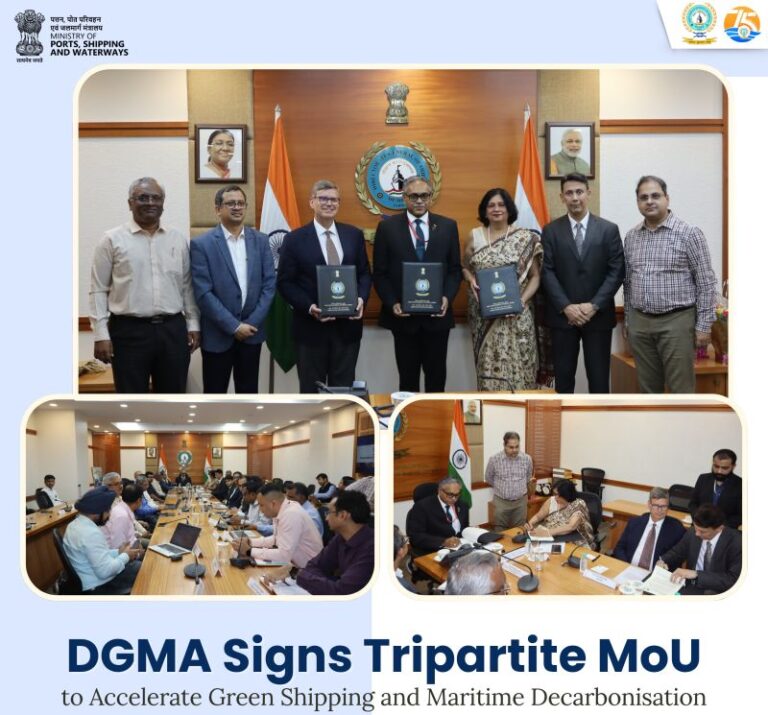
DGMA signs MoU with NCoEGPS,TERI and the SFC

MUMBAI : The Directorate General of Maritime Administration (DGMA) on Tuesday signed a tripartite Memorandum of Understanding (MoU) with the National Centre of Excellence in Green Ports & Shipping (NCoEGPS), TERI and the Smart Freight Centre (SFC) to advance India’s maritime decarbonisation agenda and foster international collaboration.

The MoU was signed by Shri Shyam Jagannathan, IAS, Director General of Maritime Administration, Dr. Dr Vibha Dhawan, Director General, TERI & Chairperson, NCoEGPS, and Capt. Prashant S. Widge, Executive Director – India & Maritime, Smart Freight Centre.

The signing ceremony was attended by Shri Killi Mohana Rao, Chief Surveyor(I/c), DGMA, Capt. S. I. Abul Kalam Azad, Nautical Adviser (I/c), DGMA, Dr. Christoph Wolff, Chief Executive Officer, Smart Freight Centre, Mr. Souvik Bhattacharjya, Director, TERI, along with senior officials and representatives from DGMA, NCoEGPS, TERI and the Smart Freight Centre.

The collaboration establishes a strategic framework to support the implementation of the National Maritime Decarbonisation Policy Framework (NMDP) through technical cooperation, pilot initiatives, capacity building, international partnerships and knowledge sharing. It will also focus on advancing green shipping, green ports, green fuels, responsible ship recycling, harmonised emissions accounting and the development of the India Maritime Decarbonisation Knowledge Hub.

By bringing together national leadership and global expertise, the partnership reinforces India’s commitment to building a sustainable, resilient and future-ready maritime ecosystem while strengthening its position as a global leader in maritime decarbonisation.

Govt accelerates Vadhavan Port Project to transform India’s Maritime Landscape

NEW DELHI : The Union Minister of Ports, Shipping and Waterways, Sarbananda Sonowal, informed in a written reply to the Rajya Sabha that, Government of India is accelerating the modernisation of Maharashtra’s port infrastructure with the development of the Vadhavan Port, a landmark greenfield deep-draft major port project that is set to redefine the country’s maritime and logistics capabilities while strengthening India’s position in global trade.

Recognising the rapid growth in cargo and container traffic, particularly along India’s western coastline, the Government has identified the need for a world-class deep-draft port capable of accommodating next-generation ultra-large container vessels. Accordingly, Vadhavan Port, located in Maharashtra’s Palghar district, is being developed as an all-weather deep-draft major port.

The project received Union Cabinet approval on 19 June 2024 at an estimated investment of ₹76,220 crore. Once operational, Vadhavan Port will have a projected cargo handling capacity of 298 million metric tonnes per annum (MMTPA), making it one of India’s largest ports and a key gateway for international trade.

Major Infrastructure Works Underway

A series of critical infrastructure and connectivity projects are being implemented to support the development of Vadhavan Port. These include:

Nearshore reclamation and shore protection works – ₹1,648 crore
Construction of a 10.14-km breakwater – ₹5,301.26 crore
Offshore reclamation under PPP-HAM model – ₹20,647 crore
Dedicated 32.74-km road connectivity by NHAI – ₹2,528.76 crore
Dedicated 22.22-km rail connectivity by Western Railway – ₹1,765 crore
Water supply infrastructure – ₹328 crore
Power supply infrastructure – ₹320 crore

These investments are aimed at creating seamless multimodal connectivity, improving cargo evacuation, and ensuring efficient port operations from the outset.

Modernisation of Existing Ports

Alongside the development of Vadhavan Port, the Government is also undertaking several modernisation and connectivity projects across Maharashtra’s existing port infrastructure.

Key initiatives include:

Construction of the Third Chemical Berth at Pir Pau (₹161 crore)
Development of a new Fish Jetty at Mallet Bunder Fishing Harbour (₹96.60 crore)
Modernisation, development, operation and maintenance of the Mumbai International Cruise Terminal (MICT) at Indira Dock (₹363.85 crore)
Installation of SCADA and PLC automation systems at the Marine Oil Terminal (₹22.77 crore)
Construction of approach roads to Kharwadeshwari Jetty in Palghar district (₹15 crore) and Narangi Jetty (₹29.41 crore)
Augmentation of firefighting facilities at Pir Pau Terminal (₹52.69 crore)

These projects are enhancing operational efficiency, safety standards, passenger facilities, and cargo-handling capabilities while improving last-mile connectivity to port infrastructure.

Capacity Expansion Strengthening Maritime Growth

The Government’s sustained investment in modernisation, mechanisation, capacity augmentation, and multimodal connectivity has significantly enhanced the cargo-handling capabilities of Maharashtra’s ports.

As a result:

Jawaharlal Nehru Port Authority (JNPA) has expanded its cargo handling capacity to 175.87 MMTPA.
Mumbai Port Authority (MbPA) has increased its capacity to 88.66 MMTPA.
Maharashtra’s non-major ports have collectively achieved a cargo handling capacity of 130.75 MMTPA, supported through investments by the State Government and private port operators.
Boost to India’s Maritime Economy

The integrated development of Vadhavan Port and the modernisation of Maharashtra’s existing ports are expected to deliver far-reaching economic and strategic benefits. The initiatives will strengthen India’s EXIM trade, improve logistics efficiency through enhanced road and rail connectivity, promote coastal shipping, reduce dependence on foreign transshipment hubs, encourage the growth of port-led industrial clusters and logistics parks, and generate substantial direct and indirect employment opportunities.

With Vadhavan Port emerging as a future global maritime gateway and complementary infrastructure projects progressing across the state, Maharashtra is poised to play an even greater role in supporting India’s vision of becoming a leading global maritime and logistics hub.

Indian Register of Shipping strengthens India’s Role in Shaping Global Maritime Governance at IMO

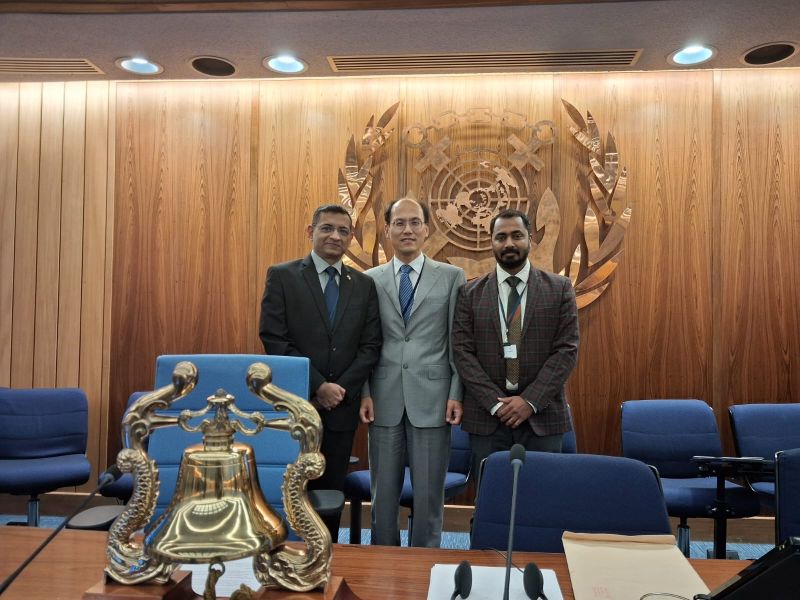
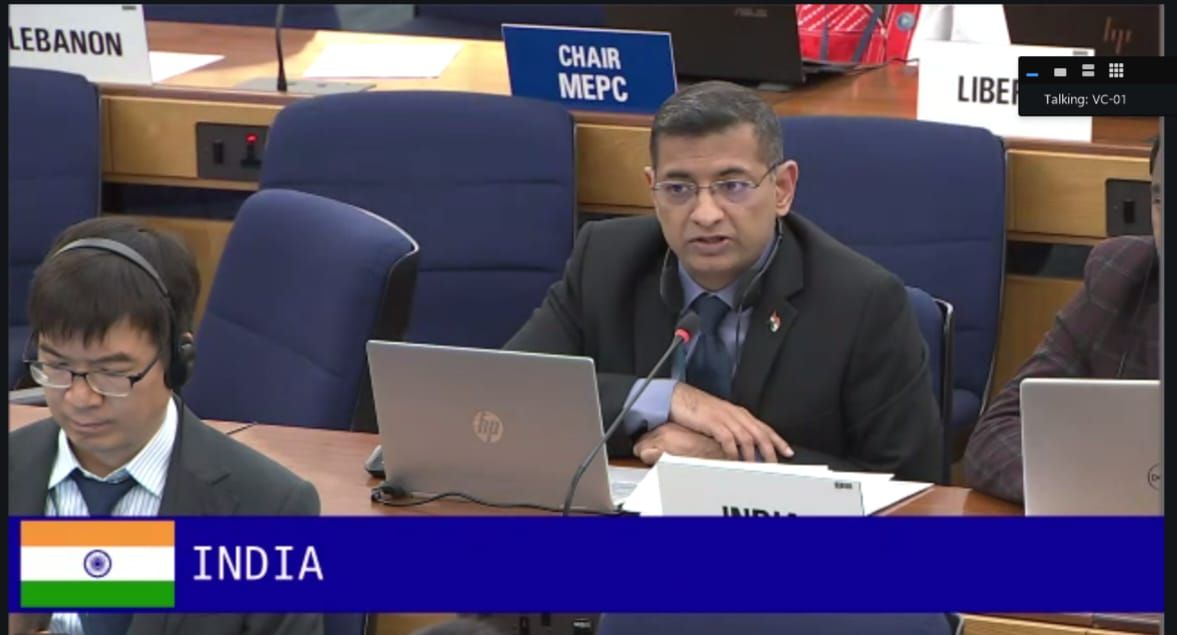
LONDON: Reinforcing India’s growing influence in international maritime governance, the Indian Register of Shipping (IRS) played a significant role at the 12th Session of the Sub-Committee on Implementation of IMO Instruments (III 12), held at the International Maritime Organization (IMO) Headquarters in London from 20–24 July 2026.

Cdr Sandeep Kumar Senior Principal Surveyor at the Indian Register of Shipping at IMO Indian Register of Shipping strengthens India’s Role in Shaping Global Maritime Governance at IMO

Representing India at the prestigious global forum, Cdr Sandeep Kumar, Senior Principal Surveyor at the Indian Register of Shipping, actively participated in the deliberations aimed at strengthening the implementation of international maritime safety and regulatory frameworks.

A key highlight of India’s participation was Cdr Kumar’s leadership of the Correspondence Group, originally established during the 11th Session of the III Sub-Committee (III 11). Acting on behalf of India, he led an international team of experts tasked with developing amendments to the Survey Guidelines under the Harmonized System of Surveys and Certification (HSSC), along with updating the Non-exhaustive List of Obligations under instruments relevant to the III Code. The Correspondence Group comprised experts representing IMO Member States, Intergovernmental Organizations (IGOs), and Non-Governmental Organizations (NGOs).

Recognizing the progress achieved under India’s leadership, the III 12 session re-established the Correspondence Group, with Cdr Sandeep Kumar continuing as its lead. In addition to advancing revisions to the HSSC Survey Guidelines, the Group has also been entrusted with conducting a comprehensive review of the Guidelines on the Implementation of the International Safety Management (ISM) Code by Administrations and Companies, a critical element in enhancing maritime safety management worldwide.

His continued leadership reflects the confidence placed by the international maritime community in India’s technical expertise and commitment to strengthening global maritime governance.

Guided by the senior leadership of the Directorate General of Shipping, Government of India, the Indian Register of Shipping’s participation underscores the country’s proactive role in shaping international maritime regulations and supporting the development of robust, efficient, and harmonized global safety and compliance frameworks.

The engagement further reinforces the Indian Register of Shipping’s commitment to contributing technical expertise at the highest international level while supporting India’s vision of becoming a leading maritime nation and an influential voice in the evolution of global maritime standards.

India’s Logistics Sector is becoming an Information Economy

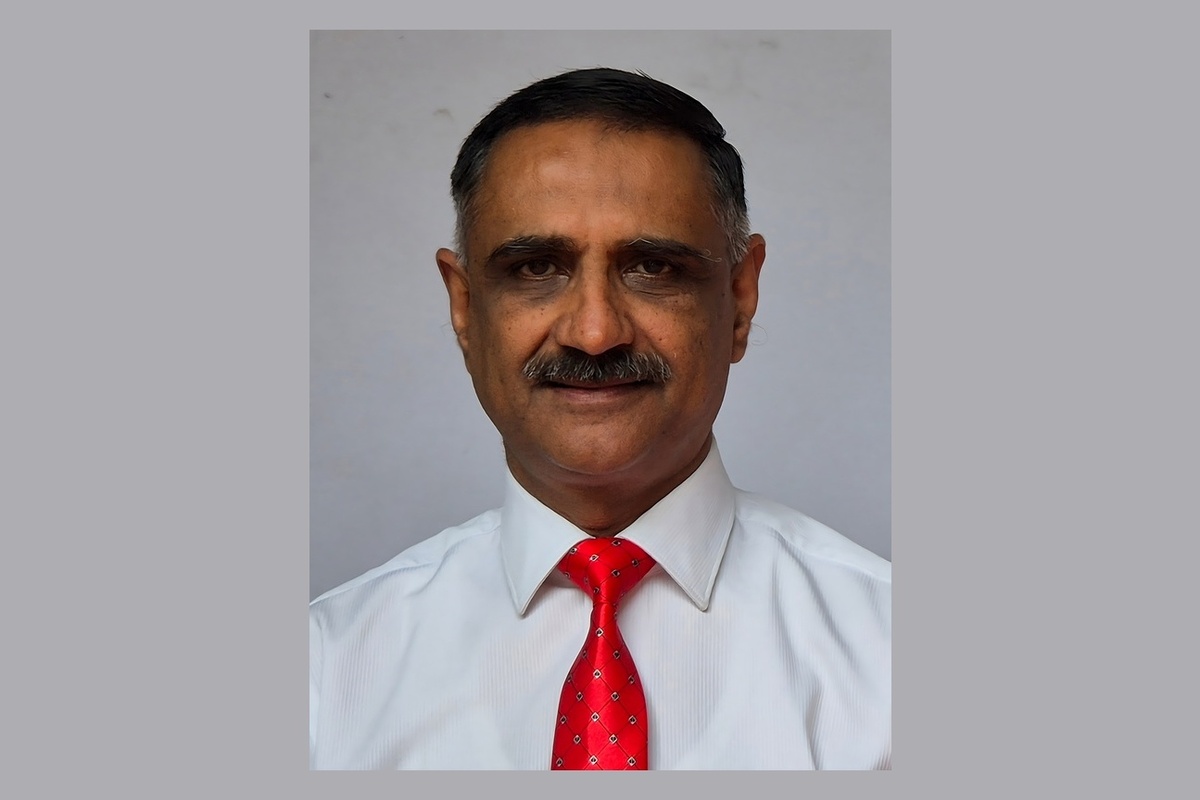
By Maj Gen Shamsher Singh Ahlawat, Advisor, NLDSL

The future of logistics will no longer be defined solely by trucks, ports and warehouses. Increasingly, the industry’s greatest asset is becoming information accurate, connected and actionable data that enables faster, smarter and more efficient supply chains.

Introduction

Logistics has been predominantly considered as the actual transportation of goods over the last few decades. Investments were made mainly in transport infrastructure, storage capacity and the company’s distribution network. Although those elements are still essential for economic growth, a big change is happening in the industry. In modern days, the importance of information in logistics is growing. As supply chains become more complicated and interrelated, the ability to access, process and share reliable information becomes crucial in efficiency improvement.

Information Is the New Competitive Advantage

In the present scenario logistics result in the generation of massive data such as status of the shipment, level of inventory, customs clearance, multimodal transfers as well as the delivery date/time. But since it is not the quantity but the usability of the data that matters the most, data helps businesses when it aligns across the stakeholders allowing them to see better what they are doing, plan accordingly, eliminate risks and react to disturbances in a better manner. In fact, this marks a new era for the logistics industry, since information has become that strategic asset of the business instead of simply being a by-product of operations.

From Data to Decision Intelligence

The digital platforms available in India are playing an important role in the transformation of logistics from a data-centric approach to one that is intelligence-driven. For instance, the Unified Logistics Interface Platform (ULIP), works through different government systems and private entities in the form of a data exchange platform through which all reliable and useful logistic-related information would be accessible. The Logistics Data Bank (LDB) further gives information on the entire journey of containers, both through air, road and waterways, hence helping companies in decision making regarding logistics based on real-time information gathered from this platform. Likewise, the Koyla Shakti Dashboard shows the effectiveness of methods for enhancing logistics in specific sectors, such as coal-based logistics by offering an overview of shipment travels that can be used for efficient planning and resource utilization. Hence the examples of the above platforms indicate how an integration of information system leads to the evolution of a function of logistics from merely a transaction-based process to an intelligence-based activity, whereby information adds value to logistics activities such as transportation of goods.

Characteristics of an Information-Driven Logistics Ecosystem

  • Flows of secure data: Information across stakeholders of logistics and supply chains becomes available with a significant decrease in the time needed to coordinate.
  • Visibility: Real time access to data helps make decisions as quickly as possible.
  • Interconnected digital applications: With standardized data exchange, the duplication of efforts and resources is eliminated, and logistics operations are streamlined.
  • Advanced operational data: Advanced data analytics and operational intelligence/data are easily converted to actionable insights and competitive advantages within the logistics operations.
  • Logistics ecosystems: Information is combined to optimize public and private logistics operations and services.
  • Data science in formulating logistics policies: Better logistics data and analytics help in making better informed decisions and associated reforms within the logistics sector, including logistics infrastructure improvement.

Industry Perspective

Leading global economies rely on logistics systems built on digital platforms connecting supply chain information. India has focused on digital public infrastructure to facilitate a modern context of logistics systems. Users of logistics services are able to derive as much value from logistics data as they do from physical logistics infrastructure. The ability to convert disjoint supply chain information to interconnected supply chain intelligence alters how supply chains can be tracked, optimized and managed.

Looking Ahead

The potential of logistics technologies to cultivate intelligent systems, improve forecasting and enhance efficiency will be as good as the data powering them. India will strengthen its global trade and manufacturing status, making advanced logistics systems with focus on data a prerequisite competitiveness and margin improvement. The organizations that succeed in the next decade will not be the largest with the biggest logistics infrastructure, but the fastest to contextualize, decide and act upon information to the greatest positive effect.

Conclusion

India’s info logistics is combining infrastructure and information. Digital networks and real-time visibility are the building blocks of smart and safe supply chains and will give India the edge it needs to compete globally. In the information economy, the trade of goods will depend on the trade of data.

PIL launches Imara Express (IMX) service to boost India–East Africa connectivity

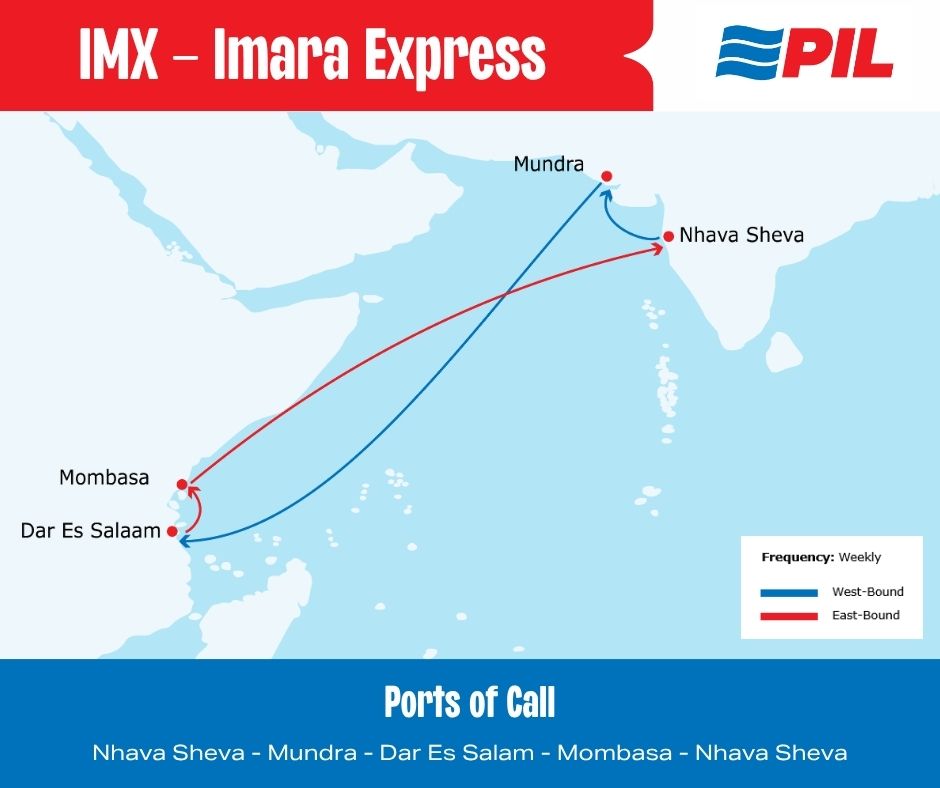
SINGAPORE: Pacific International Lines (PIL) is reinforcing its presence in Africa with the launch of its Imara Express (IMX) service, a dedicated weekly connection between India and East Africa. Complementing PIL’s existing Asia–Africa network, IMX expands connectivity and provides customers with greater access to key growth markets across the region.

The new service connects major production hubs and consumer markets across India and East Africa, responding to growing trade demand between the two regions. Offering direct weekly sailings, competitive transit times and reliable schedules, IMX helps customers capture new trade opportunities, move cargo more efficiently while enhancing supply chain resilience.

Named after the Swahili word “Imara”, which means strong, dependable, and resilient, the service reflects PIL’s commitment to putting customers first by providing reliable and efficient shipping solutions for their evolving logistics needs.

The first sailing of the IMX service will commence from Nhava Sheva on 23 September 2026.

Mr William Ho, General Manager, Long-Haul Services, PIL, said, “PIL has been serving the Asia–Africa trade for decades, building deep market expertise, strong partnerships and a trusted network across the continent. The launch of Imara Express extends our existing Asia–Africa network and supports the growing trade flows between India and East Africa. Together with our existing services, IMX provides customers with a more comprehensive network package, expanding market access with greater flexibility, and more options to optimise their supply chain needs in an increasingly dynamic trading environment.”

The ports of call for the Imara Express are:

Nhava Sheva/Mundra/Dar Es Salam/Mombasa/Nhava Sheva

Govt. strengthens India’s Shipbuilding Ecosystem with major financial reforms and National Mission

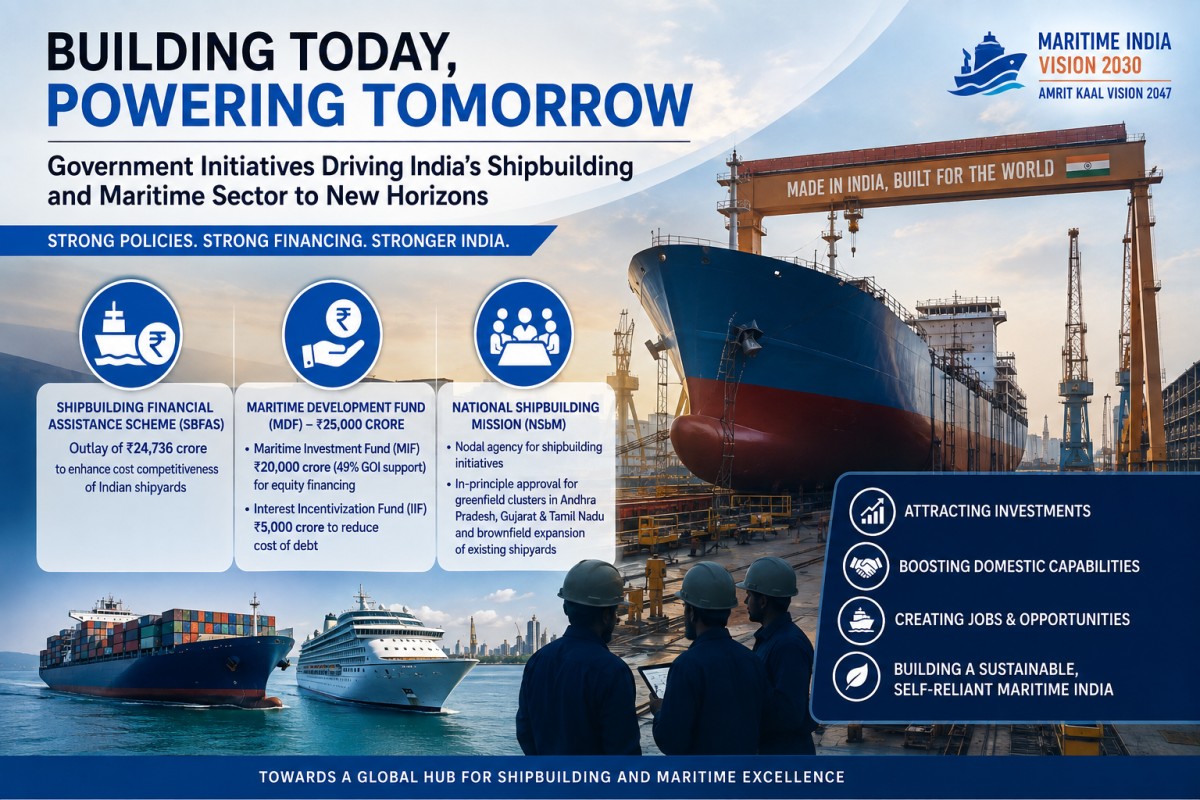
NEW DELHI : The Government has approved Shipbuilding Financial Assistance Scheme (SBFAS), which is an extension of Shipbuilding Financial Assistance Policy (SBFAP), with an outlay of ₹ 24,736 crore to address cost disadvantages of Indian shipyards vis-a-vis global shipyards. The scheme guidelines to operationalize SBFAS have been issued on 26.12.2025.

Maritime Development Fund (MDF), with a corpus of ₹ 25,000 crore has been established for providing long term financing support to the shipbuilding and maritime sector. It comprises of a Maritime Investment Fund (MIF) of ₹ 20,000 crore with 49% participation from the Government of India to support equity financing for maritime sector, and an Interest Incentivization Fund (IIF) of ₹ 5,000 crore to reduce the effective cost of debt for shipyards. The guidelines for MDF have been issued on 20.02.2026. SBI Ventures Limited has been appointed as the Fund Manager for MIF on 26.05.2026.

National Shipbuilding Mission (NSbM), an inter-ministerial body, has been established as the nodal agency to oversee the implementation of Shipbuilding schemes viz. Shipbuilding Financial Assistance Scheme (SBFAS) and Shipbuilding Development Scheme (SBDS) launched by Government of India. Under the Shipbuilding Development Scheme, proposals for the development of greenfield shipbuilding clusters in Andhra Pradesh, Gujarat and Tamil Nadu, as well as three brownfield capacity expansion projects of various existing shipyards have been given in-principle approval, after appraisal by NSbM.

The objective of these initiatives is to position India as a global hub in the shipbuilding and maritime sector in line with Maritime India Vision 2030 and Maritime Amrit Kaal Vision, 2047.

Govt to encourage private investments for the expansion of National Waterways

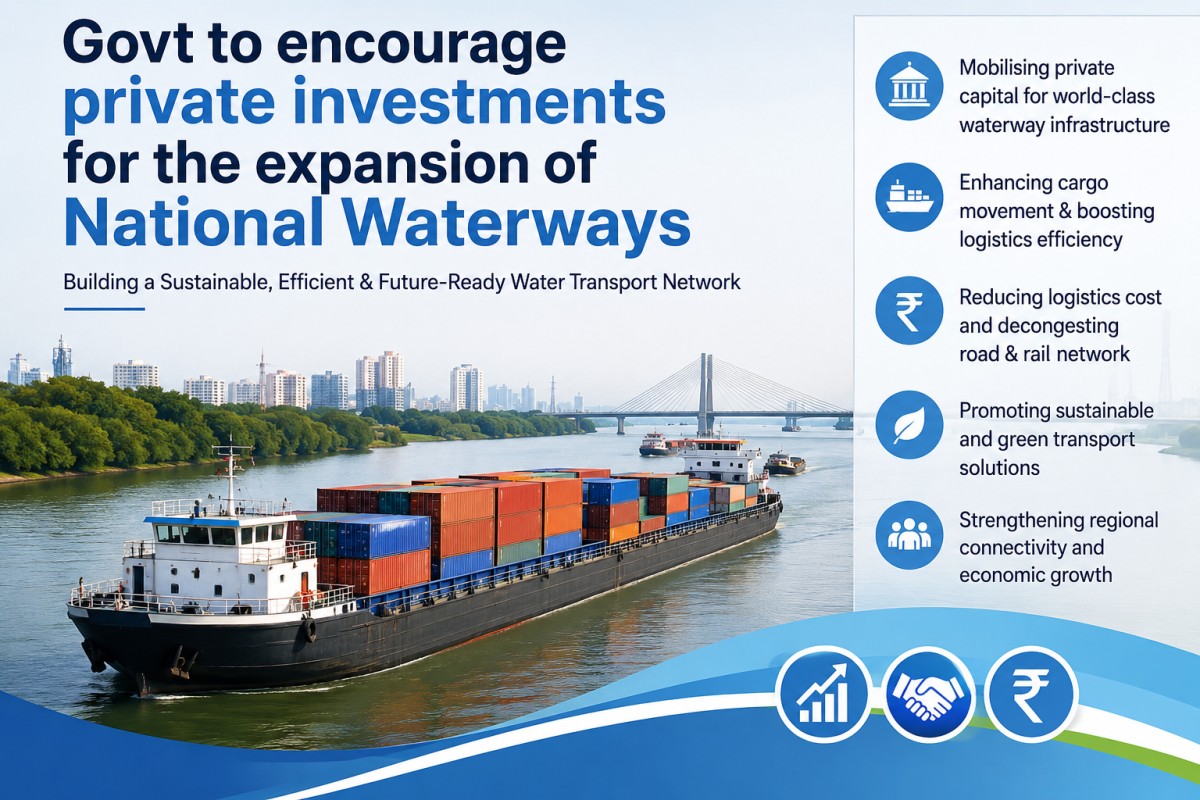
NEW DELHI : Union Minister of Ports, Shipping and Waterways, Sarbananda Sonowal, informed that,to encourage private investment and expand the operational network of National Waterways (NWs) for cargo and passenger traffic, the Government has notified the National Waterways (Construction of Jetties/Terminals) Regulations, 2025 to facilitate the construction and operation of terminals by private entities. Further, the Jalvahak Scheme has been launched for providing incentives up to 35% to promote cargo movement on inland waterways. The Government is also encouraging private sector participation through Public-Private Partnership (PPP) models duly assigning the O&M of terminals on long concession period.

The Jalyan & Navic portal, a One Nation One Registration single window system developed to serve as a centralized national registry for inland vessels and crew, is fully operational. Eighteen States/UTs have been onboarded on the portal and 9,953 inland vessels and 1,215 crew are registered on this portal as on 30th July, 2026.

The major challenges in increasing cargo and passenger movement on NWs include limited industrial zone along the NWs; limited availability of suitable inland vessels; inadequate first and last-mile connectivity; limited multimodal logistics infrastructure; low awareness among cargo owners and operators regarding the benefits of Inland Water Transport (IWT). To address these challenges, the Government has undertaken a number of measures which are given at Annexure.

Annexure

Measures taken to address the challenges in increasing cargo and passenger movement on National Waterways:

Development of Multi-Modal Terminals, Inter-Modal Terminals, community jetties, floating terminals and cargo aggregation hubs to strengthen multimodal connectivity and facilitate seamless cargo movement.

Implementation of the Jalvahak Scheme to incentivise movement of cargo through inland waterways and promote modal shift from road and rail.

Notification of the National Waterways (Construction of Jetties/Terminals) Regulations, 2025 to facilitate private sector investment in terminal and jetty infrastructure.

Development of an enabling ecosystem for deployment of inland vessels by improving fairway conditions and encouraging private participation in vessel operations.

Operationalization of additional routes under the Indo-Bangladesh Protocol (IBP) to improve regional connectivity and expand cargo movement.

Development of passenger and cruise infrastructure on suitable National Waterways to promote tourism and regional passenger transport.

Engagement with Central Ministries, State Governments, Public Sector Undertakings and private stakeholders to promote modal shift of suitable cargo to inland waterways and enhance utilization of the NWs.

Development of Multi Modal Logistic Parks (MMLPs) along the NWs.

Fairway maintenance through river training works, fairway maintenance, channel marking and hydrographic surveys.

GE Shipping Q1 profit jumps over 2-fold to ₹1,309 crore

MUMBAI ; The Great Eastern Shipping Company (GE Shipping) reported a more than two-fold jump in net profit for the June quarter, helped by strong growth in its shipping business and improved operating margins. The company’s consolidated net profit rose to ₹1,309 crore in the first quarter of FY27 from ₹505 crore in the same period last year.

Revenue from operations increased 66.9% year-on-year to ₹2,005.4 crore, compared with ₹1,201.5 crore a year earlier. Operating performance also improved, with EBITDA nearly doubling to ₹1,337.7 crore from ₹642.8 crore. The EBITDA margin expanded to 66.7% from 53.5% in the year-ago quarter.

Shipping business drives growth

The company’s shipping segment remained the main contributor to revenue. Revenue from shipping operations rose to ₹1,890.97 crore in the June quarter from ₹994.21 crore a year ago.

The offshore services business also reported growth, with revenue increasing to ₹406.02 crore from ₹350.41 crore during the same period.

Company announces ₹14.40 dividend

The board of GE Shipping declared an interim dividend of ₹14.40 per equity share for FY27.

The company has fixed August 7, 2026, as the record date to determine shareholders eligible for the dividend. The payout will be made on or after August 27, 2026.

Shares of The Great Eastern Shipping Company closed 3.97% higher at ₹1,404 on the NSE on Monday ahead of the earnings announcement.

IMO : Strengthening global Port State Control data exchange with two new agreements

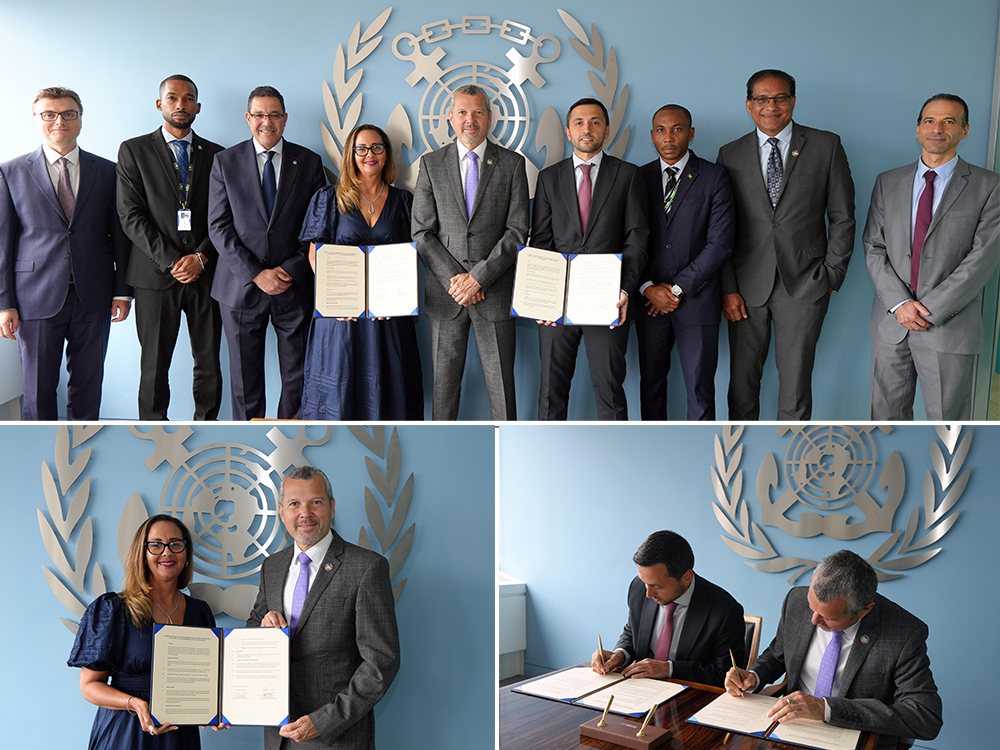
LONDON : IMO has concluded the latest updated data-exchange agreements with the Black Sea and Caribbean Memoranda of Understanding (MoUs) on Port State Control (PSC) in order to strengthen the global exchange of PSC inspection information. The agreements were signed at IMO Headquarters in London (21 July) by IMO Secretary-General Arsenio Dominguez, Mr. Onur Turhan, Secretary of the Black Sea MoU Secretariat, and Mrs. Jodi Munn Barrow, Secretary General of the Caribbean MoU Secretariat.

The signings strengthen cooperation by expanding the exchange of PSC inspection information and supporting the continued development of the PSC module within IMO’s Global Integrated Shipping Information System (GISIS).

With these agreements, IMO has now concluded updated data-exchange agreements with eight regional PSC regimes. Similar agreements have previously been signed with the Abuja, Indian Ocean, Tokyo, Mediterranean, Paris and Riyadh MoUs, while discussions continue with the Viña del Mar Agreement and the United States Coast Guard.

Supporting the PSC Overarching Database

The updated agreements represent another important milestone towards the development of a PSC Overarching Database (ODB), which will enable more comprehensive, harmonized and efficient sharing of PSC inspection data worldwide. The expanded exchange of validated inspection data will improve transparency, consistency and data integrity, while reducing duplication in reporting by Member States.

The IMO-led ODB project aims to facilitate near real-time information sharing among PSC regimes, strengthen risk-based inspection planning and support the effective implementation of IMO instruments.

Strengthening global PSC cooperation

Port State control regimes inspect foreign-flagged ships visiting ports to verify compliance with internationally agreed safety, security and environmental standards.

The updated agreements enhance cooperation between IMO and regional PSC regimes. They will increase transparency, support the harmonization of PSC activities, improve monitoring of implementation by Member States and contribute to safer, more secure and environmentally sound shipping worldwide.