Home Blog Page 175

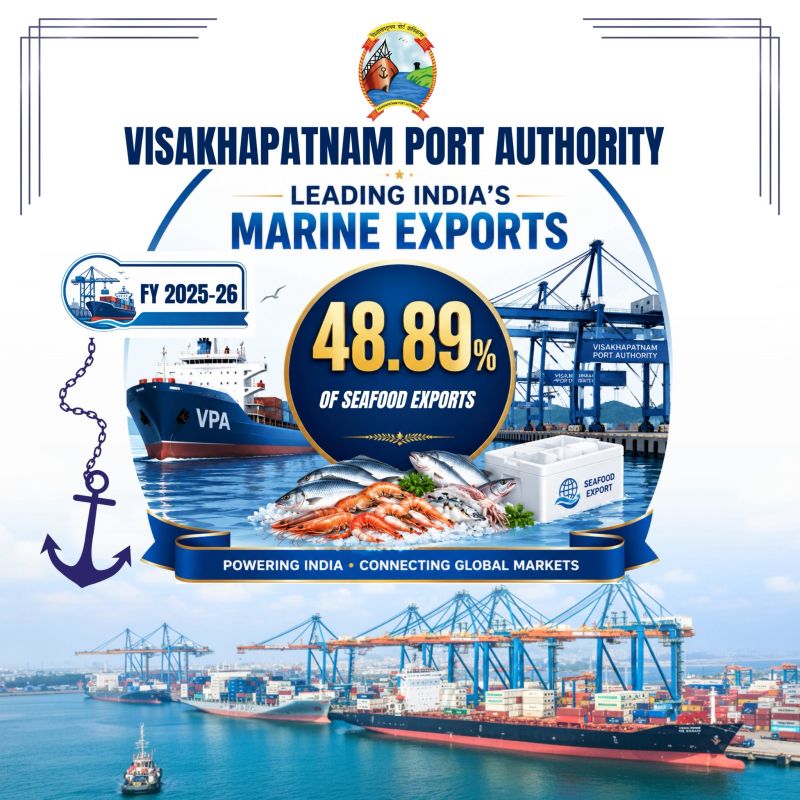
VPA emerges as India’s leading marine export Gateway, handling nearly half of Nation’s Seafood Exports

VISAKHAPATNAM : Reinforcing its pivotal role in India’s maritime trade ecosystem, Visakhapatnam Port Authority (VPA) has emerged as the country’s leading marine export gateway during FY 2025–26, handling an impressive 48.89% of India’s Seafood Exports.

The achievement underscores VPA’s strategic importance in supporting India’s thriving seafood industry and facilitating the seamless movement of marine products to international markets. Backed by modern port infrastructure, efficient cargo handling systems, robust cold-chain logistics and seamless multimodal connectivity, the port has established itself as the preferred gateway for exporters of marine products.

Visakhapatnam Port’s efficient vessel turnaround, streamlined customs and logistics processes, and strong coordination with exporters and other stakeholders have enabled the timely movement of perishable cargo while maintaining international quality and safety standards. These strengths have significantly enhanced India’s competitiveness in global seafood trade.

The port continues to play a crucial role in supporting the country’s marine export sector by providing reliable and cost-effective logistics solutions, ensuring uninterrupted supply chains, and facilitating access to key export destinations across Asia, Europe, the Middle East and North America.

As global demand for Indian seafood continues to grow, Visakhapatnam Port Authority remains committed to further strengthening its infrastructure, embracing digital and sustainable port operations, and enhancing service efficiency to meet the evolving needs of exporters.

The milestone reflects VPA’s unwavering commitment to promoting India’s export-led growth, strengthening the marine products value chain, and contributing to the vision of making India a globally competitive maritime and logistics hub.

Dept of Commerce holds workshop on trade and sustainable development policy landscape

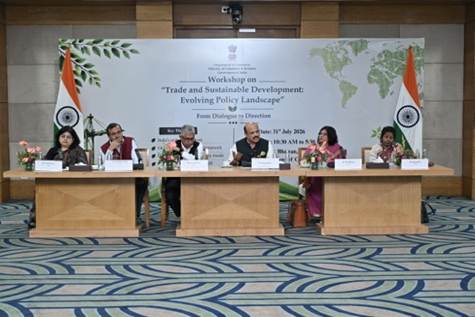
NEW DELHI : The Department of Commerce, Ministry of Commerce & Industry, organised a day-long workshop on “Trade and Sustainable Development (TSD): Evolving Policy Landscape” at Vanijya Bhawan, New Delhi, on Friday. The workshop brought together senior government officials, trade negotiators, and representatives from industry, academia, think tanks and the legal community to deliberate on the evolving interface between international trade and sustainable development.

The workshop was the first in a proposed series of consultations aimed at strengthening India’s strategic approach to Trade and Sustainable Development (TSD) in the context of evolving global trade disciplines and ongoing Free Trade Agreement (FTA) negotiations.

Addressing the gathering, Commerce Secretary Shri Rajesh Agrawal emphasised that Trade and Sustainable Development is a cross-sectoral policy issue requiring an integrated approach encompassing trade, industry, sustainability and competitiveness. Noting that sustainability regulations and unilateral environmental measures have become enduring features of the global trading system, he underlined the need to create an enabling ecosystem to support industry in adopting sustainable practices. He observed that early adaptation would strengthen India’s global competitiveness and better position the country to respond to the evolving international trade landscape.

The workshop featured four thematic sessions on India’s domestic carbon framework, global trends in TSD provisions in Free Trade Agreements (FTAs), the evolving global carbon regulatory framework, and strategic options for shaping India’s future approach to Trade and Sustainable Development.

The discussions focused on the growing importance of sustainability-related measures, including carbon markets, carbon pricing mechanisms, carbon border adjustment measures, sustainability standards and regulatory cooperation, and their implications for India’s trade and industrial competitiveness.

The workshop concluded with deliberations on India’s evolving domestic sustainability architecture, including the Carbon Credit Trading Scheme (CCTS), the Indian Carbon Market, the Extended Producer Responsibility (EPR) framework, and the country’s accreditation and conformity assessment ecosystem. The discussions highlighted the importance of leveraging these domestic initiatives to strengthen India’s preparedness for emerging sustainability-related trade disciplines and to inform its future trade engagements.

GeM launches 10-Day Celebrations ahead of 10th Foundation Day, Unveils Commemorative Logo

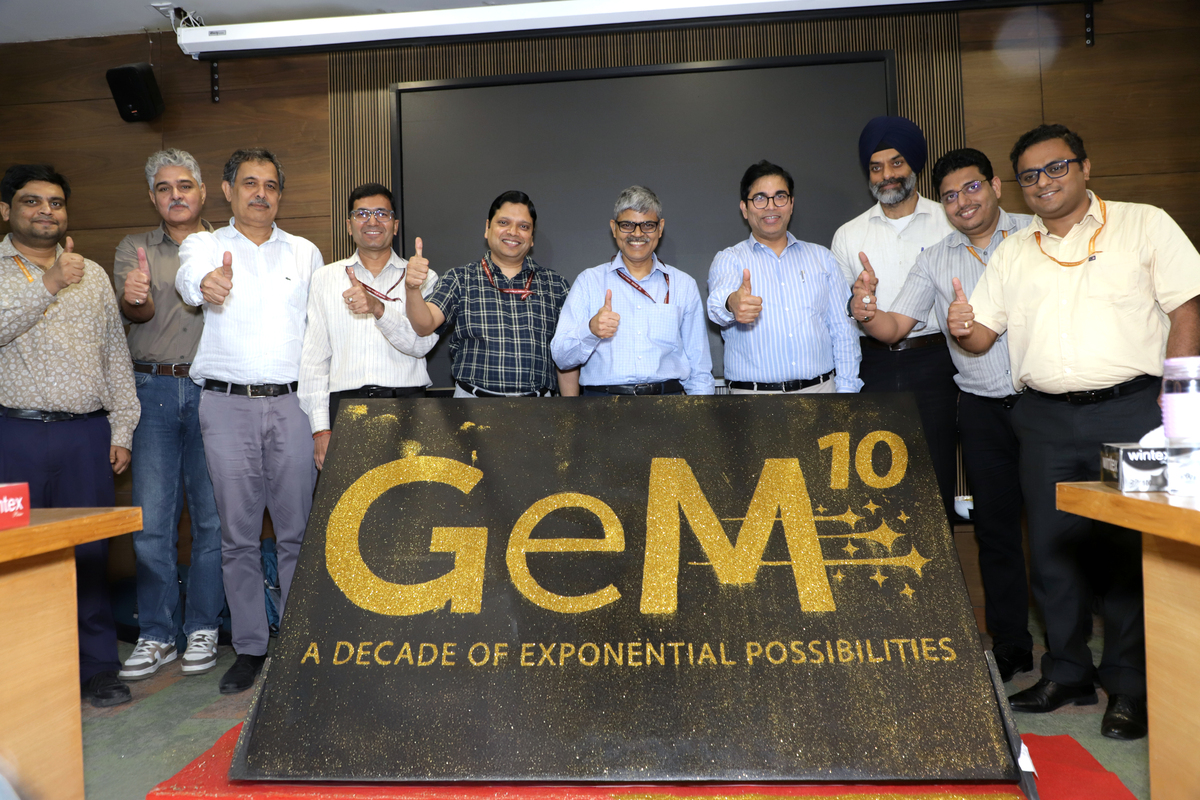
NEW DELHI: Government e Marketplace (GeM) Friday formally launched the 10-day celebrations leading up to its 10th Foundation Day, marking the beginning of a series of stakeholder engagement initiatives commemorating a decade of transforming public procurement through technology, transparency and inclusivity.

GeM 10th Foundation Day Logo GeM launches 10-Day Celebrations ahead of 10th Foundation Day, Unveils Commemorative Logo

The celebrations commenced with the unveiling of the official GeM 10th Foundation Day logo, symbolising ten years of GeM’s journey in building India’s trusted digital public procurement ecosystem. A concept film on the commemorative logo was also screened, showcasing GeM’s evolution, key milestones and vision for the future.

Addressing the gathering, CEO, GeM, Shri Mihir Kumar, reflected on the organisation’s transformative journey over the past decade and outlined its vision for the next phase of growth, innovation and stakeholder-centric public procurement.

The event also witnessed the launch of the latest edition of GeM Bharti, the organisation’s in-house Hindi magazine, and recognised employees for their exemplary contributions and long service.

“Our Hon’ble Prime Minister had envisioned creating a digital marketplace that would provide people an opportunity to do business, eliminate corruption and ensure everyone could transparently connect with the government for business. GeM has made that vision a reality,” Kumar told reporters on the sidelines of the event.

Addressing the gathering, Kumar reflected on GeM’s transformation over the past decade and outlined its vision for the next phase of growth, innovation and stakeholder-centric public procurement.

He said the Foundation Day celebrations are aimed at recognising the contribution of all stakeholders while gathering suggestions to further strengthen the platform.

“This is not just our celebration – it belongs to all our stakeholders, including buyers, sellers and others associated with the procurement ecosystem. We also want to take our outreach to universities and states to understand how we can make the Government e-Marketplace even better,” Kumar said.

As part of the celebrations, GeM will organise a Buyer Meet on August 5 and a Seller Roundtable on August 10 before culminating in its 10th Foundation Day celebrations. Distinguished buyers and sellers will also be recognised for their contribution to strengthening the GeM ecosystem.

The ministry said the launch of the celebrations marks the beginning of a year-long series of stakeholder engagement initiatives and outreach programmes across the country. Through special events, dialogues and collaborative platforms, GeM will bring together buyers, sellers, policymakers, industry representatives and ecosystem partners to showcase its contribution to transparent, efficient and inclusive public procurement over the past decade.

TCI announces strong growth in Q1 FY2027 Financial Results

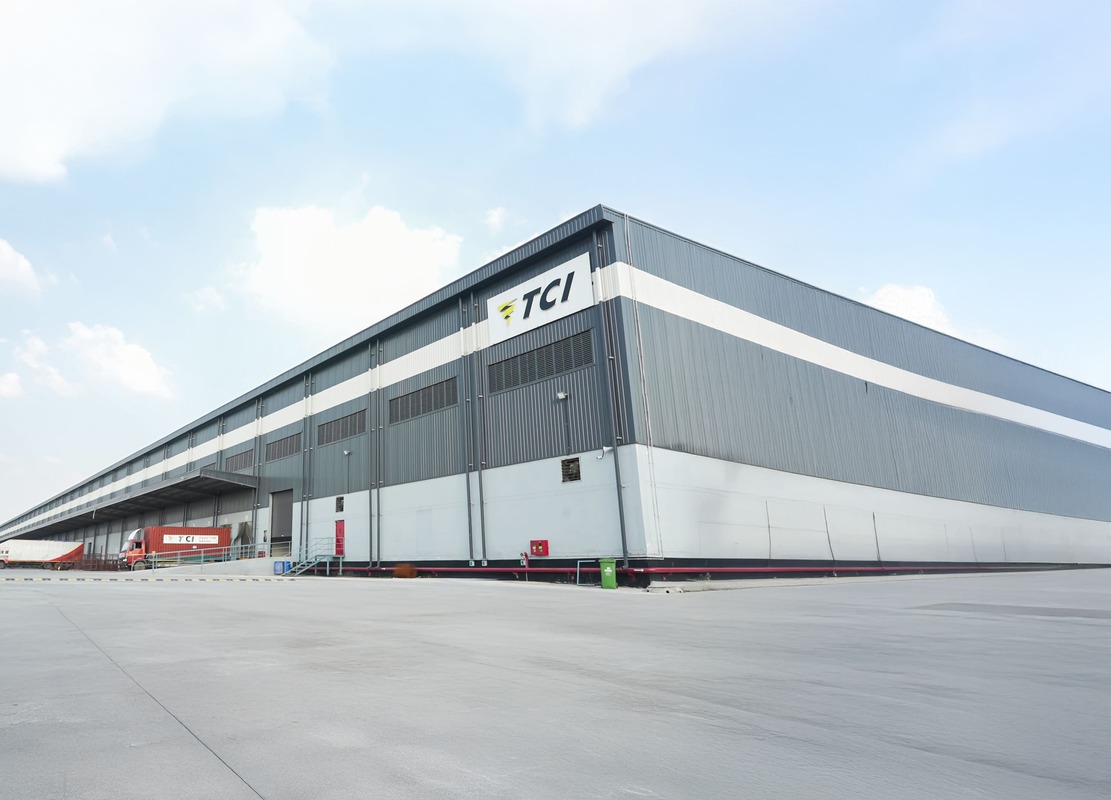
GURUGRAM: Transport Corporation of India Ltd. (TCI), India’s leading integrated multimodal logistics and supply chain solutions provider, today announced its financial results for the first quarter ended June 30, 2026.

Financial Highlights for Q1/FY2027:

– Revenue: TCI reported a consolidated revenue of ₹12548 Mn, marking a growth of 9.1% compared to ₹11506 Mn in the same period last year.

– EBITDA: The Company’s Earnings before Interest, Taxes, Depreciation and Amortization (EBITDA) stood at ₹1599 Mn, a 5.2% increase from ₹1520 Mn in Q1/FY2026.

– Profit after Tax (PAT): PAT decrease by 0.6% to ₹1066 Mn, compared to ₹1072 Mn in the corresponding quarter of the previous year.

ConsolidatedStandalone
Performance Highlights: Q1/FY2027 vs.Q1/FY2026 Consolidated (In ₹ Mn.)Performance Highlights: Q1/FY2027 vs.Q1/FY2026 Standalone (In ₹ Mn.)
Particulars30.06.202630.06.2025Growth %Particulars30.06.202630.06.2025Growth %
Revenue12,54811,5069.1%Revenue11,11610,3387.5%
EBITDA1,5991,5205.2%EBITDA1,6551,6291.6%
PAT1,0661,072(0.6%)PAT1,1981,242(3.5%)

Management Commentary

Image 002 1 TCI announces strong growth in Q1 FY2027 Financial Results

Mr. Vineet Agarwal, Managing Director, Transport Corporation of India Ltd. commented, “TCI delivered a steady Q1 performance, with revenue and profitability broadly in line with expectations. Automotive, Consumer goods and quick-commerce related fulfilment continued to provide healthy traction. The impact of war on certain sectors like Chemicals, Tiles, packaging was visible. However, our diversified multimodal operating model and Pan-India branch network enabled us to maintain operational stability through the quarter.

Higher diesel and bunker fuel prices resulted in some cost pressure during the quarter; however, our contractual escalation mechanisms continued to protect the majority of our contracted business, while spot recovery reflected only a short timing lag. We remain focused on margin discipline, efficient cost pass-through and improving asset productivity across our network.

Looking ahead, we expect demand to strengthen as the festive season approaches, supported by improving market momentum and seasonal consumption trends. We are also accelerating our investments in technology and AI-led capabilities to enhance forecasting, route optimisation and automation, which will further strengthen service quality, cost efficiency and sustainability across the organisation.“

Image 006 1 1 TCI announces strong growth in Q1 FY2027 Financial Results

Blue Dart Express Posts 15% Growth in Revenue; PAT Rises 85% YoY in Q1 FY27

MUMBAI: Blue Dart Express Limited, South Asia’s premier express air and integrated transportation and distribution logistics company, today announced its financial results for the quarter ended June 30, 2026, following a meeting of its Board of Directors in Mumbai.

The Company reported Revenue from Operations of ₹1,658 crore compared to ₹1,442 crore in Q1FY26. Profit After Tax for the quarter stood at ₹87 crore, reflecting disciplined execution and operational resilience despite a challenging external environment and higher operating costs.

During the quarter, Blue Dart continued to leverage its integrated air and ground network, extensive domestic reach and technology-enabled operations to deliver reliable, time-definite logistics solutions across industries. Its focus on service quality, network efficiency and customer-centric innovation enabled the Company to maintain business momentum while navigating evolving market conditions.

Commenting on the results, Balfour Manuel, Managing Director, Blue Dart, said: “Our Q1 FY27 performance reflects focused execution, disciplined network management and continued customer confidence in the Blue Dart brand. Despite a challenging operating environment and higher operating costs, we delivered a strong profit growth while maintaining our commitment to reliability, speed and service excellence. We remain focused on improving productivity, strengthening our integrated air and ground network, accelerating digital enablement and investing in sustainable, future-ready capabilities that create long-term value for all our stakeholders.”

During the quarter, the Company received the Excellence in Last Mile & Distribution Efficiency Award at the CII Logistics Colloquium 2026. It was also certified as a Great Place to Work® for the sixteenth time and recognised as the Best Organisation for Women 2026 for the fifth time at the ET Now Best Organisations for Women Awards.

Looking ahead, Blue Dart will remain focused on strengthening its network, enhancing operational productivity and advancing customer-centric digital solutions. Backed by its integrated infrastructure, trusted brand and strong execution capabilities, the Company is well positioned to support business continuity and growth across India’s evolving logistics landscape.

Keralam stands to benefit across key export sectors under India-UK trade pact: British Deputy High Commissioner

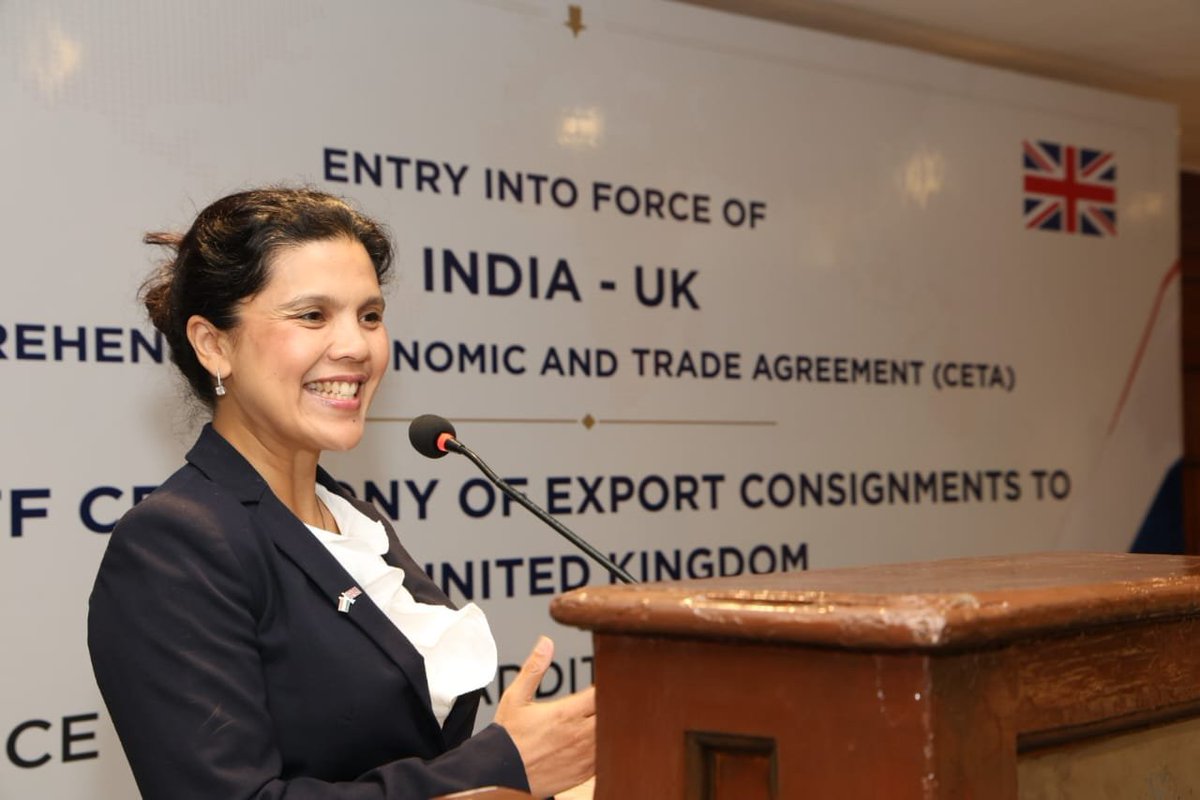
THIRUVANATHPURAM: keralam”>Keralam is expected to benefit across multiple export-oriented sectors under the India-UK Comprehensive Economic and Trade Agreement (CETA), with tariff reductions set to make trade between the state and the United Kingdom faster, easier and more cost-effective, British Deputy High Commissioner to Tamil Nadu, keralam”>Keralam and Puducherry, Sutapa Choudhury said.

Speaking to ANI during her visit to Thiruvananthapuram, Choudhury said the agreement, which came into force on July 15, is expected to significantly boost bilateral trade between India and the UK over the long term.

“We’re really excited about the increase in bilateral trade between the two countries, projected to grow by £25.5 billion in the long run. Your state of Kerala stands to gain in a multitude of sectors, from marine products to textiles, yoga and wellbeing, all of the key strengths of Kerala where we’re going to see tariff lines eliminated fully or reduced,” she said.

She added that the agreement would create “a much easier, faster and cheaper way of doing trade between keralam”>Keralam and the UK.”

Highlighting the state’s export infrastructure, Choudhury said keralam”>Keralam is well placed to take advantage of the trade agreement.

“Kerala has got a really strong infrastructure to support a trade deal like this. Last night I went to visit the Vizhinjam Port myself and I saw what great potential there is both for the State but also for India and South Asia more widely,” she said.

She added that exporters from sectors in which keralam”>Keralam has established strengths are expected to benefit from the agreement.
The India-UK Comprehensive Economic and Trade Agreement, brought into force on July 15, aims to strengthen bilateral trade and investment by improving market access and reducing tariffs across multiple sectors. The agreement is expected to support trade, investment and business opportunities between the two countries.

Source: ANI

APEDA facilitates first-ever air shipment of Karnataka’s Neelam and Totapuri Mangoes to the Maldives

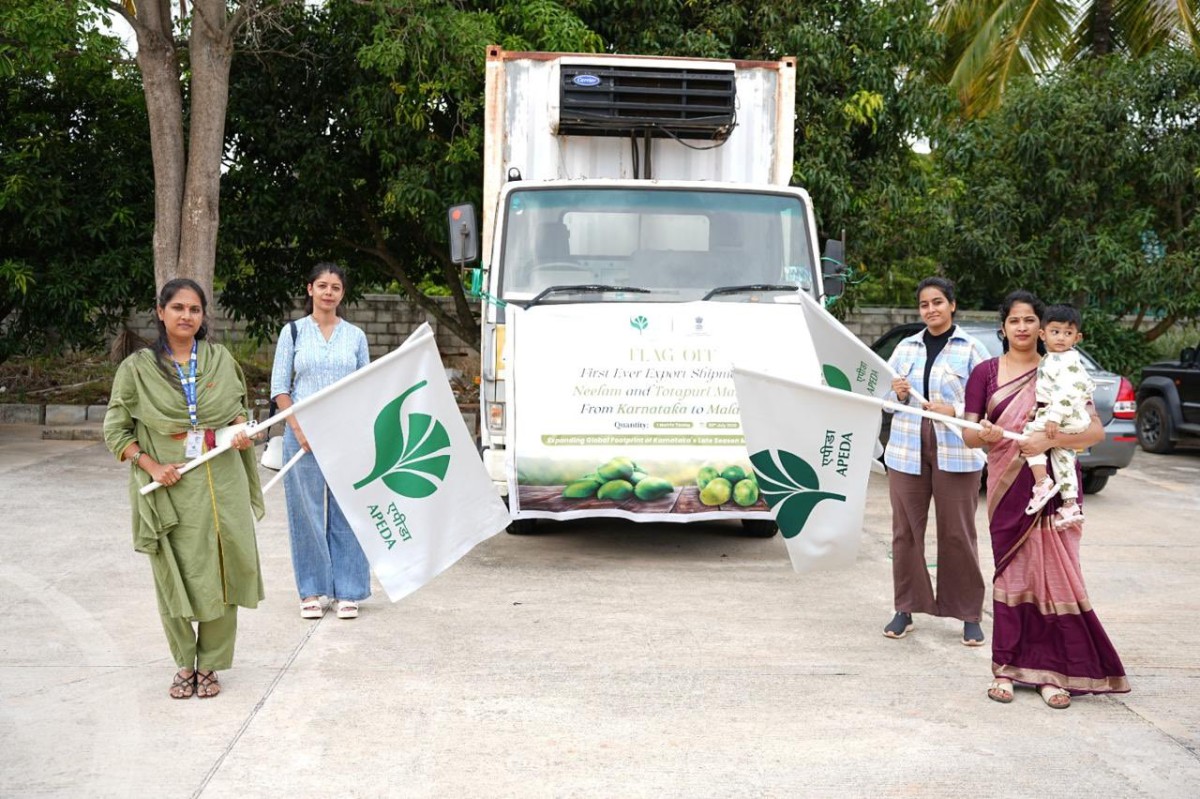
BENGALURU : The Agricultural and Processed Food Products Export Development Authority (APEDA), under the Ministry of Commerce & Industry, Government of India, has facilitated the first-ever air shipment of Neelam and Totapuri mangoes from Karnataka to the Maldives. Flagged off on 30 July 2026, the export marks a significant milestone in promoting Karnataka’s late-season mango varieties in international markets and further strengthening India’s mango export basket.

The consignment was flagged off by Chairman, APEDA, Shri Abhishek Dev, IAS, who appreciated the collective efforts of the exporter, the Farmer Producer Company (FPC), farmers and all stakeholders involved in making the shipment possible. He noted that such initiatives enhance market access for Indian mangoes, create new export opportunities for late-season varieties and contribute to sustainable income growth for farmers.

The export consignment, comprising one metric tonne of Neelam and Totapuri mangoes, was sourced directly from farmers associated with M/s Prakruthimaya Farmers Producer Company Ltd., KGF Taluk, Kolar district, Karnataka. The shipment was exported by Mrs. Ashwini A, Director of M/s Ahalya Devi Ventures, a newly registered woman entrepreneur and exporter, highlighting the growing participation of women entrepreneurs in India’s agri-export ecosystem.

Neelam mango is widely appreciated for its sweet, juicy pulp, rich aroma and suitability for desserts, smoothies and beverages. Totapuri mango is known for its distinctive shape, sweet-tangy flavour and versatility for both fresh consumption and processing. Harvested from late June to the end of July, these late-season varieties offer an opportunity to extend India’s mango export season and cater to international demand beyond the peak harvest period.

The air shipment highlights the growing export potential of Karnataka’s horticulture sector and demonstrates how Farmer Producer Companies are playing an important role in connecting farmers with global markets through organised aggregation, quality produce and export-oriented supply chains.

Farmers associated with the Farmer Producer Company realised over 50 per cent higher returns through this export initiative compared to conventional market channels. The achievement underscores the value of direct procurement, export market linkages and organised aggregation in enhancing farmers’ incomes while encouraging wider adoption of export-oriented cultivation practices.

The export marks a new chapter in Karnataka’s mango export journey and is expected to encourage greater participation of Farmer Producer Organizations (FPOs), Farmer Producer Companies (FPCs), exporters and agri-entrepreneurs in tapping international markets for premium horticultural produce.

APEDA continues to work closely with State Governments, exporters, Farmer Producer Organizations, Farmer Producer Companies and other stakeholders to strengthen export infrastructure, facilitate global market access and promote India’s premium fruits in international markets. Such initiatives contribute to the diversification of India’s agricultural exports while creating sustainable opportunities for farmers and the horticulture sector.

Bahri reports record net profit of SAR 2.75 Billion for Q2 2026

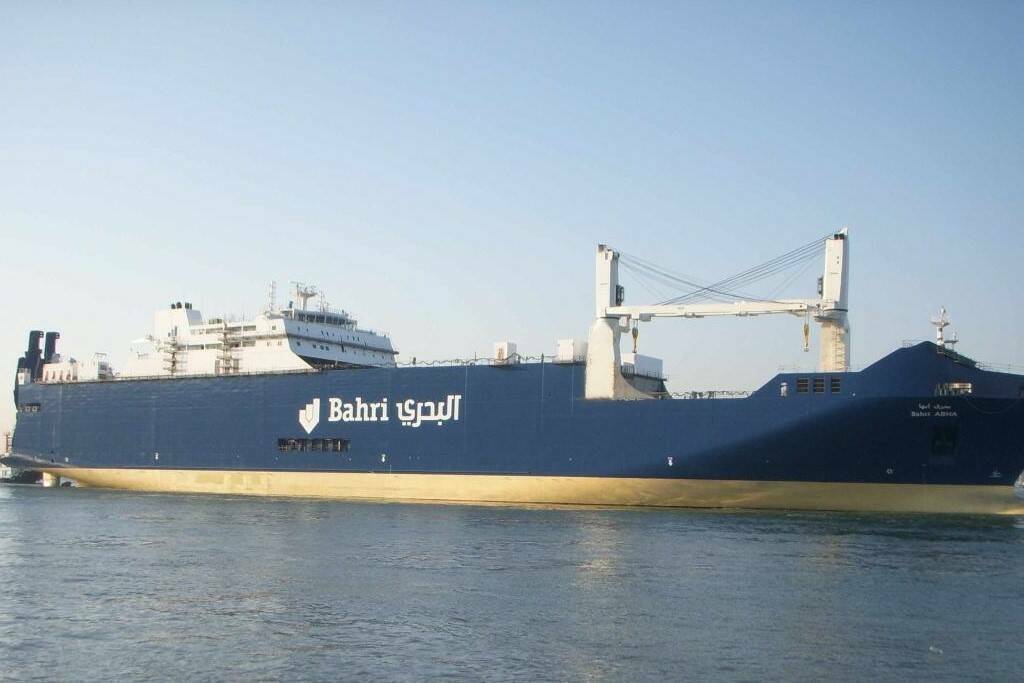
RIYADH : The National Shipping Company of Saudi Arabia (Bahri), the Kingdom’s leading shipping and logistics company, announced its financial results for the second quarter and first half of 2026, reporting a net profit of SAR 2.75 billion for Q2 2026, up 574% year-on-year, while net profit for the first half of the year reached SAR 4.90 billion, an increase of 421% compared with the same period last year.

Bahri recorded Q2 revenues of SAR 6.31 billion, up 156% year-on-year, while revenues for the first half of 2026 reached SAR 11.27 billion, representing growth of 144%. The strong performance was primarily driven by Bahri Oil, which benefited from higher freight rates and increased vessel chartering activity to meet growing customer demand. Bahri Chemicals & Product Services, Bahri Dry Bulk, logistics services, and marine services also contributed to revenue growth.

The results reflect Bahri’s ability to capitalize on evolving market conditions and respond with agility to a challenging operating environment amid continued geopolitical tensions, while maintaining business continuity and safeguarding its crews and vessels.

During the period, Bahri continued to advance its fleet expansion and modernization program, acquiring five chemical tankers, four of which entered full commercial operations, while also divesting an older Very Large Crude Carrier (VLCC). This brought Bahri’s owned fleet to a record 107 vessels as of the end of June 2026. Following the end of the second quarter, the Company signed a contract to build two new container and roll-on/roll-off vessels, increasing its newbuild orderbook to 12 vessels scheduled for delivery between 2026 and 2030.

Commenting on the results, Eng. Ahmed Ali Alsubaey, Chief Executive Officer of Bahri, said: “Bahri delivered an exceptionally strong second quarter, capping an outstanding first half of 2026 while navigating through an unprecedented volatile operating environment in the Arabian Gulf. Our people maintained disciplined execution, supported by flexible fleet deployment, strong customer relationships and the scale of our global network. These results reflect our ability to adapt quickly to changing market conditions while maintaining the reliable flow of essential trade across the Kingdom and global markets.

Throughout this period, our foremost priority remained the safety of our people and the protection of our vessels. Our whole fleet remained commercially deployed during the quarter, enabling Bahri to provide continuity of service to our customers. We also made significant progress in advancing our fleet expansion and modernization program. During the quarter, we acquired five IMO2 MR chemical tankers and divested an older VLCC, bringing our owned fleet to a record 107 vessels. We also signed a newbuild contract for two additional RoCon vessels, supporting our long-term growth ambitions.

Looking ahead, we remain focused on disciplined execution of our strategy, while continuing to play our part in supporting the resilience of supply chains in the Kingdom and globally amid ongoing disruptions, and in delivering sustainable long-term value for our shareholders.”Bahri’s strong performance during the first half of the year also contributed to a stronger financial position, with operating cash flow reaching SAR 3.87 billion, up 235% year-on-year. Net debt declined by 34% year-on-year to SAR 6.62 billion, while the net debt-to-EBITDA ratio stood at 0.72x at the end of June 2026, compared with 2.19x a year earlier, further strengthening the Company’s financial flexibility to pursue future growth opportunities.

Operationally, Bahri maintained its strong commitment to safety, disciplined execution, and responsible maritime practices, achieving a zero-fatality and zero-oil-spill record during the period. The Lost Time Injury Frequency Rate (LTIFR) for Bahri’s vessel crews also improved to 0.13 injuries per one million working hours, compared with 0.39 a year earlier, reflecting continued progress in operational safety performance.

About Bahri

Established in 1978 as the National Shipping Company of Saudi Arabia, Bahri is the Kingdom’s leading shipping and logistics company and a global leader in maritime transportation.

Headquartered in Riyadh, Saudi Arabia, Bahri operates a fleet of 109 vessels, of which 107 vessels are owned, while two vessels are under long-term leases, as well as three floating seawater desalination barges, as of end-June 2026.  Bahri is recognized as one of the world’s largest owners of Very Large Crude Carriers (VLCCs).

The Company’s diversified operations span a broad range of services, including the transportation of crude oil, clean petroleum products, chemicals, and dry bulk and breakbulk cargo, as well as the purchase, sale, chartering, and operation of vessels in support of these activities.  Bahri also provides integrated logistics solutions, including freight forwarding, warehousing, customs clearance, cargo handling and stowage, and contract logistics.  Additionally, it has expanded into the seawater desalination sector through the operation of floating desalination barges.

Bahri also holds non-controlling equity interests in Petredec Group, a leading liquefied petroleum gas shipping and trading company; the National Grain Company, which operates a grain handling terminal in Yanbu, Saudi Arabia; and Saudi shipbuilder International Maritime Industries.

Supported by a team of over 5,000 professionals across our onshore and offshore operations, Bahri is committed to advancing Saudi Vision 2030 by contributing to the development of the Kingdom as a strategic regional maritime hub and logistics gateway, while maintaining its role as a vital and responsible participant in the global supply chain.

Source : Bahri

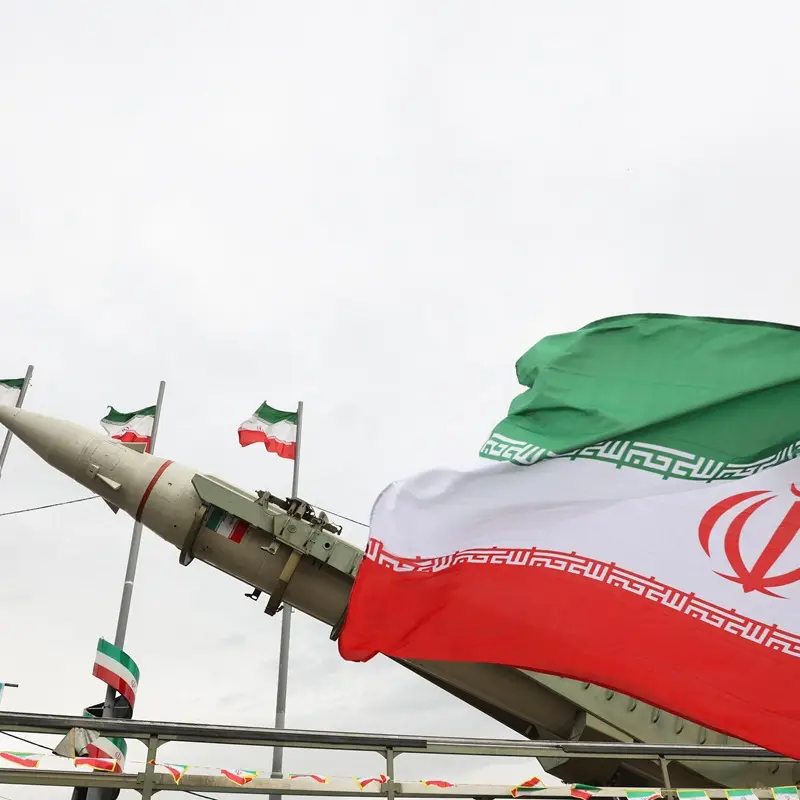
“Strait of Hormuz is our land”: IRGC warns countries aiding US of “harsh response”

TEHRAN: Iran’s Islamic Revolutionary Guard Corps (IRGC) on Friday said that two oil tankers attempting to leave an “unsafe route” south of the Strait of Hormuz turned back after a fire broke out on one of the vessels, according to Iran’s state broadcaster IRIB.

In a statement the IRGC said, “Last night, two oil tankers, provoked by American birds, attempted to leave the unsafe route south of the Strait of Hormuz. After a severe fire broke out in one of them, both vessels quickly turned back.”

The IRGC asserted control over the strategic waterway, saying, “The Strait of Hormuz is our land, and the IRGC’s navy sailors have full control over it, and a stranger who has come from thousands of kilometres away will not be allowed to interfere.”

“With the help of God Almighty, the aggressor will be punished today,” it added.

The IRGC also issued a warning to countries supporting the alleged aggressor [US].

“Countries involved in aiding the aggressor will receive a harsh response if they do not correct their behaviour,” the statement said.

On the continued status of the Strait of Hormuz, the IRGC said it could not be reopened while American authorities continued “exaggerations and threats” and interference in maritime movements in the region.

“The Strait of Hormuz cannot be reopened as long as the American authorities’ exaggerations and threats and their interference in maritime movements in the region continue, and threats and interference will only make the situation more difficult and complicated,” it said.

Addressing the Iranian public, the IRGC said their “determination, will, and steadfastness on the battlefield have shattered the enemy, strengthened the ranks of the warriors of Islam, and given them new spirit and life.”

Earlier, amid heightened tensions with Tehran and mounting anxieties regarding maritime safety in the Gulf, the United States Central Command (CENTCOM) accused the Islamic Revolutionary Guard Corps (IRGC) of trying to intimidate merchant vessels navigating the Strait of Hormuz, maintaining that the crucial sea route remains accessible for global passage regardless of claims made by Iran.

Earlier, in an official communication released on Wednesday (local time), CENTCOM stated that the IRGC had recently issued threats and attempted strikes against commercial ships and civilian seafarers traversing the strategic passage.

The American military also charged the Iranian outfit with attempting to force preferred navigation routes on global commercial transport passing through one of the most critical energy transit points worldwide.

“After recently threatening and attempting to attack commercial vessels and innocent mariners transiting the Strait of Hormuz, Iran’s Islamic Revolutionary Guard Corps (IRGC) continues to claim that international mariners should only use routes the IRGC prefers,” the US military said in its statement.

Refuting the position taken by Tehran, the US armed forces emphasised that the maritime corridor is an international passage governed by global maritime regulations, placing it outside the jurisdiction of the IRGC.

“The Strait of Hormuz is an international waterway. The IRGC has no authority to dictate routes for free and open traffic flow,” CENTCOM stated, noting that merchant shipping is actively proceeding through the maritime passage under the protection of American forces positioned across the region.

HOCC dismisses Bab al-Mandab Transit Toll Claims, Confirms Free Passage for Eligible Vessels

The Humanitarian Operations Coordination Center warns shipping companies against fraudulent payment demands, reiterates that safe transit services remain voluntary and free, and urges media to verify information through official channels.

SANAÄ: The Humanitarian Operations Coordination Center (HOCC) has recently become aware of the circulation of a number of reports and claims across certain news websites and media platforms alleging that the Republic of Yemen intends to impose tolls for transiting the Bab al-Mandab Strait.

The HOCC further emphasizes that transit through the Bab al-Mandab Strait is free of charge.

Furthermore, the services provided by the HOCC—including the Safe Transit Service for vessels—are, as is well known, entirely free of charge. The Safe Transit Service is a voluntary and cost-free service offered by the HOCC to vessels/companies (falling outside the scope of the declared ban) that wish to confirm the safe transit of their vessels through the Red Sea, Bab al-Mandab Strait, the Gulf of Aden, and the Arabian Sea. All vessels outside the scope of the declared ban may transit safely. Additionally, for added assurance, such vessels may submit a Safe Transit Request by email to the following address: clearances@hocc.gov.ye  at any time, and a response will be provided within a few hours.

Accordingly, the HOCC categorically confirms that any individual or entity requesting the payment of money in exchange for transiting the Bab al-Mandab Strait does not represent the Republic of Yemen or HOCC in any capacity whatsoever. The HOCC urges shipping companies not to make any payments or provide any information to unauthorized individuals or entities.

The HOCC warns against any unauthorized use of its name or logo, or any false claim of representation, for the purpose of collecting fees or other payments in connection with transiting the Bab al-Mandab Strait. It further calls upon anyone who is asked to pay such fees to refrain from making any payment, document the incident whenever it is safe and practicable to do so, and report the matter via the email address: compliance@hocc.gov.ye, attaching all available details and supporting evidence that may assist in verifying the incident and taking the necessary action.

The HOCC calls upon all media outlets and news websites to adhere to professional standards, exercise due diligence and accuracy when reporting news and information, and refrain from publishing or circulating any information concerning transiting the Bab al-Mandab Strait before verifying it through the HOCC’s official channels.

The HOCC also welcomes any questions or inquiries submitted via email: media@hocc.gov.ye and will provide the necessary responses and clarifications as soon as possible.