Home Blog Page 181

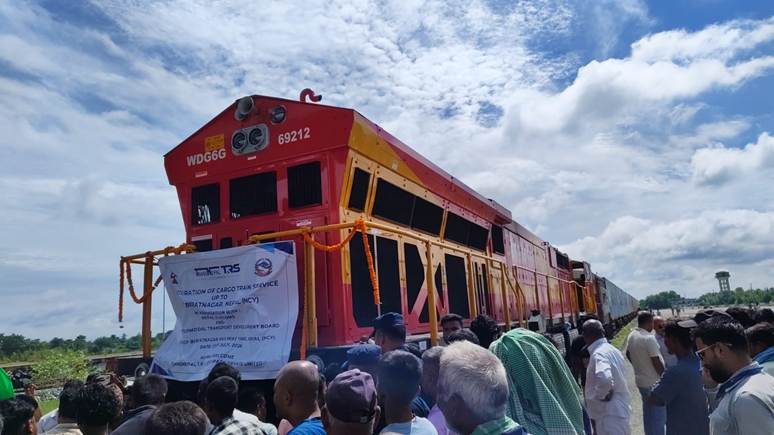
India’s first direct Commercial Container Freight Train reaches Nepal, opening a new chapter in Cross-border Trade and Connectivity

KOLKATA : Indian Railways has achieved a major milestone in strengthening India-Nepal freight connectivity with the successful operation of the first-ever direct commercial container freight train from Kolkata Port to Biratnagar Customs Yard, Nepal. The train, comprising 40 wagons carrying a consignment of canola, completed its journey under the revised India-Nepal Rail Transit Protocol, marking a new chapter in rail-based cross-border freight movement.

The successful operation enables direct rail movement of containerised cargo from Kolkata Port to Biratnagar without transshipment at the border. The new arrangement is expected to substantially reduce transit time, logistics costs and cargo handling while improving the efficiency, reliability and competitiveness of cross-border trade between the two neighbouring countries. The milestone has been made possible through the implementation of the revised India-Nepal Rail Transit Protocol, which facilitates seamless end-to-end rail transportation of freight between the two countries.

The achievement builds upon the broad-gauge rail link between Jogbani (India) and Biratnagar (Nepal), inaugurated in June 2023 by the Hon’ble Prime Minister of India Shri Narendra Modi and the then Prime Minister of Nepal. Following the signing of the revised Letter of Exchange (LoE) in November 2025, direct commercial rail movement to Biratnagar has now become operational, opening new opportunities for bilateral trade and economic cooperation.

The direct freight service is expected to provide a significant boost to the movement of import and export cargo by offering a faster, more economical and environmentally sustainable mode of transportation. By reducing multiple handling points and improving supply chain efficiency, the initiative will benefit exporters, importers, logistics operators and industries engaged in cross-border trade.

The milestone also reflects Indian Railways’ continued focus on expanding international rail connectivity, strengthening freight logistics and supporting the Government’s vision of improving ease of doing business through modern transport infrastructure. Increased rail-based freight movement will contribute to lower logistics costs, improved cargo reliability and greener transportation while fostering stronger economic partnerships with neighbouring countries.

The successful operation of the first direct commercial container freight train to Nepal marks another important achievement in Indian Railways’ efforts to build an integrated, efficient and future-ready freight network that supports regional trade, economic growth and seamless international connectivity.

India’s toy exports soar 89.1%, reflecting strong growth in domestic manufacturing

NEW DELHI : Union Minister of State for Ministry of Commerce and Industry, Shri Jitin Prasada informed in a written reply in Lok Sabha that, the 17th Toy Biz International B2B Exhibition was organized by the Toy Association of India from 4th to 7th July, 2026 at Bharat Mandapam, New Delhi. The Exhibition aimed at promoting Indian toys, facilitating business networking, and creating opportunities for growth in domestic sales and exports. It witnessed participation of 400 Indian toy brands, 100 international buyers from 40 countries, and around 30,000 business visitors. The exhibition provided platform for connecting manufacturers with wholesalers, retailers, distributors, institutional buyers and e-commerce platforms.

At present, there is no dedicated toy policy of the Government of India.

In 2018-19, Toys worth USD 371.7 Mn were imported into India. A large proportion of these toys were unsafe, substandard, counterfeit, and cheap. Further, a Mystery Shopping exercise conducted in 2019 revealed that only 33% toys in the domestic market were of acceptable quality as per BIS standards.

In order to improve the quality and safety of toys in the country and to promote the overall development of the Indian toy industry, the Government of India has undertaken several initiatives. The key initiatives are as follows:

Formulation of a comprehensive National Action Plan for Toys (NAPT), comprising 21 action points and coordinated by 14 Ministries and Departments. It focuses on promoting the design and development of toys based on Indian values, culture, and history; encouraging the use of toys as learning resources; organizing hackathons, toy fairs, and grand challenges for toy design and manufacturing; strengthening quality monitoring and restricting the import of substandard and unsafe toys; promoting indigenous toy clusters; and boosting domestic manufacturing.

Basic Custom Duty (BCD) on Toys (HS Code-9503) was increased from 20% to 60% in February 2020, and subsequently increased to 70% in 2023. Further, the BCD on Parts of Electronic Toys (HS 95030091) revised as 20% in the Budget F.Y. 2025-26.

A Quality Control Order (QCO) for Toys was issued on 25.02.2020, implemented with effect from 01.01.2021.

BIS has granted more than 1800 licenses to domestic manufacturers of toys and more than 50 licenses to foreign manufacturers for use of BIS Standard Mark on toys conforming to the Indian Standards for safety of toys.

The National Education Policy 2020 formulated by Ministry of Education focuses on play and activity-based learning. A handbook on ‘Toy Based Pedagogy’ has been published by NCERT with the objective of ensuring that the learning process for children is enjoyable and fun. It prescribes toys, especially based on indigenous toys and games to be used at different stages to help develop many competencies in young children.

Cluster-based approach adopted to support domestic Toy industry. The Ministry of MSMEs has approved 18 Toy clusters under the Scheme of Funds for the Regeneration of Traditional Industries (SFURTI), and the Ministry of Textiles is providing designing and tooling support to 40 Toy clusters.

More than 700 startups have been recognised by DPIIT under Startup India initiative.

More than 2,200 exporters have been supported under Remission of Duties and Taxes on Exported Products (RoDTEP) scheme for exports of Toys.

Zero duty market access under India-UAE Comprehensive Economic Partnership Agreement (CEPA), the India-Australia Economic Cooperation and Trade Agreement, and India-European Free Trade Association (EFTA) Trade and Economic Partnership Agreement, India-Oman Comprehensive Economic Partnership Agreement, India-New Zealand Free Trade Agreement, and India-United Kingdom Comprehensive Economic and Trade Agreement.

Several promotional initiatives have also been undertaken to promote indigenous toys and encourage innovation, including Toycathon, Toy fairs, etc.

These initiatives have resulted in remarkable growth of the Indian Toy industry. As per a BIS survey conducted in 2025, 95% of toy samples were found conforming to the prescribed quality standards, as against 33% in 2019, indicating a substantial improvement in the quality of toys available in the Indian market.

Further, the Indian toy industry has emerged as a net exporter of toys with exports to countries including United States, United Kingdom, the Netherlands and Germany. The import of toys into India has declined by 37.5%, while toy exports have increased by 89.1%.

TradeFY 2018-19FY 2025-26Growth (%)
India’s Imports from World ($ Mn.)371.7232.3-37.5%
India’s Exports to World ($ Mn.)203.5384.789.1%

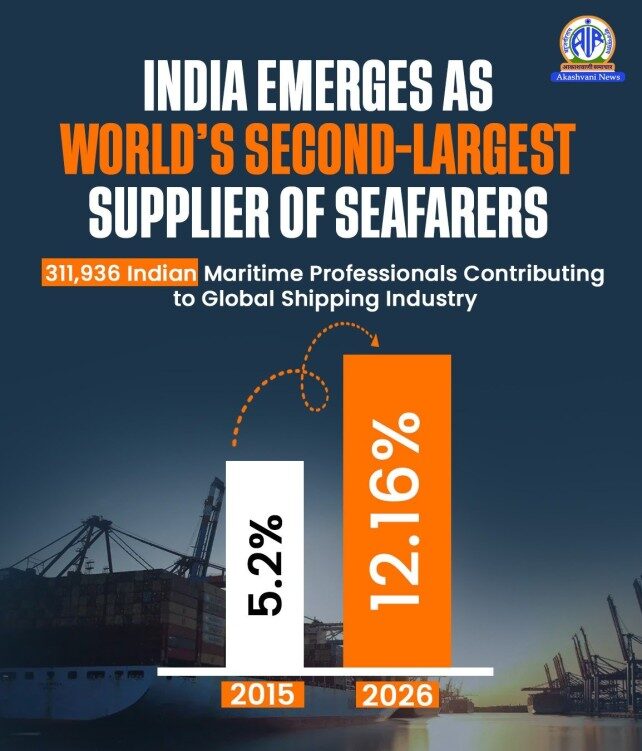
India emerges as World’s second-largest supplier of Seafarers

NEW DELHI : India has emerged as the world’s second-largest supplier of seafarers, contributing 311,936 maritime professionals to the global shipping industry, according to the BIMCO-ICS Seafarer Workforce Report 2026. The report estimates that India now accounts for 12.16% of the global seafaring workforce, ranking behind only the Philippines and ahead of China, the Russian Federation and Indonesia.

The achievement marks one of the most remarkable transformations in the history of India’s maritime sector. In 2015, India contributed only 5.2% of the world’s seafarers and ranked fifth globally, behind China, the Philippines, Indonesia and the Russian Federation. Six years later, in 2021, India’s share had grown modestly to 6%, though it continued to remain in fifth position. The latest BIMCO-ICS report for 2026, however, records a decisive breakthrough. India’s global share has more than doubled over the past decade to 12.16%, propelling the country to second place worldwide and establishing it as one of the world’s foremost providers of skilled maritime professionals.

India’s strength is particularly evident in the officer cadre. The country now supplies 140,718 officers, accounting for 13.41% of the world’s officer workforce, while 171,218 ratings represent 11.29% of the global ratings serving aboard merchant vessels. Overall, Indian seafarers today constitute one of the largest and most skilled maritime workforces supporting global trade.

The report estimates the global supply of seafarers at 2.57 million, while demand has reached 2.55 million, highlighting an increasingly tight global labour market. It also points to a continuing shortage of qualified officers worldwide, positioning India as a critical partner in meeting the shipping industry’s future manpower requirements.

India’s emergence as a global maritime manpower hub reflects more than a decade of sustained reforms under the leadership of Prime Minister Narendra Modi. Over the past twelve years, the Government has expanded maritime education and skilling, modernised training infrastructure, increased the capacity of maritime training institutes, digitised seafarer certification and regulatory services through the Directorate General of Shipping, strengthened compliance with international Standards of Training, Certification and Watch-keeping (STCW), and enhanced the employability and global competitiveness of Indian seafarers.

Since assuming charge of the Ministry of Ports, Shipping and Waterways in 2021, Union Minister Sarbananda Sonowal has accelerated the reform agenda through the most comprehensive overhaul of India’s maritime legal framework in decades. Beginning with the Inland Vessels Act, 2021, the Government has subsequently enacted the Merchant Shipping Act, 2025, Indian Ports Act, 2025, Coastal Shipping Act, 2025, Bills of Lading Act, 2025, and the Carriage of Goods by Sea Act, 2025. Collectively, these landmark legislations have modernised maritime governance, strengthened seafarer welfare, aligned India’s shipping laws with international conventions, simplified regulatory processes and enhanced ease of doing business across the maritime sector.

Welcoming the report, Union Minister of Ports, Shipping & Waterways (MoPSW), Sarbananda Sonowal said, ”India’s rise from the fifth-largest supplier of seafarers in 2015 with just 5.2% of the global workforce to the world’s second-largest maritime manpower nation with a 12.16% share in 2026 is a story of vision, resolve and transformative leadership. This remarkable turnaround has been made possible under the dynamic leadership of Hon’ble Prime Minister Shri Narendra Modi, whose unwavering commitment over the past twelve years has fundamentally reshaped India’s maritime ecosystem. From investing in world-class maritime education and modern training infrastructure to digitising seafarer services, reforming maritime laws and creating globally benchmarked standards, his Government has empowered thousands of young Indians to compete and excel on the world stage. Today’s achievement is not merely a statistical milestone, it is a reflection of New India’s growing global credibility, the confidence that international shipping companies place in Indian talent, and our collective resolve to establish India as a leading maritime nation.”

The Union Minister said the Government is now pursuing Mission 20%, an ambitious national vision to increase India’s share of the global seafaring workforce from 12.16% to 20%. “Mission 20% is our next national milestone. We are expanding maritime training capacity, strengthening shipboard training opportunities, fostering deeper industry-academia partnerships, leveraging digital technologies and creating greater opportunities for young Indians, especially women, to pursue rewarding careers at sea. Our vision is clear, to ensure that one in every five seafarers serving aboard merchant ships anywhere in the world is an Indian, recognised globally for professionalism, competence and excellence,” Sonowal added.

With the global shipping industry continuing to face a shortage of qualified officers, India’s expanding maritime education ecosystem, internationally recognised training standards and progressive policy framework place the country in a strong position to meet future global demand while advancing the vision of Maritime India Vision 2030 and Maritime Amrit Kaal Vision 2047.

DGMA issues Advisory to strengthen Anti-Piracy vigilance for vessels transiting Gulf of Aden and Horn of Africa

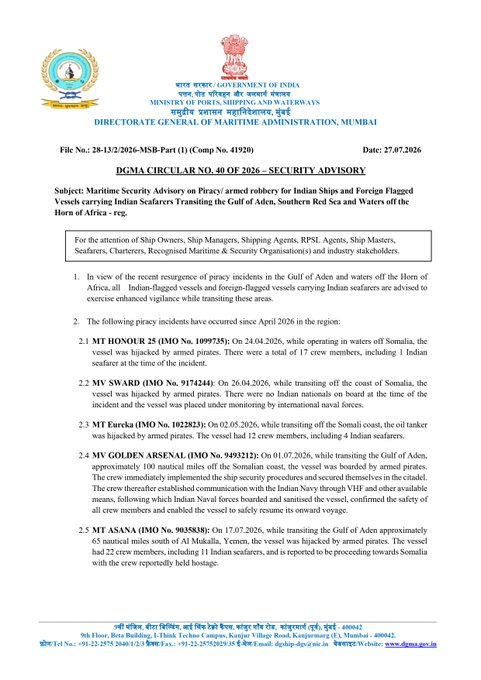
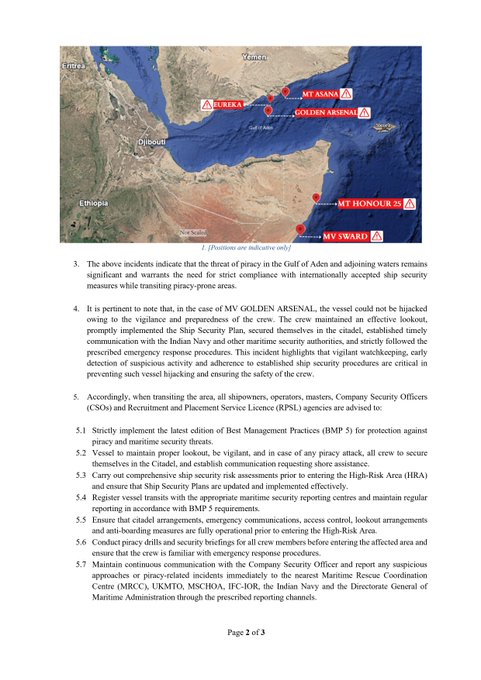
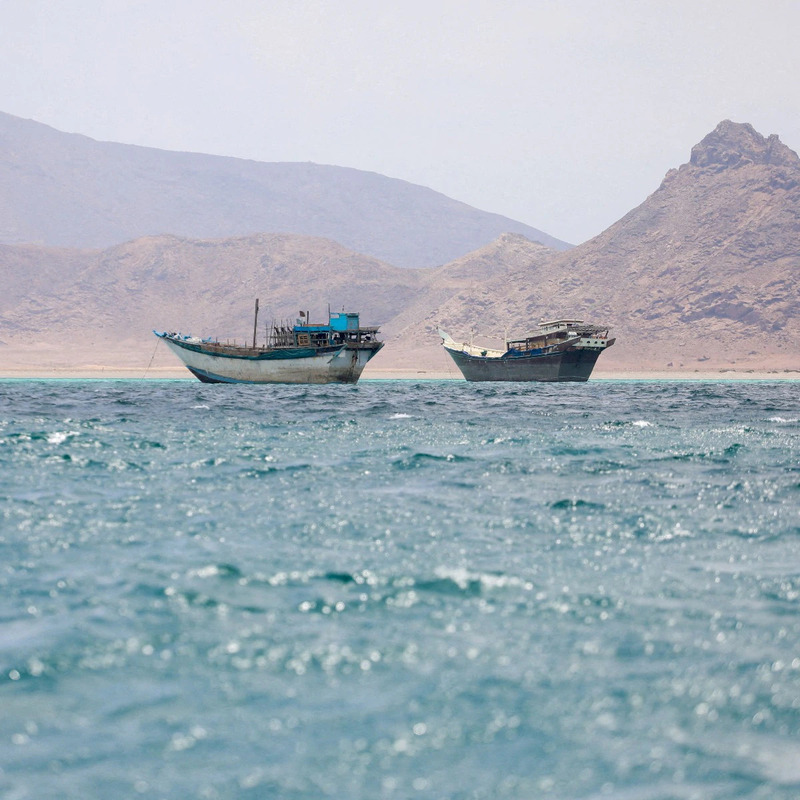
NEW DELHI : In response to the recent resurgence of piracy incidents in the Gulf of Aden and the waters off the Horn of Africa, the Directorate General of Maritime Administration (DGMA), Government of India, has issued DGMA Circular No. 40 of 2026, directing Indian maritime stakeholders to adopt heightened security measures while operating in these high-risk waters.

The advisory is applicable to all Indian-flagged vessels as well as foreign-flagged ships carrying Indian seafarers, with the objective of safeguarding lives, ensuring the security of ships and cargo, and maintaining uninterrupted maritime trade through one of the world’s busiest shipping corridors.

The DGMA has advised all shipowners, ship operators, Masters, Company Security Officers (CSOs), and Recruitment and Placement Service Licence (RPSL) agencies to exercise enhanced vigilance and strictly comply with internationally recognised anti-piracy procedures.

As part of the advisory, vessels transiting the High-Risk Area (HRA) have been instructed to:

Strictly implement the Best Management Practices (BMP 5) for protection against piracy.
Maintain a continuous and effective lookout while ensuring that crew members are secured in the Citadel in the event of a piracy attack.
Conduct comprehensive ship security risk assessments before entering the High-Risk Area.
Carry out regular anti-piracy drills and security briefings to ensure crew preparedness.
Register vessel transits with the appropriate maritime security reporting centres.
Continuously monitor security advisories issued by the DGMA, Indian Navy, International Maritime Organization (IMO), United Kingdom Maritime Trade Operations (UKMTO), and Maritime Security Centre – Horn of Africa (MSCHOA).

The Gulf of Aden and adjoining waters remain a strategically important international shipping route connecting Asia, Europe and the Middle East. The recent increase in piracy-related incidents has prompted maritime administrations worldwide to reinforce security protocols and encourage strict adherence to internationally accepted best practices.

The DGMA has reiterated that continuous vigilance, proactive risk assessment, and close coordination with naval and maritime security agencies are essential to mitigating piracy threats and ensuring the safety and welfare of Indian seafarers operating in the region.

The circular underscores India’s continued commitment to maritime safety and security while supporting the uninterrupted movement of global trade through critical sea lanes.

For emergency assistance, contact:
MMDAC (DG Comm Centre): dgcommcentre-dgs@nic.in | +91 86575 49760 | +91 22 22613606 | +91 86575 49752
IFC-IOR: ifc-ior.gurugram@navy.gov.in | +91 124 2208385

Red Sea shipping slows as security threats, insurance curbs reshape vessel routes: S&P Global

MUMBAI: Commercial shipping through the Bab el-Mandeb Strait has slowed sharply in recent days as heightened security risks, insurance restrictions and evolving military developments in the Middle East prompt ship operators to reassess routes through the Red Sea, according to an S&P Global report.

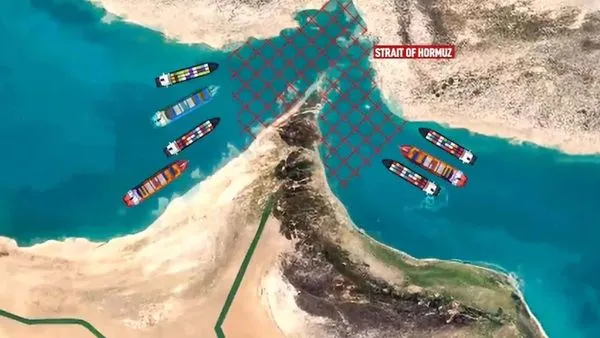
The report said vessel crossings through the Bab el-Mandeb Strait fell to an average of 31 per day over the last three days from an average of 43 per day in the first half of July. Traffic through the Strait of Hormuz also moderated to an average of 17 vessel crossings per day over the past three days.

On latest shipping trends, S&P Global said, “Vessel crossings through the Bab el-Mandeb strait slumped over the last three days to an average 31 per day, down from an average 43 per day in the first half of July, while crossings through the Strait of Hormuz averaged 17 per day over the past three days.”

According to the report, security concerns remain elevated after the UK Maritime Trade Operations (UKMTO) reported two separate incidents involving commercial vessels. A tanker in the Gulf of Oman reported an encounter involving “military forces”, while another tanker operating in the southern Red Sea observed “a projectile impact in close proximity to the vessel”, highlighting the continuing risks to merchant shipping.

The report also noted that the Houthi military claimed responsibility on July 25 for drone and missile attacks targeting Saudi Aramco facilities in Jizan and Yanbu, including the 400,000 barrels-per-day refinery at Jizan.

S&P Global said daily traffic through the Bab el-Mandeb remained subdued, recording 32 vessel transits on July 26 after 26 on July 25 and 36 on July 24. The decline coincided with reports that several major insurers had suspended war-risk cargo cover for Saudi-linked vessels transiting the Red Sea, raising concerns over the impact of insurance constraints on regional trade.

Despite the challenging security environment, Saudi-linked vessels accounted for 24 per cent of all Bab el-Mandeb transits during the three-day period, recovering from an average share of 13 per cent immediately after the Houthis announced a blockade on Saudi ports on July 20.

The report cited the VLCC NEW EXPLORER, which loaded one million barrels of Saudi crude from Yanbu on July 21 and successfully crossed the Bab el-Mandeb Strait on July 26 en route to Ningbo, China, as an example of continued Saudi-linked traffic.

However, S&P Global said shipping companies are increasingly adopting different strategies to mitigate risks.

“Recent vessel movements suggest operators are adopting different strategies to manage the heightened security risks in the Red Sea. While some vessels continue to transit the waterway but appear to be avoiding direct calls at Saudi Red Sea ports, others have opted to bypass the Red Sea entirely and reroute via the Cape of Good Hope, despite the significantly longer voyage,” the report said.

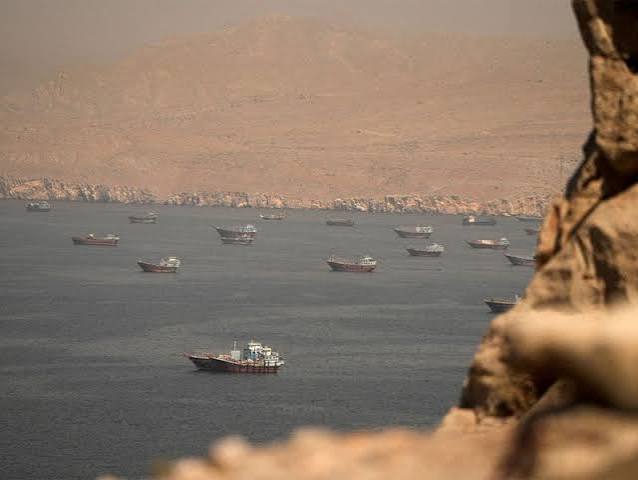
In the Strait of Hormuz, S&P Global said Iranian-linked vessels continued to dominate traffic, with 18 vessel transits on July 24 and 16 each on July 25 and July 26. Weekly average crossings eased to 17 per day for the week ending July 26 from 19 per day in the previous week.

The report added that US forces paused further strikes against Iran from July 24 after nearly two weeks of sustained attacks, while Tehran also announced it had halted military operations, signalling that diplomatic engagement may be gathering momentum.

Source: ANI

“No plans to negotiate with US”: Iran dismisses Trump’s claims, says Washington “pleaded for end of conflict”

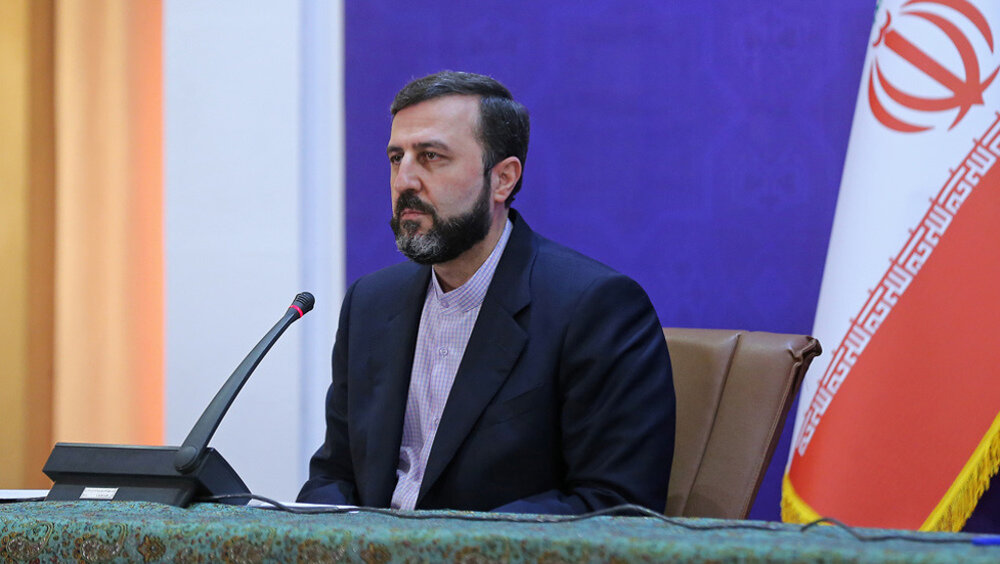
TEHRAN: Declaring that Tehran has “no plans to negotiate with the US,” Iranian Deputy Foreign Minister Kazem Gharibabadi on Tuesday stated that while discussions are proceeding “step by step” with Oman, the Islamic Republic will not let Washington dictate the terms of engagement.

In remarks given in an interview with State TV and carried by Al Jazeera, Gharibabadi emphasised that the US cannot pick and choose when to engage in conflict or diplomacy.

“We should not get America used to fighting whenever it wants and sitting at the negotiating table whenever it wants,” Gharibabadi said, claiming that it was Washington “who sent messages pleading for an end to the conflict.”

He made the remarks in response to US President Donald Trump, who said that the US paused its recent military strikes on Iran after Tehran “asked us very nicely, ‘Please stop, let’s meet,'” while warning that attacks could resume if the two sides fail to reach a new ceasefire agreement.

He further reiterated that Iran refuses to recognise alternative southern shipping routes through the Strait of Hormuz, maintaining that all mine removal operations must rest exclusively with Tehran, Al Jazeera reported.

The hardline stance extended further. In remarks highlighted by Press TV, Gharibabadi adopted an aggressive posture toward outside naval forces, warning that any foreign intervention in the vital waterway would face direct military retaliation.

“Any European naval vessel that approaches the Strait of Hormuz would be a legitimate target for us,” Gharibabadi said in an interview with the state TV.

The senior diplomat made the remarks amid reports suggesting that some European countries may decide to join the United States in its desperate attempts to reopen Hormuz, some five months after it came under Iranian control because of a US-Israeli war of aggression on the country, according to Press TV.

Gharibabadi emphasised that Iran’s fixed policy is that the Strait of Hormuz will never return to its pre-war state, noting that Tehran has “discovered a new defensive capability” by securing control over the key transit corridor.

“If the Strait of Hormuz returns to its pre-war status, our success in the war will not be complete,” he said. Defending earlier actions to block ships sailing through a southern corridor near Oman, he added, “Iran is not concerned about any (adversarial) action, not even the resumption of war, as it seeks to consolidate its sovereignty over the Strait… Let the world know that the Islamic Republic of Iran has upgraded its defensive tools.”

Stressing that the corridor constitutes an essential component of national defence, Gharibabadi concluded that the international community must understand that Iran “cannot, under any circumstances, abandon these capacities.”

Against the backdrop of rising regional defiance, the US Central Command (CENTCOM) highlighted the scale of its ongoing military operations to secure maritime trade routes.

According to CENTCOM, there are more than 20 U.S. Navy warships operating across the Middle East supporting military missions, including strict enforcement of America’s steel wall blockade against Iran.

“As of July 28, CENTCOM has redirected 18 commercial vessels, disabled 2, and boarded 2 to ensure full compliance,” CENTCOM wrote in a post on X.

Source: ANI

Iran warns of blocking vessels transiting Hormuz if frozen assets used for damages

TEHRAN: Iran on Tuesday warned that it will block the passage of commercial vessels belonging to companies and countries that use its frozen assets to compensate damages linked to the recent conflict in West Asia.

According to a statement issued by the spokesperson for Iran’s Khatam al-Anbiya Central Headquarters and carried by Iranian state media, Islamic Republic of Iran Broadcasting (IRIB), Iran slammed the United States of seeking to use its frozen assets to compensate for vessels damaged during what Tehran described as the “imposed war” against the Islamic Republic.

“The US President has announced that in the wake of aggressive actions and continued efforts to destabilise the region,” the statement said.

Referring to the US plans to use Iranian assets, the spokesperson stated that compensation for vessels damaged during the conflict would be drawn from Iran’s frozen funds.

“The damages to vessels that were damaged during the imposed war against Islamic Iran due to the creation of insecurity by the US military and the violation of the illegal and unsafe route south of the Strait of Hormuz will be paid from Iran’s frozen assets,” the statement said.

The spokesperson warned that if any country or company acted on such plans, Iran’s armed forces would prevent their vessels from transiting the Strait of Hormuz.

“While warning the criminal US President about the consequences of this illegal action, we announce to all companies and countries that welcome Trump’s proposal and use Iran’s frozen assets under this title that from now on, the armed forces of the Islamic Republic of Iran will not allow any of their vessels to pass through the Strait of Hormuz,” the statement said, as quoted by IRIB.

The remark comes after US President Donald Trump, in a post on Truth Social, said that any future damages caused to ships, cargo or related maritime assets would be paid for using Iranian money held and controlled by the United States.

“Please let this statement serve to represent, until further notice, that from this point forth, any and all damages done to Ships, Cargo, or anything related thereto, will be paid for by Iranian Money that the United States has in its possession, and controls,” Trump said in his post.

He added that the damages “may be very substantial” but described the move as “the fair and equitable thing to do.”

Iran’s Foreign Minister Seyed Abbas Araghchi slammed Trump’s plan to use Iranian assets held by Washington to compensate for damages to ships and cargo transiting through strategic maritime waterways in West Asia, calling the move an “incendiary precedent”.

In a post on X, Araghchi warned that confiscating another country’s assets to settle unrelated claims would undermine international norms and create wider instability.

“Seizing another nation’s assets to pay for unrelated future claims is an incendiary precedent. Those who celebrate or profit from such funds should remember: once governments normalise confiscation, no one’s assets are safe. Ensuing chaos will not be pretty or peaceful,” the post read.


Oman pitches Malacca-style plan to end Iran’s sole grip on Hormuz

MUSCAT : Oman has presented a proposal to Iran for a joint regional mechanism to manage the Strait of Hormuz with voluntary fees, a Gulf source told Reuters on Tuesday.

Under the Omani proposal, which has regional backing, Iran would not exercise sole control of the vital waterway, the source added.

The proposal is based on the Strait of Malacca, where those who use the strait voluntarily contribute to fund navigation, environmental protection and search and rescue.

The US abruptly suspended a campaign of air strikes against Iran over the weekend, raising hopes of a diplomatic solution that would allow shipping to resume in the Strait of Hormuz – which carried a fifth of global energy supplies before the conflict.

President Donald Trump said on Monday the United States was having “good talks” with Iran and there was a chance of a deal, but he warned that U.S. strikes would resume if the negotiations failed to deliver.

Iran’s Foreign Minister Abbas Araqchi discussed the Strait of Hormuz with his Omani and Saudi counterparts on Monday.

“He emphasised the need to strengthen cooperation and advance joint diplomatic efforts to establish stability in the region, and lift the insecurity imposed on the Strait of Hormuz due to the aggressive actions of the United States,” according to Iran’s foreign ministry statement.

SHM Shipcare signs MoU with Medhavi Skills University to Strengthen Maritime Skill Development

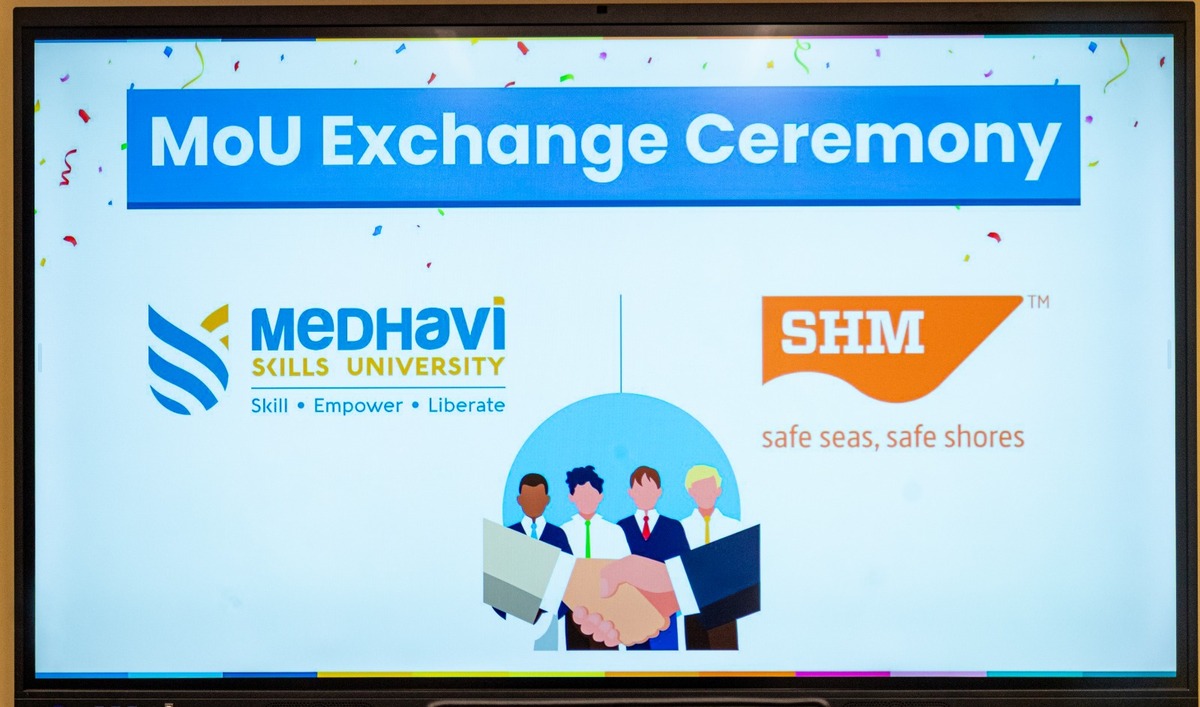
MUMBAI: SHM Shipcare Private Limited, one of the integrated maritime companies engaged in shipbuilding, ship repair, ship management, and maritime safety solutions, has signed a Memorandum of Understanding (MoU) with Medhavi Skills University, and officially affiliated SHM Academy to strengthen skill development in India’s maritime sector.

As part of this strategic collaboration, SHM Academy will function as an industry-integrated learning platform affiliated with Medhavi Skills University, combining academic excellence with practical industry exposure.

The partnership aims to deliver structured training programmes focused on maritime operations, marine safety, technical competencies and industry best practices, while addressing the evolving workforce requirements of the maritime industry.

The academy will offer programmes designed for students, early-career professionals and individuals seeking specialised training in maritime disciplines. The curriculum will cover areas including marine safety systems, vessel inspections, firefighting systems, alternative fuels, fire watch training, technical operations, regulatory compliance and workplace safety.

 Through its official affiliation with Medhavi Skills University, SHM Academy will enable learners to access industry-relevant education aligned with recognised academic standards while enhancing their employability across the maritime ecosystem.

Commenting on the development, Saifuddin Hajee, Group Chairman & CEO, SHM Shipcare, said, “Through this collaboration, we hope to establish a robust platform that seamlessly integrates academic learning with practical industry exposure, equipping learners with the knowledge, technical expertise and industry-ready skills required to meet the evolving needs of the maritime sector. We believe this initiative will contribute meaningfully to building a future-ready workforce that supports India’s growing maritime ambitions.”

Mohammed Hajee, CEO – Marine & Fire Safety, SHM Shipcare, added, “SHM Academy has been established to develop industry-ready talent through hands-on training in marine safety systems, technical operations and best practices. Our affiliation with Medhavi Skills University further strengthens the academy’s ability to deliver structured, industry-aligned programmes that help bridge the sector’s skill gap across diverse maritime disciplines.”

Flipkart opens Ekart Logistics Network to India’s MSMEs and D2C Brands

BENGALURU: Ekart, the Flipkart Group’s supply chain arm, Tuesday announced the opening up of its pan-India logistics network to businesses across India, giving MSMEs, D2C brands, FMCG companies and enterprises access to the same logistics infrastructure that powers the Flipkart Group. This expansion is being enabled through a new franchise model and scaled dedicated warehousing capabilities, allowing businesses of all sizes to leverage Ekart’s technology, nationwide reach and fulfilment network to serve customers across the country.

Over the past few years, Ekart has built a growing portfolio of external customers across retail, MSMEs, D2C brands and B2B businesses, demonstrating strong demand for enterprise-grade logistics beyond the Flipkart Group. Building on that momentum, Ekart is now expanding access through two new capabilities, a franchise model that enables businesses to connect to its nationwide delivery network, and dedicated warehousing infrastructure that provides end-to-end fulfilment support.

Franchise Model: National Logistics Access for MSMEs and Small Businesses

Ekart’s franchise model allows MSMEs and small businesses to route shipments through Ekart’s national network without building their own logistics infrastructure. The network has launched with 300+ outlets across Surat, Mumbai, Delhi, and Bengaluru and will expand to more than 1,000 outlets by end of 2026. Through the franchise network, businesses gain access to Ekart’s technology stack, including real-time shipment tracking and AI-powered address resolution, alongside Ekart’s established delivery reliability across India.

Dedicated Warehousing: End-to-End Fulfilment for Brands

Brands can now leverage over 1 million square feet of Ekart’s dedicated warehousing infrastructure for end-to-end fulfilment, with additional capacity being added across Delhi-NCR, Hyderabad, Kolkata, and Mumbai. These facilities are designed to reduce delivery turnaround times by positioning inventory closer to end customers, while AI-powered demand forecasting helps brands optimise inventory placement and plan stock distribution more efficiently across regions.

For B2B customers, Ekart operates a dedicated hub network across India built for bulk freight and consolidated freight operations, serving sectors including automotive, engineering goods, FMCG, and retail. This network offers additional services including Open Box Delivery, where products are verified by the customer at the point of delivery, and Any Day Delivery, which gives customers flexibility on delivery scheduling.

Mani Bhushan, Chief Business Officer, Ekart, said, “Over the past few years, thousands of retail, MSME, D2C and global brands have trusted Ekart’s logistics network and technology to reliably scale their businesses across India. Building on that experience, we are now expanding access to our network through our franchise model and dedicated end-to-end fulfilment capabilities. This reflects our confidence in India’s commercial opportunity and the Flipkart Group’s long-term commitment to building the infrastructure that Indian businesses need to compete and grow. We believe every business, regardless of size, deserves access to a national market, and this expansion is designed to make that possible.”

Ekart currently reaches more than 95% of Indian pincodes across over 80+ product categories. With this expansion, businesses of all sizes can now leverage one of India’s largest logistics networks to serve customers more efficiently, scale their operations, and reach markets across the country.

About Ekart

Ekart is one of the largest supply chain companies in India. Starting out in 2009 with an aim to fulfill the supply chain requirements of customers across India, Ekart today provides 3PL services to many small and large-scale businesses across the country. It provides integrated supply chain solutions encompassing warehousing, distribution, dropship, as well as multi-modal heavy/non-unitized inventory movements to customers across industries. With state-of-the-art grade A warehouses across 20+ locations, 14,000+ trucks running daily across the length and breadth of the country, Ekart delivers across 15,000+ pincodes.

Ekart strives to empower every Indian’s dream by delivering value through innovation in technology and commerce.