Home Blog Page 183

ISSPL Limited (formerly known as IRClass Systems and Solutions Ltd and IRClass Systems and Solutions Pvt Ltd) announces name change

NEW DELHI : ISSPL Limited (formerly known as “IRClass Systems and Solutions Limited” and “IRClass Systems and Solutions Private Limited”) (“ISSPL”) a provider of testing, third-party inspection and certification and related technical services, is pleased to announce a significant milestone in its corporate journey.

In view of the immediate and long-term business plans of the Company, the growing market for the industry in which the Company operates and the expansion opportunities, being considered by the management, the Company was converted from a private limited company to a public limited company and the name of the Company was changed to IRCLASS Systems and Solutions Limited, with necessary regulatory approvals.

Since its incorporation, the Company had been commonly referred to as “ISSPL”, being the abbreviation of IRCLASS Systems and Solutions Private Limited. With a view to ensure preservation of the brand value and reputation created by the Company over the past decade and with an intention of further brand building, the name of the Company was further changed to ISSPL Limited.

As part of its ongoing corporate evolution and strategic growth plans, the company has adopted the name ISSPL Limited, reflecting its broader market positioning and future business aspirations while maintaining continuity of its services, expertise, leadership and commitment to customers.

The name change does not affect the Company’s ownership, management, contractual obligations, service offerings, operational structure, or ongoing projects. Clients, partners, vendors and stakeholders can expect uninterrupted business operations and continued delivery of the high standards of quality, technical excellence and customer service for which the Company is known. Commenting on the development, Mr. Vinay Kshirsagar, Managing Director ISSPL Ltd said:

“This transition marks an important milestone in our growth journey. The adoption of the name ISSPL Limited reflects our evolving business vision and aspirations while preserving the strong foundation, technical expertise and customer trust that have been built over the years. We remain fully committed to delivering innovative, reliable and value-driven solutions to our clients across all sectors we serve.”

All existing agreements, certifications, approvals, banking arrangements and business relationships will continue in accordance with applicable legal and regulatory requirements. The Company will progressively update its branding, communications and documentation to reflect the new corporate identity.
Piyush Goyal unveils ‘Toy Sector Playbook’; calls for building Globally Competitive ‘Made in India’ Toy Industry

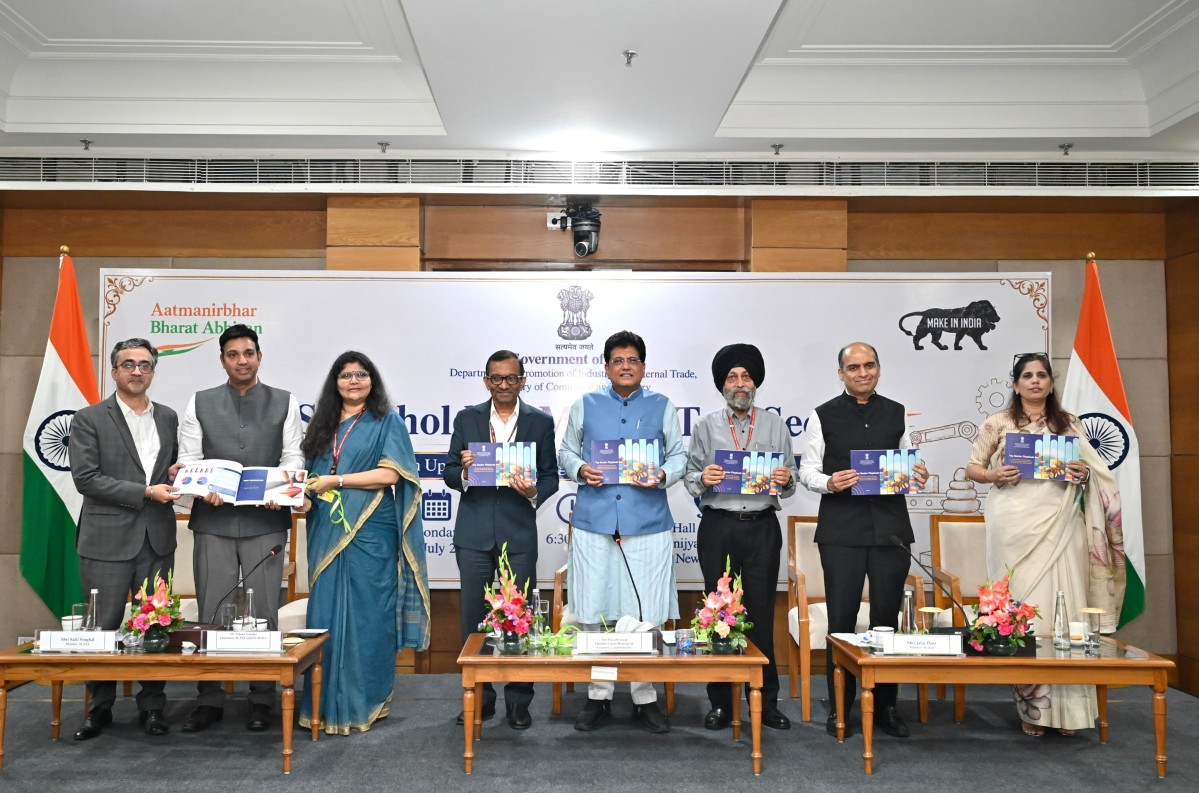
NEW DELHI : Union Minister of Commerce and Industry Shri Piyush Goyal interacted with key stakeholders from India’s toy industry and unveiled the ‘Toy Sector Playbook‘, outlining a strategic roadmap to strengthen India’s position as a global hub for toy manufacturing, innovation and exports.

The Playbook was released in the presence of Dr. Pawan Goenka, Chairman of the SCALE Committee, Shri Jalaj Dani, Member of the SCALE Committee and Convenor of the newly constituted Toy Sector Task Force, along with other members of the committee and industry representatives.

During the interaction, the Minister and industry stakeholders held extensive deliberations on measures to enhance India’s global competitiveness in the toy sector. Discussions focused on increasing exports, strengthening quality and safety standards, expanding domestic manufacturing capacity and developing resilient local value chains to support sustained industry growth.

Emphasising the immense potential of the Indian toy industry, Shri Piyush Goyal called upon manufacturers and industry leaders to accelerate innovation, invest in product development and build globally recognised Indian brands capable of competing in international markets.

The Minister encouraged the industry to leverage advanced technologies, modern manufacturing practices and design capabilities to position ‘Made in India’ toys as globally trusted products known for their quality, creativity, safety and reliability.

The launch of the Toy Sector Playbook is expected to serve as a comprehensive guide for the industry by identifying strategic priorities and collaborative initiatives aimed at strengthening the entire toy ecosystem. The initiative aligns with the Government’s broader vision of promoting domestic manufacturing, enhancing export competitiveness and establishing India as a preferred global sourcing destination for high-quality toys.

The engagement reflects the Government’s continued commitment to working closely with industry stakeholders to create a robust, innovation-driven and globally competitive toy manufacturing ecosystem that contributes to employment generation, export growth and the vision of an Atmanirbhar Bharat.

Piyush Goyal announces task force to support toy sector, targets 5% global market share by 2032

NEW DELHI : Union Minister of Commerce & Industry Shri Piyush Goyal on Monday announced the setting up of a task force to support the toy sector and identify interventions towards achieving the goal of reaching a 5 per cent share in the global toy market by 2032. The announcement was made at the stakeholder meet, “Team Up for Toys: Driving SCALE, Innovation and Exports”, organised by the Department for Promotion of Industry and Internal Trade (DPIIT) at Vanijya Bhawan, New Delhi.

The task force will work towards achieving six objectives, namely, integration with global value chains, strengthening manufacturing capabilities, resolving value chain bottlenecks, creating skilled workforce and employment, enabling design and innovation, and enhancing ease of doing business.

The event brought together policymakers, industry leaders, manufacturers, startups, investors, artisans, designers and other key stakeholders from across the toy ecosystem to deliberate on the future growth trajectory of India’s toy sector and marked the launch of the Toy Sector Playbook.

In his address, Shri Piyush Goyal stated that the remarkable progress of India’s toy industry reflects the country’s broader journey towards Viksit Bharat. Highlighting the sector’s unique ability to combine manufacturing excellence, creativity, innovation and India’s rich cultural heritage, he noted that Indian-made toys are increasingly reaching markets across the world. The Minister called upon industry stakeholders to work towards building a complete domestic manufacturing ecosystem supported by advanced technologies, globally competitive quality standards, deep localisation, stronger branding and greater integration with global value chains.

Shri Piyush Goyal subsequently launched the Toy Sector Playbook. Developed as a comprehensive roadmap for manufacturers, startups, MSMEs, investors and entrepreneurs, the Playbook provides actionable guidance on manufacturing ecosystems, value chains, standards and compliance requirements, skills development, product innovation, intellectual property, exports and emerging market opportunities. It aims to serve as a practical resource for stakeholders seeking to strengthen competitiveness and expand their presence in both domestic and international markets.

The Minister further highlighted the positive impact of various government initiatives, including quality regulation through BIS certification, cluster development programmes and support measures for MSMEs and startups. He urged industry to focus on innovation, design excellence, sustainability, scale and exports to create globally recognised Indian toy brands and establish India as a leading hub for toy design, manufacturing and exports.

Welcoming the participants, Joint Secretary, SCALE, DPIIT, Dr. Kajal highlighted the role of the Steering Committee for Advancing Local Value Add and Employment (SCALE) and the RAPiD Unit in advancing the vision of Aatmanirbhar Bharat. She noted that the toy sector was among the earliest sectors identified for focused intervention owing to its strong potential for local value addition, employment generation and export growth. She further highlighted the rapid expansion of India’s toy ecosystem, which today comprises more than 21,000 MSMEs, over 770 DPIIT-recognised toy startups, nearly 50 toy clusters and more than 1,800 BIS licensees.

Setting the context for the discussions, Chairman, SCALE, Dr. Pawan Goenka outlined the vision of transforming India into a global toy manufacturing powerhouse. He underscored the significant opportunity presented by the rapidly expanding global toy industry and noted that India is well positioned to emerge as a trusted manufacturing and export destination as global supply chains diversify. Highlighting the strong growth potential of the domestic market, he emphasised the aspiration of increasing India’s share in the global toy market to 5 per cent by 2032 through enhanced scale, innovation, design capabilities and export competitiveness.

Following the launch, stakeholders participated in extensive deliberations. Discussions focused on scaling up manufacturing, strengthening local supply chains, enhancing design and innovation capabilities, improving quality standards, developing skilled manpower, promoting exports, attracting investments and increasing India’s participation in global toy value chains.

The event concluded with a vote of thanks by Joint Secretary, DPIIT, Dr. Sumeet Jarangal, and reaffirmed the shared commitment of the Government and industry to ensure that the toys of the future are not only Made in India, but also Designed in India, Innovated in India, Branded in India and celebrated across the world.

India and Denmark deepen trade ties with expanding opportunities for Indian Exporters

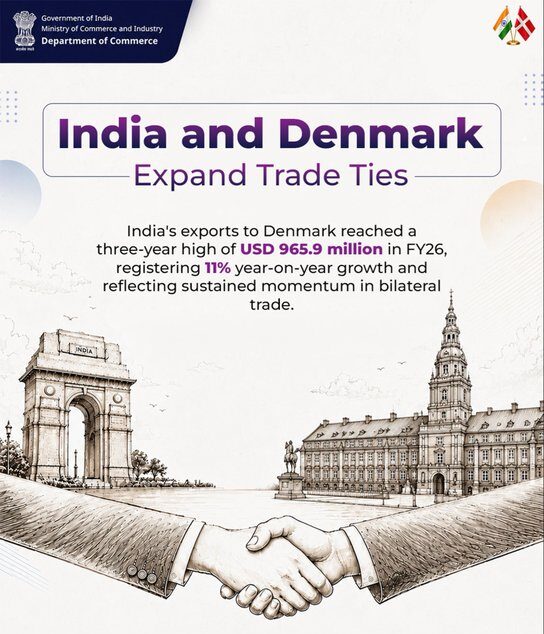
NEW DELHI : India and Denmark are continuing to strengthen their bilateral trade relationship, with a growing and diversified export basket creating new opportunities for Indian businesses across multiple sectors. Expanding trade in manufacturing, engineering goods, textiles, agricultural products, pharmaceuticals, chemicals, and processed food is supporting greater market access for Indian exporters while reinforcing economic cooperation between the two countries.

The deepening trade engagement reflects the strong economic partnership between India and Denmark, underpinned by increasing business-to-business collaboration, innovation, and sustainable development initiatives. As both nations seek to diversify supply chains and enhance resilient trade networks, Indian exporters are well positioned to benefit from rising demand in the Danish market for quality products and value-added manufacturing.

Denmark continues to be an important trading partner for India in Northern Europe, with bilateral trade witnessing steady growth in recent years. Engineering products, machinery, apparel, textiles, seafood, agricultural commodities, pharmaceuticals, and chemicals remain among the key sectors driving Indian exports to Denmark. At the same time, Danish companies continue to expand their presence in India across renewable energy, shipping, logistics, food processing, healthcare, and green technologies.

The growing trade relationship is also being supported by closer cooperation in sustainable manufacturing, clean energy, digital technologies, and the green transition, aligning with the strategic priorities of both countries. Enhanced logistics connectivity, streamlined trade facilitation measures, and stronger institutional collaboration are expected to further improve market access and create new opportunities for exporters and businesses on both sides.

The Government of India continues to encourage exporters to leverage Denmark’s strategic location as a gateway to the Nordic and wider European markets. With increasing emphasis on high-quality manufacturing, innovation, and sustainability, Indian enterprises are expected to further strengthen their footprint in the Danish market.

The expanding India–Denmark economic partnership reflects the shared commitment of both nations to fostering resilient supply chains, promoting investment, and advancing mutually beneficial trade. Continued engagement between governments, industry bodies, and businesses is expected to unlock new avenues for bilateral commerce and contribute to long-term economic growth.

MEA summons Ukrainian ambassador after Indian sailor killed in Black Sea strike

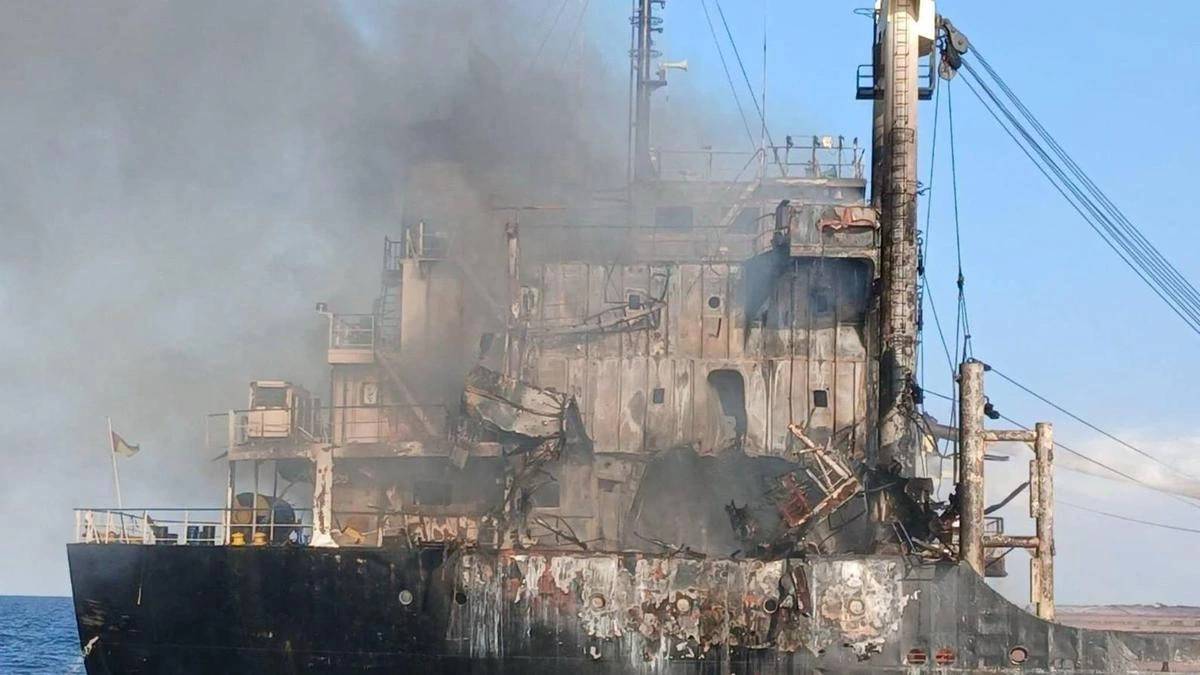
NEW DELHI : The Ministry of External Affairs (MEA) on Monday summoned Ukraine’s Ambassador to New Delhi, Mr. Oleksandr Polishchuk, after an Indian seafarer was killed in a strike on merchant vessel MV OMORFI in the Black Sea. During the meeting, the MEA condemned attacks on commercial vessels “in the strongest terms” and said such incidents threaten maritime safety, freedom of navigation and global trade. It also urged Kyiv to prevent actions that put innocent civilian seafarers at risk.

The sailor killed in the July 18 attack was identified by the Forward Seamen’s Union of India (FSUI) as Chief Officer Sagar Gupta. This comes amid a series of attacks on merchant ships operating in and around the Black Sea, where security has sharply deteriorated as the Russia-Ukraine war continues.

INDIA CONDEMNS ATTACKS ON COMMERCIAL SHIPPING
In a statement, the MEA said, “The Ministry conveyed its serious concern over the incident and condemned such attacks on commercial shipping in the strongest terms, underscoring their adverse impact on the safety of maritime navigation, freedom of navigation, and international commerce.”

The ministry said the Ukrainian Ambassador was asked to communicate India’s position to authorities in Kyiv. “The Ambassador was requested to convey to the Ukrainian authorities India’s strong concerns over the targeting of commercial vessels and reiterated that such actions, which endanger the lives of innocent civilian seafarers, are unacceptable and must be avoided.”

ANOTHER SHIP HIT OFF ODESA
India’s diplomatic intervention came even as another incident involving Indian nationals unfolded in the Black Sea.

On Sunday, the Indian Embassy in Ukraine said merchant vessel MV AGN Ragnar, carrying four Indian nationals, was hit at the Port of Odesa on July 25. While two sailors have been confirmed safe, information about the other two is still awaited. Search and rescue efforts are continuing, and the embassy said it remains in constant touch with the relevant Ukrainian authorities.

Earlier this month, another merchant vessel, MV Golden Leo, came under attack while departing the Port of Odesa. Four Indian nationals were killed and one was critically injured in that strike, marking one of the deadliest incidents involving Indian merchant sailors since the conflict intensified.

UKRAINE EXPRESSES CONDOLENCES
Hours before the envoy was summoned, the Embassy of Ukraine in India issued a statement extending condolences over the deaths of Indian seafarers and confirmed that Ukrainian Foreign Minister Andrii Sybiha had written to External Affairs Minister S. Jaishankar.

The embassy said Sybiha had sent a letter conveying condolences over the loss of Indian lives amid the deteriorating security situation in the Black Sea.

“In addition to the letter of condolence addressed by the Minister of Foreign Affairs of Ukraine, Mr. Andrii Sybiha, to the Minister of External Affairs of India, Dr. S. Jaishankar, the Embassy of Ukraine extends its profound sympathy to the families of the Indian seafarers who lost their lives as a result of the deteriorating security situation in the Black Sea.”

The Ukrainian mission also expressed hope that the foreign ministers of both countries would speak soon to discuss the evolving security situation.

“We hope that, following the relevant proposal made by the Minister of Foreign Affairs of Ukraine, a conversation between the foreign ministers of our two countries will take place in the near future to discuss in detail the current security situation in the Black Sea region.”

While offering condolences, Ukraine maintained that civilian shipping continues to face risks because of the broader conflict in the region. It said it had repeatedly warned international partners about threats to maritime navigation and had communicated its concerns through the International Maritime Organization (IMO). The embassy also pointed to India’s recent maritime security advisory, saying timely preventive action remains essential to protect merchant crews and civilian vessels.

MEA ISSUES SECURITY ADVISORY
Against the backdrop of repeated attacks, the MEA has advised Indian nationals considering employment on commercial vessels operating in or transiting the Black Sea to carefully evaluate the security situation before accepting assignments.

The ministry said the region remains “highly volatile” because of the continuing Russia-Ukraine conflict, with missile and drone attacks posing serious risks to commercial shipping. It noted that attacks on merchant vessels have increased significantly since April this year, resulting in the deaths of five Indian seafarers.

The advisory urged prospective crew members to seek detailed information from employers and ship operators about sailing routes, onboard security arrangements, insurance coverage and emergency response procedures before joining vessels. It also advised seafarers to ensure that employment contracts comply with international maritime standards and contain provisions for medical treatment, evacuation, repatriation and compensation in case of emergencies.

Indian nationals working in the region have also been asked to remain in regular contact with their families, follow advisories issued by Indian authorities and reach out to Indian missions in the region if consular assistance is required.

Russian attacks kill one, damage vessels in Ukraine’s Mykolaiv region, official says

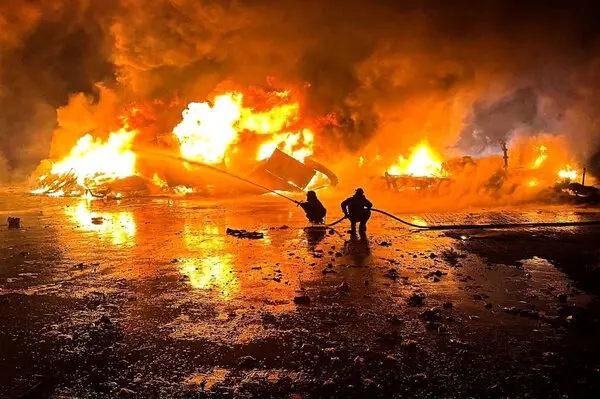
KYIV: Russian drone attacks ​on port infrastructure in Ukraine’s southern Mykolaiv region ‌early on Monday and on Sunday killed one person and damaged three civilian vessels, a local official said.

Acting Regional ​Governor Heorhii Reshetilov said on the Telegram messaging ​app that a 48 year-old man had ⁠been killed during a Monday morning attack on ​port infrastructure.

Ukraine’s seaports authority said in a later statement ​that the vessels had been blockaded in the ports since Russia’s full-scale invasion in 2022 and have not been carrying ​out commercial voyages.

The seaports authority said one person ​was killed and others injured in the overnight strikes, without giving ‌the ⁠number of those injured.

It did not say how many vessels had come under attack.

The Russian Defence Ministry said on Monday Moscow had struck two vessels carrying ​military cargoes in ​the port ⁠city of Mykolaiv.

In recent weeks, Russia has pummelled port infrastructure in southern Ukraine, including ​seaports in the Odesa region, with missiles ​and ⁠drones.

Ukraine has also increased attacks on vessels, mostly carrying fuel, in the Sea of Azov and the ⁠Black Sea, ​in an expanding campaign aimed ​at isolating Russia-occupied Crimea and undermining Moscow’s key revenue sources.

Source: Reuters

Iran-Oman talks on reopening Strait of Hormuz make progress: Report

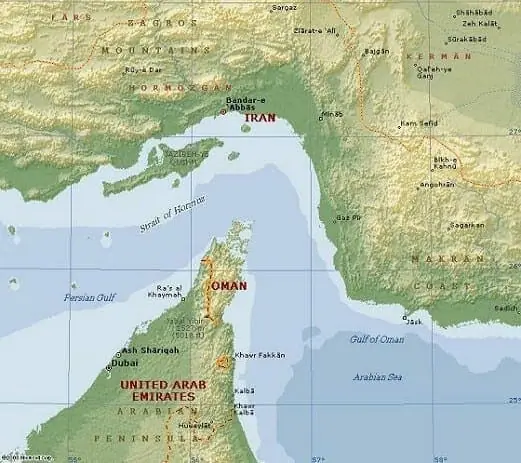
NEW YORK: There has been progress in talks between Iran and Oman on the reopening of the Strait of Hormuz and their respective territorial waterways in that area, two regional sources told CBS News.

The report, citing sources, said that while things are headed in a positive direction, the diplomacy requires more time to reach a deal.
It said that Omani officials had travelled Friday to Tehran for talks, and that diplomatic outreach coincided with President Donald Trump’s decision to pause US bombings on Iran, which the CENTCOM had been carrying out for 13 consecutive nights.

As per the CBS report, the regional officials both indicated that the US bombing was intentionally paused so as not to disrupt the delicate in-person diplomacy. It added that the White House and CENTCOM did not reply to requests for comment.

The American broadcaster further said that the Omani-Iranian talks are being tracked closely by Washington.

Trump on Friday yet again reiterated that Iran would “love to make a deal”, while speaking at the White House Correspondents’ dinner.
“I don’t think they’re ready to. I don’t think it’s time yet, but I’m willing to listen,” he said.

Meanwhile, Iranian Foreign Minister Abbas Araghchi on Saturday accused the United States of deliberately violating the Iran-US memorandum of understanding by establishing an unauthorised alternative shipping route in the Strait of Hormuz and redirecting commercial vessels away from corridors designated by Tehran.

Citing the Foreign Minister’s remarks from an interview with the Iran daily, Press TV reported that Araghchi emphasised that Article 5 of the memorandum was unambiguous and that Washington’s actions went beyond a simple misunderstanding.

The US Central Command said earlier in the day that the American naval blockade against Iran remains in full effect, emphasising that two ships that didn’t comply with orders were “disabled,” while two others were boarded “to ensure total compliance.”

In a post on X, CENTCOM disclosed that coalition forces have redirected 12 commercial vessels attempting to breach the perimeter as part of an ongoing effort to restrict “unauthorised maritime transport” bound for Iranian ports.

Source: ANI

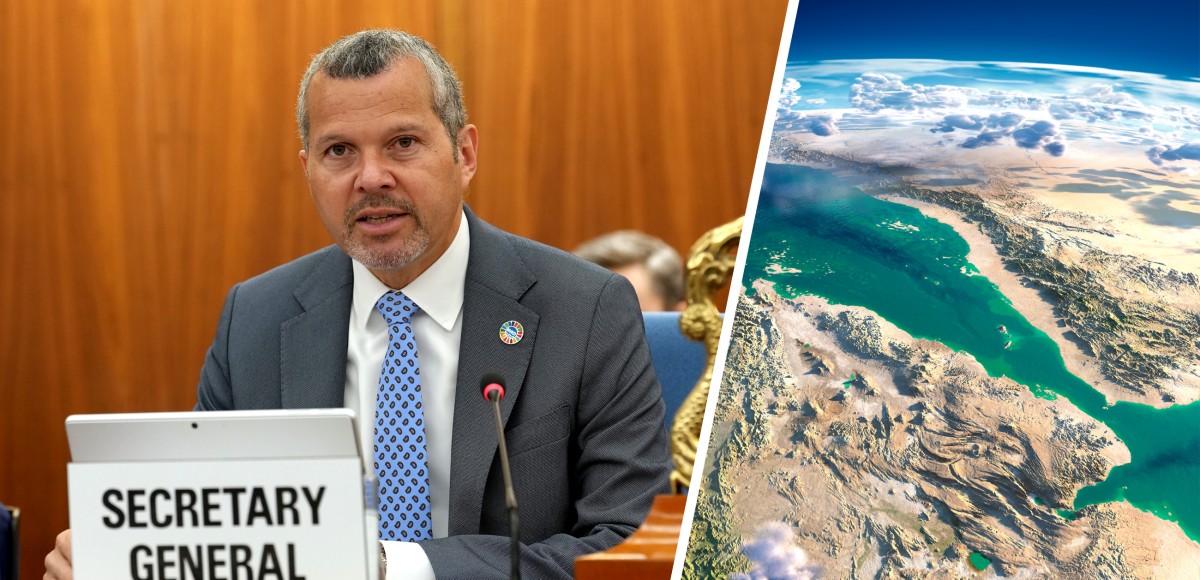
Renewed attacks on international shipping in the region are “indefensible” : IMO Secretary-General

LONDON : IMO Secretary-General of the International Maritime Organization (IMO), Mr. Arsenio Dominguez, issued the following statement,: “I unequivocally condemn the latest reported attacks on international shipping in the Red Sea area. These attacks are indefensible. They endanger the lives of seafarers, while threatening the security of international shipping, the marine environment and the stability of global supply chains.  

Seafarers are civilians performing essential work that sustains economies and communities worldwide. Ship operators must thoroughly assess risks before transiting the region. Seafarers must never be placed in harm’s way or targeted in situations of conflict or instability.  

I also renew my call for the immediate and unconditional release of all seafarers who continue to be held captive following piracy attacks in the Red Sea and Gulf of Aden region. Ensuring their safety is a fundamental obligation under international law and a shared responsibility of the global community.  

The Red Sea is a critical maritime corridor for international trade. Continued attacks on shipping in this region risk escalating tensions, further disrupting commercial routes and undermining the principle of freedom of navigation.   

De-escalation is the only solution.  

I am equally concerned about the potential pollution from these reported incidents in the Red Sea and previous incidents in the Strait of Hormuz area.  IMO will continue to monitor the situation and stands ready to assist as necessary.”

Maersk expands e-commerce ecosystem through partnership with ShippyPro

COPENHAGEN : The collaboration supports Maersk’s continued investment in e-commerce capabilities through the ongoing development of its own digital solutions and integration with third-party platforms that help customers manage increasingly complex logistics operations. The integration has been under development as part of Maersk’s broader platform strategy.

Through the integration, ShippyPro customers can access Maersk E-Commerce services within their existing shipping workflows. This enables e-commerce businesses to fully benefit from Maersk’s e-commerce parcel orchestration capabilities directly from the platform they already use to manage shipments, tracking and returns. The integration is now available to customers via ShippyPro’s platform.

As e-commerce businesses continue to expand into new markets, many face increasing challenges related to cross-border shipping, carrier management, delivery visibility and customer experience. The partnership is designed to simplify access to international delivery capabilities while allowing merchants to continue operating through a single platform and workflow.

Seamless integration for ease of doing business

Customers increasingly expect logistics providers to integrate seamlessly into the digital ecosystems where they manage their business. Our partnership with ShippyPro reflects Maersk’s commitment to making our e-commerce logistics solutions easier to access, while continuing to expand our e-commerce parcel orchestration capabilities.

Helena Garcia, Regional Head of E-Commerce Europe at Maersk

Through the integration, customers can leverage Maersk’s international parcel delivery services alongside other carriers within ShippyPro’s platform. Customers benefit from streamlined shipment management, end-to-end visibility and access to delivery options across domestic and international markets without the need for additional operational processes or technology integrations.

ShippyPro is a shipping management platform that helps businesses automate shipping, tracking and returns processes across multiple carriers. By combining ShippyPro’s shipping management capabilities with Maersk’s e-commerce logistics network, the partnership aims to provide customers with greater flexibility and carrier choice as they scale their operations across markets.

Our customers are scaling into new markets faster than ever, and carrier complexity shouldn’t be what slows them down. Bringing Maersk’s e-commerce delivery network into ShippyPro means our merchants get access to a world-class parcel carrier without adding a single new integration to their stack. That’s the kind of partnership that genuinely moves the needle for e-commerce businesses managing cross-border logistics.

Francesco Borghi, CEO and Co-Founder of ShippyPro

The partnership further strengthens Maersk’s position in the growing e-commerce logistics sector, where the company continues to invest in digital capabilities, platform integrations and end-to-end delivery solutions that help customers simplify supply chains and improve the online shopping experience for consumers.

About ShippyPro

ShippyPro is a shipping management platform that helps businesses automate shipping, tracking and returns processes across multiple carriers. By combining ShippyPro’s shipping management capabilities with Maersk’s e-commerce logistics network, the partnership aims to provide customers with greater flexibility and carrier choice as they scale their operations across markets.

About Maersk

A.P. Moller – Maersk is an integrated logistics company working to connect and simplify its customers’ supply chains. As a global leader in logistics services, the company operates in more than 130 countries and employs around 100,000 people. Maersk is aiming to reach net zero GHG emissions by 2040 across the entire business with new technologies, new vessels, and reduced GHG emissions fuels*.

GEODIS deploys Next-Generation CO₂ Tankers in Italy

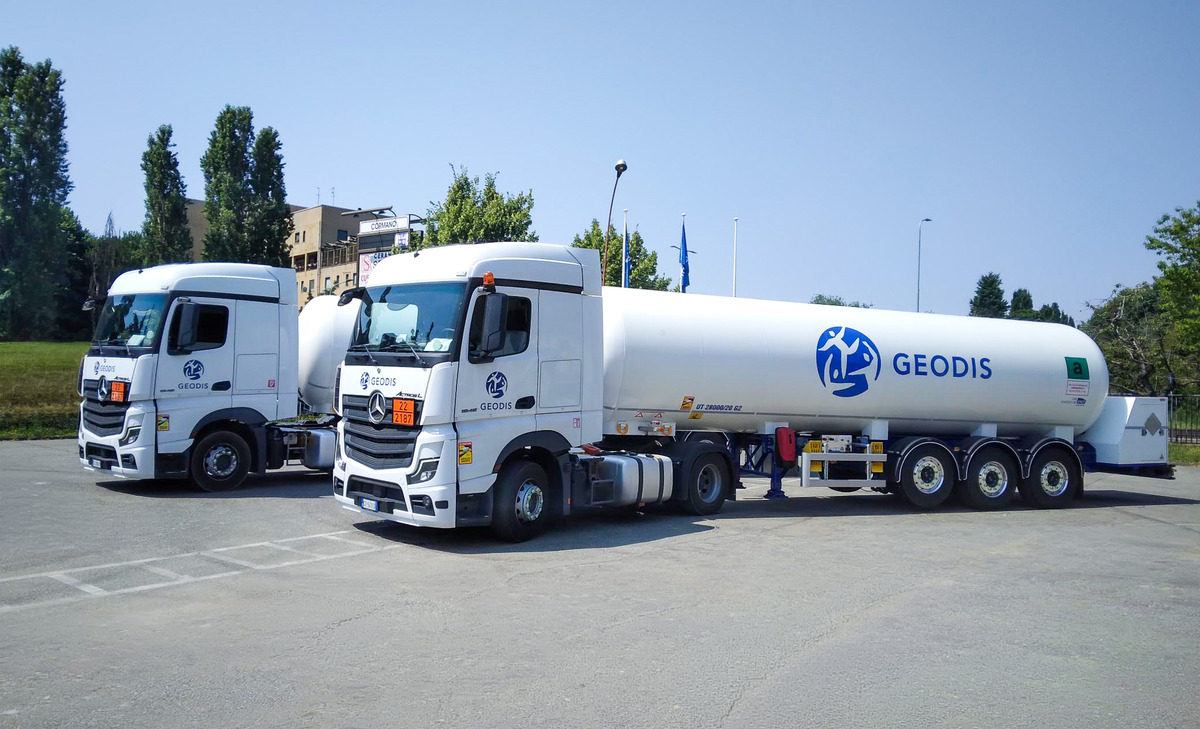
ROME: GEODIS is strengthening its road transport capabilities in Italy with the deployment of new-generation CO₂ tankers designed to improve safety, operational efficiency and lower-carbon transport performance. The investment reflects the Group’s ongoing commitment to providing innovative and reliable logistics solutions for the industrial gas sector.

Since July 1st, GEODIS has deployed 2 new CO₂ tankers for its road transport operations in Italy.  Based at Cormano, the vehicles will support the transportation of industrial gases across Italy and Europe, providing customers with greater operational flexibility and service reliability. Today, GEODIS operates a fleet of 20 CO₂ tankers, with plans to continue modernizing and expanding its capabilities in line with market developments. 

The new tankers incorporate a range of advanced safety technologies, including:

  • Anti-rollover systems
  • ABS/EBS braking systems
  • Automated semi-trailer braking during reverse manoeuvres near obstacles
  • Automatic braking when the rear door is open during unloading
  • Tire Pressure Monitoring System (TPMS)

Together, these features further enhance safety for drivers, operators and customers throughout transport operations.

Equipped with new-generation rolling and cryogenic components, the tankers require less maintenance, increasing vehicle availability and operational efficiency. Their optimized design also enables higher payload capacity while reducing vehicle tare weight, helping transport more product per journey, improve route efficiency and contribute to lower fuel consumption and reduced carbon intensity.

The deployment further strengthens GEODIS’ expertise in transporting industrial gases and supports the company’s ambition to continuously modernize its fleet in line with evolving customer needs and market expectations.

Marc Vollet, Executive Vice-President European Road Network at GEODIS Group, said: “At GEODIS, innovation and operational excellence go hand in hand. The deployment of these next-generation CO₂ tankers demonstrates our commitment to continuously improving safety, efficiency and the environmental performance of our transport solutions. By investing in modern equipment and advanced technologies, we are strengthening our ability to support customers in the industrial gas sector while preparing for the future of road transport.”