Home Blog Page 184

ClassNK Releases Edition 2.0 of the ‘Guidelines for Additional Fire-fighting Measures for Container Carrier’

TOKYO: ClassNK has released the ‘Guidelines for Additional Fire-fighting Measures for Container Carrier (Edition 2.0).’ The guidelines provide criteria for evaluating additional fire-fighting measures implemented on container carriers beyond the mandatory requirements of international conventions and regulations. Edition 2.0 reflects operational experience gained from ships in service and the latest international developments. By complying with the guidelines, shipowners and operators can enhance fire safety in a practical and effective manner, while the corresponding notations enable the implementation of such measures to be demonstrated to external stakeholders.

Background

In recent years, cargo characteristics and stowage methods on container ships have become more diverse, highlighting the need for enhanced fire safety measures beyond existing mandatory requirements. To support the evaluation of additional fire-fighting measures and to facilitate their external recognition, ClassNK published the guidelines in April 2023. Based on feedback from shipowners and shipbuilders, discussions at the IMO, and ship operational conditions, the guidelines have now been revised and issued as Edition 2.0.

Example of Revisions

  • Added the installation of fire hydrants for rapid fire-fighting operations on lashing bridges.
  • Added the measures related to video monitoring systems for early fire detection in weather deck cargo areas.
  • Revised equipment specifications and required quantities to be reasonable, taking into account ship operational condition and cost-effectiveness. For example, reduced the required number of cameras from eight to two, clarifying the intended use of portable infrared thermographic cameras for firefighting operations and fire patrols.

ClassNK will continue to work on developing appropriate guidelines and providing certification services to support further improvements in maritime transportation safety.

How to access guidelines

The guidelines are available to download via ‘Guidelines’ of My Page on ClassNK’s website after registration.
https://www.classnk.or.jp/account/en/Rules_Guidance/ssl/login.aspx?utm_source=pressrelease&utm_medium=email&utm_campaign=guidelines

Achilles to acquire Cm3 to strengthen presence in APAC and expand global supply chain solutions

ABINGDON/MELBOURNE: Achilles (“Achilles”), a global leader in supply chain risk and performance management, announced that it has signed an agreement to acquire Cm3, a leading provider of software services for contractor management in the Australian market and part of the Blackwoods Group in Wesfarmers’ Bunnings division.

This strategic acquisition marks another milestone in Achilles’ international growth strategy. Following a series of acquisitions across Spain, the United States and Argentina between 2024 and 2025, the addition of Cm3 will further strengthen Achilles’ global platform, expanding its capabilities in contractor compliance, supplier assurance and continuous supply chain intelligence.

Cm3 has established itself as a trusted partner in the Australian market, providing a leading platform for contractor compliance, workforce safety and operational risk management across a wide range of industries, including utilities, manufacturing, finance, property and facilities management, healthcare and education. Its combination of technology and expert assessment services helps organisations streamline contractor management while maintaining high standards of safety, competency and compliance.

Achilles is pioneering a new era of continuous supply chain intelligence, bringing together supplier assurance, contractor compliance, financial resilience, insurance, workforce competence, cyber risk, and operational risk into a single view of supply chain exposure. This enables organisations to move beyond periodic checks and gain continuous visibility of risk across suppliers, contractors and third parties globally.

Upon completion of the transaction, this acquisition will strengthen Achilles’ ability to help organisations manage risk across both their supplier and contractor ecosystems, combining deep expertise in contractor compliance and workforce safety with Achilles’ broader supply chain intelligence capabilities. Together, the businesses will help customers move beyond fragmented approaches to risk management, delivering greater visibility, assurance and operational resilience across suppliers, contractors and third parties. Key benefits of the acquisition include:
• Expanded Market Presence: The acquisition further strengthens Achilles’ position in Australia and the wider APAC region, expanding its reach in sectors where contractor safety, workforce compliance and operational risk management are business-critical.
• Broader Supply Chain Intelligence Capabilities: By combining Cm3’s contractor compliance, workforce safety and site access management expertise with Achilles’ capabilities in supplier and contractor assurance, financial resilience, health and safety, cyber risk, sanctions screening and operational risk intelligence, customers will benefit from a more comprehensive view of risk across their supply chains.
• Greater Visibility and Resilience: The combined offering will help organisations move from periodic compliance activities to continuous monitoring and management of supplier and contractor risk, improving decision-making, strengthening resilience and supporting safer, more sustainable operations.
• Accelerated Innovation: Together, Achilles and Cm3 will continue to invest in technology, data and expert-led services that simplify compliance, improve risk visibility and address the growing complexity of managing global supply chains and contractor workforces

Sebastien Roussotte, CEO of Achilles, commented on the acquisition, saying,“Cm3 is a highly respected business with a strong track record of helping organisations manage contractors effectively. This acquisition will strengthen our customer offering by enhancing our contractor management capabilities while reinforcing our presence across Asia-Pacific through a trusted, well-established local player. Cm3’s expertise in the Australian market makes them a perfect fit for Achilles, and we look forward to working together after closing to drive even greater value for our clients.”

Achilles’ continued growth journey is supported by Bridgepoint as its majority shareholder, one of the world’s leading mid-market investors, which partnered with the company in 2021 via its lower middle-market franchise, Bridgepoint Development Capital.
The partnership leverages Bridgepoint’s track record in scaling data, risk management and technology businesses including PEI, Kyriba and Fenergo.

Matt Legg, Partner at Bridgepoint, said: “We are delighted to support Achilles as it continues to execute its international growth strategy. This acquisition marks another important milestone in building the company’s global scale, and will strengthen its presence in Asia-Pacific and reinforce its position as a leading global provider of supply chain risk management solutions.”

The acquisition is expected to close in the coming months, subject to regulatory approval. Both companies are committed to ensuring a smooth transition for customers and partners with no disruption to current services.

Lloyd’s Register to create strategic global operating model for ArcelorMittal’s dry bulk terminals

The collaboration will create a strategic, auditable and scalable operating model to strengthen safety, reliability, governance, ESG performance, resilience and long-term value across ArcelorMittal’s global dry bulk terminal network.

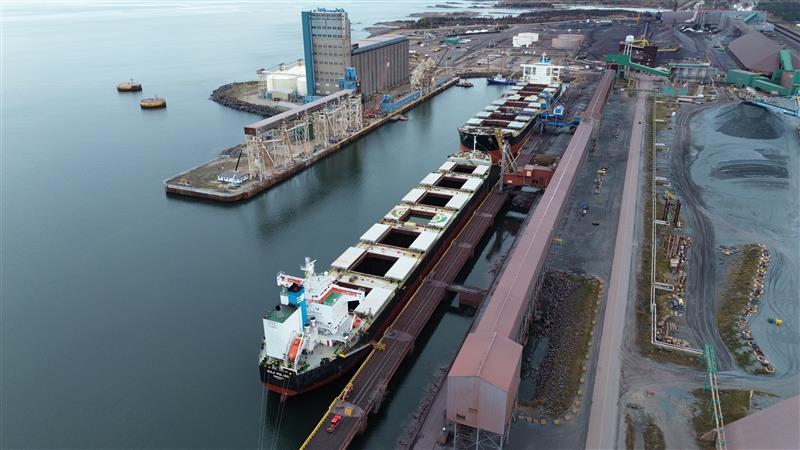
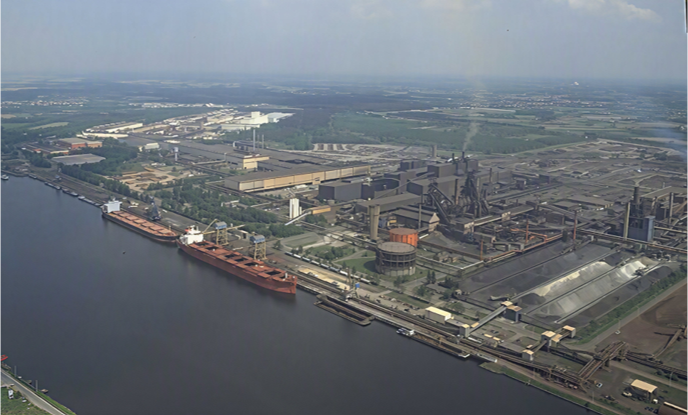
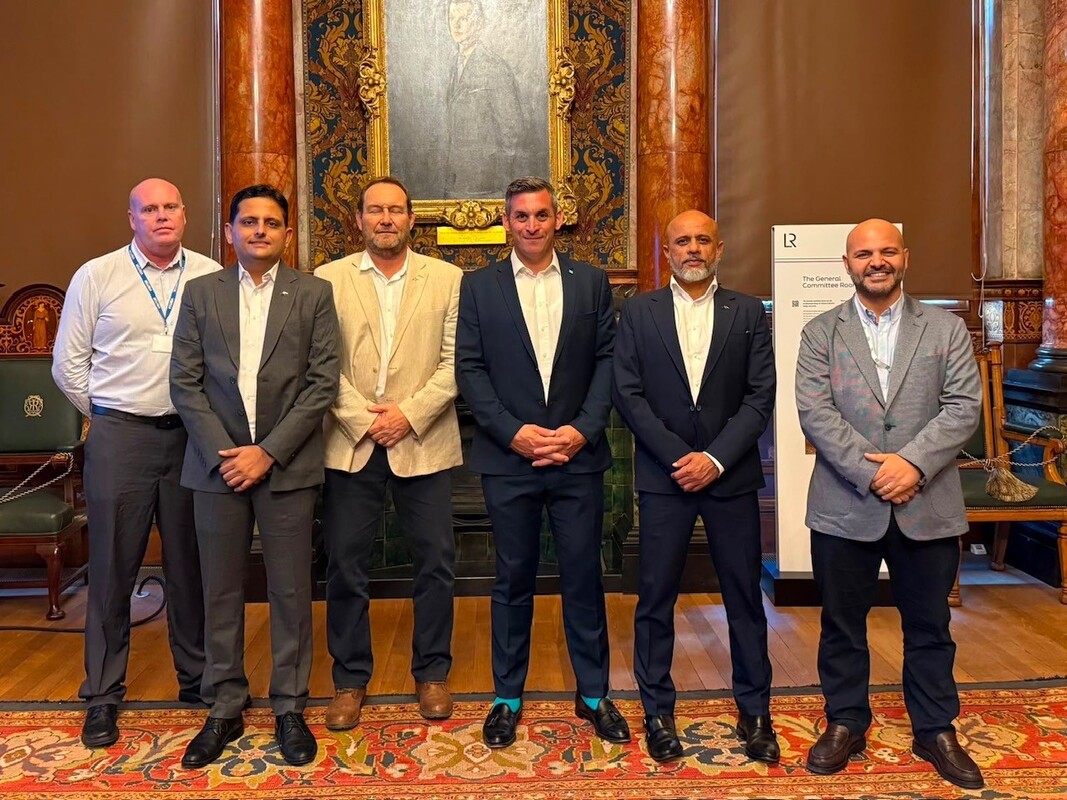
LONDON: Lloyd’s Register (LR) is collaborating with ArcelorMittal to create a Global Operating Model that sets a consistent group-wide standard for dry bulk terminal operations across its international port portfolio.

The initiative will establish a common operating baseline for ArcelorMittal Global Ports’ network across different continents, regulatory environments and operating cultures. It aims to reduce variability, strengthen safety and reliability, improve portfolio-level visibility, reinforce ESG, biodiversity and sustainability practices, and support disciplined digital implementation.

LR will design a practical framework for terminals with varying asset ages, operating maturity and local practices. The Global Operating Model will combine a controlled Operations Manual, structured SOP library, checklist-based controls, and self-audit and assurance tools focused on shift execution, evidence capture, measurable compliance and continuous improvement.

The documentation will also embed environmental stewardship, biodiversity, emissions and resource-efficiency awareness, responsible waste and runoff management, community and stakeholder interfaces, and clear evidence requirements for governance, assurance and future reporting.

The model is intended to move ArcelorMittal’s portfolio beyond site-by-site standardisation towards a group-level performance, governance and control system. It will enable common KPI definitions, consistent reporting, cross-terminal benchmarking, clear escalation logic and structured improvement planning.

Daniel Campos, Global Lead of Ports Advisory, Lloyd’s Register, said: “Our focus is on creating an operating system that is practical, verifiable and scalable. The model is designed to give ArcelorMittal a repeatable way of running high-standard terminal operations across its global network, while enabling a clear pathway towards digital portfolio control, performance visibility and assurance.”

George Georgandis, Senior Business Development Manager, Lloyd’s Register, added: “Early engagement with ArcelorMittal at a critical point in its Global Ports infrastructure evolution has allowed LR Ports Advisory to jointly shape a strategic operating model that supports safer execution, greater efficiency, ESG-aligned governance and long-term performance across port assets.”

Deepak Sachdeva, Head of Global Ports at ArcelorMittal, said: “Our terminals operate across very different geographies, regulatory environments and maturity levels, which makes consistency, comparability and disciplined execution essential.

“Establishing a Global Operating Model will help us raise safety and reliability standards across our portfolio, strengthen governance, auditability and insurance defensibility, and ensure that ESG and sustainability requirements are embedded into our operating documents, frontline controls, assurance templates and evidence-based management processes from the outset.

“This will give us a practical platform to manage performance, risk and long-term value creation with greater transparency and discipline across the global ports portfolio.”

The collaboration will create a replicable blueprint for organisations that own, operate, or manage multi-site port and logistics assets worldwide, helping embed consistent execution, ESG and sustainability controls, and reliable operational data to support safety, performance, assurance and strategic decision-making.

BIO-UV Group H1 2026 Reports €20.1 Million Turnover

LUNEL (FRANCE): BIO-UV Group French water treatment and disinfection systems specialist BIO-UV Group has reported strong revenues of €20.1 million for the H1 2026, with its Services & After-Sales division achieving 10% growth on the same period 2025.

The Groups says the positive performance reflects the continued expansion of the installed equipment base and underpins a growing stream of recurring, higher-margin revenue.

Growth was driven by export activity, stabilisation in the maritime retrofit market, and sustained momentum in fisheries and aquaculture. Revenue in the aquaculture segment alone increased by €0.6 million over the period.

In early 2026, BIO-UV Group notably secured a major contract for a water treatment and disinfection project with a global salmon producer in Iceland. The project is currently under implementation.

The Lunel, France-headquartered BIO-UV Group expects organic growth to continue throughout  2026 supported by accelerated momentum in the Solutions division, driven by export-led aquaculture projects, continued activity in maritime applications, and municipal and industrial wastewater solutions.

The company also anticipates continued expansion of the Services & After-Sales segment, benefiting from its recurring and higher-margin profile.

As of mid-July 2026, the Group’s order backlog is slightly higher than at the same point last year, with an increased pipeline of opportunities in export markets.

Founded in 2000, BIO-UV Group designs, manufactures, and markets innovative water treatment and disinfection systems based on ultraviolet light, salt electrolysis, ozone, and advanced oxidation processes (AOP).

It is one of leading manufacturers of UV-based ballast water treatment systems to the global maritime and yachting industries with several hundred references for its BIO-SEA BWTS.

Listed on Euronext Growth Paris (FR0013345493 – ALTUV), the Group has been recognised as an “Innovative Company” by Bpifrance and is eligible for the PEA PME-ETI investment scheme.

About BIO-UV Group

For more than 35 years, BIO-UV Group has designed, manufactured, and marketed ultraviolet (UV-C), ozone, AOP, and salt-electrolysis water-treatment systems for a range of applications: swimming pools, aquaculture, aquariums, industrial process water, wastewater, and drinking water. In 2011, it expanded its offering to include ballast-water treatment systems for ships. The company manufactures its products at specialised production sites in Lunel and Muret, France, and in Great Britain, allowing it to respond rapidly to clients’ specific needs worldwide. Listed on the stock exchange since July 2018, the company recorded consolidated revenue of €35.9 million in 2025 and currently employs 150 people. More than 50% of Group sales are generated internationally.

CMT introduces engine energy loss detector

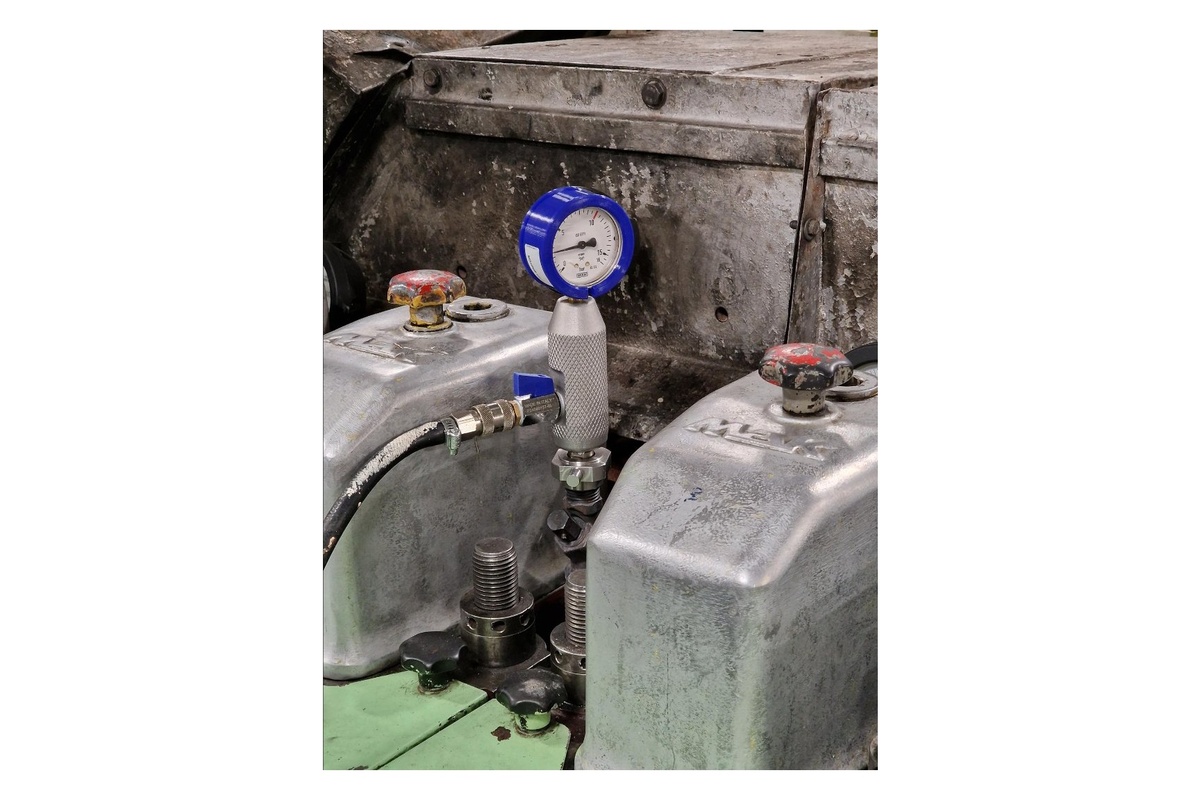
HAMBURG: Germany’s CM Technologies (CMT) has introduced a compact Pressure Drop Test Instrument (PDTI) designed to identify cylinder pressure leaks before the result in increased fuel consumption, costly repairs and ship downtime.

During a diesel engine’s compression process, a pressure loss can provide an early indication of deteriorating piston rings (“blow by”), cylinder liner wear or damage or leakage at air inlet and exhaust valves.

Although the initial symptoms may appear relatively minor, pressure loss can actually point to developing wear within the combustion chamber, said CMT Managing Director David Fuhlbrügge.

“Any loss of cylinder pressure also represents a loss of energy that would otherwise act on the piston during combustion. As a result, an engine will require more fuel to compensate for the reduced pressure and maintain the required power output,” he said.

The company said pressure drop testing should form part of routine engine condition monitoring, but the availability of a simple, purpose-specific test is limited.

“Checking whether a cylinder is losing pressure should be a standard test, but there are relatively few dedicated instruments available,” said Fuhlbrügge. “Some crews have developed their own rudimentary tests, which may work, but do not provide a uniform solution across a fleet. Customers approached us because they wanted a simple, standardised instrument capable of more consistent results.”

The PDTI works by introducing pressurised air into the combustion chamber through the engine indicator valve. Once the required pressure has been established, the system is locked and allowed to stand for a defined period. The pressure loss over a fixed time is measured.

By repeating the procedure across the engine and comparing the rate of pressure decay between individual cylinders, engineers can identify cylinders that lose pressure more rapidly than others.

These outliers may indicate leakage associated with worn or damaged piston rings, cylinder liner condition, or leaking valves.

“Acceptable pressure loss depends on the engine and its specified operating limits. However, comparing results across cylinders provides engineers with a practical means of identifying deviations and determining where further inspection may be required,” Fuhlbrügge said.

“If pressure is escaping from the combustion chamber, energy is being lost. That can contribute to higher fuel consumption because additional fuel may be required to compensate for the loss. Pressure drop testing can also indicate common problems such as piston-ring deterioration or problems with the exhaust-valve.”

The PDTI itself is manufactured using additive manufacturing, with stainless-steel powder formed layer by layer using a specialised 3D-printing process. This method allows complex internal pathways to be incorporated while maintaining the integrity of the instrument’s external structure.

“Pressure leakage is easy to overlook, but it can be an early indication that the engine is beginning to deteriorate. A simple comparison of pressure decay between cylinders will help saving fuel and give engineers useful information before it becomes a costly problem,” he said.

Gujarat invites EOIs for 3 Greenfield Shipyards, Mega Shipbuilding Cluster and 6 New Ports

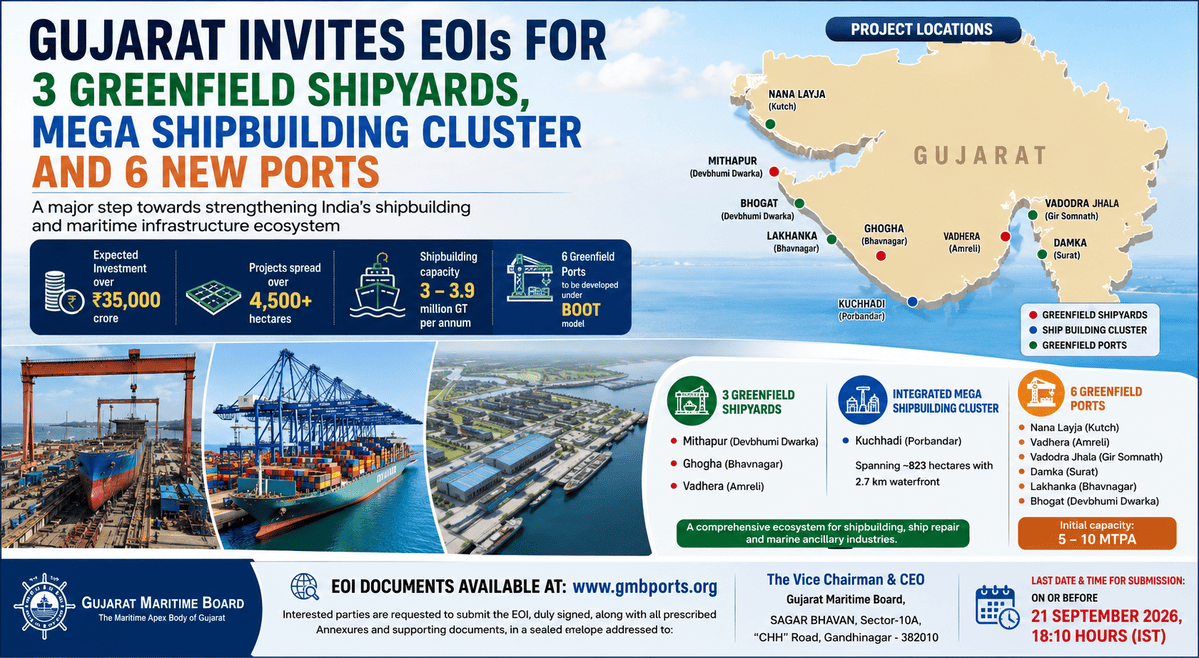
GANDHINAGAR: Gujarat has unveiled an ambitious maritime infrastructure expansion programme by inviting Expressions of Interest (EOIs) for the development of three greenfield shipyards, an Integrated Mega Shipbuilding Cluster and six new greenfield ports along its coastline. The large-scale initiative is expected to further strengthen the state’s position as India’s leading maritime and shipbuilding hub while supporting the country’s long-term vision of expanding domestic shipbuilding capacity and port infrastructure.

According to the Gujarat Maritime Board (GMB), the proposed projects are expected to attract investments exceeding ₹35,000 crore. The EOI process covers projects spread across more than 4,500 hectares, including shipyards with a combined annual shipbuilding capacity of approximately 3 to 3.9 million gross tonnes (GT) and six strategically located greenfield ports to be developed under the Build, Own, Operate and Transfer (BOOT) model.

The proposed shipbuilding facilities will be developed at Mithapur (Devbhumi Dwarka), Ghogha (Bhavnagar) and Vadhera (Amreli), while the Integrated Mega Shipbuilding Cluster is planned at Kuchhadi in Porbandar. Spread over around 823 hectares with a 2.7-km waterfront, the cluster is envisioned as a comprehensive ecosystem for shipbuilding, ship repair and marine ancillary industries, contributing significantly to India’s maritime manufacturing capabilities.

In parallel, GMB has proposed six new greenfield ports at Nana Layja (Kutch), Vadhera (Amreli), Vadodra Jhala (Gir Somnath), Damka (Surat), Lakhanka (Bhavnagar) and Bhogat (Devbhumi Dwarka). Together spanning nearly 3,200 hectares, these ports have been identified following preliminary feasibility studies evaluating marine conditions, cargo potential, industrial hinterland and connectivity. The ports are expected to have an initial handling capacity of 5–10 million tonnes per annum (MTPA) and are estimated to attract investments of around ₹10,000 crore.

The proposed port projects will be implemented through the BOOT concession model, with indicative concession periods ranging from 30 to 50 years, subject to the final bidding process. The EOIs mark the beginning of a global market consultation aimed at attracting domestic and international investors. According to the EOI notice issued by GMB, interested parties can download the EOI documents from the Board’s official website, with submissions due by 21 September 2026 at 6:10 PM (IST).

The projects are expected to feature prominently during the Vibrant Gujarat Global Summit 2027, where the state will showcase these strategic maritime infrastructure opportunities to investors from across the world. With this initiative, Gujarat continues to reinforce its leadership in India’s maritime sector through large-scale investments in ports, shipbuilding and allied industries.

DG Shipping issues Fresh Maritime Security Advisory as Threats Escalate in Strait of Hormuz, Red Sea and Gulf of Aden

Latest advisory warns of rising attacks on merchant vessels, GPS and AIS interference, piracy incidents and heightened risks across key global shipping routes, urging operators to strengthen voyage security measures.

MUMBAI: The Directorate General of Shipping (DG Shipping), Government of India, has issued Regional Maritime Security Advisory Update 12/26 (as of 240700Z July 24, 2026), highlighting a significant deterioration in the security environment across some of the world’s busiest maritime trade corridors, including the Strait of Hormuz, Persian Gulf, Gulf of Oman, Bab-al-Mandab, Red Sea, and Gulf of Aden. The advisory warns that commercial shipping continues to face a combination of armed attacks, piracy, navigational interference, and other hybrid security threats, prompting shipowners, operators, and masters to exercise the highest level of vigilance.

According to the advisory, the Strait of Hormuz remains the area of greatest concern, with the threat level classified as Critical. Since the previous advisory issued on 2 July 2026, the Information Fusion Centre – Indian Ocean Region (IFC-IOR) has monitored 12 attacks on merchant vessels operating in the Strait of Hormuz, Persian Gulf, and Gulf of Oman. These incidents have resulted in one seafarer losing his life, one reported missing, and eighteen others sustaining injuries. In addition to physical attacks, the continued disruption of GNSS/GPS and AIS signals has created serious navigational challenges, increasing the operational risks for vessels transiting the region. DG Shipping has advised that non-essential voyages through the Strait of Hormuz should be reconsidered until the security situation improves.

The advisory further notes that the security situation in the Bab-al-Mandab Strait and the Red Sea has worsened following a declaration targeting Saudi Arabia-linked shipping. Since the declaration, 13 commercial vessels have reportedly altered or abandoned their intended voyages, while a Saudi-linked tanker was reportedly attacked in the Red Sea on 23 July 2026, underscoring the heightened risk for vessels operating in the region.

Meanwhile, the Gulf of Aden and Yemen approaches continue to witness active piracy and armed robbery threats. IFC-IOR has monitored three piracy-related incidents since early July, including the hijacking of the tanker ASANA and two suspicious approaches that were successfully thwarted through timely preventive measures. These developments indicate that traditional piracy threats continue to coexist alongside the evolving geopolitical security risks affecting international shipping.

In response to the rapidly changing threat landscape, DG Shipping has urged Company Security Officers (CSOs), shipowners, Masters, and vessel operators to conduct voyage-specific threat assessments before entering affected waters. The advisory recommends verifying war-risk insurance coverage and Flag State requirements, maintaining AIS, radar, navigation lights, and independent positioning capabilities as operationally appropriate, continuously monitoring VHF Channel 16 and designated V/UHF communication channels, strengthening onboard security measures, rehearsing citadel and emergency response procedures, and ensuring full compliance with the latest Best Management Practices (BMP-MS) and internationally recognised reporting protocols.

The advisory also emphasises the importance of timely reporting of suspicious activities, attacks, attempted approaches, GNSS/AIS interference, or any maritime security concerns to the Information Fusion Centre – Indian Ocean Region (IFC-IOR) and other designated regional maritime security centres. Operating a 24×7 watch, IFC-IOR continues to coordinate information sharing and enhance maritime domain awareness to support the safety and security of commercial shipping in the Indian Ocean Region.

The latest advisory serves as a strong reminder that the global maritime security environment remains highly volatile. As geopolitical tensions, hybrid warfare, and piracy continue to converge across critical sea lanes, shipping companies and seafarers are being urged to remain alert, strengthen operational preparedness, and closely follow official security guidance to safeguard lives, vessels, and global trade.

MEA issues Advisory for Indian nationals undertaking employment on commercial vessels operating in Black Sea region

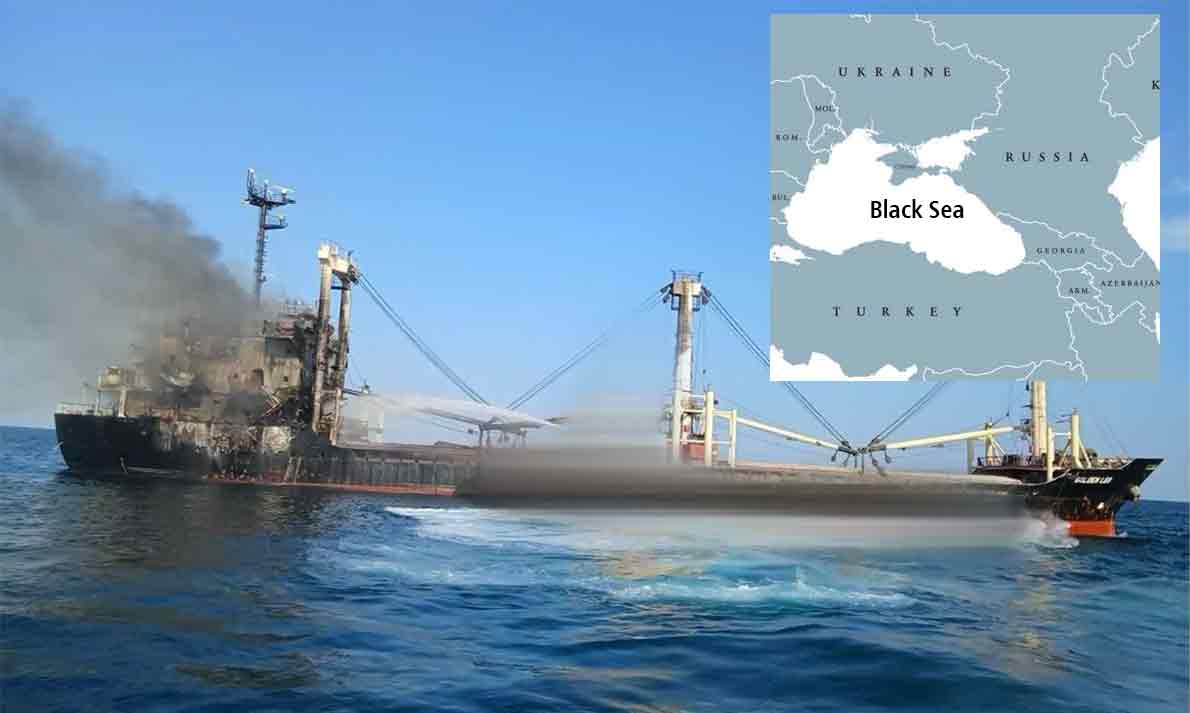
NEW DELHI: The security situation in and around the Black Sea and adjoining maritime areas remains highly volatile due to the ongoing conflict. Commercial vessels operating in or transiting these waters are facing significant security risks, including missile and drone attacks. Since April 2026, there has been an increase in the number of such incidents on commercial vessels, which has also resulted in the tragic loss of 5 Indian lives.

Indian nationals intending to undertake employment on commercial vessels operating in or transiting the conflict-affected region are advised to carefully assess the prevailing security risks before accepting such assignments. Those who choose to undertake such employment should exercise the utmost caution and observe the following precautions:

i. Obtain comprehensive information from employers/ recruitment agencies and ship operators regarding the vessel’s intended route, ports of call, security arrangements, insurance coverage, and emergency response procedures. Ensure that the terms of employment comply with applicable international maritime standards and provide adequate provisions for medical care, evacuation, repatriation, and compensation in the event of an emergency.

ii. Keep family members informed of your itinerary and maintain regular contact.

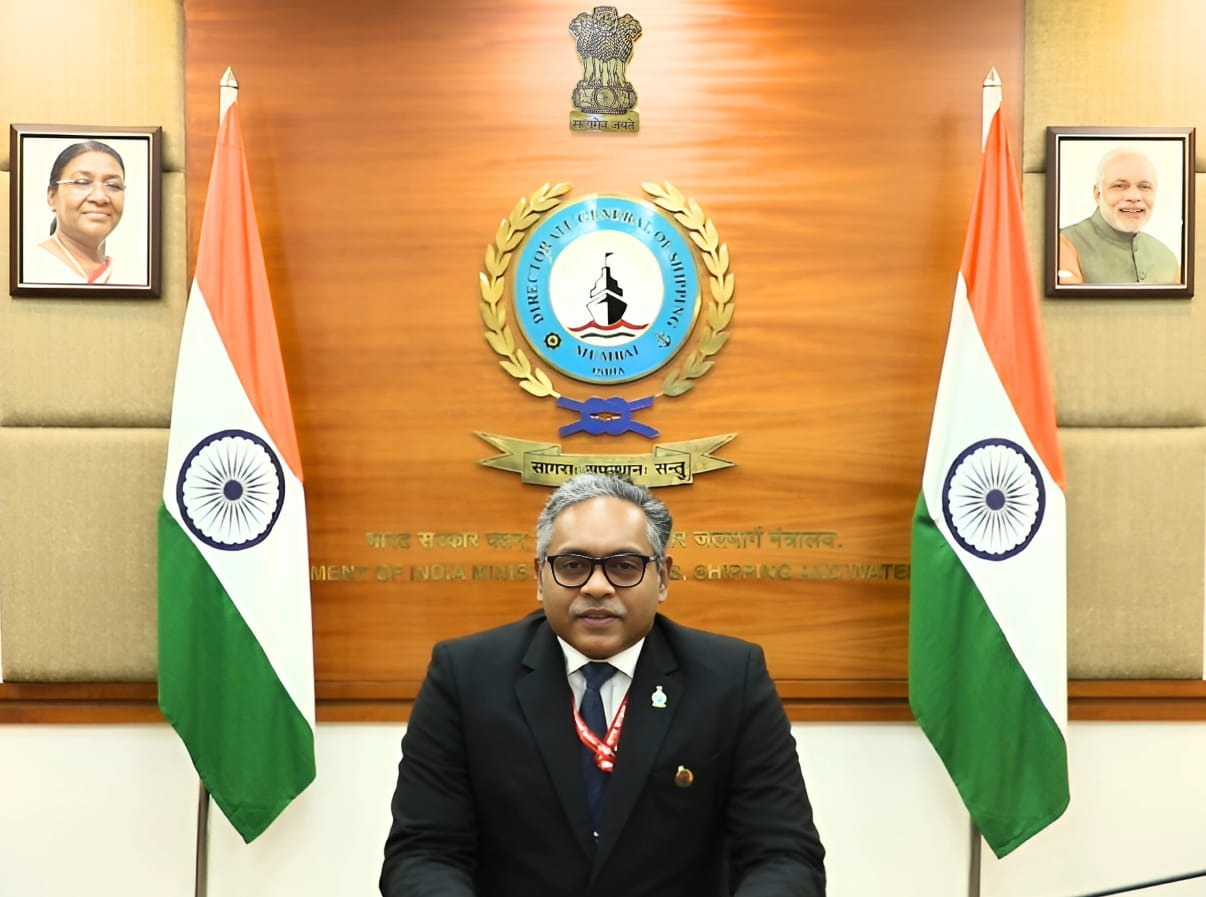
iii. Regularly monitor and comply with advisories issued by the Directorate General of Maritime Administration, and other relevant Government of India authorities, as well as safety instructions issued by vessel operators and the competent maritime authorities. In particular, Indian nationals are advised to refer to the recent Security Advisory issued by the Directorate General of Maritime Administration, Ministry of Ports, Shipping and Waterways, on 23 July 2026. (Security Advisory_DGMA)

3. Indian nationals requiring consular assistance are advised to contact the Embassy of India or Consulates in the region. The emergency contact numbers are given below:

Emergency Contact Numbers:

Embassy of India, Russia: +7 9652773414

Embassy of India, Ukraine: +38 0933559958

India concludes WTO Trade Policy Review; members seek clarifications on PLI, QCOs, trade policy measures

NEW DELHI: India concluded its eighth Trade Policy Review (TPR) at the World Trade Organization (WTO), with member countries seeking clarifications on issues ranging from production-linked incentive (PLI) schemes and Quality Control Orders (QCOs) to trade remedies, while India defended its policies as being consistent with WTO rules and the needs of a developing economy.

According to a Ministry of Commerce and Industry release, the two review sessions held on July 21 and 23 saw participation from 68 WTO members, reflecting strong global interest in India’s trade policies and economic transformation.

During the review, India received 1,094 written questions from 44 WTO members, while 68 members made interventions covering India’s trade and investment policies.

Responding to the issues raised, Commerce Secretary Shri Rajesh Agarwal said India’s trade policies are guided by “WTO-consistent principles while balancing the developmental needs of a large developing economy.”

He said India’s agricultural tariff structure is designed “to safeguard the livelihoods of millions of small, low-income and resource-poor farmers, ensuring fairness and equity,” while industrial tariffs support “supply chain resilience, diversification and domestic manufacturing capabilities in an evolving global economic environment.”

On questions related to sanitary and phytosanitary measures, technical regulations and trade remedies, Agarwal said India remains committed to transparency and adherence to WTO rules.

He said India’s Quality Control Orders “are intended to achieve legitimate public policy objectives,” while trade remedy investigations are conducted “transparently, based on objective evidence, due process and judicial oversight.”

The Commerce Secretary added that “the overall trade coverage of India’s trade remedy measures remains limited” and that India continues to apply the Lesser Duty Rule in its anti-dumping framework.

The release said several WTO members appreciated India’s engagement with the multilateral trading system and highlighted the country’s progress in Digital Public Infrastructure, customs and trade facilitation reforms, innovation and startup initiatives, expansion of regional trade agreements, and efforts to integrate MSMEs into global value chains. Members also welcomed India’s acceptance of the WTO Agreement on Fisheries Subsidies.

Reaffirming India’s broader trade policy approach, Agarwal said the country remains committed to “an open, transparent and predictable trade and investment regime.” He added that tariff reforms, customs simplification measures and India’s free trade agreement strategy have strengthened integration with the global economy while supporting domestic development objectives.

On WTO reform, Agarwal reiterated India’s commitment to “an open, inclusive, transparent and rules-based multilateral trading system,” adding that reforms should “remain development-oriented, preserve policy space for developing countries, strengthen the Organization’s credibility and deliver on existing mandates.”

The review concluded with India reaffirming its commitment to transparency, dialogue and constructive engagement at the WTO, while WTO members acknowledged the country’s growing role in the global trading system and expressed expectations that it would continue contributing to strengthening the rules-based multilateral trading framework.

Source: ANI

Vizhinjam seaport gets final Customs clearance for EXIM operations

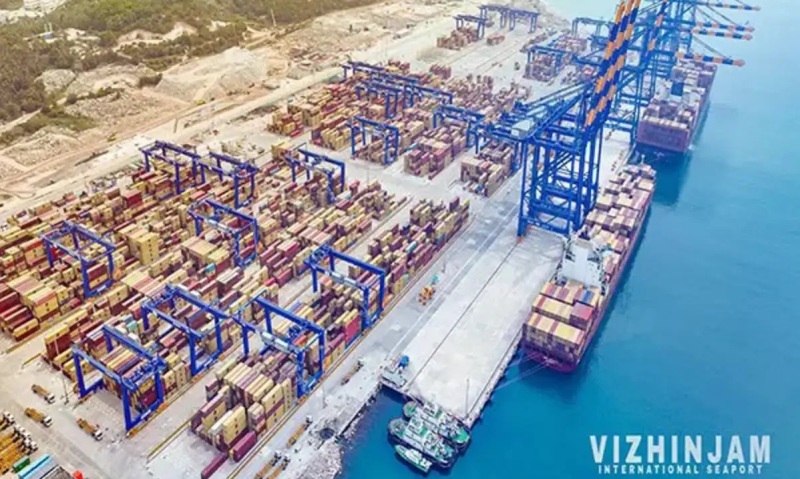
THIRUVANANTHAPURAM : Vizhinjam International Seaport has secured Customs approval to commence EXIM operations, its operator, VISL, said on Saturday.

Vizhinjam International Seaport Ltd said the Central Board of Indirect Taxes and Customs has granted final approval for the port to officially commence EXIM cargo operations from August 18.

“While Vizhinjam International Seaport, Thiruvananthapuram, has so far functioned exclusively as an international transshipment hub, export-import cargo operations shall commence with effect from August 18, 2026.

“Customs regulation of EXIM cargo will be carried out in coordination with various government and facilitating agencies, such as VISL, AVPPL, the Mercantile Marine Department, the Port Health Organisation, the Bureau of Immigration, the Coastal Police, authorised banks and port security agencies,” the CBIC order dated July 24 said.

As there is currently no designated Container Freight Station attached to the port, the CBIC has imposed several conditions governing EXIM cargo handling.

It said import operations would be restricted to Full Container Load containers eligible for Direct Port Delivery, and such containers must be moved directly from the port terminal to the importer’s premises within 48 hours of landing.

The CBIC has directed that no Less-than-Container Load cargo, loose cargo or containers requiring de-stuffing or CFS examination be allowed at the port until a designated CFS becomes operational.

Regarding exports, the CBIC said operations would be restricted to Direct Port Entry of factory-stuffed, self-sealed or Customs-sealed FCL containers. However, cargo requiring loose stuffing, examination or carting within the port yard will not be permitted, it said.

Besides direct DPD and DPE container movement, road transshipment between the seaport and other notified Customs stations, such as Inland Container Depots, Container Freight Stations, Special Economic Zones and Land Customs Stations, will also commence, the CBIC said.

It directed that all operations at the port must fully comply with the Sea Cargo Manifest and Transhipment Regulations, 2018.

Developed under a public-private partnership model by the Kerala government and Adani Ports and Special Economic Zone, the seaport has emerged as one of the world’s fastest-growing container ports.

The port handled two million TEUs within 18 months of commencing commercial operations and has received some of the world’s largest container ships.

The launch of EXIM operations will be a major milestone for the state government’s Mission Samudra, which aims to position Kerala as a leading maritime and logistics hub by integrating ports, logistics, manufacturing, inland waterways and multimodal connectivity.