Home Blog Page 185

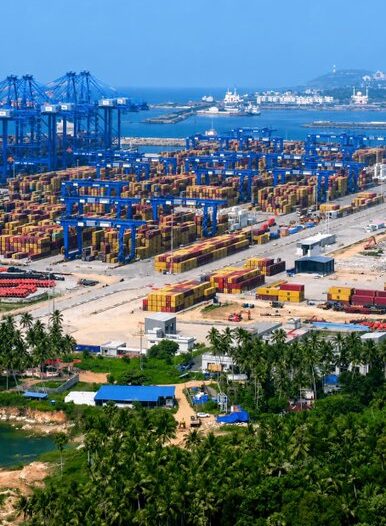
Adani Ports to develop 100-acre CFS near Vizhinjam Port to strengthen EXIM Logistics

THIRUVANANTHAPURAM : Adani Ports and Special Economic Zone Ltd. (APSEZ) is set to develop a 100-acre Container Freight Station (CFS) near the Vizhinjam International Seaport in Kerala, marking another significant step in strengthening the port’s logistics ecosystem as container traffic continues to grow. The proposed facility will support the seamless handling, storage, customs clearance and distribution of export-import (EXIM) containers, enhancing the efficiency of cargo movement from the country’s first deep-water transshipment port.

The CFS is being planned to cater to the anticipated rise in EXIM cargo as Vizhinjam transitions from a predominantly transshipment hub to a gateway port serving domestic industries and exporters. Industry estimates indicate that nearly 30 per cent of the containers handled at Vizhinjam are expected to comprise EXIM cargo, while the remaining volumes will continue to be transshipment containers.

Initially, EXIM containers will be transported by road between the port and the CFS. The facility will provide integrated services including container stuffing and de-stuffing, warehousing, customs examination, temporary storage, documentation, and value-added logistics services. This is expected to reduce congestion within the port premises while improving cargo turnaround time and supply chain efficiency.

The development assumes greater significance as Vizhinjam rapidly emerges as one of India’s most strategic maritime assets. Located just around 10 nautical miles from the busy international East-West shipping corridor, the port is capable of handling the world’s largest container vessels owing to its natural deep draft and modern automated infrastructure. The port has been developed as India’s first dedicated deep-water container transshipment port, enabling Indian cargo that was traditionally routed through foreign hubs such as Colombo, Singapore and Dubai to be handled domestically.

The proposed CFS is expected to complement ongoing efforts to establish a comprehensive logistics and industrial ecosystem around Vizhinjam. As container volumes increase, dedicated logistics infrastructure will play a crucial role in attracting exporters, importers, shipping lines and freight forwarders to the port while supporting Kerala’s growing manufacturing, seafood, agricultural and industrial exports.

The project also aligns with APSEZ’s strategy of creating integrated port-led logistics solutions by combining world-class port infrastructure with inland logistics facilities. Besides improving operational efficiency, the CFS is expected to generate employment opportunities and stimulate economic activity in the region.

With continued capacity expansion, improved multimodal connectivity through upcoming rail links and highways, and investments in supporting logistics infrastructure, Vizhinjam is poised to become a major gateway for India’s international container trade and a key driver of the country’s maritime ambitions.
CONCOR reports record-breaking Q1 FY 2026–27 performance with highest-ever quarterly handling and revenue

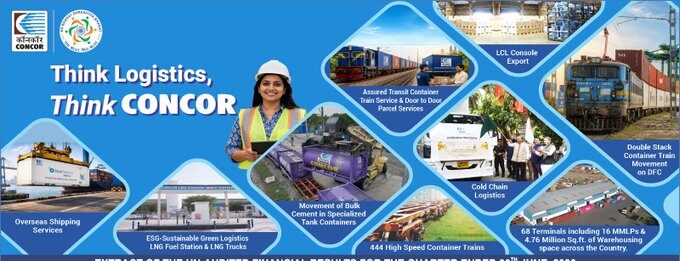
NEW DELHI : Container Corporation of India Ltd. (CONCOR), India’s leading multimodal logistics and container transportation company, has announced its financial results for the first quarter (Q1) of FY 2026–27, delivering its strongest-ever first-quarter operational and financial performance. The impressive results reflect the company’s continued focus on operational efficiency, customer-centric services and sustainable value creation while strengthening India’s logistics ecosystem.

Reaffirming its commitment to driving value for stakeholders and enhancing the ease of doing business for customers, CONCOR achieved several record-breaking milestones during the quarter.

Q1 FY 2026–27 Highlights

Highest-ever quarterly container handling in any first quarter: 1.40 million TEUs

Highest-ever quarterly operating income in any first quarter: ₹2,154.04 crore

Highest-ever quarterly total income in any first quarter: ₹2,247.91 crore

The landmark performance underscores CONCOR’s operational excellence, financial resilience and its ability to capitalise on the growing demand for efficient multimodal logistics solutions across the country.

The record container handling reflects robust growth in both domestic and EXIM cargo movement, supported by improved service reliability, enhanced rail connectivity and increased customer confidence in CONCOR’s integrated logistics offerings. The company’s extensive network of Inland Container Depots (ICDs), Container Freight Stations (CFSs), terminals and multimodal logistics facilities continues to play a pivotal role in facilitating seamless cargo movement across India.

CONCOR has been consistently expanding its service portfolio through investments in modern infrastructure, digital transformation, customer-focused logistics solutions and sustainable transportation practices. The company has also been strengthening first- and last-mile connectivity while leveraging the Dedicated Freight Corridors (DFCs) and the PM GatiShakti National Master Plan to improve supply chain efficiency and reduce logistics costs.

The strong financial performance reflects disciplined cost management, improved asset utilisation and sustained operational efficiencies, enabling the company to deliver enhanced value to its shareholders while maintaining high service standards for customers.

As India’s premier rail-based logistics service provider, CONCOR remains committed to supporting the Government of India’s vision of developing a world-class multimodal logistics network. Through continuous innovation, infrastructure expansion and technology-driven solutions, the company aims to further enhance cargo movement, improve customer experience and contribute to the country’s goal of becoming a globally competitive manufacturing and export hub.

The record-breaking first-quarter performance provides a strong foundation for the remainder of FY 2026–27, reinforcing CONCOR’s leadership position in India’s logistics and container transportation sector and its continued commitment to operational excellence, sustainable growth and stakeholder value creation.

Customs suspends Concor cargo facility near JNPA over security deficiencies

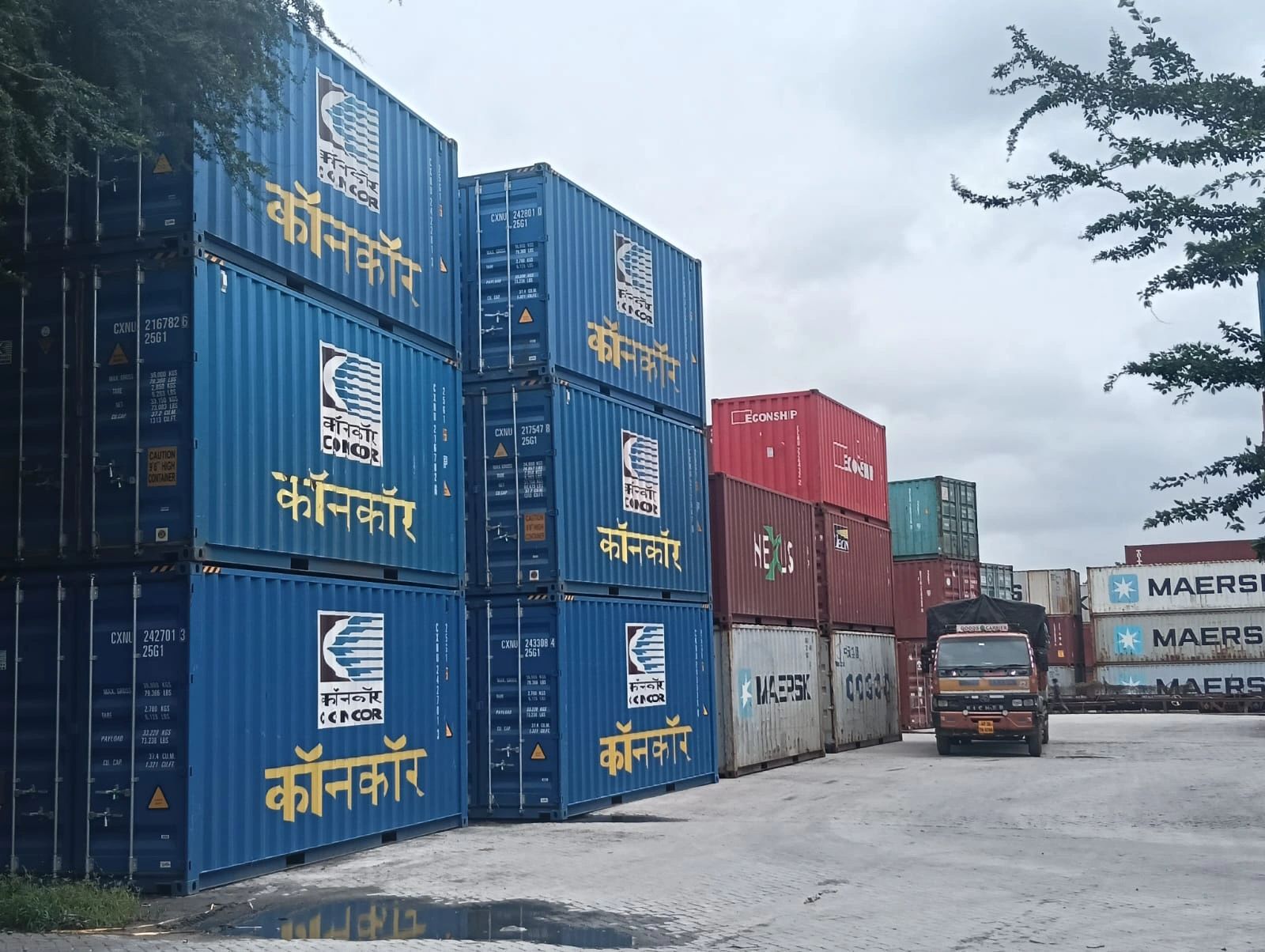
NEW DELHI : The Customs Department has suspended the Customs Cargo Service Provider (CCSP) approval granted to the Dronagiri Rail Terminal (DRT) Container Freight Station (CFS), operated by state-owned Container Corporation of India (Concor), citing serious security deficiencies and theft of export cargo. The suspension has come into effect immediately and will remain in force until further orders.

The Dronagiri Rail Terminal, spread across 59 acres near Jawaharlal Nehru Port, handles around 14,000 twenty-foot equivalent units (TEUs) every month. The rail-linked facility operates three rail lines, runs 90-100 rakes every month and has warehousing capacity of 35,640 square metres for export-import cargo, 4,200 square metres for domestic cargo and 2,000 square metres of bonded warehousing.

According to a public notice issued by the Jawaharlal Nehru Custom House on July 22, Customs had directed all Customs Cargo Service Providers through an advisory dated June 25 to strengthen security measures and ensure strict compliance with the Handling of Cargo in Customs Areas Regulations, 2009 (HCCAR, 2009). However, it said serious security deficiencies and theft or pilferage of export cargo were subsequently detected at the Concor-operated facility despite the advisory.

Fresh Cargo Receipts Stopped
The public notice said cargo already present within the Concor DRT CFS premises as on July 22 will be permitted to be cleared for export or import after following the prescribed Customs procedures. However, fresh receipt of export and import cargo into the facility has been stopped with immediate effect.

An exception has been made for cargo where the Import General Manifest (IGM) or Sea Arrival Manifest (SAM) had already been filed by the shipping line, as well as cases where the shipping bill or bill of entry had been filed before 00:00 hours on July 23 designating the Concor DRT CFS as the destination.

The suspension comes around two months after Customs suspended the licence of International Cargo Terminal Pvt Ltd after the Directorate of Revenue Intelligence (DRI) found two imported containers at the CFS were stuffed with fireworks and firecrackers originating from China, a restricted item, although the importers had declared the cargo as gypsum plaster and CMS granules. The International Cargo Terminal has a capacity to handle 15,000 TEUs every month.

With the suspension of the two container freight stations, handling capacity in the Jawaharlal Nehru Port area has reduced by around 30,000 TEUs a month. According to the information provided in the public notice, the move will add to the chaos surrounding evacuation of containers from the port’s terminals triggered by the conflict in the Middle East.

Source : BW

Adani Mundra Port sets new benchmark with record discharge of India’s largest single parcel of Degummed Soybean Oil

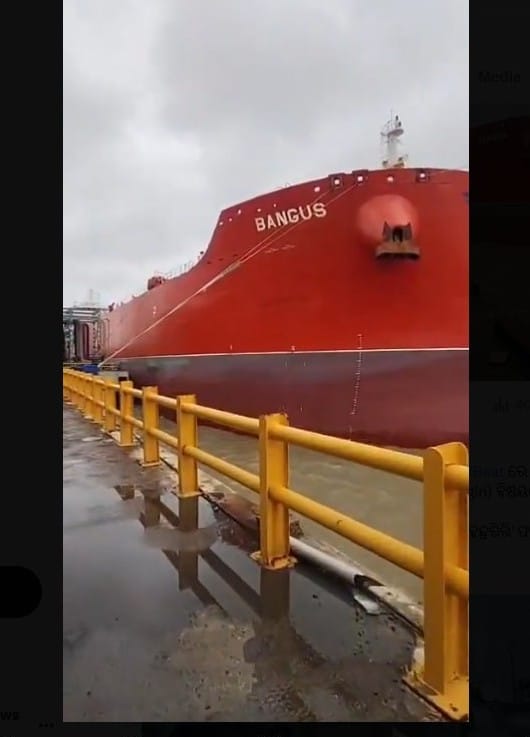
MUNDRA : Adani Ports and Special Economic Zone Ltd. (APSEZ) has achieved another significant milestone at Mundra Port with the successful discharge of 66,800 metric tonnes of Degummed Soybean Oil (DSBO) from the vessel MT Bangus, marking the largest single parcel of edible oil ever handled by a vessel at an Indian port.

The record-breaking operation highlights Mundra Port’s advanced liquid cargo handling capabilities and reinforces its position as India’s leading commercial port. The cargo, imported from San Lorenzo, Argentina, was efficiently discharged using the port’s state-of-the-art liquid bulk infrastructure, ensuring safe, seamless and timely handling of the consignment.

The achievement reflects the port’s ability to manage large-volume liquid bulk shipments while maintaining high standards of operational efficiency, safety and turnaround performance. It also demonstrates the growing confidence of global shipping lines and importers in Mundra’s world-class port infrastructure and logistics capabilities.

Degummed Soybean Oil is a key edible oil imported into India for refining and consumption. As one of the world’s largest importers of edible oils, India depends on efficient port infrastructure to ensure uninterrupted supplies for domestic consumption and the food processing industry. The successful handling of such a large consignment is expected to enhance supply chain efficiency, optimise vessel operations and contribute to reducing logistics costs.

Mundra Port has developed one of the country’s most comprehensive liquid cargo ecosystems, comprising dedicated liquid terminals, extensive storage tank facilities, specialised pipelines and modern cargo handling systems. These facilities enable the port to efficiently handle a diverse range of liquid bulk commodities, including edible oils, crude oil, petroleum products, chemicals and other bulk liquids.

The latest achievement adds to Mundra Port’s growing list of operational milestones and underscores APSEZ‘s continued focus on expanding capacity, adopting advanced technologies and delivering world-class port services. The port has consistently strengthened its capabilities to accommodate larger vessels and handle increasing cargo volumes, supporting India’s expanding international trade and logistics requirements.

As India’s largest commercial port, Mundra serves as a critical gateway for the nation’s import and export trade, offering seamless multimodal connectivity through rail, road and coastal shipping networks. Its strategic location, deep-draft berths and integrated logistics infrastructure continue to play a pivotal role in enhancing India’s maritime competitiveness and supporting the Government’s vision of developing a modern, efficient and globally competitive logistics ecosystem.

The successful discharge of 66,800 metric tonnes of Degummed Soybean Oil from MT Bangus stands as another testament to Mundra Port’s operational excellence and its commitment to setting new benchmarks in cargo handling efficiency, further strengthening its position as a preferred hub for global maritime trade.

EIL signs MoU with DGMA to provide technical consultancy for maritime projects

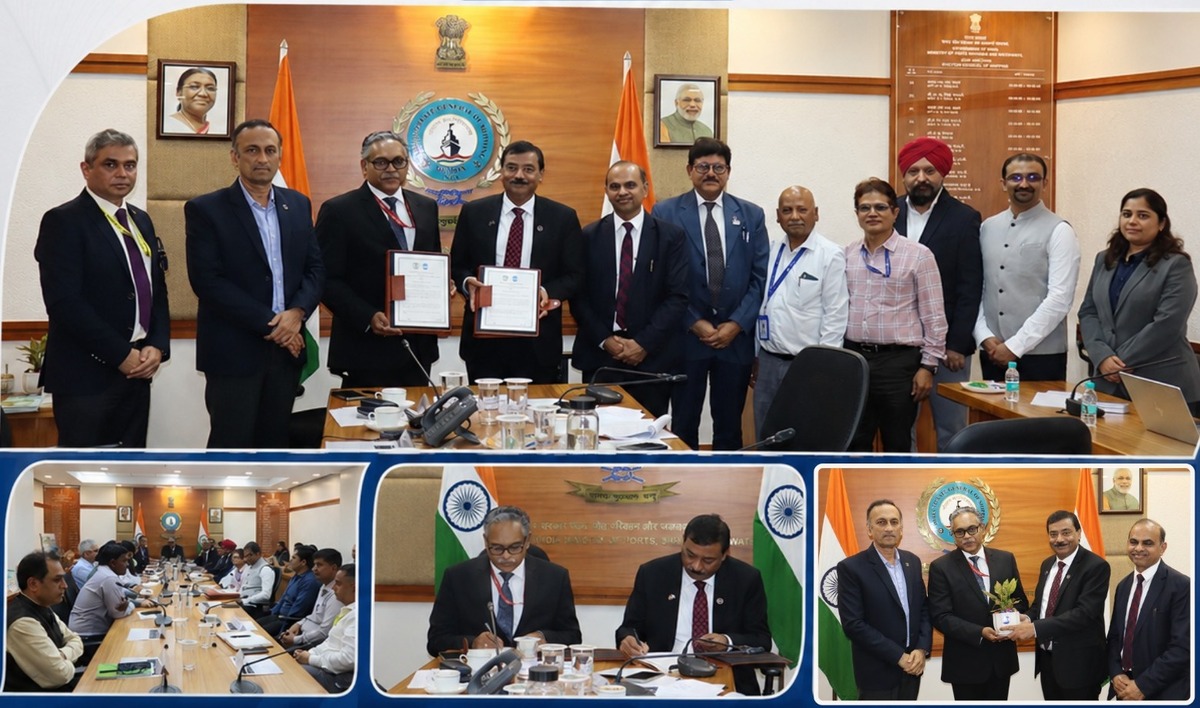
NEW DELHI: Engineers India Limited (EIL) has signed a memorandum of understanding (MoU) with the Directorate General of Maritime Administration (DGMA) to provide engineering, technical advisory and consultancy services for the planning, development and modernisation of projects in the maritime sector, according to the company’s press release.

The MoU, signed on July 24, establishes a framework under which EIL will support DGMA, formerly the Directorate General of Shipping under the Ministry of Ports, Shipping and Waterways, with project management and technical consultancy services for maritime infrastructure projects.

According to the release, “The MoU provides a framework for collaboration under which EIL will offer its engineering, technical advisory, project management, and consultancy services to DGMA for the planning, development, modernization, and implementation of projects in the maritime sector.”

The company said the partnership will leverage EIL’s experience in hydrocarbon, marine and offshore sectors to support projects aimed at strengthening India’s maritime capabilities.

“The scope of cooperation includes feasibility studies, infrastructure planning, technology integration, capacity enhancement, and other specialized technical services as may be mutually identified,” the release said.

EIL added that the collaboration will draw on its multidisciplinary expertise in engineering, project management, digital solutions, sustainability and infrastructure development to assist DGMA in implementing maritime projects.

The company said the partnership is aligned with the Government of India’s vision of developing world-class maritime infrastructure and strengthening the maritime sector as a driver of economic growth.

“It is also expected to contribute to the objectives of improving efficiency, promoting sustainability, and encouraging the adoption of modern technologies in maritime infrastructure development and administration,” the release added.

According to the release, the MoU also reflects the commitment of both organisations to promote technical excellence and institutional collaboration while supporting the development of a modern, resilient and sustainable maritime ecosystem in India.

Historic Shore Leave Reform Marks a New Era for Indian Seafarers

NEW DELHI: In a significant development for India’s maritime workforce, the Directorate General of Maritime Administration (DGMA), under the Ministry of Ports, Shipping and Waterways, has issued the Standard Operating Procedure (SOP) for Shore Leave Passes (SLP) for crew members and supernumeraries serving on Indian-flag coastal vessels. The new SOP, which has been circulated to all stakeholders for immediate implementation, marks a major policy reform aimed at improving the welfare of Indian seafarers while enhancing operational efficiency across the country’s ports.

The National Union of Seafarers of India (NUSI) described the move as a historic victory achieved after years of persistent advocacy, continuous representations, and constructive engagement with the Government of India, the National Shipping Board (NSB), and the Directorate General of Maritime Administration (DGMA). According to NUSI, the reform fulfills a long-standing demand of Indian seafarers by recognizing shore leave as a fundamental right, essential for their health, well-being, and dignity, in accordance with the provisions of the Maritime Labour Convention (MLC), 2006, and the Merchant Shipping Act, 2025.

Key Benefits:

• No requirement for seafarers to physically visit Immigration Offices for the issue or extension of Shore Leave Passes within port limits.

• Shore leave will now be facilitated directly through the Port Authorities using a simplified procedure.

• Sign-on and sign-off procedures have also been streamlined, significantly reducing delays and unnecessary administrative formalities.

• Faster sign-on and sign-off procedures will help reduce vessel turnaround time and improve the efficiency of port operations.

• This will improve the quality of life of Indian seafarers while enhancing operational efficiency for coastal shipping.

Under the newly introduced SOP, seafarers will no longer be required to physically visit Immigration Offices for the issuance or extension of Shore Leave Passes within port limits. Instead, shore leave will be facilitated directly through Port Authorities using a simplified procedure. The reforms also streamline sign-on and sign-off formalities, significantly reducing administrative delays and unnecessary paperwork. The simplified process is expected to accelerate vessel turnaround times, improve the efficiency of port operations, and support the continued growth of India’s coastal shipping sector while ensuring a better quality of life for seafarers.

NUSI acknowledged the collaborative efforts of the Ministry of Home Affairs, the Ministry of Ports, Shipping and Waterways, DGMA, the National Shipping Board, Port Authorities, and other stakeholders in bringing the reform to fruition. The union emphasized that the achievement demonstrates the value of sustained dialogue and collective action in addressing the concerns of India’s maritime community. It also reaffirmed its commitment to continuing its efforts towards creating a safer, fairer, and more dignified working environment for every Indian seafarer.

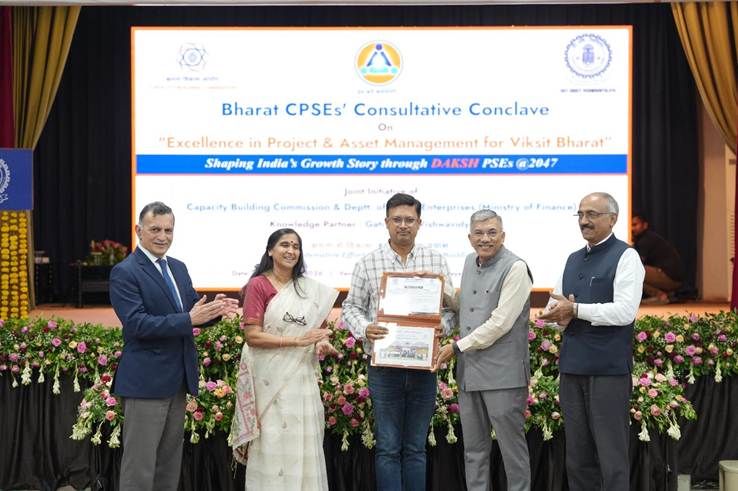
GSV, CBC and DPE successfully conclude 3rd Bharat CPSEs’ Consultative Conclave 2026

VADODARA : The three-day 3rd edition of Bharat CPSEs’ Consultative Conclave 2026 on Project and Asset Management was successfully concluded on 25 July 2026 at Gati Shakti Vishwavidyalaya (GSV) Vadodara, after insightful deliberations on strengthening project execution, asset management and organisational excellence across Central Public Sector Enterprises (CPSEs) of the Energy and Mining sectors.

The event was organised jointly by the Capacity Building Commission (CBC) and the Department of Public Enterprises (DPE), Ministry of Finance, Government of India with Gati Shakti Vishwavidyalaya (GSV) as the strategic Knowledge Partner. The conclave brought together policymakers, industry leaders, academia as well as senior CPSE executives to exchange best practices and chart the way forward in support of Viksit Bharat 2047.

Detailed discussions were held on planning, DPR, contracting, land acquisition, asset life cycle management, deep tech technology adoption and use of PM Gati Shakti platform in formulating an implementable CPSE Reform Agenda. A total of 39 delegates from NTPC, Coal India, Bharat Coking Coal, BPCL, HPCL, Indian Oil, ONGC, ONGC Videsh, Oil India, MRPL, GAIL, SAIL, MECON, NMDC, Hindustan Copper, NALCO, NHPC, SJVN and Power Grid Corporation of India participated in the Conclave.

Dr. Mangu Singh (Former MD, DMRC) was the Chief Guest during the inauguration and focused on contract management as an important aspect for success of the projects. Shri K. Moses Chalai (Secretary, DPE), as the Guest of Honor, highlighted the need for innovative and data-driven approaches for asset and project management.

Addressing the valedictory session, Prof. Manoj Choudhary, Vice Chancellor, GSV, said the conclave had created a strong momentum for collaborative learning and fostered a culture of informed and data-driven decision-making. He highlighted GSV’s growing contribution to capacity building across railways, highways, aviation, maritime, logistics and other infrastructure sectors. Referring to the MoU between GSV and CBC, he reiterated that this event marked the continuation of a long-term CBC-GSV partnership aimed at strengthening professional capacity across the infrastructure ecosystem of the country.

Delivering the valedictory address, Dr. Alka Mittal, Member (Administration, CBC), expressed satisfaction on the candid deliberations that took place between the speakers, industry practitioners and the CPSE participants, as to why some projects run late and how culture, discipline, policy enablement and technology can set them right. She reiterated that CBC along with GSV would publish a Bharat CPSE Compendium of best practices based on the recommendations that have emerged in this event.

Dr. Alka Mittal appreciated the efforts put in by GSV as a knowledge partner under the tutelage of the Vice Chancellor Prof. (Dr.) Manoj Choudhary and Prof. Kaushik Das for making this event a grand success and expressed eagerness to continue the collaborative efforts between CBC and GSV in the march towards infrastructure capacity building for Viksit Bharat 2047.

CILT India highlights Railways’ role in driving economic growth at FICCI’s Future Rail India 2026 Conference

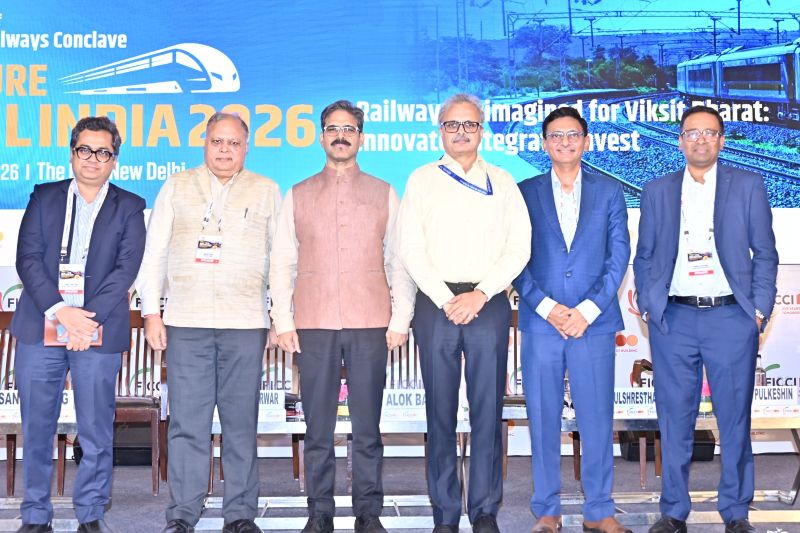
NEW DELHI : The Chartered Institute of Logistics and Transport India (CILT India) actively participated in the Future Rail India 2026 Conference, organised by the Federation of Indian Chambers of Commerce and Industry (FICCI) in New Delhi. The conference, themed “Railways Reimagined for Viksit Bharat: Innovate, Integrate, Invest,” brought together senior government officials, railway professionals, industry leaders and logistics experts to deliberate on the future of India’s railway sector and its role in supporting the nation’s economic transformation.

As part of the conference, a business session titled “Railways as a Growth Engine: Operations, Market Interface & Connectivity” was held to discuss strategies for strengthening India’s rail transportation ecosystem through operational excellence, multimodal connectivity, digital innovation and enhanced industry collaboration.

The session was moderated by Shri Anshuman S. Chauhan, Director & Practice Leader, Crisil, who guided discussions on the evolving dynamics of rail logistics, freight operations and market-driven reforms.

Representing CILT India, Shri Sanjiv Garg, IRTS, CMILT, Former Additional Member, Railway Board, Ministry of Railways, Government of India, and Secretary General, The Chartered Institute of Logistics and Transport India (CILT India), participated as one of the distinguished panellists. Drawing upon his extensive experience in railway operations and logistics, Shri Garg shared valuable insights on strengthening rail connectivity, improving operational efficiency and fostering greater integration across India’s logistics network to support the vision of Viksit Bharat.

The panel also featured several eminent railway and logistics professionals, including:

Dr. Alok Badkul, IRTS, CMILT, Executive Director, Container Corporation of India Ltd. (CONCOR).

Dr. Surendra Ahirwar, IRTS, CMILT, Executive Director (Traffic Commercial), Railway Board, Ministry of Railways, Government of India.

Shri Nitin Kulshrestha, IRSME, CMILT, Chief Operating Officer, GATX India Pvt. Ltd.

Shri Kumar Pulkeshin, Senior Vice President & Head (Rail and Inland Terminals), J M Baxi Group.

The discussion highlighted the critical role of Indian Railways in reducing logistics costs, improving freight efficiency, strengthening multimodal connectivity and supporting sustainable economic growth. The panellists emphasised the importance of infrastructure development, Dedicated Freight Corridors, digital transformation, customer-centric freight services and greater collaboration between government and industry to position railways as a key driver of India’s logistics and manufacturing ambitions.

CILT India reaffirmed its commitment to supporting knowledge sharing, professional excellence and industry collaboration by participating in platforms such as Future Rail India 2026. Through its continued engagement with policymakers, industry leaders and logistics professionals, the Institute aims to contribute to the development of an efficient, integrated and globally competitive transport and logistics ecosystem aligned with the vision of Viksit Bharat 2047.

Gati Shakti Cargo Terminal policy draws Rs 10,000 Crore private investment as 142 GCTs with 224 MTPA freight-handling capacity commissioned

NEW DELHI : The government’s Gati Shakti Multi-Modal Cargo Terminal policy has mobilised private investment of approximately Rs 10,000 crore, Railway Minister Shri Ashwini Vaishnaw informed the Lok Sabha on Wednesday (22 July).

142 GCTs have been commissioned with a rail freight handling capacity of 224 million tonnes per annum, marking significant progress in India’s logistics transformation.

In addition, in-principle approvals have been granted for the development of another 310 GCTs.

The location of the GCTs is decided on the basis of demand from industry, potential cargo traffic, availability of railway infrastructure and overall logistics potential of the area, the minister said.

Twelve GCTs have been set up in Odisha, with in-principle approvals for another 36 locations in the state.

Five GCTs have been commissioned in Andhra Pradesh, with approvals for another 14 locations, while Rajasthan has 10 GCTs, with approvals for 15 more.The terminals cater to a wide range of commodities including cement, steel, foodgrains, fertilisers, coal, fly ash, minerals, containers, automobiles, agricultural produce and other bulk as well as non-bulk commodities.

The policy has benefited key sectors such as cement, steel, power, mining, agriculture, logistics and manufacturing by providing improved rail connectivity and modern cargo handling infrastructure.

The development of GCTs has enhanced rail freight movement through faster and more efficient loading and unloading, reduced first-mile and last-mile logistics costs, improved wagon turnaround, and facilitated modal shift of freight from road to rail.

The Gati Shakti Cargo Terminal policy has facilitated the development of modern multimodal cargo terminals closer to production and consumption centres, thereby improving rail connectivity for local industries, agricultural produce and other commodities, while also enabling the creation of warehousing, silos, cold storage and other value-added logistics facilities.

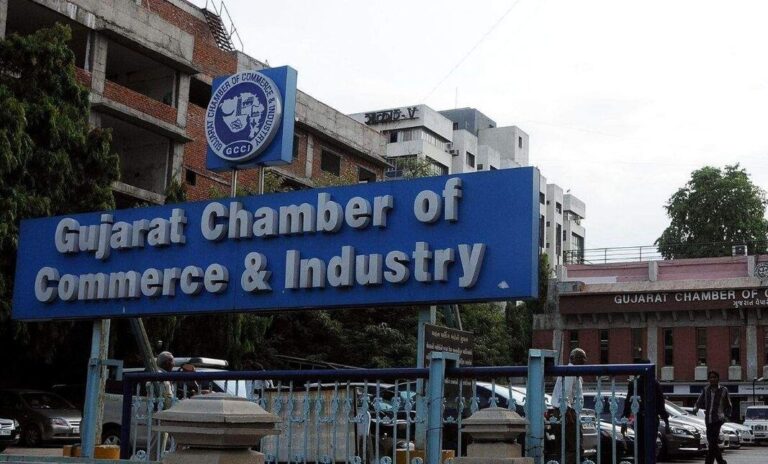
GCCI requests CBDT to extend ITR Filing Deadline due to Heavy Rains in Gujarat

AHMEDABAD: The Gujarat Chamber of Commerce and Industry (GCCI) has urged the Central Board of Direct Taxes (CBDT) to extend the July 31 deadline for filing non-audit income tax returns (ITR-1 and ITR-2) for the assessment year 2026–27 by at least 15 days, citing widespread disruption caused by heavy monsoon rains across the state.

In a representation submitted to the CBDT, the chamber said the request has been made on behalf of taxpayers, tax professionals, and the business community in Gujarat. It noted that the return filing deadline coincides with severe weather conditions that have affected normal life in many parts of the state.

GCCI said unprecedented rainfall, flash floods, and waterlogging have disrupted daily activities. It referred to Ahmedabad receiving 294.6 mm of rainfall within 24 hours on July 23, which led to evacuations and the deployment of disaster response teams.

The industry body also pointed out that prolonged power outages and poor internet connectivity, particularly in Tier-2, Tier-3, and rural areas, have made tax compliance difficult. It further highlighted recurring technical issues on the Income Tax Department’s e-filing portal, including system slowdowns, timeouts, and reconciliation errors in AIS, TIS, and Form 26AS.

While taxpayers filing non-audit ITR-3 and ITR-4 have already been granted an extension until August 31, GCCI has sought similar relief for those filing ITR-1 and ITR-2.

CA Jainik Vakil, Chairman of the GCCI Direct Tax Committee, said an early announcement extending the deadline by 15 days would help compensate for the working days lost due to the ongoing monsoon disruptions and enable taxpayers to file accurate returns.