Home Blog Page 188

India and Israel conclude second round of negotiations for proposed FTA

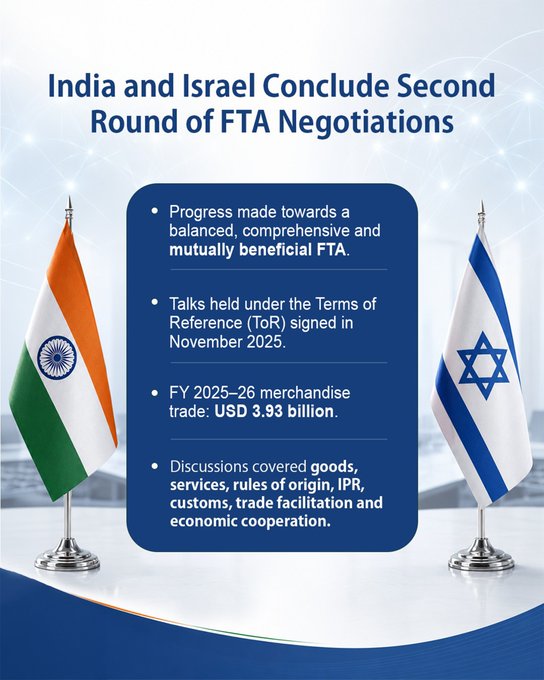
NEW DELHI : India and Israel concluded the second round of negotiations for the proposed India-Israel Free Trade Agreement (FTA), held from 20 to 23 July 2026 at Vanijya Bhawan, New Delhi. During the four-day negotiations, both sides held detailed discussions across all areas of the proposed Agreement and continued to make progress towards a balanced, comprehensive and mutually beneficial FTA.

The Terms of Reference (ToR), signed in November 2025, continue to provide the structured framework for negotiations on the identified areas to strengthen bilateral trade, economic cooperation and the overall economic partnership between the two countries.

Total merchandise trade between India and Israel stood at USD 3.93 billion in FY 2025-26. The two countries share strong complementarities across several sectors, and the proposed FTA presents significant opportunities to further enhance bilateral trade, investment and economic integration.

During this round, technical experts from both sides held dedicated sessions covering trade in goods, trade in services, rules of origin, sanitary and phytosanitary measures, technical barriers to trade, intellectual property rights, customs procedures and trade facilitation, economic cooperation, and other chapters under the proposed Agreement. The discussions were constructive and forward-looking, with both sides engaging in detailed technical deliberations aimed at narrowing gaps and identifying areas of convergence.

During the opening session, India’s Chief Negotiator for the FTA, Additional Secretary, Department of Commerce, Shri Ajay Bhadoo reaffirmed India’s commitment to negotiating a balanced, comprehensive and mutually beneficial agreement that would further strengthen bilateral trade and economic relations between the two countries. Israel’s Chief Negotiator, Ms. Yifat Alon Perel, Senior Director, Trade Policy & Agreements and Deputy Trade Commissioner, Foreign Trade Administration, Ministry of Economy and Industry, appreciated the progress made since the first round of negotiations and emphasised the importance of maintaining the momentum towards achieving an ambitious and mutually beneficial outcome.

Both sides reiterated their commitment to working towards the early conclusion of a balanced, comprehensive and mutually beneficial FTA that will further deepen bilateral trade, investment and economic ties between India and Israel.

Rail Chamber congratulates Anurag Jain on appointment as CEO, NITI Aayog

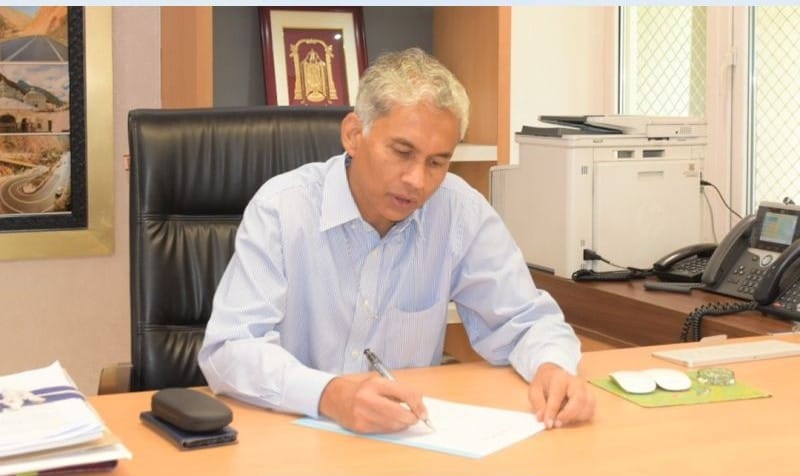
NEW DELHI : The Chamber of Railway Industries (Rail Chamber) has extended its heartfelt congratulations to Shri Anurag Jain, IAS (1989 Batch) on his appointment as the Chief Executive Officer (CEO), NITI Aayog, Government of India.

A distinguished officer of the Madhya Pradesh cadre, Shri Anurag Jain brings nearly four decades of outstanding administrative experience across infrastructure development, industrial policy, investment promotion, governance, and public administration. His appointment reflects the Government of India’s continued commitment to experienced and visionary leadership for steering the country’s premier public policy think tank.

Prior to assuming his new role, Shri Jain served as the Chief Secretary of Madhya Pradesh, where he spearheaded several governance reforms and development initiatives. During his illustrious career, he has also held key positions as Secretary, Ministry of Road Transport & Highways, and Secretary, Department for Promotion of Industry and Internal Trade (DPIIT), making significant contributions towards India’s infrastructure expansion, industrial development, logistics reforms, ease of doing business, and investment promotion.

As the CEO of NITI Aayog, Shri Anurag Jain is expected to play a pivotal role in shaping India’s long-term development agenda by driving policy innovation, promoting cooperative federalism, accelerating infrastructure-led growth, strengthening manufacturing competitiveness, fostering industrial transformation, and advancing the national vision of Viksit Bharat 2047.

Congratulating Shri Jain on his appointment, the Chamber of Railway Industries expressed confidence that his vast experience in infrastructure, logistics, industrial development, and public policy would further strengthen India’s policy ecosystem and facilitate greater collaboration between government, industry, academia, and other stakeholders.

The Rail Chamber believes that under Shri Jain’s leadership, policy initiatives supporting multimodal connectivity, railway modernisation, logistics efficiency, sustainable transportation, and industrial competitiveness will receive renewed momentum, contributing significantly to India’s economic growth and global competitiveness.

The Chamber also reaffirmed its commitment to working closely with policymakers and industry partners in supporting India’s ambitious infrastructure and railway development goals.

The Chamber of Railway Industries invited industry stakeholders, manufacturers, technology providers, startups, researchers, and professionals to join its mission of contributing towards the development of a world-class railway and mobility ecosystem as part of India’s Viksit Rail Mission 2047.

The Rail Chamber conveyed its best wishes to Shri Anurag Jain for a successful and impactful tenure as the CEO of NITI Aayog.

Aramex appoints Veena Bhogaonkar as Managing Director for India

MUMBAI: Aramex, a leading global provider of comprehensive logistics and transportation solutions, has appointed Ms.Veena Bhogaonkar as Managing Director for India. This appointment reflects Aramex’s commitment to strengthening its leadership in one of its most important markets and supporting continued growth and innovation. It also highlights the company’s focus on promoting women in leadership roles and supporting the next generation of talent

Veena joins Aramex with more than a decade of leadership experience across logistics, supply chain management and business transformation. Having held senior leadership positions at UPS and IBM, she brings extensive expertise in operational excellence, network optimisation and technology-enabled transformation, with a strong track record of delivering sustainable business growth.

An MBA graduate from California State University, Los Angeles, Veena is recognised for her strategic approach, customer focus and people-first leadership style. In her new role, she will lead Aramex’s India operations, with a focus on expanding the Aramex footprint across the country and providing customers multi product supply chain optimization offerings.

Commenting on her appointment, Ms. Veena Bhogaonkar said: “India is one of the world’s most dynamic logistics markets, and I am excited to join Aramex at such an important stage in its growth. The region presents tremendous opportunities as customer needs continue to evolve, and I look forward to working with our talented teams to strengthen our operations, enhance the customer experience and support the next phase of sustainable growth across the business.”

With a growing presence across India, Aramex continues to invest in its people, network and capabilities to help customers navigate increasingly complex supply chains while enabling faster, smarter and more efficient logistics solutions.

About Aramex:

Founded in 1982, Aramex has emerged as a global leader in logistics and transportation, renowned for its innovative services tailored to businesses and consumers. As a listed company on the Dubai Financial Market (since 2005) and headquartered in the UAE, our strategic location facilitates extensive customer reach worldwide, bridging the gap between East and West.

With operations in 600+ cities across 70 countries, Aramex employs over 16,000 professionals. Our success is attributed to four distinct business products that provide scalable, diversified, and end-to-end services for customers. These products are:

DPIIT’s ODOP Initiative promotes 1,244 unique products across 773 districts

NEW DELHI : Minister of State for Ministry of Commerce and Industry, Shri Jitin Prasada in a written reply in Rajya Sabha that, One District One Product (ODOP) is an initiative by the Department for Promotion of Industry and Internal Trade (DPIIT) with the aim of selecting, branding, and promoting at least one product from each district of the country to enable holistic growth across all regions. The selection of ODOP products is undertaken by the respective State/UT Governments. As of date, 1,244 products have been identified across 773 districts in the country under the ODOP framework.

Several steps have been undertaken to promote and enhance the visibility of the ODOP products includes facilitating participation in domestic and international exhibitions, capacity building initiatives in collaboration with various agencies; e-commerce onboarding drives for Government e-Marketplace (GeM) – ODOP Bazaar.

Under the Scheme for Special Assistance to States for Capital Investment (SASCI), financial assistance of up to ₹200 crore per State/ Union Territories with legislatures – Delhi, Jammu & Kashmir, and Puducherry is provided through a 50-year interest-free loan for establishment of PM Ekta Malls (Unity Malls) to promote the sale of ODOP, GI, and local handicraft products.

The Pradhan Mantri Formalisation of Micro food processing Enterprises (PMFME) Scheme implemented by the Ministry of Food Processing Industries (MoFPI) adopts ODOP approach in food processing sector. It provides 35% credit-linked capital subsidy with maximum for ₹10 lakhs for eligible projects, Seed Capital support to SHG members, Capacity Building through Entrepreneurship Development Programme (EDP) and product-specific training, assistance for Common Infrastructure and Common Incubation Centres, and Branding & Marketing support, including common branding, packaging, quality standardisation and food safety compliance for all the products including ODOP. PMFME Scheme provides support under the Branding & Marketing component @ 50% grant for common branding, packaging, quality standardisation and food safety compliance.

No district-specific financial allocation is made under the ODOP initiative. States/UTs are encouraged to leverage the benefits available under various Central and State Government schemes for the development of ODOP products. These include schemes relating to MSMEs, food processing, skill development, exports, handicrafts, handloom, agriculture, and allied sectors, which provide support for infrastructure development, credit, skill upgradation, quality improvement, branding, market access, and exports.

The PMFME Scheme promotes convergence with other Central initiatives to strengthen both backward and forward linkages. For backward linkages, the Ministry works with the Ministry of Agriculture & Farmers’ Welfare to facilitate clustering of Farmers with food processing clusters. For forward linkages, Convergence Committees have been constituted with APEDA and the Department of Fisheries to promote export-oriented value chains. Under this convergence, 24 common ODOP product clusters have been identified with APEDA and 7 fish and marine product clusters with MPEDA, to facilitate branding, market access and export promotion.

Under the ‘Districts as Export Hubs’ initiative, the Government aims to promote grassroots export growth by identifying potential products and services across districts in consultation with all stakeholders, including States/UTs. Through this framework, export-potential products and services have been identified in 734 districts. Further, State Export Promotion Committees (SEPCs) and District Export Promotion Committees (DEPCs) has been established across all 36 States/UTs to facilitate implementation and resolve supply chain bottlenecks and 249 District Export Action Plans (DEAPs) have been adopted by their respective DEPCs to streamline the value chain from production to export.

To facilitate market access for ODOP products, a dedicated ODOP Storefront has been established on the Government e-Marketplace (GeM). More than 500 ODOP product categories covering over 1,300 products are available on GeM for procurement. In addition, more than 10 States have developed dedicated e-commerce platforms for marketing and sale of ODOP products. ODOP products are featured at national exhibitions, trade fairs and other promotional events, helping artisans showcase goods and connect with buyers.

For promoting ODOP at international level, collaborated with MEA and Indian Missions abroad to organize promotional events, including exhibitions, buyer–seller meets, and participated in international exhibitions. ODOP Walls have been setup at Indian Missions to showcase ODOP products from various States/Districts. Three international retail stores (two in Singapore and one in Kuwait) are selling ODOP Products. ODOP products have also been included as official gifts during various bilateral/multilateral meetings, thereby enhancing their visibility in international markets.

The initiatives under ODOP have contributed to promotion of local products, improving market access, encouraging entrepreneurship and supporting employment generation. Specific details regarding exports under ODOP is not maintained centrally.

Panama Canal reports Higher Transits and Tonnage while preparing to meet demand amid expected El Niño Conditions

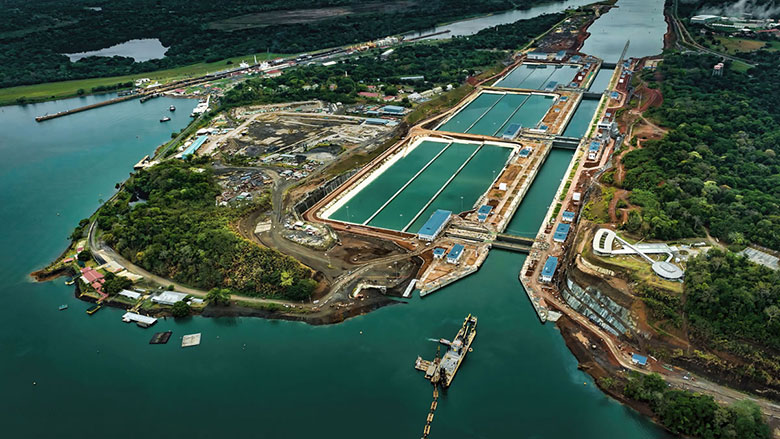
PANAMA CITY: The Panama Canal reported higher transit volumes and cargo tonnage during the third quarter of fiscal year 2026 (October 2025–June 2026), while continuing to adapt its operations to meet global shipping demand in anticipation of a severe El Niño event.

The Panama Canal provided a market update during a conference call hosted by Anne Milne, Managing Director of emerging markets corporate research at Bank of America Merrill Lynch, which highlighted its operational performance and long-term strategic initiatives.

The call featured Panama Canal Administrator Dr. Ricaurte Vásquez Morales, Deputy Administrator, Chief Sustainability Officer, and Administrator-designate Ilya Espino de Marotta, as well as Vice President of Finance Víctor Vial.

Operational Performance

Administrator Vásquez highlighted the Panama Canal’s strong operational performance.

As of June 30, FY2026, the Panama Canal averaged 35 daily transits, with a total of 10,726 transits during the current fiscal year (October–June), a 5.2% increase from the 10,191 transits recorded during the same period in FY2025.

During the same period, the canal handled 389.96 million Panama Canal Universal Measurement System (PC/UMS) tons, up 7.2% from 363.66 million PC/UMS tons during the corresponding period of the previous fiscal year.

Additionally, Dr. Vásquez noted that container ships and liquefied petroleum gas (LPG) carriers continue to drive this growth.

“Our strategic initiatives continue to advance with both the port terminal and pipeline projects entering the final prequalification stage, alongside continued progress on the Río Indio reservoir and the Logistics Corridor project,” the administrator said.

A Strong Fiscal Year

Vice President of Finance Víctor Vial said the Panama Canal delivered a very strong first nine months of the fiscal year. “We continue to strengthen our balance sheet, which is essential for the investments ahead. Demand has also remained very strong,” he said.

During the period, revenues reached $4802 million USD which represents a 17% year-over-year increase, while net income totaled $3614 million USD; a 19% increase compared with the same period last year.

Preparing for El Niño

The Panama Canal Administrator noted that the probability of a severe El Niño event has increased, rising significantly from 25% in April to 81%, as of July. As a result, the Panama Canal continues to closely monitor weather conditions and stands ready to implement preventive measures based on lessons learned during the 2023–2024 El Niño event.

Vásquez warned that “capacity restrictions will likely be implemented, not only in terms of draft limitations but also through reductions in the number of daily booking slots.” However, he emphasized that the timing and scope of any restrictions will ultimately depend on market conditions.

Daily transit auctions remain an important tool that provide customers with an additional opportunity to secure transit reservations when standard booking options are unavailable or when operational flexibility is required.

These precautionary measures are under consideration for the first time after nearly two consecutive years in which no draft restrictions were necessary, thanks to an abundant availability of water in the canal’s reservoirs. Heavy rainfall throughout 2025 and an unusually wet 2026 dry season allowed the canal to maintain above-normal water storage levels in its lakes.

Progress on the Río Indio Lake Project

Deputy Administrator Ilya Espino de Marotta said the Río Indio Lake project represents a major step toward strengthening long-term water security for both the Panama Canal and surrounding communities.

Local development initiatives within the watershed have already engaged more than 1,100 residents through conservation efforts and community development programs.

Meanwhile, the engineering and design phases are advancing with fieldwork completed ahead of the project’s planned 2027 tender process.

Environmental studies and the impact assessment are also underway. At the same time, implementation of the resettlement plan continues with most affected families participating in the process and written compensation standards already established.

These coordinated efforts demonstrate the project’s commitment to sustainable development, environmental stewardship, and community engagement as the Río Indio initiative moves into its next phase.

“K” LINE Notice on Revision to Consolidated Financial Forecasts for the Fiscal Year ending March 2027

TOKYO: Kawasaki Kisen Kaisha, Ltd (“K” Line), announces that it has revised its consolidated financial forecasts for the fiscal year ending March 2027 from the previously announced forecasts on May 8, 2026.

1. Revision of Financial Forecasts 

1) Consolidated Financial Forecasts for the cumulative 2nd quarter of fiscal year ending March 31, 2027 (April 1, 2026 – September 30, 2026) 

1cfdc496 4ecb 8ecb d67f afdb6cbba2c1 “K” LINE Notice on Revision to Consolidated Financial Forecasts for the Fiscal Year ending March 2027

2) Consolidated Financial Forecasts for the fiscal year ending March 31, 2027 (April 1,2026 – March 31, 2027) 

3201e987 0cc1 5988 6bd0 9d772552858a “K” LINE Notice on Revision to Consolidated Financial Forecasts for the Fiscal Year ending March 2027

2. Reason for the Revision

Due to stable Drybulk market trend, the Company revised its financial forecast from the previously announced forecasts on May 8, 2026. Further to the above, the Company’s equity method affiliate company OCEAN NETWORK EXPRESS PTE. LTD., that operates containership business, expects cargo demand and spot freight rates to exceed the initial forecast.

The Company revised its consolidated financial forecast for cumulative second quarter of the fiscal year ending March 31, 2027 (April 1,2026 to September 30, 2026) as well as full fiscal year ending March 31, 2027 (April 1, 2026 to March 31, 2027) consolidated financial forecasts with above reason and revised estimation of Operating revenue, Operating income, Ordinary income and Profit attributable to owners of the parent accordingly. 

Carbon cost “reimbursement right” in shipping’s EU ETS is largely unenforceable, new study finds

Research is a warning to owners, managers and charterers that the statutory right to pass on carbon costs cannot be relied upon — commercial contracts, not the law, decide who ultimately pays, with implications reaching beyond the EU to the UK ETS and IMO’s Net Zero Framework

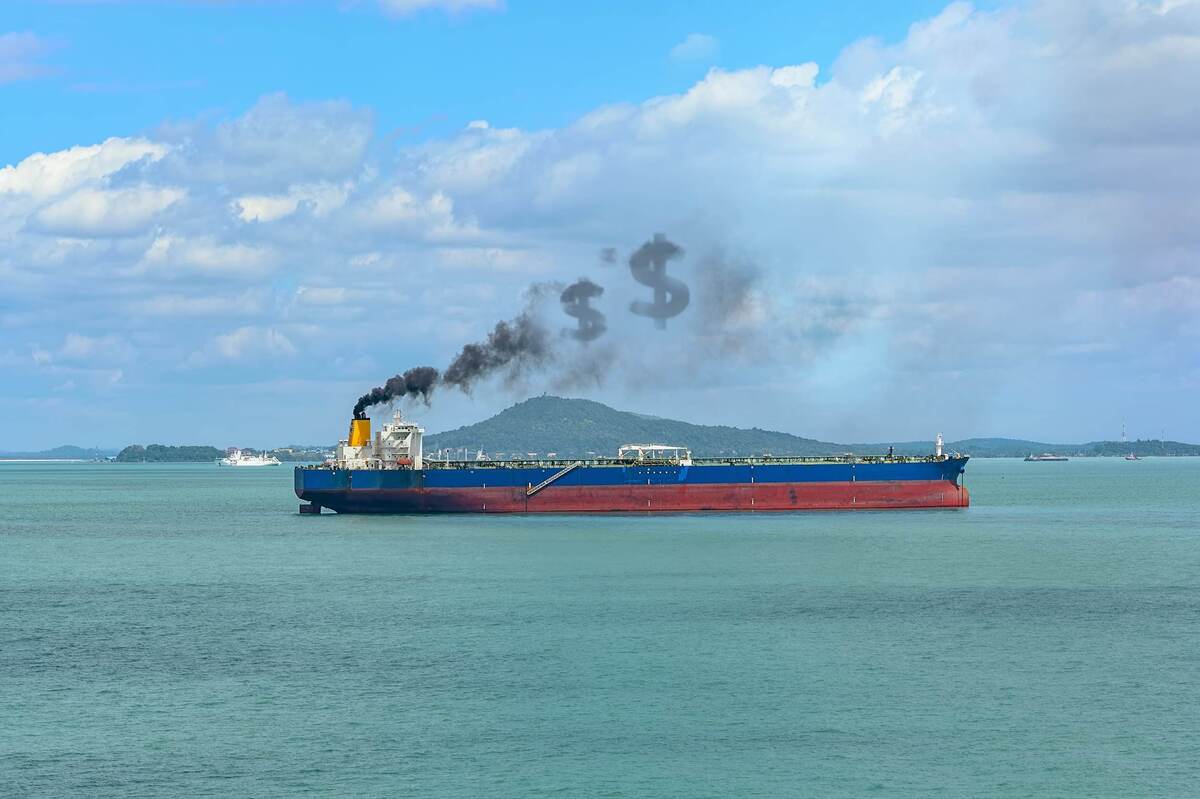
ROTTERDAM: Shipowners and ship managers who pay the bill for emissions under the EU Emissions Trading System (EU ETS) may not be able to recover those costs from the party that mostly drives those emissions through the ship’s operation, according to a new academic study from Erasmus School of Law, Erasmus University Rotterdam. The EU Directive provides that shipping companies are to have a statutory right to reimbursement from whoever controls fuel purchasing or vessel operation — typically a time charterer. The study titled “EU ETS payments in shipping: parties’ responsibilities towards authorities and within the commercial chain” finds that in practice, that right is close to a “paper tiger”: it rarely holds up once shipping’s contractual and jurisdictional realities are taken into account. What actually determines who pays is the charterparty, management agreement or bill of lading — not the statutory mechanism the EU built to guarantee it.

Why the statutory right falls short

Since 2024, shipping companies operating in and out of the EU must buy and surrender emission allowances under the EU ETS. The Directive places that obligation on the “shipping company” — usually the registered owner or the entity holding the ISM safety management certificate — even though that party often has very little say over fuel choice, routing or speed. To compensate, EU law requires Member States to give the shipping company a statutory right to reimbursement from whichever party does control those decisions.

The study finds three practical obstacles that undermine this right. First, in multi-layered charter chains, the Directive gives no clear rule for identifying which party must reimburse when responsibility for cargo, route, speed and fuel is split across several charterers. Second, most shipping contracts are governed by English law, and it remains uncertain whether a national reimbursement right can override that choice of law under the EU’s private international law rules (Rome I and Rome II). Third, disputes are typically referred to arbitration in London or Singapore, outside EU court jurisdiction — and English law does not provide for a reimbursement mechanism, whereas English courts can, in practice, block EU proceedings or refuse to recognise EU judgments. Together, the researchers conclude, these gaps leave the statutory pass-through mechanism with little practical value for the vast majority of the market.

“The EU ETS gives the impression that shipowners and managers who pay the carbon bill can automatically recover it from the party actually responsible for the ship’s operation or fuel purchase,” said Hannah Mosmans, co-author and PhD researcher at the Department of Law and Markets, Erasmus School of Law, and Erasmus UPT, Erasmus University Rotterdam. “Our research shows that this is largely an illusion once you look at how shipping contracts actually work. For most of the market, effective cost recovery still depends entirely on what is negotiated into the charterparty, not on the statutory right at all.”

What this means for contracts across the chain

The paper examines the contractual response that has emerged to fill this gap, in particular the standard clauses developed by BIMCO for time charters, voyage charters, contracts of affreightment, ship management agreements and bareboat charters. It finds these clauses to be a useful starting point but incomplete on their own — a limitation BIMCO itself acknowledges. They operate bilaterally, so each contract in a chain needs its own aligned clause; they leave gaps around issues such as price volatility, credit risk, off-hire and demurrage; and, because their use is optional, whether they are included at all depends heavily on the relative bargaining power of owners and charterers. Shipping lines have separately begun passing ETS surcharges to cargo interests through bill of lading and sea waybill terms. The result, the study finds, is uneven protection across the market, with better-resourced parties securing stronger terms than smaller operators.

“This is not just an academic point,” said Jolien Kruit, co-author of the study, endowed professor “Future of Maritime Law” at Erasmus School of Law and partner at Van Traa Advocaten. “If the statutory reimbursement right cannot be relied upon, parties throughout the shipping chain need to make sure their own contracts are watertight on carbon cost allocation. Expecting that the statutory mechanism will be sufficient is a risky strategy.”

For owners, managers and charterers, the practical implication is straightforward: carbon cost allocation should be checked and negotiated at every link in the charter chain — not assumed to follow automatically from the Directive — and existing BIMCO clauses may need to be supplemented with bespoke drafting on volatility, off-hire and dispute resolution.

Nishatabbas Rehmatulla, co-author and Principal Research Fellow and Co-Director of the Shipping and Oceans Research Group said: “By including the reimbursement right, the EU ETS Directive assumes that all emissions are the responsibility of the charterer. However, previous work shows that whilst most of the vessel’s emissions are based on its operational energy efficiency and mostly driven by the charterer, some portion of the emissions also relate to the vessel’s technical energy efficiency, where the investments are mostly by the shipowner. This indicates why there may be differences in private charter parties and statutory rights as not all emissions can be attributed to the charterer, especially when market premiums have been paid by charterers to compensate for more technically efficient ships.”

EC’s EU ETS amendment proposal

In its recent proposal for amendment of the EU ETS, the European Commission does not show awareness of the statutory reimbursement mechanism’s shortcomings. The EC considers the statutory mechanism a proper instrument to make corrections to the allowance reserve. Given the enforcement difficulties, the question is whether that would have the intended effect. As the commission indicated to regulate these aspects further in delegated acts, it may be a good moment to reconsider the reimbursement mechanism as such.

A test case for regulation beyond the EU

The authors argue the findings carry lessons well beyond the EU. The UK’s own domestic shipping emissions trading scheme, which took effect on 1 July 2026, does not include a statutory reimbursement right at all, leaving cost allocation entirely to charter party drafting. And the IMO is separately working towards a global Net Zero Framework which would involve more complex carbon cost allocations due to the different levels of compliance and reward mechanisms. The study concludes that any future market-based measure for shipping — EU, UK, national or global — must be designed with the realities of private international law and the structure of the maritime supply chain in mind from the outset. Otherwise, these regimes risk repeating the same enforcement gap at a larger scale, whilst giving the impression that a contractual provision may not be necessary.

Shantanu Thakur reviews progress of Sagarmala 2.0, focuses on accelerating Port-Led Development

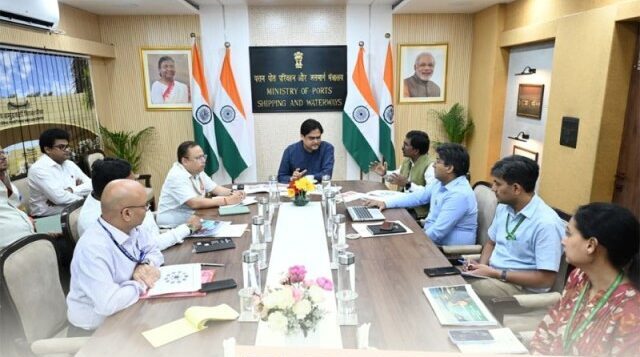
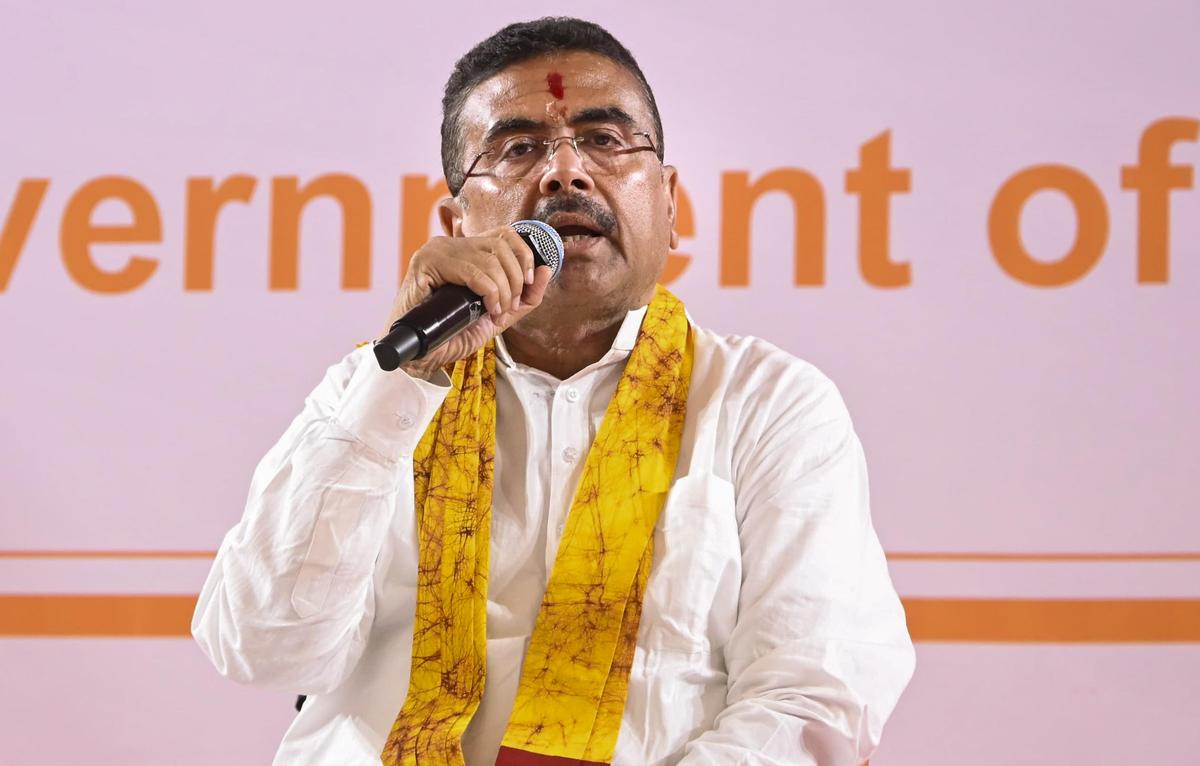
NEW DELHI : Shri Shantanu Thakur, Hon’ble Minister of State for Ports, Shipping & Waterways, chaired a high-level review meeting on the implementation of Sagarmala 2.0 and the functioning of Sagarmala Finance Corporation Ltd. (SFCL) with senior officials of the Ministry of Ports, Shipping & Waterways (MoPSW).

The meeting comprehensively reviewed the progress of ongoing projects under the Sagarmala programme and discussed future priorities aimed at accelerating India’s maritime infrastructure development. Deliberations focused on expediting project implementation, improving multimodal connectivity, strengthening coastal infrastructure, and enhancing the efficiency of port-led industrialisation.

The Minister also reviewed the role of Sagarmala Finance Corporation Ltd. in facilitating financing support for maritime infrastructure projects, including ports, coastal shipping, inland waterways, logistics parks, and other strategic initiatives that contribute to the growth of India’s maritime sector.

Emphasising the importance of timely execution and inter-agency coordination, Shri Thakur directed officials to closely monitor project progress and ensure faster implementation of key initiatives under Sagarmala 2.0. He underscored the need to leverage technology, improve last-mile connectivity, and promote sustainable and resilient maritime infrastructure to support the country’s expanding trade and logistics ecosystem.

The discussions also highlighted the significance of Sagarmala 2.0 in driving economic growth by reducing logistics costs, creating employment opportunities, boosting coastal community development, and strengthening India’s position as a global maritime and logistics hub. The programme aims to further integrate ports with industrial clusters, dedicated freight corridors, highways, rail networks, and inland waterways, thereby enhancing the efficiency of cargo movement across the country.

The Ministry reaffirmed its commitment to advancing the objectives of Maritime Amrit Kaal Vision 2047 through the successful implementation of Sagarmala 2.0, ensuring world-class port infrastructure, seamless multimodal connectivity, and sustainable maritime development in line with the vision of Viksit Bharat 2047.

Ministry of MSME is implementing it’s PM Vishwakarma Scheme in WB in collaboration with the State Government

KOLKATA : Union Minister of State for MSME, Smt. Sushri Shobha Karandlaje informed in Lok Sabha as a written reply to a question that, PM Vishwakarma Scheme was launched on 17.09.2023 to provide end-to-end holistic support to artisans and craftspeople of 18 traditional trades who work with their hands and tools. The scheme covers 18 trades, namely Carpenter, Boat Maker, Armourer, Metal Artisan, Tool Kit Maker, Locksmith, Goldsmith, Potter, Sculptor/Stone Worker, Cobbler/Footwear Artisan, Mason, Basket/Mat/Broom Maker, Toy Maker (Traditional), Barber, Garland Maker, Washerman, Tailor and Fishing Net Maker.

The implementation of PM Vishwakarma has commenced in the State of West Bengal following the issuance of a notification by the Government of West Bengal constituting the State Monitoring Committee and District Implementation Committees on 14.05.2026 for the roll-out of the Scheme in the State.

Under Pradhan Mantri Mudra Yojana (PMMY), a total of 5.82 crore loans amounting to Rs. 3.55 lakh crore have been disbursed since inception i.e. 08.04.2015 till 26.06.2026 in the State of West Bengal.

The Government has undertaken the following initiatives for potential women beneficiaries throughout the country including Sundarbans-based women entrepreneurs and fisherfolk:

Udyam Registration Portal (UR) and Udyam Assist Portal (UAP): women owned enterprises registered are eligible to avail benefits under various schemes of the Ministry including access to Priority Sector Lending.
Public Procurement Policy for MSEs: Central Ministries and CPSEs are mandated to procure atleast 3% of their annual procurement from women owned Micro and Small Enterprises, thereby facilitating market access.
Credit Guarantee Scheme for Micro and Small Enterprises (CGTMSE): women owned Micro and Small Enterprises are eligible for enhanced guarantee coverage of upto 90% (as against 75% for others) and a 10% concession in the annual guarantee fee.
PMEGP: Women beneficiaries are categorized under Special Category and eligible for a higher Margin Money (MM) Subsidy rate of upto 35% and lower own contribution of 5% of project cost, compared to 25% MM Subsidy rate and 10% own contribution of project cost for beneficiaries under General category.
Skill Upgradation and Mahila Coir Yojana: Women artisans engaged in the coir sector are provided with skill upgradation training under the Coir Vikas Yojana to enhance their employability and entrepreneurial capabilities.
Procurement and Marketing Support (PMS) Scheme: women entrepreneurs are provided financial assistance of upto 100% of the admissible expenditure for participation in domestic trade fairs, compared to 80% for other entrepreneurs.
PM Vishwakarma Scheme: women artisans engaged in any of the 18 notified trades are eligible for benefits including skill training, toolkit incentive, collateral free credit support, incentive for digital transactions and marketing support.
Yashasvini Campaign: Ministry undertakes awareness, handholding, mentorship and capacity building activities to facilitate access of existing and aspiring women entrepreneurs to various Government schemes and institutional support.
The Incubation Component of the MSME Innovative Scheme of the Ministry of MSME is aimed at promoting innovation, support new ideas, and facilitate the transformation of concepts into viable business ventures. It plays a crucial role in strengthening the MSME and thus, start-up ecosystem by nurturing early-stage ideas. It supports the process of incubation through Host Institutes (HI), which are academic institutions and Innovation centers acting as Business Incubators (BI) across the country. Currently, there are 23 Host Institutes (HI) in West Bengal and each approved idea is eligible for financial support of up to a maximum amount of Rs. 15 lakh.

SCI honours Seafarers and recognises Fleet Excellence at Fleet Safety & Corporate Excellence Awards 2025

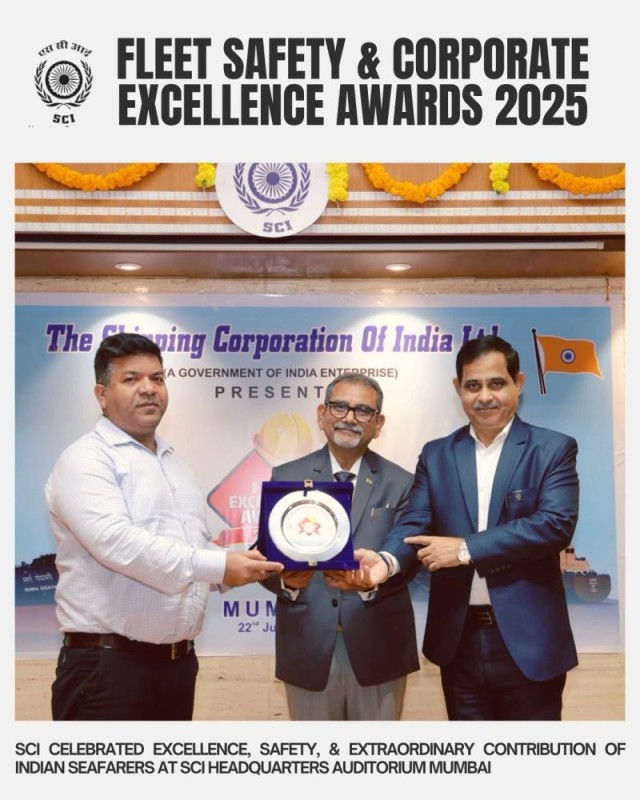
MUMBAI : The Shipping Corporation of India Ltd. (SCI) celebrated the outstanding achievements of its seafarers and employees at the Fleet Safety & Corporate Excellence Awards 2025, held at the company’s Headquarters in Mumbai. The event reaffirmed SCI’s commitment to fostering a culture of safety, operational excellence, innovation, and professionalism across its fleet while recognising the invaluable contribution of Indian seafarers to the nation’s maritime and energy security.

The ceremony was graced by Capt. B.K. Tyagi, Chairman and Managing Director, SCI, while Capt. Santoshkumar S. Darokar, Principal Officer, Mercantile Marine Department (MMD), Mumbai, attended as the Guest of Honour. The event was also attended by the Directors of SCI, senior officials, masters, officers, and distinguished members of the maritime fraternity.

A key highlight of the ceremony was the special segment titled “Honouring Our National Soldiers”, dedicated to recognising SCI seafarers who displayed exceptional courage, professionalism, and commitment during the Strait of Hormuz crisis. Despite heightened geopolitical tensions and operational risks in one of the world’s most strategically important shipping routes, SCI’s seafarers ensured the uninterrupted transportation of LPG, LNG, crude oil, and other essential energy cargoes, playing a vital role in safeguarding India’s energy supply chain and national economic interests.

The ceremony acknowledged the exemplary service of crew members from MT Shivalik, MT Nanda Devi, MT Desh Vaibhav, MT Desh Vibhor, MT Desh Suraksha, MT Desh Garima, and MT Disha, whose dedication under challenging circumstances exemplified the resilience and professionalism of Indian seafarers.

In addition to recognising extraordinary service during the crisis, SCI presented awards across multiple categories to honour excellence in:

  • Fleet safety and accident prevention
  • Operational efficiency and vessel performance
  • Leadership and command excellence
  • Environmental stewardship and regulatory compliance
  • Innovation and best operational practices
  • Outstanding contributions by officers and crew members

The Fleet Safety & Corporate Excellence Awards serve as SCI’s premier annual recognition platform, celebrating teams and individuals who have demonstrated exceptional commitment to maintaining the highest standards of safety, operational reliability, and customer service while upholding international maritime regulations and best practices.

Addressing the gathering, SCI leadership commended the unwavering dedication of its seafarers, emphasising that they remain the backbone of India’s maritime sector. Their professionalism and resilience, particularly during periods of global uncertainty, have reinforced SCI’s reputation as a reliable carrier and strengthened the country’s strategic maritime capabilities.

The event also highlighted SCI’s continued emphasis on cultivating a strong safety culture through regular training, adherence to international safety standards, technological advancement, and continuous improvement in shipboard operations. These initiatives align with the Government of India’s vision of building a safe, sustainable, and globally competitive maritime sector under Maritime India Vision 2030.

By recognising excellence and honouring extraordinary service, SCI reaffirmed its commitment to motivating its workforce, promoting best practices across its fleet, and strengthening India’s position as a trusted maritime nation with highly skilled and dedicated seafarers.