Home Blog Page 191

India accelerates maritime transformation with strategic reforms, digital innovation and ₹69,725 Crore shipping push

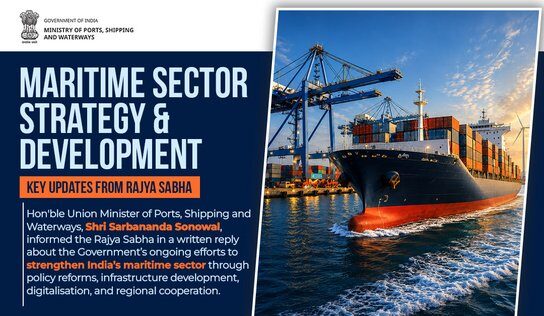
NEW DELHI : India is strengthening its position as a leading global maritime nation through an ambitious agenda of policy reforms, digital transformation, infrastructure expansion, and regional cooperation, aimed at enhancing the country’s competitiveness in global trade and logistics.

In a written reply in the Rajya Sabha, Union Minister of Ports, Shipping and Waterways, Shri Sarbananda Sonowal, outlined a series of initiatives undertaken by the Government to modernise India’s maritime sector and build a resilient, technology-driven shipping ecosystem.

The Minister highlighted that the Government is implementing a comprehensive maritime development strategy anchored by Vision MAHASAGAR (Mutual and Holistic Advancement for Security and Growth Across Regions), which seeks to strengthen regional maritime cooperation, enhance maritime security, improve connectivity, and promote sustainable economic growth across the Indian Ocean Region.

A major pillar of this transformation is the Sagarmala Programme, under which ports are being modernised, connectivity infrastructure is being strengthened, and port-led industrialisation is being promoted to reduce logistics costs, improve cargo movement, and enhance India’s global trade competitiveness. The programme continues to drive investments in port infrastructure, multimodal logistics parks, coastal economic zones, and last-mile connectivity.

The Minister also emphasized the growing role of digital transformation in improving efficiency and transparency across the maritime ecosystem. Flagship digital platforms such as Sagar Setu and e-Samudra are streamlining interactions between ports, shipping companies, customs authorities, logistics providers, and other stakeholders by enabling paperless documentation, faster cargo clearance, real-time information exchange, and improved ease of doing business.

Highlighting recent legislative reforms, Shri Sonowal noted that the Government has introduced landmark maritime laws to create a modern regulatory framework aligned with international standards. These reforms are aimed at enhancing maritime governance, improving safety and environmental compliance, encouraging private investment, and supporting long-term sectoral growth.

A key announcement outlined in the reply is the Government’s ₹69,725 crore package designed to strengthen India’s shipping and shipbuilding ecosystem. The package includes major policy interventions and financial support to boost domestic shipbuilding capacity, expand the Indian-flag fleet, promote indigenous manufacturing, encourage green shipping technologies, and position India as a globally competitive maritime manufacturing and repair hub.

The initiatives are expected to generate employment, attract private and foreign investment, reduce dependence on overseas shipbuilding, and strengthen India’s role in global supply chains. They also complement national programmes such as PM GatiShakti, the National Logistics Policy, Maritime Amrit Kaal Vision 2047, and the country’s long-term objective of becoming a leading maritime and logistics powerhouse.

The Minister reaffirmed that the Government remains committed to building world-class ports, strengthening coastal and inland waterways, modernising shipping services, improving multimodal connectivity, and fostering innovation across the maritime sector.

With sustained investments, progressive policy reforms, and the adoption of advanced digital technologies, India continues to lay the foundation for a future-ready maritime ecosystem capable of supporting higher trade volumes, sustainable economic growth, and enhanced global competitiveness.

Strengthening ports. Modernising shipping. Advancing Maritime India.

US attacks Larak Island in the Strait of Hormuz: Iranian state media

TEHRAN: The United States has reportedly executed a missile strike against Iran’s Larak Island in the strategic Strait of Hormuz, marking a fresh escalation in the expanding military confrontation between Washington and Tehran across critical Middle Eastern shipping lanes.

According to Iranian news agency Tasnim, the strike occurred on Wednesday afternoon, with local residents reporting a powerful blast.

“At 2:48 pm, the island of Larak was targeted by an American missile,” Tasnim reported. “The competent authorities are currently carrying out an investigation to determine the scale of the attack, the exact point of impact and the extent of the potential damage”.

Washington has not yet issued an official confirmation regarding the reported strike.

The incident follows an ongoing military push by American forces against Iranian assets. US Central Command (CENTCOM) confirmed on Tuesday that it had executed its 11th straight night of operations aimed at military targets inside Iran, seeking to weaken Tehran’s capability to disrupt commercial maritime transit in the Strait of Hormuz.

The choke point, which handles approximately 20 per cent of global oil shipments, sits at the heart of the standoff. Addressing ASEAN foreign ministers in Manila on Wednesday, US Secretary of State Marco Rubio warned that allowing Tehran to gain control over or disrupt the crucial waterway would establish a “very dangerous precedent” with widespread global ramifications.

Rubio asserted that allowing any nation to dictate terms on international shipping channels, levy tolls, or strike vessels carries far-reaching consequences. While reiterating that Washington remains open to diplomatic engagement, he noted that Tehran was not “serious” about reaching a negotiated solution.

The friction has increasingly spilt into adjacent regional areas. US President Donald Trump cautioned that Washington would react if Tehran-aligned Houthi forces execute threats to block access to Saudi maritime ports.

“If something like that happens, we take care of it,” Trump told journalists following discussions with Lebanese President Joseph Aoun at the White House.

Signalling that the American military action remains active, Trump added that the US was “not finished at all” with Iran, remarking that Tehran could require two decades or more to bounce back from the impact of the strikes.

In a parallel development, Iran’s Revolutionary Guards disclosed through state news agency IRNA that they intercepted two “non-compliant” oil tankers in the Strait of Hormuz after onboard explosions triggered severe fires, intensifying anxieties regarding global energy security.

The military operations continue to demand substantial financial resources from Washington. US Secretary of War Pete Hegseth informed lawmakers that total expenditure for the ongoing conflict has reached USD 37.5 billion, marking a significant rise from the previous assessment of nearly USD 29 billion reported in May.

Source: ANI

MbPA names IHCL as ‘Top Defaulter’ of rent for land leased by the Tata group firm

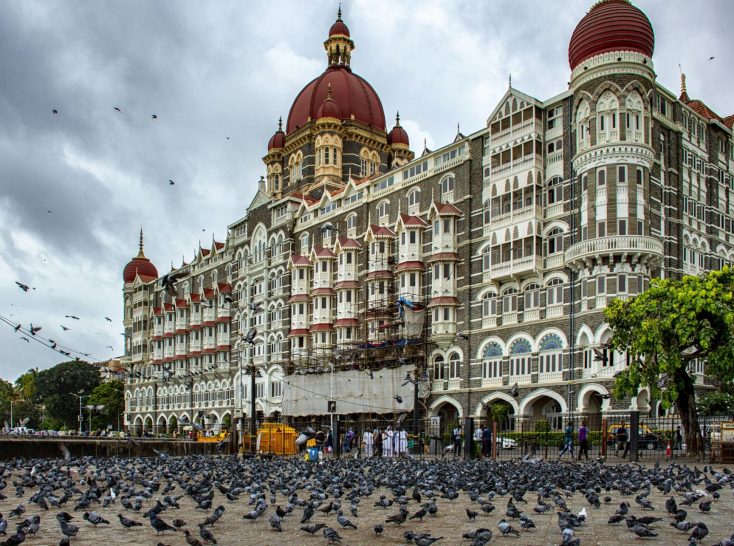
MUMBAI : The Mumbai Port Authority (MbPA), which owns and operates the 154 year-old Mumbai Port, has listed the Indian Hotels Company Ltd (IHCL) as a “top defaulter” in what it considers adequate rent for land leased by the Tata group firm.

MbPA said in a release that it has engaged law officials and top-tier law firms to recover rental arrears and register criminal cases against them.

“It is unacceptable that commercial entities are exploiting prime port land to generate enormous corporate profits while willfully defaulting on their lease rental obligations,” according to MbPA official.

The iconic Taj Mahal Palace and Tower in Colaba, IHCL’s flagship property under its Taj brand, is built on land leased from MbPA by Tata group founder JN Tata, with the original lease expiring in 2001.

IHCL and MbPA have been locked in negotiations over renewals and rent revisions since then, with MbPA even serving an eviction notice to IHCL in 2012, alleging breaches in approved land use and outstanding rental arrears. The company has continued to occupy and operate the property over the period of dispute.

The Bombay High Court in October 2018 ordered an interim formula for the payment of rent, till the time the dispute over retrospective rents, lease breaches, and other matters between the parties is settled.

“We have been paying rent in accordance with the Bombay High Court order of October 2018, the demands are disputed and the issue is sub-judice,” according to a hotel spokesperson. According to MbPA, occupiers on the authority’s land must pay rent according to the Ready Reckoner, with periodic escalations. MbPA also demanded that the revised rent be applicable retrospectively from 2006-07.

A report from CareEdge Ratings showed that MbPA’s total claims against IHCL had reached Rs 1,874 crore as of March 2025, representing a potentially significant impact on the company’s balance sheet.

IHCL disputed the amount, terming MbPA’s demands to be “excessive” and in violation of the original lease terms. It also contested the disputed amount, saying that according to MbPA’s own calculations, the liabilities should not be more than Rs 163 crore, an amount that the company is also disputing on legal grounds.

Moneycontrol has written to IHCL for comment on the new development, and the story will be updated once a response is received.

The move by MbPA comes amid its significant plans to revive the importance of the port and revitalising the eastern seaboard of Mumbai through generating revenue from prime land parcels that it owns at or near the “old” port. The plans include new terminals, wharves, jetties, marinas, offices, and MICE and entertainment venues.

In a release, MbPA listed eight “defaulters” who owe the authority around Rs 3,500 crore in rent. Besides IHCL, other firms include individual lessees, as well as shipping and trading firms.

Source : Moneycontrol

AP plans shift of bulk cargo operations from Visakhapatnam to Mulapeta

VIJAYAWADA : In line with Chief Minister N Chandrababu Naidu’s vision to transform Visakhapatnam into a clean, pollution-free, and eco-friendly global hub for Information Technology and investments, the Andhra Pradesh government is considering the phased shifting of dusty bulk cargo operations from Visakhapatnam Port to the upcoming Mulapeta Greenfield Port.

Announcing the proposal on Tuesday, Minister for Investments and Infrastructure BC Janardhan Reddy stated that diverting dust-generating bulk commodities — such as coal and minerals — away from the urban limits of Visakhapatnam Port Authority (VPA) will significantly reduce urban air pollution and enhance the quality of life for local residents.

He noted that relocating these operations will also guarantee commercial viability for Mulapeta Port right from its initial day of commissioning.

The Minister further explained that offloading bulk cargo handling from Visakhapatnam Port will relieve operational congestion, optimise vessel turnaround times, and lower demurrage costs for shipping lines, while simultaneously stimulating localised industrial and economic activity across the Mulapeta hinterland.Under the administrative framework submitted by VPA, the central port authority has proposed acquiring a 49% to 50% equity stake in the Mulapeta Port Special Purpose Vehicle (SPV). Additionally, VPA has requested the allotment of two berths in Phase 1 and two berths in Phase 2 on a nomination or Right of First Refusal (RoFR) basis, along with a fair value assessment for the salt lands being transferred to the SPV.

Minister Janardhan Reddy stated that a Group of Ministers (GoM)—comprising Finance Minister Payyavula Keshav, Investment Minister B.C. Janardhan Reddy, and Tourism Minister Kandula Durgesh—will examine VPA’s proposals to negotiate mutually agreeable terms.

The GoM, which was previously tasked with evaluating issues surrounding the Ramayapatnam Port project, will be assisted by the Special Chief Secretary (Investments & Infrastructure) and the Principal Secretary (Finance) to formulate technical, administrative, and financial recommendations for final cabinet approval.

Hapag Lloyd resumes India Gulf Service 1, strengthens Upper Gulf Connectivity

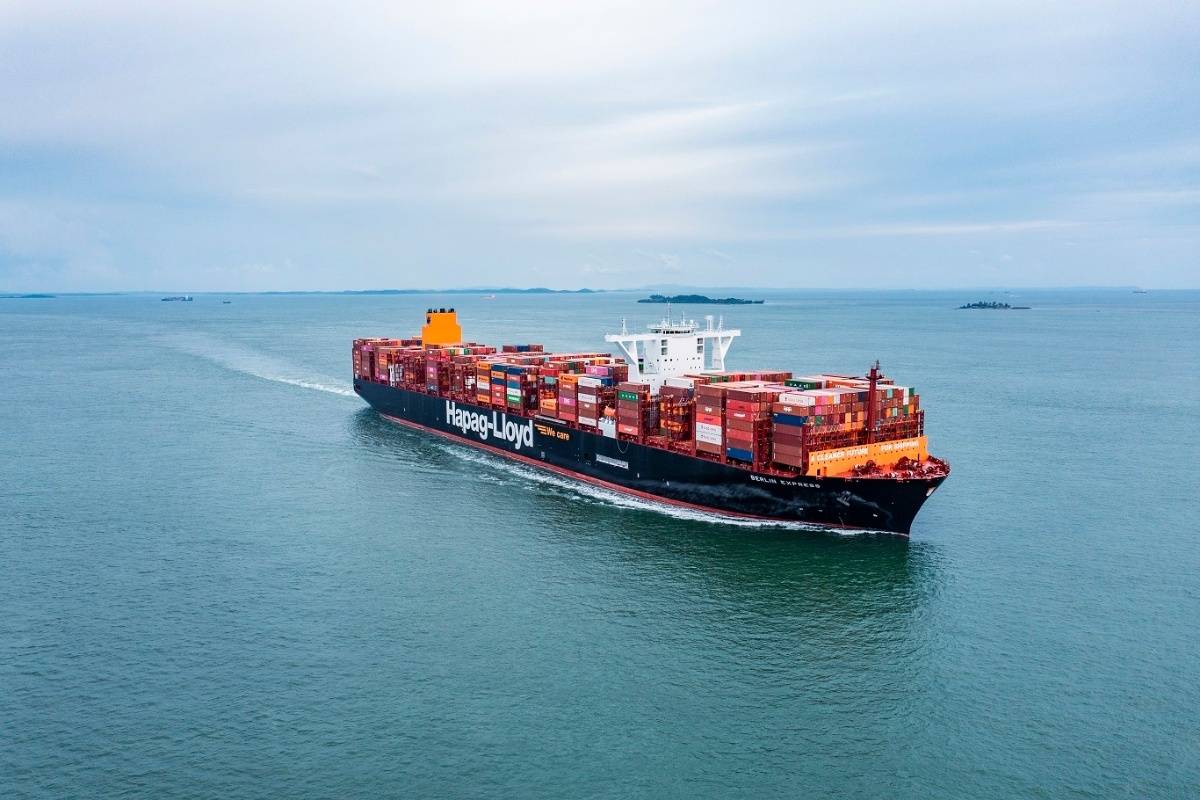
HAMBURG : In a significant development for regional maritime trade, Hapag Lloyd, a leading global container shipping line has announced the resumption of bookings on its revamped India Gulf Service 1 (IG1), further strengthening connectivity between the Indian subcontinent and the Upper Gulf.

hapag lloyd kandla 1 Hapag Lloyd resumes India Gulf Service 1, strengthens Upper Gulf Connectivity

The service has been reinstated following the reopening of cargo bookings to and from the Upper Gulf without transiting the Strait of Hormuz, providing customers with a reliable and efficient alternative routing amid evolving regional shipping dynamics.

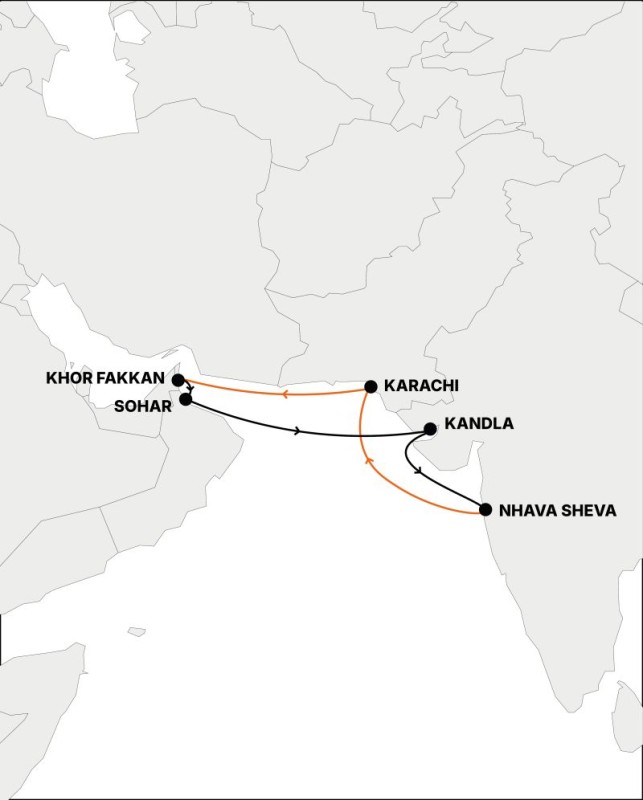
The renewed India Gulf Service 1 (IG1) will connect key ports across India, Pakistan, the United Arab Emirates, and Oman, enhancing trade links and supporting the smooth movement of containerized cargo across one of the region’s most strategically important shipping corridors.

The revised port rotation for the service is:

Kandla (India) → Nhava Sheva (India) → Karachi (Pakistan) → Khorfakkan (United Arab Emirates) → Sohar (Oman) → Kandla (India).

The revamped service is expected to improve schedule reliability, provide greater flexibility for exporters and importers, and facilitate uninterrupted cargo flows between South Asia and the Gulf region. By offering a direct and efficient network, the service will support a wide range of industries, including manufacturing, automotive, engineering goods, chemicals, textiles, consumer products, and agricultural commodities.

The resumption of bookings underscores the carrier’s commitment to maintaining resilient supply chains and ensuring continuity of maritime trade despite changing operational conditions in the region. Customers will benefit from enhanced connectivity, optimized transit times, and improved access to major commercial and industrial hubs across the Gulf.

With trade between India and the Gulf countries continuing to grow, the reinstated IG1 service is expected to play an important role in strengthening regional logistics, supporting bilateral commerce, and reinforcing multimodal supply chain connectivity across the Arabian Sea and the Gulf region.

The latest network enhancement reflects the shipping line’s ongoing efforts to adapt its service offerings to evolving market requirements while providing safe, reliable, and customer-focused maritime transport solutions.

US-India trade deal could be signed in 3-4 months : US official

MANILA : A long-awaited U.S.-India Trade Agreement could ​be signed within the next three to four months, a ‌senior U.S. official said on Wednesday, indicating negotiations between the two sides have been virtually completed. “The deal… is there. We literally have the paper,” the U.S. official said on condition ​of anonymity on the sidelines of the ASEAN Foreign Ministers’ meeting ​in Manila.

What remains outstanding, the official said, is Washington’s completion ⁠of its Section 301 trade investigations. The statute covers unfair trade practices and ​allows the U.S. to impose tariffs or take other retaliatory measures.

Washington and New ​Delhi have been negotiating a bilateral trade agreement to expand market access and lower trade barriers as part of efforts to deepen economic ties. The official said the agreement was ​nearly complete, with the remaining delay stemming from ongoing U.S. trade investigations rather ​than unresolved bilateral issues.
The official said one Section 301 probe covering 60 countries was expected ‌to ⁠conclude this week or next. Once that and other ongoing investigations are completed, “we’ll start seeing progress, not just in India but in other places,” they added.

Asked when the agreement could be concluded, the official replied: “Maybe another three, four ​months.” Washington has already proposed ​new tariffs of ⁠up to 12.5% on dozens of nations, including India, over allegations they failed to curb trade in goods made ​with forced labour.

Separately, U.S. President Donald Trump said on Tuesday ​generic drugs ⁠imported into the United States would remain tariff-free for two years from August 1 before facing tariffs of 100% for a year and 200% thereafter, a ⁠move that ​could affect India’s pharmaceutical industry. India is the ​most exposed among generic drug exporters, with the United States accounting for $9.7 billion, or nearly 38%, of ​its $25.8 billion pharmaceutical exports in 2025.

Source : Reuters

CBIC Chairman reviews 100% Container Scanning Readiness at Kattupalli Port, engages trade on budget customs reforms

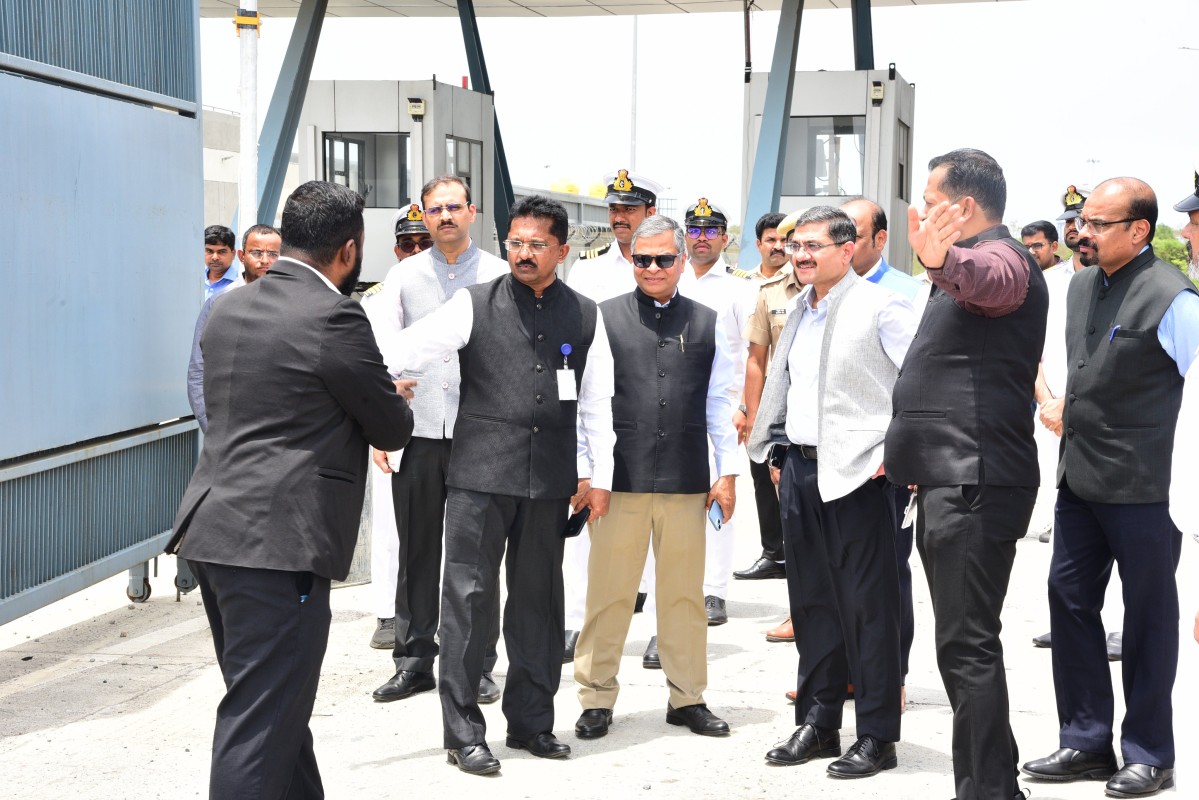
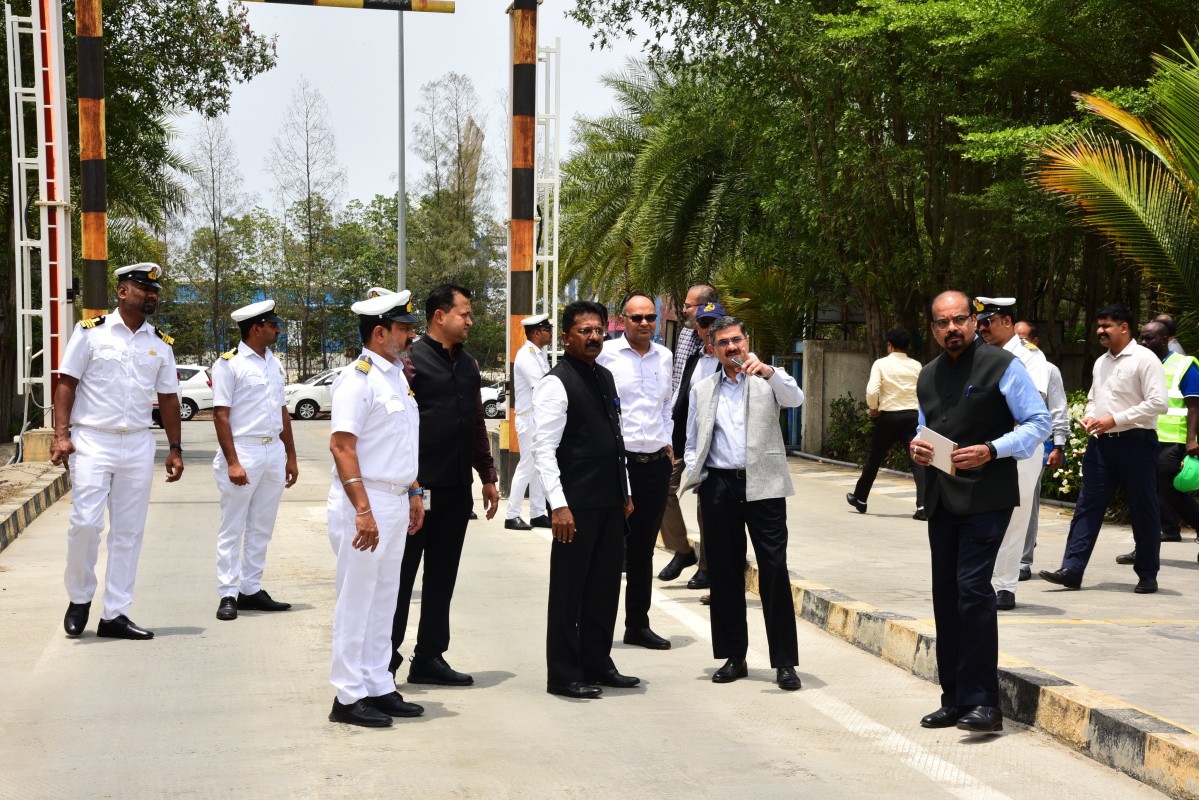
CHENNAI : Reinforcing the Government of India’s commitment to secure, technology-driven, and trade-facilitating customs operations, Shri Vivek Chaturvedi, Chairman, Central Board of Indirect Taxes and Customs (CBIC), along with Shri Yogendra Garg, Member (Customs) and a senior CBIC delegation, visited Kattupalli Port on 22 July 2026 to review the port’s infrastructural preparedness for the rollout of 100% container scanning.

CBIC CUSTOMS CHENNAI REVIEW CBIC Chairman reviews 100% Container Scanning Readiness at Kattupalli Port, engages trade on budget customs reforms

The delegation was accompanied by Shri S.K. Vimalanathan, Chief Commissioner of Customs, Chennai, along with senior officers from Chennai Customs and port officials.

During the visit, the CBIC Chairman reviewed the readiness of the port’s container scanning infrastructure, operational workflows, and supporting digital systems that will enable seamless implementation of 100% scanning of import and export containers. The initiative is aimed at strengthening border security while ensuring faster cargo clearance through advanced non-intrusive inspection technologies, enhanced risk management, and data-driven customs processes.

The review also covered coordination between Customs authorities, port operators, and other stakeholders to ensure that the enhanced security measures are implemented without impacting trade efficiency. Officials discussed ways to optimize cargo movement, reduce dwell time, and improve overall supply chain reliability through technology-enabled customs operations.

Following the port inspection, the CBIC delegation visited the Chennai Customs House, where Shri Vivek Chaturvedi chaired an interactive session with representatives from the trade, logistics, customs broker, shipping, and export-import communities.

The Chairman sought feedback on the Customs reforms announced in the Union Budget 2026, encouraging stakeholders to share their experiences and suggestions for further improving ease of doing business. Discussions focused on trade facilitation measures, digital customs initiatives, faster clearance mechanisms, risk-based assessments, and enhancing transparency and predictability in customs procedures.

Addressing the participants, the Chairman reaffirmed CBIC’s commitment to building a modern, technology-driven customs administration that balances robust enforcement with trade facilitation. He emphasized that continuous engagement with industry stakeholders is essential for refining policy implementation and creating a more efficient and globally competitive logistics ecosystem.

The visit reflects CBIC’s sustained efforts to modernize India’s customs infrastructure through greater adoption of digital technologies, non-intrusive inspection systems, and stakeholder-centric reforms, supporting the Government’s vision of secure borders, efficient trade, and improved logistics performance.

CBIC plans to make GST operations faceless : sources

NEW DELHI : The Central Board of Indirect Taxes and Customs (CBIC) is planning to make GST (Goods and Services Tax) processes faceless, similar to the income tax system, sources familiar with the development told Zee Business.

The CBIC is considering making the registration process faceless for companies that operate exclusively in the e-commerce sector. Additionally, it is contemplating implementing faceless GST assessments, similar to the system used for income tax.

According to sources, the roadmap for faceless GST assessments could be discussed in the upcoming GST meeting. | ChatGPT generated/Representative Image

“The plan is to make GST refunds completely faceless in the first phase, and then to make GST refunds fully faceless over the next six months,” one of the sources said.

According to sources, the roadmap for faceless GST assessments could be discussed in the upcoming GST meeting.

Big GST Relief Likely for Businesses

The GST Council is expected to consider a proposal that could provide significant relief to businesses by protecting their Input Tax Credit (ITC) even if a supplier fails to deposit the Goods and Services Tax (GST) with the government, sources told Zee Business.

Under the proposed change, a buyer’s ITC may be safeguarded once the supplier’s GSTR-2B is generated and the buyer submits the required banking or payment documents.

Currently, businesses can lose their Input Tax Credit despite having paid the GST amount to the supplier if the supplier defaults on depositing the tax with the government.

GSTAT appeal deadline
The government has extended the deadline for filing appeals before the Goods and Services Tax Appellate Tribunal (GSTAT) to July 31, 2026, according to an official statement. However, it has also advised taxpayers to plan their appeal filings well in advance and not wait until the deadline.

“The Government has extended the due date for filing of appeals before the Goods and Services Tax Appellate Tribunal (GSTAT) under Section 112(1) read with Section 112(3) to 31.07.2026,” the statement said.

GST data June 2026
India’s gross GST collections rose 13.9 per cent year-on-year to Rs 1,94,812 crore in June, moving closer to the Rs 2 lakh crore milestone, helped by a sharp increase in tax collections from imports.

According to official data, GST revenue from imports surged 34.6 per cent to Rs 60,038 crore during the month, while gross domestic GST collections increased 6.5 per cent to Rs 1,34,774 crore.

The total gross GST collection stood at Rs 1,94,812 crore in June compared with Rs 1,71,105 crore in the same month last year, reflecting an increase of Rs 23,707 crore.

CONCOR signs MoU with IIT Roorkee to develop AI-driven smart logistics decision support system

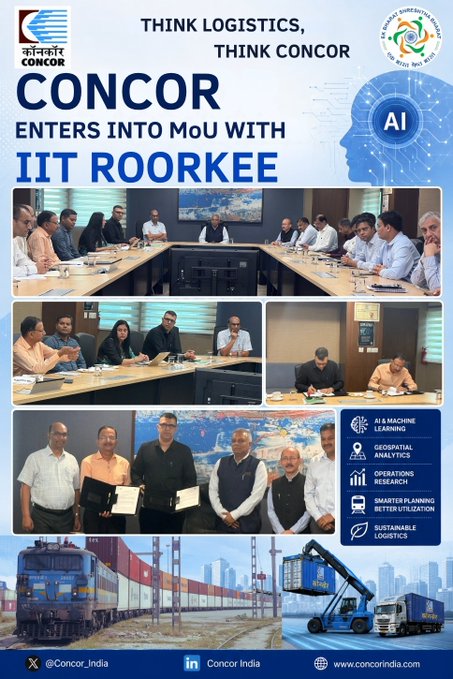
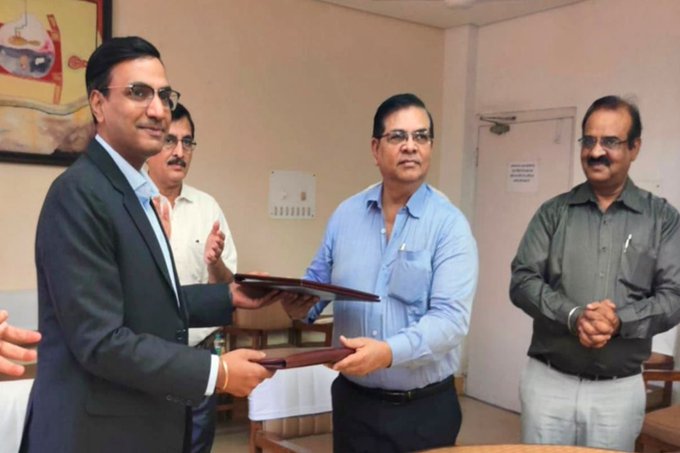
NEW DELHI : In a significant step towards accelerating digital transformation in India’s logistics sector, Container Corporation of India Ltd. (CONCOR) has signed a Memorandum of Understanding (MoU) with the Indian Institute of Technology (IIT) Roorkee to jointly develop an Artificial Intelligence (AI)-driven Decision Support System (DSS) for smart Domestic Logistics Planning (DLP), inventory management, and network optimization.

The collaboration seeks to harness cutting-edge technologies such as Artificial Intelligence (AI), Machine Learning (ML), Geospatial Analytics, and Operations Research to build an intelligent decision-making platform capable of optimizing CONCOR’s nationwide multimodal logistics operations.

Under the partnership, the proposed AI-powered Decision Support System will focus on improving train planning, trailer deployment, container inventory management, route optimization, and multimodal logistics coordination across CONCOR’s extensive network of Inland Container Depots (ICDs), terminals, logistics parks, and rail services. The system is expected to enable real-time data analysis, predictive demand forecasting, and intelligent resource allocation, resulting in faster, more efficient, and cost-effective logistics operations.

The initiative aligns with CONCOR’s long-term vision of embracing Industry 4.0 technologies to enhance operational excellence and strengthen India’s integrated logistics ecosystem. By leveraging advanced analytics and data-driven decision-making, the project is expected to improve asset utilization, reduce transit times, optimize equipment availability, minimize empty container movements, and streamline end-to-end supply chain operations.

In addition to improving operational efficiency, the collaboration supports India’s broader goals of promoting sustainable and green logistics. Enhanced network optimization and efficient asset utilization are expected to lower fuel consumption, reduce operational costs, and significantly cut carbon emissions, contributing to environmentally responsible freight transportation.

The partnership also provides an opportunity to combine IIT Roorkee’s academic and research expertise with CONCOR’s extensive operational experience, enabling the development of innovative, scalable, and practical logistics solutions tailored to the evolving needs of India’s freight and supply chain sector.

As India’s leading multimodal logistics service provider, CONCOR continues to invest in digital technologies and smart infrastructure to improve service quality, increase supply chain resilience, and support the Government of India’s initiatives such as PM GatiShakti, the National Logistics Policy, and the vision of creating a technology-enabled, globally competitive logistics ecosystem.

The MoU marks another milestone in CONCOR’s innovation journey, reinforcing its commitment to deploying next-generation intelligent logistics solutions that enhance efficiency, sustainability, and customer value while driving the future of multimodal freight transportation in India.

RITES sign MoU with MECON to jointly pursue infrastructure projects in India and overseas

NEW DELHI : RITES Limited has signed a Memorandum of Understanding (MoU) with MECON Limited to jointly identify business opportunities and pursue consultancy and infrastructure projects across India and international markets, according to a company statement.

Under the agreement, the two public sector enterprises will leverage their complementary strengths, with RITES bringing its expertise in transport infrastructure and engineering consultancy and MECON contributing its capabilities in the metal, mining, energy and allied sectors.

The collaboration will focus on consultancy assignments and infrastructure opportunities spanning railways, metro rail, highways, expressways, airports, ports, ropeways, bridges, tunnels, urban transport, energy, water resources, hydropower, wastewater management and industrial infrastructure.

According to the statement, the partnership aims to combine the technical expertise and sectoral experience of both organisations to deliver integrated infrastructure solutions and expand their presence in domestic as well as global markets.