Home Blog Page 192

GreenLine partners with Dabur India to deploy LNG trucks for greener road logistics

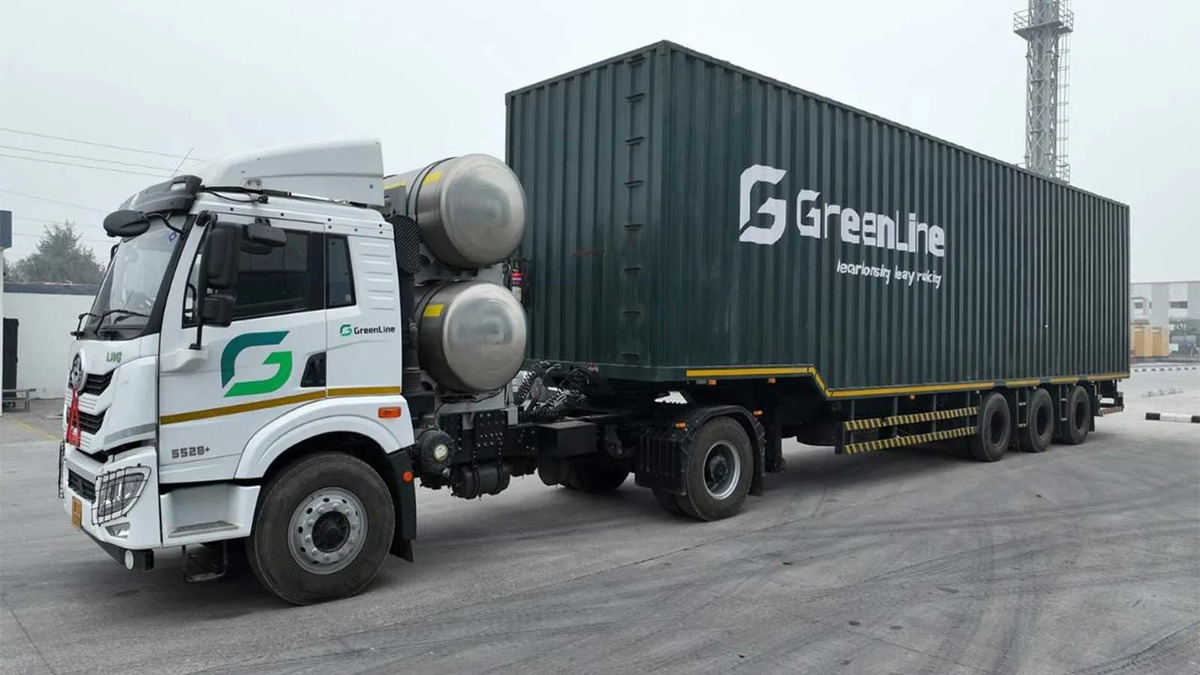
NEW DELHI: GreenLine Mobility Solutions Ltd, an Essar venture and operator of LNG- and electric-powered heavy commercial trucks, on Wednesday announced a partnership with FMCG major Dabur India Ltd to decarbonise its road logistics operations through the deployment of LNG-powered trucks.

Under the partnership, GreenLine will deploy its LNG-powered fleet across Dabur India’s logistics operations, supporting the company’s efforts to reduce emissions from long-haul freight while maintaining operational efficiency and reliability.

The collaboration comes amid growing efforts by Indian companies to adopt lower-emission freight solutions as part of their broader decarbonisation strategies and transition towards more sustainable supply chains.

“We are pleased to partner with Dabur India, one of India’s most respected consumer goods companies, as it adopts greener road transportation solutions. It is encouraging to see more leading Indian companies making low-emission logistics an integral part of their business strategy,” said Charles Devlin D’Costa, Vice President-Sales, GreenLine Mobility Solutions Ltd.

“Every such partnership strengthens the momentum towards cleaner freight mobility, bringing us a step closer to transforming India’s road logistics ecosystem. At GreenLine, we remain committed to enabling businesses across sectors to accelerate the transition to lower-emission transportation,” he added.

Samrat Sehgal, Global Director of Supply Chain, Dabur India, said reducing the environmental footprint of its supply chain is an important part of the company’s sustainability roadmap.

“Our partnership with GreenLine enables us to integrate lower-emission transportation into our logistics operations while maintaining efficiency and reliability. We believe collaborations like these will play a key role in building a more sustainable and future-ready supply chain,” Sehgal said.

GreenLine said it is driving the transition towards lower-emission road freight in India through its growing fleet of LNG- and EV-powered heavy commercial vehicles. The company currently operates more than 1,000 vehicles across major freight corridors, serving sectors including steel, cement, mining, FMCG and chemicals.

Its fleet has collectively travelled more than 100 million kilometres and helped customers reduce over 27,000 tonnes of carbon dioxide emissions, according to the company.

GreenLine operates LNG-powered trucks for long-haul transportation and electric vehicles for short-haul operations. Through its subsidiary Ultra Gas and Energy Ltd, it is also developing a nationwide network of LNG refuelling retail outlets to support its green logistics operations.

Source: ANI
Mahindra Logistics Q1 results: Net profit at ₹25.39 crore; revenue up 23%

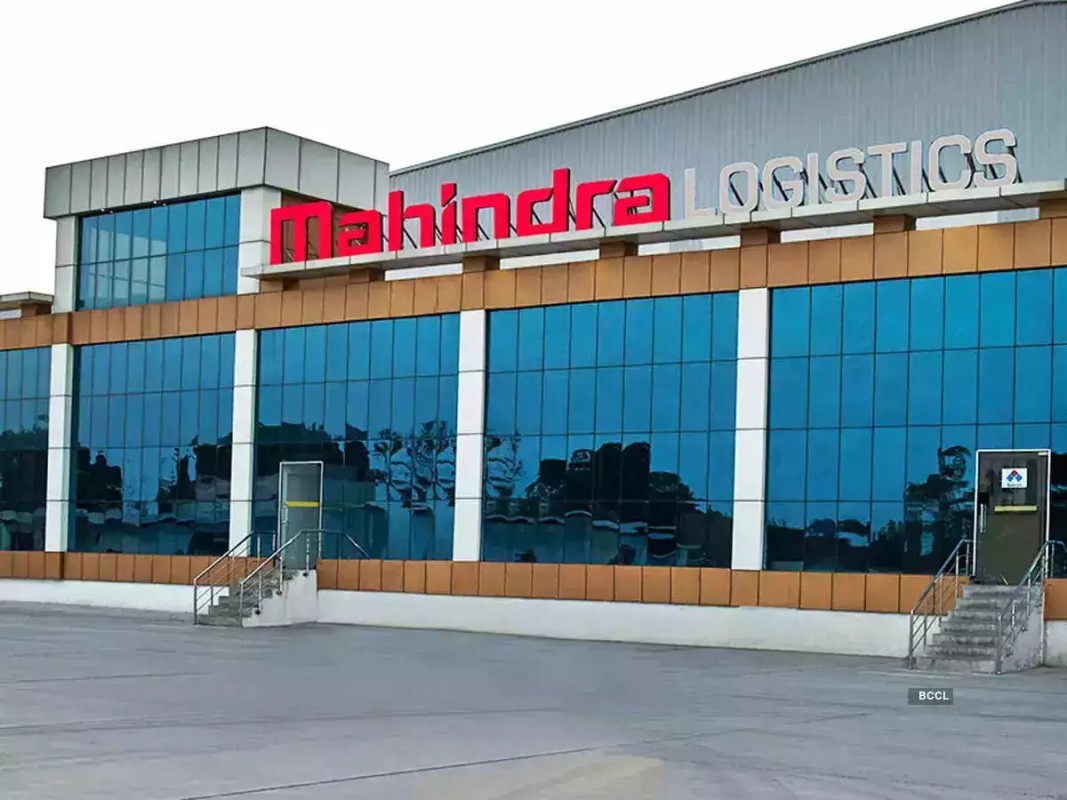
MUMBAI : India’s Mahindra Logistics posted a better-than-expected quarterly profit on Monday, aided by ​growth in the company’s core warehousing ​and transportation business.

The company reported a consolidated ‌net profit of ₹25.39 crore ($2.63 million) in the first quarter ended June 30 from a loss of ₹10.8 crore a year ago.

Analysts, on average, had expected ₹24.2 crore, according to LSEG compiled data.

Core supply chain management operations, which include warehousing, distribution and freight movements, remained a strong growth ‌driver with a 22.5 per cent growth in revenue to ₹1,892 crore.

Performance in this quarter was driven by growth in the contract logistics business, with new customer wins across sectors as well as due to progress in the company’s ​turnaround strategy of its express business-to-business delivery business, the company said ‌in a statement.

Mahindra Logistics, which was spun off from the broader Mahindra Group, said ​that ‌its enterprise mobility division also meaningfully contributed to growth ‌this quarter.

The segment, which provides enterprise mobility solutions through a platform called Alyte, reported ‌a 41 per cent ​growth in ​revenue.

Consolidated revenue jumped to ₹2,003 crore from ₹1,624.5 crore in the year-ago ‌quarter. 

The 5th edition of Supply Chain and Logistics Conclave 2026 Concludes on a High Note; Shapes Next-Era of Supply Chain and Logistics

With a vision to chart the roadmap for resilient, agile, and digitally enabled supply chains of tomorrow, the 5th edition of Supply Chain and Logistics Conclave 2026 brought together industry’s finest leadership gathering bringing forth critical perspectives shaping the next generation of Supply chain ecosystem and excellence.

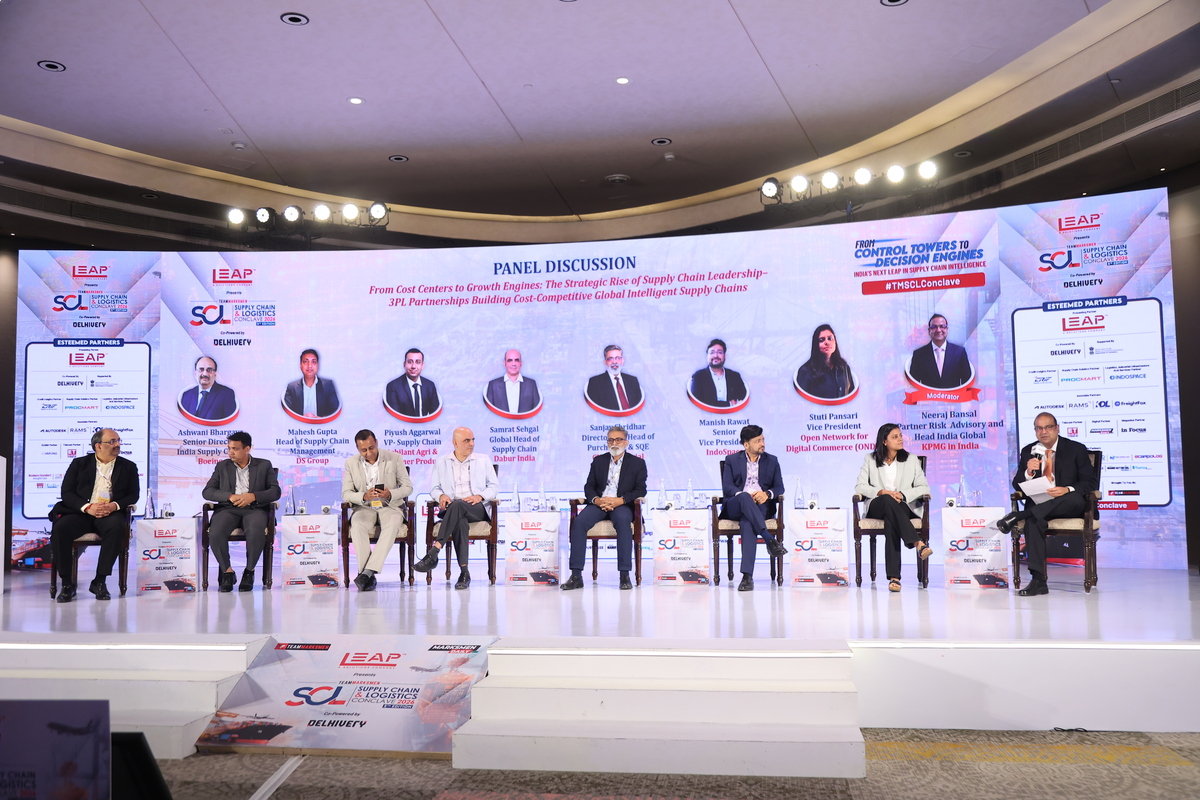
NEW DELHI: The 5th edition of Supply Chain and Logistics Conclave 2026 by Team Marksmen Network concluded successfully in New Delhi on July 16, bringing together the industry’s choicest leaders, veteran policymakers, technology innovators, and supply chain experts discussing the evolving landscape of supply chain and logistics, digital transformation, sustainability, and resilient ecosystems.

The conclave saw over 70+ industry leaders share their insights, and has emerged as a platform for meaningful dialogue, knowledge exchange, and collaboration, underscoring the critical role of supply chains in supporting economic growth and business competitiveness. Through insightful keynote addresses, panel discussions, and interactive sessions, participants explored emerging trends, industry challenges, and innovative strategies shaping the future of supply chain management. The event saw the industry turn out in force, with 300+ delegates in attendance across the plenary and three industry-focused parallel tracks.

The mega conclave, supported by the Ministry of Commerce and Industry, Government of India, featured distinguished speakers from leading organisations across manufacturing, retail, logistics, infrastructure, healthcare, technology, and the government domain, who shared practical insights on building agile, data-driven, and customer-centric supply chains. Discussions covered a wide range of topics, including AI and automation, digital supply networks, ESG and sustainability, multimodal logistics, warehouse innovation, risk management, and supply chain resilience.

Veteran leaders such as Dr Ajay Dua, Former Secretary, Commerce and Industry, Government of India; Shrikant Madhav Vaidya, Energy Leader and Former Chairman, Indian Oil Corporation Limited shone a light on the way forward. Industry leaders painted a picture of growth pathways for the industry in the decade ahead, with the august gathering including Vishal Sharma, CEO, Godrej Industries, Shailendra Shukla, Managing Director, Eaton Industries;  Samrat Sehgal, Global Head Supply Chain, Dabur India; Ashwani Bhargava, Senior Director- India Supply Chain, Boeing; Mahesh Gupta, Head of Supply Chain Management, DS Group; Sachin Apte, Chief Procurement Officer, Welspun World; and Rahul Poddar, Head of Procurement, South Asia, Nestle; Sanjeev Jain, Member of Board & Director, Purchase, Honda Motorcycle & Scooter, India.

Speaking on the success of the conclave, Dr. Vandana Singh, Chairperson, Federation of Aviation Industry in India (FAII) said: “The fifth edition of the Supply Chain and Logistics Conclave reaffirmed the importance of collaboration, innovation, and technology in creating future-ready supply chains. The quality of discussions and the active participation from industry stakeholders reflect the sector’s commitment to driving operational excellence and sustainable growth.” The conclave also provided valuable networking opportunities, enabling participants to establish new partnerships, exchange best practices, and explore collaborative initiatives that will accelerate innovation across the supply chain ecosystem.

The conclave was further elevated by the presence of Smt. Meenakshi Lekhi, Former Minister of State for External Affairs and Culture, Government of India, who attended as the Guest of Honour. Smt. Lekhi highlighted the pivotal role of resilient supply chains in driving India’s economic progress. She remarked, “Supply chain management may not always be in the spotlight, but it remains one of the most critical pillars of economic growth.” Emphasizing the need for robust logistics networks and seamless supply chain integration, she noted that these are essential for enhancing India’s global competitiveness, fostering sustainable development, and realizing the nation’s vision of becoming a leading global manufacturing and trade hub.

She also felicitated distinguished industry leaders with the Champions of Supply Chain Awards, recognising their outstanding contributions, leadership, and innovation in advancing supply chain excellence across sectors. The awards celebrated organisations and professionals who have demonstrated exceptional commitment to operational excellence, digital transformation, sustainability, and supply chain resilience.

Speaking at the event, Rishi Kapoor, CEO & Director, Team Marksmen Network, said, “As we mark five years of this conclave, it gives me great pride to see how it has grown into something far more meaningful. This is a platform where ideas are exchanged, partnerships are formed, and the future of an entire industries is quietly shaped, one conversation at a time.”

Building on the momentum of this milestone edition, the Supply Chain and Logistics Conclave, conceptualised and executed by Team Marksmen Network, will continue to serve as a catalyst for thought leadership, industry collaboration, and transformative solutions that strengthen global and regional supply chains in the coming years.

India’s gem, jewellery exports rebound 26.5% in June on strong global demand: GJEPC

NEW DELHI: India’s gem and jewellery exports rebounded sharply in June, with gross exports rising 26.51 per cent year-on-year to USD 2.21 billion, supported by stronger demand across key international markets and lower gold prices, the Gem and Jewellery Export Promotion Council (GJEPC) said on Wednesday.

GJEPC said the strong monthly performance was driven by healthy demand for gold jewellery, cut and polished diamonds, platinum jewellery and lab-grown diamonds across major export markets.

Commenting on the performance, GJEPC Chairman Kirit Bhansali said, “The strong rebound in June exports reflects the resilience of India’s gem and jewellery sector amid an evolving global trade environment.” He added that while exports during the April-June quarter remained broadly stable, the recovery in June was an encouraging sign and that continued demand from key markets, market diversification and recently concluded trade agreements such as the India-UK CETA are expected to support export growth in the coming months.

According to the council, the rebound was aided by a 10.28 per cent month-on-month decline in international gold prices, which reduced raw material costs and enabled Indian exporters to offer more competitive prices in overseas markets.

GJEPC said improved price competitiveness, stronger demand and participation by Indian exporters in jewellery exhibitions in Kuwait and Sharjah also contributed to the recovery. It, however, noted that the availability of gold for exporters continues to be affected by a technical regulatory issue relating to GST applicability on imports by RBI-notified nominated agencies.

Among product categories, gold jewellery exports surged 54.50 per cent year-on-year to USD 1.09 billion, while studded gold jewellery exports jumped 85.35 per cent. Cut and polished diamond exports rose 8.71 per cent, platinum jewellery exports increased 34.77 per cent, and polished lab-grown diamond exports climbed 52.25 per cent during June. Silver jewellery and coloured gemstone exports, however, declined during the month.

For the April-June 2026 quarter, overall gross gem and jewellery exports remained broadly stable at USD 6.61 billion, registering 0.04 per cent growth in dollar terms and 10.76 per cent growth in rupee terms over the corresponding period last year, which GJEPC said reflected the sector’s resilience despite global economic uncertainties and elevated precious metal prices.

Pakistan pitches ports, logistics sector to Chinese investors in Beijing

ISLAMABAD : Pakistan has invited Chinese companies to expand investment in its ports, logistics and maritime sectors, the country’s maritime affairs ministry said on Tuesday, as Islamabad seeks to position itself as a regional trade and transshipment hub connecting Central Asia, the Middle East and global markets.

The invitation was made by Maritime Affairs Minister Muhammad Junaid Anwar Chaudhry during a business forum in Beijing, where he promoted investment opportunities in port infrastructure, industrial development and maritime services under Pakistan’s broader efforts to strengthen economic cooperation with China and build on the China-Pakistan Economic Corridor (CPEC).

“Pakistan’s strategic location positions it as a natural gateway for regional and international trade,” Chaudhry said, according to the ministry.

He said maritime institutions, including the Karachi Port Trust, Port Qasim Authority, Gwadar Port Authority and the Pakistan National Shipping Corporation, were implementing reforms to develop the country into “a modern maritime, logistics and industrial hub serving regional markets.”

Pakistan has sought to leverage its location at the crossroads of South Asia, Central Asia and the Middle East to increase transit trade, attract foreign investment and expand its logistics sector. The government has identified the development of ports, transport corridors and related infrastructure as a key component of its economic strategy, with CPEC providing the backbone for many of those projects.

Describing Gwadar Port as a flagship project of CPEC, Chaudhry said it offered investment opportunities in port operations, logistics, warehousing, free zone development and maritime industries.

He invited Chinese enterprises to invest in these sectors and said Pakistan would continue to provide “a transparent and investment-friendly environment” while facilitating long-term partnerships beneficial to both countries.

The minister was addressing the Regional Transit Trade Hub Initiative in Beijing, organized by a Chinese holding company, according to the ministry.

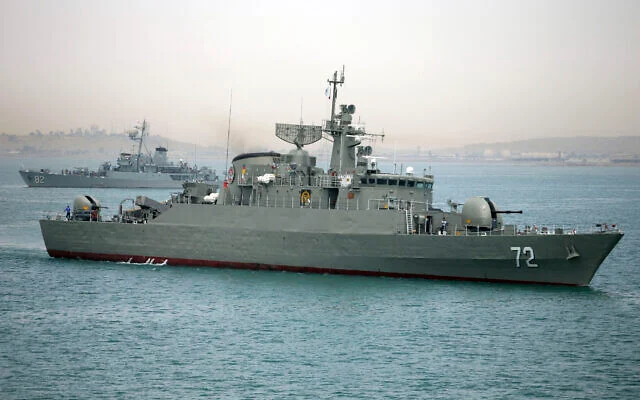
Sanctioned Iranian ‘rocket-fuel vessel’ enters Red Sea for first time after Houthi blockade

YEMEN : A US-sanctioned Iranian container ship has entered the Red Sea for the first time in its history following the blockade that Iran-backed Houthi forces in Yemen announced against Saudi Arabian shipping.

Maritime intelligence company Windward said the vessel, which it is not identifying, crossed the Bab el-Mandeb strait on Tuesday. The 299-metre vessel, built in 2009, entered Yemen’s exclusive economic zone (EEZ).

The move breaks a six-month pattern that saw the ship confined to the Middle East Gulf to China corridor and comes at a time when mainstream tankers are U-turning away from the Saudi Red Sea port of Yanbu.

Reporting has linked the boxship to the transport of suspected rocket-fuel-material cargoes. “Windward assesses the transit as a potential indicator of Iran-Houthi coordination,” the company added. Windward has tracked the ship calling in Iran and China nine times over six months.

There have been nine AIS gaps of between eight and 36 hours. Windward also logged seven “loitering instances”, including a 12-day period spent near Chabahar, Iran, in March.

There have also been repeated “meetings” for possible ship-to-ship transfers with other Iranian-flagged vessels. The company also recorded one spoofing of its call sign in March 2021, but this only lasted less than an hour.

“The anomaly is the corridor itself: this is the vessel’s first Yemen EEZ entry and first Bab al-Mandeb crossing, with no prior Red Sea activity on record,” Windward said.

“The timing — one day after the blockade announcement, on a route it had never approached — is hard to square with routine scheduling.”

Windward noted that the ship has a documented evasion profile, with a high smuggling risk, dark activity, identity manipulation, STS-pattern meetings and reported weapons-material links.

This suggests three possibilities for its first transit of a Houthi-declared blockade zone the day after the announcement: weapons smuggling to the Houthis, a tacit safe-passage arrangement with Iran-backed Houthi forces, or deliberate exploitation of reduced traffic and scrutiny in the corridor for sanctions evasion.

The post-transit destination is not yet confirmed.

AIS data showed an arrival in Suez on 24 July, although Windward does not view this as reliable.

Confirming a Suez call would “show whether this is a through-transit toward the Mediterranean or a Red Sea/East Africa port call,” the company concluded.

War risk insurance costs have already risen in the past 24 hours, with risk assessments for Saudi ports being re-evaluated, insurance industry sources told Reuters.

“Vessels calling at Saudi Arabian ports are advised to reconsider transiting the Red Sea and to consider implementing enhanced mitigation measures,” maritime security company Ambrey said, adding that it assessed vessels calling at Saudi Arabian ports “were at high risk”.

Three shipping sources told Reuters that Yanbu was ​still operating to load oil onto ⁠ships that were already in the Red Sea or arriving via Suez.

Most vessels have gone dark.

“While an actual blockade seems unlikely given the resources required for such an undertaking, a step-up in hostilities could see Houthis targeting Saudi-associated ships transiting the Bab el-Mandeb strait,” shipbroker Clarksons said.

In ⁠recent months, an ​average of 10 crude tankers have sailed through Bab el-Mandeb daily.

Source : Trade Winds

ShipIn flags “operational drift” as hidden factor in maritime safety risk

NEWTON (USA): Recurring deviations from routine onboard operations which become the norm, rather than single-point failures, are a major risk factor across shipping fleets, according to ShipIn Systems.

Drawing on continuous vessel data, the company says risk often builds through repeated behaviours such as lapses in watchkeeping discipline, inconsistent use of PPE, gaps in deck supervision, engine-room practices and delayed responses to early technical signals.  This process is referred to as ‘operational drift’.

Osher1 small ShipIn flags “operational drift” as hidden factor in maritime safety risk

“Major incidents don’t usually begin with major failures”, says Osher Perry, CEO of Shipin Systems. “They are often preceded by small deviations that repeat, accumulate and eventually define how a vessel operates in practice.”

The company says this dynamic remains under-recognised, particularly by shore-based teams, where the existence of procedures can sometimes be mistaken for evidence of what is actually taking place on board a vessel.

While most operators maintain robust safety management systems, audit regimes and reporting processes, ShipIn says these are typically periodic and compliance-focused. As a result, they can provide limited visibility into how consistently procedures are applied during routine work onboard.

“On paper, operations may look compliant,” says Mr Perry. “In practice, there is always variation, mainly between crew, shifts, work patterns and different operating pressures. Without continuous visibility, that variation is very easy to miss.”

According to ShipIn, operational drift is most visible in routine areas of vessel activity, including bridge watchkeeping, deck operations and engine-room work. These are environments where standards can shift gradually during apparently low-risk periods, or come under pressure during more demanding operations.

“By the time something goes wrong, the underlying conditions have often been present for weeks or months,” says Mr Perry. “The risk was not sudden. It was already there, but it had not been clearly identified or addressed.”

ShipIn also highlights that risk is rarely distributed evenly across a fleet. The company says a relatively small number of vessels often account for a disproportionate share of recurring operational issues, making it critical for operators to understand where attention is most needed.

Improving visibility into operational patterns allows operators to identify ‘operational drift’ earlier, address recurring behaviours and support crew before those behaviours become embedded or contribute to incidents. Where specific patterns are identified and discussed with vessels, ShipIn says that measurable reductions in recurring risk conditions can often be seen within one to three months.

“Crew know what is expected,” says Mr Perry. “The challenge is consistency. When you can clearly show where behaviour is drifting, vessels can respond quickly.”

ShipIn Systems is urging the maritime industry to look beyond whether procedures exist and focus more closely on how consistently they are applied in real operating conditions.

“The next step in safety is not simply adding more procedures,” Mr Perry concludes. “It is understanding how work is actually done at sea, where standards are starting to drift, and where support is needed before risk becomes normalised.”

Davies Turner expands German road freight services with new Hanover groupage service

LONDON: Davies Turner has further strengthened its European road freight network with the launch of a new UK-to-Hanover trailer groupage service, expanding its coverage across Northern Germany and providing customers with increased capacity, flexibility and connectivity.

The new service complements Davies Turner’s established daily trailer groupage departures from its Coleshill and Dartford hubs to Mönchengladbach, increasing the company’s German schedule to 12 export trailer groupage departures each week. The intention is to increase this further.

The additional Hanover route reflects Davies Turner’s continued investment in its European road freight services network, ensuring customers benefit from reliable transit times, enhanced market coverage and efficient freight distribution across one of Europe’s largest trading markets.

“Germany remains one of the UK’s most important trading partners, and demand for dependable, flexible road freight services continues to grow,” said Danny Southby, Director of Davies Turner and Co Ltd. “The introduction of our new Hanover service further strengthens our German network, giving customers greater choice and increased capacity while maintaining the high levels of service and reliability they expect from Davies Turner.”

The new Hanover service provides improved access to Northern Germany and seamlessly integrates with Davies Turner’s comprehensive European distribution network, supporting importers and exporters across a wide range of industry sectors.

Customers using Davies Turner’s German road freight services also benefit from a comprehensive range of value-added capabilities

These include end-to-end shipment tracking and traceability; full ADR capability on every departure for the safe movement of hazardous goods; comprehensive customs clearance solutions at both origin and destination; as well as smart border clearance services where required to minimise delays and support efficient cross-border movements.

As international supply chains continue to evolve, Davies Turner remains committed to investing in its European services, providing customers with resilient, customs-ready logistics solutions backed by one of the UK’s most experienced independent freight forwarding companies.

Inland Tank-Barge Safety Guide Second Edition, Updated July 2026, Released in Five Languages

LONDON: OCIMF and the Central Commission for the Navigation of the Rhine (CCNR) have Wednesday published the second edition, updated July 2026, of the International Safety Guide for Inland Navigation Tank-barges and Terminals (ISGINTT), making the industry reference guide available simultaneously in English, French, German, Dutch and Portuguese.

ISGINTT provides recommendations for the safe handling and transport of crude oils, petroleum products, chemicals and liquefied gases as well as guidance on the interface between inland tank-barges and other vessels or terminals. It is compatible with related international maritime guidance for seagoing vessels, such as the International Safety Guide for Oil Tankers and Terminals (ISGOTT). While it is not intended to replace or amend existing legal requirements, it provides additional best-practice recommendations to support safe operations.

Publishing the updated guide simultaneously in five languages reflects a shared commitment by OCIMF and CCNR to ensure industry guidance remains both current and accessible to the people who use it. The updated guide is now available in English, French, German, Dutch and Portuguese, with a Spanish translation planned for release at a later date.

Recognised by OCIMF and CCNR as the principal industry reference manual for inland tank-barge and terminal operations, ISGINTT supports the continued improvement of safety performance and environmental protection across the inland navigation sector. The updated edition also reflects the organisations’ ongoing commitment to ensuring industry guidance evolves alongside changes in operational practices, technology and regulation.

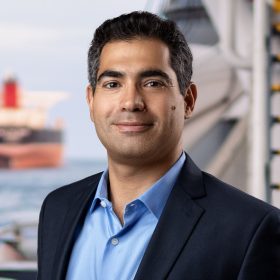
Mr. Don Davis, Managing Director of OCIMF, (Pic above) said:

“ISGINTT only works if the people using it can fully understand and apply its guidance in the language they work in every day. That is why this updated edition is being released simultaneously in five languages, with additional translations planned.

“This revision is about ensuring the industry’s leading safety guidance remains accessible, relevant and practical for the people who rely on it. Keeping the guidance up to date and accessible are fundamental elements of our commitment to safer operations.”

Ms.Hester Duursema, Secretary General of the Central Commission for the Navigation of the Rhine (CCNR), (Pic above) said:

“Safety and environmental performance are strengthened not only through regulation, but also through the sharing of good practice and the commitment of the people working across the inland navigation sector. After more than 10 years of hard work, this updated version of the second edition of ISGINTT reflects the collective efforts of industry and regulators to strengthen safety across the inland navigation sector. ISGINTT provides practical guidance to support safe and efficient operations throughout the sector, and we are pleased to make this updated edition available in multiple languages and encourage its widespread use.”

The updated version maintains the guide’s established structure while reinforcing the importance of risk awareness and the role of people and Human Factors in maintaining safe operations.

Govt of India reaffirms ownership of Major Ports; PPP Model continues to drive infrastructure expansion

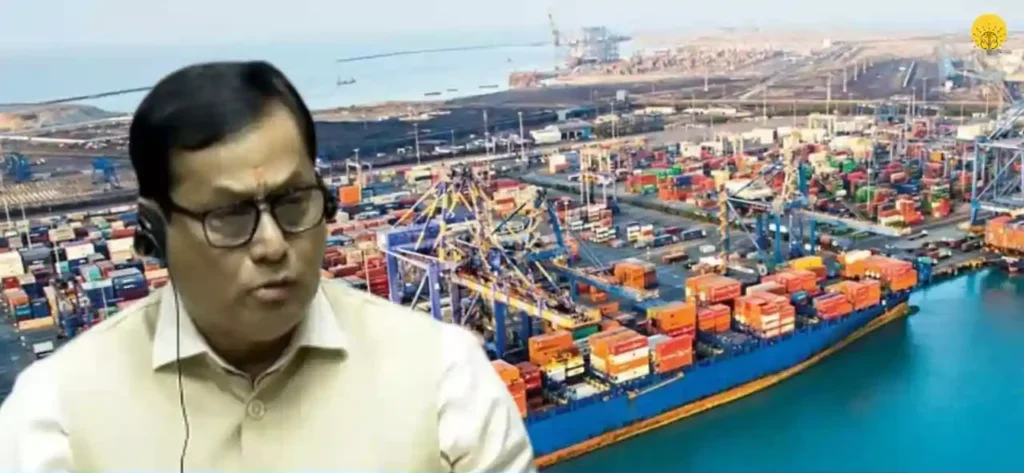
NEW DELHI : Shri Sarbananda Sonowal, the Union Minister of Ports, Shipping and Waterways,informed at Rajya Sabha that, Government of India has reaffirmed that none of the country’s 12 Major Ports has been privatised, clarifying that the ownership of port land and core assets continues to remain with the respective Major Port Authorities and the Government of India, even as private participation in terminal development has expanded through the Public-Private Partnership (PPP) model.

The 12 Major Ports under the Government of India comprise Chennai Port, Cochin Port, Deendayal Port, Jawaharlal Nehru Port, Kamarajar Port, Mormugao Port, Mumbai Port, New Mangalore Port, Paradip Port, Syama Prasad Mookerjee Port, V.O. Chidambaranar Port and Visakhapatnam Port.

Except for Kamarajar Port Limited, which functions as a wholly owned subsidiary of Chennai Port Authority under the Companies Act, the remaining eleven Major Ports are governed by the provisions of the Major Port Authorities Act, 2021.

The Government stated that Major Ports continue to provide common infrastructure, marine services and regulatory oversight, while individual berths and terminals are developed and operated either directly by the Port Authorities or through private participation under the Public-Private Partnership (PPP) model and the Captive Policy, 2016.

Over the past decade, the Ministry of Ports, Shipping and Waterways has significantly expanded private participation in port infrastructure development through transparent and competitive bidding. However, the Government clarified that these PPP projects do not alter the ownership structure of the ports, with all land and strategic assets remaining under public ownership.

Among the major PPP projects commissioned during the last ten years are several world-class container, bulk cargo, liquid cargo and cruise terminals across the country’s major ports. At Jawaharlal Nehru Port Authority (JNPA), key projects include the Nhava Sheva Freeport Terminal, Nhava Sheva Distribution Terminal, JSW JNPA Liquid Terminal, and Trident Agro Terminals and Logistics Pvt. Ltd. terminal.

Paradip Port Authority has witnessed one of the largest expansions under the PPP framework with the development of multiple facilities, including a multipurpose clean cargo and container berth, a new iron ore berth, coal handling berths, a dedicated coal import terminal and the Western Dock project.

At Visakhapatnam Port Authority, major PPP developments include VCTPL-II, the Outer Harbour and Inner Harbour expansion projects, West Quay terminals, and new East Quay facilities. Syama Prasad Mookerjee Port Authority has also undertaken extensive PPP projects, including the rejuvenation of Kidderpore Dock and development of multiple berths at Kolkata Dock System and Haldia Dock Complex.

Other notable PPP developments include Berth No. 13 at Deendayal Port Authority, the Iron Ore Terminal at Kamarajar Port, Berths 10 and 11 at Mormugao Port, the Mumbai International Cruise Terminal at Mumbai Port, Berths 14 and 16 at New Mangalore Port, and the 8th Berth, 9th Berth and NCB-III terminal at V.O. Chidambaranar Port Authority. Chennai Port and Cochin Port did not commission any PPP terminals during the period under review.

The financial performance of the Major Ports has also registered steady growth over the past five years. Combined revenue of all 12 Major Ports increased from ₹17,671.49 crore in FY 2021-22 to a provisional ₹26,582.77 crore in FY 2025-26, reflecting sustained growth in cargo handling, operational efficiency and infrastructure utilisation.

Among the top revenue earners during FY 2025-26 (provisional), Jawaharlal Nehru Port Authority recorded revenue of ₹4,356.34 crore, followed by Deendayal Port Authority at ₹3,437.25 crore, Mumbai Port Authority at ₹3,318.74 crore, Syama Prasad Mookerjee Port Authority at ₹3,126.43 crore, and Paradip Port Authority at ₹2,893.62 crore. Strong revenue growth was also reported by Visakhapatnam, Chennai, V.O. Chidambaranar, Kamarajar, New Mangalore, Cochin and Mormugao ports, underscoring the robust performance of India’s major port network.

The Government further stated that all PPP projects are awarded strictly through open, transparent and competitive bidding under a standardized Model Concession Agreement (MCA), ensuring transparency, competition and protection of public interest.

Reiterating its commitment to the landlord port model, the Government said it will continue encouraging private investment in the development, operation, maintenance and modernization of port infrastructure wherever feasible. The approach is aimed at improving operational efficiency, expanding cargo handling capacity, attracting investment and enhancing service quality, while ensuring that the ownership, governance and overall administration of India’s Major Ports remain firmly with the respective Port Authorities and the Government of India.