Home Blog Page 190

Yang Ming signs MoU with PSA International to advance sustainable solutions for decarbonising Global Supply Chains

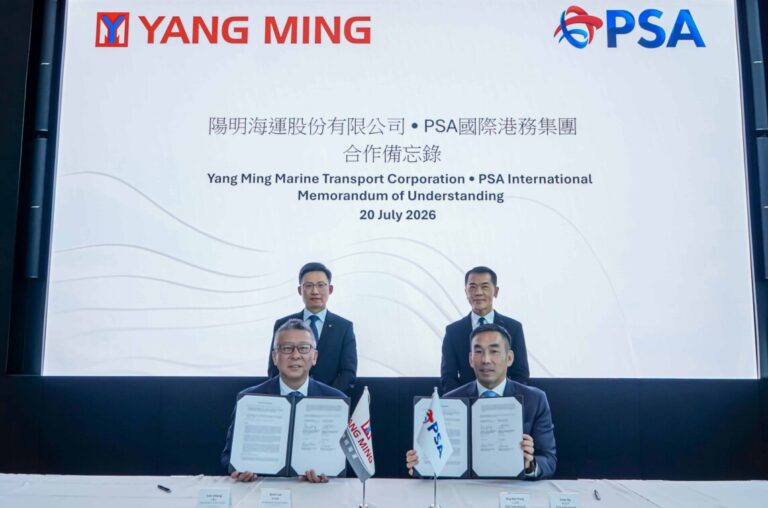
SINGAPORE : Yang Ming Marine Transport Corporation (Yang Ming) and PSA International (PSA) have signed a Memorandum of Understanding (MOU) to jointly accelerate the adoption of low carbon solutions across the maritime value chain. The agreement was officially signed by Mr Ivan Chiang, Chief Logistics Officer & Senior Vice President of Yang Ming, and Mr Eddy Ng, Group Head of Operations, Technology and Sustainability of PSA International. The ceremony concluded successfully in the presence of Mr Kevin Lee, President of Yang Ming Marine Transport Corporation, and Mr Ong Kim Pong, Group CEO of PSA International, marking a significant milestone in the partners’ shared sustainability journey to advance end-to-end supply chain decarbonisation.

Mr Ong Kim Pong, PSA International Group CEO, said, “As responsible stewards of tomorrow, PSA is committed to delivering sustainable impact across the global port and supply chain ecosystem. Tackling the challenges arising from climate change will require the collective efforts of all players in the maritime supply chain sector. We are excited to partner Yang Ming on the decarbonisation of global supply chains and support the transition towards a more sustainable global economy.”

This partnership reinforces the shared commitment of Yang Ming and PSA to maritime decarbonisation. Beyond emissions measurement and verification, the collaboration focuses on a digital Book-and-Claim framework and a joint maritime-land based inset token package. This synergy provides cargo stakeholders with a transparent and accountable sea-land pathway to achieve their decarbonisation targets.

Avianca Cargo and DSV transport 58 tons of humanitarian aid to Venezuela

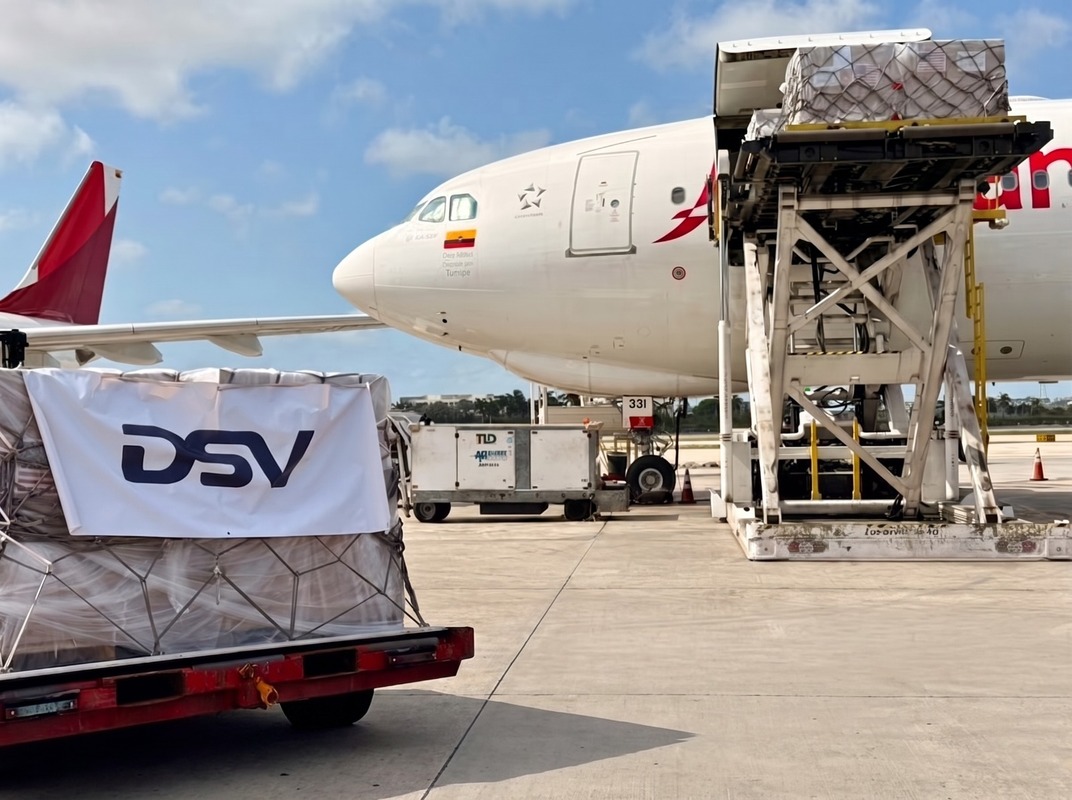
NEW DELHI: Avianca Cargo, a member of the Abra Group, and DSV, joined forces to transport 58 tons of humanitarian aid to Venezuela in support of communities affected by the recent earthquakes. 

Operated by an A330F freighter, the humanitarian flight departed from Miami and arrived in  Caracas carrying medical supplies, food, hydration kits, personal hygiene products, and other essential relief items to help address the most urgent needs of affected communities. 

The operation was carried out in close collaboration with humanitarian partners, including  Direct Relief, Global Empowerment Mission (GEM), Heart to Heart International and World  Central Kitchen, whose support was critical in identifying priority needs, coordinating  donations, and ensuring that relief supplies reached the communities who needed it most. 

“This humanitarian mission, carried out together with DSV, reflects our shared commitment to  making a meaningful difference when communities face extraordinary challenges. Our core  priority is ensuring the seamless, efficient delivery of international humanitarian aid, which  requires ongoing alignment with local authorities and our relief partners”, said Juan Correa, Chief Commercial Officer.  

“The greatest impact comes from what we achieve together with purpose and collaboration. We are proud to work alongside Avianca Cargo, combining our logistics expertise with their network and operational excellence to deliver essential relief supplies to communities in Venezuela. Together, we demonstrated how a shared commitment can transform logistics into meaningful action and create lasting impact for the communities we serve”, said Stephanie  Penarete, Vice President, DSV Air Product Americas. 

As part of its ongoing commitment to supporting communities in times of need, Avianca will  continue to put its logistics network and operational infrastructure at the service of those  affected by emergencies. Through its extensive cargo capabilities across the Americas, the company remains committed to delivering critical humanitarian assistance quickly, safely, and  wherever it is needed most.  

About Avianca: 

Avianca, a Star Alliance member and part of Abra Group, encompasses Aerovías del Continente Americano  S.A., Taca International Airlines S.A., Avianca Costa Rica S.A., Avianca Ecuador S.A., Aviateca S.A., Regional Express  Américas S.A.S., LifeMiles, and Avianca Cargo. With over 106 years of operations in Colombia, Avianca is part of the leading  airline group in Colombia, Ecuador, and Central America, and operates one of the largest route networks in Latin America,  serving more than 160 routes, more than 700 daily flights, and a fleet of 140 Airbus A320 and Boeing 787 Dreamliner aircraft,  connecting over 80 destinations across 25+ countries in the Americas and Europe. In 2025, Avianca transported nearly 37  million customers and operated more than 262.000 flights. Its loyalty program, Lifemiles, is one of the largest in Latin America, with over 16 million members and more than 200 partner merchants. In cargo transportation, Avianca Cargo is the leading  operator in various markets across the Americas, connecting over 350 destinations through its 220 weekly cargo flights,  passenger flight network, and interline agreements.

GEODIS advances Decarbonization of Urban Logistics with Electric Vehicle Deployment in Vietnam

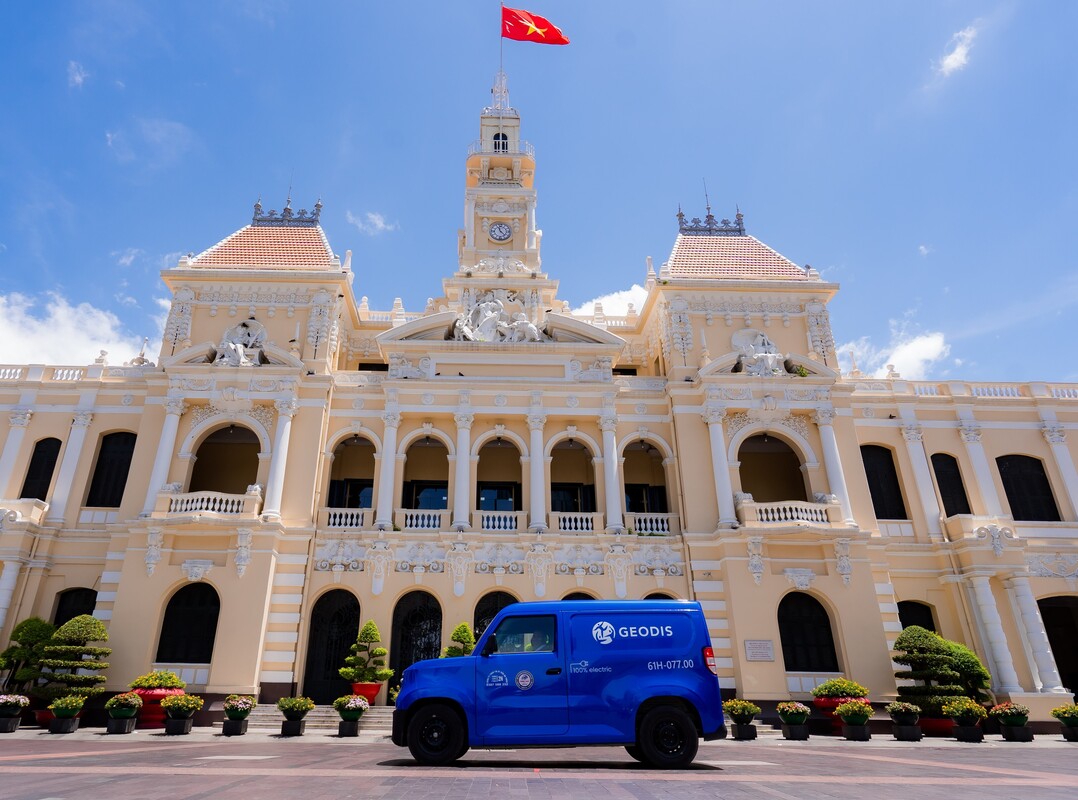
HO CHI MINH CITY: GEODIS launched a new electric vehicle delivery solution in Vietnam, reinforcing its commitment to lower-carbon logistics and urban mobility. The initiative supports Vietnam’s shift towards low-emission transport while enhancing delivery efficiency for customers in the luxury and retail sectors.

GEODIS, a global leader in transport and logistics solutions, announced today the deployment of their new electric vehicle (EV) delivery solution in Ho Chi Minh City, Vietnam. The deployment supports GEODIS’ wider sustainability strategy to decarbonise its logistics operations, improve urban mobility, and contribute to Vietnam’s transition to low emission transport.

To operate last mile B2B and B2C deliveries for customers across the luxury and retail sectors, GEODIS will deploy the VinFast EC Van 2026. The company is one of the first logistics providers to introduce electric powered urban distribution in Vietnam.

“Sustainability is becoming an increasingly important consideration in supply chain decisions, but customers also expect reliability, flexibility and speed. Our focus is on demonstrating that electric vehicles can deliver on all of these requirements in a real-world urban environment. This deployment gives us valuable operational insights that will help us expand lower-carbon delivery solutions as the market continues to evolve,” said Chandler So, Managing Director, Vietnam, GEODIS.

Purpose-built for urban transportation, the VinFast EC Van 2026 combines compact dimensions with high cargo efficiency, making it well suited for navigating city streets and varied road conditions while maintaining delivery reliability. The EV is designed to support daily delivery operations while helping to reduce noise and contribute to reducing greenhouse gas emissions through zero tailpipe emissions.

In Vietnam, GEODIS is working closely with key ecosystem partners, including vehicle manufacturers and infrastructure stakeholders, to support EV deployment readiness, operational reliability, and future fleet scalability. GEODIS will continue to assess opportunities to expand its electric vehicle fleet and introduce additional lower-carbon logistics initiatives across its operations in Vietnam.

Throughout the Asia Pacific and Middle East region, GEODIS is adopting lower carbon options, e.g. electric or biodiesel vehicles, for first/last mile transportation where operationally feasible.

GoAL Executive set to join Louisiana Committee Reviewing Oversized and Overweight Permitting

BOSSIER CITY: Louisiana-based Gulf of America Logistics (GoAL) has welcomed new legislation introducing a review of the state’s oversized and overweight permitting system. GoAL Vice President – Specialized Transport Jake Minner is set to represent the Louisiana Motor Transport Association (LMTA) on the review committee established under House Concurrent Resolution 53 (HCR 53).

The legislation, which took effect in May 2026, establishes a one-year period during which local oversized trucking permitting requirements remain in place, with no new or revised municipal permitting requirements to be introduced, allowing time for a committee to evaluate how permitting is currently applied across the state.

Jake Minner, Vice President – Specialized Transport at Gulf of America Logistics, will serve as the Louisiana Motor Transport Association’s (LMTA) industry representative on the committee, representing motor carriers, heavy haul operators, and other businesses affected by local permitting requirements. Drawing on his experience of permitting systems in other states, he will help ensure industry perspectives are reflected as the committee reviews Louisiana’s permitting framework and develops recommendations.

As more municipalities introduced their own permit rules and requirements, Minner became increasingly concerned about the growing disconnect between local requirements and Louisiana’s existing permitting framework, particularly as local carriers routinely factored municipal permit costs into their bids, while out-of-state operators often only discovered those costs after obtaining a state permit, creating uncertainty for customers and carriers alike. Recognizing these challenges, he worked with the LMTA to address the issue.

“The more fragmented the permitting process becomes, the more difficult it is to efficiently plan and execute oversized and overweight moves across the state,” said Jake Minner. “It adds a level of complexity that slows down project timelines and increases the risk of costly delays.”

Renee Amar, Executive Director of the LMTA, says carriers will have their voices heard and those voices will be backed by data and certainty: “By placing the moratorium on new local permits, it shows that the government is willing to pump the brakes when there are concerns and take a step back, even in the face of opposition, to look at the facts and make it clear that we are serious about wanting to move freight and help businesses thrive.”

Representing a broad cross-section of industry, local government, and state agencies, including the Department of Transportation and Development (DOTD), the committee will review current permitting practices, assess how systems operate and examine approaches used in neighboring states. The review will consider ways to reduce duplication, improve consistency across jurisdictions and support efficient freight movement while balancing stakeholder needs.

The legislation comes at a time when Louisiana’s industrial boom is driving billions of dollars in investment across the state, creating significant opportunities for businesses that support major energy, manufacturing, and infrastructure projects. As project activity continues to grow, local content—the participation of qualified Louisiana businesses, workers, and suppliers in delivering those projects—helps keep more investment, expertise, and economic value within the state while strengthening the supply chains that project developers rely on.

“Louisiana has the talent, the expertise, and the businesses to support these projects,” said Mike Camara, President & CEO of GoAL. “But that can only happen when qualified local companies have a fair opportunity to compete. Too often, out-of-state competitors win the work while homegrown carriers who do everything right are disadvantaged.”

Camara said Minner’s determination to tackle the issue reflects the kind of leadership that drives meaningful change. “Jake saw the problem on the ground and didn’t wait. He took it to the LMTA, took it to Baton Rouge, and got it done. That’s what a Louisiana company fighting for local businesses looks like.”

About Gulf of America Logistics
Headquartered in Bossier City, Louisiana, Gulf of America Logistics (GoAL) is a 100% veteran- and Louisiana-owned logistics firm providing customized solutions for capital projects across the Gulf Coast. Specializing in heavy-haul transport, project cargo, barging, multimodal logistics, and LNG and petrochemical support, GoAL maintains offices in Bossier City, Baton Rouge, Lafayette, and Rayville, Louisiana. With port assets in Cameron Parish and a growing asset-based trucking network, GoAL is purpose-built to keep Louisiana’s infrastructure investment – and its economic benefits – at home.

GTMaritime introduces AI-powered inbox intelligence for maritime operations

WARRINGTON (UK): With vessel crews and shoreside teams managing hundreds of operational emails every day, identifying the communications that genuinely require attention is becoming increasingly challenging. Important operational updates can easily become lost amongst routine administrative traffic, placing greater pressure on already busy crews.

To address this growing challenge, GTMaritime has launched AI Email Intelligence for GT Mail, a new capability designed to help users rapidly identify important emails, prioritise actions and reduce inbox overload across vessel and shoreside operations.

Built directly into the GT Mail platform, the feature automatically categorises and summarises inbound emails, helping crews quickly understand which communications require attention and which can wait.

“Vessel crew are dealing with huge volumes of email traffic every day, and it is becoming increasingly difficult to ensure important operational information is identified and acted on quickly,” said Jamie Jones, Managing Director of GTMaritime.

“This is about helping onboard teams spend less time managing their inboxes and more time focused on operating the vessel. By highlighting what matters most, GT Mail helps officers quickly identify priority communications, understand what action is required and spend less time working through routine emails. Ultimately, it gives captains and crews greater confidence that important operational information won’t be missed, while freeing up valuable time for higher priority tasks.”

The system automatically categorises emails into operational areas such as port arrivals, compliance, cargo operations and crew communications. It also generates concise summaries and highlights emails requiring action, enabling users to assess priorities at a glance.

In addition, users can acknowledge emails once they have been handled, creating visibility of which emails have already been reviewed or acknowledged, helping to quickly understand the status of communications.

GTMaritime said the feature was designed specifically around maritime operational workflows and can be enabled within the latest version of GT Mail, allowing customers to introduce AI-assisted email management without deploying additional software or changing established working practices.

The company added that the system was developed with maritime security and privacy requirements in mind, with email content remaining protected within the GT Mail environment.

AI Email Intelligence forms part of GTMaritime’s wider strategy to help maritime organisations simplify increasingly complex operations. By combining intelligent automation with maritime-specific workflows, the company continues to develop tools that improve productivity, increase operational visibility and give IT teams more time focused on safe, efficient vessel operations.

Thailand secures $43.6bn 1H 2026 investment surge as Big Tech Accelerates Southeast Asia AI Infrastructure Push

BANGKOK: Thailand’s foreign and domestic investment applications surged 37% year-on-year to hit $43.6 billion (approx. 1.47 trillion baht) across 1,299 projects in the first half of 2026, driven by a massive wave of capital flowing into digital infrastructure and artificial intelligence (AI) data centers.

The surge comes even as the global economy faces real headwinds — geopolitical tensions, energy price volatility, and the restructuring of global supply chains — with Thailand emerging as a preferred base for investment across Southeast Asia.

Leading the capital influx is the digital sector, which reached a commanding $33 billion (approx. 1.12 trillion baht) in investment applications.

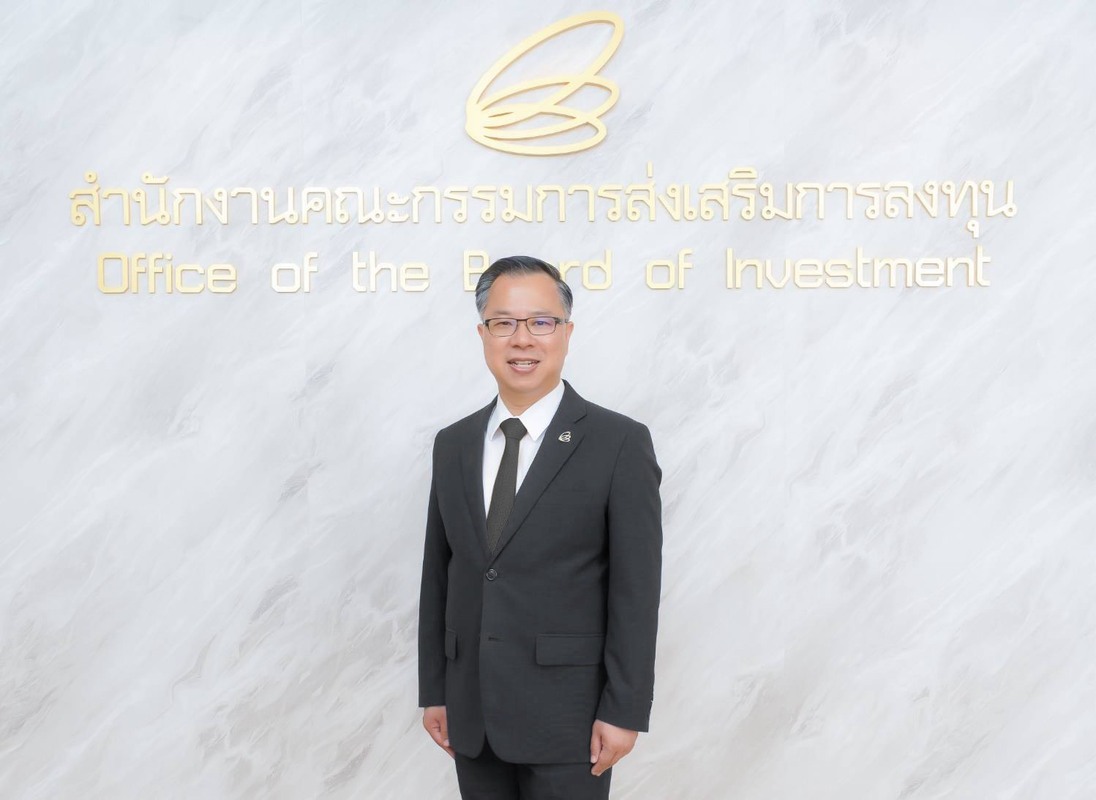
01Mr. Narit Therdsteerasukdi Secretary General of the Thailand Board of Investment BOI 1 Thailand secures $43.6bn 1H 2026 investment surge as Big Tech Accelerates Southeast Asia AI Infrastructure Push

“Thailand’s investment growth held steady even as the world economy faced real turbulence,” said Mr. Narit Therdsteerasukdi, Secretary General of the Thailand Board of Investment (BOI). “This reflects strong investor confidence in Thailand’s potential as a base for the industries of the future.”

This digital windfall was accompanied by robust capital commitments across other high-value industries. The electrical appliances and electronics sector drew $3.56 billion (approx. 120.2 billion baht) across 179 projects, while agriculture and food processing secured $1.82 billion (approx. 61.4 billion baht) across 131 projects. Additionally, logistics and high-value services attracted $1.19 billion (approx. 40.2 billion baht) across 170 projects, and the automotive sector drew $759.2 million (approx. 25.7 billion baht) across 122 projects.

Other notable sectors included mining, metals and materials at $603.5 million (approx. 20.4 billion baht) across 128 projects, chemicals and petrochemicals at $489.1 million (approx. 16.5 billion baht) across 110 projects, and machinery, automation and robotics at $387.4 million (approx. 13.1 billion baht) across 82 projects, signaling broad-based industrial modernization.

Foreign Direct Investment (FDI) applications drove the bulk of the growth, skyrocketing 80% year-on-year to $40.5 billion (approx. 1.37 trillion baht) across 877 projects.

Singapore emerged as the top source of FDI, filing applications worth $33.2 billion (approx. 1.12 trillion baht) across 158 projects. The United Kingdom followed as the second-largest investor at $1.40 billion (approx. 47.2 billion baht) across 11 projects, with China close behind at $1.35 billion (approx. 45.8 billion baht) across 321 projects, Taiwan at $1.12 billion (approx. 38.0 billion baht) across 47 projects, and Japan at $970.1 million (approx. 32.8 billion baht) across 123 projects.

These investments remain heavily concentrated in digital technology — including data centers, data hosting, and cloud services — followed by electronics and electrical appliances such as optical transceivers, printed circuit boards, hard disk drives, and data-center networking and cooling systems, along with humanoid robotics parts, automotive parts, food and beverage, and advanced materials. Geographically, Thailand’s industrialized Central region claimed the largest share of capital at $26.7 billion (approx. 903.8 billion baht) across 513 projects, followed by the Eastern region at $14.7 billion (approx. 495.7 billion baht). The Northeastern, Southern, Western, and Northern regions each drew smaller totals, but the North stood out with investment value up 93 percent year-on-year, led by energy and utilities, agriculture and food processing, and medical projects.

To support the massive power requirements of next-generation data centers, Thailand is seeing a parallel surge in renewable energy infrastructure. The energy and utilities sector recorded 221 projects worth $1.17 billion (approx. 39.5 billion baht) during the first half of the year, dominated by 198 clean energy initiatives—including solar, wind, biomass, and biogas power plants—valued at $779.7 million (approx. 26.4 billion baht).

Concurrently, manufacturers are investing in automation to remain competitive on the global stage. Under the BOI’s “Smart and Sustainable Industry” initiative, companies submitted 132 applications valued at $507.6 million (approx. 17.2 billion baht) to upgrade machinery, adopt digital technology, and integrate automation and robotics into production and services, raising productivity and moving Thai industry toward higher-value, sustainable manufacturing.

The projects approved by the BOI in the first half of 2026 will generate over 82,000 jobs for Thai workers and consume approximately $11.4 billion (approx. 386 billion baht) in domestic raw materials annually, accounting for 42 percent of the projects’ total raw material use, and is expected to boost the nation’s export capacity by more than $36.8 billion (approx. 1.24 trillion baht) per year.

The BOI approved investment promotion applications for 1,300 projects valued at $38.7 billion (approx. 1.31 trillion baht) in the first half of 2026.

“Investment value is not the only goal,” Mr. Narit said. “Real success means quality jobs, higher skills, and better income for Thai workers.” “It means real opportunities for Thai businesses inside the supply chain, and growth that reaches every region, not just a few. That is why we will keep pushing for actual investment to happen as quickly as possible through the Thailand FastPass mechanism, driving economic growth and letting Thai people share directly in the shift to the industries of the future.”

India and Panama Chart new maritime partnership focused on logistics, digital innovation and global connectivity

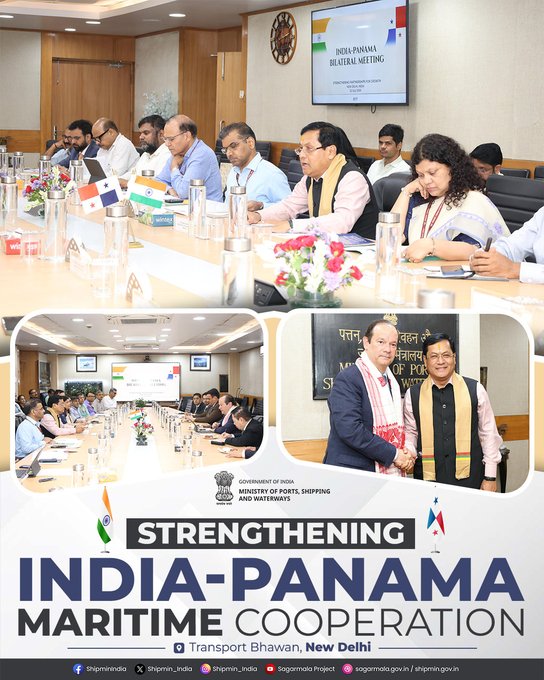
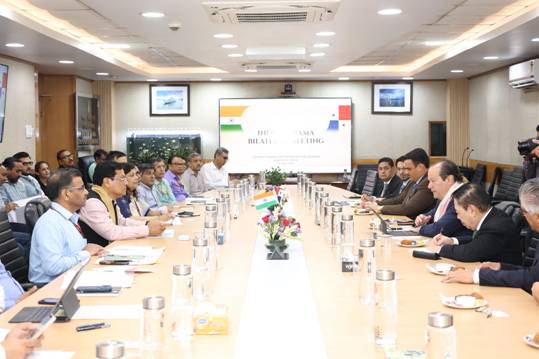
NEW DELHI : Union Minister of Ports, Shipping and Waterways (MoPSW), Shri Sarbananda Sonowal held bilateral talks with Panama’s Minister of Foreign Affairs, Javier Martínez-Acha Vásquez, to deepen maritime cooperation between the two countries, with both sides identifying logistics, shipping, maritime security, skill development and digital transformation as the key pillars of an expanded strategic partnership.

“India and Panama are natural maritime partners. By combining Panama’s strategic logistics strengths with India’s growing maritime capabilities, we can build resilient supply chains, strengthen global connectivity and create new opportunities for trade, investment, innovation and sustainable growth. Our shared vision is to transform this partnership into one of the key pillars of India’s engagement with Latin America and the Caribbean,” said Sarbananda Sonowal, Union Minister of Ports, Shipping and Waterways.

INDIA PANAMA SONOWAL India and Panama Chart new maritime partnership focused on logistics, digital innovation and global connectivity

The discussions reaffirmed the long-standing maritime relationship between India and Panama, dating back to the 19th century, and recognised the significant contribution of the Indian diaspora in strengthening bilateral ties. With India emerging as a global ports leader and Panama serving as one of the world’s foremost maritime logistics hubs, both countries agreed that closer collaboration and the exchange of best practices would unlock new opportunities for trade, connectivity and investment across the Americas.

During the meeting, Minister Javier Martínez-Acha Vásquez outlined four priority areas for expanding maritime cooperation between the two countries, maritime security, technical collaboration between India’s Directorate General of Shipping and the Panama Maritime Authority, maritime education and skilling, and future-oriented cooperation in digital maritime transformation, including artificial intelligence, smart port logistics and maritime single-window systems.

Minister Sonowal highlighted India’s rapid transformation under the leadership of Prime Minister Narendra Modi through sustained investments in ports, shipping, inland waterways, logistics, shipbuilding, cruise tourism and green maritime initiatives. He reiterated that Panama is India’s natural gateway to Central America, Latin America and the Caribbean, and stressed the need to improve shipping connectivity, deepen logistics partnerships and accelerate institutional cooperation to realise the untapped potential of bilateral trade.

“Under the visionary leadership of Prime Minister Shri Narendra Modi, India’s maritime sector is undergoing a transformational journey driven by world-class infrastructure, modern logistics, green shipping and digital innovation. Our vision is not merely to build ports, but to build partnerships that connect economies and create shared prosperity. Panama, with its strategic maritime strengths, is a natural partner in this journey, and together we can shape a more resilient, efficient and future-ready global maritime ecosystem,” said Sarbananda Sonowal.

Sonowal also proposed expediting discussions on a bilateral agreement on maritime transportation and port development, expanding cooperation in green ship recycling, strengthening seafarer welfare and skill development, and promoting collaboration in port modernisation, warehousing, digital innovation and maritime infrastructure. Minister Sonowal invited Panama’s Minister of Maritime Affairs to participate in India Maritime Week 2026 in New Delhi as both sides agreed to carry forward discussions through stronger institutional partnerships.

DG Shipping leads India–Panama talks to deepen maritime cooperation and trade connectivity

NEW DELHI : India and Panama have reaffirmed their commitment to strengthening bilateral maritime relations following a high-level meeting between senior officials from both countries, with discussions focusing on expanding cooperation across trade, connectivity, maritime safety, and seafarer welfare.

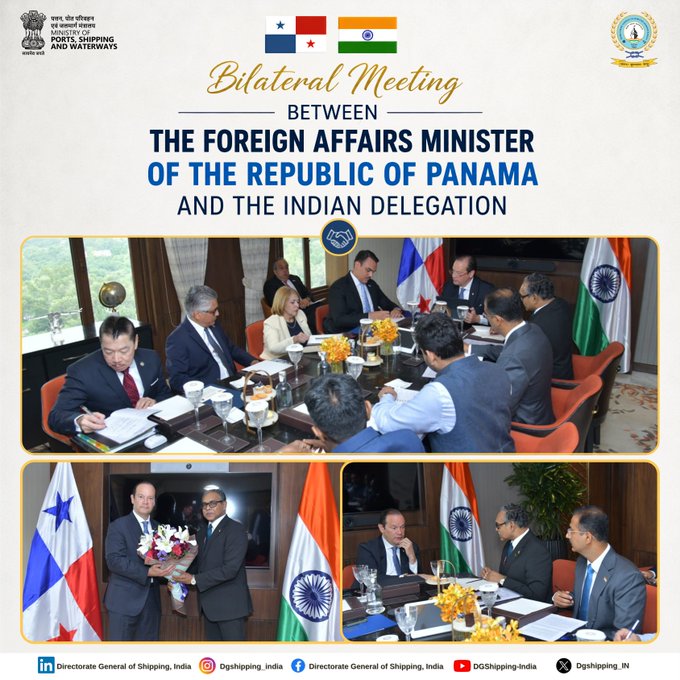
On 20 July 2026, H.E. Mr. Javier Eduardo Martínez-Acha Vásquez, Minister of Foreign Affairs of the Republic of Panama, held a bilateral meeting with an Indian delegation led by Shri Shyam Jagannath, IAS, Director General of Maritime Administration (DGMA), to explore new avenues for collaboration in the maritime sector.

The Panamanian delegation, led by the Foreign Affairs Minister, included H.E. Ms. Lizbeth Hernández Altafulla, Secretary General, Ministry of Foreign Affairs; H.E. Mr. Alejandro Mendoza, Director of Foreign Policy; H.E. Mr. Alonso Correa, Ambassador of Panama to the Republic of India; Mr. Roberto Rodriguez, Consul General of Panama in Mumbai; along with other senior officials.

The Indian delegation comprised Shri Deependra Singh Bisen, Deputy Director General of Maritime Administration; Shri Vineet Kumar, IFS, Under Secretary (UNES Division), Ministry of External Affairs; and Shri P. L. Muthu, Assistant Director General of Maritime Administration.

A key highlight of the meeting was the discussion on the proposed Memorandum of Understanding (MoU) on Maritime Cooperation, which is expected to provide a structured framework for expanding collaboration between the two maritime nations.

The deliberations covered a wide range of strategic areas, including the promotion of maritime trade and connectivity, knowledge exchange, capacity building, maritime safety and security, and initiatives aimed at enhancing the welfare, protection, and professional development of seafarers.

Both sides emphasized the importance of closer maritime engagement in supporting sustainable economic growth, facilitating international trade, and strengthening global maritime governance. They also reaffirmed their shared commitment to exploring new opportunities for cooperation and advancing mutually beneficial initiatives in the maritime domain.

The meeting reflects the growing momentum in India–Panama relations and underscores the importance both countries attach to deepening maritime cooperation through institutional partnerships, policy dialogue, and enhanced collaboration across the shipping and port sectors.

Adani Ports & SEZ earns Global Recognition in World Bank & S&P Global CPPI 2025

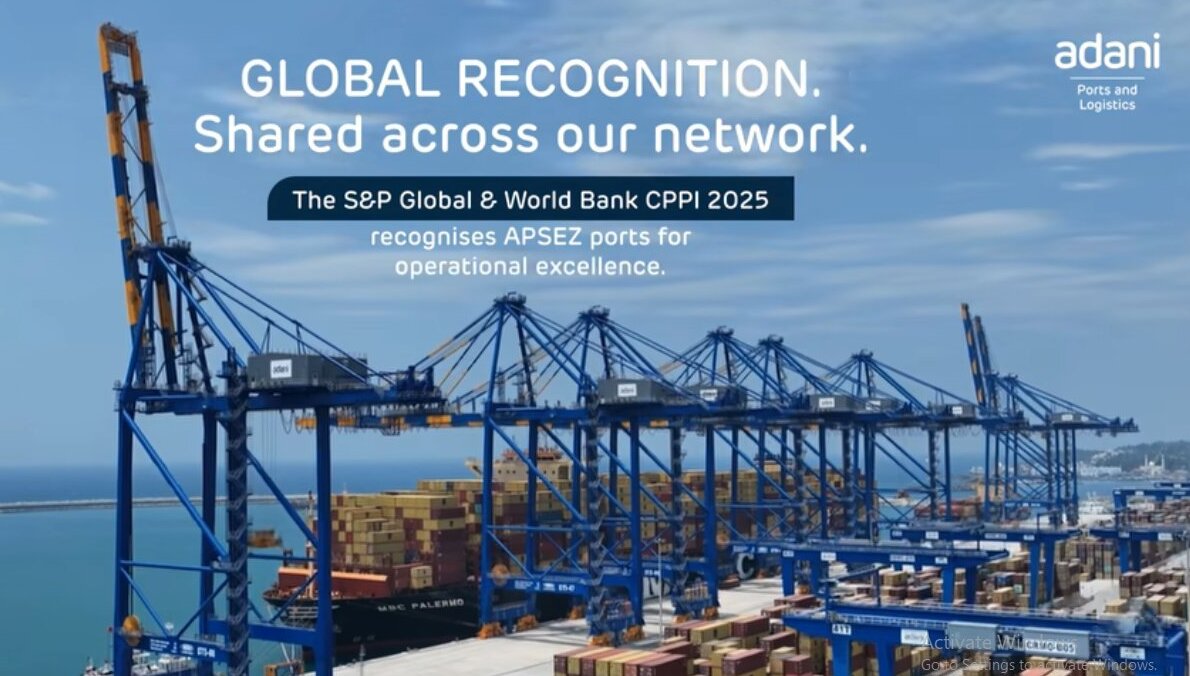
AHMEDABAD: Adani Ports and Special Economic Zone Ltd. (APSEZ), India’s largest integrated transport utility, has received global recognition after its port ecosystem was featured in the World Bank and S&P Global Container Port Performance Index (CPPI) 2025, reaffirming its commitment to operational excellence, efficiency and resilient supply chain infrastructure.

Sharing the achievement on social media, Adani Ports stated:

“Global recognition. Proven performance. Featured in the World Bank & S&P Global CPPI 2025, our port ecosystem continues to set benchmarks in efficiency, reliability, and supply chain excellence.”

The Container Port Performance Index (CPPI) 2025, jointly published by the World Bank and S&P Global Market Intelligence, is one of the world’s most respected benchmarks for measuring port performance. The index evaluates ports based on vessel turnaround time, operational efficiency, and the ability to facilitate reliable global trade while minimizing delays.

According to the report, efficient ports play a vital role in strengthening global supply chains by reducing logistics costs, improving schedule reliability and supporting international trade competitiveness. The 2025 edition assesses more than 400 container ports worldwide, providing governments, port authorities and logistics stakeholders with a transparent benchmark for measuring performance.

Adani Ports’ inclusion in this prestigious global assessment reflects the company’s sustained investments in modern port infrastructure, digitalisation, multimodal connectivity and operational innovation. Over the years, APSEZ has expanded its integrated logistics network and developed world-class port facilities that serve as critical gateways for India’s growing international trade.

The recognition comes at a time when global supply chains continue to face challenges arising from geopolitical uncertainties, shipping network disruptions and climate-related constraints. In such an environment, efficient port operations have become increasingly important in ensuring cargo reliability, reducing turnaround times and enhancing trade resilience.

As India continues to strengthen its position as a global manufacturing and export hub, the performance of leading port operators such as Adani Ports will remain instrumental in supporting the country’s logistics transformation and improving its competitiveness in international trade.

DPA Kandla gets appreciation for efficient fertilizer handling

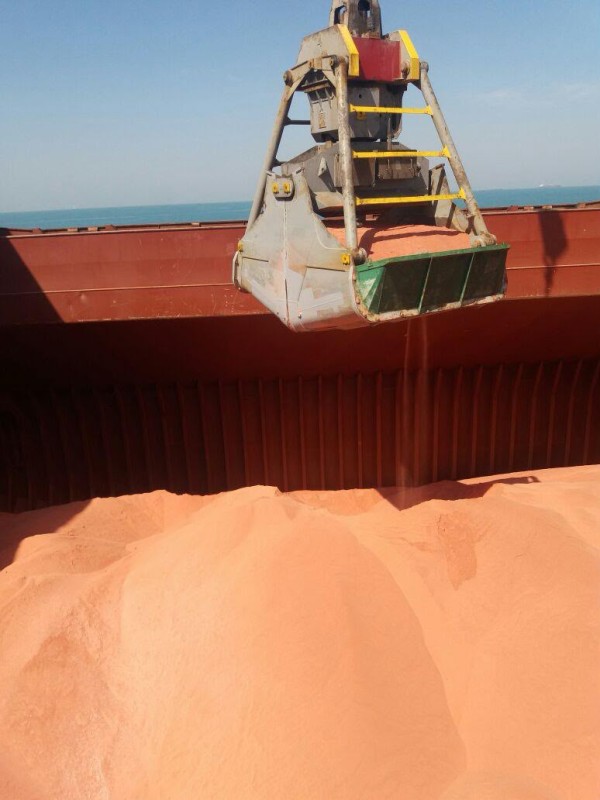
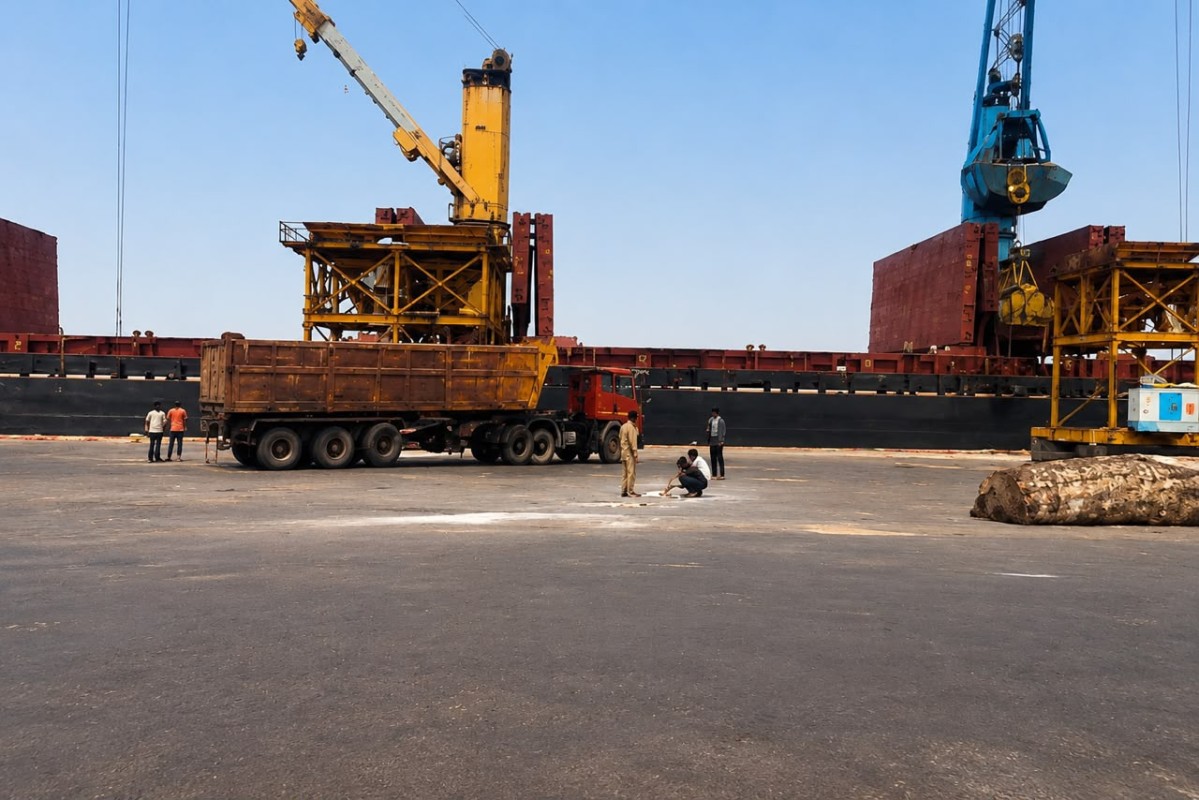
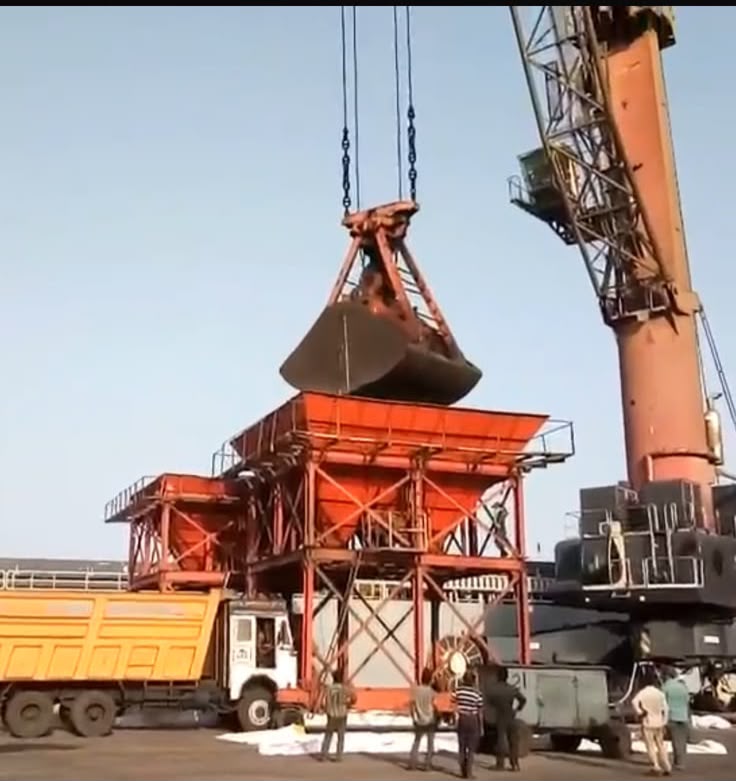
GANDHIDHAM : Deendayal Port Authority, Kandla has handled fertilizer cargo very efficiently during the current fertilizer season.

The Port has earmarked two dedicated berths for fertilizer vessels, ensuring that ships are berthed strictly as per seniority, resulting in smooth vessel operations and reduced waiting time.

The newly constructed warehouses provided by the Port have significantly enhanced storage capacity, enabling efficient cargo handling and minimizing congestion.

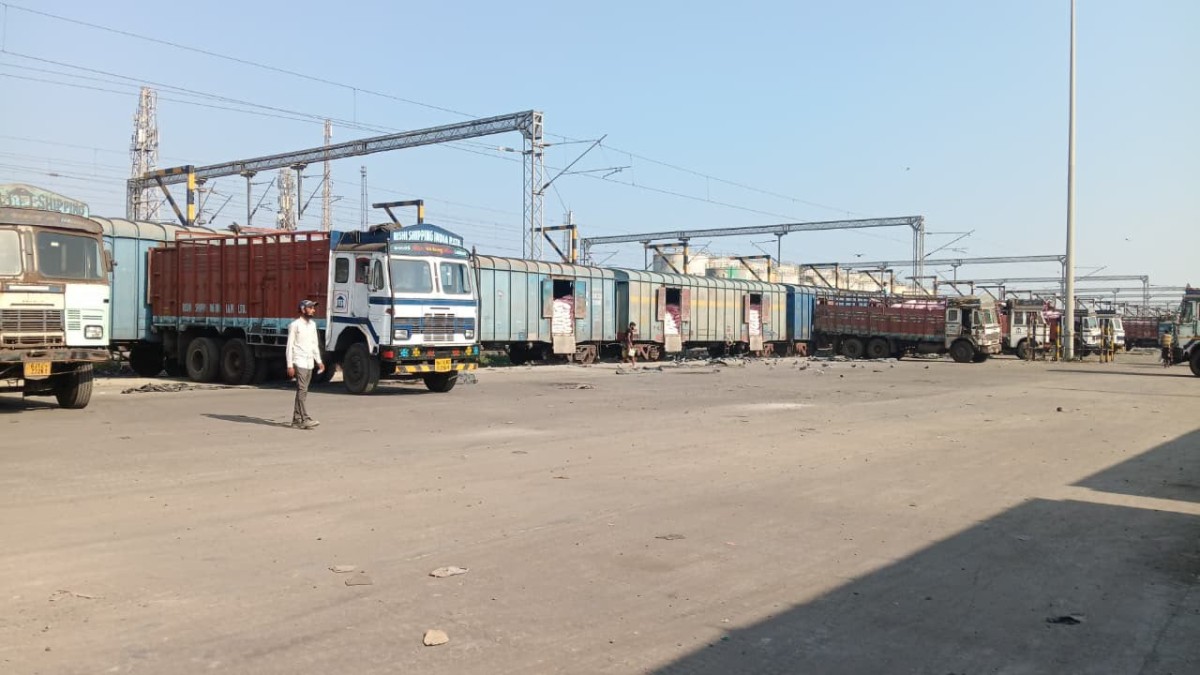
The Railway authorities have also extended excellent support by providing adequate rakes for evacuation. As a result, Kandla has consistently been able to load approximately 4.5 rakes per day, which is in line with the available handling capacity.

The coordinated efforts of the Port Authority, Railway authorities, shipping agents, stevedores, and all stakeholders have ensured seamless fertilizer operations and timely evacuation of cargo, benefiting importers, farmers, and the overall supply chain.

Under the leadership of Shri Sushil Kumar Singh, IRSME, Chairman, DPA, the Port has undertaken several infrastructure and operational initiatives aimed at enhancing efficiency, reducing vessel turnaround time and ensuring seamless cargo movement. The creation of modern warehousing facilities, capacity augmentation measures, and continuous process improvements have significantly strengthened the Port’s fertilizer handling capabilities.

WhatsApp Image 2026 07 22 at 9.20.48 PM DPA Kandla gets appreciation for efficient fertilizer handling