Home Blog Page 196

200 Made-In-India coaches to give boost to Bangladesh Railways

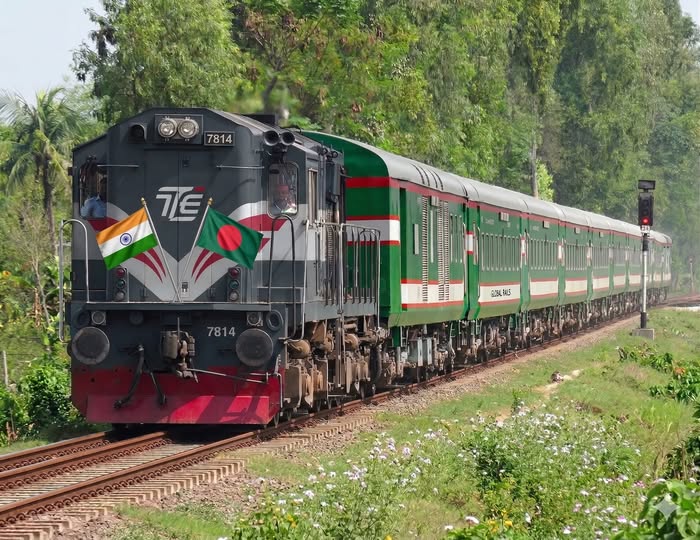
DHAKA : Bangladesh is set to import 200 broad-gauge railway coaches from India, with deliveries expected to begin by the end of this month or early next month. The deliveries of the 200 coaches are likely to be completed by December 2027 under a Rs 915 crore deal.

The project, financed by the European Investment Bank, will see the new coaches being added to the ageing Bangladesh Railway fleet between June 2026 and December 2027. Currently, Bangladesh Railways faces a shortage of coaches. The production of these coaches is underway with the designs of four variants of the coaches being cleared.

The modern LHB coaches are being manufactured by the Rail Coach Factory in Kapurthala, the first batch of these coaches is being delivered by RITES Ltd., the export arm of Indian Railways. Shipments to Bangladesh had been paused following political transitions in Bangladesh, but deliveries are resuming in mid-2026. Earlier, 120 broad-gauge LHB passenger coaches, 36 broad-gauge locomotives and 10-metre-gauge locomotives were sent to Bangladesh Railways.

Among other significant achievements is RITES’ order of exporting 200 passenger coaches to Bangladesh, RITES Chairman and Managing Director, Rahul Mithal, said recently, adding that the first train set of 20 coaches will be exported soon. RITES Limited is a firm under the Ministry of Railways specialising in transport infrastructure, providing services from concept to commissioning for railways, highways, airports, and urban transport. It also acts as the export arm for Indian Railways rolling stock globally.

Sources in Bangladesh have told NDTV that discussions are likely to commence in September on restarting the Maitree Express that runs from Kolkata to Dhaka. The train used to travel a 375 km route across the border in West Bengal and reached Dhaka in 9 hours. While the train has had high occupancy since its inauguration in 2008, the operations were suspended due to political unrest in Bangladesh in 2024. In April 2017, a second Maitree Express route was jointly inaugurated by Prime Minister Narendra Modi and then Bangladeshi Prime Minister Sheikh Hasina, connecting Kolkata to Khulna (Bangladesh).

Newly appointed Indian High Commissioner to Bangladesh, Dinesh Trivedi, has reaffirmed India’s commitment to further strengthening the multifaceted India-Bangladesh partnership for the mutual benefit of the peoples of the two sovereign countries.

India has resumed issuing tourist visas to Bangladeshi nationals. Last month, High Commissioner Dinesh Trivedi said, “I am happy to announce that we are resuming our normal visa operations for tourist visas. Applications for tourist visas can be submitted from Sunday, 28th of June 2026.”

“We will continue to facilitate medical visas in urgent cases on humanitarian grounds,” he added.

The Bangladesh government is also planning further investments to modernise the railway system, including proposals to procure 260 additional broad-gauge passenger coaches, 46 broad-gauge locomotives and 50 metre-gauge locomotives for Bangladesh railway network which operates with broad gauge and metre gauge tracks.

Bangladesh’s Railways Minister has said the new coaches would help expand rail services, with authorities planning to determine new train routes once the delivery process begins. The move is also expected to increase the number of intercity trains, particularly on routes connecting Dhaka with northern districts, where 15 intercity trains currently operate.

Bangladesh currently has a little over 3,400 kilometres of railway tracks, including metre-gauge, broad-gauge and dual-gauge lines. Bangladesh Railways is making efforts that are ongoing to expand the network through new projects based on demand and feasibility.

With the Tarique-Rahman government taking charge this year, there has been an effort to improve ties which had deteriorated during the tenure of the interim government led by Muhammad Yunus, which had taken an anti-India position and emboldened radical anti-India forces in the country.

Apart from railway coaches, in March this year, India sent a major consignment of diesel to Bangladesh, as the country was facing a critical fuel shortfall due to the war in Iran. New Delhi sent 5,000 tonnes of diesel as part of the regular ongoing energy trade between the two countries. Dhaka had confirmed receiving the diesel consignment from India.
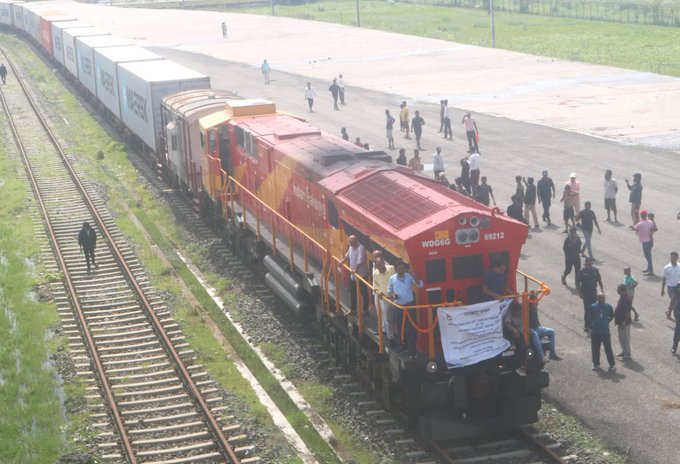

Nepal starts direct Kolkata-Biratnagar rail cargo, easing eastern imports

KATHMANDU : Nepal on Monday launched direct rail-based cargo movement from Kolkata Port to Biratnagar, with a cargo train arriving in the eastern border city for the first time. Officials said the move marks the start of direct rail cargo service to Biratnagar under the bilateral trade and transit pact between India and Nepal.

The train carried 40 containers of mustard imported from a third country and reached the Integrated Check Post at Budhanagar in Biratnagar. The extension of the service has been welcomed by industrialists and importers in eastern Nepal, who said it would cut transportation time and logistics costs.

Under the trade and transit pact, India has given Nepal access to its rail, road and water networks for international trade with third-party countries. Officials said this was the first time a cargo train had reached Biratnagar directly from Kolkata since the rail cargo service was inaugurated three years ago. Until now, Birgunj was the only Nepal-India border point handling rail cargo for goods imported from third countries.

Officials said an electronic cargo tracking system had been installed in the containers for safe transportation. The service became operational through the joint cooperation of the Nepali Consulate General in Kolkata, Kolkata Customs and Ports, and the Container Corporation of India Limited.

Biratnagar-based Morang Industry Association president Nandu Rathi welcomed the development. “The expansion of rail cargo service to Biratnagar has brought great relief to industrialists and importers in the eastern region,” he said. He added, “As rail cargo can now reach Biratnagar from Kolkata port within 24 hours, it will also decrease the transportation time.”

The arrival of the first direct cargo train from Kolkata to Biratnagar is expected to make imports easier for eastern Nepal by opening a new rail route beyond Birgunj and reducing the time taken to move goods.

Govt. doubles duty drawback rates on Gold & Silver jewellery exports, improving cash flow

NEW DELHI : In a significant boost for India’s gem and jewellery exporters, the Ministry of Finance has substantially increased duty drawback rates for key gold and silver jewellery export categories. The move is expected to improve exporters’ liquidity, reduce working capital costs and strengthen the global competitiveness of Indian jewellery at a time of elevated precious metal prices.

The revised rates were notified by the Department of Revenue through Notification No. 64/2026-Customs (N.T.), dated 16 July 2026, amending the duty drawback schedule under Chapter 71 of the Customs Tariff. The changes take immediate effect.

The revision comes in response to the sharp rise in gold and silver prices over the past year, which has increased the duties and taxes for exported jewellery. Since duty drawback is intended to refund duties paid on inputs used in export production, the previous rates no longer reflected the actual incidence of duties borne by exporters.

By more than doubling the drawback rates for the affected categories, the government has narrowed this gap, enabling exporters to recover a larger portion of their costs. The revision is expected to ease working capital requirements, improve cash flows, support more competitive export pricing and enhance the profitability of export orders, particularly for MSME manufacturers.

GJEPC had sought a revision of the All Industry Rates of Duty Drawback to reflect prevailing precious metal prices and ensure exporters receive a more realistic reimbursement of duties incurred during manufacturing.

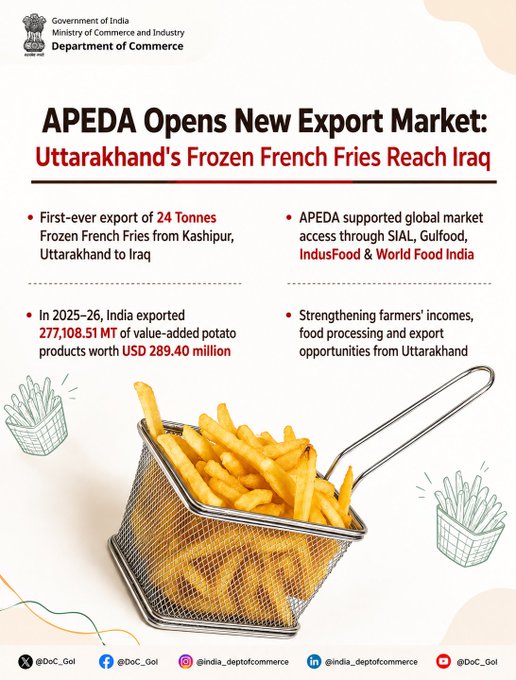
APEDA facilitates first export of 24 Tonnes Frozen French Fries from Uttarakhand to Iraq

NEW DELHI : The Agricultural and Processed Food Products Export Development Authority (APEDA), under the Ministry of Commerce & Industry, Government of India, has facilitated the first export of 24 Tonnes of Frozen French Fries from Kashipur in Udham Singh Nagar district of Uttarakhand to Iraq. Exported by Virun Global Trade Pvt. Ltd., the consignment marks a significant milestone in promoting value-added agricultural exports from Uttarakhand while strengthening India’s processed food export basket.

The exporter expressed confidence that the quality of the product would lead to repeat orders and long-term business relationships in international markets, creating sustained export opportunities for the company and the region. APEDA has supported the exporter in participating in leading international trade exhibitions, including SIAL, Gulfood, IndusFood and World Food India, enabling greater market outreach and buyer engagement.

India continues to strengthen its position as a global supplier of processed agricultural products. During 2025-26, India’s exports of processed vegetables reached USD 932.25 million, comprising 7,26,874.70 MT. Of this, value-added potato products accounted for exports of 277,108.51 MT valued at USD 289.40 million. Processed fruits and vegetables together contributed nearly 10 per cent of APEDA’s scheduled exports during the year.

Chairman, APEDA, Shri Abhishek Dev stated that logistics costs continue to influence the competitiveness of exports from landlocked states such as Uttarakhand. He said APEDA is working closely with the Government of Uttarakhand on the formulation and implementation of the State Agri Export Policy, including provisions for transport assistance to improve export competitiveness and facilitate greater market access for exporters.

The expanding processed food industry in Uttarakhand is creating stronger market opportunities across the agricultural value chain by generating sustained demand for quality raw produce, promoting value addition at source and encouraging greater participation in export-oriented supply chains. Such initiatives are expected to enhance farmers’ incomes through improved market access while boosting the state’s processed food exports.

APEDA continues to work closely with State Governments, exporters, Farmer Producer Organizations (FPOs), processors and other stakeholders to strengthen export infrastructure, facilitate access to global markets and promote value-added agricultural exports from India.

Colombo Port to get $40 million funding from World Bank’s IFC, HSBC

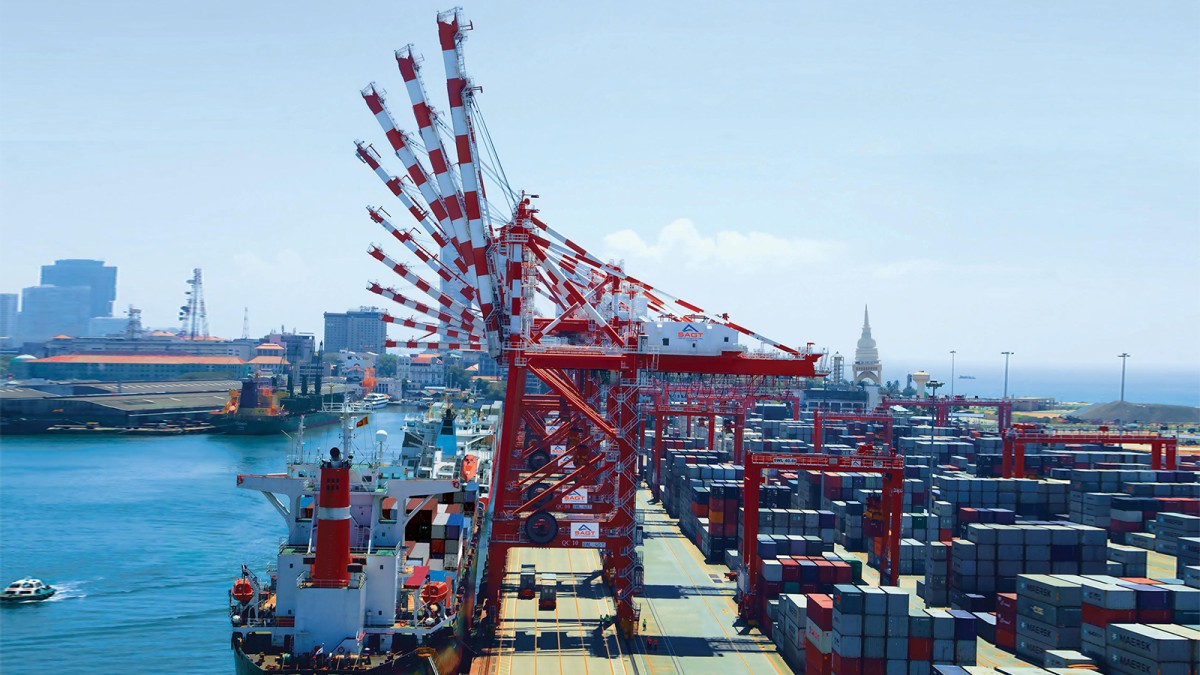
COLOMBO : World Bank Group member International Finance Corporation (IFC) and HSBC Bank will invest up to $40 million to modernise and decarbonise operations at the Port of Colombo, Sri Lankan officials said on Monday.

“The investment will advance the port’s competitiveness, resilience and sustainability, reinforcing its position as South Asia’s leading transhipment hub and deepening Sri Lanka’s connectivity to global markets,” according to an official release.

The financing package of up to $40 million comprises a sustainability-linked loan of up to $20 million from IFC, including up to $8.57 million mobilised through the corporation’s Managed Co-Lending Portfolio Programme (MCPP), and a parallel green loan of up to $20 million from HSBC.

The proceeds will be used to fund advanced twin-lift ship-to-shore cranes that will increase productivity, improve operational reliability and reduce energy use.

It will enable the port’s South Asia Gateway Terminal (SAGT) to meet growing trade demands with faster, more efficient services to global shipping lines, the release said.

SAGT is Sri Lanka’s first private-public partnership container terminal.

The investment is expected to raise quay-side productivity by at least 11 per cent, expanding the port’s capacity to handle both transhipment and domestic container traffic.

It is also expected to reduce the port’s carbon footprint, create jobs and expand opportunities for women in a maritime sector, where they remain significantly underrepresented, the release said.

Largest shipbuilder CSSC, exploring automated design

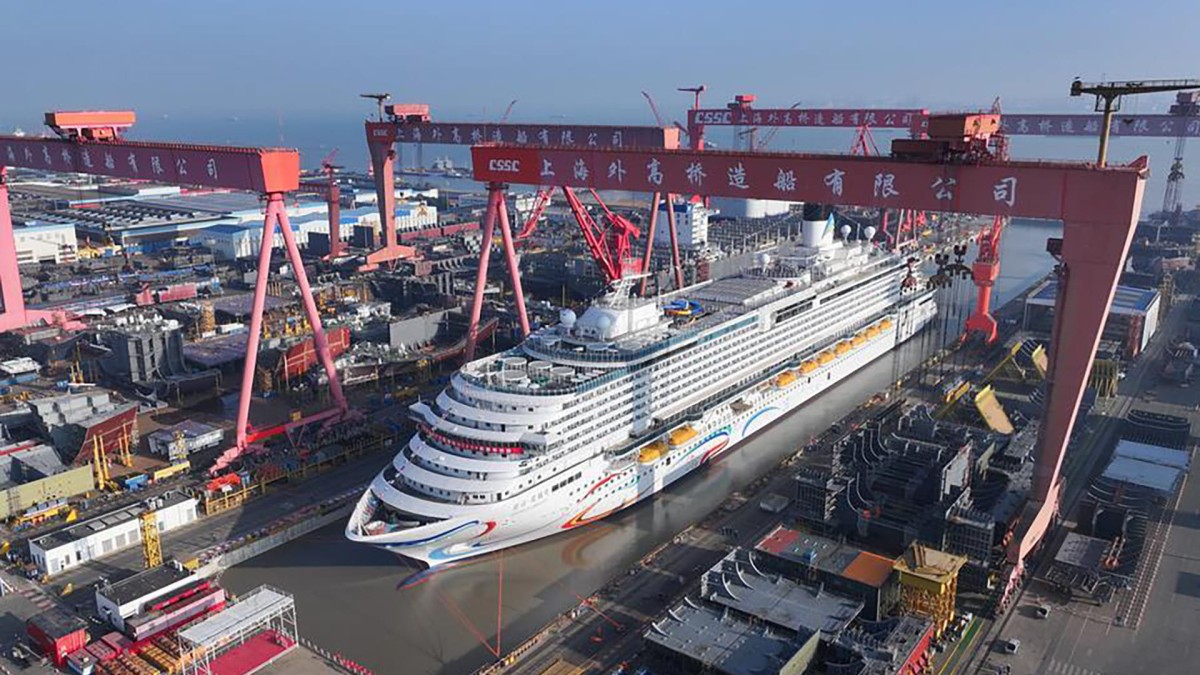
SHANGHAI : China State Shipbuilding Corp(CSSC), the world’s largest shipbuilder, has begun exploring artificial intelligence to automate and optimize ship design, according to a senior technologist.

Speaking exclusively to China Daily at the World Artificial Intelligence Conference in Shanghai on Saturday, Gu Yiqing, Deputy Chief engineer of CSSC’s Shanghai Merchant Ship Design and Research Institute, revealed that China’s massive shipbuilding footprint gives it an unmatched data advantage for AI training.

“The core challenge we are dealing with lies in consolidating these data resources, preparing them for AI, and training AI systems on them,” Gu said, adding that the process is “fraught with difficulties”.

“Once breakthroughs are achieved in this process, the adoption of AI-assisted ship design will become a popular trend in this industry. Looking ahead, AI can help organize design drawings and documentation, construct semantic corpora for ship design, improve design efficiency and optimize design outcomes,” she said.

Engineers from the Shanghai institute, a CSSC subsidiary, have already launched preliminary explorations in this field, Gu added.

Currently, they are training small-scale models to master design codes, interpret specifications and extract key information from existing blueprints. “These foundational small models must be fully refined first before they can be integrated into a large-scale model,” Gu said.

While AI tools are currently being used to compare design standards and verify parameters, Gu stressed that human expertise remains central. All AI-generated results still require validation by expert teams. “Full reliance on AI for design work is not feasible at this stage,” she said, noting that global shipbuilding powers are all in similar early exploratory phases.

Gu is a leading figure in the field, having spearheaded the design of the Dazhi, the world’s first smart ship, and serving as chief system architect for the Ningyuan Diankun, the world’s largest pure-electric, autonomous container ship.

She made the remarks before attending a forum on the applications of AI in maritime and shipbuilding industries.

The forum was hosted by CSSC, attracting more than 200 researchers and enterprise representatives from home and abroad.

The event consisted of several presentations about AI’s role and potential in maritime and shipbuilding businesses, a panel discussion, and announcements of progress made by CSSC engineers in applying AI to their work.

With AI already deeply integrated into numerous industries and delivering remarkable benefits, engineers from China’s shipbuilding industry are exploring how to unlock AI’s full potential within their respective fields.

If AI technologies can be deployed rationally and efficiently, experts said China can not only consolidate its advantages in output and new ship orders, but also further elevate its technological edge as the world’s top shipbuilding nation.

According to data released by the Ministry of Industry and Information Technology, China’s shipbuilding industry has ranked first worldwide for the past 16 years in three core indicators: shipbuilding output, newly received orders and outstanding orders.

Statistics from Clarksons Research show that China’s shipbuilding sector maintained its global lead across the three major indicators in the first half of this year, accounting for 63.3 percent, 80.9 percent and 73.3 percent of the respective global totals.

Middle East Conflict: Strait of Hormuz Transits back to 90% below “Normal”

LONDON: Clarksons Research, the data and analytics arm of the Clarksons Group, continue to track and monitor shipping activity and markets impacted by the Middle East conflict.

Summarising their latest update issued Monday at 10.00 am 20th July, Steve Gordon, Global Head of Clarksons Research commented:

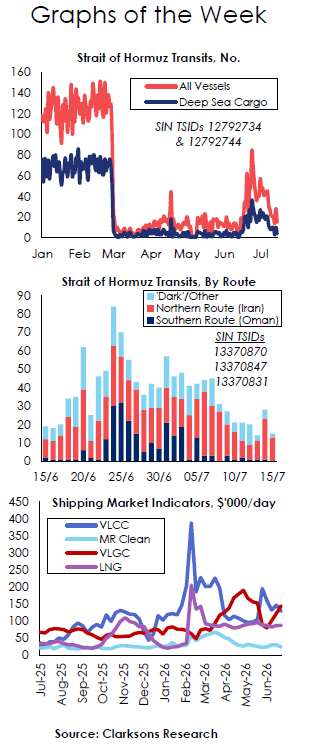
  • Strait of Hormuz transits back to 90% below “pre-conflict” levels, with an average of 12 crossings per day over the past 5 days, (Mar-May: 10, first week of July: 45, pre-conflict: 125)
  • Across the weekend 18th and 19th July, transits remained limited (an average of ~12 transits per day)
  • In tonnage terms, transits have now fallen to >95% below ‘pre-conflict’ levels in recent days
  • The flow of energy leaving the Gulf continues to ease back, with an average of ~1.5m bpd of crude passing through Hormuz over the past week (down from 10m bpd in early July and 15m bpd pre-conflict); no “mainstream” VLGCs have left the Gulf in 10 days while no laden Qatari LNG carriers appear to have transited the Strait in nearly 2 weeks
  • Share of vessels passing “visibly” via the Oman route remains limited, accounting for 2% of all transits over the past 5 days, down from a 22% share in early July   
  • Last week saw the highest level of vessel attacks (5 in total) in the Middle East over the past 2 months, with further incidents reported over the past 24 hours          
  • Number of vessels waiting off Oman remains stable at elevated levels for now; ~385 vessels currently waiting off Oman, down 2% w-o-w but still 25% above start-June levels
  • Around 850 internationally trading vessels are currently in the Middle East Gulf, including 6% of VLCC, 3% of product tanker, 3% of LNG carrier capacity  
  • For now, “energy” shipping markets remain elevated with alternatives, distance and disruption mitigating loss of volume
  • VLCC earnings are $128,000/day (+32% vs start-June), while Suezmax / Aframax earnings are up 63% / 68% over the same period to $148,000/day / $109,000/day though product tanker markets have been steadier (MR Clean: $25,000/day)
  • Supportive arbitrage dynamics have again developed, boosting gas carrier rates (VLGCs re-bounding to $145,000/day, LNG rates steady at >2x pre-conflict)
Middle East Conflict 20th July Middle East Conflict: Strait of Hormuz Transits back to 90% below “Normal”

KR Leads World-First Pilot Demonstration of MobED, Hyundai Motor and Kia’s Autonomous Mobile Robot Platform, aboard HYUNDAI DUBAI

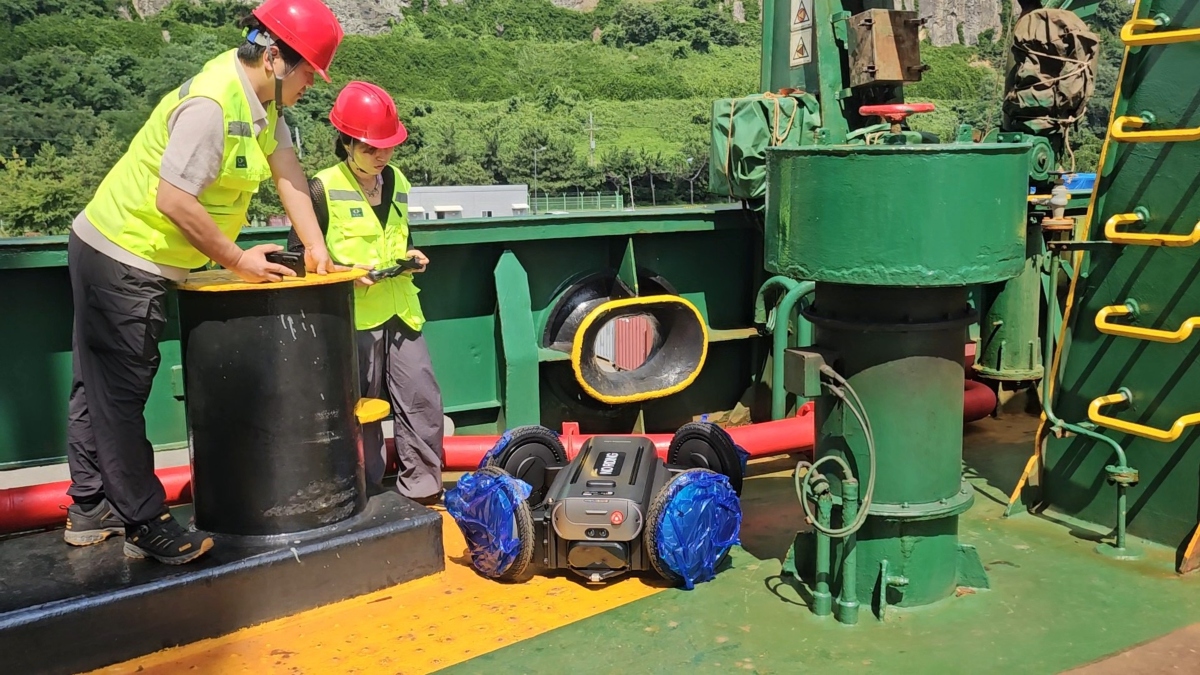
BUSAN: Korean Register (KR, CEO & Chair Mr Lee Yongsok), together with Hyundai Motor and Kia, HMM, HMM Ocean Service (HOS) and Gosung Engineering, carried out the world’s first onboard demonstration test of MobED (Mobile Eccentric Droid), Hyundai Motor and Kia’s autonomous mobile robot platform, aboard HYUNDAI DUBAI on July 6, 2026. The multipurpose vessel was berthed at the CJ Logistics Jeokhyeon Pier in Changwon, South Korea, at the time of the demonstration.

Each participating organization contributed its respective areas of expertise to the successful demonstration. Hyundai Motor and Kia were responsible for the development of the platform and its control technology; KR reviewed relevant international regulations, safety requirements, and performance criteria for robotic systems; HMM and HOS oversaw smart vessel operations, management and remote monitoring; while Gosung Engineering handled robot system integration (SI), including top-module solutions.

kr mobed photo2 1 KR Leads World-First Pilot Demonstration of MobED, Hyundai Motor and Kia's Autonomous Mobile Robot Platform, aboard HYUNDAI DUBAI

MobED is a compact autonomous mobile robot platform developed by Hyundai Motor and Kia’s Robotics LAB. Its eccentric wheel-based Drive-and-Lift (DnL) module enables each of its four wheels to adjust height independently. This allows the platform to maintain a level upper surface and navigate stably across irregular or inclined terrain, even under demanding onboard conditions. MobED is equally adaptable in function, capable of being configured for a variety of roles depending on the equipment mounted on top, including delivery modules, cameras, and inspection devices.

The demonstration was conducted across two zones aboard HYUNDAI DUBAI. In the open container cargo section, MobED completed linear and curved navigation, variable-speed traversal, route learning, and fully autonomous navigation. In the vessel’s passageways, low-speed navigation and route learning were carried out under manual control, reflecting the confined spatial conditions of that environment.

Through the demonstration, the participating organizations observed that open cargo areas with sufficient space are suitable for robot deployment without additional measures. Moreover, the use of robots in environments with restricted crew access, such as cargo areas carrying explosive or toxic cargo, shows potential that is worth exploring further. Passageways and engine rooms were identified as areas where supplementary equipment or purpose-scaled variants may be needed to address spatial and operational constraints.

MobED was first unveiled as a concept model at CES 2022 and then underwent approximately three years of development before its mass-production model was introduced at the International Robot Exhibition (IREX) in Japan in December 2025. Earlier in 2026, MobED received the CES 2026 Best of Innovation Award in the Robotics category.

Dr Minwoo Park, Head of the Advanced Vehicle Platform Division, Hyundai Motor and Kia, said: “This demonstration marks a meaningful step in validating autonomous mobility technology in a vessel environment, as Hyundai Motor and Kia expand the global robotics ecosystem with cross-industry partners. Hyundai Motor and Kia will accelerate this progress by building a data flywheel across their partners, driving both technological advancement and broader deployment into new sectors.”

Mr Daeheon Kim, Executive Vice President and Head of Research and Development, KR, said: “KR will continue to explore potential onboard applications with its partners, including cargo area monitoring and material transport. Through ongoing collaboration on safety and performance standards and follow-up demonstrations, KR looks forward to supporting the expansion of the smart ship ecosystems.”

The participating organizations plan to continue cooperation on follow-up demonstrations and application development.

Shantanu Thakur visits DPA Kandla, reviews port performance.

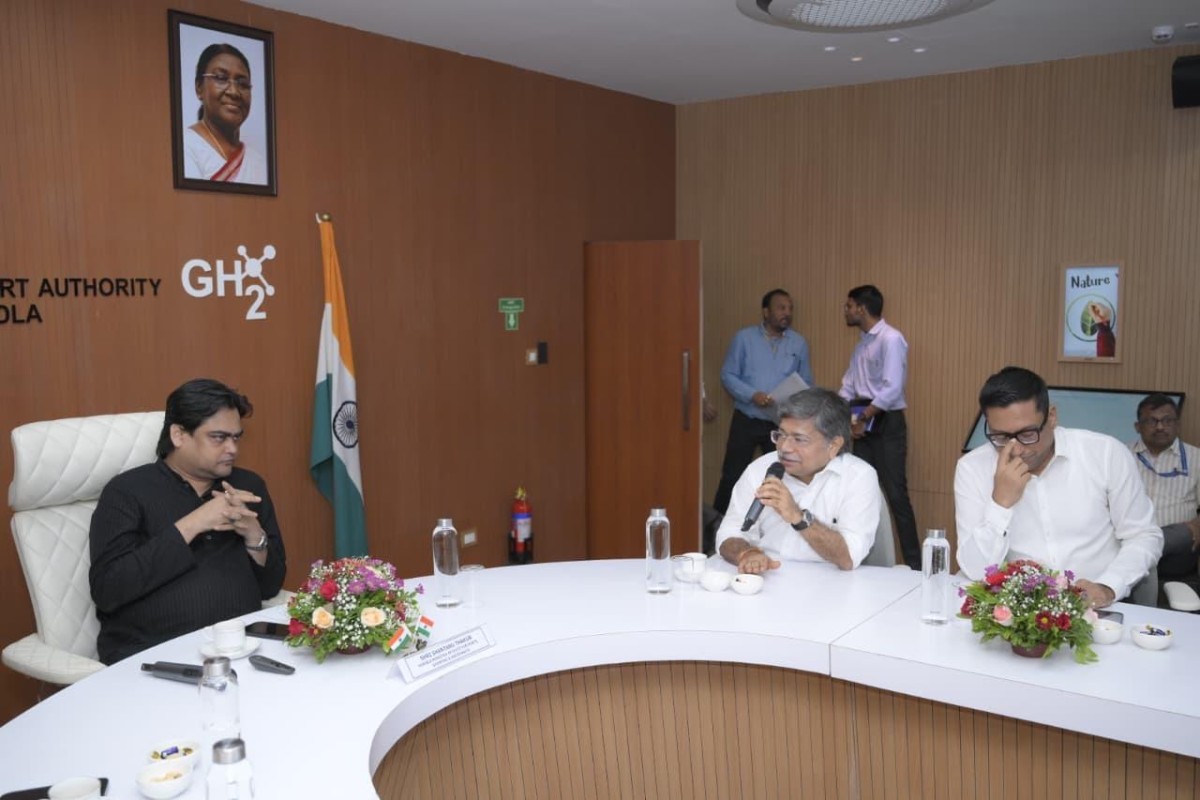
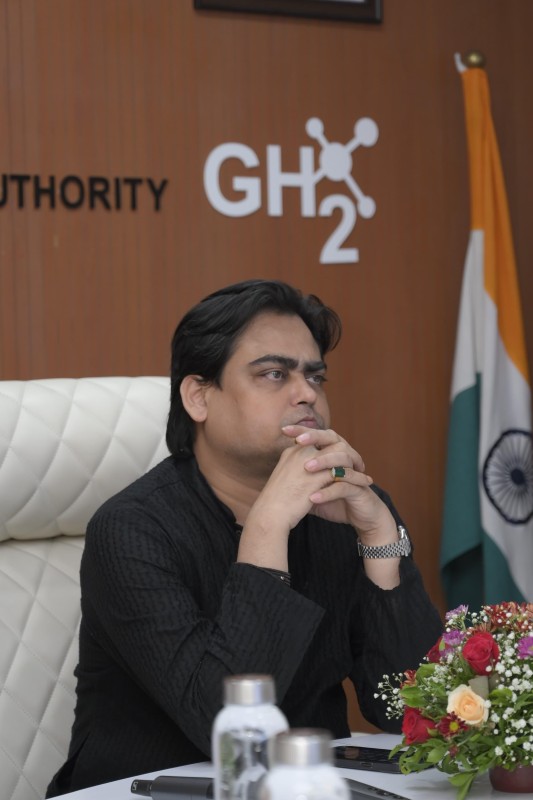
GANDHIDHAM : Shri Shantanu Thakur, Hon’ble Minister of State for Ports, Shipping & Waterways, Government of India, visited Deendayal Port Authority, Kandla on Saturday.

CISF DPA MOPSW Shantanu Thakur visits DPA Kandla, reviews port performance.

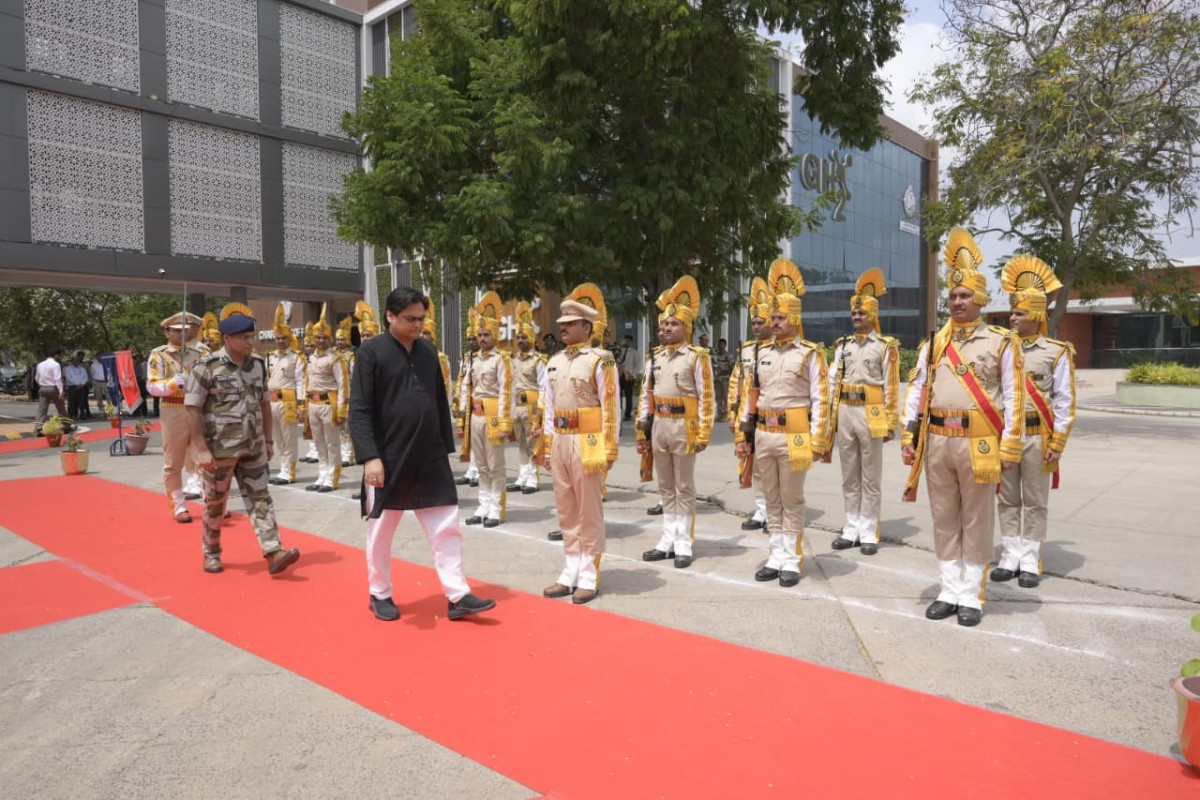
On his arrival at the Administrative Office Building, Gandhidham, the Hon’ble Minister was accorded a ceremonial Guard of Honour by the Central Industrial Security Force (CISF), Deendayal Port Authority Unit, marking the commencement of his visit.

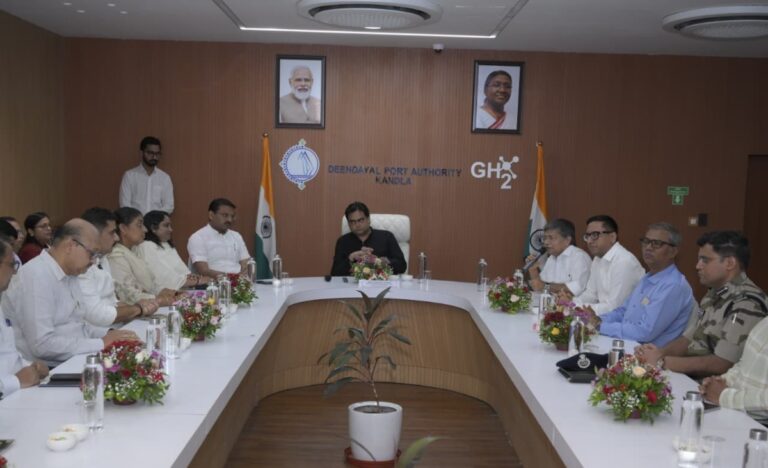
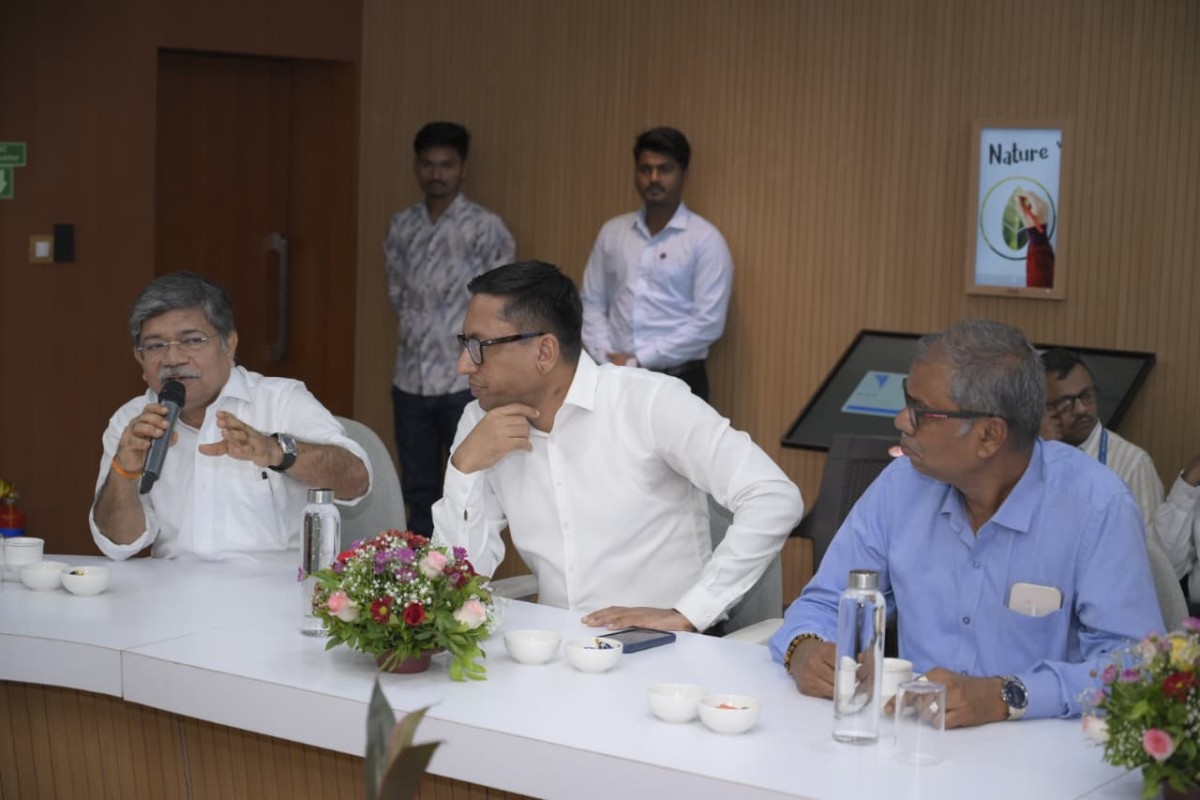
The Hon’ble Minister thereafter chaired a comprehensive review meeting with the senior officers of Deendayal Port Authority. The meeting was attended by Shri Sushil Kumar Singh, IRSME, Chairman, DPA, Shri Nilabhra Dasgupta, IRS, Deputy Chairman, HODs and other senior officials of the Port.

The review meeting was also graced by the presence of Shri Vinodbhai Chavda, Hon’ble MP (Kutch), Smt. Maltiben Maheshwari, Hon’ble MLA and Smt. Divyaben Nathani, Hon’ble Mayor, Gandhidham, who participated in the discussions on the Port’s ongoing developmental initiatives and future roadmap.

During the meeting, the Hon’ble Minister reviewed the operational performance, infrastructure development projects, capacity enhancement initiatives and the green energy transition being undertaken by DPA. He appreciated the Port’s sustained efforts towards improving efficiency, strengthening logistics infrastructure and contributing significantly to the nation’s maritime growth.

The Hon’ble Minister also took note of Deendayal Port Authority’s recent landmark achievement of crossing the 50 Million Metric Ton (MMT) cargo handling mark in the fastest time among all Major Port Authorities in India during the current financial year, he appreciated the
initiatives of Team DPA and extended cooperation of the stakeholders, port employees, workers and hope that in this financial itself DPA will attend new heights on the cargo throughout and in the field of green initiatives and mobility.

SHANTANU THAKUR DPA PORT REVIEW Shantanu Thakur visits DPA Kandla, reviews port performance.

Subsequently, Shri Shantanu Thakur chaired a Stakeholders’ Meet, wherein representatives of the Port fraternity, including port users, trade associations, terminal operators, shipping agents, stevedores and other stakeholders, attended the meeting. The Hon’ble Minister appreciated the collective efforts and close coordination between the Port administration and the maritime trade community, which have enabled Deendayal Port Authority to consistently maintain its position as one of India’s leading Major Ports.

Transport & Dock Workers Union submits ‘Eight-Point Charter’ to MoS Ports during Kandla visit; Minister assures early Resolution

GANDHIDHAM: The Transport & Dock Workers Union (T&DWU), Kandla, representing a majority of employees at the Deendayal Port Authority (DPA), submitted a detailed memorandum highlighting several long-pending employee welfare and administrative issues to Shri Shantanu Thakur, Hon’ble Minister of State for Ports, Shipping & Waterways, during his official visit to Kandla on 17-18 July 2026.

The delegation urged the Minister to intervene and facilitate early resolution of critical matters affecting thousands of port employees. Responding positively, Shri Shantanu Thakur assured the Union representatives that the issues would be examined sympathetically and efforts would be made to resolve them at the earliest.

The memorandum, submitted by the Union leadership, emphasized that the organization represents more than 62% of the workforce at Deendayal Port Authority and therefore sought the Ministry’s immediate attention to several pending matters concerning employee representation, welfare, pensions and service conditions.

Key Demands Raised

Among the major issues highlighted were:

  • Board Representation: The Union requested allotment of the first seat among the two Labour Trustee positions on the DPA Board, citing its majority status under the prevailing check-off system and previous precedents.
  • Residential Plots for Employees: The Union urged the Ministry to approve the long-pending Land Policy for Gandhidham Township, enabling allotment of residential plots to remaining eligible port employees under the already approved special housing scheme.
  • Coverage under CCS (Pension) Rules, 1972: Employees sought extension of the Old Pension Scheme benefits and implementation of the Ministry’s recent Office Memorandum concerning compassionate ground employees, arguing that port employees should receive parity with other Central Government employees.
  • Recognition of Cargo Handling Milestones: The Union proposed distribution of commemorative mementoes or suitable monetary incentives to employees for their contribution towards Deendayal Port Authority achieving cargo handling milestones of over 150 MMT and 160 MMT during 2024-25 and 2025-26.
  • Regularisation of Employees: The memorandum requested early regularisation of compassionate appointees and pool workers who have been awaiting confirmation for several years despite completing the required service period.
  • Removal of Pay Stagnation: The Union sought immediate implementation of wage revision provisions to remove stagnation in the salaries of Class III and IV employees in accordance with the Wage Revision Settlement.
  • Implementation of Industrial Tribunal Awards: The memorandum called for implementation of long-pending Industrial Tribunal, Rajkot awards relating to employee benefits and reinstatement cases that have remained unresolved despite judicial decisions.
  • Enhancement of Gratuity Ceiling: The Union also requested extension of the enhanced gratuity ceiling of ₹25 lakh, already applicable to officers, to Class III and Class IV employees of all Major Ports to ensure equitable treatment.

Minister Gives Positive Assurance

The Union stated that the Hon’ble Minister gave a patient hearing to the delegation and appreciated the concerns raised on behalf of port employees. According to the Union, Shri Shantanu Thakur assured that the Ministry would examine the issues and take necessary steps for their early resolution, providing renewed hope to employees awaiting decisions on several long-pending matters.

The memorandum has also been forwarded to the Chairman, Deendayal Port Authority, for necessary consideration and follow-up.

Speaking after the meeting, Mr. Lalit Varyani, Senior Secretary, Transport & Dock Workers Union, Kandla, expressed confidence that the Minister’s assurance would pave the way for expeditious action on the issues affecting the welfare and morale of port employees. The Union reiterated its commitment to working constructively with the Ministry and the Port Authority for the continued growth of Deendayal Port while safeguarding the legitimate interests of its workforce.