Home Blog Page 197

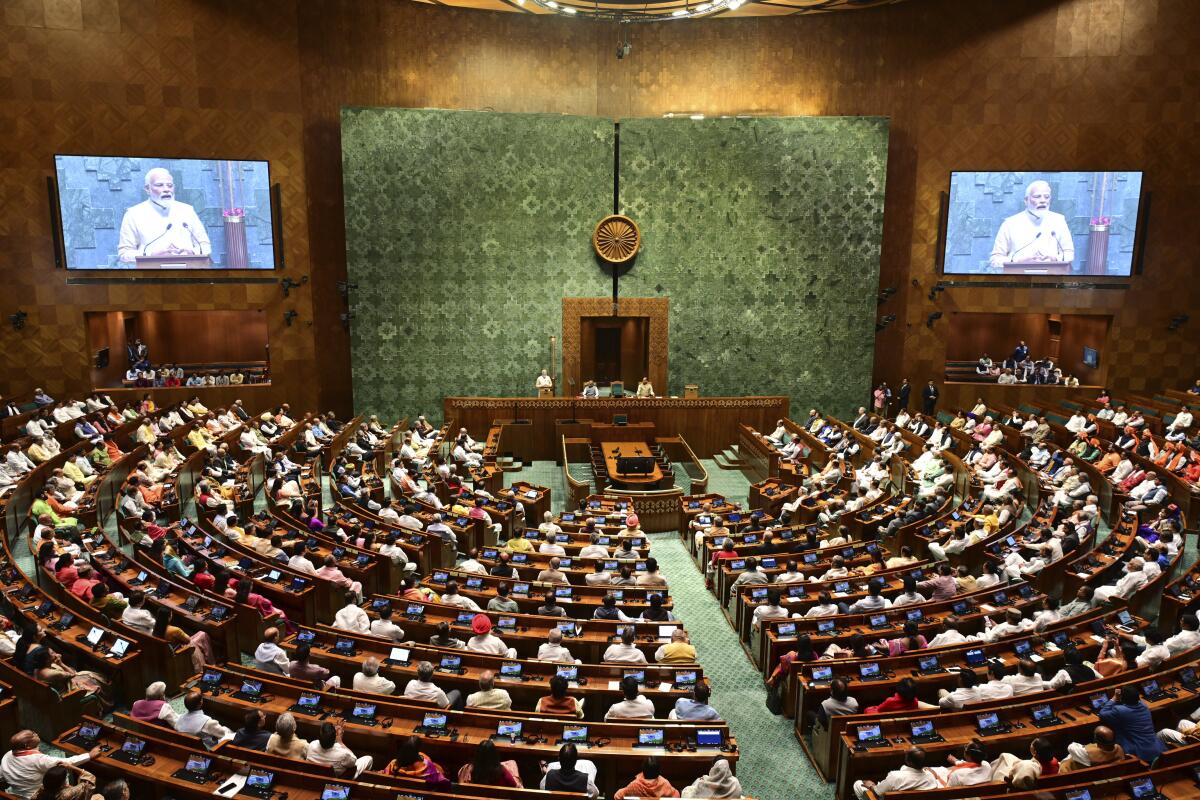
Inland Waterways achieve major milestone as 1,668 MT ODC cargo reaches Bihar via National Waterway-1

KOLKATA : A major milestone has been achieved in India’s Inland Water Transport (IWT) sector with the successful movement of 1,668 metric tonnes of Over Dimensional Cargo (ODC) from Diamond Harbour, Kolkata to Simaria Ghat in Bihar through National Waterway-1 (NW-1). The cargo is destined for the Barauni Refinery, demonstrating the increasing capability of India’s inland waterways to handle heavy and project cargo efficiently.

The successful transportation underscores the growing importance of the Ganga waterway as a reliable, sustainable and cost-effective logistics corridor for industrial cargo. The movement also reflects the strengthening of inland waterway infrastructure under the Government of India’s efforts to promote multimodal transportation and reduce dependence on road transport for oversized and heavy consignments.

The seamless movement of the ODC cargo is expected to significantly reduce logistics costs, lower carbon emissions, and improve transit efficiency compared to conventional transport modes. It also highlights the operational readiness of National Waterway-1 to support large-scale industrial projects and heavy engineering cargo.

With cargo movement on the Ganga gathering momentum, enhanced Inland Water Transport infrastructure is playing a crucial role in improving multimodal connectivity, facilitating ease of doing business, and unlocking new economic opportunities across the hinterland. The development aligns with the Government’s vision of promoting greener logistics, strengthening supply chains, and accelerating industrial growth through an integrated transport network.

The milestone further reinforces the strategic importance of inland waterways in India’s logistics ecosystem and marks another step towards building a more efficient, resilient, and environmentally sustainable freight transportation network.

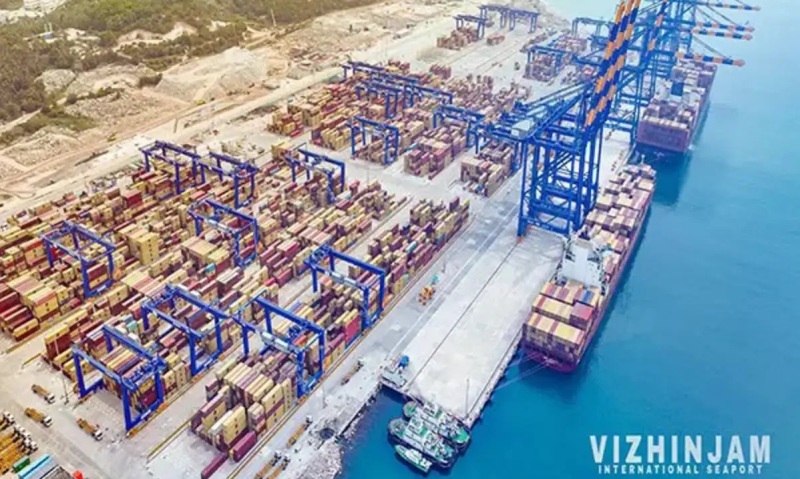
EXIM operations at Kerala’s Vizhinjam seaport set to begin on August 18

THIRUVANANTHAPURAM : According to a statement issued by the Office of Chief Minister Shri V.D. Satheesan on Saturday, the commencement of EXIM operations will transform Vizhinjam from a transshipment port into a full-fledged international cargo gateway.

The launch of EXIM services, as part of the government’s 100-day action plan, will enable Vizhinjam to become a complete export-import gateway. This will reduce freight transportation costs, improve supply chain efficiency, enhance export competitiveness, and create new investment and employment opportunities, said the Chief Minister.

The Chief Minister will flag off the first export container. A ‘Mission Samudra’ business summit will also be organised soon. The conference, which will be attended by global shipping companies, logistics firms, exporters, investors, and industry leaders, will present Kerala’s maritime economic development vision and officially announce Mission Samudra.

The Vizhinjam port, developed under a Public-Private Partnership (PPP) model by the Kerala Government and Adani Ports and Special Economic Zone (APSEZ), has emerged as one of the fastest-growing container ports in the world. The port has also demonstrated its capability as a world-class maritime hub by handling 2 million TEUs within 18 months of commencing commercial operations and by receiving the world’s largest container motherships.

A milestone
The commencement of EXIM operations also marks a major milestone in the State government’s long-term maritime development initiative, Mission Samudra. The project aims to transform Kerala into one of the country’s leading maritime and logistics hubs by integrating ports, logistics, manufacturing, inland waterways, and multimodal connectivity.

Vizhinjam, India’s first deep-sea transshipment port and South Asia’s first fully automated container port, will continue to operate as an open-access, common-user port for all shipping companies. This will further strengthen India’s position in the global maritime trade arena, the Chief Minister said.

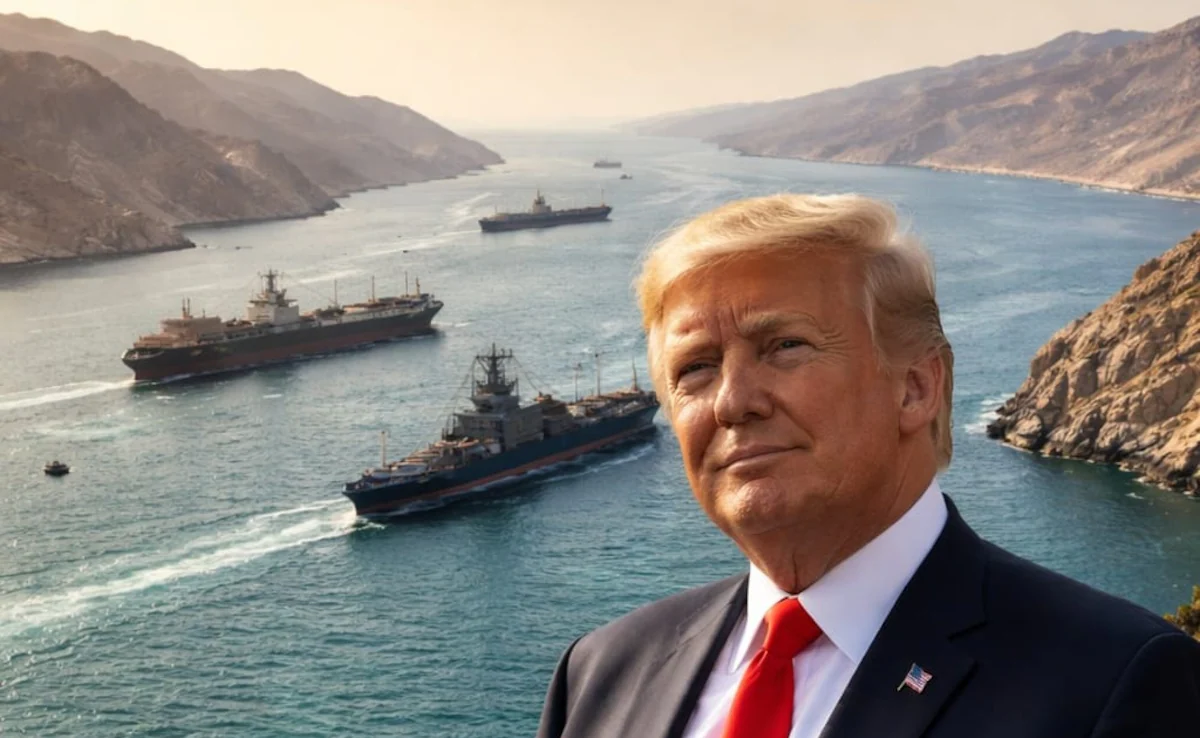
“We control the Strait”, says Trump amid fresh wave of US strikes against Iran

FLORIDA: As hostilities continue to rise in West Asia, the United States Central Command said on Sunday (local time) that it carried out a fresh wave of strikes against Iran. President Donald Trump said that Iran had been hit ‘very badly’ in the wake of the American strikes and that it does not control the strait.

Sharing the details in a post on X, CENTCOM said that the strikes were aimed at targeting Tehran’s military capabilities which it claimed were used to attack commercial vessels and civilian mariners transiting the Strait of Hormuz.

It said, “CENTCOM began conducting a new wave of strikes against Iran at 7 p.m. ET today for the ninth consecutive night. The strikes will continue degrading Iranian military capabilities used to attack commercial vessels and civilian mariners transiting the Strait of Hormuz.”

Meanwhile, Iranian state broadcaster Press TV reported that multiple explosions heard in Mahshahr, Imam Khomeini ports; Tabriz city–thus having air defences activated in Konarak, southern Iran.

US President Donald Trump said that Iran has been hit “very badly”.

“Iran has been very badly damaged. They have almost lost everything militarily… They’ve got some manufacturing capabilities, not much. We control the Strait, they don’t control anything.”

He made the remarks while speaking to the media on Sunday (local time) said that the strikes come in honour of the US service members killed in West Asia.

The US President further said on Iran–“What we’re doing now is we’re ending any chance where they can have a nuclear missile.”

As developments follow, Kuwait’s Army said that its air defence systems intercepted hostile attacks and that its air defenses are currently confronting attacks by hostile drones, following the “sinful Iranian aggression.”

Meanwhile, Press TV claimed that the Islamic Revolution Guard Corps (IRGC) conducted a surprise retaliatory strike on the US special operations command center in the Al-Tanf region of Syria.

As per Press TV, the IRGC emphasized that such strikes are legitimate responses to the repeated crimes and provocations of the American regime, and further underlined the country’s firm control over the Strait of Hormuz. It further mentioned that the IRGC declared that complete control of this strategic waterway remains firmly in its hands.

Amid the backdrop of the announcements by Iran and the US, the UKMTO shared that a maritime incident off coast of Oman, with the vessel catching fire near the Kumzar, however the cause of it was not known.

Press TV also mentioned that reports emerged of at least 3 explosions in Ras al-Khaima, United Arab Emirates.

US Central Command on Sunday (local time) said that it recovered the remains of a military personnel following the “Iranian attack” in Jordan on July 17 and separately mentioned that an American service member was killed in Iraq.

Sharing the details in a post on X, the CENTCOM said, “Yesterday, U.S. Central Command (CENTCOM) announced the passing of two U.S. service members and the missing status of one in Jordan following an Iranian attack on July 17. After a thorough search, U.S. military personnel found unidentified remains at the location earlier today. An examination process to verify the remains is ongoing.”

It further mentioned that an American service member was killed in action in Iraq during a controlled detonation of an exploded ordnance. As per CENTCOM, a second service member was wounded and is receiving medical treatment.

“Separately, a U.S. service member in northern Iraq was killed in action July 18 during a controlled detonation of unexploded ordnance from a downed Iranian one-way attack drone. A second service member was wounded and continues to receive medical treatment for a minor injury.”

The CENTCOM said that it is withholding additional information, including the identities of the missing and fallen warriors, out of respect for the families during the notification process.

Meanwhile in another post on X, the CENTCOM said that American forces continue implementing the naval blockade against Iran and that as of July 19, CENTCOM has redirected 6 commercial vessels and disabled 1 to ensure “full compliance.”

This comes as the conflict between the United States and Iran escalated further on Sunday, with fresh military operations unfolding across West Asia, including reported US attacks on Iranian nuclear power plant infrastructure and military assets, with Tehran’s retaliatory drone attacks against Washington allies.

Source: ANI

FFFAI Advocates Key Customs Reforms at 20th Customs Consultative Group Meeting in Kolkata

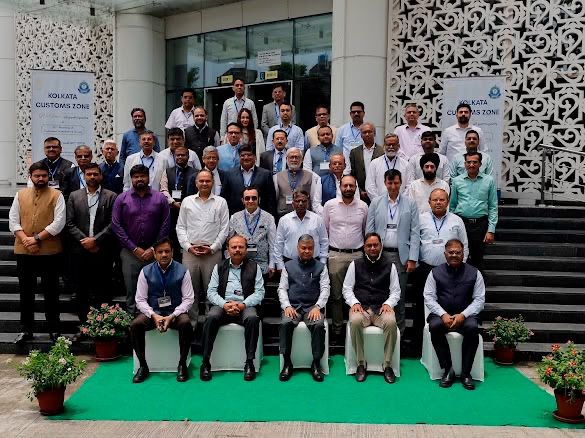
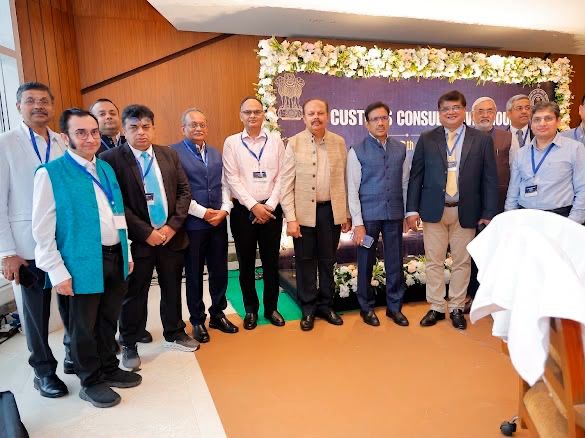
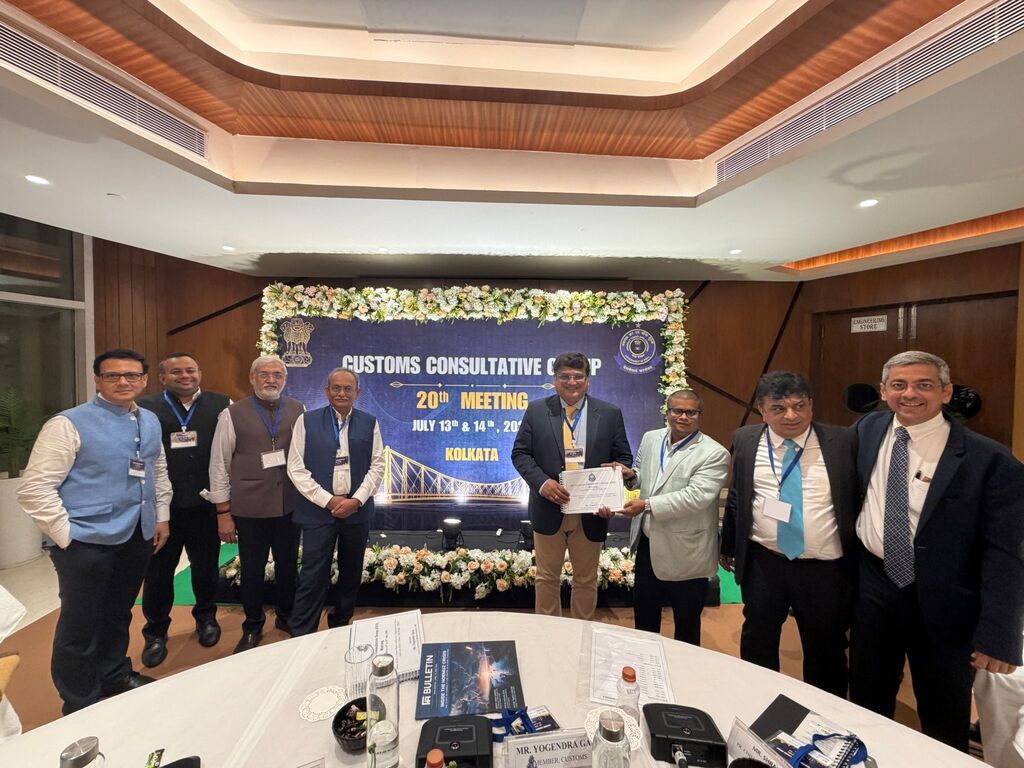
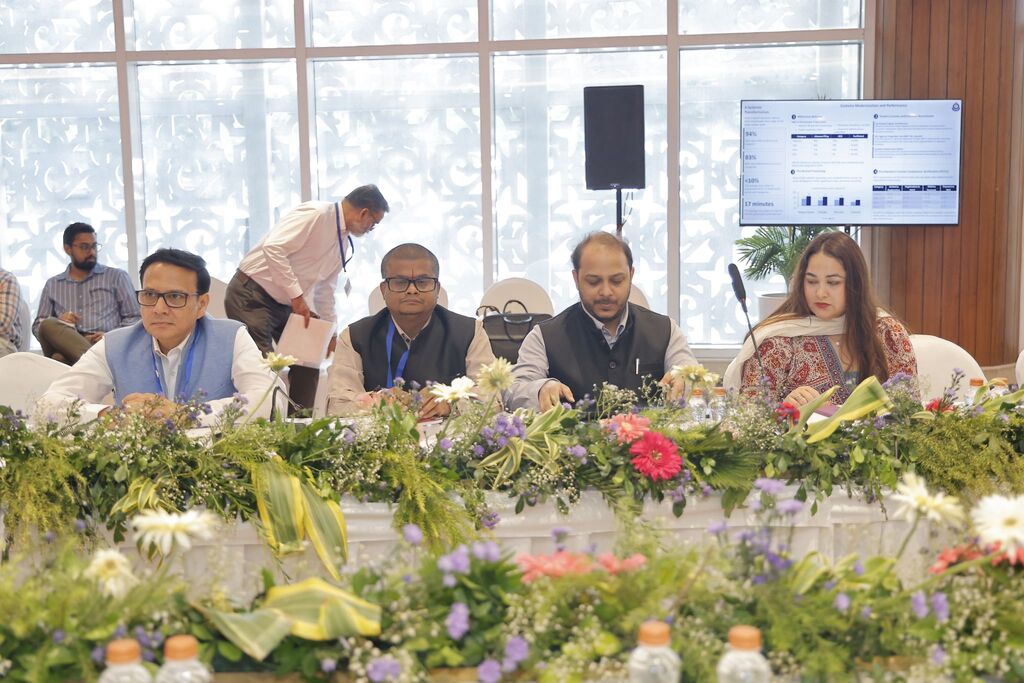
KOLKATA: Reinforcing its commitment to strengthening India’s Customs and trade facilitation ecosystem, the Federation of Freight Forwarders’ Associations in India (FFFAI) actively participated in the 20th Customs Consultative Group (CCG) Meeting, held in Kolkata on 13–14 July 2026.

FFFAI Advocates Key Customs Reforms at 20th Customs Consultative Group Meeting in Kolkata 1 1 FFFAI Advocates Key Customs Reforms at 20th Customs Consultative Group Meeting in Kolkata

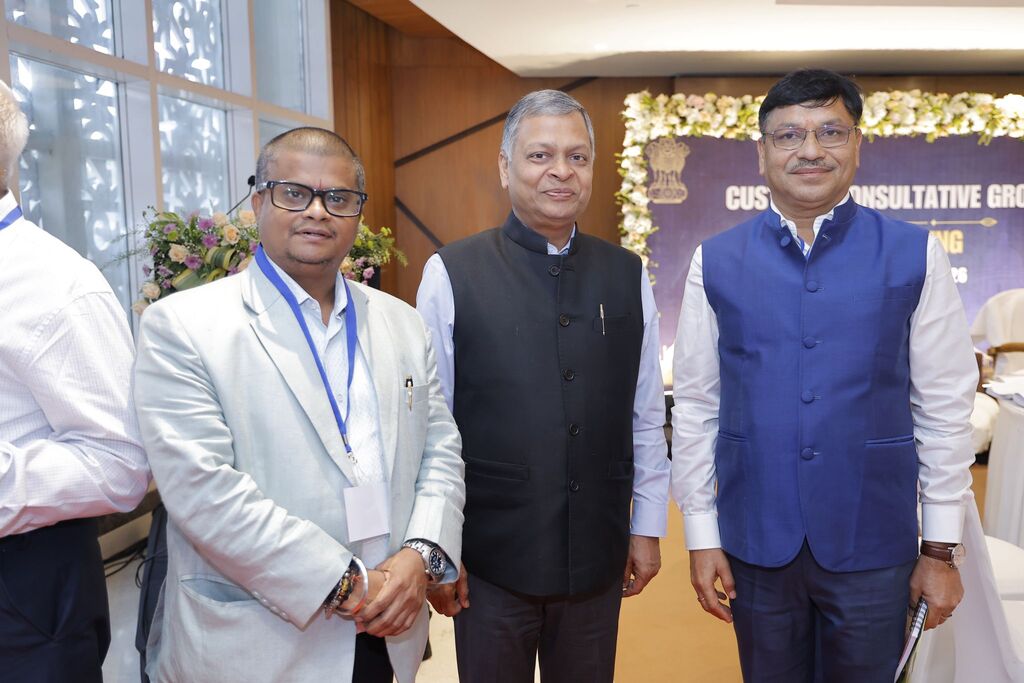
The meeting was chaired by Shri Yogendra Garg, Special Secretary & Member (Customs), Central Board of Indirect Taxes & Customs (CBIC), in the presence of Shri S. K. Sharma, Principal Director General, Export Promotion, and brought together senior Customs officials and leading trade stakeholders to deliberate on policy reforms aimed at enhancing India’s trade competitiveness.

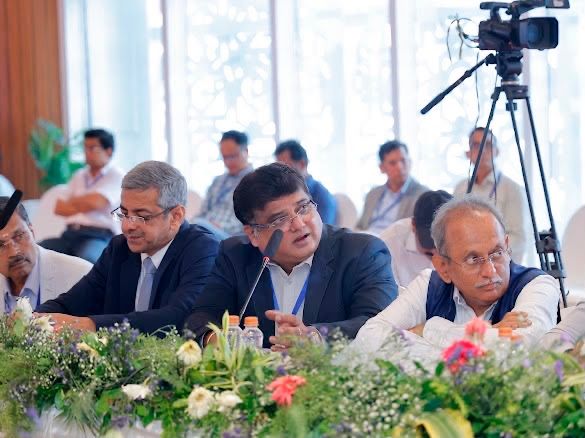
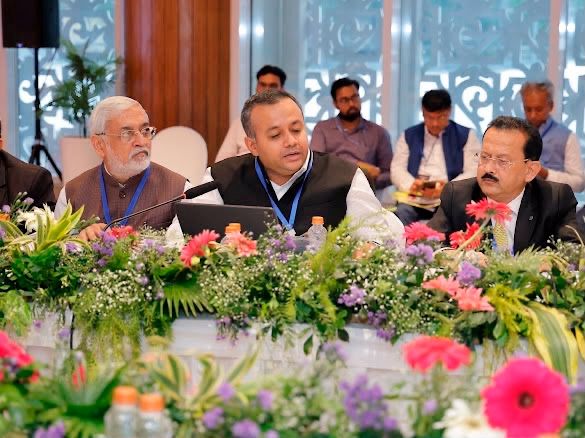
FFFAI Advocates Key Customs Reforms at 20th Customs Consultative Group Meeting in Kolkata 6 FFFAI Advocates Key Customs Reforms at 20th Customs Consultative Group Meeting in Kolkata

The FFFAI delegation comprised Mr. Amit Kamat, Chairman; Mr. Dushyant Mulani, Immediate Past Chairman; Mr. S. Nataraja, Chairman Elect; and Mr. Sudip Dey, Honorary Secretary.

Representing the Customs Broking and freight forwarding fraternity across the country, FFFAI submitted a comprehensive agenda highlighting several key issues that directly impact trade facilitation and operational efficiency. Among the major recommendations placed before CBIC were strengthening the Customs Brokers Licensing Regulations (CBLR), 2018, promoting a trust-based compliance framework, introducing further reforms in Faceless Assessment, and enhancing the functionalities of SWIFT 2.0, ICEGATE and the Customs Brokers Licensing Management System (CBLMS).

The Federation also advocated for speedier refund processing, reduction in litigation, streamlining Partner Government Agency (PGA) clearances, deeper digital integration across Customs processes, and implementation of measures aimed at reducing logistics costs while expediting cargo clearance.

The deliberations witnessed constructive engagement between CBIC officials and industry representatives, with discussions focusing on practical reforms to improve transparency, efficiency, digitalisation and ease of doing business in India’s Customs ecosystem.

FFFAI stated that the Consultative Group Meeting once again provided an important platform for meaningful dialogue between policymakers and trade stakeholders, enabling industry concerns to be addressed through collaborative policy formulation.

Reaffirming its commitment to the country’s trade and logistics sector, FFFAI expressed its resolve to continue working closely with CBIC, Customs authorities and all stakeholders in building a modern, technology-driven, transparent and trade-friendly Customs administration, aligned with the Government of India’s vision of facilitating seamless cross-border trade and improving India’s global logistics competitiveness.

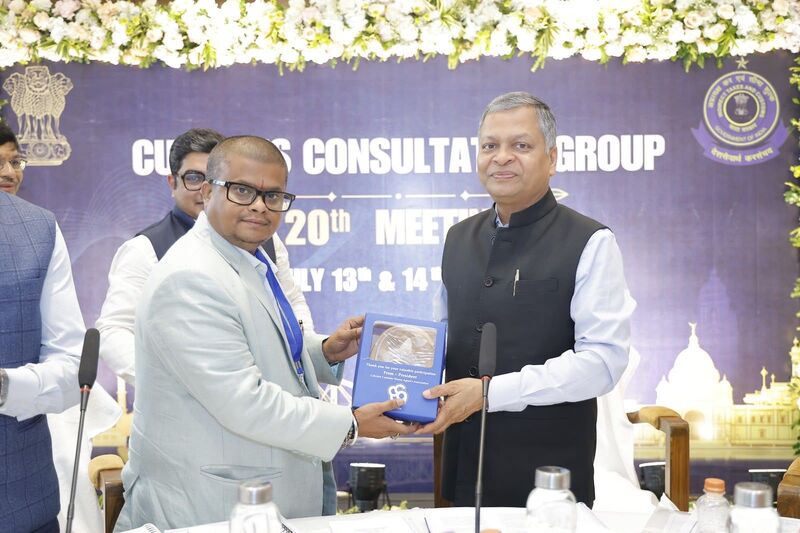
CCHAA President represents Trade Fraternity at 20th Customs Consultative Group Meeting, Felicitates CBIC Dignitaries

KOLKATA: The 20th Customs Consultative Group (CCG) Meeting brought together senior officials from the Central Board of Indirect Taxes and Customs (CBIC), Customs administration, and leading representatives of the trade and logistics industry to deliberate on measures aimed at strengthening trade facilitation, enhancing ease of doing business, and fostering closer collaboration between the Government and industry stakeholders.

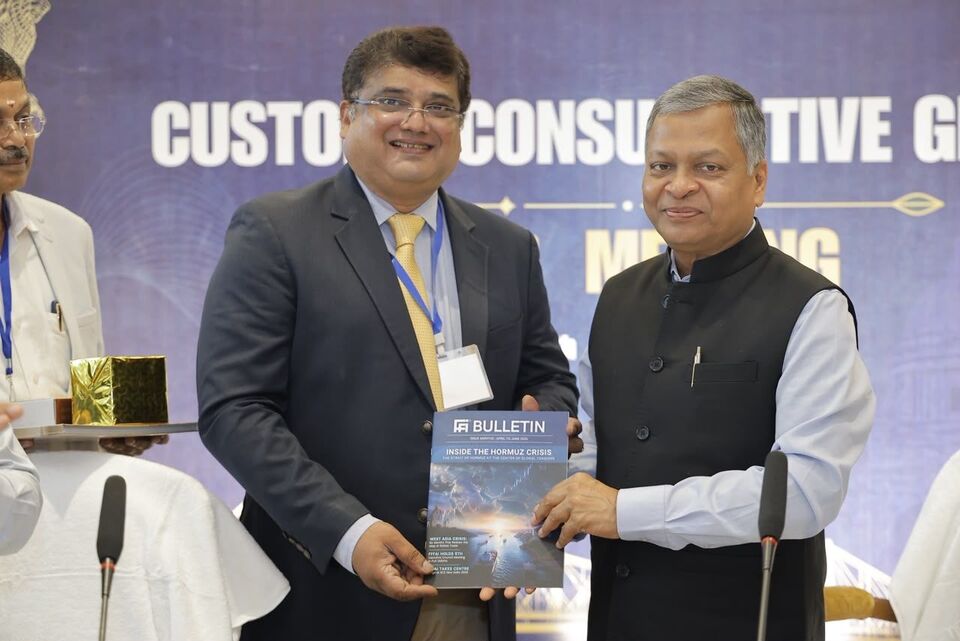
Among the industry representatives present at the meeting was Mr. Mannu Choudhary, President of the Calcutta Custom House Agents Association (CCHAA), who described the occasion as a privilege and an enriching experience.

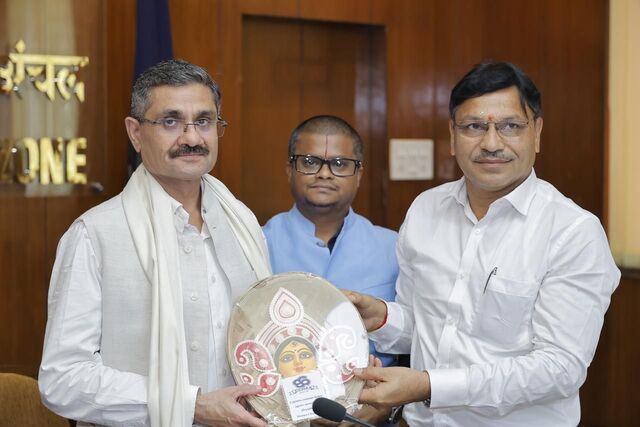
CCHAA President felicitates CBIC Dignitaries CCHAA President represents Trade Fraternity at 20th Customs Consultative Group Meeting, Felicitates CBIC Dignitaries

During the event, Mr. Choudhary had the honour of felicitating Shri Vivek Chaturvedi Ji, Chairman, CBIC; Shri Yogendra Garg, IRS, Member (Customs) & Special Secretary, CBIC; Shri Anupam Prakash, Joint Secretary (Customs); Shri Shrawan Kumar, Chief Commissioner of Customs; Shri R. Srinivasa Naik, Chief Commissioner, GST; along with several other distinguished dignitaries for their leadership and contribution to India’s customs and taxation framework.

The meeting served as an important platform for constructive discussions on policy initiatives, procedural reforms, and collaborative efforts to further improve India’s trade ecosystem. Participants exchanged views on enhancing customs efficiency, simplifying regulatory processes, and strengthening stakeholder engagement to support the country’s growing international trade.

The Customs Consultative Group continues to play a vital role in facilitating regular dialogue between CBIC and industry associations, enabling stakeholders to share practical insights and address operational challenges. Such interactions are instrumental in creating a more transparent, efficient, and business-friendly customs environment aligned with the Government’s vision of improving India’s global competitiveness.

Expressing his appreciation for the initiative, Mr. Mannu Choudhary said that the meeting offered an excellent opportunity for meaningful engagement between policymakers and the trade fraternity. He noted that collaborative discussions of this nature contribute significantly to the continued growth and modernization of India’s customs, logistics, and international trade ecosystem.

The meeting witnessed participation from representatives of prominent trade bodies, including the Federation of Freight Forwarders’ Associations in India (FFFAI), the Brihanmumbai Custom Brokers Association (BCBA), the Calcutta Custom House Agents Association (CCHAA), and other key stakeholders from the customs and logistics sector, reaffirming their collective commitment to supporting India’s trade facilitation agenda.

Container traffic to grow 7-9% as major ports outpace non-majors; POL, coal and iron ore trends diverge

NEW DELHI: India’s port sector is entering a differentiated growth phase, with container volumes emerging as the strongest driver while coal traffic declines and POL and iron ore post moderate gains.

According to a research report by Motilal Oswal Financial Services, “Container traffic is expected to remain a key growth driver for Indian ports, supported by favourable macroeconomic conditions, rising domestic consumption, and greater adoption of containerisation, with volumes projected to expand at a 7-9% CAGR over FY26-FY28,” the brokerage said.

The brokerage expects private players to gain disproportionately. “While the industry growth rate is expected to be 4-5% over the medium term, both APSEZ and JSWINFRA are set for sustained growth of 2-3x the industry, supported by continued organic and inorganic expansions and integrated logistics solutions,” the brokerage said.

Policy support is providing the tailwind. Under National Monetisation Pipeline 2.0 (NMP 2.0), the government has identified 44 brownfield port infrastructure projects–including terminals, berths, and jetties–for monetisation through PPP models aiming to unlock INR 1.2 trillion during FY26-FY30. The larger ambition comes from Maritime Amrit Kaal Vision 2047, which “aims to develop six mega ports with world-class infrastructure and boost India’s total port handling capacity from 2,800 MTPA to 10,000 MTPA by 2047,” according to the brokerage.

FY26 data shows the divergence between major and non-major ports. India’s major ports delivered strong performance in FY26, with cargo volumes rising ~7% YoY to 915 MMT, driven by healthy growth in both overseas (+6.6% YoY) and coastal (+8% YoY) traffic. POL & crude led with 16% YoY growth, while coal and containers also posted robust gains. In contrast, “non-major ports reported modest growth, with cargo volumes increasing ~1.4% YoY to 753 MMT in FY26,” the report said.

Commodity mix is shifting. Coal traffic is likely to “post a compounding decline of 2-4%” as domestic production and renewables rise, while “iron ore traffic is expected to recover at a 5-7% CAGR during FY26-FY28” on higher coastal movement. “POL traffic is projected to clock a moderate 2-4% CAGR over FY26-FY28, driven by stable fuel demand but moderated by improving fuel efficiency.”

India’s location adds to the opportunity. Motilal said, “Aided by 20,275km of national waterways across 24 states, the sector benefits from its strategic location in the Indian Ocean. This positioning aligns India with 80% of the global maritime oil trade, underscoring its potential to become a leading maritime player.”

On valuations, Motilal expects Adani Ports to deliver strong earnings momentum. The brokerage forecasts revenue to grow at 17% compounded annually, EBITDA at 18% and PAT at 22% between FY26 and FY28. For JSWINFRA, it projects volume growth of 19% compounded annually, with revenue rising 39%, EBITDA 34% and APAT 31% over the same period.

“India is well-positioned to emerge as a global maritime hub,” the report said. However, it cautioned that risks remain. Key challenges include geopolitical tensions, rising competition from private and regional ports, volatility in global trade, and uncertainty around policy and regulation.

Source: ANI

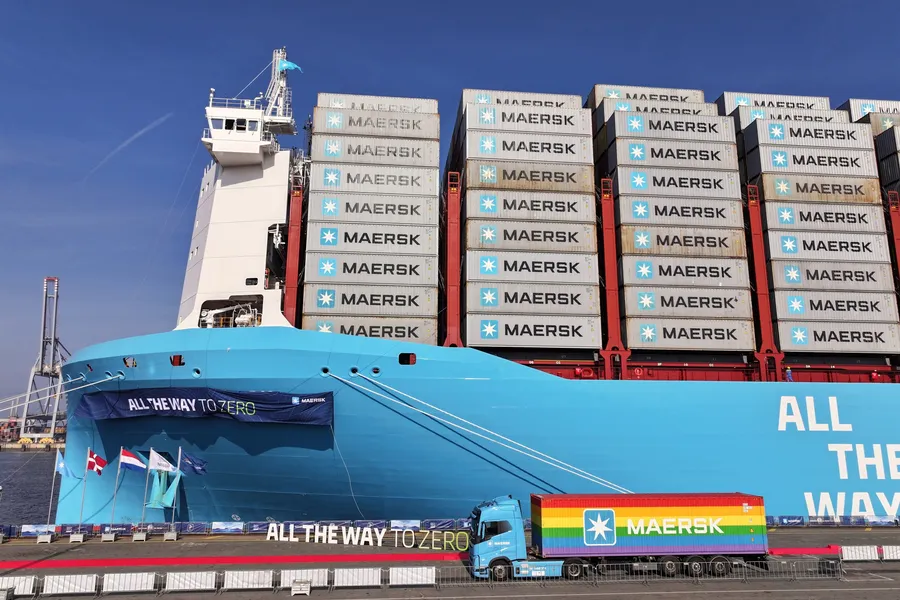
Maersk to announce 2 major tariff changes from August 1

COPENHAGEN : Shipping giant Maersk will increase its tariffs on India-Europe container cargo flow from August 1 this year, which is expected to hit overall freight costs.

Specifically, the hikes under the Emergency Contingency Surcharge (ECS) will affect outbound cargo from Indian ports to various parts of northern Europe, rising by $1,000 (about ₹96,500) each.

ECS refers to an additional freight charge added to offset disruptions in container shipping such as route congestion, bottlenecks, missed voyages, and equipment shortages.

For cargo originating from ports in South and East India—Ennore, Chennai, Kattupalli, Tuticorin, Visakhapatnam, Kolkata, Cochin, Mangalore and Kolkata—the ECS for shipments to North Europe will shoot up from $2,800 (₹2.70 lakh) per TEU to $3,800 (₹3.6 lakh).

For cargo from North West India, which includes the Mundra, Jawaharlal Nehru, Hazira and Pipavav ports, the ECS will rise from $2,500 (₹2.41 lakh) per TEU to $3,500 (₹3.37 lakh).

Cargo shipments from northwestern India to North Europe will also be hit with a Heavy Load Surcharge (HWS) of $2,000 (₹1.93 lakh) per overweight TEU (per container that exceeds a gross weight of 22 metric tonnes).

The HWS will also come into effect from August 1 onwards.

Notably, Europe is an important destination for Indian exports such as textiles, automobile components, leather products, and pharmaceuticals.

This means that bringing in surcharges is bound to exponentially impact final logistics charges for these commodities, in turn affecting profit margins as the four-month-long war in the Gulf rages on, and continues to hit global supply chains.

These developments also come on the heels of the India-EU Free Trade Agreement (FTA), which will see the EU will open 97 per cent of its tariff lines for India, covering 99.5 per cent of India’s exports by value.

This would translate into roughly $33 billion of Indian exports from labour-intensive sectors gaining zero-duty access to EU markets, which would offset shipping surcharges that are expected to be adopted by other shipping lines as well.

However, the India-EU FTA is yet to be signed, as it is undergoing final vetting on both sides before it can come into force, likely by the end of 2026.

For now, all eyes are on how other shipping lines will follow Maersk’s move, and how Indian exporters will respond to the sharp spikes in maritime tariffs.

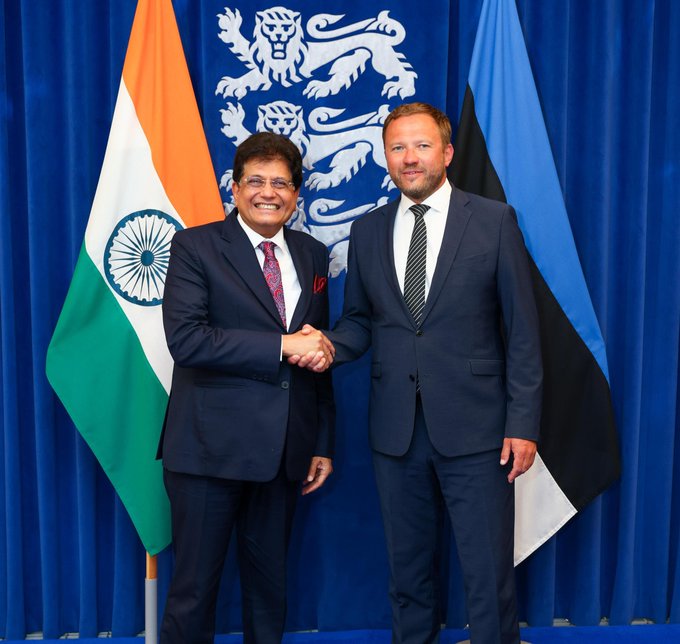
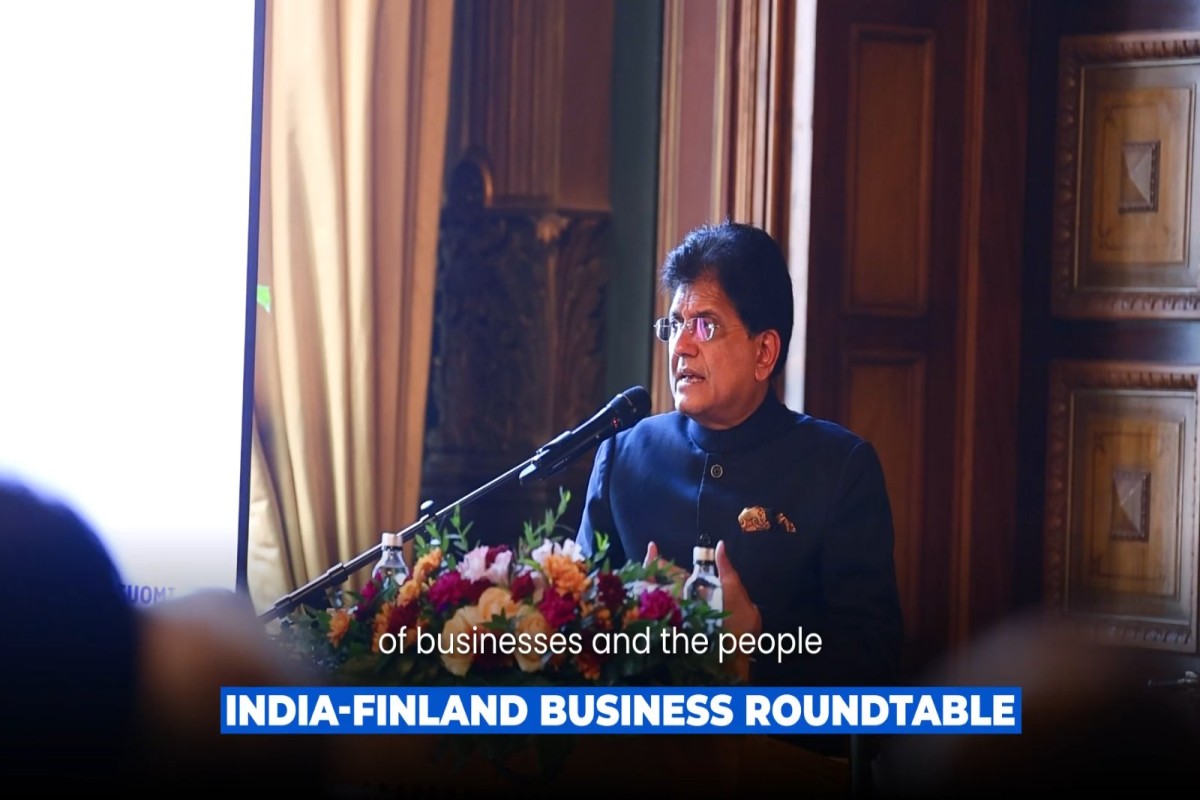
Piyush Goyal addresses India–Estonia Business Forum in Tallinn

TALLINN : Union Minister of Commerce and Industry, Shri Piyush Goyal, addressed the India–Estonia Business Forum in Tallinn during his official visit to Estonia, calling for deeper collaboration in trade, investment, innovation and technology. The Forum brought together senior government representatives, industry leaders and business delegations from both countries to explore new avenues for strengthening bilateral economic cooperation.

The Forum commenced with welcome remarks by H.E. Mr. Margus Tsahkna, Minister of Foreign Affairs of Estonia, followed by the inaugural address by Shri Piyush Goyal. In his address, the Minister highlighted India’s remarkable economic transformation over the past two decades and underscored its emergence as one of the world’s fastest-growing major economies. He emphasised that India’s strong growth trajectory, expanding manufacturing base, vibrant innovation ecosystem and progressive reforms present significant opportunities for global businesses and investors.

Senior Estonian government officials presented an overview of Estonia’s business ecosystem, digital governance and innovation-led growth model. Representatives of Indian industry shared their perspectives on India’s economic progress, growing investment potential and opportunities for enhanced business collaboration between the two countries.

The Business Forum provided a platform for businesses from India and Estonia to engage in discussions on expanding bilateral trade, promoting investment, fostering innovation-driven partnerships and identifying opportunities for collaboration in emerging sectors, including digital technologies, start-ups and advanced manufacturing. The networking sessions enabled direct interactions between industry leaders and stakeholders from both countries.

The day’s engagements concluded with a networking reception hosted by the Ambassador of India to Estonia, providing an opportunity for business leaders and stakeholders to further strengthen commercial linkages and deepen business-to-business and people-to-people ties between India and Estonia.

Piyush Goyal concludes successful visit to Spain, Belgium, Finland and Estonia

ESTONIA : Union Minister of Commerce and Industry Shri Piyush Goyal concluded a five-day visit to Spain, Belgium, Finland and Estonia from 13–18 July 2026, accompanied by a high-level Indian business delegation. During the visit, he held multiple high-level engagements with ministers, senior government leaders, business executives and industry stakeholders across the four countries. The visit aimed to deepen India’s economic partnership with Europe, expand investment linkages, strengthen technology cooperation and promote greater business-to-business engagement, while building on the momentum generated by the successful conclusion of the India–EU Free Trade Agreement (FTA) negotiations.

During his visit to Spain, Shri Goyal held productive discussions with H.E. Mr. Carlos Cuerpo Caballero, First Vice-President and Minister of Economy, Trade and Business, and H.E. Mr. Jordi Hereu Boher, Minister of Industry and Tourism. Shri Goyal proposed an annual India–Spain Joint Commission meeting with business participation, while Spain proposed establishing a dedicated “India Team” to facilitate bilateral engagement.

Both sides also agreed to advance technical discussions on interoperability between India’s Unified Payments Interface (UPI) and Spain’s Bizum digital payments platform. They identified significant opportunities for collaboration in automobiles, pharmaceuticals, chemicals, textiles, renewable energy, tourism and infrastructure. Discussions also covered investment facilitation, mobility of professionals and joint investments in Latin America, leveraging Spain’s strategic position as India’s gateway to Europe and Latin America. Shri Goyal welcomed the flagship C-295 aircraft programme under the ‘Make in India’ initiative and the progress made on the Migration and Mobility Partnership and Social Security Agreement.

Addressing the India–Spain Business Forum, Shri Goyal called upon businesses to forge early partnerships to maximise opportunities arising from the India–EU FTA and outlined an ambitious “10×10×10” vision to increase bilateral trade, investment and tourism tenfold over the next decade.

In Brussels, Shri Goyal co-chaired the 3rd India–EU Trade and Technology Council (TTC) Ministerial Meeting. He welcomed the adoption of the 2026–27 TTC Action Plan and the listing of 21 additional Indian fishery establishments, taking the total number of approved Indian establishments to 625. India also raised the issue of listing Indian ship recycling yards and proposed launching an India–EU dialogue on skills, education and talent mobility.

During meetings with Mr. António Costa, President of the European Council, Mr. Maroš Šefčovič, European Commissioner for Trade, Mr. Wopke Hoekstra, Commissioner for Climate, Net Zero and Clean Growth, Mr. Christophe Hansen, Commissioner for Agriculture and Food, and Mr. Bernd Lange, Chair of the European Parliament’s Committee on International Trade (INTA), both sides reaffirmed their commitment to work towards the early signing and implementation of the India–EU FTA.

The discussions also covered negotiations on the Investment Protection Agreement and the Geographical Indications Agreement, cooperation on the Carbon Border Adjustment Mechanism (CBAM), regulatory simplification, market access for agricultural products, duty derogation for Basmati rice, steel scrap etc. Shri Goyal also proposed dedicated plug-and-play industrial clusters for Belgian companies and explored strategic defence collaboration with Thales in counter-drone technologies and electronic warfare. Both sides recognised the need for a more predictable, transparent and business-friendly regulatory environment to unlock the full potential of India–EU economic relations.

In Finland, Shri Goyal met Ms. Riikka Purra, Acting Prime Minister and Minister of Finance, and Mr. Sakari Puisto, Minister of Economic Affairs. The discussions focused on expanding cooperation in artificial intelligence, 6G, quantum technologies, clean energy, the circular economy, advanced manufacturing and innovation.

Both sides agreed that India’s scale and talent, combined with Finland’s technological capabilities, offer significant opportunities for co-development and co-manufacturing. Discussions also covered university partnerships, startup collaboration, talent mobility and research cooperation.

Shri Goyal also met the leadership of KONE and Nokia and encouraged both companies to significantly expand manufacturing, research and development, exports and digital infrastructure investments in India. He invited Finnish companies to establish manufacturing bases in India to serve global markets and deepen collaboration in telecom technologies, data centres, cloud computing and workforce development.

The Minister concluded his visit in Estonia on 18 July 2026, marking the first ministerial-level visit from India since the opening of India’s resident Embassy in Tallinn in 2021 and underscoring the growing importance of bilateral economic relations. During discussions with Mr. Margus Tsahkna, Minister of Foreign Affairs, both sides explored cooperation in digital governance, fintech, UPI integration, e-residency, cybersecurity and emerging technologies. Estonia expressed strong support for the early implementation of the India–EU FTA and invited India to participate in the Estonia Digital Summit.

Addressing the India–Estonia Business Forum, Shri Goyal encouraged businesses from both countries to expand cooperation in cybersecurity, blockchain, clean energy and green hydrogen. Estonia highlighted its role as a gateway to the Nordic and Baltic region and expressed keen interest in partnering with India’s rapidly growing digital economy. During the visit, the Minister also interacted with members of the Indian community and paid tribute at the Mahatma Gandhi statue in Tallinn.

Throughout the visit, Shri Goyal held extensive interactions with business leaders, industry associations and investors across all four countries. The discussions focused on building resilient supply chains, facilitating investments, strengthening innovation partnerships, promoting manufacturing collaboration and expanding opportunities for Indian MSMEs and startups.

The Minister encouraged European businesses to leverage India’s rapidly growing economy, large domestic market, world-class digital public infrastructure, skilled workforce and stable policy environment to establish India as their preferred manufacturing, innovation and export hub.

The visit imparted fresh momentum to India’s expanding economic engagement with Europe. The understandings reached during the visit are expected to strengthen technology partnerships, promote investment flows, improve market access for Indian exporters and expand cooperation in future-oriented sectors.

Income-tax, MSME amendment Bills among key economic legislations listed for Parliament Monsoon Session

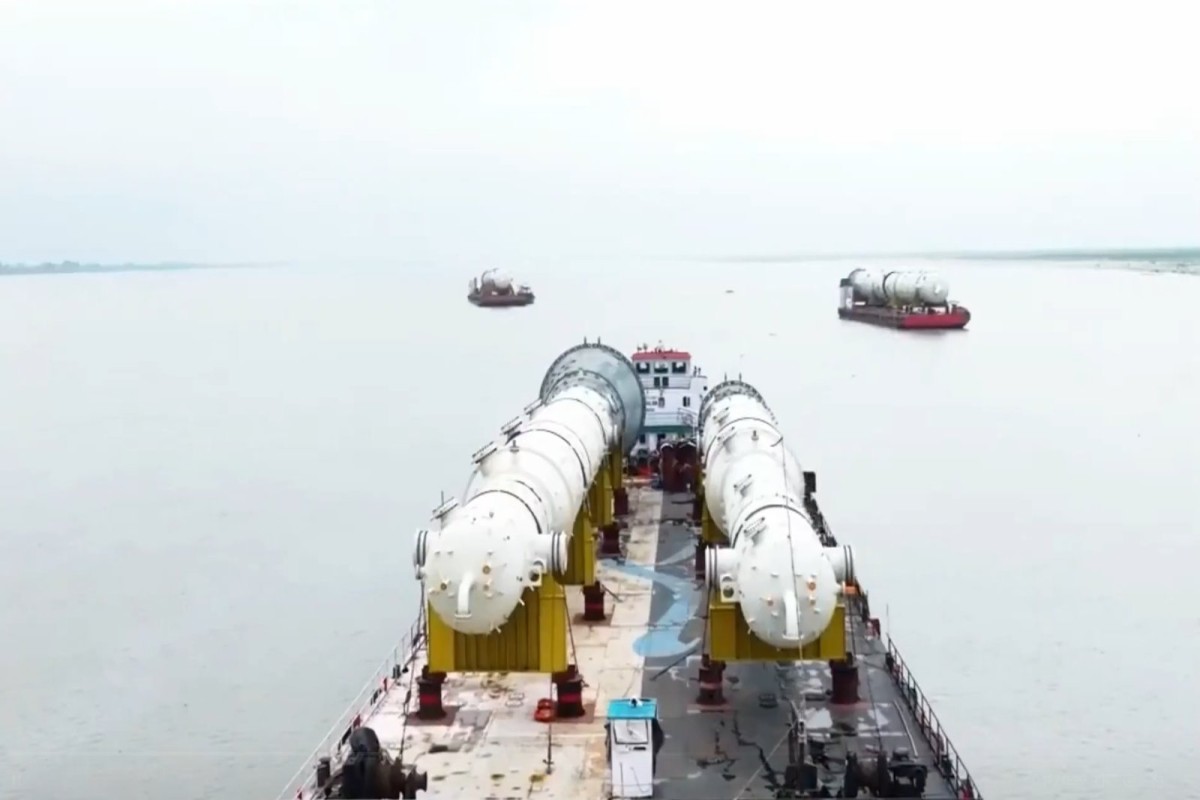
NEW DELHI: The government has listed the Income-tax (Amendment) Bill, 2026 and the Micro, Small and Medium Enterprises Development (Amendment) Bill, 2026, among the key economy-related legislations proposed for introduction during the Monsoon Session of Parliament beginning from Monday, according to the tentative legislative and financial business agenda circulated by the Ministry of Parliamentary Affairs.

The agenda also includes the Foreign Contribution (Regulation) Amendment Bill, 2026, which was introduced in the Lok Sabha on March 25 this year and has been listed for consideration and passing during the Monsoon session.

According to the official document, the Income-tax (Amendment) Bill, 2026, which will replace an Ordinance, “seeks to deepen India’s sovereign debt market, attract stable global capital inflows, and enhance liquidity in view of the prevailing global macro-economic environment, marked by significant volatility arising from geopolitical uncertainties, sharp increases in crude oil prices, and disruptions in global supply chains.”

In simple terms, the Bill seeks to strengthen India’s government bond market, encourage stable foreign investment and improve the availability of funds in the financial system amid global economic uncertainty, rising crude oil prices and supply chain disruptions.

The legislative agenda also states that the Micro, Small and Medium Enterprises Development (Amendment) Bill, 2026 seeks “to align the Micro, Small and Medium Enterprises Development Act, 2006 with the changing MSME landscape, to enhance the Ease of Doing Business and bring trust-based regulations in the MSME ecosystem.”

The document further says the Bill proposes “to strengthen the mechanism for addressing delayed payments and provide for enforcement of arbitral awards for the MSEs, and to introduce flexibility and create enabling provisions for States to decide the composition of the Micro and Small Enterprises Facilitation Council (MSEFC), thereby forming more MSEFCs.”

In simpler terms, the proposed law aims to make it easier for MSMEs to do business, improve the system for resolving delayed payment issues, ensure arbitration awards can be enforced, and give states greater flexibility to constitute more Facilitation Councils for resolving disputes involving micro and small enterprises.

Separately, the Foreign Contribution (Regulation) Amendment Bill, 2026, which is already pending before the Lok Sabha, has been included in the government’s list of business for consideration and passing during the session.

The Monsoon Session of Parliament is scheduled to begin on July 20 and continue until August 13, with a break for Independence Day celebrations before the Houses reconvene if required.