Home Blog Page 2

CONCOR explores strategic logistics co-operation with Singapore Indian Chamber of Commerce & Industry to strengthen India–Singapore Maritime Trade

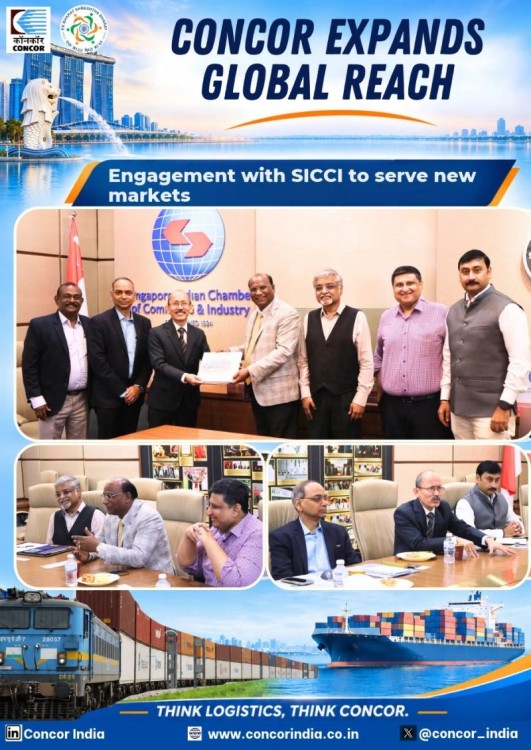
NEW DELHI: Container Corporation of India Limited (CONCOR), a leading multimodal logistics service provider in India, held discussions with the Singapore Indian Chamber of Commerce & Industry (SICCI) to explore opportunities for mutual cooperation and strengthen trade and logistics connectivity between India and Singapore.

The CONCOR delegation, led by Mr. Vijoy Kumar Singh, Director – International Marketing & Operations, met Mr. J.P. Jaiswal, Vice Chairman of SICCI, at the SICCI Building in Singapore. The meeting focused on identifying potential areas of collaboration, expanding logistics partnerships and facilitating greater maritime trade between the two countries.

During the discussions, the CONCOR team presented an overview of its expanding international logistics operations, including its recently commenced overseas shipping services connecting India with Southeast Asia, China and the Gulf/Red Sea regions. By deploying its own containers and leveraging its integrated logistics infrastructure, CONCOR is working towards providing customers with comprehensive end-to-end transportation and supply chain solutions.

The delegation also highlighted CONCOR’s extensive pan-India network of container terminals, its fleet of containers, container train operations and supporting logistics infrastructure. These capabilities position the company to facilitate seamless cargo movement between inland production and consumption centres and international maritime gateways, while offering greater flexibility and efficiency to exporters and importers.

The interaction provided an opportunity to discuss how CONCOR’s multimodal logistics capabilities could complement Singapore’s strategic position as a major international maritime and transshipment hub. Potential cooperation is expected to support stronger logistics linkages, facilitate cross-border cargo movement and create new opportunities for businesses engaged in India–Singapore trade.

The meeting was also attended by Mr. Pradeep Menon, Advisor – Strategy & CEO, and Mr. Divay Goel from SICCI, along with Mr. Vineet Mathur, Executive Director – Shipping, and Mr. Rahul Singh, Senior Manager – Shipping, from CONCOR.

CONCOR expressed its appreciation to SICCI for the constructive interaction and valuable engagement. The company reiterated its commitment to exploring meaningful partnerships that can contribute to the development of maritime trade, strengthen international logistics connectivity and support closer commercial relations between India and Singapore.

The engagement marks another step in CONCOR’s efforts to expand its international footprint and establish stronger partnerships across key global trade corridors.

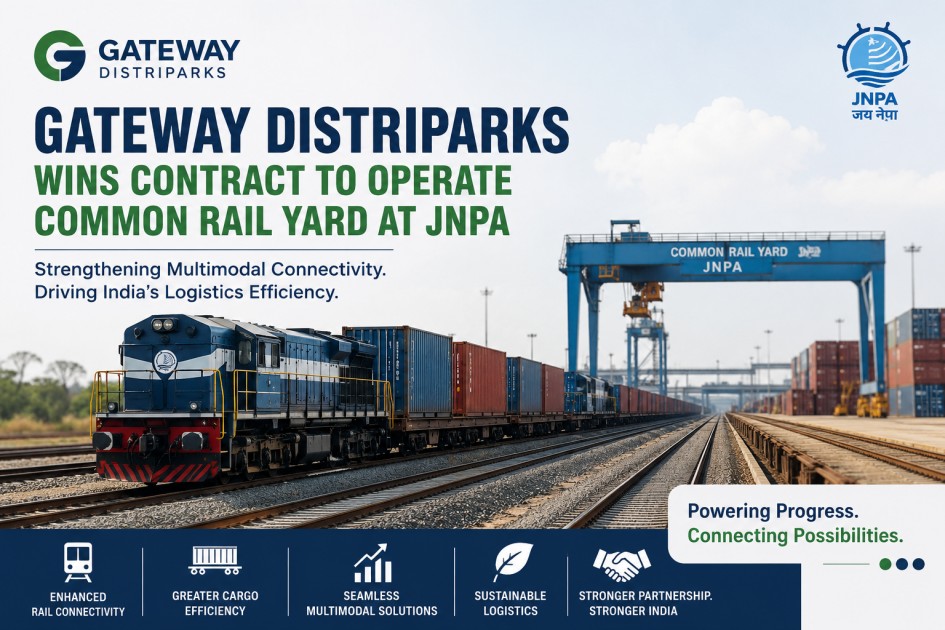
Gateway Distriparks wins contract to operate common rail yard at JNPA

MUMBAI: Gateway Distriparks Limited (GDL) has been awarded an 8-year contract for the operations and management of the Dedicated Freight Corridor (DFC)-compliant common rail yard terminal at Jawaharlal Nehru Port Authority (JNPA) at Nhava Sheva.

The common rail yard terminal forms an important part of JNPA’s rail infrastructure, facilitating the handling of mixed container trains carrying cargo destined for different container terminals within JNPA. Of the five rail terminals within the port, this is one of only two facilities equipped with 1,500-metrelong DFC-compatible railway lines, designed to accommodate long-haul container trains and enable efficient handling and movement of rail-bound import and export cargo.

Under the contract, Gateway will be responsible for the operations and management of this common rail yard terminal, including train handling and placement within the terminal, segregation of mixed container trains, container handling and stacking, inter-terminal transfers and associated yard activities. This will help support more efficient train handling, improved coordination and optimal utilisation of the port’s rail infrastructure.

Prem Kishan Dass Gupta, Chairman & Managing Director, Gateway Distriparks Limited, commented: “We are pleased to take on this responsibility at JNPA, which is an important gateway for India’s international trade. Rail connectivity plays a vital role in moving containers efficiently to and from the port, and we look forward to bringing our experience in rail operations to this facility. Our focus will be on working closely with JNPA and the port terminals to ensure smooth train movements, better coordination and reliable service for everyone using the rail network.”

The award represents a strategic expansion of Gateway’s service portfolio beyond its established container rail transportation, Inland Container Depot (ICD) and Container Freight Station (CFS) operations. It further strengthens the company’s presence at JNPA, where Gateway already operates a CFS, while establishing a platform to pursue similar management opportunities across India.

About Gateway Distriparks Limited

Gateway Distriparks Limited is one of India’s leading integrated multimodal logistics companies, providing container rail transportation, inland container depot and container freight station services. The company operates an extensive network of rail-linked inland terminals and container freight stations, offering integrated logistics solutions to importers, exporters and shipping lines. Gateway is focused on strengthening India’s rail-led logistics infrastructure and facilitating efficient movement of containerised cargo across the country.

Source: Gateway Distripark Ltd.

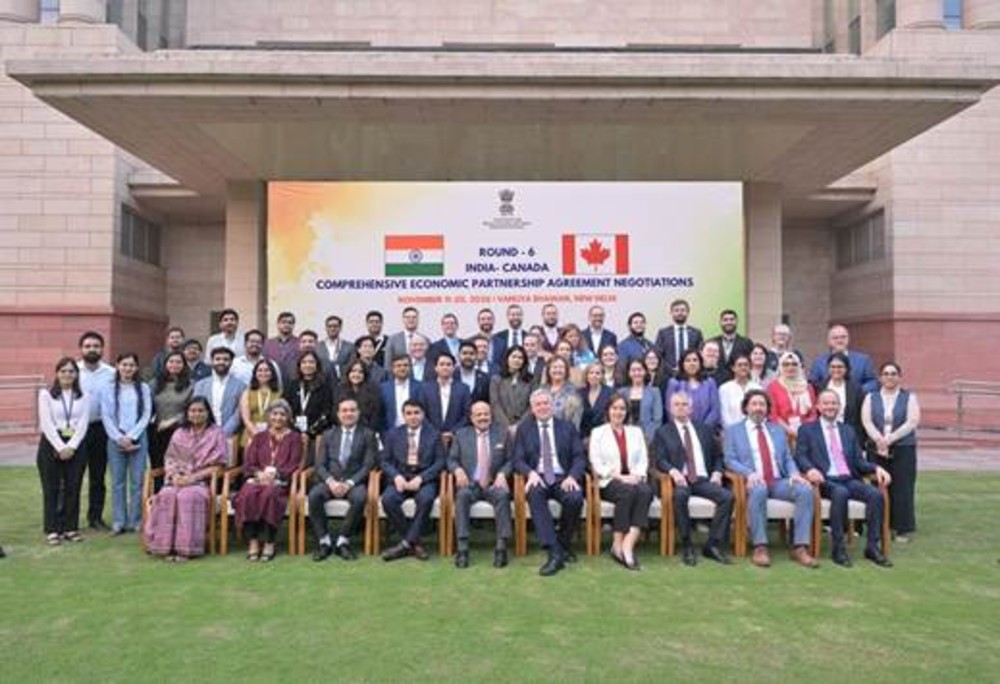
Piyush Goyal and Canadian Minister Maninder Sidhu reaffirm commitment to a balanced and mutually beneficial CEPA

NEW DELHI: The sixth round of negotiations for the India-Canada Comprehensive Economic Partnership Agreement (CEPA) was held in New Delhi from 11 to 20 November 2026. The Indian delegation was led by Dr. Brij Mohan Mishra, Chief Negotiator, while the Canadian delegation was led by Ms. Mary-Catherine Speirs, Chief Negotiator. The negotiations covered key areas, including Trade in goods, Trade in services, Rules of origin, Trade Remedies, Intellectual Property and Investment promotion.

The negotiating round opened with a warm and constructive meeting in New Delhi on 11 November between Shri Piyush Goyal, Minister of Commerce and Industry and Mr. Maninder Sidhu, Canada’s Minister of International Trade. Both Ministers underscored the importance of a balanced and mutually beneficial CEPA that delivers meaningful market access, builds on the complementarities of both economies and creates new opportunities for trade and investment. They reviewed progress in the negotiations and guided their teams to advance discussions productively.

The round witnessed constructive and substantive discussions across the negotiating tracks, with both sides making progress towards advancing the negotiations. The discussions were guided by the shared objective of concluding the negotiations within the ambitious timelines envisaged by the leaders of the two nations.

Towards the conclusion of the round, the Commerce Secretary Shri Rajesh Agrawal held a productive meeting with Mr. Glenn Purves, Vice Minister of International Trade of Canada, and his delegation in New Delhi. The meeting provided an opportunity to review the progress achieved during the sixth round of negotiations and take stock of the overall status of the India-Canada CEPA discussions. Both sides reaffirmed their shared commitment to concluding an ambitious, balanced and commercially meaningful agreement that delivers tangible benefits to farmers, industries, businesses and Micro, Small and Medium Enterprises (MSMEs) in both countries.

It was underscored that the proposed CEPA would unlock new opportunities in trade and investment, strengthen resilient and diversified supply chains, and further deepen the economic partnership between India and Canada. The successful conclusion of the sixth round reflects the continued engagement and commitment of both sides towards advancing the negotiations and strengthening bilateral economic and commercial ties.

APEDA organises stakeholder interaction programme in Varanasi

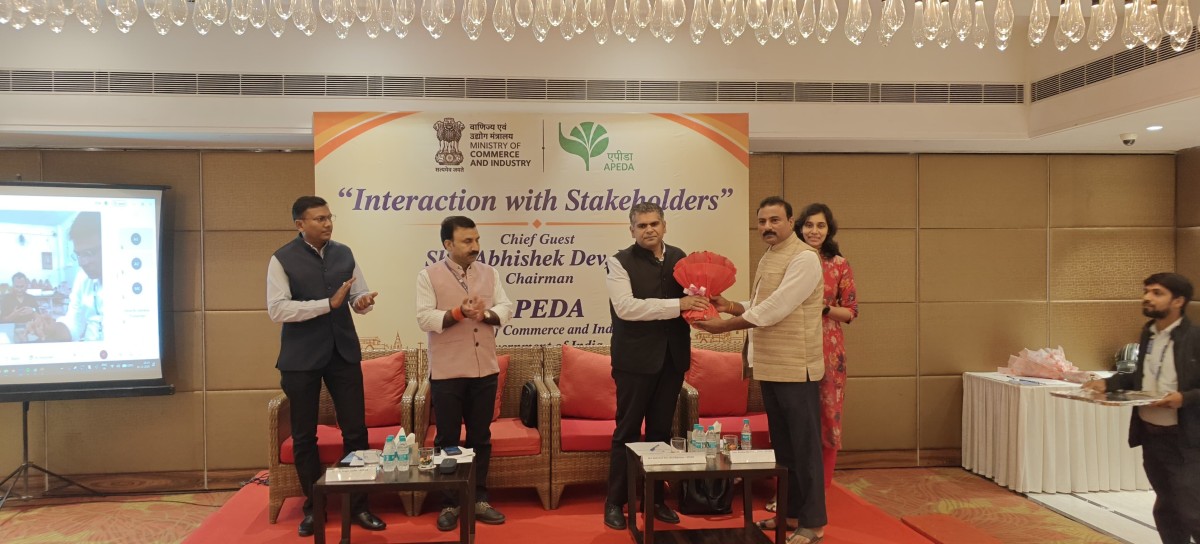
VARANASI: The Agricultural and Processed Food Products Export Development Authority (APEDA), under the Department of Commerce, Ministry of Commerce and Industry, Government of India, organised an ‘Interaction with Stakeholders’ programme on 20 November 2026 in Varanasi.

The programme brought together exporters and government agencies to discuss key issues concerning agricultural and processed food exports, including export facilitation, packaging, logistics, market access, regulatory requirements and institutional support. APEDA officials addressed the concerns raised by participants and assured them of all possible assistance in resolving export-related challenges and facilitating greater participation of regional exporters in international markets.

Under the chairmanship of Chairman, APEDA, Shri Abhishek Dev, a key highlight of the programme was the virtual flag-off of the first-ever export consignment of frozen green peas and mixed vegetables from Farrukhabad, Uttar Pradesh, to Qatar. Exported by M/s Shree Laxmi Frozen Foods, the consignment comprises 63 metric tonnes of frozen green peas and mixed vegetables. The shipment originated from Farrukhabad and was dispatched through Nhava Sheva Port for onward transportation to Doha, Qatar.

The maiden shipment marks an important development in diversifying Uttar Pradesh’s agricultural export basket, particularly in the value-added and frozen food segment. Farrukhabad and its adjoining areas have considerable potential for vegetable production and processing. The export demonstrates the potential to connect regional agricultural production with food-processing facilities and international supply chains, creating opportunities for farmers, Farmer Producer Organisations (FPOs), processors and exporters.

Addressing the programme, Chairman, APEDA, Shri Abhishek Dev, reiterated APEDA’s commitment to extending necessary support to member exporters for promoting agricultural and processed food exports. He also spoke about the recently launched Bharat Krishi Niryat Yojana (BKNY), aimed at encouraging agricultural exports and strengthening export-related infrastructure and activities. He further highlighted APEDA’s BHARATI initiative, which seeks to empower FPOs and facilitate their integration into export value chains, enabling them to access international markets.

The Chairman emphasised the need for coordinated efforts among exporters, FPOs, government departments and other stakeholders to enhance the competitiveness of Indian agricultural products in global markets. The interaction also provided an opportunity to identify practical challenges faced by exporters and discuss measures to strengthen institutional support and export facilitation.

The programme was attended by senior officials from APEDA, the Department of Agriculture, Government of Uttar Pradesh, ECGC, DPPQS, AICLASS and other concerned institutions, along with exporters, FPOs and representatives from the agricultural and food-processing sectors.

Through stakeholder engagement, market development initiatives, infrastructure support and capacity-building programmes, APEDA continues to facilitate the expansion of India’s agricultural and processed food exports. The first-ever export consignment of frozen green peas and mixed vegetables from Farrukhabad to Qatar marks a step towards expanding the product diversity and geographical reach of Uttar Pradesh’s agricultural exports.

EU faces industry backlash over Indian ship recycling rejection

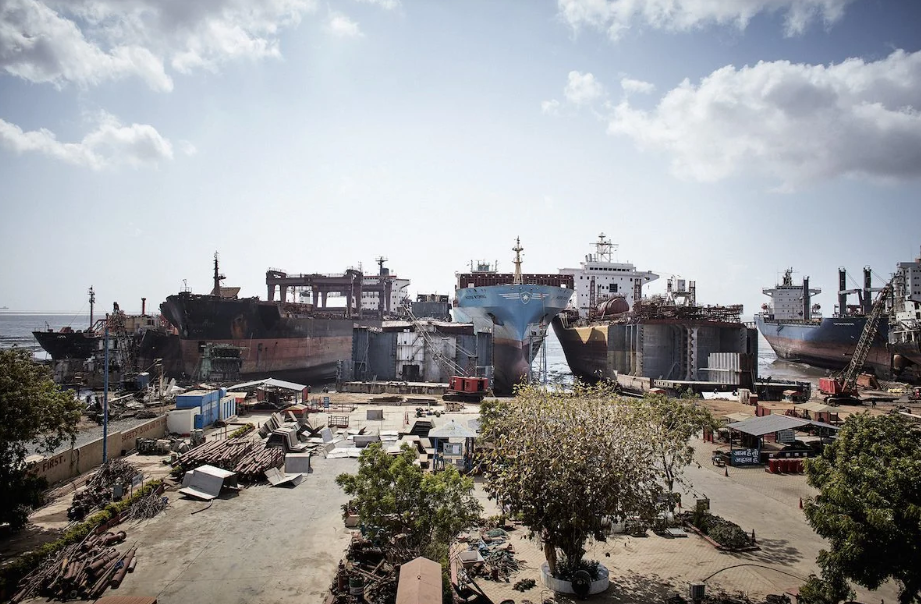
LONDON: The heads of eight industry bodies have called for the approval of the first two Indian recycling facilities that have successfully passed inspections and comply with European recycling regulations.

The European Parliament’s Committee on the Environment, Climate and Food Safety rejected the move to approve the first two Indian recycling yards despite their successful completion of an independent European Union inspection process. This process affirmed that the two facilities complied with all aspects of the EU Ship Recycling Regulation (SRR).

Now, in an open letter to members of the European Parliament, the heads of the European Community Shipowners’ Associations, BIMCO, the Cruise Lines International Association (CLIA), the International Chamber of Shipping, Intercargo, Interferry, Intertanko, and the World Shipping Council have called on Members of the European Parliament (MEPs) to vote down the Committee’s decision to reject approval for the first two recycling facilities on the Indian subcontinent, Shree Ram Vessel Scrap and YSI Recyclers.

The yards would have been the first in the region to be allowed to recycle end-of-life ships from EU-based owners. A thorough independent inspection concluded that the facilities meet the same standards of the EU SRR and its Technical Guidance Note that have underpinned every previous edition of the European List.

“Declining to approve facilities that objectively meet the standards the EU has itself agreed would undermine the credibility of the EU’s own legislation,” the shipping bodies stated in their open letter. “We call on Parliament to base its decision on facts and evidence: non-OECD yards that meet the EU SRR’s requirements can and should be recognised.

“The proposed inclusion reflects years of substantial investment and effort since the adoption of the Hong Kong Convention (HKC) in 2009,” they continued. “The yards concerned have made considerable capital investments to upgrade their infrastructure, safety systems and environmental management to meet the HKC and EU SRR standards.”

The issue is pressing. Bimco has estimated that more than 16,000 ships of about 700m dwt will require recycling over the next 10 years. This is more than two times the number and almost three times the deadweight tonnage that has been recycled over the last decade.

There are few options for owners who face this impasse. One would be to pay for a ship to be recycled in Europe, but there are few facilities capable of handling large vessels. A second would be to sell to an intermediary for onward sale elsewhere. And a third high-risk strategy for the unscrupulous might be to add to the growing number of ships that lie at the bottom of the sea.

Suez Canal Authority advances Egypt’s shipbuilding ambitions with launch of two deep-sea fishing vessels and sea trials of two 90-ton bollard bull tugboats

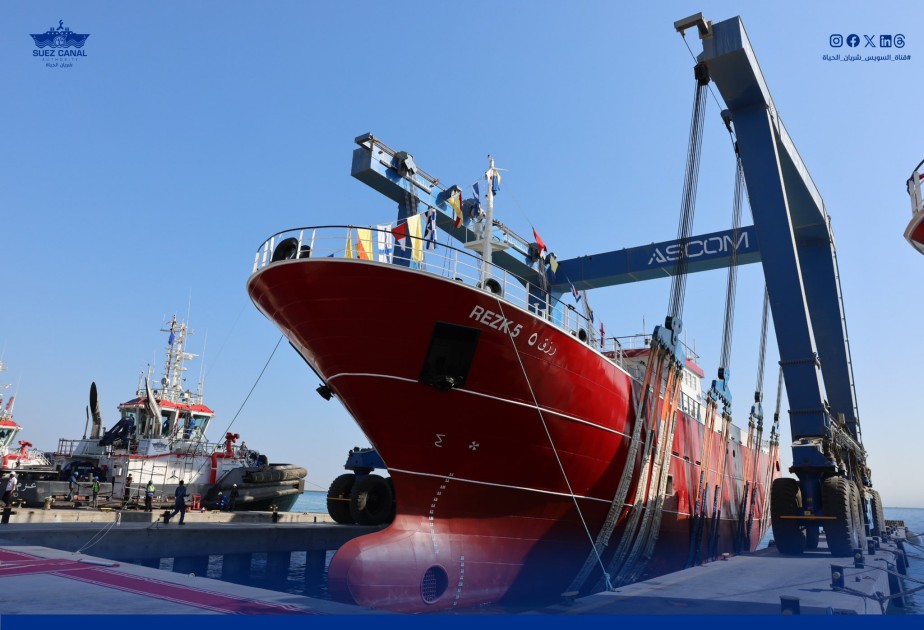
CAIRO: The Suez Canal Authority (SCA) has achieved another significant milestone in Egypt’s domestic shipbuilding programme with the launch of two advanced deep-sea fishing vessels, Rizq 4 and Rizq 5, and the commencement of sea trials for two 90-ton bollard pull Azm-class tugboats at South Red Sea Shipyard in Safaga.

Admiral Osama Rabie, Chairman of the Suez Canal Authority, witnessed the ceremony alongside Dr. Walid El-Barqi, Governor of the Red Sea. They were received by Mr. Mostafa El-Degheishi, Chairman of the Board of South Red Sea Shipyard Company, along with senior company executives and employees.

The initiative forms part of Egypt’s broader efforts, under the directives of President Abdel Fattah El-Sisi, to localise the construction and manufacturing of different categories of marine vessels, strengthen domestic shipbuilding capabilities and reduce dependence on imported vessels.

Two Advanced Deep-Sea Fishing Vessels Launched

The newly launched Rizq 4 and Rizq 5 are deep-sea fishing vessels constructed at Masr Factory under the Rizq-class programme. Both vessels have identical technical specifications, measuring 50 metres in length and 10.5 metres in breadth, with a draft of 4.2 metres and a maximum speed of 12 knots. Their construction is being carried out under the supervision of the Italian classification society RINA.

Addressing the gathering, Admiral Osama Rabie described the Rizq-class vessels as the first technology of their kind in Egypt for building deep-sea fishing vessels to international quality standards. Equipped with advanced systems and capabilities, these vessels are designed to support fishing operations in international waters.

He emphasised that the Suez Canal Authority aims to modernise Egypt’s fishing fleet by developing both deep-sea and coastal fishing vessels using advanced international technologies. The programme is also intended to establish a competitive domestic manufacturing base capable of meeting national requirements and exploring export opportunities.

Tugboat Construction Programme Gains Momentum

The ceremony also marked the commencement of sea trials for two additional Azm-class tugboats, each featuring a bollard pull capacity of 90 tonnes. These are the seventh and eighth tugboats in the first phase of the programme, which envisages the construction of 10 tugboats.

The Suez Canal Authority has also outlined an ambitious target of building 50 ocean-going tugboats for export markets, reflecting its intention to expand Egypt’s marine engineering and shipbuilding capabilities and strengthen its position in the international market for specialised marine vessels.

SCA Targets Higher Shipyard Production Capacity

Admiral Rabie announced that the Authority intends to double the production capacity of its shipyards and affiliated companies, with a target of launching two marine vessels every month. The expansion is aimed at meeting the growing requirements of the Egyptian maritime industry while creating additional capacity to serve international customers.

He noted that the localisation of advanced fishing vessel and tugboat construction represents an important step in developing Egypt’s shipbuilding industry, acquiring specialised technical expertise and building the capabilities required to compete in regional and international markets.

Mr. Mostafa El-Degheishi, Chairman of the Board of South Red Sea Shipyard Company, highlighted the importance of the partnership with the Suez Canal Authority, stating that the collaboration has opened new opportunities for localising the construction of more complex and larger marine vessels. The partnership is expected to support technology development, expand manufacturing capabilities and strengthen the country’s domestic shipbuilding ecosystem.

Red Sea Governor Highlights Employment and Industrial Opportunities

Dr. Walid El-Barqi, Governor of the Red Sea, appreciated the efforts of the Suez Canal Authority and South Red Sea Shipyard Company in advancing the localisation of marine vessel construction.

He highlighted the positive impact of these initiatives in generating employment opportunities for young people in Upper Egypt, developing specialised technical skills and training a qualified workforce to support the growth of Egypt’s domestic maritime and manufacturing industries. He also praised the progress achieved at the Safaga shipyard and expressed confidence in its future development.

Suez Canal Reports Strong Recovery in Vessel Traffic and Revenue

During the press conference, Admiral Rabie also shared encouraging figures regarding the recovery of maritime traffic through the Suez Canal, noting that several major international shipping lines have resumed their services through the strategic waterway.

According to navigational reports from the beginning of November 2026, the Canal recorded 1,194 vessel transits, with a combined net tonnage of 72 million tonnes and revenues of US$593 million. During the corresponding period last year, the Canal registered 886 vessel transits, 37 million tonnes of net tonnage and revenues of US$295 million.

This represents year-on-year growth of 34.8% in vessel transits, 92.2% in net tonnage and 101.2% in revenue, indicating a substantial improvement in shipping activity and the Canal’s financial performance.

Strengthening Egypt’s Position in the Global Maritime Industry

The latest developments at South Red Sea Shipyard demonstrate the Suez Canal Authority’s expanding role beyond canal operations into shipbuilding, marine engineering and vessel manufacturing.

By combining domestic manufacturing, international technical standards, strategic partnerships and export-oriented production, Egypt aims to strengthen its maritime industrial base, generate skilled employment and create new opportunities in the global shipbuilding market.

The launch of Rizq 4 and Rizq 5, together with the sea trials of the seventh and eighth Azm-class tugboats, marks another step towards establishing a stronger and more self-reliant Egyptian maritime industry while supporting the country’s long-term ambitions in international shipping and marine manufacturing.

“K” LINE Signs Contract for Construction of Two LPG Dual-Fuel VLGCs

TOKYO: Kawasaki Kisen Kaisha, Ltd. (“K” LINE) announces on Tuesday that it has signed agreements with South Korea-based HD Hyundai Samho Co., Ltd. regarding the construction of two LPG dual-fuel very large gas carriers (VLGCs for liquefied petroleum gas (LPG) and ammonia transportation, hereinafter the Carriers).

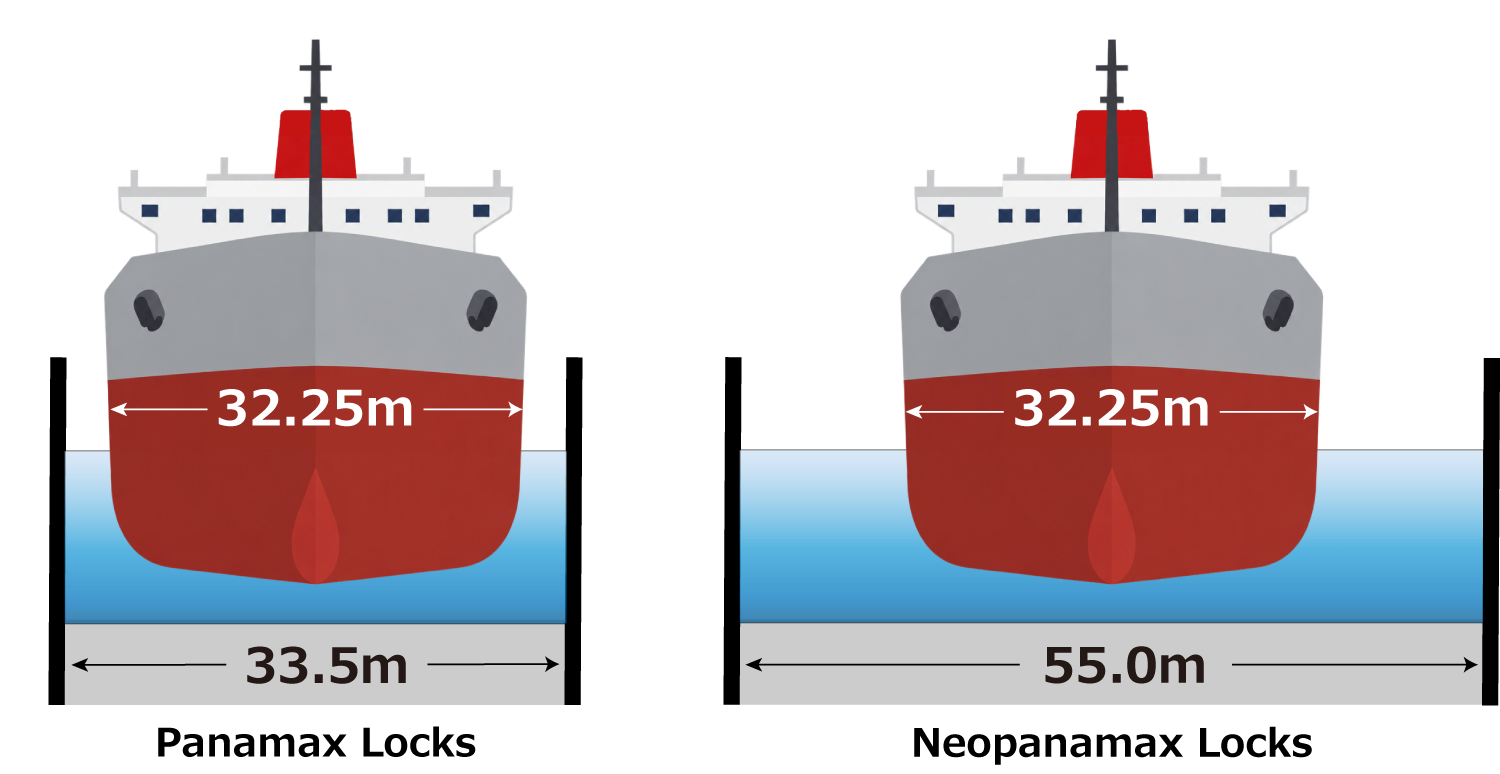
The Carriers to be built are of the latest design, with cargo tanks having a total capacity of approximately 90,000 m³ and a limited beam for passing through the old and new locks of the Panama Canal. In response to increasing U.S. LPG exports, they support flexible procedures for transiting the Panama Canal based on congestion levels, traffic restrictions, and other conditions.

In terms of environmental performance, the Carriers feature a dual-fuel design that enables the use of LPG as fuel. When using LPG, the Carriers produce lower greenhouse gases such as CO2, and air pollutants, and therefore have a lower environmental impact. In terms of cargo capability, the Carriers are designed to carry not only LPG but also liquefied ammonia. Designed in anticipation of future demand for ammonia transportation, they support the transition to a low-carbon or decarbonized society.

“K” LINE has long offered safe and high-quality transportation services to meet demand for transportation of LPG and other liquefied gases. By building the Carriers, “K” LINE will develop its VLGC fleet and continue to support a stable supply of energy.
 

Major Specifications of the Carriers

ShipyardHD Hyundai Samho Co., Ltd.
Number of vesselsTwo
Delivery2030 (plan)
Overall lengthApprox. 230 m
BeamApprox. 32.25 m
Cargo tank capacityApprox. 90,000 m3
Main engineLPG dual-fuel engine
CargoesLPG and ammonia

This diagram shows the relationship between the beam of the Carriers (approx. 32.25 m), the old lock width (approx. 33.5 m), and the new lock width (approx. 55 m).

This diagram shows the relationship between the beam of the Carriers (approx. 32.25 m), the old lock width (approx. 33.5 m), and the new lock width (approx. 55 m).

MINTRA and LEDGID explore collaboration to connect Maritime Digital identity, Learning and Workforce development

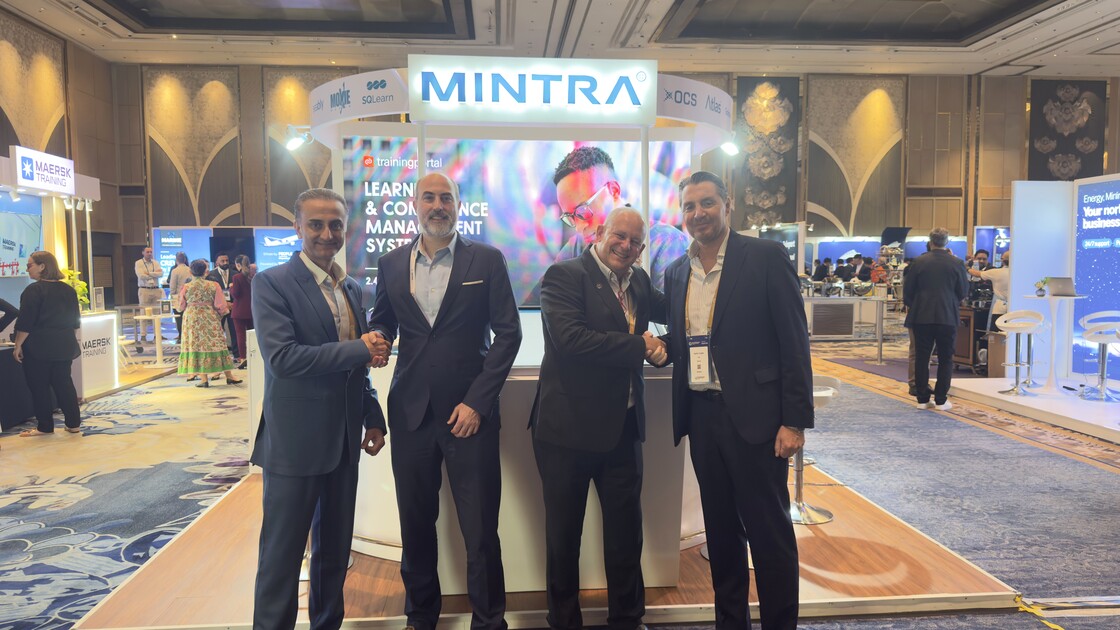
BERGEN/CYPRUS: Mintra® and LEDGID are exploring opportunities to bring together complementary capabilities in digital learning, maritime training, professional identity and verified records. The discussions reflect a shared interest in supporting seafarers and maritime organisations through more connected approaches to professional development, training and workforce compliance.

The organisations bring different but complementary areas of expertise. Mintra provides digital learning, maritime training, competency management and workforce development solutions for safety-critical industries. LEDGID is developing digital identity and verification capabilities focused on seafarers and their professional records. Together, the companies are exploring how these capabilities could complement one another and contribute to a more connected maritime professional ecosystem.

CONNECTING TRAINING, COMPLIANCE AND PROFESSIONAL DEVELOPMENT

Training, professional competence and regulatory compliance are central to safe and effective maritime operations. By exploring how digital learning can complement trusted professional identity and verified records, Mintra and LEDGID aim to identify opportunities to make relevant learning and professional development more accessible and to support organisations in managing workforce capability and compliance requirements.

Potential areas of collaboration include connecting verified professional information with relevant learning and development services, supporting access to training and certificate-related information, and exploring how digital tools can help seafarers manage their professional development. Any future capabilities or services would be subject to further evaluation, appropriate technical and data-protection safeguards, and agreement between the organisations.

“The maritime industry needs to connect professional records with meaningful learning and development. We are interested in exploring how trusted digital identity and verification can complement Mintra’s learning and competency capabilities, while keeping seafarers and the needs of maritime operators at the centre. The opportunity is to make professional development more connected, relevant and accessible,” said Kjetil Flood, CRO of Mintra.

The broader opportunity is to support a more connected professional journey in which identity, verified records, learning and professional development can complement one another. Mintra and LEDGID will continue discussions to understand where this approach can deliver practical value for seafarers and maritime organisations, while each company retains responsibility for its own platform, services, customer relationships and data.

“We see an opportunity to bring trusted digital identity and verified professional records closer to established learning and professional development services. Our discussions with Mintra are an opportunity to explore how complementary capabilities can support seafarers and the wider maritime industry,” said Henning Mark Davies, CEO of LEDGID.

Mintra and LEDGID are approaching the opportunity as independent organisations with complementary capabilities. Their discussions are focused on areas where collaboration could address relevant industry needs, strengthen the seafarer experience and support maritime employers. Any specific initiatives, services or commercial arrangements would be considered separately and agreed between the parties.

Achilles launches AI-powered Site Control to transform how organisations manage contractor and site compliance

ABINGDON (UK): Achilles, a global provider of supply chain risk and performance management, announced the launch of Site Control, an AI-powered solution that gives organisations a new way to manage contractor and site compliance.

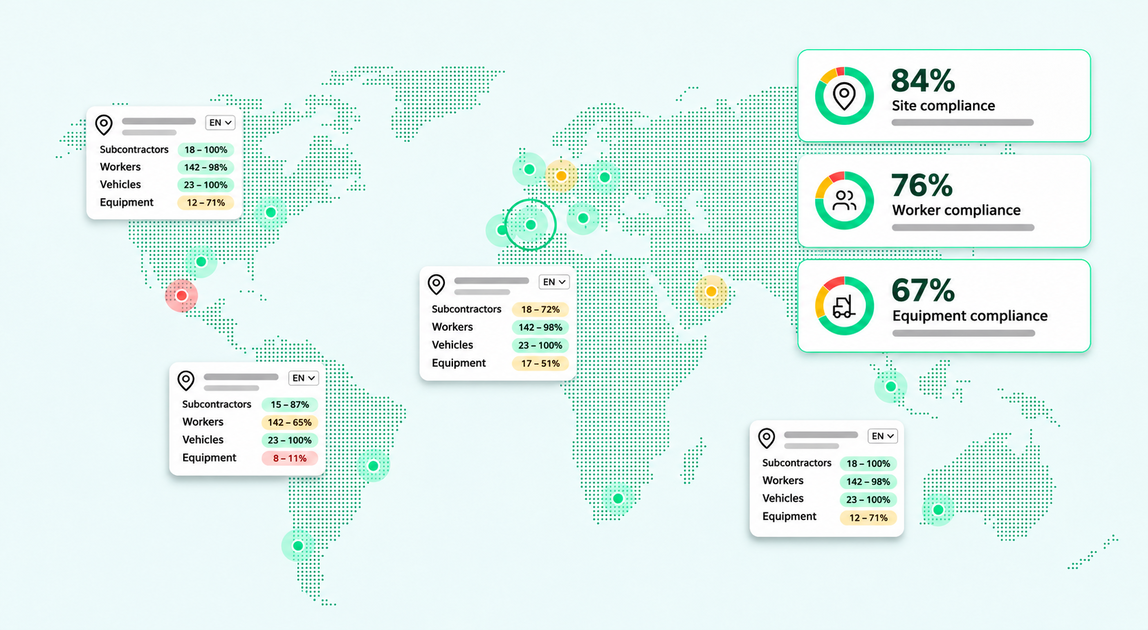
Combining intelligent automation with Achilles health and safety expertise, Site Control helps contractors understand and meet site requirements, while giving site leaders powerful tools to monitor people, plant and machinery, ask questions about their compliance status, and demonstrate control across sites worldwide.

For HSE and site leaders, collecting compliance documents is only the beginning. Understanding what those documents show, keeping information current and following up on outstanding requirements can involve substantial manual work. Site Control brings these activities together, using AI and automation to support the process from contractor submission through to validation, monitoring and reporting.

Helping contractors meet site requirements

Site Control helps contractors understand and meet the requirements for their people and equipment, with clear visibility of the documentation and evidence they need to provide. Requirements can be tailored to individual sites and types of work, helping contractors address gaps earlier and reducing the back-and-forth that can delay approval.

Powered by SmartAchilles, Site Control extracts relevant information from submitted documents and checks it against defined requirements. Routine validation can be automated, while documents requiring further judgment are referred to Achilles health and safety specialists. This combines faster processing with specialist oversight, backed by more than 35 years of Achilles expertise.

“Site Control helps customers get the right people and equipment ready for work with less administration and great confidence”, said Mark Chamberlain, Chief Product Officer at Achilles, “Combining SmartAchilles with our specialist expertise gives teams faster answers and more time to address the issues that need their attention, helping them maintain compliance and keep operations moving safely”.

Turning compliance information into answers and action

For HSE and site leaders, Site Control makes the information collected for them easier to explore and act on. Users can ask questions in their own words such as “Which contractors at this site have mandatory documents that are missing, expired or due to expire next week?” and find the relevant records and outstanding requirements without reviewing each submission individually.

Teams can generate tailored reports, identify issues before they affect planned work and communicate compliance status across their organisation. The same evidence supports internal reviews and site audits, helping responsible leaders demonstrate what have been checked, where gaps remain and what needs to happen next.

“This is a major step forward in how we help customers manage contractor and site compliance,” said Francisco Pontoriero, Head of Achilles’ Innovation Centre. “Until now, AI in contractor and site management has largely focused on automating document processing and validation. While that brings significant efficiencies, we believe AI can go much further. We are bringing AI into the work that takes time every day: helping contractors provide the right information, checking documents and finding answers across the evidence we collect. Being able to question that information directly makes it even more useful. Site leaders can explore what is happening across their sites, understand where attention is needed and use the answers to inform their next steps.”

Supporting connected operations worldwide

Available in local languages and configurable to reflect local regulatory and customer requirements, Site Control helps organisations apply a consistent approach across sites while accommodating different locations and activities and countries. It supports contractors, workers, vehicles, plant and machinery across sectors including energy, construction, manufacturing and facilities management.

As part of Achilles, Site Control also connects site-level assurance with wider supplier intelligence. This gives organisations a broader view of the businesses they work with from the companies providing services to the people and equipment arriving on site.

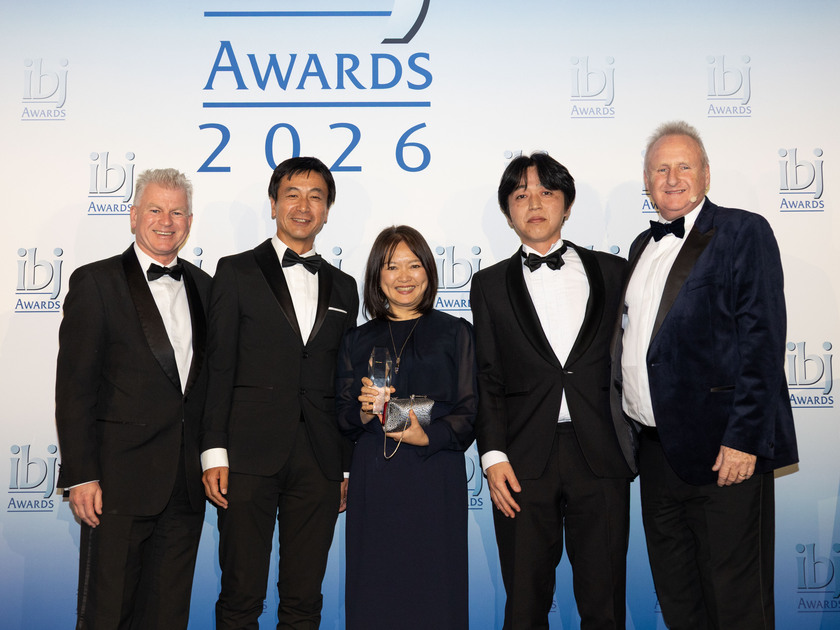
‘ClassNK Fleet Cost Simulation’ receives ‘Innovative Technology Award’ at IBJ Awards

TOKYO: The service ‘ClassNK Fleet Cost Simulation’*1 provided by ClassNK has been honored with the Innovative Technology Award (Marine) at the IBJ Awards 2026, hosted by International Bulk Journal (IBJ), a UK-based maritime media outlet. The award ceremony took place on 16 November in Ghent, Belgium.

The IBJ Awards recognize companies and organizations for outstanding initiatives and achievements in the maritime bulk shipping and cargo handling industry. Awards are presented across a wide range of fields, including safety, environmental protection, technological innovation, and port and terminal operations, and this year marks the 17th edition of the event.

ClassNK received the Innovative Technology Award for this service. The award is presented to companies and organizations that have delivered tangible benefits to the maritime industry through the introduction of new technologies or software.

As GHG-reduction regulations in international shipping continue to become more stringent, understanding their cost impacts has become an important management issue. ‘ClassNK Fleet Cost Simulation’ estimates cost impacts on behalf of clients under GHG-reduction regulations such as the EU-ETS, FuelEU Maritime, and IMO’s mid-term measures. In this service, a simulation tool is provided that visualizes each step of the calculation process. With transparent calculation logic, the tool can be used directly for internal explanations, while its secure offline operation enables clients to safely handle highly confidential data. It also allows users to compare scenarios based on their own specific conditions and regulatory proposals still under discussion, supporting well-informed decision-making on matters such as fuel selection and investment in newbuildings.

The service is already used by many shipping companies, shipyards, and cargo owners, and cost analyses have been conducted for more than 200 vessels to date. These practical contributions and strong evaluations from clients were comprehensively acknowledged, leading to the recognition received this time. The service also received the Best Project Innovation Award at the Saudi Maritime Awards, hosted by Robban Assafina, a maritime media platform in the Middle East.*2