Home Blog Page 201

HSL proposes greenfield shipyard in A.P. to boost domestic shipbuilding capacity

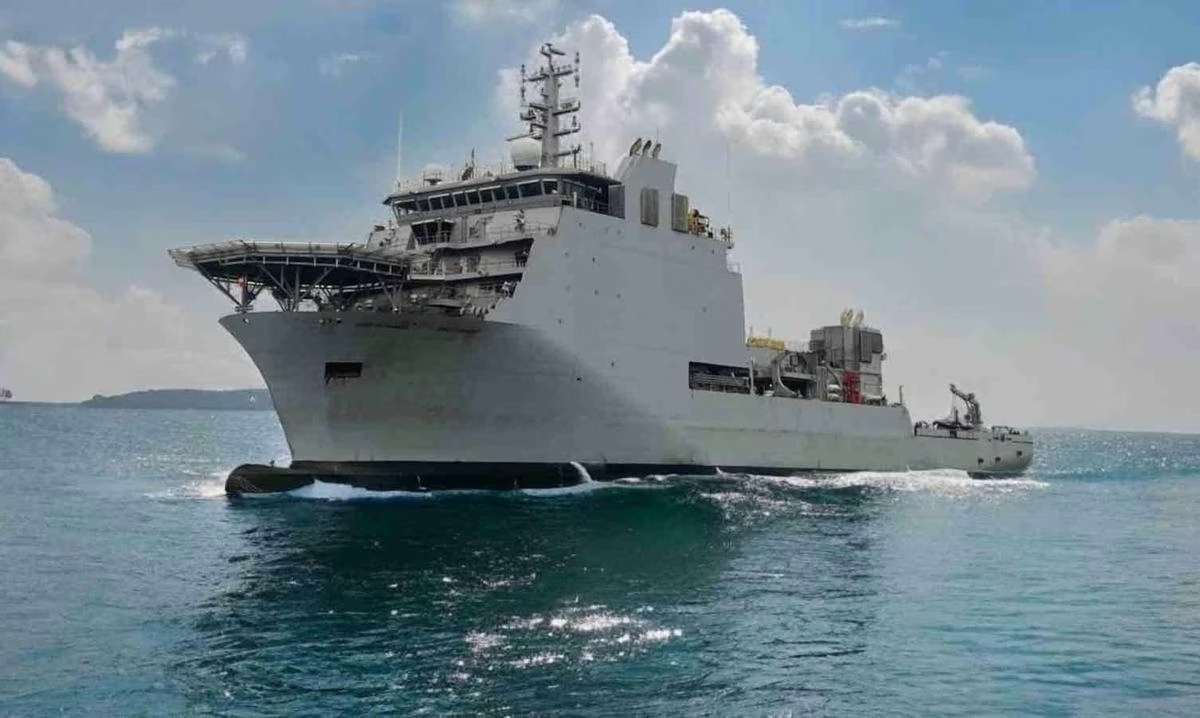
VISAKHAPATNAM : In a strategic move to position Andhra Pradesh as a leading maritime hub, the Visakhapatnam-based Hindustan Shipyard Limited (HSL) has proposed establishment of a greenfield shipyard in the State.

The development was brought to the forefront during a high-level interaction between HSL Chairman and Managing Director, Rear Admiral Chandrasekharan Raghuram, and Andhra Pradesh Governor S. Abdul Nazeer, at the Raj Bhavan.

The discussions centered on strengthening India’s maritime self-reliance. During the meet, the HSL chief highlighted the shipyard’s operational turnaround and outlined expansion plans aligned with the Maritime Amrit Kaal Vision 2047.

Machilipatnam in Krishna district and Dugarajapatnam in Tirupati district have been identified as the potential locations for the proposed greenfield facility.

“Yes, as per the Centre’s directives, the greenfield shipyard is just a proposal by HSL as part of the company’s expansion and exploration plans,” an HSL official told The Hindu. Active shipyards

The domestic shipbuilding landscape is currently led by public sector undertakings alongside a few private players. Major shipyards include Cochin Shipyard Limited in Kochi, which is the largest facility in the country, and Mumbai-based Mazagon Dock Shipbuilders Limited, which specialises in warships and submarines.

Additionally, Garden Reach Shipbuilders & Engineers in Kolkata and Goa Shipyard Limited cater heavily to defence requirements. On the east coast, L&T Shipbuilding operates a major private facility at Kattupalli. HSL, established in 1941 in Visakhapatnam, remains the only defence public sector shipyard on the eastern seaboard.

Need for capacity boost
India currently accounts for less than 1% of global shipbuilding output. Under the Maritime Amrit Kaal Vision 2047, the Union government aims to propel India into the top five shipbuilding nations globally by scaling up the domestic capacity to 4.5 million gross tonnage.

With nearly 95% of India’s trading cargo by volume currently carried on foreign-flagged vessels, expanding domestic commercial shipping is critical to saving foreign exchange. This goal requires the creation of mega-scale shipbuilding clusters, modern infrastructure to support green-energy vessels, and dedicated facilities to build high-capacity fleet support ships. The proposed greenfield shipyard in Andhra Pradesh is designed to address these capacity constraints, said HSL sources.

India to sign MoU with Russia of cooperation on transporting cargo along Northern Sea Route

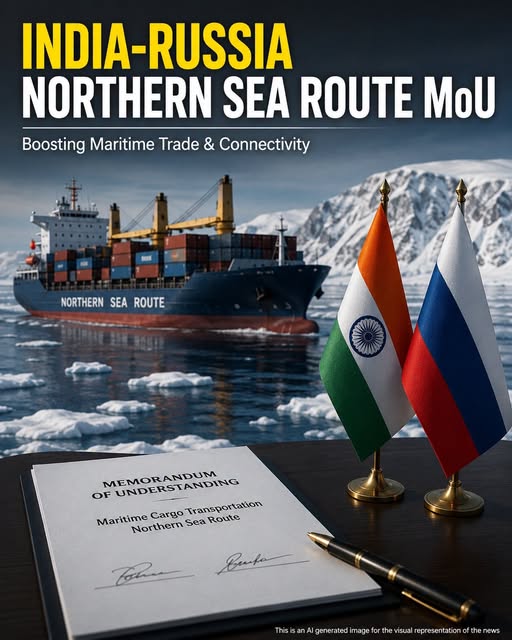
MOSCOW : The Russian Government has accepted Rosatom state nuclear energy corporation’s proposal to sign a memorandum between Russia and India on developing cooperation in maritime cargo transportation along the Northern Sea Route, and the corresponding order has been signed by Prime Minister Mikhail Mishustin and posted on the official portal of regulatory legal acts on Tuesday.

“To accept the proposal of Rosatom state nuclear energy corporation, as agreed with the Foreign Affairs Ministry and other interested federal executive bodies and preliminarily discussed with India, to sign a memorandum between the government of the Russian Federation and the government of the Republic of India on developing cooperation in maritime cargo transportation along the Northern Sea Route,” according to the order.

Rosatom has been instructed to sign the memorandum on behalf of the government.

Centre for Trade and Investment Law launches guidebook to help Indian MSMEs expand into global markets

NEW DELHI : The Centre for Trade and Investment Law (CTIL), Indian Institute of Foreign Trade (IIFT), in collaboration with the Confederation of Indian Industry (CII), launched the guidebook Going Global: A Practical Guide for Indian MSMEs here in New Delhi . Representatives from CII presented an overview of the guidebook, which has been developed as a one-stop practical resource to help MSMEs identify export opportunities, understand market access requirements, leverage freely available trade intelligence tools, comply with international standards and sustainability requirements, and build export readiness.

The guidebook addresses common challenges faced by MSMEs, including limited access to market information, inadequate knowledge of overseas buyers, difficulties in complying with international standards and certifications, and maintaining price competitiveness. It provides a practical roadmap by simplifying market analysis, explaining standards and certification requirements, offering guidance on identifying buyers, and highlighting reliable, freely available tools that can reduce the cost of market research. The publication is intended to enable MSMEs to make informed business decisions and participate more effectively in international trade.

Following the launch, a panel discussion moderated by Mr. Sumanta Chaudhuri brought together Mr. Ridhish Rajvanshi, Senior Research Fellow, CTIL; Dr. Animesh Saxena, Managing Director, Neetee Apparels and Past President, FISME; and Mr. Nalin Kohli, Chairman, Araina Group. The discussion examined opportunities for Indian MSMEs to expand into international markets through the effective use of preferential Rules of Origin and cooperation mechanisms under India’s Free Trade Agreements. The panellists also discussed strategies for identifying promising export destinations, understanding international standards and certification requirements, positioning products to meet global demand, and enhancing competitiveness through diversification and value addition.

The event also featured a presentation by Ms. Tanvi Praveen, Consultant, CTIL, on the Trade Remedies Advisory Cell (TRAC). The presentation highlighted the role of TRAC in supporting domestic industry by creating awareness about trade remedy laws and providing guidance on issues relating to unfair trade practices and import surges.

The event brought together policymakers, industry representatives, trade experts and MSME stakeholders to deliberate on practical strategies for strengthening the global competitiveness of Indian Micro, Small and Medium Enterprises (MSMEs).

The inaugural session commenced with welcome remarks by Dr. James J. Nedumpara, Head, Centre for Trade & Investment Law, followed by context-setting remarks by Mr. Sumanta Chaudhuri, Principal Advisor, International Trade Policy Division, CII. The session also featured remarks by Shri Anil Bhardwaj, Secretary General, Federation of Indian Micro and Small & Medium Enterprises (FISME). Additional Secretary, Department of Commerce, Shri Amitabh Kumar delivered the Special Address.

The programme concluded with an interactive question-and-answer session, enabling participants to engage with policymakers and industry experts on practical aspects of export preparedness, standards compliance and market access. The concluding remarks emphasised the importance of building trust and partnerships among MSMEs through joint ventures, participation in trade exhibitions, stronger institutional support and effective utilisation of the tools provided in the guidebook to facilitate their integration into global value chains.

India identifies 100 items, worth $51 billion in critical imports for domestic manufacturing push : Sources

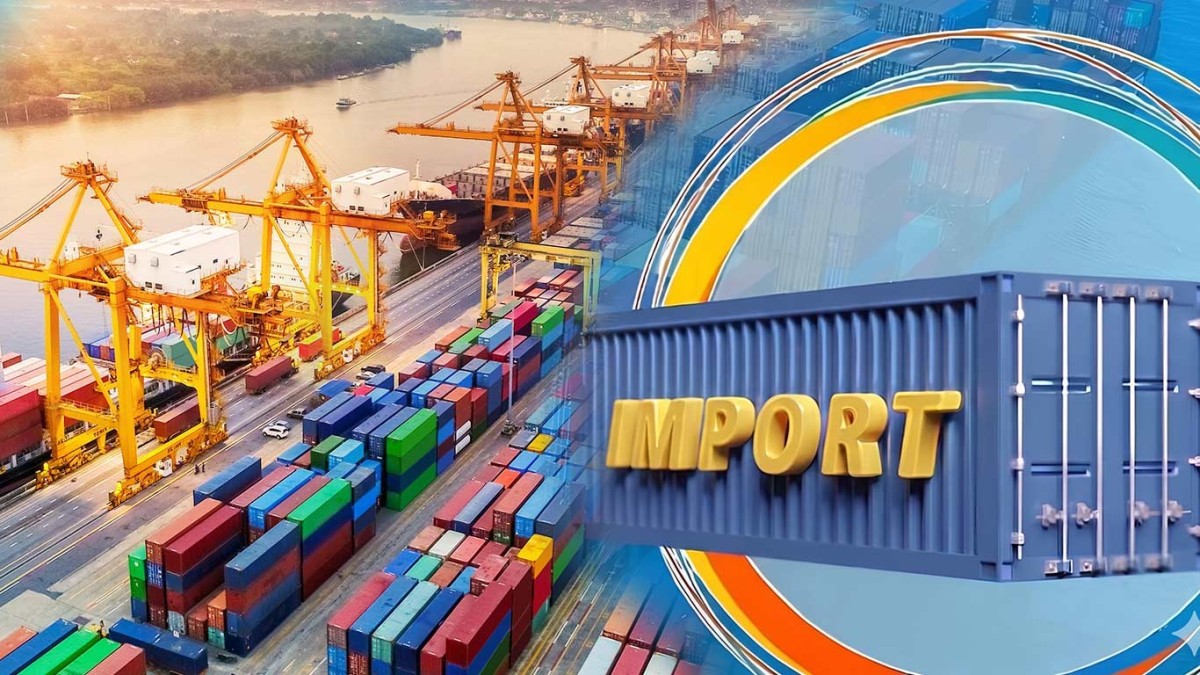
NEW DELHI : India is seeking to push domestic manufacturing for items worth $51 billion in imports, three ‌government sources said, as Prime Minister Shri Narendra Modi seeks to reduce the country’s reliance on overseas suppliers.
The South Asian nation imported $775 billion worth of goods in the 12 months ended March 2026 and an internal government analysis showed that imports worth $398 billion have ​the potential to be replaced by local manufacturing, the first source said.

Of this, about $51 billion in ​imports were viewed as critical for the manufacture of items ranging from textiles to solar ⁠panels, the source said, adding that about 100 items would be taken up for immediate action. The three ​government sources did not want to be identified because the project is confidential. India’s trade ministry did not immediately ​respond to Reuters’ request for comment.

India’s latest push to boost domestic production comes as it grapples with supply-chain risks heightened by geopolitical tensions. It is also seeking to reduce its dependence on China and narrow its trade deficit. The items span sectors from footwear ​to textiles, electric vehicles and solar panels, one of the sources said.

“The identification is based on the fact ​that these are critical for economic resilience, cutting reliance on suppliers such as China, and to achieve cost competitiveness through incentives ‌and subsidies,” ⁠another government source said.

India has made previous efforts to boost local manufacturing, including its 2014 ‘Make in India’ program and a more recent ‘Production Linked Incentive’ scheme. The efforts paid off in some sectors like mobile phones and consumer electronics but failed to bring down overall imports.

India’s imports from China stood at nearly $132 billion in the fiscal ​year 2025/26, the highest among ​any nation New Delhi ⁠buys from, and including inputs and machinery critical to the functioning of India’s factories.

The government found for example that sole moulds for footwear, worth about $483 million in imports ​last year, take about two weeks to make in India, compared with three ​to five days ⁠in China. The government aims to narrow this gap with incentives to attract investment and to encourage joint ventures with firms from Taiwan, South Korea, Germany and Italy, the first source said.

In the renewables sector, $3 billion worth of solar photovoltaic ⁠cell imports ​are weighing on domestic manufacturers as lower-priced Chinese imports undercut prices. ​The cells could be produced locally, the source said.
The Indian government is encouraging state-owned firms to join the new local production drive, a ​second government source said.

Source : Reuters

From Konkan orchards to Arabian souks: Air India cargo transports first international export shipment from Navi Mumbai aboard Air India Express

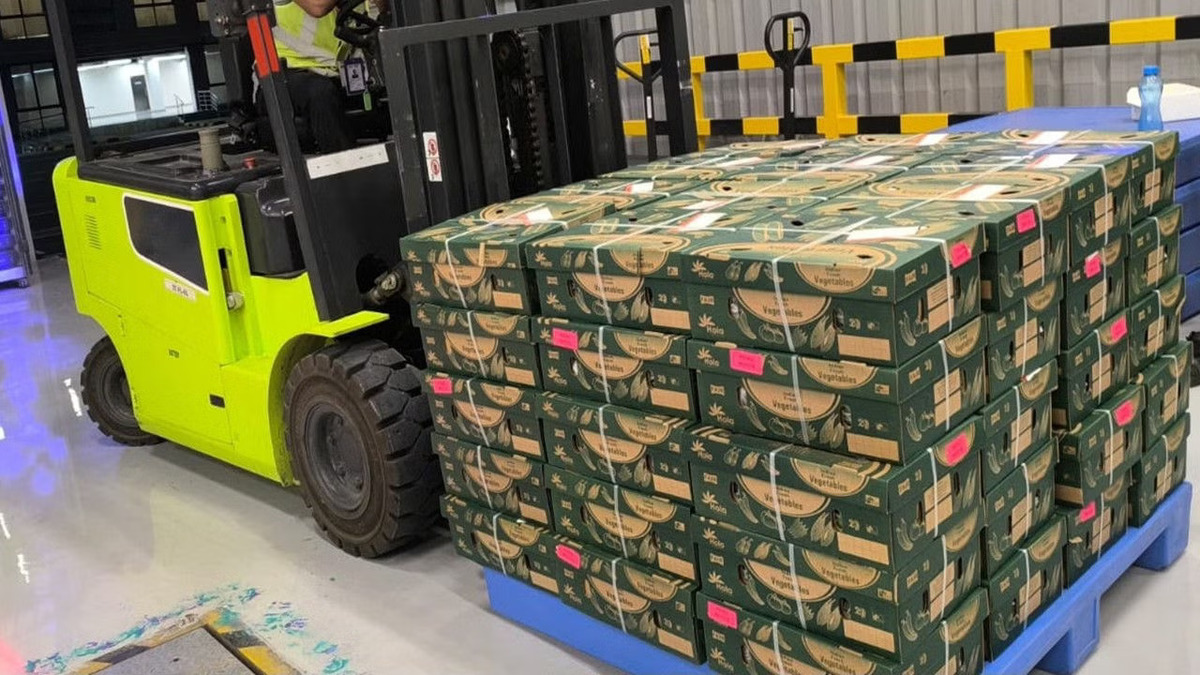
NAVI MUMBAI: As Air India Express flight IX207 departed Navi Mumbai International Airport for Abu Dhabi on the morning of 15 July, crates of freshly harvested guavas from Maharashtra’s Konkan region and Drumstick Moringa were making their own maiden journey from India’s newest international gateway to the UAE. The 1.79-tonne consignment marked the first international cargo movement from Navi Mumbai International Airport, opening a new channel for exporters in western India.

For the farmers and exporters whose produce was aboard the flight, the journey represented more than a routine shipment.

A new gateway opens to global markets

The Boeing 737-8 operating the Navi Mumbai-Abu Dhabi route offers approximately 2.5 tonnes of belly-hold cargo capacity, creating a valuable channel for the movement of perishables and time-sensitive goods from western India. Air India Cargo expects the service to carry around 25 tonnes of cargo each month, helping meet growing demand for fresh Indian produce in the UAE and the wider Gulf region. Air India Express currently operates thrice weekly on the route, providing regular connectivity for exporters seeking faster access to the market.

“Every new route presents an opportunity,” said Ramesh Mamidala, Head of Cargo, Air India. “This first export shipment from Navi Mumbai connects growers, traders and businesses in western India directly with one of the region’s most important international markets. Fresh produce is highly time-sensitive, and reliable air connectivity plays a critical role in helping Indian exporters reach global consumers while preserving product quality.”

The inaugural consignment was dominated by guava (called ‘peru’ in Marathi) from the Konkan belt, a region renowned for its fertile terrain and fruit cultivation. Also on board was Drumstick Moringa, a product increasingly sought after in international markets for its nutritional value and growing popularity among health-conscious consumers. Though modest in weight, the shipment represents the kind of high-value, time-sensitive trade that Air India Cargo is uniquely positioned to support. With regular flights now underway, exporters gain a faster route to overseas buyers, while consumers in Gulf markets gain access to produce harvested just hours earlier in western India.

The science of keeping produce fresh

Behind the shipment is a sophisticated cold-chain network designed to ensure that delicate produce arrives overseas in the same condition in which it was harvested. Fresh fruits and vegetables typically arrive at airport cargo terminals in refrigerated trucks arranged by IATA-approved cargo agents. At origin, the shipments are moved into temperature-controlled facilities maintained between 15°C and 25°C, before being built onto specialised pallets and containers and prepared for international transport.

The process does not end once the aircraft lands. At destination, consignments are again transferred into temperature-regulated environments before final delivery, helping preserve freshness, texture, and shelf life throughout the journey.

For fruits and vegetables, where quality can deteriorate rapidly if exposed to unsuitable conditions, maintaining a stable temperature chain is as important as the flight itself.

Over the past several years, Air India Cargo has steadily strengthened its capabilities to support the growing movement of perishables, pharmaceuticals and other temperature-sensitive commodities across its network. Its cargo operations are supported by specialised equipment, including cool dollies and thermal blankets, designed to minimise temperature fluctuations while shipments move between warehouse and aircraft. The facilities supporting these operations are GDP-certified, aligning with globally recognised standards for the safe, secure and quality-assured handling of temperature-sensitive cargo.

“Cargo is often the unseen enabler of trade,” said Mamidala. “When we transport perishable products such as fruits, vegetables or temperature-sensitive pharmaceuticals, speed alone is not enough. Maintaining the integrity of the shipment from origin to destination is equally important. Investments in cold-chain infrastructure and globally certified handling processes are helping us support exporters with the reliability they need.”

For growers and exporters across Maharashtra, reliable air cargo links can make the difference between accessing local markets and reaching international consumers willing to pay a premium for fresh produce. “The Gulf has long been a strong market for Indian produce,” Mamidala said. “By making additional capacity available from Navi Mumbai, we are creating faster and more efficient pathways for exporters while strengthening India’s agricultural export ecosystem. Every shipment represents the efforts of farmers, traders, freight forwarders and logistics partners, and our role is to connect them to opportunities beyond India’s borders.”

The route’s launch comes at a time when demand for fresh fruits, vegetables and other agricultural products continues to rise across the Middle East, further reinforcing the importance of dependable air freight capacity.

For Air India Cargo, the movement of nearly two tonnes of export cargo on the airport’s first international flight is an early indication of the potential that lies ahead. In a way, it also represented something much larger: the opening of a new trade corridor connecting India’s farms, businesses and entrepreneurs with consumers across the world.

IMO condemns attacks on civilian merchant vessels in the Sea of Azov and the Black Sea

LONDON: The Black Sea and Sea of Azov region has seen a resurgence in attacks against international shipping in recent days.

IMO Secretary-General calls for an end to all unwarranted attacks on international shipping arising from geopolitical conflicts.

IMO Secretary-General Arsenio Dominguez issued the following statement:

“As the IMO Council considers the continued threats to international shipping and the need to uphold navigational rights and freedoms, I must once again address attacks on commercial vessels.

I deplore the series of attacks over the past week against civilian merchant ships operating in the Sea of Azov and the Black Sea.

While recent events have focused international attention on the situation in and around the Strait of Hormuz, we must not lose sight of the fact that seafarers continue to face serious threats in other parts of the world.

I condemn all unwarranted attacks on civilian merchant vessels arising from geopolitical conflicts, wherever they occur. Such acts endanger seafarers, threaten the safety of navigation, disrupt global supply chains and undermine the principles upon which international shipping depends.

I call on all parties involved in conflicts to refrain from any action that endangers innocent merchant shipping or the marine environment, to respect international law, and to ensure the protection of seafarers. Seafarers should never become casualties of conflicts to which they are not a party.

Every seafarer, wherever they serve, deserves to work in safety and security.”

Ukraine drone unit claims strikes on over 100 Russian vessels in Sea of Azov

MOSCOW: Russia has reportedly restricted commercial maritime vessel traffic through major waterways connecting the country to the Black Sea after an apparent barrage of Ukrainian drone attacks in the Sea of Azov and Kerch Strait. 

The scale and figures that Ukraine have claimed in a drone-based attack campaign against Russian shipping have not been publicly acknowledged by Russian officials or independently verified, but Reuters cited three unnamed sources from Russia’s energy and grain transport sectors in reporting that the Russian border guards had stopped accepting Kerch Strait passage applications for vessels and halted traffic on the Don-Azov Canal effective July 10, 2026, at 6:10 p.m. local time.

Maritime and security firm Vanguard Tech reported the same closures, citing international media reports, noting on 11 July that “no official timeframe for the resumption of navigation has been announced”.

The Don-Azov Canal runs from Russia’s interior to the Sea of Azov, which is connected to the Black Sea by way of the Kerch Strait, meaning that any restriction or closure of vessel traffic through the waterways would impact on Russia’s ability to export. 

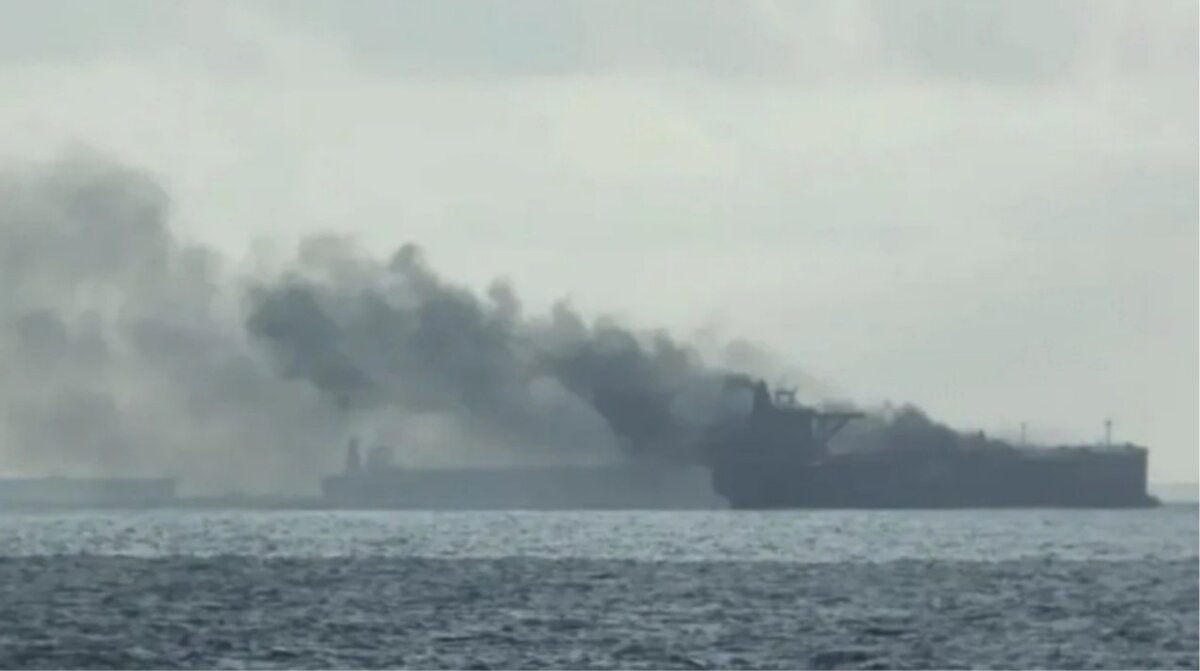
Vanguard reported an unmanned surface vessel (USV, or water-based drone) approach on St Vincent and the Grenadines-flagged containership MV Inter Sydney on 14 July as the vessel transited off the port of Novorossiysk, Russia. 

Novorossiysk lies on the Black Sea coast, indicating that vessels may be subject to drone attacks outside the Sea of Azov and Kerch Strait. 

Reports: Ukraine drone attack campaign on Russian shipping

Ukraine’s claims of drone attacks on Russian-linked vessels have been published in daily operational updates on X (formerly Twitter) by the “414th Separate Unmanned Strike Aviation System Brigade ’Magyar’s Birds’” along with communications channels for Ukraine’s Unmanned Systems Forces.

According to an update released on 14 July, the 414 Magyar’s Birds account said it had attacked five oil tankers, five dry cargo vessels and a tugboat overnight in the Sea of Azov. 

On 13 July, the account said its force had attacked 15 Russian-linked vessels overnight, including seven tankers, five dry bulk carriers, one ferry and two tugboats. The group said those strikes brought the total number of vessels targeted since 6 July to 116 as part of what it called Operation “MoLoChKa”.

The units and online accounts reporting the attacks are reportedly associated with Major Robert Brovdi, known by his military call sign “Magyar”. Online biographies of Mr Brovdi portray him as a former businessman who reportedly volunteered for military service following Russia’s full-scale invasion in 2022. Mr Brovdi is said to have founded the drone unit that evolved into the 414th Unmanned Strike Aviation Brigade (better known as Magyar’s Birds). 

Posts from the accounts have claimed a steadily increasing tally of purported strikes on Russian maritime assets, with totals rising to more than 100 by 13 July. Videos accompanying the updates appear to show first-person-view (FPV) drone strikes on moving vessels, harbour craft and port infrastructure. However, the footage does not confirm the identity of every vessel, the extent of damage sustained or the result of the claimed attacks.

The 14 July post on the 414 Magyar’s Birds X account, signed and dated by “Magyar” offered a brief rationale for the attacks on vessels, saying the aim was to degrade Russia’s ’shadow fleet’ of tankers.

“Paralyzing Russia’s feeder fleet – the small and medium 140-meter flat-bottomed “courier” tankers with a deadweight of around 7,000 tons – effectively cripples a major component of Russia’s shadow fleet. It prevents the export of its “black gold” from river-port oil transhipment bases and loading terminals through the Volga–Don Canal and the Sea of Azov to large tankers. Those larger tankers can’t reach the oil terminals or ports because of their draft, so they’re forced to load offshore in the Black Sea from these courier tankers, each of them taking on cargo delivered by 12–15 of these little water shuttles,” the post explained.

The post claimed that attacking those vessels and “the tugboats that keep dragging them around after they’ve been hit also limits deliveries of scarce gasoline to Crimea through the shallow bottleneck of the Sea of Azov”.

With limitations on waterborne exports, the alternative option becomes “road and rail tankers as the primary supply route – a far more dangerous option,” due to susceptibility to attack, according to the account’s rationale. 

Maritime security consultancies including Ambrey and Dryad Global have assessed that the Ukrainian campaign of attacks, though unverified, would represent a significant escalation in Ukraine’s efforts to disrupt Russian maritime logistics, if accurate.

Alongside the reported vessel strikes, the Unmanned Systems Forces have claimed attacks on oil transhipment facilities, port infrastructure and energy assets supporting Russian military logistics in Crimea and the Sea of Azov.

On 9 July, international media reported an attack against Russia’s largest oil refinery in Omsk, Siberia, nearly 2,000 miles from Ukraine. On 10 July, Ukrainian President Volodymyr Zelenskyy announced the creation of a “long-range impact” command, as reported by Reuters and others, reportedly positioning an earlier drone-based attack on an oil terminal in St Petersburg as “long-range sanctions” against Russia.  

Based on Ambrey incident reports, Russia has also hit Ukrainian ports and ships in attacks over recent days. Ambrey reported on 13 July that a Togo-flagged bulk carrier was struck by a Russian Unmanned Aerial Vehicle (UAV) while alongside at the Port of Chornomorsk, Ukraine. Five fatalities and seven injuries were reported in connection with the impact. No pollution was reported. 

Both Russia and Ukraine have reported multiple fatalities and injuries in attacks in recent days. 

IMO condemns attacks on merchant ships

International Maritime Organization Secretary-General Arsenio Dominguez issued a statement condemning attacks on commercial vessels in the Black Sea and Sea of Azov and more widely.

“I deplore the series of attacks over the past week against civilian merchant ships operating in the Sea of Azov and the Black Sea,” Mr Dominguez said. 

“I condemn all unwarranted attacks on civilian merchant vessels arising from geopolitical conflicts, wherever they occur. Such acts endanger seafarers, threaten the safety of navigation, disrupt global supply chains and undermine the principles upon which international shipping depends. I call on all parties involved in conflicts to refrain from any action that endangers innocent merchant shipping or the marine environment, to respect international law, and to ensure the protection of seafarers. Seafarers should never become casualties of conflicts to which they are not a party. Every seafarer, wherever they serve, deserves to work in safety and security.”

If confirmed, the operation would represent one of the largest concentrations of attacks against merchant shipping since Russia invaded Ukraine in 2022. 

Riviera has previously reported on the widening scope of Ukraine’s maritime campaign as attacks have increasingly extended beyond naval vessels to commercial shipping, offshore infrastructure and energy assets. 

In January 2026, the Ukrainian military claimed successful strikes on a trio of offshore drilling platforms operated by the sanctioned Russian oil and gas entity Lukoil.

In early March 2026, EOS Risk Group told Riviera that 2003-built LNG carrier Arctic Metagaz was “subject to a likely drone attack” in the Mediterranean.

An intelligence assessment produced by EOS Marine Russia analyst John Walking drew parallels in the attack methodology with earlier attacks on Russia-linked vessels in the Mediterranean by Ukraine. Mr Walking assessed the probability of similar attacks in the future as ’highly likely’.

The Baltic region saw reports in recent months showing that Russia has added machine guns to an FSRU in the Baltic Sea.

Surveillance imagery from May 2026 showed heavy machine guns and fortified firing positions installed aboard the Russian floating storage and regasification unit (FSRU) Marshal Vasilevskiy. Head of the Estonian police and border guard board Veiko Kommusaar said in an emailed statement that the surveillance data confirmed that Russian Federation vessels present a security risk for Baltic countries. Analysts assessed the move as unprecedented for a civilian commercial vessel in the Baltic Sea and highlighted growing concerns that merchant ships and maritime energy infrastructure are becoming increasingly exposed to the wider conflict.

Source: Riviera

Nvidia to co-develop AI shipbuilding robots in Japan

TOKYO : Nvidia and Kawasaki Heavy Industries will co-develop AI-powered robots for use in shipbuilding, the Japanese firm said Thursday during a visit to Tokyo by the U.S. Chip Giant’s CEO Jensen Huang.

The aim is to use the robots in welding, painting, inspection and material handling as part of a “next-generation digital shipyard using physical AI and digital twin technology,” Kawasaki said in a statement.

“Japan’s shipbuilding industry currently faces serious challenges, including a declining number of skilled workers and labor shortages driven by the falling birthrate and aging population,” the company said.

“At the same time, global efforts to reduce environmental impact are driving worldwide demand for low- and zero-carbon vessels, making it an urgent priority for the shipbuilding industry as a whole to expand construction capacity and improve productivity,” it added.

Taiwanese-born Huang, 63, also visited a Tokyo arcade on Wednesday with Sega executives and thanked the Japanese video game maker for saving Nvidia with a $5-million investment in the 1990s.

“If not for what Sega did for Nvidia and what Irimajiri-san did for Nvidia, Nvidia would not be here today,” Huang said, referring to Sega’s former president Shoichiro Irimajiri.

“To imagine that in 1995, Nvidia was nearly out of business, that we had chosen exactly the wrong technology, and that we will be here today, the largest company in the world, is unimaginable,” he said.

The Woolmark Company Showcases Australia’s Commitment to India’s Textile Industry at Bharat Tex 2026

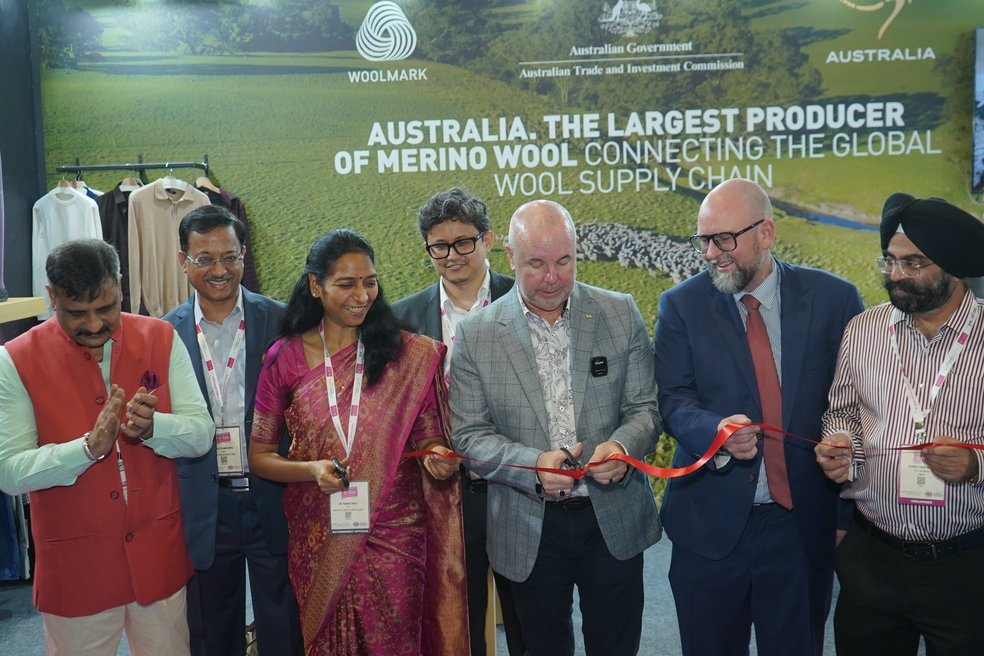
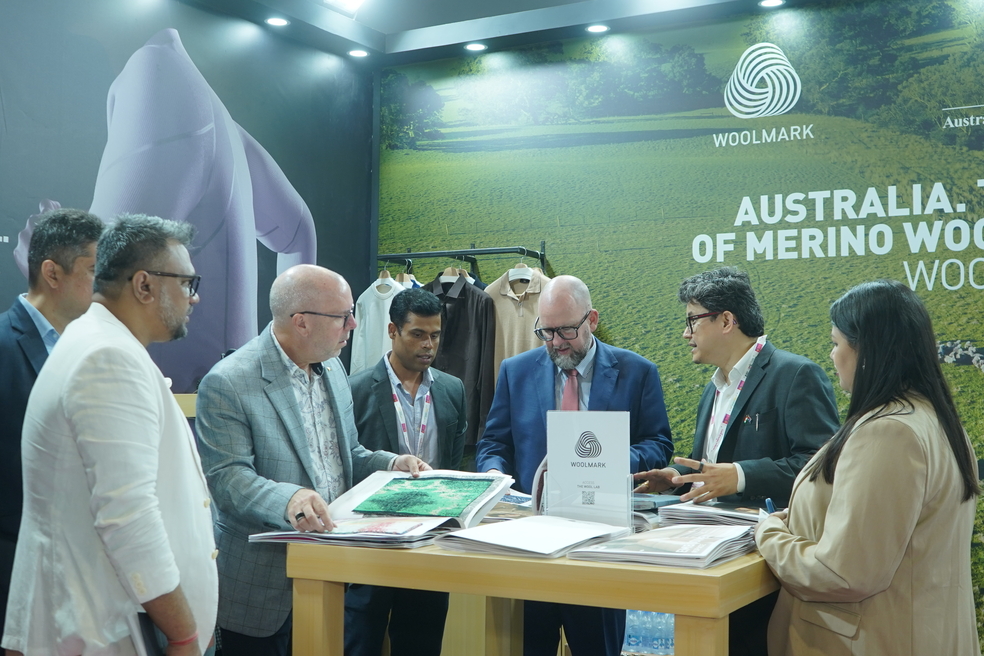
NEW DELHI: Reinforcing more than five decades of commitment to India’s wool textile and apparel industry, The Woolmark Company, alongside Austrade and the Australian High Commission, marked a strong presence at Bharat Tex 2026, one of the world’s largest textile and apparel trade platforms. Through industry engagement, strategic collaborations, technical innovation and knowledge exchange, the participation underscored Australia’s continued commitment to supporting the growth and transformation of India’s textile ecosystem while highlighting the versatility and value of Australian Merino wool. 

For over 50 years, the Australian wool industry, through Australian Wool Innovation (AWI) and its global brand, The Woolmark Company, has worked closely with Indian manufacturers, brands, educational institutions, research organisations, and government bodies to advance the use of Australian Merino wool. Through continued investment in research, product development, technical education, and market expansion, The Woolmark Company has played an integral role in supporting the evolution of India’s wool sector. 

At Bharat Tex 2026, The Woolmark Company engaged with manufacturers, brands, research organisations, government stakeholders, and educational institutions to showcase the natural performance benefits and versatility of Australian Merino wool across fashion, textiles and emerging applications. The focus is on educating the industry about the benefits of using merino wool in the performance sportswear category, based on a recent study on dynamic breathability and innovation products displayed at the booth. The event also served as a platform to strengthen industry relationships, facilitate knowledge exchange, and reinforce Woolmark’s role as the global authority on wool. 

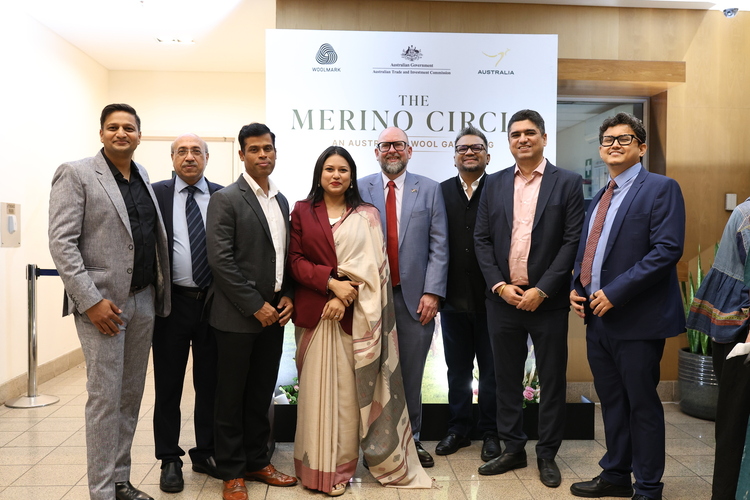
As part of its participation, The Woolmark Company, together with Austrade and the Australian High Commission, hosted an industry networking evening, bringing together key representatives from the textile and apparel ecosystem to foster dialogue around innovation, sustainability, natural fibres, and the growing opportunities for Australia–India collaboration. 

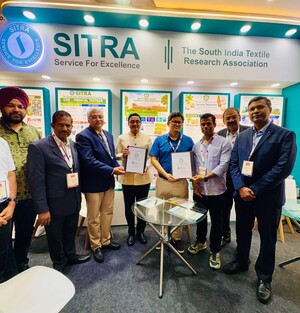
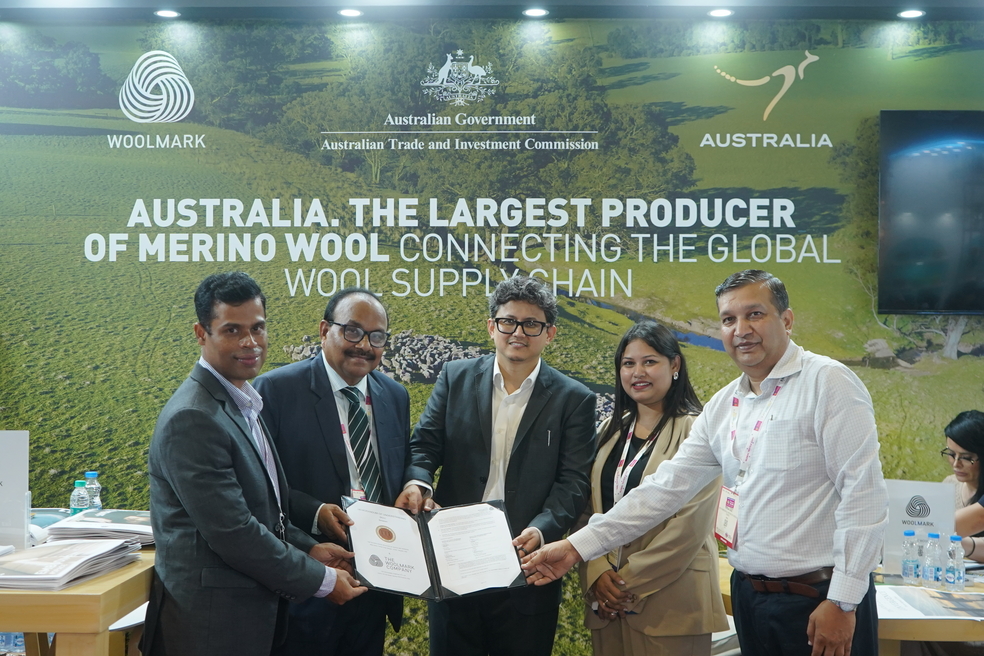
Building on this broader commitment to industry engagement, The Woolmark Company signed two strategic Memorandums of Understanding (MoUs) with The South India Textile Research Association (SITRA) and The Technological Institute of Textile & Sciences (TITS), Bhiwani. Together, these collaborations focus on advancing industry innovation, technical capability, research, education and market development across the wool value chain, further reinforcing Woolmark’s long-term commitment to supporting the sustainable growth and global competitiveness of India’s wool and textile sector. 

“For more than five decades, India has been one of The Woolmark Company’s most strategic and valued markets. Bharat Tex provides an exceptional platform to deepen industry partnerships, foster innovation, and demonstrate how collaboration can unlock new opportunities for Australian Merino wool across India’s textile and apparel value chain. As India’s textile industry continues to evolve and move towards higher-value, premium products, we remain committed to working alongside manufacturers, brands, research institutions, and government partners to drive innovation, support product development, and strengthen India’s position as a global destination for premium wool textiles and apparel,” said Ajay Pradhan, Country Manager, The Woolmark Company.

“India is a key market for Australian wool, and the strong partnership between Australian wool exporters and India’s textile industry continues to create mutual opportunities. We are proud to support Australian Wool Innovation at Bharat Tex 2026, strengthening industry connections and highlighting the premium quality and versatility of Australian wool,” said Todd Miller, Trade & Investment Commissioner, Australian Trade and Investment Commission (Austrade), Mumbai

The participation of The Woolmark Company and Austrade at Bharat Tex 2026 reinforces the growing collaboration between Australia and India in the textile sector, supporting both countries’ shared vision of driving innovation, sustainability, and value-added manufacturing through stronger industry partnerships. 

Through its participation at Bharat Tex 2026, strategic partnerships, and continued industry engagement, The Woolmark Company continues to strengthen its role as the global authority on wool by fostering innovation, enabling technical excellence, and supporting the long-term growth of India’s wool and textile industry. 

Maersk strengthens integrated logistics capabilities in Northeastern Brazil with distribution centre in Suape

CABO DE SANTO AGOSTINHO, BRAZIL : A.P. Moller – Maersk is strengthening its integrated logistics network in Latin America with expanded distribution and warehousing capabilities in Suape, Pernambuco, supporting customers seeking greater supply chain efficiency, visibility and resilience across Brazil.

Located in Cabo de Santo Agostinho, approximately 20 kilometres from the Port of Suape and Recife International Airport, the facility enhances Maersk’s ability to connect ocean, cabotage, inland transportation, warehousing and distribution services through a single, integrated logistics offering.

The investment comes as Northeastern Brazil continues to experience strong growth in trade and logistics activity. According to data from Brazil’s Ministry of Ports and Airports based on statistics from the Brazilian National Waterway Transportation Agency (ANTAQ), the region handled 329.7 million tonnes of cargo through maritime and inland waterways in 2025, while container volumes reached 21.2 million tonnes, representing year-on-year growth of 9%, the strongest increase recorded in the past five years.

As consumption, industrial activity and international trade expand across the region, companies are increasingly looking for logistics solutions that improve inventory positioning, accelerate market access and provide greater control across supply chains.

Brazil remains one of the most strategic markets in Latin America, and the Northeast is becoming an increasingly important hub for industry, retail and international trade. By strengthening our logistics footprint in Suape, we are helping customers reduce complexity and gain access to integrated supply chain solutions that connect production centres, ports and end consumers more efficiently.

Ricardo Rocha
Vice President – Managing Director East Coast South America at Maersk
Distribution centre in Suape
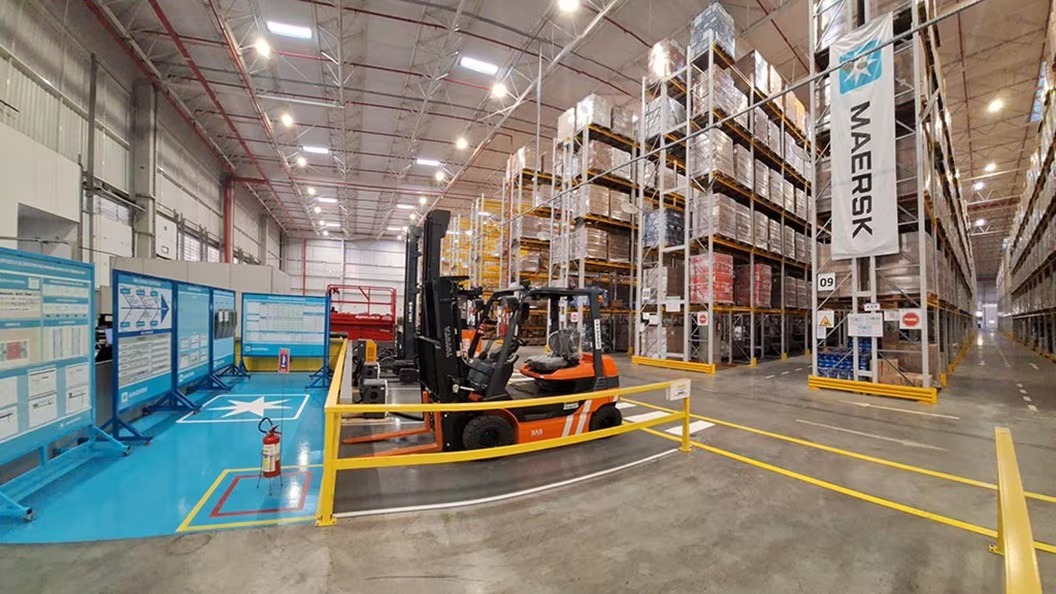
The distribution centre strengthens Maersk’s ability to support customers across a wide range of industries, including consumer goods, retail, automotive, technology, electronics and food and beverage. Strategically located near the Suape Port Complex, the facility connects domestic distribution networks with international trade flows, helping customers move goods more efficiently across regional and global markets.

Designed to accommodate diverse supply chain requirements, the facility can handle a broad variety of cargo profiles, from components supporting manufacturing operations to oversized project cargo and large home appliances. This flexibility allows customers to consolidate logistics activities, scale operations as demand grows and gain greater agility in serving one of Brazil’s fastest-growing consumer and industrial regions.

In addition to its operational capabilities, the site incorporates several initiatives aimed at improving efficiency and supporting logistics operations with lower greenhouse gas (GHG) emissions. These initiatives include waste segregation and recycling programmes, LED lighting throughout the facility, and fully electric material handling equipment powered by lithium-ion batteries. These measures are expected to enable rapid charging, increased productivity, and contribute to lower local GHG emissions.

The site is integrated into Maersk’s broader logistics ecosystem in Brazil and Latin America, allowing customers to combine warehousing, transportation, customs services, ocean transport, air freight and supply chain management solutions through a single logistics partner. This approach provides greater visibility, reliability and operational flexibility while reducing handoffs across the supply chain.

Operations are managed through Maersk’s Warehouse Management System (WMS), which provides real-time inventory visibility, process control and data-driven decision-making capabilities. The platform enables customers to optimise inventory management, improve accuracy and increase operational efficiency.

The investment further strengthens Maersk’s contract logistics footprint in Latin America, where the company operates a growing network of distribution centres designed to support customers’ end-to-end supply chain needs.

Facility highlights

Location: Cabo de Santo Agostinho, Pernambuco, Brazil
Approximately 20 km from the Port of Suape and Recife International Airport.
Supports domestic and international cargo flows
Total area: approximately 11,920 m²
Warehousing area: approximately 10,850 m²
Pallet positions: 11,297
36 loading docks
4 access ramps
Clear height: 12 metres
Floor capacity: up to 5 tonnes/m²
Fulfillment and/or Transload services
Cross-docking capabilities.
Storage area for bulk cargo
Office space for customers
Managed through Maersk’s global WMS platform
LED lighting throughout the facility
100% electric material handling equipment

About Maersk

A.P. Moller – Maersk is an integrated logistics company working to connect and simplify its customers’ supply chains. As a global leader in logistics services, the company operates in more than 130 countries and employs around 100,000 people. Maersk is aiming to reach net zero GHG emissions by 2040 across the entire business with new technologies, new vessels, and reduced GHG emissions fuels*.