Home Blog Page 202

Geodis strengthens pharmaceutical logistics capabilities in Poland with IATA CEIV Pharma and GDP certifications

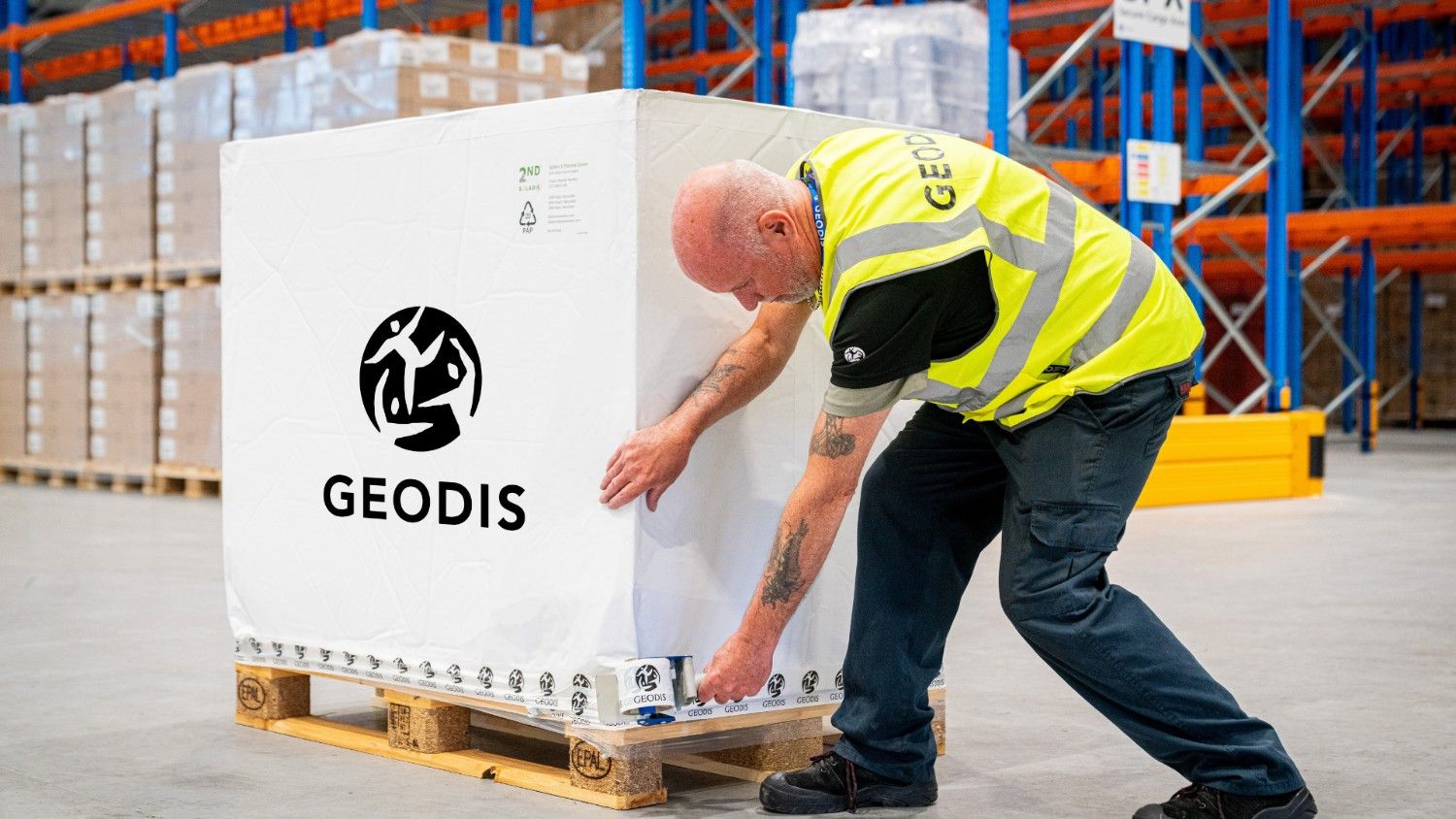
PARIS: GEODIS has reached two important milestones for its pharmaceutical logistics operations in Poland. The company has renewed its IATA CEIV Pharma certification for its air freight operations in Warsaw while also obtaining Good Distribution Practice (GDP) certification for its Stryków Dobra contract logistics site, reinforcing compliance with the highest standards governing the transport, handling and storage of pharmaceutical products.

GEODIS, a world leader in transport and logistics, announced the renewal of its CEIV Pharma certification in Poland and also the obtention of the Good Distribution Practice (GDP) certification for its Stryków Dobra contract logistics site. Developed by the International Air Transport Association (IATA), the CEIV Pharma (Center of Excellence for Independent Validators in Pharmaceutical Logistics) certification is recognized as one of the industry’s highest quality standards for pharmaceutical air cargo. It harmonizes global handling practices by ensuring compliance with international regulations, including the European Union’s Good Distribution Practice (GDP) guidelines, and confirms the ability to maintain validated processes, robust quality management systems and strict temperature control throughout transportation.

The renewal also reflects the continued expansion of GEODIS’ certified healthcare network in Europe, where the company now operates IATA CEIV Pharma-certified capabilities across 13 countries: Belgium, Denmark, France, Germany, Hungary, Ireland, Italy, the Netherlands, Poland, Spain, Sweden, Switzerland and the United Kingdom. Across this network, GEODIS provides certified pharmaceutical logistics services through key operational hubs including Amsterdam, Brussels, Budapest, Copenhagen, Dublin, Frankfurt, London, Madrid, Manchester, Milan, Stockholm, Warsaw and Zurich.

Complementing the air freight certification, GEODIS has also obtained GDP certification for its Stryków Dobra branch in Poland. The certification confirms compliance with the most stringent European Union and national regulations governing the storage, transport and distribution of pharmaceutical products and recognizes the site’s long-standing operational excellence in healthcare logistics.

Together, these certifications further enhance GEODIS’ integrated pharmaceutical logistics offering in Poland, combining certified air freight operations with GDP-compliant contract logistics. In the country, GEODIS operates 15 logistics warehouses totaling approximately 195,000 m², including a dedicated pharmaceutical facility in Pruszków, while its Freight Forwarding network handles more than 2,400 tonnes of air freight annually through four locations.
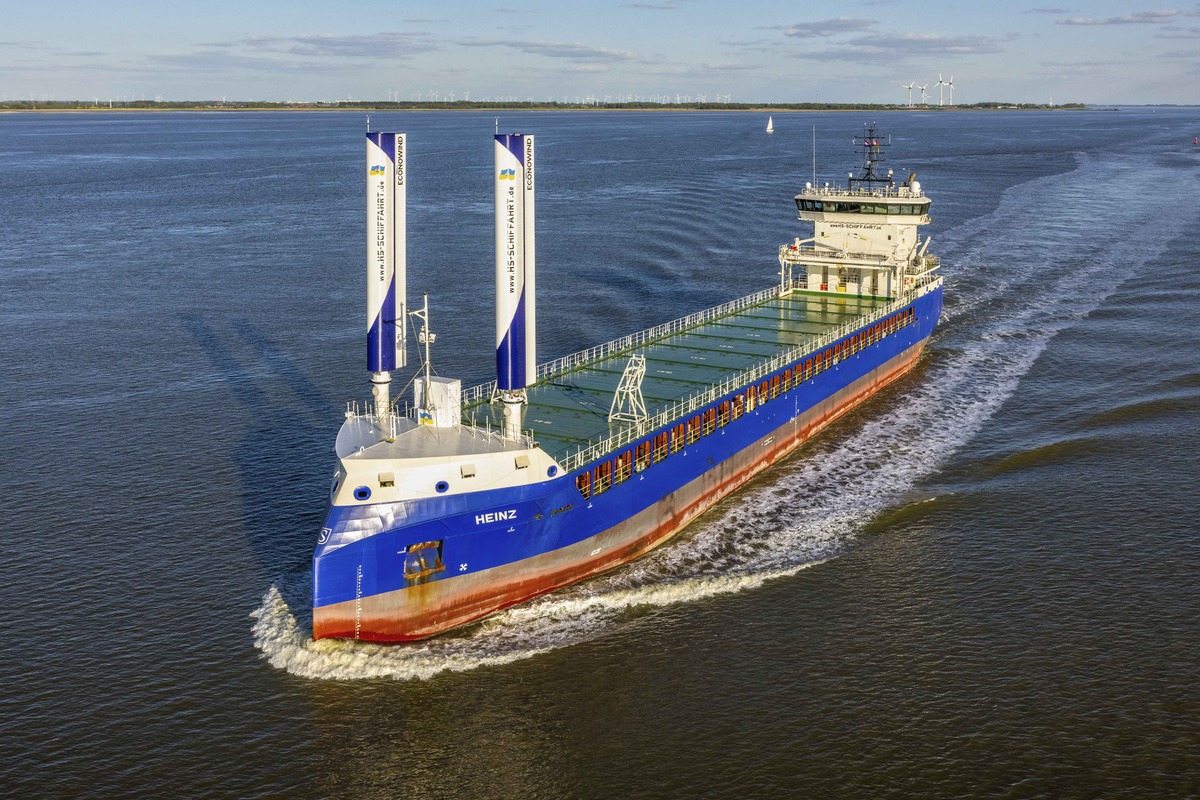
DNV Type Approval Design Certificate accelerates deployment of Econowind VentoFoils

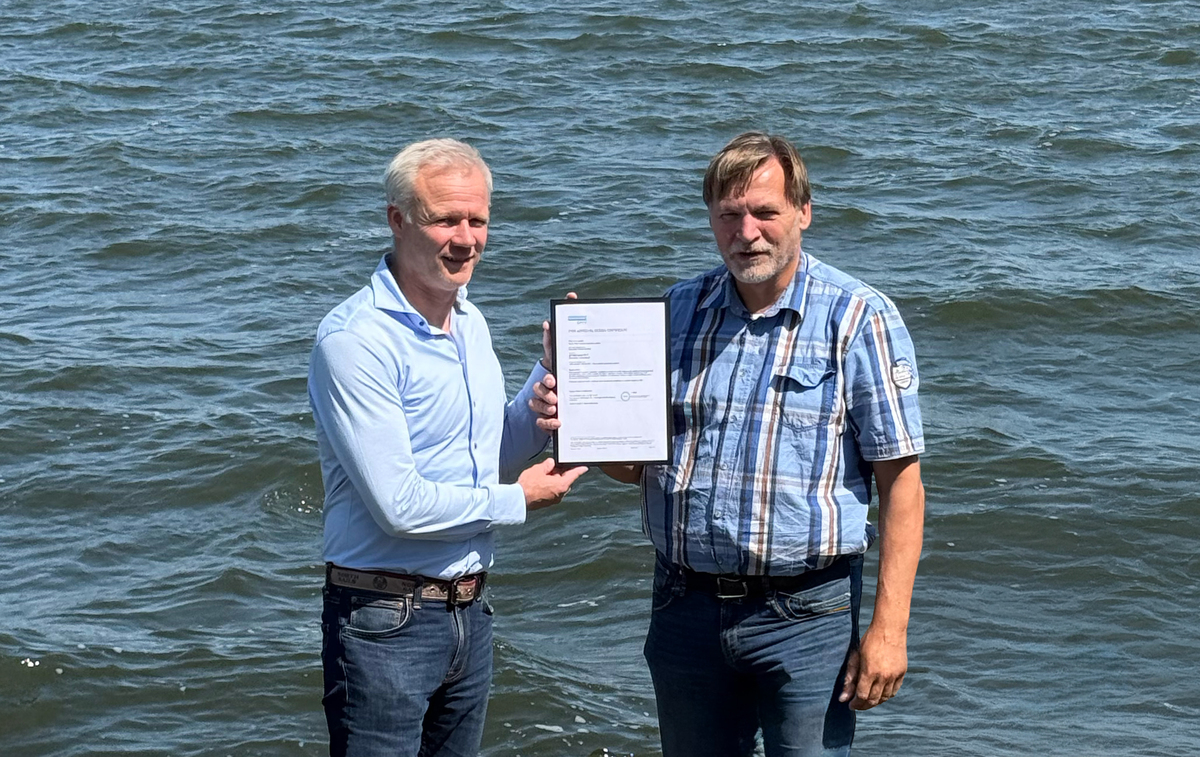
ZEEWOLDE: Econowind has received a Type Approval Design Certificate (TADC) from classification society DNV for its VentoFoil 3-Series boundary layer suction wing. The certification confirms compliance with DNV’s ST-0511 standard for Wind-Assisted Propulsion Systems and enables easier integration of VentoFoils on DNV-classed vessels worldwide. The approval accelerates the deployment of wind propulsion across the shipping industry.

“DNV is one of the world’s leading classification societies. This TADC gives DNV-classed shipowners confidence that VentoFoils meet the highest industry standards,” says Chiel de Leeuw, Chief Commercial Officer at Econowind. “It simplifies the approval process for both retrofits and newbuilds. VentoFoils are ideal for late-stage design integration and retrofit projects. This is an important milestone for Econowind and for the wider adoption of wind-assisted ship propulsion.”

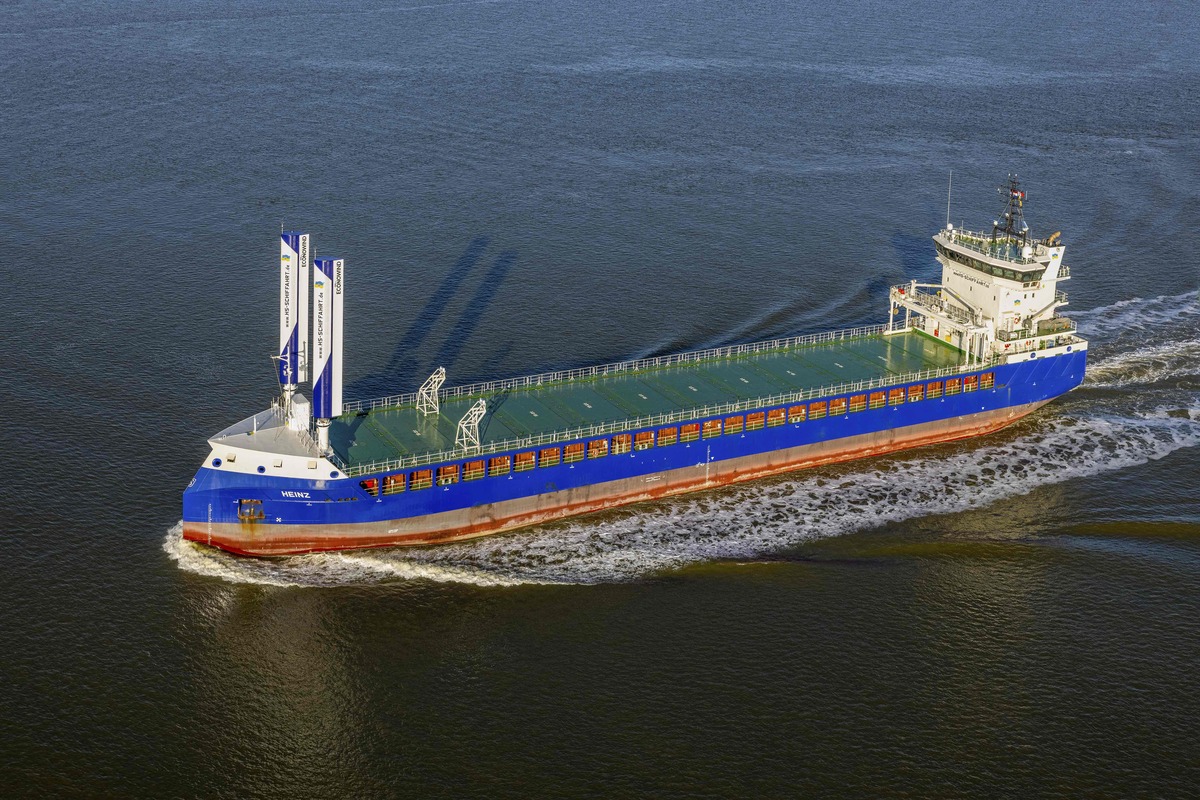
The 3-Series VentoFoil is Econowind’s best-selling suction wing to date, with over 150 units sold. The system actively harnesses wind power to generate forward thrust, helping to reduce fuel consumption and mitigate FuelEU penalties. The system includes a tilting foundation, allowing the wings to be tilted down during port operations or in adverse weather conditions, making it a flexible solution.

The TADC applies to the 16-meter VentoFoil 3-Series product design and supports easy integration into DNV-classed vessels without repeating the full design assessment process. This enables shipowners, shipyards, and project teams to move more efficiently from concept to installation, reducing project complexity and accelerating deployment.

Hasso Hoffmeister, Senior Principal Engineer at DNV Maritime, said: “It is a great pleasure to award Econowind this new certificate. WAPS have been going from strength to strength over the past few years, from 2022 the number of vessels in operation has increased five times, and we’ve now topped the century mark. And with the current advances in technology, materials, and production capacity in the segment, we expect this to accelerate. So, while the wind always changes, the shipping industry is likely to be sailing strong for years to come.”

Econowind expects the DNV Type Approval Design Certificate to accelerate adoption of the VentoFoil, particularly among shipowners seeking proven, independently certified technology that can support fuel savings, emissions reductions, and decarbonization goals. MS Heinz of HS Schiffahrt is among the first vessels to sail under this TADC.

Econowind is one of the market leaders in wind-assisted ship propulsion. The approval builds on Econowind’s growing installed base and further strengthens confidence in wind-assisted ship propulsion as a practical solution to address energy scarcity and high fuel prices. In addition to the 3-Series, Econowind offers the 5-Series for the deep-sea market.

About Econowind
Econowind develops Wind-Assisted Ship Propulsion systems that help the shipping industry reduce fuel use and emissions. Its patented VentoFoil technology uses suction-based airflow control to deliver scalable, cost-effective energy savings. With more than 150 VentoFoils sold, the company is contributing to a practical and profitable path toward maritime decarbonization.

Lloyd’s Register grants AiP to GTT for new NO96 elongation criteria

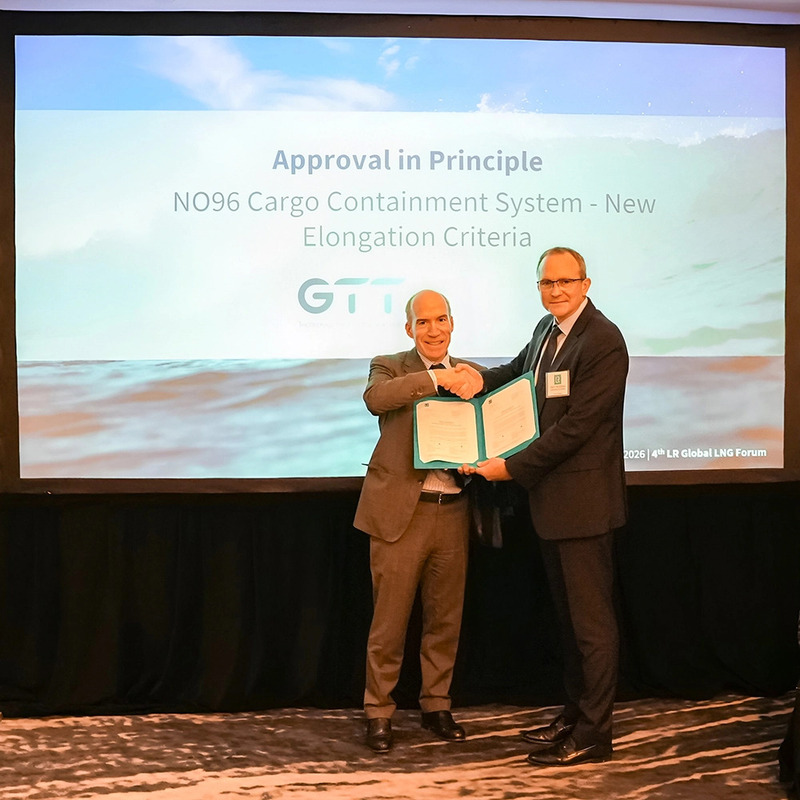
LONDON: Lloyd’s Register (LR) has issued an Approval in Principle (AiP) to GTT for new elongation criteria applicable to LNG carrier hulls fitted with the NO96 cargo containment system.

The approval confirms that GTT’s revised criteria governing allowable hull deformation beneath the NO96 membrane and insulation system meet LR’s classification requirements and relevant international regulations. The assessment covered operational, thermal and hull-induced loads to ensure continued structural integrity of the containment system.

Developed as part of GTT’s ongoing innovation programme, the revised elongation criteria are intended to give designers greater flexibility in hull structural design while maintaining established stress limits, fatigue margins and membrane performance.

LR’s review included detailed structural and hydrodynamic analysis based on a representative LNG carrier design. This examined compatibility across NO96 variants and alignment with applicable load cases and hull geometries.

The updated criteria enable more efficient structural optimisation for NO96-equipped vessels, with potential benefits for lightship weight while maintaining safety and regulatory compliance.

NO96 remains one of the most widely used cargo containment systems in the LNG fleet and is also relevant to complex, high-specification gas carriers and other marine vessel designs where structural assurance is critical.

Constantinos Chaelis Global Gas Segment Director Lloyds Register Lloyd’s Register grants AiP to GTT for new NO96 elongation criteria

Constantinos Chaelis, Global Gas Segment Director, Lloyd’s Register, said: “This approval is about giving confidence at an early stage. Our review confirmed that GTT’s updated NO96 elongation criteria remain within established safety margins while allowing designers greater flexibility.

“This kind of technical validation is essential as vessel designs become more optimised and structurally demanding.”

Francois Michel CEO GTT Lloyd’s Register grants AiP to GTT for new NO96 elongation criteria

François Michel, CEO, GTT, said: “Lloyd’s Register’s Approval in Principle confirms the technical robustness of the latest NO96 developments. These enhanced design criteria provide greater flexibility for ship designers while preserving the highest standards of safety and membrane integrity.”

PM Modi hails ‘India–UK CETA’ and ‘Agreement on Social Security’ as a landmark step

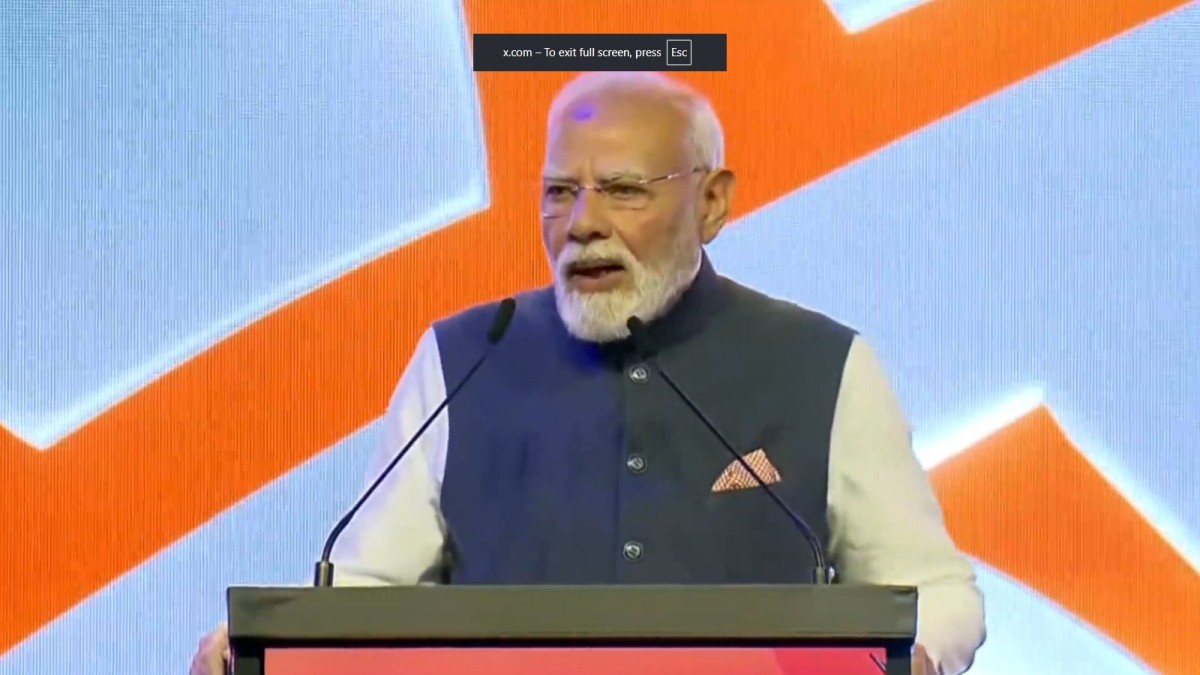
NEW DELHI : Prime Minister Shri Narendra Modi has described the coming into force of the India–United Kingdom Comprehensive Economic and Trade Agreement (CETA) and the Agreement on Social Security as a landmark achievement in the growing strategic partnership between the two countries, stating that the agreements will unlock new opportunities for businesses, professionals and citizens while deepening bilateral economic cooperation.

Sharing an article authored by Union Minister of Commerce and Industry Shri Piyush Goyal on the significance of the agreements, the Prime Minister said the twin accords represent a defining moment in India–UK relations and reaffirm the shared commitment of both nations to strengthen cooperation in trade, investment, technology and innovation.

Highlighting the benefits of the Comprehensive Economic and Trade Agreement, Shri Modi said the pact will significantly expand market access for Indian products in the United Kingdom, creating new growth opportunities for farmers, entrepreneurs, startups and Micro, Small and Medium Enterprises (MSMEs). He noted that key sectors, including textiles, engineering goods, pharmaceuticals, gems and jewellery, marine products, leather, food processing and professional services, are expected to benefit from improved access to the UK market, boosting exports and employment generation.

The Prime Minister further said the agreement would strengthen collaboration in advanced technologies, innovation, digital services and professional services, while facilitating greater mobility for skilled Indian professionals and enhancing people-to-people ties.

Referring to the India–UK Agreement on Social Security, Shri Modi said the pact would provide significant relief to Indian professionals working in the United Kingdom on temporary assignments by preventing double social security contributions. He added that the agreement would reduce the cost of doing business for Indian companies operating in the UK, thereby improving their global competitiveness.

Emphasising the broader significance of the agreements, the Prime Minister said they reflect the deep trust and shared democratic values between India and the United Kingdom. He reaffirmed that both countries would continue working together to build a future-oriented partnership driven by trade, technology, investment, innovation and inclusive economic growth, paving the way for greater shared prosperity.

Greenfield Shipbuilding Cluster to come up in Porbandar, Gujarat

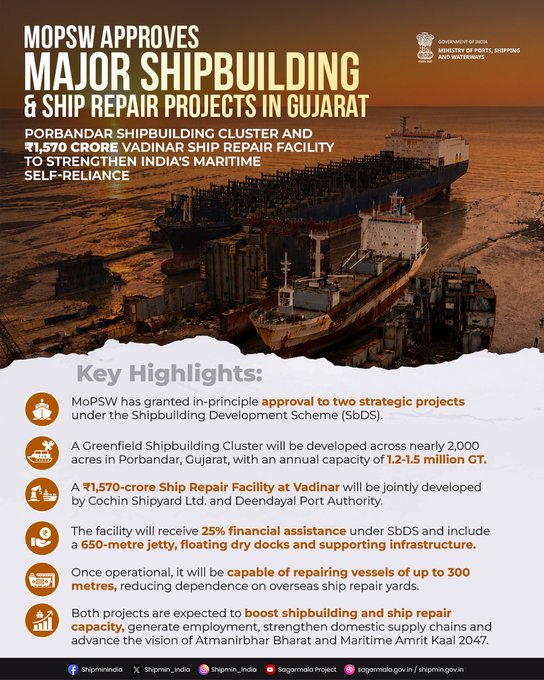
PORBANDAR : The Ministry of Ports, Shipping and Waterways (MoPSW) has accorded in-principle approval to two strategic maritime infrastructure projects, a Greenfield shipbuilding cluster in Porbandar district of Gujarat and a state-of-the-art ship repair facility at Vadinar in Gulf of Kutch, under the Shipbuilding Development Scheme (SbDS), marking a significant step in India’s ambition to emerge as a global shipbuilding hub.

HNROXxEaMAA Nhl Greenfield Shipbuilding Cluster to come up in Porbandar, Gujarat

The two projects have been granted in-principle approval under the Shipbuilding Development Scheme (SbDS), a key component of the Government of India’s strategy to strengthen indigenous shipbuilding and ship repair capabilities under the Maritime Amrit Kaal Vision 2047.

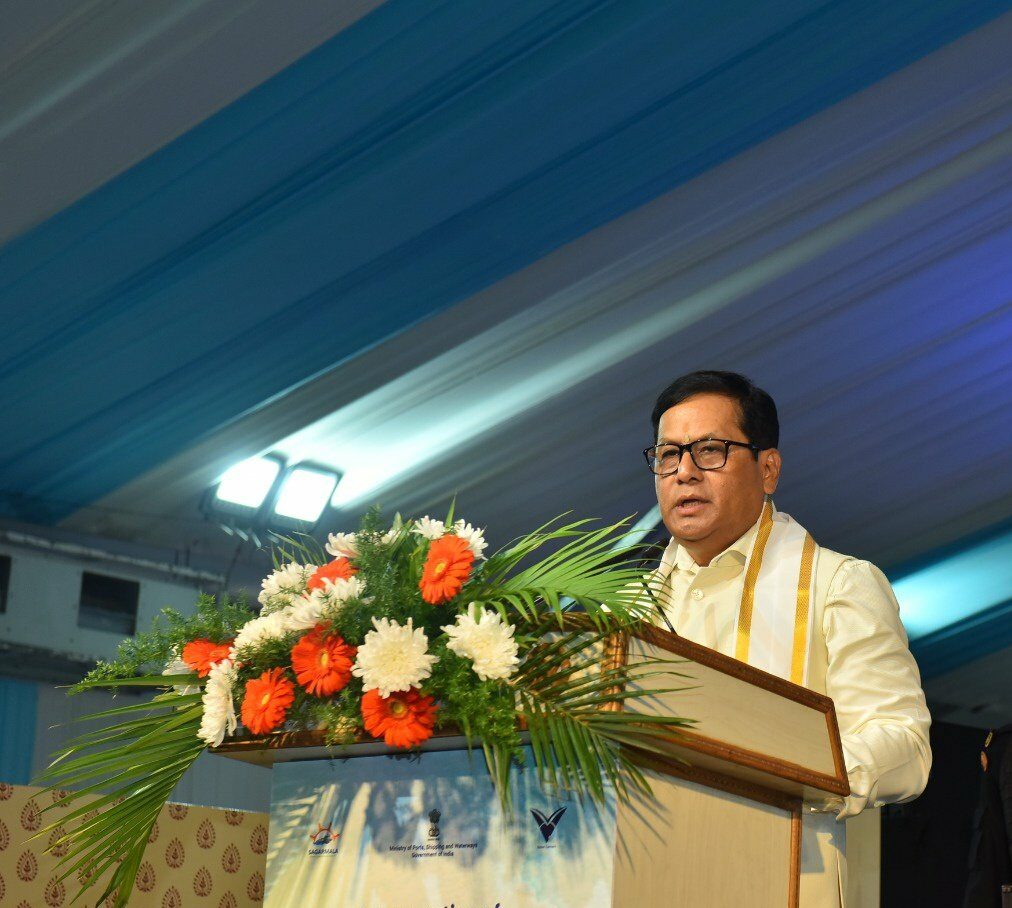
The Union Minister of Ports, Shipping and Waterways (MoPSW), Sarbananda Sonowal said, “Over the last 12 years, under the visionary leadership of Hon’ble Prime Minister Shri Narendra Modi, India’s maritime sector has undergone a historic transformation through landmark reforms, world-class infrastructure and unprecedented policy support. We have laid a strong foundation. The next phase is to unlock the full potential of India’s maritime industry through minimal governance, enhanced competitiveness and greater efficiency so that the sector becomes a key driver of Viksit Bharat.”

The approvals cover the establishment of Greenfield Shipbuilding Cluster on the western coast and financial assistance for the development of one of the country’s largest ship repair facilities. The Greenfield Shipbuilding Cluster will be developed through the National Shipbuilding and Heavy Industries Park–Gujarat (NSHIP-Gujarat), a Special Purpose Vehicle (SPV) jointly promoted by the Ministry of Ports, Shipping and Waterways (MoPSW) and the Gujarat Maritime Board.

Spread across nearly 2,000 acres at Kuchhadi in Gujarat’s Porbandar district, the integrated maritime manufacturing cluster will comprise modern shipyards, ancillary manufacturing units, common infrastructure and capability development centres. The project is designed to build large commercial vessels with an annual production capacity of 1.2 to 1.5 million gross tonnage (GT), significantly expanding India’s domestic shipbuilding capacity while positioning Gujarat as a major hub for heavy-tonnage vessel construction.

The second project approved under the scheme is a ₹1,570-crore ship repair facility at Vadinar, to be jointly developed by Cochin Shipyard Ltd. (CSL) and Deendayal Port Authority (DPA). The project had earlier received approval from the Cabinet Committee on Economic Affairs (CCEA) on May 5, 2026, and has now secured in-principle approval under the Shipbuilding Development Scheme for 25% financial assistance on eligible capital infrastructure. The brownfield expansion will include a 650-metre jetty, two large floating dry docks, workshops and supporting marine infrastructure.

Leveraging Vadinar’s natural deep draft, strategic location along major international shipping routes and proximity to ports such as Mundra and Deendayal Port, the facility is expected to emerge as one of India’s premier ship repair hubs. Once operational, it will enable the domestic repair of vessels measuring up to 300 metres in length, substantially expanding India’s ship repair capacity while reducing dependence on overseas repair yards for large commercial vessels. The financial assistance under the shipbuilding development scheme would enhance the financial viability of the project.

Adding further, Sarbananda Sonowal said, “These two projects will significantly enhance the competitiveness of India’s maritime sector. As we continue to build world-class capacity and advance the vision of Atmanirbhar Bharat, we are creating the foundation for a modern, efficient and future ready Indian shipbuilding and ship repair industry that is globally competitive, resilient and trade friendly. Expected to generate substantial employment, deepen India’s maritime manufacturing ecosystem, strengthen domestic supply chains and enhance the country’s competitiveness, these two projects reflect the vision of PM Narendra Modi towards empowering and enabling our maritime ecosystem to elevate its role as the catalyst of India’s ascend towards Atmabirbhar and Viksit Bharat.”

The Shipbuilding Development Scheme is a central pillar of the government’s broader shipbuilding policy framework aimed at accelerating capacity creation, attracting investments, promoting indigenous manufacturing and increasing private sector participation.

DPA Kandla achieves historic milestone; Crosses 50 MMT mark 19 days ahead of previous year-Fastest ever among all major port of India

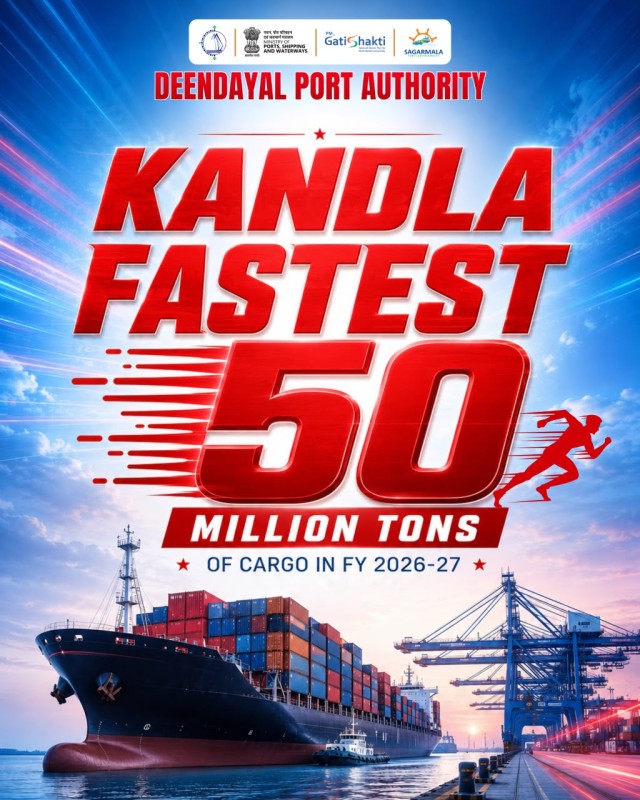
GANDHIDHAM : Deendayal Port Authority, Kandla has once again scripted history by becoming the fastest among all Major Port Authorities in India to cross the 50 Million Metric Tons (MMT) cargo handling mark during the current financial year 2026–27.

On 16th July, 2026, DPA achieved the prestigious milestone of crossing the 50 MMT cargo handling mark, accomplishing this feat 19 days ahead of the corresponding period of the previous financial year. Notably, during FY 2025-26, the Port had crossed the 50 MMT mark on 3rd August, 2025.

This remarkable achievement reflects the sustained growth trajectory of the Port, driven by enhanced operational efficiency, world-class infrastructure, seamless logistics and stakeholder collaboration. The milestone further reinforces DPA’s position as India’s No. 1 Major Port and highlights its continued contribution towards strengthening the maritime trade and logistics ecosystem.

On this occasion, Shri Sushil Kumar Singh, IRSME, Chairman, DPA, congratulated all stakeholders, port users, exporters, importers, shipping lines, vessel agents, stevedores, Customs House Agents, terminal operators, trade associations, truck drivers, DPA officials, employees, Shramiks, and every member of the Port fraternity whose dedicated efforts and unwavering support have made this landmark achievement possible.

Chennai Port handles longest-ever container vessel, reinforcing its capability to accommodate mega ships

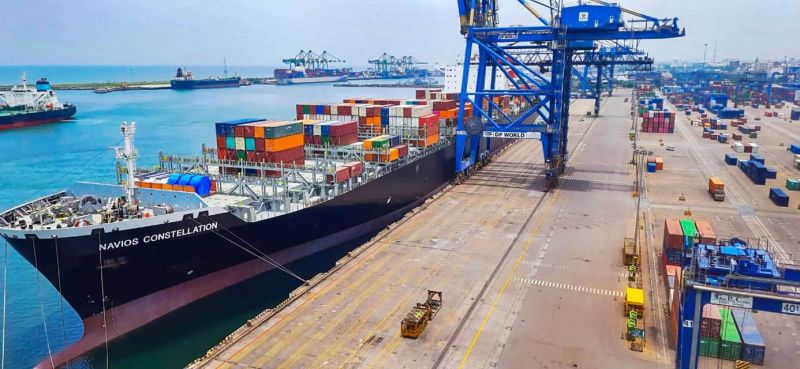
CHENNAI : Chennai Port Authority achieved a significant operational milestone with the successful handling of MV Navios Constellation, the longest container vessel ever to call at the port. The vessel, measuring 350 metres in overall length (LOA) and having a carrying capacity of 9,954 TEUs (Twenty-foot Equivalent Units), berthed at Chennai Port on 1 August 2023, underscoring the port’s growing capability to accommodate large, next-generation container ships.

The arrival and seamless handling of the mega vessel marked an important step in Chennai Port’s efforts to enhance operational efficiency and strengthen its position as a key gateway for India’s international container trade. Handling vessels of this size reflects the port’s improved marine infrastructure, navigational facilities, and operational preparedness, enabling it to cater to the evolving requirements of global shipping lines.

The milestone also highlights Chennai Port Authority’s continued investments in modernising port infrastructure, improving berth productivity, and upgrading cargo-handling capabilities. These initiatives are aimed at supporting larger container vessels, reducing vessel turnaround time, and offering more efficient and reliable services to exporters, importers, and shipping operators.

As one of India’s major ports on the east coast, Chennai Port continues to focus on expanding capacity, embracing technological advancements, and enhancing multimodal connectivity to strengthen supply chains and facilitate growing EXIM trade. The successful handling of MV Navios Constellation reflects the port’s commitment to continuous development, operational excellence, and its vision of emerging as a globally competitive maritime gateway capable of serving the next generation of container shipping.

India Logistics Growth Index rises to 55.5 in June 2026: World Research Institute 

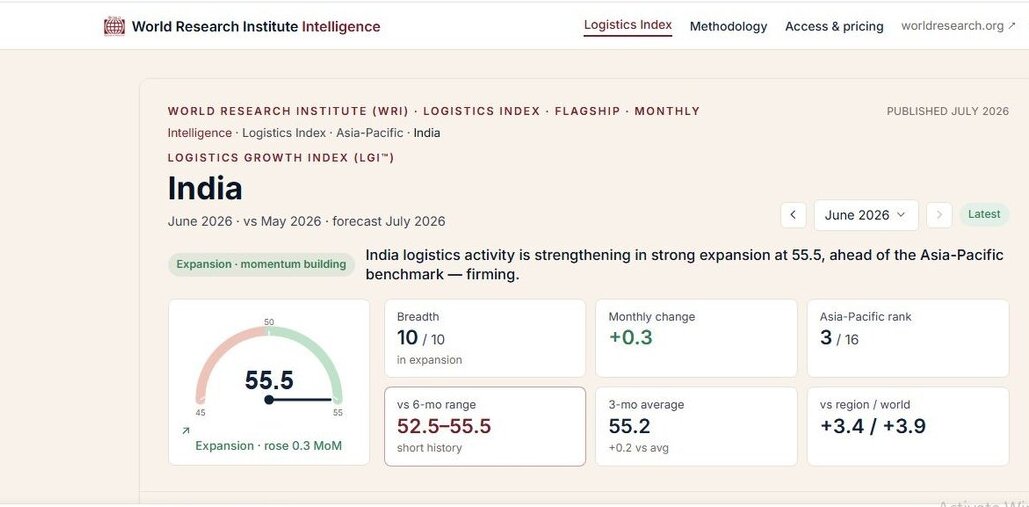
SINGAPORE: India’s Logistics Growth Index (LGI™) registered 55.5 in June 2026, marking an expansion of 0.3 points from the previous month. This reading indicates continued strength in freight movement and merchandise exports, supported by resilient goods transport and elevated domestic consumption.

Globally, the World Logistics Index stood at 51.6, also in expansion territory with a marginal monthly increase of 0.1 points. WRI’s model attributes the Indian sector’s performance to broad-based activity across transportation and warehousing, reflecting sustained momentum despite external supply uncertainties.

These figures are part of the World Research Institute (WRI) monthly diffusion index, which tracks logistics activity across 42 economies. The underlying World and regional data, along with the full methodology, are published openly as a citeable public benchmark for trade and logistics analysis.

World Research Institute Report 1 India Logistics Growth Index rises to 55.5 in June 2026: World Research Institute 

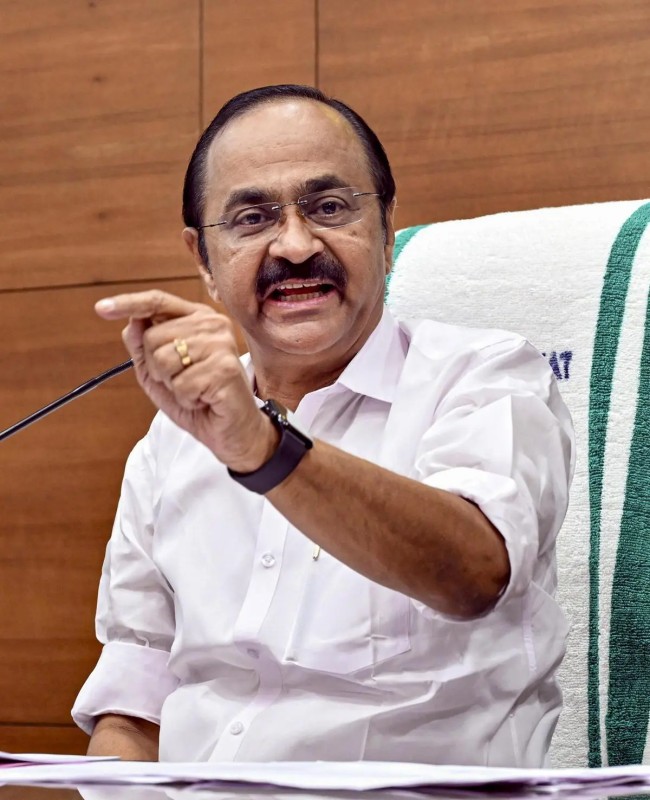
Tata Group plans to invest $1 billion in shipbuilding in Kerala: CM Satheesan

THIRUVANANTHAPURAM : Tata Group has sought approval to invest ₹10,000 crore ($1 billion) in shipbuilding in Kerala, Bloomberg reported. “Tata is ready to invest on shipbuilding,” Kerala Chief Minister V.D. Satheesan told Bloomberg in an interview in Thiruvananthapuram.

“We are going to provide the land” to the Indian conglomerate, Satheesan said. State officials view the plan positively and expect to clear it in under a month.

Expanding Tata Portfolio

This venture introduces a fresh sector for the $180bn conglomerate. The group currently manufactures diverse products ranging from coffee and steel to smartphones and luxury cars.

The Adani Group already runs its new deepwater trans-shipment hub at Vizhinjam near the southern tip of the country.

The port has secured a $1.4-billion commitment from MSC Mediterranean Shipping Co., which the Satheesan administration is currently reviewing.

India Maritime Ambitions

Tata’s foray into the sector comes as India seeks to rapidly scale up its shipbuilding capacity and secure a larger role in global maritime trade.

New Delhi and Seoul agreed to strengthen ties in the maritime sector in April 2026. South Korea currently trails only China as the second-largest shipbuilder globally.

The state wants to secure a larger share of the maritime economy. It plans to expand into vessel construction, maintenance and related services close to key harbours such as Kochi and Vizhinjam.

The chief minister did not share specific details regarding the manufacturing capacity or the schedule for starting operations.

Most Valuable Brand of The Country

The Brand Finance India 100 2026 report ranked Tata Group as the nation’s top brand for the 18th consecutive year.

Total valuation for the top 100 domestic brands grew 7% to $252.8bn, the report stated. Nine leading firms expanded their brand value through investments in technology, manufacturing and infrastructure.

Its brand valuation climbed 7% to $33.6bn. This growth followed moves into digital systems, electronics and data networks, alongside increased activity in clean energy, electric vehicles, microchips and high-tech manufacturing.

Source : Outlook

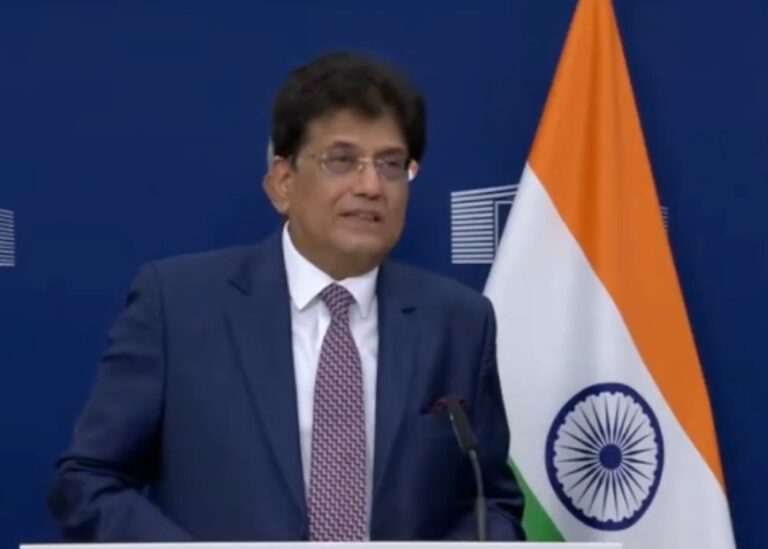
Piyush Goyal meets European industry leaders in Brussels to deepen India–EU Industrial and Technology Cooperation

BRUSSELS : Union Minister of Commerce & Industry, Shri Piyush Goyal, undertook a series of industry-focused engagements in Brussels on 14–15 July 2026 on the sidelines of the India–EU Trade and Technology Council (TTC) Ministerial.

On 14 July 2026, Shri Piyush Goyal met Mr. Alain Queverin, CEO, Thales Belgium, to discuss strengthening industrial cooperation and exploring opportunities for technology partnerships. He also held discussions with Mr. Jean Christophe Bogaert, Managing Director, Silox Group, on expanding bilateral trade opportunities and enhancing industrial collaboration. These meetings marked the beginning of the Minister’s industry outreach in Brussels, providing a constructive platform for engagement with European industry leaders and setting the stage for subsequent interactions.

On 15 July 2026, Shri Piyush Goyal participated, along with the Minister of External Affairs and the Minister of State for Electronics & Information Technology, in a Business Roundtable hosted by the Federation of Enterprises in Belgium (FEB). The roundtable brought together leading Indian and European industry representatives to deliberate on trade facilitation, investment flows, supply chain resilience and digital innovation.

Later in the day, Shri Piyush Goyal interacted with members of the FICCI delegation at Hotel Steigenberger. Representatives of Indian industry shared their perspectives on enhancing competitiveness, addressing regulatory challenges and leveraging opportunities under the TTC framework. The Minister reaffirmed the Government’s commitment to supporting Indian industry in expanding market access and fostering innovation-driven partnerships.

Shri Piyush Goyal’s engagements in Brussels underscored India’s emphasis on industry-led growth and highlighted the critical role of business and industry in advancing India–EU economic cooperation. Held on the sidelines of the India–EU TTC Ministerial, these interactions reaffirmed the Government’s commitment to strengthening industrial partnerships, promoting innovation, facilitating greater market access and creating new opportunities for Indian enterprises in Europe.