Home Blog Page 204

Samskip strengthens hydrogen ambitions through HyShip collaboration

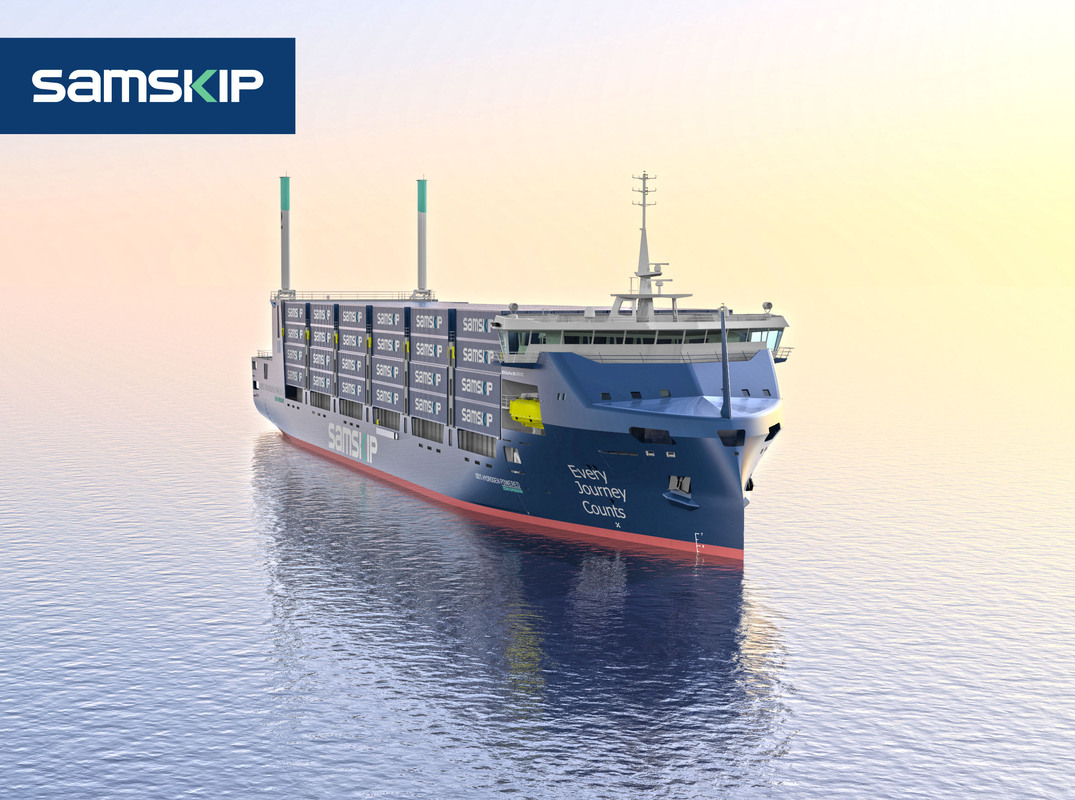
ROTTERDAM: Samskip is taking another significant step towards the future of sustainable maritime transport by bringing its pioneering SeaShuttle project into the European HyShip initiative, strengthening collaboration to accelerate the development of liquid hydrogen infrastructure and support the commercial deployment of zero-emission shipping.

The collaboration connects Samskip’s two hydrogen-powered SeaShuttle vessels, currently under construction for operation between Rotterdam and Oslo, with a consortium of leading European maritime, energy, research and regulatory partners working to develop the technologies, infrastructure and operational standards needed to scale hydrogen-powered shipping across Europe.

Unlike many demonstration projects, the Samskip SeaShuttles have always been designed with commercial operation in mind. Once introduced into service in 2027, the vessels will transport containerized freight between Rotterdam and Oslo using liquid hydrogen as energy source, creating one of Europe’s first green shipping corridors. Each vessel is expected to reduce CO2 emissions by approximately 25,000 tonnes annually when operating in zero-emission mode, while demonstrating that sustainable shipping can become a practical reality for customers and supply chains.

“Our SeaShuttles have always been about proving that hydrogen-powered shipping can work in everyday commercial operations, not just as a concept. By joining HyShip, we’re taking an important step beyond the vessel itself. Together with our partners, we’re helping develop the liquid hydrogen supply chain, bunkering infrastructure and operational knowledge needed to make hydrogen-powered shipping scalable across Europe.” Jeroen Hollebrands, Head of Newbuilding & Projects, Samskip

The HyShip project addresses one of the industry’s most important challenges: creating an end-to-end hydrogen ecosystem that connects fuel production, port infrastructure and vessel operations. This integrated approach is essential to making hydrogen-powered shipping commercially viable on a larger scale.

The Samskip SeaShuttles form an important part of Samskip’s broader sustainability strategy, which combines one of Europe’s most energy-efficient multimodal logistics networks with continued investment in alternative fuels and zero-emission technologies. Hydrogen-powered shipping represents a key milestone in delivering Samskip’s ambitions while helping customers reduce the environmental impact of their supply chains.

IMO adopts Singapore-led resolution on the protection of vital shipping lanes

LONDON : The International Maritime Organization (IMO) has adopted a Singapore-led resolution on the protection of vital shipping lanes at the 137th Session of the IMO Council.

Co-sponsored by 30 Member States, including Indonesia and Malaysia, the resolution reaffirms the importance of upholding and respecting navigational rights and freedoms for commercial ships when transiting through vital shipping lanes, including straits used for international navigation, in accordance with international law as reflected in the United Nations Convention on the Law of the Sea (UNCLOS). It also reaffirms the importance of abiding by the regulations and standards adopted by the IMO.

The resolution also highlights the important role of the IMO in promoting a stable, predictable, and rules-based maritime order. It underscores the importance of international cooperation, dialogue, and collective responsibility in keeping vital sea lanes open, secure, and accessible.

The resolution further highlights the importance of safeguarding the safety, health, and well-being of seafarers who play an indispensable role in global supply chains.

As an open and trade-dependent economy, Singapore supports a stable, rules-based international order to ensure uninterrupted global trade, resilient supply chains, and food and energy security. The resolution reflects Singapore’s longstanding commitment to upholding international law, and to safeguarding an open, stable and predictable maritime environment.

    “K”LINE – Experimental Floating Axis Wind Turbine (FAWT) installed in a bay of Iki City, Nagasaki

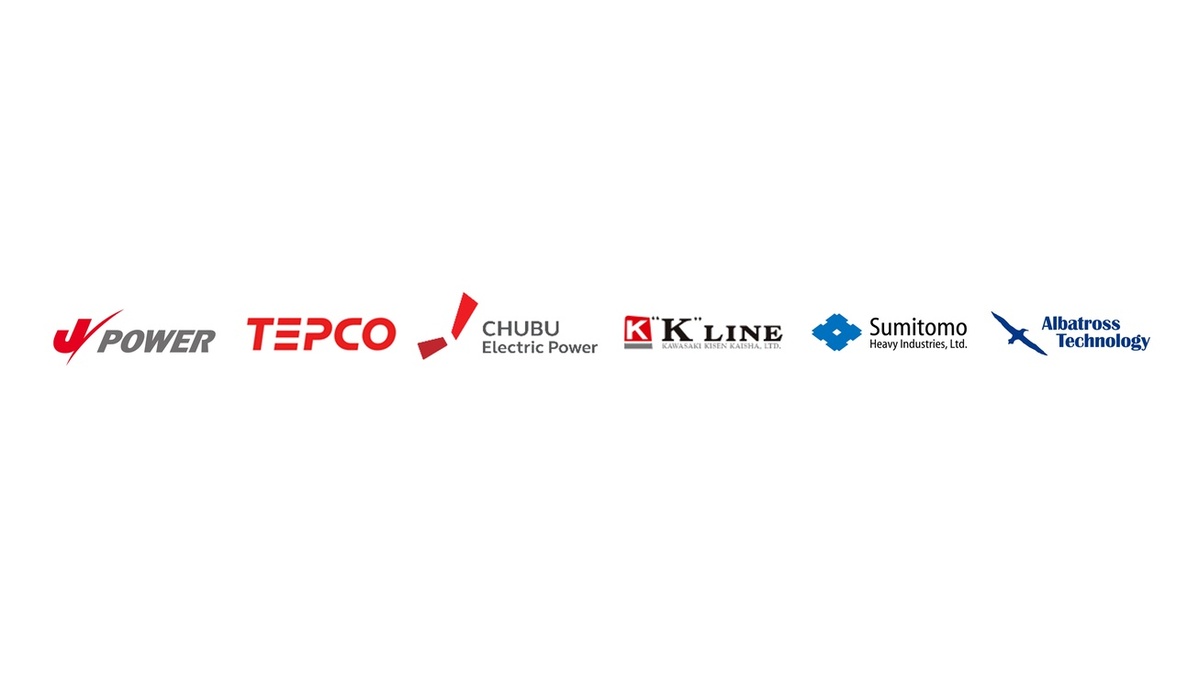
    TOKYO: The FAWT Consortium of six companies listed below has installed an experimental low-cost next-generation floating wind turbine. The concept aims to make a fully domestic supply chain of offshore wind possible. The demonstration in a bay of Iki City, Nagasaki Prefecture, has started as of July 2026.

    The FAWT Consortium of six companies listed above has installed an experimental low-cost next-generation floating wind turbine. The concept aims to make a fully domestic supply chain of offshore wind possible. The demonstration in a bay of Iki City, Nagasaki Prefecture, has started as of July 2026.

    Installed experimental FAWT (rotor diameter: 9.3 m)

    Onshore testing of the experimental FAWT

    Overview of the offshore demonstration

    ■ Period: One year (planned)

    ■ Location: In a bay of Iki City, Nagasaki Prefecture

    ■ Description of the demonstration

    The demonstrator consists of a vertical-axis wind turbine with three straight blades and a cylindrical floating foundation. The diameter of the rotor is 9.3 meters, and the diameter of the floating foundation is 1.7 meters. The maximum output power is under 20 kW. Station-keeping is achieved by three mooring lines, each connected to seabed anchors. The demonstration will verify the technical feasibility of FAWT, numerical analyses, and water tank test results. After the demonstration, the unit will be decommissioned, and detailed inspections of each component will be carried out. These activities are expected to help identify challenges for long-term operation and support the improvement of the design of future larger-scale systems

    Key features of FAWT

    To promote the development of offshore wind as a key renewable energy source, it is necessary to expand floating offshore wind power systems in Japan, where shallow-water sites suitable for bottom-fixed turbines are limited. However, there are challenges in the adaptation of conventional horizontal-axis wind turbines to the floating system due to their large floating foundations and mooring systems required, which result in high costs.

    To overcome these challenges, FAWT is based on a rational change of design philosophy derived from marine engineering principles. The goal of FAWT is to significantly reduce the cost of energy by simplifying the structure and lowering the center of gravity, while developing domestic supply chains for floating offshore wind.

    Artist’s concept of a megawatt-class FAWT

    Outlook

    Outcomes of the present demonstration, together with ongoing studies for larger-scale systems, will be used to advance the development of megawatt-class demonstration systems, with the ultimate goal of their commercial deployment in the future.

    The FAWT Consortium will leverage the expertise possessed by each participating company in the joint development of the FAWT, which has the potential to be a game changer for the floating offshore wind industry. Through this, the consortium aims to establish offshore wind as a primary source of electricity and contribute to the realization of the carbon-neutral society.

    Consortium members

    1. Electric Power Development Co., Ltd. (headquartered in Chuo-ku, Tokyo; President: Hideaki Kato)
    2. Tokyo Electric Power Company Holdings, Inc. (headquartered in Chiyoda-ku, Tokyo; President: Tomoaki Kobayakawa)
    3. Chubu Electric Power Co., Inc. (headquartered in Nagoya City, Aichi; President: Kingo Hayashi)
    4. Kawasaki Kisen Kaisha, Ltd. (headquartered in Chiyoda-ku, Tokyo; President: Takenori Igarashi)
    5. Sumitomo Heavy Industries, Ltd. (headquartered in Shinagawa-ku, Tokyo; President: Toshiro Watanabe)
    6. Albatross Technology Inc. (headquartered in Chuo-ku, Tokyo; CEO: Hiromichi Akimoto

    ‘Historic Milestone’: India-UK Free Trade Agreement to come into force today

    NEW DELHI: The comprehensive economic and trade agreement (CETA), which aims to boost mutual commerce between India and the United Kingdom to $100 billion by 2030, will come into force on July 15.

    India and the UK’s trade volume stands at $55-60 billion at present. “The target is that in the next 3-4 years, we will be able to reach USD 100 billion,” said Commerce Secretary Shri Rajesh Agarwal.

    Per the deal, from July 15, India’s textiles, leather and footwear, gems and jewellery and plastics exports will enter the British market with zero duty.

    Sensitive segments, including small and mid-segment ICE (internal combustion engine) vehicles and affordable EVs, remain protected, said Additional Secretary in the Department of Commerce Darpan Jain. With this protection, Indian manufacturers can strengthen their scale, technology and global competitiveness.

    Under CETA, New Delhi has also given concessions on import duties of silver from the United Kingdom.

    In the financial year 2026, India imported silver bars worth $5.2 billion from the UK, which accounted for 45 per cent of its gold-silver imports.

    Gold bars, on the other hand, haven’t received any tariff concession.

    The deal also entails sops for corporate India. Indian companies operating in the UK would not have to make social security contributions for up to five years for employees they move from India.

    As of now, Indian employees and employers pay up to 23 per cent of the total salary to the UK’s National Insurance System.

    Industry estimates suggest it will amount to savings of $600 million.

    “The entry into force of the India-UK Comprehensive Economic and Trade Agreement (CETA) and the Double Contribution Convention on July 15, 2026, is a defining moment in India’s trade history. This is one of the first FTAs of its kind, which establishes a future-oriented economic architecture between two major economies of the world,” Agrawal said at a press conference in the national capital.

    He said the agreement covers 30 chapters, including areas such as digital trade, government procurement, small and medium enterprises (SMEs), innovation, labour, environment and gender.

    The officer said Indian farmers will gain improved access to the UK’s $90 billion agriculture market.

    As import duties up to 12 per cent will come down to zero, India’s labour-intensive sectors stand to benefit from the agreement.

    “All in all, it is a win-win proposition for both sides, with India taking a leap in terms of the extent of market liberalisation negotiated and the width of policy areas covered under the agreement,” Agrawal said.

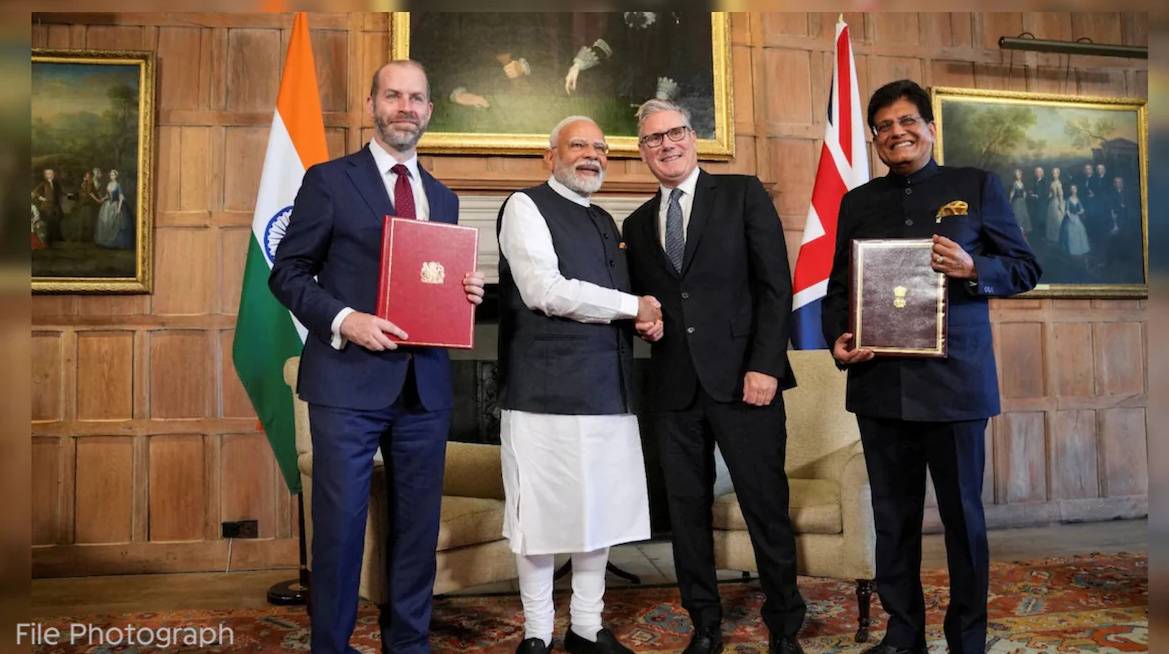
    The agreement was signed on July 24, 2025, in London, in the presence of Prime Minister Narendra Modi and British Prime Minister Keir Starmer.

    India–UK CETA comes into force, unlocking new opportunities for trade and services

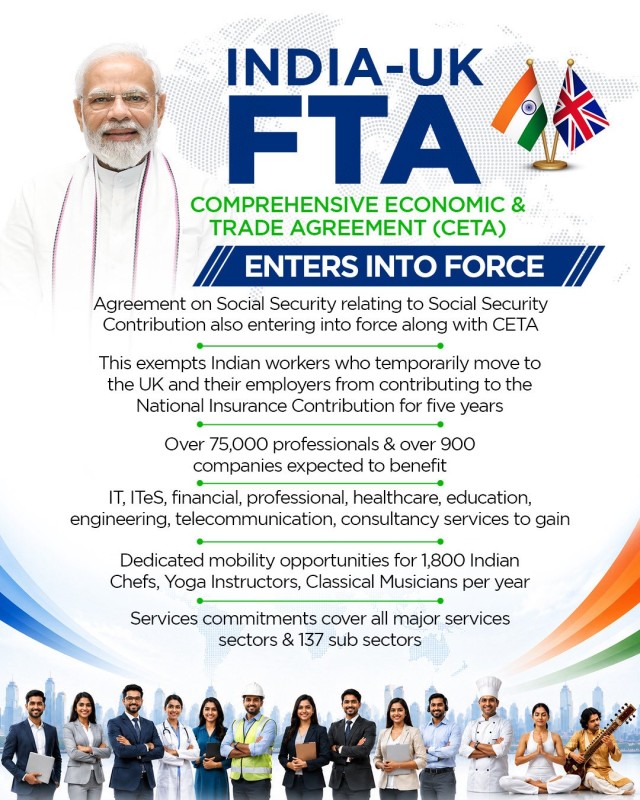
    NEW DELHI : India and the United Kingdom have entered a new phase in their bilateral economic partnership with the India–UK Comprehensive Economic and Trade Agreement (CETA) and the Agreement on Social Security officially coming into force on 15 July 2026.

    fta india uk comes effect India–UK CETA comes into force, unlocking new opportunities for trade and services

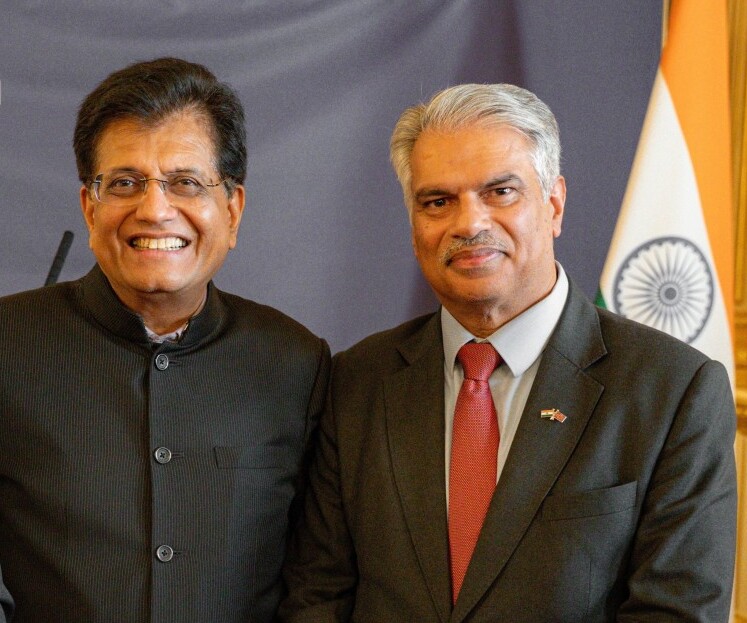
    Describing the development as a defining milestone in India–UK relations, Union Minister of Commerce and Industry Shri Piyush Goyal said the landmark agreements, concluded under the leadership of Prime Minister Shri Narendra Modi, are expected to significantly strengthen trade, investment, and economic cooperation between the two countries.

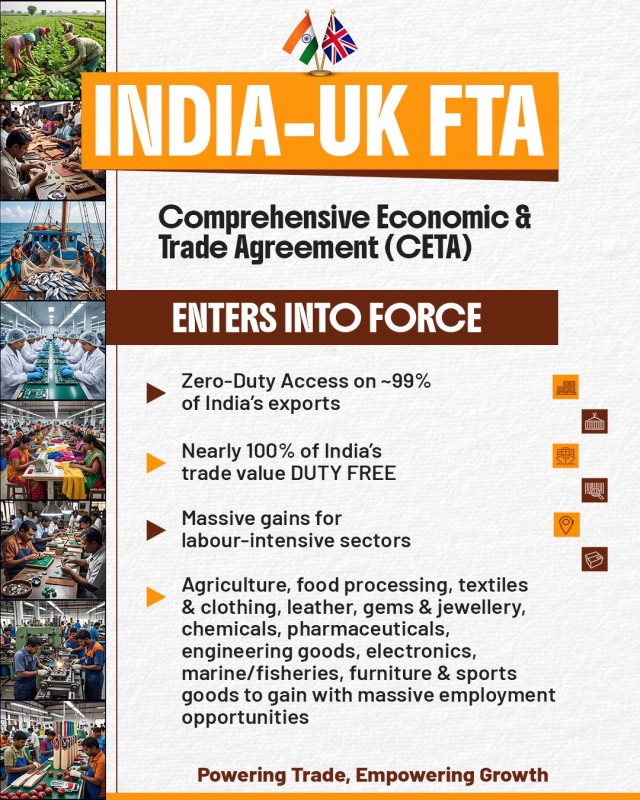
    Under the India–UK CETA, nearly 99% of India’s exports will receive zero-duty market access, covering almost the entire value of bilateral trade. The agreement is expected to enhance the competitiveness of Indian products in the UK market while creating fresh opportunities for exporters across a wide range of sectors.

    Key beneficiaries include textiles and apparel, leather and footwear, gems and jewellery, engineering goods, marine products, chemicals, pharmaceuticals, processed foods, agriculture, and manufacturing, with particular gains anticipated for India’s micro, small and medium enterprises (MSMEs). The agreement is also expected to boost exports, strengthen supply chains, attract investment, and generate employment across export-oriented industries.

    Beyond merchandise trade, the agreement opens new avenues for India’s globally competitive information technology, professional, financial, education, and business services sectors, while facilitating greater mobility for skilled Indian professionals seeking opportunities in the UK.

    The accompanying Agreement on Social Security provides significant relief to Indian professionals and their employers by exempting employees on temporary assignments in the United Kingdom from making double social security contributions for up to five years. The provision is expected to reduce the cost of overseas assignments, improve workforce mobility, and enhance the global competitiveness of Indian companies and skilled professionals.

    Shri Goyal also acknowledged the contribution of UK Secretary of State Peter Kyle and the negotiating teams from both countries for successfully concluding the landmark agreements.

    The implementation of the India–UK CETA marks a significant step towards deepening bilateral economic engagement, fostering innovation-led growth, expanding market access, encouraging investments, and building a resilient long-term partnership that delivers shared prosperity for both nations.

    “Piyush Goyal one of best negotiators…”: Former Chief Negotiator for UK-India FTA Harjinder Kang

    LONDON: United Kingdom’s Trade Commissioner for South Asia, Harjinder Kang, on Wednesday described Union Commerce Minister Shri Piyush Goyal as “one of the best negotiators” after the free trade agreement between India and the UK.

    Harjinder Kang, who served as the UK’s Chief Negotiator for the UK-India FTA, praised Shri Piyush Goyal for balancing multiple trade deals simultaneously and described him as a good friend.

    The two nations signed the FTA last year in July 2025, during Prime Minister Shri Narendra Modi‘s visit to the UK. The agreement will come into effect from today, July 15. Signed in London, the landmark pact unlocks zero-duty access for 90.2% of Indian exports to the UK and slashes India’s import duties on key British products.

    In an interview with ANI, Kang said, “I have become very close friends now with all of my counterparts. Where we were batting our heads for years, we are now shaking hands and having cups of tea on a regular basis. Minister Goyal… I have to take my hat off to him. He’s one of the best negotiators I’ve ever seen. And credit to him for balancing as many FTAs as he’s been doing in parallel at the same time as doing ours. And we’ve become good friends.”

    Recalling the Annual UK-India Awards 2026 in London, the UK’s Trade Commissioner said, “He (Piyush Goyal) gave us an award at the Global Forum a few days ago in London and actually made me stand up in the audience and gave me a bit of a name check… He has been the continuity in the Indian system from day one.”

    Further, Harjinder Kang said that despite being of India origin, the deal was “hard.” He described the “Indian system” as transactional.

    He said, “Being of Indian origin, I had an idea of the Indian mentality. So I thought I knew how it would be, but it was hard. I think the Indian system is transactional and reciprocal. If I am going to give you something, expect something back and vice versa. And I think that’s okay. Once you understand those rules of the game, it becomes easy to understand. In terms of personality, because culturally I am aware of India and had a lot to do with India, it makes a big difference.”

    The UK-India Free Trade Agreement (FTA), officially known as the Comprehensive Economic and Trade Agreement (CETA), is a landmark deal that aims to boost bilateral trade between the two nations by £25.5 billion annually.

    The deal includes substantial tariff reductions on goods such as textiles, whisky, and cars, making Indian exports more competitive in the UK market and vice versa.

    According to the Ministry of Commerce and Industry, this agreement with the United Kingdom is expected to significantly improve market access for Indian exports, with 90.2 per cent of India’s exports to the UK becoming duty-free.

    Source:ANI

    Historic India–UK FTA Opens New Trade Horizon; Bizbrains Advisors Workshop equips Industry for Global Opportunities

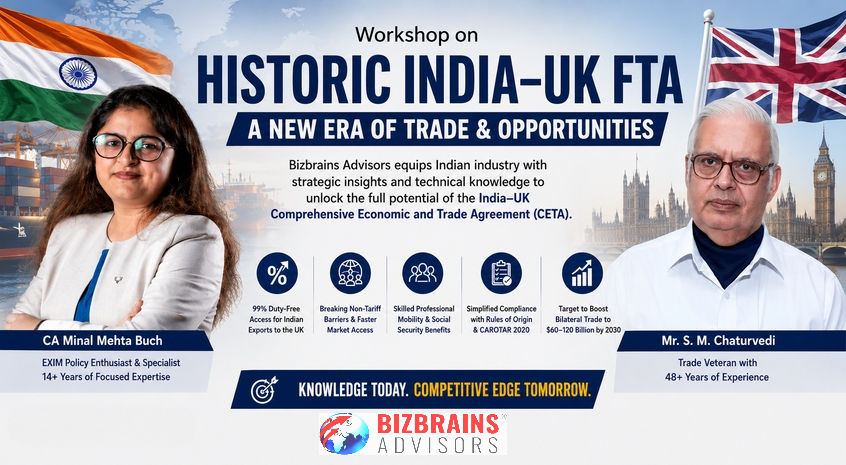
    AHMEDABAD: The global trade landscape is undergoing a monumental transformation, and at the heart of this shift lies the India–UK Comprehensive Economic and Trade Agreement (CETA). To equip Indian industry with the strategic foresight and technical knowledge required to navigate this new era, Bizbrains Advisors recently conducted a highly successful and interactive workshop on 11 July held online live from Mumbai & Ahmedabad, India. This session, which saw participation from industry leaders across India, was led by two of the country’s foremost experts: Mr. S M Chaturvedi, a trade veteran with over 48 years of experience, and CA Minal Mehta Buch, an EXIM policy enthusiast & specialist with more than 14 years of focused expertise.

    The workshop was guided by the profound Sanskrit philosophy: “नास्ति विद्यासमो बन्धुर्नास्ति विद्यासमः सुहृत्। नास्ति विद्यासमं वित्तं नास्ति विद्यासमं सुखम्॥”—reminding participants that there is no friend, wealth, or happiness as great as knowledge. In the world of international trade, this knowledge is quite literally the power to unlock markets.

    The Strategic Context: A “Game Changer” Post-Brexit

    The United Kingdom, with a population of approximately 69 million and a nominal GDP of nearly $4 trillion, remains one of the world’s most influential economies. Post-Brexit, the UK is actively diversifying its trade partners, and India has emerged as a top priority.

    This agreement is more than just a reduction in tariffs; it is India’s first-ever FTA with a G7 nation post-Brexit. This carries significant global signaling effects, demonstrating India’s readiness to compete at world-class standards of quality and compliance. By establishing direct bilateral terms, Indian exporters—particularly MSMEs—can now fill supply gaps without the need for EU intermediaries.

    As of 2023, bilateral trade stood at $20 billion, with India maintaining a trade surplus of approximately $4 billion. The ambitious goal of the CETA is to catapult this figure to between $60 billion and $120 billion by 2030.

    Tariff Liberalization: Immediate Wins for Indian Industry

    The workshop provided a granular look at where Indian businesses can find immediate value. India has secured zero-duty access for 99% of its exports to the UK. This is particularly impactful for labor-intensive sectors that are major job creators:

    • Textiles and Apparel: Current duties of 8–12% will drop to 0%.
    • Leather and Footwear: Duties of 4–8% will be eliminated.
    • Engineering Goods: Auto parts and machinery, currently facing 4–6% tariffs, will enter duty-free.
    • Gems and Jewelry: While currently facing 2.5–5% duties, these will see a phased reduction to 0% over 3 to 7 years.

    In return, India is opening its market to high-end UK goods. Notably, tariffs on Scotch whisky will drop from 150% to 75% immediately, with a 5% annual reduction thereafter. Furthermore, duties on luxury UK cars (priced over a certain threshold) will be slashed from 110% to 30% in the first year for an allotted quota of 20,000 units.

    Beyond Tariffs: Breaking Non-Tariff Barriers (NTBs)

    Participants learned that the real “friction” in trade often comes from non-tariff measures. The CETA addresses these through:

    1. Technical Barriers to Trade (TBT): Mutual recognition of technical regulations and transparency in developing new standards.
    2. Sanitary & Phytosanitary (SPS) Measures: A commitment to science-based standards and faster approvals for food and agricultural products.
    3. Customs and Trade Facilitation (CTF): A landmark target to release goods within 48 hours. Additionally, a waiver for origin documentation has been introduced for low-value shipments under £1,000, a major boon for e-commerce exporters.

    The Services Sector and Professional Mobility

    One of the most interactive parts of the session focused on Mode 4 mobility—the temporary movement of skilled professionals. The agreement includes a Social Security Pact that provides a 3-year exemption for Indian workers in the UK from local social security contributions. This is expected to result in ~20% salary savings and a total benefit exceeding ₹4,000 crore, benefiting 60,000 to 75,000 professionals, primarily in the IT sector.

    Furthermore, the agreement sets a clear timeline for the Recognition of Professional Qualifications. Within 12 months, both nations will identify priority sectors to conclude Mutual Recognition Agreements (MRAs) within 36 months, allowing Indian healthcare, IT, and engineering professionals to have their credentials officially recognized in the UK.

    Compliance and the “CAROTAR 2020” Factor

    The experts issued a strong word of caution regarding compliance. To benefit from preferential rates, goods must meet Rules of Origin (RoO), typically requiring 35% to 45% local value addition.

    A critical practical insight shared was the impact of CAROTAR 2020. Under these rules, if a producer’s goods are found to not meet origin criteria, Customs can reject preferential claims for all identical goods from that same producer—both past and future—without further verification. Importers were advised to exercise “reasonable care” and ensure that Country of Origin Certificates are in the correct format to avoid the common pitfall of being asked for a 100% Bank Guarantee by Customs.

    E-Commerce, MSMEs, and Government Procurement

    The workshop highlighted the inclusive nature of this FTA:

    • Gender Equality: This is the first Indian FTA with a dedicated chapter on Gender Equality, aiming to help women-led businesses participate equitably in global trade.
    • SME Support: Dedicated SME Contact Points will be established to help smaller firms navigate access to finance and technology.
    • Government Procurement: For the first time, Indian suppliers will be able to bid for UK central government contracts (above ~₹1.6 crore), including departments like the NHS and Education. India has also protected its own MSMEs by securing an exemption for its preferential procurement policy for small businesses.

    Embracing the Future: AI and Digital Tools

    Concluding the session, Bizbrains Advisors emphasized the role of technology in modern trade. Experts showcased how AI tools can be used as an assistant in routine operations and reading.

    As Mr. S M Chaturvedi and CA Minal Mehta Buch noted, the UK is seeking reliable, long-term partners, and Indian industry is perfectly positioned to step into that role. However, as the closing slide reminded all participants: “Opportunities don’t happen, they are created by those willing to look beyond what they know!”.

    For industry members seeking to deep-dive, Bizbrains Advisors remains a primary resource for navigating this $100 billion trade corridor.

    Bizbrain Advisors have also INDIA-UK FTA EXECUTIVE PLAYBOOK which can be downloaded by filling the following link.

    https://docs.google.com/forms/d/e/1FAIpQLSdB0qoD6PiFMLIWWfreheall3-3Qo-94keR7wyrZxScJpGQWw/viewform?usp=publish-editor

    Piyush Goyal begins Spain visit with high-level engagements to deepen India–Spain Economic Partnership

    NEW DELHI : Union Minister of Commerce and Industry, Shri Piyush Goyal, commenced the Spain leg of his official visit on 13 July 2026 with a series of high-level engagements aimed at deepening the India-Spain Economic Partnership and expanding cooperation in trade, investment, innovation and industry. The visit underscores the shared commitment of both countries to strengthen bilateral economic ties and explore new avenues of collaboration across priority sectors. The visit assumes particular significance as the two countries commemorate 70 years of diplomatic relations and celebrate the India-Spain Dual Year of Culture, Tourism and Artificial Intelligence 2026.

    During the day, the Minister held high-level bilateral meetings with senior members of the Government of Spain, engaged with business leaders and investment promotion agencies, addressed the India-Spain Business Forum and interacted with members of the Indian business delegation to advance economic cooperation, facilitate greater industry partnerships and showcase India’s growing opportunities for global investors.

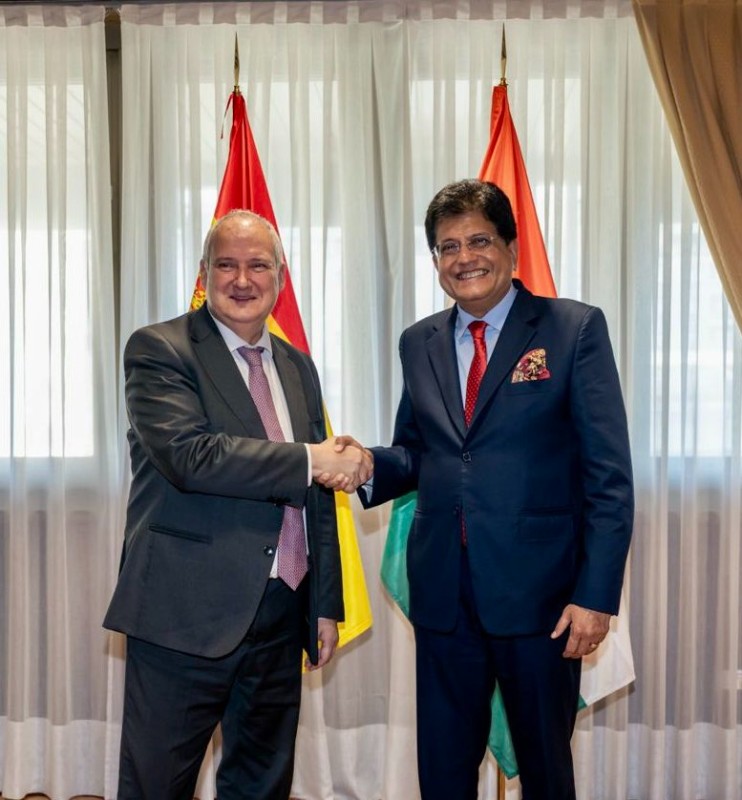
    Shri Goyal held a bilateral meeting with H.E. Mr. Carlos Cuerpo Caballero, First Vice-President of the Government of Spain and Minister of Economy, Trade and Business. The two leaders discussed ways to strengthen bilateral trade and investment relations, enhance business cooperation, promote innovation-led growth and identify new areas for economic collaboration. The discussions focused on improving market access, building resilient supply chains and expanding commercial partnerships between the two countries, with particular emphasis on renewable energy, green hydrogen, advanced manufacturing, digital technologies, infrastructure and innovation. They also exchanged views on the India-EU Free Trade Agreement and explored ways to deepen business ties and expand India’s commercial engagement with Spain. Both sides agreed to make full use of the Fast Track Mechanism to facilitate new investments and strengthen business confidence, and looked forward to convening the next session of the India-Spain Joint Commission on Economic Cooperation later this year.

    The Minister also met H.E. Mr. Jordi Hereu Boher, Minister of Industry and Tourism of Spain. The discussions centred on enhancing industrial cooperation, promoting sustainable manufacturing, supporting technology partnerships and fostering collaboration in sectors such as clean energy, mobility, advanced manufacturing and tourism. Both sides also discussed expanding cooperation in automotive, railways and smart infrastructure. They welcomed the C-295 programme as a flagship example of industrial collaboration under the “Make in India” initiative. The two Ministers underlined tourism as a shared priority, with 2026 marking the India-Spain Year of Culture, Tourism and Artificial Intelligence, reflecting a partnership that continues to draw the economies and peoples of the two countries closer together. Both sides reaffirmed their commitment to strengthening industry-to-industry engagement.

    A key highlight of the visit was the India-Spain Business Forum, jointly organised by the Federation of Indian Chambers of Commerce and Industry (FICCI), the Chamber of Commerce of Spain, the Spanish Confederation of Business Organizations (CEOE) and ICEX Spain Trade and Investment. The Forum brought together senior government officials, industry leaders and business representatives from both countries to explore new avenues of economic cooperation.

    The Forum commenced with welcome remarks by Ms. Inmaculada Riera, CEO of the Chamber of Commerce of Spain; Ms. Marta Blanco, President of the International Relations Committee of CEOE; Mr. Anant Goenka, President of FICCI; Mr. R. Mukundan, President of the Confederation of Indian Industry (CII); and H.E. Mr. Jayant N. Khobragade, Ambassador of India to Spain and Andorra.

    The keynote session featured addresses by Mr. Jordi García Brustenga, Secretary of State for Industry, Government of Spain, and Shri Piyush Goyal. During his address and interactions with leading Spanish industry representatives and business leaders, Shri Goyal highlighted India’s emergence as the world’s fastest-growing major economy, its strong economic growth, progressive reforms and vast investment opportunities. He invited Spanish companies to expand their presence in India and actively participate in the country’s growth story across sectors including manufacturing, infrastructure, renewable energy, advanced manufacturing, digital technologies, digital economy and innovation.

    The keynote addresses were followed by an interactive question-and-answer session and a networking reception, providing business leaders from both countries an opportunity to exchange views on expanding commercial partnerships and investment opportunities.

    Shri Goyal also engaged with senior officials of ICEX España Exportación e Inversiones, Spain’s trade and investment promotion agency, to discuss measures for strengthening bilateral investment flows, facilitating business linkages and encouraging greater participation of Spanish enterprises in India’s growth story. The discussions focused on promoting investment partnerships, technology collaboration and supporting businesses from both countries.

    At the conclusion of the day’s programme, Shri Goyal interacted with members of the Indian business delegation led by FICCI. During the debriefing session, he exchanged views with industry leaders on the opportunities identified during the visit and encouraged greater Indian investment and business partnerships with Spain in the years ahead.

    The visit reaffirmed the shared commitment of India and Spain to further deepen their strategic economic partnership through enhanced trade, investment, industrial collaboration, innovation and people-to-people exchanges. Building on the strong political understanding between the two countries, both sides expressed confidence that the outcomes of the visit would contribute to expanding bilateral economic cooperation and creating new opportunities for businesses and investors.

    Additional Secretary, MoPSW reviews JNPA operations and future infrastructure projects

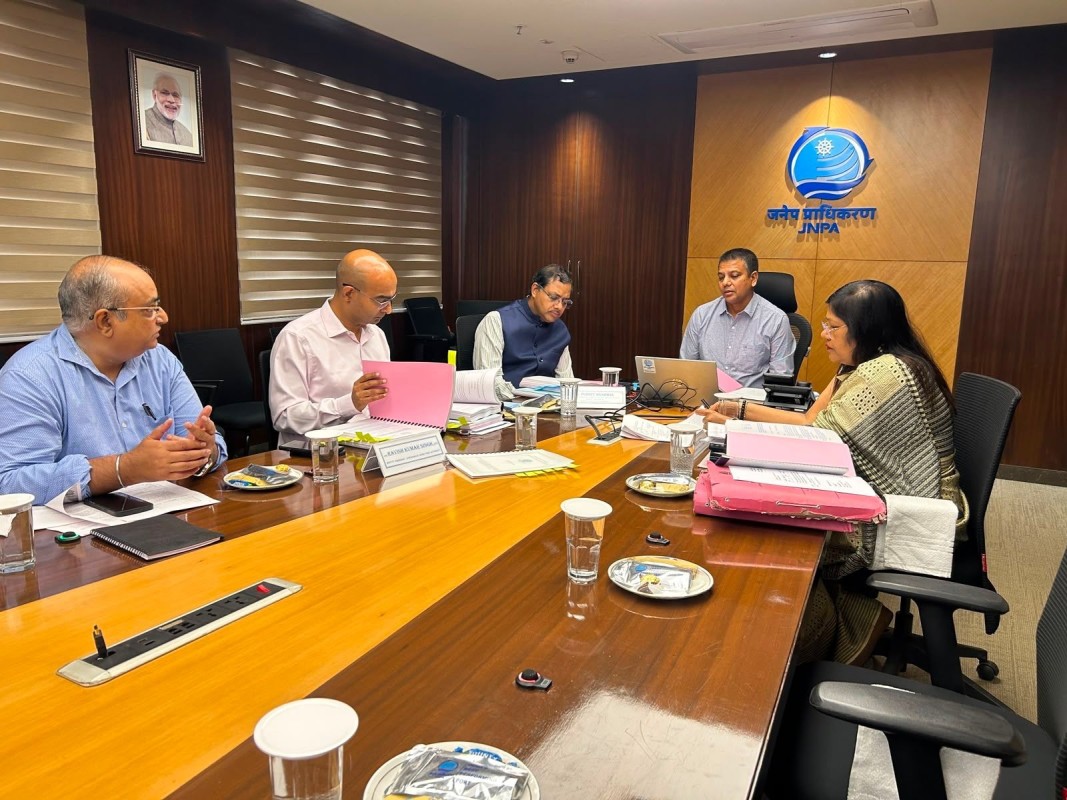
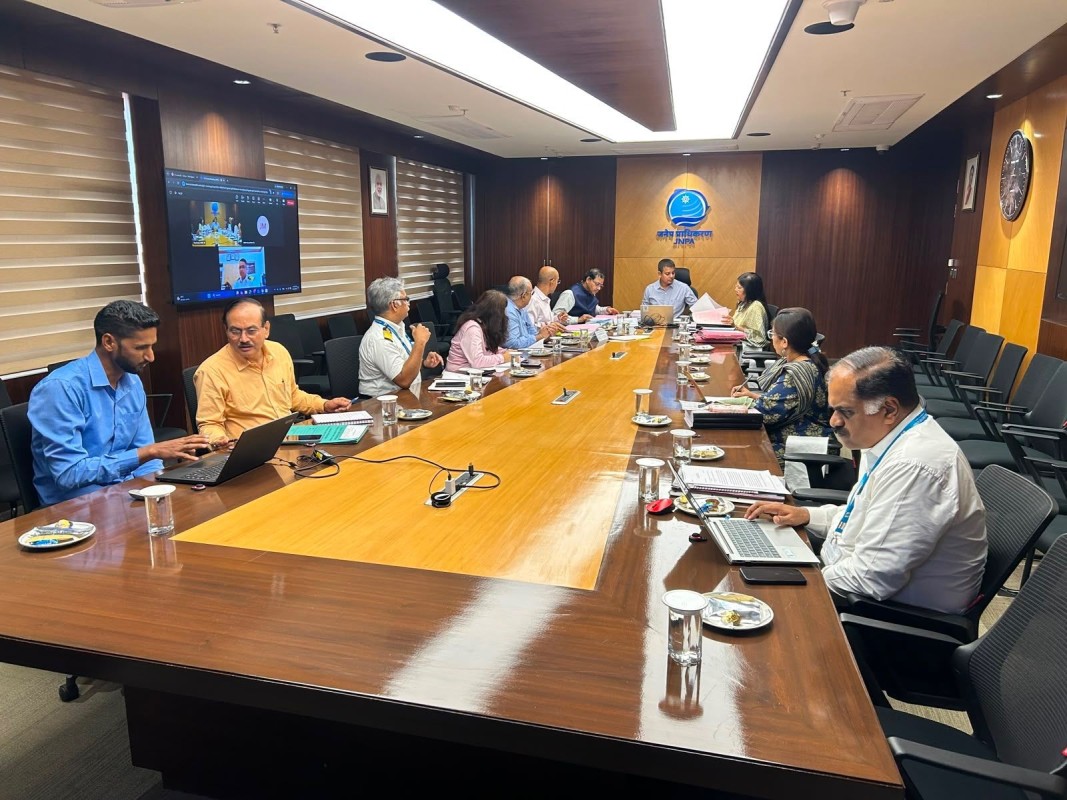
    MUMBAI : Jawaharlal Nehru Port Authority (JNPA) welcomed Shri Puneet Agarwal, Additional Secretary & Financial Advisor, Ministry of Ports, Shipping & Waterways (MoPSW), during his official visit to the port, where he reviewed key operational activities, ongoing infrastructure projects, and future expansion initiatives aimed at strengthening India’s maritime and logistics ecosystem.

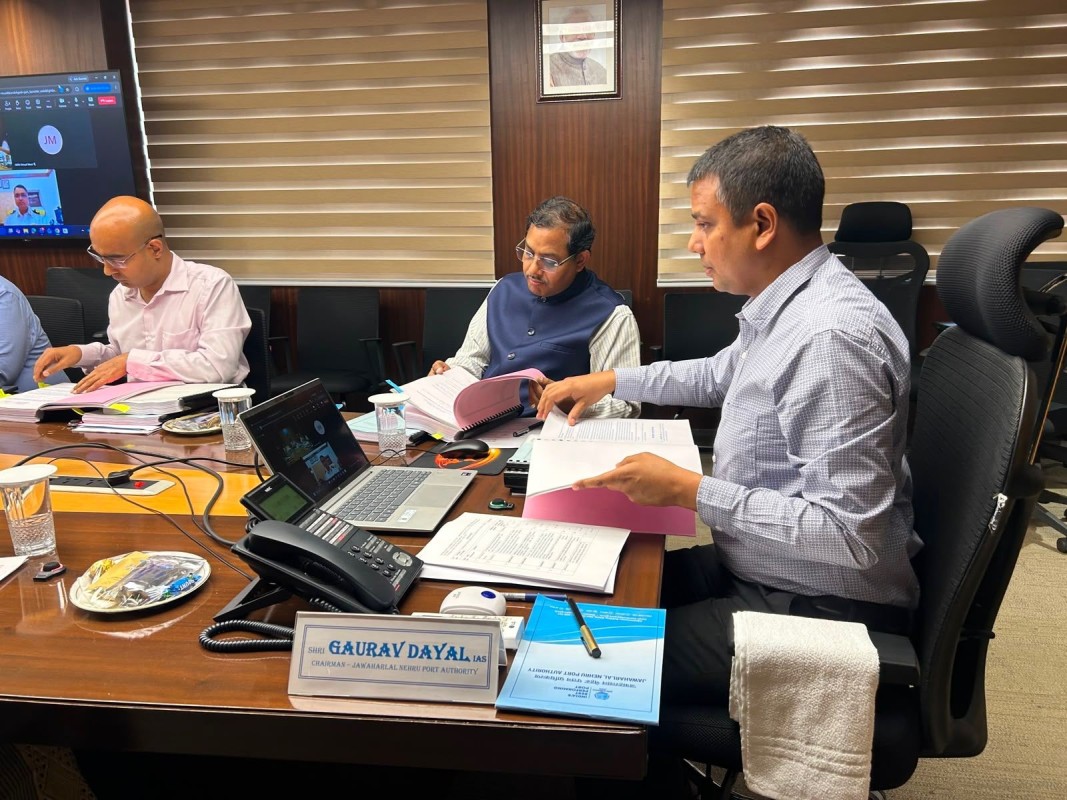
    Shri Puneet Agarwal was warmly received by JNPA Chairperson Shri Gaurav Dayal, IAS, Deputy Chairperson Shri Ravish Kumar Singh, IRTS, and Heads of Departments (HoDs). The visit provided an opportunity to showcase JNPA’s operational capabilities, infrastructure development, and strategic initiatives focused on enhancing port efficiency, capacity, and ease of doing business.

    During the visit, the Additional Secretary was briefed on JNPA’s container terminal operations, cargo handling processes, digital transformation initiatives, and multimodal connectivity that have positioned the port as India’s premier container gateway. Officials also presented updates on several ongoing infrastructure projects, with particular emphasis on the upcoming Empty Container Yard (ECY), which is expected to significantly improve container management, optimise yard space, reduce logistics costs, and enhance the overall efficiency of cargo evacuation and supply chain operations.

    The discussions also covered JNPA’s efforts to strengthen port-led development through modern infrastructure, sustainable practices, improved hinterland connectivity, and the adoption of smart technologies in line with the Government of India’s Maritime Amrit Kaal Vision 2047 and PM Gati Shakti National Master Plan.

    As part of the visit, Shri Puneet Agarwal attended the JNPA Board Meeting, where members deliberated on the port’s ongoing projects, operational performance, financial matters, emerging challenges, and strategies for accelerating infrastructure development. The meeting also focused on identifying forward-looking solutions to further enhance JNPA’s competitiveness, operational resilience, and customer-centric services.

    The visit reaffirmed the Ministry’s continued support for JNPA’s growth and modernization initiatives, reinforcing its role as a key driver of India’s maritime trade and logistics sector. With sustained investments in infrastructure and technology, JNPA continues to strengthen its position as one of the country’s most efficient and future-ready ports, supporting India’s ambition to become a global logistics and trade hub.

    Ashwini Vaishnaw unveils eight more structural reforms under ‘Reform Express’ to strengthen India’s Freight Operations

    NEW DELHI : Continuing the ‘Reform Express’, Union Minister for Railways Shri Ashwini Vaishnaw announced eight more structural reforms to modernise Indian Railways. With this, the total number of reforms implemented under the initiative has reached 17. The new reforms will bring significant changes in freight transportation, logistics, construction practices, project execution, wagon design, skilling and ease of doing business.

    Addressing the media in Rail Bhawan, New Delhi, Shri Vaishnaw said that Indian Railways is undertaking a series of reforms to build a future-ready railway system. These reforms are part of the Ministry’s target of implementing 52 reforms in 52 weeks to enhance efficiency, promote innovation and strengthen the railway ecosystem. Shri Vaishnaw said the reforms announced earlier under the Reform Express initiative have already started yielding encouraging results.

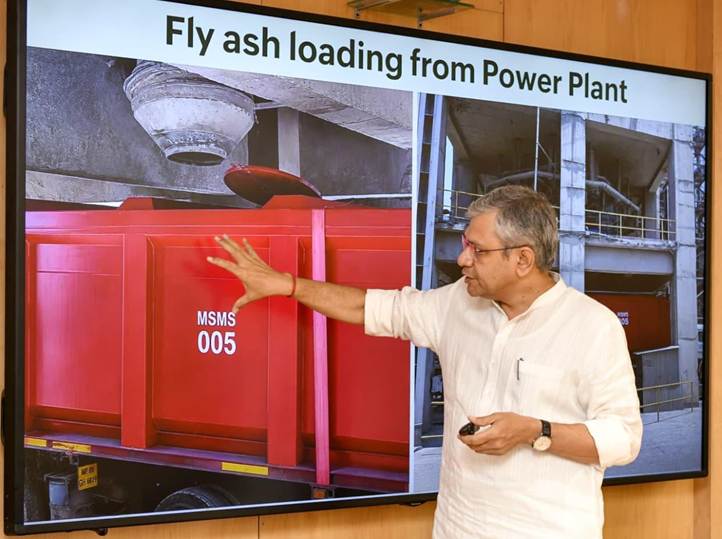
    Reform 10: Fly Ash Transportation

    Shri Vaishnaw said that India generates around 340 million tonnes of fly ash annually, of which nearly 96 million tonnes is utilised by the cement industry. Indian Railways transported about 13 million tonnes of fly ash during FY 2025-26, accounting for nearly four per cent of the country’s total fly ash generation.

    He said that fly ash has traditionally been transported through open wagons, resulting in dust pollution during loading, transportation and unloading. Fly ash also poses a significant environmental challenge when stored in large ash ponds at thermal power plants.

    To address these issues, Indian Railways has introduced a new containerised transportation system for fly ash. Under the new policy, specially designed ISO-standard containers will be used for transportation. These containers can be loaded directly from the power plant through top-loading arrangements and unloaded using side-discharge or pneumatic systems without generating dust pollution.

    Shri Vaishnaw said the closed-container system will enable pollution-free transportation, facilitate safe storage within cement plants until the material is required, and significantly improve logistics efficiency. The containers can be handled through reach stackers, allowing seamless end-to-end movement from power plants to cement plants. The reform is expected to increase rail movement of fly ash, reduce dependence on road transport and convert an environmental challenge into an economically productive resource.

    Reform 11: Reforms in the Container Sector

    The Union Minister said that diversification of railway freight beyond bulk commodities requires greater containerisation. To promote container traffic, Indian Railways has undertaken a major structural reform in the container train operator licensing framework.

    He said that under the existing system, Container Train Operator (CTO) licences were issued under four categories (Category I–IV), with a registration fee of ₹50 crore for Category-I and ₹10 crore for each of the other categories, along with route-specific restrictions and different registration requirements. This has now been replaced by a single unified Pan-India Container Train Operator licence.

    Under the new framework, operators will be able to run container trains across the entire Indian Railways network without category-based restrictions. The registration system has also been simplified through a uniform non-refundable registration fee of ₹25 crore applicable across all routes.

    Shri Vaishnaw further said that permissions will continue to remain valid for twenty years and can thereafter be extended without payment of any renewal or extension fee, subject to successful operations. The simplified licensing framework is expected to improve ease of doing business, encourage greater private participation, increase containerisation, attract more non-bulk cargo to railways, reduce logistics costs and strengthen the country’s freight ecosystem.

    Reform 12: Fertilizer Transportation

    Highlighting the importance of fertilizer movement for the agricultural sector, Shri Vaishnaw said Indian Railways currently handles nearly 85 per cent of fertilizer transportation in the country.

    He said that the existing freight charging system comprised nearly fifty different slabs, making operations complex. Under the new reform, freight charges have been simplified to a per tonne per kilometre basis with a rationalised tariff structure comprising three variations.

    The reform also permits transportation of fertilizers through containers. Unlike the earlier system, where an entire rake remained detained until complete unloading at a single destination, individual containers can now be unloaded and stored at rake points according to demand. This will enable phased distribution based on the requirements and lifting capacity of distributors.

    The Minister said containerised movement will improve wagon turnaround, reduce detention of rakes, facilitate flexible distribution, protect fertilizers from rain and weather-related damage and improve overall logistics efficiency.

    Reform 13: Policy for Skilling Artisans in Railway Projects and Works

    Shri Vaishnaw said that railway infrastructure projects involve safety-sensitive operations requiring specialised skills, precision engineering and adherence to strict quality standards.

    To ensure deployment of competent manpower, Indian Railways has introduced a comprehensive policy for skilling artisans engaged in railway projects and works. The policy establishes a structured framework for identification, assessment and certification of workers engaged in critical trades such as welding, fitting, masonry and other specialised construction activities.

    Under the new framework, project-specific skill requirements will be defined and workers will undergo practical and oral assessments through designated testing authorities. Successful candidates will receive QR code-enabled skill certificates linked to a live verification database.

    The Minister said implementation of the policy will commence with major and complex railway projects, including bridges and tunnels, and will be expanded across all Zonal Railways and Production Units over the next twenty-four months.

    He said the initiative will ensure that only certified artisans and supervisors are deployed in specialised railway works, standardise skill assessment across Indian Railways, facilitate real-time verification of credentials, improve workmanship, strengthen quality assurance and promote skill upgradation across the country’s infrastructure sector.

    Reform 14: Construction Reforms

    Shri Ashwini Vaishnaw said that following the success of the contractor qualification reforms introduced earlier this year, Indian Railways has now undertaken another major set of reforms to strengthen the construction ecosystem and improve project execution.

    The Union Minister said the reforms are aimed at encouraging serious and capable contractors, improving quality of construction, reducing disputes and ensuring timely completion of railway infrastructure projects.

    As part of the reforms, 10 per cent Performance Security will now be obtained at the commencement of the contract instead of being recovered through deductions from running bills. This will ensure that only serious contractors participate in railway projects and strengthen accountability during execution.

    To discourage litigation-driven contracting practices, stricter eligibility criteria have also been introduced. Contractors having pending litigation exceeding 50 per cent of their net worth will not be eligible to participate in railway tenders.

    The reforms further introduce Contractor’s All Risk Insurance and Professional Indemnity Insurance to strengthen risk management during project execution and provide protection against construction-related risks.

    Shri Vaishnaw said that Indian Railways has also established a clearly defined and sequential land handover mechanism to minimise disputes and facilitate timely commencement of projects.

    The Minister also mentioned Rail Bhoomi, a web-based platform developed by CRIS for end-to-end management of land acquisition. The platform integrates various Railway applications, including IRPSM, IPAS and HRMS, enabling seamless exchange of information, online processing of major land acquisition stages, efficient workflow management and real-time monitoring through dashboards and management information systems. The portal is expected to accelerate land acquisition, improve project planning and facilitate timely execution of railway infrastructure works.

    Reform 15: Policy for Wagon Design Approval

    Highlighting another major structural reform, Shri Vaishnaw announced a new policy for wagon design approval aimed at promoting innovation and enabling industry participation in designing specialised freight wagons.

    The Minister said that under the existing system, wagon designs were largely developed by the Research Designs and Standards Organisation (RDSO), with several critical components such as bogies, couplers and braking systems being restricted to prescribed standards. This limited design flexibility and constrained innovation.

    Under the new policy, designers, manufacturers and industries will be able to develop and propose wagon designs suited to specific commodities and operational requirements.

    RDSO will evaluate the proposed design and, upon in-principle approval, permit development of a prototype. After detailed design, prototype manufacturing and rigorous static and dynamic testing, a full rake will undergo field trials before safety certification, inspection by the Chief Commissioner of Railway Safety and approval by the Railway Board for induction into service.

    Shri Vaishnaw said the new framework will facilitate development of specialised wagons for sectors such as steel, petroleum, chemicals, milk, plastics and other industries requiring customised transportation solutions. The reform is expected to create a new ecosystem for wagon design and manufacturing, encourage technological innovation and enhance freight efficiency across sectors.

    Reform 16: Petroleum Products Transportation

    Shri Ashwini Vaishnaw said transportation of petroleum, oil and lubricant (POL) products requires specialised tank wagons. He said the existing system, under which Indian Railways owned all tank wagons, restricted flexibility for oil companies to introduce specialised wagons suited to their operational requirements.

    To address this, Indian Railways has removed the structural barriers governing design and induction of petroleum tank wagons. Oil companies will now be able to procure specialised wagons directly or lease them through leasing agencies and induct them on the Indian Railways network for specialised requirements.

    The Minister said the reform will enable introduction of specialised tank wagons, improve logistics planning, reduce transportation costs, promote greater movement of petroleum products through rail and minimise risks associated with road transportation, including product losses and adulteration.

    Reform 17: Foodgrains, Flour and Pulses Transportation

    Shri Vaishnaw said Indian Railways has also introduced a major reform for transportation of foodgrains, flour and pulses by simplifying freight charges and promoting containerised movement.

    Under the new policy, the earlier complex slab-based freight structure has been replaced with a simplified per tonne per kilometre rate structure. The reform permits transportation of foodgrains, flour and pulses through containers, enabling easier handling, flexible storage and phased distribution based on operational requirements.

    The Minister said containers can be stored at the premises of sellers or buyers and distributed according to demand, without detaining an entire rake. Since the containers remain sealed, the possibility of contamination is significantly reduced, thereby improving the safety and quality of foodgrain transportation while enhancing logistics efficiency.

    Under the Reform Express initiative, Indian Railways had earlier implemented nine major structural reforms, covering continuous on-board train cleaning, expansion of Gati Shakti Cargo Terminals, the RailTech policy and portal, digitisation of the Railway Claims Tribunal, specialised containers for salt and automobile transportation, seven construction-quality reforms, simplified ticket cancellation and refund rules, and digital change of boarding point.

    Shri Vaishnaw said the new reforms will help shift a larger share of freight traffic from road to rail, reducing logistics costs and delivering substantial environmental benefits. He noted that rail transport generates nearly 90 per cent lower carbon emissions than road transport. The Minister said gradual containerisation of additional commodities will diversify Indian Railways’ freight basket beyond traditional bulk cargo and further strengthen its freight business.