Home Blog Page 207

‘Hormuz blockade only for Iran and anybody doing business with them’: Trump

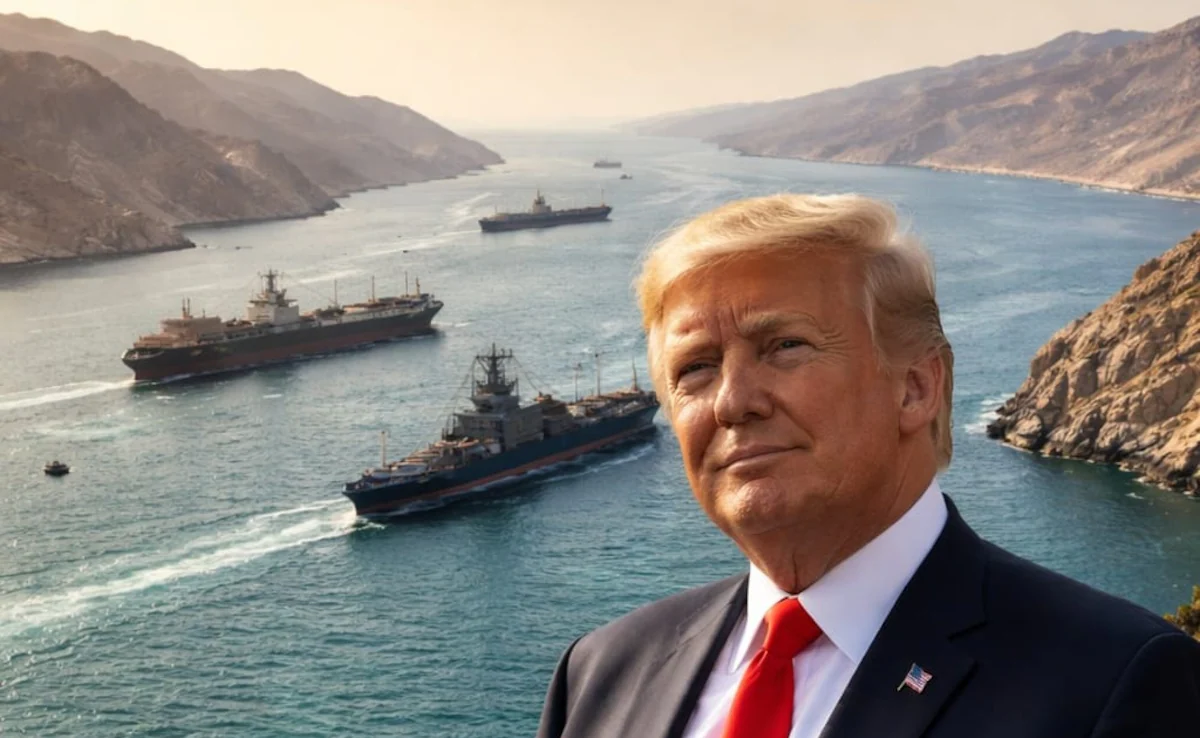
WASHINGTON DC: US President Donald Trump on Monday (local time) announced that American forces will reimpose a naval blockade in the Strait of Hormuz targeting Iran, while allowing vessels from other nations to continue transiting through the strategic waterway.

Speaking to reporters after signing an Executive Order, Trump said the blockade would apply only to Iran and those doing business with Tehran.

“We’re hitting them (Iran) very heavy tonight… We have tremendous amounts of ammunition. We’re hitting them very hard, and it’ll continue, and we’ll see what happens. We’re knocking out all of their offensive capability, and we’re controlling the strait (Strait of Hormuz). We’re putting the blockade back. It’s a blockade, not for anybody but Iran. In other words, anybody doing business with Iran can’t go through. Everyone else will be able to go through… The blockade is probably more effective even than hitting them. But I think the combination is the thing that really does it,” Trump said.

The US President claimed that American military operations have significantly degraded Iran’s military capabilities, including its navy, air force, missile and drone production.

“We’ve been here for four months. I think we’ve done a lot. We’ve knocked out their navy in one month. We knocked out their air force, which is non-existent. We knocked out most of their missiles and drones. We knocked out their drone manufacturing capability by about 92 per cent. Their missile manufacturing capability, we knocked out by 89 per cent. They have a little capability left, but they don’t have any capability against us. This is almost a military skirmish,” he said.

Trump also said a potential agreement with Tehran collapsed after Iran sought to reopen negotiations.

“We had a deal with them two days ago, and then they said, ‘Oh, we can’t make that deal. We have to negotiate it further.’ And this is what they’ve done for 47 years. The difference is nobody negotiated like I do… Frankly, for 47 years they’ve been ripping off everybody and really hurting people, killing thousands. They killed 52,000 protesters, but they also killed many, many people under Soleimani, whom I killed in the first term… We have to do what we’re doing,” he said.

The US President further said military operations against Iran would continue.

“We’re doing another very major attack tonight (on Iran). They want to make a deal. They came back. We made a deal two days ago… They’ve been negotiating for 47 years, but nobody’s ever hit them militarily. We’re hitting them very hard,” Trump said.

He also alleged that Iran’s economy and military had been severely weakened.

“Four months ago, they (Iran) had inflation of 5 per cent. Now they’re at over 350 per cent. They made a deal; they broke it probably 10 times, and they killed a lot of people. They killed our people,” Trump said.

The latest development follows renewed hostilities between the US and Iran after the Islamic Revolutionary Guard Corps (IRGC) closed the Strait of Hormuz, which triggered American retaliatory strikes on 140 locations across Iran.

Meanwhile, initiating a fresh wave of military operations, US Central Command (CENTCOM) began its third consecutive night of strikes against Iran at the direction of the Commander-in-Chief.

In a post on X, CENTCOM stated that these strikes aim to impose a high cost on Iranian forces and degrade their capability to target civilians and commercial shipping in the Strait of Hormuz.

Concurrently, the United States announced that it will resume blockading maritime traffic entering and exiting Iranian ports starting Tuesday evening.

In a formal statement, CENTCOM said its forces will enforce the blockade against vessels transiting to or from Iranian ports and coastal areas, while continuing to support the safe flow of maritime traffic for ships that are not in violation of the order.

“At the Commander in Chief’s direction, U.S. Central Command (CENTCOM) forces will resume blockading maritime traffic entering and exiting Iranian ports on July 14 at 4 p.m. ET,” the statement read.

According to CENTCOM, the decision follows the initial implementation of the blockade between April 13 and June 18. During that two-month period, US forces redirected more than 140 compliant vessels, disabled nine non-compliant ships, and permitted over 50 commercial vessels carrying humanitarian aid to pass through.

CENTCOM advised all mariners operating in the Gulf of Oman and the approaches to the Strait of Hormuz to monitor Notice to Mariners broadcasts and establish contact with US naval forces on bridge-to-bridge Channel 16. The command added that further detailed guidance for commercial mariners will be issued through a formal notice.

Earlier on Sunday, President Trump stated that the United States is “reinstating” the Iranian blockade and announced that the US will charge a 20 percent fee to provide security in the strategic shipping gateway. In his social media posts, Trump assured that international maritime traffic through the critical shipping lane would remain open to the rest of the world despite escalating regional tensions.

Trump defended the 20 per cent levy on transiting cargo, claiming it is a necessary measure to cover the operational expenses of securing the volatile shipping lane.

In response, Iran issued a stern warning against the US deployment, reaffirming its authority over the Strait of Hormuz and dismissing Washington’s intervention in its management.

According to Press TV, Brigadier General Ebrahim Zolfaghari, the spokesperson for the Khatam al-Anbiya Central Headquarters, affirmed that Tehran will not, “under any circumstances, allow the US to interfere in the management of the Strait of Hormuz.”

He further vowed strong retaliation against any US military action involving the passage of commercial vessels and oil tankers through the Strait of Hormuz that takes place “outside Iran’s designated shipping route and without authorisation from Iran’s armed forces.”
US to begin enforcing maritime blockade on Iran on Tuesday

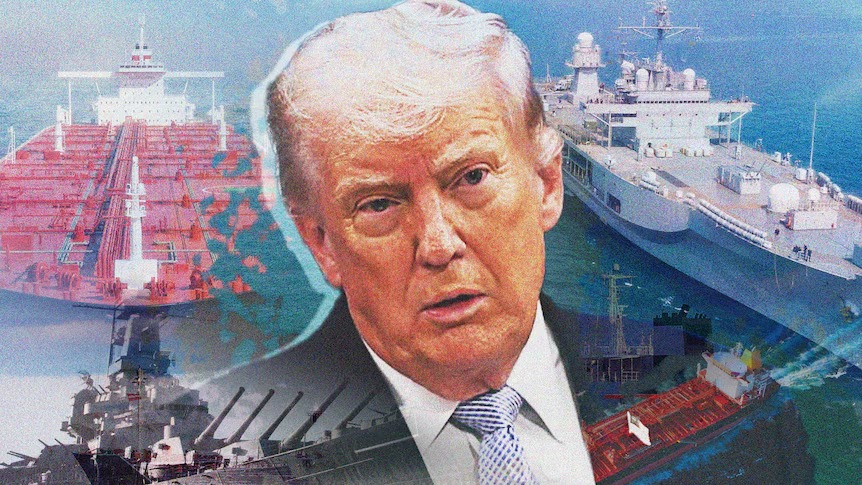
WASHINGTON D.C. : The U.S. Military will begin enforcing a maritime blockade on Iran on Tuesday, the U.S. Navy-led Joint Maritime Information Center (JMIC) said on Monday.

The blockade, covering all of Iran’s ports, oil terminals and coastal areas, will be enforced for all vessel traffic – regardless of flag – from 2000 GMT on July 14, the center said in an advisory.

“Any vessel suspected of entering or departing the blockaded area without authorization is subject to interception, diversion, and capture. Non-compliant vessels may be legally compelled with force,” the statement said.

The center said neutral transit through the Strait of Hormuz heading to or from non-Iranian destinations will not be impeded.

Iran suspends MoU with US over ceasefire violation, rules out second round of talks in Islamabad

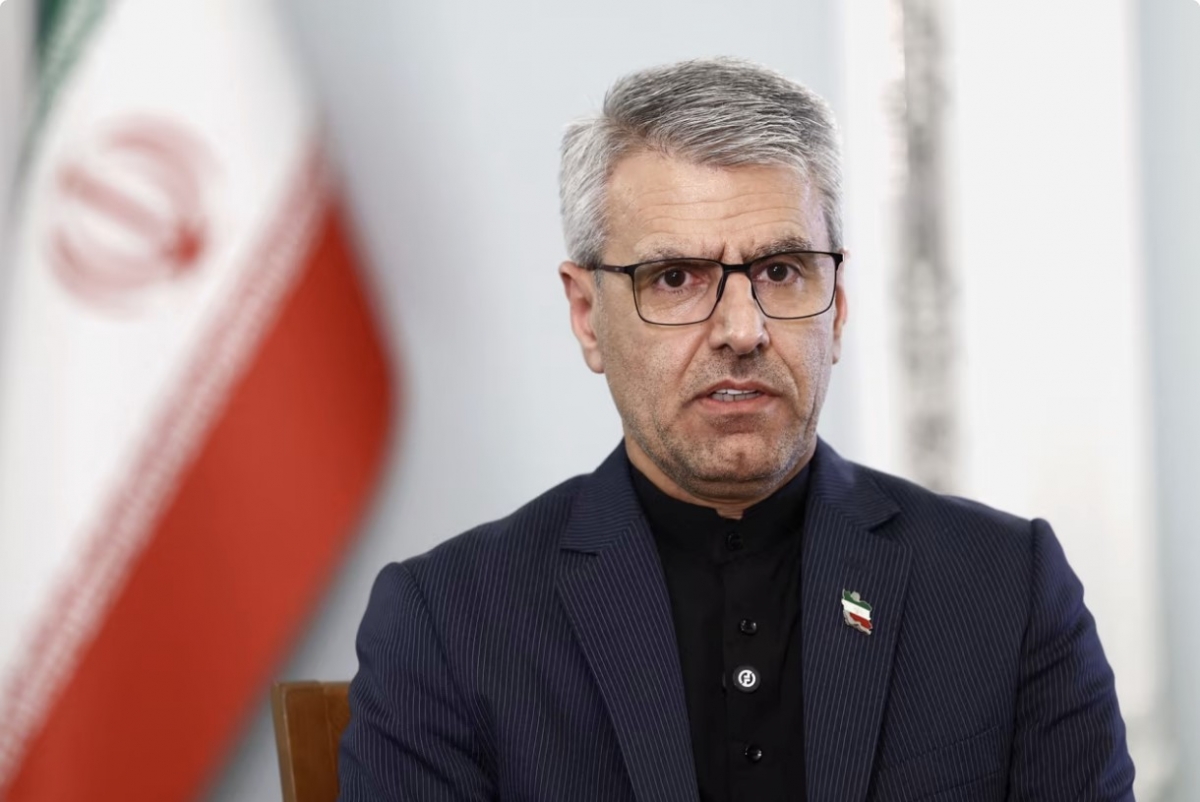
TEHRAN : Iran on Monday accused the United States of “openly violating” a ceasefire agreement and announced that it would not implement a previously agreed memorandum of understanding (MoU), deepening tensions between the two countries.

Speaking at a press conference, Iranian Foreign Ministry spokesperson Esmail Baghaei said relations between Tehran and Washington had entered a period of uncertainty, blaming the US for failing to uphold its commitments.

“There is no doubt that the agreement with the United States is in a state of crisis until the other party fulfills its responsibilities,” Baghaei said.

He is defending recent Iranian military actions against American facilities. “Actions on American bases were taken in self-defence,” Baghaei said.

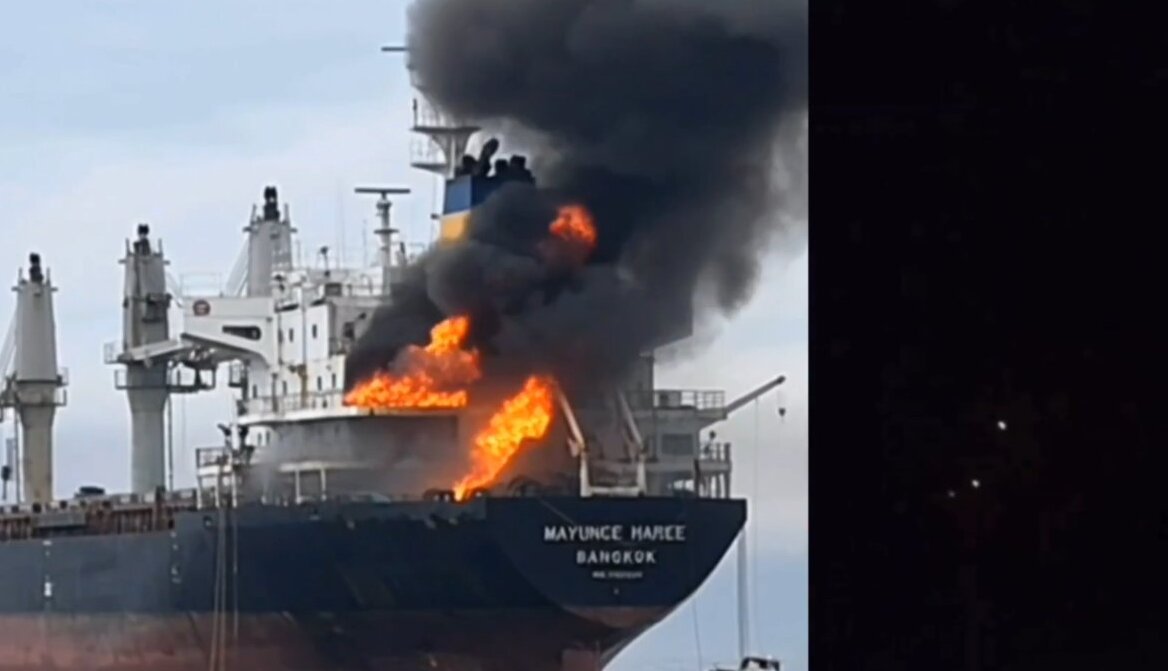
An MoU aimed at ending the conflict was signed last month, followed by a series of meetings between Iranian and American delegations in Switzerland. However, the fragile détente began to unravel after three commercial vessels were attacked near the Strait of Hormuz on July 6.

The incident triggered a fresh escalation in tensions, with both Washington and Tehran accusing each other of responsibility. Since then, the two sides have exchanged military strikes and sharp rhetoric, raising concerns about a broader confrontation in the region and the security of one of the world’s most critical maritime trade routes.

Iran Rejects US Role In Strait of Hormuz

Baghaei strongly criticised the United States’ actions in the Strait of Hormuz, one of the world’s most important maritime oil routes, saying they were contributing to regional instability rather than security.

“The United States has openly violated the ceasefire agreement. Intervention in Iranian arrangements in the Strait of Hormuz has created a renewed situation of insecurity,” he said.

The spokesperson reiterated Tehran’s longstanding position that it would not allow the strategic waterway to be used in a manner that threatens Iran’s national security.

“We have emphasized that we will not allow the Strait of Hormuz to become a place for threatening Iran’s national security,” Baghaei said.

At the same time, he maintained that Iran remained committed to ensuring the safety of maritime traffic through the crucial shipping corridor.

“We have sincerely and responsibly worked to ensure the security and safety of shipping in this route,” he added.US Accused of Escalating Regional Tensions

Baghaei accused Washington of being the primary source of instability in the region and criticised US claims that it was escorting commercial vessels through the Strait.

“The party that has constantly obstructed this route is America,” he said.

According to Baghaei, US assertions about providing naval escorts to commercial shipping demonstrate Washington’s determination to maintain tensions in the region rather than reduce them.“The claim they make about escorting commercial ships itself confirms America’s insistence on perpetuating insecurity in the region,” he said.

He warned that such actions would undermine confidence in international shipping and worsen the security situation.

“Such behaviors will certainly not create confidence in international shipping and will merely exacerbate the current situation and the prevailing insecurity in the region,” Baghaei added.

Peace Talks in Doubt

Baghaei also ruled out reports of a second round of talks in Islamabad, signalling that diplomatic engagement between Tehran and Washington remains uncertain amid escalating disagreements over ceasefire violations, regional security and the future of navigation through the Strait of Hormuz.

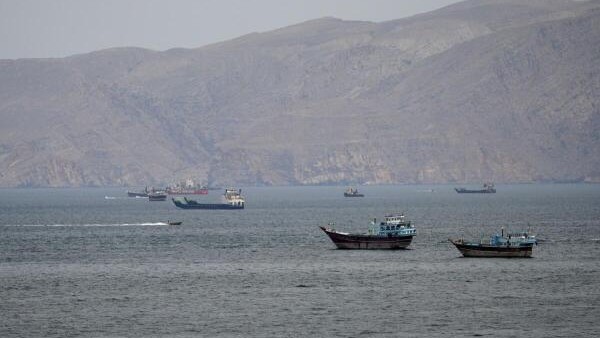
The latest remarks come as tensions continue to rise over the strategic waterway, through which roughly a quarter of the world’s seaborne oil trade passes, making it a critical artery for global energy supplies.

One Indian killed, six injured as Iranian missiles target two UAE tankers in Hormuz

ABU DHABI : The UAE Ministry of Defence on Tuesday said that its two national tankers, MT Mombasa and MT Al Bahiyah, were struck by two Iranian cruise missiles while transiting the southern shipping lane of the Strait of Hormuz in Omani territorial waters.

In a statement, the UAE MoD said that the attack killed one Indian crew member aboard the Mombasa and injured eight others, including six Indian nationals and two Ukrainians, four of whom sustained serious injuries.

“The Ministry of Defence announces that the national tankers Mombasa and Al Bahiyah were targeted by two Iranian cruise missiles while transiting the southern shipping lane of the Strait of Hormuz, within Omani territorial waters. The attack resulted in the death of one Indian crew member aboard the Mombasa tanker and the injury of eight others, including four who sustained serious injuries. The injured comprise six Indian nationals and two Ukrainian nationals. The attack also caused material damage to both tankers as a result of the fires that broke out on board, which have since been brought under control,” the post read.

Condemning the strike as a grave violation of international law, the UAE said it reserves the right to respond and has heightened its state of readiness to safeguard its security and national interests.

UAE’s Ministry of Foreign Affairs (MoFA) also condemned and denounced the attack in the strongest terms.

“The Ministry extended its sincere condolences and sympathy to the family of the victim, as well as to the Government and people of the Republic of India, and wished all the injured a speedy recovery,” the statement read.

The Ministry emphasised that targeting commercial shipping and using the Strait of Hormuz as a tool of “economic coercion” or “blackmail” constitutes an act of piracy and poses a direct threat to the stability of the region, its peoples, and global energy security.

“The UAE stressed the need for Iran to halt these unprovoked attacks, ensure its full commitment to an immediate cessation of all hostilities, and the complete and unconditional reopening of the Strait of Hormuz in order to safeguard regional security and maintain the stability of the global economy and trade,” the UAE said.

This development follows renewed hostilities between the US and Iran after the Islamic Revolutionary Guard Corps (IRGC) closed the Strait of Hormuz, which triggered American retaliatory strikes on 140 locations across Iran.

Concurrently, the United States announced that it will resume blockading maritime traffic entering and exiting Iranian ports starting Tuesday evening.

Earlier, US President Donald Trump stated that the naval blockade in the Strait of Hormuz would specifically target Iran, while allowing vessels from other nations to continue transiting through the strategic waterway.

Speaking to reporters after signing an Executive Order, Trump said the blockade would apply only to Iran and those doing business with Tehran.

Source: ANI

Hormuz traffic slows to two-month low as renewed US, Iran strikes raise safety risk

LONDON/SINGAPORE : The number of tankers transiting the Strait of Hormuz fell in the past day to the lowest level in two months, shipping data showed on Monday, as renewed strikes between the U.S. and Iran and attacks on vessels heightened safety concerns.

Shipping ​industry sources said vessels were increasingly switching off their public AIS tracking transponders, making it difficult to determine the full number of ships ‌crossing the waterway.Based on available data, oil and gas tanker traffic fell to its lowest level since May 25, according to analysis from Kpler.

“Should the renewed escalation in the strait lead to another prolonged closure of Hormuz, the world will find itself in a much tougher spot,” ship broker Gibson said in a report.

“With global inventories rapidly depleted in recent months, this is a ​recipe for much tighter supply, higher prices and significant downside risk for tanker markets.”

The Sea Faith oil products tanker was among the few visible vessels ​sailing towards the entrance to the Strait of Hormuz near the Iranian side of the waterway, with a destination of ⁠Sohar, according to LSEG and MarineTraffic ship-tracking data on Monday.

The Iranian-flagged products tanker Niki separately sailed towards the strait’s entrance from the Iranian side of the chokepoint later ​on Monday, according to separate MarineTraffic and LSEG data. President Donald Trump said on Monday that the United States would probably take over the Strait of Hormuz and should be ​reimbursed for controlling the vital waterway.

Commercial traffic through the Strait of Hormuz “continued at reduced levels”, the U.S. Navy-led Joint Maritime Information Center (JMIC) said in an advisory on Sunday. “Traffic patterns continued to reflect operator caution following recent attacks.”
At least three pairs of tankers were involved in ship-to-ship transfers outside Hormuz off Oman’s coast in the Gulf of Oman, according to the latest satellite imagery from ​July 11 reviewed by Reuters.

Ship-to-ship (STS) transfers typically involve the transfer of oil from one vessel to another. Since the conflict began on February 28, STS transfers have ​enabled faster deliveries of oil onto waiting ships that do not need to sail through Hormuz.

“Some ships are slipping in and out,” one shipping official said on Monday.
“This has to be viewed ‌as a ⁠managed conflict now similar to the Houthis in the Red Sea,” the source said, referring to the Yemeni militia, which paralysed traffic through the Bab al Mandeb waterway for nearly two years before calling a ceasefire in 2026.

TRUMP, IRAN DIFFER OVER STRAIT STATUS
U.S. forces completed another wave of strikes against Iran on Sunday, hitting dozens of targets at multiple locations with precision munitions, the Central Command said. U.S. President Donald Trump said on Sunday that the Strait of Hormuz is open to commercial traffic, although Iran ​declared earlier that it closed the ​strait after a vessel travelled on ⁠an unapproved route and was struck.

Iran’s Revolutionary Guards said on Monday that their navy stopped two ships in the Strait of Hormuz last night by shutting down their systems. They did not name the ships involved.
A container ship sustained damage from an ​unknown projectile, which caused a fire in the engine room on Sunday, JMIC said.
TRAFFIC SLOWDOWN
Six vessels transited the strait on ​Sunday, ship-tracking data from ⁠Kpler showed, the lowest number in five weeks.
Tankers that exited the strait included the Very Large Crude Carrier Humanity, laden with 2 million barrels of Iranian oil, and another tanker, Capetan Andreas, carrying about 500,000 barrels of Kuwaiti oil products, the data showed, while three empty tankers entered the Gulf to load oil. Most of the tankers switched off ⁠their transponders ​when crossing the strait.
There were no liquefied natural gas tankers that entered the strait over the ​weekend that were visible on ship-tracking data.
One tanker controlled by the Abu Dhabi National Oil Co exited the strait between July 10 and July 12, Kpler data showed. The vessel was heading for Dahej port ​in India.
Reporting by Jonathan Saul, Florence Tan, Emily Chow, Siyi Liu and Trixie Yap; Editing by Lincoln Feast and Ros Russell.

Source : Reuters

Fuel import lobby behind paid campaign against ethanol, claims Nitin Gadkari

MUMBAI : Union Minister for Road Transport and Highways Shri Nitin Gadkari has alleged that a paid campaign is being orchestrated against him for promoting ethanol and other alternative fuels, claiming that fuel importers fear losing business as India reduces its dependence on imported petroleum products.

Speaking at an ABP Majha Event in Mumbai, Gadkari said India spends nearly Rs 22 lakh crore every year on importing petrol, diesel and natural gas, making it essential to expand the use of ethanol and other biofuels.

He said around 40% of the country’s air pollution is caused by vehicles and stressed that India must achieve energy self-reliance, particularly at a time when global conflicts continue to influence fuel prices. Gadkari said he has been advocating the use of alternative fuels and biofuels since 2004.

The minister said he has promoted not only ethanol but also hydrogen-powered and electric vehicles. He added that he personally uses ethanol- and hydrogen-powered vehicles and has encouraged the adoption of electric cars, two-wheelers and tractors.

Gadkari said policies promoting alternative fuels have helped strengthen India’s automobile industry, which he claimed has moved from seventh to third place globally, surpassing Japan.

Referring to criticism of ethanol on social media, Gadkari alleged that the campaign against him was sponsored by vested interests linked to petroleum imports.

According to the minister, companies involved in importing fuel through government tenders see ethanol as a threat to their business and are therefore financing a campaign against his efforts to promote biofuels. He said the allegations being made against ethanol were baseless and would not deter him from continuing his work.

Gadkari said India requires around 1,500 crore litres of ethanol annually and noted that ethanol prices are fixed by the government, with procurement carried out through a transparent tender process.

He also said Indian farmers would begin contributing to the production of aviation fuel within the next five to six months, adding that they would increasingly be recognised not only as food producers but also as fuel producers.

The minister said greater use of ethanol, methanol and other biofuels would significantly reduce India’s dependence on imported fossil fuels and strengthen the country’s energy security.

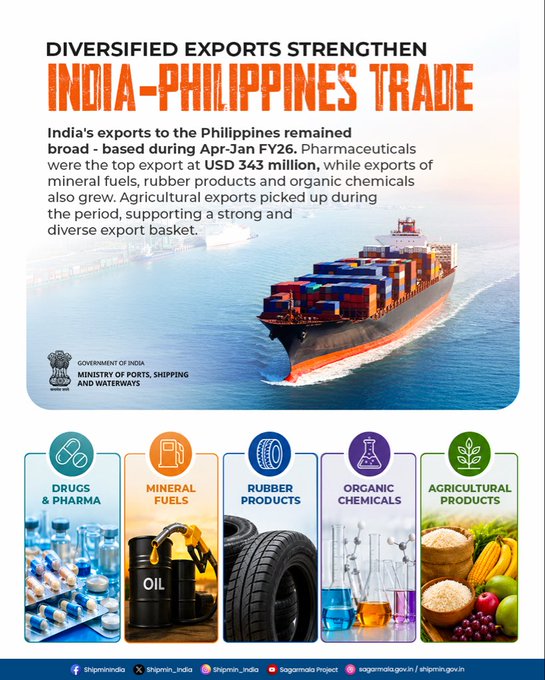
India–Philippines Trade strengthens through diversified export basket and growing economic partnership

NEW DELHI : India and the Philippines continue to strengthen their bilateral trade relationship, driven by a resilient and diversified export portfolio that is supporting industrial development, infrastructure growth, and consumer demand in the Southeast Asian nation.

India’s exports to the Philippines span a broad range of sectors, including pharmaceuticals, engineering goods, petroleum products, agricultural commodities, automobiles, chemicals, textiles, and machinery. This diverse export basket reflects India’s growing manufacturing capabilities and its role as a dependable supplier of high-quality products across multiple industries.

The expanding trade partnership underscores India’s emergence as a trusted and reliable trading partner in the Indo-Pacific region. By ensuring a stable supply of essential goods and industrial inputs, India is contributing to the Philippines’ economic growth while creating new opportunities for businesses and exporters in both countries.

The robust trade relationship also aligns with India’s broader vision of enhancing economic engagement with ASEAN nations through stronger connectivity, resilient supply chains, and mutually beneficial commercial partnerships. Growing cooperation in sectors such as healthcare, agriculture, energy, engineering, and manufacturing is expected to further diversify bilateral trade and unlock new avenues for investment and collaboration.

The Ministry of Ports, Shipping and Waterways highlighted that India’s resilient export ecosystem continues to reinforce the country’s position as a reliable global trading partner. The steady expansion of exports to the Philippines reflects the strength of India’s manufacturing base and its commitment to supporting regional economic integration and sustainable trade growth.

As both nations continue to deepen economic cooperation, the diversified export basket is expected to play a pivotal role in fostering shared prosperity, strengthening supply chain resilience, and enhancing long-term trade relations between India and the Philippines.

DP World plans UAE East Coast Port to bypass Strait of Hormuz, FT reports

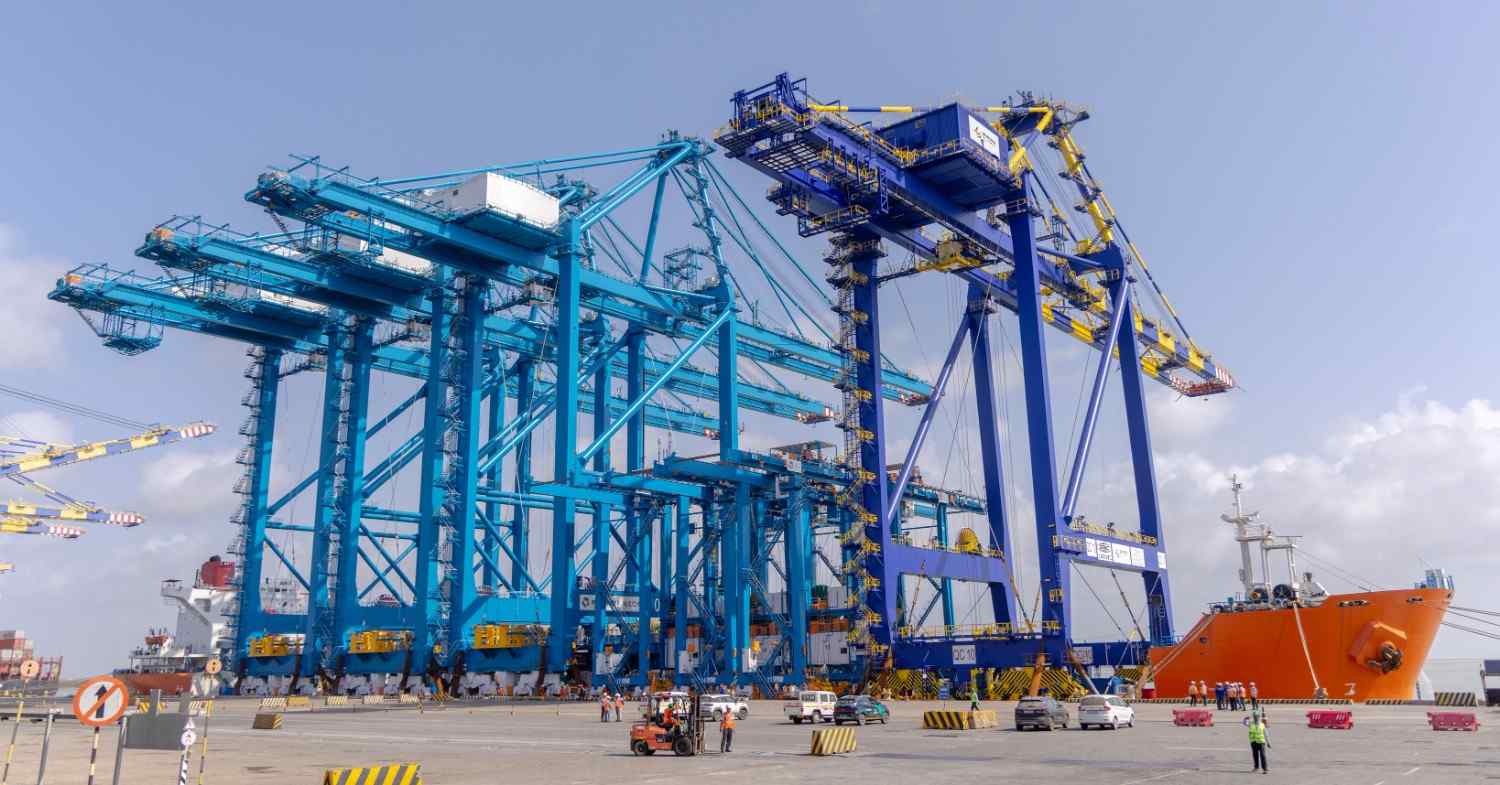
FUJAIRAH : DP World is planning to build a ​new port and a ‌container terminal on the United Arab Emirates’ east ​coast in a ​move that would reduce Dubai’s ⁠dependence on its ​flagship Jebel Ali Hub and ​bypass the Strait of Hormuz, the Financial Times reported ​on Monday.

The Dubai-based port ​operator is in talks to ‌develop ⁠a brand new multipurpose port in the coastal area of Fujairah and ​a ​new ⁠terminal at the existing harbour in ​the emirate, the newspaper ​added, ⁠citing people familiar with the matter said.

Over the past two decades, DP World has become one of the UAE’s most internationally prolific entities, building a ports and logistics empire across the globe, but Jebel Ali remains the group’s and its owner Dubai’s crown jewel.

Shifting some of the port’s capacity outside Dubai marks a seismic change for the emirate, which has established itself as a global trade and finance hub partly off the back of Jebel Ali’s growth.

Source : FT

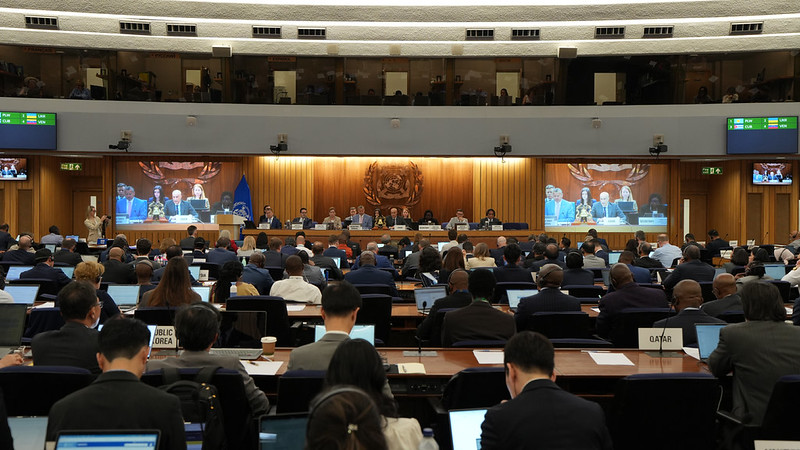
IMO Council reaffirms commitment to protecting vital shipping lanes

IMO Council defends freedom of navigation, international law and safety of seafarers

LONDON: The Council of the International Maritime Organization has concluded its 137th session by reaffirming the importance of preserving navigational rights and freedoms in accordance with international law. 

In a resolution adopted during the session, the Council stressed that the right of transit passage through straits used for international navigation should not be threatened, impeded, denied, hampered, impaired or suspended. 

In addition, the Council reiterated that any measures taken by coastal States to regulate traffic in vital shipping lanes should be done with accordance with IMO regulations under the International Convention on the Safety of Life at Sea (SOLAS). 

Strait of Hormuz

With regards to the ongoing challenges facing international shipping in and around the Strait of Hormuz, the Council condemned the attacks on civilian commercial ships and called for the de-escalation of tensions in the Middle East region. 

The Council stressed that any arrangement between the littoral States of the region shall guarantee the non-discriminatory and unimpeded right of transit passage of all ships, through the internationally recognised traffic separation scheme adopted by IMO in 1968. 

The Council reaffirmed that passage through the Strait should remain free of any tolls and charges, in accordance with international law, including the IMO Convention. 

It requested the Secretary-General to explore options that advance safe maritime traffic and to work with littoral States, other Member States and the industry to ensure a coordinated and sustainable return to unhindered navigation through the Strait. 

Cooperative mechanism for Straits of Malacca and Singapore

The Council noted the information shared Indonesia, Malaysia and Singapore on their experience in co-managing the Straits of Malacca and Singapore through a “Cooperative Mechanism” that brings governments and industry together to share the burden. 

The Council invited interested Member States and other stakeholders to consider making financial or in-kind contributions to the mechanism’s two funds – the Aids to Navigation Fund and the IMO Straits of Malacca and Singapore Trust Fund to support the Co-operative Mechanism. 

Other key decisions 

Annual report

The Council approved the Organization’s annual report for 2025: Annual Report 

Financial report

Assessed contributions from Member States remains the Organization’s most important source of funding. The assessment collection rate of 99.10% in 2025 is among the highest in the United Nations system. 

The Organization delivered a strong financial performance in 2025. Total revenue increased by 2.97% to £77.96 million, driven by a growth in publication and cafeteria sales, and assessed contributions. 

Managing risk

The Council approved the updated Risk Management Policy and its new Strategic Fraud Risk Management Annex, giving the Organization clearer tools to manage risk and reinforcing IMO’s zero-tolerance approach to fraud and corruption. 

IMSAS update

The Council welcomed the successful completion of the first audit cycle of the IMO Member State Audit Scheme (IMSAS). Since the commencement of mandatory audits in February 2016, 168 audits of 165 Member States and three Associate Members had been conducted. 

Of the five audits scheduled for 2026, three have been completed (Belarus, Haiti and Mozambique) with the remaining two (Eritrea and Yemen) progressing as planned.  

The Council encouraged audited Member States to authorize the Secretariat to release their audit reports to the public, including the audit final report, for full transparency. 

Non-governmental organizations

The Council granted consultative status to the following non-governmental organizations:  

  • International Electric Marine Association (IEMA) 
  • Mærsk Mc-Kinney Møller Center for Zero Carbon Shipping (MMMCZCS) 
  • SEA-LNG 

The Ocean Foundation (TOF) was granted consultative status on a provisional basis for up to two years, after which it will be reviewed. 

World Maritime Day and Parallel Event

The Council welcomed the offer by the Government of Qatar to host the World Maritime Day Parallel Event in 2028.   The event is held in a different IMO Member State every year with the aim of celebrating World Maritime Day among a wider international audience.   

This year’s World Maritime Day will be celebrated at the IMO Headquarters on Thursday, 24 September, observing the theme: “From Policy to Practice: Powering Maritime Excellence”. The 2026 World Maritime Day Parallel Event would take place in Busan, the Republic of Korea (26 and 27 October), then in the Philippines in 2027. 

IMO Awards  

The 2026 IMO Awards Ceremony is scheduled to take place in London at the IMO Headquarters on 14 December 2026. This will include:    

2026 IMO Awards for Exceptional Bravery at Sea

The Council decided to award the 2026 IMO Award for Exceptional Bravery at Sea posthumously to Mr. Adrian Willyson Brask, nominated by Government of Norway and by the International Federation of Shipmasters’ Associations (IFSMA). 

In addition, two recipients will receive certificates of commendation for their acts of bravery, and 11 others will receive letters of commendation. Read more  

2025 International Maritime Prize 

The Council selected Mr. Jeffrey G. Lantz, nominated by the Government of the United States of America, as the recipient of the International Maritime Prize for 2025. The prize is awarded annually to an individual or organization judged to have made a significant contribution to the work and objectives of IMO. 

Rear Admiral Peter Brady was selected to receive a Letter of Commendation, in recognition of his contributions to the development of the maritime sector in Jamaica and the wider Caribbean and the work of IMO.

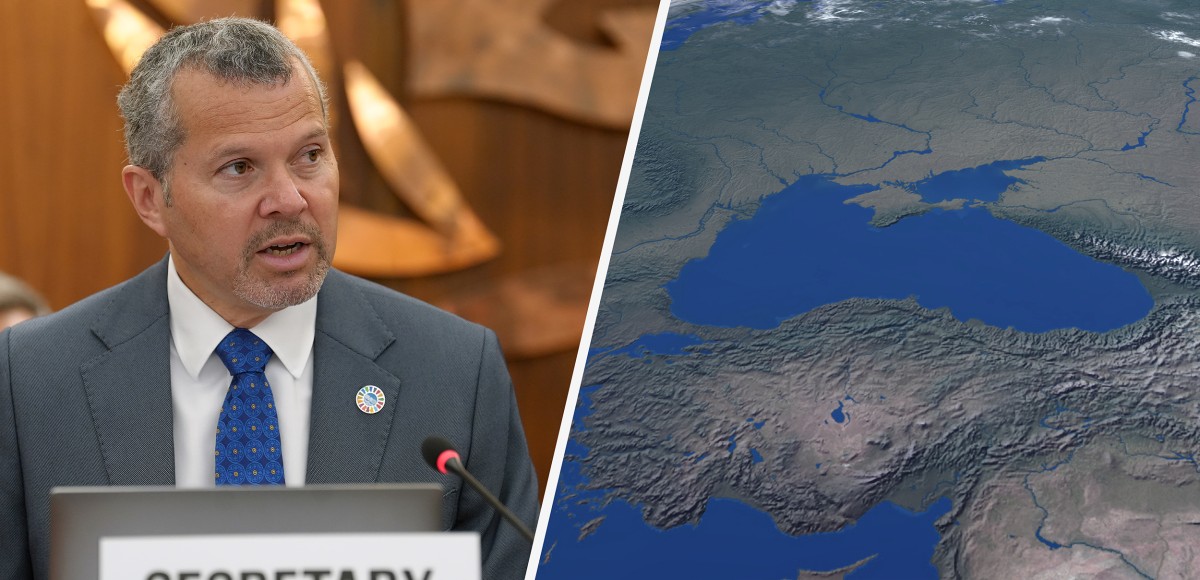
IMO condemns attacks on civilian merchant vessels in the Sea of Azov and the Black Sea

LONDON : IMO Secretary-General calls for an end to all unwarranted attacks on international shipping arising from geopolitical conflicts.

The Black Sea and Sea of Azov region has seen a resurgence in attacks against international shipping in recent days.

IMO Secretary-General Arsenio Dominguez issued the following statement:

“As the IMO Council considers the continued threats to international shipping and the need to uphold navigational rights and freedoms, I must once again address attacks on commercial vessels.

I deplore the series of attacks over the past week against civilian merchant ships operating in the Sea of Azov and the Black Sea.

While recent events have focused international attention on the situation in and around the Strait of Hormuz, we must not lose sight of the fact that seafarers continue to face serious threats in other parts of the world.

I condemn all unwarranted attacks on civilian merchant vessels arising from geopolitical conflicts, wherever they occur. Such acts endanger seafarers, threaten the safety of navigation, disrupt global supply chains and undermine the principles upon which international shipping depends.

I call on all parties involved in conflicts to refrain from any action that endangers innocent merchant shipping or the marine environment, to respect international law, and to ensure the protection of seafarers. Seafarers should never become casualties of conflicts to which they are not a party.

Every seafarer, wherever they serve, deserves to work in safety and security.”