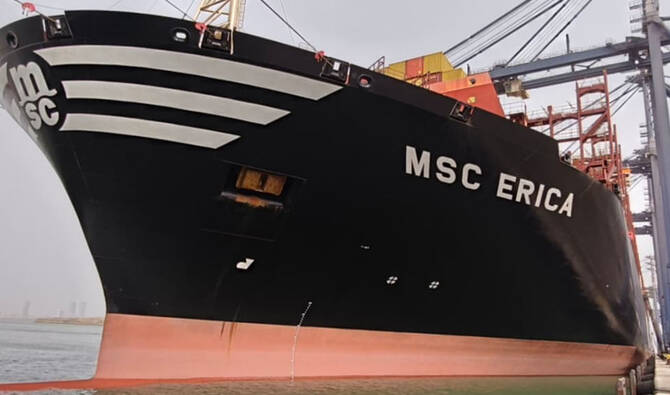
KARACHI : One of the world’s largest container ships arrived at Karachi Port on Sunday, marking a milestone for Pakistan’s maritime sector as the country seeks to modernize its ports and strengthen its position on regional and global trade routes.
The MSC ERICA measures 398.5 meters in length and 59 meters in width, with a gross tonnage of 194,308 metric tons and a draft of 12 meters, placing it among the largest container ships currently in operation. It berthed Sunday at the South Asia Pakistan Terminals (SAPTL), where more than 3,000 containers are expected to be handled before it sails onward to Dalian, China.
“One of the world’s largest container vessels arrived at Karachi Port on 12 July 2026, reaffirming its capability to handle ultra-large container ships,” the Karachi Port said in a statement.
It added that the ship’s master commended Karachi Port pilots for their “outstanding professionalism, safe ship handling and warm hospitality,” describing Karachi Port as “one of the best ports in the region.”
The vessel’s call comes as Pakistan pursues reforms to modernize its maritime sector through infrastructure upgrades, customs reforms and greater investment in its “blue economy.”
Earlier this month, officials said Karachi Port had climbed 30 places to 69th in global port rankings following measures to improve cargo handling and customs clearance, while Port Qasim ranked among the world’s most improved ports.
Pakistan’s maritime sector handles the vast majority of the country’s international trade, with Karachi Port and Port Qasim serving as its principal gateways for containerized cargo. Officials say the ability to accommodate ultra-large container ships will help improve shipping efficiency, strengthen Pakistan’s connectivity to global supply chains and support the country’s ambitions to expand its maritime economy.
DUBAI/SOUTHPORT: Marcura has acquired the business assets of Fairway Maritime LLC, a US-based specialist in demurrage and marine claims management. The acquisition strengthens Marcura’s demurrage management offering in the United States while adding specialist expertise across tanker, inland barge, and commodity trading markets.
Founded in 2005, Fairway Maritime manages the complete claims process for shipowners, vessel pools, refiners and trading companies across the United States and Europe covering demurrage, deviation, shifting, detention, and other reimbursement claims. Its senior analysts come from the demurrage, operations and trading desks of major commodity trading houses and oil companies and have sat on both sides of a claim.
“Marcura’s technology platform puts AI to work where it adds the most value, taking on more of the heavy lifting in a claim: reading documents, extracting clauses, and standardising calculations,” said Henrik Hyldahn, Group CEO, Marcura. “But AI is not a project you complete; it is a production that runs every day, and it only stays reliable when experts continuously train and correct it. The outcome still turns on commercial judgement. Edge cases in demurrage are frequent, and Fairway has spent twenty years making those calls. For customers who need a fully managed service, that means even greater confidence in the claims that are hardest to get right.”
The acquisition follows those of HubSE and Shipdem, making Marcura Claims the industry’s largest laytime processor by volume. Marcura Claims spans self-serve laytime tools, AI-assisted claims processing and fully managed services across every major cargo segment.
“We built Fairway Maritime on a simple promise: hand us the documents and we will handle everything through to collection,” said Tom Black, Managing Partner, Fairway Maritime.“Joining the Marcura team means keeping true to that promise, with added muscle. The work Marcura is doing with AI-assisted claims management is exciting. That ongoing investment, at scale, is something our team and our customers stand to benefit from.”
Fairway will be fully integrated into Marcura Claims. The existing team of analysts will continue to work with their existing customers while contributing their expertise across Marcura’s wider demurrage management portfolio. Current Fairway Maritime customers will benefit from complete continuity of service, now supported by Marcura’s global infrastructure and technology investment. Tom Black will continue to work with Marcura in an advisory capacity.
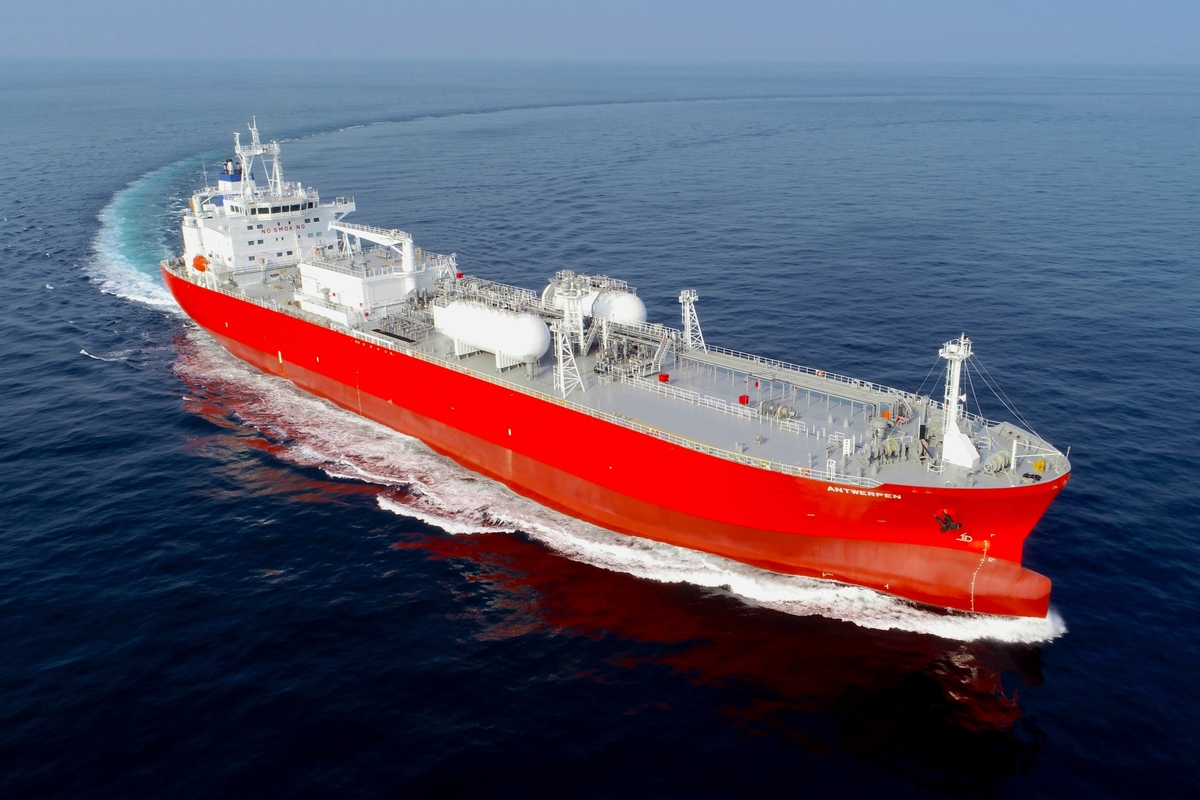
BUSAN: Korean Register(KR) is collaborating with HD Hyundai Heavy Industries (HHI) to establish a domestic operating environment for ammonia-fueled vessels under the Ministry of Oceans and Fisheries’ “Green Shipping Corridor Construction Support Project”. The initiative supports the development of ammonia as one of the most promising next-generation marine fuels.
HHI recently conducted a sea trial of Korea’s first ammonia dual-fuel propulsion vessel. The trial generated operational data on the vessel’s fuel supply system and engine, which will provide a valuable technical foundation for KR’s future development of domestic guidelines for environmentally friendly vessel operations and supporting wider maritime decarbonization efforts.
A spokesperson for HD Hyundai said, “Drawing on our group’s R&D capabilities and on-site technical expertise, we have made meaningful progress in advancing the application of ammonia as a marine fuel. We expect this to help enhance a sustainable maritime ecosystem while strengthening the competitiveness of Korea’s shipbuilding industry.”
Kim Daeheon, Executive Vice President of KR’s R&D Division, added, “The close collaboration between KR and HD Hyundai has enabled us to build the technical foundation for introducing ammonia-fueled vessels in Korea. We will continue to drive national projects forward together with HD Hyundai and establish technical standards befitting the era of Green Shipping Corridors.”
LONDON: Lloyd’s Register (LR) has warned that ship operators are facing a growing risk from fuels that appear compliant under routine ISO 8217 testing but still present operational risks once onboard.
According toLR’s latest Fuel Oil Bunker Analysis and Advisory Service (FOBAS) Fuel Quality Report, covering the first half of 2026, off-specification fuels remain a persistent challenge. However, some of the most disruptive cases now involve fuels that pass routine compliance testing but show poor stability or compatibility, or contain non-conventional blend components that are only identified through more detailed investigative analysis.
Several incidents investigated highlighted this trend. In March and April, a number of vessels reported operational difficulties after bunkering fuel in a major bunkering hub. Further forensic analysis found that many of the fuels contained elevated concentrations of Estonian shale oil, in some cases estimated to be around 10-15%.
While shale oil is recognised within ISO 8217 as an acceptable blend component, FOBAS investigations found that higher concentrations can be associated with fuel instability and operational issues affecting filters, separators and fuel pumps.
The report also shows that fuel quality variability remains stubbornly high. Off-specification cases remained elevated throughout the first six months of 2026, suggesting that quality issues are no longer isolated events but a more persistent feature of today’s marine fuel supply chain.
The most common recurring issues included sulphur exceedances, excessive water content, sediment and stability problems, elevated catalytic fines, sodium contamination and low flash point distillate fuels.
At the same time, biofuels (especially FAME blends) are continuing to grow without being a primary source of quality issues. Where issues occurred in blended fuels, they were generally associated with the conventional VLSFO component rather than the FAME fraction.
The report concludes that operators will need to adopt a more proactive approach to fuel management as marine fuels become more diverse and fuel quality risks become harder to identify through routine compliance testing alone.
Greater emphasis on fuel stability, compatibility and understanding fuel composition will be critical to reducing operational disruption and maintaining vessel performance.
Murray Kirkwood, Fuel Specialist Consultant, Lloyd’s Register, said: “The findings from our latest report show that fuel quality risk is evolving. The challenge is no longer simply identifying fuels that fail specification. Increasingly, operators are encountering fuels that meet the required limits but still create operational difficulties once they are stored, handled and used onboard.
“As fuel blending becomes more complex, the distinction that matters is increasingly not between on-spec and off-spec fuel, but between fuels that are operationally resilient and fuels that are operationally fragile. Understanding that difference is becoming essential for shipowners and operators.”
The latest findings reinforce FOBAS’ long-standing view that effective fuel management increasingly depends on understanding fuel behaviour rather than relying solely on pass-or-fail specification testing.
By combining routine fuel quality monitoring with forensic investigation of operational incidents, FOBAS provides shipowners with a clearer understanding of emerging fuel quality risks as the industry continues its transition to a more diverse and complex fuel landscape.
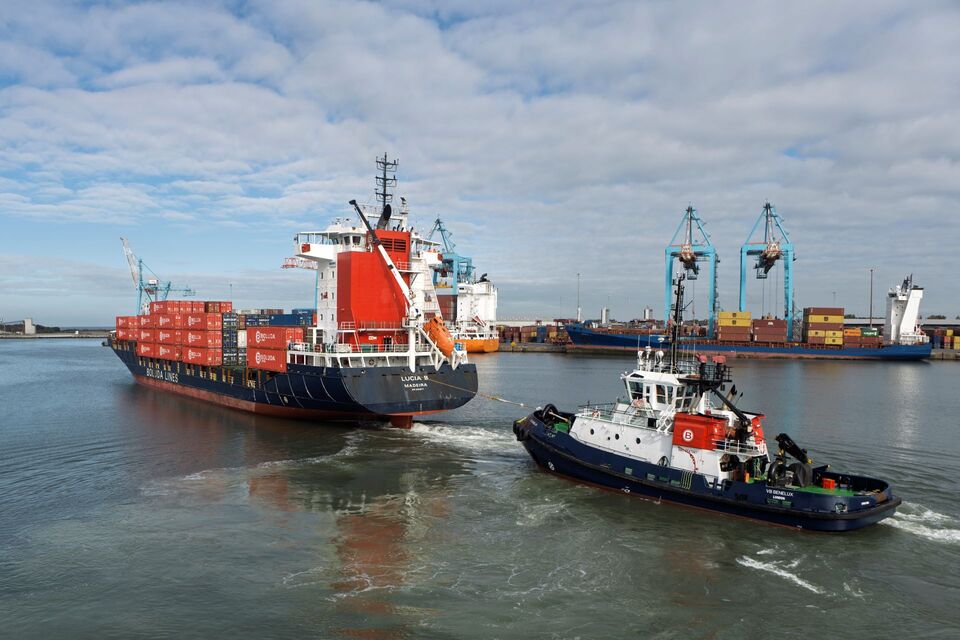
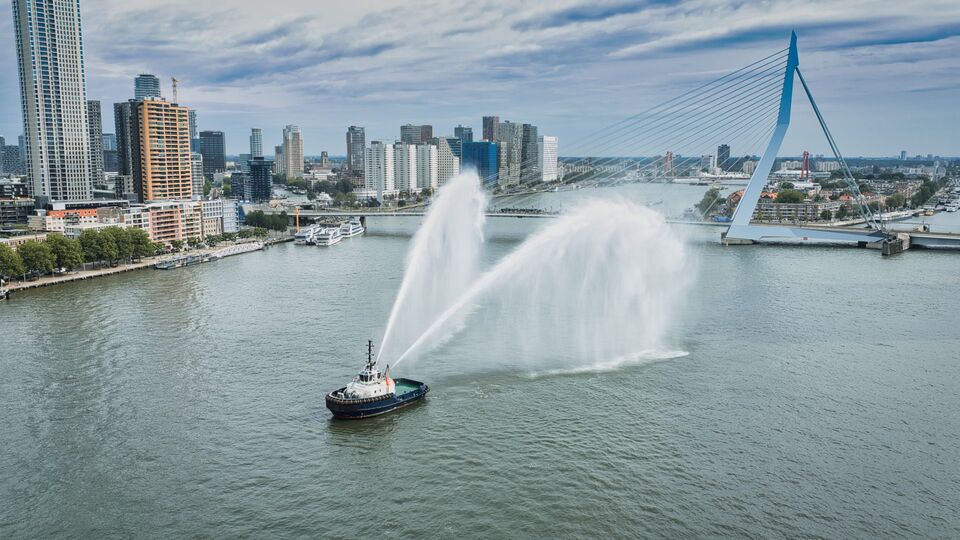
ROTTERDAM: Boluda Corporación Marítima has officially inaugurated its Netherlands headquarters in Rotterdam, located in the city’s historic Maritime Quarter, a landmark location that will serve as the nerve centre of its operations in Northern Europe through its subsidiaries Boluda Towage and Boluda Shipping.
The building was officially inaugurated by Vicente Boluda Fos, Chairman of Boluda Corporación Marítima, accompanied by Vicente Boluda Ceballos, Executive President of Boluda Towage, Ignacio Boluda Ceballos, Executive President of Boluda Shipping,and Verónica Boluda Ceballos, Chief Corporate Officer of Boluda Corporación Marítima.
The event was attended by René de Vries, Harbour Master of the Port of Rotterdam, who represented the Port Authority as well as Ana Núñez, General Director of the Merchant Marine at Spain’s Ministry of Transport and Sustainable Mobility, who joined Boluda on this remarkable milestone for Rotterdam, welcoming one of the world’s leading maritime companies, a group that is helping to shape the future of the global maritime industry.
Northwest Europe represents a strategic region for Boluda, bringing together some of the continent’s most important logistics, industrial and maritime hubs. Over the past decade, the company has established a leading position across the region, providing essential maritime services in some of Europe’s busiest ports and logistics corridors.
Boluda Towage started its activities in the region in 2017, starting by Germany and laying the foundations for its subsequent growth in the Netherlands, Belgium, United Kingdom, Finland and Norway, with Rotterdam becoming one of its main operational hubs. Boluda Towage operates in more than 21 ports across the region, with a fleet of 138 vessels and highly experienced local crews.
Vicente Boluda Ceballos, Executive Chairman of Boluda Towage, commented: “These new headquarters reflect our long-term commitment to Northern Europe and our ambition to continue growing alongside our customers and partners in this strategic region.”
Boluda Shipping further strengthened its presence in the region in 2023, launching regular short-sea shipping services connecting the Iberian Peninsula with the Netherlands, the United Kingdom and Ireland, reinforcing Rotterdam’s role as a strategic logistics hub within its European network
“Our business model delivers integrated logistics solutions by connecting maritime transport, terminals, rail and road into a coordinated supply chain, providing flexibility, efficiency and end-to-end support for our customers” declared Ignacio Boluda Ceballos, Executive Chairman of Boluda Shipping.
Today, Boluda Towage is the world’s leading towage operator, while Boluda Shipping continues to strengthen maritime transport and intermodal logistics services, connecting Northern Europe with the Iberian Peninsula, West Africa and Cape Verde.
Verónica Boluda Ceballos, Chief Corporate Officer of Boluda Corporación Marítima, concluded: “These offices bring our teams together in one of Europe’s leading maritime hubs and reflect the collaborative spirit that continues to drive our international growth.”
The opening of its Rotterdam headquarters marks another milestone in the company’s nearly two centuries of maritime history and reflects its ambition to further strengthen its presence in the world’s leading maritime markets.
About Boluda Corporación Marítima
Boluda Corporación Marítima is a Spanish family-owned business and one of the world’s leading global maritime service companies, with a presence across five continents and a workforce of more than 10,000 employees. Its activities are structured around two main business divisions, Boluda Towage and Boluda Shipping, through which it delivers integrated services to its clients.
Boluda Towage is the world’s leading towage operator, with a fleet of more than 850 vessels and operations in 232 ports across Europe, Africa, Asia, Oceania and Latin America. Its services include harbour, coastal and offshore towage, as well as maritime salvage. In 2026, it has been awarded as “Innovative Company of the Year” in recognition of its strong commitment to fleet innovation, through the implementation of energy optimization systems across all newbuilds, driving increasingly efficient and sustainable operations.
Boluda Shipping is one of the leading companies in maritime transport services and international freight logistics. Through Boluda Lines, Spain’s leading shipping company, it operates 11 maritime services connecting the Iberian Peninsula with Northern Europe, the Canary Islands and the West African coast, with a fleet of 15 vessels serving 33 ports in 14 countries. The company also provides port logistics services through Boluda Maritime Terminals, operating a total of 9 terminals, 4 in the Iberian Peninsula and 5 in the Canary Islands. Through its subsidiary Boluda Logistics, it offers a comprehensive range of transport and intermodal logistics services, complementing its portfolio with road, rail and warehousing solutions.
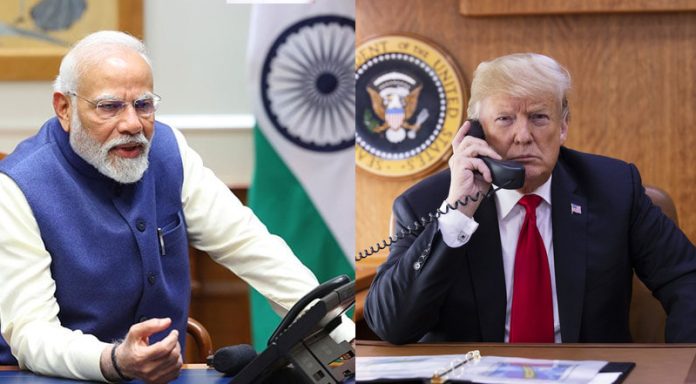
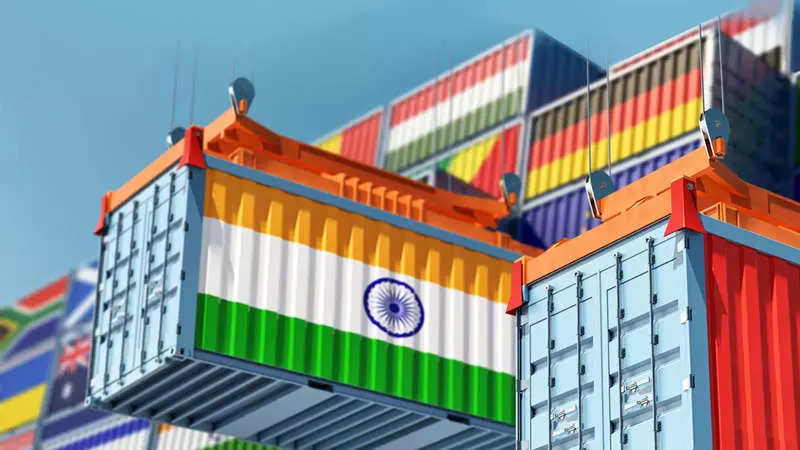
NEW DELHI : India has declined a swift trade pact with the United States during recent dialogue, holding out for a superior agreement as Prime Minister Shri Narendra Modi draws strength from emerging trading partners and political victories at home, according to Reuters.
The two sides could not finalise a preliminary trade pact during the visit of US Trade Representative Jamieson Greer to New Delhi last month, ending months of talks without a deal, even though both had believed a narrow agreement was within grasp.
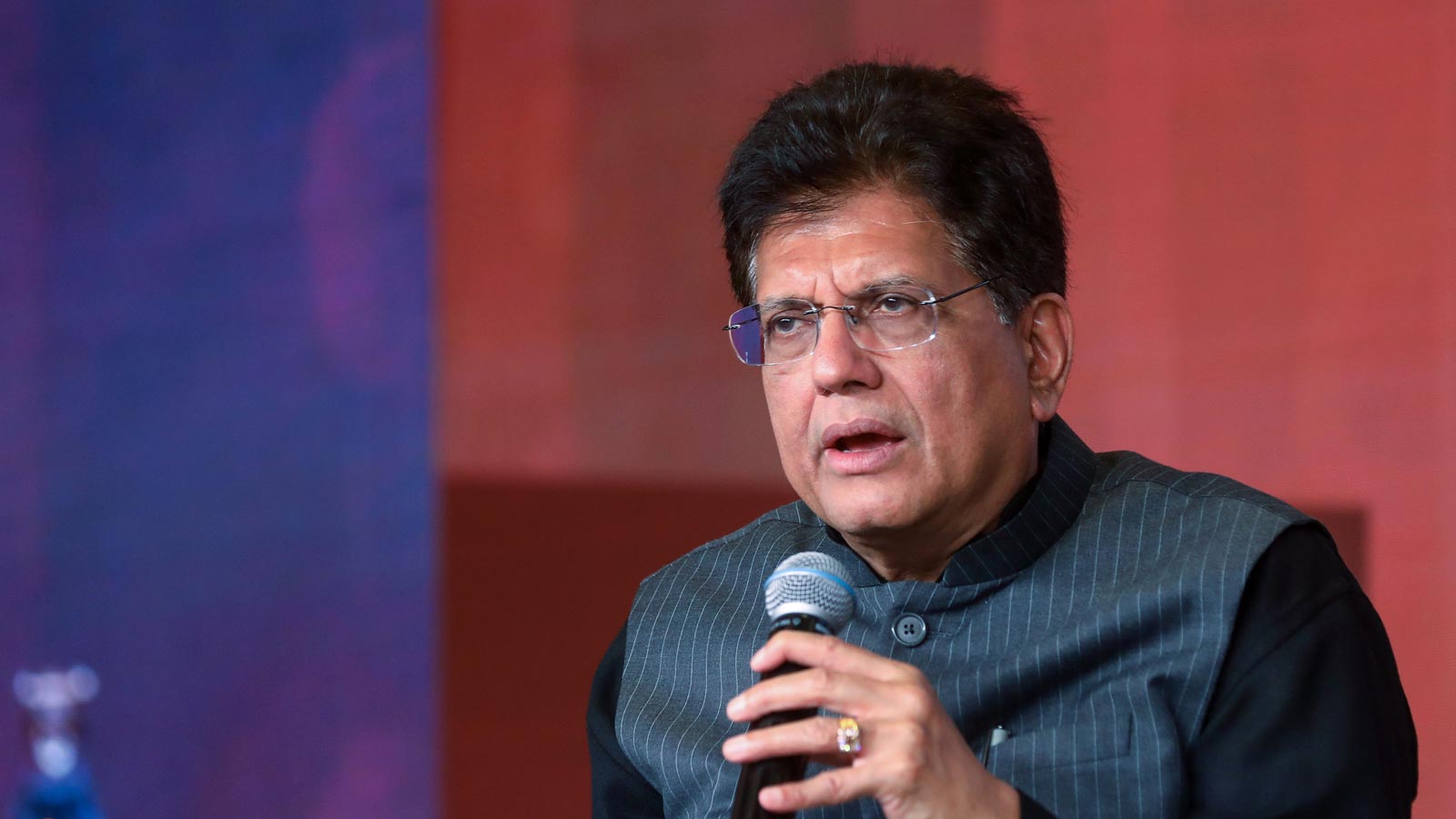
Commerce Minister Shri Piyush Goyal stated that India is open to a trade deal provided it offers the nation an edge over peers, signalling that key hurdles remain to an interim agreement.
What remains unresolved is a single but critical condition: India wants a formal guarantee that its exports will enjoy a tariff advantage over competing nations in the American market.
India wants to ensure that goods it exports to the United States, whether textiles, pharmaceuticals or engineering products, attract lower import duties than similar goods arriving from rival exporters such as Vietnam or Bangladesh.
The negotiations occur against a backdrop of uncertainty over ongoing US Section 301 investigations involving nearly 60 economies, including India.
The proposal includes a 10 per cent tariff on imports from Canada, Ecuador, the European Union, Indonesia, Mexico, and Pakistan, and a 12. 5 per cent tariff on imports from 48 other economies, including India and China. Prime Minister Modi’s mission of diversifying exports by fast-tracking free trade agreements with other countries may have also given his team further leverage in negotiations with the US.
While trade with the US floundered, since 2025, India has concluded negotiations with the UK, EFTA, Oman, New Zealand and the European Union and launched fresh negotiations with GCC, Israel, EAEU, Chile and Canada.
Prime Minister Modi stated in February that political stability and predictability under his government have helped rebuild global investor confidence, allowing India to approach free trade agreements from a position of advantage.
India has concluded FTAs with 38 nations, with stronger manufacturing, services, and MSMEs enabling the country to negotiate trade pacts from a position of strength.
The stalemate continues as both nations work towards resolving their differences before a 10 per cent duty on Indian imports expires on 24 July.
NEW DELHI : India and the United States remain actively engaged in negotiations aimed at finalizing a balanced and commercially meaningful bilateral trade agreement, Union Commerce and Industry Minister Shri Piyush Goyal has reaffirmed, dismissing media reports suggesting that India was delaying the talks.
In a statement posted on social media platform X, Shri Goyal described recent discussions with United States Trade Representative (USTR) Jamieson Greer as “fantastic” and reiterated the commitment of both countries to conclude an agreement that delivers tangible benefits for businesses, farmers, workers, and consumers on both sides.
The Minister clarified that reports claiming India had rejected an interim trade agreement with the United States were “completely false, baseless and misleading.” He emphasized that negotiating teams from both nations remain fully engaged in advancing the proposed trade pact.
The comments come amid ongoing discussions between the two countries to strengthen economic and trade relations through a comprehensive bilateral agreement. USTR Jamieson Greer visited New Delhi from June 22 to 24, during which multiple rounds of talks were held with Shri Goyal and senior officials to address key outstanding issues.
Providing an update on the progress of negotiations, Commerce Secretary Shri Rajesh Agrawal stated that discussions are moving forward smoothly and without any significant hurdles. He noted that the framework for the agreement is already in place and that the deal will be signed at an appropriate time once both sides are satisfied with the outcome.
“The framework deal is ready. Whenever it is the right time, the appropriate time, the deal will be signed,” Shri Agrawal said.
On the ongoing investigations by the USTR under Section 301, the Commerce Secretary informed that India has submitted its response concerning allegations related to the use of forced labour. He added that the final findings of the investigation are expected later this month.
Regarding the separate USTR investigation into excess industrial capacity, Shri Agrawal said that once the draft report is released, the final outcome is expected within four to six weeks.
The continued engagement reflects the shared commitment of India and the United States to deepen trade and economic cooperation while working toward a mutually beneficial and balanced trade framework.
NEW DELHI : Several Indian Exporters are beginning to recover duties paid under the Trump administration’s tariff regime, with more than $1 billion in refunds already reaching exporters across sectors such as textiles, gems and jewellery, and seafood after the US Customs and Border Protection (CBP) started processing reimbursements, said two people with direct knowledge of the matter including a global consultant who handled several such refunds and a senior executive of a trade body.
At least two Indian exporters—a textile exporter and a seafood exporter—confirmed to Moneycontrol that reimbursements had begun coming through.
The refunds follow a landmark ruling by the US Supreme Court, which on February 20, 2026, held that President Donald Trump’s global tariffs imposed under the International Emergency Economic Powers Act (IEEPA) were unlawful.
The court ruled that the IEEPA does not give the President unilateral authority to impose tariffs, observing that the constitutional power to levy taxes and regulate international trade rests with Congress. It subsequently directed that duties collected under the invalidated tariff regime be refunded.
The development is significant for Indian exporters, who shipped goods worth nearly $72 billion to the United States during the period the tariffs were in force, according to data compiled by Moneycontrol. Frozen seafood exports accounted for nearly $2 billion, while textile exports exceeded $1 billion, making these among the sectors most affected by the additional duties.
The tariffs were first imposed by the Trump administration in April 2025 under emergency powers, with Indian exports initially facing an additional tariff of 26%. In August 2025, duties on several Indian-origin products were increased to as much as 50%, sharply affecting export competitiveness and squeezing margins across multiple industries.
Refund Process
According to CBP rules, refunds are made only to the Importer of Record in the United States—the registered importer that originally paid the duties. The Indian exporter cannot directly claim the refund and instead relies on the US importer to pass on the recovered amount. CBP data shows the agency had processed $71 billion in tariff refunds globally as of June 29, although it does not disclose country-wise figures.
“The initiation of the tariff refund process by the U.S. Customs authorities marks a milestone development for global trade, just as the imposition of tariffs by the Trump administration did,” said Ranjeet Mahtani, Partner at Dhruva Advisors. “Following the Supreme Court verdict, CBP has initiated the process of issuing refunds of duties collected under the invalidated tariff regime, and several importers have reportedly started receiving refunds,” he said.
To claim the refunds, the importer must identify eligible import transactions where duties were paid and submit the required documentation to CBP.
“With the U.S. CBP having already processed around $35.46 billion, including interest, in refunds, the IEEPA duty refund programme has become a significant opportunity for businesses that paid these tariffs,” said Saurabh Agarwal, Partner at EY. “The guidance issued by CBP brings much-needed clarity by outlining the different categories of refund claims and indicating that accepted claims are generally expected to be processed within about 90 days.”
Refunds depend on importer relationships
While the refund process has begun, industry executives said Indian exporters are not receiving payments uniformly because the refunds legally belong to the US importer.
A senior executive at a leading Indian trade body said the extent of recovery depended entirely on commercial arrangements between exporters and their American buyers.
“Technically, Indian exporters have no legal right in the U.S. to claim the refund. The claim has to be initiated by the importer on record for the transaction,” the executive said. “There is no legal obligation on the US importer to reimburse the Indian exporter. However, because many of these relationships have existed for years, several importers have started passing on the benefits.”
Industry executives added that refund amounts also vary depending on how tariff costs were originally shared. In some cases, Indian exporters absorbed the entire burden of the tariffs, while in others the costs were shared between exporters and importers under negotiated commercial arrangements.
Rahul Shekhar, Partner – Indirect Tax at Nangia Global, said businesses should exercise caution while filing refund claims.
“Businesses seeking refunds of U.S. tariffs should exercise caution, as the refund process is likely to be subject to heightened scrutiny by U.S. Customs and Border Protection,” he said. “Refund claims should be filed only by the lawful Importer of Record or authorised customs broker and must be supported by accurate customs declarations, genuine import entries and complete documentation.”
For many Indian exporters, the refunds provide an unexpected boost to cash flows after months of absorbing elevated duties. However, because the money must first flow through US importers, the speed and extent of recovery will continue to depend as much on commercial relationships as on the refund process itself.
Data shows that actual trade in commodities rose 5.77 percent to $72.4 billion during April-January 2026 from $68.5 billion a year earlier despite tariffs. Electrical machinery and equipment, which includes smartphones, nearly doubled to $20.9 billion from $11 billion, while machinery and mechanical appliances rose 9.03 percent to $6 billion. Jewellery trade was the fourth largest export from India despite halving to $4.2 billion. In contrast, textiles and apparel showed visible weakness despite their large scale in the trade basket. Other made-up textile articles fell 9.12 percent but will still significant at $2.2 billion, knitted apparel declined 7.9 percent to $2.04 billion, and non-knitted apparel slipped 3.6 percent to $2.0 billion. Carpets and textile floor coverings were down to $917.30 million.
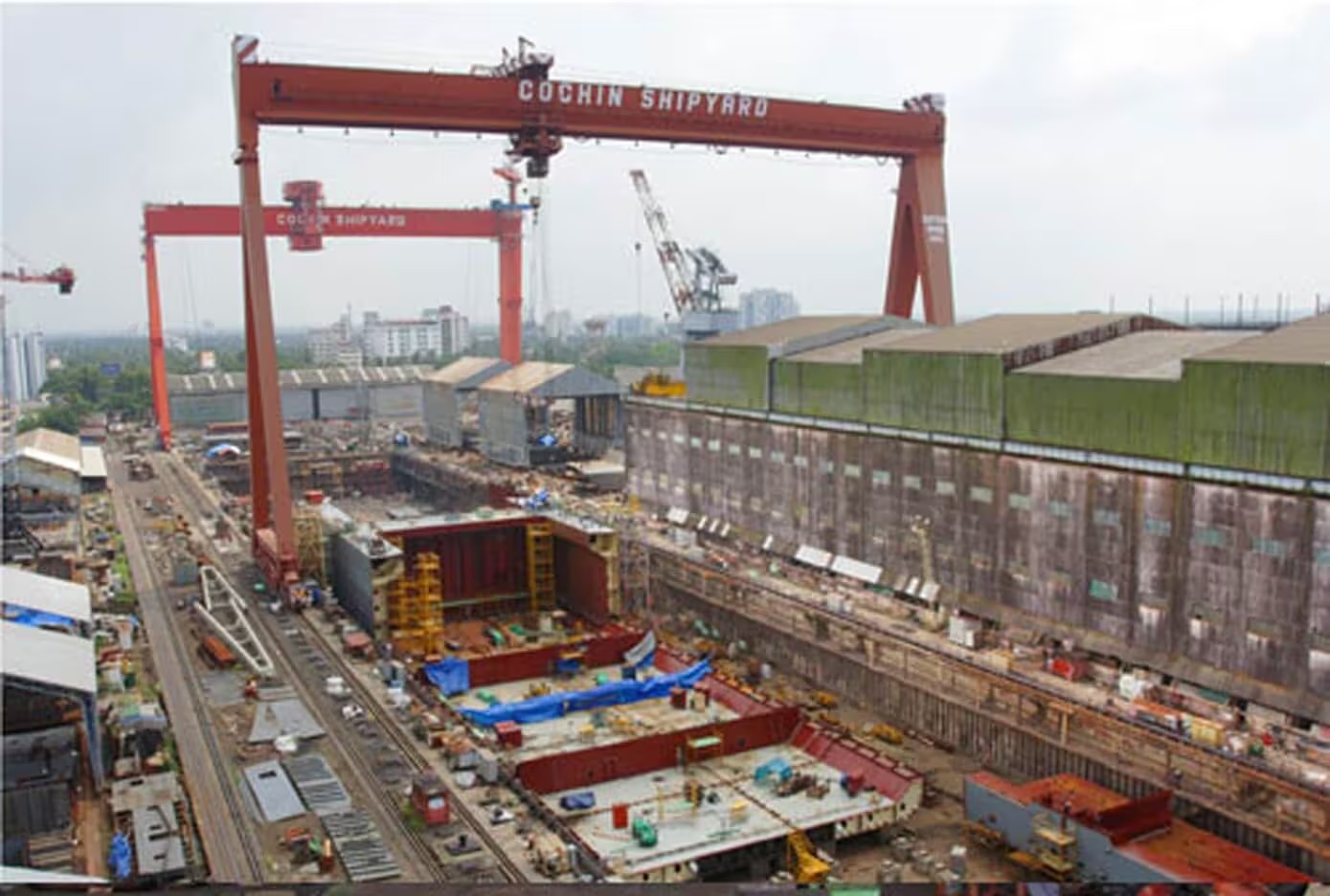
KOCHI : Pinning its hopes on the Union Shipping Ministry’s demand aggregation initiative to centralise India’s shipbuilding requirements, Cochin Shipyard Limited (CSL) has submitted bids under the newly floated Bharat Container Shipping Line (BCSL) consortium to build various types of vessels, including tankers. Jose V.J., Director (Finance) of CSL, told businessline that the consortium was formed to reduce India’s dependence on foreign shipping lines and cut freight outgo, which currently stands at around $75 billion annually, largely paid to foreign-flagged vessels for crude oil imports.
It is estimated that India would require around 430 ships over the next 10 years, involving an estimated investment of ₹2 lakh crore, he said.
Against this backdrop, the Centre has launched the demand aggregation initiative to consolidate shipbuilding requirements of the four major PSU oil marketing companies, ONGC and SCI, with these ships to be built in India. The initiative is expected to benefit shipyards across the country.
Jose, who is also holding additional charge as Chairman and Managing Director, said CSL is well positioned to capitalise on the opportunity with a ₹6,000-crore capex plan and its newly commissioned large dry dock facility.The Ministry’s initiative would strengthen the domestic shipbuilding ecosystem as also envisioned under the Maritime India Vision 2030 and the Maritime Amrit Kaal Vision 2047, which aim to elevate India from its current global shipbuilding market share of less than 1 per cent to the 10th position by 2030 and fifth by 2047.
“We already have export orders worth ₹7,300 crore. With shipbuilding/repair facilities in Malpe, Mumbai, Kolkata, the Andaman and Nicobar Islands, and an upcoming facility at Vadinar, we are strategically positioned to undertake commercial shipbuilding and ship repair orders for both domestic and export markets,” he said.
CSL also plans to establish a steel block fabrication facility near International Container Transshipment Terminal, Vallarpadam in Kochi with an investment of around ₹4,000 crore.
The company is also investing in a 72-year-old European ship design firm –Conoship — specialising in short-sea vessels, a move expected to strengthen CSL’s position as a preferred shipyard for overseas clients.
In addition, CSL has formed a joint venture with HBL Engineering Limited, Hyderabad to develop marine battery systems. The venture aims to localise marine battery solutions and energy management systems for ships, which are currently imported.
With an order book of ₹22,300 crore, CSL posted its highest-ever turnover of ₹5,022 crore in FY26 and a profit after tax of ₹717 crore. Backed by strong demand, the shipyard is targeting 12-15 per cent growth in the next fiscal.
Jose added that the ongoing West Asia crisis has disrupted supply chains and increased logistics costs, as the shipbuilding industry relies heavily on imported components, including propulsion systems and engines.
NEW DELHI : A sharp rise in imports pushed India’s trade deficit to a five-month high in June, even as growth in merchandise exports remained healthy, according to commerce ministry data released on Monday. The merchandise trade deficit widened to $30.43 billion in June as exports fell faster than imports, weighed down by shipping disruptions in the Strait of Hormuz linked to Middle East conflict.
Exporters’ bodies have flagged concerns over global demand softness, particularly from Western markets, as a drag on growth in outbound shipments.
The trade deficit widened to $30.43 billion in June from $28.21 billion in May and $19.10 billion a year earlier. Goods imports jumped 31 per cent year-on-year (Y-o-Y) to $70.84 billion in June, while exports rose nearly 16 per cent to $40.41 billion, driven by strong engineering and electronic goods exports and a recovery in shipments to West Asia.
The commerce ministry estimated services exports at $33.03 billion in June, up nearly 3 per cent Y-o-Y, while services imports were estimated to have risen nearly 13 per cent to $17.92 billion. This resulted in an estimated services trade surplus of $15.11 billion. The Reserve Bank of India (RBI) is expected to release the final services trade data later this month.
Commerce Secretary Rajesh Agrawal attributed the surge in merchandise imports to higher prices of commodities such as crude oil, electronic goods, and gold.
India’s crude oil imports rose 40 per cent Y-o-Y to $19.33 billion in June, while electronic goods imports jumped 59 per cent to $13.36 billion. Gold imports increased 7 per cent to $1.97 billion.
Raw cotton imports nearly tripled, albeit on a low base, to $185.08 million after the government waived import duty on the commodity. Fertiliser imports also tripled to $2.30 billion during the month.
Among exports, engineering goods shipments grew 21 per cent Y-o-Y to $11.48 billion, while electronic goods exports rose 19 per cent to $4.93 billion. Petroleum product exports increased 9 per cent to $4.87 billion.
Agrawal said exports to West Asia recovered during the month, rising 7 per cent Y-o-Y to $5 billion. He added that Singapore, Malaysia and trade partners in Africa remained among India’s top export destinations in June.
The US remained India’s largest export market, although exports edged down to $8.17 billion in June from $8.27 billion a year earlier.
The number of vessels transiting the Strait of Hormuz fell to multi-week lows on Sunday as renewed strikes between the U.S. and Iran and attacks on ships heightened safety concerns. The violence casts doubt on the future of an interim U.S.-Iranian agreement signed last month. Economists had expected India’s trade deficit to widen to $26.63 billion in June, according to a poll, compared with a deficit of $28.21 billion in May.
China continued to be India’s largest import source, with imports rising 40 per cent Y-o-Y to $13.34 billion in June. Exports to China also increased nearly 32 per cent to $1.81 billion.
India’s cumulative merchandise exports rose 16 per cent Y-o-Y to $129.32 billion in the April-June quarter (Q1) of FY27, while imports increased 20 per cent to $216.18 billion. The merchandise trade deficit stood at $86.86 billion during the quarter.
Upasna Bhardwaj, chief economist at Kotak Mahindra Bank, said the widening of the trade deficit in June was largely driven by higher net imports of oil and electronics. “However, exports continue to hold firm. We continue to monitor oil prices going ahead for any risks to our CAD (current account deficit)-to-GDP ratio of 1.5 per cent. Overall, RBI’s forex measures are expected to cushion risks to the balance of payments surplus,” she said.
Aditi Nayar, chief economist at Investment Information and Credit Rating Agency (Icra), said she expects India’s current account deficit to widen to at least 1 per cent of GDP in FY27.