Home Blog Page 210

MedRabbits Clinic expands into Maritime Healthcare with DG Shipping Certification

● The DG Shipping certification marks an important milestone in MedRabbits Healthcare’s expansion into specialised maritime healthcare.
● Through certified medical assessments, the clinic aims to support the health, safety, and operational readiness of India’s Merchant Navy workforce.

MUMBAI : MedRabbits Clinic, the integrated healthcare facility operated by MedRabbits Healthcare, has recently announced that it has received certification from the Directorate General of Shipping (DG Shipping), authorizing it to conduct mandatory pre-employment medical examinations for Merchant Navy officers and crew members. With this certification, MedRabbits Clinic is now authorized to carry out comprehensive medical fitness assessments for seafarers in accordance with the standards and guidelines prescribed by the Directorate General of Shipping. The facility will support maritime professionals by providing accessible, efficient, and compliant medical evaluation services required prior to deployment.

MedRabbits Clinic Image 2 MedRabbits Clinic expands into Maritime Healthcare with DG Shipping Certification

As India’s shipping and maritime sector continues to expand, ensuring the medical fitness of seafarers has become increasingly important for maintaining safety, operational continuity, and regulatory compliance. Merchant Navy personnel work in physically demanding and high-risk environments, often spending extended periods at sea with limited access to medical care. Mandatory pre-employment medical examinations therefore play a critical role in assessing physical and mental fitness, reducing the risk of onboard medical emergencies, and ensuring that crew members meet the stringent health standards required for safe vessel operations. By adding DG Shipping-certified medical screening services to its portfolio, MedRabbits Clinic aims to support shipping companies, crewing agencies, and maritime professionals through accessible, efficient, and standardised medical evaluation services that help streamline deployment while ensuring compliance with regulatory requirements.

Commenting on the development, Suhasini Deshmukh, Co-Founder and Director, MedRabbits Healthcare, said, “Merchant Navy professionals work in highly demanding and regulated environments where medical preparedness and fitness assessments are essential before deployment. Through our DG Shipping certified clinic, our focus is on making the medical evaluation process more accessible, organised, and seamless for seafarers while ensuring high standards of clinical quality, patient convenience, and coordinated healthcare support. As healthcare expectations continue to evolve across specialised sectors, there is a growing need for integrated healthcare ecosystems that combine diagnostics, consultations, preventive care, and patient guidance within a single connected experience.”

Launched in March 2026 in Mumbai, MedRabbits Clinic offers integrated healthcare services including doctor consultations, diagnostics, preventive health assessments, physiotherapy, chronic disease management, and coordinated home healthcare support through a connected clinic-to-home care ecosystem. The clinic’s healthcare infrastructure brings together medical consultations, diagnostics, and patient support services under one roof, enhancing continuity of care and improving healthcare accessibility. By integrating technology-enabled healthcare coordination with physical clinical infrastructure, MedRabbits continues to strengthen its commitment to patient-centric, accessible, and connected healthcare delivery.

About MedRabbits Healthcare

MedRabbits Healthcare is a tech-enabled integrated healthcare platform designed to deliver accessible, coordinated, and patient-centric medical care through a connected clinic-to-home healthcare ecosystem. The platform combines in-clinic consultations with home-based healthcare services including doctor consultations, nursing care, elderly care, physiotherapy, diagnostics, medical equipment support, ambulance services, and recovery management. MedRabbits also offers domestic and international medical tourism services with end-to-end treatment coordination across India.

Maersk cleared Red Sea: Hormuz AIS Dark, Insurance Blocks Shipping Restart

COPENHAGEN : Maersk completed the first headhaul Red Sea transit under its Gemini Cooperation with Hapag-Lloyd this week, marking a milestone 30 months in the making — and then watched it be overshadowed within days by the worst Strait of Hormuz escalation since the Iran-US war began. As of Sunday, no cargo vessel above 10,000 deadweight tonnes has crossed the Hormuz Southern Highway with its Automatic Identification System switched on since July 7. The question for importers, freight buyers, and supply chain planners is not whether Maersk’s Suez return happened, but whether a maritime corridor that cannot be tracked can ever be commercially viable enough to matter.

Maersk Made the Transit. Two Corridors Still Do Not Work.
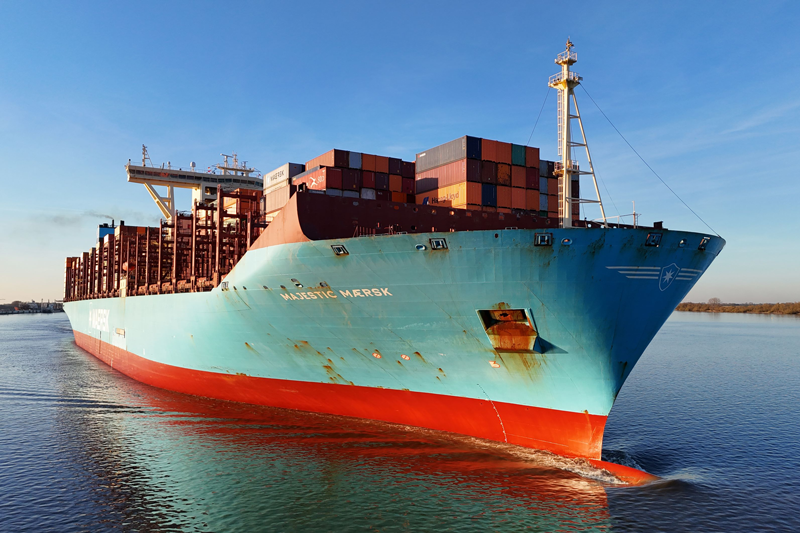
The approximately 19,000-TEU Majestic Maersk — a Danish-flagged vessel operating under Maersk’s Gemini Cooperation network with Hapag-Lloyd — completed a successful transit through the Bab al-Mandeb strait and the Suez Canal in the days following Maersk and Hapag-Lloyd’s July 6 announcement that their AE15 service would shift back from Cape of Good Hope routing to the trans-Suez corridor.

The AE15 service connects Asia, the Mediterranean, and Turkey. The new port rotation runs: Qingdao – Kwangyang – Ningbo – Tanjung Pelepas – Port Said – Damietta – Colombo – Singapore. The Majestic Maersk’s successful passage was confirmed as a positive indicator when Maersk announced a second expansion three days later — restoring its MECL service, linking the Middle East and India with the US East Coast, to the trans-Suez route as well. That move will cut westbound transit times by about seven days and eastbound sailings by up to fourteen days compared with Cape of Good Hope routing.

“This joint decision with Hapag-Lloyd comes following thorough assessments of the security situation in the Red Sea area, and marks a step towards a gradual return to the trans-Suez corridor,” Maersk said in its July 6 advisory. The company added that it has no specific timeline for wider Gemini network changes and is “not at a point where we are considering a wider East-West network change back to the trans-Suez corridor.”

The Suez Canal Authority has noted that Maersk alone completed 1,158 transits through the waterway in 2023, carrying 127 million tonnes of cargo — a figure that collapsed under the weight of rerouting decisions when Houthi attacks on Red Sea shipping began in November 2023. While CMA CGM had been the primary large carrier to maintain Suez routes during 2026, Maersk’s structural commitment was widely expected to pull other major operators back to the corridor.

Senior consultant Antonella Teodoro of MDS Transmodal told Seatrade Maritime News that the announcement “marks an important step towards the gradual normalization of global liner networks,” but cautioned that a complete return to pre-crisis operating patterns is unlikely in the near term. Jyske Bank analyst Haider Anjum offered a more optimistic read, writing in a note to clients that the move represents the first step toward a full Red Sea return by year-end, and that a complete corridor restoration — combined with an expected surge in vessel deliveries in 2027 and 2028 — could put substantial downward pressure on freight rates.

AIS Dark: What the Shipping Data Is Not Telling You
Understanding the Hormuz situation requires understanding what Automatic Identification System data can and cannot capture — a gap that matters both commercially and militarily.

AIS is the VHF radio transponder system that all vessels above 300 gross tonnes are legally required to operate continuously under the International Maritime Organization’s SOLAS Convention. Transponders broadcast a ship’s identity, position, course, and speed at regular intervals, unencrypted and publicly receivable. The system was designed for collision avoidance and port traffic management. It was never designed for a conflict in which one party — Iran’s Islamic Revolutionary Guard Corps — has declared that any vessel transiting via an “unauthorized route” may be attacked, and in which vessel captains must choose between maritime safety law (AIS on) and physical security (AIS off).

Lloyd’s List Intelligence confirmed that no vessels above 10,000 deadweight tonnes transited the so-called Southern Highway — the US-coordinated Hormuz route established by the Joint Maritime Information Center — with their AIS active since July 7. At least two ships are believed to have crossed dark in that period, meaning actual transit activity may slightly exceed what satellite tracking recorded — but the structural point holds: the commercial corridor is functionally shut.

The IMF PortWatch data recorded just 34 vessel transits of the Hormuz corridor on July 5 against a pre-crisis baseline of approximately 88 per day. That is 39 percent of normal throughput — and that reading predates the July 6-12 escalation that followed.

The AIS-dark phenomenon exposes a structural paradox of the Southern Highway routing architecture. The US-coordinated route requires AIS-on transit to be tracked and protected. Iran has declared that using the route without IRGC authorization makes a vessel a legitimate target. Vessels that turn on their AIS to signal compliance with the Southern Highway protocol simultaneously identify themselves as targets under the IRGC’s own enforcement logic. This is not a navigational risk — it is a system design conflict between two incompatible frameworks governing the same geographic chokepoint.

US Maritime Advisory 2026-006, issued by the US Department of Transportation’s Maritime Administration, explicitly advised US-flagged vessels to disable their AIS transponders in the Red Sea and Gulf of Oman when captains believe “continual operation of AIS might compromise the safety or security of their ship.” SOLAS Chapter V and IMO Resolution A.29/Res.1106 both permit this. The result is a maritime corridor where the standard transparency infrastructure is being deliberately turned off by both parties — vessels to avoid targeting, Iran to conduct enforcement — and where the internationally visible transit count is a floor on actual activity, not a ceiling.

Insurance, Not Guns, Is the Real Barrier
The June 17, 2026 Memorandum of Understanding between Washington and Tehran created a ceasefire framework that oil markets recognized immediately — Brent crude fell sharply after the signing, and daily Hormuz transits recovered from fewer than 10 in early March to approximately 35 by late June. But those numbers had already collapsed back toward crisis lows by July 5, before the current escalation, and the July 6-12 attacks have almost certainly repriced the war risk insurance market again.

The mechanism that explains why ceasefire announcements do not automatically reopen commercial shipping is not military — it is actuarial. War risk insurance for maritime operations is underwritten separately from standard hull and P&I coverage. When the Joint War Committee — the Lloyd’s of London body that maintains a “Listed Areas” classification of high-risk maritime zones — reclassifies a corridor as a war-risk area, existing ship insurance policies contain automatic seven-day cancellation provisions. After that window, cover lapses unless shipowners individually negotiate new terms at whatever premium the underwriting market will accept.

All 12 members of the International Group of P&I Clubs — mutual insurers that collectively cover approximately 90 percent of the world’s ocean-going tonnage — issued 72-hour cancellation notices for war cover in the Gulf within days of the February 28 strikes on Iran. Most reinstated cover at revised premiums. At the crisis peak, additional war risk premiums reached 4.5 to 6 percent of hull value, according to S&P Global Market Intelligence — compared with approximately 0.25 percent before February 28. For a $150 million tanker, that difference represents a single-transit insurance bill rising from roughly $375,000 to as much as $9 million.

The June ceasefire brought premiums down to around 3 to 4 percent of hull value, according to Marsh’s global head of marine, Marcus Baker. Insurance was available — the Lloyd’s Market Association issued a statement in March emphasizing that cover remained on offer and that safety concerns, not insurance availability, were the primary reason ships were not moving. But availability at 12 times pre-crisis cost is a very different commercial proposition from availability at standard rates. And every IRGC attack since the MoU signing — including the drone strike on the Kiku tanker June 27, the missile attacks on two ships July 7, and the Cyprus-flagged container ship attack July 11 — has reset the underwriting risk assessment, because insurance capacity withdrawn at the treaty level must be rebuilt through individual underwriting decisions, not political announcements.

The AXSMarine data compiled for the WTO’s Strait of Hormuz Trade Tracker confirmed that LNG shipments through the strait have shown no meaningful AIS-traceable activity since the MoU was signed — a stark illustration of the gap between ceasefire text and commercial reality.

July’s Escalation in Full
The events of July 6-12 represent the most intense exchange since the ceasefire period began.

On July 5, a cargo vessel reported being attacked by an unidentified armed skiff approximately 30 nautical miles southwest of Hodeidah, Yemen. Security guards returned fire; the attackers retreated to a larger vessel operating with AIS switched off. The same day, Kpler data showed Hormuz daily transits at 31 — already near crisis lows. Also on July 5, Houthi forces sank a vessel after attacking a cargo ship in the Red Sea.

On July 6, the Houthis attacked the Liberian-flagged bulk carrier Magic Seas southwest of Hodeidah, surrounding the vessel with skiffs and rocket-propelled grenades, then deploying unmanned surface vessels. The crew abandoned ship and was rescued by a passing vessel. Magic Seas was subsequently sunk using planted explosives — a tactic that represents an escalation in Houthi maritime attack methods, according to Crisis24.

On the same day, Maersk and Hapag-Lloyd announced the AE15 resumption.

On July 7, Iran’s IRGC fired missiles at at least two commercial ships transiting the Strait of Hormuz. A liquefied natural gas tanker caught fire off the Omani coast after being struck by a projectile. A Saudi-flagged crude tanker was also damaged in a separate IRGC missile engagement. From that date, Lloyd’s List Intelligence recorded no large vessels transiting the Southern Highway with AIS active.

On July 8, President Trump declared the ceasefire with Iran “over” following the ship attacks, according to Bloomberg.

On July 9, Maersk announced the MECL service expansion — citing the Majestic Maersk’s recently-completed Red Sea transit as a positive indicator. The Drewry World Container Index stood at $4,639 per 40-foot container, up 2 percent week-on-week and the highest reading since September 2024.

On July 11, the IRGC attacked a Cyprus-flagged container ship transiting the strait. One crew member was reported missing. US Central Command launched its third round of strikes in a single week, hitting more than 140 Iranian military targets including missile and drone sites, naval capabilities, ammunition storage, and coastal surveillance installations, according to the CENTCOM statement. Iran launched retaliatory strikes on US military assets in Bahrain, Kuwait, Qatar, Jordan, and Iraq.

As of Sunday, Iran’s Foreign Minister Abbas Araghchi was in Oman for Hormuz security talks. A source told CNN that Oman had drafted a tentative proposal to manage traffic in the strait. US officials stated that peace talks cannot progress until ships are assured safe passage.

Source : Tech Times

Three Young Professionals, One Global Stage: Meet the 2026 YLP Regional Winners !

GENEVA : FIATA International Federation of Freight Forwarders Associations and TT Club, the leading international freight transport insurer, are excited to unveil this year’s regional achievers of the 2026 Young Logistics Professionals (YLP) Award.

The 2026 regional winners are:

Region Africa and Middle East: Mavis Rwodzi, The Shipping and Forwarding Agents Association of Zimbabwe, SFAAZ

Region Asia-Pacific: Yu Yang, China International Freight Forwarders Association, CIFA

Region Europe: Ozan Durak, Turkish Forwarding and Logistics Association, UTIKAD

The 2026 YLP Award once again highlights the talent and dedication of the next generation of freight forwarding professionals. FIATA and TT Club warmly congratulate this year’s three regional winners, whose work demonstrated a strong understanding of the operational, regulatory and sustainability challenges facing the global logistics industry.

The YLP Award is a key part of FIATA and TT Club’s ongoing commitment to supporting young professionals as they develop their careers. More than a competition, the YLP Award gives young professionals the opportunity to share their knowledge, engage with leading figures from across the industry, and build lasting international connections. It remains an important platform for recognising emerging talent and encouraging the next generation of freight forwarding professionals.

The 2026 FIATA World Congress will take place in Milan, Italy, marking a historic milestone as FIATA celebrates its 100th anniversary. As one of Europe’s leading economic and logistics hubs, Milan has long been a centre for international trade, innovation, and transport. Under the theme Empowering Global Logistics, the Congress will bring together freight forwarding and logistics professionals from around the world to exchange ideas, discuss the challenges facing the industry and explore the opportunities ahead.

The three regional winners will travel to Milan to take part in the 2026 FIATA World Congress, where they will present their research to an international audience of freight forwarding and logistics professionals. The Congress offers an excellent opportunity to exchange ideas with industry experts, build professional connections and gain international recognition.

The final stage of the competition will combine the assessment of the expert judging panel, which carries the greatest weighting, with the votes cast by Congress attendees during the dedicated YLP session, taking place on 8 October 2026, from 11:00-12:30 CEST. To ensure a fair and balanced outcome, the audience will only be eligible to vote for finalists representing regions other than their own. The 2026 YLP Global Winner will be announced during the FWC Gala Dinner on 8 October 2026.

As FIATA celebrates its centenary, it is proud to recognise another outstanding group of young professionals and look forward to welcoming them to Milan for this landmark edition of the FIATA World Congress.

For more information, or questions, please contact the Training Team at training@fiata.org

About FIATA
FIATA International Federation of Freight Forwarders Associations is a non-governmental, membership-based organisation representing freight forwarders in some 150 territories. FIATA’s membership is composed of 104 Associations Members and more than 4,700 Individual Members, overall representing an industry of 50,000 freight forwarding and logistics firms worldwide. Based in Geneva, FIATA is ‘the global voice of freight logistics’.

World’s largest methanol dual-fuel container ship sets off on maiden voyage

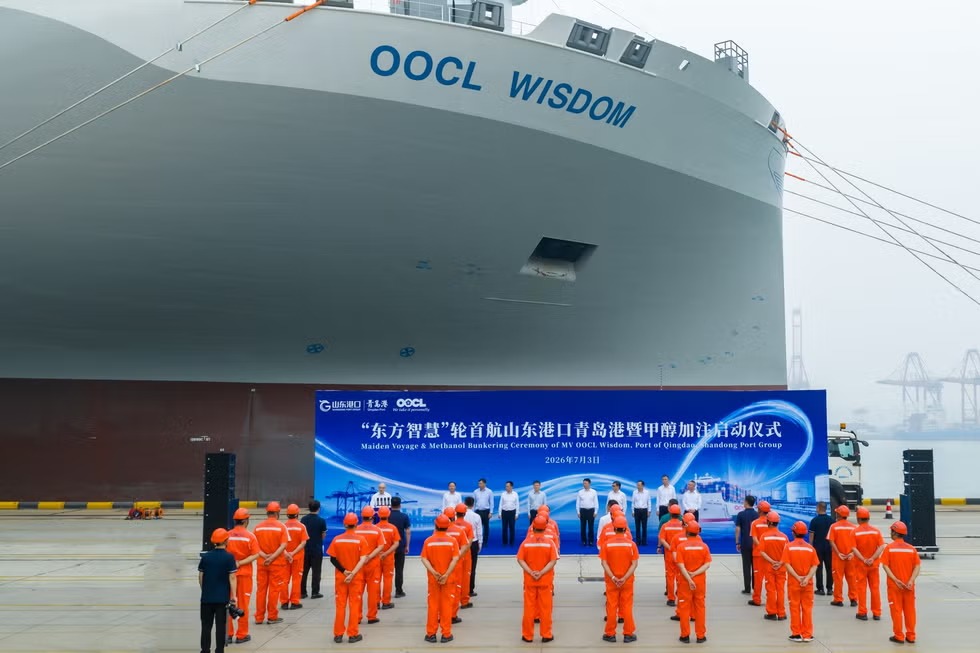
QINGDAO : China’s self-built mega-green cargo ship, OOCL Wisdom, set off on its first commercial trip out of Qingdao Port on July 3, 2026. This is the world’s largest container ship powered by both methanol and traditional fuel. It loaded thousands of containers and refilled eco-friendly methanol before sailing to Northern Europe.

The ship’s home-developed power system can switch fuel modes freely to cut carbon pollution while handling heavy ocean shipping tasks.

“Will double bilateral trade by 2030”: PM Modi hails India-New Zealand FTA, USD 20 billion investment commitment

AUCKLAND: Highlighting the historic Free Trade Agreement (FTA) and a massive investment commitment, Prime Minister Shri Narendra Modi on Saturday expressed absolute confidence that economic ties between India and New Zealand are poised for a major leap, with a target to double bilateral trade by 2030.

Delivering his address at the Business and Sports Engagement event in Auckland, PM Modi stated that the India-New Zealand FTA, concluded in a record nine months, would unlock unprecedented opportunities across sectors.

“This year, our two countries concluded a Free Trade Agreement in a record time of just nine months. This agreement will create new opportunities for all of you in market access, investment, services and technology. I am confident that together we will double our bilateral trade by 2030,” the Prime Minister said.

Emphasising New Zealand’s long-term financial commitment, PM Modi noted that it reflects strong global confidence in India’s economic trajectory.

“New Zealand has committed to a USD 20 billion investment in India over the next 15 years. This is not just a commitment to investment, but also to being a partner in India’s development journey,” he added.

The Prime Minister pointed out that the event marks a historic turning point, as both nations formally elevated their ties to a Strategic Partnership.

“This meeting is taking place at a time when relations between India and New Zealand are at a turning point. Today, we are binding our relations within the framework of a Strategic Partnership. This is not merely a diplomatic milestone; it is a new resolve for our shared future,” PM Modi said, while praising New Zealand’s business community for its innovation and enterprise.

“From India, I have come bearing the message of the aspirations and ambitions of 140 crore people,” the PM told the gathering.

The development coincides with India and New Zealand officially adopting the “India-New Zealand Strategic Partnership: Roadmap to 2030.” This roadmap establishes an ambitious framework to deepen cooperation across trade, agriculture, security, innovation, and people-to-people ties over the next four years.

According to the India-New Zealand Joint Statement, the two Prime Ministers “decided to elevate the bilateral relationship to a ‘Strategic Partnership'” and endorsed the roadmap to “guide joint action over the next four years.”

The Joint Statement added that both leaders “agreed to an ambitious long-term vision for the Strategic Partnership, which aims to take bilateral relations to a new level, strengthen existing cooperation mechanisms and explore new avenues for deepening cooperation, both bilaterally and multilaterally.”

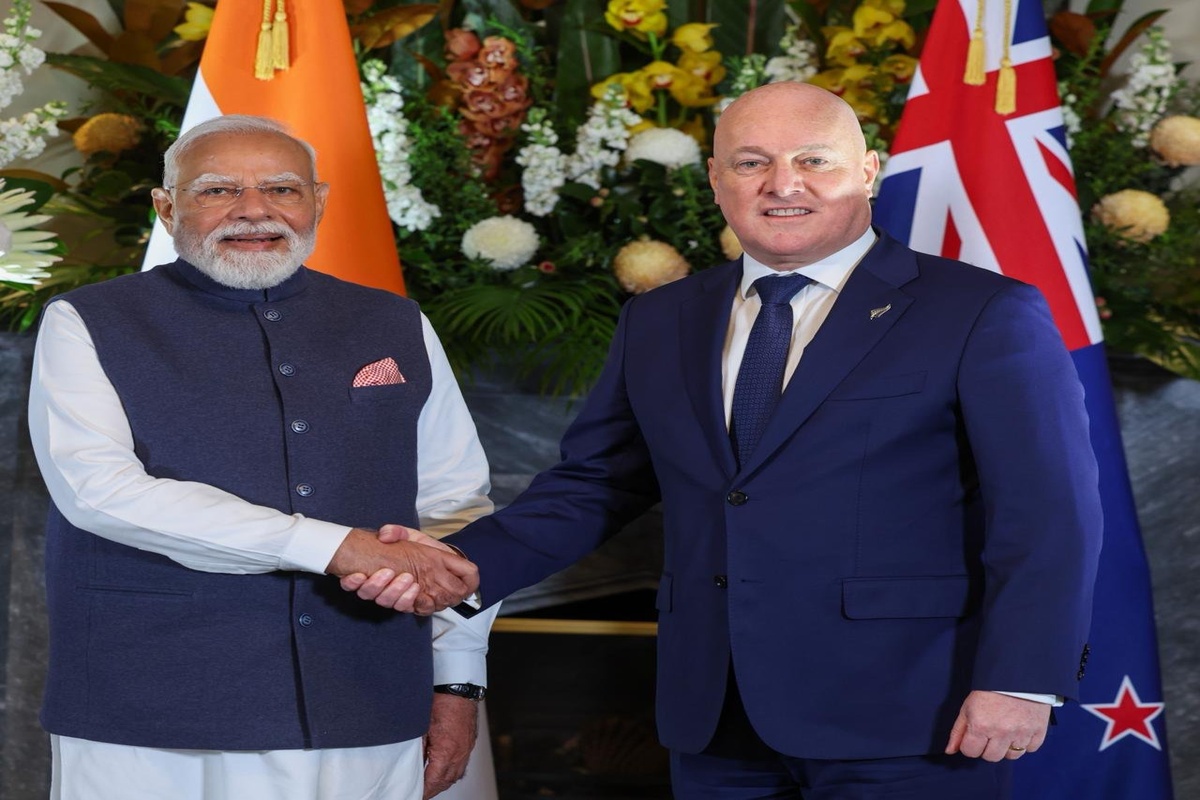
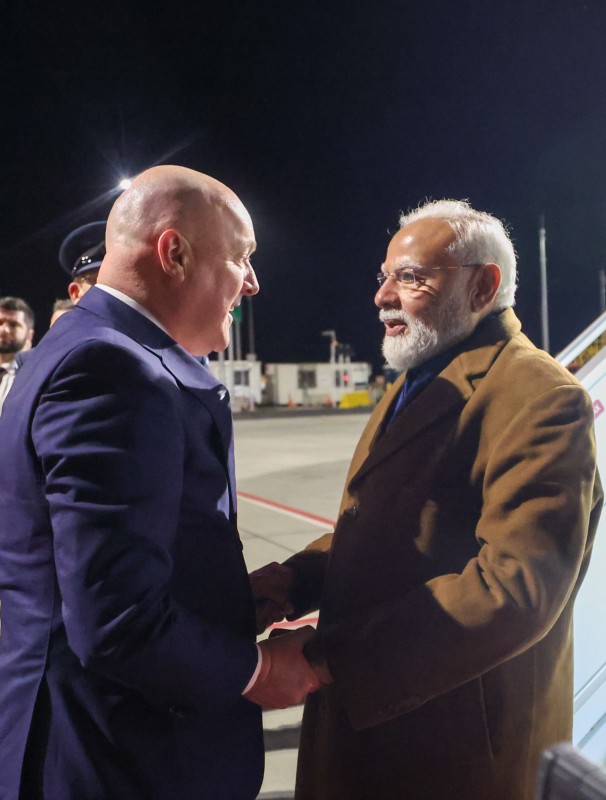
Prime Minister Shri Narendra Modi is currently on an official visit to New Zealand from July 10-11, at the invitation of New Zealand Prime Minister Christopher Luxon. This marks the first visit by an Indian Prime Minister to New Zealand in 40 years.

Under Pillar III of the newly adopted Roadmap on Trade and Economic Cooperation, both nations have agreed to “work towards an aspirational goal of doubling bilateral two-way trade in goods and services to NZ$7 billion (₹35,000 crore) by 2030.”

The roadmap further outlines that both sides will “work together on next steps for the India-New Zealand Free Trade Agreement to ensure its early entry into force and effective implementation.”

Echoing this commitment, the Joint Statement concluded that the two Prime Ministers “welcomed the conclusion and signature of a balanced, comprehensive and mutually beneficial India-New Zealand Free Trade Agreement (FTA)“ and agreed to ensure its swift execution.

57% of New Zealand’s exports to India will be tariff-free, says PM Luxon ahead of Modi’s visit

AUCKLAND : New Zealand Prime Minister Christopher Luxon announced a day before Prime Minister Shri Narendra Modi’s scheduled visit to the country that 57% of Wellington’s exports to New Delhi would be “tariff-free from day one”. In a post on social media, Mr. Luxon welcomed the proposed India-New Zealand trade pact. “New Zealand businesses are set to boom with the India trade deal,” he wrote on X.

Mr. Modi will arrive ⁠in Auckland on ⁠July 10, departing a ‌day later, in the last leg of his three-nation tour. “Prime Minister Modi’s ⁠visit is historic, with this ‌being the first to New Zealand by an Indian Prime Minister in ‌40 years,” Mr. Luxon had said, announcing the visit.

In April this year, the two nations signed a free ​trade ‌agreement that will eliminate 95% of tariffs ‌on goods from ​New Zealand. The bilateral merchandise trade between the two countries stood at $1.3 billion in 2024-25, while total trade in goods and services reached about $2.4 billion in 2024, with services trade alone reaching $1.24 billion, led by travel, IT, and business services.

Mr. Modi’s upcoming visit reflects the growing momentum in the New Zealand-India relationship, a statement from Wellington said. The discussions between the leaders are expected to include trade and investment, maritime security, education, technology, tourism, sport, and global issues.

Ahead of his departure from Delhi, Mr. Modi said his visit to Indonesia, Australia and New Zealand will further strengthen India’s Act East Policy, MAHASAGAR Vision as well as “our outlook towards a free and open Indo-Pacific.” MAHASAGAR, or Mutual and Holistic Advancement for Security Across the Regions, is India’s vision of security and growth for all regions.

SMFCL sanctions cross ₹10,700 crore, strengthening financial backbone of India’s Maritime Sector: Sarbananda Sonowal

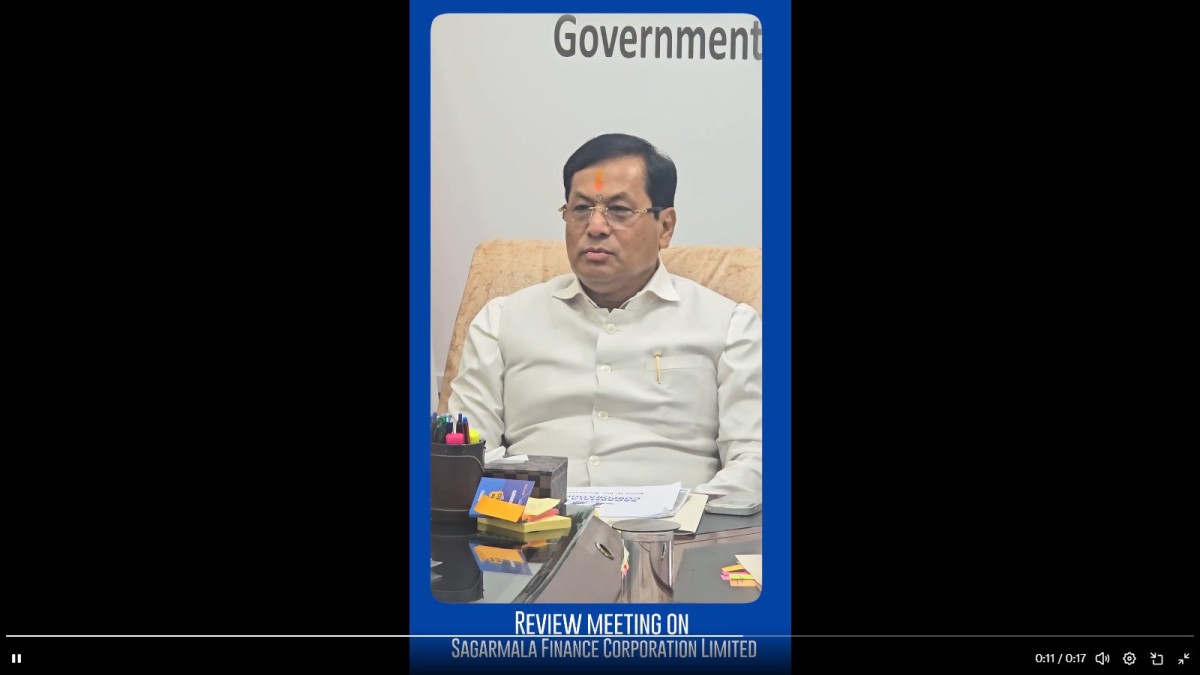
NEW DELHI : Union Minister for Ports, Shipping and Waterways Shri Sarbananda Sonowal reviewed the progress of Sagarmala Finance Corporation Ltd. (SMFCL) during a high-level meeting with senior ministry officials in New Delhi, reaffirming the government’s commitment to strengthening maritime infrastructure financing and accelerating the country’s transformation into a global maritime powerhouse.

During the review, the Minister assessed the corporation’s operational performance, project pipeline and financial assistance extended to key maritime infrastructure projects across the country. He emphasised the crucial role of SMFCL in mobilising long-term capital for the development of ports, shipbuilding, coastal infrastructure, inland waterways and other strategic maritime assets.

Shri Sonowal highlighted that Sagarmala Finance Corporation Ltd., India’s first dedicated maritime Non-Banking Financial Company (NBFC), is rapidly emerging as a key financial institution supporting the nation’s maritime growth agenda. Since commencing operations, SMFCL has sanctioned more than ₹10,700 crore towards maritime projects, while cumulative disbursements have crossed ₹3,700 crore, facilitating timely execution of critical infrastructure and logistics initiatives.

The Minister noted that the corporation is playing a catalytic role in attracting investments into modern port infrastructure, shipbuilding and repair facilities, coastal shipping, multimodal logistics, maritime industrial clusters and allied sectors. By providing customised financial solutions to both public and private sector stakeholders, SMFCL is helping bridge financing gaps and improving the ease of project implementation across India’s maritime ecosystem.

“Guided by the visionary leadership of Hon’ble Prime Minister Shri Narendra Modi ji, we are reinforcing the financial backbone of India’s maritime sector. SMFCL is emerging as a strong enabler of maritime infrastructure development by supporting investments that enhance port capacity, strengthen coastal connectivity and generate employment. Its growing portfolio reflects the confidence of investors and stakeholders in India’s maritime future,” Shri Sonowal said.

He further stated that the Ministry remains focused on ensuring that financial support reaches priority projects aligned with the objectives of the Sagarmala Programme, Maritime India Vision 2030 and the Maritime Amrit Kaal Vision 2047. These initiatives aim to modernise port infrastructure, improve logistics efficiency, promote green and sustainable shipping, enhance shipbuilding capabilities and position India among the world’s leading maritime nations.

The Minister directed officials to further strengthen SMFCL’s project outreach, expedite financial approvals and continue supporting commercially viable projects that contribute to economic growth, regional development and the realisation of the vision of Viksit Bharat.

CONCOR partners with GAIL to set up LNG Dispensing Station at ICD Khodiyar, advancing Green Logistics

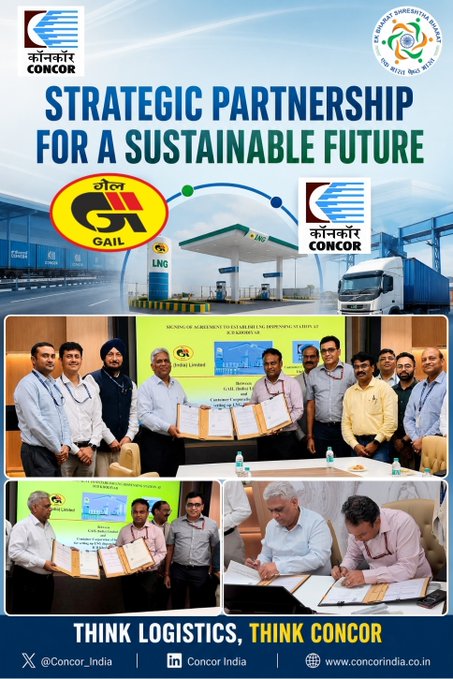
AHMEDABAD : Container Corporation of India Ltd. (CONCOR) has strengthened its commitment to sustainable logistics by signing a long-term agreement with GAIL (India) Limited for the establishment of a state-of-the-art Liquefied Natural Gas (LNG) Dispensing Station at its Inland Container Depot (ICD) Khodiyar, Ahmedabad.

The agreement marks another significant milestone in CONCOR’s journey towards promoting cleaner, greener and more efficient freight transportation across the country. The LNG dispensing facility is expected to encourage the adoption of cleaner fuel alternatives by heavy commercial vehicles operating to and from the ICD, contributing to lower carbon emissions and improved fuel efficiency in the logistics sector.

Under the 15-year partnership, GAIL (India) Limited will develop, operate and maintain the LNG dispensing station, providing reliable access to LNG fuel for transport operators and logistics stakeholders. The initiative aligns with the Government of India’s vision of accelerating the transition towards cleaner energy in the transportation sector while supporting the nation’s net-zero and sustainable development goals.

The agreement was signed on 8 July 2026 at GAIL’s Corporate Office in New Delhi by Shri Mani Bhushan Singh, General Manager (Projects & Services), CONCOR, and Shri Hitendra Kumar Garg, Executive Director (Marketing), GAIL (India) Limited, in the presence of Shri Swayambhu Arya, Executive Director (Projects & Services), CONCOR, along with senior officials from both organisations.

The LNG dispensing station at ICD Khodiyar is expected to provide transporters with an economical and environmentally friendly fuel option, helping reduce operating costs while significantly lowering emissions compared to conventional diesel-powered vehicles. The initiative will also support improved energy efficiency and contribute to cleaner cargo movement within CONCOR’s logistics network.

With sustainability emerging as a key focus area for the logistics industry, CONCOR continues to invest in green infrastructure and innovative solutions that promote environmentally responsible freight movement. The collaboration with GAIL reinforces CONCOR’s long-term strategy of building a future-ready multimodal logistics ecosystem by integrating clean energy solutions into its operations.

The partnership also complements the Government’s broader initiatives to increase the use of natural gas in transportation, enhance energy security and develop sustainable logistics infrastructure under the National Logistics Policy and PM Gati Shakti framework.

Through strategic collaborations such as this, CONCOR continues to strengthen its position as India’s leading multimodal logistics service provider while advancing the transition towards cleaner, more efficient and sustainable freight transportation.

Dept of Commerce organises Chintan Shivir on strengthening India’s electronics manufacturing and export competitiveness

NEW DELHI : The Department of Commerce, Ministry of Commerce & Industry, in collaboration with the Mobile and Electronic Devices Export Promotion Council (MEDEPC), the Electronics and Computer Software Export Promotion Council (ESC), and the Telecom Equipment and Services Export Promotion Council (TEPC), organised a Chintan Shivir at Bharat Mandapam, New Delhi, bringing together senior government officials, industry leaders, policy experts and other key stakeholders to deliberate on India’s evolving electronics manufacturing landscape and strategies to strengthen the country’s global competitiveness.

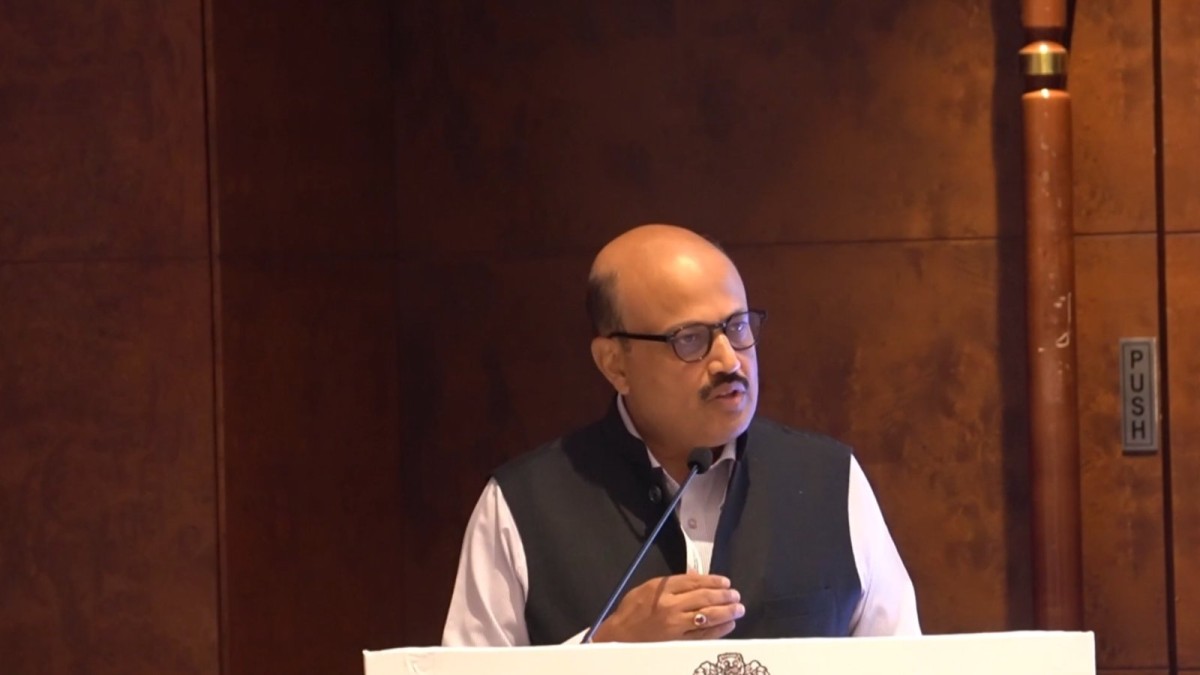
Secretary, Department of Commerce, Shri Rajesh Agrawal, said that the global electronics industry is increasingly driven by global value chains, and India’s policy framework must provide the predictability and stability required for these value chains to expand their presence in the country. He observed that policy approaches for production aimed at the domestic market may differ from those needed to promote export-oriented manufacturing. He added that the Chintan Shivir had been convened to facilitate constructive dialogue and develop tangible, balanced and actionable policy recommendations that are equitable for all stakeholders while strengthening India’s position as a globally competitive electronics manufacturing and export hub.

The Chintan Shivir featured presentations on India’s roadmap to achieving USD 150 billion in electronics exports by 2030 and on strengthening the country’s semiconductor and electronics components ecosystem. The presentations highlighted sector-specific export opportunities across smartphones, servers, specialty electronics and components, while outlining the role of global value chains (GVCs), supply chain resilience and targeted policy interventions in positioning India as a globally competitive electronics manufacturing and export hub. The sessions laid the foundation for detailed deliberations on policy priorities required to accelerate long-term growth and enhance export competitiveness.

A key highlight of the Chintan Shivir was the Open House Discussion, during which industry stakeholders engaged directly with senior officials of the Department of Commerce on policy measures to enhance India’s competitiveness in the global electronics sector. Participants emphasised the importance of integrating MSMEs into global value chains, which account for nearly 90 per cent of global electronics trade, to enable them to scale as suppliers to large manufacturers. Deliberations also focused on harmonisation of HS Codes and closer coordination with Customs authorities to minimise product misclassification and facilitate smoother exports. The discussions identified several priority areas for policy interventions to strengthen India’s export competitiveness.

The Chintan Shivir was presided over by Secretary, Department of Commerce, Shri Rajesh Agrawal. It was attended by Special Secretary, Department of Commerce, Shri Suchindra Misra; Director General, Directorate General of Foreign Trade (DGFT), Shri Lav Agarwal; Joint Secretary, Department of Commerce, Shri Manish Chadha; and Joint Secretary, Department of Commerce, Shri Vimal Anand. Senior representatives from the Government of India, State Governments, industry and Export Promotion Councils also participated. The forum provided an important platform for deliberations on opportunities and challenges facing India’s electronics sector as it seeks to deepen its integration with global value chains and accelerate export-led growth.

Special Secretary, Department of Commerce, Shri Suchindra Misra, said that sustaining India’s export momentum in electronics would require not only competitive manufacturing but also focused marketing efforts to build the visibility and acceptance of Indian products in strategic overseas markets. He noted that as the Indian Institute of Foreign Trade develops training programmes for exporters, industry feedback would be invaluable in refining the curriculum to strengthen understanding of trade agreements, market access opportunities and evolving demand patterns across global markets.

The Chintan Shivir witnessed active participation from leading industry stakeholders across the electronics value chain, including Apple, Samsung, Amber Enterprises, Dixon Technologies, Micromax, Tata Electronics, Syrma SGS Technology, Bora Exim, Aequs, Foxconn, boAt, and several other manufacturers, exporters and industry associations. Their participation enriched the discussions by bringing diverse perspectives on manufacturing, exports, trade facilitation and investment.

The Chintan Shivir concluded with a shared commitment among all stakeholders to continue structured consultations and translate the recommendations emerging from the discussions into actionable policy initiatives aimed at further strengthening India’s electronics manufacturing ecosystem and enhancing its export competitiveness.

SHM Global’s first-ever India-manufactured and IRS type-approved lifeboats reinforce India’s Maritime manufacturing capabilities

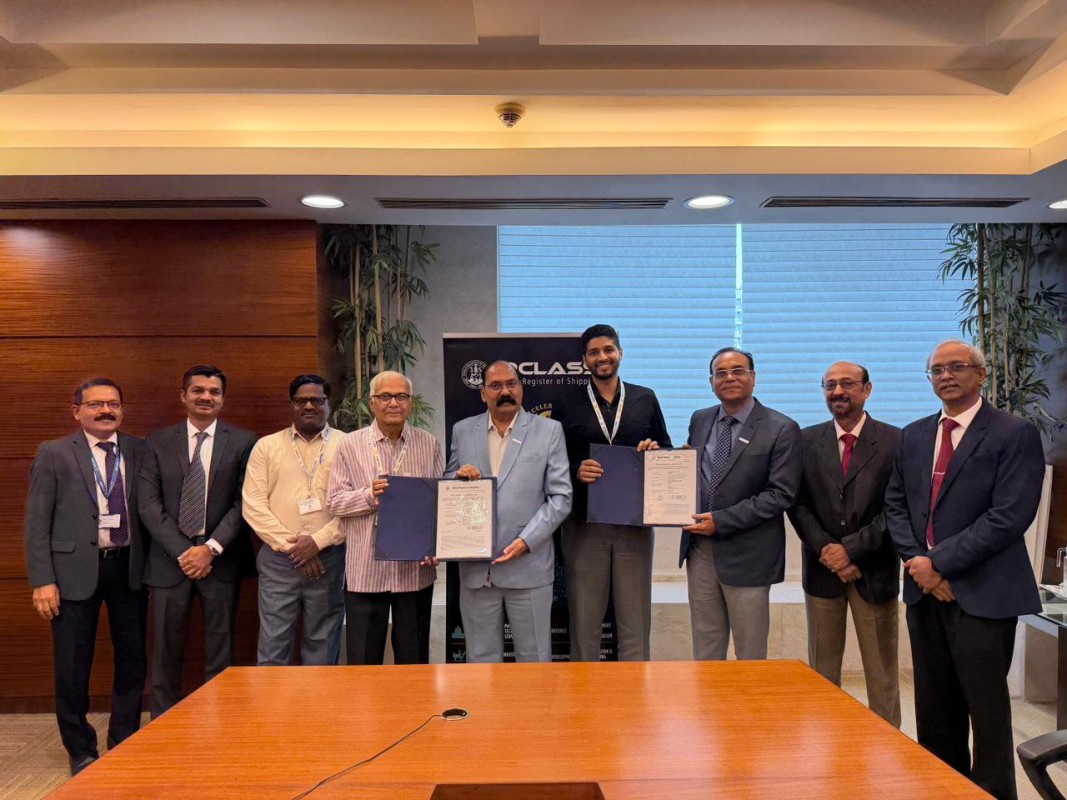
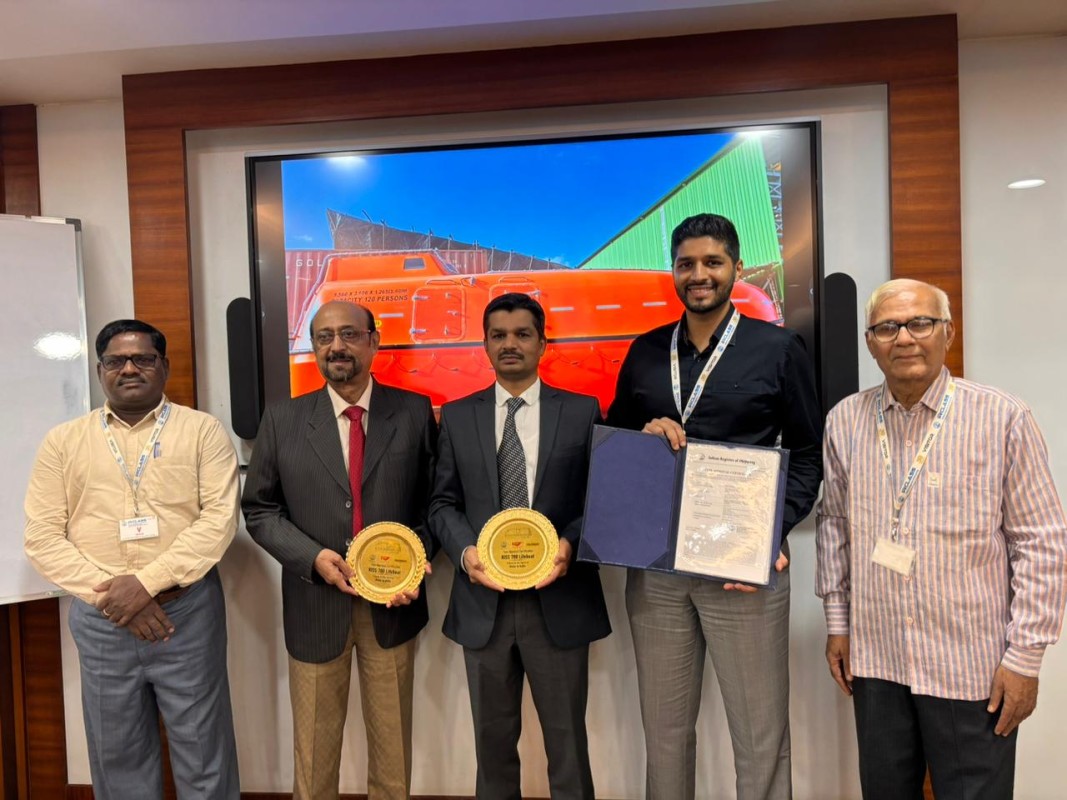
MUMBAI : SHM Global (SHM), one of the foremost companies in shipbuilding, ship management, and maritime safety, were felicitated by Mr. Praveen K. Mishra, Managing Director, Indian Register of Shipping (IRS), an IACS member classification society, in recognition of the company’s contribution to advancing indigenous maritime capabilities through the development of lifeboats for the maritime sector. The felicitation ceremony was held at the IRS Headquarters in Powai, Mumbai.

sm global mumbai award irs 1 SHM Global's first-ever India-manufactured and IRS type-approved lifeboats reinforce India's Maritime manufacturing capabilities

The recognition acknowledges SHM Global’s successful development of the KISS 700 and PN95FA totally enclosed fire protected lifeboats, indigenously designed and manufactured in India. Developed in collaboration with Palfinger Marine and backed by type approval certifications from IRS, the lifeboats represent a significant milestone in enhancing India’s self-reliance in critical maritime and offshore infrastructure.

Mr. Praveen K. Mishra, Managing Director, Indian Register of Shipping (IRS) states “I’d like to congratulate SHM Global on turning their dream into reality. Despite stringent and elaborate IMO requirements, SHM Global achieved full compliance and certification within a short span of time which is a genuinely challenging feat. I encourage other Indian manufacturers in the maritime sector to pursue IRS type approval and become indigenous producers. This reduces our reliance on foreign imports and strengthens India’s self-reliance, a true step towards Aatmanirbhar Bharat.”

The Indian Register of Shipping, India’s leading maritime classification society, plays a key role in setting technical, safety and performance standards for ships and marine systems. Mr. T. Ghosh, Senior Principal Surveyor, Indian Register of Shipping (IRS) said “I would like to congratulate the SHM team — this was a complex project, as this type of lifeboat has never been built in India before. Saifuddin Hajee’s vision brought to life the PN95FA and KISS 700, both enclosed lifeboats designed for tankers and built to SOLAS standards. With Palfinger as a strong technical partner and SHM Global’s own capability and experience, the boat successfully cleared IRS’s rigorous design appraisal and testing for lifesaving appliances. We’re proud to have reviewed the documentation and finally issued the certificate, taking lifeboat design in India to a new level.”

Mohammed Hajee, CEO, Maritime Safety and Security, SHM Global said “Marine safety systems are mission critical for maritime operations. This recognition from the Indian Register of Shipping is a matter of pride for SHM Global. It reflects the commitment and efforts of our teams in developing indigenous marine safety solutions in India.”

The Group’s philosophy of designing to meet Indian requirements while building products capable of competing on global standards was witnessed through this project. IRS as well, responded positively to this vision. The achievement highlights SHM Global’s commitment to strengthening the domestic maritime manufacturing ecosystem through innovation, engineering excellence, and the principles of the Make in India initiative. It also aligns with the Government of India’s Aatmanirbhar Bharat vision aimed at reducing dependence on imports and building indigenous capabilities in strategic sectors. Till date, SHM Global holds approvals on 8-10 products across categories, with more in the pipeline.
The felicitation by the Indian Register of Shipping reflects the role of regulatory and classification bodies in encouraging indigenous innovation and reinforcing confidence in domestically developed maritime solutions.

About SHM Global (https://shmglobal.com/)
SHM Global (SHM Global Pvt. Ltd.) is a pioneer, innovator and thought leader in ship building, ship management, maritime safety anchored by a legacy of close to 140 years in the shipping business. Mr. Saifuddin Hajee, an alumnus of IIT Mumbai founded SHM Global in 2001 with a singular vision to save lives through the timely delivery of world-class marine safety and survival systems. He is the recipient of the Lifetime Achievement Award from Directorate General of Shipping (DG Shipping) in recognition of his unparalleled contribution to the industry. He was instrumental in the construction of 29 specialized patrol boats currently serving the Indian Navy, National Coastal Port Authorities and even the Mumbai Police. SHM Global supports government agencies, ports, and industry operators across India and international markets. SHM Global operates a robust network spanning over 25+ locations and 18 port cities: International – Singapore, UAE, Malaysia, Indonesia, Shanghai, Greece, Egypt, Oman and Sri Lanka among others; Domestic — Mumbai, Kandla, Kochi, Chennai, Vishakhapatnam, Kolkata, Kakinada, Paradeep and Port Blair among others. SHM Global has built over 340 vessels and has infrastructure over 2 lakh sq. ft. for manufacturing, servicing and warehousing.

For more information: Adfactors PR – Ms. Skyla Pereira M: 8975910636