NEW DELHI : India and the United Kingdom have taken another significant step towards operationalising the India–UK Comprehensive Economic and Trade Agreement (CETA) with the signing of the Modalities for Authentication of Self-Declared Origin Declarations, paving the way for the seamless implementation of the landmark trade pact from 15 July 2026.
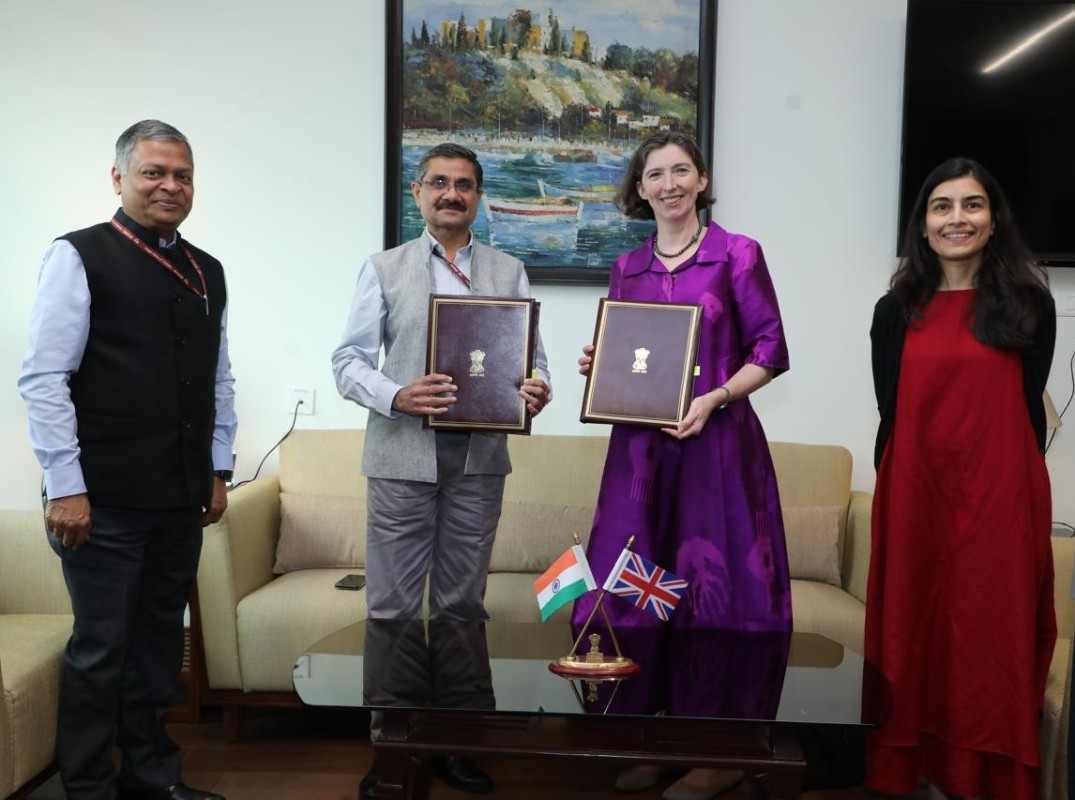
The modalities were signed on 9 July 2026 by Shri Vivek Chaturvedi, Special Secretary to the Government of India and Chairman, Central Board of Indirect Taxes and Customs (CBIC), and Ms. Lindy Cameron, British High Commissioner to India, marking an important milestone in strengthening bilateral trade facilitation between the two countries.
The agreed framework establishes a secure, transparent and technology-enabled mechanism for the authentication of self-declared origin declarations issued under the India–UK CETA. The arrangement is designed to enable customs authorities in both countries to efficiently verify the authenticity of origin claims, ensuring that eligible exporters and importers can seamlessly avail themselves of the preferential tariff benefits provided under the agreement.
The authentication mechanism is expected to simplify customs procedures, reduce administrative delays and enhance confidence in the implementation of the trade agreement. By leveraging digital verification processes, the framework will promote faster cargo clearance, improve compliance and facilitate smoother cross-border movement of goods.
The India–UK CETA, scheduled to enter into force on 15 July 2026, is expected to significantly deepen economic engagement between the two nations by expanding market access, reducing tariff barriers and creating new opportunities across a wide range of sectors, including engineering goods, textiles and apparel, pharmaceuticals, food processing, marine products, automobiles, chemicals and professional services.
Officials noted that the authentication arrangement reflects the shared commitment of India and the United Kingdom to adopting modern, secure and technology-driven trade facilitation measures that support transparent customs administration while reducing the compliance burden on businesses.
The signing of the modalities represents another key milestone in the implementation of the India–UK CETA and is expected to provide greater certainty to exporters, importers and other stakeholders as both countries prepare to operationalise one of their most significant bilateral trade agreements.
NAGPUR : Container Corporation of India Ltd. (CONCOR) has achieved another significant milestone in strengthening India’s multimodal logistics network by successfully commencing its first overseas export movement in CONCOR-owned containers from the Multi Modal Logistics Park (MMLP), MIHAN, Nagpur, to Jebel Ali, United Arab Emirates.
The landmark export movement marks a major step in expanding CONCOR’s international logistics capabilities while providing exporters with seamless, end-to-end containerised logistics solutions using CONCOR’s own container fleet.
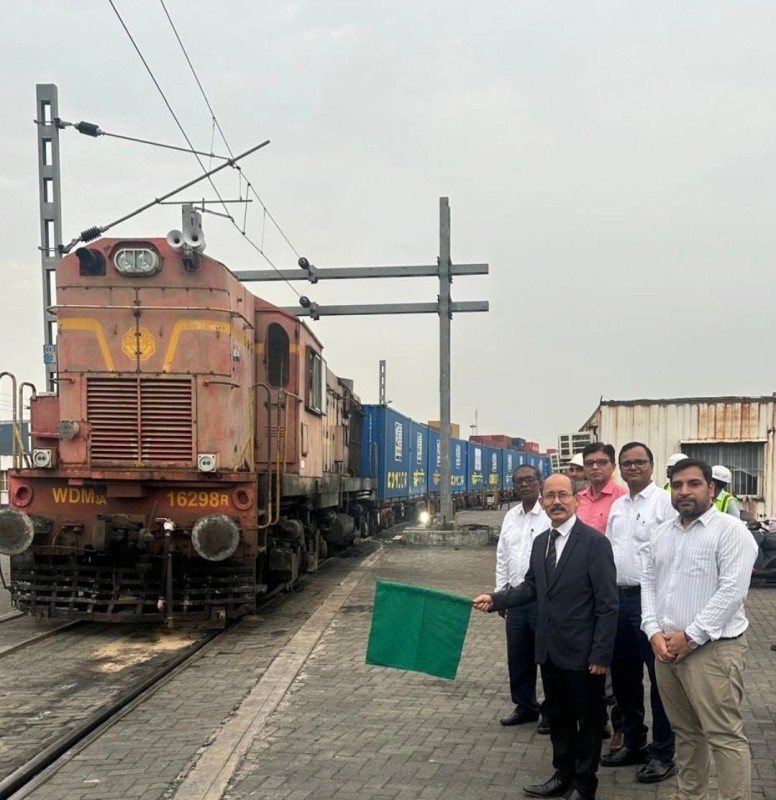
The inaugural shipment was flagged off by Shri Vijoy Kumar Singh, Director (International Marketing & Operations), CONCOR, on 9 July 2026, in the presence of Shri Sanjay Nandeshwar, Assistant Commissioner of Customs, Shri Avinash Pal, Chief Manager, senior Customs officials, representatives of the trade community and members of the CONCOR team.
The initiative reflects CONCOR’s continued focus on enhancing export logistics from central India by providing exporters with greater flexibility, improved equipment availability and efficient connectivity to global markets. The use of CONCOR-owned containers is expected to offer customers greater operational reliability while reducing dependence on third-party equipment.
The export movement from MIHAN to Jebel Ali also highlights the growing importance of the Nagpur logistics hub as a strategic gateway for international trade. With its multimodal connectivity and modern logistics infrastructure, MMLP MIHAN is increasingly serving as a key export consolidation centre for industries across Maharashtra and neighbouring states.
Speaking on the occasion, Shri Vijoy Kumar Singh said that the commencement of overseas exports in CONCOR-owned containers demonstrates the company’s commitment to strengthening India’s export supply chain and offering integrated logistics solutions that meet evolving global trade requirements. He noted that CONCOR will continue expanding its international logistics capabilities to provide faster, more reliable and cost-effective services to exporters and importers.
The successful movement further reinforces CONCOR’s strategy of enhancing multimodal connectivity, improving supply chain efficiency and supporting the Government of India’s vision of increasing exports through world-class logistics infrastructure. By leveraging its extensive network of inland container depots, multimodal logistics parks, rail services and international partnerships, CONCOR continues to play a pivotal role in facilitating India’s global trade.
As India’s leading multimodal logistics service provider, CONCOR remains committed to delivering reliable, customer-centric and end-to-end logistics solutions that connect Indian businesses to international markets while contributing to the country’s growing export competitiveness.
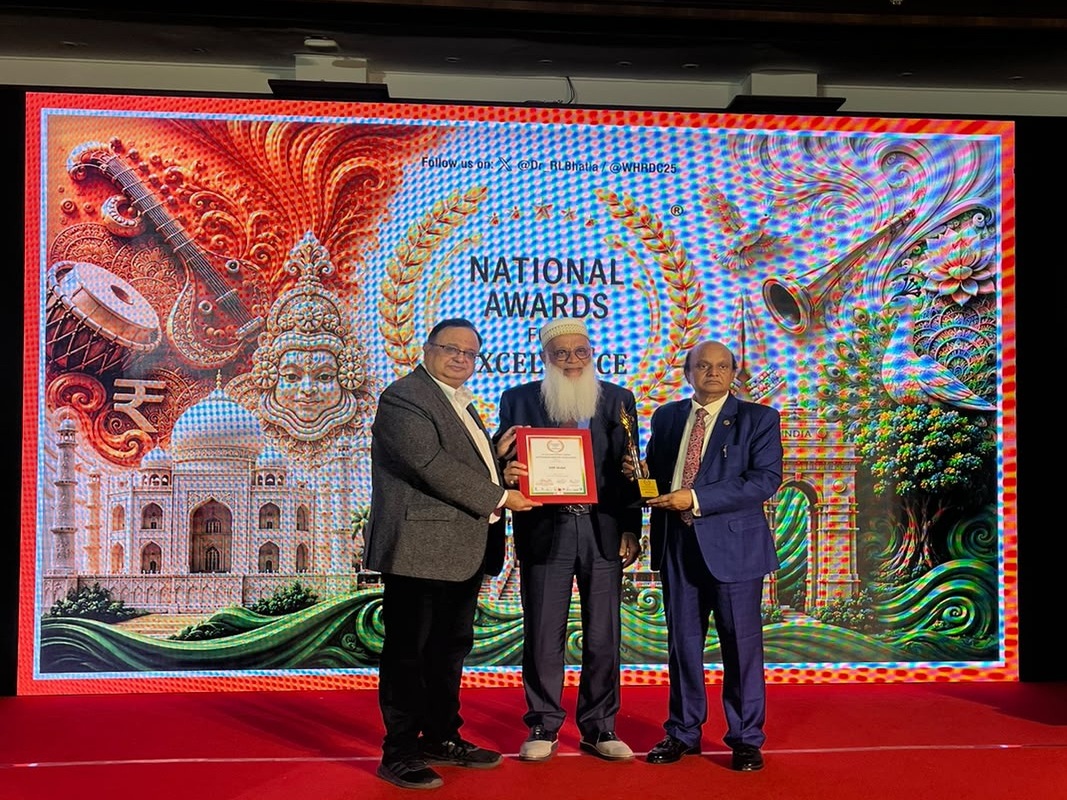
MUMBAI: SHM Shipcare Private Limited (“SHM Shipcare”), one of the companies in shipbuilding, ship management, and maritime safety, was conferred the National Award for Excellence in Ports & Shipping, 2026, in the category of ‘Outstanding Industry Achievement’. The award, presented at the 13th edition of the National Awards for Excellence in Ports & Shipping held at Taj Lands End, Mumbai, recognises SHM Shipcare’s achievement in developing India’s first indigenously designed lifeboat, a milestone in the country’s fire safety, maritime safety and manufacturing capabilities.
The National Awards for Excellence in Ports & Shipping are among the industry’s most prestigious recognitions, honouring organisations and individuals for outstanding contribution to India’s maritime and logistics sector. For SHM Shipcare, the award is a validation of years of indigenous engineering efforts in the marine safety and survival systems space.
The recognition is expected to strengthen SHM Shipcare’s positioning as a credible indigenous alternative in the lifesaving appliances category, and lend further momentum to its ongoing work with classification societies, shipyards, and government stakeholders. The company has described the honour as a proud and defining moment, one that reaffirms its founding vision of saving lives through self-reliant marine safety solutions.
Mohammed Hajee, CEO, Marine & Fire Safety, SHM Shipcare, said, “This award is a proud moment for every member of the SHM Shipcare team who worked to bring India’s first indigenously designed lifeboat to life. Marine safety systems are mission critical, and being recognised at a national platform for this achievement reaffirms our commitment to building world class, self-reliant solutions for the maritime industry.”
Saifuddin Hajee, Chairman & Managing Director, SHM Shipcare, said, “SHM Shipcare has stood for one singular purpose – saving lives at sea. This recognition is a testament to the years of engineering effort that went into developing India’s first indigenous lifeboat, and it strengthens our resolve to keep investing in indigenous capability under the Make in India and Aatmanirbhar Bharat vision.”
The award adds to SHM Shipcare’s growing list of milestones in indigenous maritime manufacturing. SHM Shipcare remains committed to strengthening India’s domestic maritime manufacturing ecosystem through continued investment in engineering, innovation, and self-reliant marine safety solutions, in line with the Government of India’s Make in India and Aatmanirbhar Bharat vision.
SHM Shipcare (SHM Shipcare Pvt. Ltd.) is one of the leaders in ship building, ship management, maritime safety anchored by a legacy of close to 140 years in the shipping business. Mr. Saifuddin Hajee, an alumnus of IIT Mumbai founded SHM Shipcare in 2001 with a singular vision to save lives through the timely delivery of world-class marine safety and survival systems. He is the recipient of the Lifetime Achievement Award from Directorate General of Shipping (DG Shipping) in recognition of his unparalleled contribution to the industry. He was instrumental in the construction of specialized patrol boats currently serving the Indian Navy, National Coastal Port Authorities and even the Mumbai Police.
SHM Shipcare supports government agencies, ports, and industry operators across India and international markets. SHM Global operates a robust network spanning over 25+ locations and 18 port cities: International – Singapore, UAE, Malaysia, Indonesia, Shanghai, Greece, Egypt, Oman and Sri Lanka among others; Domestic — Mumbai, Kandla, Kochi, Chennai, Vishakhapatnam, Kolkata, Kakinada, Paradeep and Port Blair among others.
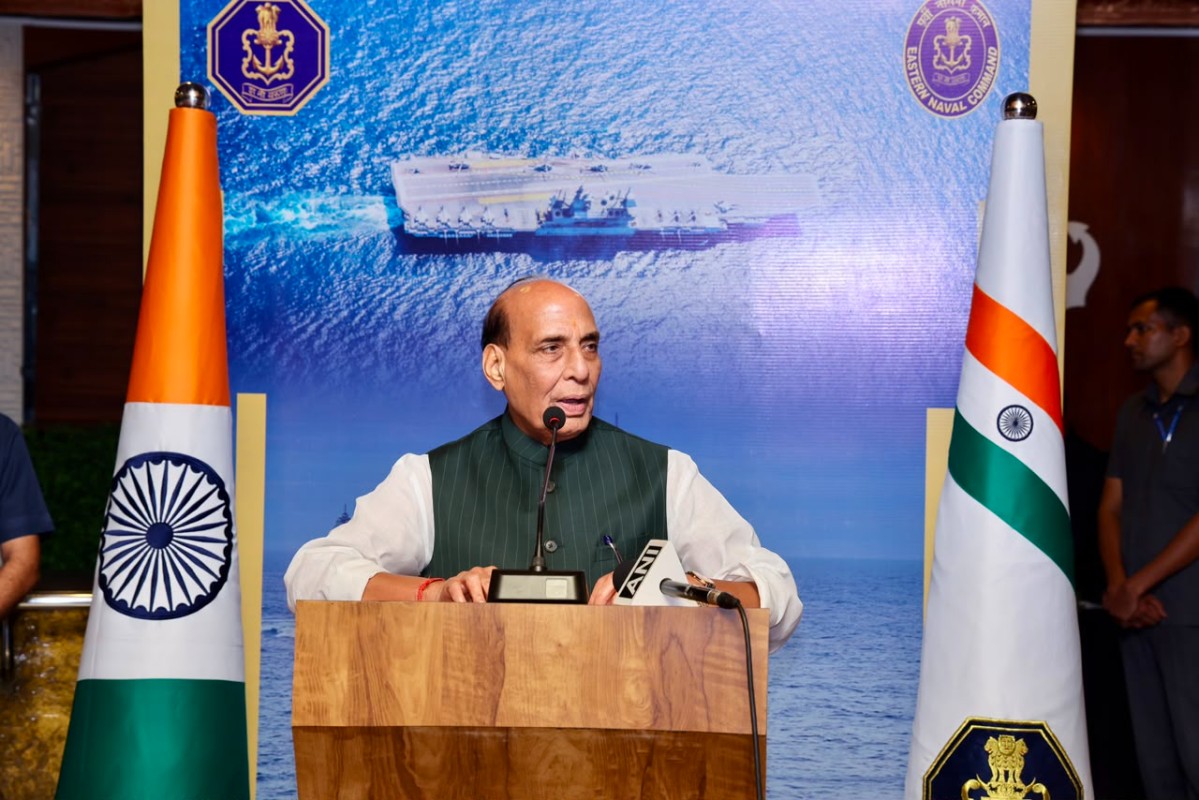
NEW DELHI : “India stands as the primary guarantor of peace and stability in the Indian Ocean Region,” said Raksha Mantri Shri Rajnath Singh as he commended the Indian Navy for safeguarding the nation’s maritime interests and upholding the Tricolour amid an increasingly complex global security environment. He was addressing naval personnel in Visakhapatnam, Andhra Pradesh, on July 10, 2026, during Barakhana on the eve of the commissioning of Mahendragiri, the sixth Project 17A indigenous stealth frigate, into the Indian Navy.
Highlighting the strategic significance of the Indian Ocean Region, Raksha Mantri stated that over 90 per cent of India’s trade by volume passes through maritime routes, while the country’s energy security, Exclusive Economic Zone and island territories make maritime security central to its economic growth and national interests. He emphasised that increasing geopolitical competition and the growing presence of extra-regional powers have underscored the need for heightened maritime vigilance. “In such a situation, the Indian Navy is protecting India’s maritime borders, securing vital sea lanes and upholding the country’s interests across the region,” he said.
Shri Rajnath Singh described India as the largest and most responsible stakeholder in the Indian Ocean Region, and reaffirmed its commitment to peace, stability, and a secure maritime environment. “The region is our courtyard, and securing the courtyard is our responsibility,” he added.
Raksha Mantri underlined the progress being made towards achieving self-reliance, terming the commissioning of Mahendragiri as another shining example of India’s growing indigenous defence capabilities. While he credited the valour, commitment and patriotism of the defence forces for protecting the nation from threats and challenges, he urged the soldiers to continue upgrading their skills, master cutting-edge technologies, and remain prepared to address the changing character of modern warfare.
Stressing that the nature of warfare is evolving rapidly, Shri Rajnath Singh said that future conflicts could emerge in new and unforeseen forms. He urged the soldiers to remain physically and mentally prepared, continuously upgrade their skills, and master emerging technologies. “There are conflicts that are fought without a formal declaration of war. The adversary of tomorrow may not look like the adversary of the past. The Government will leave no stone unturned to provide the soldiers with the world’s best weaponry, technology and resources. But weapons alone do not win wars; it is the people who wield them that do,” he added.
Chief of the Naval Staff Admiral Krishna Swaminathan, Flag Officer Commanding-in-Chief, Eastern Naval Command Vice Admiral Sanjay Bhalla and other senior officers of the Indian Navy were present on the occasion.
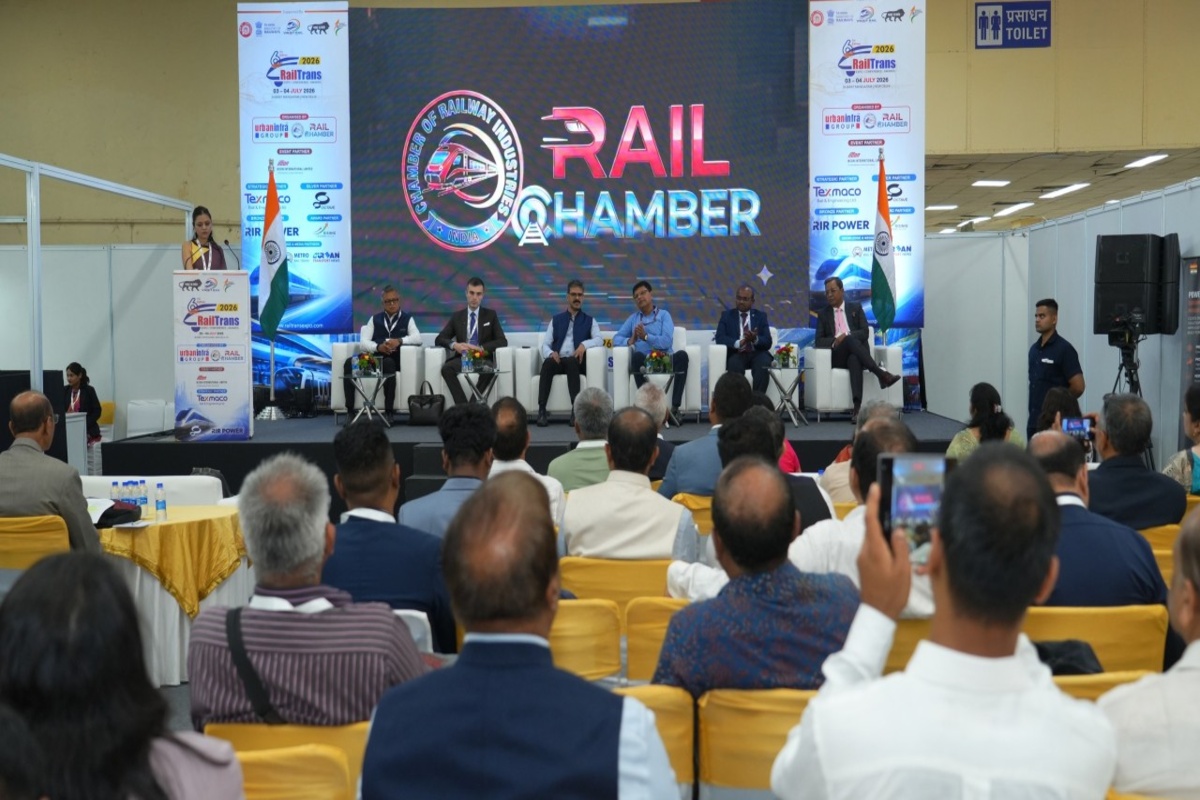
NEW DELHI: In a significant milestone for India’s railway manufacturing and industrial ecosystem, the Chamber of Railway Industries (Rail Chamber) was officially launched on 3rd July 2026 during the inaugural ceremony of the 6th RailTrans Expo & Conference 2026 at Bharat Mandapam, New Delhi.
The launch marks the establishment of India’s first dedicated industry chamber exclusively representing the railway and rail supply ecosystem, providing a unified institutional platform for manufacturers, technology providers, infrastructure developers, EPC contractors, consultants, MSMEs, startups, research institutions and other stakeholders associated with the railway sector.
The establishment of the Rail Chamber is aimed at strengthening industry representation, facilitating constructive policy dialogue, promoting indigenous manufacturing, encouraging technological innovation, supporting skill development, fostering international collaborations and enhancing the global competitiveness of India’s railway industry.
The Chamber will work closely with industry, government institutions, public sector organisations, research bodies and international partners to facilitate sustainable growth of the railway sector while contributing towards the national priorities of Viksit Bharat 2047, Make in India, Atmanirbhar Bharat and PM Gati Shakti.
The official launch took place in the presence of senior government officials, policymakers, railway professionals, industry leaders, exhibitors, technology companies and international delegates participating in the 6th RailTrans Expo & Conference 2026.
The two-day exhibition and conference attracted participation from organisations representing India, Germany, the United States, the United Kingdom, Austria, Spain, Singapore, Switzerland, Japan and Saudi Arabia, highlighting India’s emergence as a preferred destination for railway investments, manufacturing and technology partnerships.
Leading domestic and international companies showcased advanced technologies spanning railway engineering, artificial intelligence-enabled software, industrial automation, digital asset management, infrastructure monitoring, signalling and communication systems, surveillance technologies, power electronics, advanced materials, semiconductor solutions, predictive maintenance, logistics technologies and smart mobility solutions.
Addressing the gathering, Dr. Vinod Shah, Director General, Chamber of Railway Industries (Rail Chamber), said:
“The launch of the Chamber of Railway Industries marks the beginning of a new chapter for India’s railway industry. Rail Chamber has been established as a unified platform that will represent the collective interests of the railway manufacturing and supply ecosystem while fostering greater collaboration among industry, government and academia. Our objective is to create an enabling environment that promotes innovation, competitiveness, investment and sustainable industrial growth.”
Dr. Shah further stated: its remarkable railway transformation, there is an increasing need for a dedicated institution capable of bringing together all stakeholders under one umbrella. Rail Chamber will actively support policy advocacy, indigenous manufacturing, technology development, exports, standardisation, skill development and global partnerships. We remain committed to contributing towards India’s vision of becoming a global leader in railway technologies and infrastructure under Viksit Bharat 2047.”
The Chamber is expected to serve as a strategic industry platform by facilitating policy consultations, technical forums, business networking, market access initiatives, capacity-building programmes, investment promotion and knowledge-sharing activities for organisations operating across the railway value chain.
Industry leaders participating in the inaugural event welcomed the formation of the Rail Chamber and described it as a timely initiative that will strengthen institutional collaboration, enhance stakeholder engagement and accelerate innovation-driven growth across India’s railway sector.
The launch of the Rail Chamber was one of the key highlights of the inaugural ceremony of the 6th RailTrans Expo & Conference 2026, reaffirming the industry’s commitment to building a globally competitive, technologically advanced and self-reliant railway ecosystem.
“As India continues iits remarkable railway transformation, there is an increasing need for a dedicated institution capable of bringing together all stakeholders under one umbrella. Rail Chamber will actively support policy advocacy, indigenous manufacturing, technology development, exports, standardisation, skill development and global partnerships. We remain committed to contributing towards India’s vision of becoming a global leader in railway technologies and infrastructure under Viksit Bharat 2047.”
The Chamber is expected to serve as a strategic industry platform by facilitating policy consultations, technical forums, business networking, market access initiatives, capacity-building programmes, investment promotion and knowledge-sharing activities for organisations operating across the railway value chain.
Industry leaders participating in the inaugural event welcomed the formation of the Rail Chamber and described it as a timely initiative that will strengthen institutional collaboration, enhance stakeholder engagement and accelerate innovation-driven growth across India’s railway sector.
The launch of the Rail Chamber was one of the key highlights of the inaugural ceremony of the 6th RailTrans Expo & Conference 2026, reaffirming the industry’s commitment to building a globally competitive, technologically advanced and self-reliant railway ecosystem.
GANDHINAGAR : In a major policy initiative aimed at strengthening India’s maritime services ecosystem and enhancing the country’s competitiveness in global shipping, the Government has exempted units established in the International Financial Services Centre (IFSC), GIFT City, Gandhinagar, from the licensing requirement under Section 11 of the Coastal Shipping Act, 2025 for chartering foreign vessels for EXIM and international trade operations.
The exemption, notified by the Ministry of Ports, Shipping and Waterways under the provisions of the Coastal Shipping Act, 2025, removes the requirement for eligible IFSC units to obtain a licence from the Director General of Shipping for chartering foreign vessels for operations covered under Section 11. The reform is expected to strengthen GIFT City as a globally competitive maritime leasing and financing hub, facilitate maritime investments and support India’s emergence as a leading maritime services centre.
The reform is a significant enabler for the growth of India’s maritime finance ecosystem. By simplifying the regulatory framework governing the chartering of foreign vessels for international shipping operations, it is expected to encourage maritime leasing, ship financing and ship-owning activities through GIFT City while fostering a globally competitive business environment for maritime enterprises.
Union Minister of Ports, Shipping and Waterways, Shri Sarbananda Sonowal, said:“The last 12 years under the visionary leadership of Prime Minister Shri Narendra Modi have transformed India’s maritime sector through landmark reforms, world-class infrastructure and unprecedented policy support. We have laid a strong foundation. The next phase is to unlock the full potential of maritime industry by minimal governance to enhance competitiveness, efficiency that powers India’s journey towards Viksit Bharat.”
The measure is also expected to facilitate greater participation of global capital in maritime assets, encourage the establishment of ship-owning and leasing structures in India, and accelerate the development of a comprehensive maritime ecosystem encompassing ship leasing, financing, asset management and other value-added maritime services. The policy aligns with the Government’s broader vision of establishing GIFT City as a world-class International Financial Services Centre for global maritime business.
Importantly, the exemption is limited to the licensing requirement under Section 11 of the Coastal Shipping Act, 2025 and does not alter the existing framework governing coastal trade. The prevailing cabotage regime and safeguards applicable to coastal shipping remain unchanged, while regulatory flexibility has been provided for EXIM and international trade operations.
The notification comes into force with immediate effect. “International Financial Services Centre” shall have the meaning assigned to it under clause (g) of sub-section (1) of Section 3 of the International Financial Services Centres Authority Act, 2019.
This reform marks another important milestone in the Government’s ongoing efforts to build a globally competitive maritime ecosystem through progressive policy interventions. By strengthening the regulatory framework for maritime financial services and ship leasing, the initiative is expected to deepen India’s maritime capabilities, attract global investment and reinforce the country’s position as a preferred destination for maritime business and international shipping services.
NEW DELHI : India has scrapped import duties on some parts used to make mobile phones and other electronic devices, removing the current 7.5% and 5% levies, in a move that could help companies like Apple (AAPL.O) and Xiaomi(1810.HK).
In a move that will directly benefit premium smartphone manufacturers, the Central Board of Indirect Taxes and Customs (CBIC) has introduced a ‘nil’ basic Customs Duty on key components required to manufacture inductor coil modules used for wireless charging in cellular mobile phones, covering nano-crystalline (NC) assemblies, e-shields, PET liners, PC shims (with Z-liner), main stranded coils, NFC coils, and Neodymium-Iron-Boron (NdFeB) Magnets.
Items include key parts for producing wireless charging modules for mobile phones, displays for medical devices and automobiles, and lithium-ion cells.
The exemption will be valid until March 31, 2029.
“This should boost cost competitiveness, domestic value addition and localisation of high-value smartphone and electronics manufacturing,” said Manoj Mishra, a partner at business consultancy Grant Thornton Bharat.
Exemption for lithium-ion cell manufacturing may spur investment in domestic battery production for electronics and electric mobility, Mishra said.
India aims to expand electronics manufacturing to $500 billion by fiscal year 2030.
Smartphone production in India rose 28-fold over the last decade to 5.45 trillion rupees ($57 billion) in 2024/25.
The orders issued late on Wednesday seek to support the domestic electronics industry with lower cost of production at a time the West Asia crisis has disrupted global supply chains and pushed up shipping costs.
A larger list of machinery used in lithium-ion cell manufacturing is now eligible for duty exemption without end use restrictions, replacing an earlier narrow list with restrictions.The move will benefit a wide range of sectors, including automotive, electric vehicles, medical devices and healthcare equipment, industrial electronics and manufacturing, mobile phones and smartphone manufacturing, consumer electronics, battery manufacturing, and energy storage systems.
The duty relief on display components and lithium-ion cell machinery is also expected to support the defence sector, particularly in the production of drones, robots, unmanned systems, and other advanced defence equipment that rely on high-quality displays and batteries.
NAIROBI : Kenya‘s duty-free rice import policy is expected to increase demand for Indian rice, boosting its exports, while Pakistan-based participants expect little impact amid high prices, traders, exporters, and other market sources told Platts, part of S&P Global Energy, July 10.
According to an official notification released July 6, Kenya’s Cabinet Secretary for Agriculture and Livestock Development allowed 490,000 metric tons of Grade 1 milled white rice to have duty-free import access to the country on and before Nov. 30.
“The [Kenya] government wanted to stabilize the price, that’s it. Price down by 15%-20% in Kenya, importers who bought in June are under heavy pressure as duty is almost $220/mton rice imports in Kenya,” a Gujarat-based exporter said.
Pakistan and India have been key rice suppliers to Kenya this year. According to the latest S&P Global CERA estimates, Kenya imported 241,928 mt of rice from Pakistan and 234,727 mt from India in the first five months.
Kenya’s decision comes amid mounting weather concerns that are weighing on rice production outlooks across key importing regions, including in the wider East Africa market.
A Gurgaon-based trader said that it is good news for the Indian market. East Africa is currently experiencing intense heat, and it is likely that paddy production would be impacted by El Niño, which is why Kenya has removed the import duty, the trader added.
Most Indian exporters viewed Kenya’s duty-free removal as a positive development for India’s outflows, expecting it to strengthen demand for Indian rice.
A Delhi-based trader said Kenya’s removal of import duties on Indian rice is good news, and since Kenya is dominated by Pakistan-based participants, we might see more demand from them for Indian rice, as Pakistan’s WR is currently more expensive than India’s.
Platts assessed Indian 5% WR at $350/mt FOB on July 10, trading at a discount of $62/mt to Pakistani 5% WR.
The Delhi-based trader also said that imports are likely to be in bulk as container freight is too high, and likely only big companies would be able to supply to Kenya in breakbulk, so at the start, the business would be slow.
Opportunities for new crop in Pakistan Pakistan-based market participants had mixed reactions, with some expecting losses on duty-paid old-crop stocks in Kenya, while others saw opportunities once new-crop shipments arrive.
“This policy will create further losses for existing Pakistani exporters and stockists in Kenya. All of them already have duty-paid stock there, and their costing is higher than the prevailing market rates. New crop people will export in August, I believe. This is a fresh start,” a Pakistan-based exporter said.
However, another Karachi-based exporter expects little impact on Pakistani exports, as the Kenyan market would also seek price-competitive options globally.
Kenyan rice imports are expected to be about 800,000 mt in the TY 2026-27, according to USDA estimates.
Amid these concerns, the Ahero Rice Farmers Association has called for greater transparency around the duty-free policy, noting that farmers were reportedly excluded from the decision-making process, according to local media reports on July 9.
Since duty-free rice imports impact rice-growing states in Kenya, the matter will be resolved in the high court post July 20, the reports said.
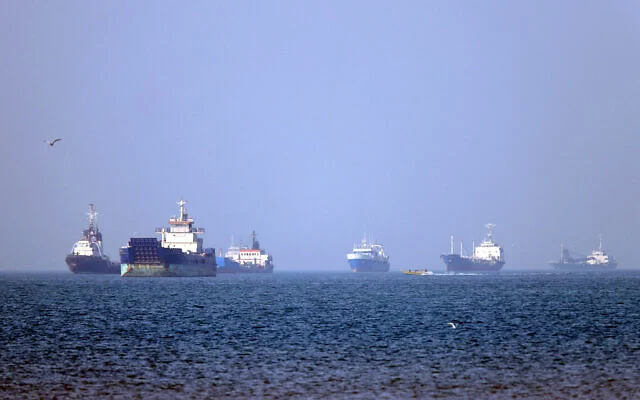
LONDON: Following the recent military escalation between the US and Iran in West Asia, which has jeopardised the transition through the Strait of Hormuz, the UK Maritime Trade Operations (UKMTO) on Friday maintained the maritime security threat level for the strategic waterway at “severe”, urging ship owners, operators and mariners to remain vigilant.
In an advisory, the Joint Maritime Information Center (JMIC) said the security threat in the Strait of Hormuz remains severe and reiterated guidance for vessels navigating the strategic waterway.
“The maritime security threat level in the SoH remains SEVERE. Notwithstanding recent unprovoked attacks on merchant vessels, mariners are reminded that the southern route of the SoH has been expanded and remains available for all traffic,” the advisory stated.
The advisory strongly encouraged vessels to maintain engagement with the Naval Cooperation and Guidance for Shipping (NCAGS) and use established reporting and coordination procedures.
However, it clarified that coordination with NCAGS is not mandatory and that ships may transit the southern route without prior coordination. It also noted that additional transit routes remain available but are not protected.
“There is no controlling authority regulating passage or fee required for any route,” the advisory added.
The JMIC encouraged vessels to communicate with the US Naval Forces Central Command (NAVCENT) NCAGS for information on safe transit routes.
Separately, the US Naval Forces Central Command (USNAVCENT) reaffirmed its commitment to ensuring freedom of navigation through the Strait of Hormuz.
In a statement, USNAVCENT said, “No nation has the authority to close or control the Strait of Hormuz. U.S. forces are fully prepared to deter threats, defend freedom of navigation, and respond decisively to any attempt to disrupt lawful transit through the Strait.”
This comes following days of military escalation between Iran and Washington, which has disrupted the transit of ships through the strategic waterway.
The US has alleged that Iran has been involved in attacks on commercial vessels transiting the strait, following which Washington has conducted several strikes on Tehran in retaliation.
The Islamic Republic further retaliated with strikes on US bases in Kuwait, Bahrain and Jordan, further exacerbating the military confrontation between the two sides.
Meanwhile, mediators are attempting to bring Washington and Tehran back to the negotiating table, CNN reported, citing a US official.
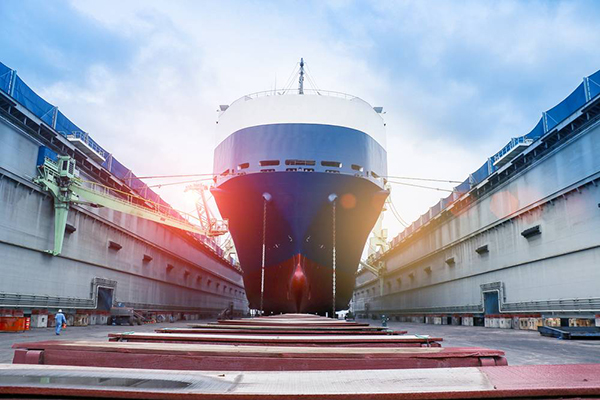
ISLAMABAD : Pakistan has started building its first commercial container ship since the early 1980s, an official said on Thursday, implementing a state-backed strategy to modernize the country’s ports, overhaul customs and revive its defunct shipbuilding and ship-recycling industries.
The project at the Karachi Shipyard & Engineering Works (KS&EW), executed under a contract with the state-run Pakistan National Shipping Corporation (PNSC), ends a four-decade pause in commercial manufacturing of ships. It serves as one of the key elements of a push by the Prime Minister’s Task Force on Maritime Reforms, established in August 2024, to tap into the country’s underutilized blue economy that officials estimate stands at $1billion.
“For the first time since the early ‘80s, commercial container ship construction has started there [Karachi Shipyard] under a contract signed with the PNSC,” Vice Admiral (retired) Iftikhar Ahmad Rao, the task force’s chairman, said during a press briefing.
“Construction has already begun, the steel cutting has been completed, and its cost is several million lower than the market rate.”
The task force identified 99 bottlenecks to maritime issues, Rao said, out of which the task force has implemented 84 of its recommendations within a year. Citing one of them, he said heavy fiscal barriers previously forced private Pakistani shipowners to register vessels with foreign countries such as Panama or Liberia.
To counter regional competitors such as India, which provides a 30 percent subsidy on shipbuilding, Pakistan has abolished a 22 percent domestic sales tax on vessel purchases and shipbuilding materials, Rao said.
The overarching goal of these reforms by the task force is to tap into an estimated $100 billion annual blue economy potential by 1947, he said.
Pakistani officials have said that while the maritime sector currently contributes less than 1 percent to the national GDP, the country aims to enhance this share through modernized ports and more fleets.
Officials have said that logistical upgrades brought about by the task force’s recommendations have already boosted Pakistan’s standing in the global maritime indexes. Over the past five years, Karachi Port Trust climbed 30 places to 69 in the World Bank’s Container Port Performance Index, while Port Qasim ranked fifth among the world’s fastest-improving container ports.
These recommendations include reducing average customs clearance times toward a 12-hour target by deploying advanced container scanners, introducing round-the-clock shift structures, and relocating third-party testing laboratories directly inside port premises.
Pakistan is also moving to revive its once-dominant shipbreaking sector at Gadani, a coastal town in southwestern Pakistan, Rao said. The shipbreaking industry collapsed after failing to meet modern environmental mandates.
Following Pakistan’s accession to the International Maritime Organization’s Hong Kong Convention for safe ship recycling, five local yards have achieved full compliance, the official said.
Commercial shipbuilding will allow Pakistan to save foreign exchange earnings that it usually spends on importing ships. This would also create manufacturing jobs and help the South Asian country potentially export ships to other countries in the future.