Home Blog Page 214

“K” LINE Daito Corporation to build Second Electric Tugboat

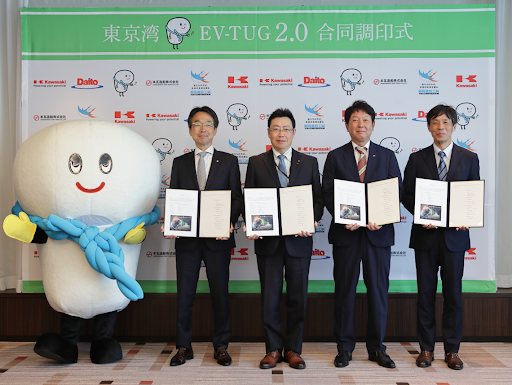
TOKYO: Daito Corporation (Daito), a consolidated subsidiary of Kawasaki Kisen Kaisha, Ltd. (“K” LINE), has decided to build a 260 gross ton-class electric tugboat (“EV Tugboat No. 2”). This will be Daito’s second electric tugboat, following the 199 gross ton-class electric tugboat currently under construction (“EV Tugboat No. 1”).*1 
 
EV Tugboat No. 2 will be a high-output vessel designed to accommodate a wide range of towage operations in Tokyo Bay. It is intended to be a standard model for future electric tugboats. The vessel will use a new DC power distribution system that efficiently supplies propulsion and onboard electrical power and be equipped with a 4,400 PS motor, whose output is higher than the 3,600 PS motor in EV Tugboat No. 1. In addition, EV Tugboat No. 2’s auxiliary generator, which will operate when battery capacity is insufficient, will be controlled by a condition monitoring system (CMS). Accumulated operational data will be utilized to optimize power supply and reduce the vessel’s use of fossil fuels. 
 
This initiative has also been selected to be included in the subsidized Innovative Navigation Efficiency and Transition to Non-Fossil Energy for Coastal Shipping program jointly administered by the Ministry of Economy, Trade and Industry and the Ministry of Land, Infrastructure, Transport and Tourism. It is expected that the initiative will contribute to environmental initiatives in Japan’s coastal shipping industry. 
 
EV Tugboat No. 2 will be constructed by HONGAWARA SHIP YARD CO.,LTD. with the cooperation of Kawasaki Heavy Industries, Ltd., which will provide and integrate the control and propulsion systems, and TOA CORPORATION, which will design and construct the shoreside charging equipment. Completion is scheduled for July 2028. Together with EV Tugboat No. 1, which will enter service earlier, the vessel will engage in towage operations for ships calling at Tokyo Bay ports and contribute to the development of carbon-neutral ports (CNP) *2. 
 
Under the Group’s long-term environmental policy, “K” LINE Environmental Vision 2050: Blue Seas for the Future,*3 the “K” LINE Group is advancing the research, development and implementation of environmental technologies. Going forward as well, the Group will continue to work together to promote initiatives to move toward the implementation of low-carbon and decarbonized operation.
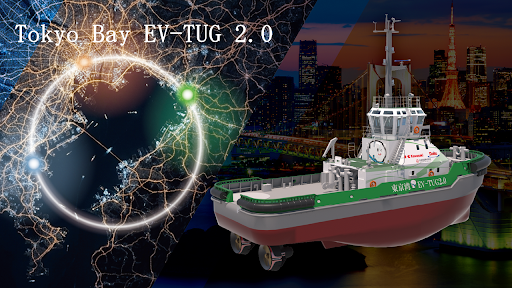
EV Tugboat No. 2 “K” LINE Daito Corporation to build Second Electric Tugboat

*1 See “K” LINE’s November 8, 2024 news release: Daito Corporation Has Decided to Build an Electric Tugboat
https://www.kline.co.jp/en/news/logistics/logistics-20241108.html

*2 Carbon Neutral Port (CNP) is an initiative of Japan’s Ministry of Land, Infrastructure, Transport and Tourism to achieve zero greenhouse gas (GHG) emissions generated in harbors and ports, through advancement of operations in harbors and ports that will further the progress of decarbonization.

*3 “K” LINE Environmental Vision 2050: Blue Seas for the Future is a set of long-term guidelines regarding the environment that was established in 2015 and revised in 2020. As part of our action plan to reduce GHG emissions, we are engaged in a number of initiatives, such as the introduction of zero-emission fuels such as ammonia and hydrogen fuels, and carbon-neutral fuels such as bio-LNG and synthetic fuels.
https://www.kline.co.jp/en/sustainability/environment/management.html
Mike Camara named President & CEO of Gulf of America Logistics (GoAL)

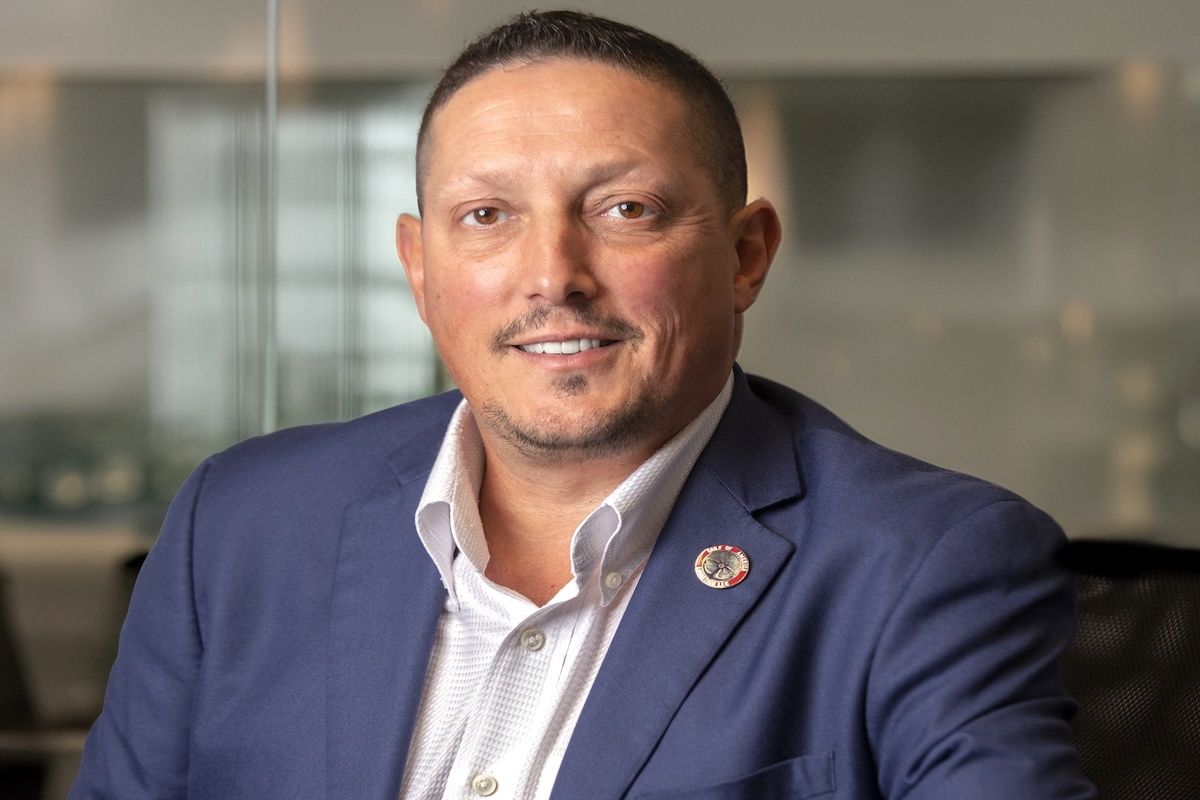
BOSSIER CITY: Mike Camara has been named Chief Executive Officer (CEO) of Gulf of America Logistics (GoAL), effective immediately, while continuing to serve as President of the company. Camara assumed the role of President of GoAL in February 2026 and has since led the company’s operations across the energy, power, industrial and data center sectors.
 
“We have built something truly special – the talent, the culture, and our operational foundation are all in place,” said Camara. “I’m proud to lead GoAL into this next chapter and grateful for the dedication of every person on this team.”
 

The appointment comes as Louisiana’s industrial sector continues to break records. The state has surpassed $100 billion in announced capital investment since January 2024, according to Louisiana Economic Development, driven by a wave of LNG, petrochemical, steel and data center projects – including Woodside Energy’s $17.5 billion Louisiana LNG facility in Calcasieu Parish.
 
With offices in Bossier City, Baton Rouge, Lafayette and Rayville, and port assets in Cameron Parish, GoAL is positioned to support that growth – and, as the company looks ahead, to extend its offer beyond Louisiana and the Gulf Coast.
 
Camara’s appointment follows a period of expansion for GoAL, including the May 2026 appointment of Jake Minner as Vice President of Operations – Specialized Transport and Trucking, and the opening of a Baton Rouge office to lead the company’s asset-based heavy-haul division.

About Gulf of America Logistics
Headquartered in Bossier City, Louisiana, Gulf of America Logistics (GoAL) is a 100% veteran- and Louisiana-owned logistics firm providing customized solutions for capital projects across the Gulf Coast. Specializing in heavy-haul transport, project cargo, barging, multimodal logistics, and LNG and petrochemical support, GoAL maintains offices in Bossier City, Baton Rouge, Lafayette, and Rayville, Louisiana. With port assets in Cameron Parish and a growing asset-based trucking network, GoAL is purpose-built to keep Louisiana’s infrastructure investment – and its economic benefits – at home.

Concordia Damen builds 2 new river cruisers for TUI River Cruise

FRANKFURT: Dutch specialised shipyard Concordia Damen is proud to announce it has received a contract from TUI River Cruise. The contract consists of 2 CDS River Cruise 135 vessels. These cruisers are of in-house design and have been tailored to TUI’s explicit wishes.
TUI River Cruises’ fleet is currently expanding from 6 to 10 ships, which will operate across Europe, the Rhine, Nile and the Douro. The two river cruisers that Concordia is constructing are designed specifically for the UK market.

In addition to the innovative hull shape, and many technological and sustainable features, these two newbuilds are constructed with methanol as a future fuel in mind. Each ship will contain 94 cabins for 188 guest capacity. Delivery is expected in 2028.

TUI River Cruises has also announced the signing of two new build ships for the next generation of river cruise ships at TUI Aria’s Christening in Frankfurt. The move signals TUI’s continued commitment to growing its River Cruise brand. The two new‑build vessels will grow TUI River Cruises’ fleet from six ships in 2026 to a programme that expands the fleet to 10 ships by 2028, operating across Europe, the Rhine, Nile and the Douro.

These two new build ships have been designed and built from the outset with the foundations in place for the next generation of alternative fuels, particularly methanol. Each ship will have 94 cabins, 188 guest capacity and will continue to define and set new standards for modern river cruising through fresh innovative features, high-quality interiors and a variety of spacious venues whilst keeping the TUI service at the heart of the river cruise product.

This represents a major step for TUI River Cruises, marking its move into two new‑build vessels for the next generation of its river cruise fleet. The investment underlines a clear phase of growth and expansion for the brand, with the new ships increasing the fleet from six vessels in 2026 to a programme that expands the fleet to 10 ships in by 2028, operating across Europe, the Rhine, Nile and the Douro.

The ships will be designed specifically for the UK market and will continue to include flexibility and choice in mind for their customers.

The river cruise line is continuing to deliver strong performances year on year with high customer satisfaction and growing occupancy levels. TUI Group is committing to building its river cruise business in response to rising consumer demand and desire for culturally rich experiences on the river waterways.

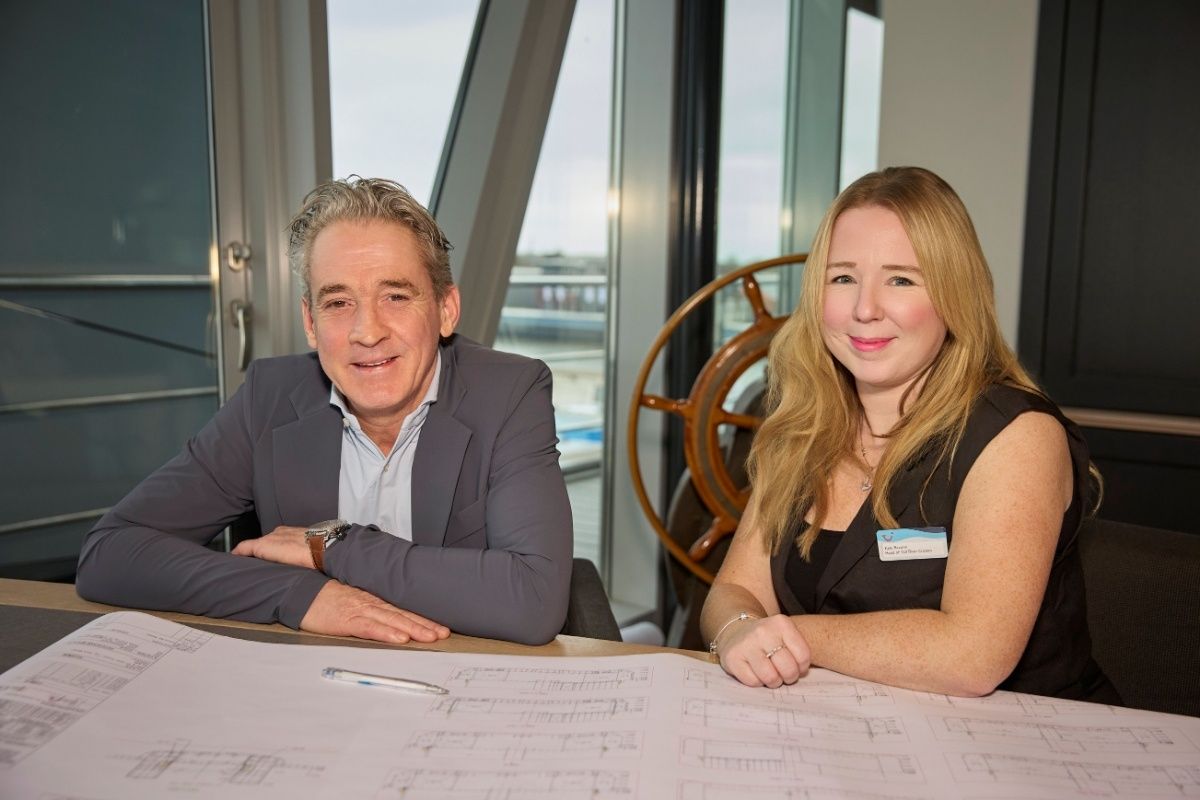
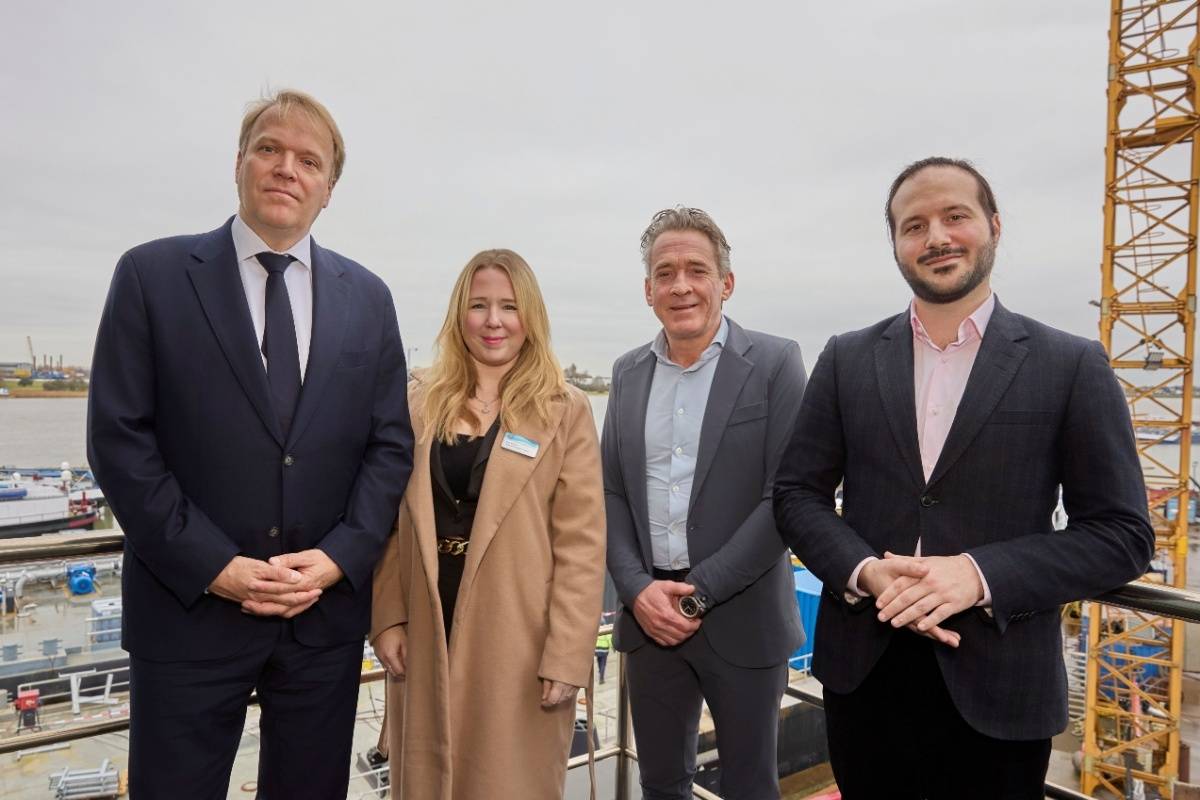
lCD MDChrisKornetrKatyBerzins HeadofTUIRiverCruises Concordia Damen builds 2 new river cruisers for TUI River Cruise

Katy Berzins, Head of River Cruises at TUI River Cruises said: “Announcing our new-build ships marks a major milestone for TUI River Cruises and signals our continued investment in the future of our fleet. These new ships, purpose-built for our customers, reflect our ambition for growth and our commitment to delivering an elevated, modern river cruising experience. They will embody the flexibility and choice TUI River Cruises represents in modern river cruising, allowing culturally immersive holidays to come to life on the river.

It has also been a pleasure to share this news at the same time as welcoming TUI Aria into operation—another important step in the evolution of our brand. We look forward to introducing guests to these new ships when they enter service in 2028, and to TUI Aria from Summer 2026.”

This announcement came off the back of TUI Aria’s Christening, the largest capacity refurbished ship to join the TUI River Cruises European fleet. The Christening took place on the river Rhine in Frankfurt where there were speeches from Head of River Cruises, Katy Berzins and Managing Director Expansion Businesses, Mircea Tudose. Celebrations for the Christening included a ceremonial breaking the bottle, the official naming of TUI Aria and the celebrations of the godparents – TUI Agent, Paula Burgess and Senior Commercial Manager, Mark Sage at TUI River Cruises. The night concluded with a live DJ set from Frankfurt’s DJ Duka, a seven-piece band B*Spoke and a saxophonist, Dima.

Lehmann Marine strengthens local presence in the Benelux and Norway with offices in Eindhoven and Trondheim

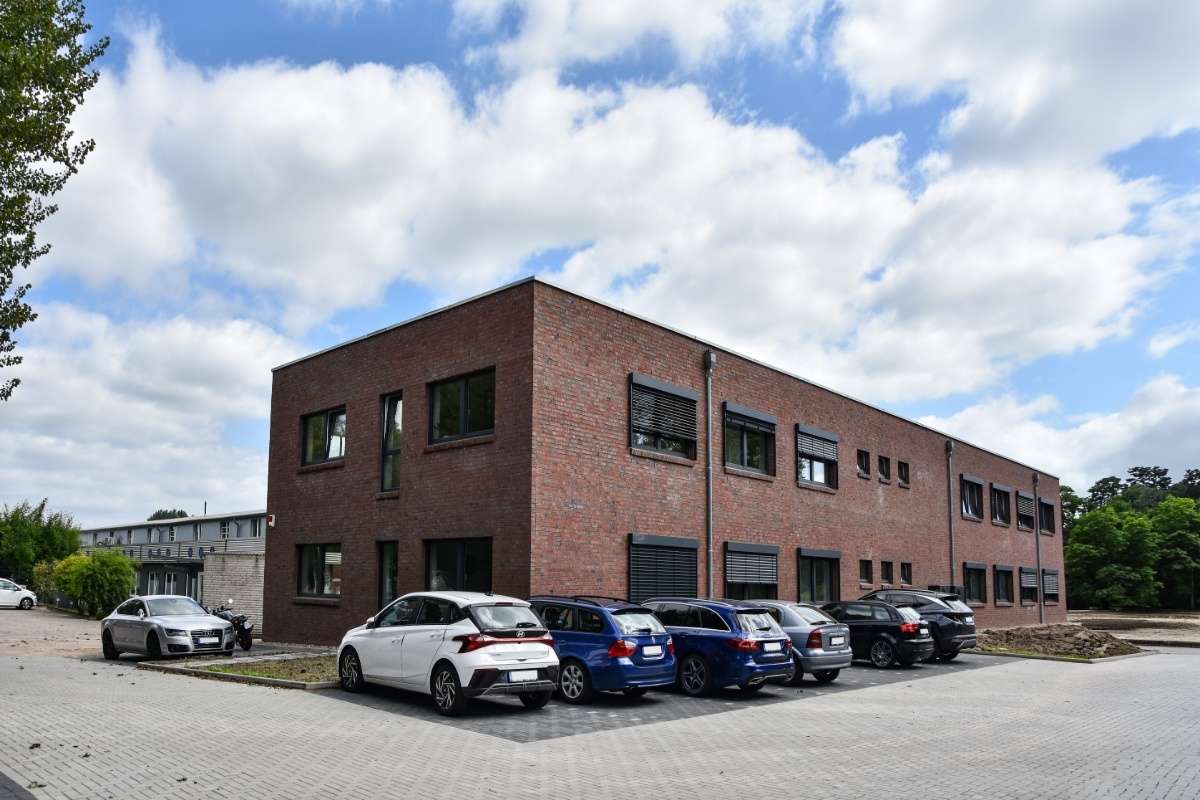
SEEVETAL-HITTFELD (GERMANY): Lehmann Marine is thrilled to present the new extension to its headquarters facility in Hittfeld, near Hamburg. The state-of-the-art office building is purposefully designed to reinforce their long-term commercial commitment to the region, secure additional capacity for long-term operational scaling, and accommodate immediate workforce expansion.

The investment lays a resilient foundation for their continued global business growth, directly supporting the delivery of an increasing number of pioneering commercial projects. Among them is a milestone contract to supply 3.8 MWh CUBE battery systems for three new fully electric HADAG passenger ferries operating in the Port of Hamburg. As one of Europe’s largest maritime hubs, the Port of Hamburg provides the ideal ecosystem for deploying next-generation energy solutions. Integrating advanced battery systems into this busy waterway network directly demonstrates how modern ports are driving the global transition toward zero-emission shipping.

The new infrastructure in Hittfeld addresses our key commercial and operational objectives:

Accommodating Rapid Scaling: The modern facility will house our rapidly expanding engineering, project management, and sales teams, ensuring that we remain agile as market demand for maritime electrification increases.

Future-Proofing Infrastructure: The building is strategically engineered with built-in physical capacity for future operational scaling, ensuring that we can seamlessly scale up production and project execution without encountering logistical bottlenecks.

Driving Collaborative Innovation & Product Portfolio Growth: The architectural layout features bright, modern, and open workspaces designed to break down departmental silos. By establishing an environment where diverse engineering, project management, and commercial teams can seamlessly interact, the facility encourages the cross-functional collaboration necessary to accelerate the development of zero-emission marine technology and strengthen the our competitive product portfolio.

”Our core expertise lies in developing flexible battery systems for demanding maritime applications,“ says Company’s Managing Director, Alexander Lehmann. ”By investing in a new headquarters building designed to support our future growth, we are reinforcing our long-term commitment to the Hittfeld region. This expansion allows us to create new employment opportunities and drive substantial economic growth for the local business community as we work together toward zero-emission shipping.“

PM Modi meets Australian PM Albanese in Melbourne; attends Australia-India CEOs Forum

MELBOURNE: Prime Minister Shri Narendra Modi on Thursday met his Australian Prime Minister Anthony Albanese, in Melbourne during the second leg of his three-nation visit to Indonesia, Australia and New Zealand.

The meeting comes after Prime Minister Modi arrived in Australia on Wednesday and was accorded a grand welcome by the Indian community, marked by cultural performances showcasing the shared heritage between the two countries.

One of the highlights of the welcome was a performance by the Australian-India Orchestra, which presented Maa Tujhe Salaam.

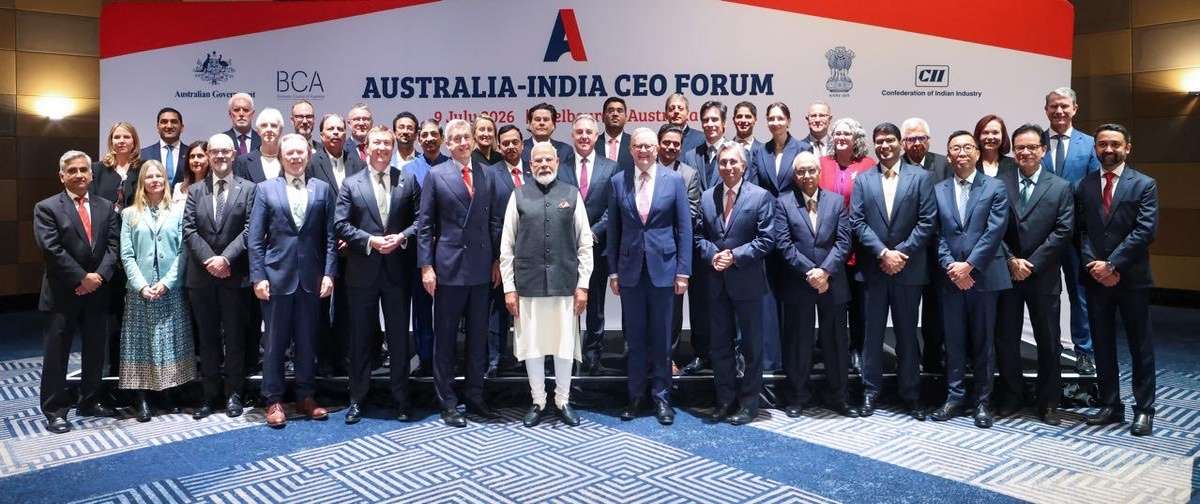
Strengthening economic and investment partnerships Prime Minister Shri Narendra Modi and the Australian Prime Minister Anthony Albanese addressed the Australia-India CEOs Forum in Melbourne. PM highlighted India’s strong economic growth, reform-driven business environment, and expanding innovation ecosystem. He invited Australian businesses to partner in India’s growth story across sectors including manufacturing, clean energy, critical minerals, AI, fintech, infrastructure and the digital economy, noting that India’s scale and Australia’s expertise make for a win-win partnership.

Addressing business leaders, PM Modi underscored the impact of the India-Australia Economic Cooperation and Trade Agreement (ECTA) on bilateral economic relations.

“The ECTA (Economic Cooperation and Trade Agreement) agreement, concluded in record time in 2022, has further strengthened our economic ties; since its implementation, exports from India to Australia have doubled, and businesses in both countries have benefited from new market access,” PM Modi said.

He added, “The world is currently navigating a period marked by uncertainty, supply chain disruptions, and an energy crisis. In such times, it is both natural and essential for India and Australia to move forward as natural and trusted partners.”

In terms of the impact of the visit on the future of economic ties, he said, “We signed the ECTA, the Economic Cooperation and Trade Agreement, in 2022. Since then, our bilateral trade has gone up by 25%. It’s crossed almost 50 billion; it’s about 54 billion Australian dollars. But it’s way below the potential given the size and dynamism of both our economies. We are negotiating a Comprehensive Economic Cooperation Agreement which is a very complicated kind of agreement which is being negotiated. We haven’t finished it yet, but there will be some progress and hopefully, sooner rather than later, we’ll conclude. But this visit will be more about reviewing where we are in terms of our trade and investment relationship and the CECA, as it’s called, will open up many vistas for both countries in terms of a very deep partnership in the economic and commercial front.”

Earlier, Indian High Commissioner to Australia Nagesh Singh said the Australian visit by the Prime Minister will see several outcomes emerge during his meetings with Australian PM Albanese.

Prime Minister Modi arrived in Australia after concluding his visit to Indonesia, the first leg of his three-nation tour.

During his three-day visit, Modi and Albanese are expected to hold wide-ranging discussions on strengthening cooperation in defence and security, trade and investment, education, mobility and people-to-people ties.

In his departure statement before the visit, PM Modi had said the Australia visit would also provide an opportunity to deepen bilateral cooperation in emerging and critical technologies, sports and sports science.

After concluding his engagements in Australia, the Prime Minister will travel to New Zealand, the final leg of his three-nation tour.

JNPA registers strong double-digit growth in Q1 FY 2026-27, handles 2.25 million TEUs

MUMBAI : Jawaharlal Nehru Port Authority (JNPA) has commenced FY 2026-27 on a strong note, recording robust growth in both container throughput and overall cargo handling during the first quarter of the financial year.

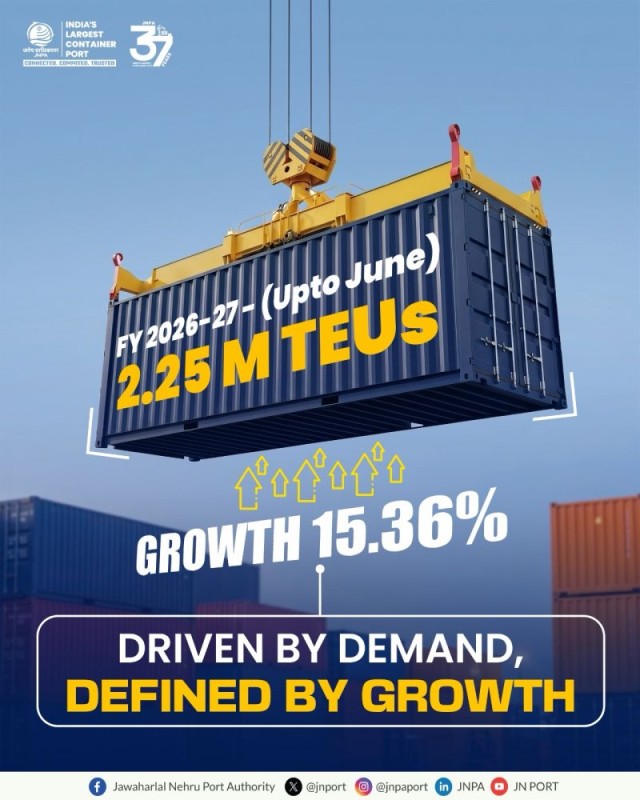
During the April–June 2026 period, JNPA handled 2.25 million TEUs, registering a 15.36% year-on-year growth, while total cargo throughput reached 27.84 million tonnes, reflecting a 15.04% increase compared with the corresponding period of the previous financial year.

The strong performance highlights JNPA’s sustained operational excellence, enhanced terminal productivity, and its growing role as India’s premier gateway for international trade. The continued increase in cargo volumes underscores the confidence of global shipping lines, exporters, importers, and logistics stakeholders in the port’s efficient infrastructure and world-class services.

The growth has been driven by improved vessel turnaround, seamless multimodal connectivity, streamlined cargo evacuation through road and rail networks, and sustained capacity enhancements across the port ecosystem. JNPA’s strategic focus on digitalisation, process optimisation, and infrastructure development continues to strengthen supply chain resilience while supporting the growing demands of India’s EXIM trade.

As India’s largest container port, JNPA remains at the forefront of the country’s maritime logistics transformation, playing a pivotal role in improving trade competitiveness and facilitating faster, more efficient movement of cargo. The port continues to support the Government of India’s vision of developing world-class port infrastructure under initiatives such as PM Gati Shakti and Maritime Amrit Kaal Vision 2047.

Building on this strong start to the financial year, JNPA is well positioned to sustain its growth momentum through continued investments in capacity expansion, smart port technologies, and enhanced multimodal connectivity, further reinforcing its status as a key driver of India’s economic growth and global trade.

AP woos Korean Maritime Industry for ₹30,000 crore Dugarajapatnam Shipbuilding Cluster

BUSAN : Andhra Pradesh has reached out to South Korea‘s maritime industry, inviting leading marine equipment manufacturers to become partners in the development of the proposed ₹30,000 crore Dugarajapatnam Shipbuilding Cluster, a project expected to play a pivotal role in strengthening India’s shipbuilding and maritime manufacturing capabilities.

The invitation was extended by Andhra Pradesh Minister for Education, Information Technology and Electronics Nara Lokesh during a maritime investment roundtable hosted by the Korea Marine Equipment Association (KOMEA) in Busan.

Highlighting Andhra Pradesh’s strategic maritime advantages, Lokesh said the State’s 1,053-km coastline, modernising ports, robust industrial base and investor-friendly policies provide an ideal platform for establishing globally competitive maritime manufacturing facilities.

He called upon Korean marine equipment manufacturers to participate in the Dugarajapatnam Shipbuilding Cluster, which is being jointly developed by the Andhra Pradesh Maritime Board (APMB) and the Visakhapatnam Port Authority. The integrated maritime hub is envisioned to attract shipbuilders, marine equipment manufacturers, component suppliers, technology providers and ancillary industries, creating a comprehensive ecosystem for the shipbuilding sector.

To deepen long-term cooperation, Lokesh proposed a strategic partnership between KOMEA and APMB for setting up a Korea Marine Equipment Desk, an India Ship Technology Centre, joint skill development programmes and collaborative research and innovation initiatives. The proposed collaboration aims to facilitate technology exchange, strengthen industry-academia partnerships and support the growth of a globally competitive maritime manufacturing ecosystem in Andhra Pradesh.

The initiative forms part of Andhra Pradesh’s broader strategy to attract international investment into high-value manufacturing sectors while supporting India’s ambition of emerging as a global centre for shipbuilding, ship repair and marine engineering.

Beyond the maritime sector, the State also intensified its engagement with South Korean manufacturers in the footwear industry.

During discussions with executives of Hwaseung Group, Lokesh welcomed the company’s proposed ₹900 crore greenfield non-leather footwear manufacturing facility at Kuppam and invited it to broaden its investment footprint by establishing footwear component and raw material manufacturing units, a next-generation athletic footwear research and development centre, an Asia-Pacific Innovation Centre and a larger integrated manufacturing cluster in the region.

Heo Seong Ryon, Chief Executive Officer of Hwaseung Corporation’s Affiliated Business, said the Kuppam facility is planned to manufacture nearly 20 million pairs of sports shoes annually for global brands, including Adidas. He noted that production will initially focus on export markets before catering to domestic demand, while confirming that the company would examine the State’s proposals for additional investments.

Boo Young Group also expressed interest in exploring investment opportunities in Andhra Pradesh’s footwear and component manufacturing sector.

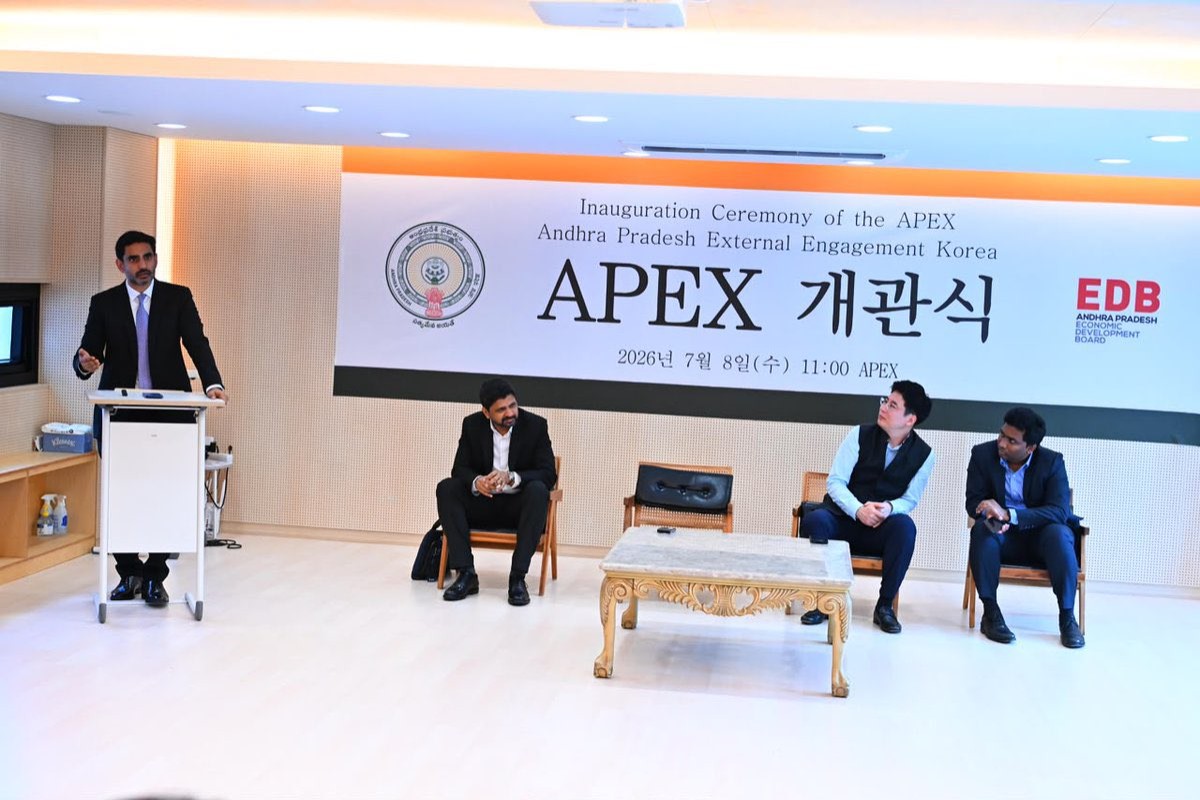
As part of its efforts to establish a stronger international investment network, the Andhra Pradesh Economic Development Board (APEDB) inaugurated APEX Korea in Busan, the State’s first overseas investment facilitation and outreach centre. The centre will serve as a dedicated interface for Korean businesses by supporting new investments, facilitating project implementation and providing continued assistance to existing investors.

Lokesh also met representatives of BNK Financial Group and invited the institution to explore opportunities across Andhra Pradesh’s infrastructure, financial services and innovation sectors, while encouraging it to connect global investors with projects being developed in the State.

The visit underscores Andhra Pradesh’s proactive approach to building international partnerships and attracting strategic investments across maritime, manufacturing and industrial sectors, reinforcing the State’s position as an emerging destination for global businesses.

India and Israel sign Joint Action Plan for AEO Mutual Recognition Arrangement

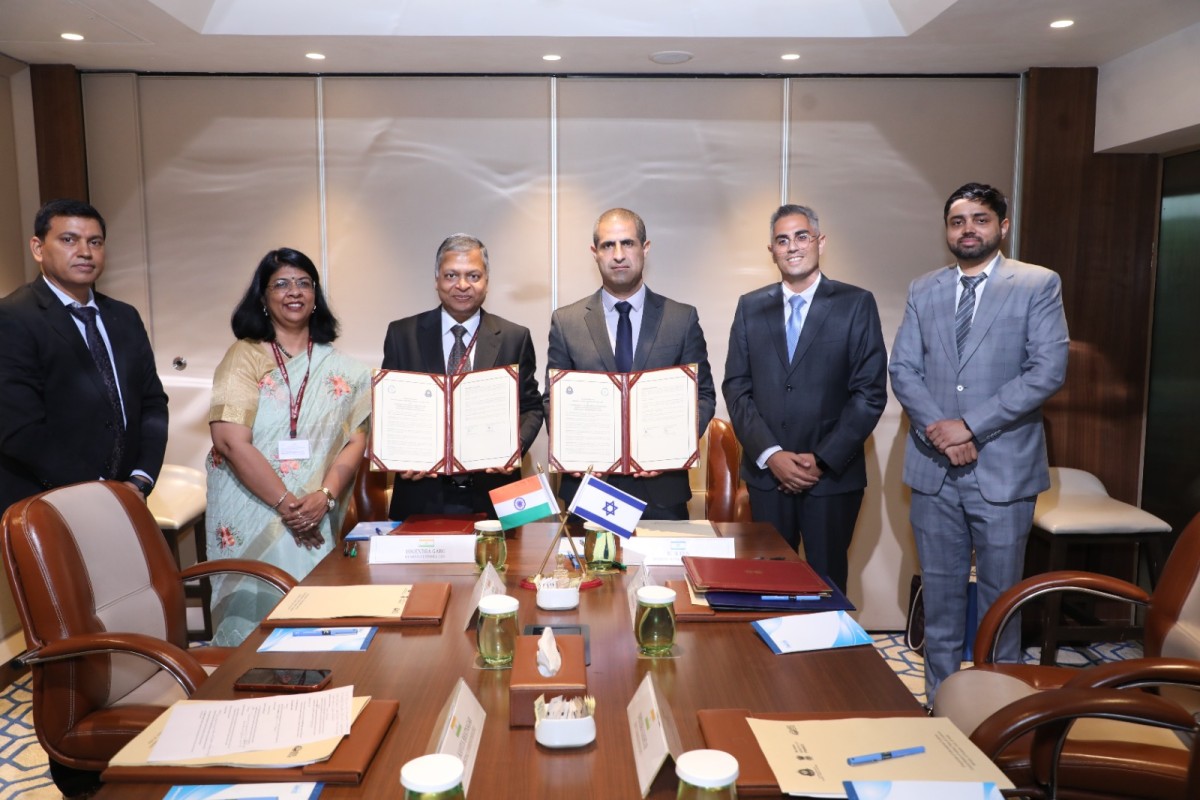
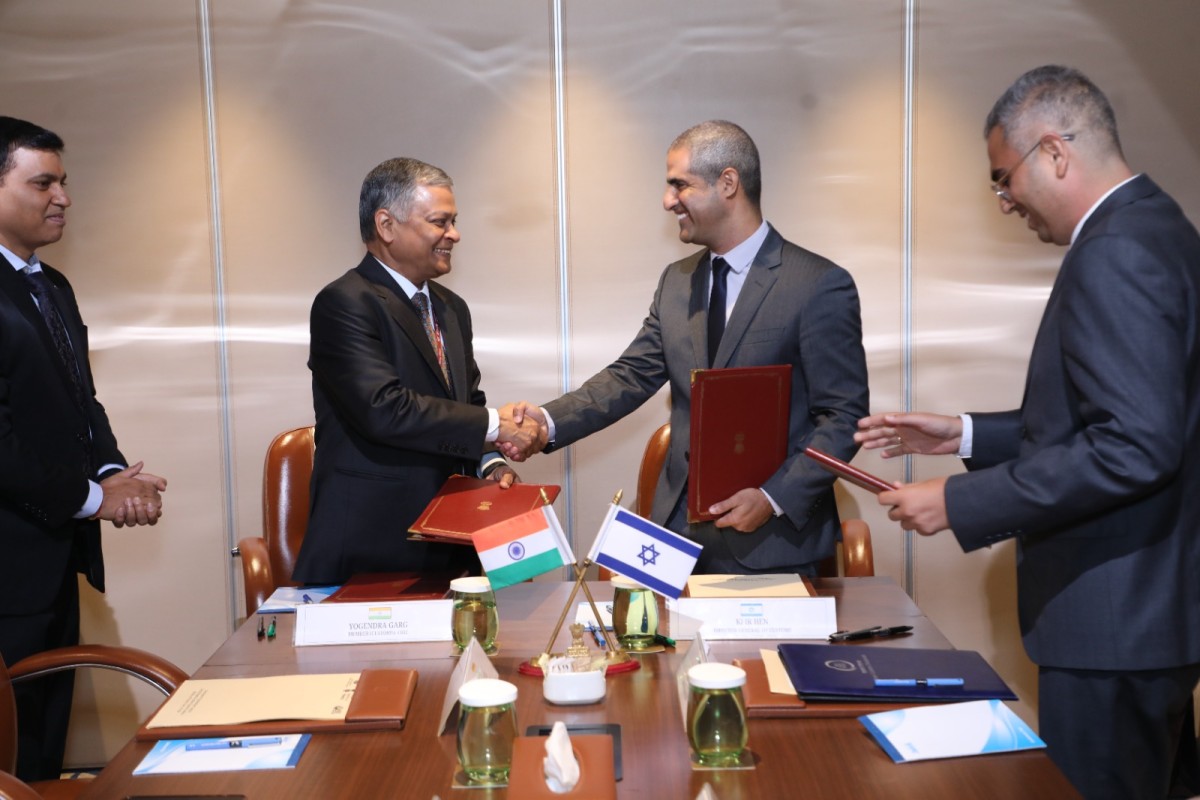
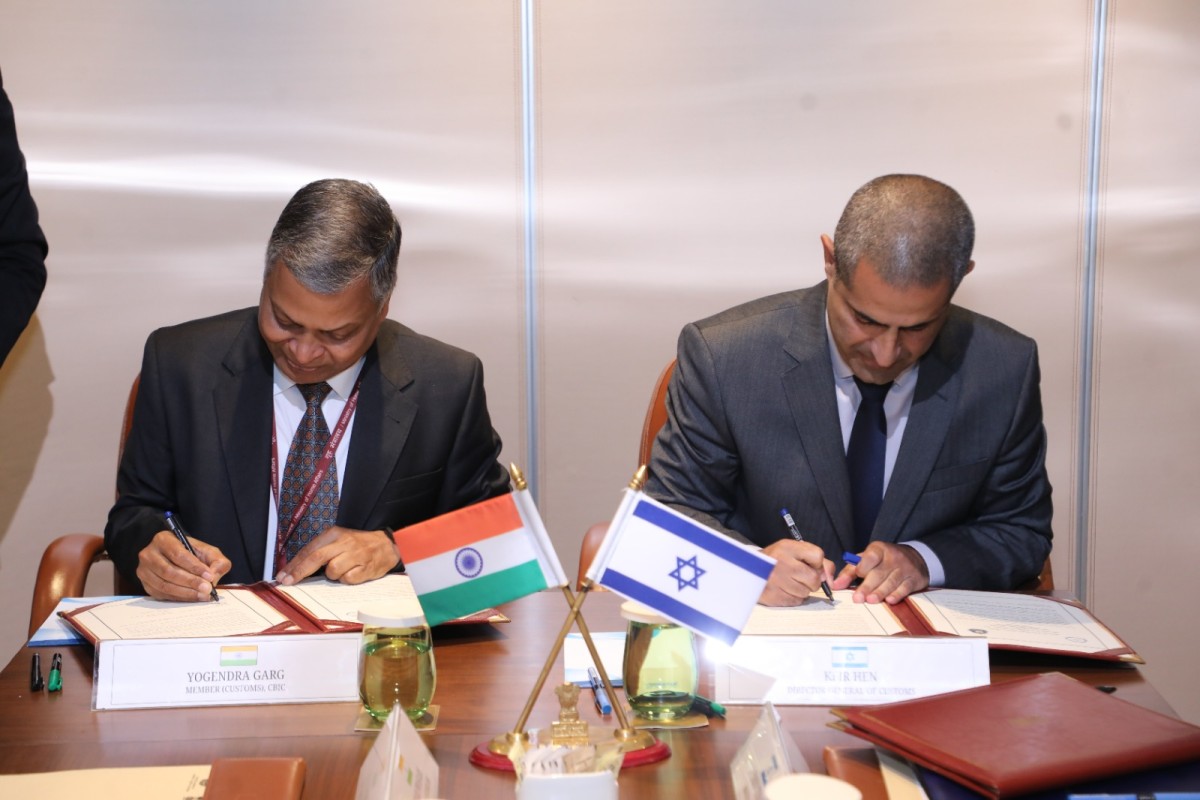
NEW DELHI : India and Israel have taken a significant step towards strengthening bilateral trade facilitation and secure cross-border commerce by signing a Joint Action Plan for the phased negotiation of an Authorised Economic Operator Mutual Recognition Arrangement (AEO-MRA).

The Joint Action Plan was signed on July 8, 2026, by Sh. Yogendra Garg, Special Secretary to the Government of India and Member (Customs), Central Board of Indirect Taxes and Customs (CBIC), and Mr. Kfir Hen, Director General of Customs, Israel.

The agreement establishes a structured roadmap for negotiating an AEO Mutual Recognition Arrangement between the customs administrations of the two countries. Once concluded, the arrangement will enable reciprocal recognition of each country’s Authorised Economic Operator (AEO) programmes, allowing certified businesses to benefit from simplified customs procedures and enhanced trade facilitation.

The proposed AEO-MRA is expected to strengthen supply chain security, reduce non-tariff barriers, improve customs cooperation, and facilitate faster and more predictable movement of goods between India and Israel. It will also enhance trust between customs administrations by recognising equivalent supply chain security standards and compliance practices.

Under the proposed arrangement, eligible AEO-certified exporters, importers and logistics operators are expected to benefit from reduced customs inspections, faster cargo clearance, lower compliance costs, priority treatment at ports and border checkpoints, and improved predictability in international trade operations.

The initiative is expected to particularly benefit sectors with growing bilateral trade, including engineering goods, electronics, chemicals, pharmaceuticals, gems and jewellery, agriculture, defence manufacturing and high-technology industries.

The Joint Action Plan also provides a framework for continued technical engagement between the customs authorities of both countries through information exchange, consultations, capacity building and alignment of operational procedures, paving the way for the formal conclusion of the Mutual Recognition Arrangement.

The development reflects the shared commitment of India and Israel to strengthening resilient and secure global supply chains while enhancing ease of doing business and promoting trusted trade. It also complements the broader economic and strategic partnership between the two countries by facilitating greater efficiency in customs administration and international logistics.

India’s Authorised Economic Operator programme, administered by the Central Board of Indirect Taxes and Customs (CBIC), is aligned with the World Customs Organization‘s SAFE Framework of Standards and is designed to promote secure and compliant international trade through risk-based customs facilitation.

Once operational, the India–Israel AEO Mutual Recognition Arrangement is expected to boost bilateral trade, improve logistics efficiency, enhance competitiveness for trusted businesses, and further deepen customs cooperation between the two countries.

NICDC’s logistics arm NLDSL and Govt of Punjab sign MoU to strengthen digital logistics ecosystem

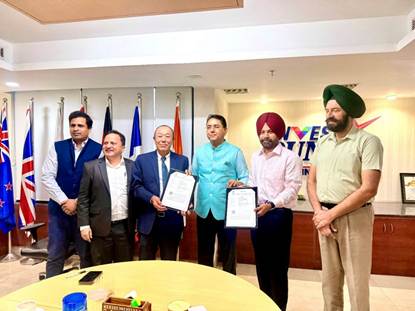
NEW DELHI : NICDC Logistics Data Services Limited (NLDSL) and the Directorate of Industries & Commerce, Government of Punjab, signed a Memorandum of Understanding (MoU) on July 7, 2026, to support the digital transformation of Punjab’s logistics ecosystem through the Unified Logistics Interface Platform (ULIP).

The collaboration aims to enhance logistics visibility, improve operational efficiency, strengthen inter-departmental coordination and enable data-driven decision-making through the seamless exchange of real-time logistics data. The initiative is expected to benefit industries, MSMEs, exporters and other logistics stakeholders across the State.

Through this partnership, NLDSL will support the Government of Punjab in developing a digitally connected logistics ecosystem by enabling seamless data exchange across departments through ULIP. The initiative is expected to improve transparency, facilitate faster policy and operational decision-making, enhance logistics efficiency and strengthen Punjab’s competitiveness as a manufacturing, agricultural and export hub.

ULIP serves as a unified digital gateway for logistics-related data from multiple government systems through API-based integration. The platform currently integrates 46 systems across 12 Central Ministries and Departments through 142 APIs, covering more than 2,000 data fields. It has enabled the development of over 260 applications and facilitated more than 450 crore API transactions, demonstrating its scale, reliability and robustness.

Following the signing of the MoU, an interactive ULIP workshop was organised for senior officials from key State departments, including Transport, Warehousing, Food, Civil Supplies & Consumer Affairs, Public Works Department, Civil Aviation and other stakeholders. The workshop focused on identifying State-specific use cases for ULIP to address logistics challenges, improve supply chain visibility and support ease of doing business in Punjab.

During the workshop, NLDSL showcased its key digital platforms, including the Logistics Data Bank (LDB), Koyla Shakti – Smart Coal Analytics Dashboard, Track Your Transport (TYT), Transport Management System (TMS) and Logistics e-Marketplace (LeMP). The platforms demonstrated how integrated logistics data can support asset tracking, operational planning, inter-agency coordination and evidence-based decision-making.

The MoU was signed in the presence of Minister of Industries & Commerce, Government of Punjab, Shri Aman Arora. The agreement was signed by Chief Executive Officer, NLDSL, Shri Takayuki Kano, and Director, Industries & Commerce, Government of Punjab, Shri Jaspreet Singh, IAS, in the presence of Administrative Secretary, Industries & Commerce, Government of Punjab, Shri Gurkirat Kirpal Singh, IAS.

The initiative is being implemented under the guidance of Chief Executive Officer and Managing Director, National Industrial Corridor Development Corporation (NICDC), and Chairman, NLDSL, Shri Rajat Kumar Saini, IAS, with the objective of strengthening logistics efficiency through digital integration and collaborative governance.

NICDC is spearheading India’s industrial transformation through the development of Greenfield Industrial Smart Cities and integrated plug-and-play infrastructure with essential utilities at the plot level. Building on the success of 20 industrial smart cities, NICDC has been entrusted with implementing the Bharat Audyogik Vikas Yojana (BHAVYA), which envisages the development of 100 investment-ready, plug-and-play industrial parks across the country with an outlay of ₹33,660 crore. NICDC is also implementing key national initiatives, including PM MITRA Mega Textile Parks and the India Industrial Land Bank (IILB).

DFCCIL engages industry stakeholders for proposed EWDFC

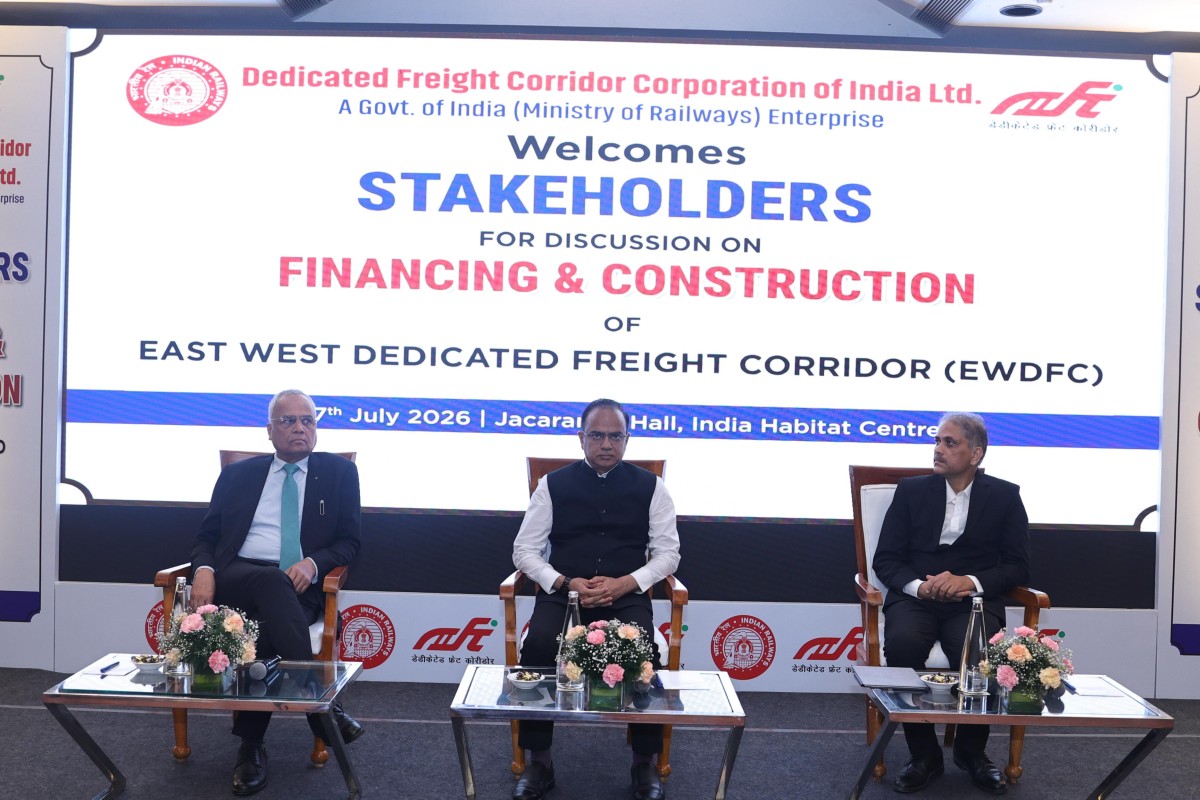
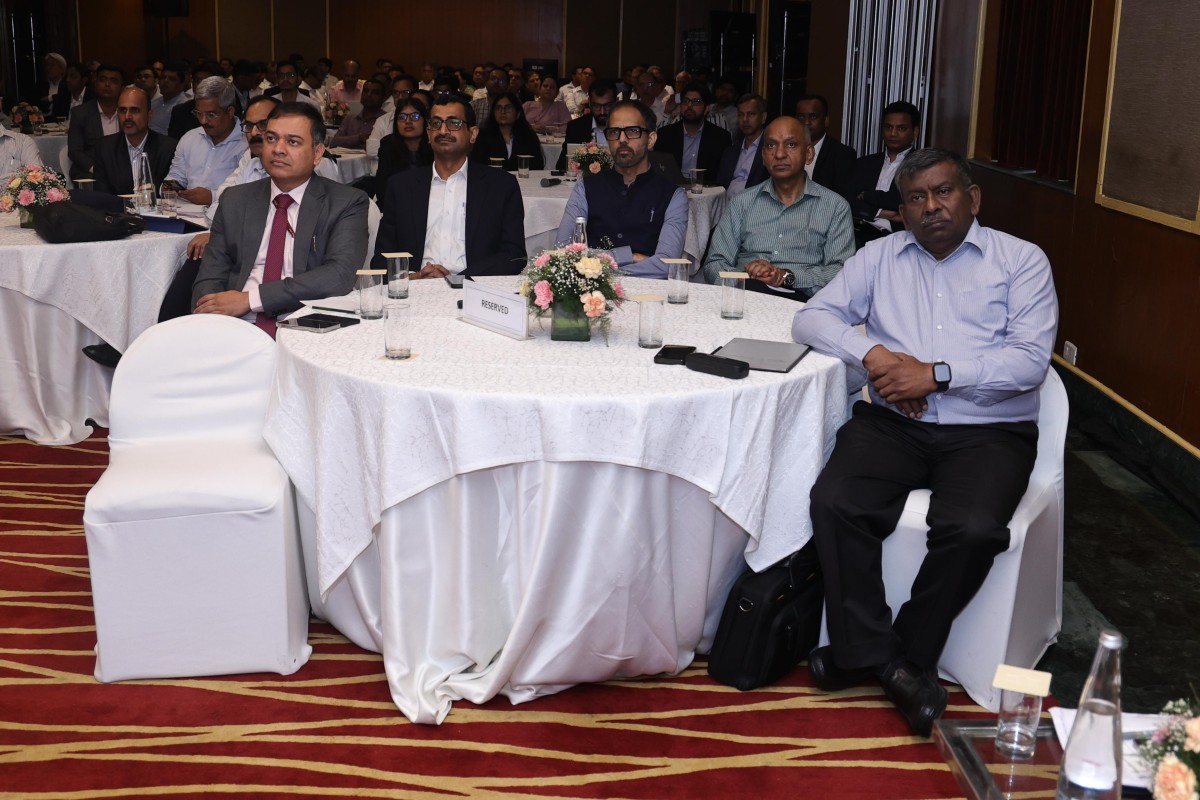
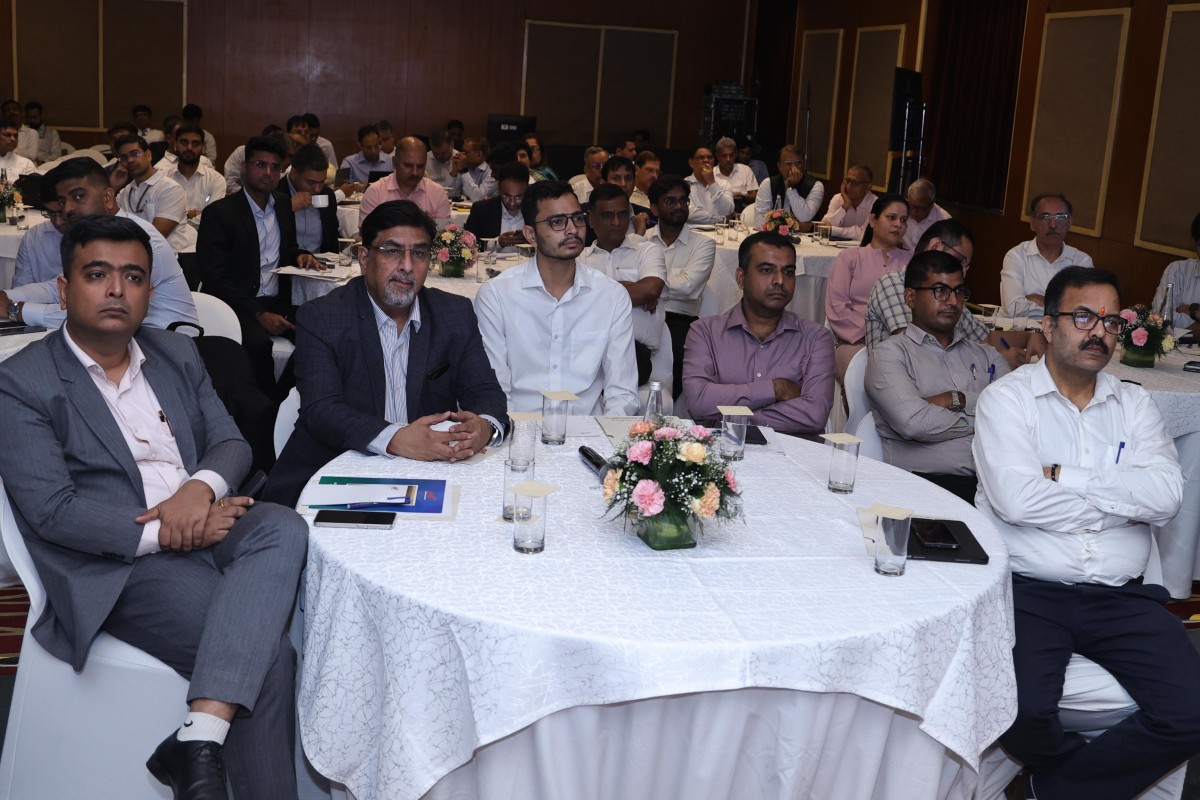
NEW DELHI : The Dedicated Freight Corridor Corporation of India Limited (DFCCIL) has taken a significant step towards the development of the proposed East–West Dedicated Freight Corridor (EWDFC) by organising a high-level Stakeholder Conference here in New Delhi, bringing together leading infrastructure developers, financial institutions, logistics companies, investors and multilateral agencies to discuss the project’s implementation and financing framework.

Held at the India Habitat Centre on July 7, the conference focused on building a collaborative roadmap for the execution of the proposed 2,316-km freight corridor connecting Surat in Gujarat with Dankuni in West Bengal, one of India’s largest planned railway freight infrastructure projects.

DFCCIL engages industry stakeholders for proposed EWDFC

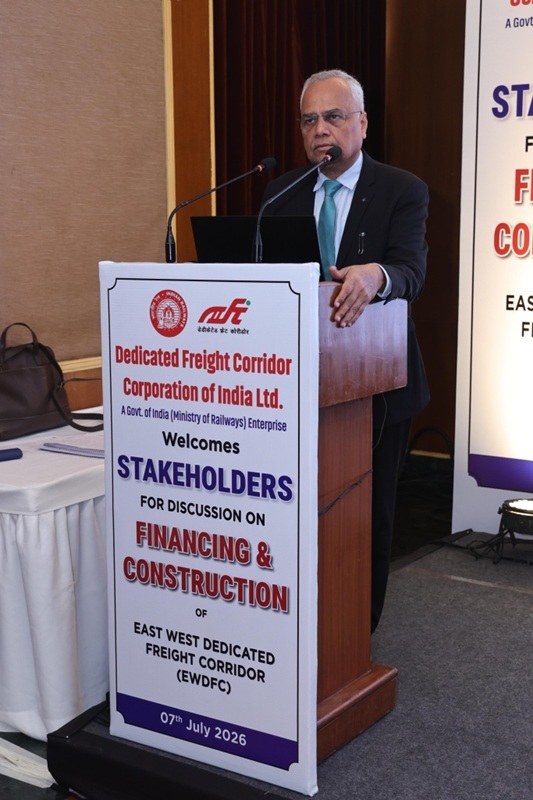
The conference was chaired by DFCCIL Managing Director Praveen Kumar and attended by senior officials from the Railway Board and DFCCIL.

A major highlight of the discussions was the proposed implementation of the corridor under the Hybrid Annuity Model (HAM), aimed at encouraging greater private sector participation while ensuring balanced risk sharing and sustainable project financing.

Stakeholders deliberated on key aspects of the project, including financing mechanisms, construction strategy, implementation timelines, risk allocation and opportunities for public-private collaboration. Interactive sessions enabled participants to offer suggestions, seek clarifications and contribute to the project’s execution strategy.

The event witnessed participation from several of India’s leading infrastructure developers and EPC contractors, including Larsen & Toubro, Afcons Infrastructure, Tata Projects, IRCON International, Rail Vikas Nigam Limited (RVNL), RITES Ltd., G R Infraprojects, Ashoka Buildcon, Megha Engineering & Infrastructures Limited (MEIL), Hindustan Construction Company (HCC), Kalpataru Projects International, KEC International, GPT Infraprojects, Dineshchandra R. Agrawal Infracon Pvt. Ltd. (DRAIPL), GMR Group and Hindalco Industries.

Leading logistics and supply chain companies such as Container Corporation of India (CONCOR), Adani Road Transport Ltd. and DP World also participated in the deliberations.

The conference also drew strong interest from domestic and international financial institutions and development finance agencies, reflecting growing investor confidence in India’s expanding freight infrastructure programme.

Among the key financial participants were the Japan International Cooperation Agency (JICA), World Bank, MUFG Bank, State Bank of India, HDFC Bank, ICICI Bank, Axis Bank, Bank of Baroda, Canara Bank, Union Bank of India, Indian Railway Finance Corporation (IRFC), Power Finance Corporation (PFC), REC Limited, National Bank for Financing Infrastructure and Development (NaBFID), International Finance Corporation (IFC), New Development Bank (NDB) and YES Bank.

Infrastructure investment firms and advisory organisations, including NIIF, CDPQ India, Morgan Stanley Investment Management, EY, PwC, CRISIL, CARE Ratings and ICRA, also took part in the discussions.

The proposed East–West Dedicated Freight Corridor will traverse six states over approximately 2,316 kilometres, linking western and eastern India through a high-capacity freight rail network. The corridor is expected to substantially enhance freight transportation capacity, improve multimodal connectivity, reduce logistics costs and transit time, strengthen supply chain efficiency, and support industrial and manufacturing growth across the country.

Addressing the conference, Praveen Kumar, Managing Director, DFCCIL, reaffirmed the organisation’s commitment to delivering the ambitious project through collaborative stakeholder engagement, innovative financing models and efficient execution. He also appreciated the efforts of DFCCIL’s finance and project teams for successfully organising the stakeholder consultation and emphasised the importance of continued industry participation in taking the project forward.

The East–West Dedicated Freight Corridor is expected to become one of India’s flagship next-generation freight railway projects, reinforcing the country’s vision of developing world-class logistics infrastructure and improving national freight mobility.