CHANDIGARH : Following an audit by Australian biosecurity authorities, which operate one of the world’s strictest import control systems, the Australian Government has suspended the licences of 44 service providers, including five from Haryana and three from Punjab. The action affects around 60 per cent of Indian fumigation agencies approved to certify consignments bound for Australia, potentially disrupting shipments.
More than 100 containers of basmati rice, valued at around Rs 200 crore, are likely to be affected by the suspension.
Exporters clarified that Australia has not imposed any ban on Indian basmati rice imports. The action is limited to the suspension of certain fumigation service providers and does not raise concerns over the quality or safety of basmati rice.
India’s exports to Australia in the last fiscal year were valued at around $520 million, with basmati rice accounting for the largest share at $79 million, followed by miscellaneous processed items at $75 million and spices at $73 million.
According to Indian Government data, 72,422 MT of basmati rice worth Rs 734.87 crore was exported to Australia between June 2025 and May 2026. This was higher than the 60,177 MT worth Rs 607.23 crore exported during the corresponding period between June 2024 and May 2025.
Sources said Australian auditors observed instances where documentation indicated that some consignments had been packed before the recorded fumigation date, raising concerns over the integrity of the treatment chain. Authorities maintain that unless the entire post-treatment handling process is fully verifiable, the risk of re-infestation cannot be ruled out.
The action follows an Australian biosecurity audit conducted under the country’s stringent Biosecurity Act 2015, regarded as one of the world’s toughest import control regimes. Besides product quality, Australian authorities examine fumigation procedures, certification records, packaging, traceability and the integrity of the entire supply chain before allowing agricultural products into the country.
According to a communication from the Australian Department of Agriculture, Fisheries and Forestry, Canberra has in recent years shifted from document-based approvals towards continuous compliance monitoring and surprise audits.
Exporters said the decision could result in higher logistics costs, mandatory re-fumigation of consignments on arrival, shipment delays and additional compliance requirements, despite their adherence to existing export protocols. They may also have to bear additional re-fumigation costs ranging between USD 700 and USD 1,200 per container, depending on Australian quarantine requirements.
Ranjit Singh Jossan, Vice-President of the Basmati Rice Millers and Exporters Association, said the Australian action reflected shortcomings in the fumigation certification system rather than any lapse by exporters.
“Punjab’s basmati exporters depend on government-approved fumigation agencies authorised to certify shipments for Australia. Exporters have complied with the prescribed procedures, yet they have become unintended victims of regulatory action arising from compliance deficiencies in the certification process,” he said.
“Over 100 containers of basmati rice are likely to be affected by this suspension. If one container of basmati rice is valued at $22,000, consignments worth around Rs 200 crore are at risk of either being rejected or undergoing costly re-fumigation,” Jossan added.
He said India is the world’s largest exporter of rice, with basmati accounting for a significant share of its high-value agricultural exports. Although Australia is not the largest destination for Indian basmati, it remains a premium market with stringent biosecurity standards, rigorous regulatory requirements and relatively better price realisations.
“Consequently, any suspension of export-related approvals or enhanced inspection measures in Australia has implications that extend beyond that market and could potentially influence the risk perception of other developed importing countries,” Jossan said.
He said the rationale behind the decision lay in Australia’s Biosecurity Act 2015, which aims to protect the country’s agriculture, livestock, forests and biodiversity from invasive pests, diseases and other biosecurity threats.
“Australian regulations require not only that fumigation is carried out correctly, but also that every stage of the process, including treatment timing, gas concentration, temperature, exposure period, documentation and post-treatment handling, is fully recorded and compliant with prescribed standards,” Jossan said.
He added that Australia operates the Australian Fumigation Accreditation Scheme, under which overseas fumigation agencies must undergo technical evaluations, training and regular compliance audits before being authorised to certify export consignments. Accreditation remains subject to continuous monitoring and can be suspended if compliance concerns arise.
Industry representatives said the development highlighted the need to strengthen India’s fumigation compliance and certification framework in line with international biosecurity standards.
MUMBAI : India’s restrictions on silver imports have created shortages in the world’s biggest market for the precious metal, pushing premiums to their highest levels in six months despite weaker-than-usual demand. Lower imports by India, which meets more than 80% of its silver demand through overseas purchases, could weigh on global prices , while helping narrow the country’s trade deficit and ease pressure on its rupee currency.
“Silver imports have nearly come to a halt, creating a shortage in the Indian market,” said Chirag Thakkar, Chief Executive of Amrapali Group Gujarat, a leading silver importer. “As a result, silver is trading at a significant premium to global prices.”
Silver premiums over official domestic prices surged to $6.5 per ounce this week, or more than 10% above benchmark prices, compared with discounts of as much as $5.5 an ounce in May, dealers said.
IMPORT CURBS AIM TO EASE PRESSURE ON FOREX RESERVES India in mid-May restricted imports of silver in nearly all forms with immediate effect. In June, it further tightened the rules by adding silver grain and powder to the restricted category and requiring prior import authorisation. Silver imports fell to 46.8 metric tons in May from 534.3 tons a year earlier, according to trade ministry data. India’s silver imports fell further in June from May, said Thakkar.
India has been trying in recent months to curb precious metals imports to ease pressure on its foreign exchange reserves and support the rupee. As part of those efforts, the government has raised import duties on gold and silver to 15% from 6%. After India raised import duties in May, many investors booked profits and exited silver exchange-traded funds (ETFs), said a Mumbai-based bullion dealer with a private bank. “That released metal into the domestic market, so there wasn’t an immediate shortage despite the tighter import rules. But now those supplies have dried up, and the market is feeling the pinch,” the dealer said. Silver demand in India comes from jewellery, coins, bars and industrial applications such as solar panels and electronics. In the past year, investment demand has surpassed traditional consumption, driven by growing interest in silver ETFs. At the moment, the market is largely dependent on supplies from Hindustan Zinc (HZNC.NS), the country’s biggest silver producer, said a Kolkata-based dealer. “As demand continues to recover, which has already begun, premiums are expected to move even higher,” he said. India imports silver mainly from the United Arab Emirates, Britain and China.
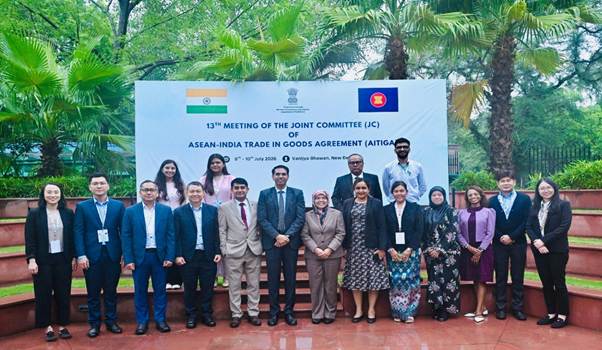
NEW DELHI : India hosted the 13th ASEAN-India Trade in Goods Agreement (AITIGA) Joint Committee (JC) and related meetings at Vanijya Bhawan, New Delhi, from July 6 to 10, 2026, to review the progress of negotiations under the AITIGA Review. The meetings are being held in a hybrid format.
Meetings of three of the eight Sub-Committees under the AITIGA Joint Committee are currently being held on the sidelines of the 13th Joint Committee meeting. These include the Sub-Committee on Customs Procedures and Trade Facilitation (SC-CPTF), the Sub-Committee on National Treatment and Market Access (SC-NTMA), and the Sub-Committee on Rules of Origin (SC-ROO). The meetings are serving as an important platform to deepen cooperation, strengthen mutual understanding and advance constructive dialogue between India and ASEAN.
The Joint Committee provided strategic guidance to the Sub-Committees in their respective areas of work and urged them to expedite the finalisation of the outstanding chapters under the AITIGA Review. To maintain the momentum of negotiations, the Sub-Committees were assigned time-bound deliverables and encouraged to work closely towards achieving tangible outcomes within the agreed timelines.
The 13th AITIGA Joint Committee meeting, held on July 7, 2026, was co-chaired by Additional Secretary, Department of Commerce, Ministry of Commerce and Industry, Shri Nitin Kumar Yadav, and Deputy Secretary General (Trade), Ministry of Investment, Trade and Industry, Malaysia, Ms. Mastura Ahmad Mustafa. Delegations from all ASEAN Member States—Brunei, Cambodia, Indonesia, Lao PDR, Malaysia, Myanmar, the Philippines, Singapore, Thailand and Viet Nam—participated in the meeting.
ASEAN remains one of India’s key trading partners, accounting for around 11 per cent of India’s global trade. Bilateral trade between India and ASEAN reached USD 128 billion during 2025–26, reflecting the strong economic partnership between the two sides and providing further opportunities to expand trade and investment cooperation.
WASHINGTON D.C. : The International Monetary Fundreduced its 2026 global growth forecast to 3.0% on Wednesday, citing continued risks from the Middle East war, trade fragmentation and potential market corrections in artificial intelligence expectations.
The global lender said the world economy avoided a more severe downturn from the conflict, as demand-driven momentum in the technology sector helped offset a war-related decline in energy supplies. Growth is expected to recover to 3.4% in 2027, though this remains below the 3.5% average recorded in 2024 and 2025.
The IMF increased its 2026 headline inflation projection by 0.3 percentage points to 4.7% from April, while forecasting a decline to 3.9% next year. Energy prices are now 25% higher than before the war started on February 28 and will remain elevated, according to the fund. The forecast assumes the Strait of Hormuz will begin reopening in mid-July, returning to prewar conditions by March 2027.
The outlook improved for energy exporters and countries integrated into the technology sector, while commodity importers not positioned to benefit from AI developments generally received downward revisions to their growth forecasts.
Global trade growth is projected to slow to 3.5% in 2026 from 5% in 2025, before recovering to 4.3% in 2027. The 2025 figure reflected heavy front-loading ahead of U.S. tariffs.
Deniz Igan, chief of the IMF Research Department’s World Economic Studies division, said the global economy showed more resilience than expected in April, despite the war’s impact and the Strait of Hormuz closure. The release of strategic oil reserves and commercial inventories, combined with rising energy efficiency, helped offset supply shortages.
“So far things have been okay, but that doesn’t take away the risk factors that are there, particularly with the war,” Igan told Reuters. A collapse of the peace deal and renewed fighting could pose significant risks, as countries have largely depleted their reserves.
The U.S. military launched a new wave of strikes against Iran on Tuesday and revoked a license allowing the country to sell oil after three tankers were hit in the Strait of Hormuz.
“A renewed conflict in the region is going to catch the global economy in a worse position than it was the first time,” Igan said.
The IMF maintained its 2026 U.S. growth forecast at 2.3% and raised its 2027 projection by 0.1 percentage point to 2.2%.
The euro area’s 2026 growth forecast was lowered to 0.9% from 1.1% in April, with the 2027 forecast unchanged at 1.2%.
Japan’s 2026 growth forecast decreased by 0.1 percentage point to 0.6%, while the 2027 forecast increased by the same amount to 0.7%.
China’s growth is now expected to reach 4.6% in 2026, up from the April forecast of 4.4%, with 2027 growth projected at 4.1%.
India received a small downgrade to 6.4% for 2026 from 6.5% in April, though the IMF raised its 2027 forecast to 6.7% from 6.5%.
The Middle East and Central Asia region saw its growth forecast cut by 1.2 percentage points to 0.7% from April, while the 2027 forecast was raised by 1.9 percentage points to 6.5%.
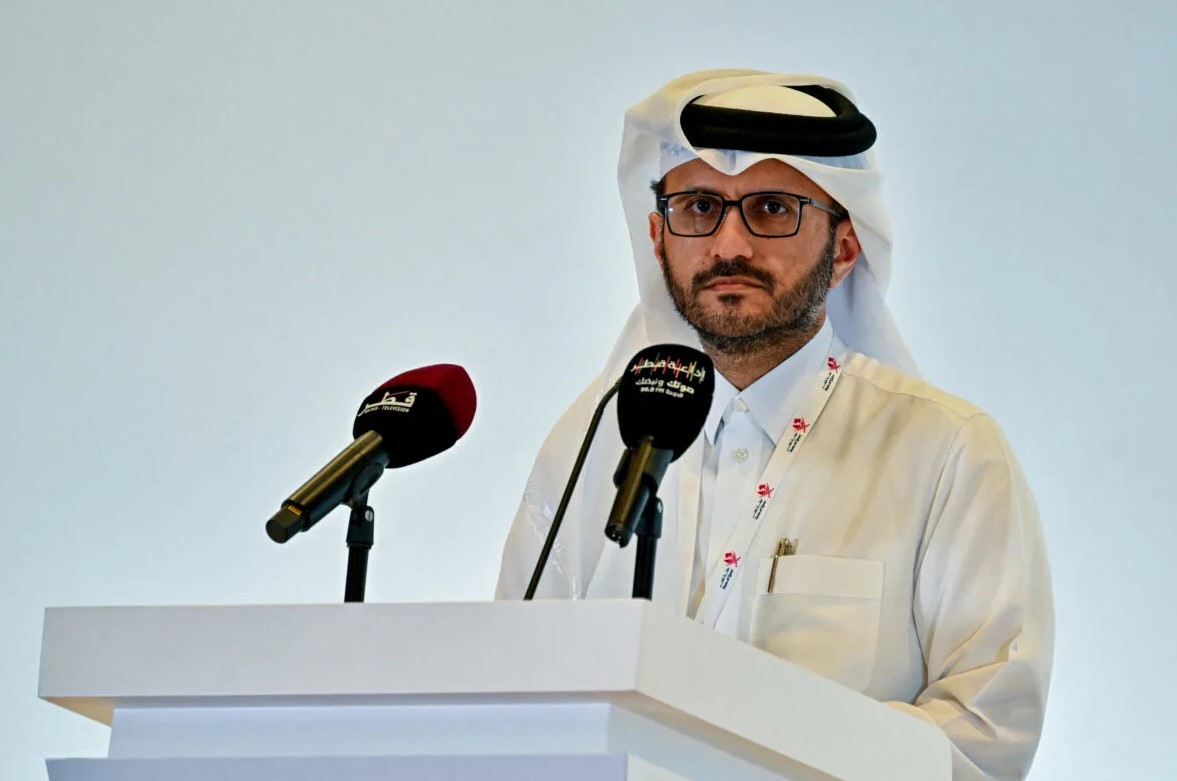
DOHA: Qatar has strongly condemned the targeting of its vessel “Al-Rekayyat” while it was transiting near the Strait of Hormuzon Monday night, describing the incident as an “unacceptable attack” on international maritime navigation and global energy security.
In a post on X on Tuesday, Majed Al Ansari, Advisor to the Prime Minister and official spokesperson for Qatar’s Ministry of Foreign Affairs, said, “The targeting of the Qatari vessel ‘Al-Rekayyat’ while transiting near the Strait of Hormuz constitutes an unacceptable attack on the security and safety of international maritime navigation, the security of global energy supplies, and a grave and explicit violation of international law, particularly the rules guaranteeing freedom of navigation & safe passage through international waterways.”
Alleging and calling on Iran to halt actions that threaten regional stability, Al Ansari said, “We demand that the Islamic Republic of Iran immediately cease all practices that undermine regional security or threaten the safety of international maritime navigation, and refrain from endangering global energy supplies and the resources of the countries of the region in pursuit of narrow interests.”
He further asserted that Qatar would hold Iran accountable for the incident, stating, “We hold it fully legally responsible for this attack and for any resulting damages and consequences.”
Iran’s state broadcaster IRIB, citing unnamed sources, on Tuesday reported that the Qatari oil tanker “Al-Rekayyat” was targeted on Monday night after allegedly attempting to transit through the Omani route in the Strait of Hormuz with US Navy support while ignoring repeated Iranian warnings.
IRIB further highlighted Iran’s longstanding position that “the situation in the Strait of Hormuz will not return to what it was before the US attack on Iran”, adding that all transit through the Strait must follow routes announced by Iran, otherwise the security of vessels cannot be guaranteed.
US Central Command (CENTCOM)on Tuesday (local time) confirmed it executed a series of counter-offensives on July 7, striking more than 80 military positions inside Iran with precision-guided munitions.
In a post on X, Iranian Parliament Speaker Ghalibaf enumerated several “major violations” of the MoU committed by the US administration, indicating a severe breakdown in diplomatic commitments between the two countries.
Issuing a firm warning against Washington’s hardline approach and asserting Tehran’s refusal to back down under intense military and economic pressure, Ghalibaf concluded his statement on a defiant note.
“The era of bullying and extortion is over. It leads nowhere,” he said on X. “We don’t fold.”
According to US defence officials, these targeted operations focused heavily on dismantling Tehran’s maritime offensive capabilities. The targets neutralised during the multi-hour operation encompassed command-and-control networks, air defence mechanisms, coastal radar installations, anti-ship missile sites, and more than 60 Islamic Revolutionary Guard Corps (IRGC)small boats.
The defence establishment asserted that the primary objective of the massive operation was to systematically degrade Tehran’s capacity to launch further disruptions against merchant shipping in the economic corridor.
Elaborating on the specific catalysts for the kinetic action, CENTCOM detailed that the American military response was triggered by targeted acts of aggression against three commercial tankers transiting the waterway. The ships caught in the hostilities were identified as the Marshall Islands-flagged M/T Al Rekayyat, the Saudi Arabia-flagged M/T Wedyan, and the Liberian-flagged M/T Cyprus Prosperity.
Detailing the gravity of the maritime security breach in a post on X, CENTCOM stated, “The US strikes are in response to Iranian attacks on three commercial vessels that were transiting the Strait of Hormuz. Iran’s demonstrated aggression was unwarranted, dangerous, and a clear violation of the ceasefire.”
Following the bombardments, Iranian state media reported multiple explosions, specifically in the port cities of Bandar Abbas and Sirik, as well as blasts on Qeshm Island. The state media also reported fires breaking out at the Sirik pier and the Shahid Haqqani Port in Bandar Abbas.
Iran’s official news agency IRNA, citing the office of the Governor of Hormozgan province, reported that “to date, there have been no civilian casualty reports resulting from Tuesday evening’s attacks by the American adversary.”
Crucially, the latest deployment marks the first direct American kinetic action targeting Iran since late June, when a brief cycle of intense strikes and counter-strikes culminated in a temporary cessation of hostilities under a bilateral Memorandum of Understanding (MoU).
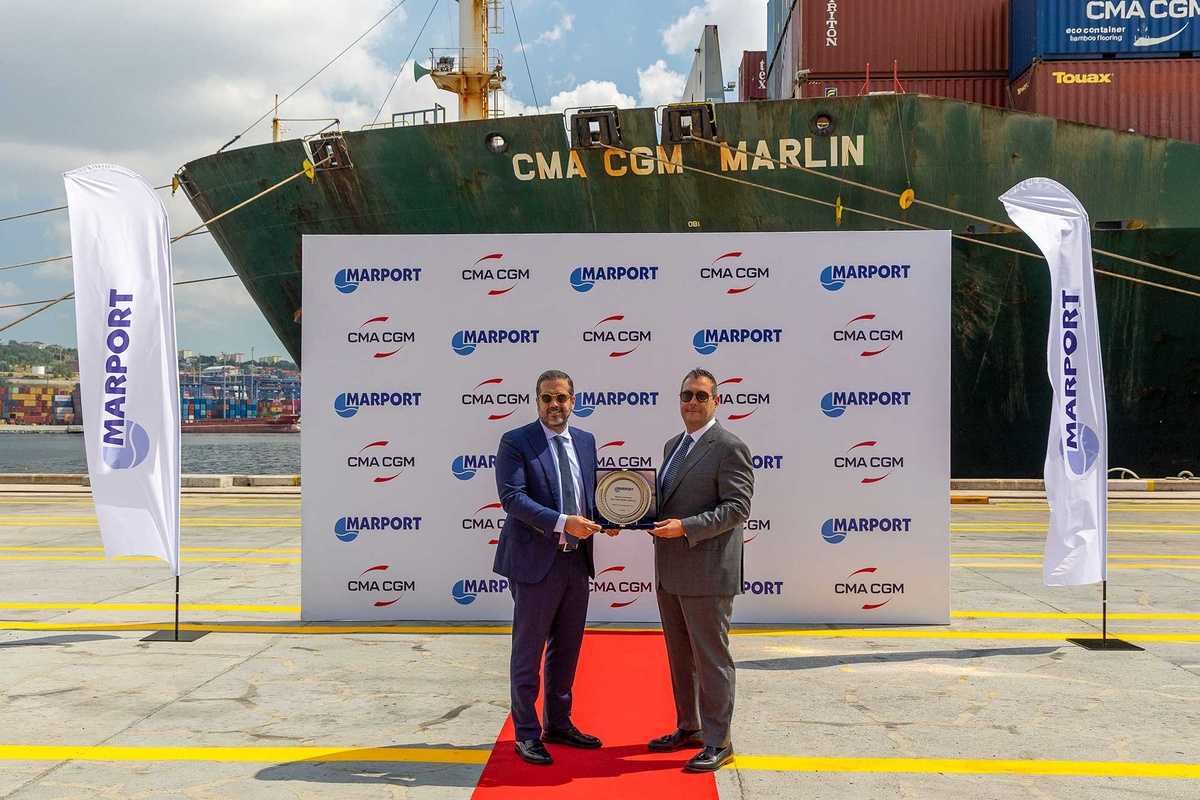
ISTANBUL: Strategically located at the intersection of the Asian, European, and Middle Eastern trade corridors, Marport, one of Türkiye’s largest container terminals, has advanced its cooperation withCMA CGM, a global leader in maritime, air, land, and logistics solutions, to a new level. The first regular call under FEMEX, one of the company’s key services on the Northern Europe–Türkiye route, was marked by the arrival of the CMA CGM MARLIN at Marport.
The new phase, which commenced with the first regular call of the CMA CGM MARLIN at Marport on July 3, 2026, further reinforces Marport’s strategic position in international maritime trade. With its high operational capacity, strong infrastructure, and efficient operating model, the terminal continues to enhance its contribution to Türkiye’s foreign trade.
The FEMEX service, which plays a significant role in trade flows between Northern Europe and Türkiye, stands out by directly connecting four major ports in the Marmara and İzmir regions with Northern Europe’s key ports. Offering competitive transit times, extensive regional reach through its transshipment hubs in Malta and Algeciras, direct calls at Piraeus, and intermodal solutions connected via Felixstowe, the service delivers fast, reliable, and integrated logistics solutions to its customers.
Alp Çapa, Deputy Chairman of Arkas Holding Ports and Terminal Operations Group, commented on the development:
“As Marport, we are proud to be a strategic port of choice for the world’s leading container shipping lines. Strengthening our cooperation with CMA CGM not only expands the service network we offer to our customers but also elevates our operational efficiency to the next level. The regular selection of Marport by the FEMEX service is a significant indicator of our terminal’s strategic position within the international transportation network. We believe that this partnership will create added value not only for our companies but also for Türkiye’s competitiveness in global logistics and its foreign trade.”
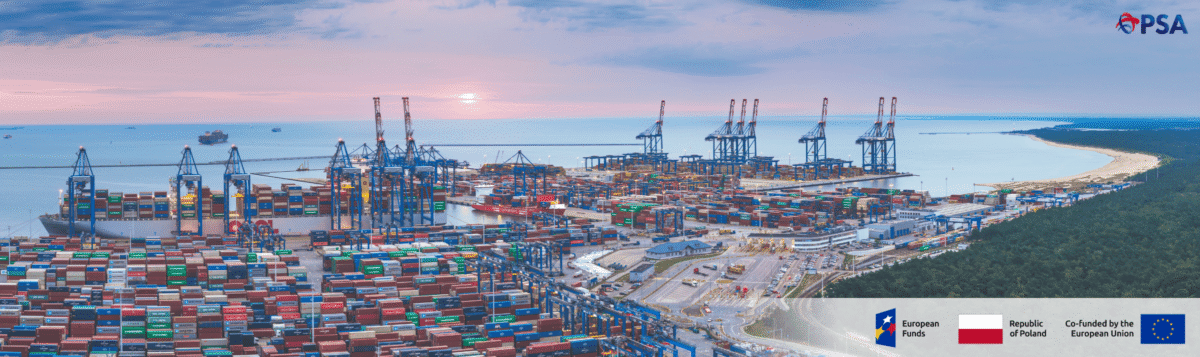
POLAND : Baltic Hub, a member of the PSA Group, signed an agreement with the Centre for EU Transport Projects on 26 June, securing PLN 220.6 million in funding for the electrification and modernisation of its container terminal in Gdańsk, Poland. The grant covers nearly 40% of the total investment value, estimated at PLN 554 million.
The investment will focus on the electrification of terminal operations, expansion of rail infrastructure, and deployment of advanced digital and monitoring systems. These measures will increase terminal capacity, improve the efficiency of intermodal transport flows, and reduce the environmental footprint of operations. The programme includes procurement of additional quay and yard cranes and the electric prime mover fleet as well as the construction works related to the railway siding apron.
The funding was awarded under the 2025 call for intermodal transport projects within the European Funds for Infrastructure, Climate and Environment (FEnIKS) 2021–2027 programme.
Baltic Hub CEO Jan Van Mossevelde said, “Signing this agreement marks an important milestone in Baltic Hub’s development, in line with PSA Group’s Node to Network strategy. This investment will boost our position as a key port ecosystem in Central and Eastern Europe, while accelerating our transition towards more sustainable and efficient operations.”
LONDON: NorthStandard has appointed Jonathan Oak as Senior War Underwriter, further strengthening its Hull & War team as geopolitical developments continue to reshape the risk landscape for global shipping.
Oak joins from the UK War Risks Club and brings extensive experience in war risks underwriting, including advising shipowners operating in complex and rapidly evolving threat environments. He will report to James Sutton, Head of Hull & War at NorthStandard.
This latest recruitment reflects NorthStandard’s continued investment in its Hull & War offering at a time of heightened uncertainty across global trade routes. The conflict in the Middle East, the war in Ukraine, disruption to key trade routes and attacks on merchant shipping have reinforced the need for specialist war risks capability and responsive underwriting.
NorthStandard’s Hull & War team combines technical underwriting expertise with rapid decision-making and practical support for Members operating in higher-risk regions. Its ability to write 100% placements provides Members and brokers with a streamlined route to securing cover, backed by global reach and 24/7 claims service. James Sutton, Head of Hull & War at NorthStandard, said: “Jonathan’s appointment augments our Hull & War expertise and demonstrates our commitment to providing Members with market-leading support. As a leading shipping insurer, our responsibility is to help brokers and Members navigate new and evolving challenges for global shipping. Jonathan will further enhance our responsiveness in trading conditions where circumstances change at short notice.”
Jonathan Oak added: “I am delighted to join NorthStandard at such an important time for the maritime industry. The Club has a strong reputation in Hull & War, and I look forward to working with colleagues, brokers and Members to continue developing our offering and delivering the high levels of service for which NorthStandard is recognised.”
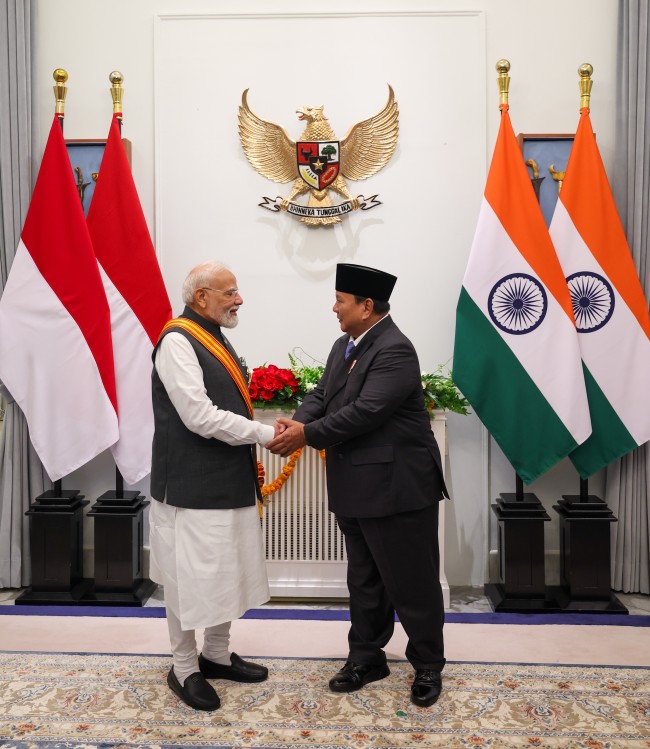
JAKARTA : At the invitation of the President of the Republic of Indonesia, H.E. Mr. Prabowo Subianto, the Prime Minister of the Republic of India, H.E. Shri Narendra Modi undertook a State Visit to Indonesia from 6-8 July 2026. Building on the State Visit of President Prabowo to India from 23-26 January 2025 as the Chief Guest for India’s 76th Republic Day celebrations, the visit of Prime Minister Modi marked an important milestone reflecting the shared commitment of the two leaders to achieve a substantial upwards trajectory in the India-Indonesia Comprehensive Strategic Partnership.
During the visit, Prime Minister Modi was accorded a ceremonial reception at the Istana Merdeka, Jakarta. This was followed by bilateral talks between President Prabowo and Prime Minister Modi, in both tête-à-tête and delegation level formats. President Prabowo also hosted a state banquet in honour of Prime Minister Modi. At the invitation of the Speaker of the House of Representatives of the Parliament of Indonesia, H.E. Dr. Puan Maharani, Prime Minister addressed the Indonesian Parliament. Prime Minister Modi and President Prabowo inaugurated the initiation of the restoration and conservation works at the UNESCO World Heritage Site Prambanan Temple Compounds in Yogyakarta. The two leaders also participated in a reception hosted by the Indian community in Indonesia, in honour of the visiting dignitary.
Political Cooperation
Prime Minister Modi and President Prabowo held official bilateral talks on 7 July 2026 at Istana Merdeka, Jakarta. The official talks covered the full spectrum of bilateral relations, including political engagement, defence and security cooperation, maritime cooperation, trade and investment, digital economy, science and technology, space, critical minerals, energy, agriculture, health, pharma, education, culture, tourism, youth exchanges and people-to-people ties, in addition to regional and global developments of mutual interest. They also witnessed the exchange of a number of bilateral documents, aimed at further strengthening the India-Indonesia Comprehensive Strategic Partnership.
Desirous of enhancing the intensity of two countries’ strategic engagement, and acknowledging the importance of holding high level exchanges, both leaders agreed to hold regular Summit Meetings including on the margins of multilateral events.
Both leaders also affirmed the importance of strengthening existing Joint Working Group mechanisms and continuing regular bilateral consultations including the Joint Commission Meeting (JCM), Foreign Office Consultation (FOC) and other ministerial and senior officials’ dialogues mechanisms and exchanges.
Both leaders welcomed the establishment of the India-Indonesia Parliamentary Friendship Groups in respective Parliaments and affirmed the need to enhance Parliamentary exchanges between the two democracies through regular visits of delegations between the two Parliaments.
Both leaders welcomed the deepening of mutual understanding and enhanced engagement between think tanks, academic institutions and policy experts between the two countries including through the 3rd India-Indonesia Policy Planning Dialogue held in Jakarta on 23 April 2025, the 2nd India-Indonesia Track 1.5 Dialogue held in Jakarta on 15-16 September 2025 and the Jakarta Futures Forum in Jakarta on 5-6 August 2025.
Defence and Maritime Cooperation
Recognizing that India and Indonesia are maritime neighbours and strategic partners with robust defence cooperation, and recalling the adoption of the “Shared Vision of India-Indonesia on Maritime Cooperation in the Indo-Pacific” in 2018, both leaders reaffirmed their strong commitment to further enhance and broaden the defence and maritime partnership.
Both leaders welcomed the convening of the 3rd Defence Ministers’ Dialogue in New Delhi on 27 November 2025, and agreed to further strengthen cooperation and enhance engagements in both traditional and emerging areas of defence cooperation, including regular defence dialogue, joint exercises, staff talks, joint research and co-production of new defence technologies, port calls, peacekeeping activities, information sharing, hydrography, capacity building, cadet training and exchanges, and defence industrial cooperation. They welcomed the elevation of defence cooperation, including through cooperation on BrahMos Missile System, and the Air-to-Air Missile Cooperation Agreement.
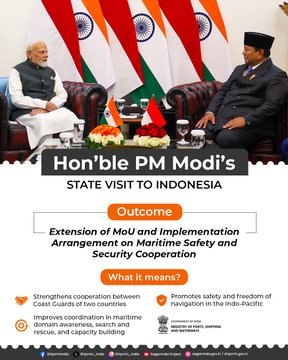
The two leaders also welcomed the continued maritime cooperation, including in the field of maritime domain awareness (MDA), maritime connectivity, coastal surveillance, humanitarian assistance and disaster relief (HADR), pollution control and search and rescue (SAR) based on mutual interest and priorities of the two countries, that also contributes to delivering peace, security and prosperity in the region and greater stability in the wider Indo-Pacific region. Both leaders also welcomed the renewal of the Memorandum of Understanding (MoU) on Maritime Safety and Security Cooperation and the conclusion of the Implementing Arrangement between BAKAMLA RI and Indian Coast Guard.
Both leaders noted the strategic and operational importance of joint exercises and defence training programmes, and towards further strengthening the existing naval cooperation. The two leaders noted the importance of exploring the possibility to continue constructive discussions on maritime issues of mutual interests, in accordance with the respective national laws and regulations, as well as the principles of international law, including 1982 UNCLOS.
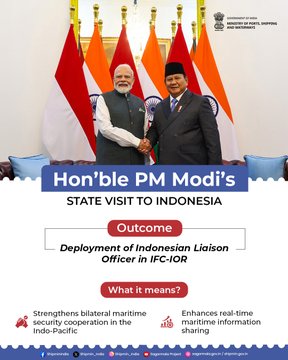
Both leaders welcomed the positioning of an International Liaison Officer (ILO) from Indonesia at Information Fusion Centre-Indian Ocean region (IFC-IOR) Gurugram. They agreed to continue discussions to identify mutually beneficial areas of cooperation in maritime security.
Both leaders identified collaboration in defence industry and technology as one of the priority areas of cooperation and agreed to expand mutually beneficial collaboration between the defence industries for joint production of equipment, technology transfer, technical assistance and capacity building, sourcing of defence equipment including cooperation in ship-building, establishment of MRO facilities for similar defence platforms, exploring establishment of defence R&D, and strengthening defence supply chain ecosystem. Both leaders welcomed progress in pharmaceutical collaboration between Armed Forces Medical Establishments of India and Indonesia on supply of military medicines.
Counter Terrorism and Security Cooperation
The leaders unequivocally and strongly condemned terrorism in all its forms and manifestations. They called for decisive and concerted international efforts to combat terrorism in a comprehensive and sustained manner and in accordance with international law, and in this context called for action against globally proscribed terrorists, and terror entities including those listed in the UNSC 1267 Sanctions Committee.
The leaders agreed to enhance cooperation in preventing and countering terrorism and violent extremism conducive to terrorism, including through efforts to counter terrorist financing, promote internationally agreed anti money laundering and countering financing of terrorism (AML/CFT) standards, prevent the misuse of new and emerging technologies for terrorist purposes, and address terrorist recruitment, including online recruitment and radicalization through digital platforms, and strengthen cooperation on countering radicalization and prevention of violent extremism (PVE) programs.
The leaders called for a zero-tolerance approach to countering terrorism. They reaffirmed strong commitment to continue taking active measures to disrupt the terror financing channels and strengthen bilateral and multilateral cooperation including in the UN and FATF.
Recognising the linkages between terrorism and transnational organised crime, the two leaders agreed to enhance cooperation, in accordance with respective domestic laws and international obligations, including through sharing of information and best practices. The leaders also welcomed the early conclusion of the MoU on Cooperation in Counter Terrorism between the two countries, to be signed in the near future.
The leaders welcomed the planned convening of the 3rd India-Indonesia Security Dialogue (IISD) as a platform to discuss security-related issues in a comprehensive manner. Through the dialogue, the two countries resolved to significantly enhance bilateral cooperation in countering terrorism, organized and transnational crime, emerging technology and cyber security, and defence industry, maritime, and space cooperation.
Both leaders also agreed to further discuss potential cooperation in cyber domain, including through policy dialogue, capacity building, sharing of best practices and exchanges of expertise on digital public infrastructure, financial technology, digital economy, artificial intelligence, digital forensics and Computer Emergency Response Team (CERT) cooperation, protection of critical information infrastructure and capacity building on digital skills.
Economic and Trade Cooperation
The leaders highlighted that economic and trade cooperation remains a key pillar of the dynamic India-Indonesia ties. Both leaders acknowledged the vast economic and developmental synergies between India’s vision of ‘Viksit Bharat 2047’ and ‘Indonesia Emas 2045’, and the role of broader and deeper economic integration between the two countries for unlocking greater economic opportunities. Towards this, the leaders expressed desire for a timely conclusion of ASEAN India Trade in Goods Agreement (AITIGA) review for a balanced, mutually beneficial and facilitative trade environment, followed by a comprehensive deeper bilateral trade engagement to enhance bilateral trade.
Both leaders emphasised the need to fully utilise and strengthen the existing bilateral economic mechanisms, including the convening in 2026 of the 2nd meeting of the Working Group on Trade and Investment (WGTI), the 4th Biennial Trade Ministers’ Forum (BTMF), and the 1st meeting of the Joint Economic and Financial Dialogue (EFD). They noted that these mechanisms should work towards achieving concrete and business-oriented outcomes in addressing outstanding tariff and non-tariff issues, improving market access, facilitating trade and investment, and advancing cooperation in finance, digital economy, industry and supply chains, while respecting each country’s domestic regulations and development priorities.
The two leaders underscored the importance of further strengthening collaboration in critical minerals and rare earths with a focus on building diversified and resilient supply chains essential for the growth of domestic manufacturing industries towards reducing vulnerabilities and strengthening economic security. The leaders commended the growing collaboration between the two countries on rare earths, and in this regard welcomed the signing of the MoU between Non- Ferrous Materials Technology Development Centre (NFTDC), Midwest Ltds., and PT. Perusahaan Mineral Nasional (PERMINAS).
The leaders also welcomed the signing of the MoU in cooperation in the field of Minerals and Technology of Steel Supply Chain. They also welcomed the Strategic Joint Venture between Steel Authority of India Ltd. (SAIL) and PT. Krakatau Steel to explore the establishment of Stainless-Steel Slab Manufacturing Facility in Indonesia.
Both leaders welcomed the progress towards the operationalisation of guidelines on Local Currency Transaction (LCT) between the Reserve Bank of India and Bank Indonesia and noted that this would further promote trade and investment between India and Indonesia and deepen financial integration between the two economies.
Health, Pharma, Food and Energy Security
Both leaders noted the importance of the Red and White Cooperative Network as a potential logistical distribution platform in Indonesia, to deliver, among others, pharmaceuticals and medical products from both countries, in accordance with respective domestic laws and regulations.
The two leaders reaffirmed their commitment to strengthening health sector cooperation and welcomed the signing of the Implementation Arrangement on Professional Health Workforce Development. The Arrangement will strengthen cooperation through facilitation of fellowship programmes and skill enhancement programmes for professionals, hands-on clinical training in specialized medical fields, exchanges of health professionals and experts, sharing of best practices in medicine and health services, and other mutually agreed collaborative activities. They urged early conclusion of the MoU between BPOM and FSSAI on Regulatory Cooperation in the Field of Processed Food products.
The leaders also agreed to deepen cooperation in food security and nutrition, while respecting each country’s domestic policies. They welcomed efforts to enhance cooperation in agriculture and food security, including through food and agriculture trade, joint studies, innovation, and knowledge sharing to support sustainable and resilient food systems, as mutually agreed. The leaders looked forward to the early conclusion of the MoU on cooperation in the field of Agriculture and Allied sectors, and the early renewal of MoU in the field of Marine and Fisheries Cooperation.
The leaders welcomed the ongoing collaboration in the field of pharmaceuticals and medical products. They welcomed the signing of the MoU between CDSCO and BPOM on cooperation in the field of Medical Products Regulation.
The leaders agreed to strengthen cooperation in the fertilizer sector and underscored the importance of ensuring stable, affordable and reliable fertilizer availability amid evolving global market conditions.
The two sides reaffirmed their commitment to strengthening cooperation, joint studies, and capacity building in the field of energy security, including conventional, new and renewable energy, as mutually agreed, and welcomed enhanced collaboration in areas such as LNG, green hydrogen, bioenergy, solar energy, and energy efficiency technologies.
Infrastructure and Connectivity
Both leaders emphasised the importance of enhanced maritime and air connectivity between the countries and encouraged greater air connectivity and port-to-port connections. Both leaders look forward to the 3rd Joint Task Force Meeting on Andaman-Aceh Connectivity to be convened in the second half of 2026 and for a plan of action to be implemented expeditiously.
President Prabowo welcomed India’s interest in partnering on the integrated development of the Sabang Port. Both leaders recognized that such a partnership —spanning cruise and marine-tourism facilities, maritime industries (ship-repair and shipbuilding), and shore-based services supporting offshore energy activities in the Andaman Sea — would foster institutional, physical, digital and flow of people and commodities between Andaman and Nicobar Islands of India and Provinces in Sumatra Island, that contribute to generating investment, employment, transfer of technology and shared regional prosperity. Both leaders encouraged their concerned authorities to work out the scope, modalities and financing of the project, consistent with Indonesia’s development plans and applicable regulations, in a time-bound and mutually beneficial manner.
Both leaders welcomed the launch of Indonesia Open Network (ION), based on Open Network for Digital Commerce (ONDC) architecture in India, to increase the participation of Indonesian MSMEs in the digital economy through digital networks.
The two leaders welcomed the progress towards the implementation of the Cross-Border QR Payment Linkage between India and Indonesia as agreed between the Reserve Bank of India and Bank Indonesia. This initiative marks an important milestone in strengthening bilateral payment connectivity between Indonesia and India. The linkage will enhance transaction efficiency, strengthen financial resilience, and promote inclusive economic growth, particularly by supporting MSMEs, tourism, and students.
Both leaders welcomed the conclusion of the MoU on Cooperation in the Field of Telecommunications Technologies and Services between India and Indonesia which will further strengthen cooperation in telecommunications technologies and digital connectivity to support inclusive economic growth and digital transformation.
Biodiversity Conservation and Sustainable Development
President Prabowo acknowledged the pivotal role played by India in the field of biodiversity conservation and appreciated Prime Minister Modi’s initiative of International Big Cat Alliance (IBCA). Prime Minister Modi welcomed the intention of Indonesia to joining IBCA in accordance with the relevant domestic procedure while noting Indonesia’s initiatives, namely the World Mangrove Center (WMC) and the International Tropical Peatland Center (ITPC), reflecting a shared commitment to strengthening global cooperation on biodiversity, mangrove, and peatland conservation.
Recognising the vulnerability of both countries to natural and man-made disasters, the leaders stressed on the need to strengthen disaster management cooperation. Both leaders welcomed the signing of the MoU on Cooperation in Disaster Management between the National Disaster Management Authorities of both countries aimed at enhancing cooperation through exchange of information, experiences, and best practices, as also capacity building and training for disaster response, recovery, mitigation and preparedness, data application for effective disaster mitigation and disaster resilient infrastructure. The leaders also noted the importance of the Coalition for Disaster Resilient Infrastructure (CDRI) in promoting international cooperation in disaster risk reduction and resilience.
Science & Technology, Space including Critical and Emerging Technologies
The leaders welcomed the convening of the inaugural Joint Commission Meeting on Science and Technology (S&T) on 12 August 2025, and the signing of the MoU on Research, Technology and Innovation Cooperation between India and Indonesia.
The two leaders expressed satisfaction at the ongoing space cooperation between Indian Space Research Organisation (ISRO) and National Research and Innovation Agency (BRIN) as well as the 6th Joint Commission Meeting on Outer Space Cooperation held in Bengaluru, India on 24th – 25th June 2026. They also welcomed the signing of the Extension of the Framework Agreement on Cooperation in the Exploration and Uses of Outer Space for Peaceful Purposes between India and Indonesia.
Prime Minister Modi expressed his appreciation to President Prabowo for Indonesia’s continued cooperation in support of India’s satellite and launch vehicles programmes and to India’s Gaganyaan Mission through collaborative arrangements between BRIN-ISRO and the Biak Telemetry, Tracking and Command (TTC) Facilities. President Prabowo appreciated India’s support for the launch of Indonesian satellites and for the training of Indonesian officials including through the Center for Space Science Technology Education in Asia and the Pacific (CSSTEAP), and ASEAN-India space cooperation. President Prabowo welcomed space ecosystem-level collaboration between both countries on space port project in Indonesia.
The two leaders noted the ongoing discussions for cooperation in the peaceful uses of nuclear energy between the two countries, which would further strengthen collaboration in research, capacity building, and nuclear safety. They welcomed efforts to promote the use of civil nuclear energy, including the related regulatory and technological advancements and applications in industry, nuclear medicine, agriculture, and water management.
Culture, Tourism and People – to – People Exchanges
Both leaders welcomed the inauguration of the India-supported project towards restoration and conservation of the UNESCO World Heritage Prambanan Temple Compounds in Yogyakarta by Archaeological Survey of India (ASI). Indonesia also appreciated the gifting of a replica of the original Nalanda Copper Plate, dating to approximately 860 CE engraved in Devanagari script and in Sanskrit language, by National Museum of India, now exhibited, in the new museum at Muara Jambi. They recalled the principles contained in the “Kashi Cultural Pathway” as adopted at the G20 Culture Ministers’ Meeting in Varanasi, August 2023, and noted the importance of continued consultations between the two Governments on cultural heritage matters, in accordance with their respective laws and procedures, and in the spirit of friendship and mutual respect.
Both leaders recognised the enduring intellectual legacy and shared educational vision of Rabindranath Tagore and Ki Hajar Dewantara, whose exchanges helped lay an important foundation for the shared cultural and educational vision ties between India and Indonesia, and agreed to commemorate 2026–2027 as the “Tagore–Dewantara Year of India–Indonesia Cultural and Educational Diplomacy.” The commemoration will mark the centenary of Rabindranath Tagore’s visit to Indonesia in 1927 through a year-long programme of joint cultural, educational, academic, and people-to-people initiatives in both countries.
Underscoring the potential of tourism as driver of people-to-people ties, both leaders expressed their shared commitment to further deepening tourism cooperation and enhancing two-way visitor flows between the two countries. They agreed to further discuss ways to streamline ease of travel and visa facilitation on each side.
The leaders noted the ongoing cooperation in the field of education sector and encouraged both sides to work towards greater academic and institutional collaborations including student exchanges. The leaders encouraged the early conclusion of the MoU on Cooperation in the field of Primary and Secondary Education.
The two leaders reaffirmed their commitment to strengthening bilateral cooperation in higher education, science and technology. They encouraged the expansion of mutually beneficial partnerships through academic mobility, joint research, knowledge exchange, capacity building, institutional collaboration, and other initiatives that support human capital development. They looked forward to the early conclusion of the MoU on Cooperation in the Field of Higher Education, Science, and Technology. President Prabowo welcomed growing interest of reputed Indian institutes of higher education towards setting up branch campuses in Indonesia. The two leaders welcomed the proposed setting up of a campus by Indian Institute of Management, Bangalore in Indonesia.
The leaders took note of the ongoing collaboration between the Election Commission of India and the General Election Commission (KPU) of Indonesia towards human resources development, improved management, and use of technology in the field of elections. They welcomed the signing of an MoU between ECI and KPU on Cooperation in the Field of Management and Technology Utilisation in Elections.
The leaders welcomed the proposed cooperation between the the Ministry of Statistics and Programme Implementation (MOSPI), India and Statistics Indonesia (BPS) and in the field of official statistics, capacity building, and strategic collaboration.
Regional and Multilateral Cooperation
Taking note of the current geopolitical situation, economic and supply chain disruptions, and global issues of mutual concern, both leaders underscored the need for greater strategic convergence and close coordination between India and Indonesia in multilateral and regional forums, including in the United Nations and its specialised agencies, towards a more balanced and representative world order based on international law, grounded in peace, stability, cooperation and prosperity in the region and beyond. The two sides reaffirmed their common respect for sovereignty and territorial integrity, and underlined the importance of upholding cultural and religious diversity, pluralism, and the rule of law as foundations for peace, stability and mutually beneficial cooperation in the region and beyond. Towards this, both leaders acknowledged the increasing role of South-South Cooperation and agreed to enhance cooperation on strengthening the voice of the Global South.
Both leaders agreed to work towards meaningful reforms of international institutions reflective of the contemporary geopolitical realities and responsive to the aspirations of the Global South. Both sides reiterated the need for comprehensive reform and expansion of the United Nations Security Council, both in permanent and non-permanent categories of membership, through inclusive and member state-driven intergovernmental negotiations, including text-based negotiations. Reflecting the strong spirit of mutual support in multilateral forums, the two leaders discussed mutual support for various international candidatures.
The leaders also acknowledged the need for reforms in global financial architecture as well as the importance of a rules-based, fair, open and inclusive international trading system with WTO at its core, responding to challenges of non-market practices, concentration of supply chains and uncertain market access.
Indonesia reaffirmed full support to India’s 2026 BRICS Chairship and India expressed its commitment to supporting Indonesia’s role as a BRICS Member country. Both leaders agreed to step up engagements through key platforms including BRICS, G20, IORA to contribute constructively to equitable global governance and sustainable development.
Recalling the Shared Vision of India-Indonesia Maritime Cooperation in the Indo-Pacific announced in 2018, both leaders reaffirmed their commitment towards a free, open, transparent, rules-based, peaceful, prosperous and inclusive Indo-Pacific region.
The leaders underscored the importance of respect for sovereignty and territorial integrity, adherence to international law, including the 1982 UNCLOS, freedom of navigation and overflight, while refraining from the threat or use of force and promoting dialogue and cooperation.
President Prabowo appreciated India’s consistent support for ASEAN Unity and ASEAN Centrality in the evolving regional architecture for regional peace, stability and prosperity. The two sides supported further strengthening of the ASEAN-India Comprehensive Strategic Partnership, which complements bilateral relations with respective Member States. Both leaders encouraged deepening of synergies, including through concrete initiatives, between ASEAN Outlook on the Indo-Pacific (AOIP) for Peace, Stability and Prosperity in the Region’ and India’s Indo-Pacific Oceans Initiative (IPOI).
Both leaders welcomed cooperation through effective trilateral mechanism of India-Indonesia-Australia trilateral and explore opportunities for collaboration including in the areas of maritime domain awareness, marine pollution, blue economy and also under the frameworks of East Asia Summit (EAS), Indo-Pacific Oceans’ Initiative (IPOI) and Indian Ocean Rim Association (IORA).
The leaders expressed deep concerns over the situation in West Asia/Middle East and its global effects. They welcomed the Memorandum of Understanding signed on 17 June 2026. They underlined the importance of de-escalation and reiterated that all issues must be resolved through dialogue and diplomacy. They also share the same view to respect freedom of navigation and global flow of commerce and the implementation of transit passage through the Strait of Hormuz, in accordance with international law including the provisions of UNCLOS.
Prime Minister Narendra Modi conveyed his sincere appreciation to President Prabowo Subianto for the warm welcome and excellent hospitality extended to him and his delegation during the visit. Wishing the friendly people of Indonesia prosperity and progress, Prime Minister Modi extended a cordial invitation to President Prabowo Subianto to pay a visit to India at a mutually convenient time.
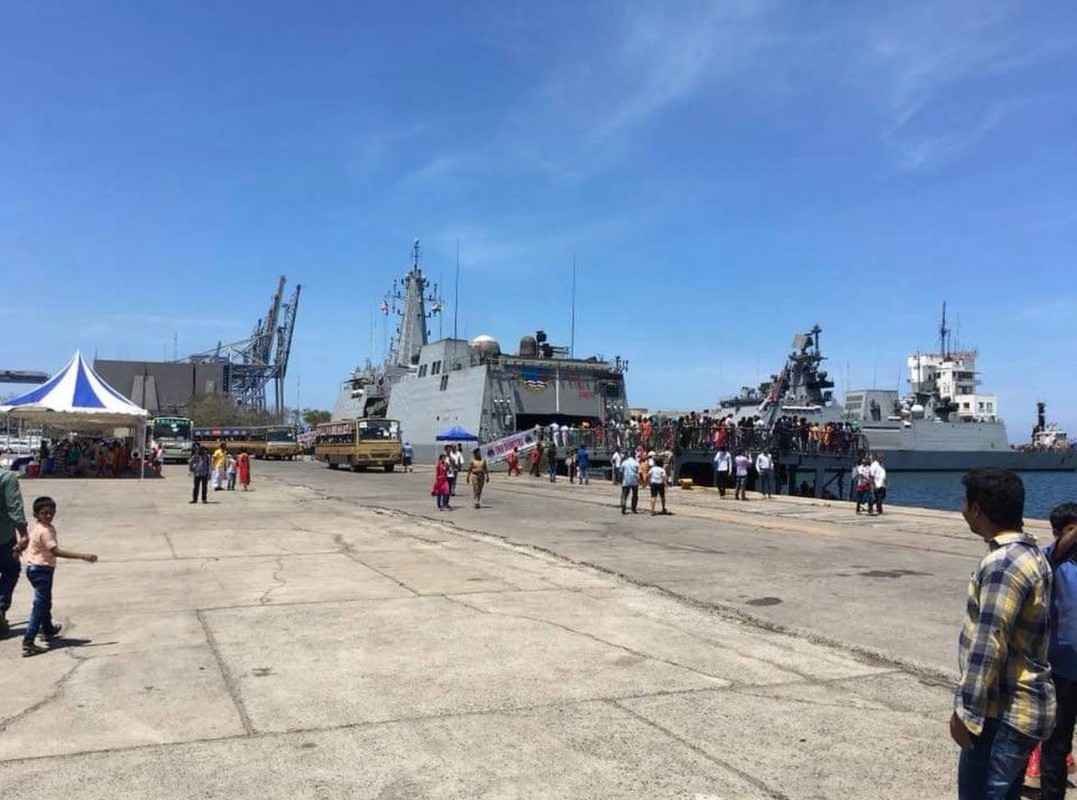
CHENNAI : Kamarajar Port Limited (KPL) has emerged as a deep-water port capable of handling Capesize vessels, with the successful completion of its Capital Dredging Phase VI project. With an operational draft of 18.0 metres, the Port can now accommodate vessels carrying cargo parcels of up to 1,70,000 DWT. With this achievement, Kamarajar Port becomes the second Major Port of the country, after Visakhapatnam Port, to offer a draft of 18 metres.
“Under the visionary leadership of Prime Minister Shri Narendra Modi. India’s maritime sector is undergoing a historic transformation. Guided by the vision of Maritime India Vision 2030 and Maritime Amrit Kaal Vision 2047, we are building world-class ports, strengthening logistics, enhancing global competitiveness and positioning India as a leading maritime nation. The emergence of Kamarajar Port as the country’s second Major Port with an 18-metre draft is another milestone in this journey of creating modern, future-ready maritime infrastructure that will power India’s economic growth and global trade,” said ShriSarbananda Sonowal, Union Minister of Ports, Shipping & Waterways.
The project, taken up in line with the vision of the Government of India to make Kamarajar Port ‘Cape Compliant’, involved deepening of the outer approach channel from 20.0 m to 23.0 m, the inner entrance channel from 19.0 m to 22.0 m, alongside berths to handle 18m draft and the harbour basin along with associated navigational areas, at an investment of about ₹440 crore.
“The successful completion of Capital Dredging Phase VI has transformed Kamarajar Port into a deep-draft, Cape Compliant port capable of handling fully laden Capesize vessels of up to 1,70,000 DWT. This achievement will significantly improve cargo-handling efficiency, reduce logistics costs, enhance ease of doing business and strengthen the port’s role as a key gateway for India’s EXIM trade. I congratulate the entire team of Kamarajar Port Limited for delivering this strategically important project, which further reinforces India’s march towards becoming a global maritime powerhouse,” added Sonowal.
The enhanced draft capability will enable shipping lines to deploy larger vessels, resulting in lower freight costs through economies of scale, improved operational efficiency and increased cargo-handling capacity. It will provide significant economic benefits to the trade of the region, strengthen the Port’s competitiveness vis-à-vis domestic and international ports, and support the growing requirements of India’s EXIM trade. The Cape Compliant depth places Kamarajar Port in the league of international ports in bulk cargo handling.