Home Blog Page 220

PM Modi inaugurates Gujarat Semiconductor facility in Sanand

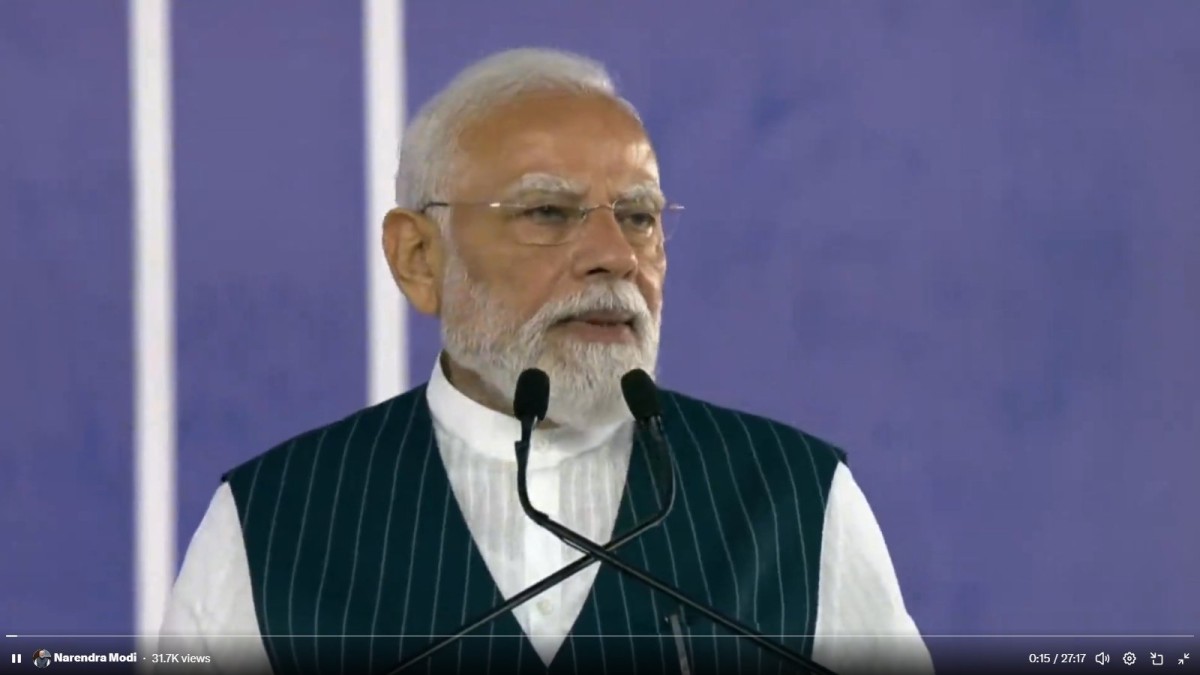
SANAND : Prime Minister Shri Narendra Modi on Saturday inaugurated the CG Semi Outsourced Semiconductor Assembly and Test (OSAT) facility in Sanand, Gujarat. Highlighting the significance of the occasion, the Prime Minister framed the launch as a testament to the nation’s unwavering commitment to its goals. He emphasized that the country consistently translates its strong resolutions into tangible realities without hesitation. “Today’s event is proof that whatever India resolves to do, it firmly accomplishes,” asserted Shri Modi.
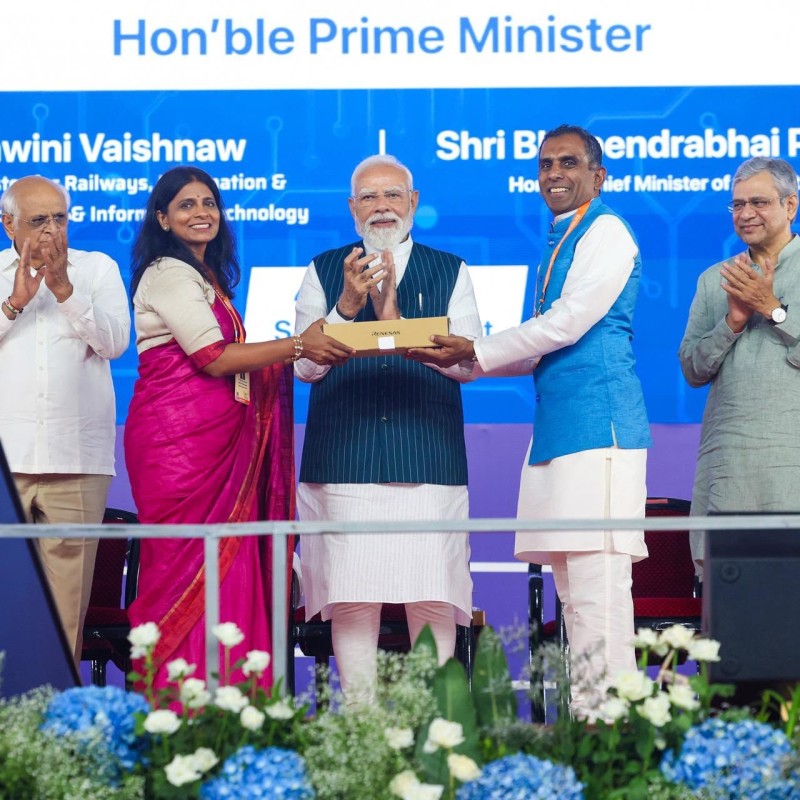
PM Modi inaugurates the CG Semi OSAT facility in Sanand PM Modi inaugurates Gujarat Semiconductor facility in Sanand

Tracing the strategic vision initiated half a decade ago, the Prime Minister recalled the core objective of transforming the nation into a global hub for advanced technology. Driven by the overarching strategies of domestic design and localized manufacturing, he celebrated the official commencement of commercial chip packaging at this third major facility. “We successfully moved forward with the foundational mantra of Design in India and Make in India,” noted Shri Modi.

Reflecting on the rapid developmental timeline of the project, the Prime Minister recalled laying the foundation stone in 2024 and acknowledged the prompt initiation of chip testing by August 2025. He credited this incredibly swift journey from inception to full-scale production directly to the relentless dedication and focus of numerous project associates. “This remarkable journey from foundation stone to production is definitely the result of the immense hard work of many colleagues,” observed Shri Modi.

Recounting his personal interactions just moments before addressing the gathering, the Prime Minister shared his experiences speaking with the dedicated workforce stationed at the facility. Having engaged directly with numerous young professionals during his exhibition tour, he praised their palpable energy, optimism, and positive outlook. “Every young colleague I interacted with today is completely full of self-confidence,” remarked Shri Modi.

Positioning the newly inaugurated facility as a beacon of international collaboration, the Prime Minister lauded the joint efforts bridging domestic, Japanese, and Thai industry partners. He described the venture as far more than a simple commercial enterprise, highlighting it instead as a robust model of technological trust and cross-border partnership. “This integrated partnership is going to give entirely new momentum to India’s semiconductor journey,” affirmed Shri Modi.

Acknowledging the monumental scaling achieved over the past two and a quarter years, the Prime Minister praised the transition into active commercial production capable of delivering 20 crore units annually. Expressing absolute confidence in the team’s ambitious target to reach 500 crore units annually, he attributed this rapid progress to the accelerating momentum of the nationwide technology program. “I congratulate the entire team, the state government, and the whole country for building this step by step, brick by brick, and chip by chip,” remarked Shri Modi.

Addressing the gathered industry experts and youth, the Prime Minister drew pivotal lessons from global industrial history to emphasize that true manufacturing power does not stem from isolated factories. Citing legendary tech hubs like Silicon Valley, Hsinchu Science Park, and Tsukuba Science City, he underscored the absolute necessity of developing comprehensive, integrated ecosystems. “Today, Sanand is firmly taking its steps in the same direction to establish such powerful clusters,” observed Shri Modi.

Detailing the rapid emergence of a robust domestic ecosystem, the Prime Minister highlighted the concurrent production launches by major firms like Micron, Kaynes, and CG Semi in the region over just a few months. Envisioning the imminent arrival of specialized chemical producers, testing labs, design centers, and dynamic new startups, he illustrated how localized industries exponentially multiply broader economic and employment opportunities. “This is the true power of a cluster, where one industry gives birth to ten, ultimately changing the economy of the entire region,” asserted Shri Modi.

Addressing the immense nationwide and global excitement surrounding this sectoral boom, the Prime Minister corrected the misconception that this rapid growth is an isolated phenomenon. He explained that the current expansion is actually a carefully planned progression stemming from long-term technological policies set over the past ten years. “This is the natural next step of the electronics revolution that has arrived in India over the last decade,” noted Shri Modi.

Tracing the roots of this localized manufacturing success, the Prime Minister contrasted the past reliance on imported smartphones with the current production boom. Noting a staggering thirty-three-fold increase in output, he proudly recognized the nation’s new status as the world’s second-largest producer and exporter in the mobile sector. “We deliberately started our journey with mobile phone manufacturing to eventually achieve these incredible milestones,” observed Shri Modi.

Quantifying the broader success of the domestic ecosystem over recent years, the Prime Minister shared remarkable growth statistics across the entire sector. He revealed that total production has surged nearly seven times compared to 2014 levels, alongside an impressive eleven-fold explosion in overall exports. “We have successfully and comprehensively strengthened the entire electronics manufacturing ecosystem,” affirmed Shri Modi.

Expanding on the government’s strategic roadmap, the Prime Minister clarified that the ultimate goal extends far beyond self-reliance in final consumer products to encompass the foundational components themselves. By committing to manufacture the very chips that power global technology, he outlined a complete, end-to-end domestic value chain. “First the product, then components, and now the semiconductor; this is the definitive next phase of Make in India,” asserted Shri Modi.

Mapping out the future phases of the ecosystem, the Prime Minister emphasized the critical need for self-reliance in high-tech materials and critical minerals to secure the entire supply chain. Envisioning a localized network spanning from design to packaging, he expressed immense faith in the younger generation to leverage these domestic chips for advanced revolutions in AI and robotics. “Our youth will actively accelerate the next-gen tech revolution strictly utilizing Made in India chips,” affirmed Shri Modi.

Directing his message toward the younger demographic, the Prime Minister highlighted historical precedents showing how major industrial shifts consistently generate unprecedented employment prospects. Drawing parallels to the massive opportunities unlocked by the previous IT and smartphone manufacturing booms, he forecasted similar vast horizons emerging from the current technological wave. “The era of the semiconductor and AI revolution is bringing countless opportunities spanning from research and design to supply chain management,” remarked Shri Modi.

Challenging the future workforce to continuously adapt, the Prime Minister stressed that modern relevance is strictly dependent on acquiring fresh expertise and cultivating innovative ideas. Pointing to the vast new paradigms unlocked by artificial intelligence, he urged the younger generation to seize these emerging prospects with immense passion. “The youth of India must absolutely not lose this incredible opportunity to learn and execute something new,” asserted Shri Modi.

Showcasing the inclusive social impact of these technological strides, the Prime Minister shared the inspiring stories of young women from tribal communities actively working at the new facility. Deeply moved by their journey from ordinary backgrounds and ITI studies to receiving advanced technical training in Malaysia, he celebrated their crucial role in executing the world’s most modern manufacturing processes despite having never previously traveled out of their home regions. “These daughters with truly extraordinary dreams are today an integral part of the Made in India chip manufacturing process,” noted Shri Modi.

Concluding his address by reaffirming the nation’s rapid momentum toward becoming a fully developed entity, the Prime Minister celebrated the on-time realization of multiple manufacturing facilities promised just months earlier. Assuring global investors of absolute policy stability, clear decision-making, and unmatched execution speed, he promised an even faster pace of systemic economic reforms. “With a complete commitment to the ease of doing business, 140 crore Indians will definitely make the nation developed by 2047,” affirmed Shri Modi.
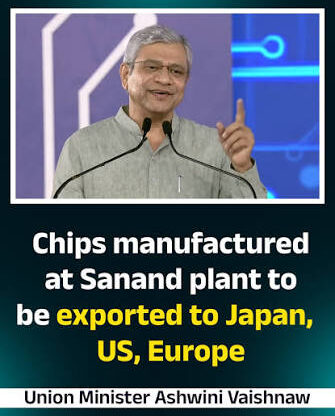
Ashwini Vaishnaw says the chips manufactured at CG Semi OSAT plant to be exported to Japan, US, Europe

Union Minister Hails a New Era for India’s Semiconductor Sector

SANAND : Union Minister for Railways, Information & Broadcasting, and Electronics & Information Technology, Shri Ashwini Vaishnaw, on Saturday said India has entered a new era in the semiconductor sector, as the CG SEMI (OSAT) facility in Sanand, Gujarat commenced commercial production, becoming the country’s third semiconductor plant to do so this year. He said a robust semiconductor manufacturing ecosystem is taking shape under the Prime Minister’s visionary leadership, one that will serve as the foundation for a developed India, the chips manufactured here will be exported throughout the world-US,Europe, Japan and more.

Thanking Prime Minister Shri Narendra Modi, Gujarat Chief Minister Shri Bhupendra Patel, and Deputy Chief Minister Shri Harsh Sanghavi, Shri Vaishnaw credited the Gujarat government’s active cooperation and effective execution for enabling the plant to move from groundbreaking to commercial production in just 27 months.

Third Semiconductor Plant in Commercial Production
Shri Vaishnaw noted that the Prime Minister had earlier launched the country’s first and second semiconductor plants on 28 February and 31 March 2026 respectively, and that with this third plant now in commercial production, global confidence in India’s semiconductor capability and reliability has strengthened further.

Of the 12 semiconductor projects approved by the central government, three are now in commercial production, with two more set to be inaugurated in the coming months. By the end of 2026, five semiconductor plants are expected to be operational across the country, momentum Shri Vaishnaw said would boost the Atmanirbhar Bharat mission.

A Story of Social Change
Shri Vaishnaw described the plant as not just a technical achievement but also a symbol of social change. Young women from Jharkhand, Chhattisgarh, Madhya Pradesh, Bihar, Jammu & Kashmir, Kerala, and Gujarat are finding employment as operators at the facility, having travelled to Malaysia for specialised training. He added that as India’s own semiconductor ecosystem matures, similar world-class training could increasingly be made available within the country itself.

From Sanand to the World
Shri Vaishnaw said chips manufactured at the facility will serve automobiles, scooters, and industrial equipment domestically, while also being exported to Japan, the United States, and Europe, positioning India as a meaningful contributor to the global semiconductor supply chain.

He noted that the facility’s groundbreaking was held on 13 March 2024, with an investment of over ₹7,600 crore, and that it was built in partnership with Renesas Electronics, Japan, giving India access to global semiconductor technologies, manufacturing practices, and quality systems.

Building an Ecosystem, Not Just a Plant
Shri Vaishnaw noted that over the past four years, India’s semiconductor sector has seen substantial progress: 12 semiconductor units are currently under construction, 24 deep-tech chip design startups have emerged, over 70,000 young people have been trained in chip design, and 315 universities now offer semiconductor design-related courses. He added that India’s first semiconductor fab, coming up in Dholera, is progressing rapidly.

He further noted that India’s electronics manufacturing sector has grown into an industry worth close to ₹13 lakh crore, supporting over 25 lakh jobs, progress he said would establish India as a global technology power.

Strengthening India’s Position in the Global Value Chain
Prime Minister Shri Narendra Modi graced the occasion, touring the facility’s Experience Centre and Clean Room, interacting with operators and engineers, and unveiling the plaque marking the commencement of commercial production, following which the Chairman of CG SEMI handed over the facility’s first product to the Global Vice President and President, Renesas Electronics India.

The event was attended by Gujarat government ministers, Members of Parliament, MLAs, industry representatives, senior officials of CG SEMI, and young engineers and staff from across the country.

Shri Vaishnaw said the commencement of commercial production at the CG SEMI facility marks another significant step towards strengthening India’s position in the global semiconductor value chain, reinforcing the country’s emergence as a trusted and self-reliant destination for semiconductor manufacturing, and establishing India as a rising global technology power.

Piyush Goyal assures modern testing Facilities for toy manufacturing clusters across India

NEW DELHI : Addressing the 17th Toy Biz International B2B Exhibition 2026, organised by the Toy Association of India (TAI) in New Delhi, today the Union Minister of Commerce and Industry, Shri Piyush Goyal, highlighted the remarkable progress made by the Indian toy industry in recent years through sustained policy support and industry-led innovation.

The Minister assured the industry that the Government would establish modern testing facilities across toy manufacturing clusters in the country through the Bureau of Indian Standards (BIS), National Test House and other government and semi-government laboratories. He urged industry stakeholders to identify and communicate the testing equipment required to ensure that Indian toys meet the highest quality standards for both domestic and international consumers.

The Minister encouraged MSMEs to continuously scale up their operations, stating that every micro enterprise should aspire to become small, every small enterprise should aspire to become medium and every medium enterprise should aspire to become large. He pointed out that export turnover is not included while determining MSME status, allowing enterprises to expand substantially while continuing to benefit from the MSME framework.

The Minister called upon industry leaders to establish skill development centres and partner with Industrial Training Institutes (ITIs) to train workers in advanced manufacturing practices and good manufacturing practices. He proposed a public-private partnership model under which industry and government could jointly establish Centres of Excellence equipped with facilities for testing, product development, innovation and design.

He suggested that such Centres of Excellence could include dedicated design centres, facilities for testing new products and spaces for showcasing newly launched high-quality products. He also encouraged manufacturers to undertake brand-building initiatives and assured support through Export Promotion Mission.

Emphasising the importance of quality, Shri Goyal said that maintaining high standards would enable India to significantly expand its presence in the global toy market, which is estimated at around US$120 billion.

Highlighting the need for technological advancement, Shri Goyal urged manufacturers to adopt Computer-Aided Design and Computer-Aided Manufacturing (CAD-CAM) technologies and CNC machining to improve product quality, precision and efficiency. The Minister noted that integrating CAD-CAM with CNC-based manufacturing would enable the industry to develop high-quality products with greater precision and efficiency. He also emphasised the importance of using modern machinery and continuously improving manufacturing processes, stating that technological upgradation would help Indian toy manufacturers strengthen their competitiveness and establish a distinct position in global markets.

The Minister also underscored the importance of quality stitching, superior thread quality, machine-stitched products and attention to manufacturing details, noting that such factors often determine success in global markets. Appreciating exporters supplying products to the Middle East, he encouraged the industry to take advantage of opportunities in developed markets opened through India’s recent Free Trade Agreements.

Referring to the nine Free Trade Agreements concluded under the leadership of Prime Minister Shri Narendra Modi, Shri Goyal noted that these agreements provide access to developed and high-income markets where high-quality products can command greater value.

Shri Goyal urged manufacturers to send business delegations across the world, particularly to the 38 countries covered under India’s nine FTAs. He encouraged the industry to showcase India’s strengths globally and engage directly with local industries, brands, supermarkets and e-commerce platforms in overseas markets.

Emphasising sustainability, the Minister urged manufacturers to focus on sustainable products and sustainable manufacturing practices. He stressed the importance of developing domestic capabilities in the production of motors, electronics, dies and moulds used in toy manufacturing, stating that a self-reliant ecosystem and large-scale production would improve competitiveness and reduce costs.

Highlighting market opportunities, Shri Goyal noted that zero-duty access is now available across Europe and informed industry representatives that the India-UK Free Trade Agreement would become operational from 15 July. He urged manufacturers to immediately send delegations to explore opportunities in the UK market.

Referring to the European Union market, the Minister noted that duty-free access would extend across 27 countries, including Italy, France, Germany, Spain and Portugal. He described these as large and premium markets where Indian products can command higher prices and encouraged manufacturers to build globally recognised Indian toy brands capable of competing with leading international players.

Shri Goyal also referred to the Prime Minister’s forthcoming visit to Australia, Indonesia and New Zealand, noting that these markets offer significant opportunities for Indian products. He highlighted that Australia and New Zealand are developed markets and stated that duty-free access is available for exports to Australia, while similar access to New Zealand is expected by the end of the year.

The Minister further informed industry representatives that Free Trade Agreements involving GCC countries, Mexico, Brazil and Canada are expected to progress by the end of the year, opening additional opportunities for Indian exporters. Expressing confidence in the sector’s future, he stated that the success of the toy industry would contribute directly to India’s development and called upon manufacturers to aspire for tenfold growth through improved quality, branding and marketing.

Encouraging greater international outreach, Shri Goyal urged manufacturers to participate in overseas exhibitions and assured support through the Export Promotion Mission. He also suggested the establishment of warehousing facilities abroad and stated that the Government could support such initiatives during the initial years to facilitate just-in-time delivery and improve access to overseas markets.

Calling upon the Toy Association of India to take a leadership role, the Minister noted that while the association currently has around 1,200 members, nearly 21,000 toy manufacturers operate across the country. He urged the association to bring all manufacturers under a common platform, stating that a larger membership base would strengthen the industry’s collective voice.

On the issue of Quality Control Orders (QCOs), Shri Goyal reiterated the Government’s commitment to maintaining quality standards and assured the industry of protection against unfair imports and dumping. He stated that manufacturers facing such challenges could approach the Directorate General of Trade Remedies (DGTR), DPIIT or other concerned authorities for timely intervention and support.

The Minister urged industry stakeholders to remain committed to quality and customer satisfaction, observing that Indian consumers are no less important than consumers abroad. He described India’s 140 crore-strong market as a major strength that provides economies of scale and emphasised the need to ensure affordable, high-quality toys for children across all sections of society.

Explaining the rationale behind transitional arrangements under Quality Control Orders, Shri Goyal said such provisions are intended to facilitate investment, brand building and market development while strengthening India’s position as a global manufacturing hub. Drawing a comparison with the evolution of India’s automobile sector, he noted that greater competition and the entry of international brands had improved quality standards, expanded consumer choice and strengthened domestic manufacturers.

The Minister said that similar opportunities exist in the toy sector through investment, employment generation, contract manufacturing and technology transfer. He emphasised that while maintaining a balanced policy approach, the interests of domestic manufacturers would remain a priority.

Expressing confidence in the capabilities of Indian manufacturers, Shri Goyal said they possess the talent and potential to compete successfully with global players. He encouraged industry participants to engage with overseas industries, brands, supermarkets and e-commerce platforms so that Indian products gain wider global recognition.

Noting that toy exports have increased by 239 per cent over the last four years, the Minister called upon the industry to build on this momentum and aspire for tenfold growth in the years ahead. Highlighting the sector’s strong performance, toy imports declined by 32 per cent.

Recalling Prime Minister Shri Narendra Modi’s remarks in Mann Ki Baat in 2020, Shri Goyal said the Prime Minister had highlighted India’s potential to emerge as a global toy hub and had encouraged citizens to support domestically manufactured products under the vision of self-reliance and Vocal for Local.

The Minister said that over the eleven years of the Make in India initiative, substantial support has been extended to the toy industry. He noted that the National Toy Action Plan launched in 2020 provided a clear roadmap for the sector’s development. He added that more than 50 toy clusters have been established across the country and that approximately 21,000 MSME units are associated with toy manufacturing, with many also undertaking contract manufacturing for Indian and international brands.

Highlighting the transformation of the sector, Shri Goyal said that while only around 12 per cent of the Indian toy market was earlier served by domestically manufactured toys, imports now account for only about ₹2,500-3,000 crore in an approximately ₹18,000 crore market, with the remaining demand being met by Indian manufacturers. He noted that quality standards have improved considerably but urged the industry not to become complacent.

The Minister called upon manufacturers to continuously strive for improvement in product quality, materials, finishing and manufacturing standards. He stressed the importance of high-quality paints, superior finishing, safe edges and durable products, and urged the industry to prepare a wish list of testing equipment that would facilitate quality certification. He suggested batch-wise testing for durability, paint quality, finishing and the performance of battery-operated and electronic toys, noting that certified high-quality products would help manufacturers build stronger brands and capture greater market share.

The exhibition brought together over 400 Made-in-India toy brands, more than 15,000 business visitors, participants from over 50 countries and stakeholders from across the toy manufacturing ecosystem.

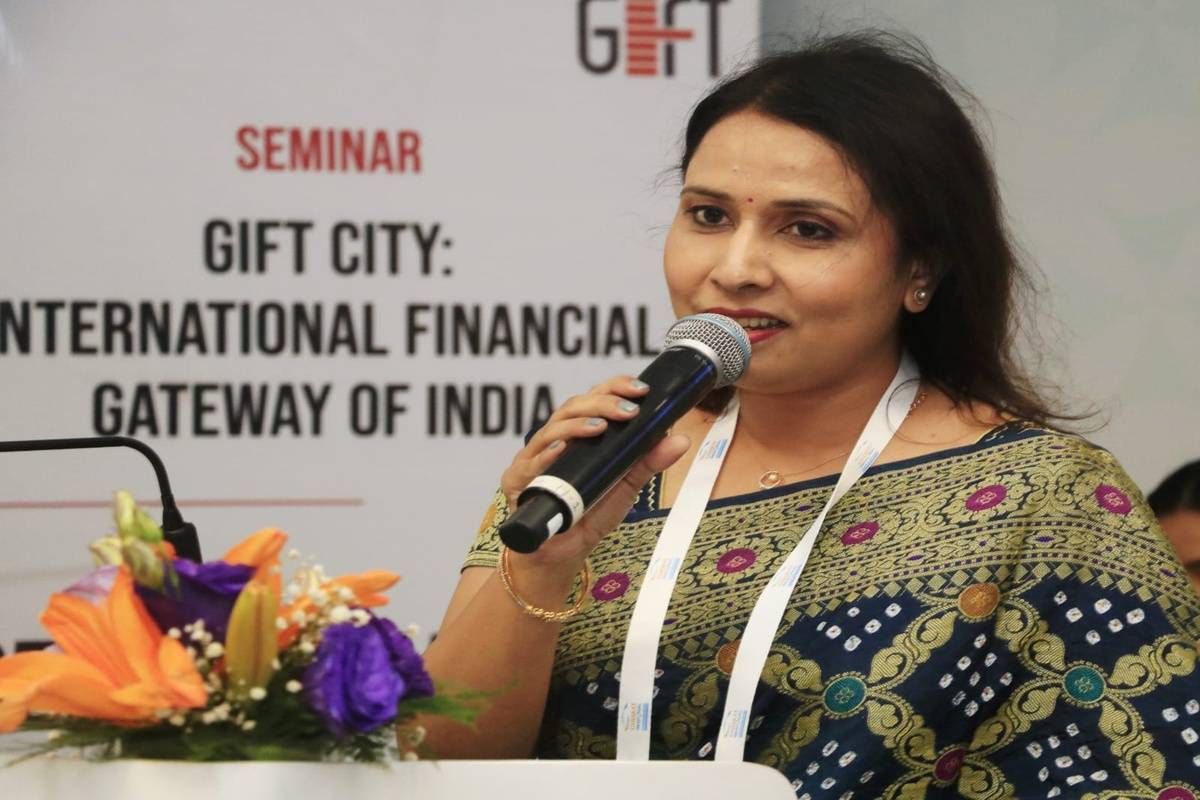
GIFT City is India’s Gateway to Global Business Opportunities: Dr. Mangla Chouhan

Baroda Management Association President urges young entrepreneurs to adopt a global mindset, dream big and leverage GIFT City’s world-class financial and technological ecosystem to build globally competitive enterprises.

VADODARA: Gujarat International Finance Tec-City (GIFT City) has emerged as India’s gateway to global business and financial opportunities, offering young entrepreneurs an ideal platform to build internationally competitive enterprises, Dr. Mangla Chouhan, President of the Baroda Management Association, said while addressing a special session at the Vibrant Gujarat Regional Conference in Vadodara.

Delivering the keynote address during a session on “GIFT City: India’s International Financial Gateway,” Dr. Chouhan inspired aspiring entrepreneurs, investors, exporters, industrialists, manufacturers and business leaders to embrace a global outlook, innovate fearlessly and create enterprises capable of contributing not only to corporate success but also to India’s long-term economic growth.

“No enterprise succeeds without courage,” she said. “When you embark on your entrepreneurial journey, have the confidence to think beyond boundaries. Build businesses that are not merely profit-driven but are capable of contributing to India’s GDP and creating value on the global stage.”

Emphasising the importance of visionary leadership, Dr. Chouhan encouraged young entrepreneurs to pursue ambitious goals and remain future-ready.

“Always dream big, nurture a broader vision and set higher goals. Think ahead of your time because the future belongs to those who prepare for it today. GIFT City itself is a shining example of such visionary thinking,” she remarked.

Highlighting GIFT City’s growing global significance, Dr. Chouhan said the integrated financial hub provides world-class banking, insurance, capital markets and financial services that are helping position India as an emerging international financial centre.

She described Vadodara as the heart of Gujarat and GIFT City as the country’s gateway to international financial markets, encouraging young professionals and start-up founders to visit the city and understand the immense opportunities it offers for business expansion, innovation and global market access.

“GIFT City is not merely a smart city; it represents the convergence of advanced financial services, cutting-edge technology and world-class infrastructure that is redefining India’s financial landscape,” she said.

Dr. Chouhan also acknowledged the leadership of Shri Sanjay Kaul, Managing Director of GIFT City, noting that under his guidance the financial hub continues to create significant opportunities for entrepreneurs, investors, industrial leaders, manufacturers and exporters seeking global growth.

She observed that establishing a presence in GIFT City has become an aspiration for businesses with international ambitions and stressed that success can only be achieved through perseverance, continuous learning and relentless hard work.

Drawing a parallel from the Shreemad Bhagwad Gita, Dr. Chouhan referred to Arjuna’s moment of self-doubt on the battlefield despite possessing immense knowledge and strength, saying it was Lord Krishna‘s guidance that enabled him to fulfil his purpose. Likewise, she noted, the Government and GIFT City have created a roadmap that can guide emerging entrepreneurs towards global competitiveness, provided they are willing to seize the opportunity.

Describing the Vibrant Gujarat Regional Conference as much more than a B2B networking platform, she said it serves as a catalyst for innovation, investment and enterprise development by connecting businesses with new ideas, partnerships and international opportunities.

Speaking on the transformative role of technology, Dr. Chouhan highlighted the growing influence of Artificial Intelligence (AI) in modern business. However, she emphasised that while AI enables instant access to information, entrepreneurs must distinguish between information and awareness.

“Information keeps you updated, but awareness keeps you ahead. True leadership comes from understanding trends, anticipating change and making informed decisions,” she said.

Concluding her address, Dr. Chouhan urged entrepreneurs to visit GIFT City with a clear vision, embrace innovation, create unique value and establish a distinct identity in the global marketplace.

Her address resonated strongly with the audience, reinforcing the message that India’s entrepreneurial future will be shaped by innovation, global competitiveness and visionary thinking, with GIFT City playing a pivotal role in that journey.

Finance Ministry notifies rules for determination of origin of goods under India-U.K. trade pact

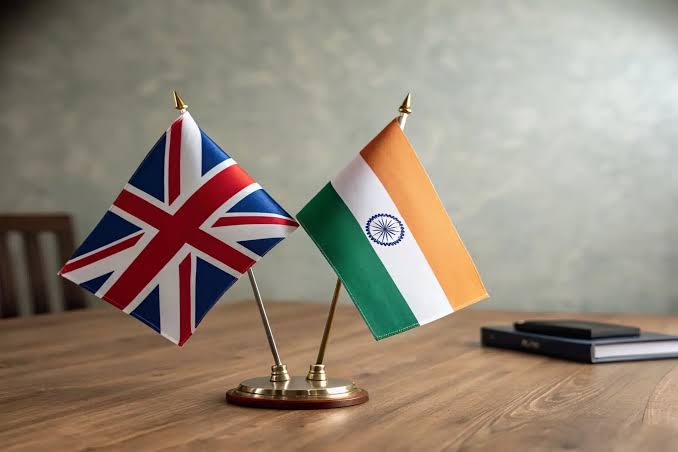
NEW DELHI : The Finance Ministry has notified the rules for determination of origin of goods under the India-U.K. comprehensive economic and trade agreement (CETA), which will come into force from July 15, according to a notification.

A certificate of origin is a key document required for exports to avail duty benefits under India’s trade agreements with partner countries.

It is essential to establish the origin of goods to ensure that products from third countries do not wrongly avail themselves of the preferential tariff benefits under trade agreements between the two countries. The Central Board of Indirect Taxes and Customs (CBIC), in a notification, said entities authorised by the two countries are permitted to issue these certificates in their respective countries.

“These rules may be called the Customs Tariff (Determination of Origin of Goods under Comprehensive Economic and Trade Agreement between India and the United Kingdom of Great Britain and Northern Ireland) Rules, 2026. They shall come into force on the 15th July, 2026,” it said.

CETA secures duty-free access for 99% of India’s exports to the U.K., covering nearly the entire trade basket. This is expected to open new opportunities for labour-intensive industries such as textiles, marine products, leather, footwear, sports goods, toys, and gems and jewellery, alongside fast-growing sectors like engineering goods, auto components, and organic chemicals.

Two-way commerce between India and the U.K. grew 8.62% to $25.12 billion (exports: $13.44 billion; imports: $11.68 billion) in 2025-26, up from $23.13 billion in 2024-25.

India reported a trade surplus of $1.76 billion in the last fiscal year. Commenting on the notification, Rajat Mohan, Managing Partner, AMRG Global, said the notification prescribing the Rules of Origin under the CETA is a crucial step towards operationalising the pact in a transparent and effective manner.

“While the agreement offers significant tariff advantages, these benefits will now be available only to goods that genuinely satisfy the prescribed origin criteria. The framework strengthens the integrity of the FTA by preventing misuse through third-country routing and ensuring that concessions accrue only to legitimate manufacturers and exporters,” he said.

Mohan added that businesses should proactively review their supply chains, value addition, sourcing patterns and documentation, as compliance with the rules of origin will be as important as the tariff concessions themselves.

Maersk orders 1,000 more India-made shipping containers as first EXIM box rolls out

MUMBAI : Global shipping major AP Moller–Maersk has placed an order for 1,000 additional India-manufactured shipping containers with DCM Shriram Group

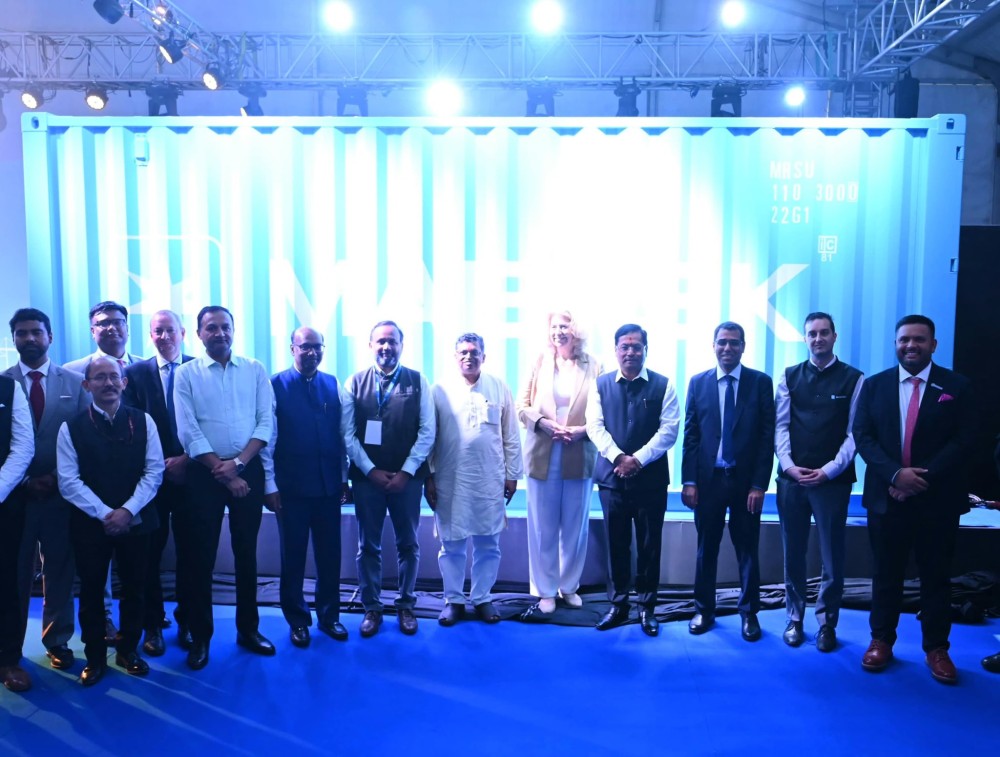
Union Minister Shri Sarbananda Sonowal on Friday unveiled the first export-import (EXIM) shipping container manufactured in India for AP Moller–Maersk at the Maersk-CONCOR Inland Container Depot in Dadri, Uttar Pradesh.

Maersk placed an order for 1,000 additional India-manufactured shipping containers with DCM Shriram Group during the event, Ministry of Ports, Shipping and Waterways said in a statement.

This marks the beginning of a long-term commercial partnership that is expected to strengthen India’s position in the global maritime value chain, the statement added. ”The unveiling of the first India-manufactured EXIM shipping container for a leading global shipping line is a defining milestone in our journey towards Atmanirbhar Bharat,” Sonowal said.

It reflects the growing confidence of global industry in India’s manufacturing capabilities and our commitment to building world-class maritime infrastructure, he added.

According to the statement, the first India-manufactured container has been produced in accordance with internationally accepted quality and safety standards, including ISO specifications and the International Convention for Safe Containers (CSC), making it suitable for global deployment.

The development also aligns with the Modi government’s efforts to promote domestic manufacturing through policy interventions, including the Rs 10,000 crore Container Manufacturing Promotion Scheme (CMPS) framework announced in Union Budget 2026 for domestic container manufacturing.

The initiative is expected to reduce India’s dependence on imported containers, strengthen supply chain resilience and create a globally competitive manufacturing ecosystem.

The scheme also aims at capex support for establishing Greenfield container manufacturing and expansion of existing brownfield facilities, opex support to bridge the cost gap per container to improve competitiveness of domestic manufacturing. It also intends to boost Research & Development (R&D).

The event was attended by Marisa Gerards, Ambassador of the Netherlands; Thomas Theeuwes, Managing Director, AP Moller Maersk; Ahmad Hasan, Senior Vice President, Maersk and other senior officials from the ministry.

Maersk in a separate statement said it views the milestone not as an endpoint but as the foundation for a long-term supply relationship that will grow in scale as Indian manufacturers consistently demonstrate they can meet global quality standards at competitive costs.

Source : PTI

PM Modi dedicates, inaugurates, and lays the foundation stone for development projects worth around ₹1.06 lakh crore in Balotra

BALTORA : Prime Minister Shri Narendra Modi on Saturday dedicated, inaugurated, and laid the foundation stone for development projects worth around ₹1.06 lakh crore in Balotra, Rajasthan Acknowledging the massive public gathering, he set a highly collaborative tone for the development initiatives. Expressing deep gratitude to the people for braving the intense summer heat, the Prime Minister interpreted the massive turnout as a resounding validation of the current governance. “I am absolutely indebted to the soil of Rajasthan for this immense support, which clearly demonstrates your towering faith in our government’s efforts,” affirmed Shri Modi.

Reflecting on the region’s historic legacy, the Prime Minister paid homage to the countless brave hearts of the state, emphasizing that true national pride is intrinsically linked to self-sufficiency. He drew a direct parallel between individual dignity and the nation’s strategic need to minimize foreign dependency. “Whether it is the self-respect of an individual or of the country, it can remain high only when it is completely self-reliant,” asserted Shri Modi.

Dedicating the monumental Rajasthan Refinery to the nation, the Prime Minister underscored its pivotal role in driving India’s broader mission toward holistic development and economic independence. “This massive refinery will serve as a permanent medium of employment for thousands of people, and I especially congratulate the youth of Rajasthan for this achievement,” noted Shri Modi.

Emphasizing a drastic shift in the administrative work culture, the Prime Minister contrasted his government’s relentless project execution with previous regimes of abandoned foundation stones. Recalling an unfortunate accident at the site just two months prior, he praised the extraordinary resilience of the workforce in completing the massive infrastructure project at an unprecedented pace. “The new India neither steps back from its strict resolutions nor slows down its rapid pace, no matter how immense or unexpected the challenge,” affirmed Shri Modi.

Outlining a series of rapid developmental milestones across the state, the Prime Minister proudly celebrated the inauguration of the new airport terminal in Jodhpur and the launch of a new UDAN scheme phase to revolutionize remote air connectivity. Alongside these aviation advancements, he promised an imminent end to the Shekhawati region’s water crisis and announced the major expansion of the Jaipur Metro network. “These crucial infrastructure projects will fundamentally impart a new momentum to tourism, trade, and employment across the entire Marwar region,” observed Shri Modi.

Highlighting a massive push toward youth empowerment and administrative efficiency, the Prime Minister formally recognized the distribution of government job appointment letters to approximately 54,000 young candidates across Rajasthan. He extended his profound congratulations as they officially began their vital public service careers. “I wish for the exceptionally bright and prosperous future of all the youth receiving these appointment letters today,” remarked Shri Modi.

Shifting the geopolitical focus to the devastating conflicts in West Asia, the Prime Minister detailed how the resulting instability has triggered a massive global outcry. He framed the situation as the most severe energy crisis of the 21st century, leaving even major developed nations grappling with dire fuel shortages. “Because of the war in West Asia, there is an outcry all over the world, and major countries are struggling with fuel shortages today,” noted Shri Modi.

Contrasting this international despair with robust domestic resilience, the Prime Minister credited the nation’s precise strategic assessments, balanced resource utilization, and proactive diplomacy for successfully insulating the economy. He emphasized that the unwavering willpower of the modern Indian state heavily outweighed the global shockwaves. ”India took the right decisions at every level, accurately assessed the crisis in time, and positively utilized our diplomatic power to overcome the situation,” asserted Shri Modi.

The Prime Minister condemned those who actively spread rumors and panic during the West Asia crisis and in the same breadth commended the unprecedented scale of quiet, day-and-night administrative maneuvering and sensitive diplomatic steps that successfully managed the fallout. “When some forces were busy spreading rumors, the sensitive steps taken at the policy and diplomatic levels to handle the situation were absolutely unprecedented,” remarked Shri Modi.

Illustrating the sheer scale of the averted disaster, the Prime Minister revealed that prior to the conflict, India relied on imports for 60 percent of its LPG, with 90 percent originating specifically from the highly volatile Gulf region. He painted a stark picture of the national panic that would have ensued when the war suddenly choked off those critical supply lines. “You can easily what a massive outcry was about to happen in our country when the war situation almost entirely stopped that vital supply,” observed Shri Modi.

Detailing the emergency countermeasures deployed, the Prime Minister explained how domestic refineries were rapidly reconfigured to divert gas originally meant for industrial work directly into domestic cooking gas (LPG). He proudly noted that within just seven days, these tactical shifts boosted national LPG production from 35,000 metric tonnes to 54,000 metric tonnes. “By actively focusing on our refineries, the facilities that had never produced LPG before were rapidly configured to meet the challenge,” affirmed Shri Modi.

Highlighting comprehensive consumer protection strategies, the Prime Minister explained the aggressive expansion of PNG (piped natural gas) connections to alleviate the massive national demand for traditional cylinder gas. He pointed out that the government successfully connected over 11 lakh households to the piped network in an incredibly short timeframe. “The government specifically ensured that the entire load of cooking gas demand did not fall exclusively on LPG,” noted Shri Modi.

Quantifying the financial protection provided to citizens, the Prime Minister noted that despite market experts predicting domestic cylinders could skyrocket to 2,000 rupees, the government strictly capped prices below 950 rupees, and provided Ujjwala cylinders for under 650 rupees. He added that the administration had also slashed commercial gas prices just two days prior. “This proactive price control clearly shows how sensitively our government is working to ensure a heavy burden does not fall on domestic consumers,” asserted Shri Modi.

Addressing the severe global spike in petrol and diesel prices, where crude oil surged from 70 to 120 dollars per barrel, the Prime Minister reminded the audience that India lacks massive domestic oil reserves. He recalled how numerous nations were forced to implement strict fuel rationing as prices surged globally by 40 to 50 percent. “In many countries around the world, diesel and petrol were being strictly distributed on a quota basis due to closed import routes,” observed Shri Modi.

Emphasizing the financial sacrifices made by the state to protect citizens, the Prime Minister revealed that the government proactively absorbed a staggering loss of over 75,000 crore rupees between April and June alone. He further detailed the decision to slash excise duty by 10 rupees per liter to guarantee an uninterrupted and affordable supply, even in remote areas. “In India, such dire scarcity situations did not arise for even a single day, and we did not let too much burden fall on the public,” affirmed Shri Modi.

Crediting India’s robust and proactive foreign policy for navigating the severe supply crunch, the Prime Minister detailed how the nation strategically leveraged its diplomatic clout to expand its fuel import base from just 25-26 countries to over 40 nations. He emphasized that this decisive maneuvering sent a powerful, uncompromising message to the international community. “India delivered a crystal clear message to the entire world that for us, the national interest and the welfare of our citizens remain completely paramount,” asserted Shri Modi.

Tracing the roots of this national resilience to a decade of highly visionary policymaking, the Prime Minister contrasted the rapid completion of the Rajasthan Refinery under the current government with the complete stagnation it endured between 2018 and 2023 due to the previous administration’s non-cooperation. He noted that the original MoU was signed back in 2017. “As soon as the current government came to power, the work progressed rapidly, and today we are dedicating it to the nation,” remarked Shri Modi.

Contextualizing India’s industrial growth on a global scale, the Prime Minister pointed out that while America has not built a new refinery in 50 years and Europe’s capacity is shrinking, India has proudly ascended to possess the fourth-largest refinery capacity in the world. He promised that this strategic capacity is slated to expand even further. “It is strictly due to these relentless efforts that India has successfully fought and fully recovered from the biggest energy crisis of the century,” noted Shri Modi.

Turning to the agricultural sector’s vulnerabilities, the Prime Minister detailed the severe fertilizer shortages triggered by the Ukraine war, which drove global urea prices above 3,000 rupees per bag. Outlining a massive multi-pronged defensive response, including providing urea at just 300 rupees via lakhs of crores in subsidies, assigning embassies to secure alternative global routes, and aggressively promoting natural farming, he underscored a strict crackdown on hoarding and black marketing. “Through extensive subsidies and alternative supply chains, we actively ensured our farmers received vital urea at absolutely minimal costs,” affirmed Shri Modi.

Emphasizing the critical importance of safeguarding the industrial backbone, the Prime Minister explained the strategic deployment of the next phase of the Emergency Credit Line Guarantee Scheme to protect MSMEs from skyrocketing operational costs. By facilitating an additional 20 percent loan from banks backed by a 100 percent government guarantee, he noted that small and cottage industries were effectively shielded from economic collapse.“It is the direct result of many such crucial financial interventions that our small and large industries are feeling completely secure today,”asserted Shri Modi.

Expressing profound gratitude to the 140 crore citizens of India, the Prime Minister credited the nation’s collective stability to the deep mutual trust between the government and the populace. He commended the public for standing exceptionally strong during difficult times, actively defeating malicious conspiracies meant to spread fear, and ultimately disappointing those factions who eagerly predicted India’s failure. ”The nation has successfully moved forward strictly on the strength of the unwavering faith and profound capabilities of our incredibly resilient citizens,”remarked Shri Modi.

Connecting major infrastructure development with ecological responsibility, the Prime Minister shared his deep privilege of planting a sacred Khejri sapling, honoring its vital botanical role in preventing desertification. Elaborating on the rapid transition to renewable energy, he highlighted the establishment of world-class solar parks, the integration of over 1.5 lakh homes under the PM Surya Ghar scheme, and the distribution of over 65,000 solar pumps to local farmers via the PM Kusum Yojana. “Planting this tree perfectly exemplifies our core work culture, proving we must simultaneously reach new heights of progress while strictly protecting our environment,” noted Shri Modi.

Pointing to the historic resolution of long-standing regional water disputes, the Prime Minister fiercely criticized previous administrations for ignoring Rajasthan’s severe water scarcity, contrasting it with the collaborative ‘Nation First’ approach of current dispensation. He cited the historical precedent of Gujarat willingly sharing Mother Narmada’s water with Rajasthan’s villages. ”Even the most difficult resolutions are successfully achieved when the core intentions completely driving them are absolutely pure,” affirmed Shri Modi.

Proudly announcing a landmark 34,000 crore rupee agreement between the governments of Rajasthan and Haryana, the Prime Minister detailed the plan to lay an underground pipeline from the Hathnikund Barrage. He emphasized that this unprecedented mutual consent will effectively bring life-saving water to lakhs of residents across Sikar, Churu, Jhunjhunu, and the entire Shekhawati region. “Now that there is a BJP government in both states, solutions have been successfully found with mutual consent for the very first time,” observed Shri Modi.

Expanding on upcoming hydro-infrastructure initiatives, the Prime Minister outlined the future transformative benefits of completing the Renuka, Lakhwar, and Kishau dams in the Upper Yamuna Basin, alongside the Ramjal Setu project for rural tap water. He also celebrated the massive success of the ‘Jal Sanchay, Jan Bhagidari’ campaign, which has created over 25 lakh soak pits nationally and 1.25 lakh in Rajasthan to drastically improve critical groundwater levels. “Through these massive collaborative efforts, precious water is being systematically conserved and the regional groundwater levels are steadily improving,” asserted Shri Modi.

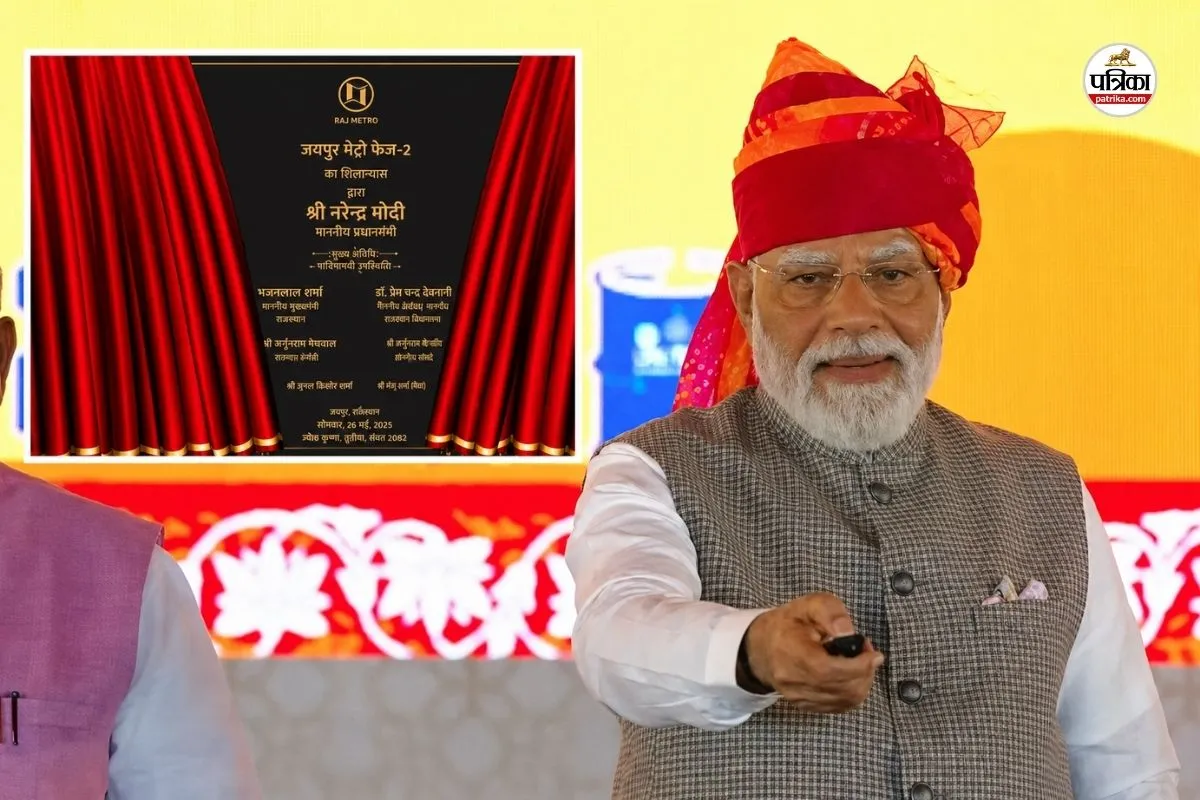
Reiterating that Rajasthan remains at the absolute center of the nation’s modern infrastructure push, the Prime Minister cited the new Jodhpur Airport terminal and the foundation laying of Jaipur Metro Phase-2 as prime catalysts for future growth. He specifically noted that Phase-2 will expand Jaipur’s total network beyond 50 kilometers, seamlessly connecting the East-West and North-South corridors to drastically improve convenience for both locals and tourists. “Today, modern infrastructure is being built at such a rapid pace in Rajasthan that completely new records are being set,” remarked Shri Modi.

Concluding his address, the Prime Minister assured the public that the vastly expanded transit networks and energy projects are just the beginning of the state’s transformative journey. He expressed absolute confidence in the continuous support of the people to jointly build a highly prosperous new future for the state under the current leadership. “I have full faith that with your continued blessings for our government, we will together build a glorious new future for Rajasthan,” affirmed Shri Modi.

Piyush Goyal urges Toy Industry to adopt advanced manufacturing technologies to enhance global competitiveness

NEW DELHI : Addressing the 17th Toy Biz International B2B Exhibition 2026, organised by the Toy Association of India (TAI) in New Delhi, on Saturday the Union Minister of Commerce and Industry, Shri Piyush Goyal, highlighted the remarkable progress made by the Indian toy industry in recent years through sustained policy support and industry-led innovation.

The Minister assured the industry that the Government would establish modern testing facilities across toy manufacturing clusters in the country through the Bureau of Indian Standards (BIS), National Test House and other government and semi-government laboratories. He urged industry stakeholders to identify and communicate the testing equipment required to ensure that Indian toys meet the highest quality standards for both domestic and international consumers.

The Minister encouraged MSMEs to continuously scale up their operations, stating that every micro enterprise should aspire to become small, every small enterprise should aspire to become medium and every medium enterprise should aspire to become large. He pointed out that export turnover is not included while determining MSME status, allowing enterprises to expand substantially while continuing to benefit from the MSME framework.

The Minister called upon industry leaders to establish skill development centres and partner with Industrial Training Institutes (ITIs) to train workers in advanced manufacturing practices and good manufacturing practices. He proposed a public-private partnership model under which industry and government could jointly establish Centres of Excellence equipped with facilities for testing, product development, innovation and design.

He suggested that such Centres of Excellence could include dedicated design centres, facilities for testing new products and spaces for showcasing newly launched high-quality products. He also encouraged manufacturers to undertake brand-building initiatives and assured support through Export Promotion Mission.

Emphasising the importance of quality, Shri Goyal said that maintaining high standards would enable India to significantly expand its presence in the global toy market, which is estimated at around US$120 billion.

Highlighting the need for technological advancement, Shri Goyal urged manufacturers to adopt Computer-Aided Design and Computer-Aided Manufacturing (CAD-CAM) technologies and CNC machining to improve product quality, precision and efficiency. The Minister noted that integrating CAD-CAM with CNC-based manufacturing would enable the industry to develop high-quality products with greater precision and efficiency. He also emphasised the importance of using modern machinery and continuously improving manufacturing processes, stating that technological upgradation would help Indian toy manufacturers strengthen their competitiveness and establish a distinct position in global markets.

The Minister also underscored the importance of quality stitching, superior thread quality, machine-stitched products and attention to manufacturing details, noting that such factors often determine success in global markets. Appreciating exporters supplying products to the Middle East, he encouraged the industry to take advantage of opportunities in developed markets opened through India’s recent Free Trade Agreements.

Referring to the nine Free Trade Agreements concluded under the leadership of Prime Minister Shri Narendra Modi, Shri Goyal noted that these agreements provide access to developed and high-income markets where high-quality products can command greater value.

Shri Goyal urged manufacturers to send business delegations across the world, particularly to the 38 countries covered under India’s nine FTAs. He encouraged the industry to showcase India’s strengths globally and engage directly with local industries, brands, supermarkets and e-commerce platforms in overseas markets.

Emphasising sustainability, the Minister urged manufacturers to focus on sustainable products and sustainable manufacturing practices. He stressed the importance of developing domestic capabilities in the production of motors, electronics, dies and moulds used in toy manufacturing, stating that a self-reliant ecosystem and large-scale production would improve competitiveness and reduce costs.

Highlighting market opportunities, Shri Goyal noted that zero-duty access is now available across Europe and informed industry representatives that the India-UK Free Trade Agreement would become operational from 15 July. He urged manufacturers to immediately send delegations to explore opportunities in the UK market.

Referring to the European Union market, the Minister noted that duty-free access would extend across 27 countries, including Italy, France, Germany, Spain and Portugal. He described these as large and premium markets where Indian products can command higher prices and encouraged manufacturers to build globally recognised Indian toy brands capable of competing with leading international players.

Shri Goyal also referred to the Prime Minister’s forthcoming visit to Australia, Indonesia and New Zealand, noting that these markets offer significant opportunities for Indian products. He highlighted that Australia and New Zealand are developed markets and stated that duty-free access is available for exports to Australia, while similar access to New Zealand is expected by the end of the year.

The Minister further informed industry representatives that Free Trade Agreements involving GCC countries, Mexico, Brazil and Canada are expected to progress by the end of the year, opening additional opportunities for Indian exporters. Expressing confidence in the sector’s future, he stated that the success of the toy industry would contribute directly to India’s development and called upon manufacturers to aspire for tenfold growth through improved quality, branding and marketing.

Encouraging greater international outreach, Shri Goyal urged manufacturers to participate in overseas exhibitions and assured support through the Export Promotion Mission. He also suggested the establishment of warehousing facilities abroad and stated that the Government could support such initiatives during the initial years to facilitate just-in-time delivery and improve access to overseas markets.

Calling upon the Toy Association of India to take a leadership role, the Minister noted that while the association currently has around 1,200 members, nearly 21,000 toy manufacturers operate across the country. He urged the association to bring all manufacturers under a common platform, stating that a larger membership base would strengthen the industry’s collective voice.

On the issue of Quality Control Orders (QCOs), Shri Goyal reiterated the Government’s commitment to maintaining quality standards and assured the industry of protection against unfair imports and dumping. He stated that manufacturers facing such challenges could approach the Directorate General of Trade Remedies (DGTR), DPIIT or other concerned authorities for timely intervention and support.

The Minister urged industry stakeholders to remain committed to quality and customer satisfaction, observing that Indian consumers are no less important than consumers abroad. He described India’s 140 crore-strong market as a major strength that provides economies of scale and emphasised the need to ensure affordable, high-quality toys for children across all sections of society.

Explaining the rationale behind transitional arrangements under Quality Control Orders, Shri Goyal said such provisions are intended to facilitate investment, brand building and market development while strengthening India’s position as a global manufacturing hub. Drawing a comparison with the evolution of India’s automobile sector, he noted that greater competition and the entry of international brands had improved quality standards, expanded consumer choice and strengthened domestic manufacturers.

The Minister said that similar opportunities exist in the toy sector through investment, employment generation, contract manufacturing and technology transfer. He emphasised that while maintaining a balanced policy approach, the interests of domestic manufacturers would remain a priority.

Expressing confidence in the capabilities of Indian manufacturers, Shri Goyal said they possess the talent and potential to compete successfully with global players. He encouraged industry participants to engage with overseas industries, brands, supermarkets and e-commerce platforms so that Indian products gain wider global recognition.

Noting that toy exports have increased by 239 per cent over the last four years, the Minister called upon the industry to build on this momentum and aspire for tenfold growth in the years ahead. Highlighting the sector’s strong performance, toy imports declined by 32 per cent.

Recalling Prime Minister Shri Narendra Modi’s remarks in Mann Ki Baat in 2020, Shri Goyal said the Prime Minister had highlighted India’s potential to emerge as a global toy hub and had encouraged citizens to support domestically manufactured products under the vision of self-reliance and Vocal for Local.

The Minister said that over the eleven years of the Make in India initiative, substantial support has been extended to the toy industry. He noted that the National Toy Action Plan launched in 2020 provided a clear roadmap for the sector’s development. He added that more than 50 toy clusters have been established across the country and that approximately 21,000 MSME units are associated with toy manufacturing, with many also undertaking contract manufacturing for Indian and international brands.

Highlighting the transformation of the sector, Shri Goyal said that while only around 12 per cent of the Indian toy market was earlier served by domestically manufactured toys, imports now account for only about ₹2,500-3,000 crore in an approximately ₹18,000 crore market, with the remaining demand being met by Indian manufacturers. He noted that quality standards have improved considerably but urged the industry not to become complacent.

The Minister called upon manufacturers to continuously strive for improvement in product quality, materials, finishing and manufacturing standards. He stressed the importance of high-quality paints, superior finishing, safe edges and durable products, and urged the industry to prepare a wish list of testing equipment that would facilitate quality certification. He suggested batch-wise testing for durability, paint quality, finishing and the performance of battery-operated and electronic toys, noting that certified high-quality products would help manufacturers build stronger brands and capture greater market share.

The exhibition brought together over 400 Made-in-India toy brands, more than 15,000 business visitors, participants from over 50 countries and stakeholders from across the toy manufacturing ecosystem.

APEDA facilitates first export shipment of Areko Cherries and Scentrose Plums from Jammu & Kashmir to UAE

NEW DELHI : The Agricultural and Processed Food Products Export Development Authority (APEDA), under the Ministry of Commerce & Industry, facilitated the virtual flag-off of the first export shipment of premium Areko Cherries (High-Density European Sweet Cherries) and Scentrose Plums from the Union Territory of Jammu & Kashmir to Abu Dhabi and Dubai in the United Arab Emirates (UAE).

The export consignment, comprising one metric tonne of premium stone fruits sourced from farmers in Shopian and Pulwama districts, highlights the growing export potential of Jammu & Kashmir’s high-value horticultural produce and the increasing global demand for premium Indian fruits.

The virtual flag-off ceremony was led by APEDA Chairman Abhishek Dev. The programme was attended by officers of APEDA, officials of the Department of Horticulture, Government of Jammu & Kashmir, exporters, international buyers and other stakeholders from the horticulture sector. The event showcased the collaborative efforts of all stakeholders towards promoting exports of premium horticultural produce from the region.

Congratulating the farmers and the exporter on this milestone APEDA Chairman Abhishek Dev, said, “Jammu & Kashmir has emerged as an important hub for premium horticultural produce with immense export potential. APEDA remains committed to facilitating market access for farmers through export promotion initiatives, quality enhancement and global buyer outreach. The export of Areko Cherries and Scentrose Plums to the UAE reflects the growing international demand for India’s premium fruits and will create new opportunities for growers while contributing to higher incomes through better price realisation.”

The export initiative is expected to significantly benefit farmers by providing access to premium international markets and ensuring better price realisation. Growers associated with the export supply chain realised nearly 60 per cent higher returns for cherries and 120 per cent higher returns for plums compared to prevailing domestic market prices, demonstrating the substantial value addition achieved through export-led market access.

The successful shipment is expected to create new export opportunities for growers in Shopian and Pulwama, encourage wider adoption of export-oriented production practices and further strengthen the global presence of Jammu & Kashmir’s premium stone fruits.

APEDA continues to promote exports of high-quality agricultural produce through market linkage initiatives, quality assurance support, buyer outreach programmes and export facilitation measures. The export of Areko Cherries and Scentrose Plums to the UAE marks another significant step towards expanding India’s fresh fruit exports, enhancing farmers’ income and strengthening the country’s presence in international markets.

Mitsubishi signs $1 bn supply pact with ACME for Odisha green methanol unit

BHUBANESWAR : India’s clean energy major ACME Green Molecules Business and Japan’s Mitsubishi Gas Chemical (MGC) signed a binding long-term agreement for the annual supply of 100,000 tonnes of green methanol, marking India’s first global collaboration in the green marine fuel sector.

The deal is expected to strengthen India’s position in the global transition towards low-carbon shipping fuels while giving a major boost to Odisha’s emerging green energy ecosystem. The estimated investment in this long-term agreement is around $1 billion.

The green methanol will be produced at ACME’s upcoming facility at Paradip in Odisha, which is set to become the company’s third major investment in the state after its green ammonia projects at Gopalpur and Paradip.

The company said the collaboration is a milestone for India’s green hydrogen and green molecules industry, as it represents the country’s first Renewable Fuels of Non-Biological Origin (RFNBO)-compliant green marine fuel partnership with an international buyer. 

Green methanol is emerging as a viable alternative to conventional marine fuels such as heavy fuel oil (HFO), very low sulphur fuel oil (VLSFO) and marine gas oil (MGO). Produced using renewable energy and green hydrogen, it reduces lifecycle carbon emissions while remaining compatible with existing shipping and port infrastructure with only limited modifications. 

Anil Taparia, chief executive officer (CEO) of ACME Green Molecules Business, said the partnership with Mitsubishi Gas Chemical, one of the world’s leading methanol companies, will help commercialise green methanol at scale and strengthen India’s role in the global clean energy value chain. “It will also accelerate the transition to sustainable fuels for the marine and aviation sectors,” he said.

ACME has already committed to developing a 405,000-tonnes-per-annum green ammonia plant at Gopalpur in partnership with Japan’s IHI Corporation and an 800,000-tonnes-per-annum green ammonia facility at Paradip backed by a long-term purchase agreement with the Solar Energy Corporation of India (SECI) under the National Green Hydrogen Mission’s SIGHT Scheme. The Paradip green methanol project will further consolidate its position. 

Hideaki Akase, managing executive officer for the green energy and chemicals business at Mitsubishi Gas Chemical Co Inc, said the green methanol to be supplied under the contract would have ultra-low carbon intensity compliant with European Union regulations and future International Maritime Organisation norms while remaining commercially competitive. “The partnership has the potential to transform not only the Japanese and Asian markets but also the global green chemicals and green energy sectors,” he said.

ACME has already secured long-term offtake partnerships with several global and domestic companies, including Norway’s Yara International, Japan’s IHI Corporation and leading Indian fertiliser manufacturers such as IFFCO, Paradeep Phosphates, Coromandel International and Indorama India. 

The company is also expanding its international footprint through green ammonia projects in Oman while operating India’s first commercial green ammonia facility in Bikaner, Rajasthan.